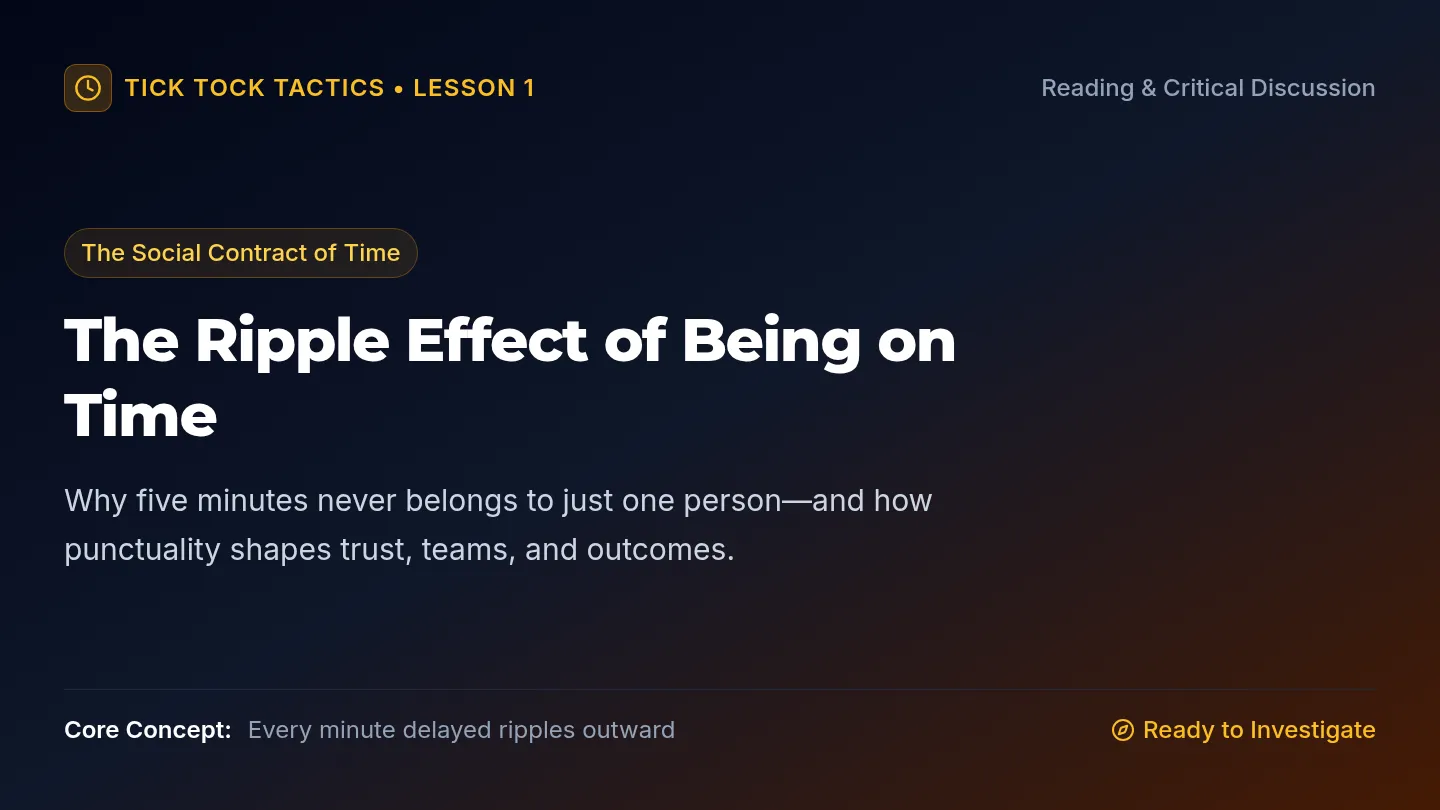
Attitude Flip Slides
20-Minute Brain Hack Session
Middle School Life Skills & Mindset
Shift Your Mental Lens
The Attitude Flip
How 30 seconds of intentional gratitude rewires your brain, beats bad moods, and turns frustration into fuel.
The Negativity Bias
The 180° Reframe Drill
3 Daily Micro-Habits
Why Does Our Brain Love Bad News?
Part 1 • Brain Default
Velcro for the Bad Automatic
One awkward comment or tough test score sticks in your memory all weekend long.
Survival instinct: Early humans survived by obsessing over danger, not admiring sunsets.
Teflon for the Good Needs Effort
Five compliments, a hilarious lunch joke, and warm sunshine slip right off your radar in minutes.
The plot twist: Your brain is wired to keep you safe, not to keep you happy. You have to steer it.
Gratitude is not ignoring problems. It is making sure the good stuff actually sticks.
The Neurochemistry of Gratitude
Part 2 • Science
Dopamine Hit
Acts like the brain's reward button. When you pause to appreciate a moment, your brain says: "Hey, do that again!"
Boosts Motivation & Focus
Serotonin Surge
The chill chemical. It cools down your stress center (the amygdala) and lowers physical tension in your shoulders and chest.
Stabilizes Mood & Rest
Neural Pathways
Neurons that fire together wire together. The more you spot things to be grateful for, the faster your brain does it on autopilot.
Builds Long-Term Resilience
The Takeaway: You are physically sculpting your brain every time you practice gratitude.
30 Seconds = Lasting Impact
The 180° Attitude Flip
Part 3 • Technique
Swap "I HAVE TO..." ➔ "I GET TO..."
HEAVY
"I have to take the dog out in the freezing rain."
FLIP
"I have a loyal buddy who is always pumped to see me."
HEAVY
"I have to do this huge group project with strangers."
FLIP
"I get a chance to build teamwork skills and share the workload."
HEAVY
"My phone battery died during lunch."
FLIP
"I get a real break from notifications and drama."
The situation didn't change at all — only your perspective shifted.
Micro-Challenge: Rapid Reframe
3 Minutes
01
Pick an Annoyance
Think of one petty hassle from this week (a chore, early alarm, difficult homework, slow internet).
Partner A shares first
02
Find the Silver Lining
Partner B helps brainstorm one hidden upside or privilege buried inside that frustration.
Teamwork reframing
03
Switch Roles!
Partner B brings a complaint to the table. Partner A acts as the gratitude architect.
Equal practice for both
Sentence Starter: "The annoying thing was... but the flip is..."
Turn to your neighbor now!
3 Low-Effort Gratitude Habits
Part 4 • Real Life
Habit 1
The "Micro-3" Scan
Before your head hits the pillow, name 3 hyper-specific moments from today.
Not just "my dog," but "how goofy my dog looked when chasing the leaf."
Habit 2
The Stealth Text
Send one out-of-the-blue message thanking someone for something small they did this week.
"Hey, thanks for saving me a seat in cafeteria on Tuesday. Appreciate you!"
Habit 3
Notice the Invisible
Notice something that worked perfectly that you never think about: clean hot water, shoes that fit, bus driver.
Takes 5 seconds, instantly cuts complaining by half.
Golden Rule: Gratitude isn't about being fake-happy. It's about being observant. Zero cost • Huge payoff
Your 24-Hour Experiment
Wrap-Up
Before You Leave This Room
Silently pinpoint one person in this building who made your day slightly easier or more bearable today.
A teacher, classmate, custodian, lunch hero, or friend. Give them a quick nod or "thank you."
The First Eye-Roll Test
The next time you feel an annoyance coming on (slow homework, chore, rainy weather), hit pause for 10 seconds.
Try the 180° Flip: "What is the one hidden win in this?"
"You can’t always change the situation, but you can always choose the lens."