Cultural identities, traditions, and belief systems across global communities. Develops empathy and cross-cultural communication skills to foster inclusive social environments.
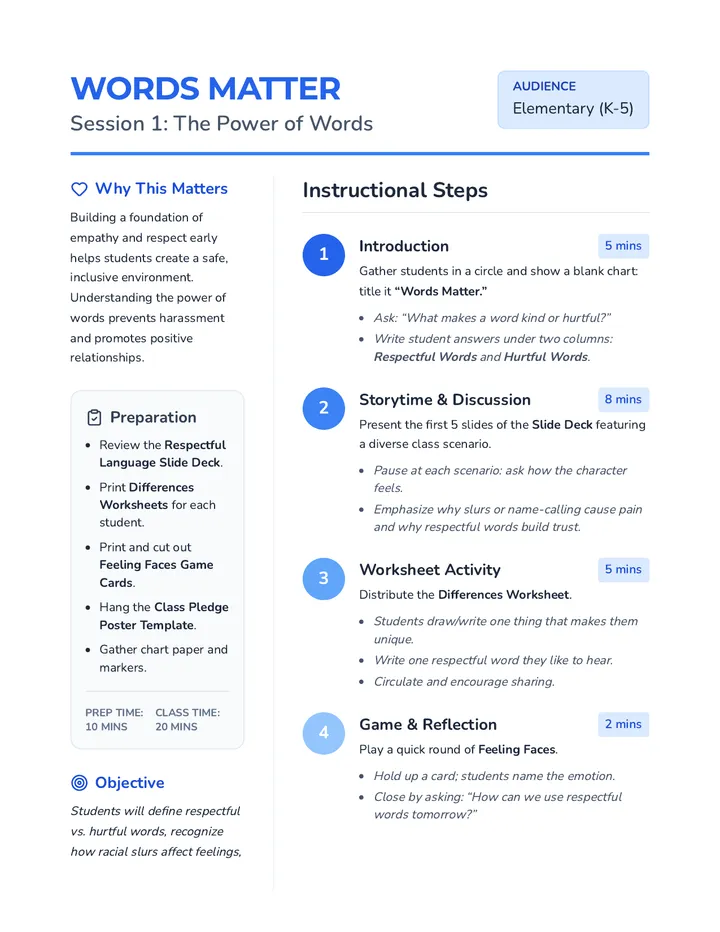
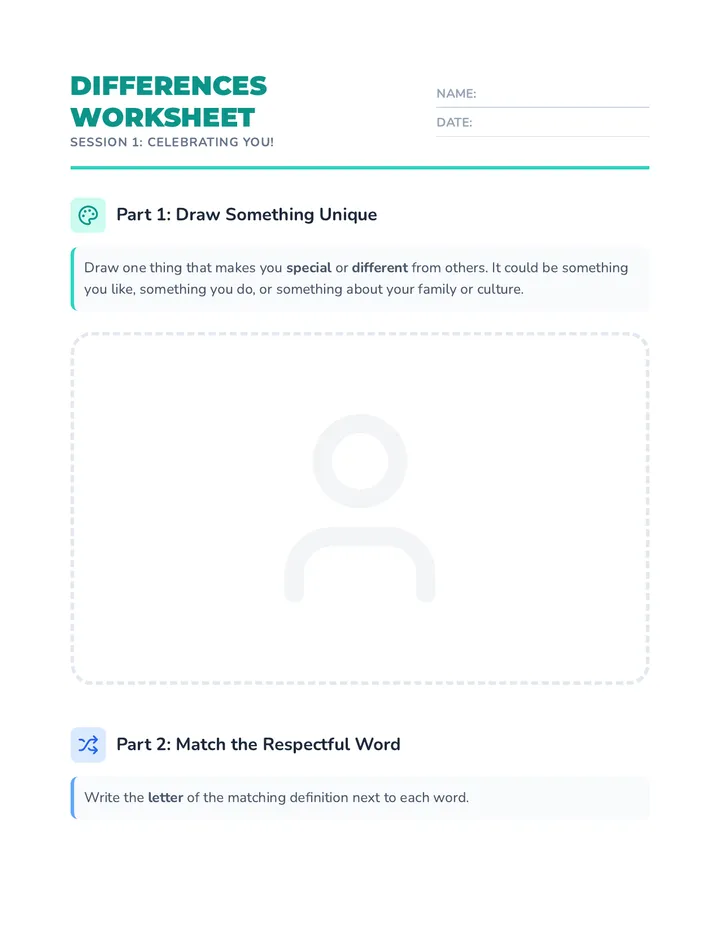
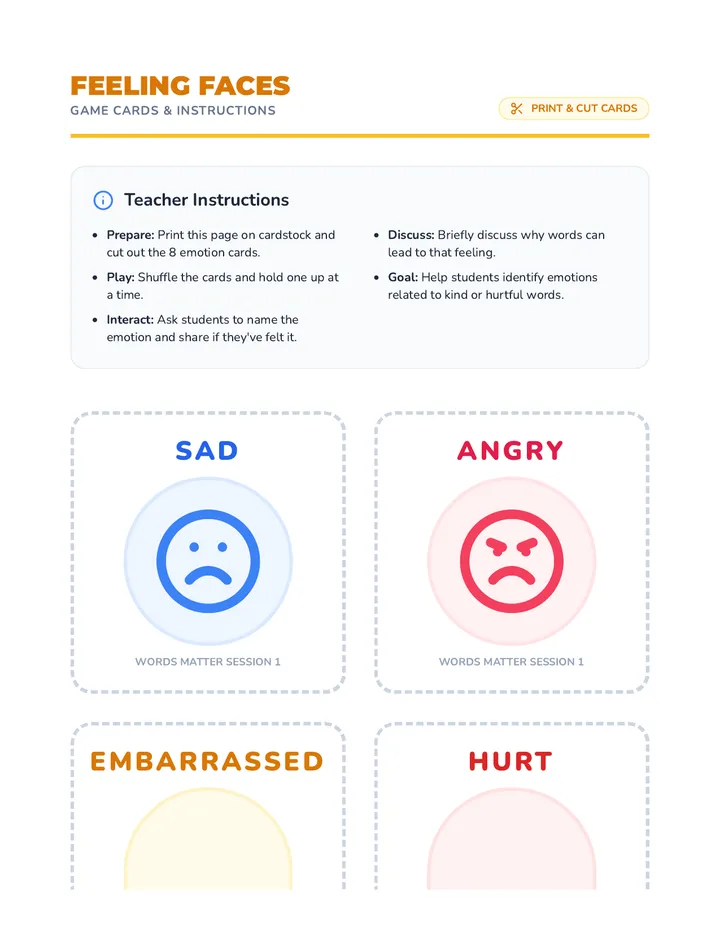
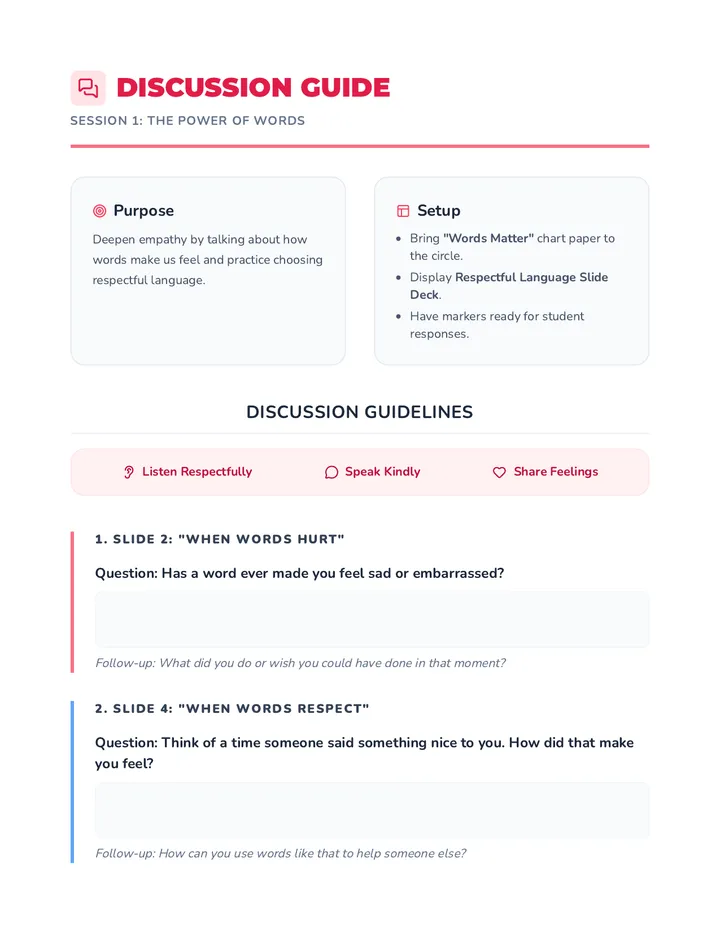
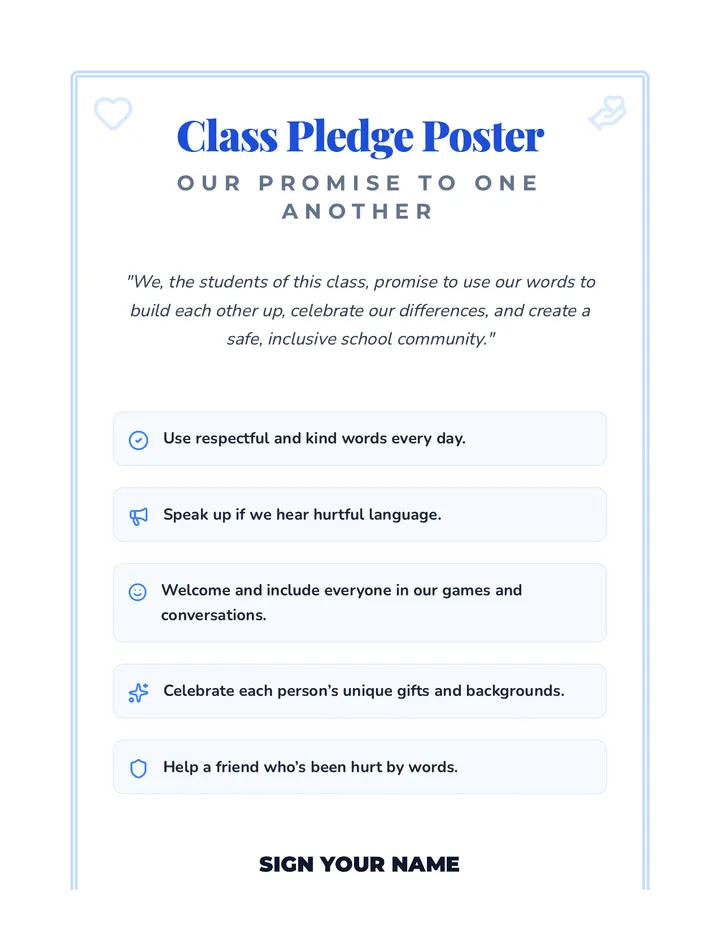
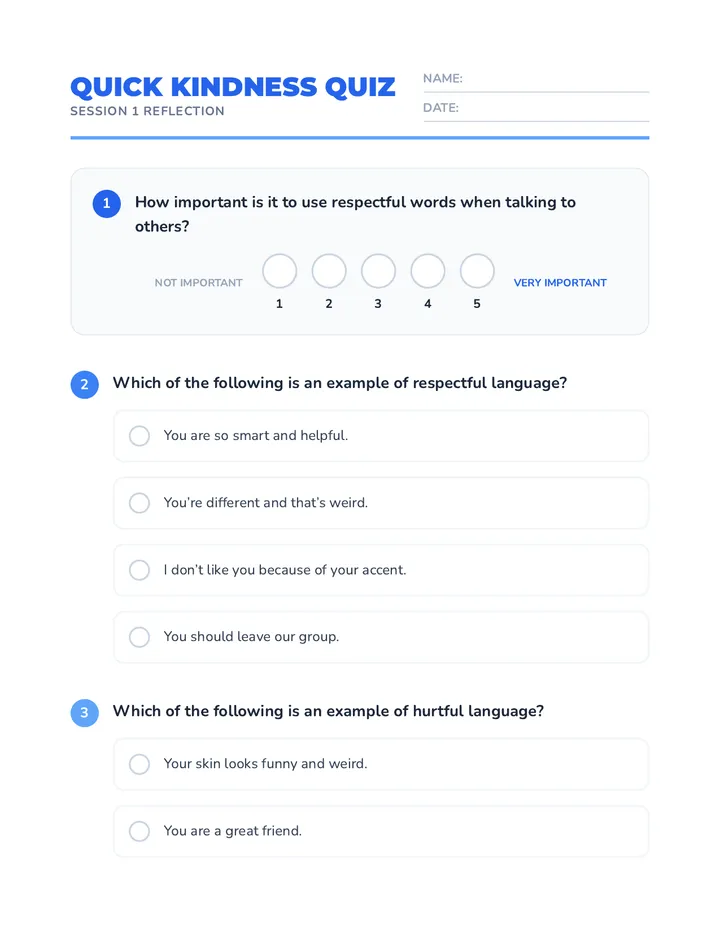
A 4-session Tier 1 sequence for K-5 students focused on racial slur prevention, respectful language, and celebrating diversity. Students learn empathy through role-play, sharing traditions, and creating a collective class pledge.
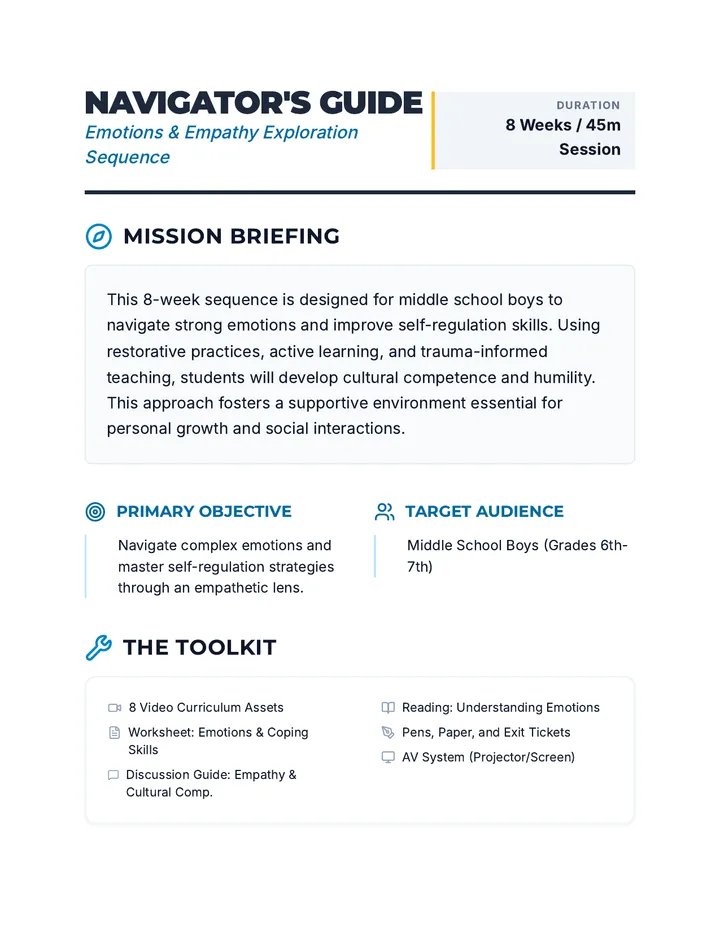
An 8-week series designed for middle school boys to navigate strong emotions, improve self-regulation, and develop empathy through cultural competence and restorative practices.
A comprehensive sequence for 9th-grade students focused on building interpersonal communication skills and applying them to difficult historical and social contexts, including reconciliation.
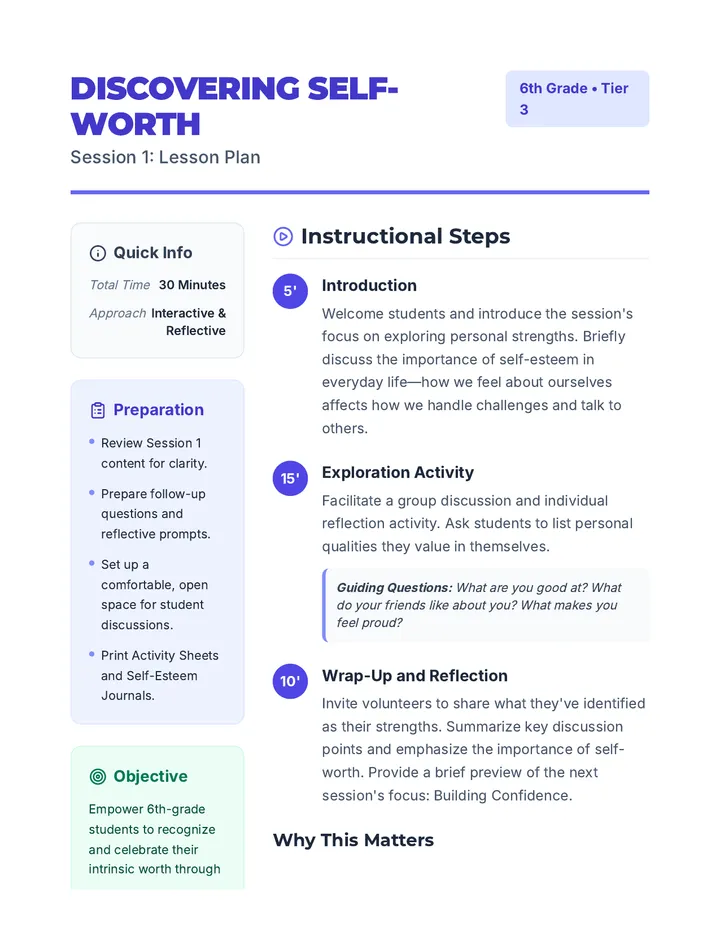
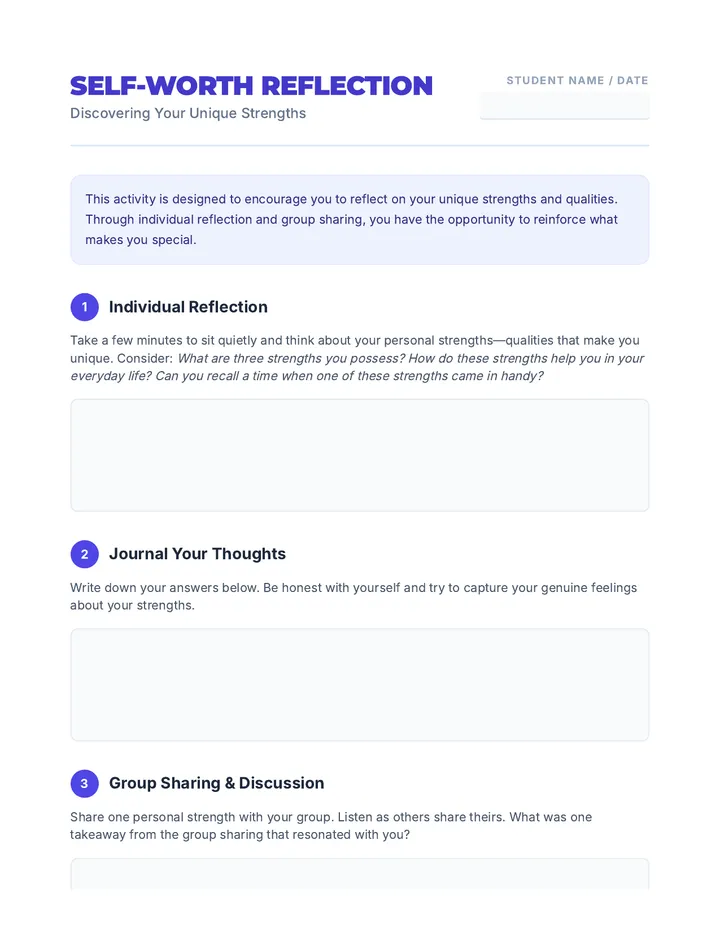
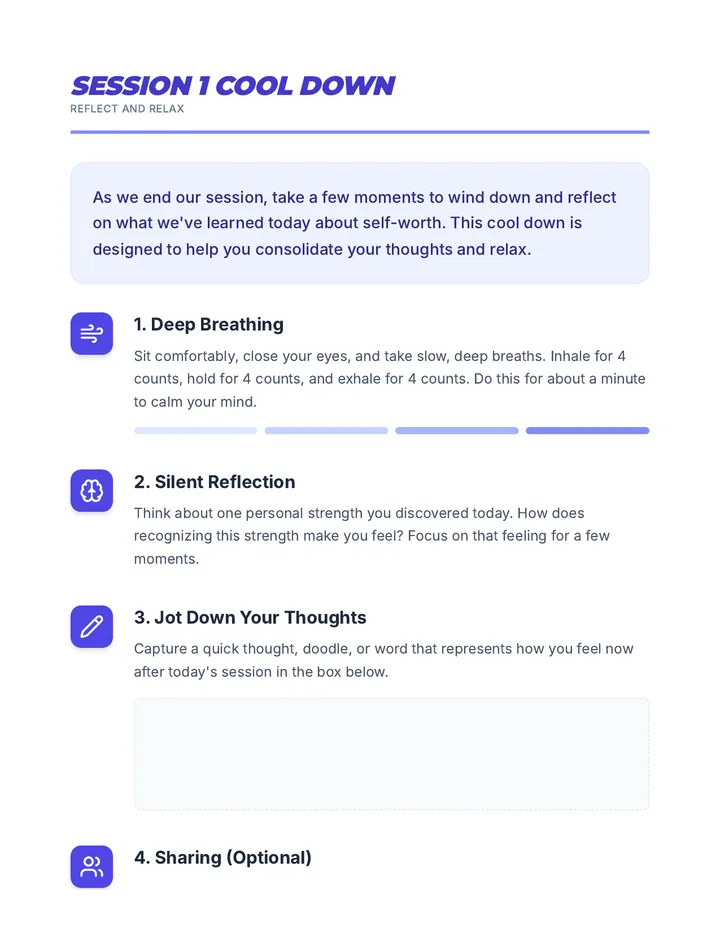
A 5-session Tier 3 intervention for 6th-grade students focused on building self-esteem, recognizing self-worth, and developing resilience through reflective activities and goal-setting.
Una serie de sesiones de apoyo individual para padres que enfrentan desafíos específicos en la crianza, desde el perfeccionismo y el TDAH hasta la inmigración y el autocuidado. Cada lección proporciona herramientas prácticas y un espacio de validación emocional.
A six-session unit for 6th graders focusing on empathy, diversity, and restorative practices following incidents of bullying. Students learn to recognize bias, practice healthy communication, and build inclusive communities through a culminating restorative project.
An advanced clinical sequence focused on adapting narrative trauma interventions for complex populations, including refugees with multiple traumas, dissociative clients, youth, and diverse cultural contexts. It culminates in a focus on clinician self-care and vicarious resilience.
A 9th-grade sequence focused on identifying and labeling complex emotions through the analysis of subtext, nonverbal cues, cultural context, and validation techniques. Students develop social awareness and empathy by acting as 'emotional detectives' in various narrative and real-world scenarios.
An advanced course for graduate students exploring the intersection of neurobiology, psychological theory, and organizational leadership. Students develop high-level social and emotional competencies to navigate complex professional environments and foster psychological safety.
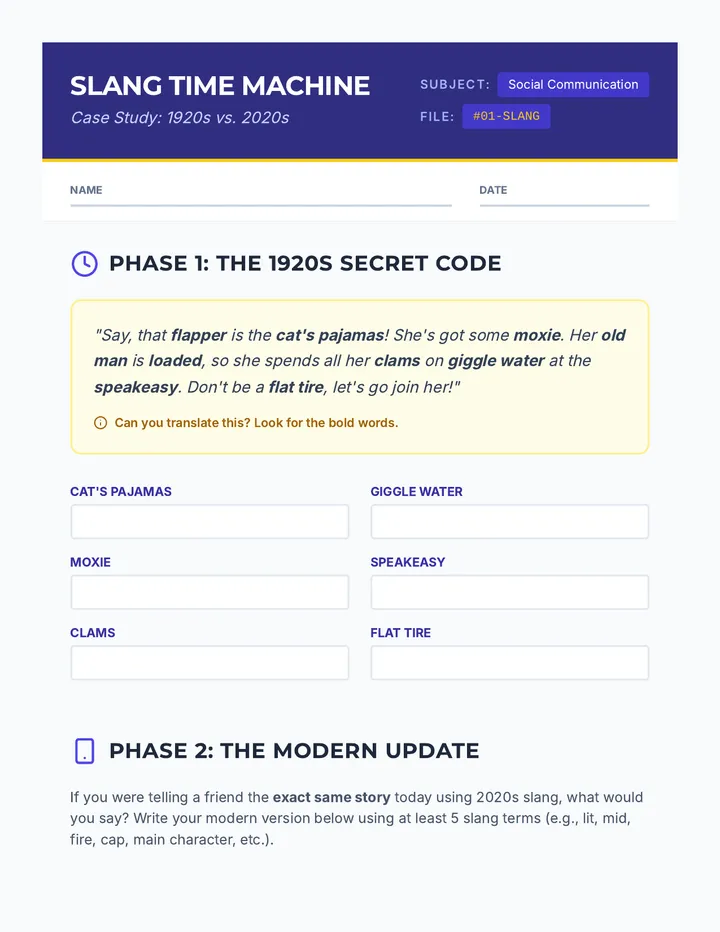
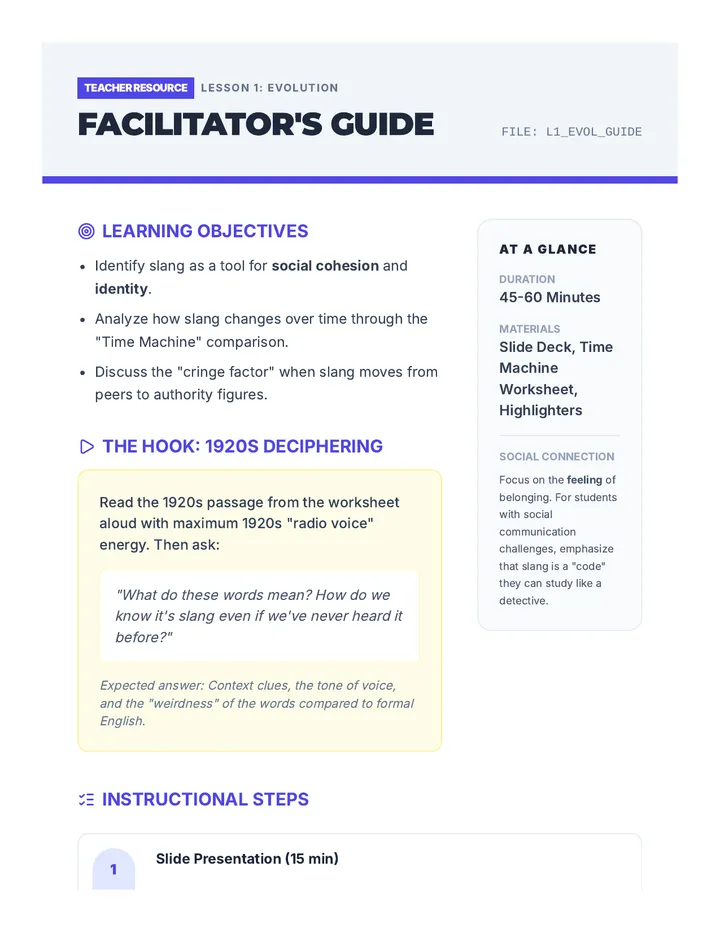
A 10th-grade sequence focused on sociolinguistics and social communication. Students analyze slang as a social code, learn to distinguish between playful and offensive language, observe social subcultures, and master conversation repair strategies.
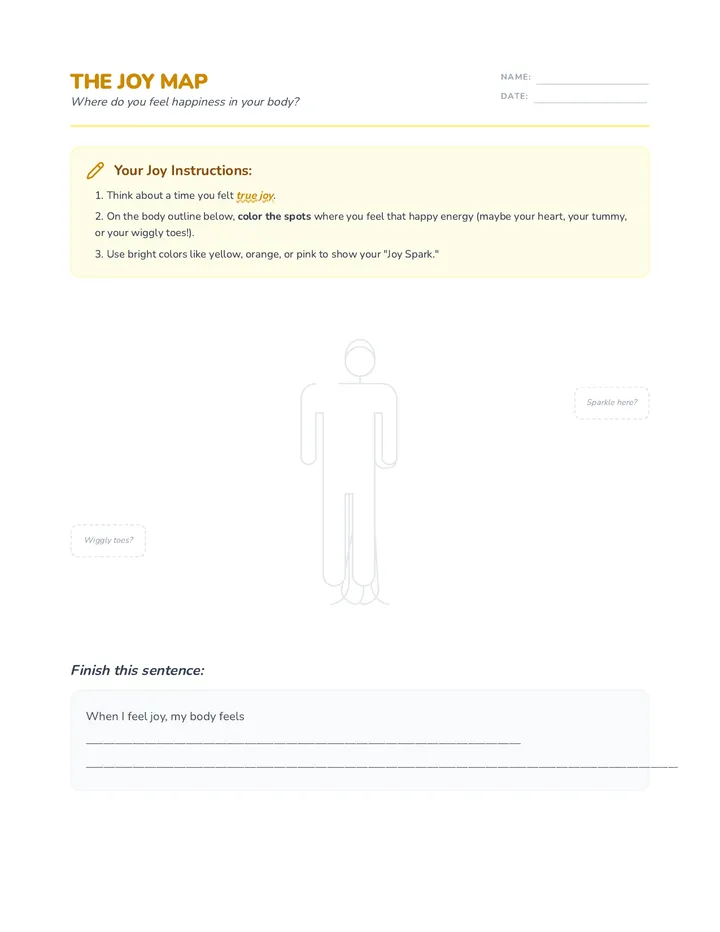
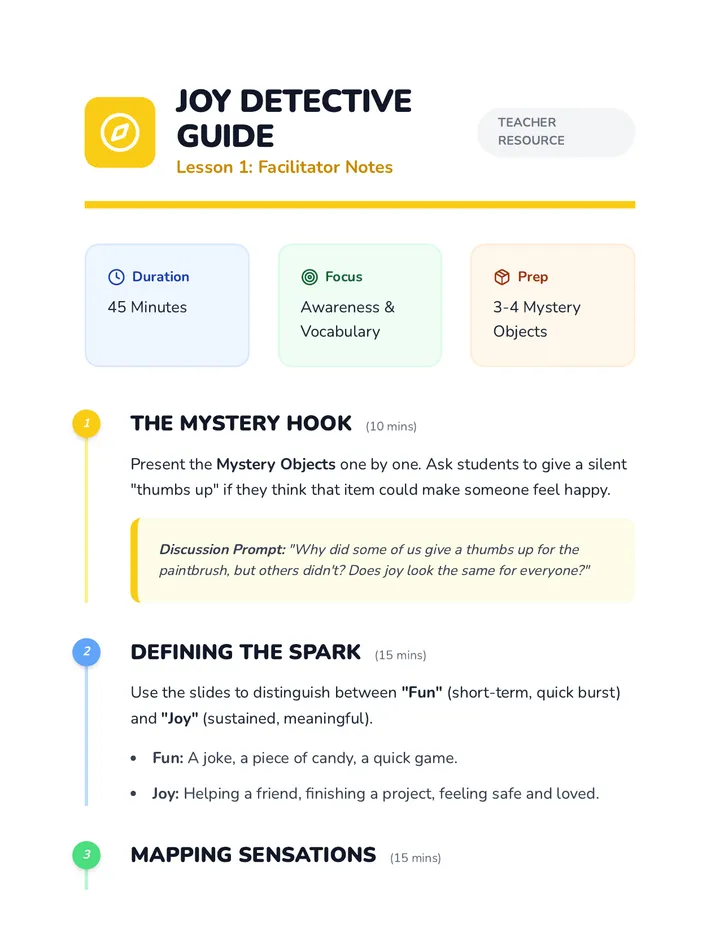
A therapeutic and self-discovery sequence for 2nd graders to identify personal sources of joy. Students explore the physical sensations of happiness, categorize their interests, and create a personalized 'Joy Menu' to use as a coping strategy for emotional regulation.
This inquiry-based sequence examines the legal, ethical, and reputation-based consequences of telephonic communication, moving from privacy laws to developing a personal code of ethics for the workplace.
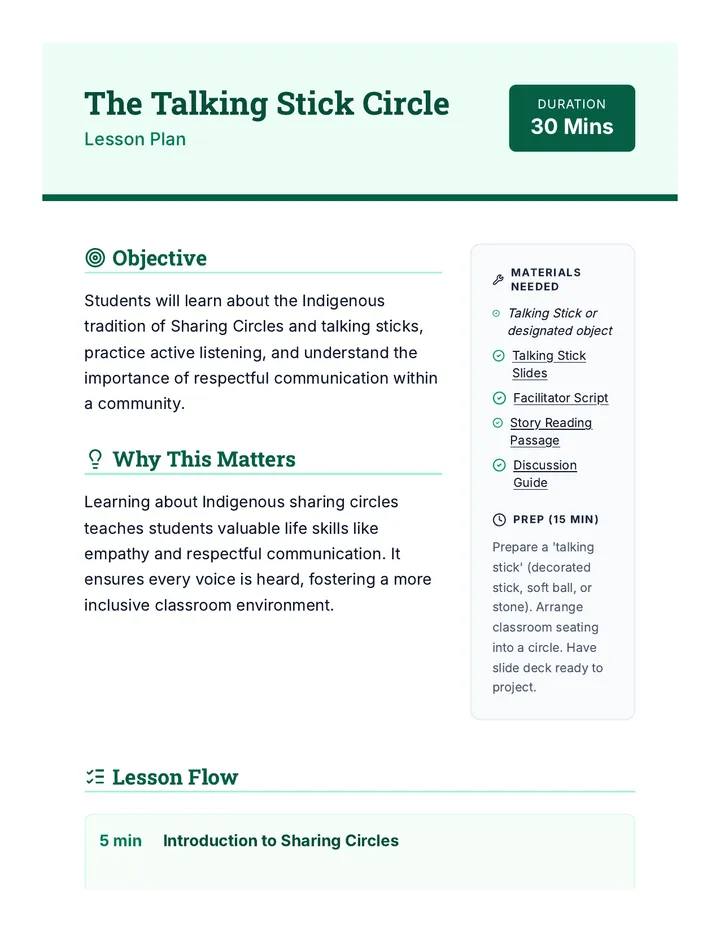
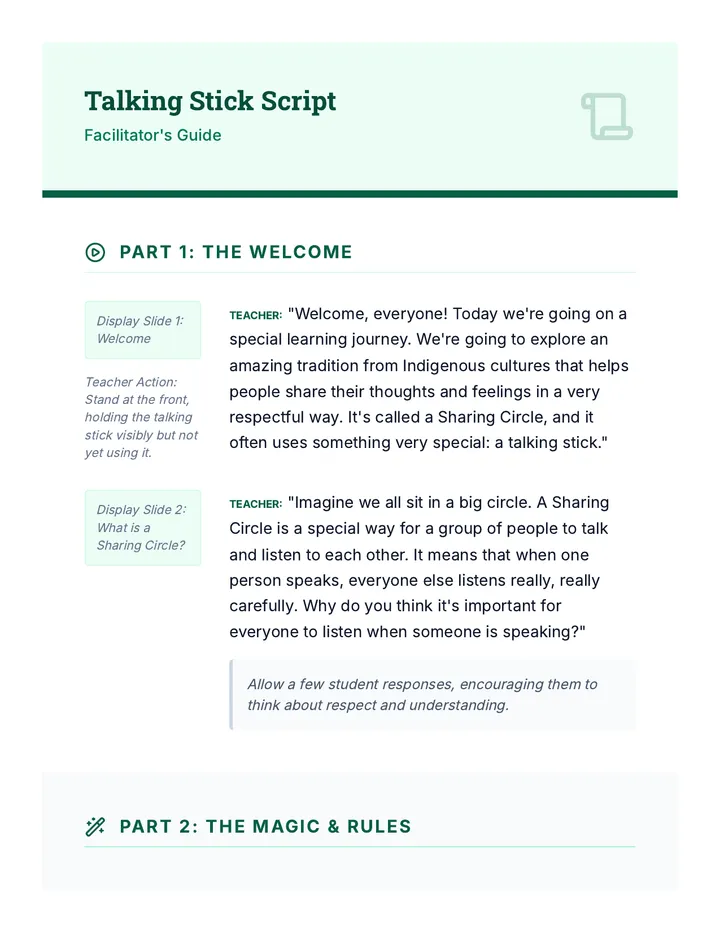
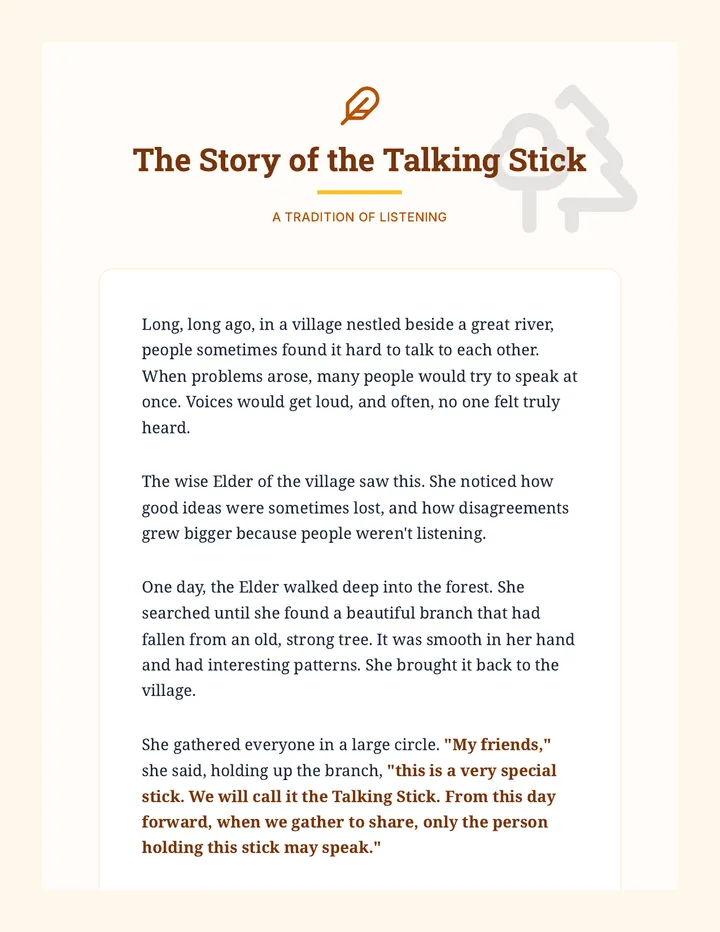
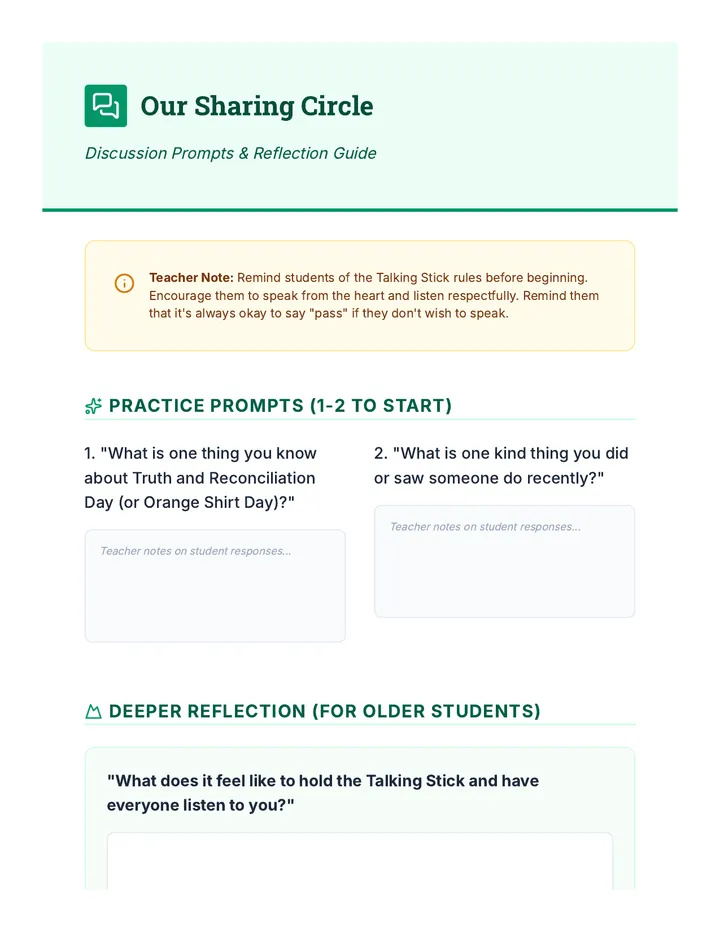
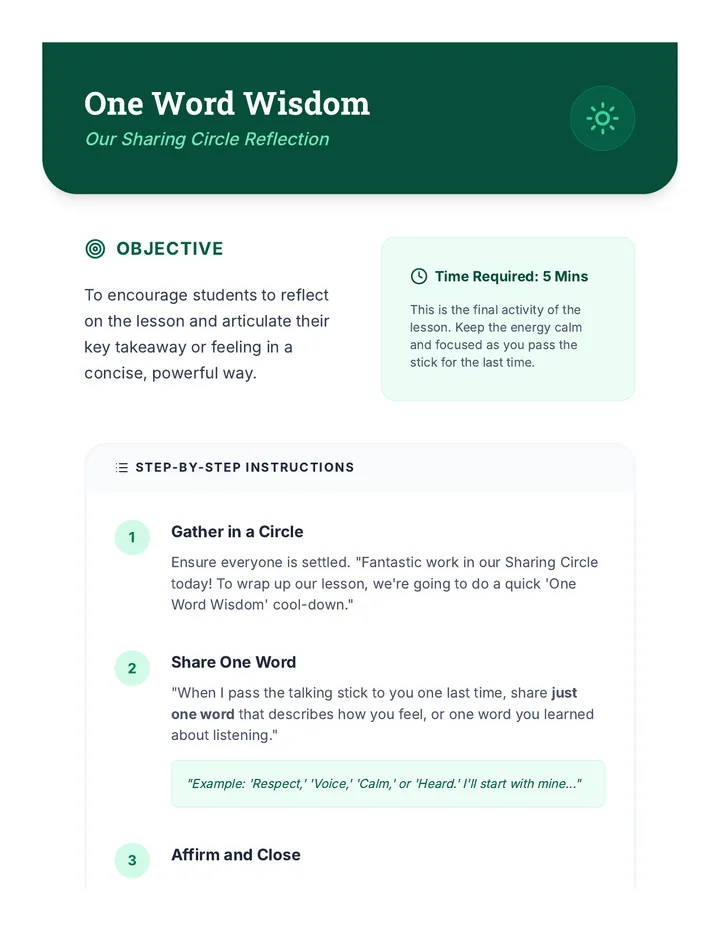
This lesson introduces K-6 students to the Indigenous tradition of Sharing Circles and talking sticks, fostering respectful communication and active listening skills. Students will learn the significance of everyone's voice through storytelling and guided practice.
A 60-minute lesson for 5th and 6th-grade students designed to foster an inclusive classroom environment by celebrating individual uniqueness and understanding the broad dimensions of diversity.
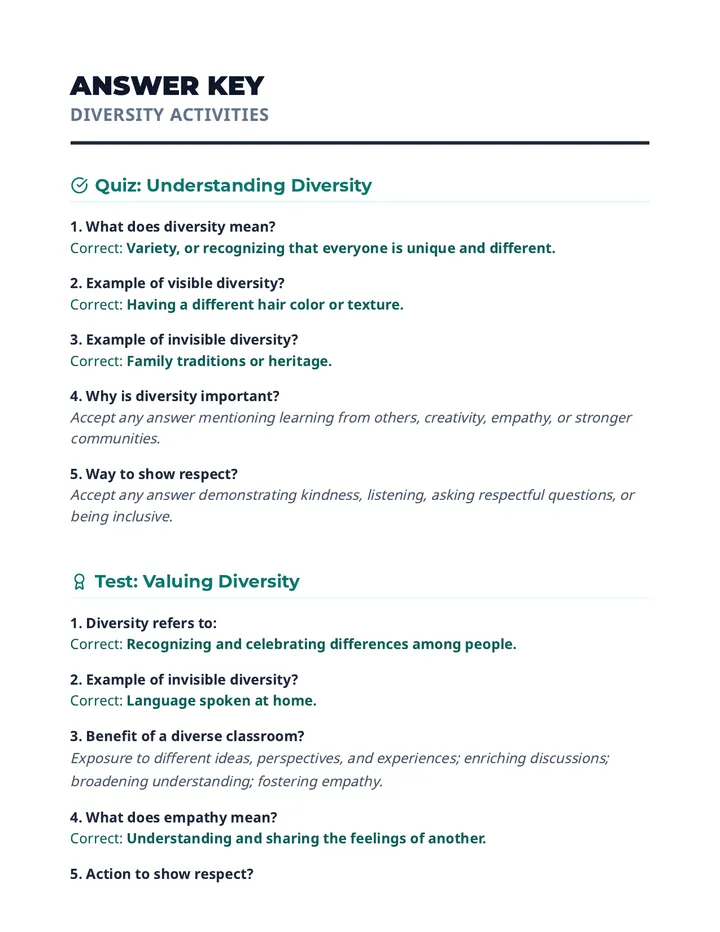
This lesson helps students explore the meaning of diversity, celebrate unique backgrounds, and develop empathy and respect for all people through interactive activities and reflection.
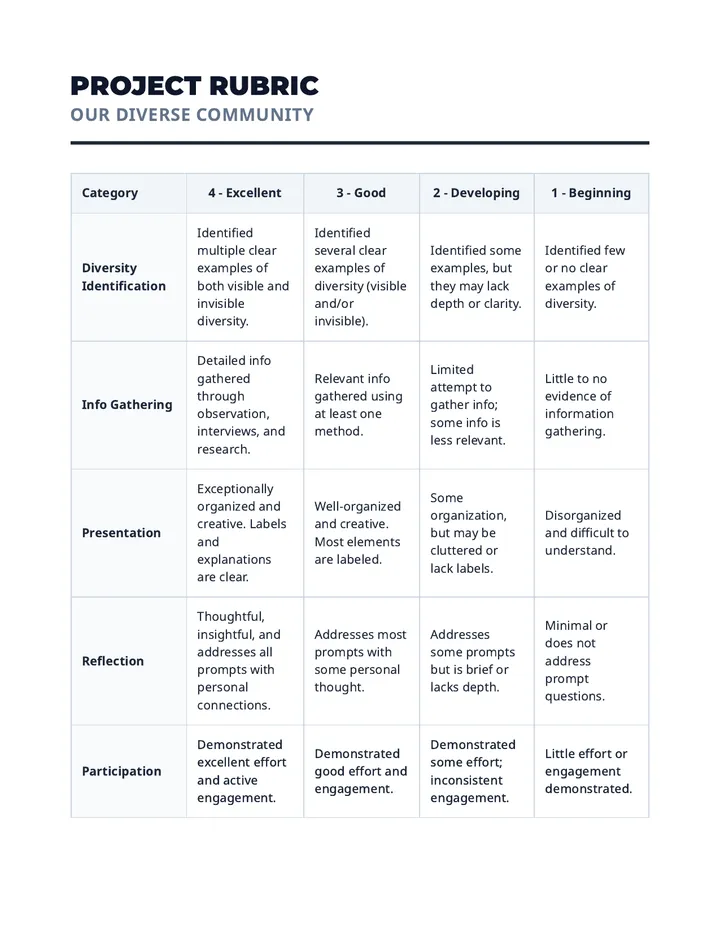
This lesson helps students understand and appreciate the diverse backgrounds, cultures, and perspectives within their classroom and the wider world. By exploring various aspects of diversity, students will learn the importance of respect, empathy, and inclusion.
A 65-minute 7th-grade lesson exploring personal identity through the metaphor of a tapestry, featuring self-reflection, creative mapping, and group discussion.
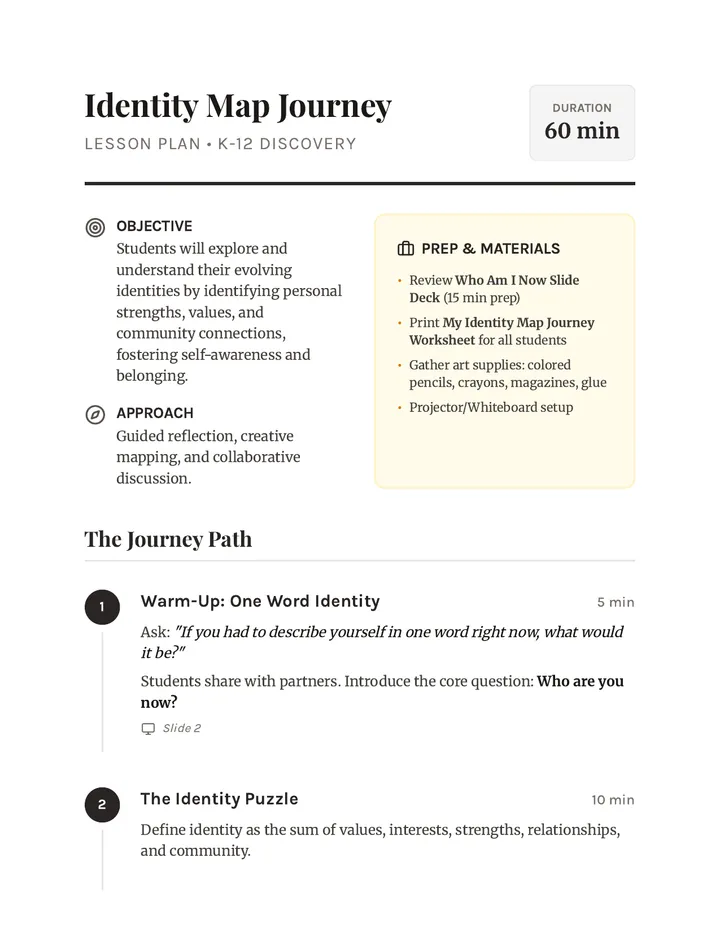
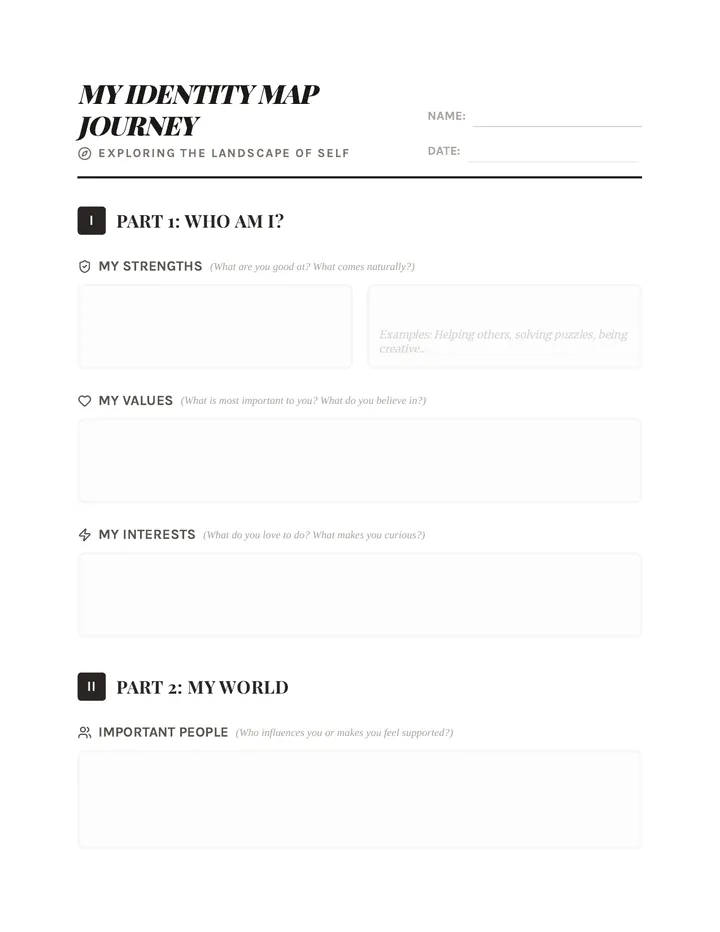
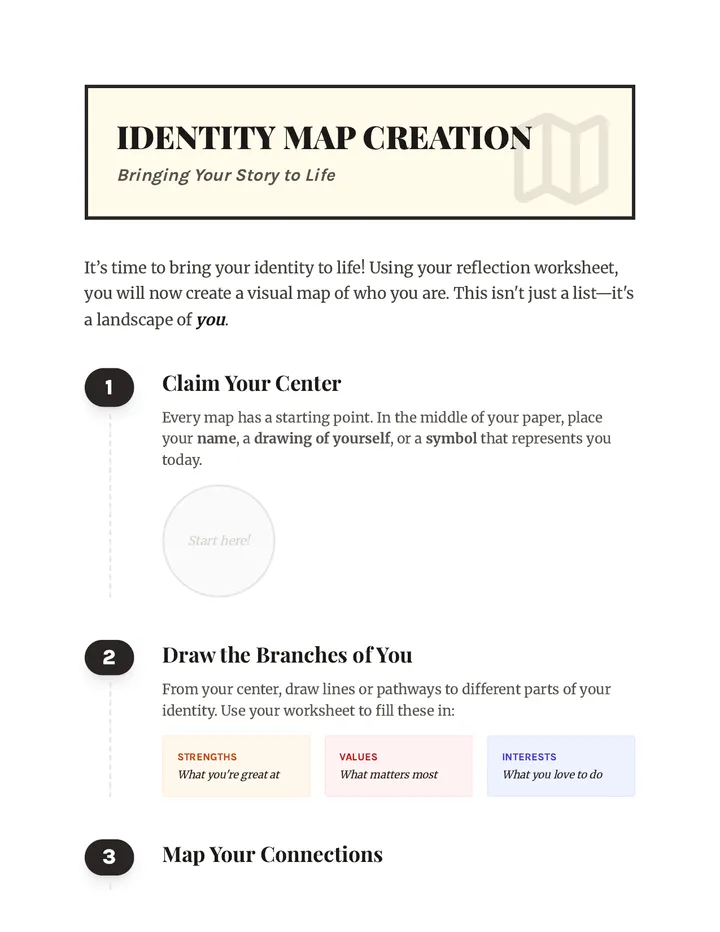
A 60-minute lesson where students explore their evolving identities by creating a visual 'Identity Map' that reflects their strengths, values, and community connections.
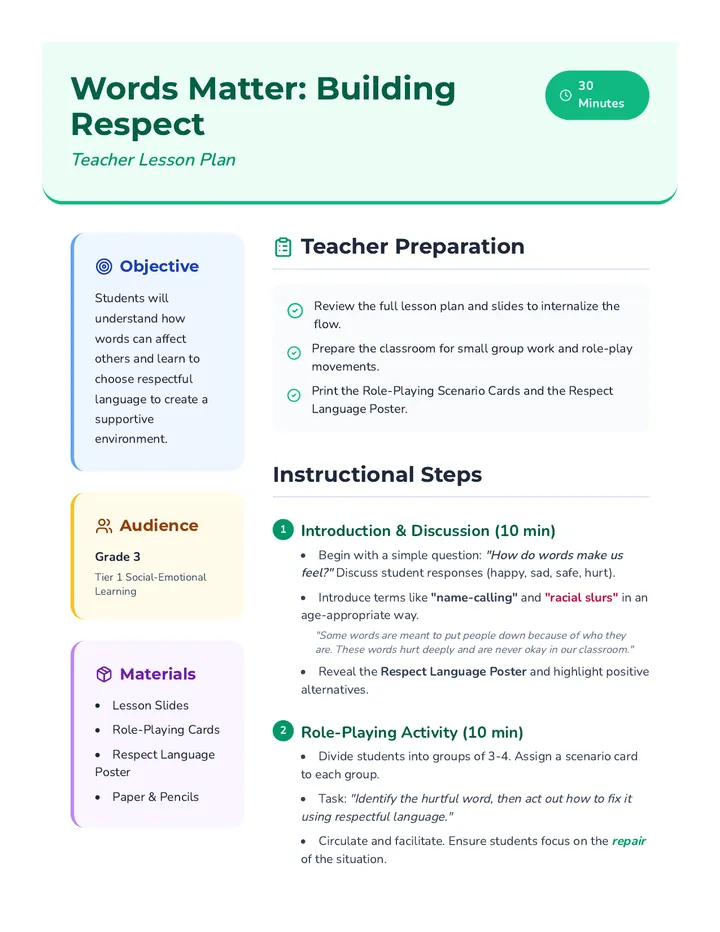
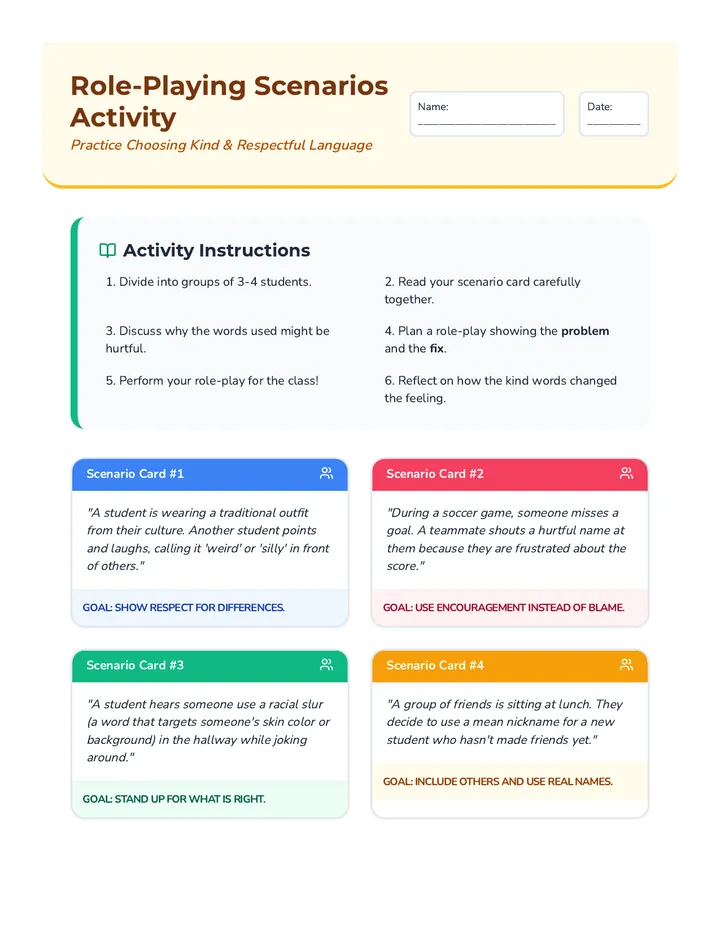
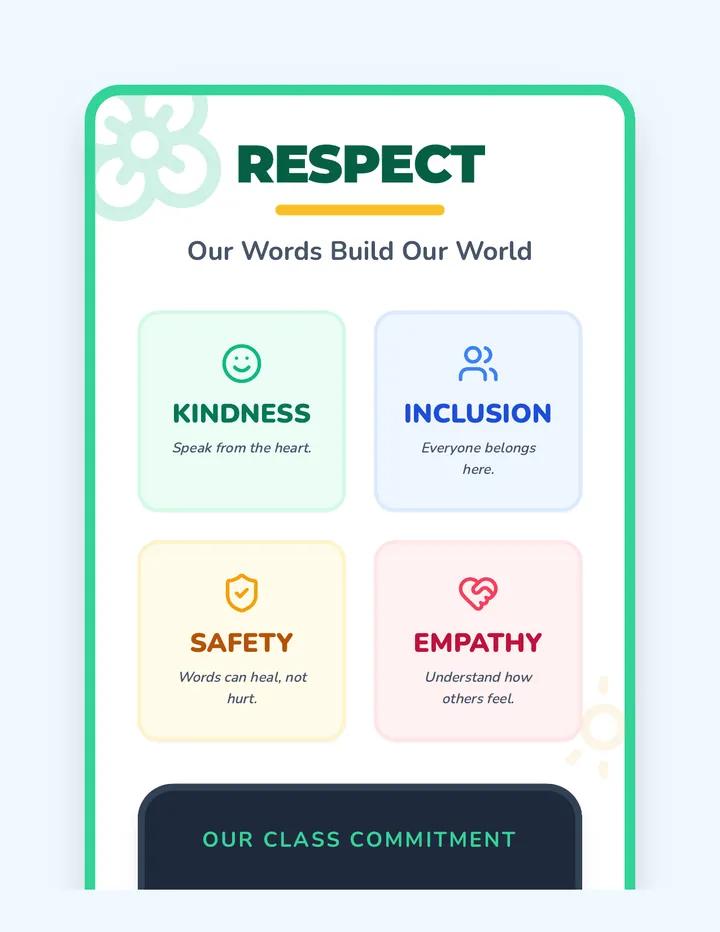
This 30-minute lesson for 3rd graders explores the power of words, focusing on the impact of name-calling and racial slurs while promoting respectful, kind language to build a supportive classroom community.
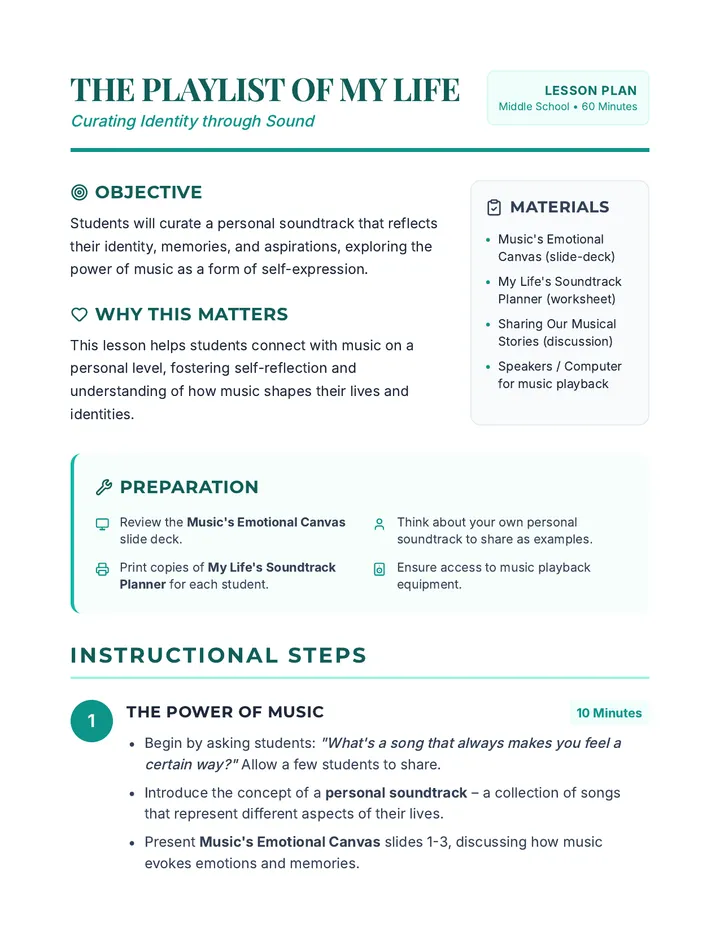
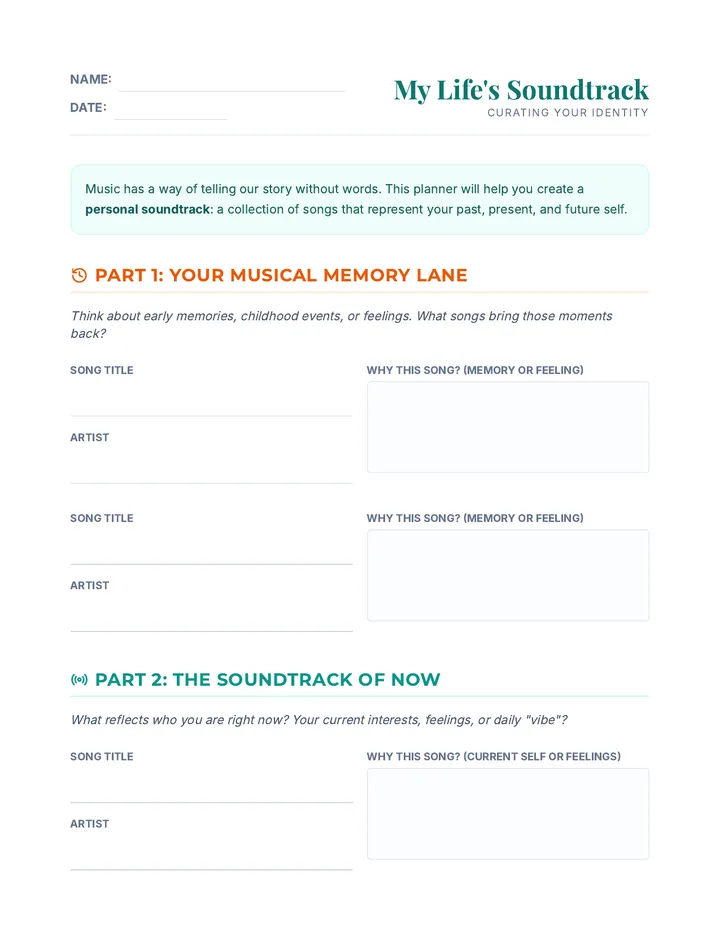
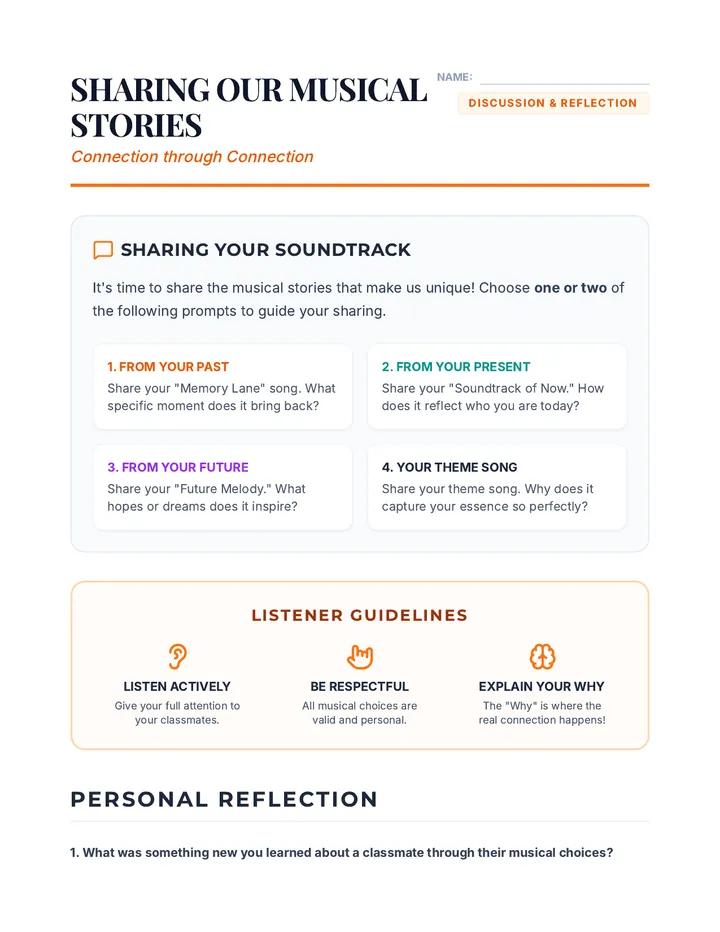
A 60-minute lesson where middle school students curate a personal soundtrack to explore their identity, memories, and future aspirations through the power of music.
This lesson aims to educate 7th and 8th graders on how to respond to bullying positively using the DASA framework. It includes a discussion on the definition and tenets of DASA, a worksheet for reflection, and a video to illustrate positive responses to bullying.
A 60-75 minute lesson where middle school students explore their personal identity through the metaphor of a mosaic, creating individual identity tiles that contribute to a collective class project.
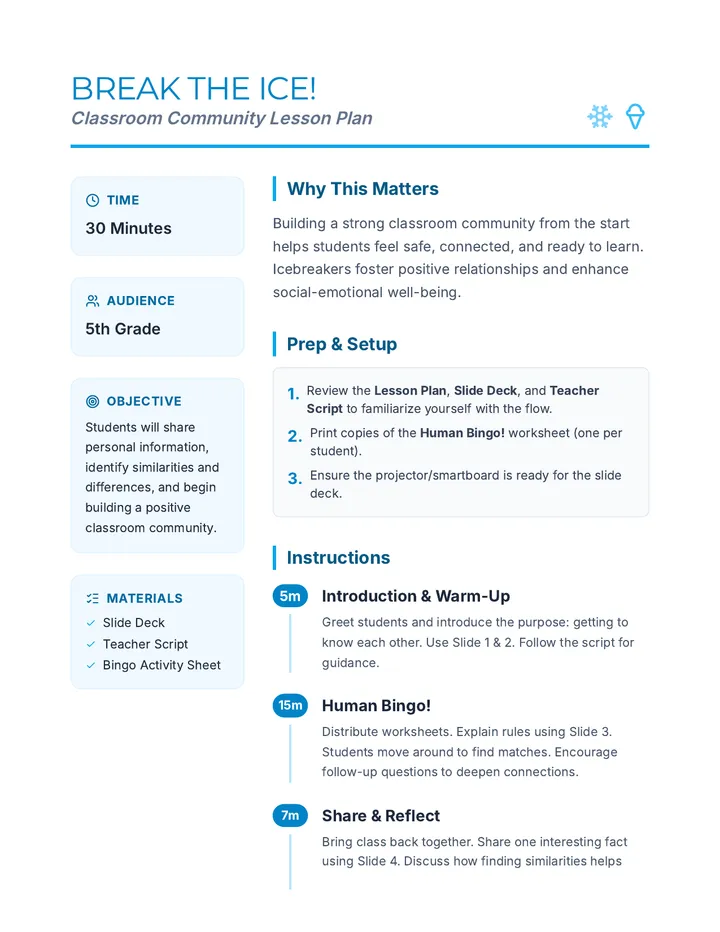
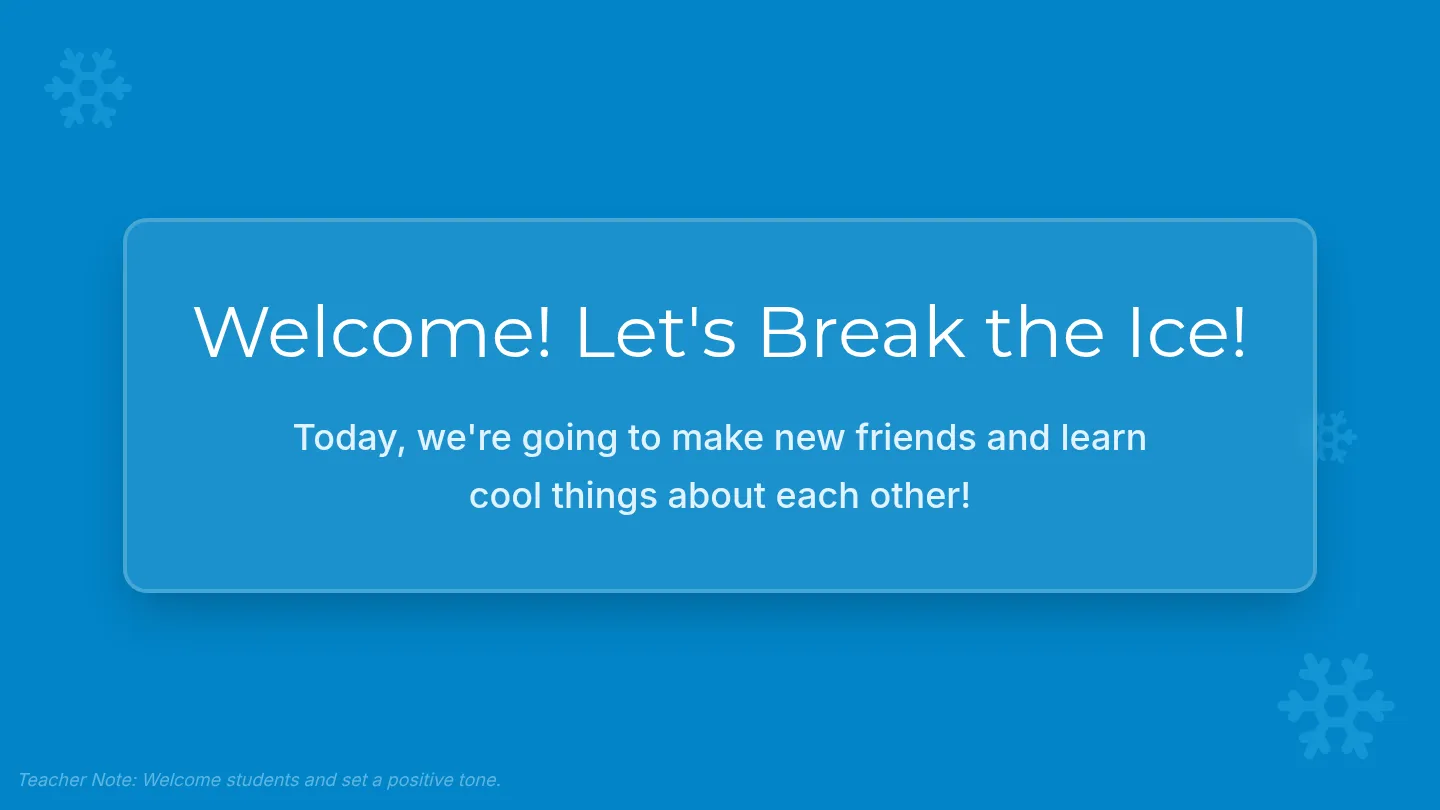
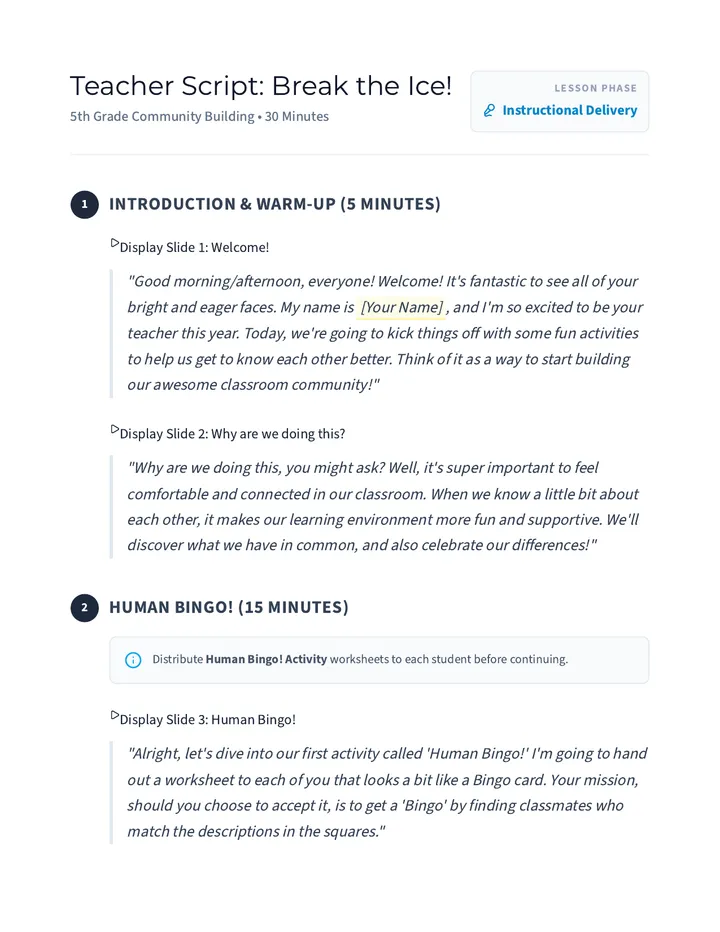
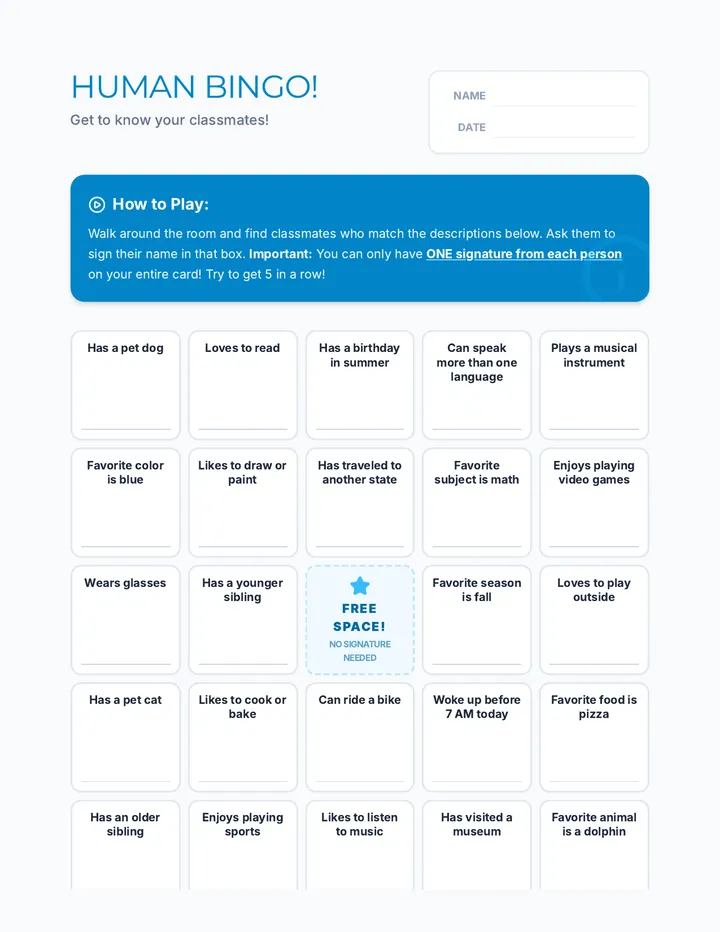
A fun and engaging 30-minute icebreaker lesson for 5th graders to build classroom community through Human Bingo and reflection.
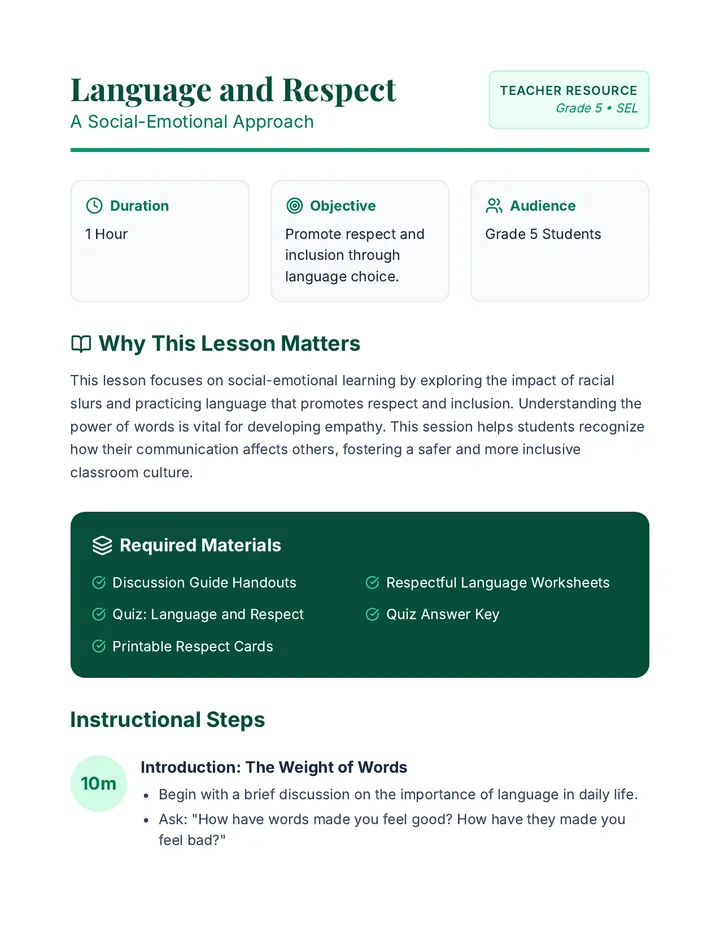
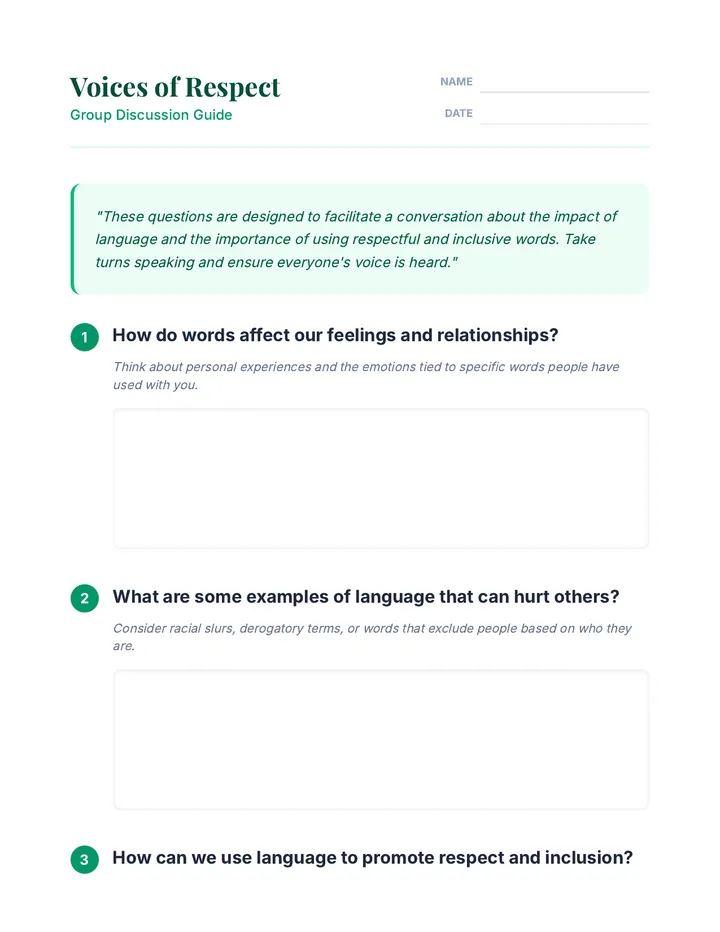
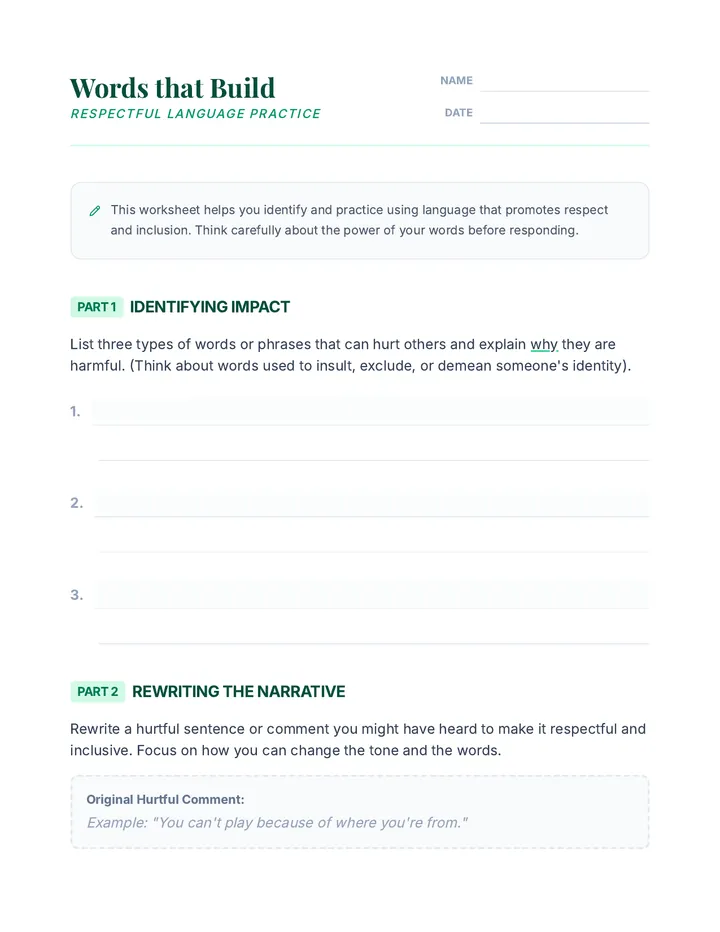
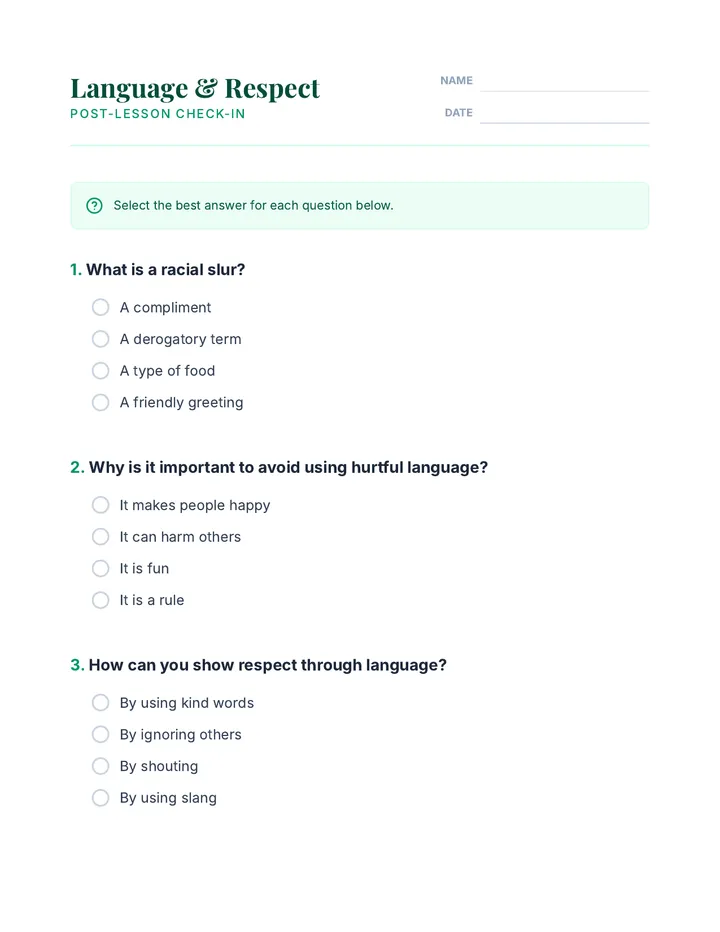
A social-emotional learning lesson for 5th graders focused on the impact of racial slurs and the importance of using language that promotes respect, empathy, and inclusion.