Strategies for cultivating intrinsic drive through autonomy, competence, and purpose. Targets goal-setting techniques and methods to sustain effort without external rewards.
A 6-week social-emotional learning program for 6th-grade girls focused on building healthy friendships, resolving conflicts, practicing empathy, and setting boundaries.
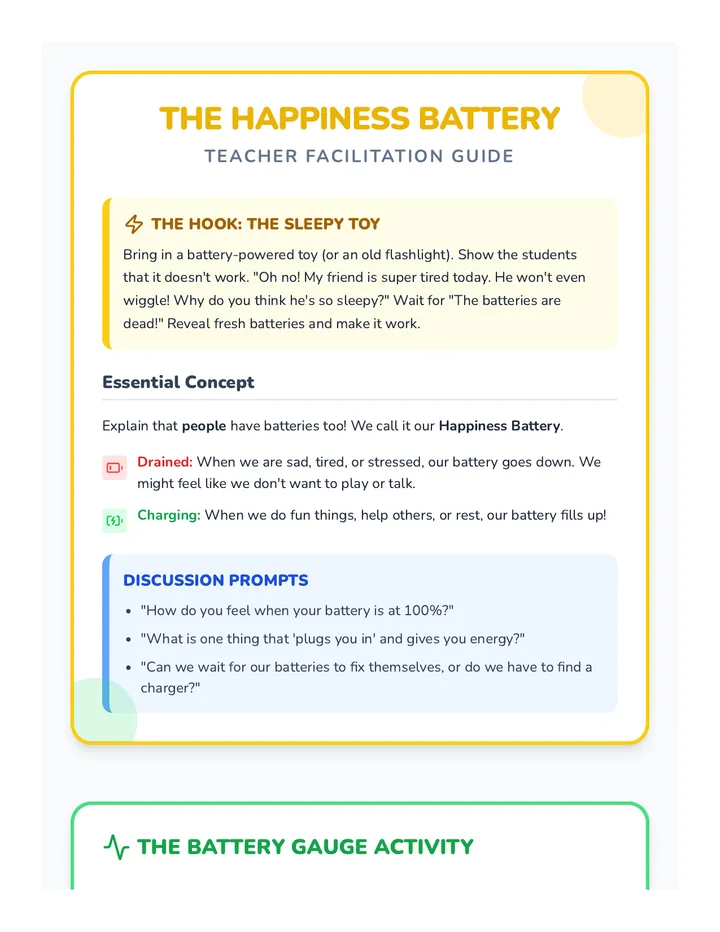
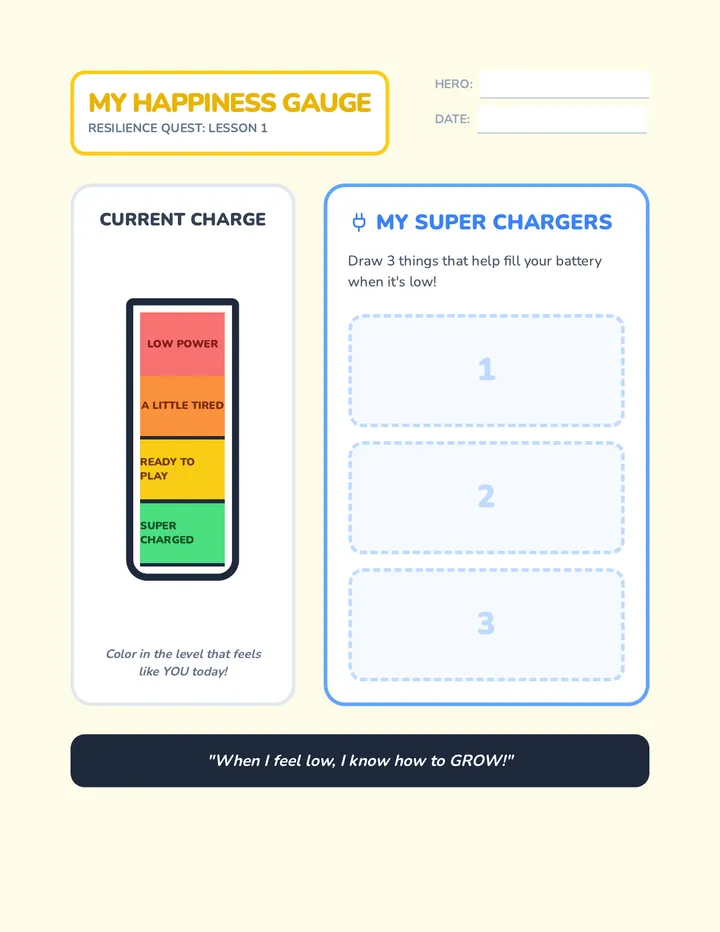
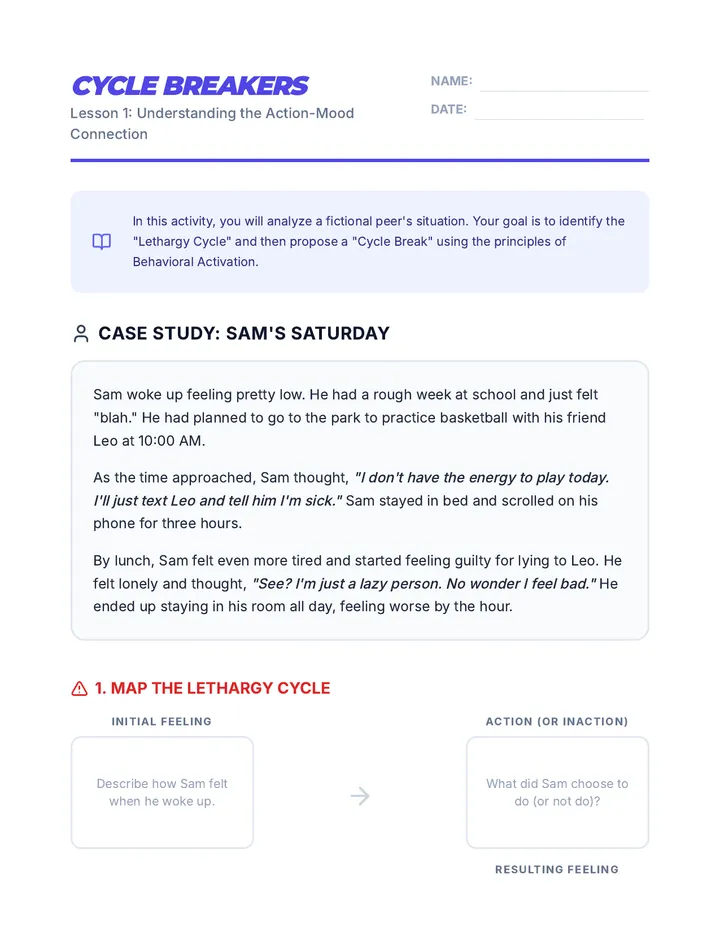
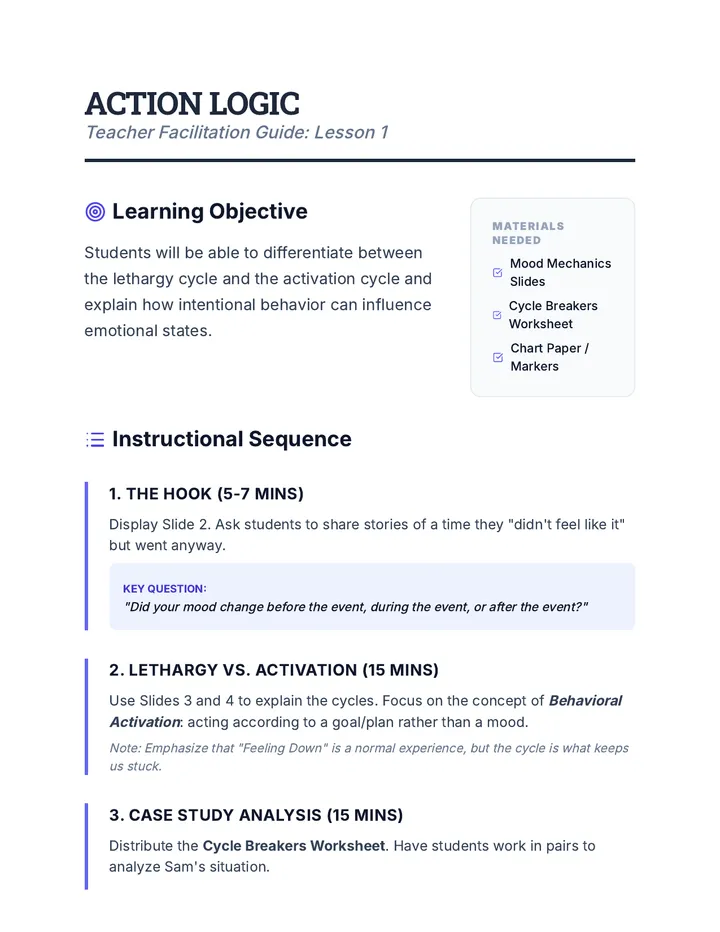
This sequence introduces first-grade students to the fundamental connection between their actions and their emotions, serving as a foundational introduction to behavioral activation. Students explore how specific activities can shift their mood and create a personalized action plan for emotional regulation.
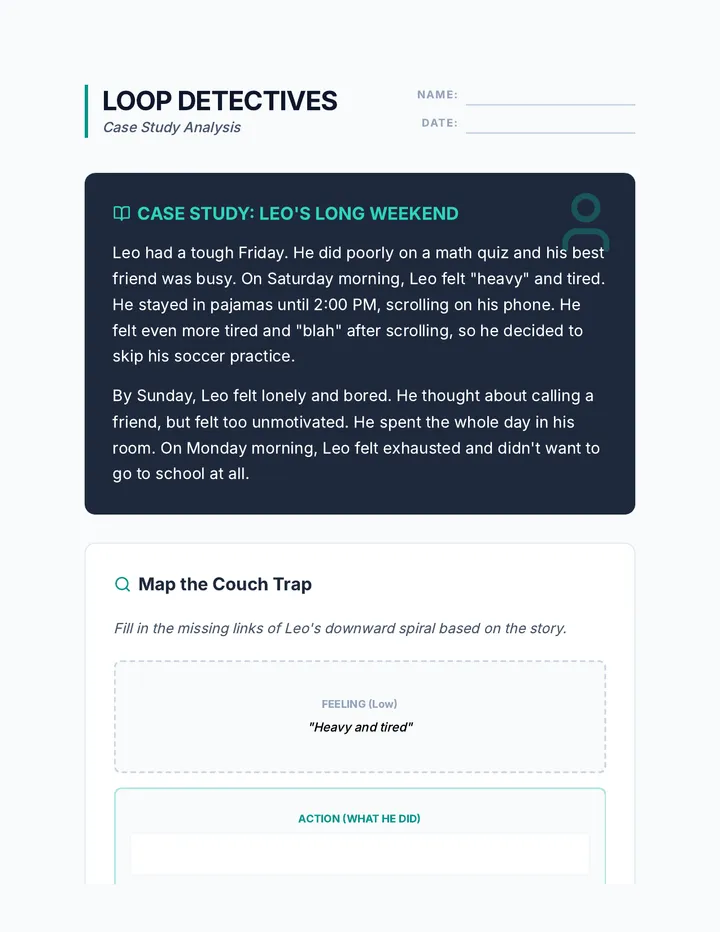
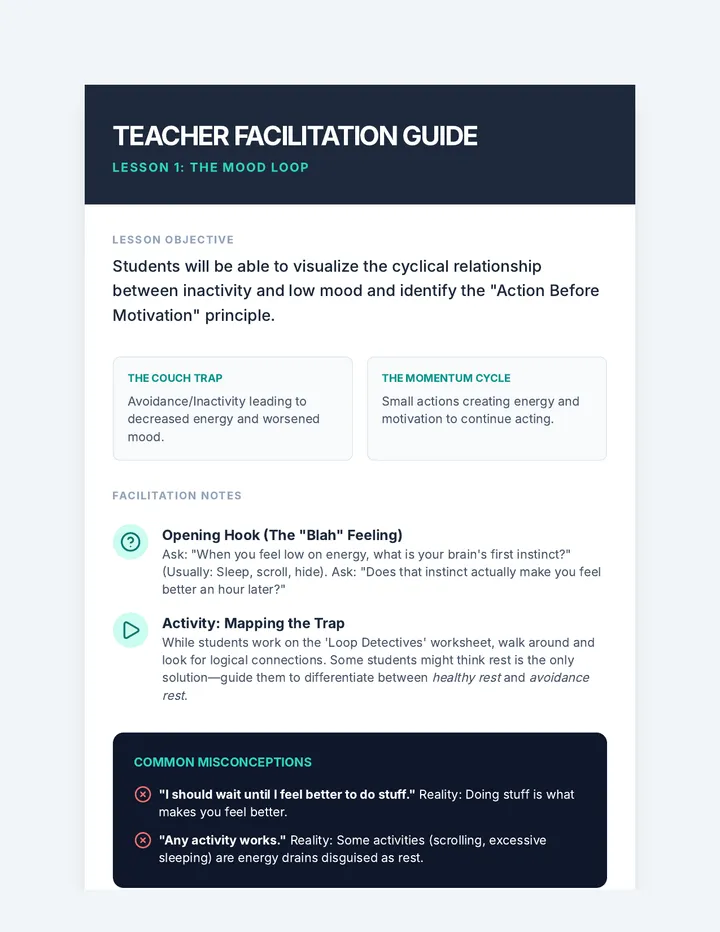
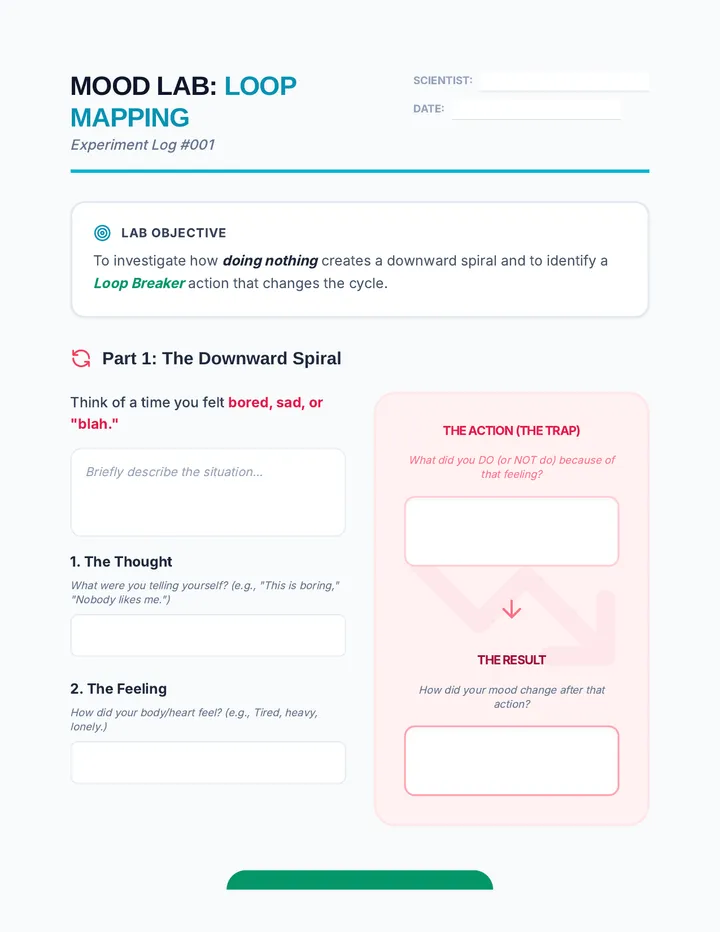
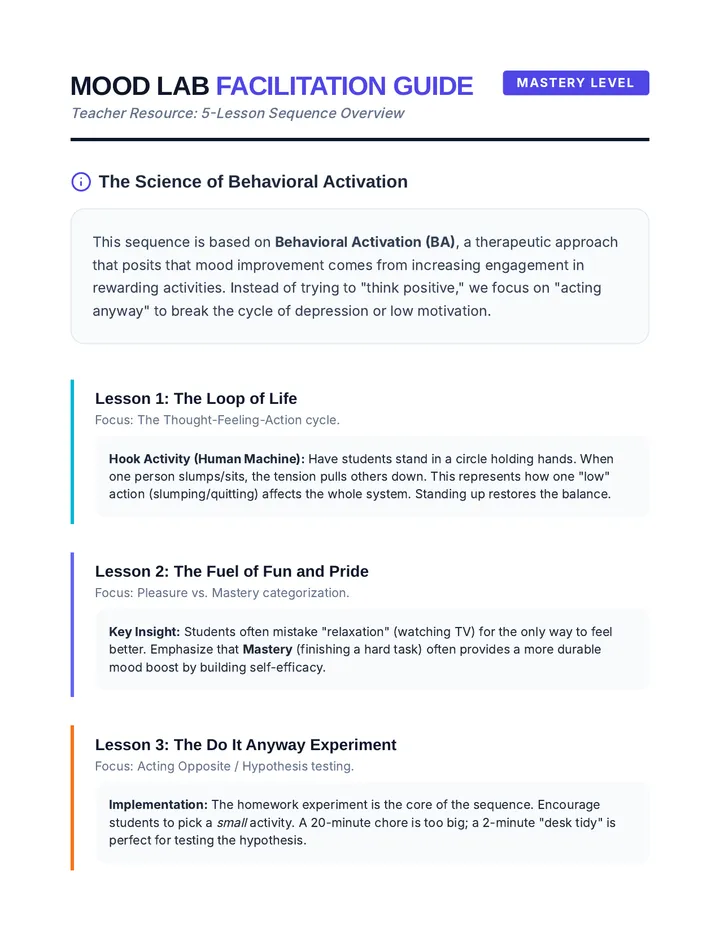
A comprehensive sequence for 6th graders to understand and apply behavioral activation. Students learn how their actions impact their emotions, track their energy levels, brainstorm nourishing activities, and create a sustainable weekly schedule to improve their mental well-being.
In this inquiry-driven sequence, students explore behavioral activation, investigating how their actions influence their emotions. They learn to distinguish between pleasure and mastery activities, conduct personal experiments to track mood changes, and create a personalized evidence-based plan for mood regulation.
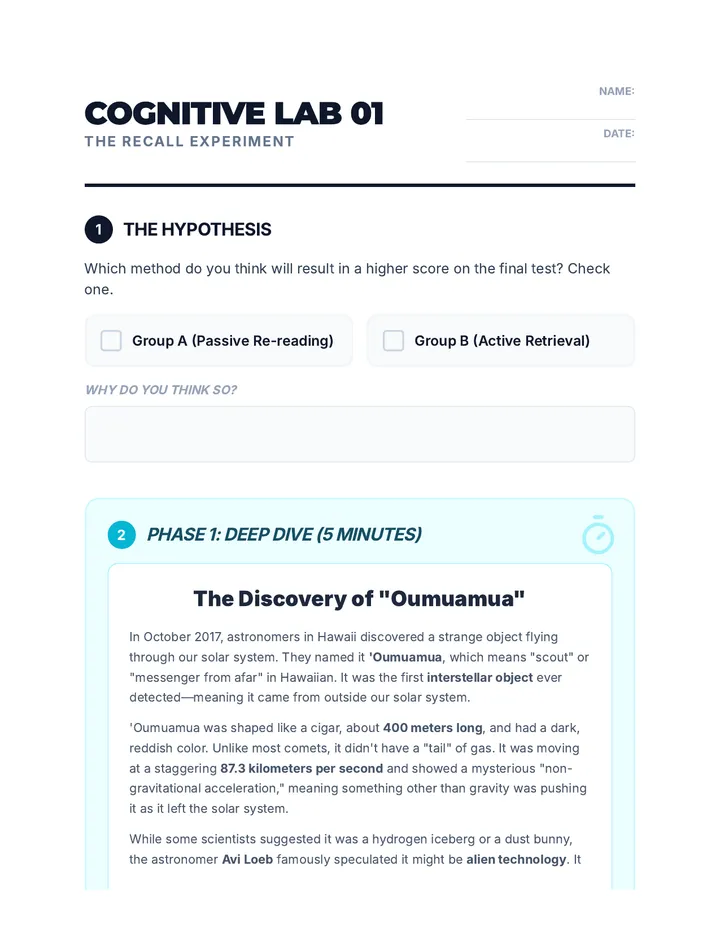
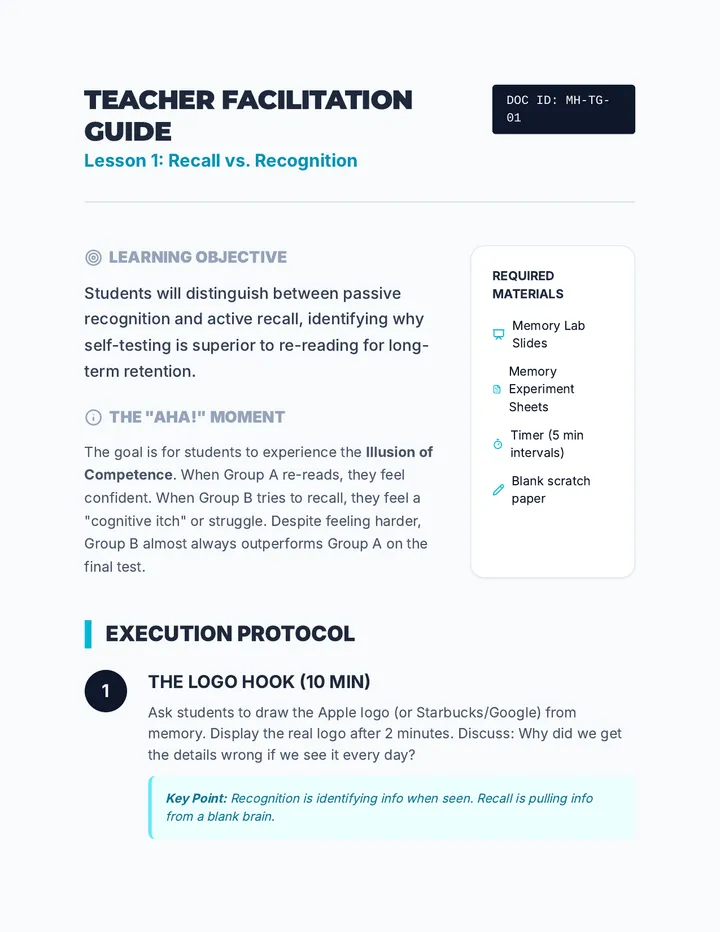
This sequence shifts focus from the design of the study guide to its utility, emphasizing active recall and self-testing strategies to help students distinguish between familiarity and actual mastery of material.
A 1st-grade counseling sequence that uses game-based mechanics and metaphors to teach behavioral activation, emotional resilience, and the importance of daily positive routines.
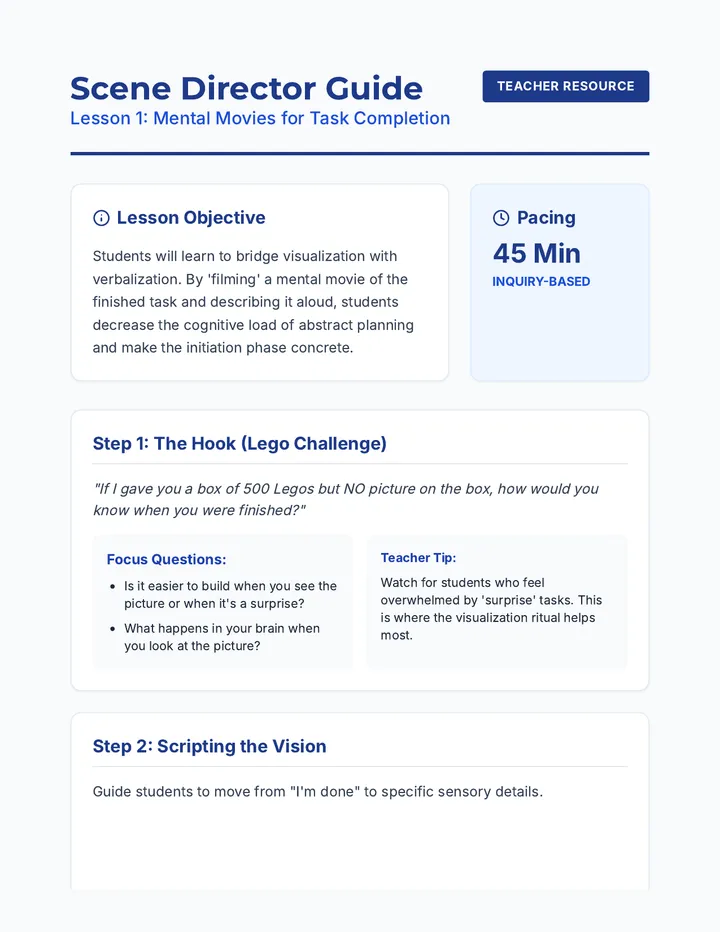
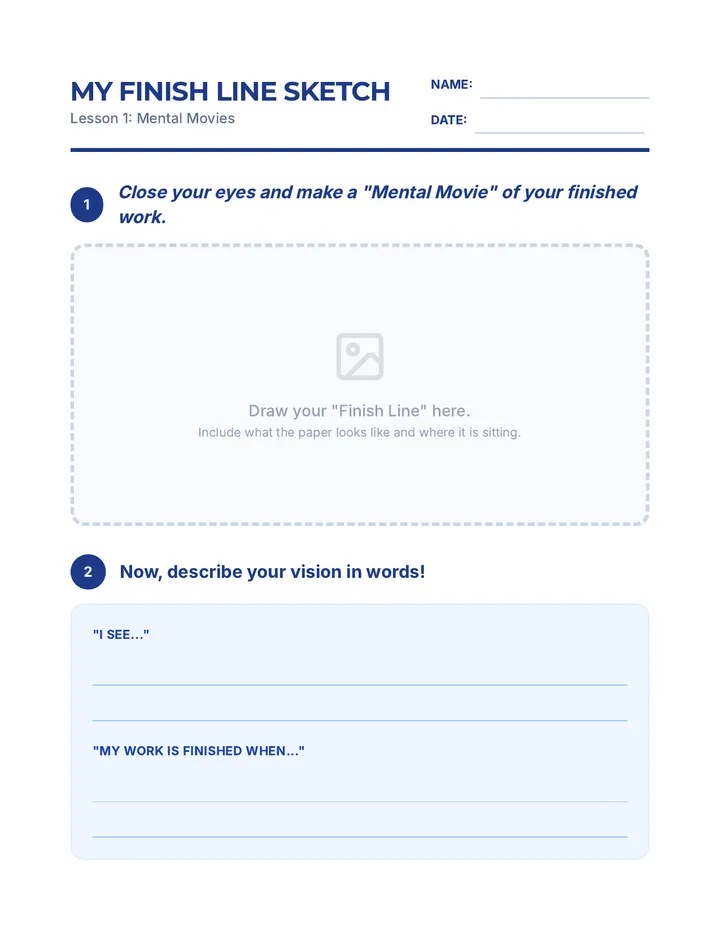
This sequence helps students overcome task initiation hurdles by combining visualization and verbal self-talk. Students learn to 'see' the finished product, reverse engineer the steps, estimate time accurately, and use micro-goals to take the first step.
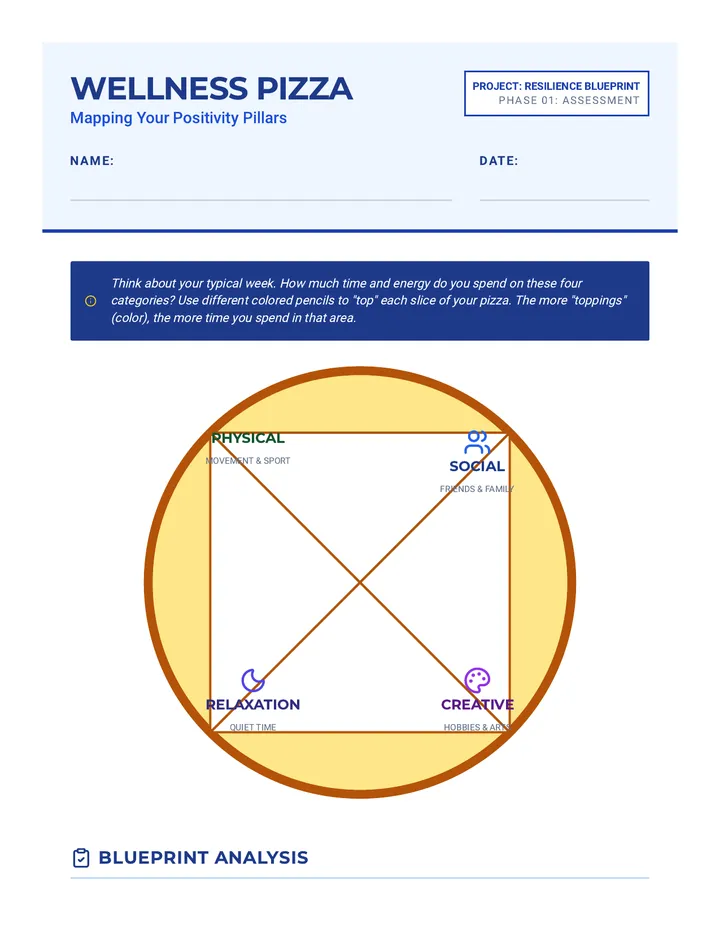
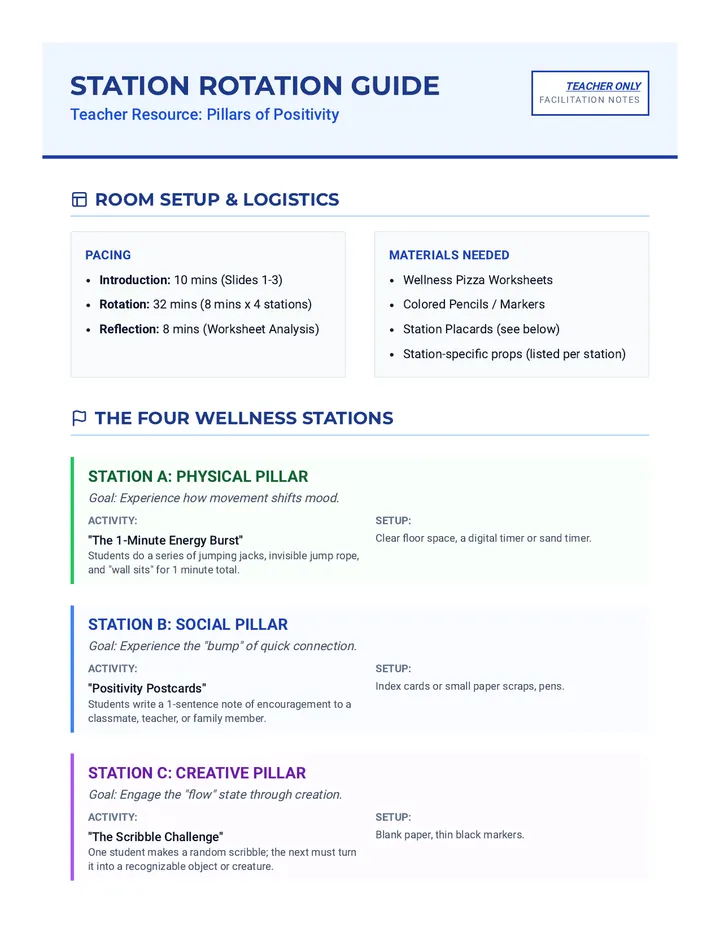
A 5-lesson project-based sequence for 5th graders focusing on building positive experiences through routine design and habit formation. Students learn to categorize wellness activities, overcome barriers like inertia, use habit-stacking techniques, and create a sustainable weekly wellness schedule to build emotional resilience.
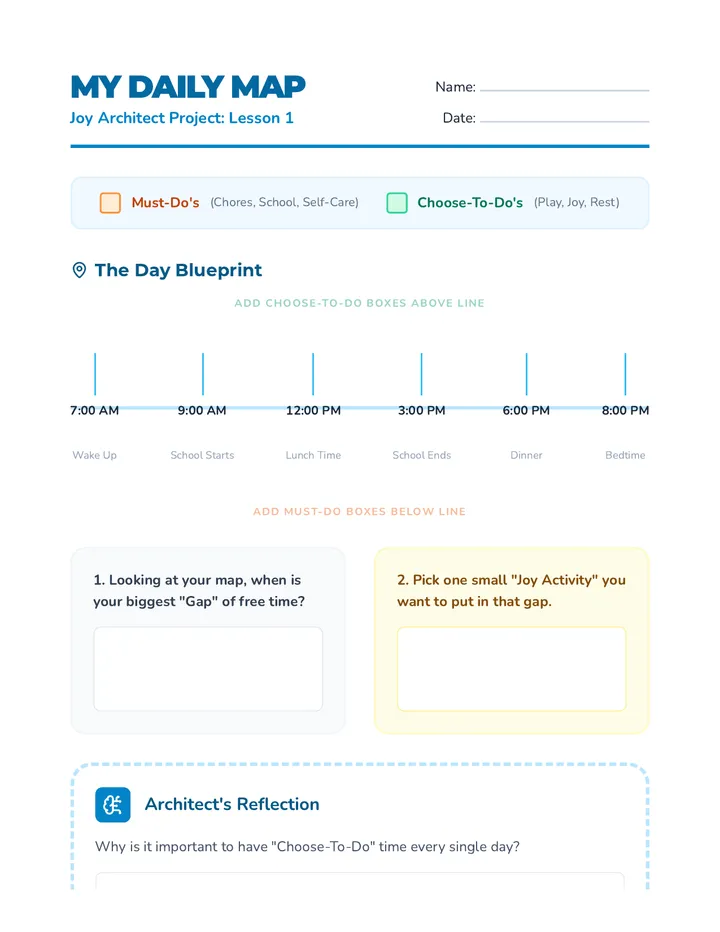
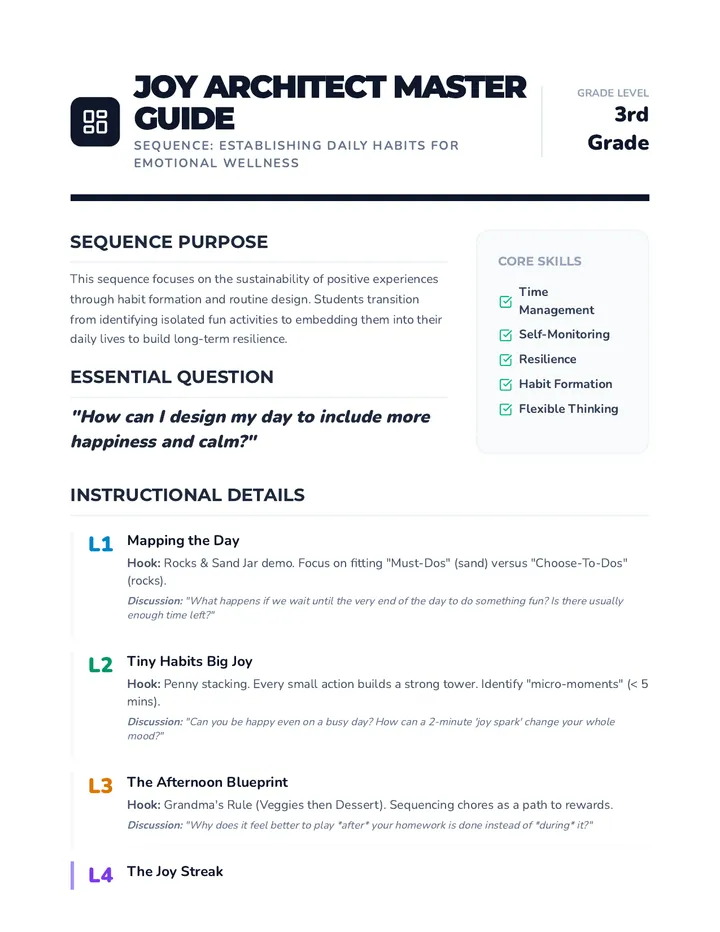
A 5-lesson unit for 3rd graders focused on building emotional resilience through habit formation. Students learn to audit their time, identify small 'micro-moments' of joy, and design balanced daily schedules that prioritize positive experiences.
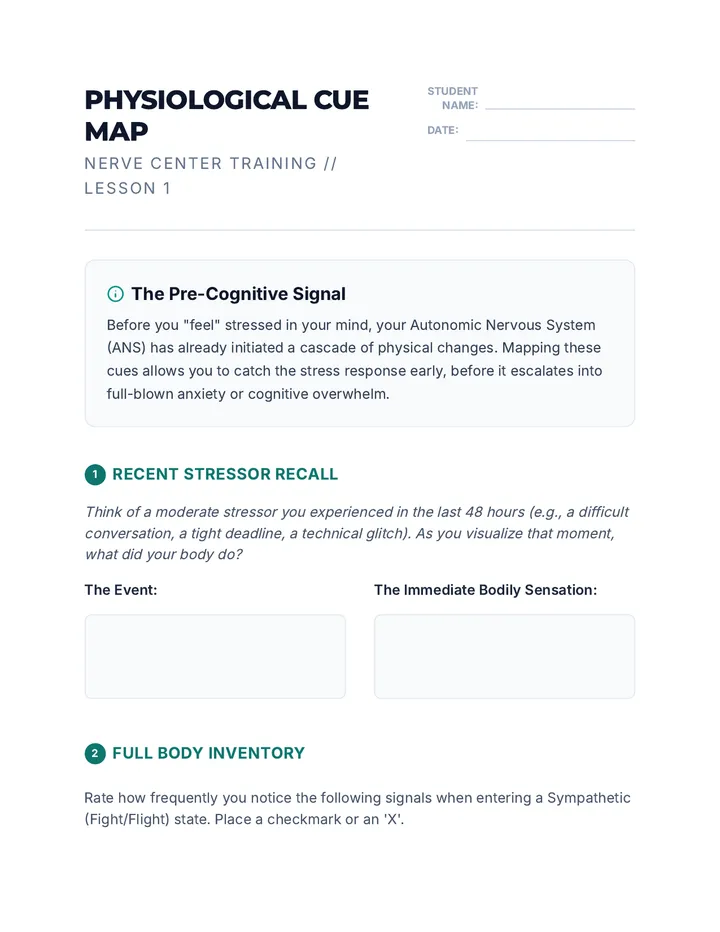
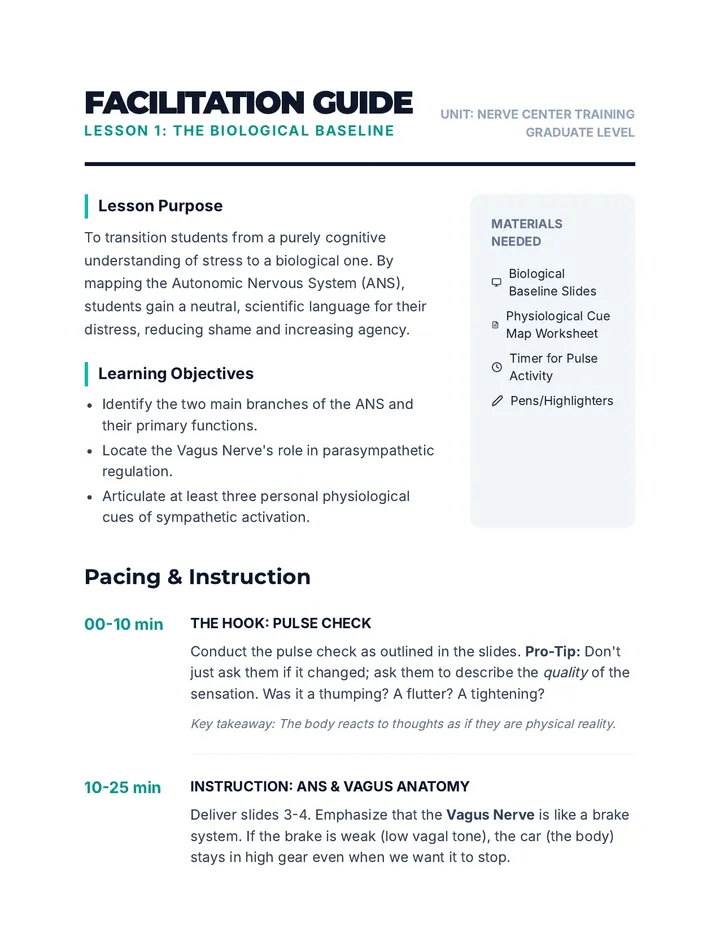
A graduate-level exploration of the biological underpinnings of stress. Students move from theoretical understanding of the autonomic nervous system and Polyvagal Theory to practical application of somatic regulation and interoceptive awareness, culminating in a personalized physiological safety plan.
A comprehensive sequence designed for 6th-grade students to master executive function skills. Students will learn to audit their time, effectively use planners, prioritize tasks using the 'Big Rocks' method, break down large projects through backward planning, and optimize their study environments for focus.
This 7th-grade sequence teaches the principles of behavioral activation, helping students understand how their actions influence their moods. Through self-monitoring, activity categorization, and strategic planning, students develop a toolkit for proactively managing their mental well-being.
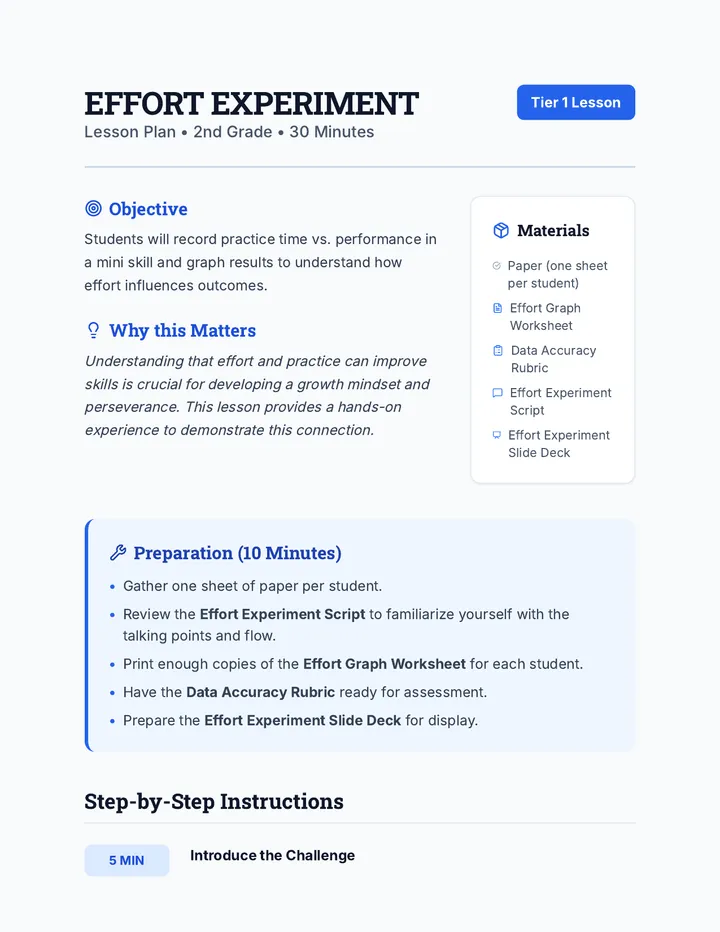
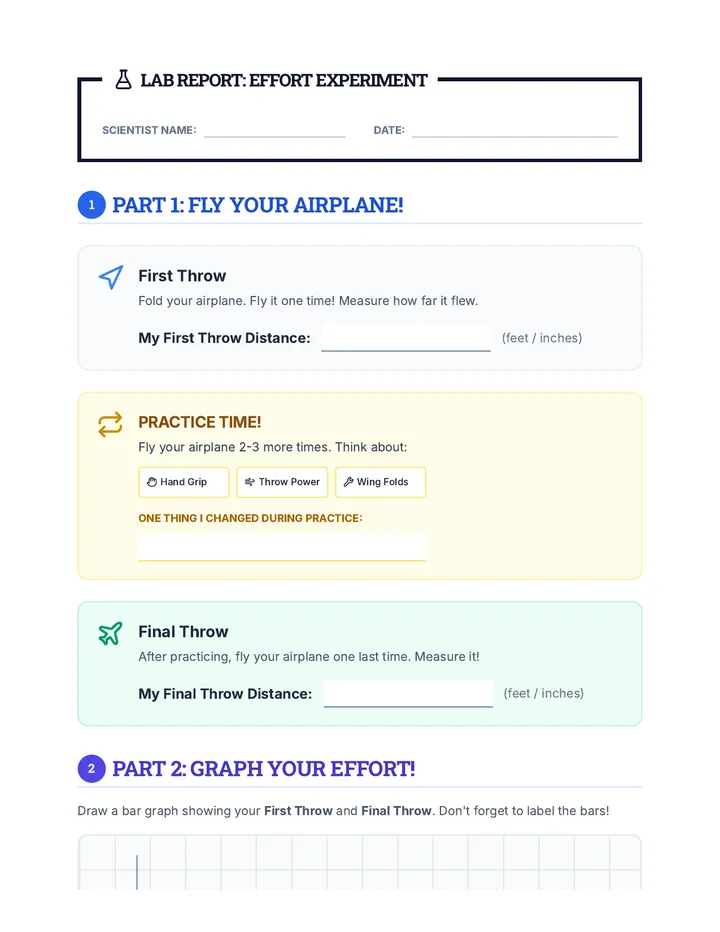
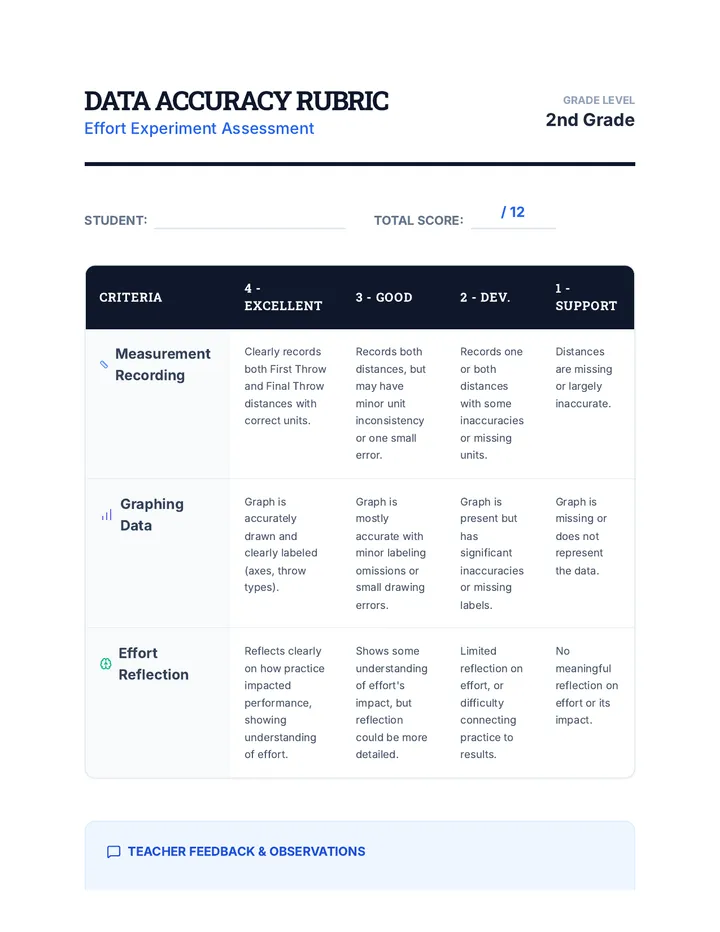
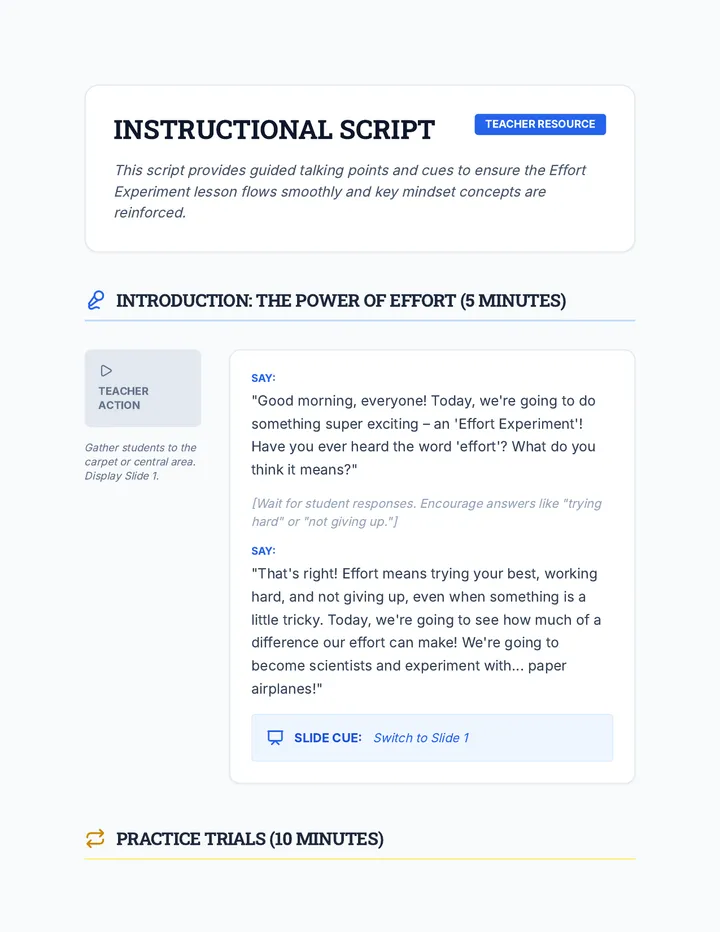
A hands-on paper airplane challenge where 2nd-grade students explore the link between practice and performance, developing a growth mindset through data collection and graphing.
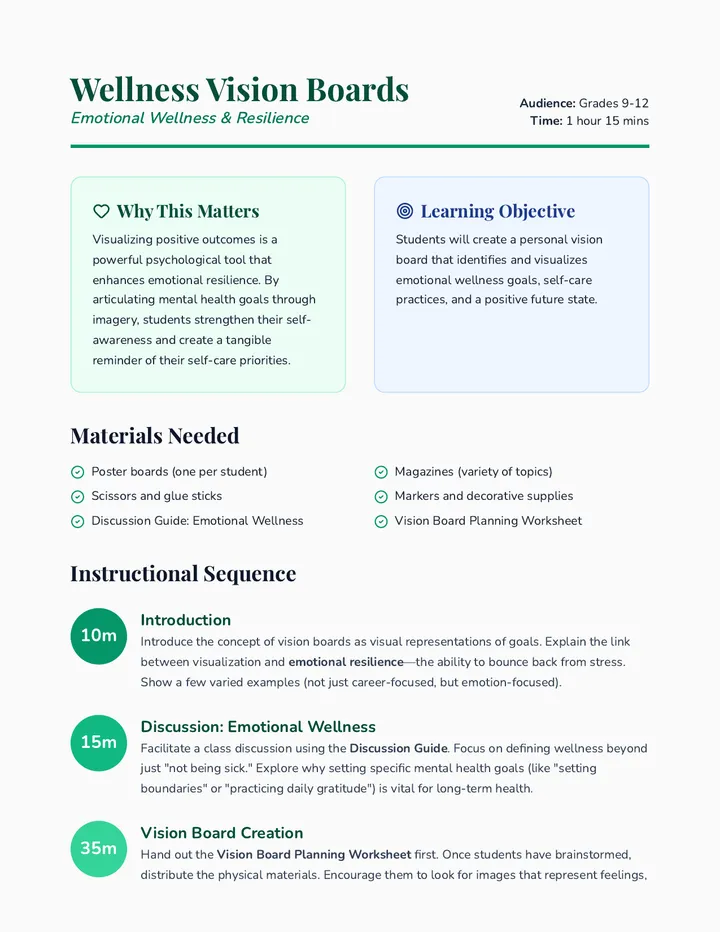
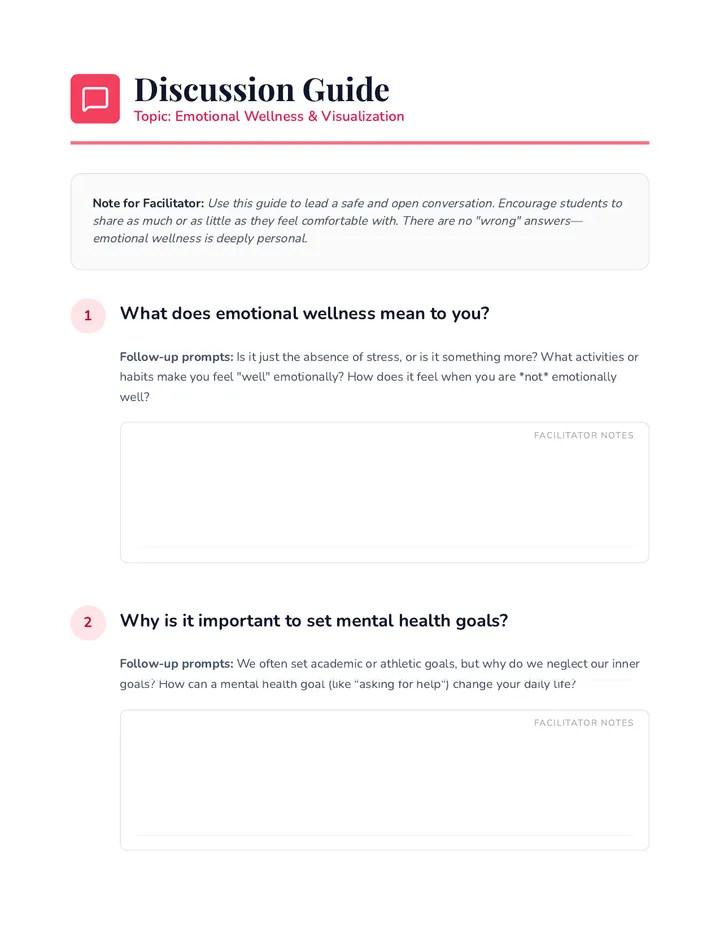
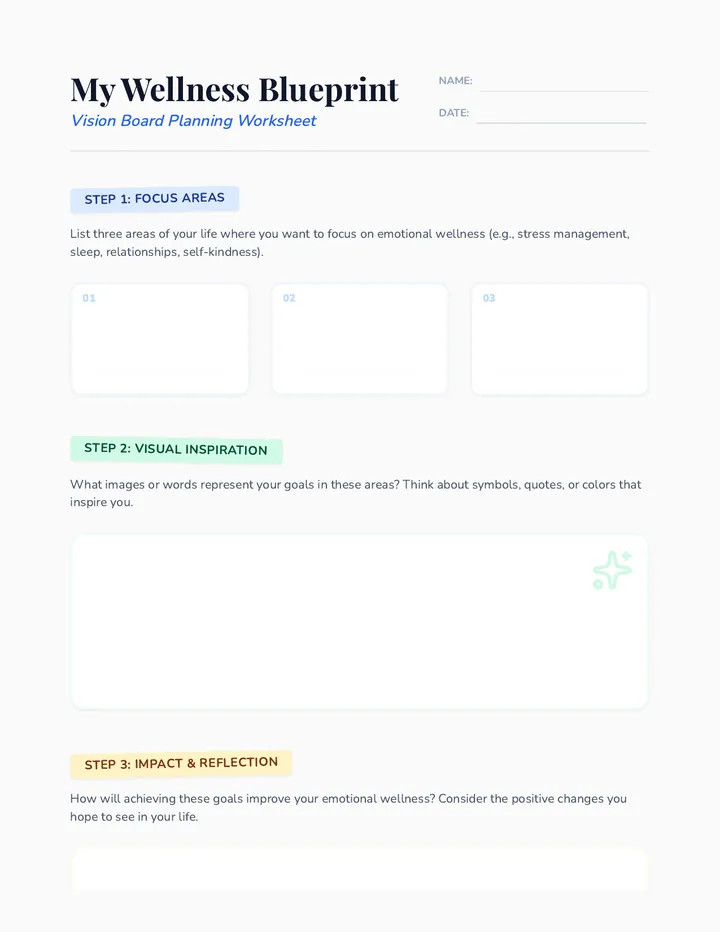
Students will explore emotional wellness by creating vision boards that focus on self-care and mental health goals. The lesson emphasizes the power of visualization in building emotional resilience and self-awareness.
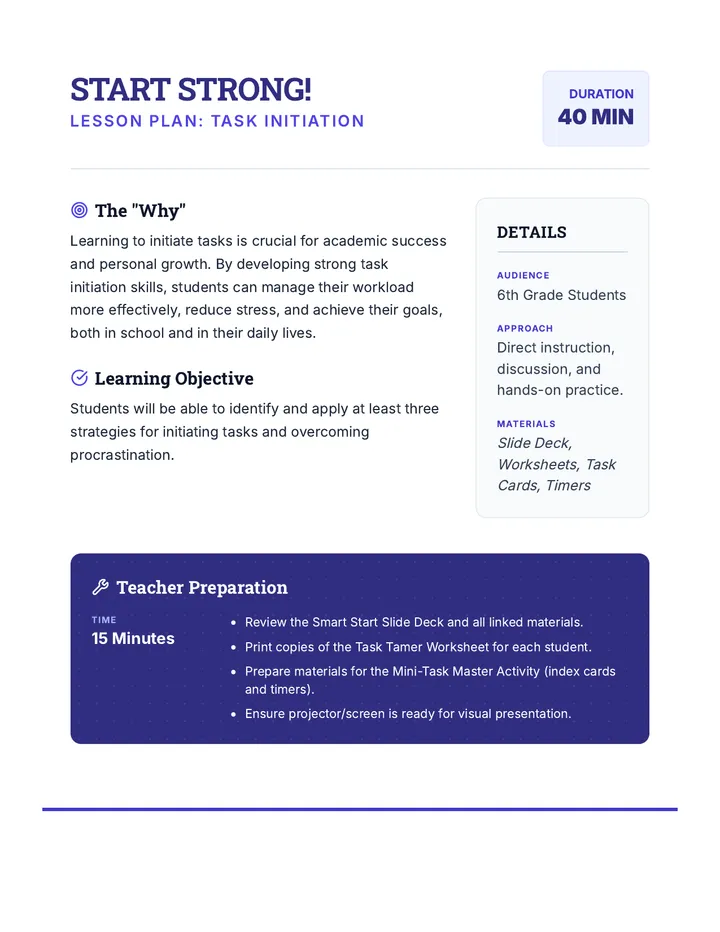
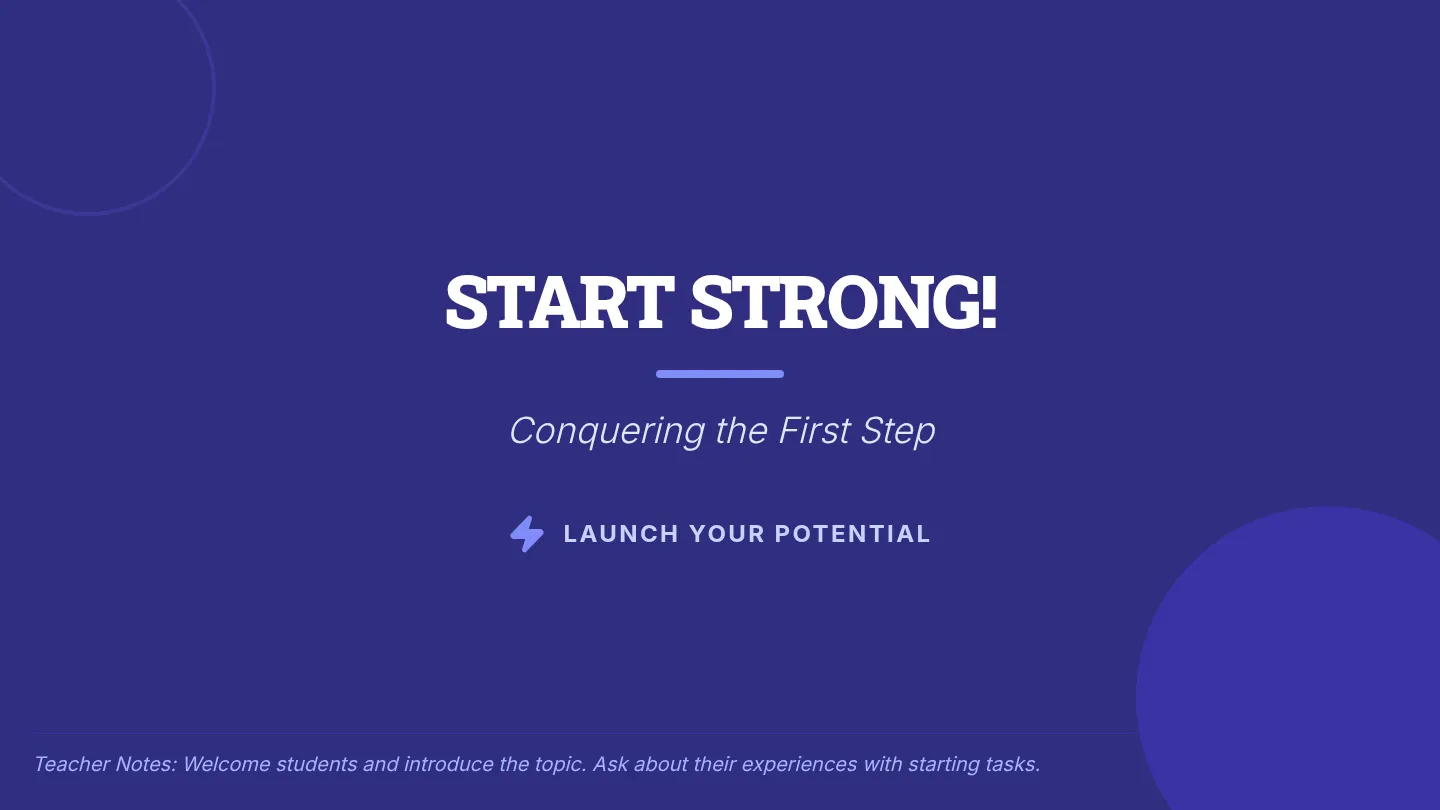
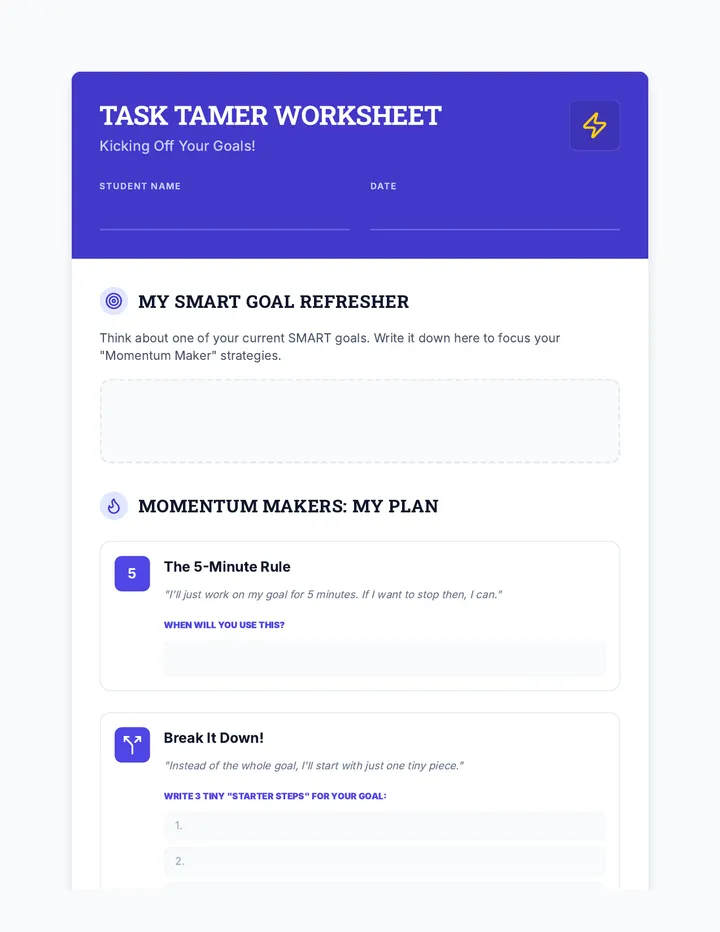
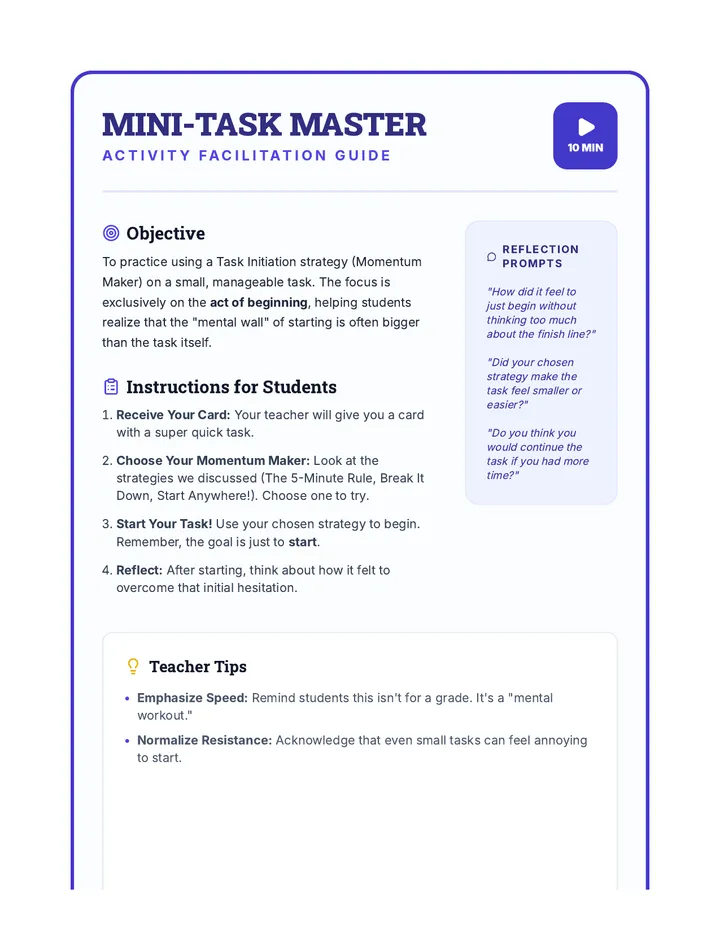
A 40-minute lesson for 6th-grade students focusing on task initiation strategies to overcome procrastination and build momentum toward SMART goals.
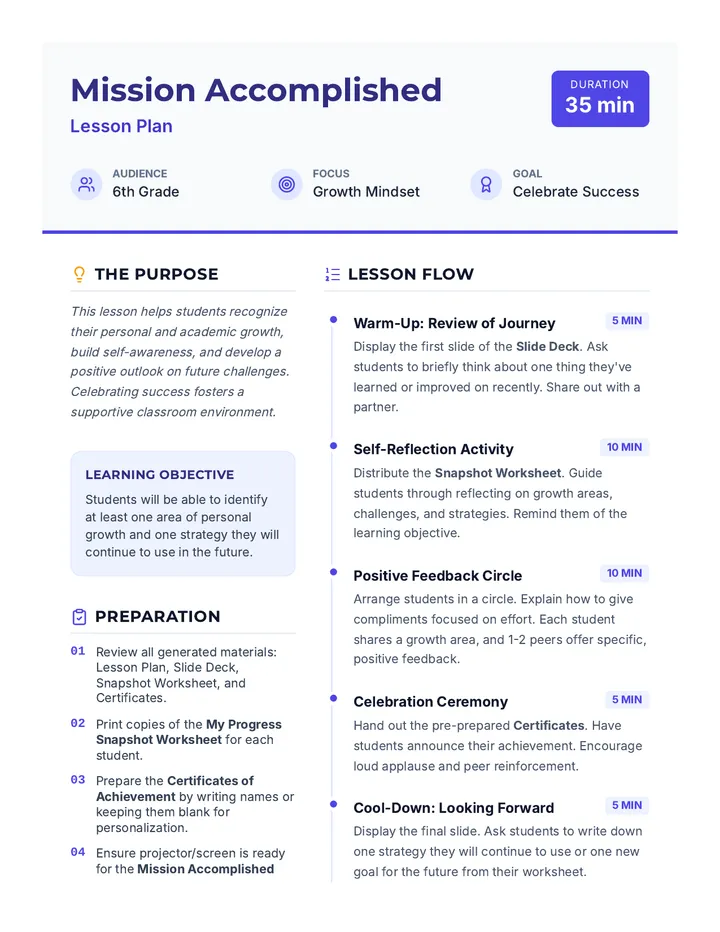
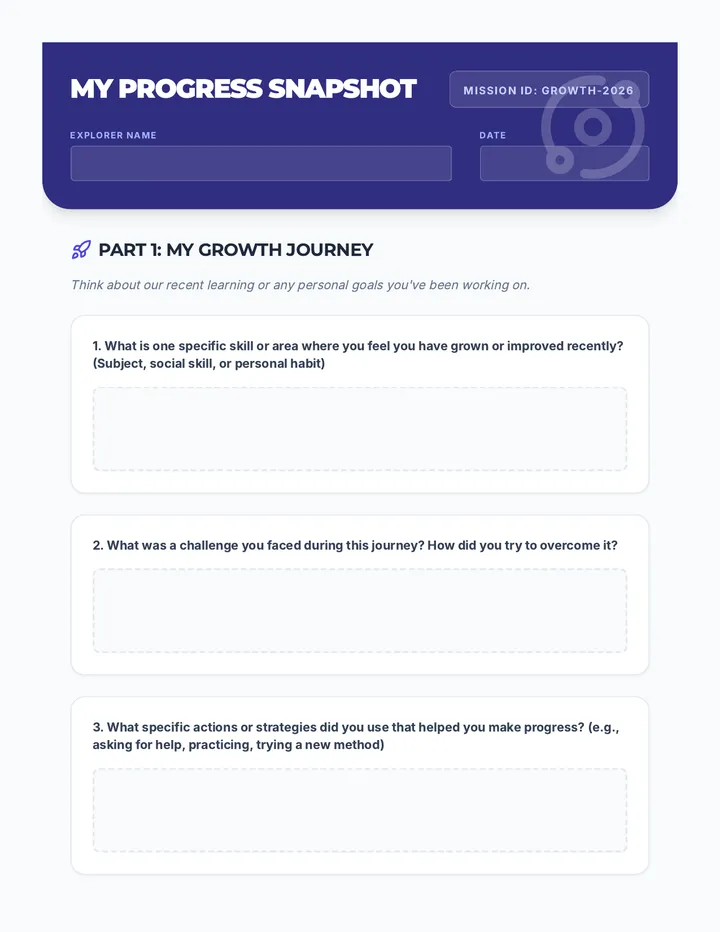
A 35-minute lesson for 6th graders to celebrate personal growth, reflect on learning journeys, and foster a positive classroom community through guided reflection and a celebration ceremony.
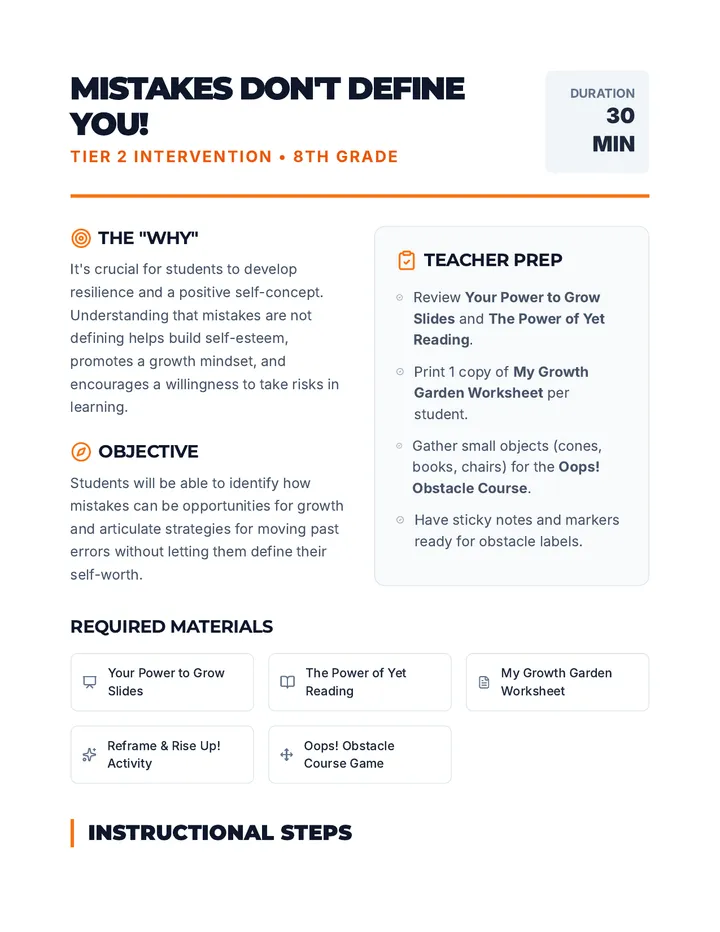
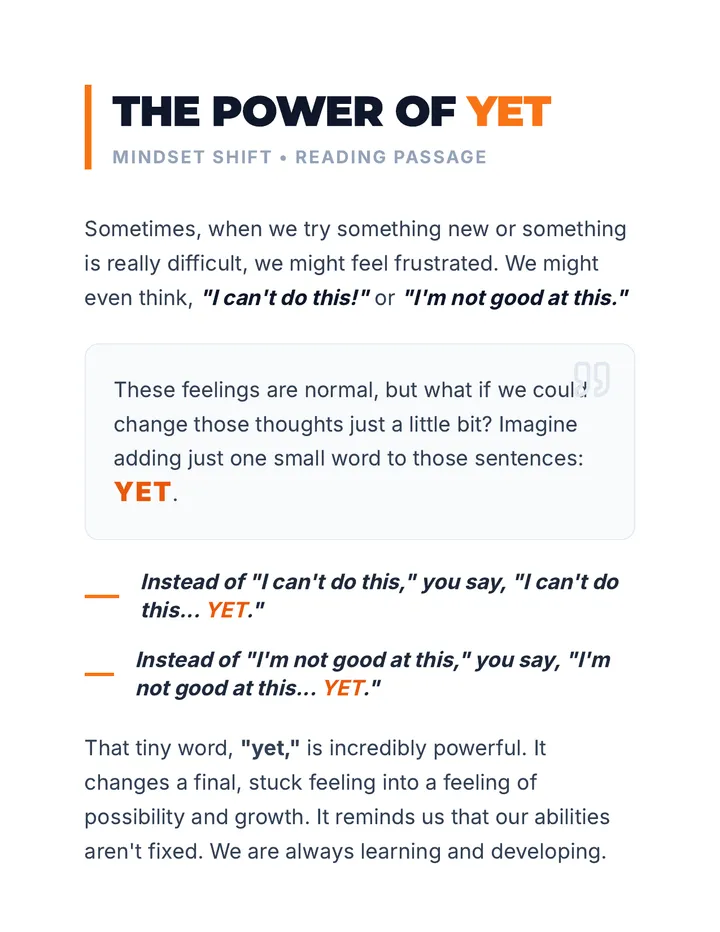
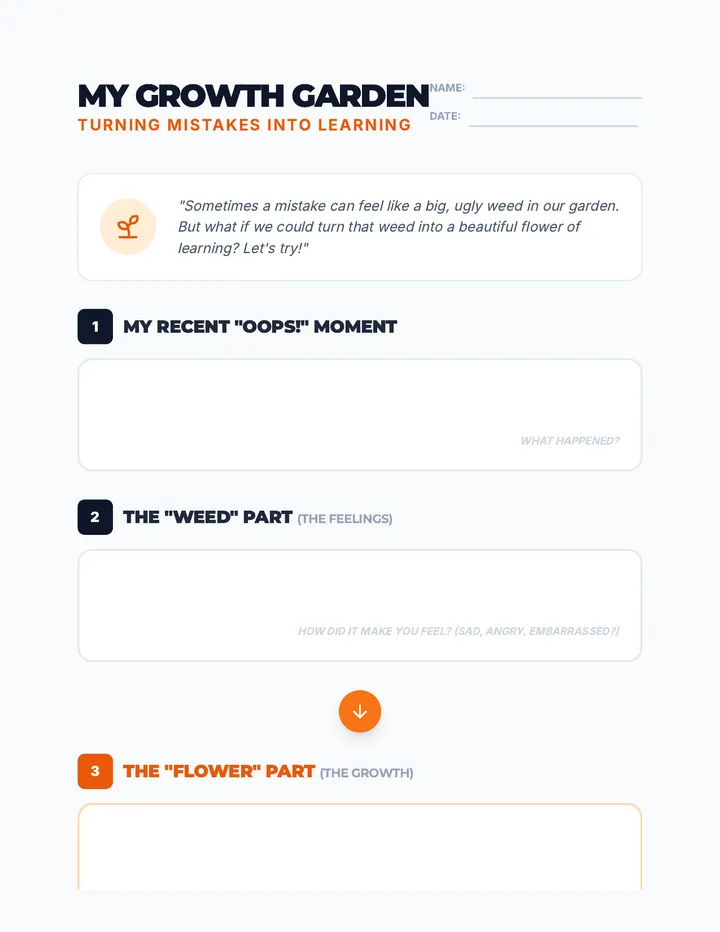
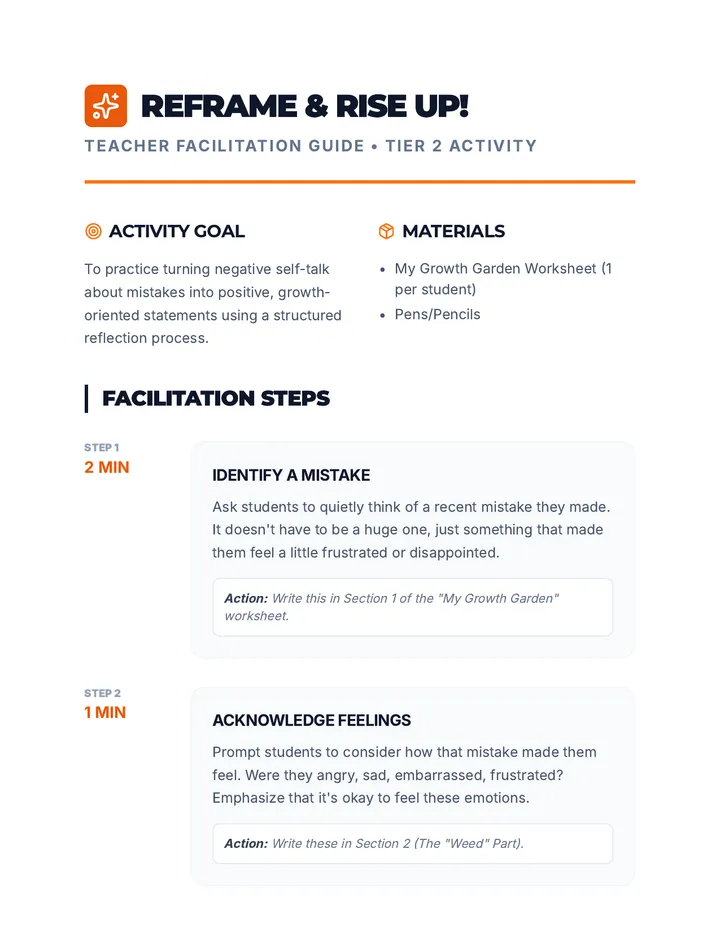
An 8th-grade Tier 2 intervention lesson designed to help students reframe mistakes as growth opportunities through reflection, reading, and interactive activities.
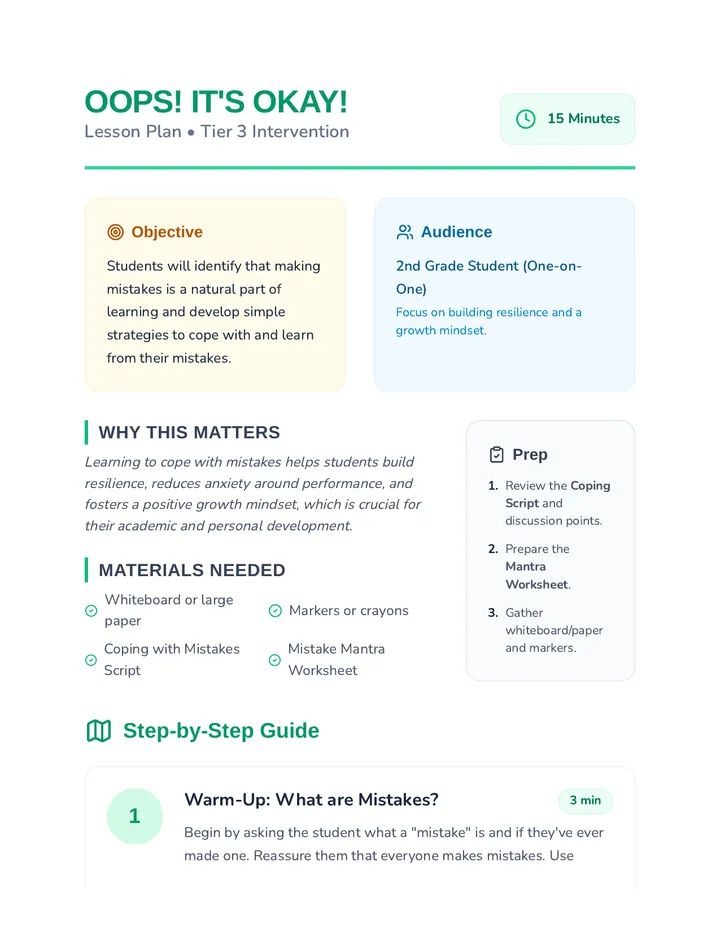
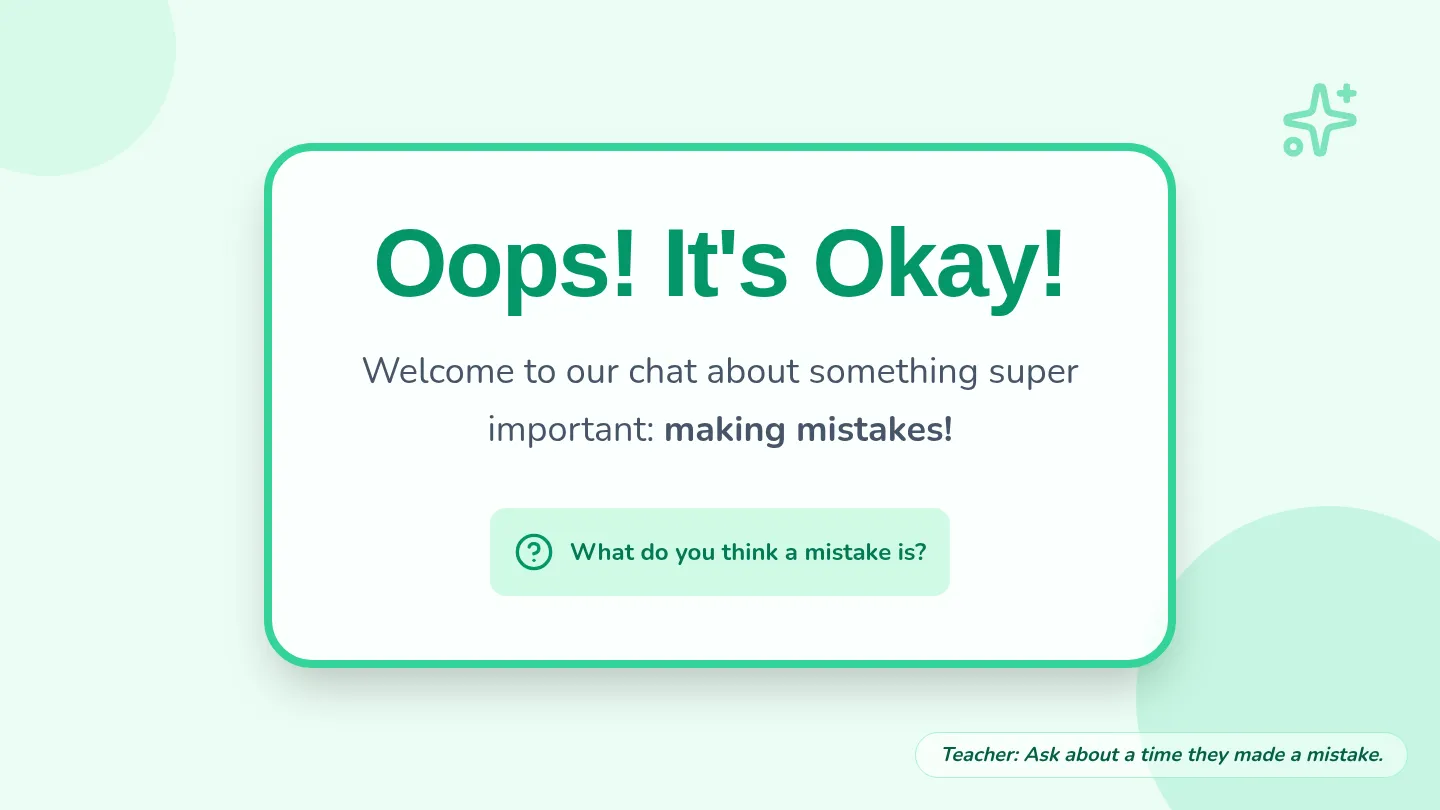
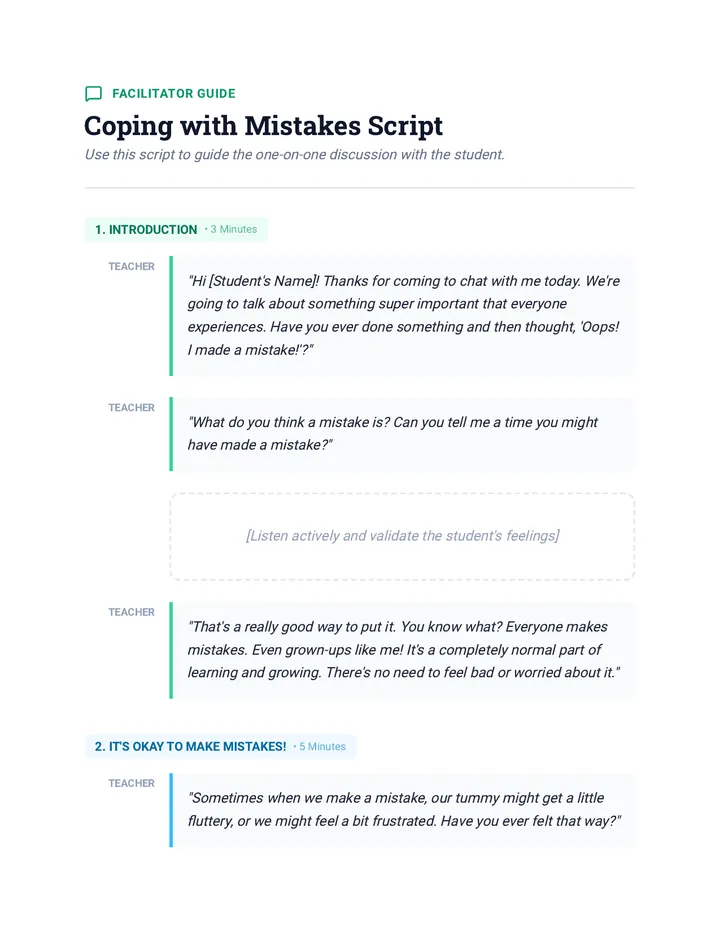
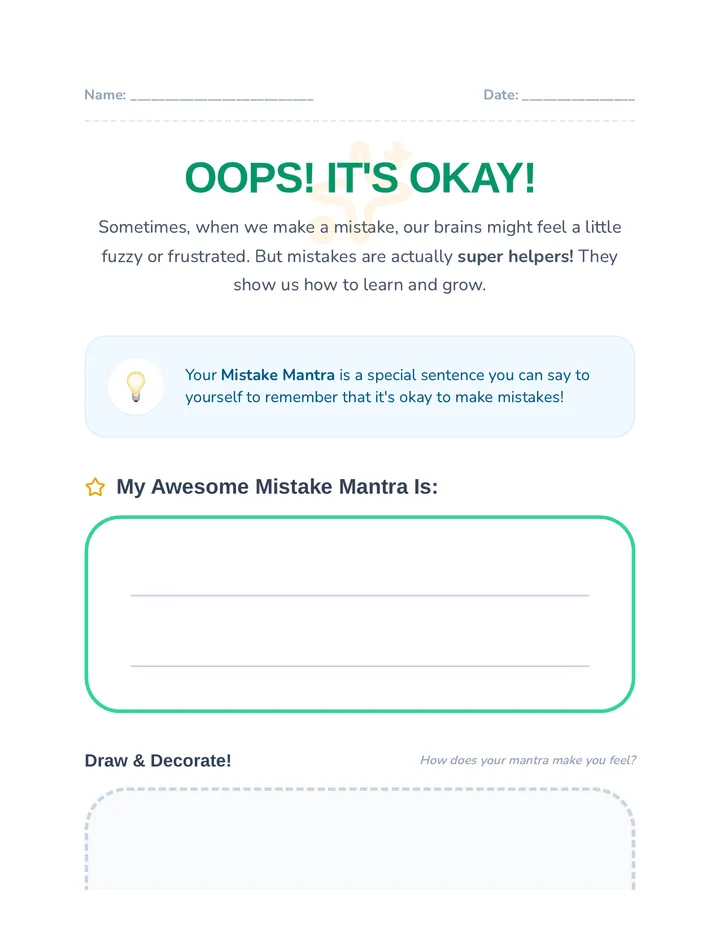
A 15-minute Tier 3 social-emotional learning lesson for 2nd grade students focused on reframing mistakes as growth opportunities through guided discussion and a personalized mantra.
A 20-minute lesson for 1st and 3rd graders focused on reflecting on the past year and setting achievable new goals. Students engage in discussions, a creative worksheet activity, and a collaborative goal-sharing game.
A 30-minute 9th-grade Tier 1 lesson where students explore Maslow's Hierarchy of Needs to build self-awareness, empathy, and goal-setting skills.
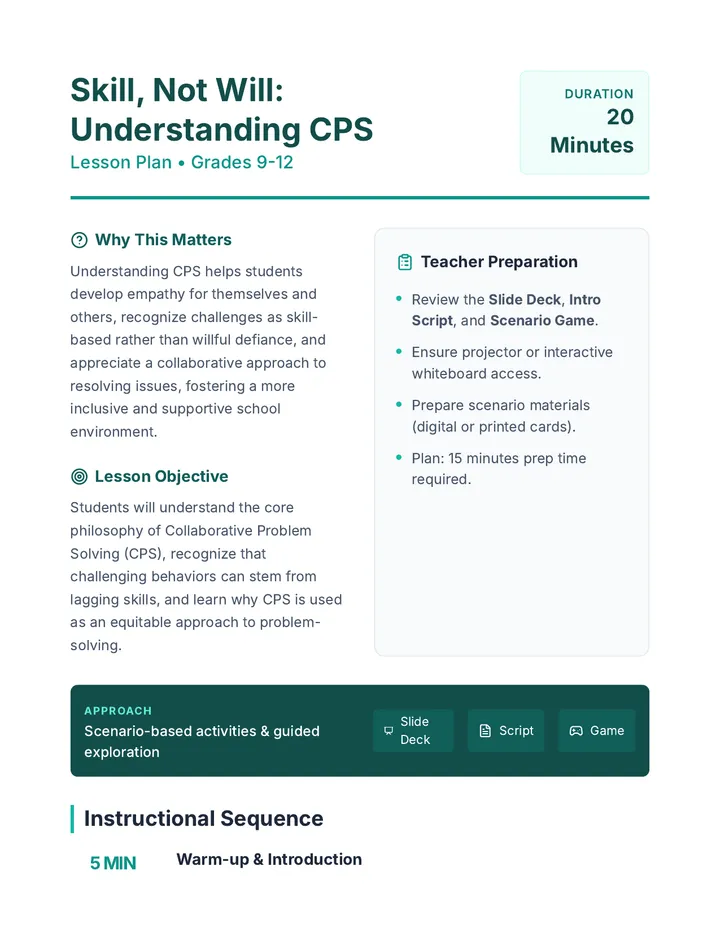
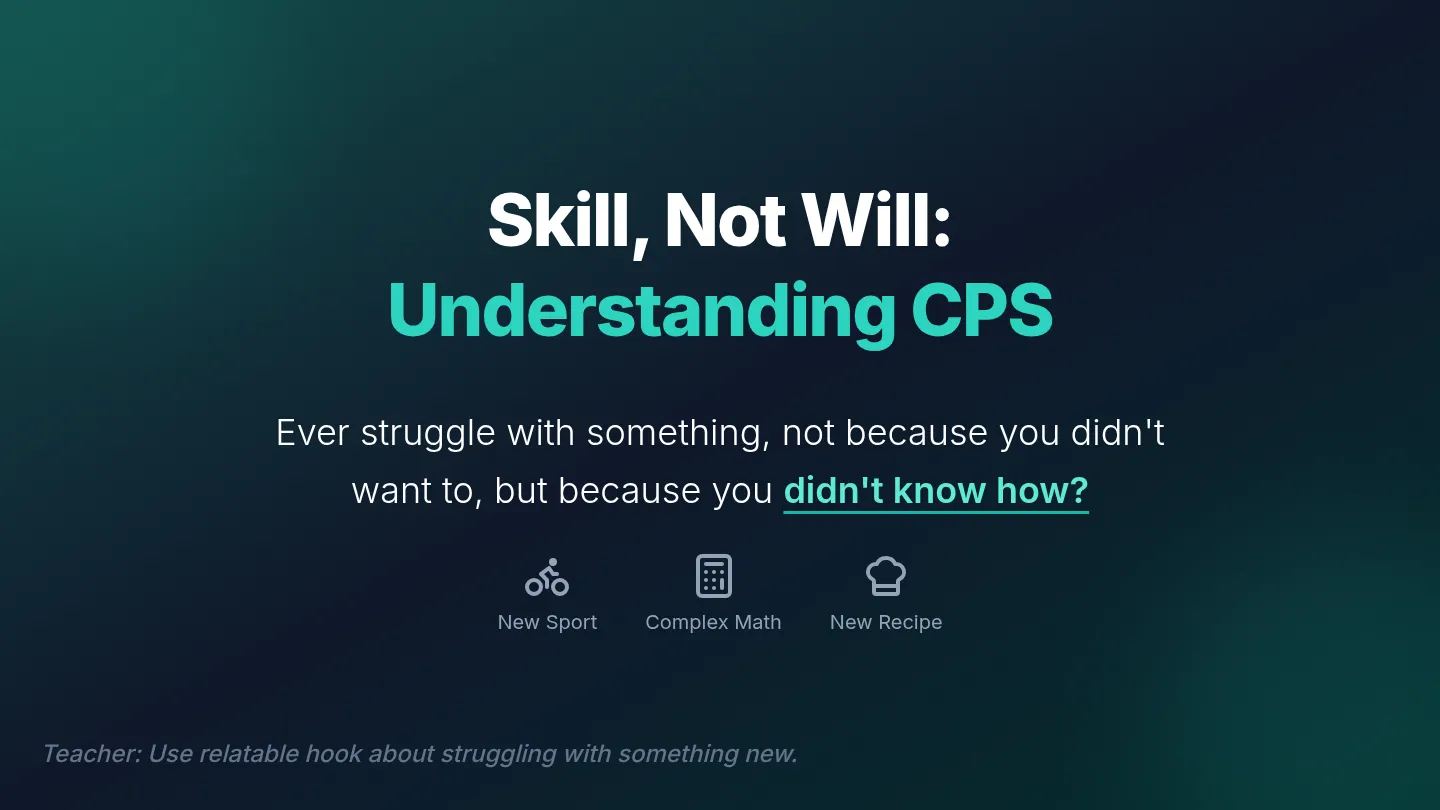
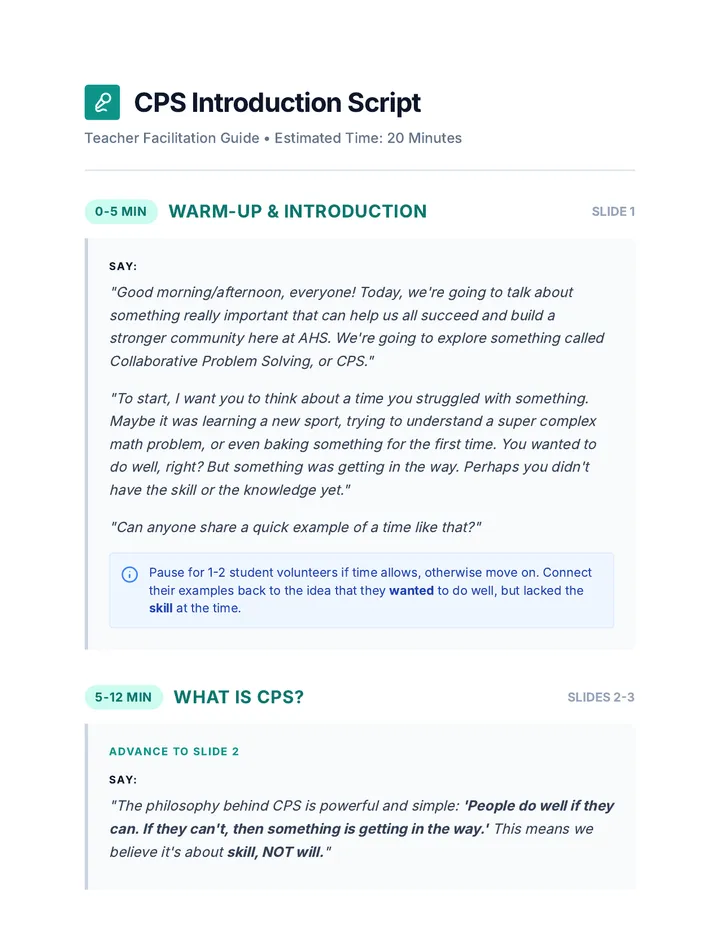
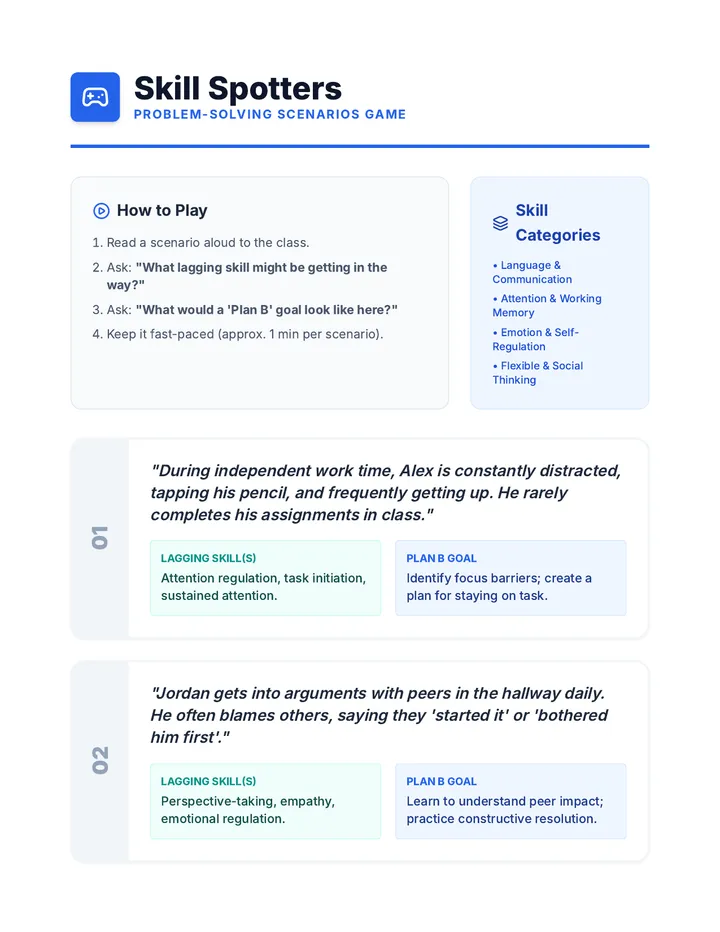
This lesson introduces high school students to Collaborative Problem Solving (CPS), emphasizing that behavioral challenges stem from a lack of skill rather than a lack of will. Students will explore lagging skills, the 'Plan B' conversation, and how this approach fosters equity and inclusion at their school.
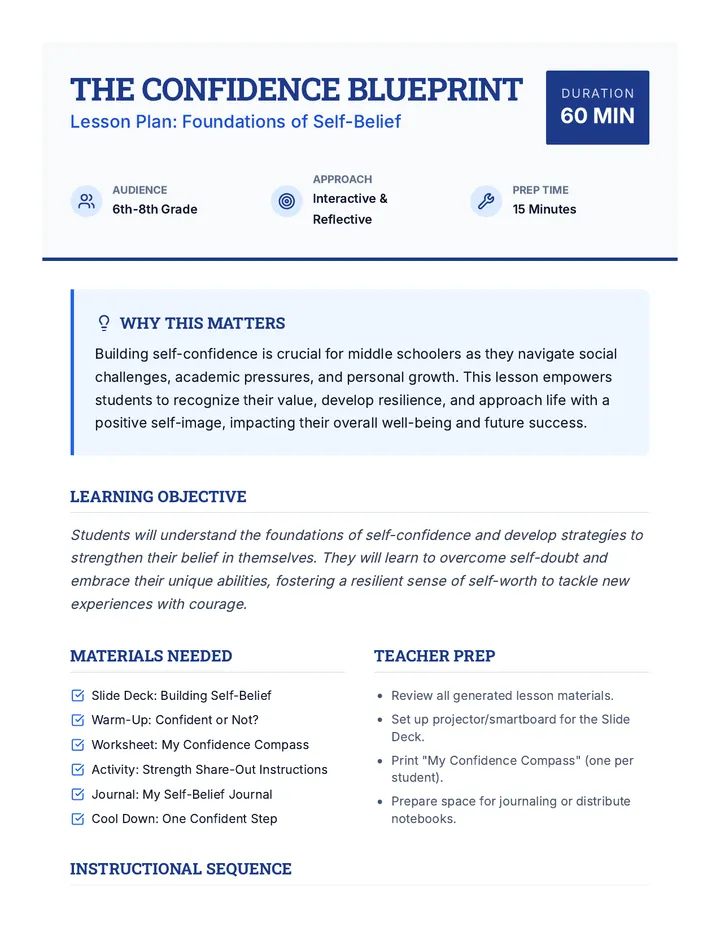
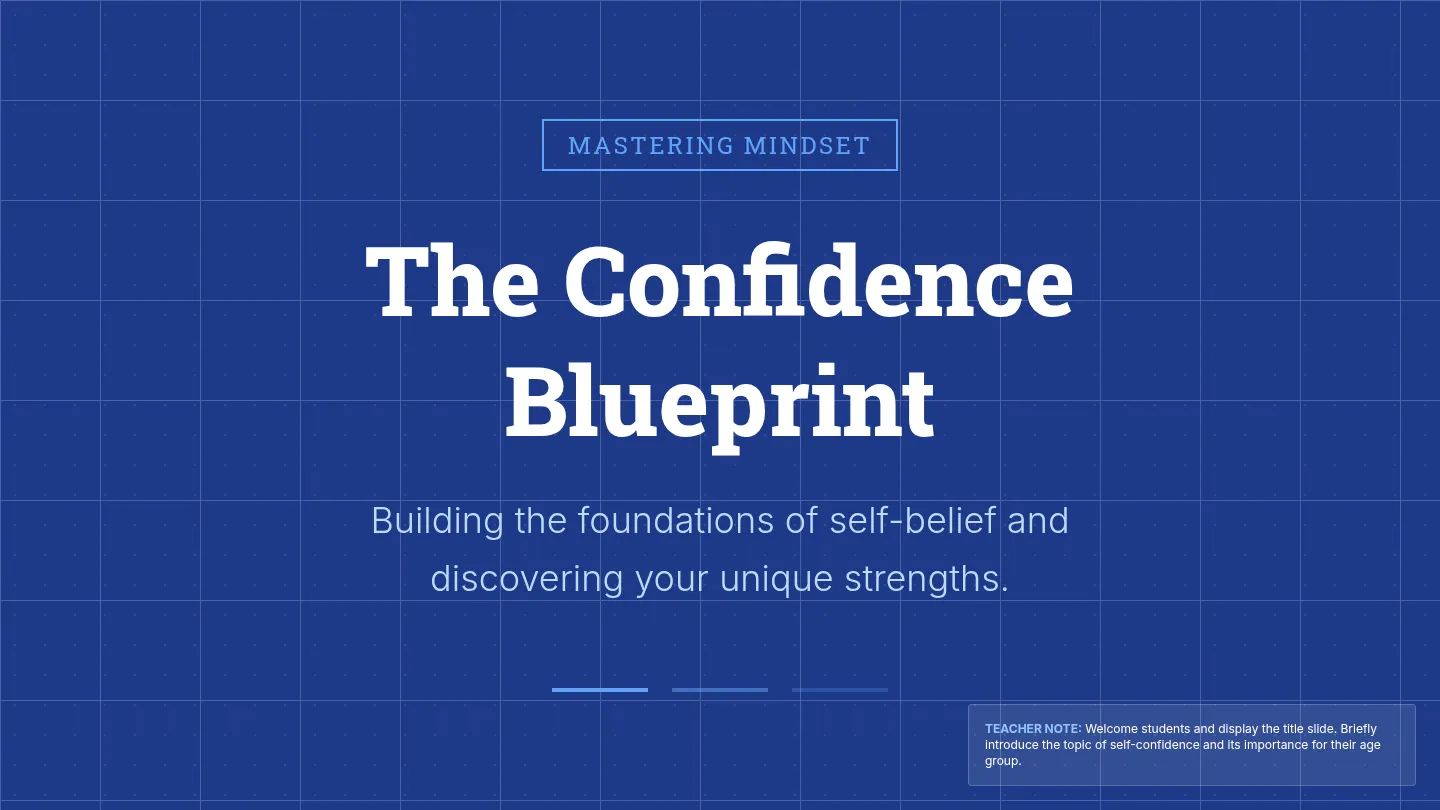
This lesson helps 6th-8th graders understand the foundations of self-confidence and develop strategies to strengthen their belief in themselves. Through self-reflection, identification of personal strengths, and practical exercises, students will learn to overcome self-doubt and embrace their unique abilities.
This lesson helps 5th-8th graders identify and appreciate their unique personal strengths, transforming them into a 'shield' against daily challenges. Students will engage in self-reflection and collaborative activities to recognize their inherent capabilities and build confidence in their ability to overcome obstacles.
A comprehensive 5th-grade lesson that guides students through identifying their strengths and interests to explore potential career paths and set future-oriented goals.