Lenny.com
Explore
Create
ActivitiesNewMathEnglish Language ArtsScience & EngineeringSocial StudiesGlobal LanguagesHealth & Physical EducationSpecial EducationCounseling & Life SkillsArts & CreativityESL
Lenny.com
Lenny.com
Explore
Create
ActivitiesNewMathEnglish Language ArtsScience & EngineeringSocial StudiesGlobal LanguagesHealth & Physical EducationSpecial EducationCounseling & Life SkillsArts & CreativityESL
Lenny.com
Lenny.com

Solutions

Lenny for EducatorsLenny for SchoolsLenny for Districts

Product

ExploreSign inCreateSupportAbout

Resources

Getting startedMTSS Acceleration Program

Newsletters

School Funding Newsletter

© 2026 Lenny Learning Inc.

TermsPrivacyAccessibility
LinkedInInstagramX
Lenny
Counseling & Life SkillsSelf-AwarenessBasic Emotion RecognitionComplex Emotion IdentificationEmotional Nuance & Mixed FeelingsBuilding Positive Self-ImageRecognizing Strengths & Growth AreasAccurate Self-AssessmentPersonal Values IdentificationCultural & Individual Identity ExplorationValues-Based Decision MakingSelf-ManagementStop-and-Think StrategiesDelaying GratificationIndependent Impulse ManagementIdentifying Stress TriggersShort-Term Goal SettingSMART Goals DevelopmentGoal Monitoring & AdjustmentBuilding Perseverance & ResilienceInternal Motivation DevelopmentComprehensive Stress Reduction PlanningSocial AwarenessRecognizing Others' FeelingsDemonstrating EmpathyRespecting Individual DifferencesUnderstanding Cultural DiversityComplex Empathetic ResponsesMultiple Viewpoint ConsiderationMulti-Perspective AnalysisChallenging Stereotypes & BiasRelationship SkillsActive ListeningClear Verbal & Nonverbal CommunicationBuilding Positive FriendshipsWorking Cooperatively in GroupsCommunicating Personal BoundariesRespecting Others' BoundariesAssertive ExpressionPeaceful Problem-SolvingContributing to Team GoalsComplex Conflict NavigationMediation & NegotiationHealthy Romantic RelationshipsResponsible Decision-MakingDaily Problem IdentificationBrainstorming Multiple SolutionsEvaluating Pros & ConsRecognizing Risks & ConsequencesApplying Ethical FrameworksInformed Risk-Benefit DecisionsRoot Cause AnalysisMindfulnessMindful BreathingBody Scan MeditationDaily Mindfulness ApplicationDaily Self-Care RoutinesBalancing Life DemandsAdvocating for Wellness NeedsMental Health SupportUnderstanding Anxiety SymptomsWorry Management StrategiesProgressive Muscle RelaxationRecognizing Depression SignsBuilding Mood-Supporting RoutinesBehavioral Activation for MoodUnderstanding Grief StagesHealthy Grief CopingCreative Expression of LossBehavioral SupportDaily Check-In ProceduresDaily Goal Setting & ReviewRecognizing Escalation Warning SignsRequesting Breaks & SupportSelf-Calming During DistressUnderstanding Positive ReinforcementToken Economy ImplementationBehavior Chart TrackingAnalyzing Behavior PatternsIdentifying Antecedents & ConsequencesDetermining Behavior FunctionFunction-Based InterventionsIndividualized Behavior ContractsData-Driven Behavior AdjustmentTherapeutic ApproachesThoughts-Feelings-Behaviors ConnectionRecognizing Thinking PatternsChallenging Negative ThoughtsPositive Self-Talk PracticeThought Record TrackingAdvanced Cognitive RestructuringComprehensive CBT PlansBehavioral Activation TechniquesBuilding Positive ExperiencesExposure Hierarchies for AnxietyPresent-Moment AwarenessNon-Judgmental ObservationSelf-Soothing & DistractionComplex Emotion LabelingReducing Emotional Vulnerability (PLEASE)DEAR MAN CommunicationGIVE Skills for RelationshipsFAST Skills for Self-RespectRadical Acceptance PracticeCrisis Survival Skills (TIPP)Understanding Trauma EffectsTrauma Responses & TriggersIdentifying Trauma FeelingsGrounding TechniquesRegulation During Trauma DistressSafe Place VisualizationProcessing Through NarrativeDeveloping Trauma StoryPersonalized Safety PlanningGroup SupportTurn-Taking & SharingGroup Conversation SkillsSharing in Supportive EnvironmentLearning from Similar ChallengesBuilding Community & BelongingNavigating Peer RelationshipsGroup Skill PracticeGroup Mental Health EducationStress & Anxiety UnderstandingCrisis Support & SafetyKnowing When to Seek HelpIdentifying Mental Health CrisesGrounding During CrisisUsing Crisis HotlinesBuilding Support NetworksAccessing Mental Health ResourcesWarning Signs & Coping StrategiesDeveloping Personal Safety PlansUnderstanding Suicide Warning SignsGatekeeper Skills for PeersDigital LiteracySocial MediaTechnology BasicsProductivity ToolsInternet and Online ResearchWeb Design and PublishingDigital CitizenshipOnline Safety and PrivacyEmerging TechnologiesFinancial LiteracyMaking Financial DecisionsBanking and AccountsConsumer SkillsSaving and InvestingCredit and DebtEmployment and IncomeTaxesInsuranceMajor PurchasesEconomic ConceptsFinancial PlanningCollege & Post-Secondary PlanningCareer ExplorationUnderstanding Post-Secondary OptionsCollege Research & SelectionAdmission RequirementsCollege Application ProcessPersonal Statement WritingFAFSA CompletionScholarship Search & ApplicationsUnderstanding Student LoansContinuing Education PlanningInterview PreparationResearching EmployersCommon Interview QuestionsSTAR Method ResponsesProfessional Interview PresenceVirtual Interview SkillsInterview Follow-UpJob Search SkillsUnderstanding Job PostingsEffective Job Search StrategiesNetworking for OpportunitiesResume Writing BasicsAction Verbs & AchievementsTailoring Resumes to JobsCover Letter WritingProfessional ReferencesProfessional CommunicationBusiness Email EtiquettePhone & Voicemail ProfessionalismMeeting ParticipationPresentation SkillsProfessional Work EthicTime Management & ProductivityTeamwork & CollaborationAdaptability & FlexibilityProblem-Solving at WorkConstructive FeedbackWorkplace RightsUnderstanding Employment LawsPay & Benefits UnderstandingWorkplace SafetyAnti-Discrimination & Harassment

Email Mastery

This 60-minute lesson for 9th graders focuses on mastering professional email etiquette. Students learn the essential components of a formal email, analyze common mistakes through an 'Email Clinic,' and practice drafting their own messages for various real-world scenarios.

CFCarson Ferren

Body: Your Message

Be Direct

Get to the point quickly. Don't bury the lead!

Be Clear

Simple language, no slang, and clean paragraphs.

Proofread

Spelling and grammar errors hurt your credibility.

Teacher Notes: Body should be clear and concise. Advise students to break up long emails into shorter paragraphs for readability.


Closing & Signature

Professional Sign-offs

"Sincerely," "Best regards," "Thank you,"

The Signature Block

[Your Full Name]
[Your Title/Affiliation]
Example: 9th Grade Student, Lincoln High School

"The closing is the final handshake before you walk away. Leave them with a professional impression."

Teacher Notes: Discuss how to end an email effectively. Provide examples of signatures and what information to include.


Email Clinic

Time to be an Email Detective!

1. Identify all the professional communication mistakes.

2. Rewrite them to be perfect examples of professional emails.

Teacher Notes: Introduce the worksheet activity. Students will apply what they've learned by analyzing and correcting sample emails.


Make it Count!

Professional emails create positive impressions.

Every part matters: Subject, Greeting, Body, Closing.

Always proofread before hitting send!

Practice makes perfect.

Scenario Challenge: Respond Like a Pro

Teacher Notes: Review main takeaways and take any final questions. Assign the Scenario Challenge for independent practice.

[Slide 6: 'Body: Your Message']

Teacher: "The body of your email is where you convey your message. The key here is to be direct and clear. And critical – always proofread! A mistake can make you seem less credible. If your email is long, break it up into shorter paragraphs to make it easier to read."

[Slide 7: 'Closing & Signature: The Farewell']

Teacher: "Finally, we wrap up with a professional closing. Sincerely, Best regards, or Thank you. Don't forget your full name and affiliation (like '9th Grade Student')."

PART 3

Email Clinic (20 min)

[Slide 8: 'Email Clinic: Spot the Mistakes']

Teacher: "Alright, now it's your turn to be email detectives! I'm going to hand out the 'Email Clinic' worksheet. You'll find sample emails with communication mistakes. Identify the mistakes and rewrite them perfectly. Remember: subject, salutation, tone, and signature."

Distribute worksheets. Circulate to provide support.

PART 4

Conclusion (10 min)

[Slide 9: 'Your Digital Voice: Make it Count!']

Teacher: "Great work today! Let's recap. What are the most important things to remember? (Wait for student answers). Excellent! Practice makes perfect. For homework, you'll complete the Scenario Challenge to apply these skills to real-world situations. Any final questions?"

Signature:

Suggested Rewrite

Subject: Urgent: History Project Update - [Your Name]

Dear Mark,

I'm writing to follow up on your sections for our history project. We need to integrate all parts by [Time] to meet our deadline.

Please let us know your progress or if you need help with your section. We want to ensure we submit a strong project together.
Best regards,
[Your Full Name]

You might also like

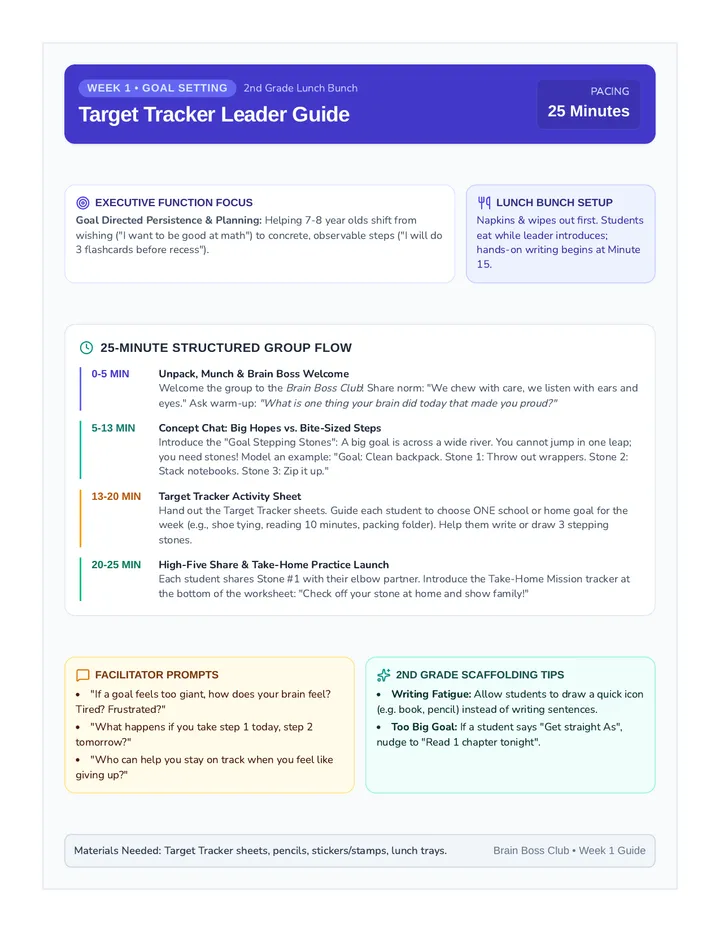
Target Tracker Leader Guide

Brain Boss Club

A 6-week lunchtime executive functioning curriculum for second graders focusing on goal setting, time awareness, decision making, problem solving, focus, and self-reflection.

K

Kathryn.Sanders

13
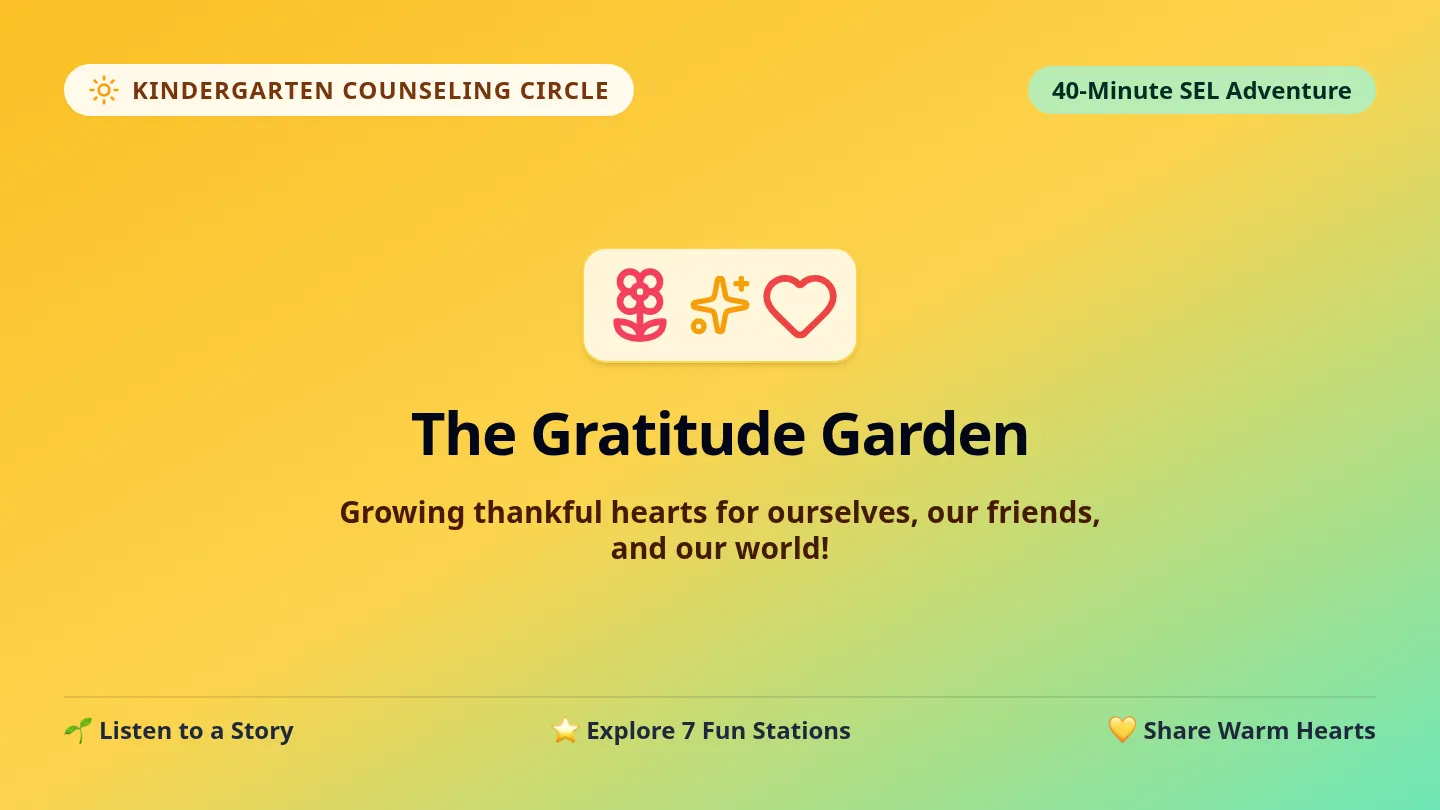
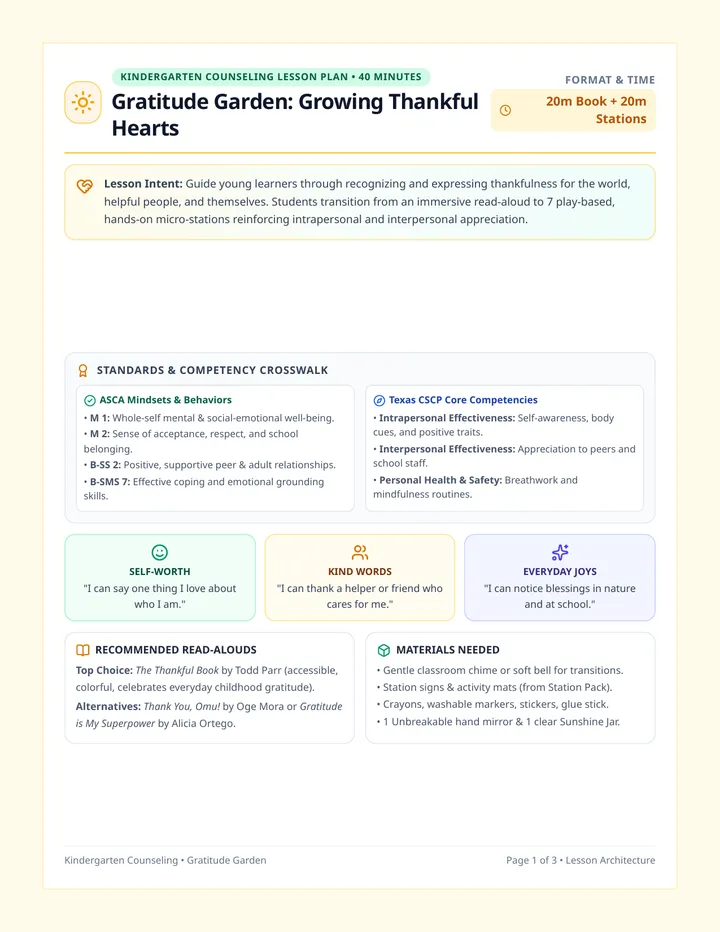
Gratitude Garden Teacher Guide

Gratitude Garden Lesson

A vibrant 40-minute Kindergarten school counseling lesson centered on gratitude and appreciation, featuring a 20-minute interactive book read-aloud and a 20-minute 7-station rotation aligned with ASCA Mindsets & Behaviors and Texas CSCP competencies.

JJ

Jade Johnson

3
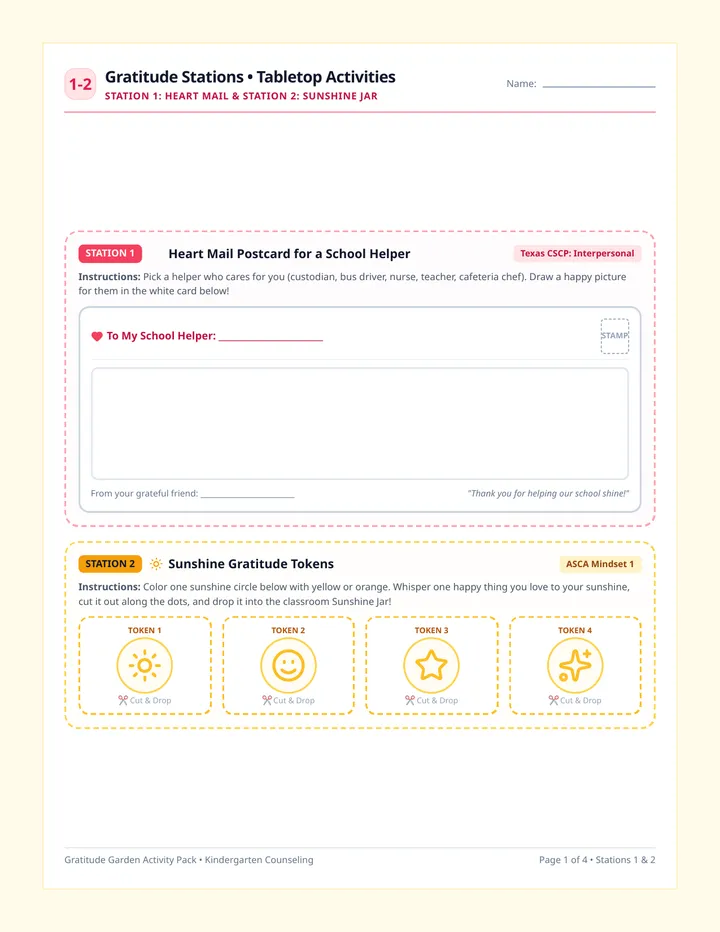
Gratitude Stations Activity Pack

Gratitude Stations Activity Pack

A 4-page print-ready Kindergarten station kit featuring tabletop cards, printable mats, drawing frames, tactile breathing paths, cut-out petals, and a 7-station gratitude passport aligned with ASCA and Texas CSCP competencies.

JJ

Jade Johnson

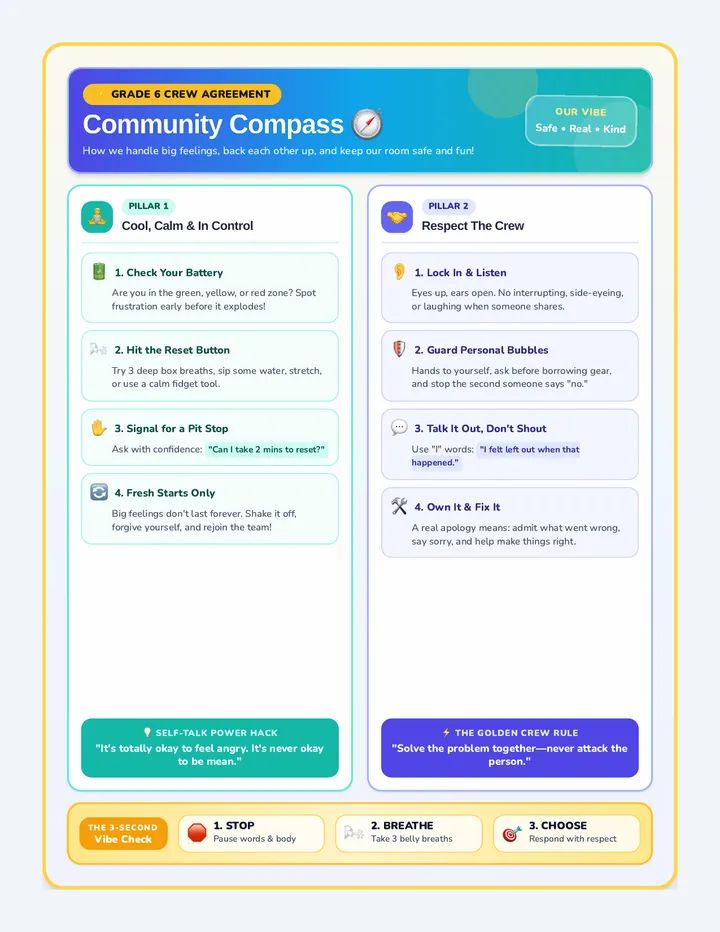
Community Compass Poster

SEL Pathways

A comprehensive social-emotional learning sequence featuring structured lessons for self-regulation, emotional awareness, and positive peer connection across grade levels.

TM

Tanya McMichael

5
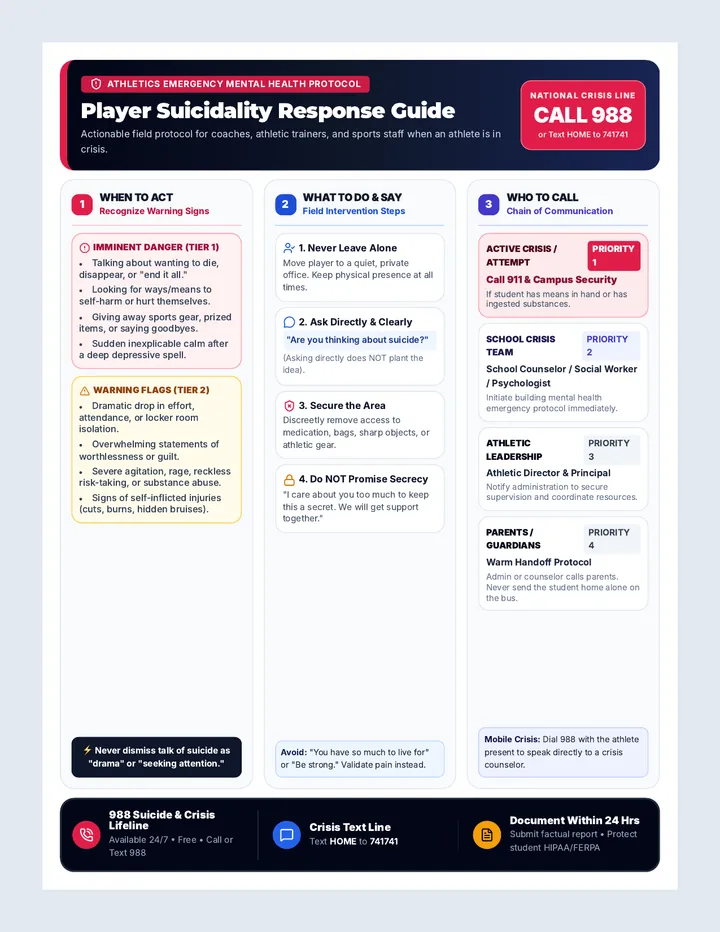
Coach Crisis Protocol Infographic

Coach Crisis Response

A specialized mental health crisis protocol and training module equipping coaches and athletic staff to identify suicide warning signs and execute life-saving escalation procedures.

TM

Tanya McMichael

1
Gratitude Spark Slides

Gratitude Spark Slides

A vibrant 8-slide presentation designed for Kindergarten learners with 24px+ typography, engaging visuals, interactive pauses for read-aloud discussion, visual rules for the 7 stations, and a closing circle chant.

JJ

Jade Johnson

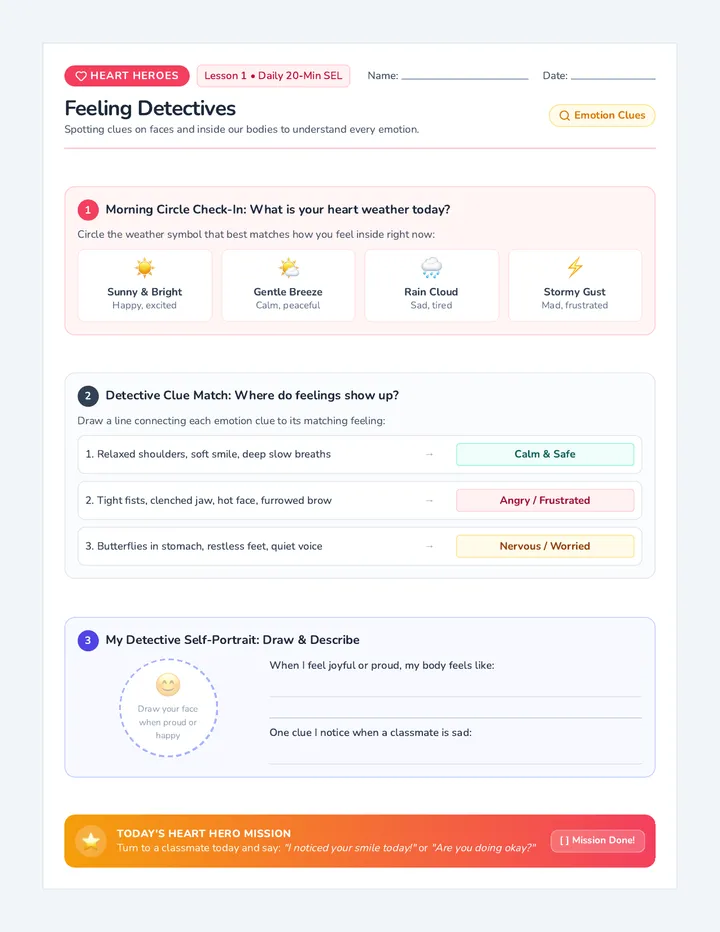
Feeling Detectives Activity Sheet

Heart Heroes

A 10-lesson social-emotional learning curriculum for 2nd grade designed to build empathy, emotional literacy, kindness, diversity appreciation, and active classroom inclusion through daily 20-minute sessions.

NC

Nadine Cenord

21
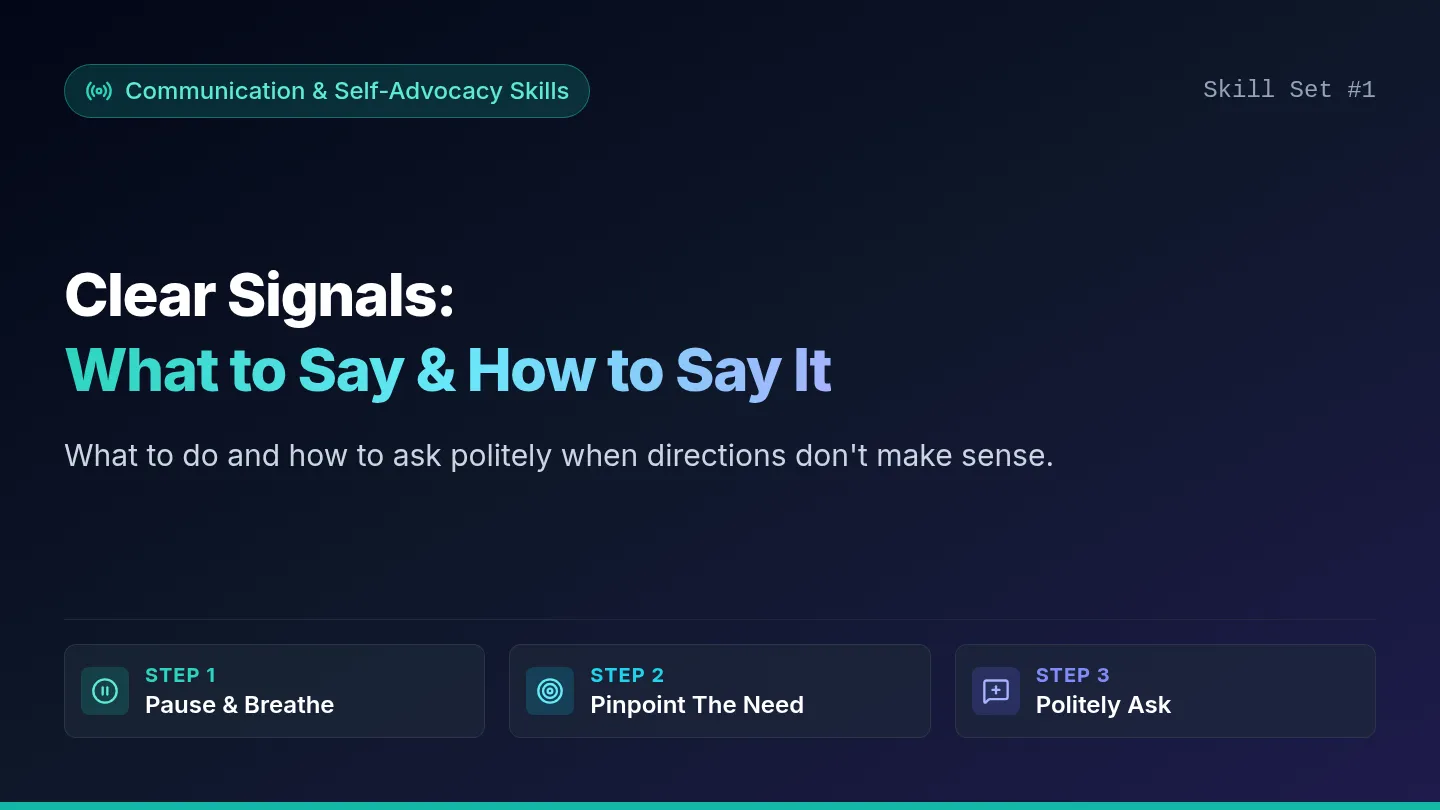
Clear Signals Visual Slides

Clear Signals

A practical communication and self-advocacy lesson teaching students how to recognize confusion, pause respectfully, and use polite scripts and body language to ask for clarification. Students learn a simple 3-step routine (Pause, Pinpoint, Politely Ask) paired with visual cues and role-play practice.

LZ

Lauren Ziedins

3
Gratitude Garden Teacher Guide

Gratitude Garden Teacher Guide

A comprehensive 3-page instructional guide for Kindergarten counselors and teachers, featuring full ASCA and Texas CSCP standards alignment, a 20-minute scripted interactive book lesson, a 20-minute 7-station rotation framework, and differentiation strategies.

JJ

Jade Johnson

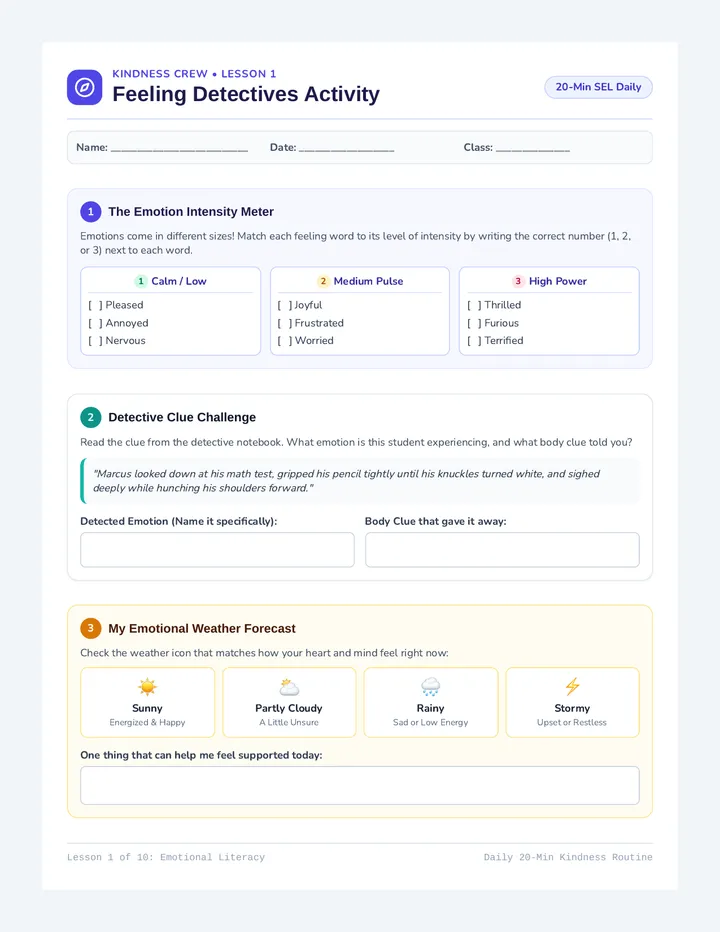
Feeling Detectives Activity

Kindness Crew

A scaffolded 10-lesson social-emotional learning curriculum designed for 3rd and 4th grade students to develop empathy, kindness, diversity appreciation, and active classroom inclusion through daily 20-minute structured sessions.

NC

Nadine Cenord

30
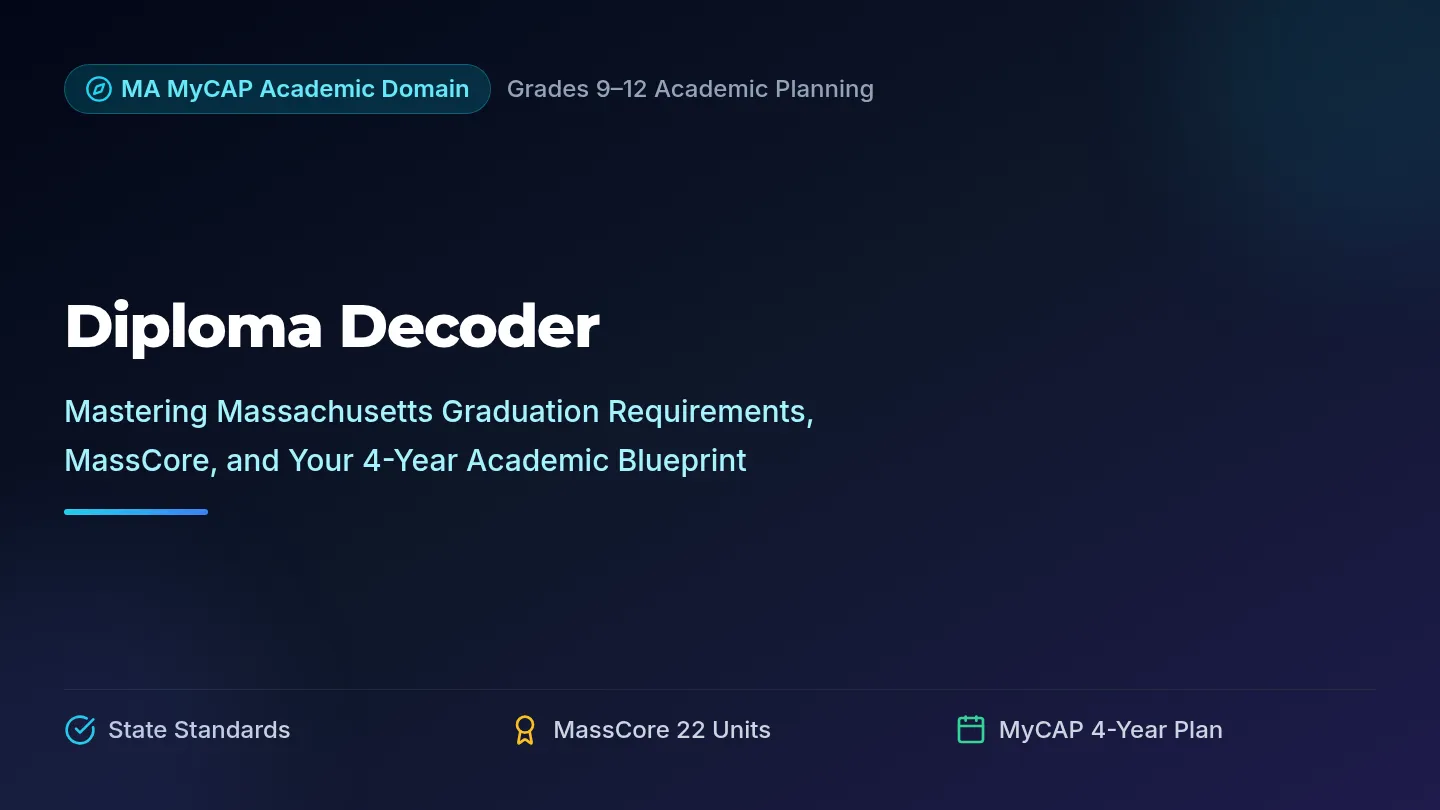
Diploma Decoder Slides

Diploma Decoder

A high school lesson aligned with MA MyCAP standards that guides students in grades 9-12 through Massachusetts state graduation benchmarks, MassCore curriculum recommendations, and personalized four-year course planning.

Lenny Avatar
Lenny
3
Coach Crisis Protocol Infographic

Coach Crisis Protocol Infographic

An essential emergency response infographic for athletic coaches and sports staff detailing when suicide risk occurs, what actions and conversations to execute, and who to call immediately.

TM

Tanya McMichael