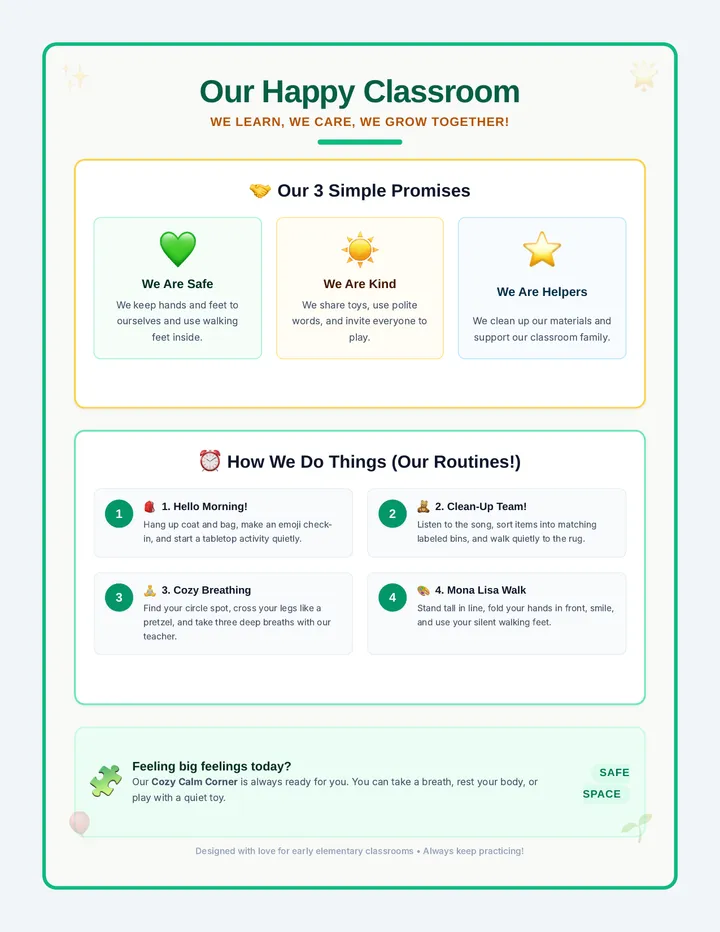
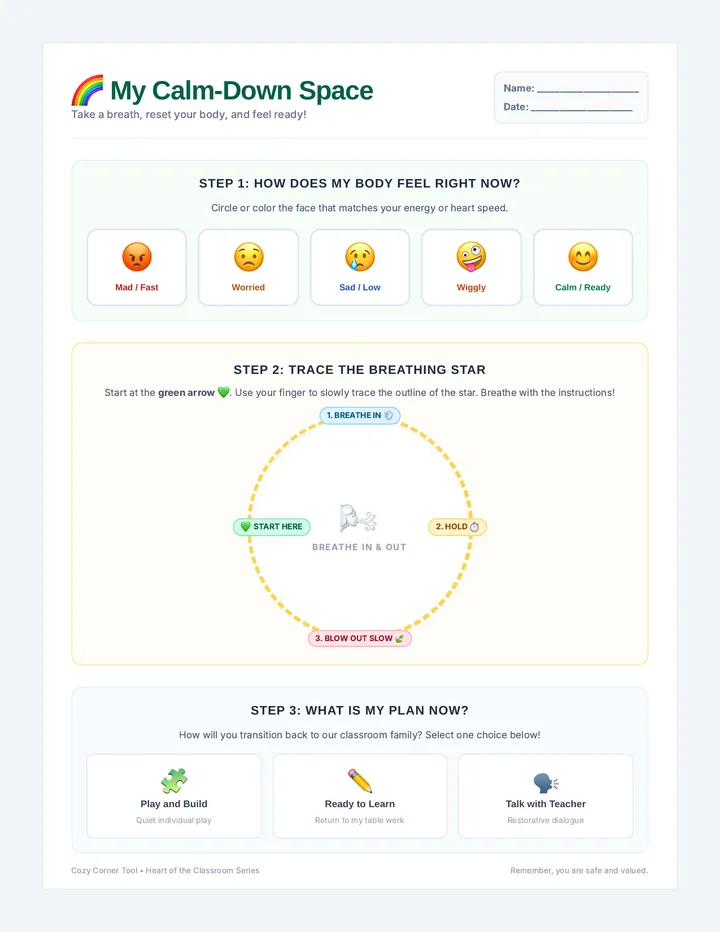
A trauma-informed framework for managing classroom dysregulation through active co-regulation, immediate de-escalation, and collaborative problem-solving to address root triggers while maintaining classroom connection.
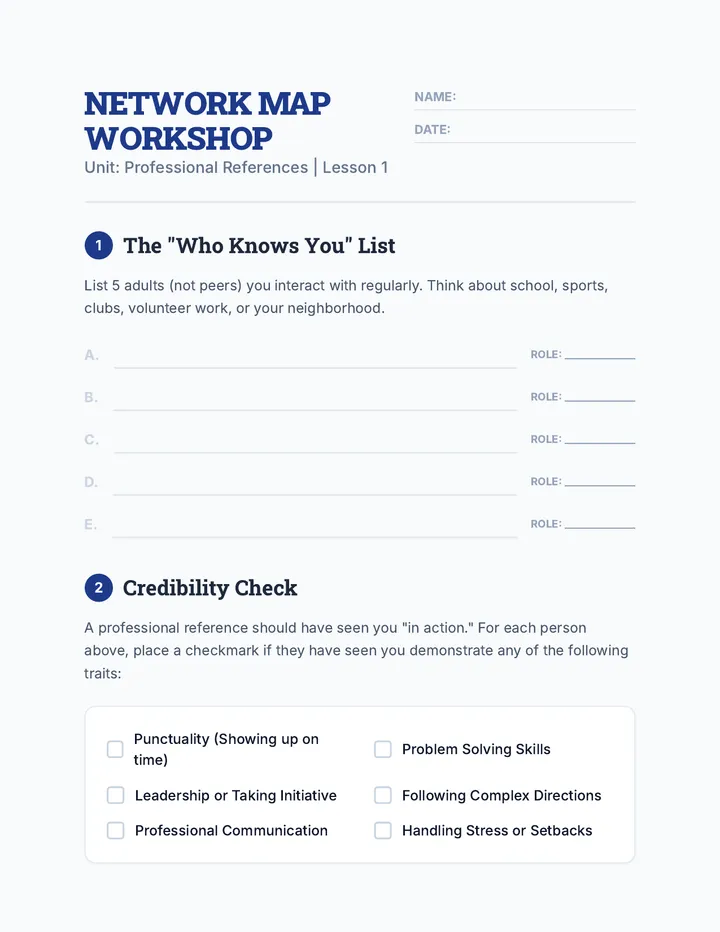
A comprehensive 5-lesson unit for 9th graders on identifying, requesting, and formatting professional references. Students transition from brainstorming their network to producing a polished reference document and learning long-term relationship maintenance.
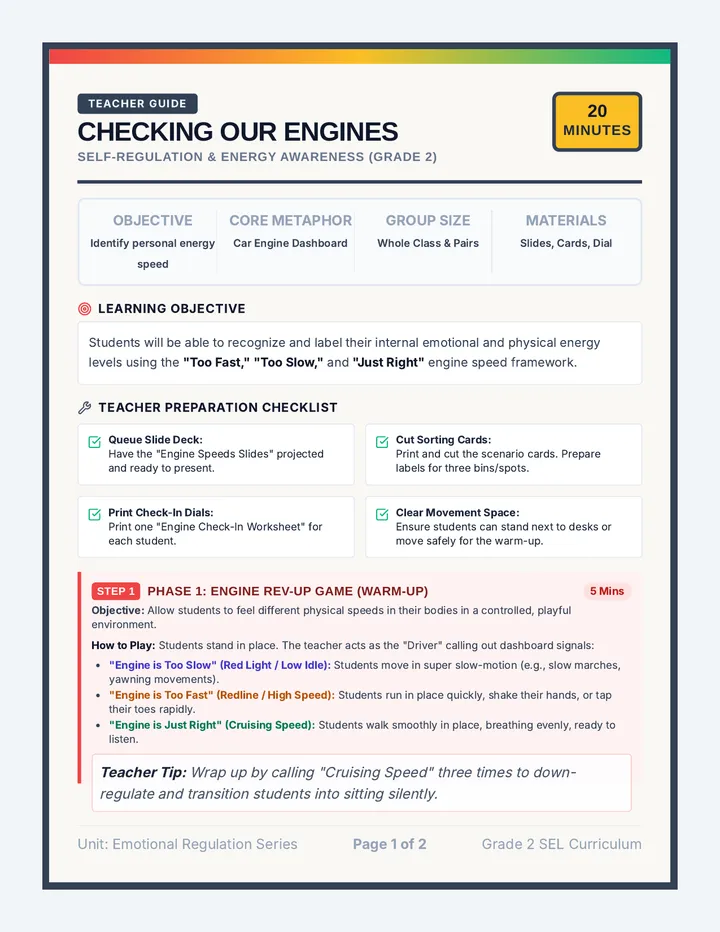
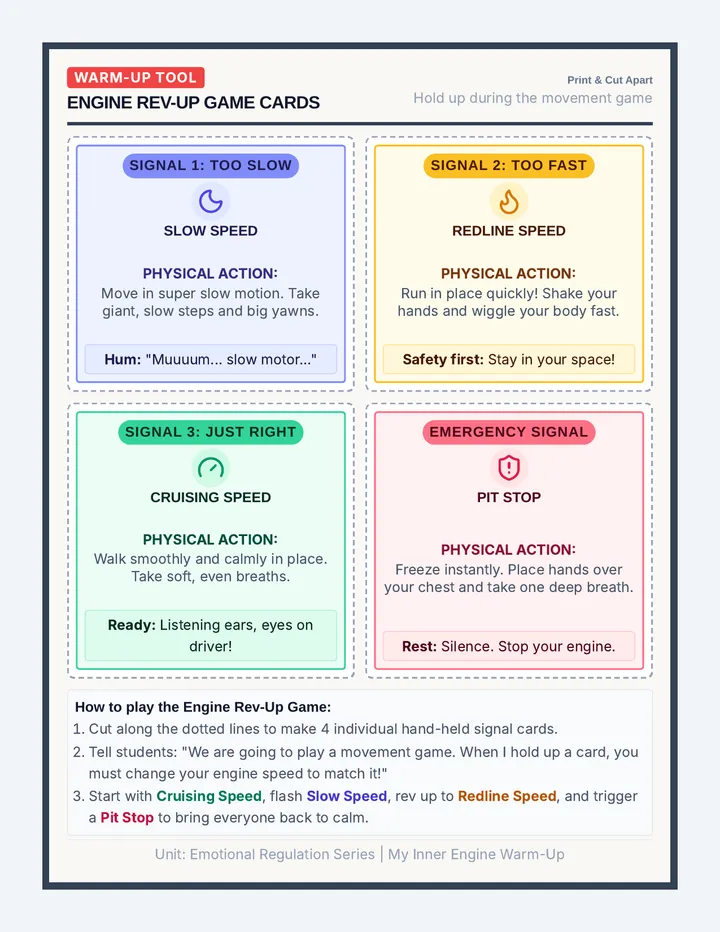
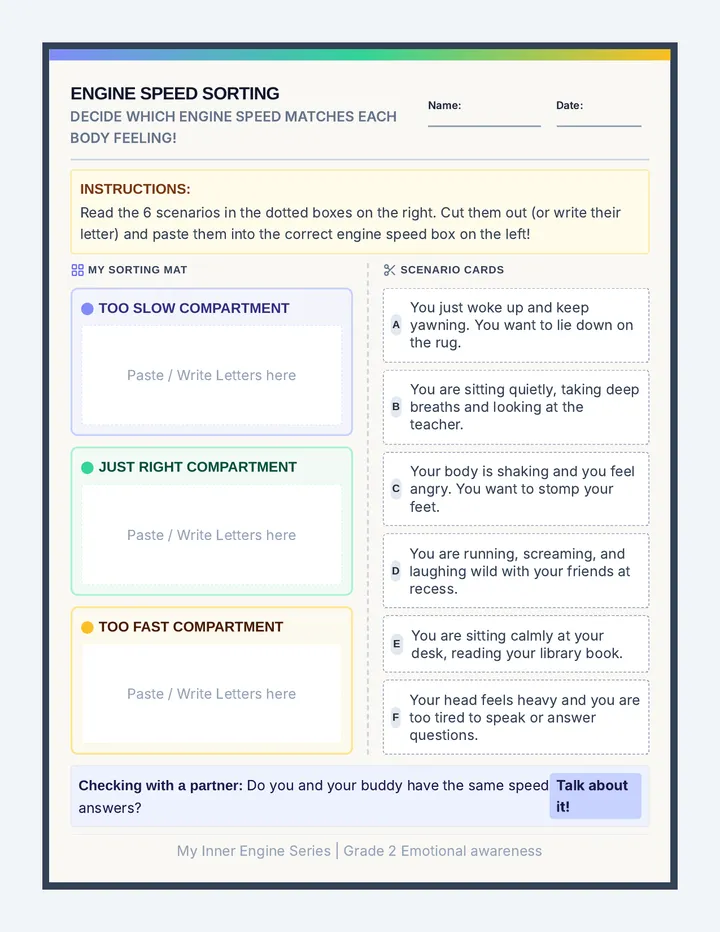
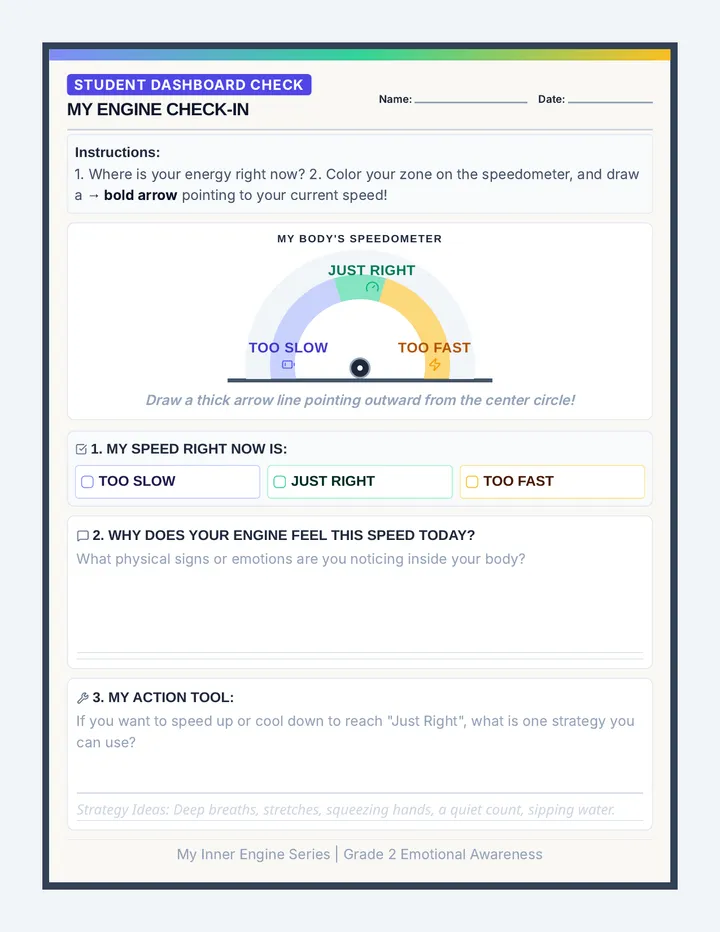
An interactive, emotional regulation lesson for second graders using a car engine metaphor. Students learn to identify and self-monitor their emotional energy levels (too fast, too slow, or just right) using physical movement, visual aids, and interactive sorting activities.
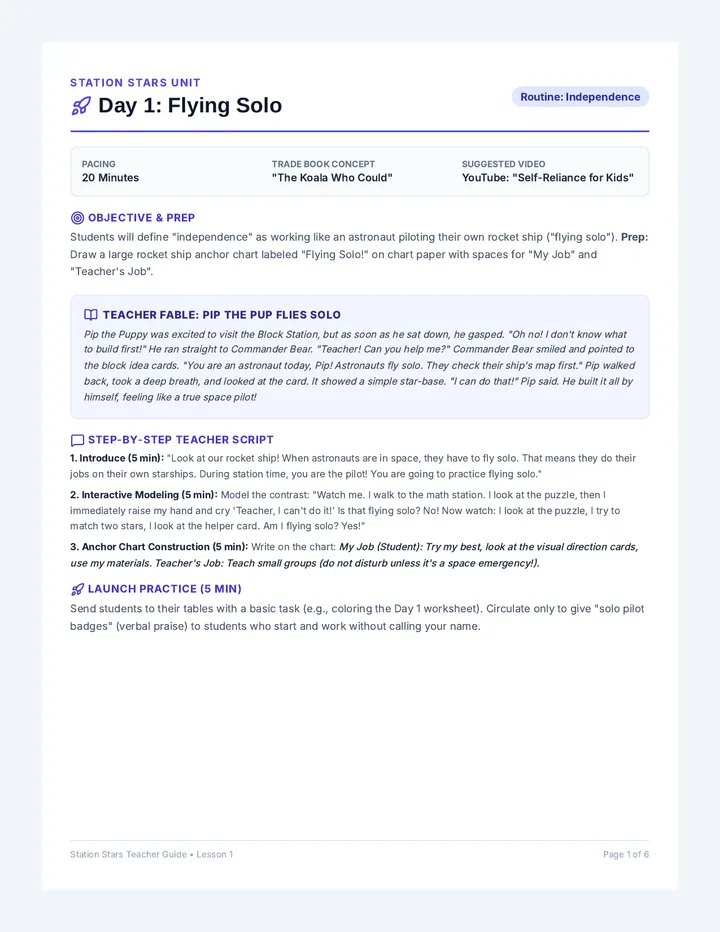
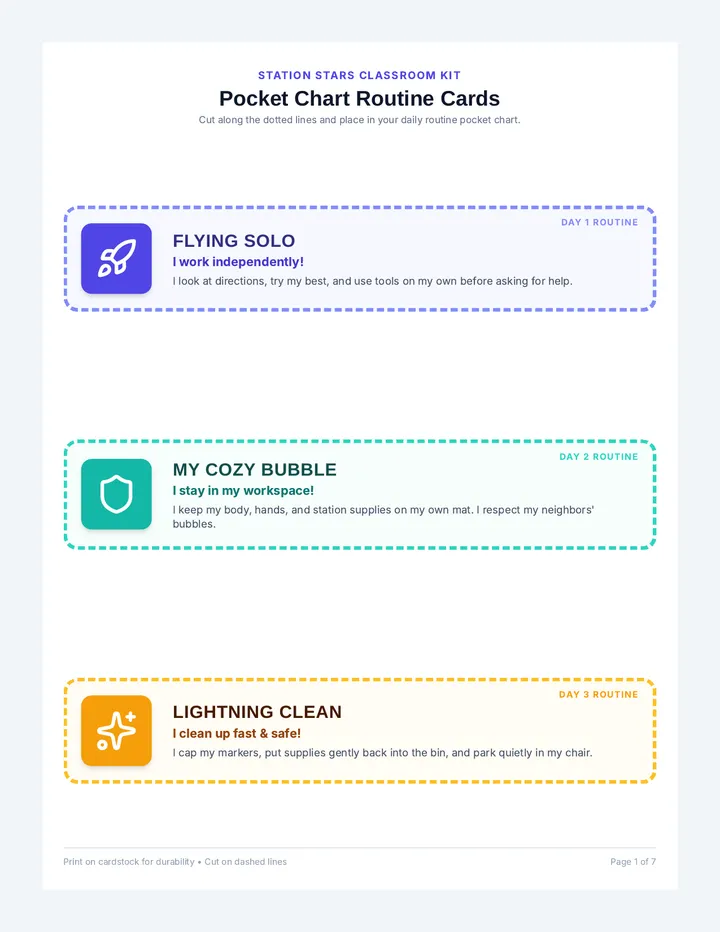
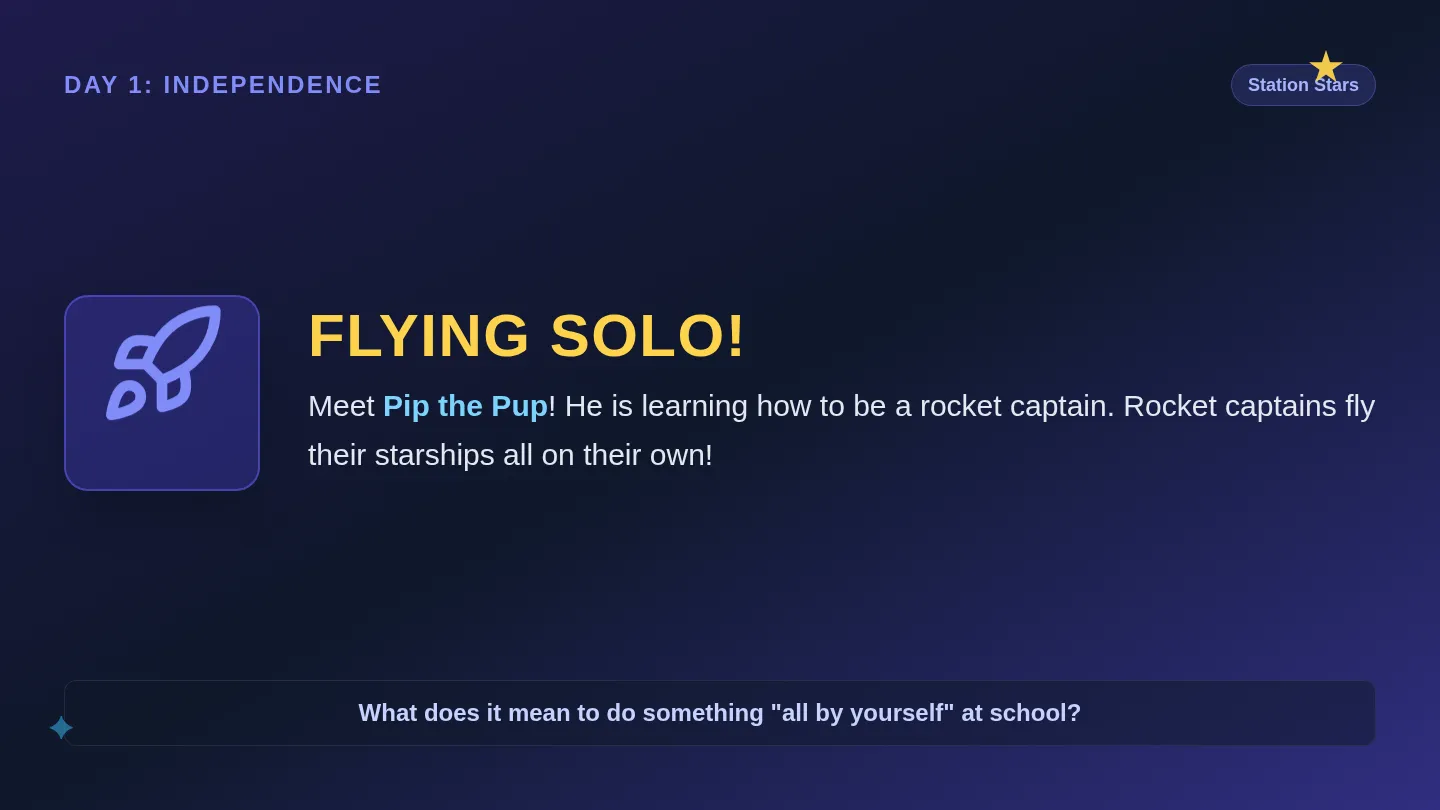
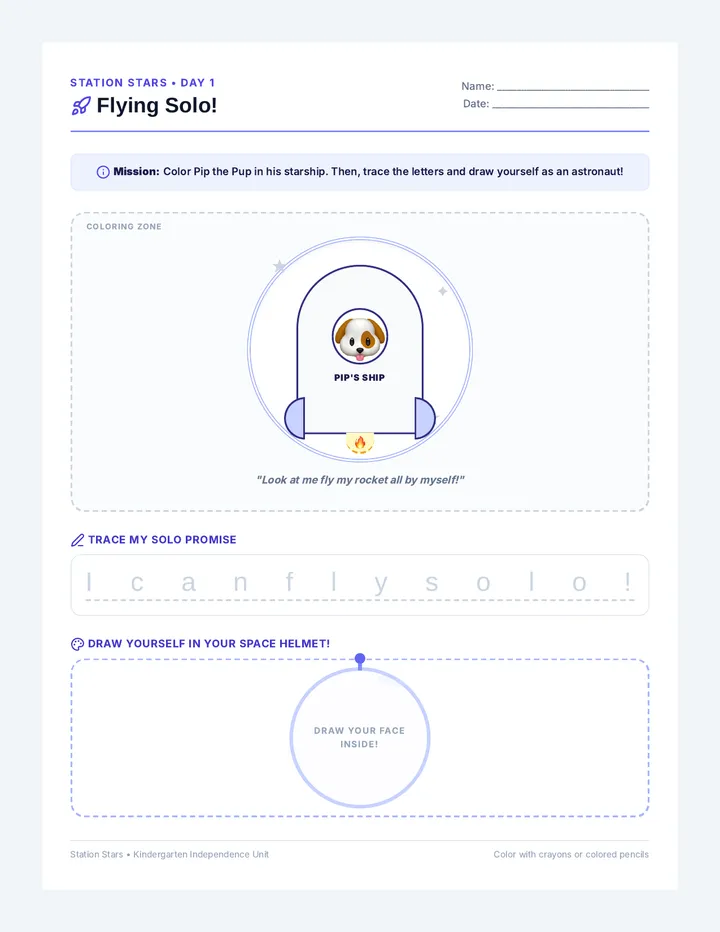
A comprehensive 6-day kindergarten sequence designed to introduce, model, and reinforce essential independent station routines through interactive fables, activities, and visual cues.
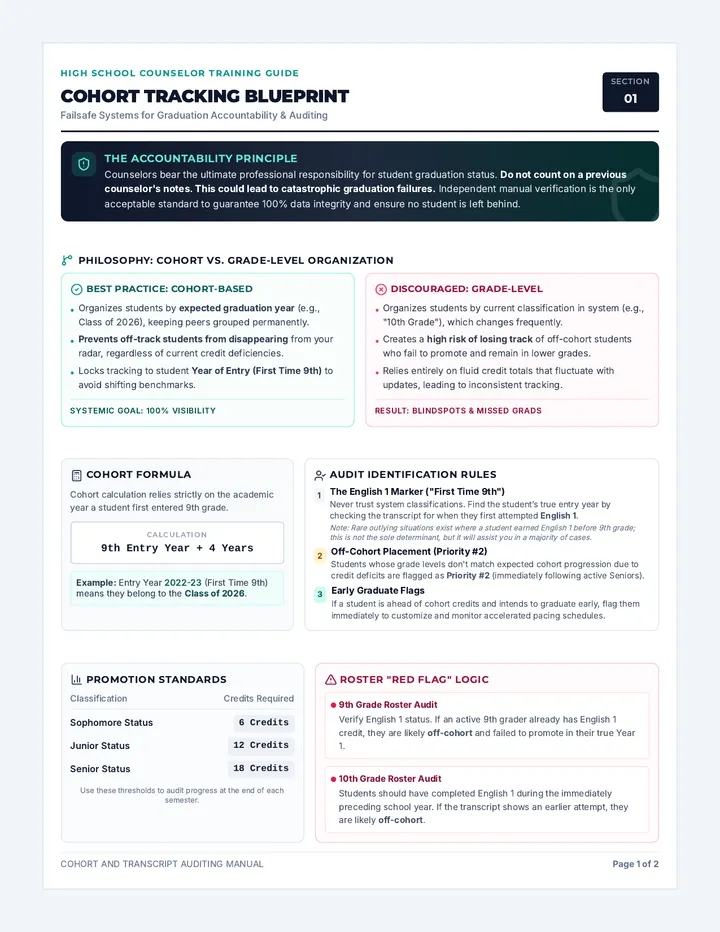
An intensive training module for high school counselors covering graduation accountability, the cohort-based tracking system, physical binder setup, and the manual 4-step credit verification workflow.
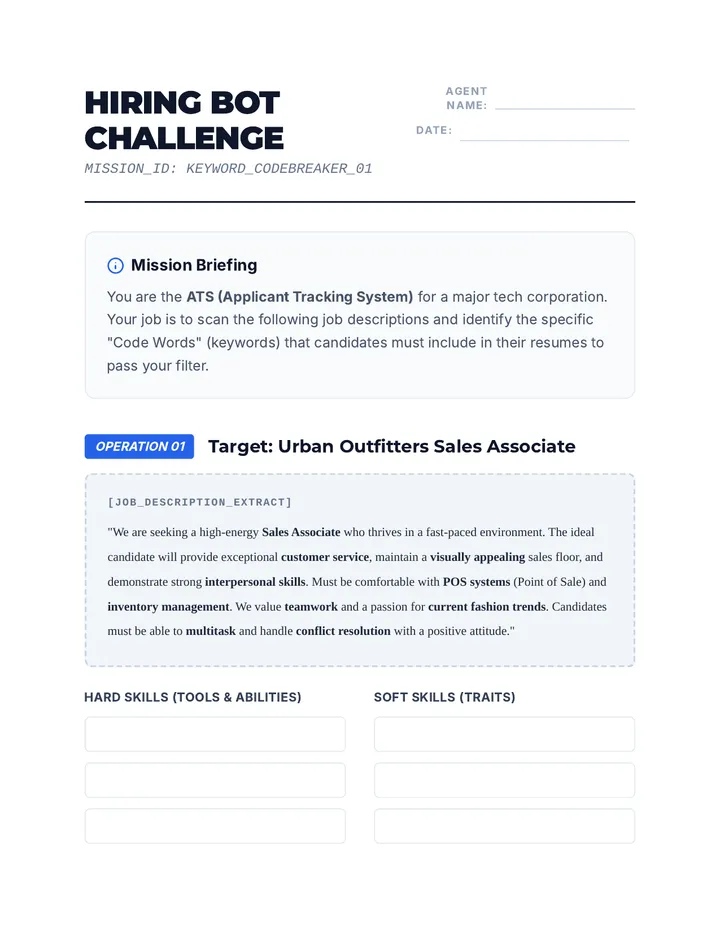
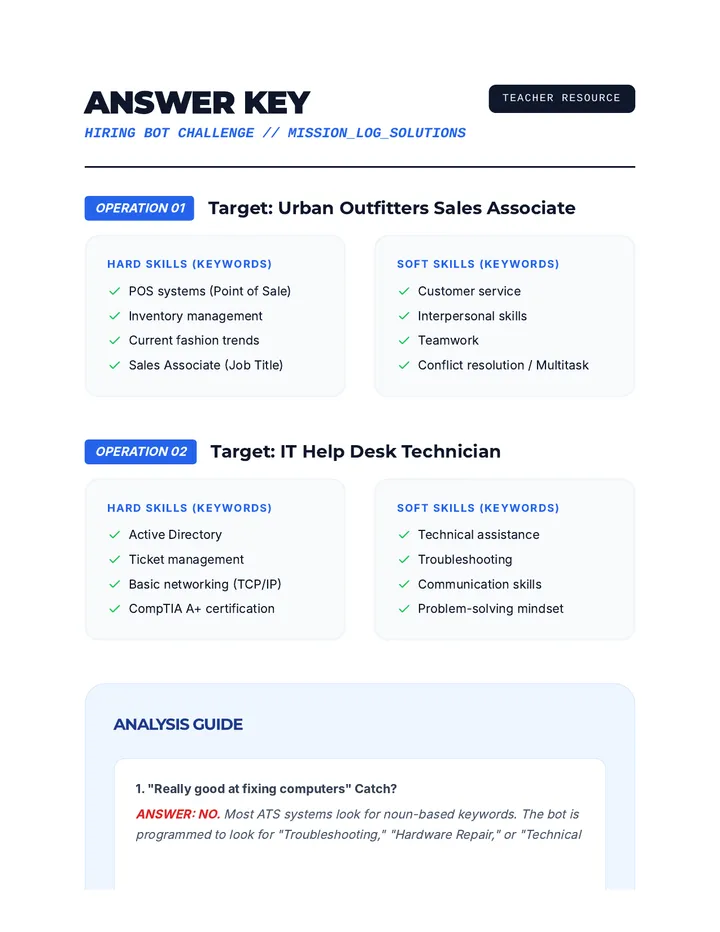
A comprehensive unit for 10th-grade students on navigating the digital job market. Students learn to decode job descriptions for ATS optimization, master job search platforms, build organizational systems for tracking applications, manage their time effectively, and maintain a safe and professional digital footprint.
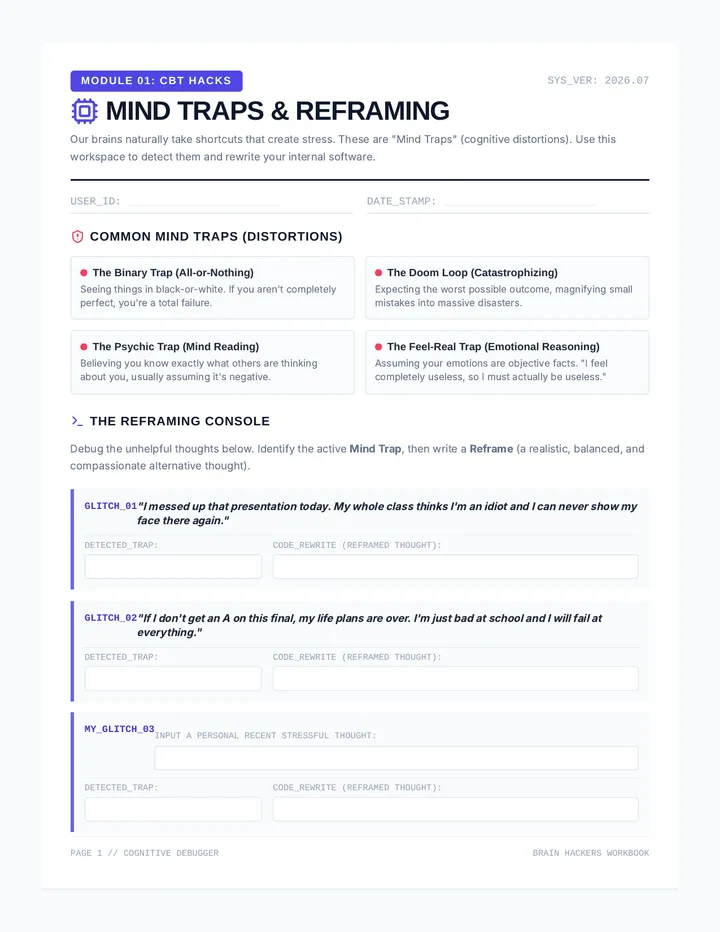
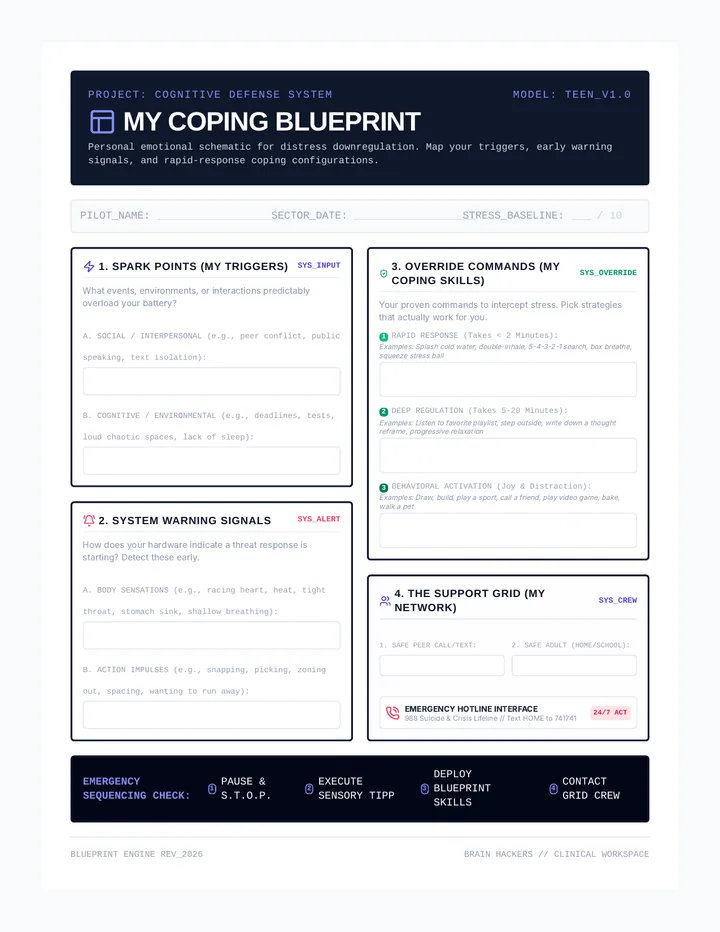
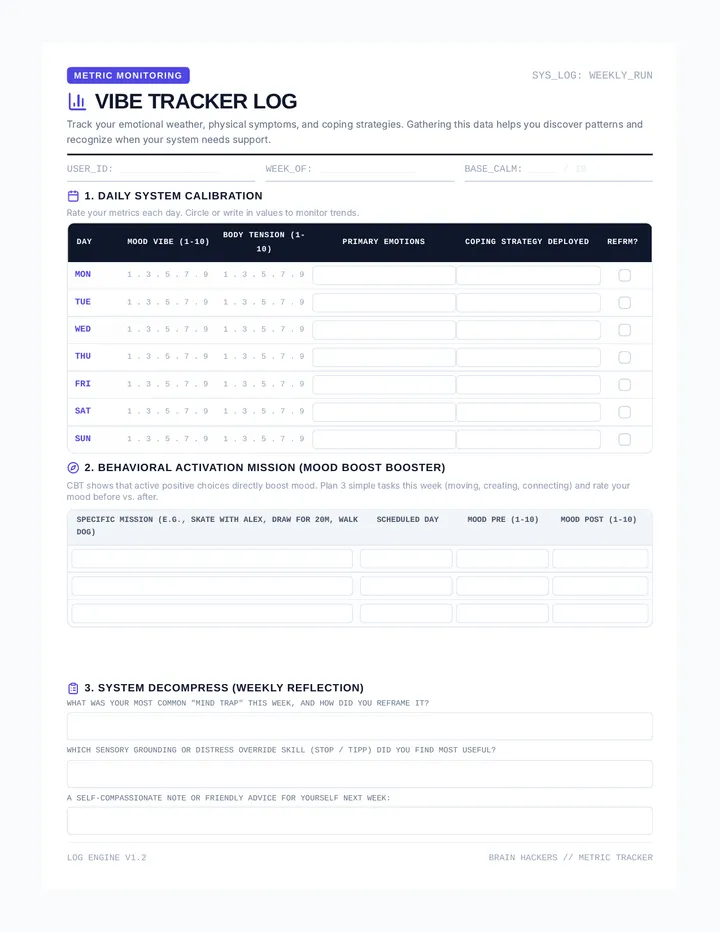
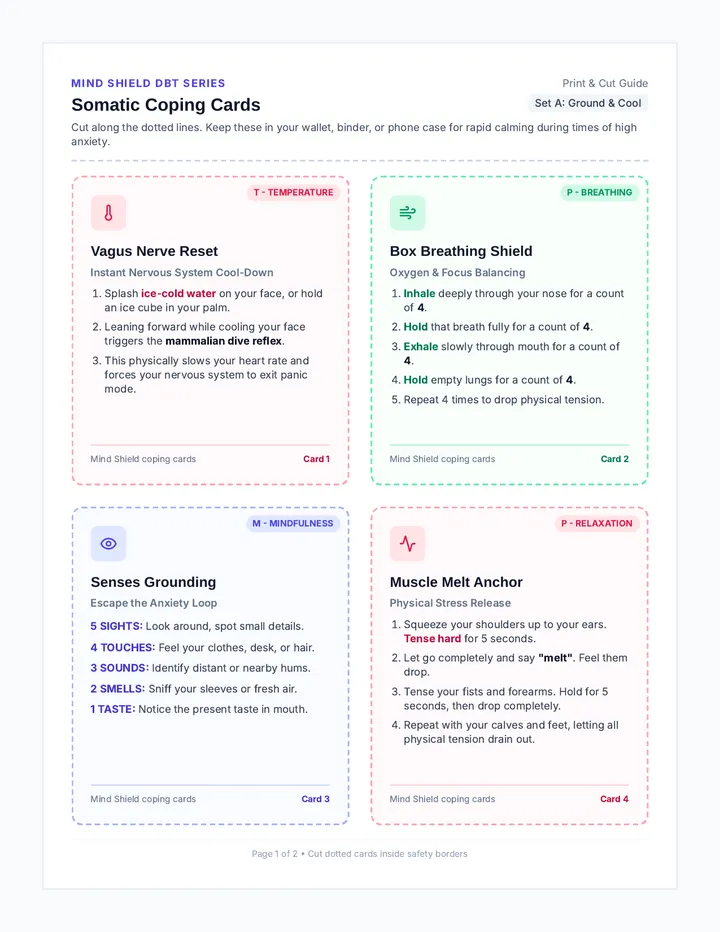
A teen-focused CBT, DBT, and somatic coping skills lesson. It features interactive worksheets, visual blueprints, and tracking logs designed to help teenagers reframe thoughts, regulate distress, and ground their bodies.
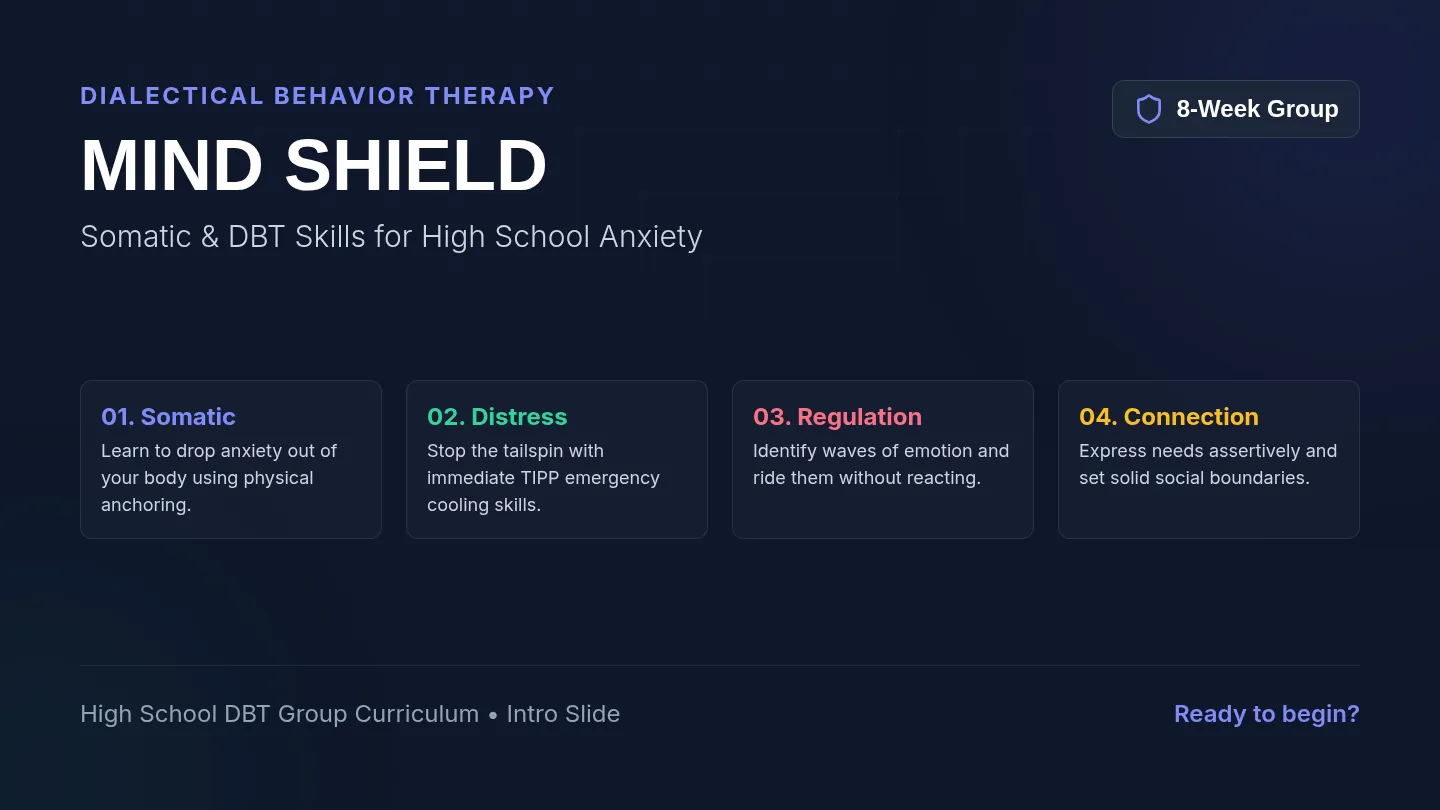
An 8-week Dialectical Behavior Therapy (DBT) group curriculum for high schoolers experiencing anxiety, combining somatic mindfulness, distress tolerance, emotion regulation, and interpersonal effectiveness skills.
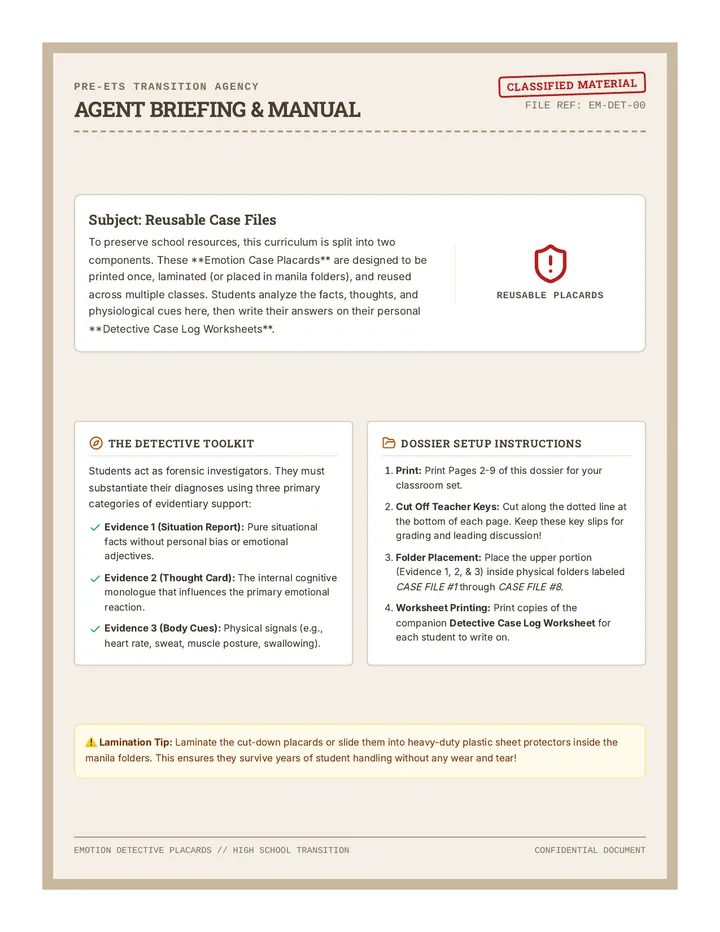
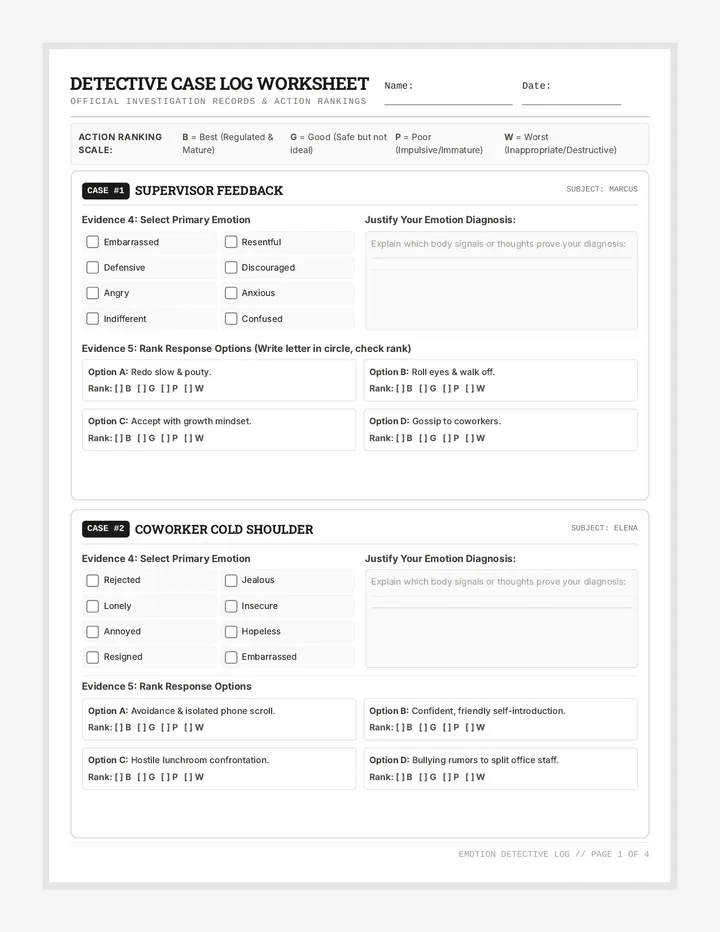
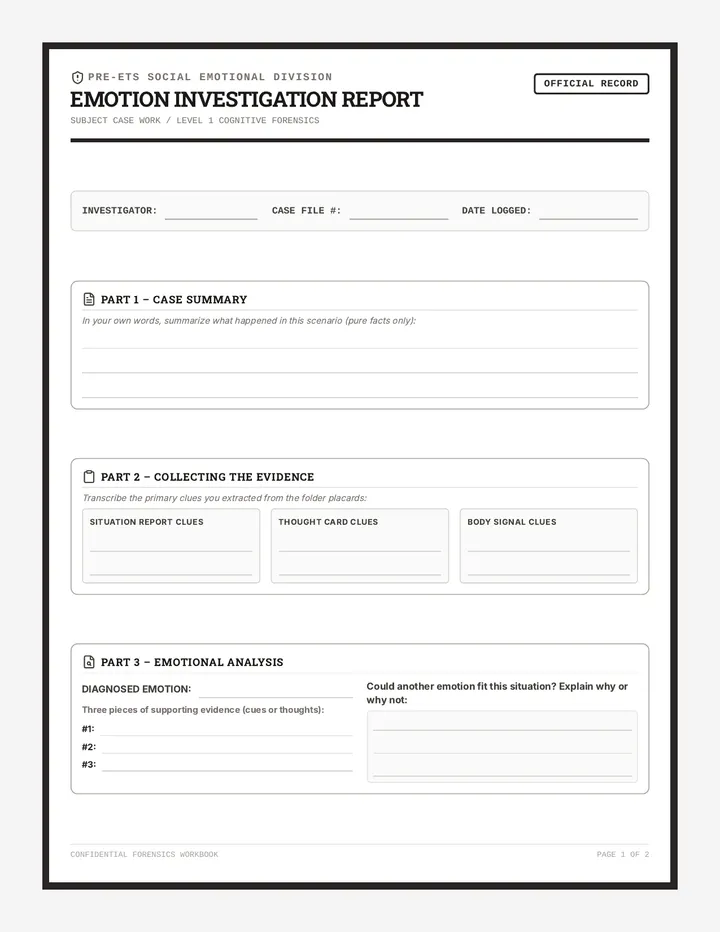
A highly engaging PRE-ETS lesson focused on building emotional regulation, self-awareness, and situational analysis skills in high school students preparing for the transition to work, school, and community life.
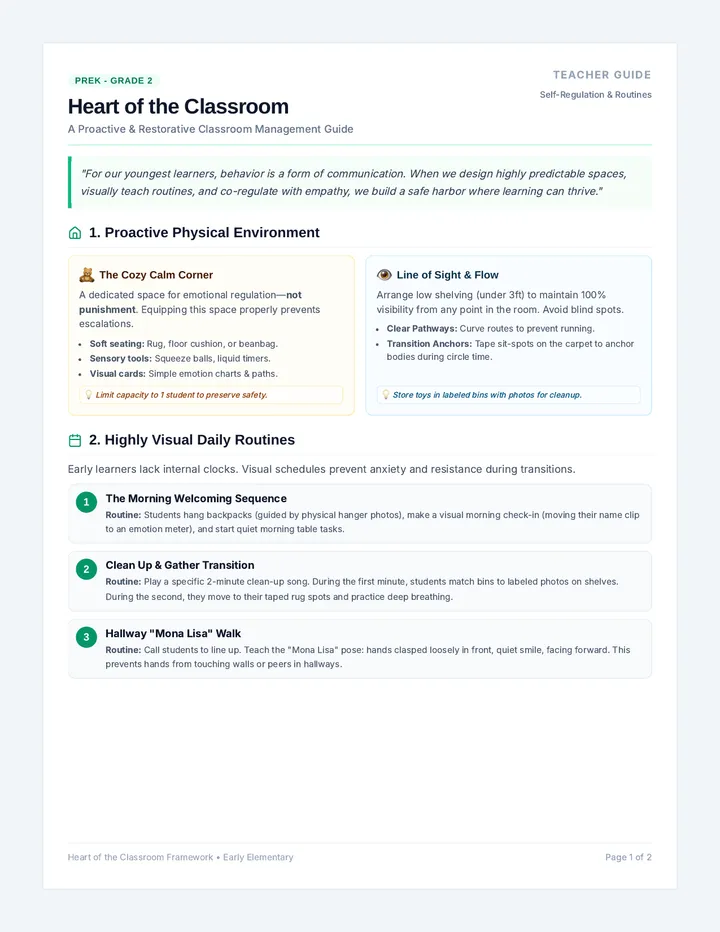
A comprehensive sequence of classroom management frameworks spanning PreK through Grade 8, detailing visual self-regulation routines for early elementary, peer-led cooperative monitoring for upper elementary, and restorative agency frameworks for middle school.
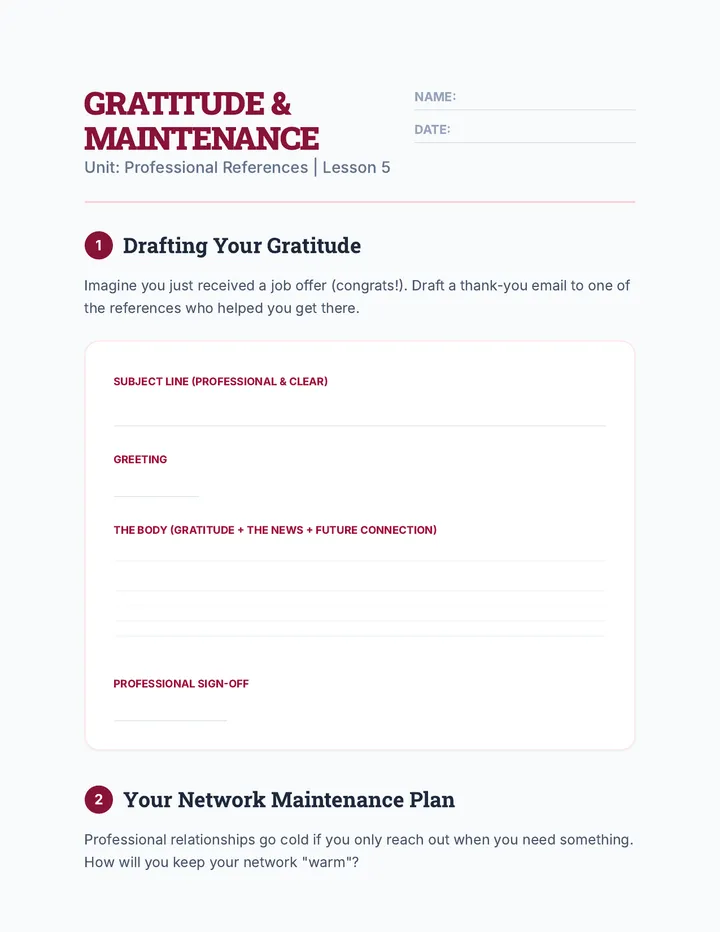
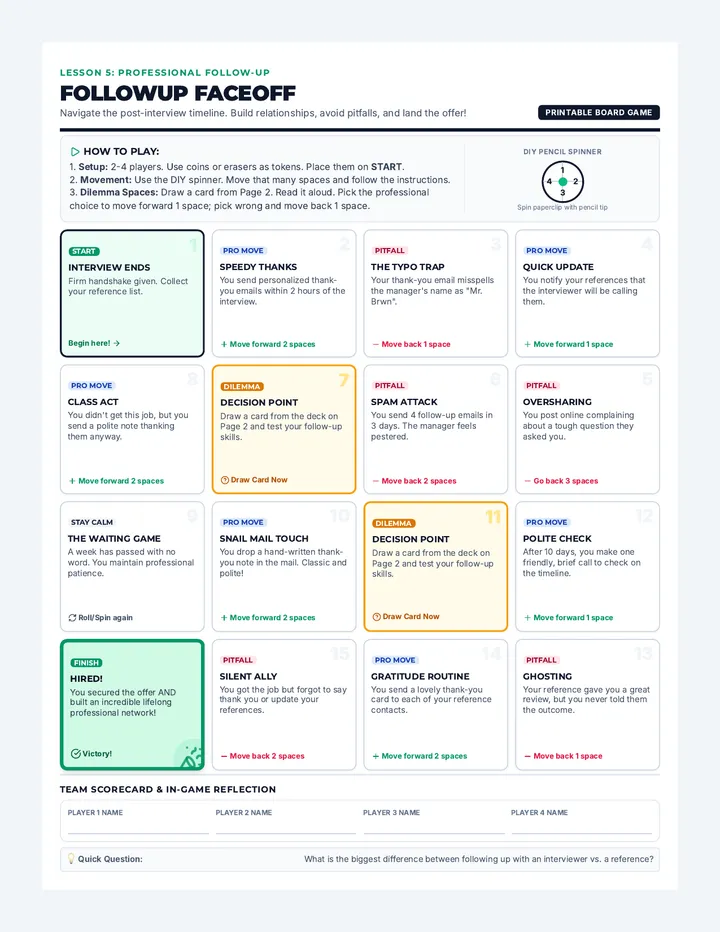
Students explore the long-term maintenance of a professional network. They write thank-you notes to their references and learn the protocol for updating references after an interview or hiring decision.
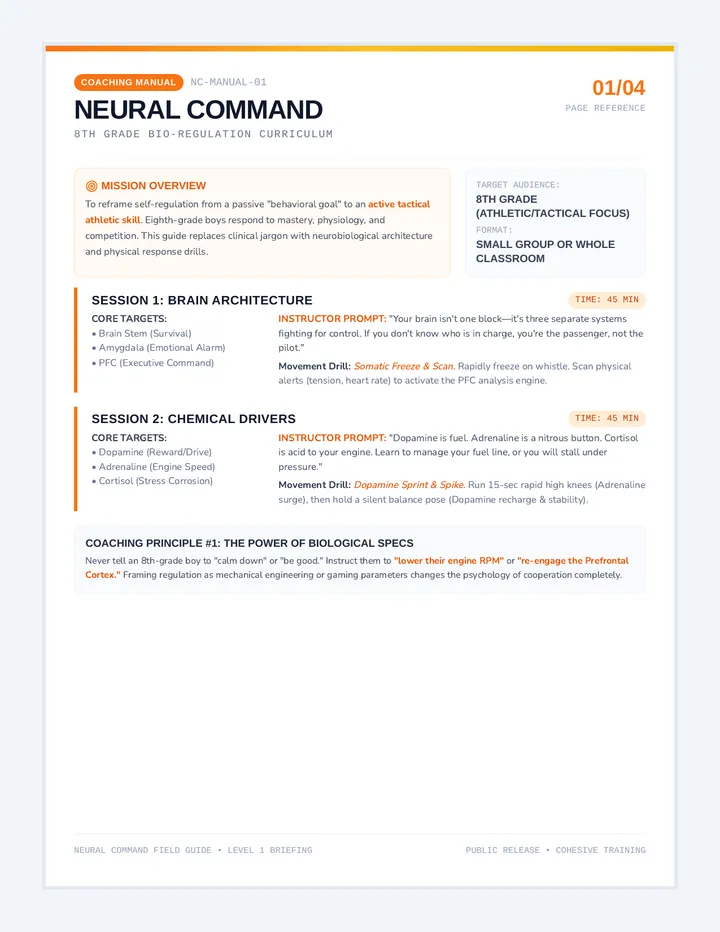
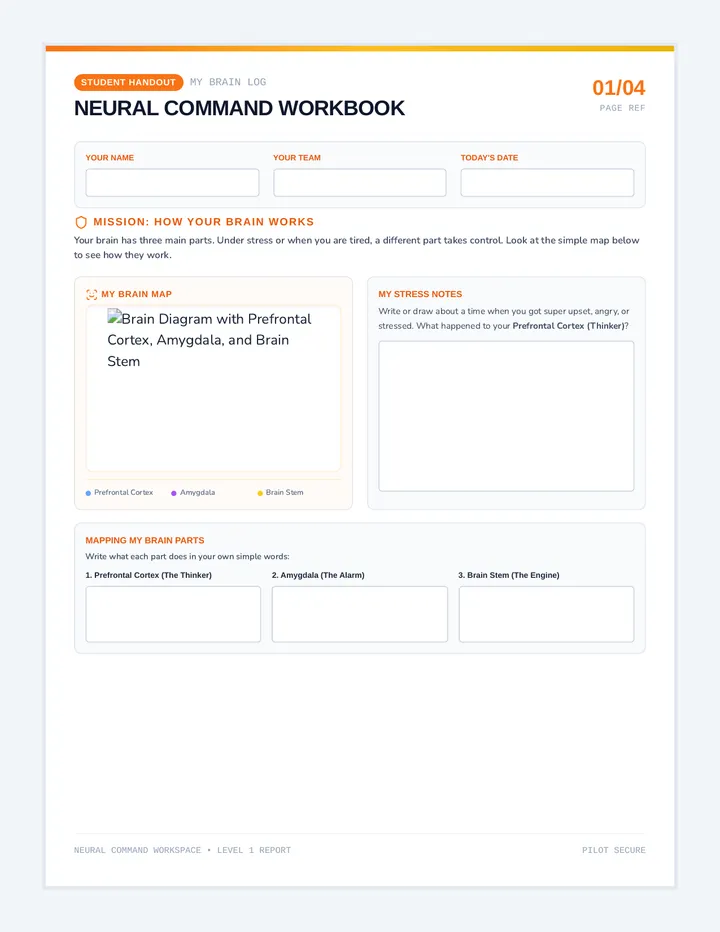
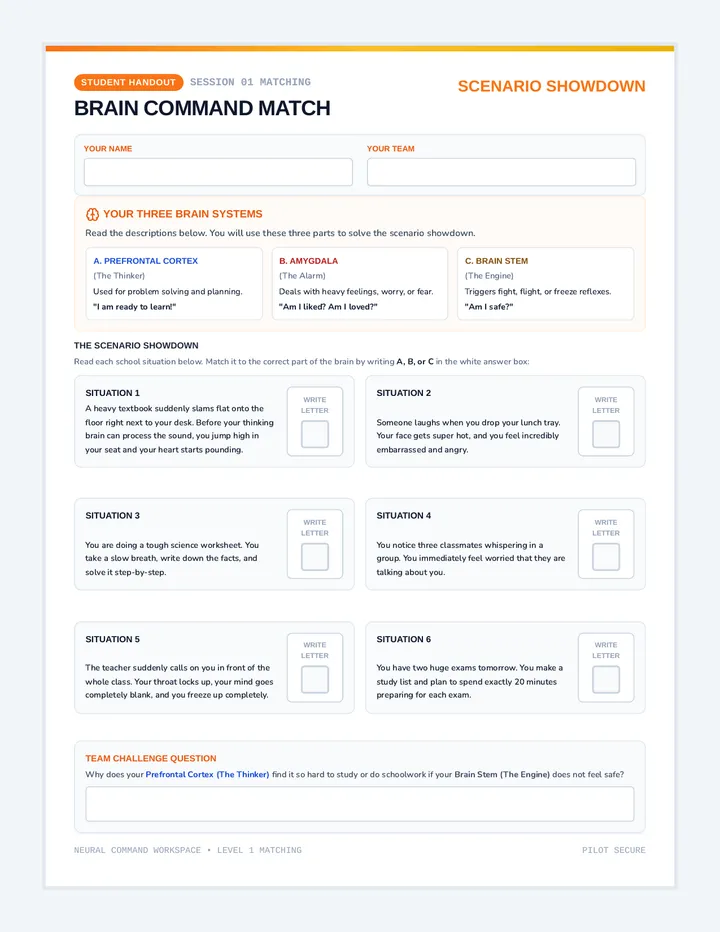
A tactical, athletic-themed self-regulation curriculum designed for 8th-grade students (especially boys). It connects neurobiology (brain stem, amygdala, PFC, dopamine) with physical challenges, tactical breathing, and action-oriented coping strategies.
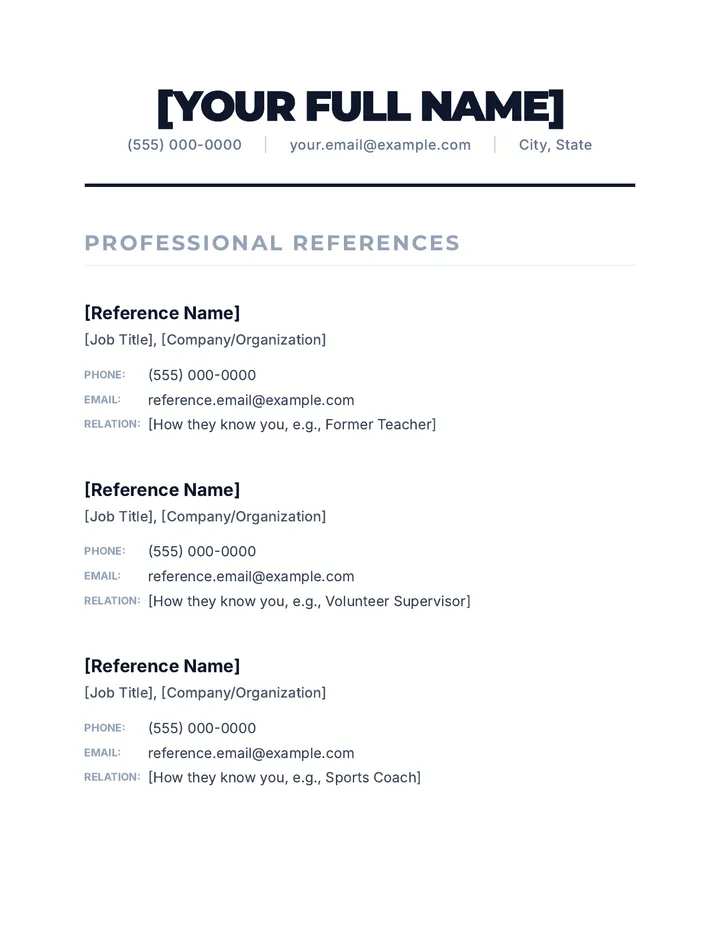
Students use a word processor to create a clean, professional reference document that matches the style of a resume. They learn standard formatting conventions, such as headers, consistent fonts, and spacing.