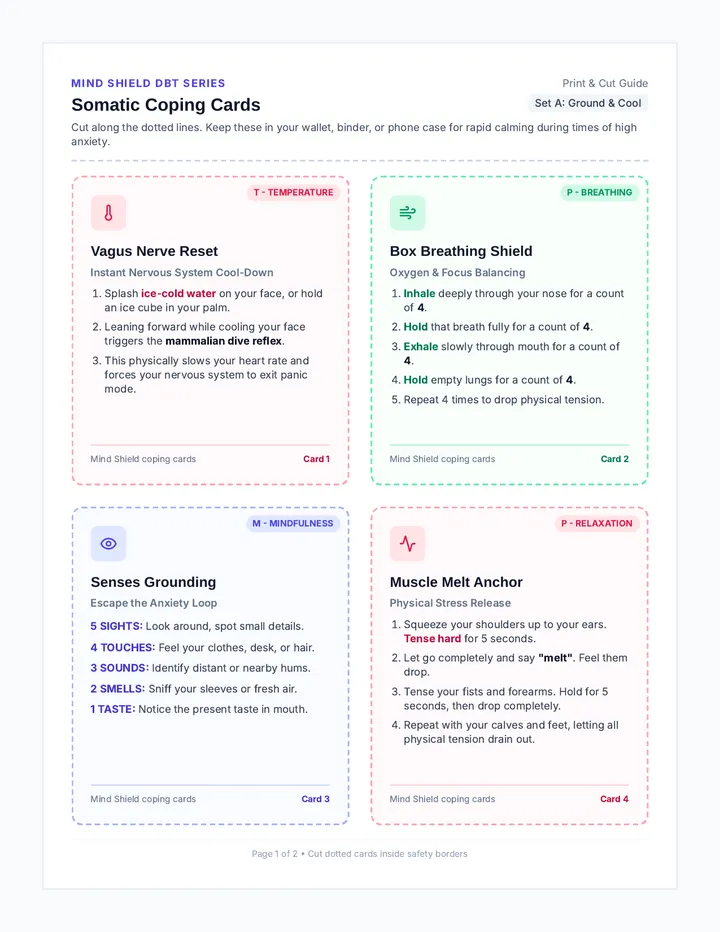
A teen-focused CBT, DBT, and somatic coping skills lesson. It features interactive worksheets, visual blueprints, and tracking logs designed to help teenagers reframe thoughts, regulate distress, and ground their bodies.
A comprehensive 5-lesson unit for 9th graders on identifying, requesting, and formatting professional references. Students transition from brainstorming their network to producing a polished reference document and learning long-term relationship maintenance.
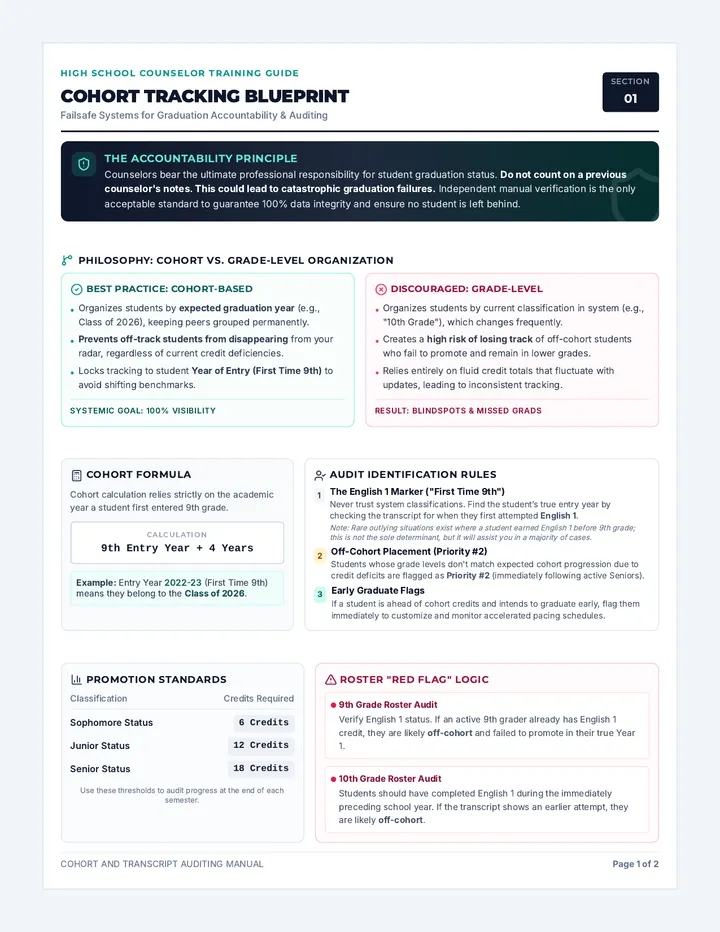
An intensive training module for high school counselors covering graduation accountability, the cohort-based tracking system, physical binder setup, and the manual 4-step credit verification workflow.
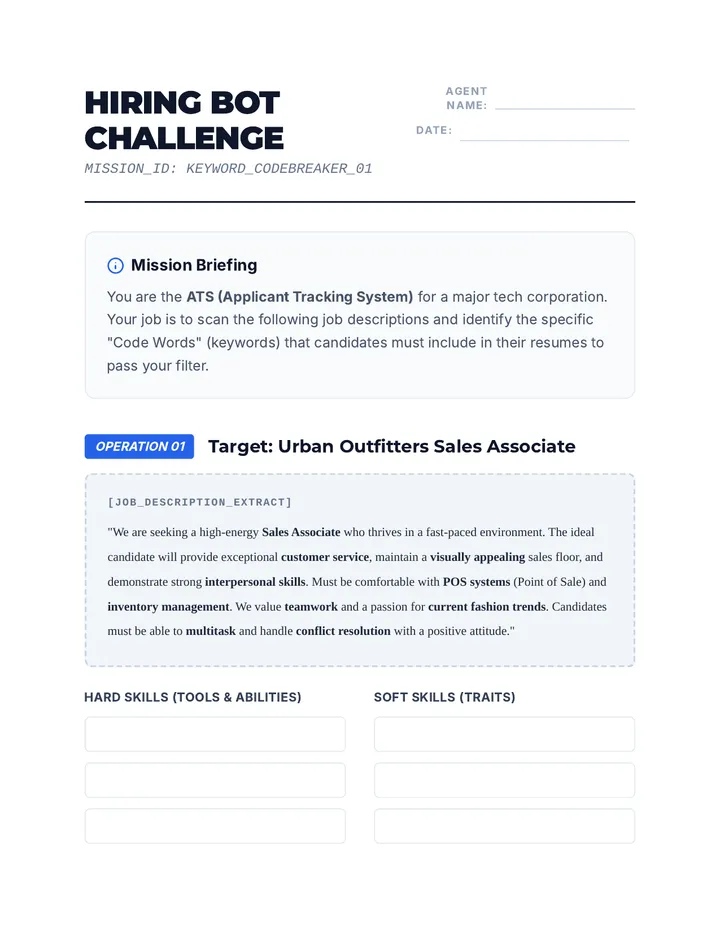
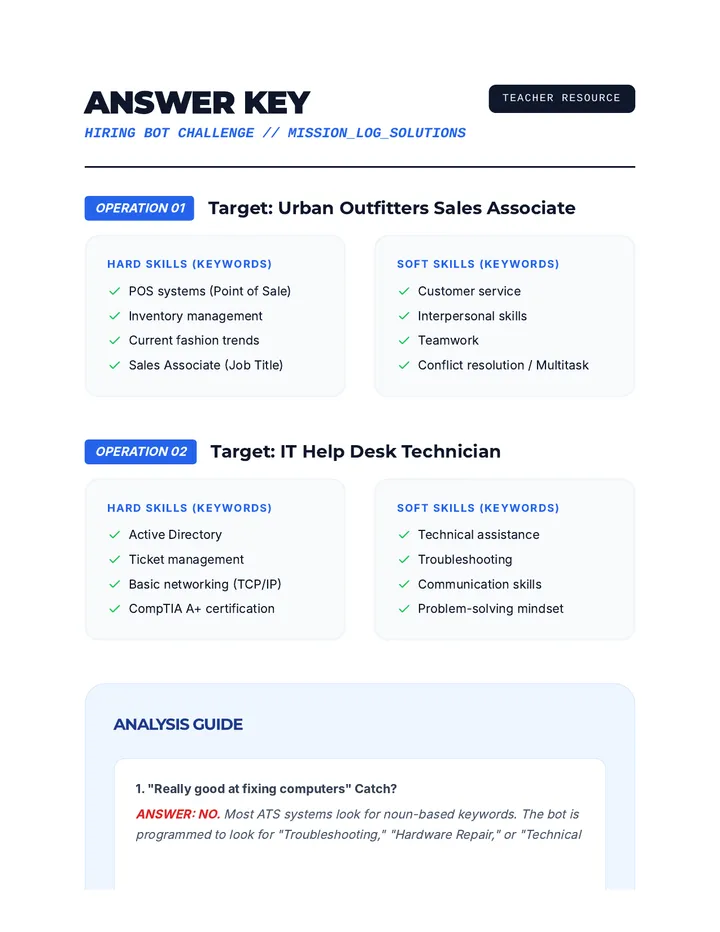
A comprehensive unit for 10th-grade students on navigating the digital job market. Students learn to decode job descriptions for ATS optimization, master job search platforms, build organizational systems for tracking applications, manage their time effectively, and maintain a safe and professional digital footprint.
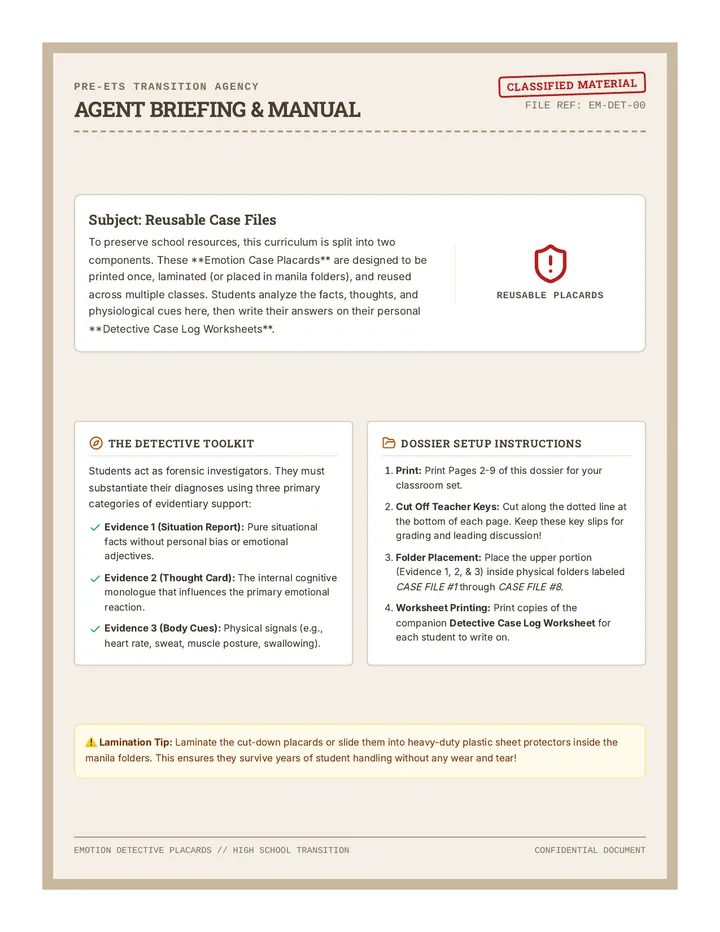
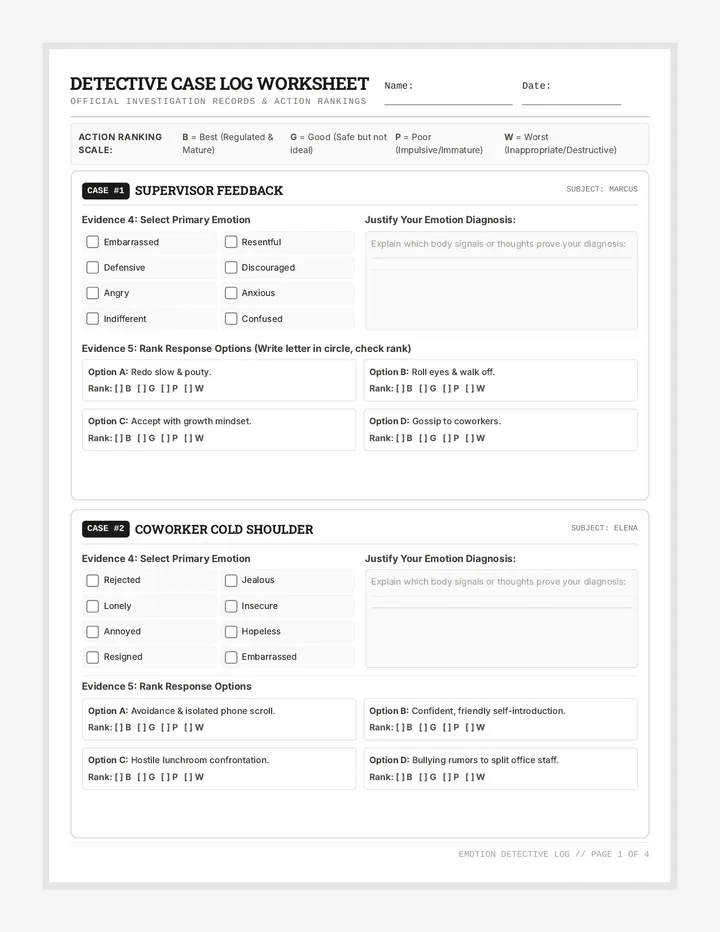
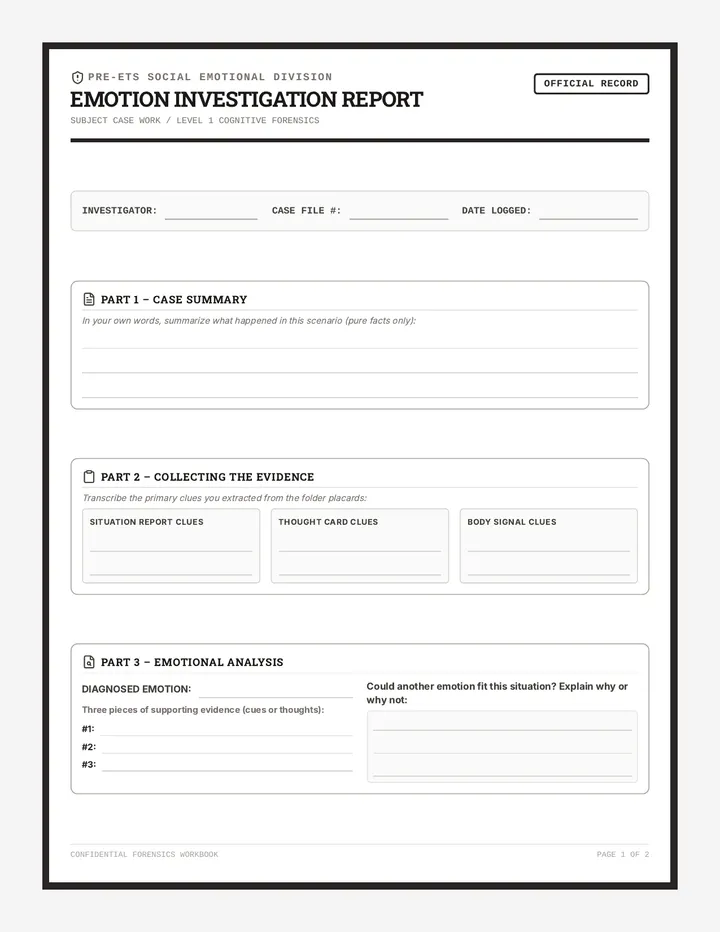
A highly engaging PRE-ETS lesson focused on building emotional regulation, self-awareness, and situational analysis skills in high school students preparing for the transition to work, school, and community life.
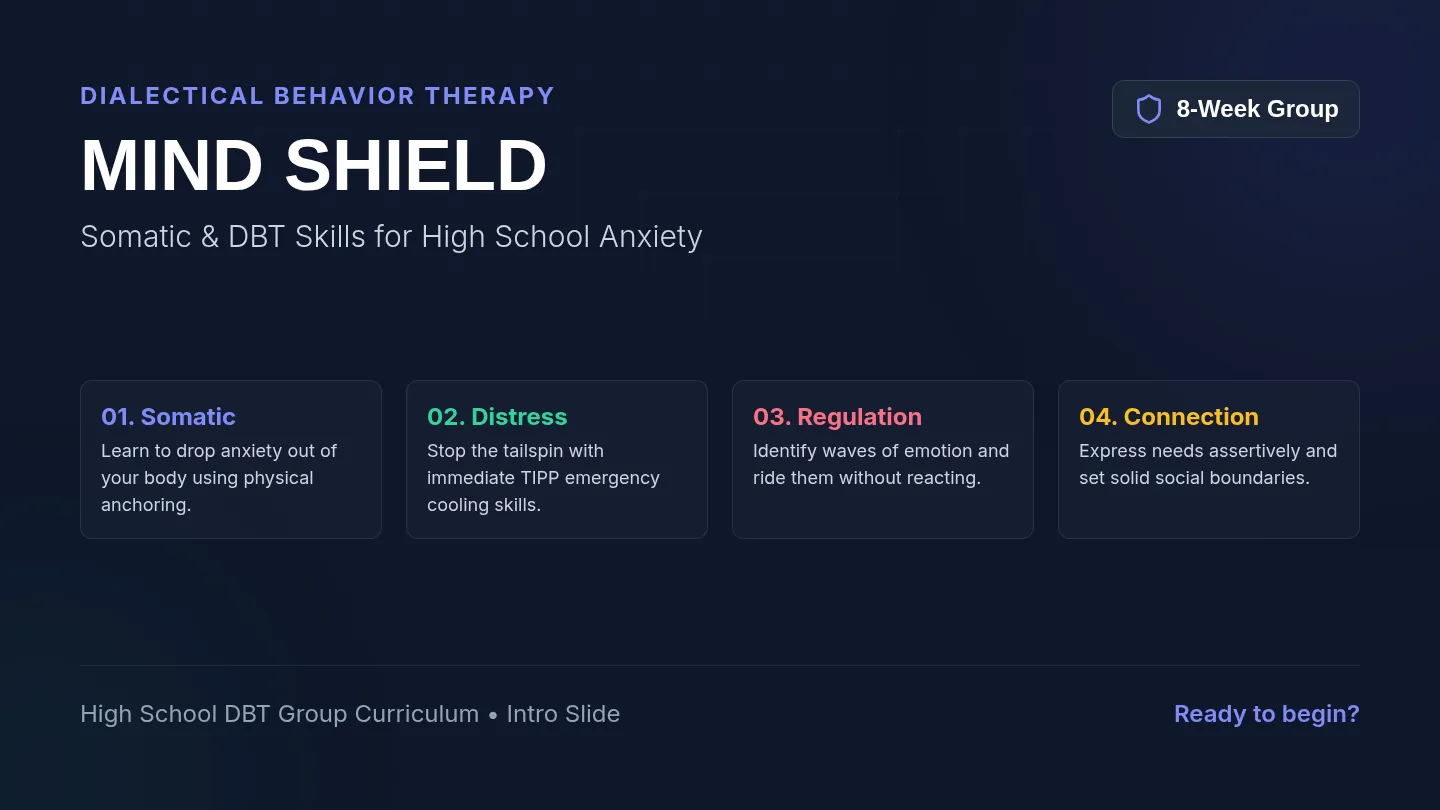
An 8-week Dialectical Behavior Therapy (DBT) group curriculum for high schoolers experiencing anxiety, combining somatic mindfulness, distress tolerance, emotion regulation, and interpersonal effectiveness skills.
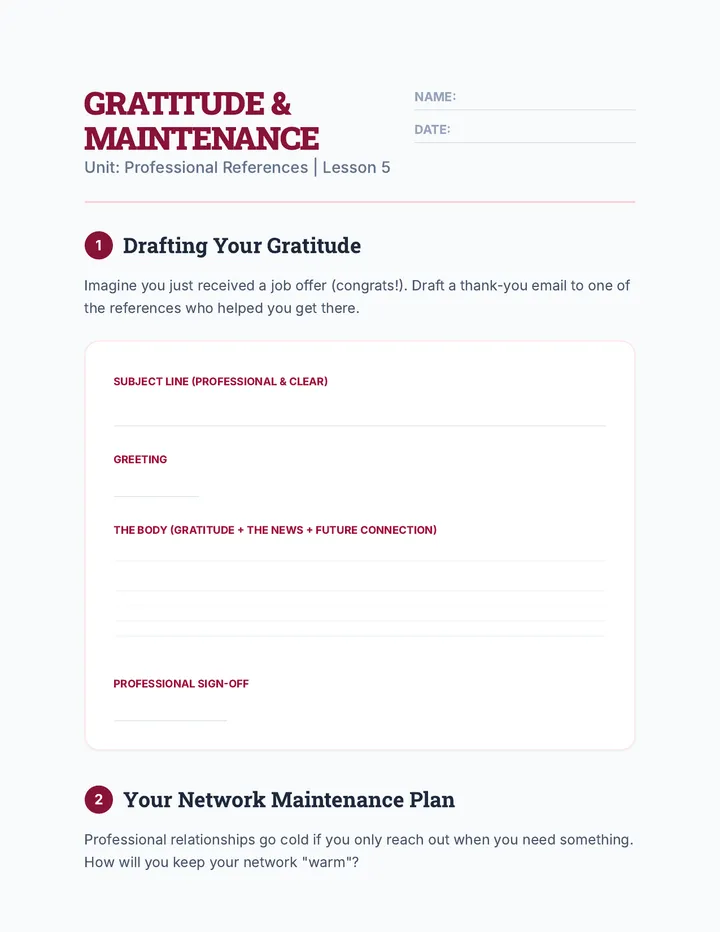
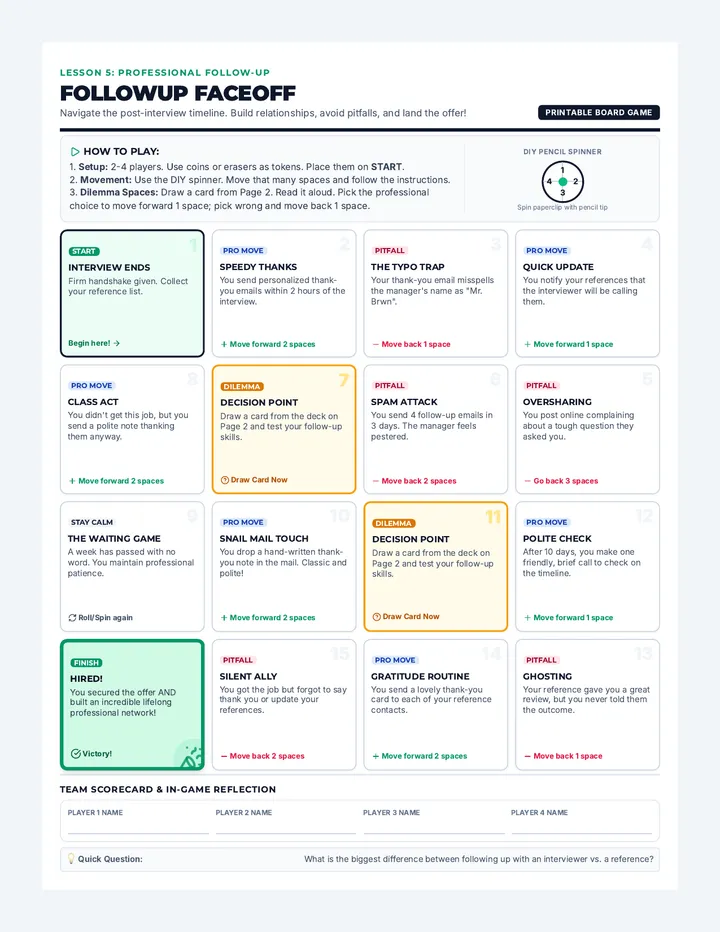
Students explore the long-term maintenance of a professional network. They write thank-you notes to their references and learn the protocol for updating references after an interview or hiring decision.
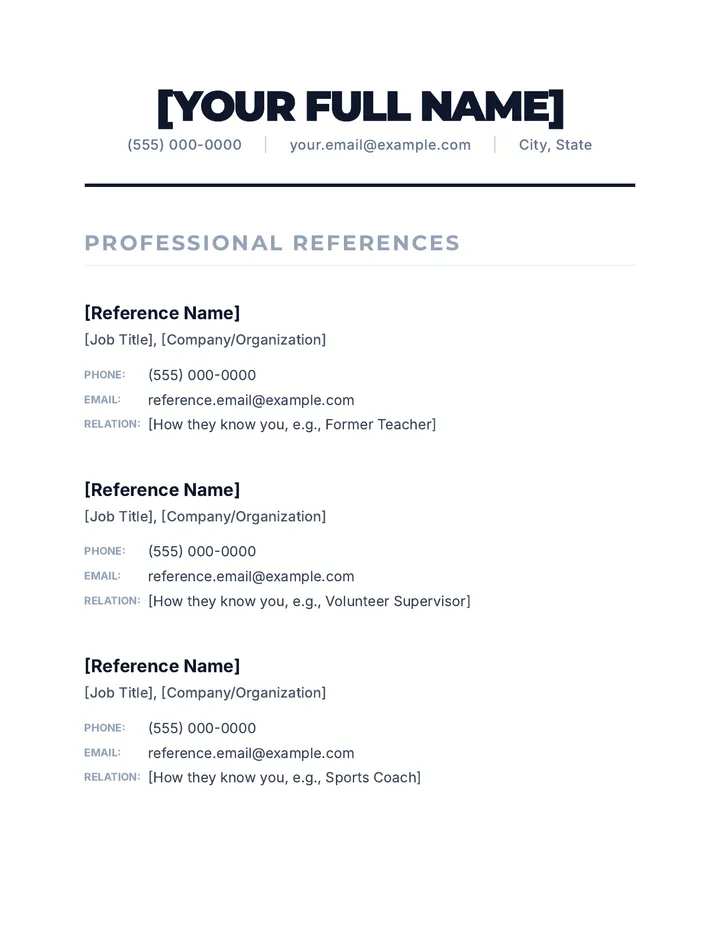
Students use a word processor to create a clean, professional reference document that matches the style of a resume. They learn standard formatting conventions, such as headers, consistent fonts, and spacing.
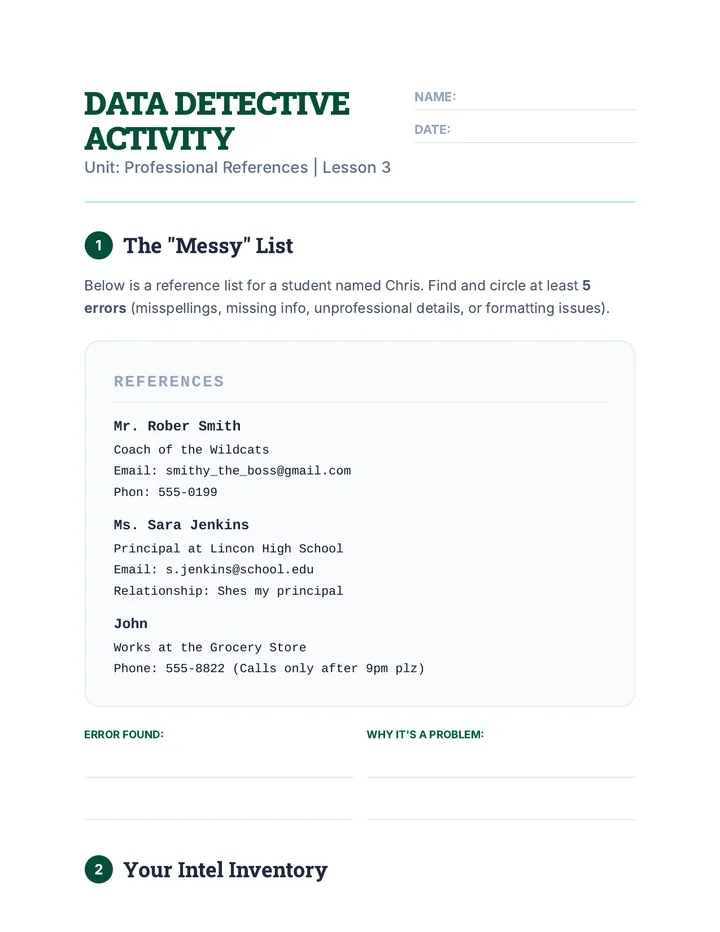
Students practice gathering the specific data points required for a reference list (job title, company, phone, email). They learn the importance of accuracy and checking current details before submitting an application.
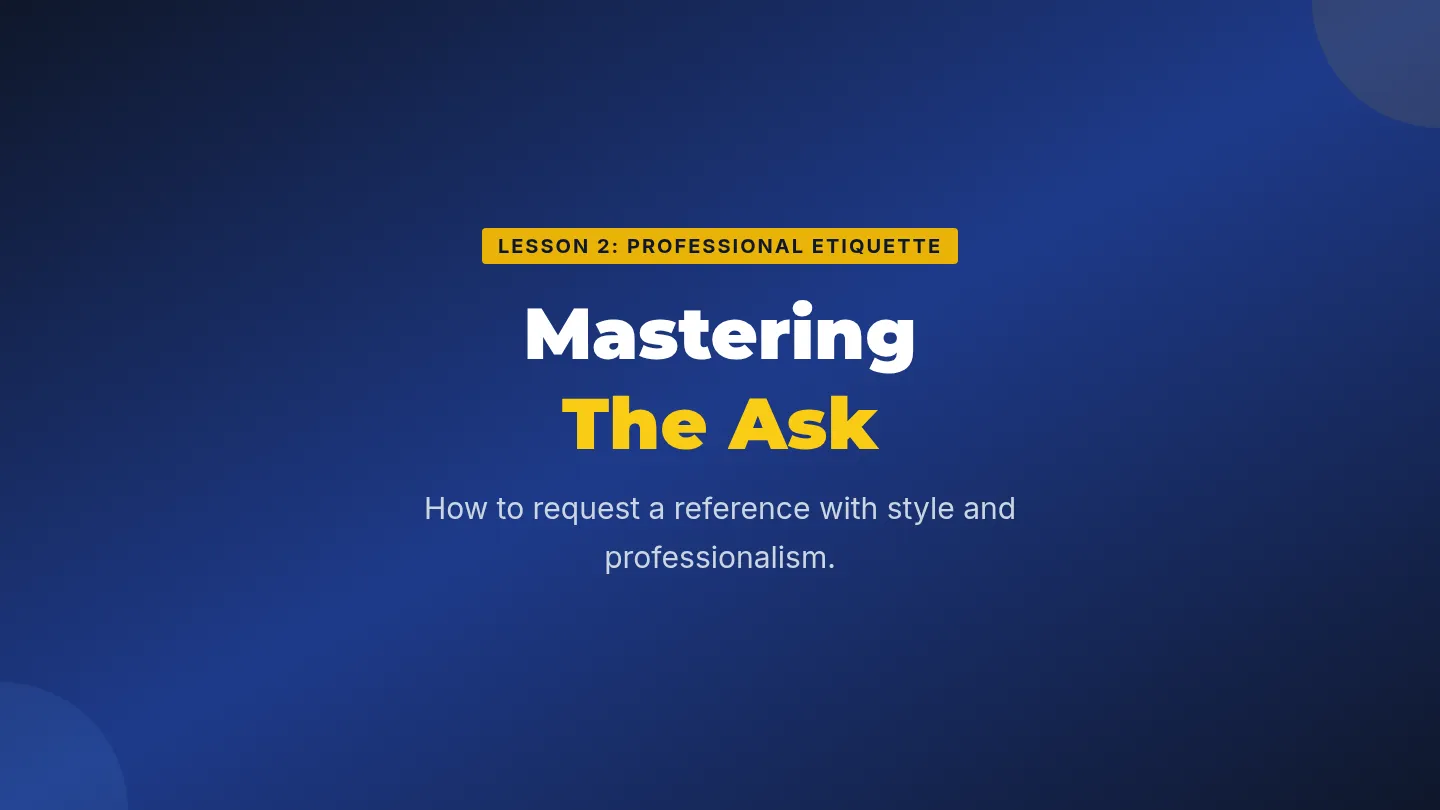
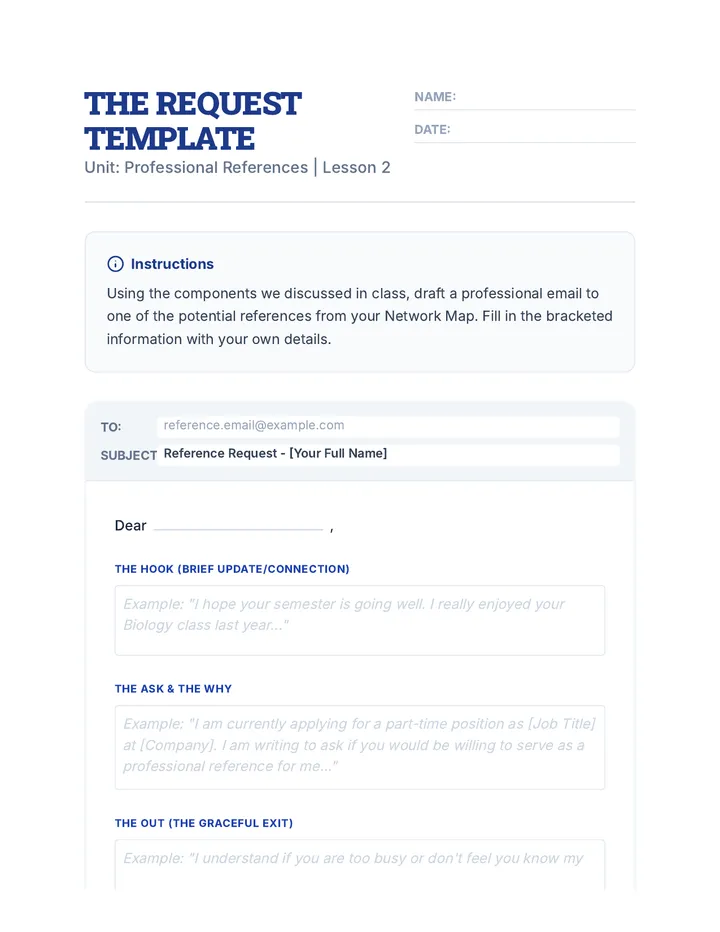
Students learn the components of a formal email requesting a reference. They draft a template that includes a polite ask, context about why they are asking this specific person, and an option for the person to decline gracefully.
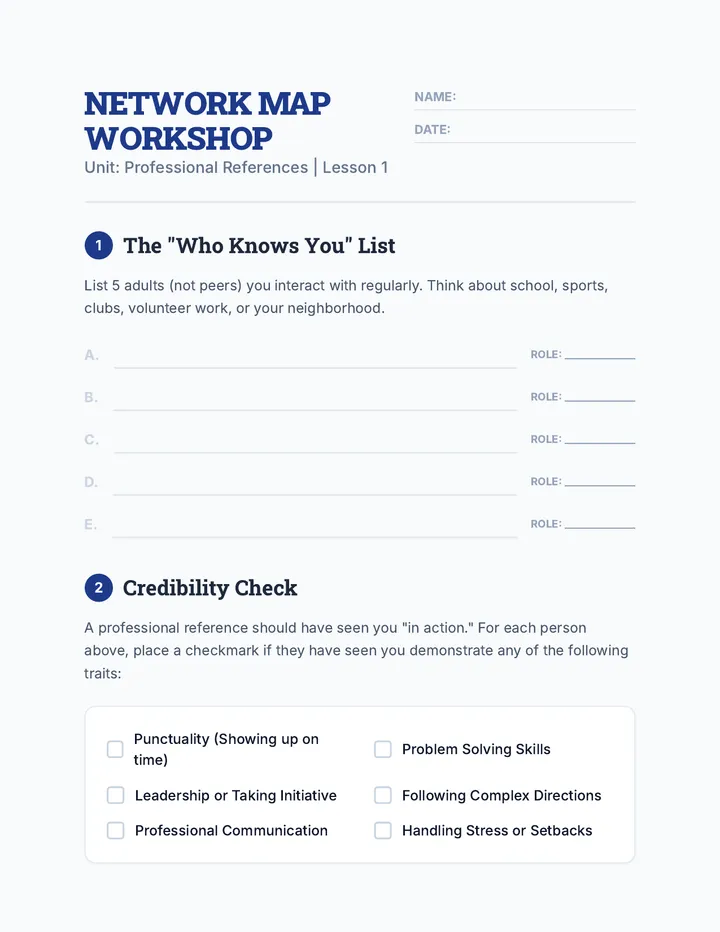
Students brainstorm and categorize the adults in their lives (teachers, coaches, neighbors) who could vouch for their responsibility and skills. They analyze the difference between a personal friend and a professional reference to understand credibility.
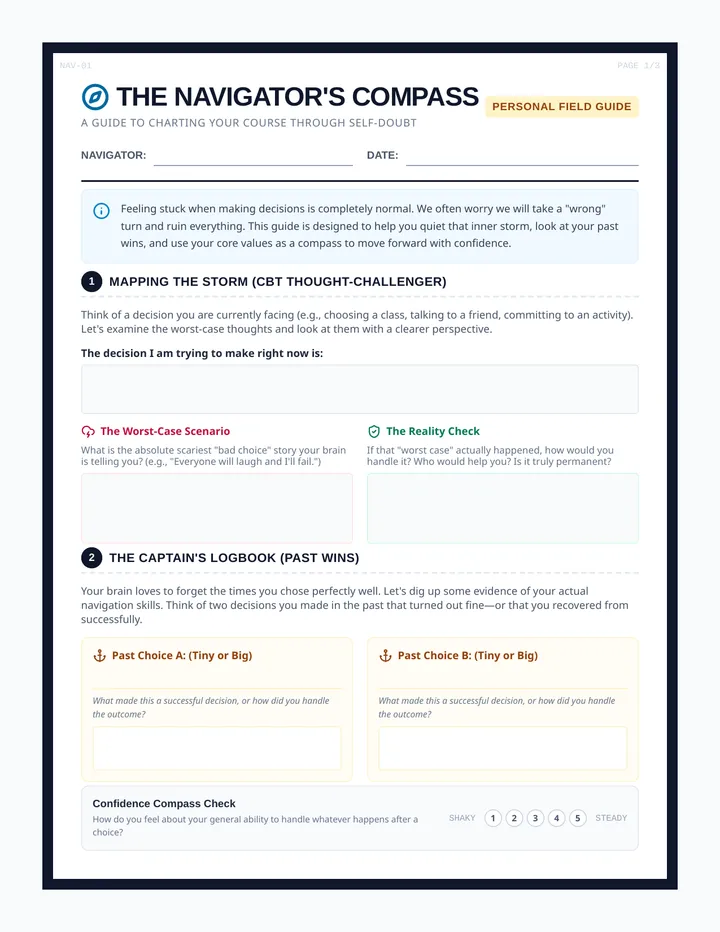
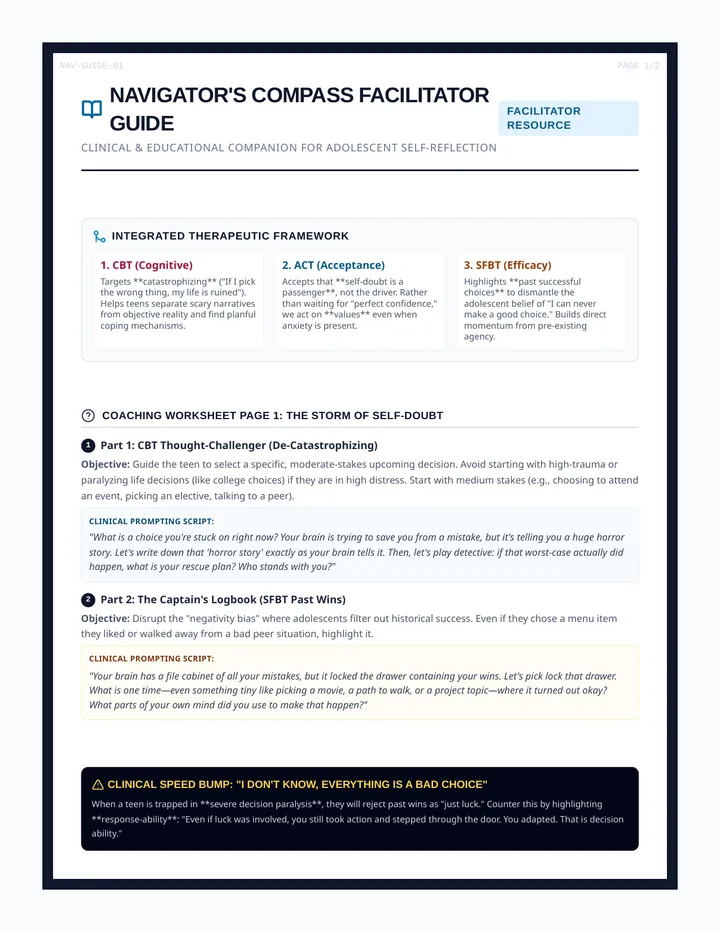
A transformative counseling and self-reflection lesson designed to help teenagers overcome decision paralysis and chronic self-doubt. By integrating Cognitive Behavioral Therapy (CBT), Acceptance & Commitment Therapy (ACT), and Solution-Focused Brief Therapy (SFBT), this lesson equips teens with cognitive tools, a value-aligned decision matrix, and a daily practice log to build self-efficacy and confident decision-making.