Identification of personal strengths, limitations, and the influence of internal beliefs on behavior. Equips learners with tools for objective self-reflection and realistic performance evaluation.
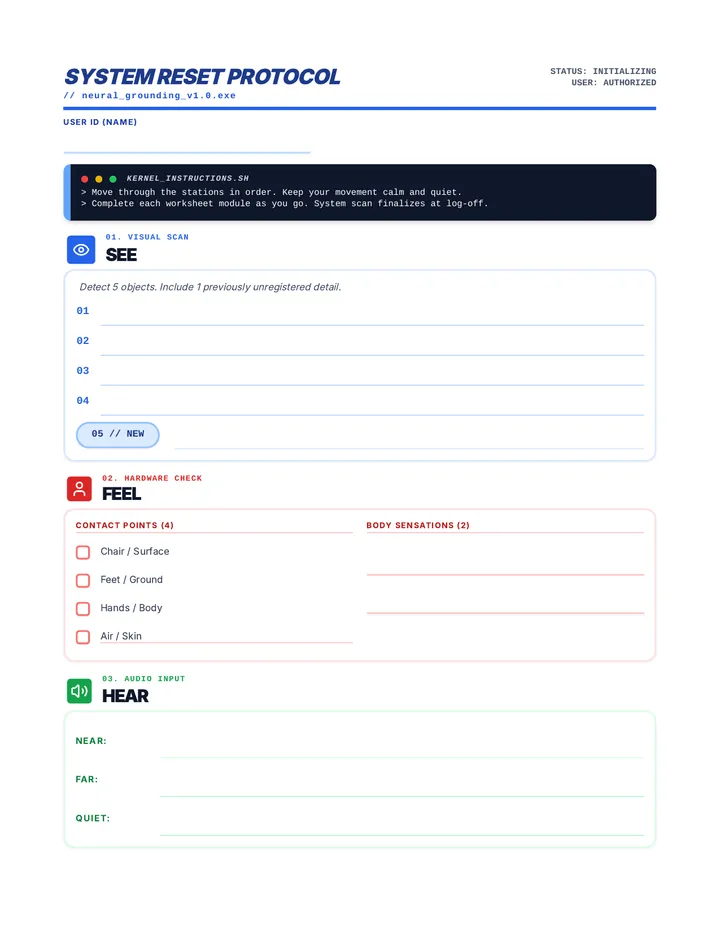
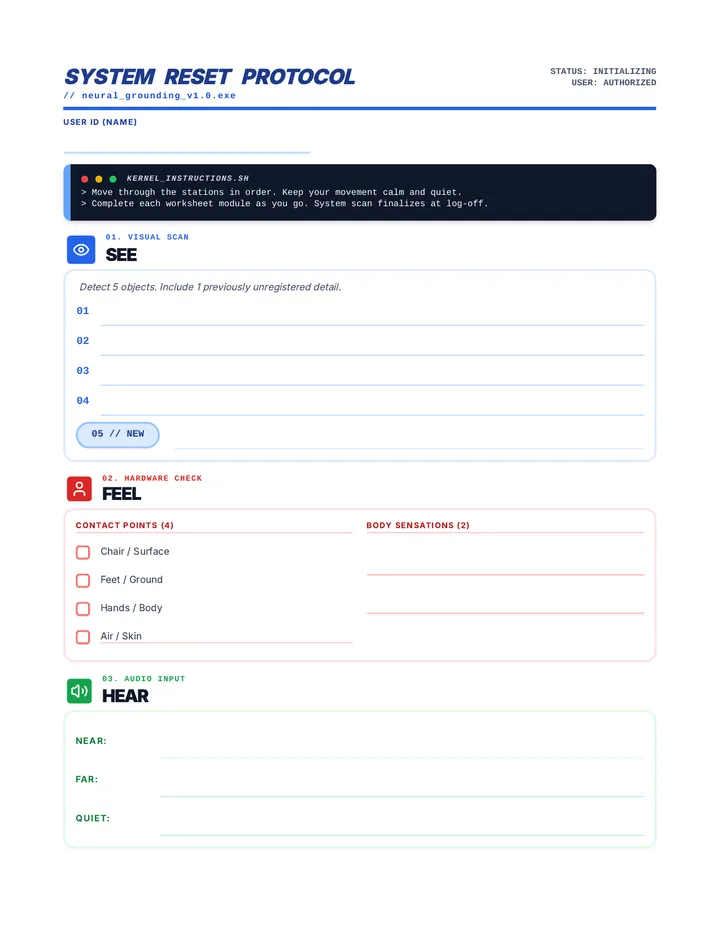
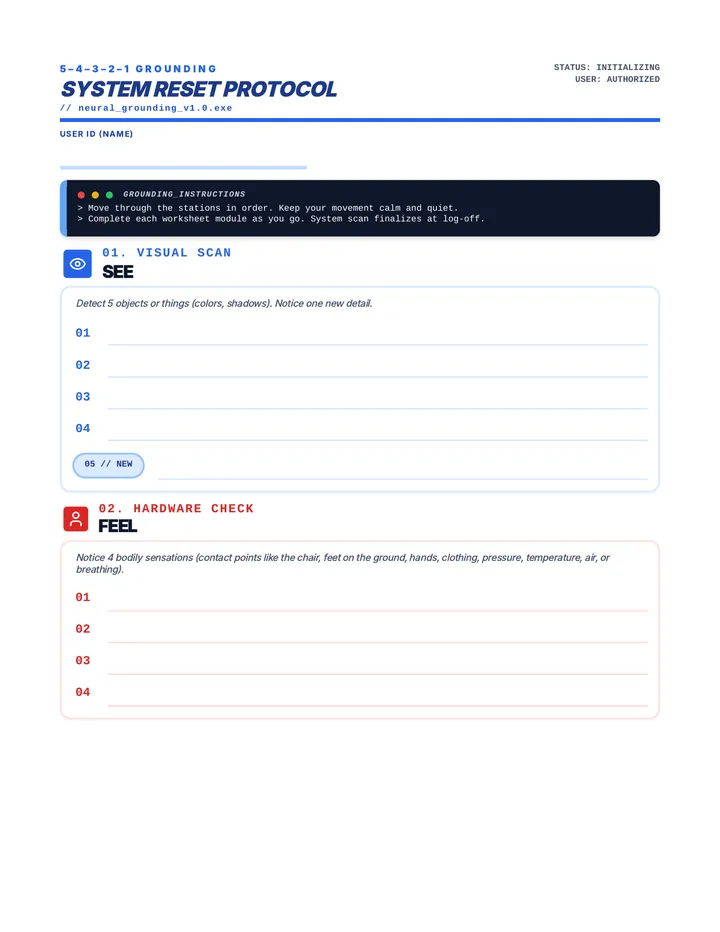
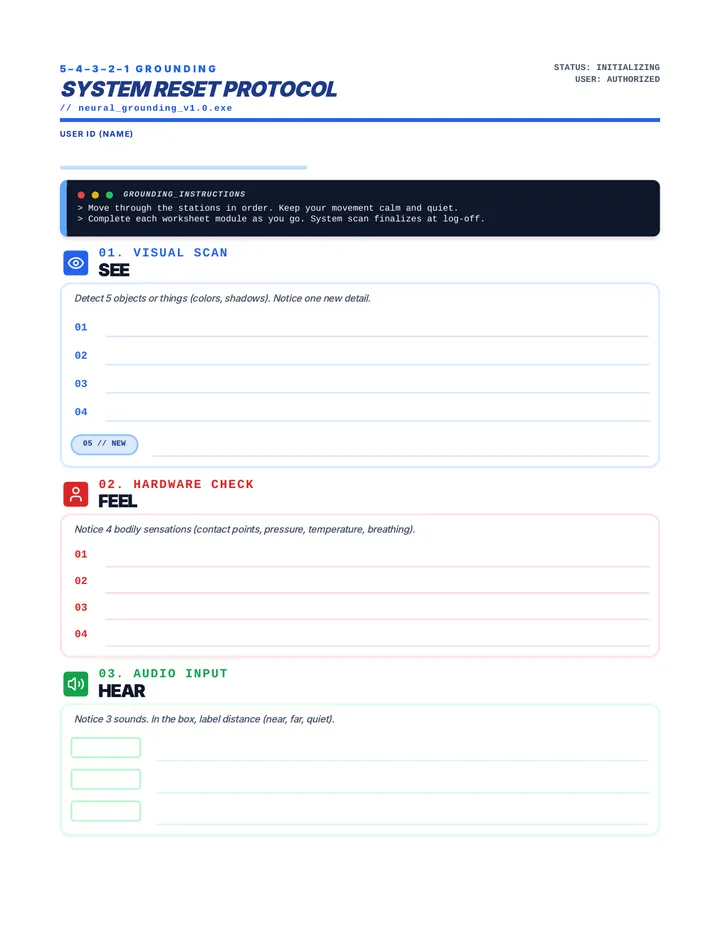
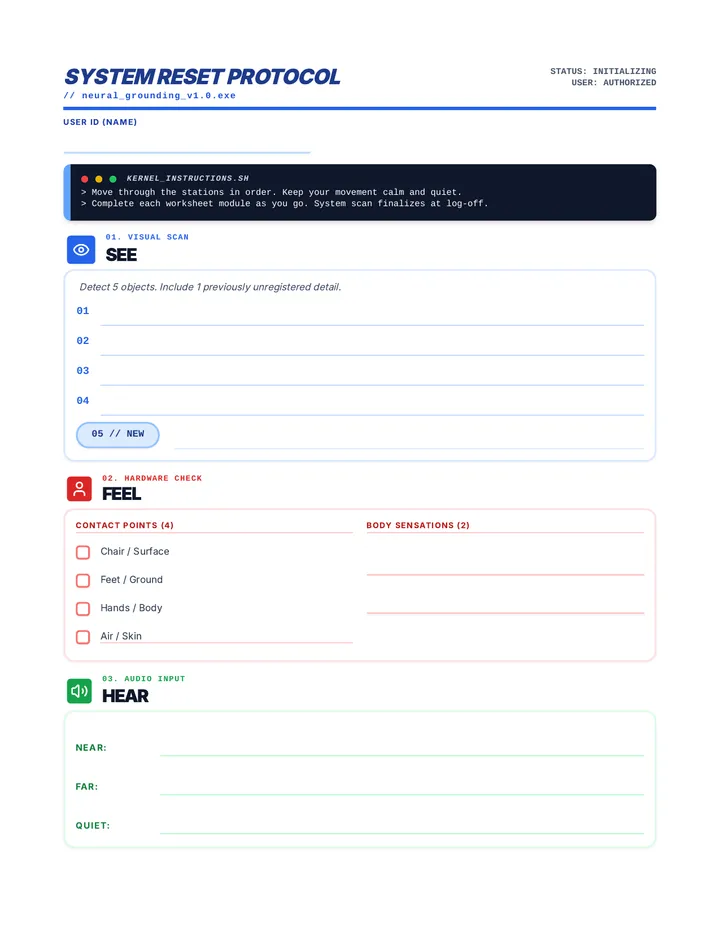
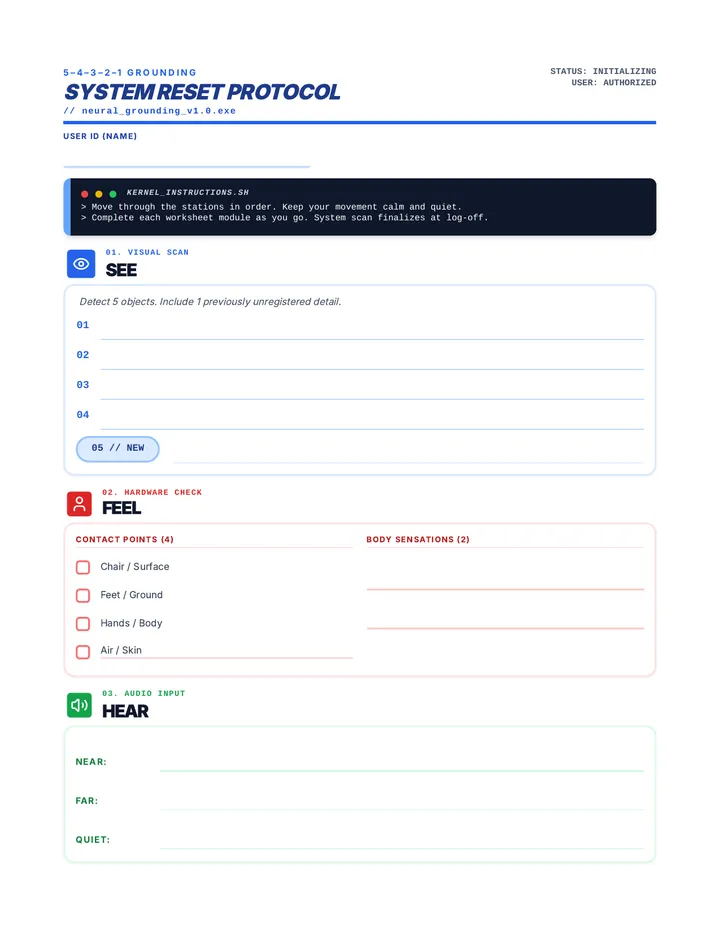
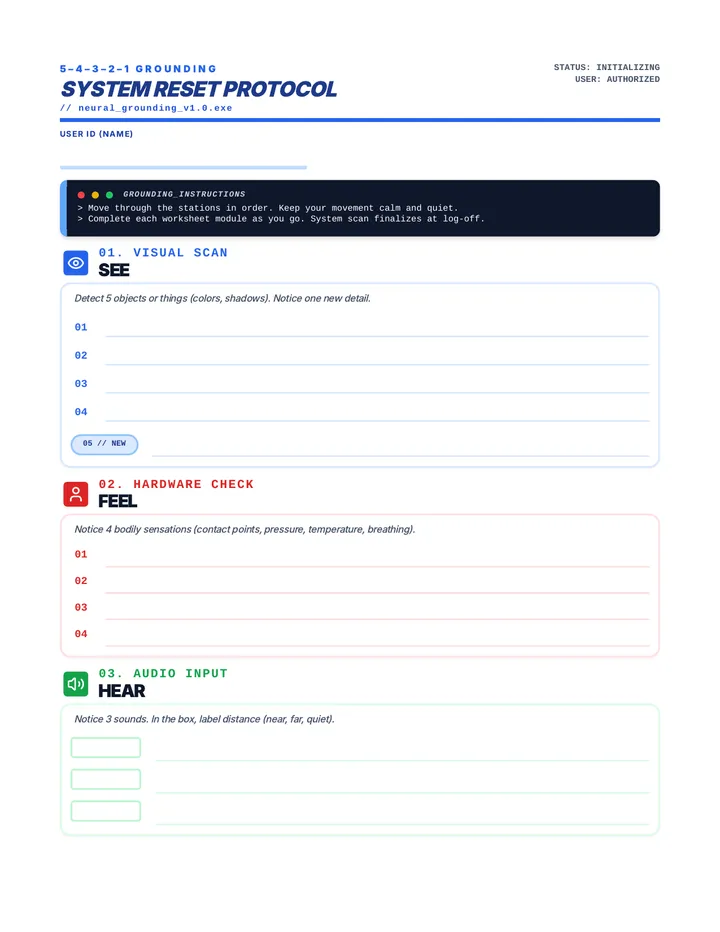
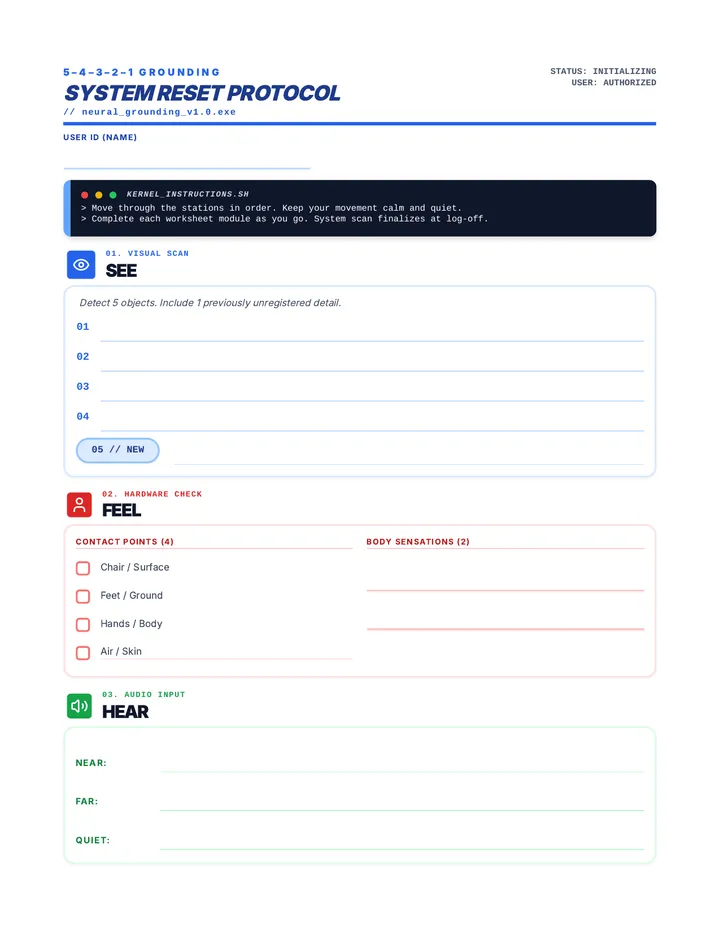
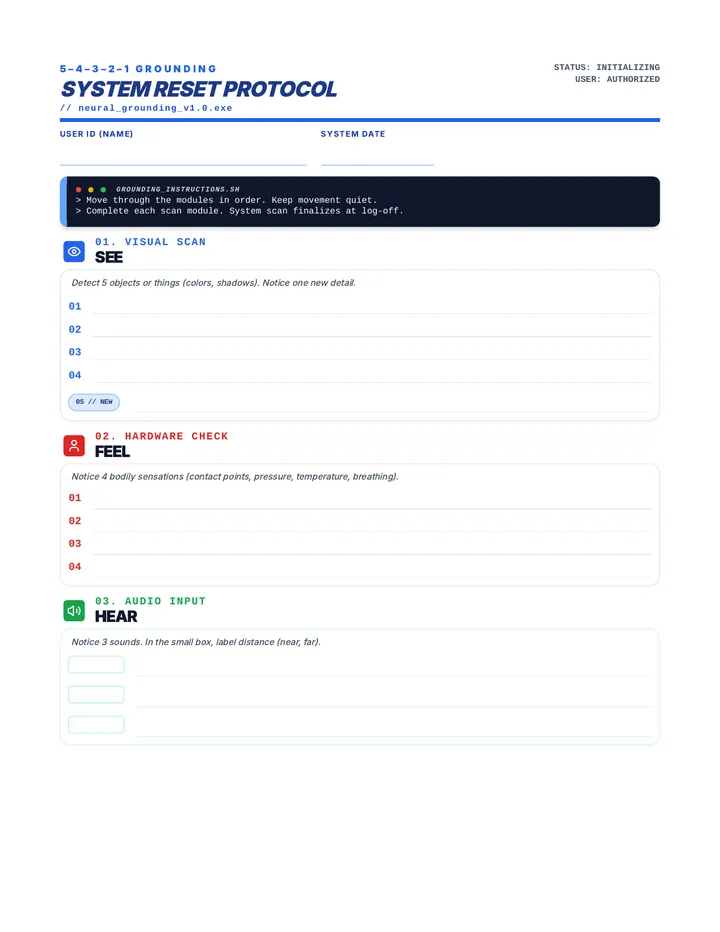
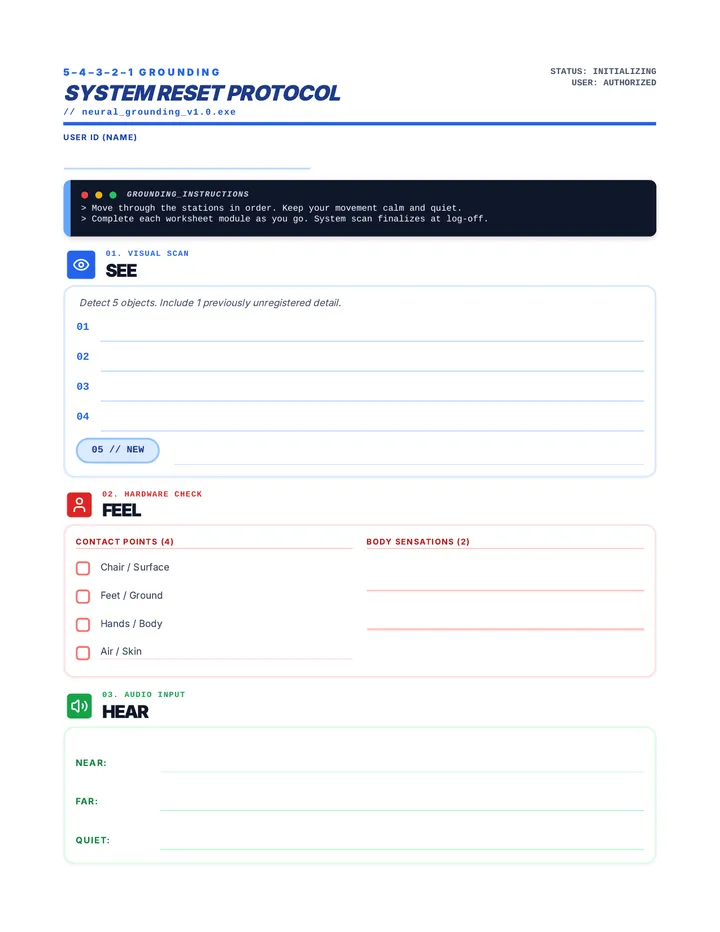
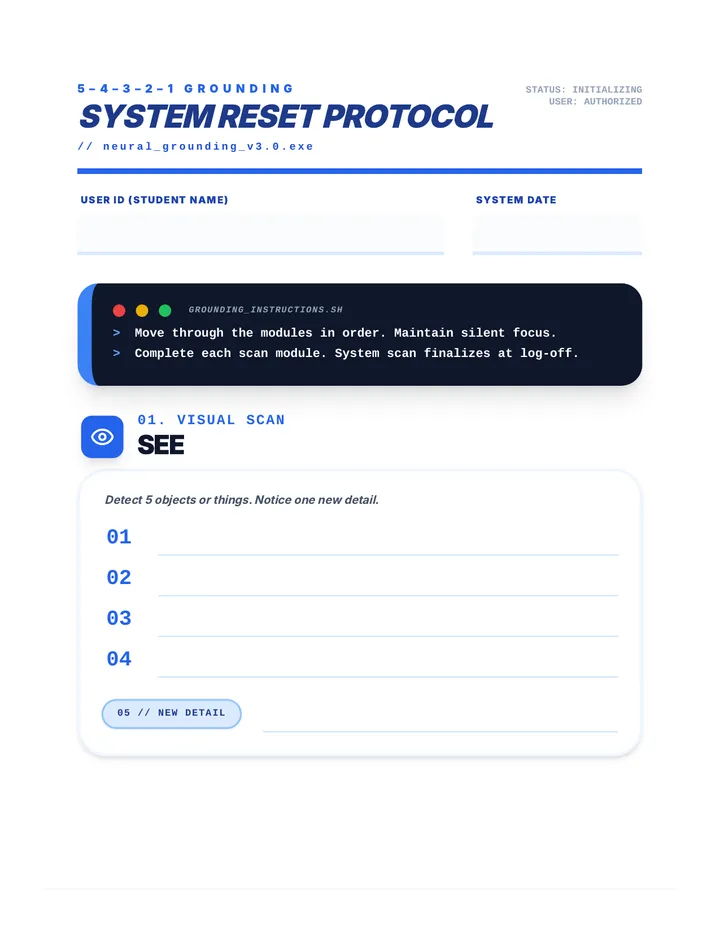
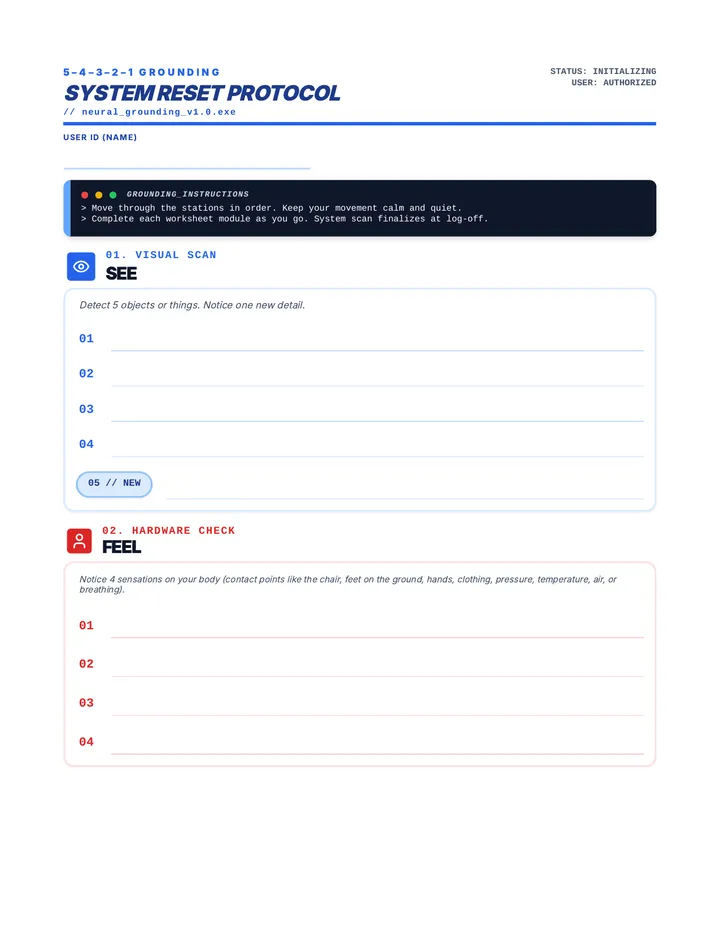
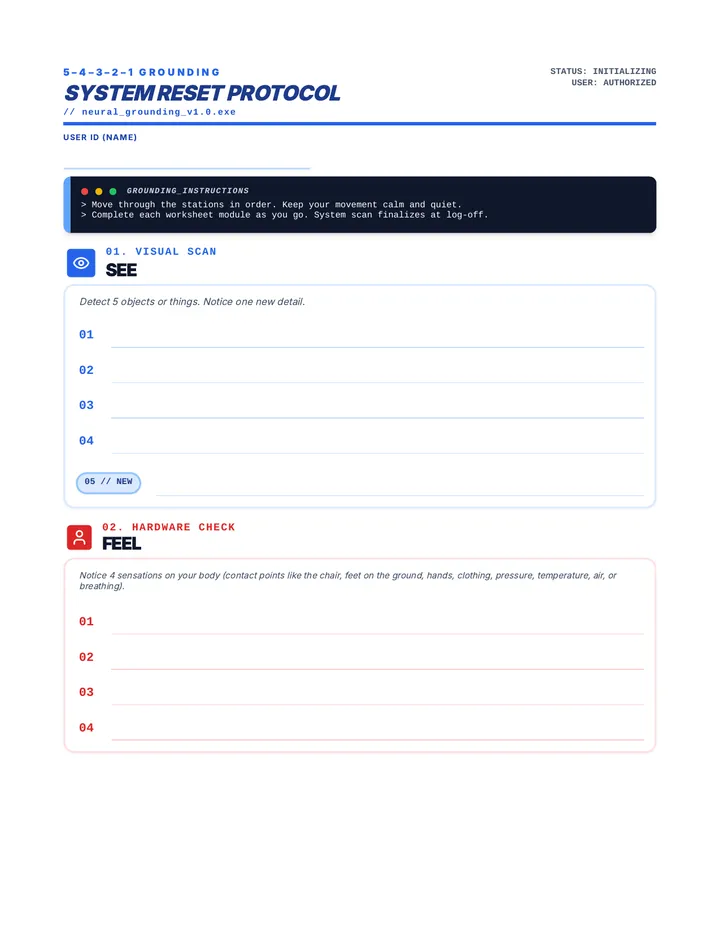
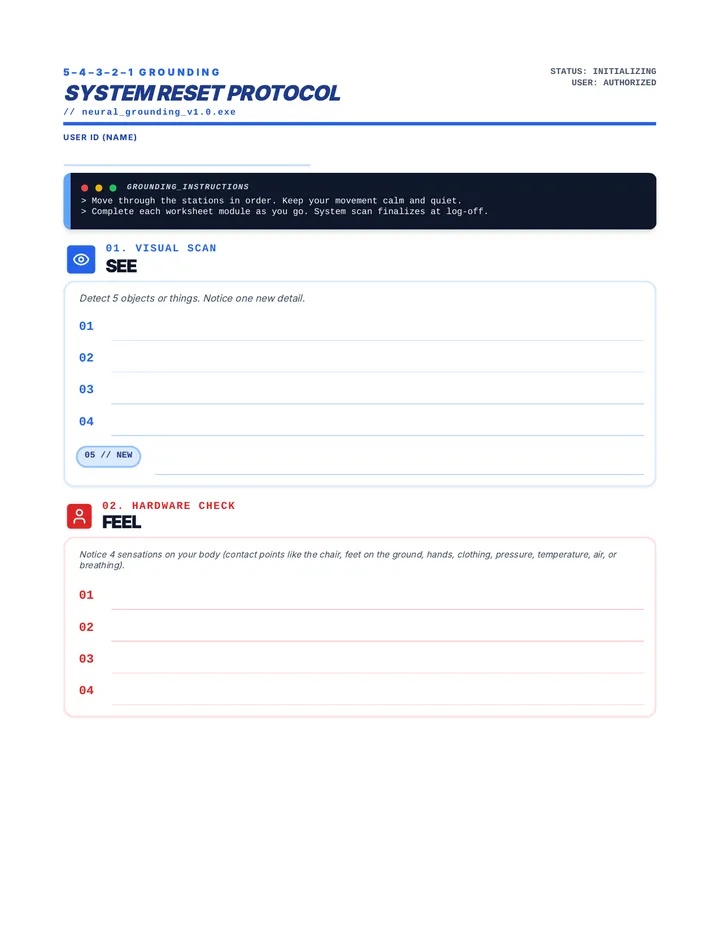
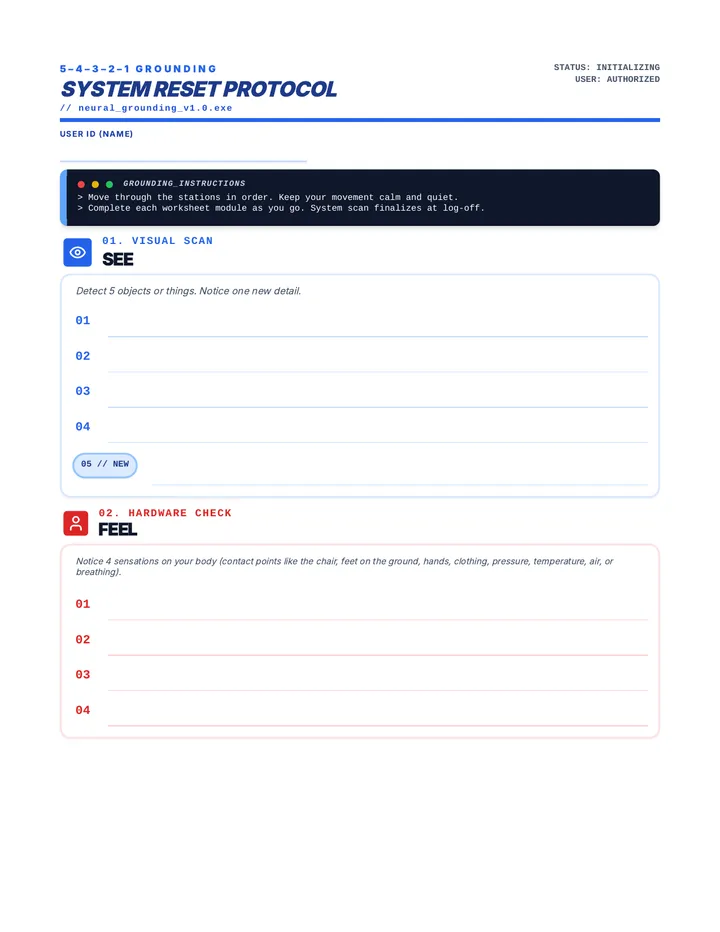
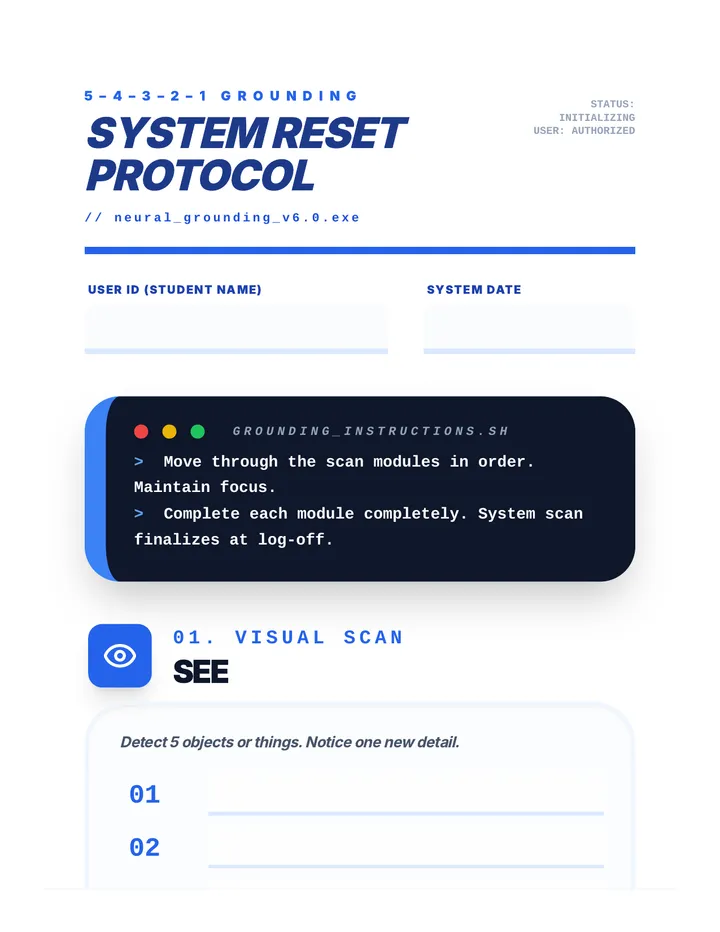
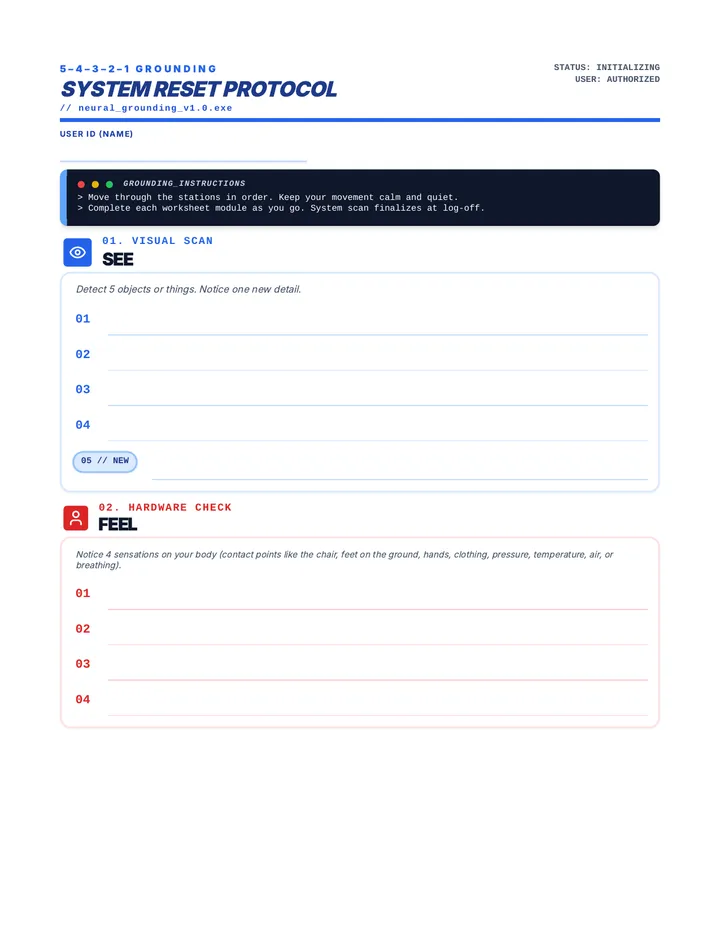
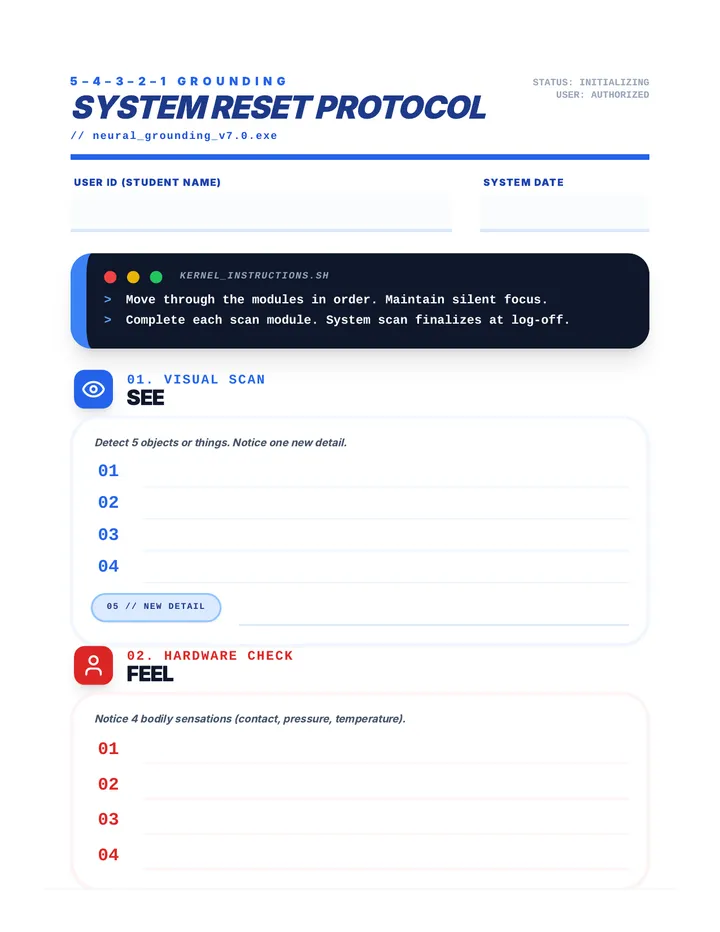
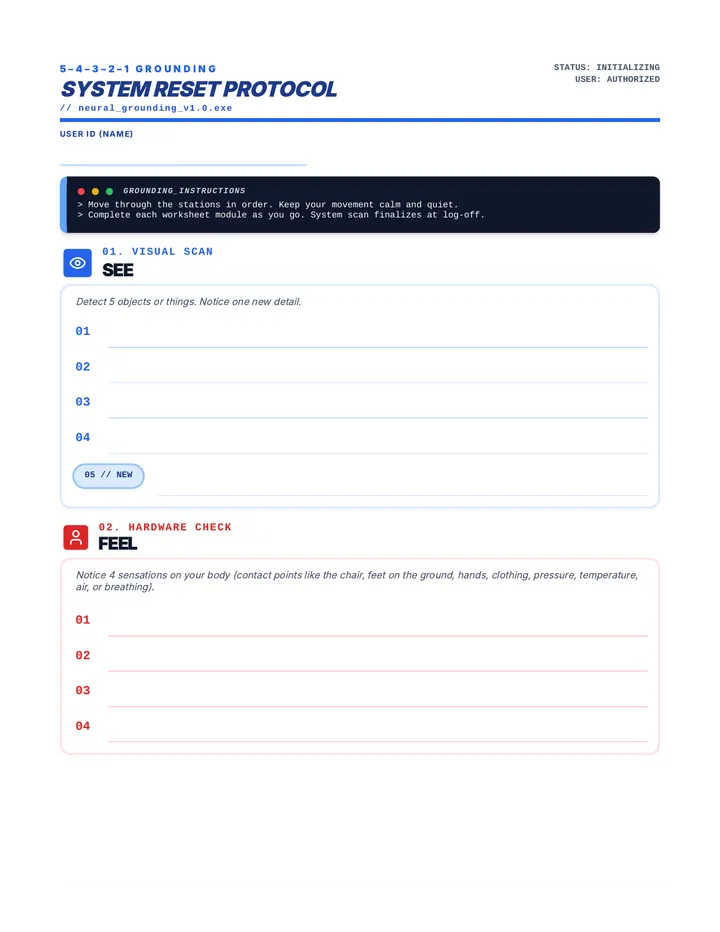
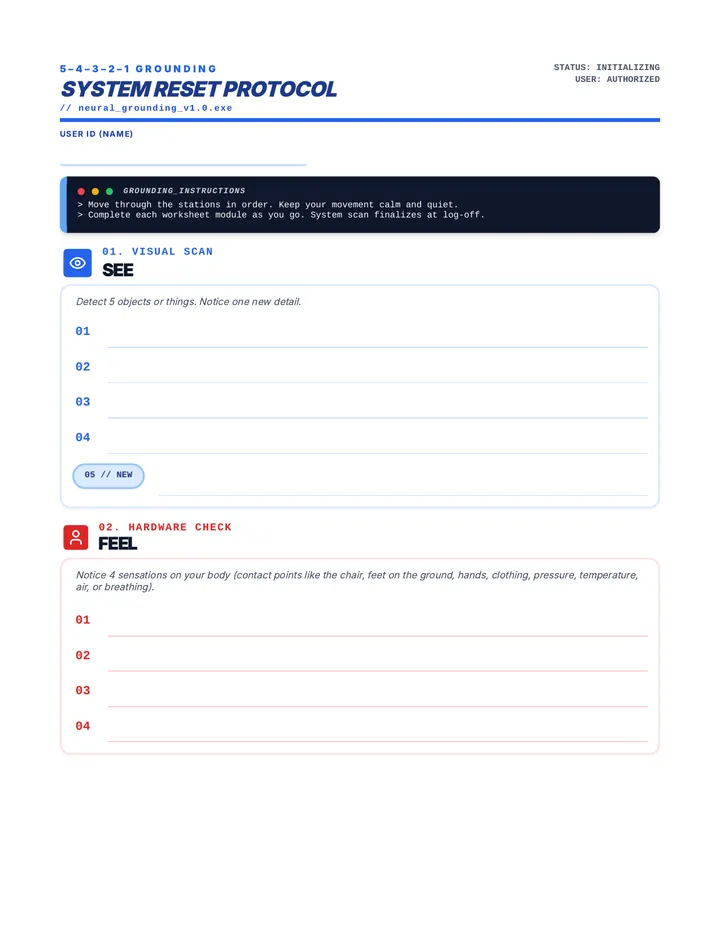
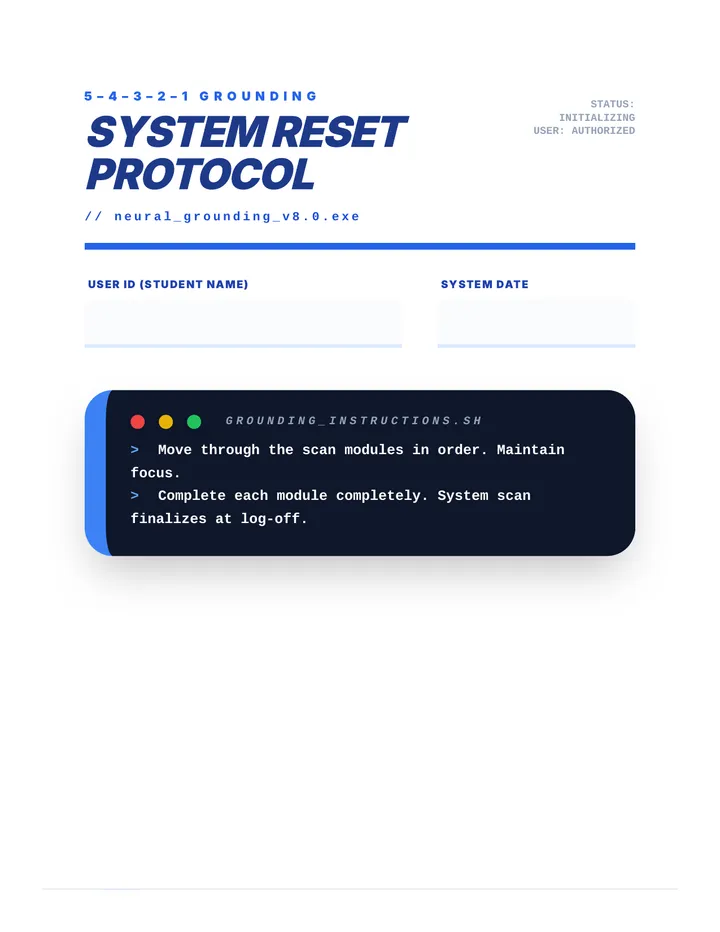
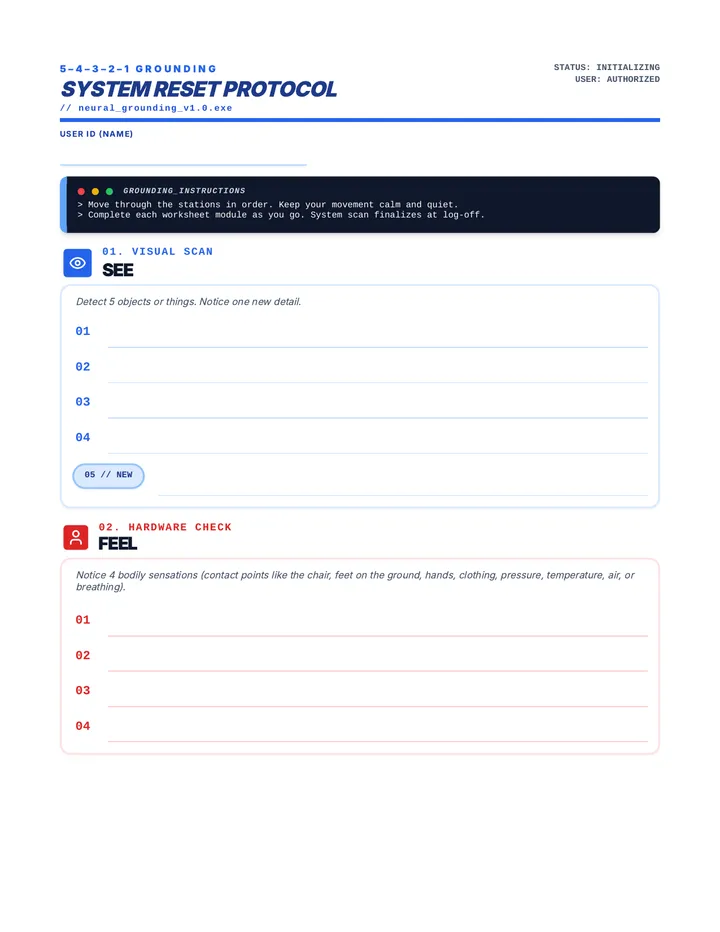
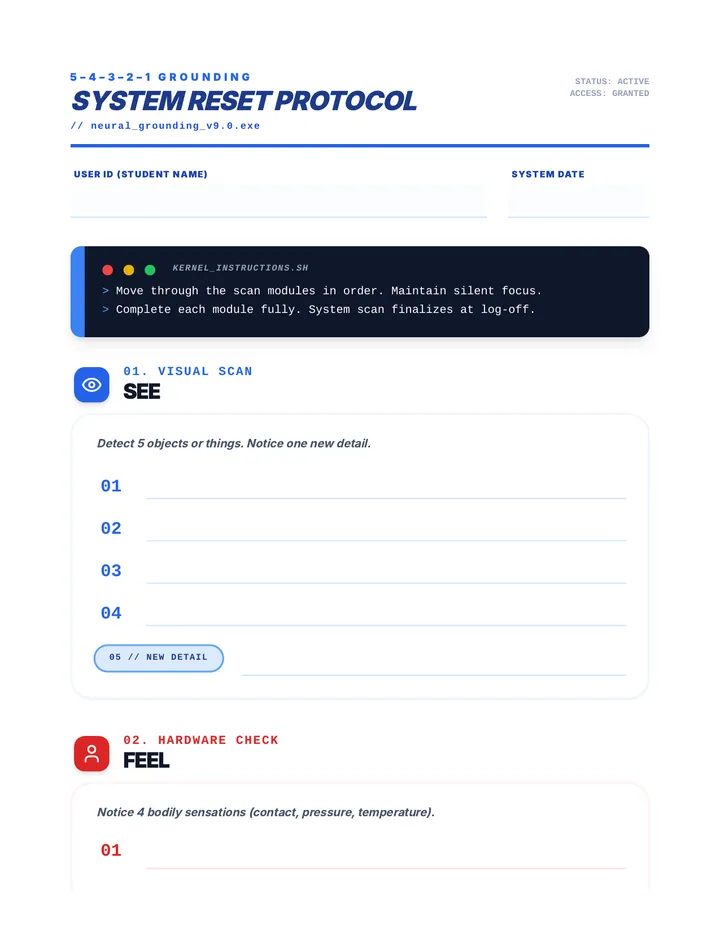
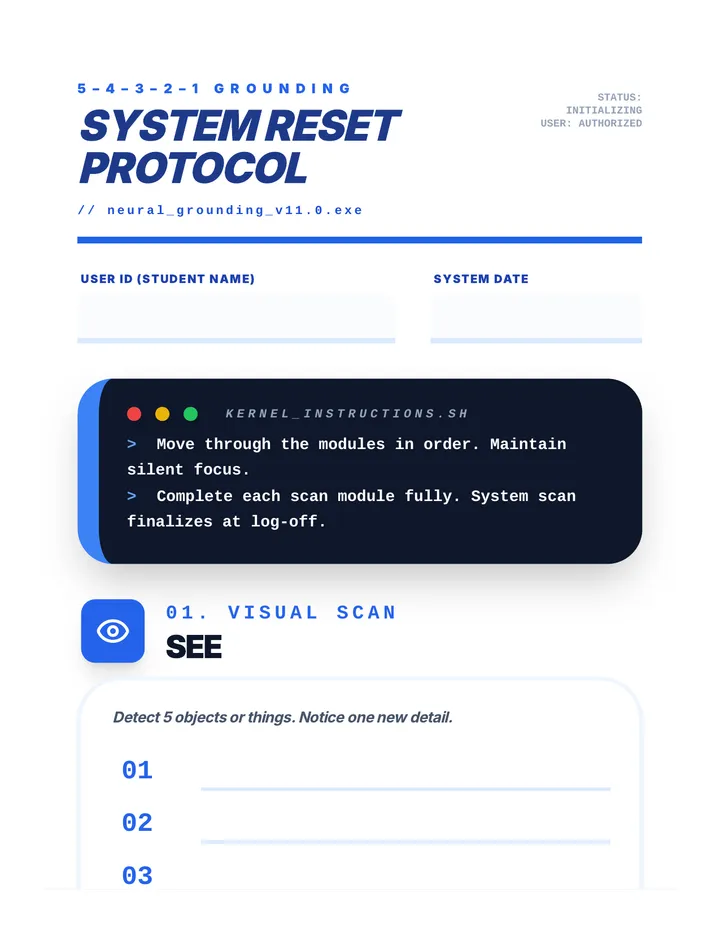
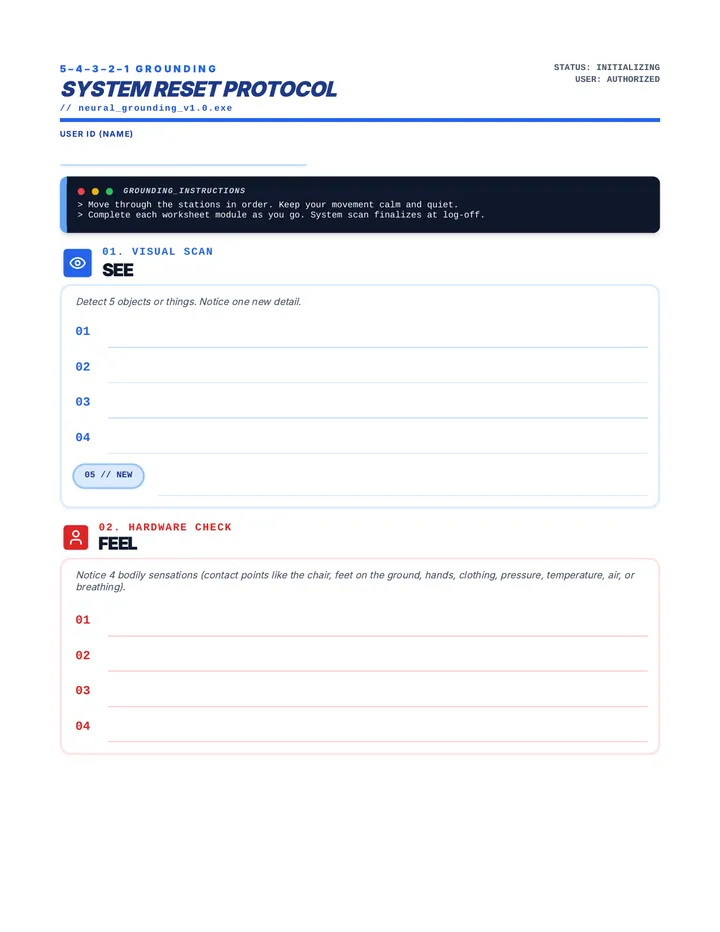
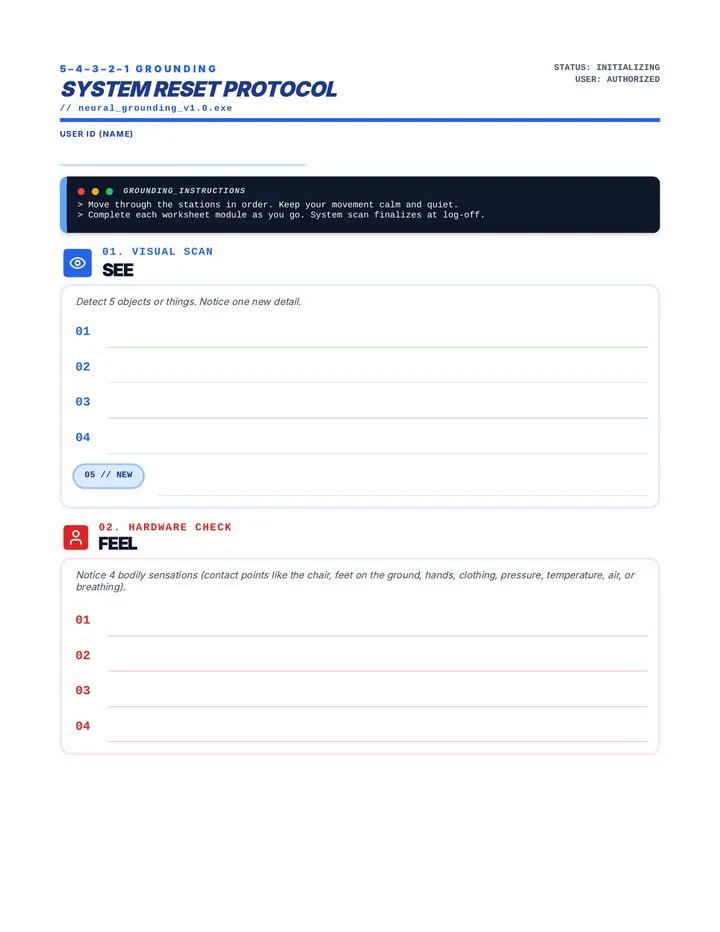
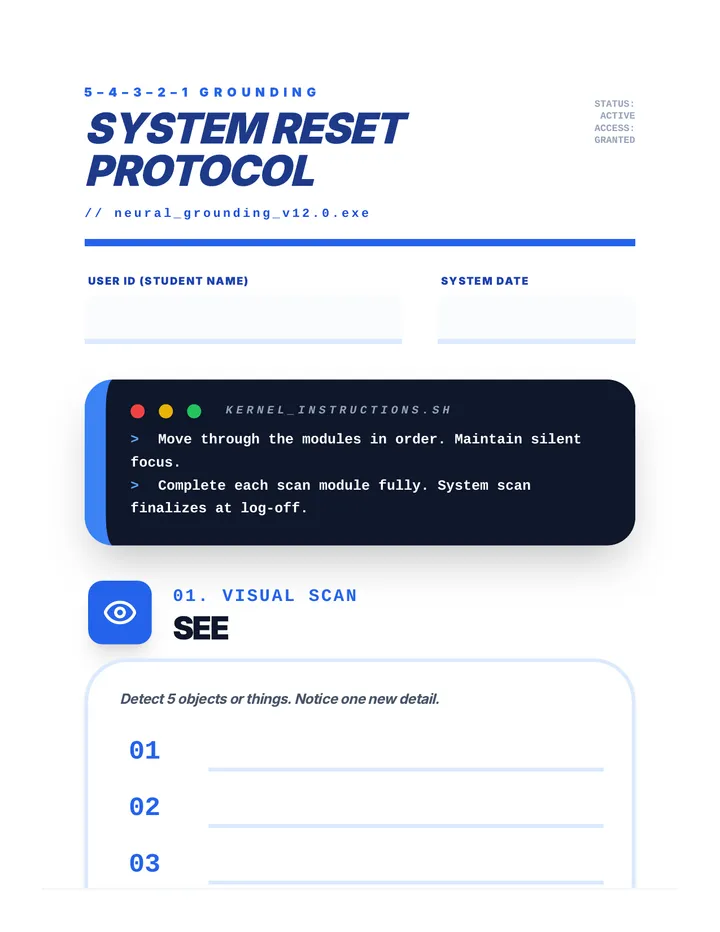
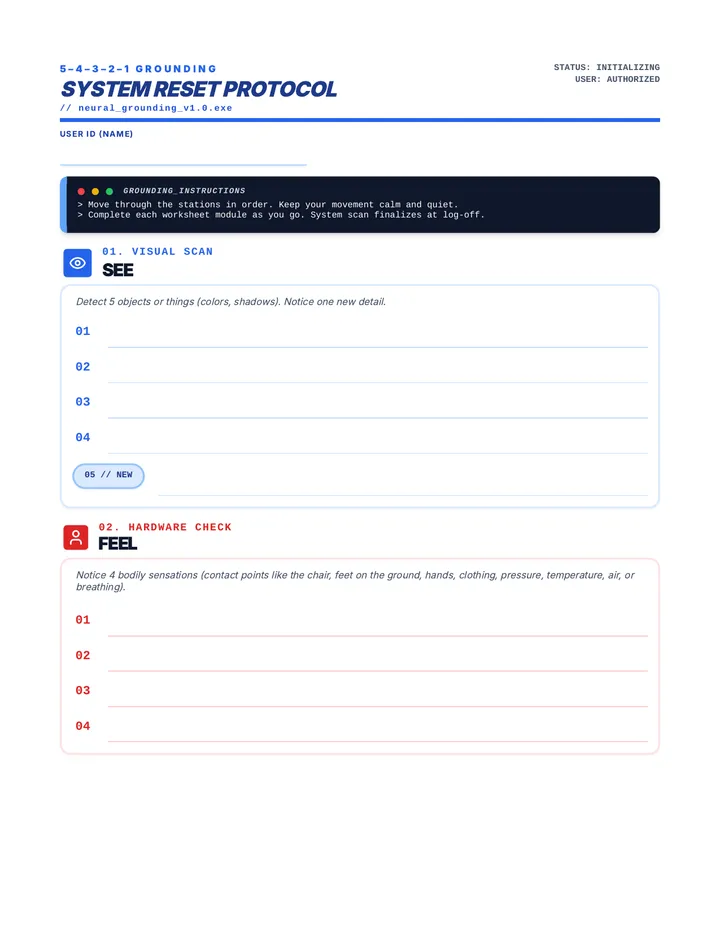
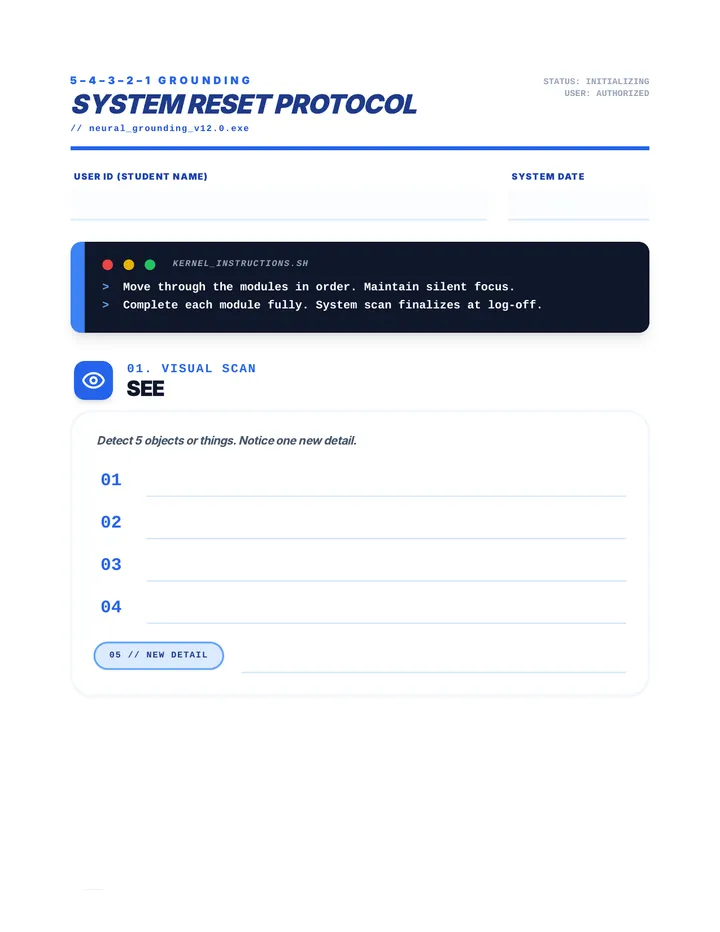
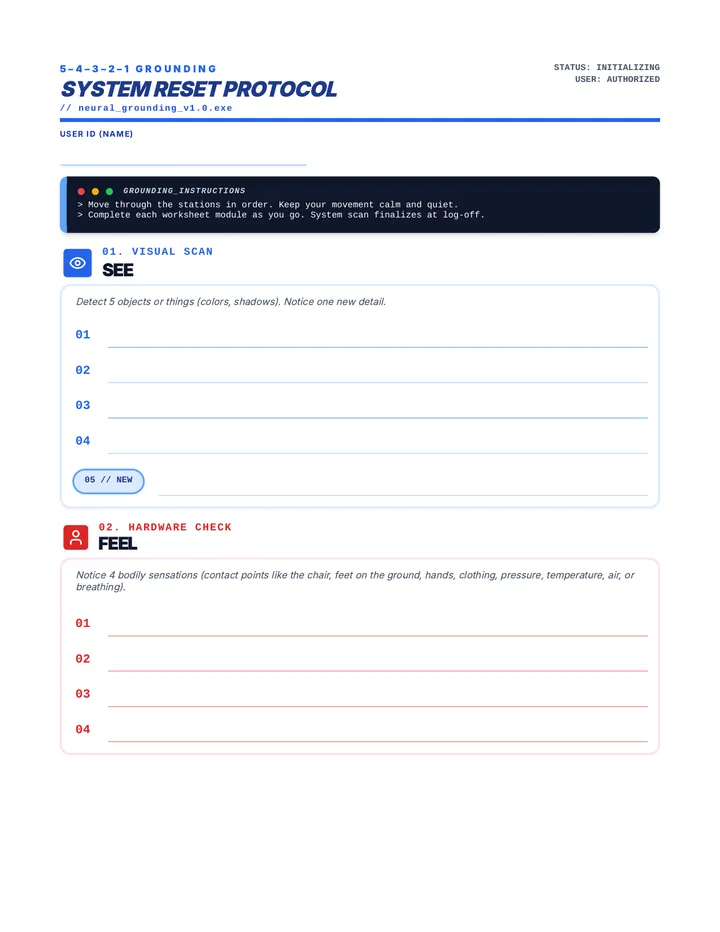
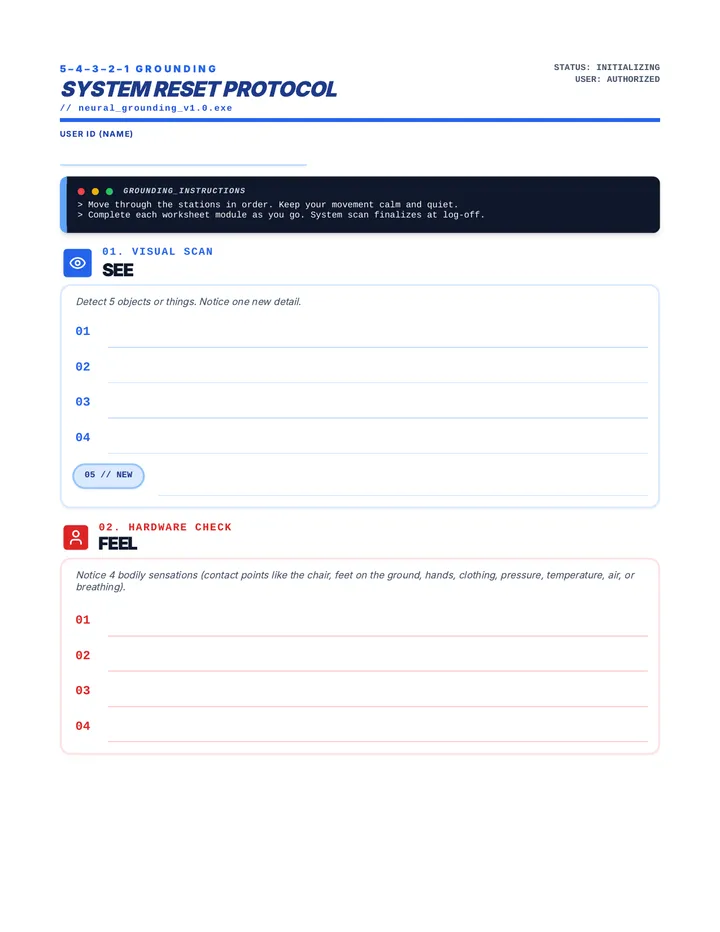
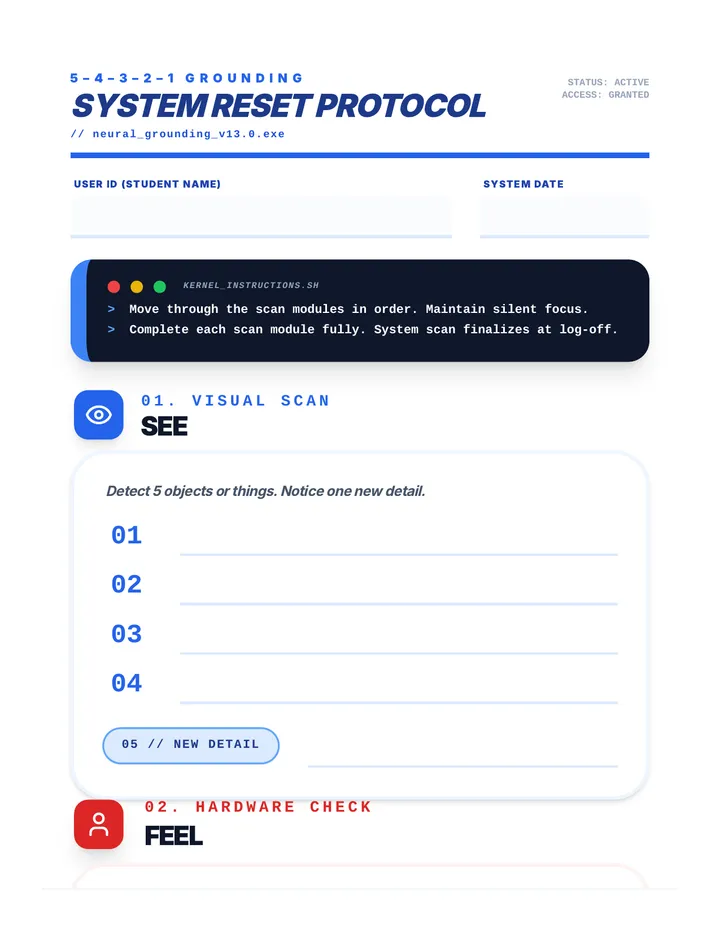
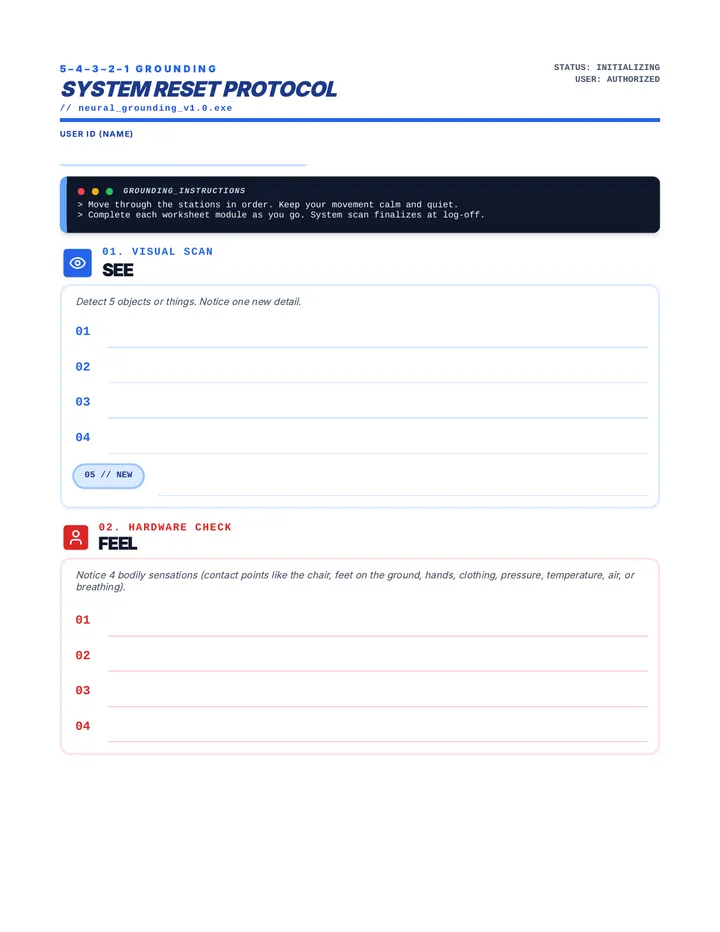
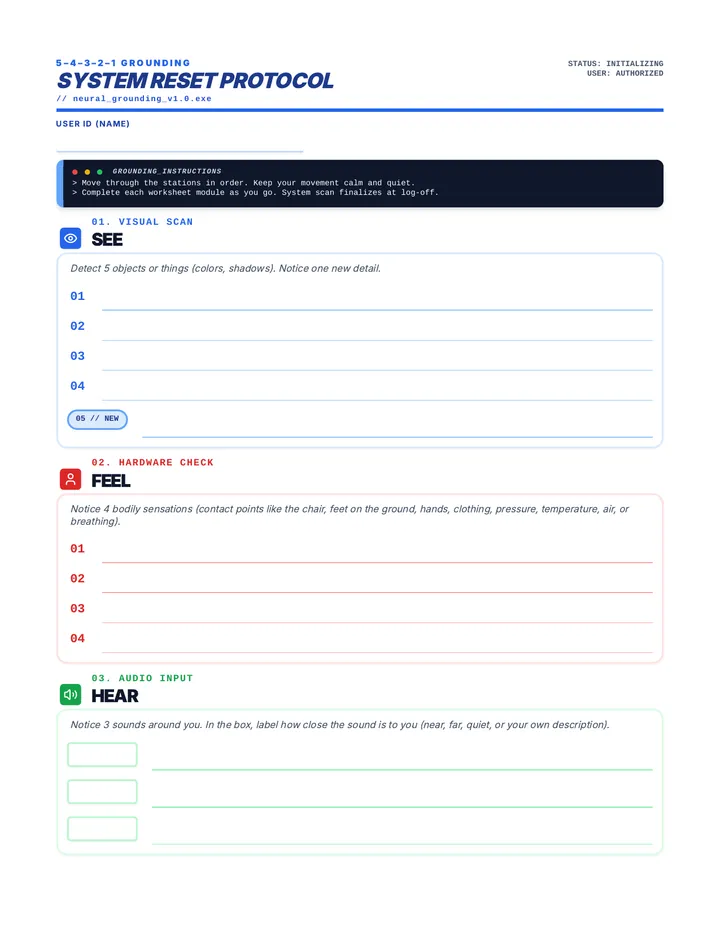
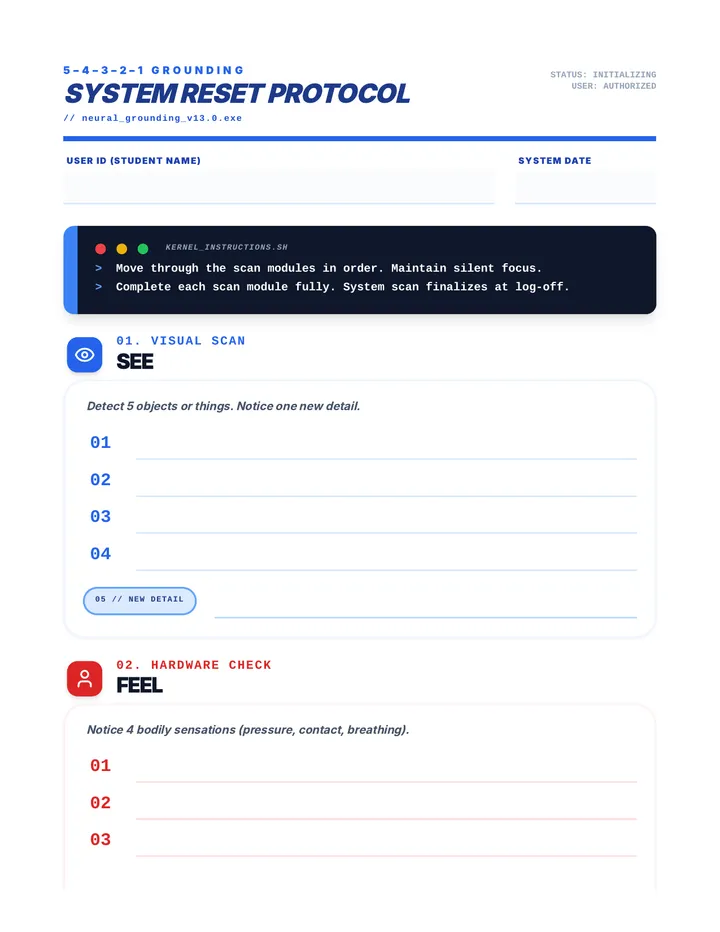
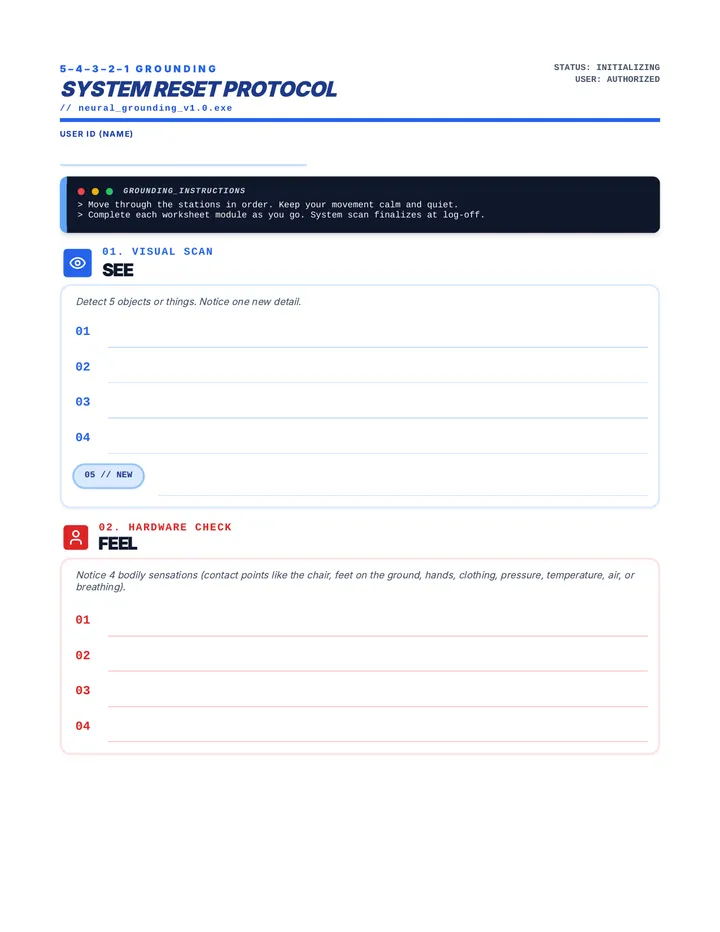
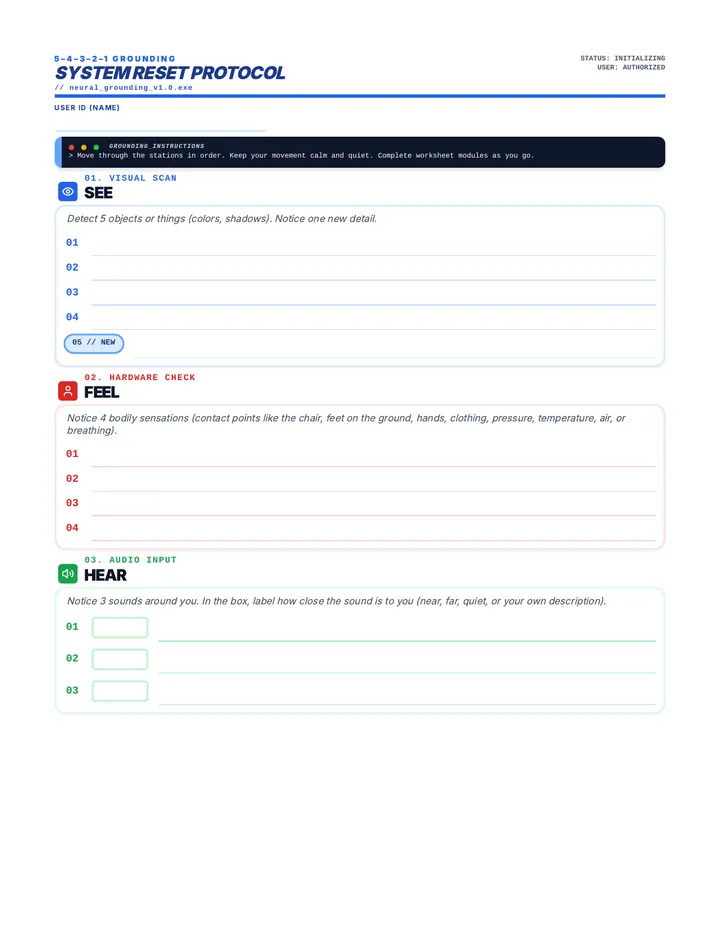
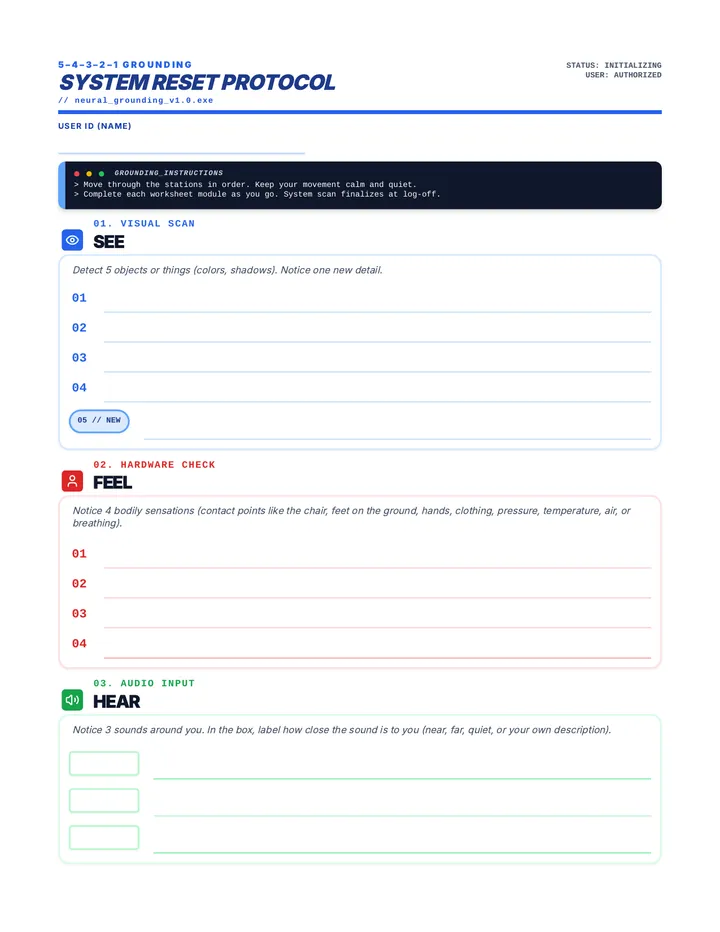
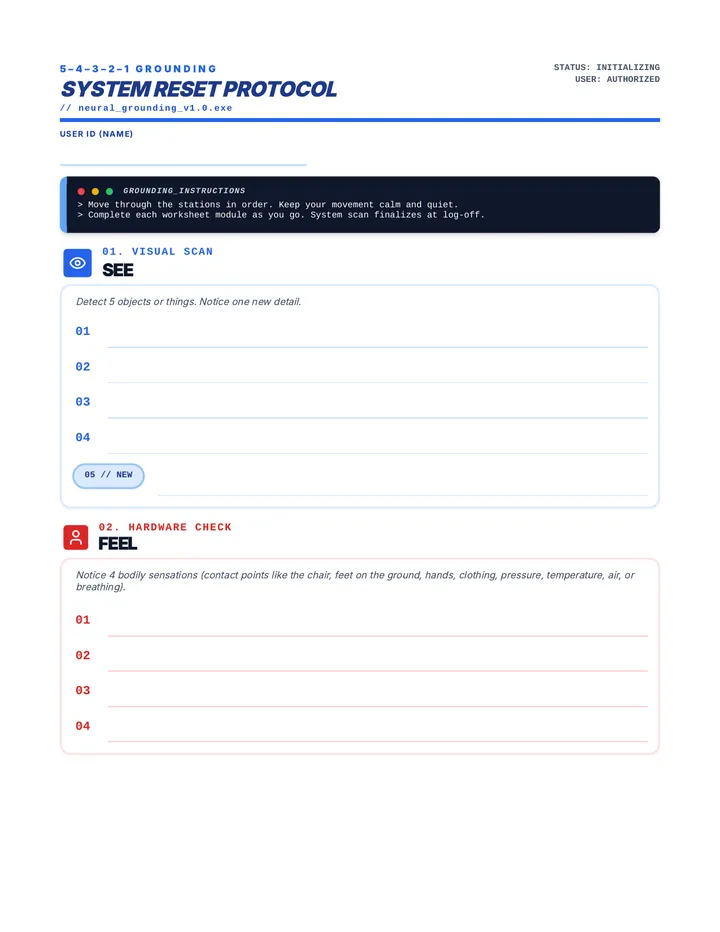
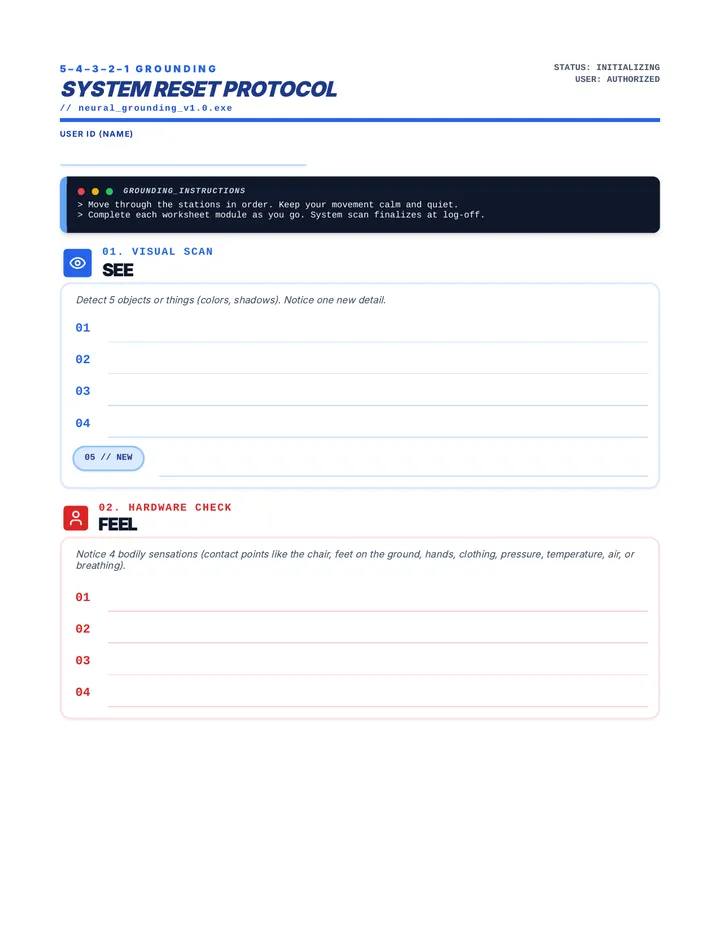
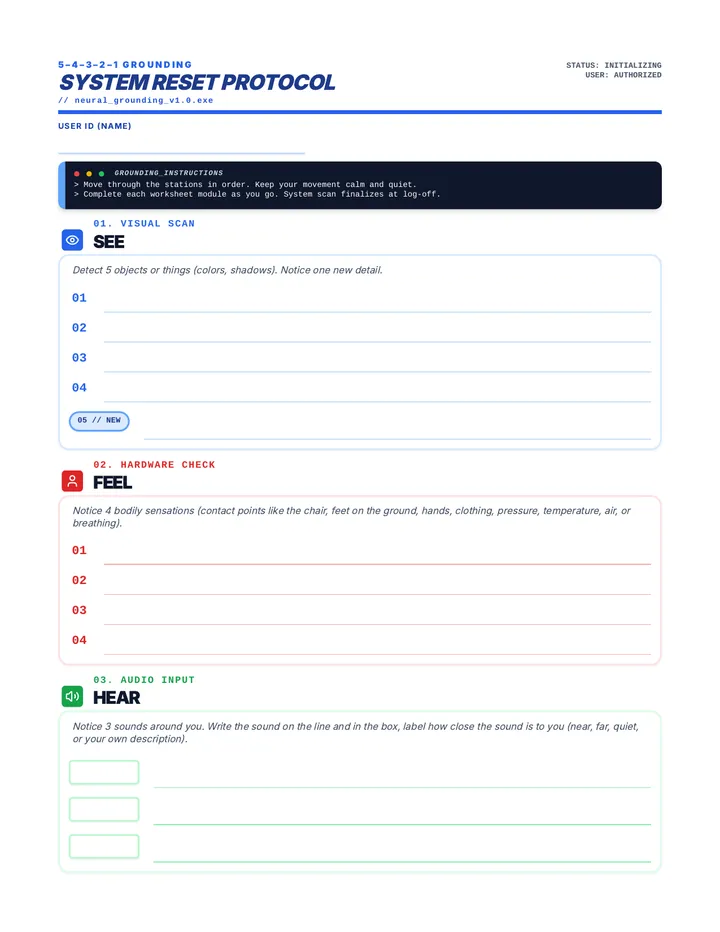
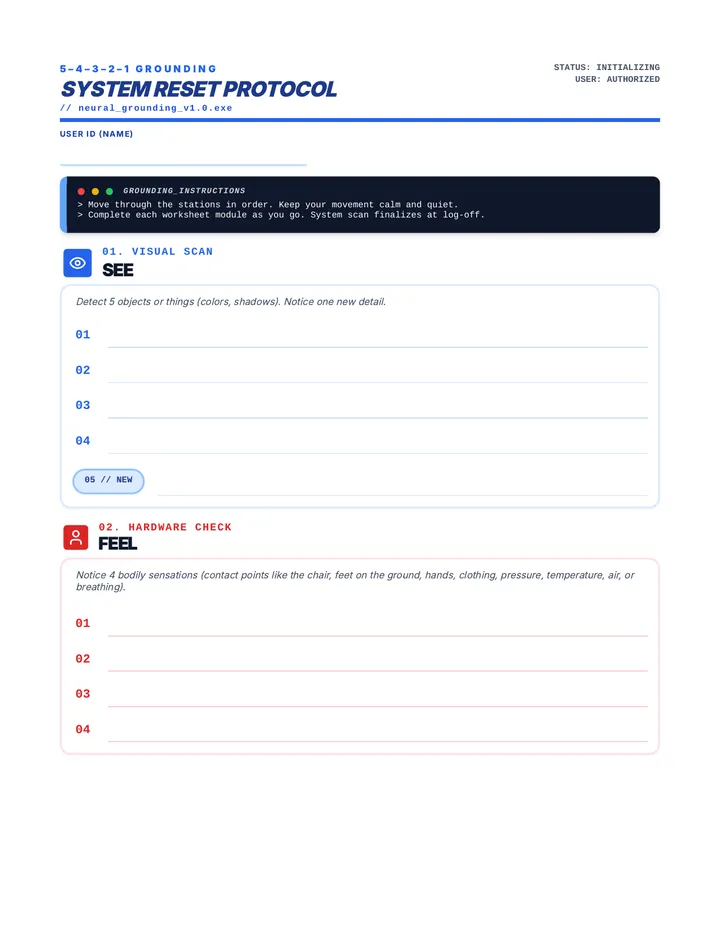
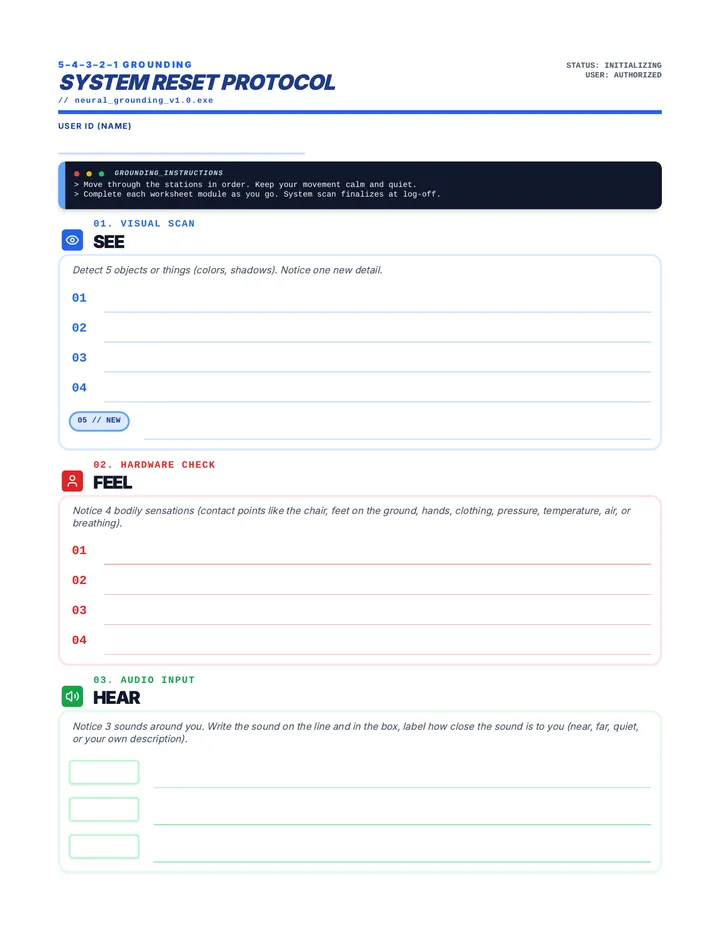
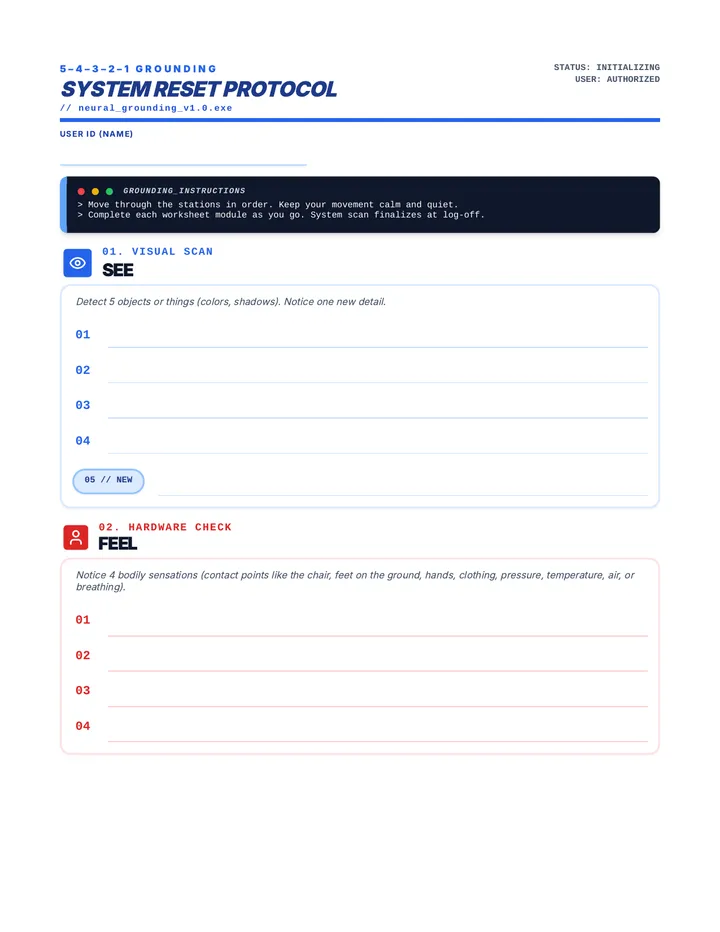
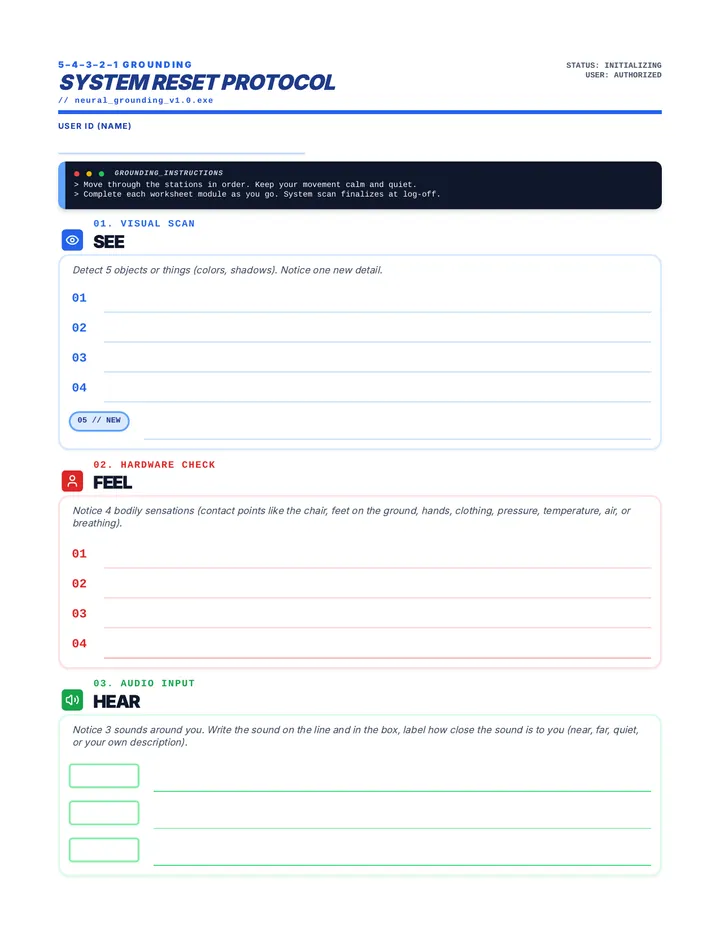
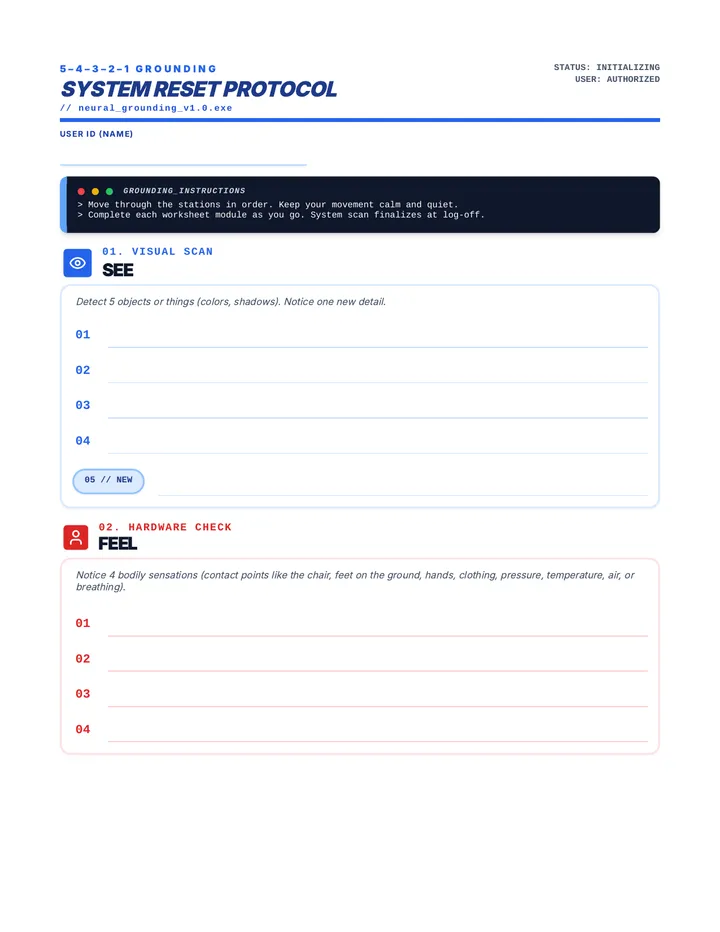
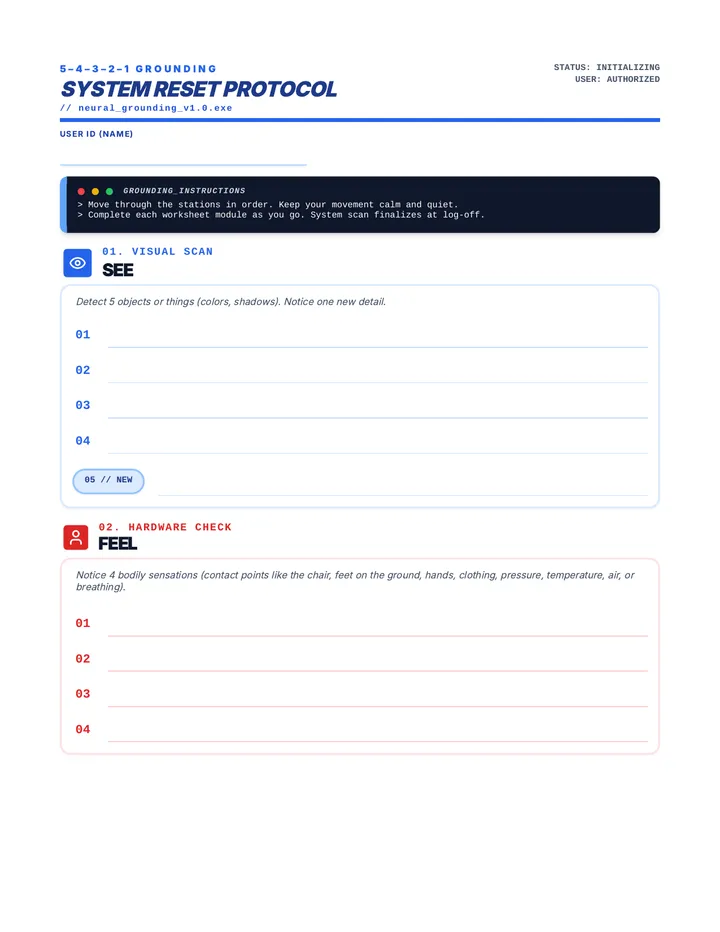
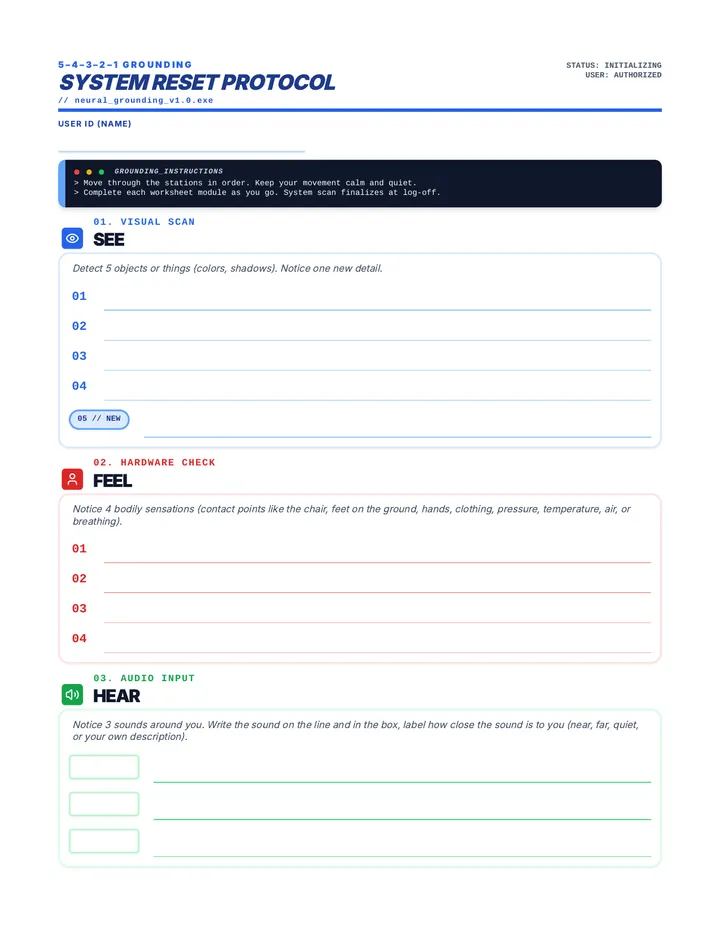
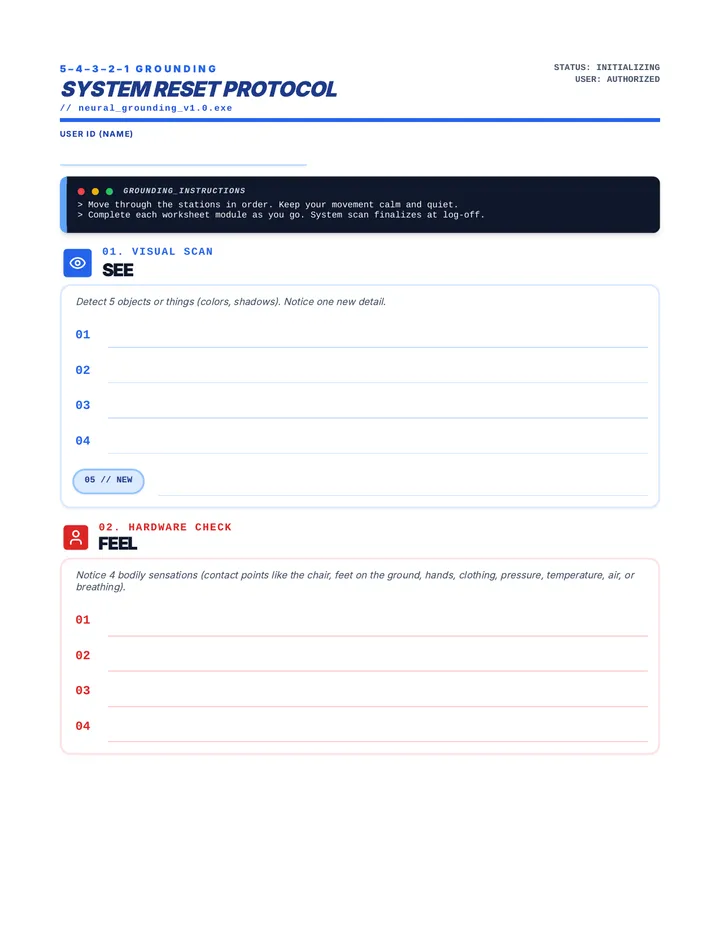
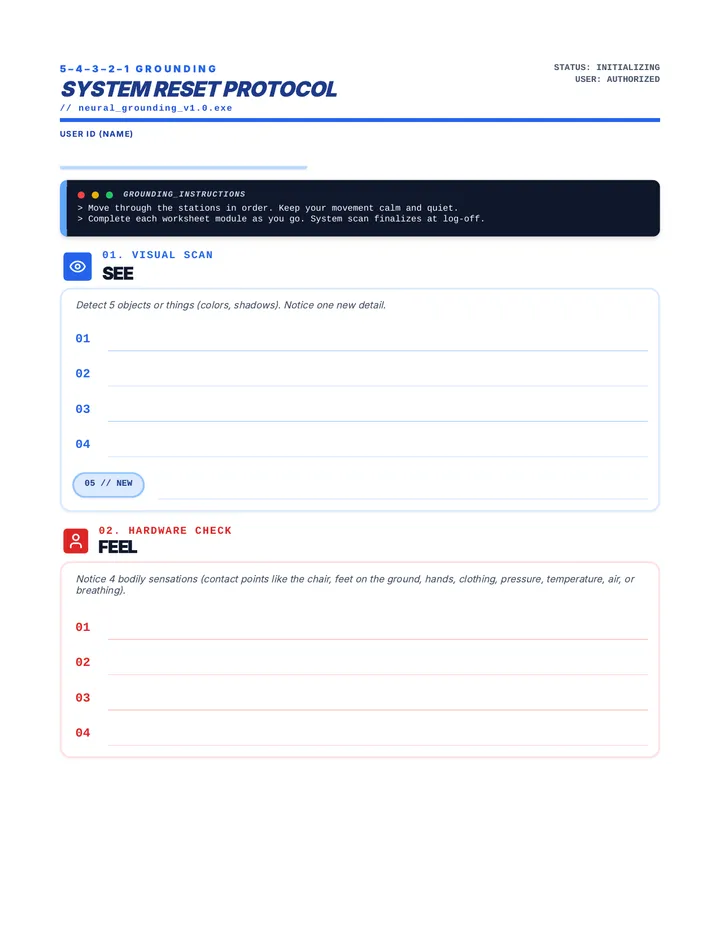
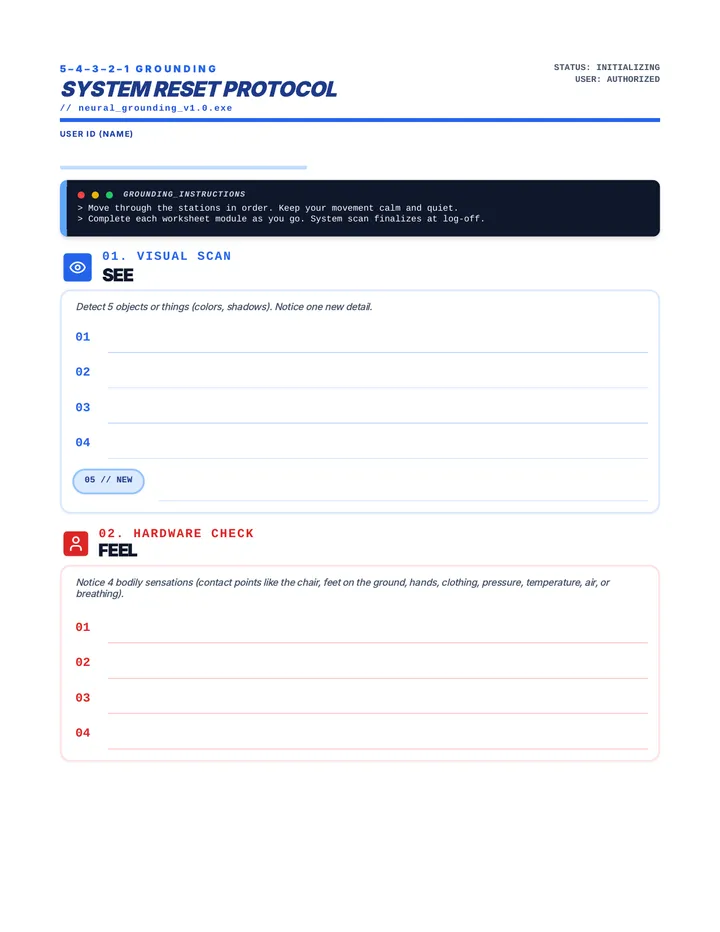
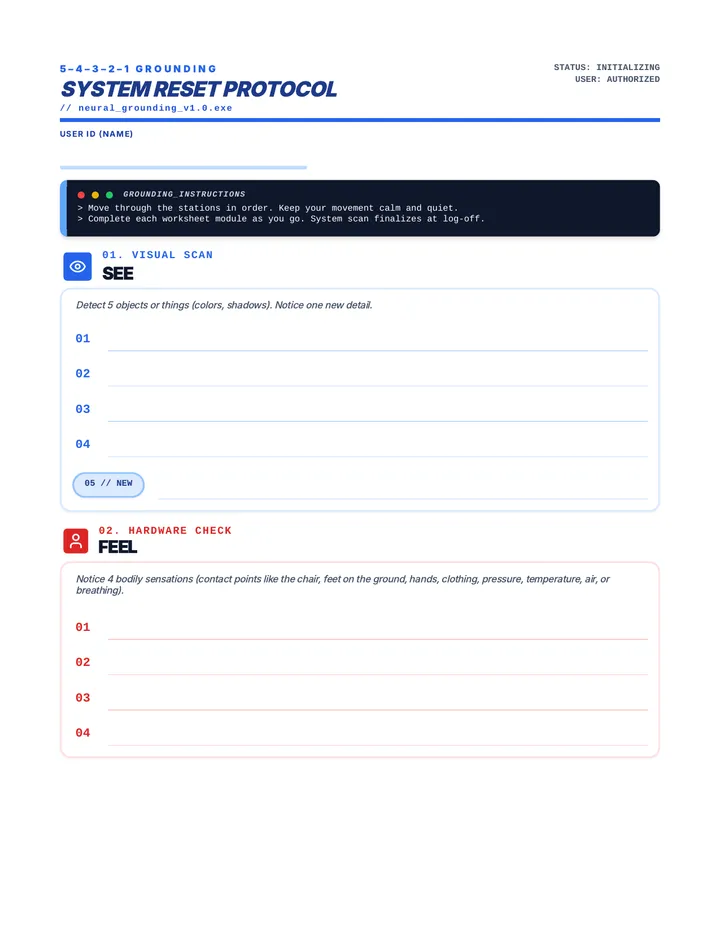
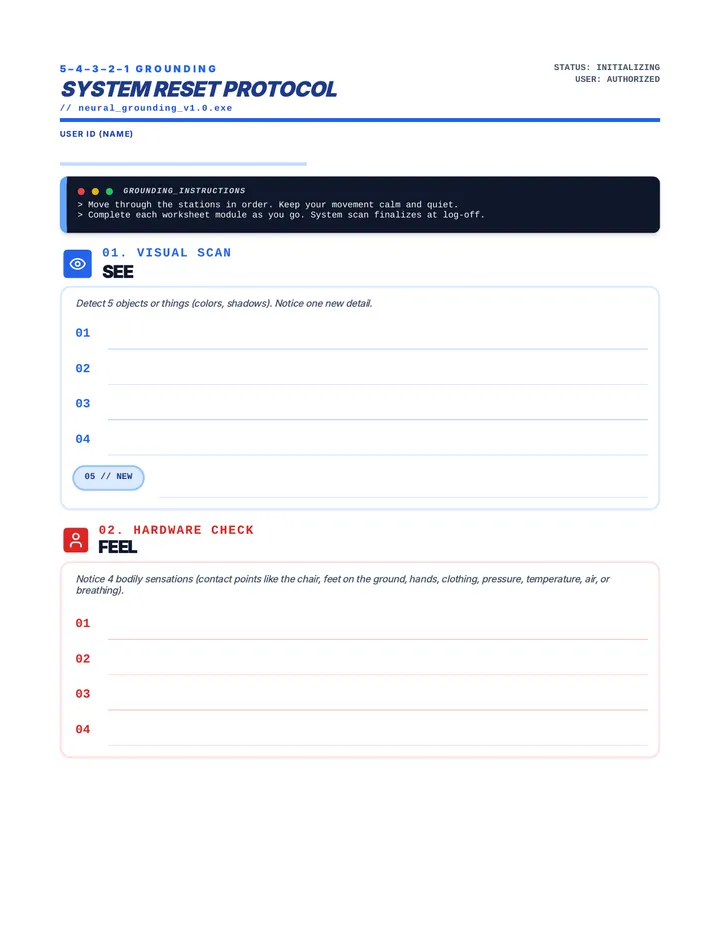
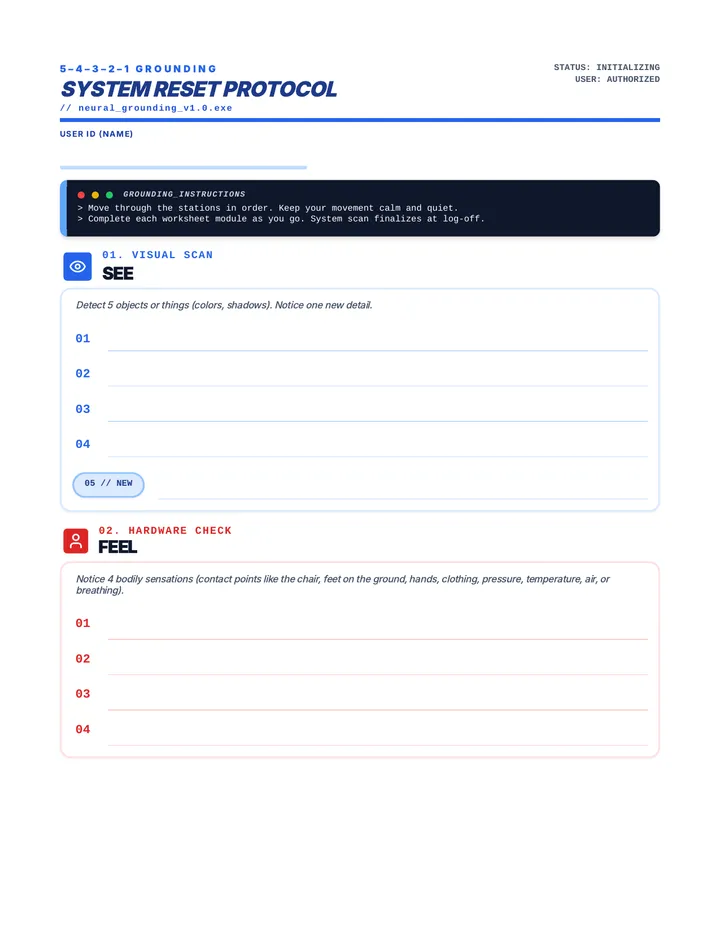
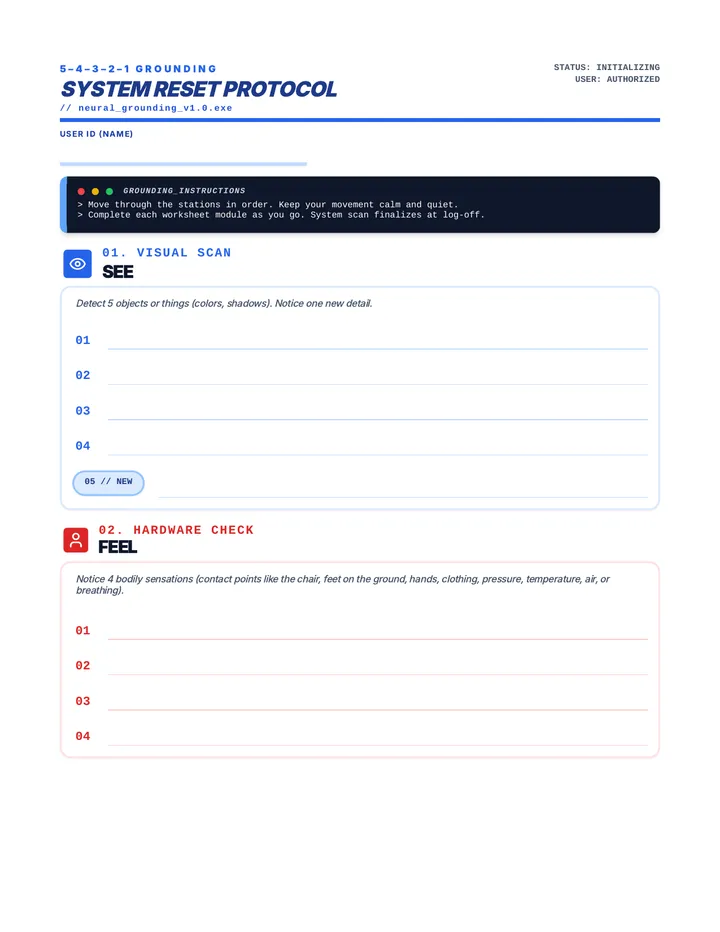
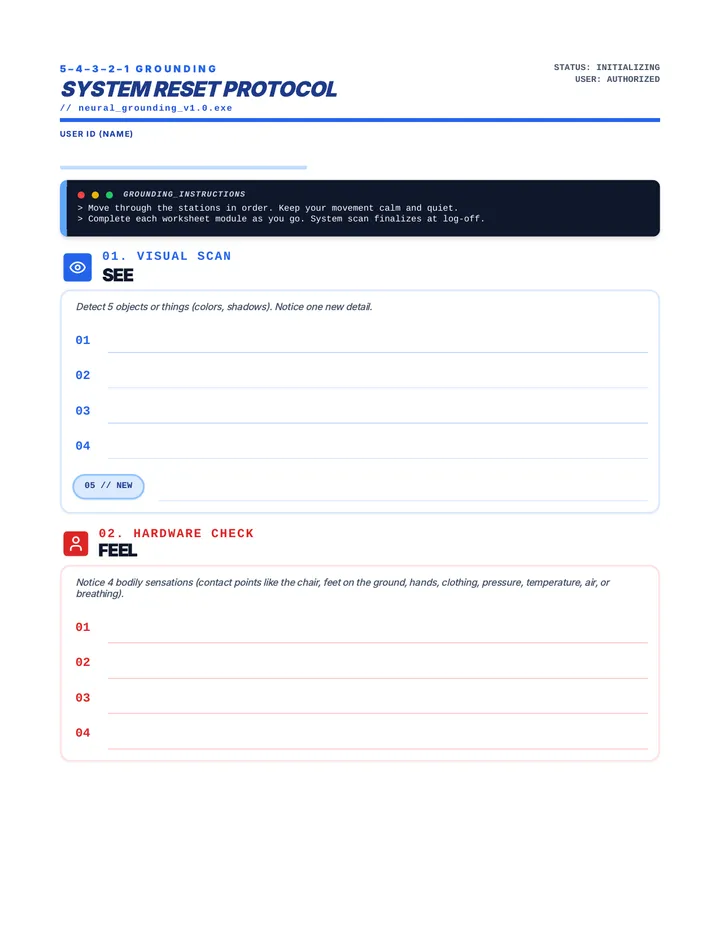
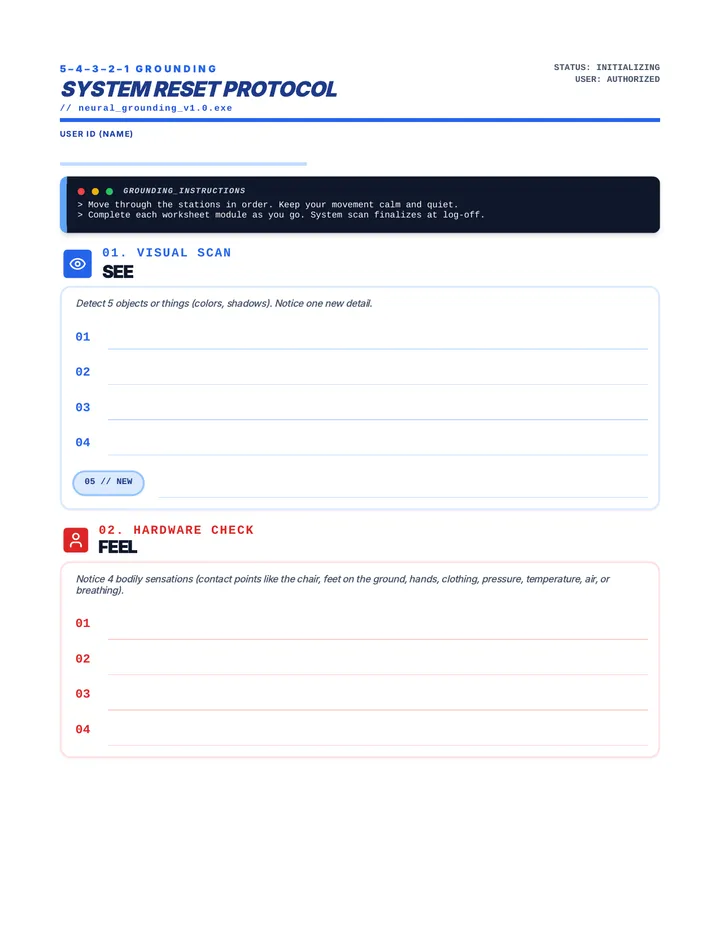
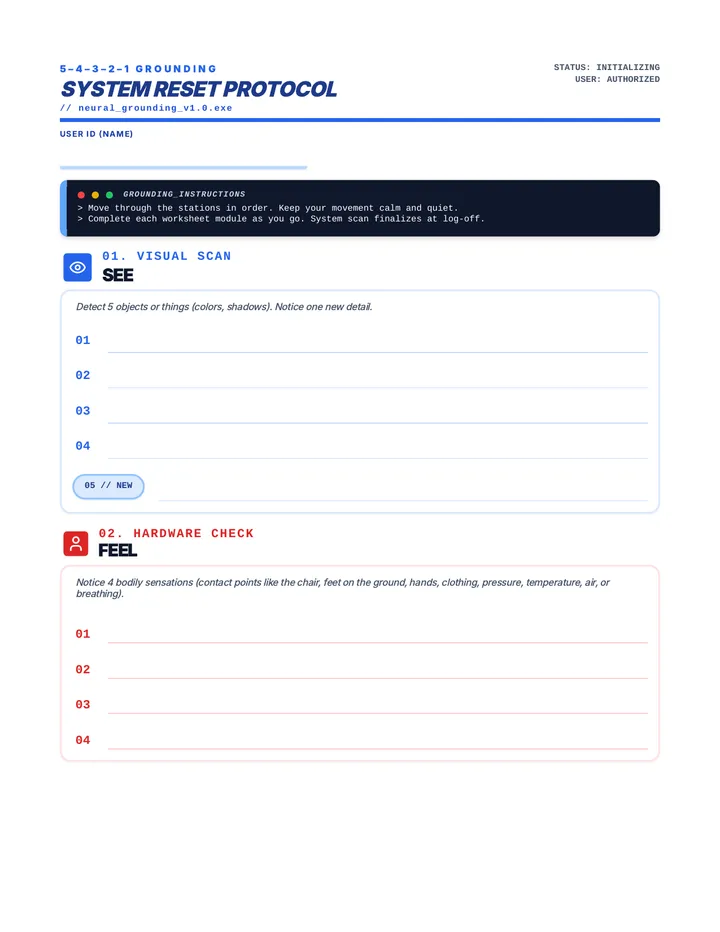
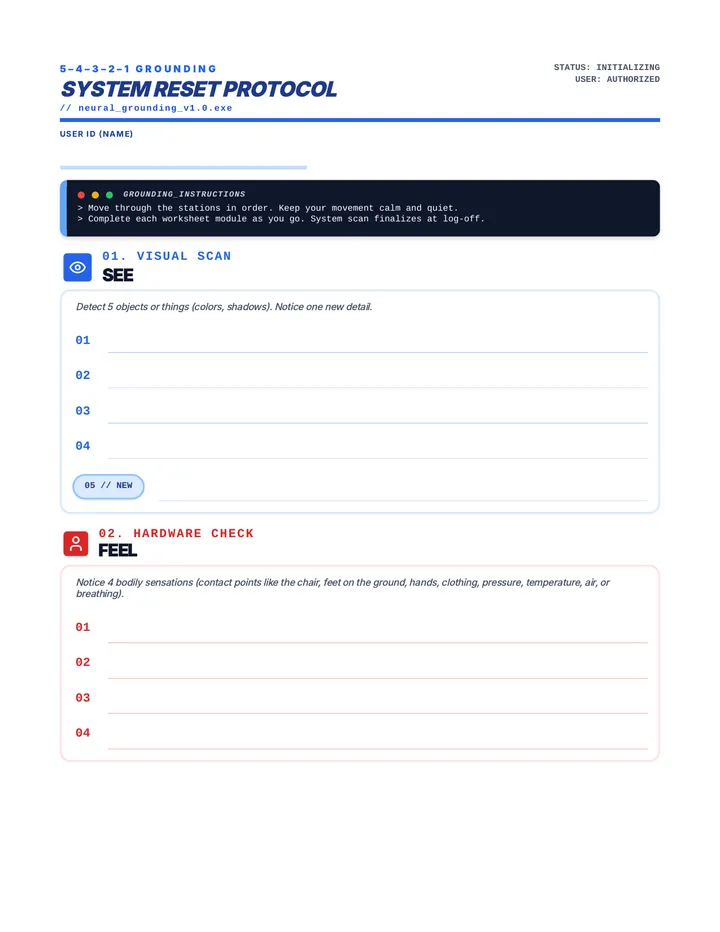
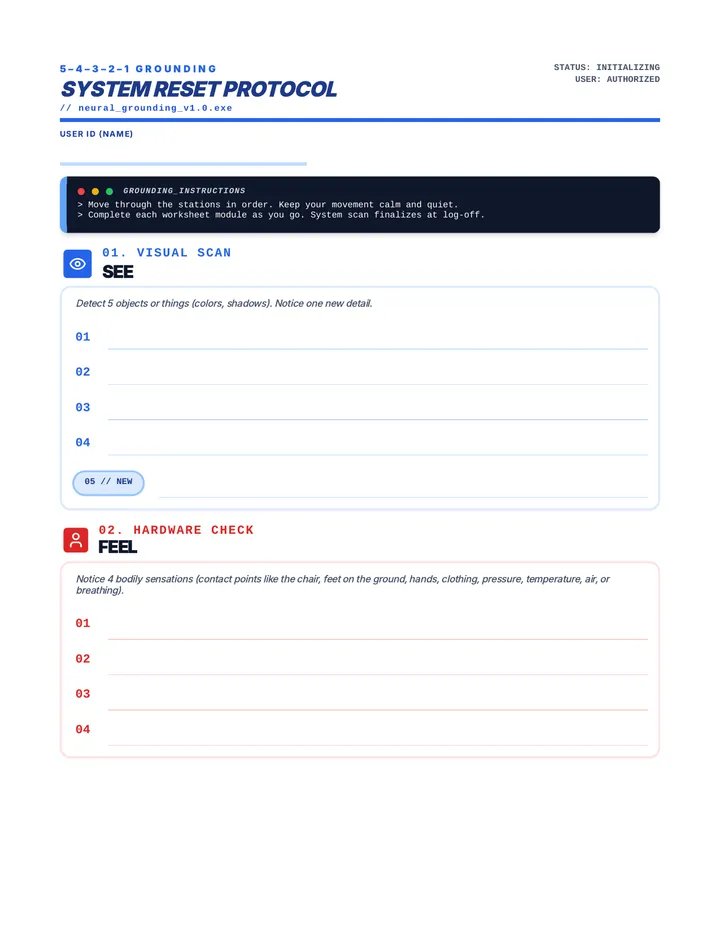
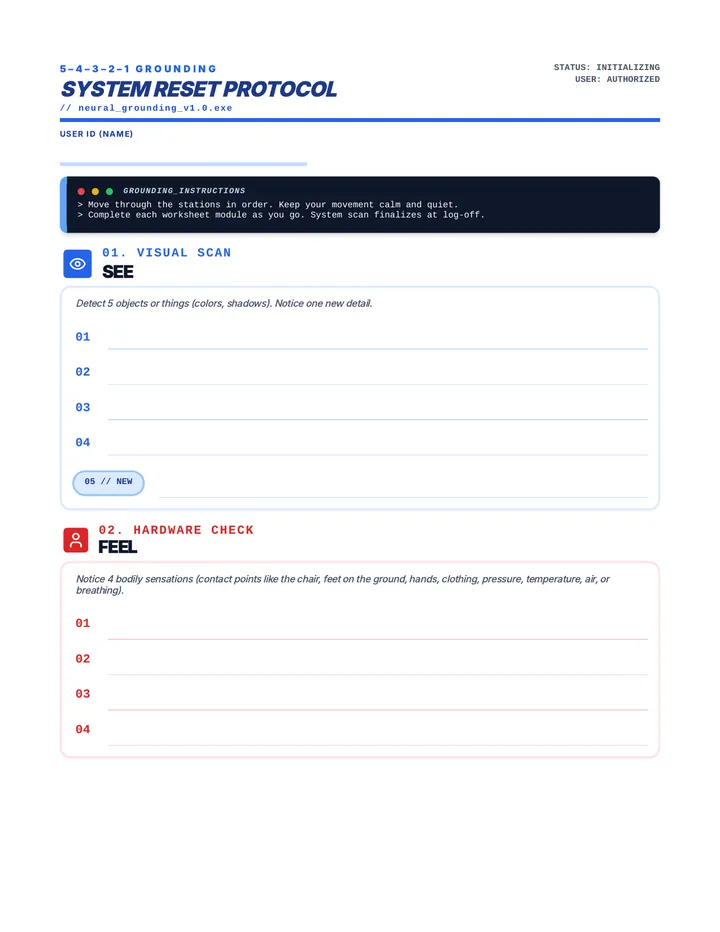
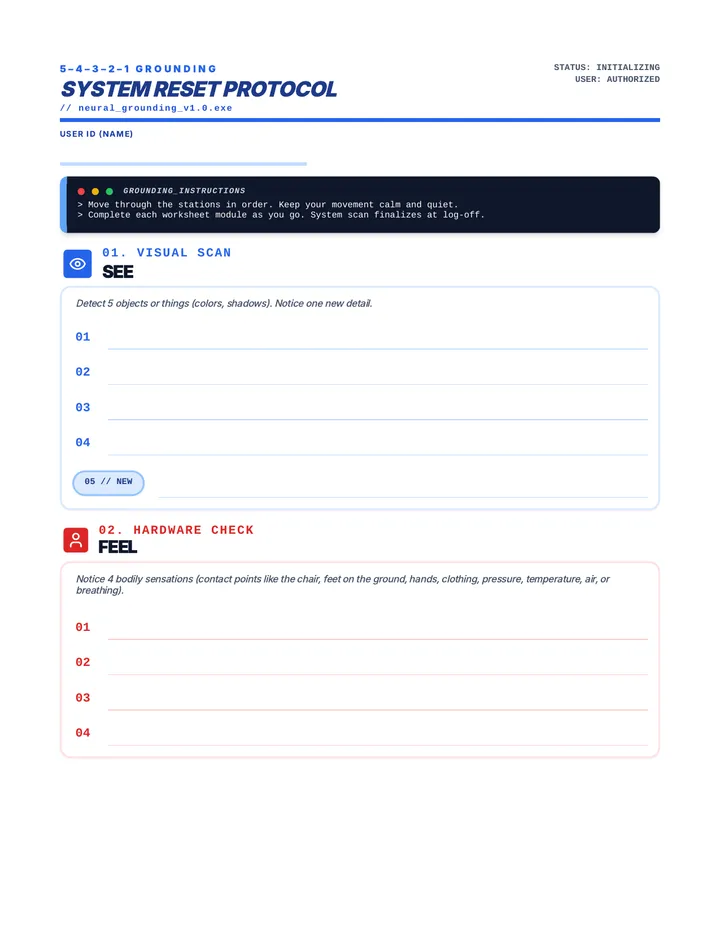
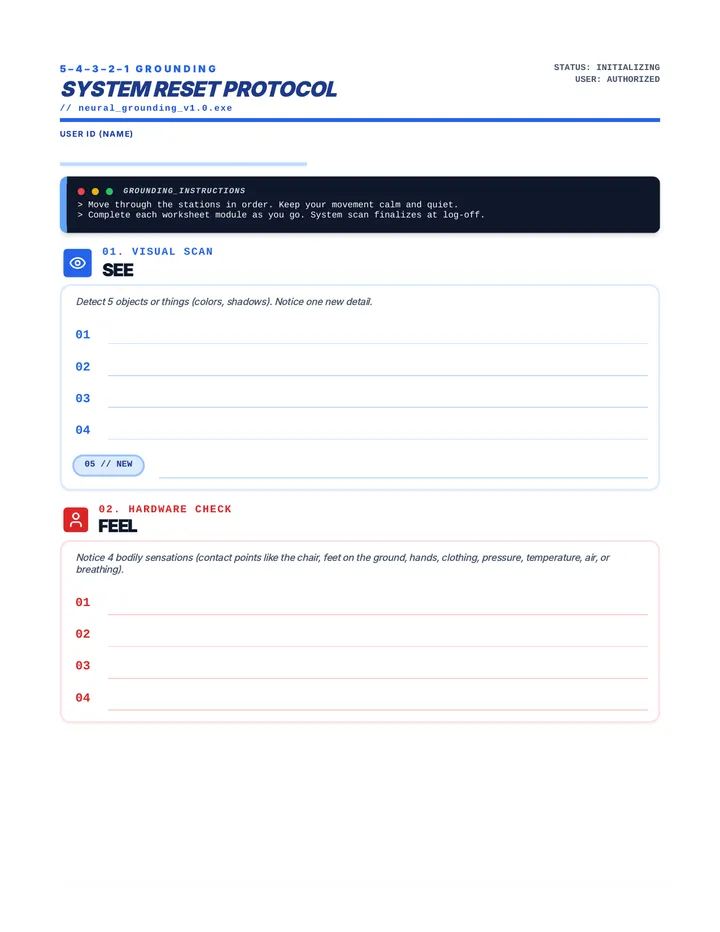
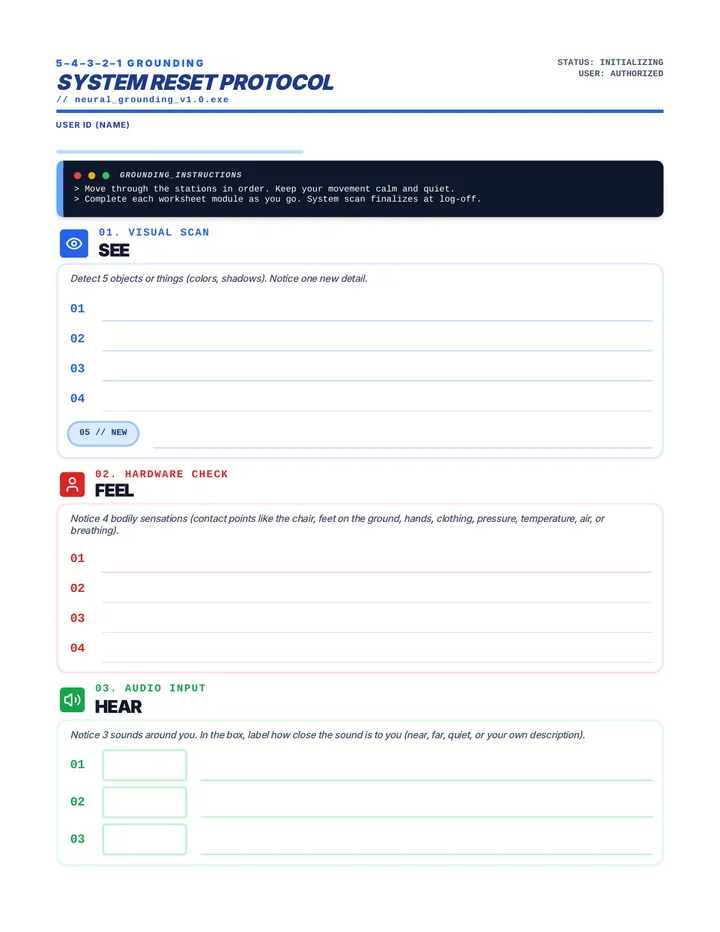
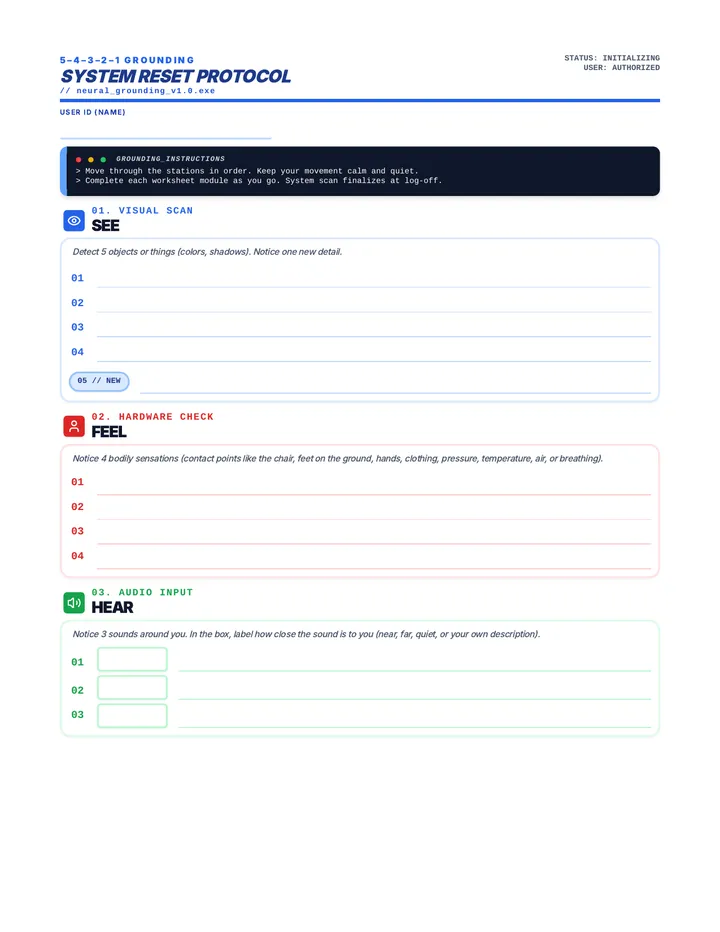
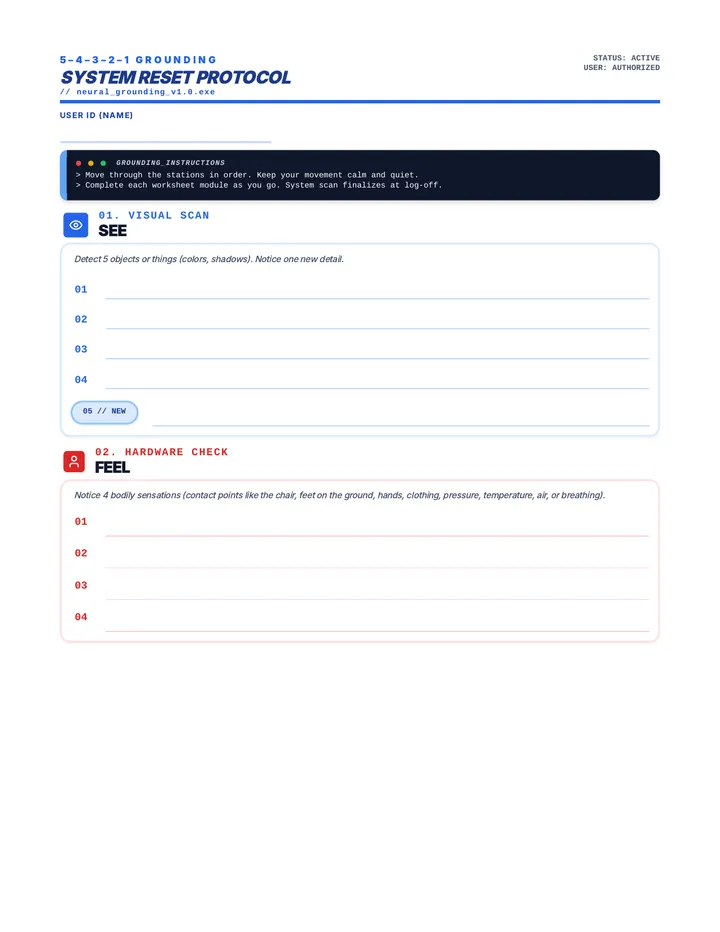
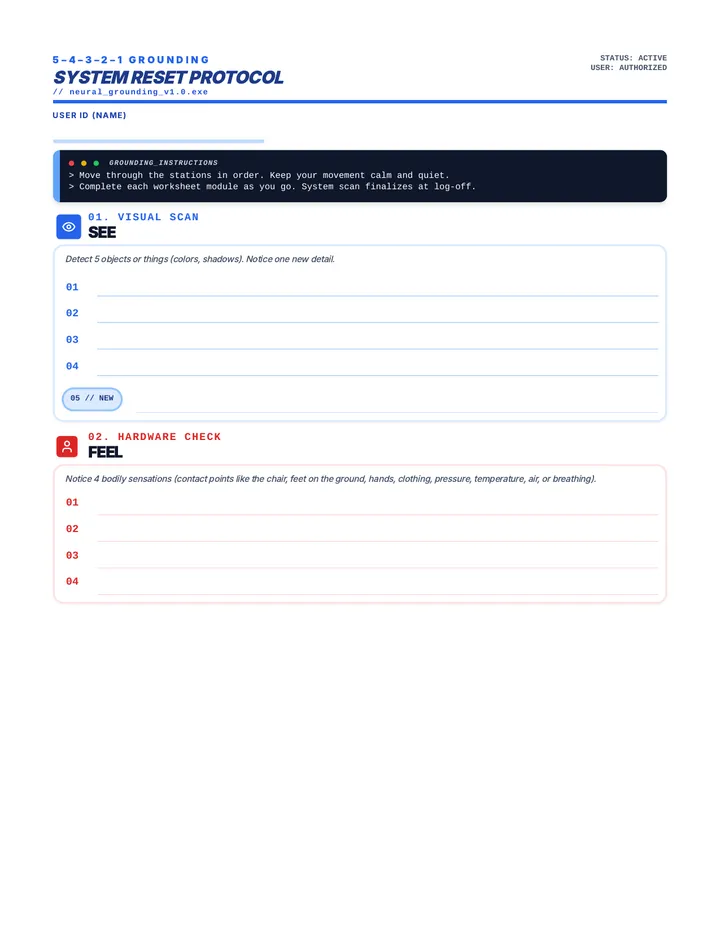
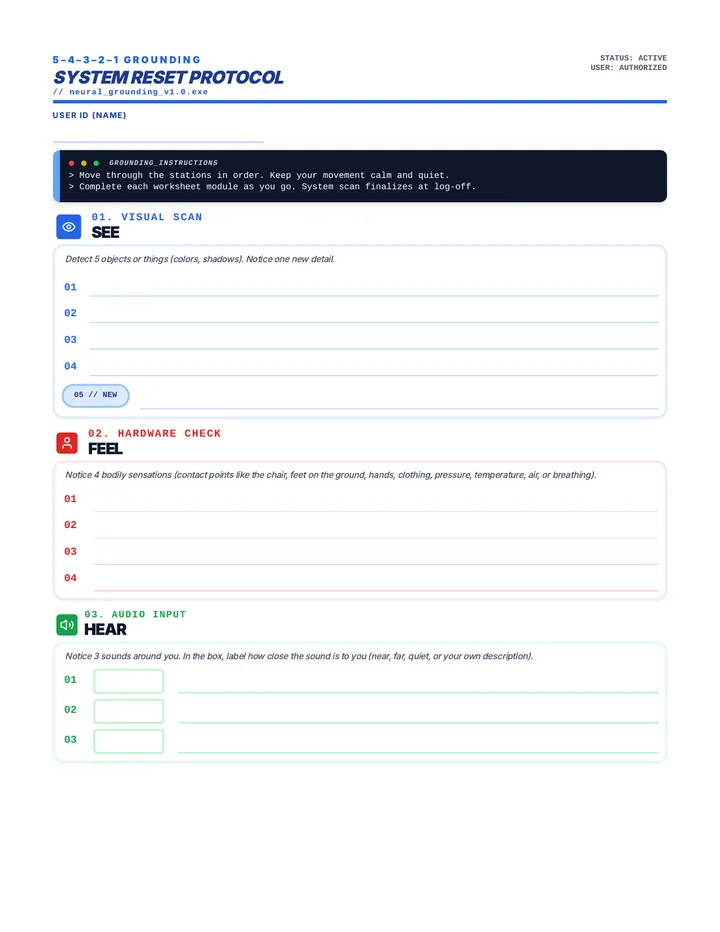
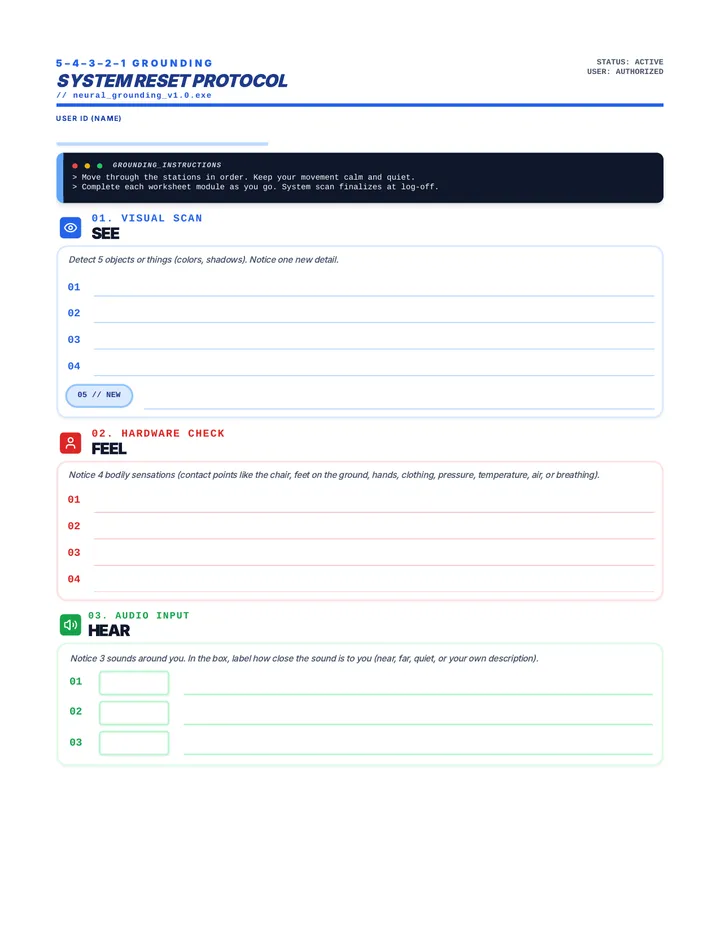
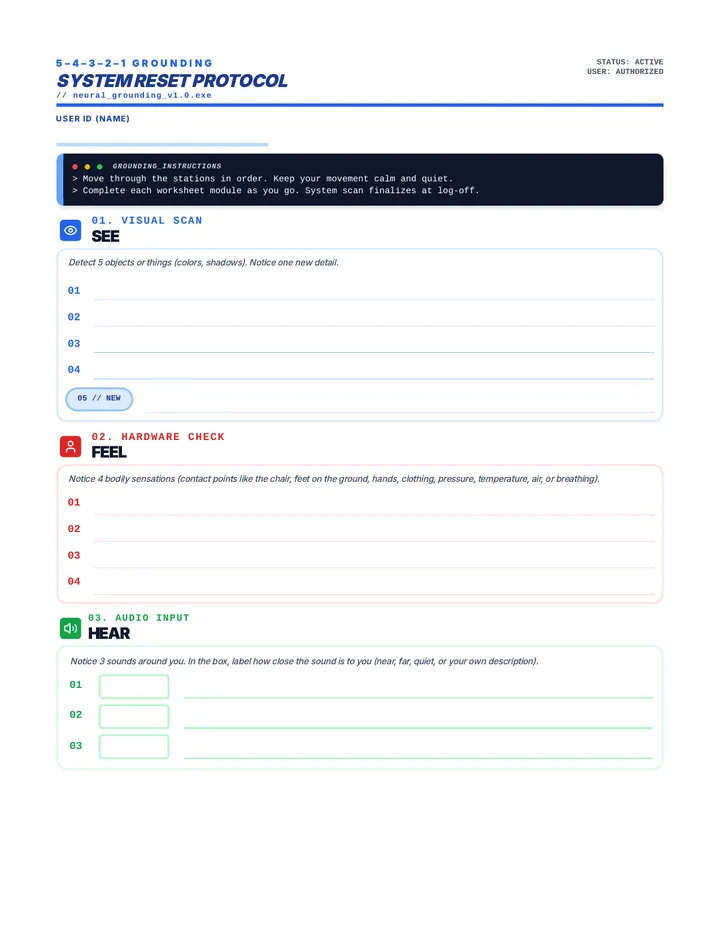
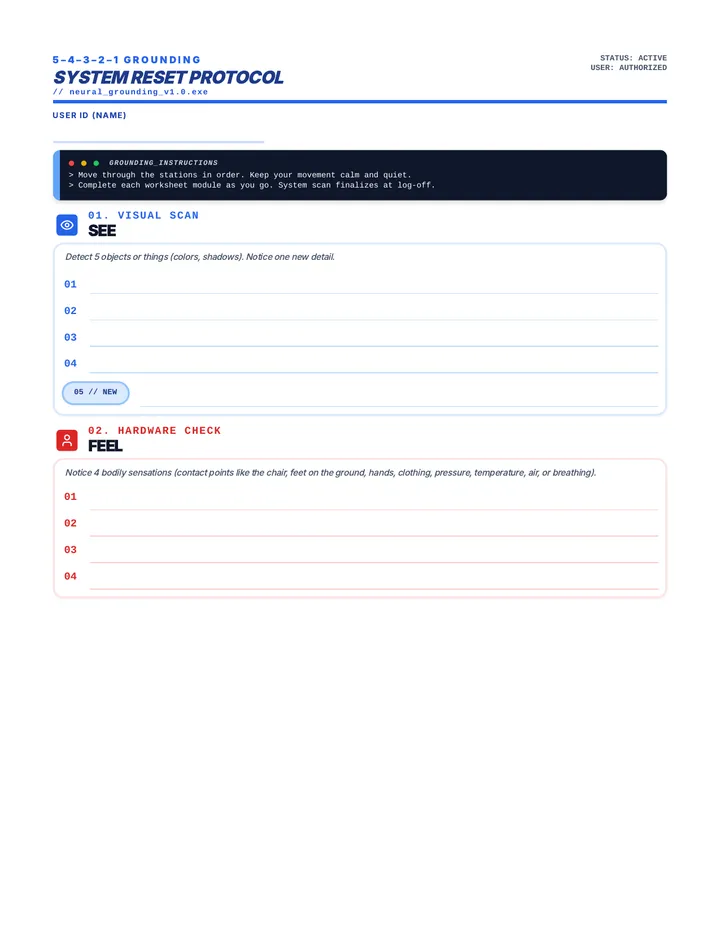
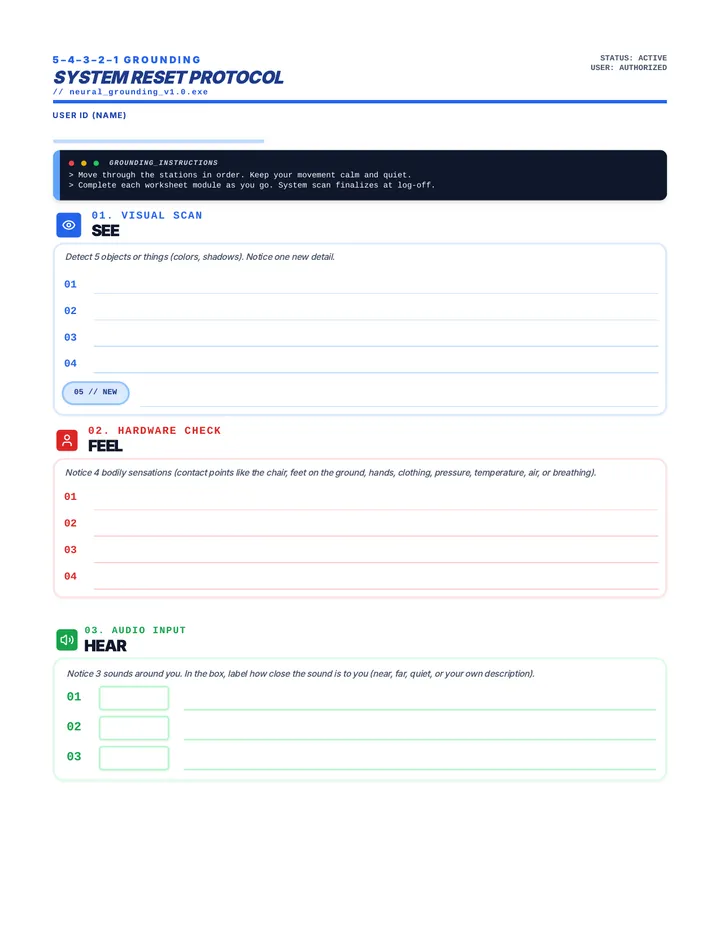
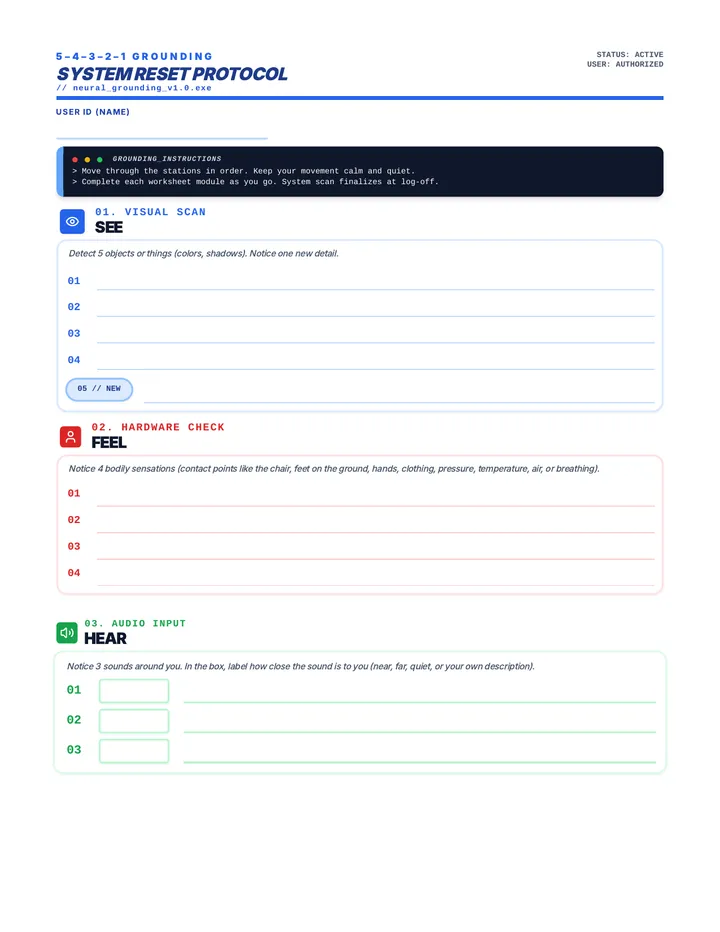
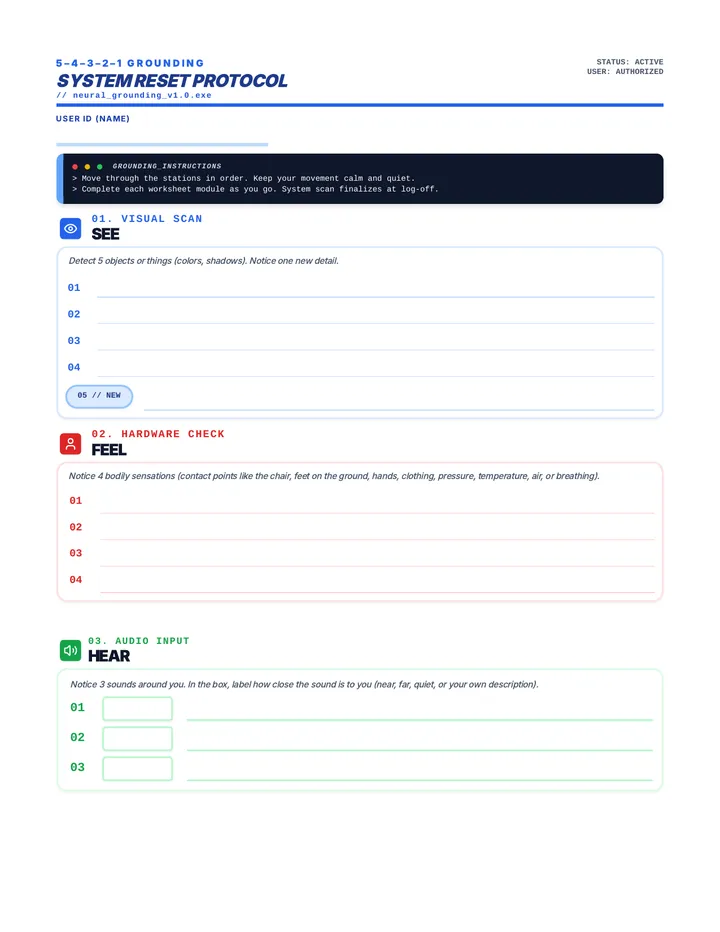
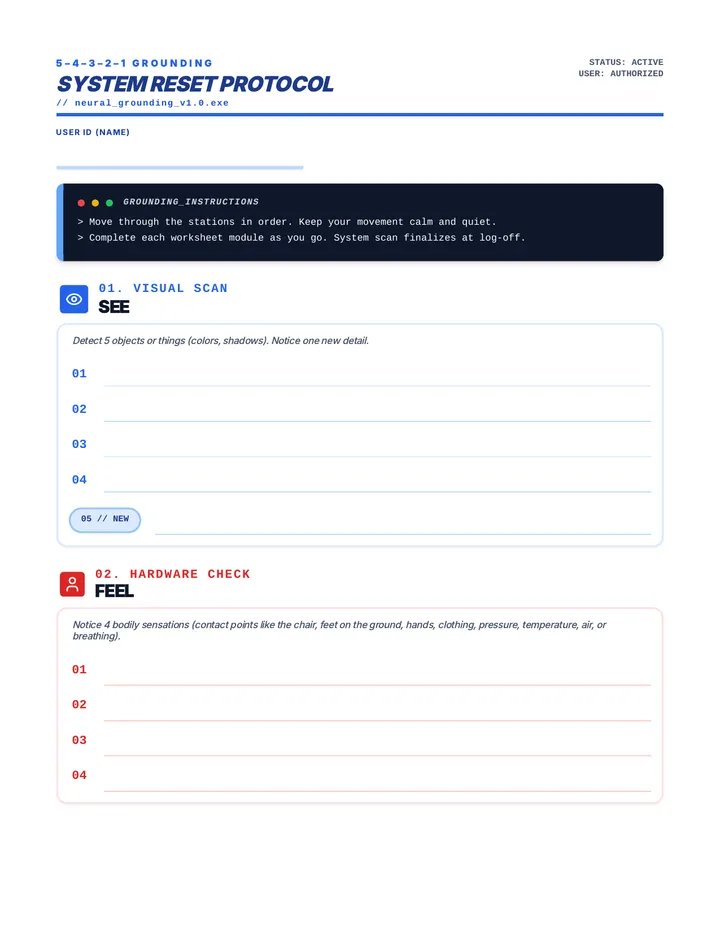
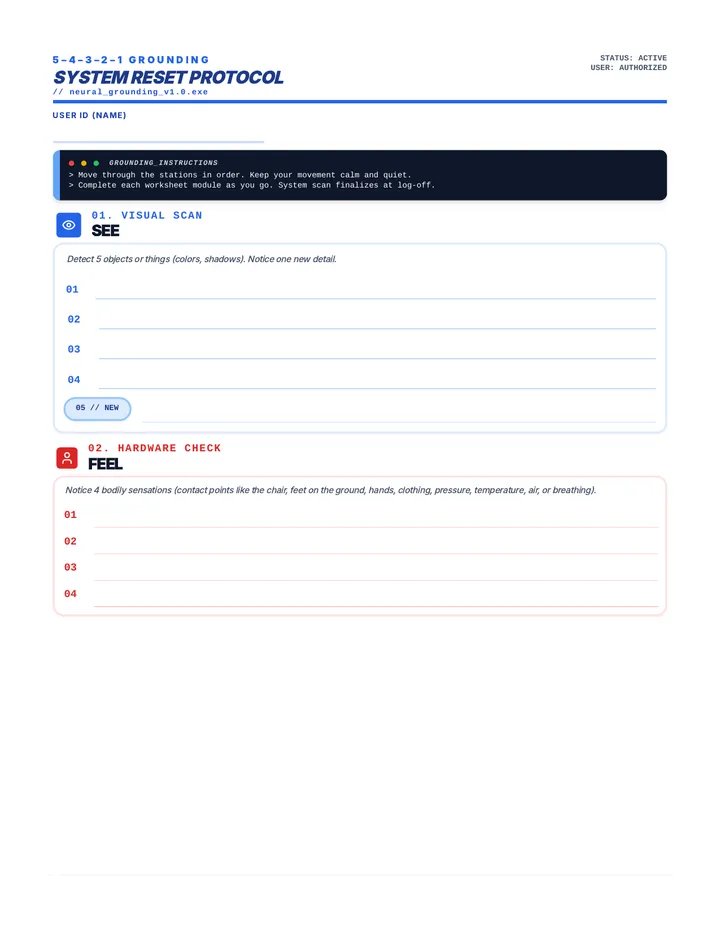
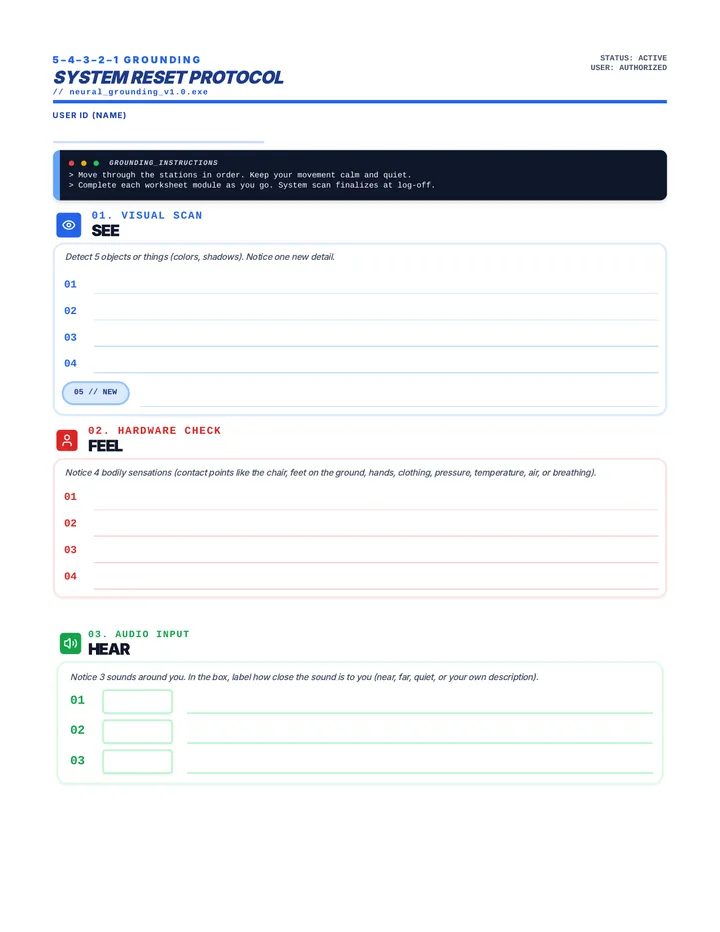
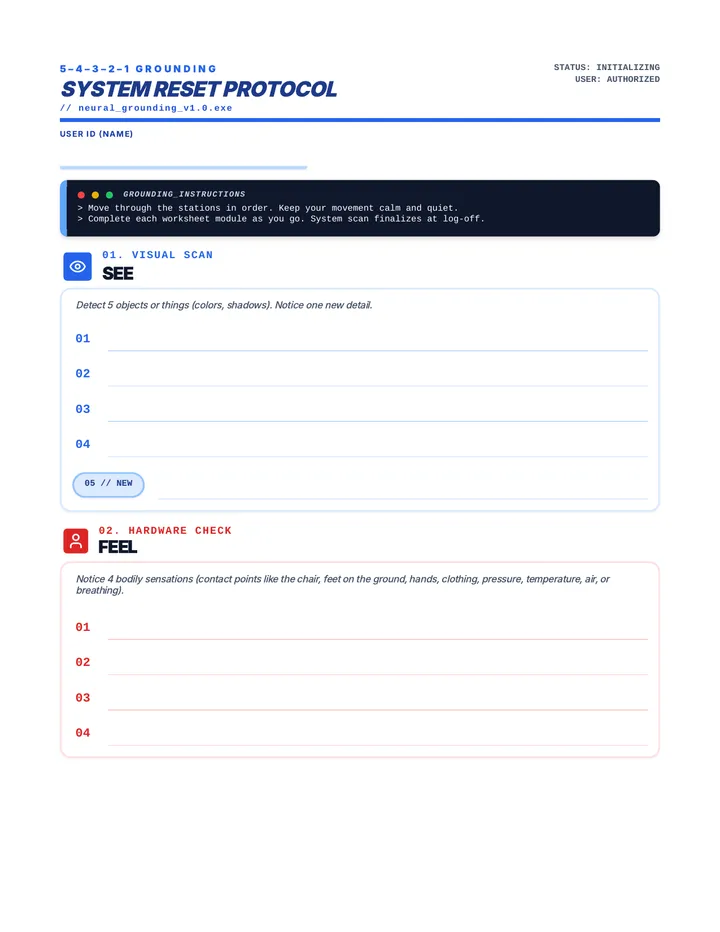
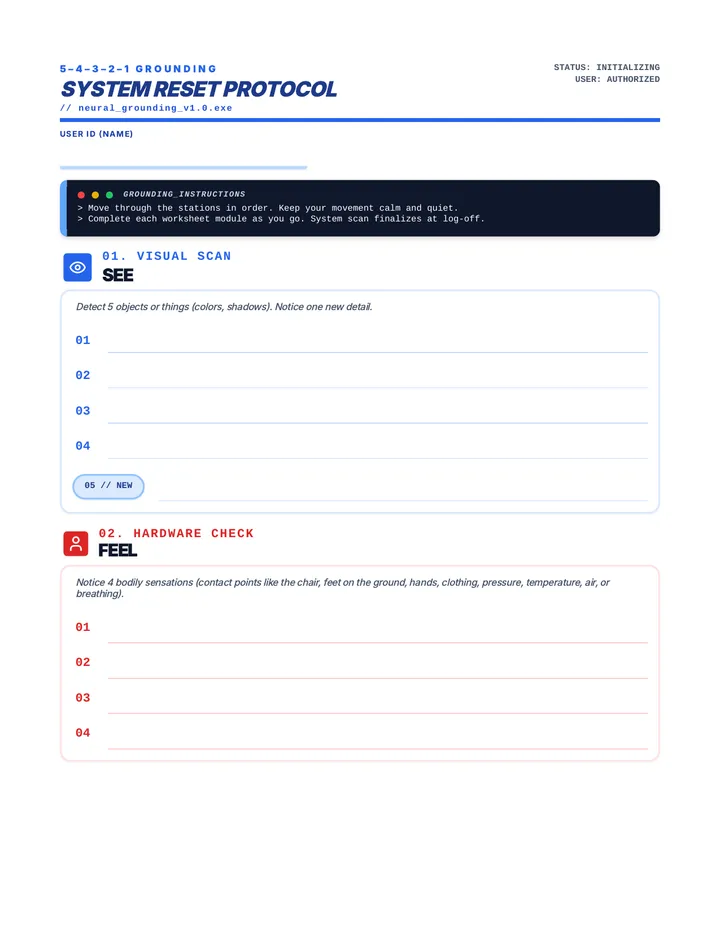
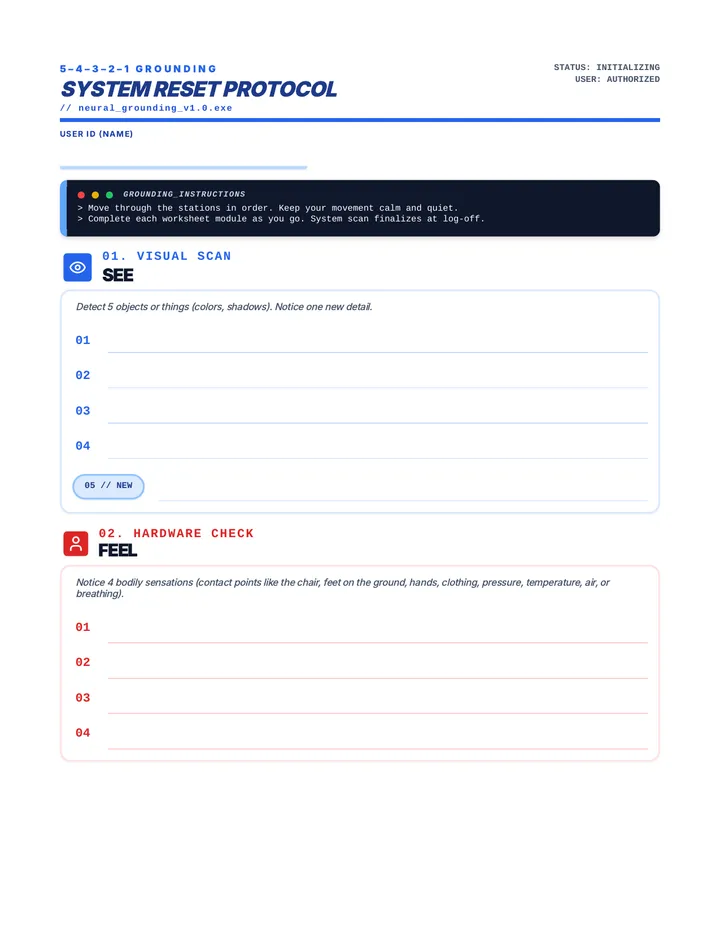
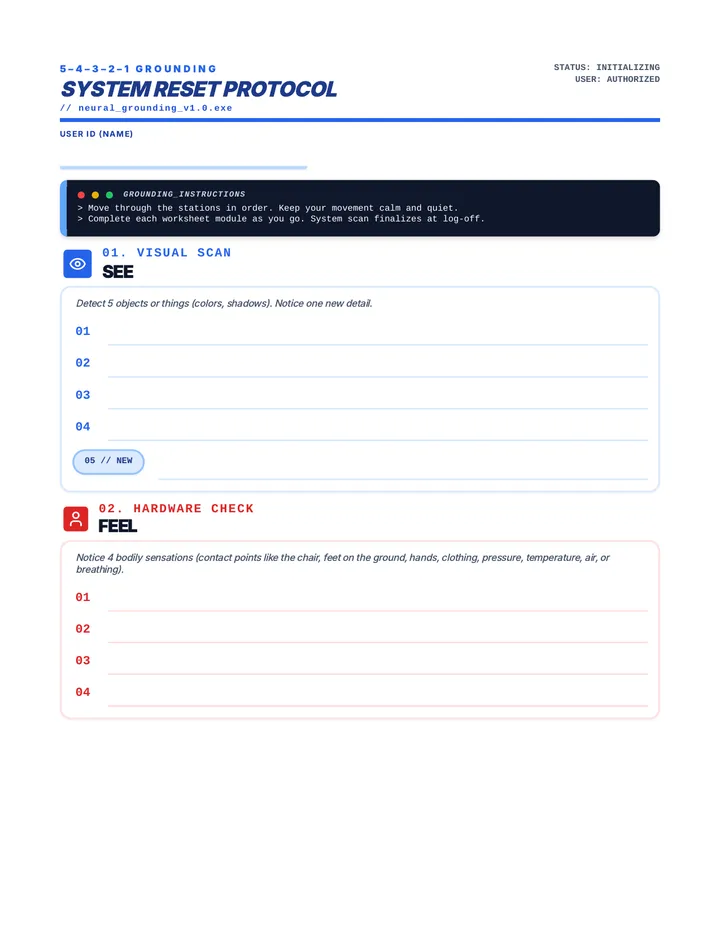
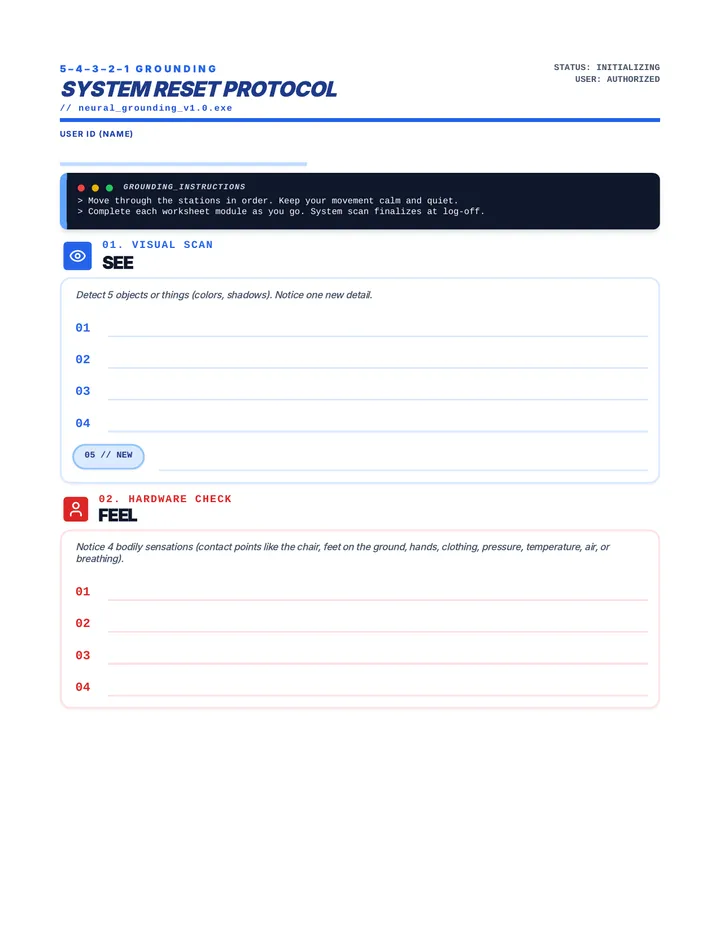
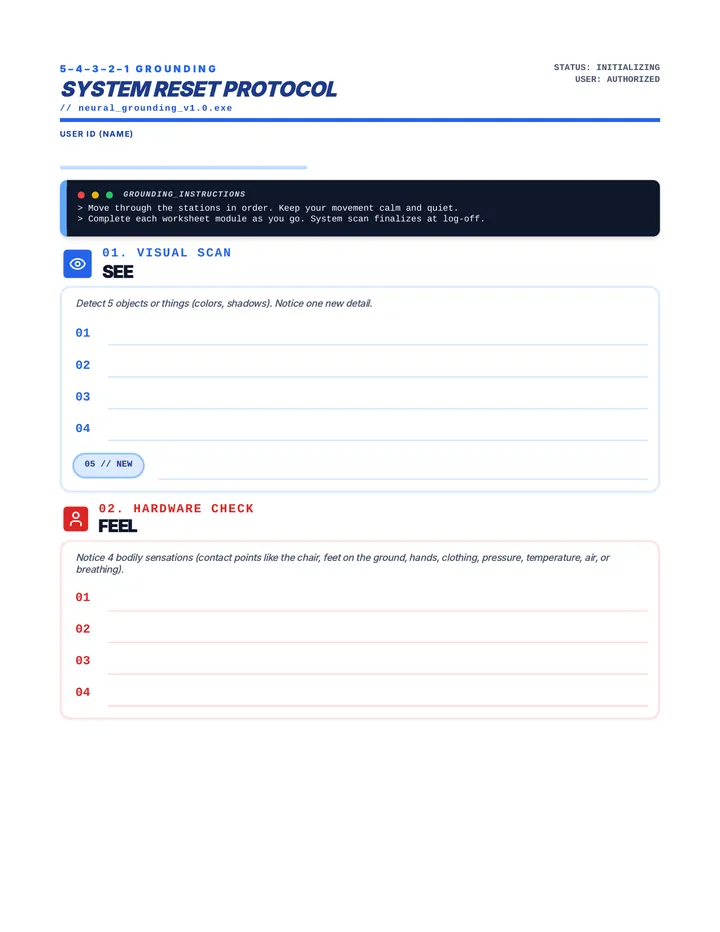
A grounding and mindfulness lesson using a coding-themed 'System Reset' protocol to help students focus and regulate their attention.
A fun fair station for 4th-5th graders to explore and celebrate their unique strengths through interactive activities, games, and art.
Students explore the intensity of their emotions using visual scales and "Feel-o-Meters." This lesson helps students move beyond simple labels to understand that emotions come in different sizes and intensities.
A supportive set of resources to help students navigate the transition between school counselors, focusing on emotional regulation and building new connections.
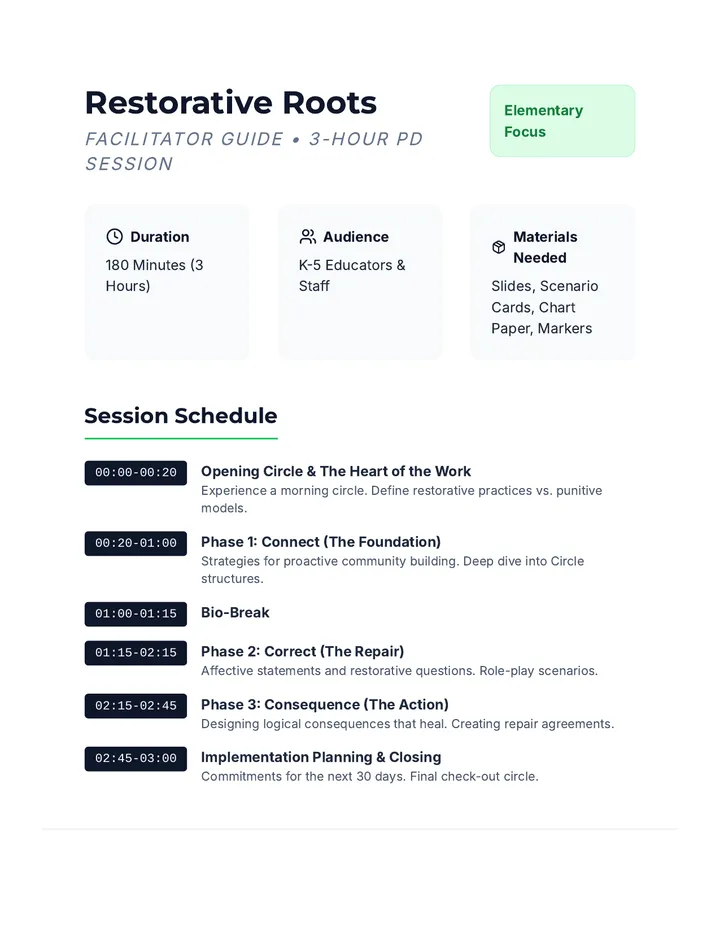
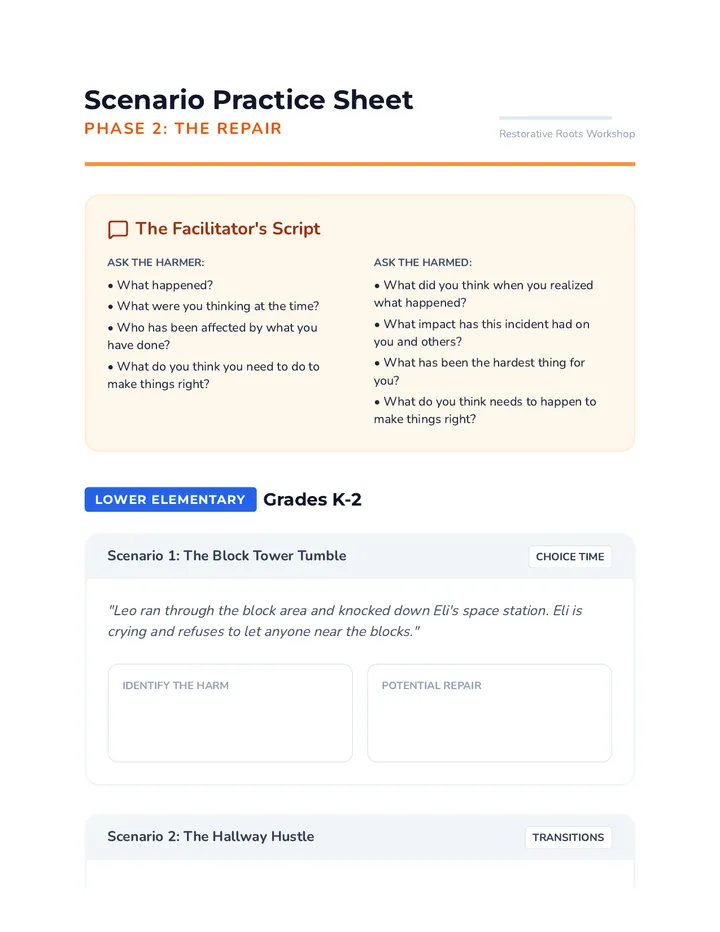
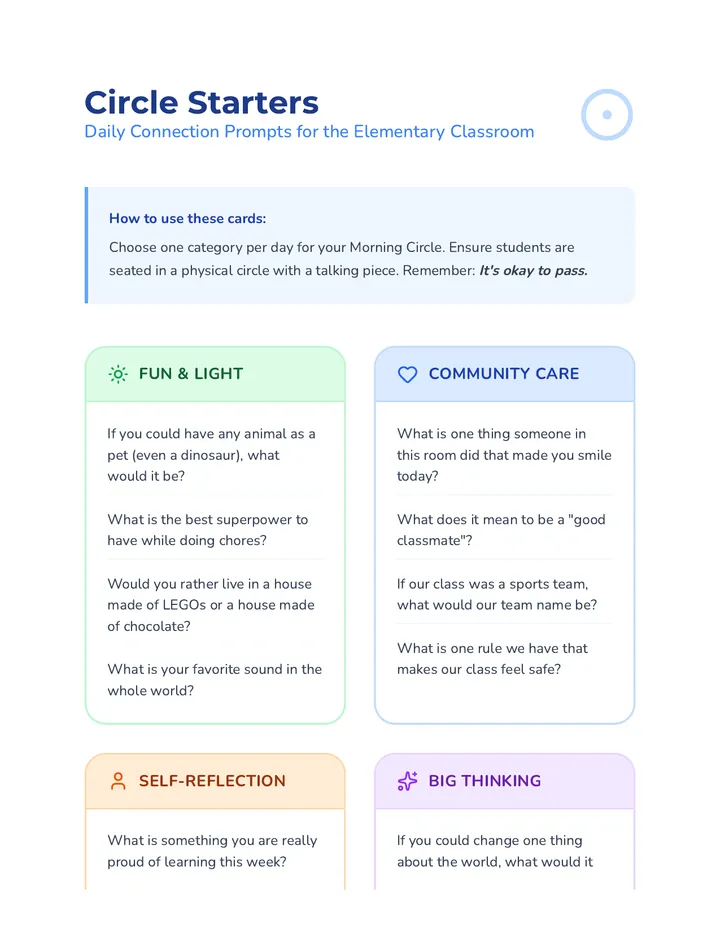
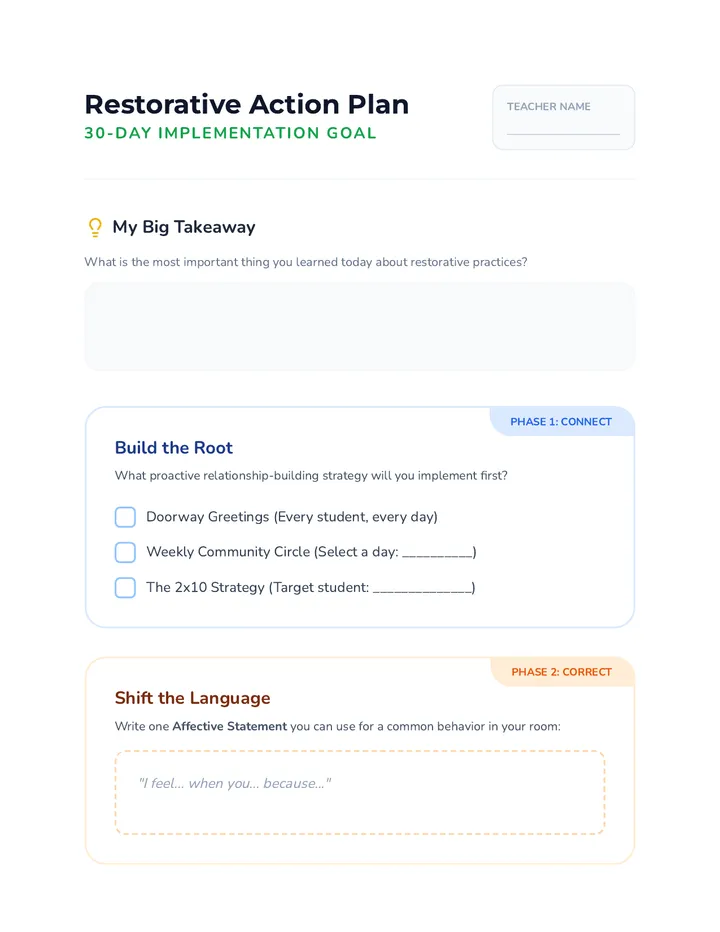
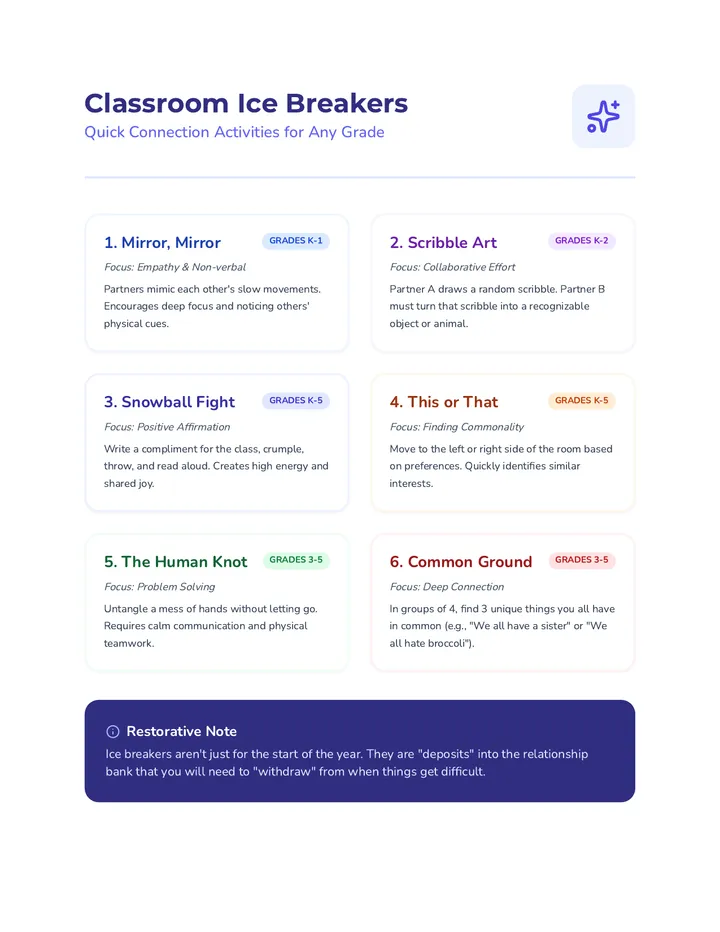
A comprehensive professional development session for elementary teachers on implementing restorative practices, focusing on building community through the Connect, Correct, and Consequence phases.
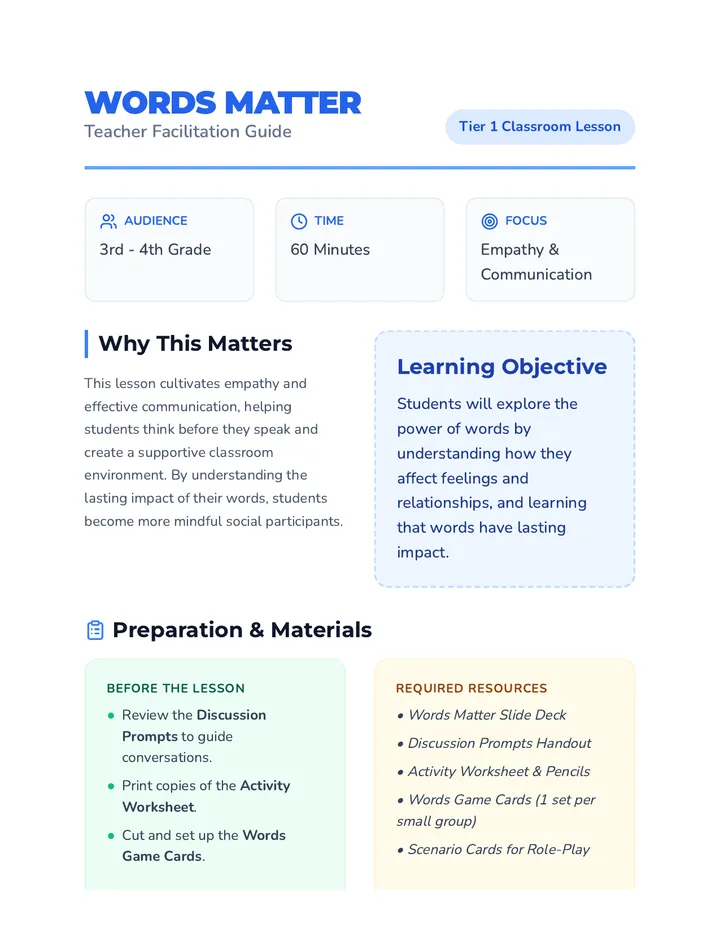
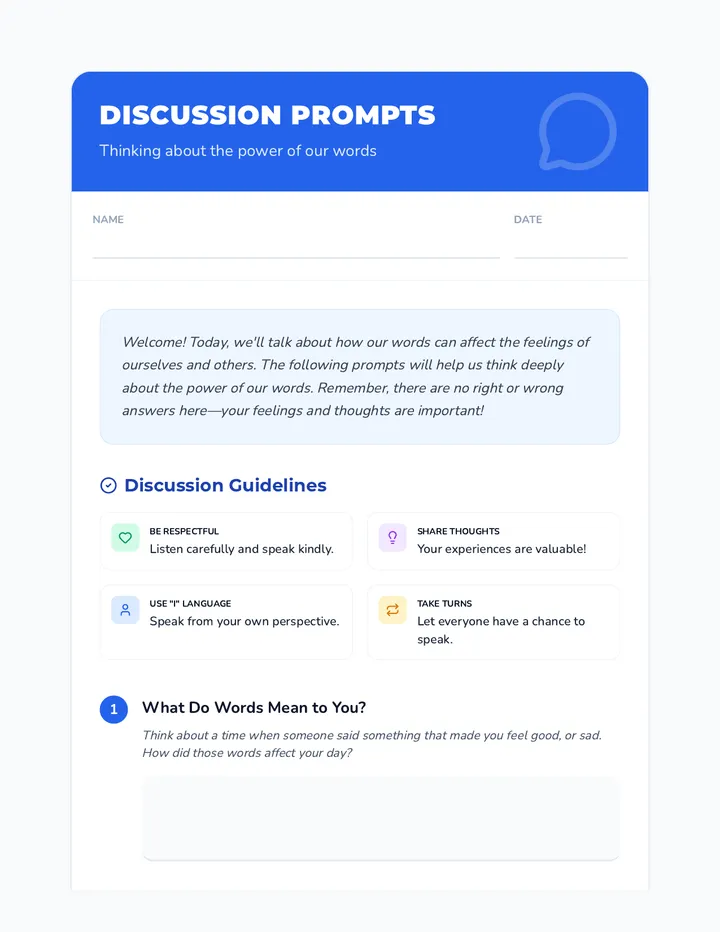
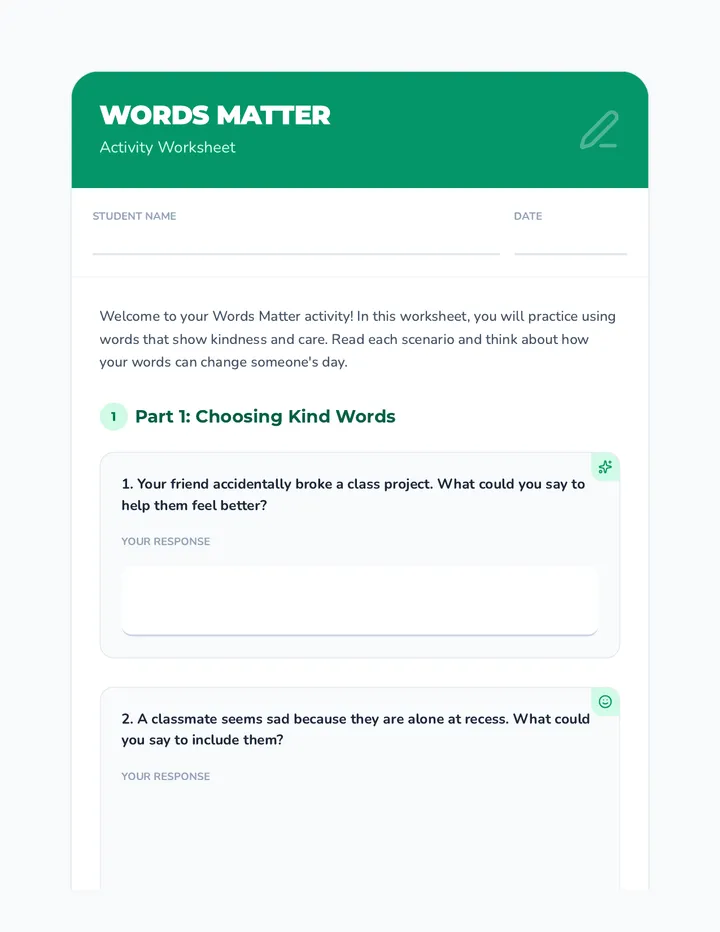
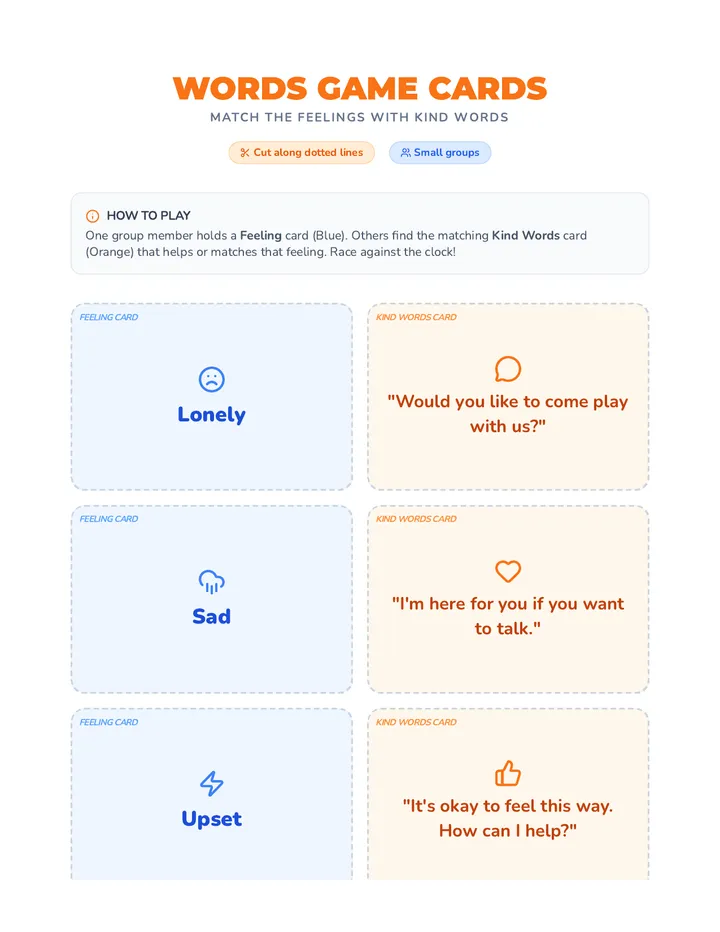
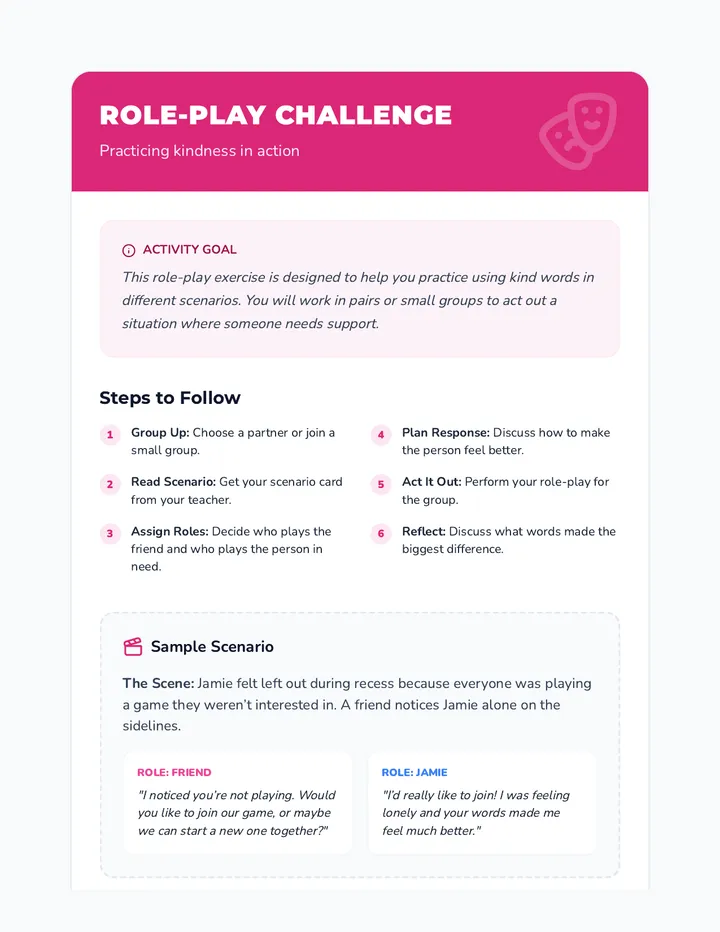
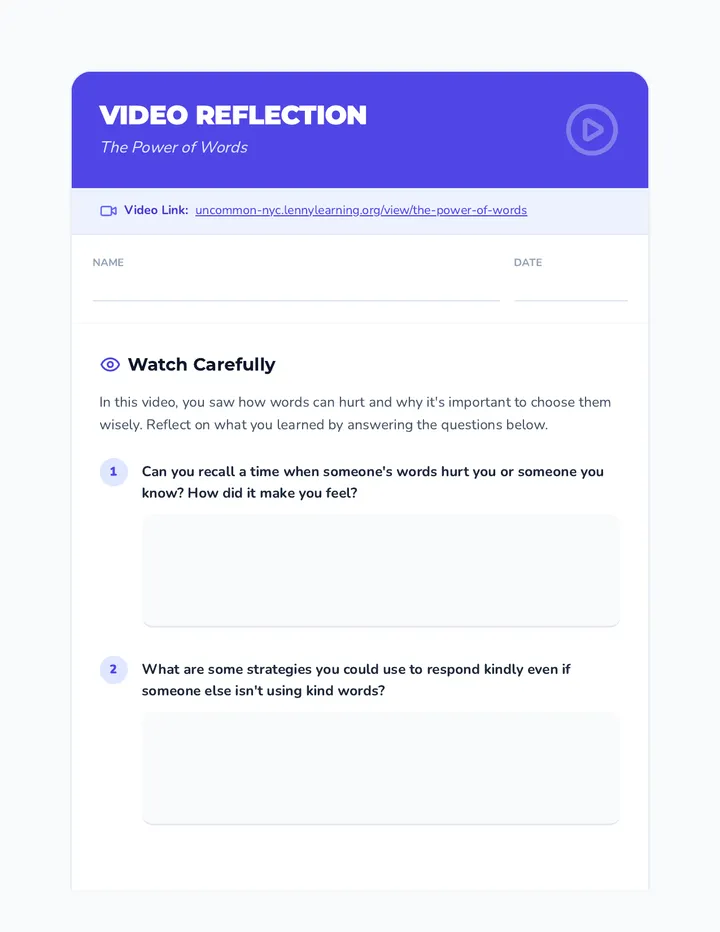
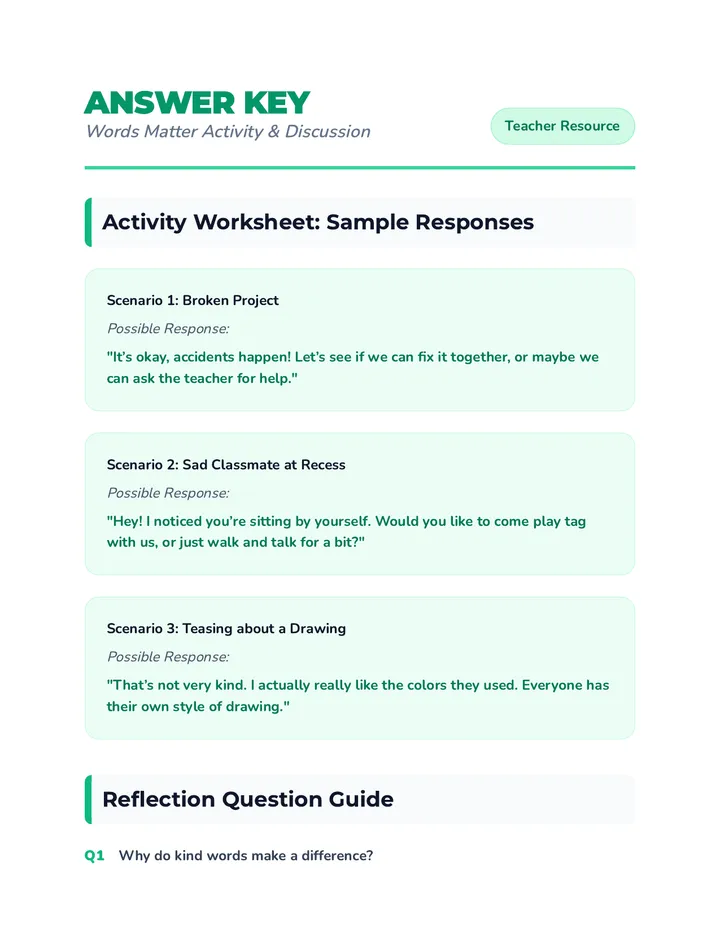
An interactive lesson for 3rd and 4th graders exploring how words impact emotions and relationships. Students learn that words have a lasting effect through discussion, role-play, and hands-on activities.
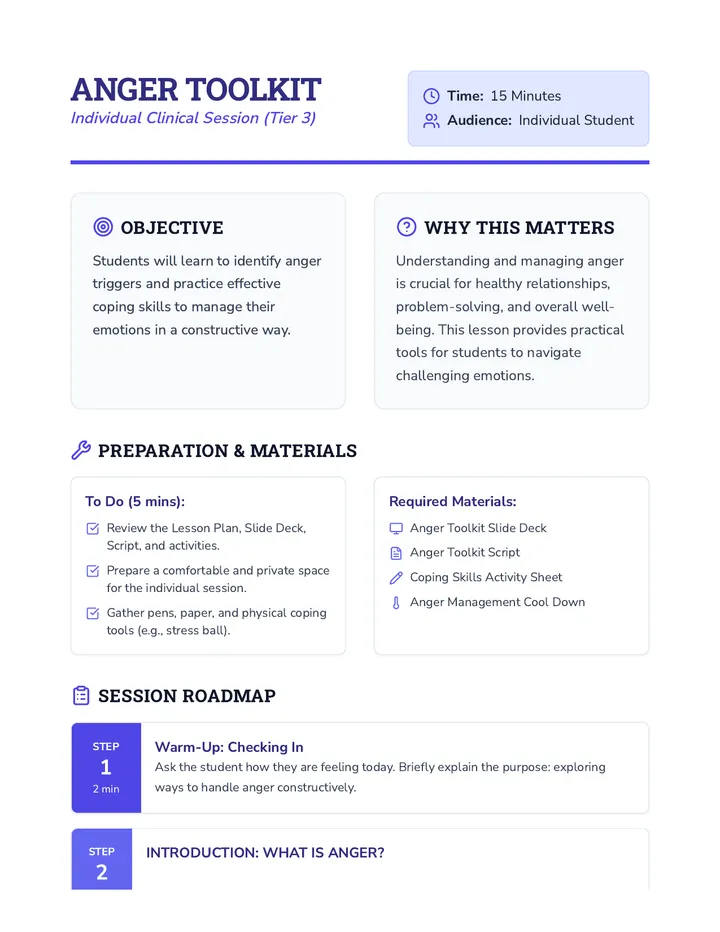
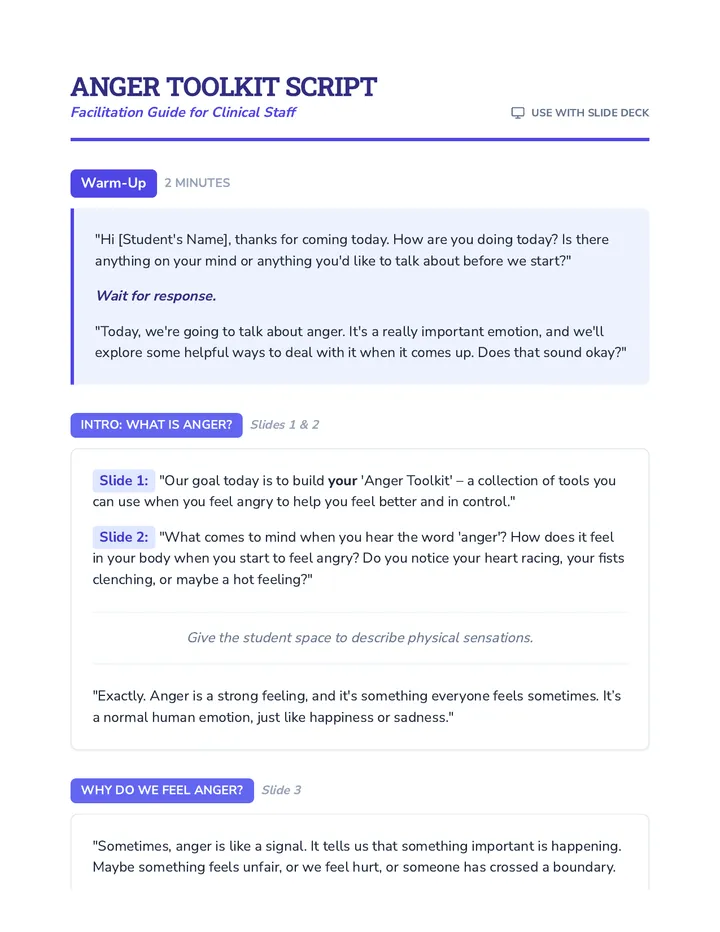
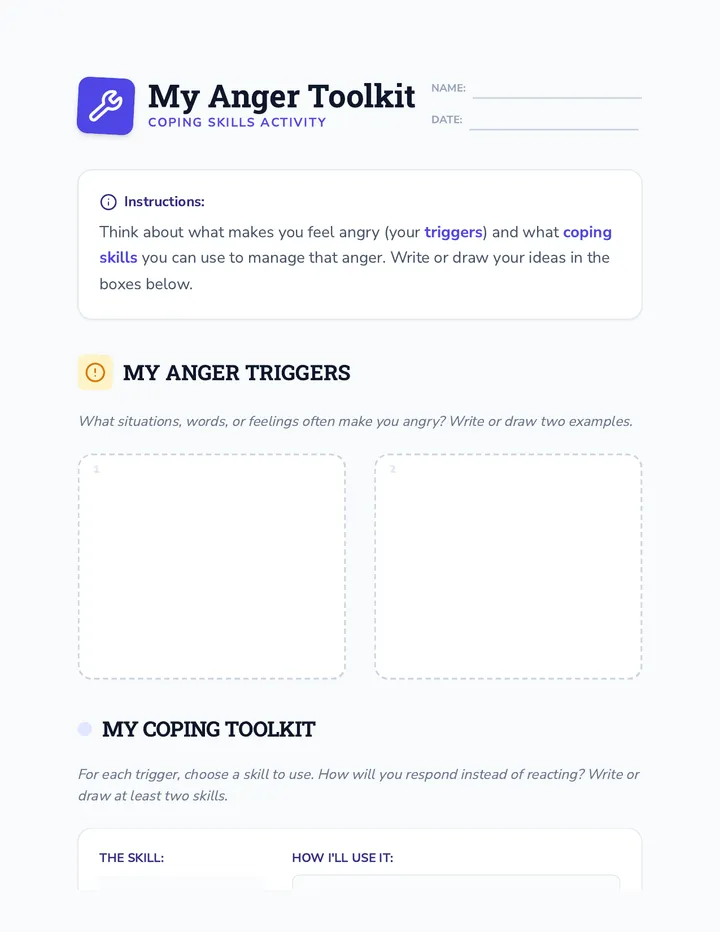
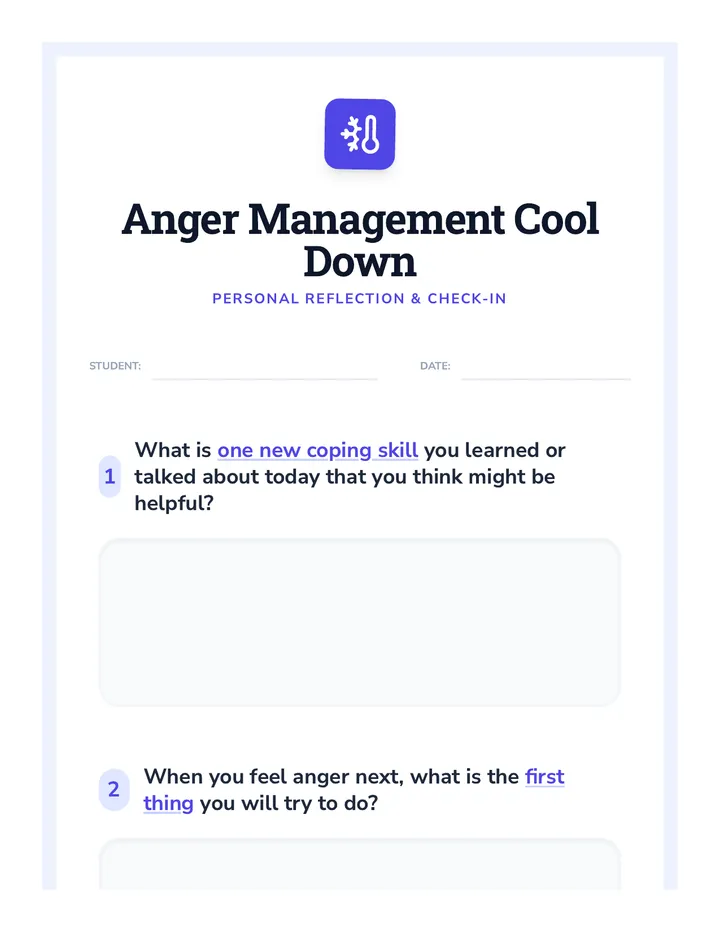
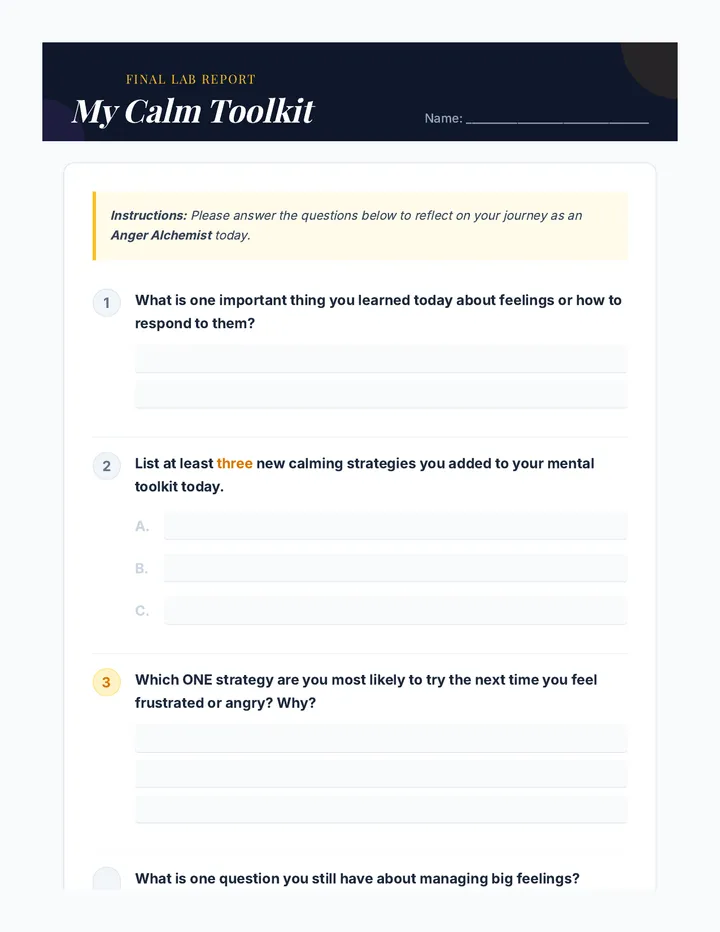
A 15-minute Tier 3 clinical lesson designed to equip individual students with practical anger coping strategies, trigger identification, and emotional regulation tools.
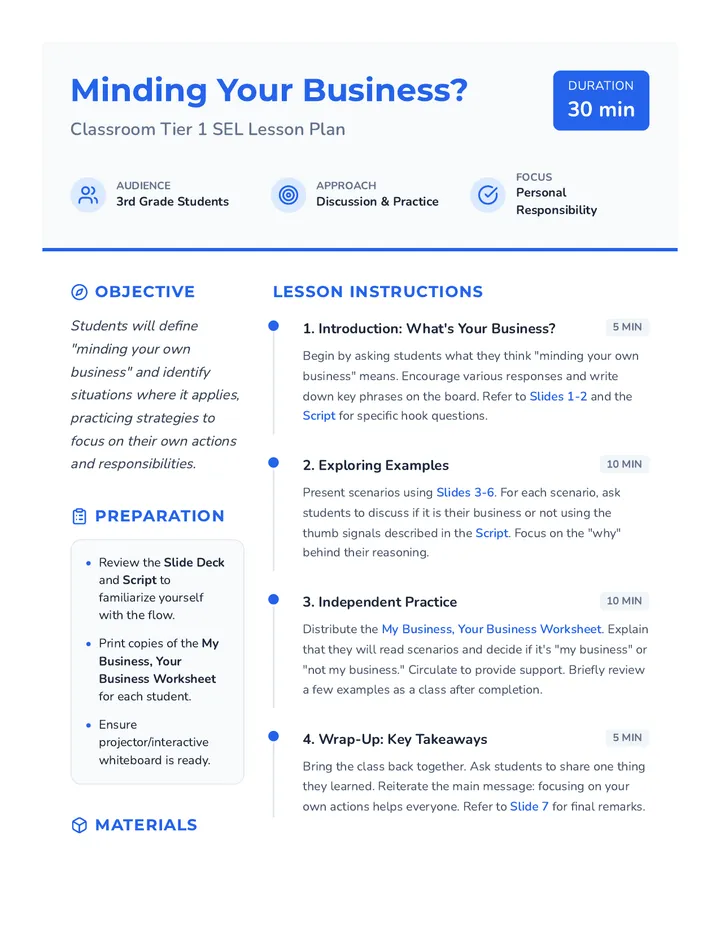
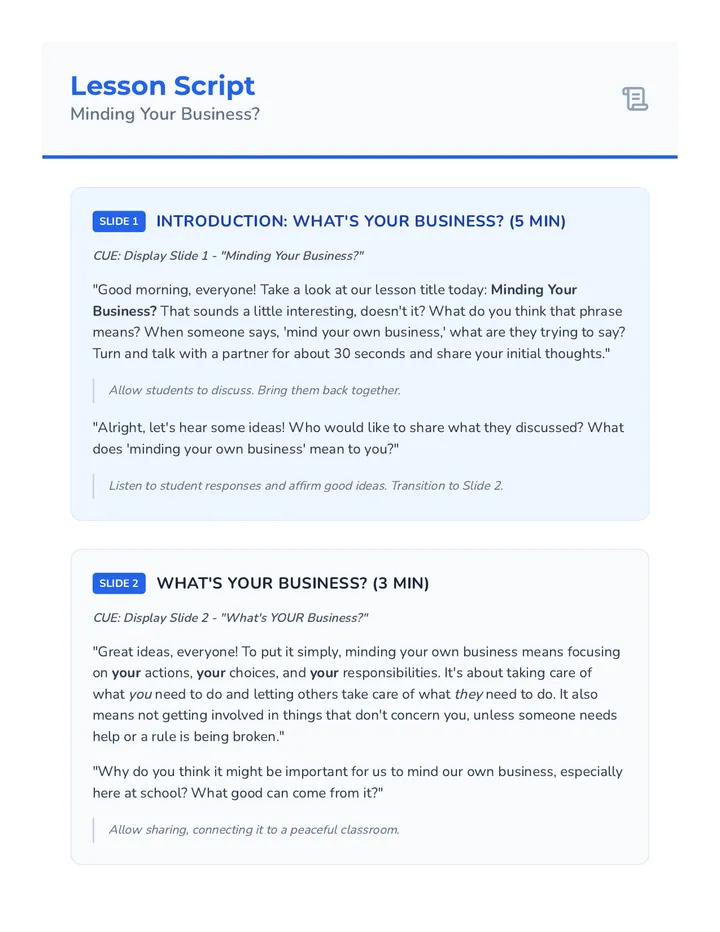
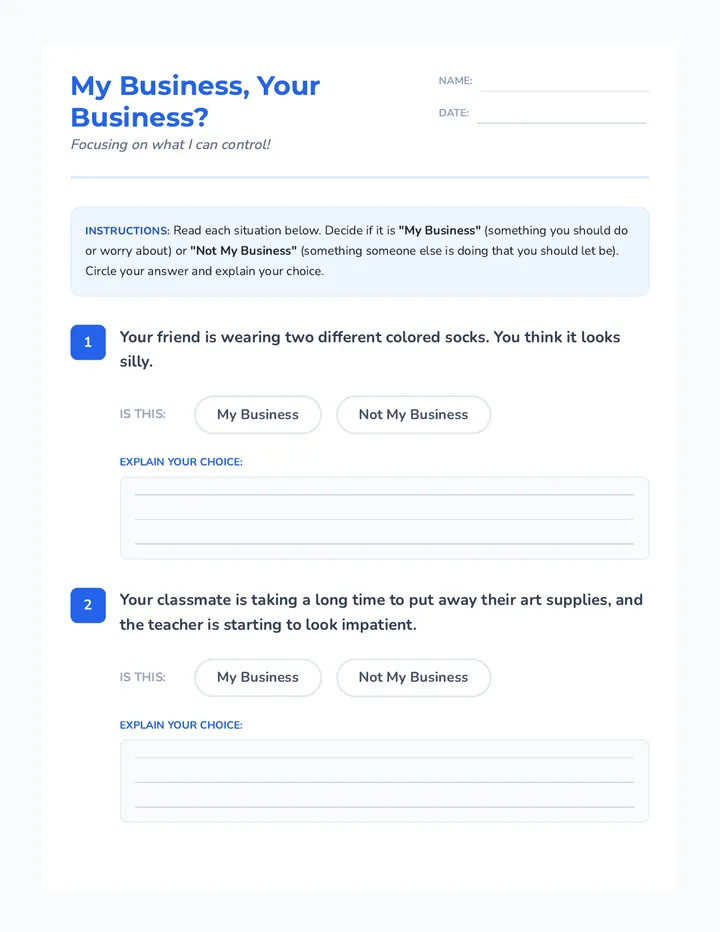
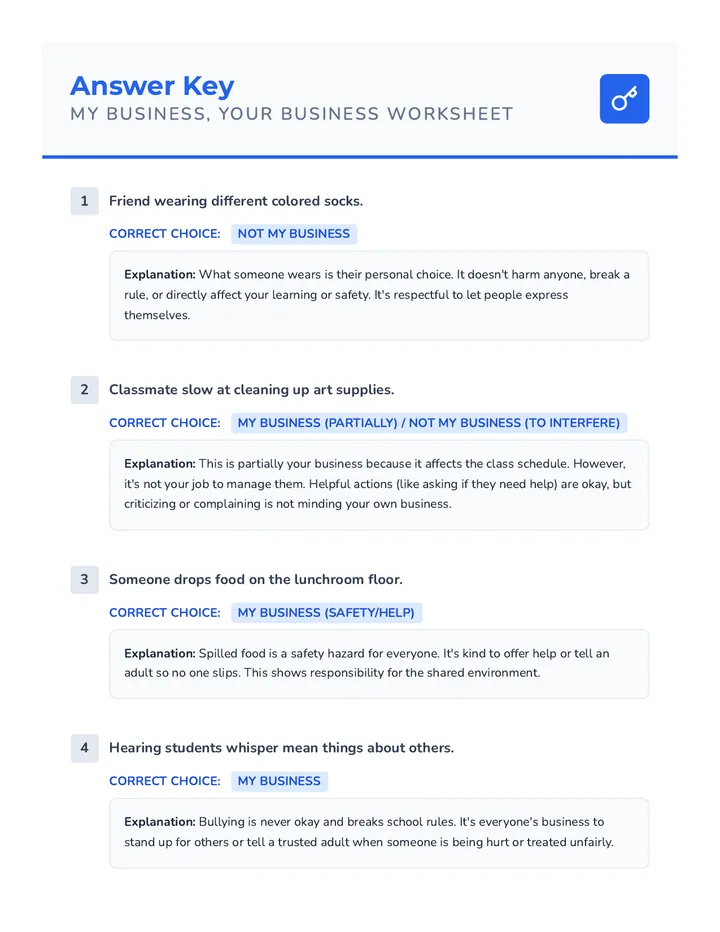
A 30-minute social-emotional learning lesson for 3rd graders that teaches the difference between personal responsibility and interfering in others' affairs through scenarios and discussion.
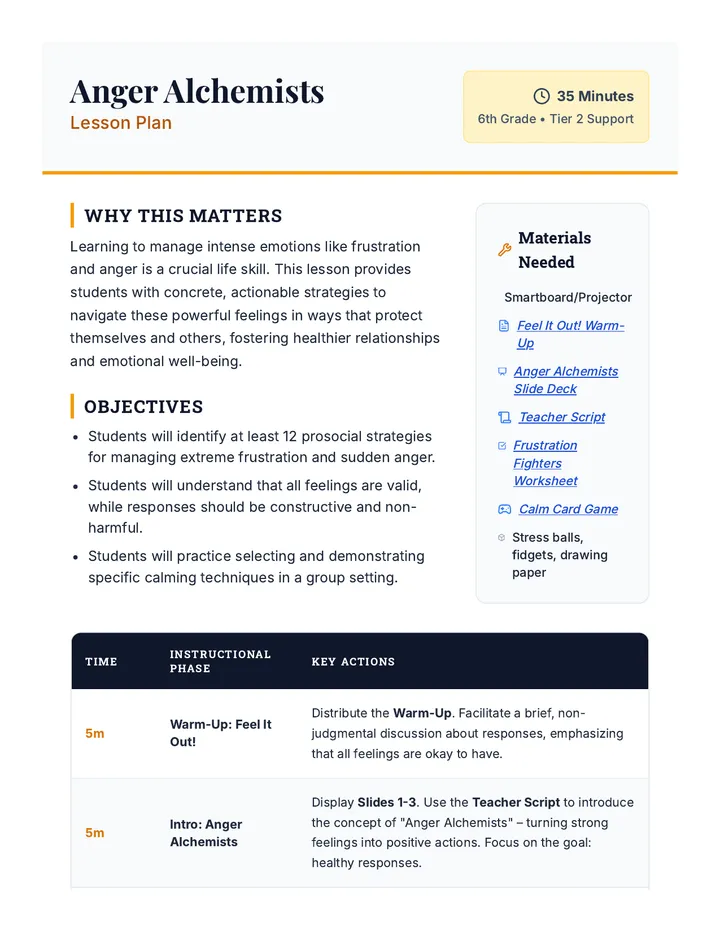
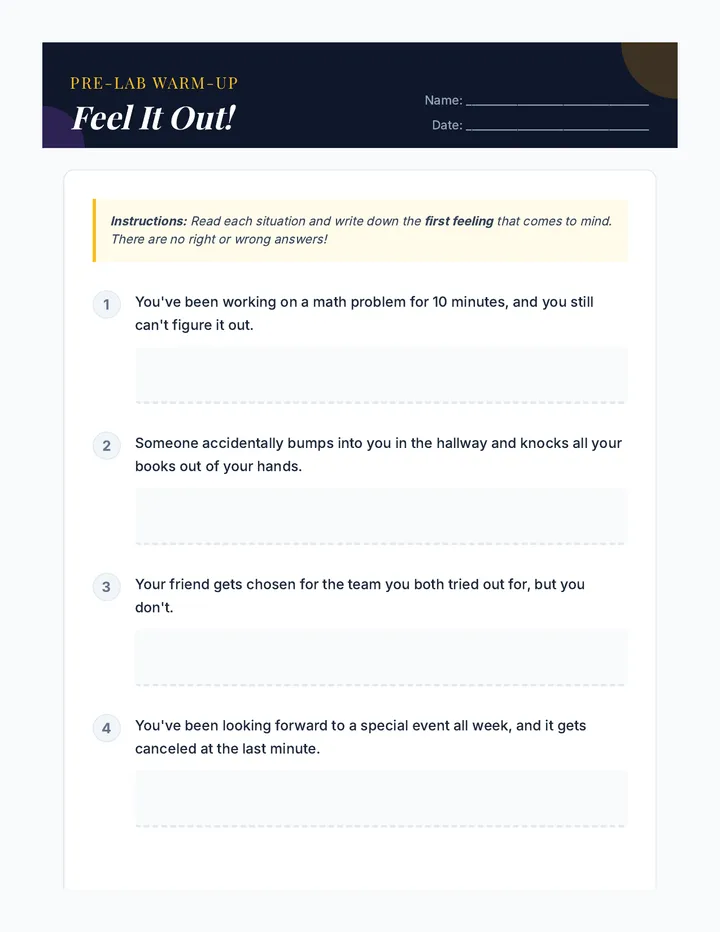
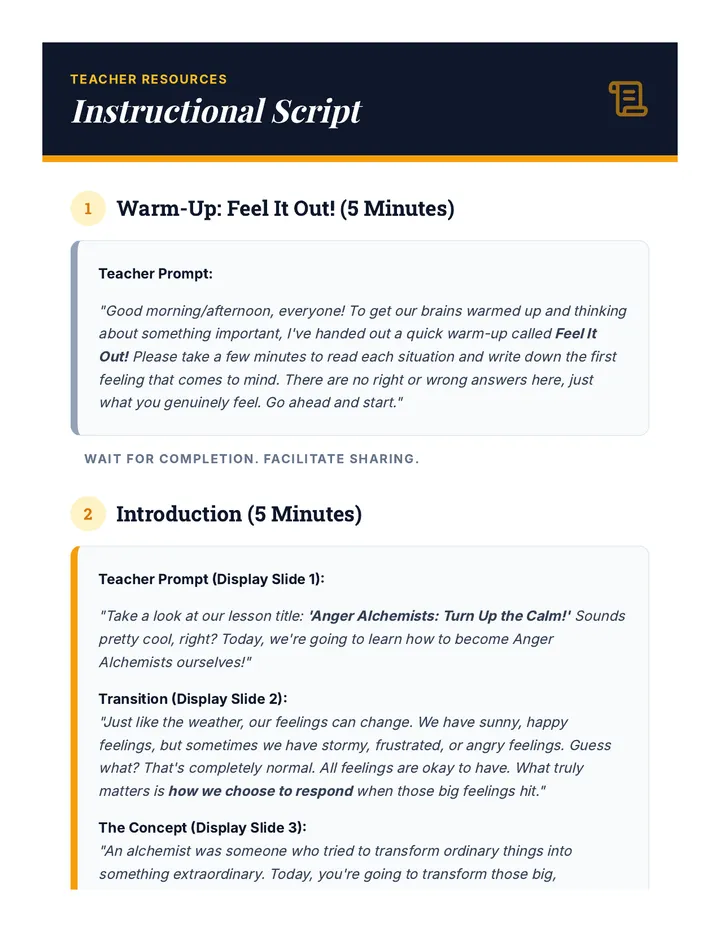
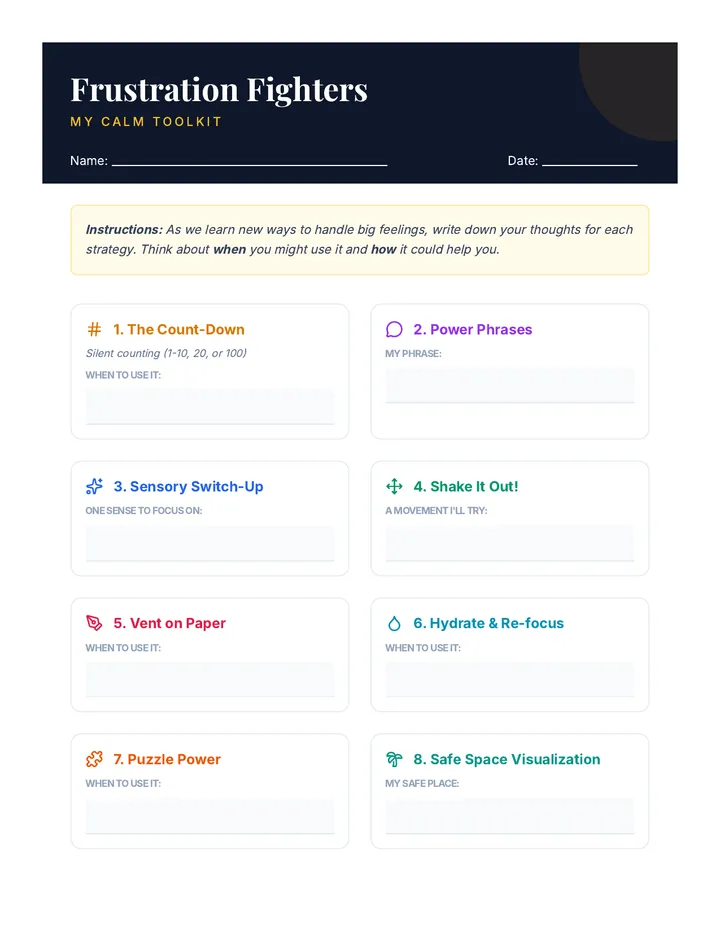
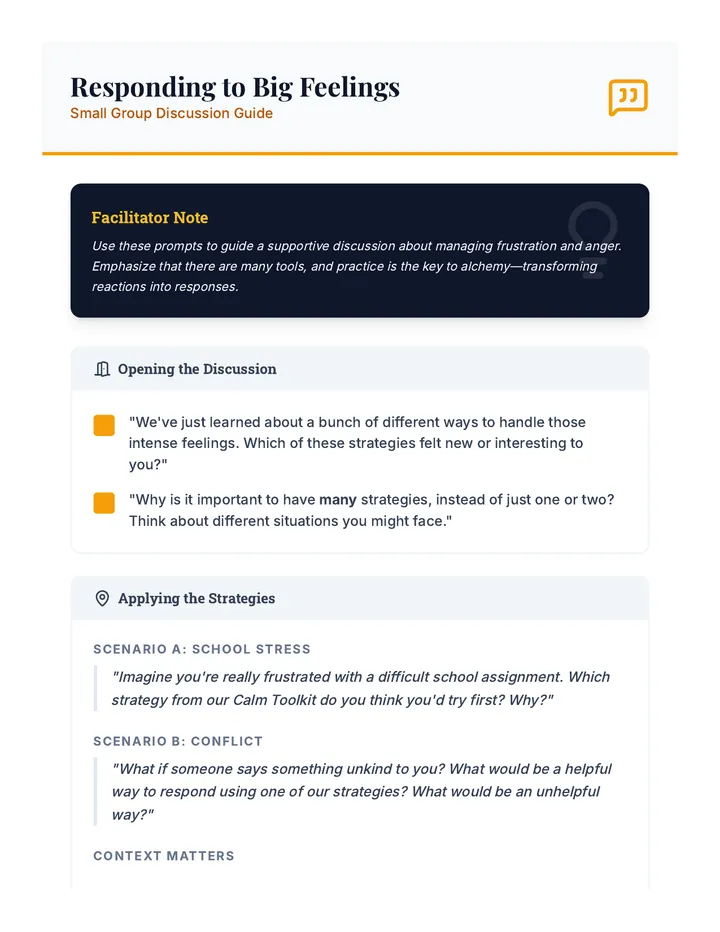
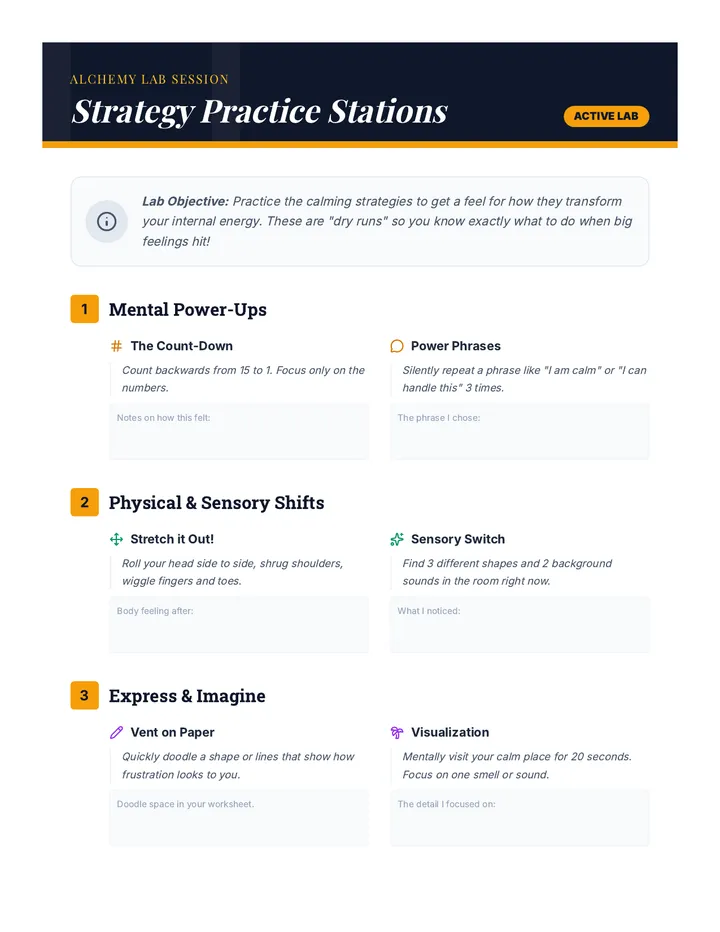
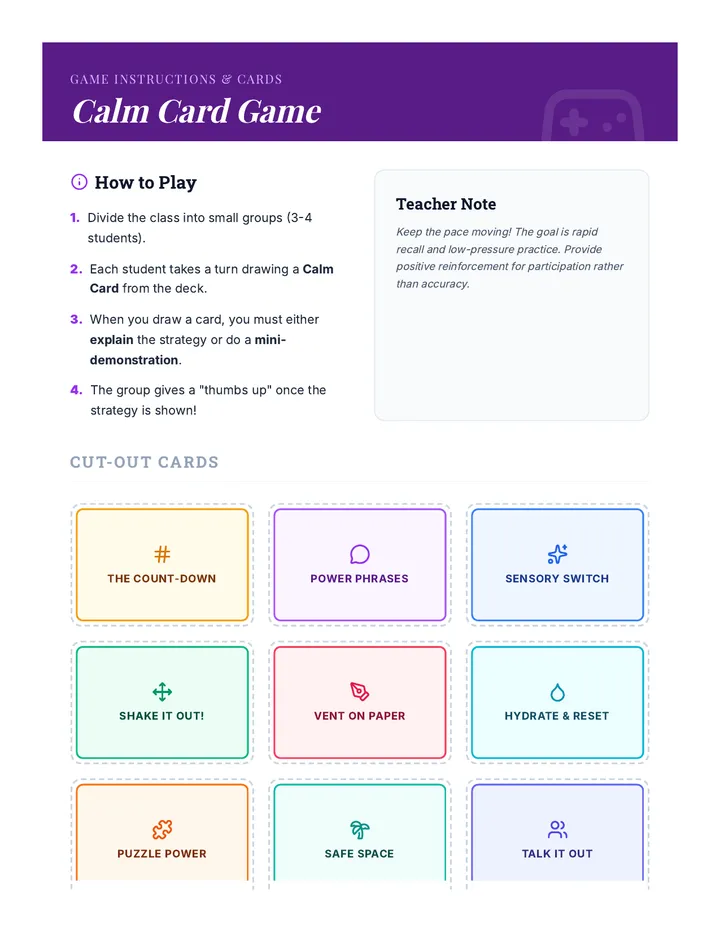
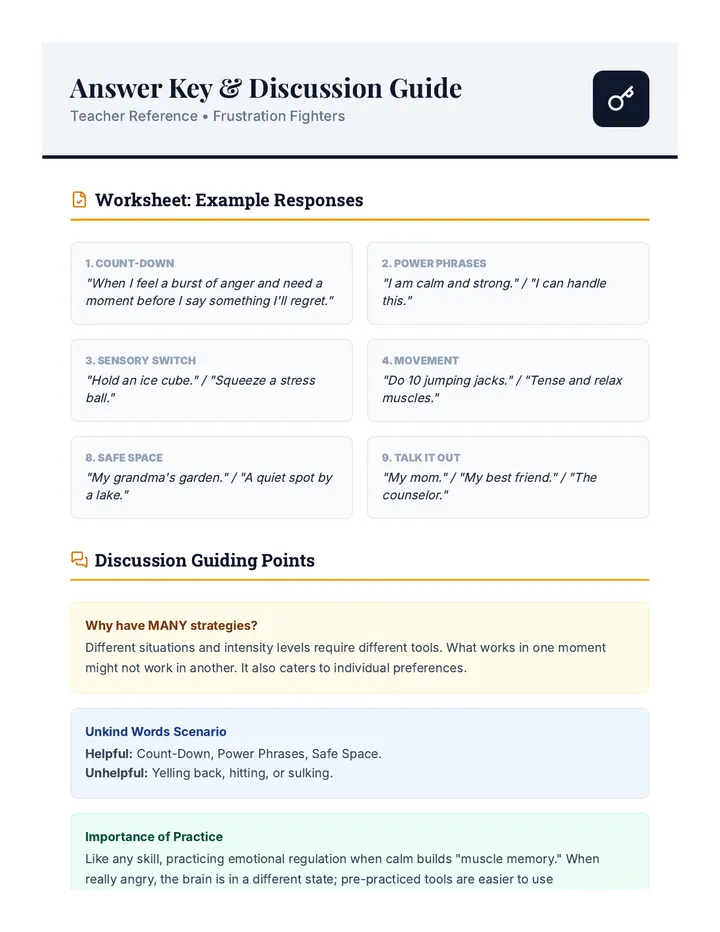
A 35-minute Tier 2 lesson for 6th-grade students to learn over 12 prosocial strategies for transforming intense frustration and anger into constructive responses.
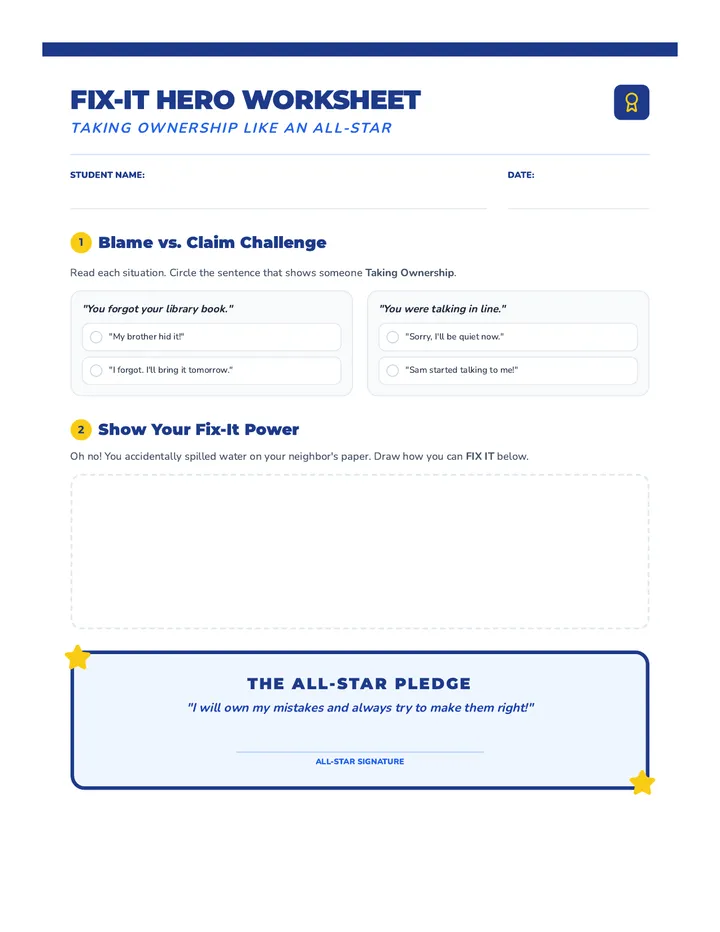
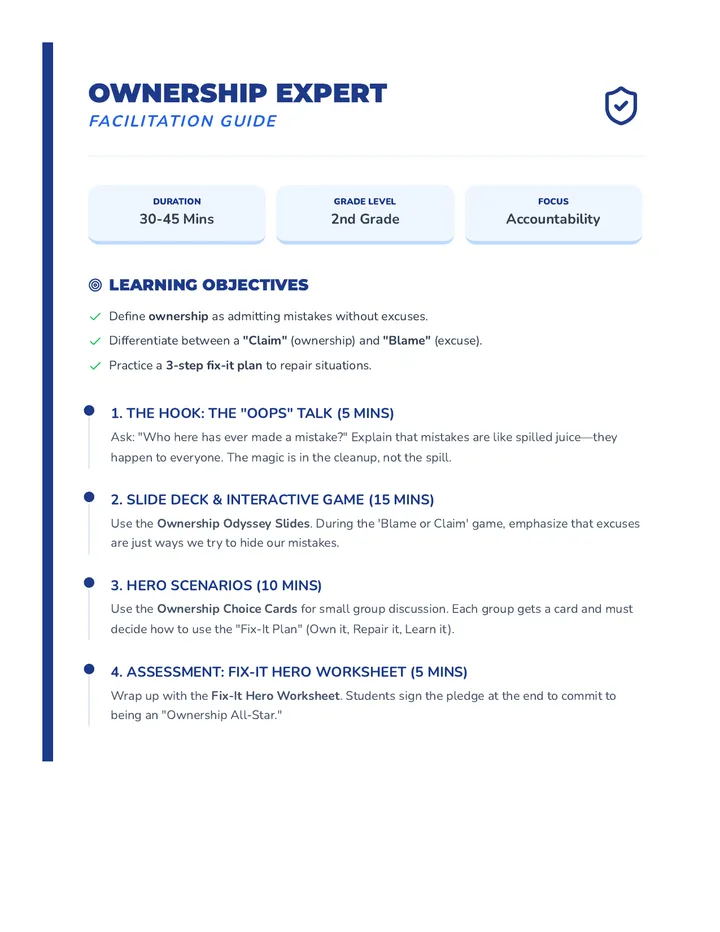
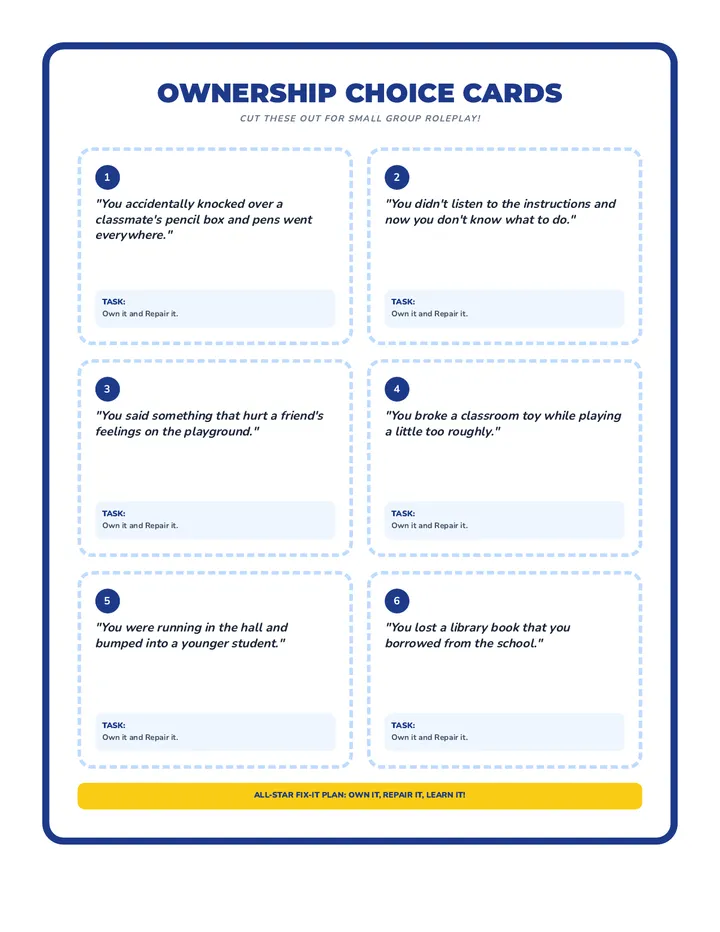
A 2nd-grade counseling lesson focused on the power of taking ownership for one's actions. Students learn to recognize the difference between making excuses and taking responsibility through interactive scenarios and 'Fix-it' strategies.
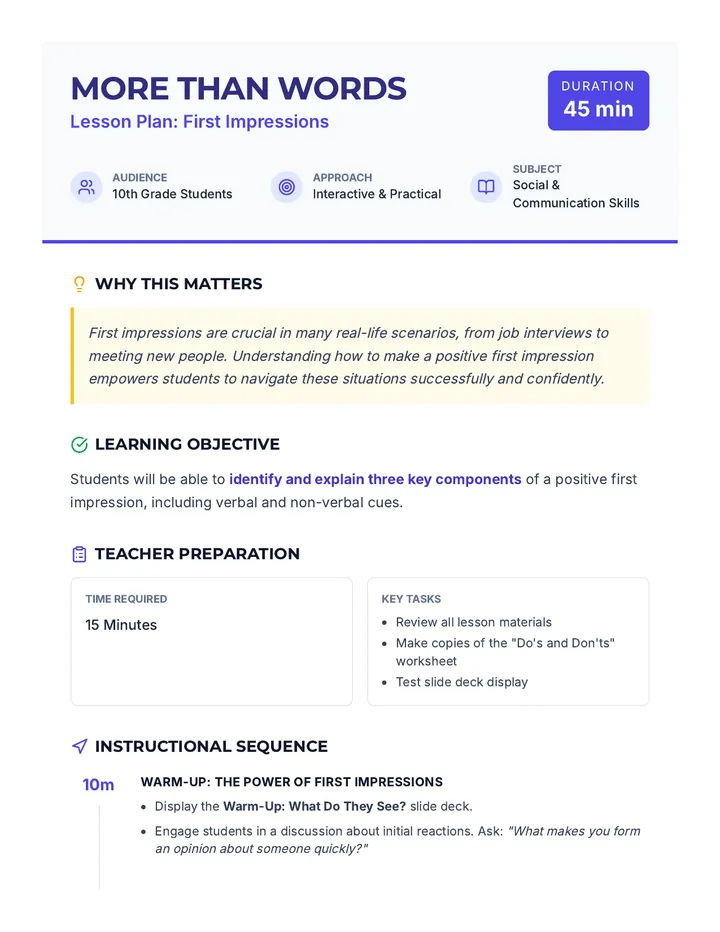
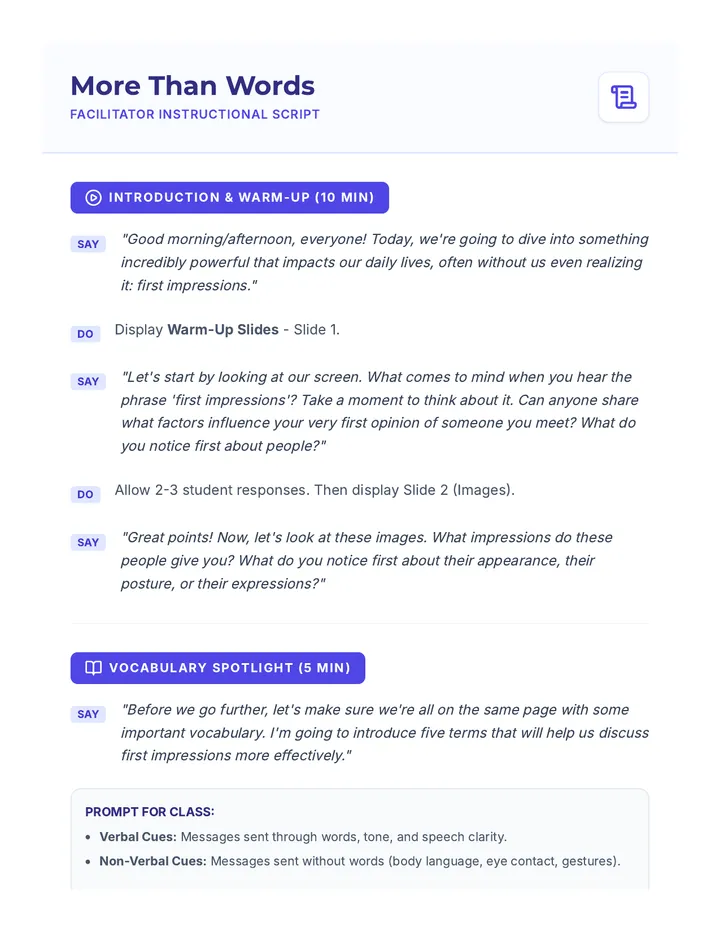
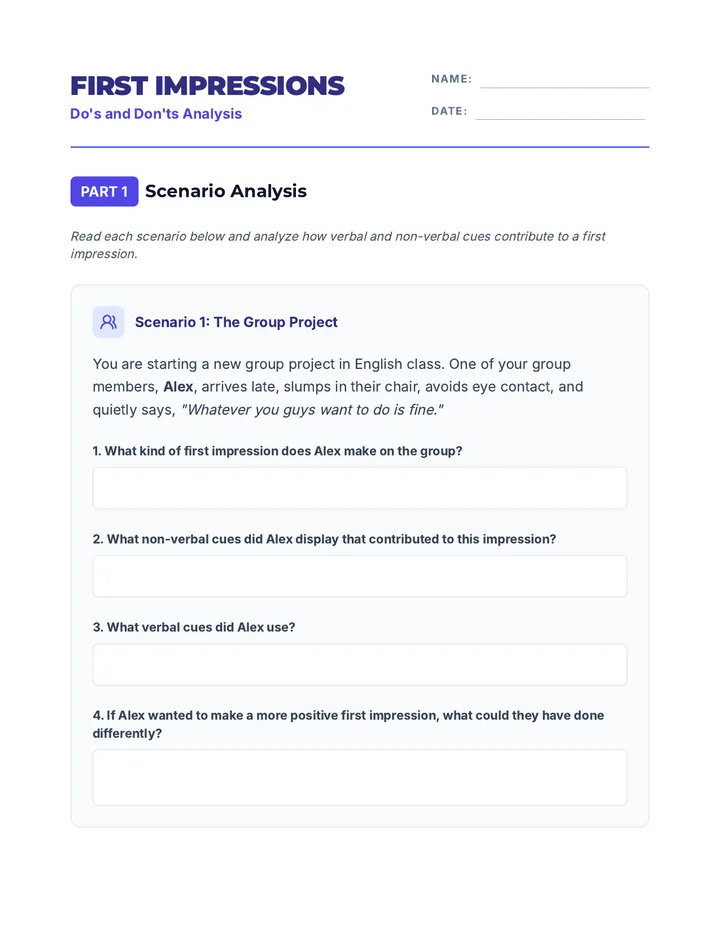
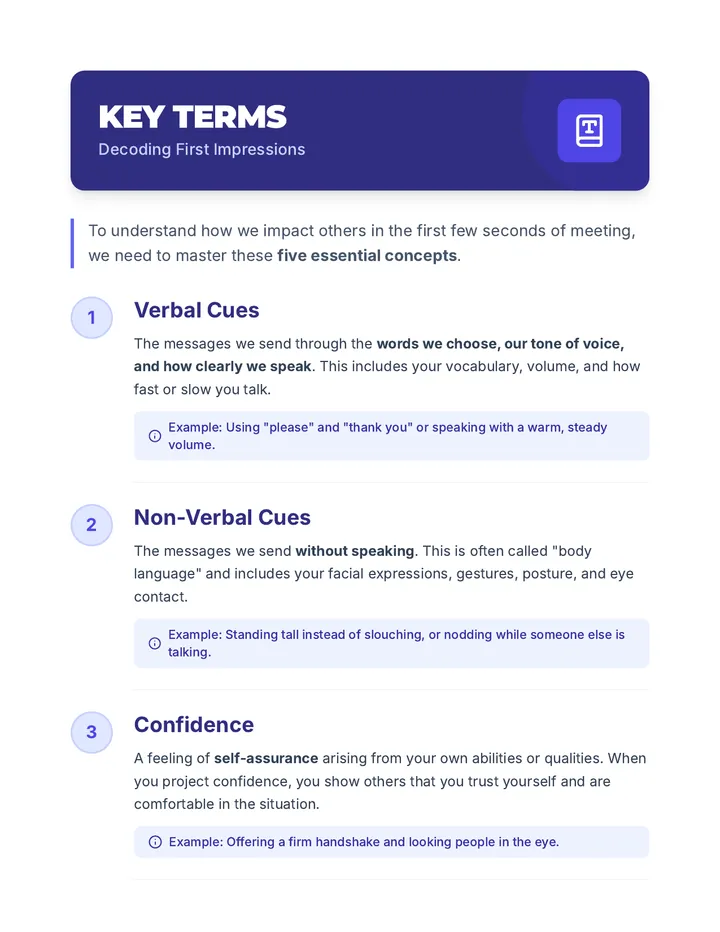
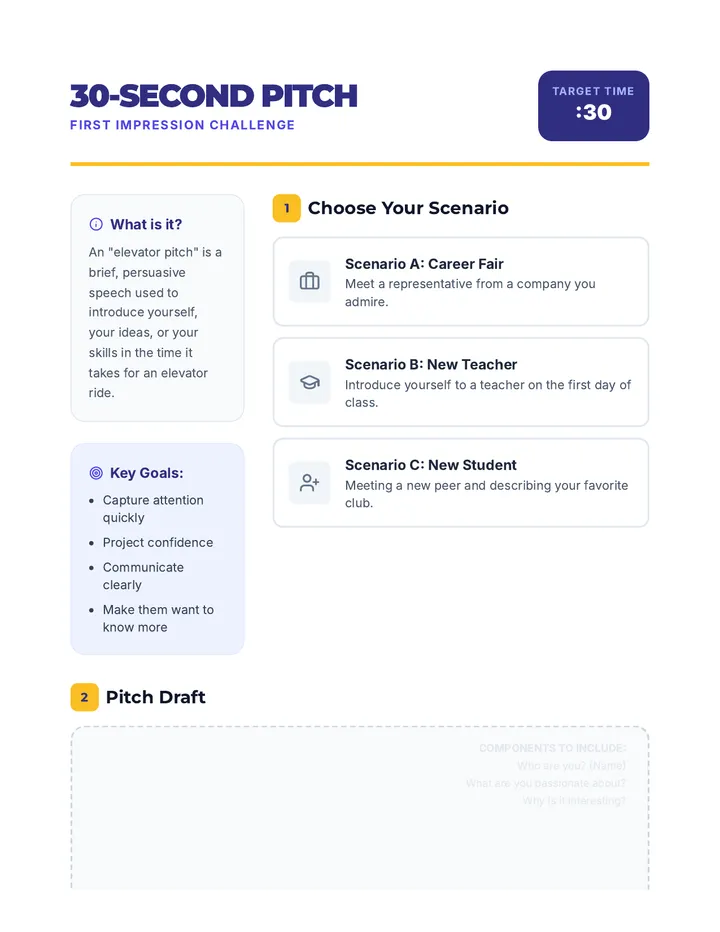
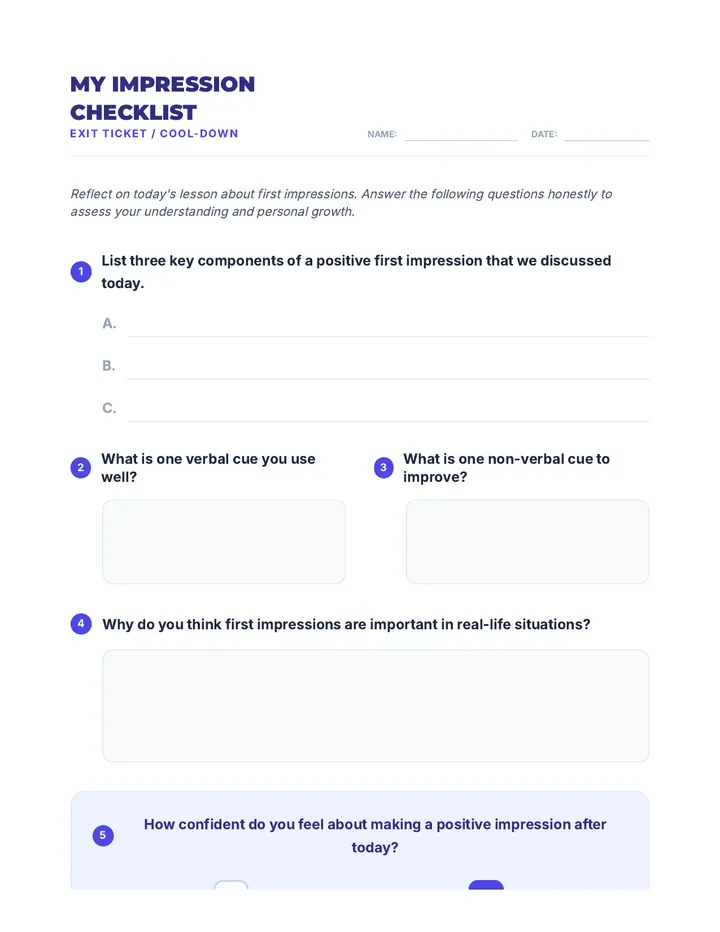
This lesson helps 10th-grade students understand the critical role of first impressions in various situations. It covers identifying key verbal and non-verbal cues to make a positive impact.
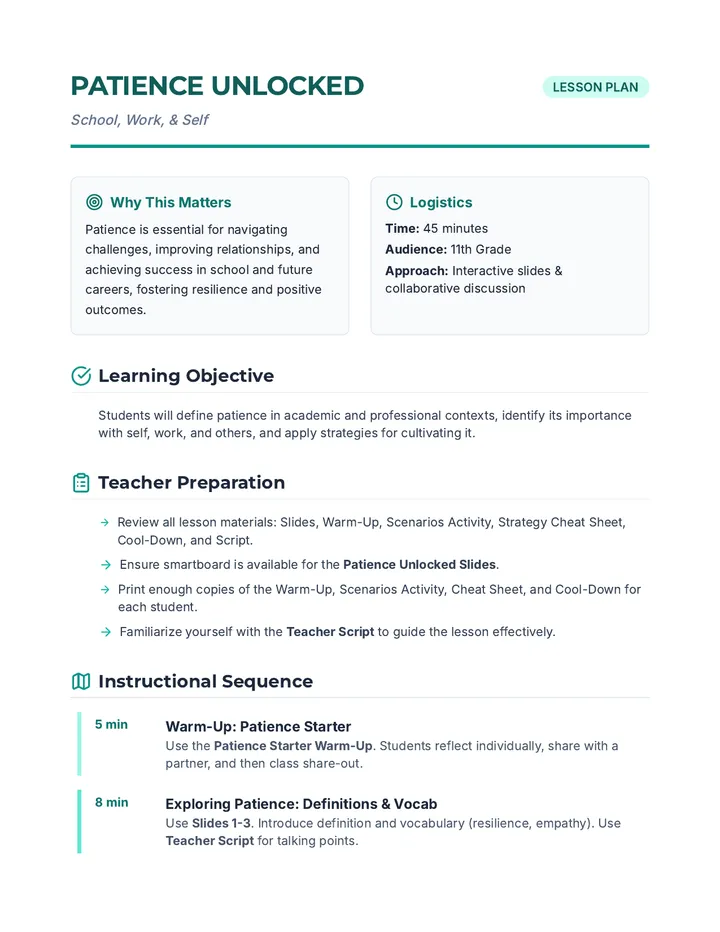
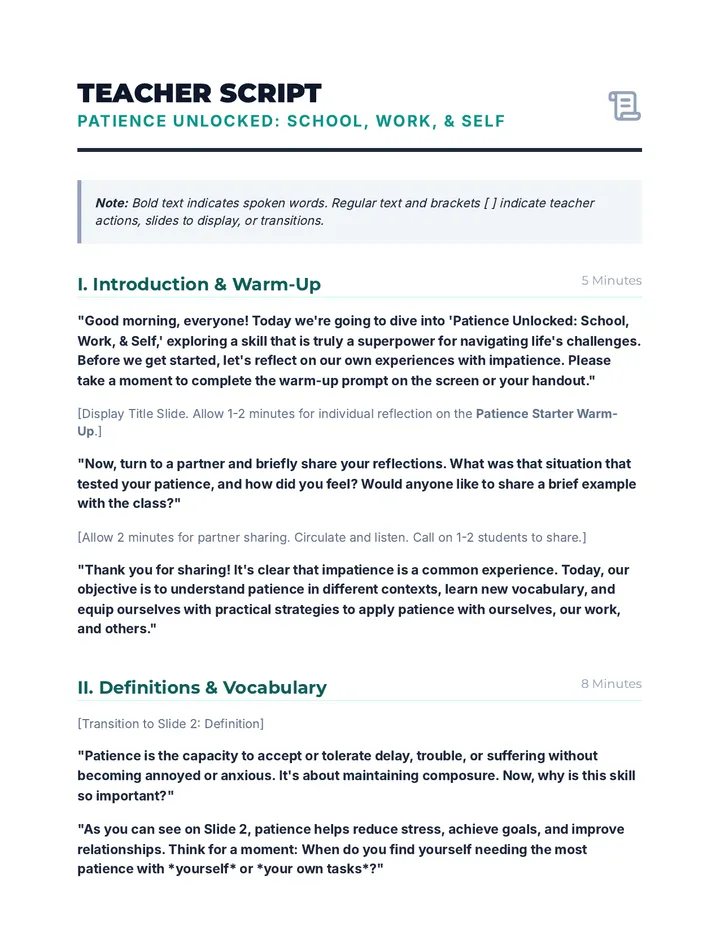
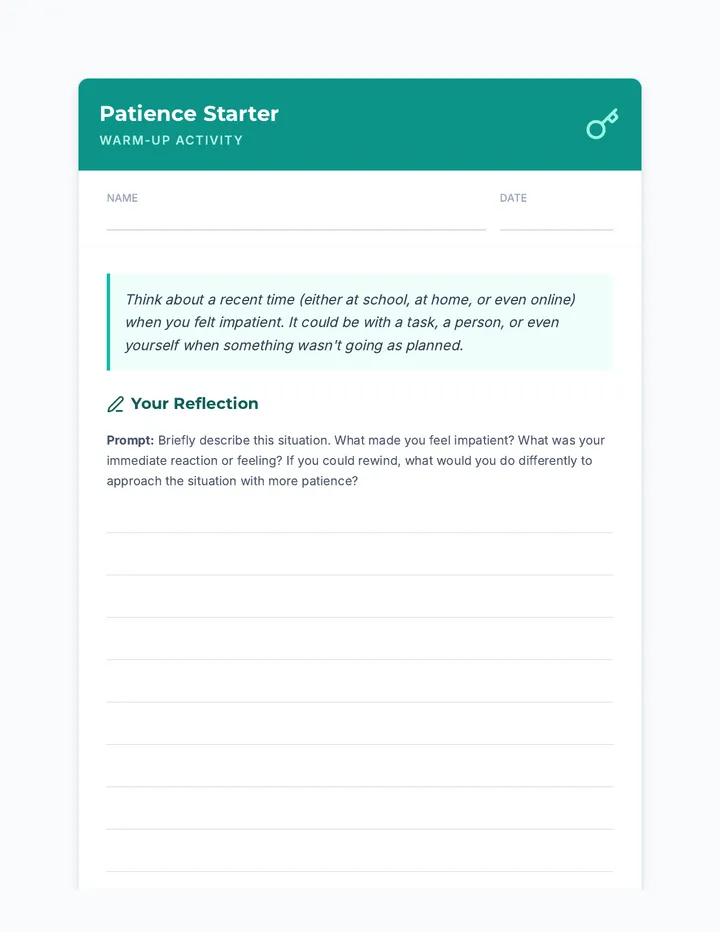
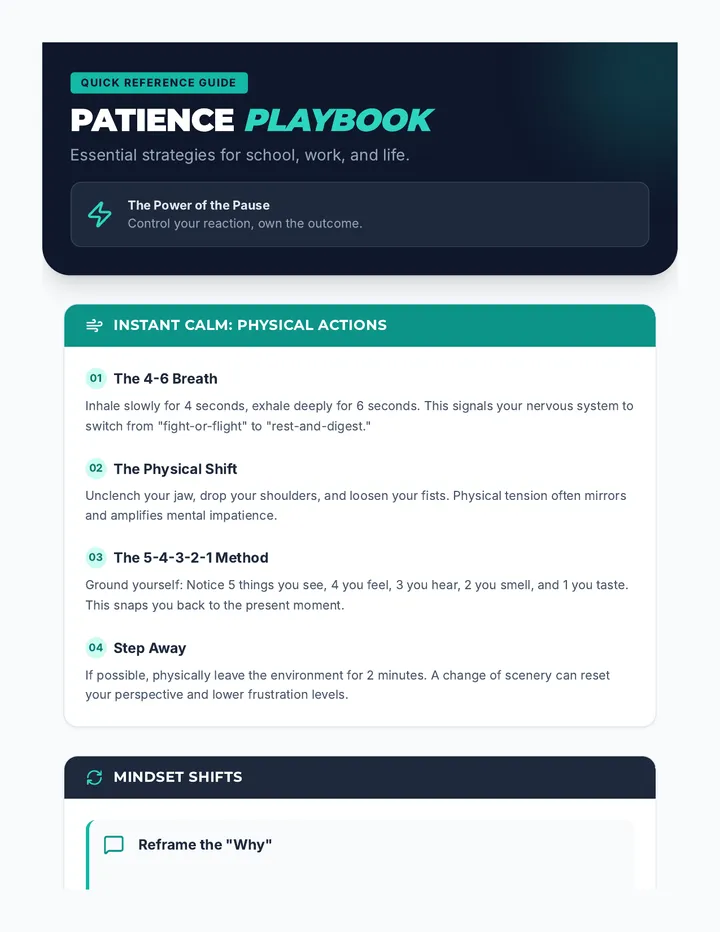
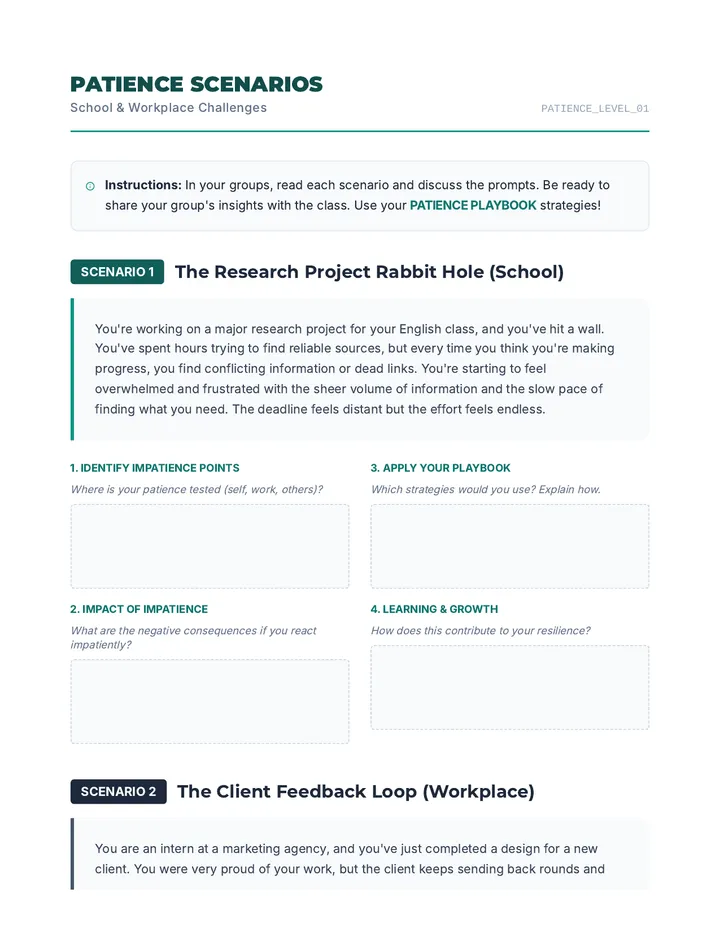
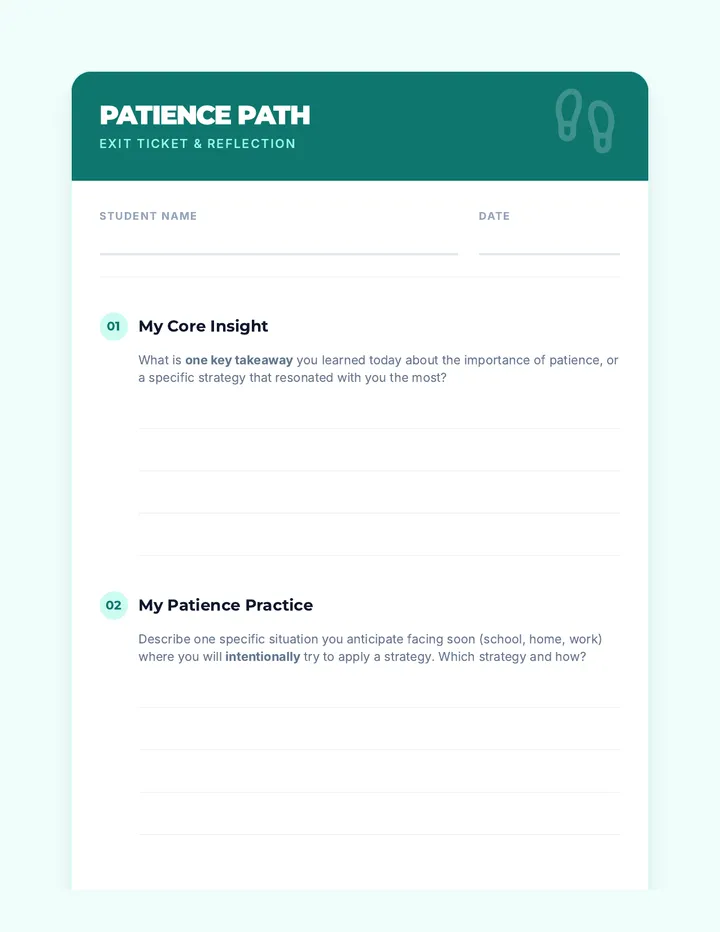
This lesson empowers 11th-grade students to cultivate patience as a critical skill in academic and professional settings. Students will explore strategies for managing impatience with themselves, their work, and others, fostering resilience and positive relationships.