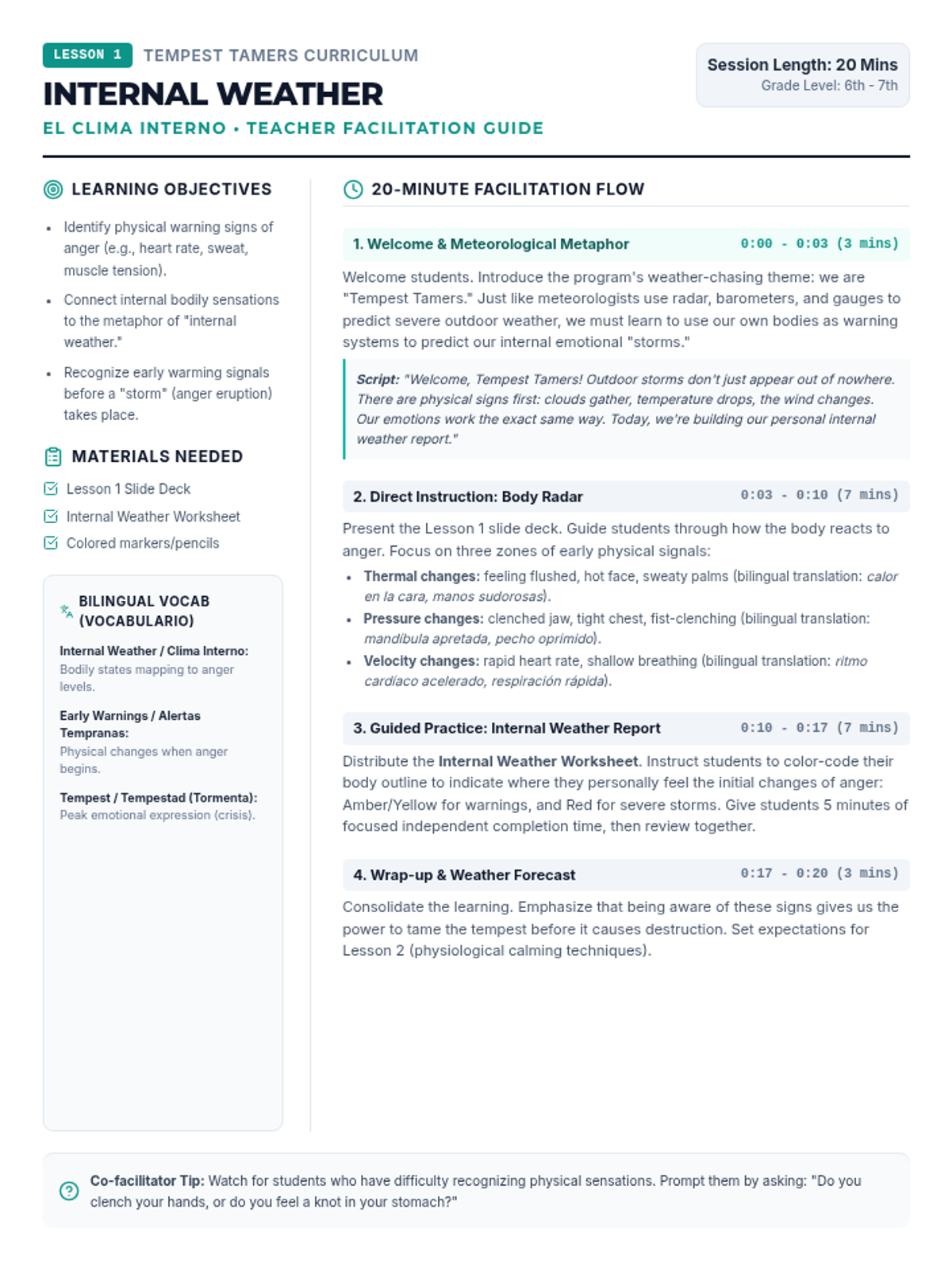
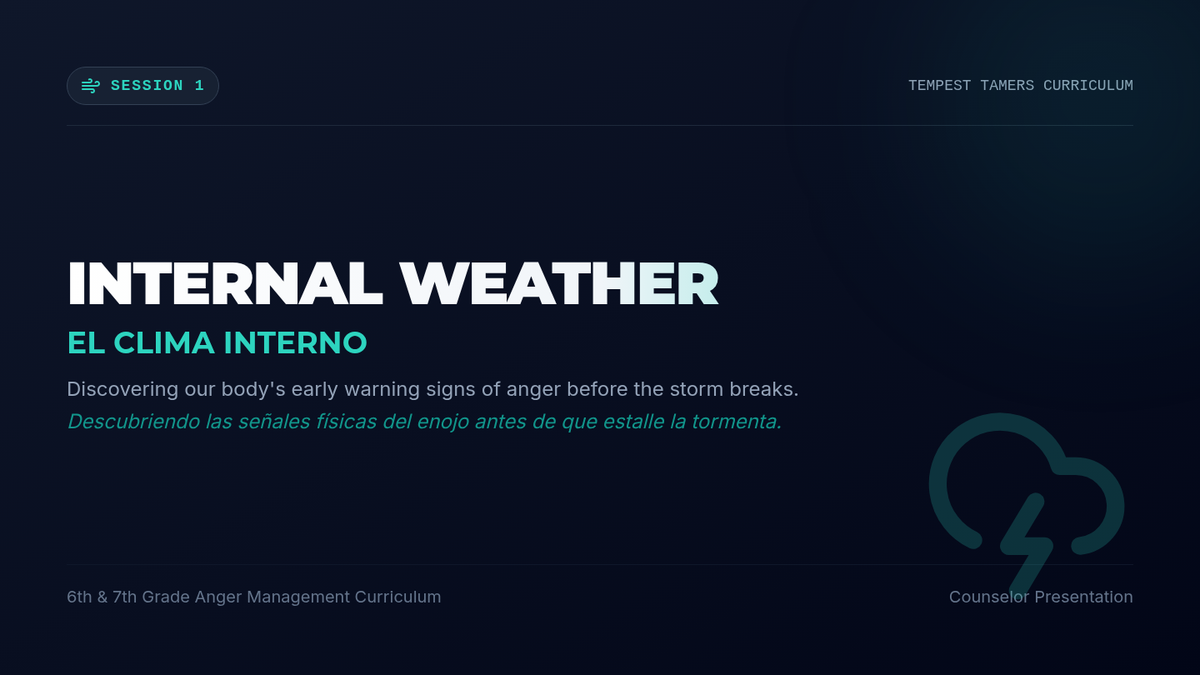
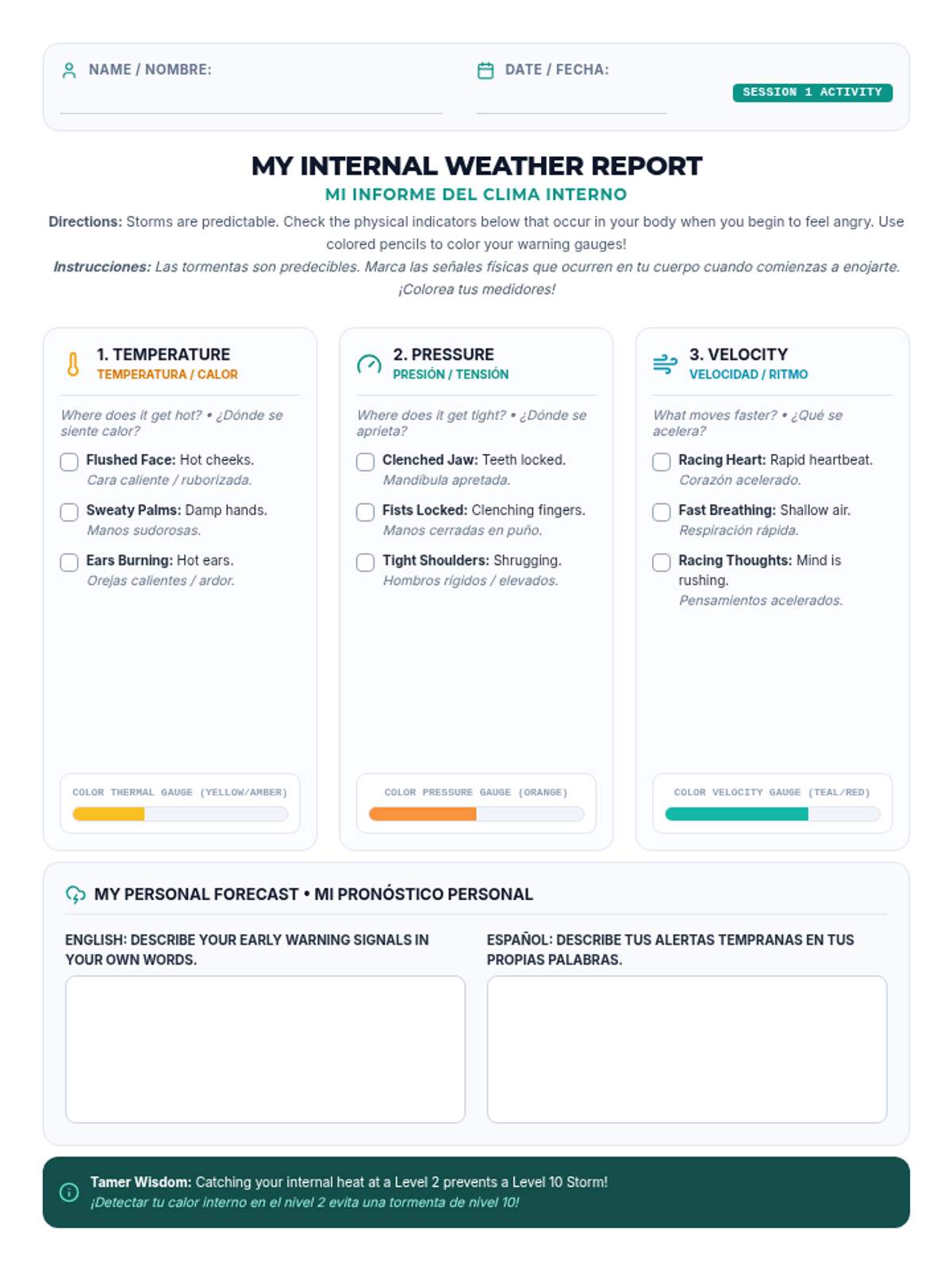
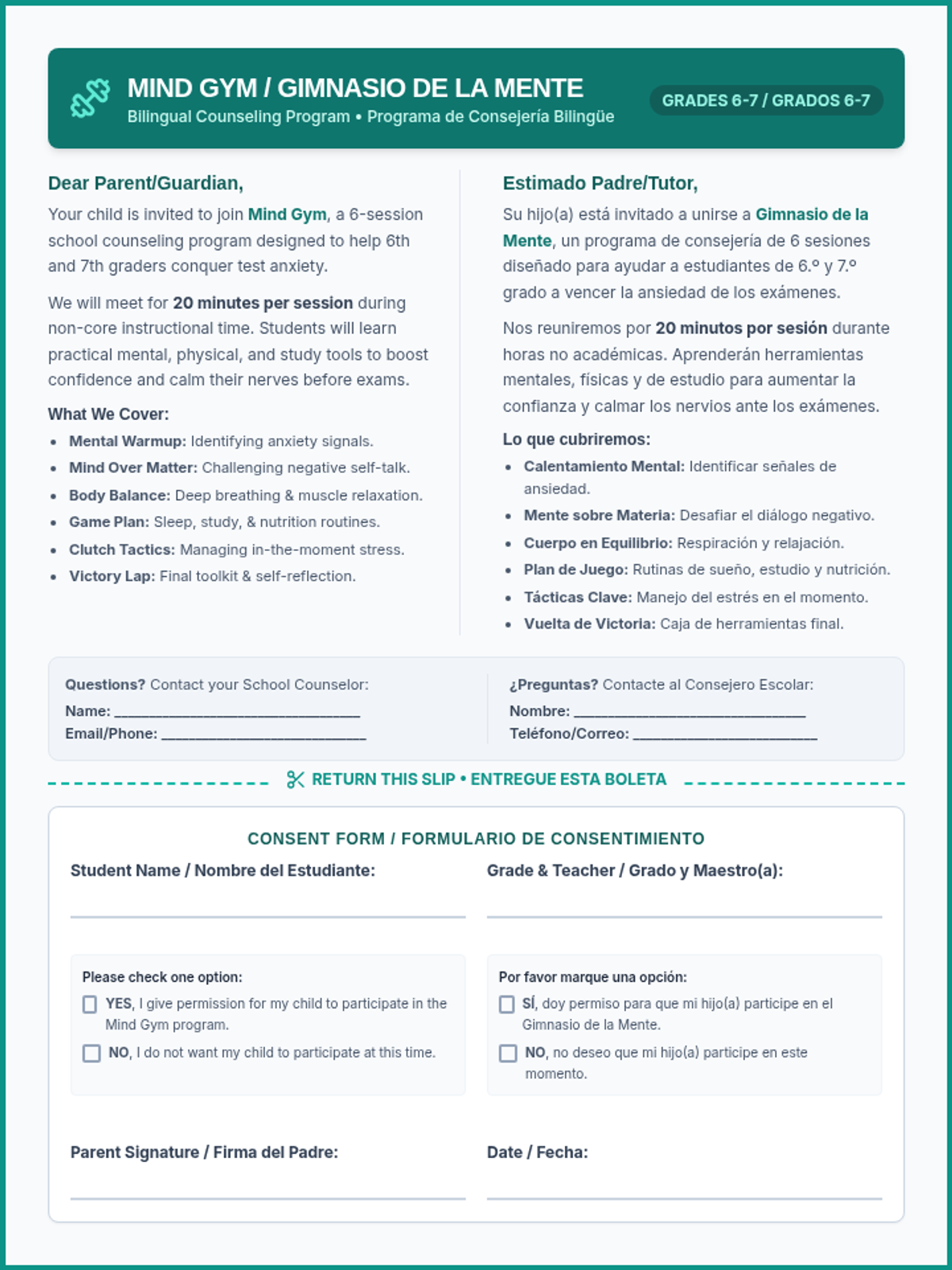
Active Recall Lesson Guide The Great Memory Experiment
Teacher Facilitation Guide • Lesson 1
Objective
Students will understand the difference between passive recognition (reading) and active retrieval (quizzing) by participating in a controlled memory experiment. They will define 'retrieval' as the act of pulling information out of the brain.
The Hook: The Illusion of Competence
"How many of you feel like you know a word because you've looked at it 10 times? Today, we're going to see if looking is the same as learning."
Materials Needed
Memory Lab Slides
Recall Challenge Sheets
Set of 10 "Mystery Words"
Timer
Instructional Sequence
1
The Pre-Test (The Trick)
Show students a list of 5 vocabulary words for 1 minute. Tell half the class to "Just read them over and over." Tell the other half to "Read once, then close your eyes and try to say them."
2
The Distraction (1 Minute)
Ask students to name as many animals as they can in 60 seconds. This clears the "working memory" and tests long-term retrieval.
3
The Reveal
Students write down as many words as they remember. Typically, the "active" group performs better. Discuss: "Why was it harder for the active group while they were studying? Does harder work mean better learning?"
Questioning for Understanding
Defining Retrieval
"What does it feel like when your brain is trying to find a word? Is it easy or like a workout?"
The Peeking Trap
"If we look at the answer right away, did our brain actually do any work? Why or why not?"
Memory Lab Slides Memory Lab
The Great Memory Experiment
How does our brain really learn?
The Looking Test
Look at these words for 30 seconds. Try to remember them just by reading .
AMBLE
LOQUACIOUS
HIBERNATE
ORBIT
Ready to see if you actually know them?
The Looking Trap
When we look at words, our brain says:
"Oh, I see it, so I must know it!"
But as soon as we close the book...
the memory disappears!
Active Recall
What is it?
Closing the book and forcing your brain to pull the information out from the inside.
Why is it better?
It's like a workout for your brain. The effort of remembering makes the memory stronger!
Scientific Term
RETRIEVAL
To find something and bring it back.
"I am retrieving the answer from my memory!"
Experiment Rules
Group A: Passive
"Read the list 10 times. Keep your eyes on the page."
Group B: Active
"Read once. Close your eyes. Try to remember without looking!"
Flashcard Power Slides Skill Shop
Flashcard Power Ups
Leveling up our memory tools
The Drawing Challenge
Can your partner guess the secret word only by looking at your drawing?
[ Student Drawing Area ]
No using letters or words!
Only shapes and lines.
Focus on the meaning .
Dual Coding
Our brain has two "channels" for memory:
Text
Reading the definition
Visuals
Seeing the picture
Using BOTH makes the memory twice as strong!
Flashcard Anatomy
1
Front: The Trigger
Just the word or a question. No clues!
2
Back: The Answer
Definition + Your Power Drawing.
The Back
Precipitation:
Water that falls from the sky.
Precipitation
DON'T PEEK!
If you look at the back before you say the answer...
the memory workout FAILS!
Retrieval is the Key
Flashcard Maker Worksheet Flashcard Maker
Memory Lab • Power Up Your Words
Name:
Date:
Lab Instructions:
Choose a vocabulary word. Write the word on the Front . On the Back , write the definition and draw a picture that helps you remember the meaning (Dual Coding!).
Flashcard 1: Front
(Write your word here)
Flashcard 1: Back
Flashcard 2: Front
(Write your word here)
Flashcard 2: Back
The Self-Quiz Test
Fold this page in half or cut out the cards. Show the Front side only. If you can't say the Back from memory, put it in the "Practice More" pile!
Invisible Word Slides Memory Lab Routine
The Invisible Word
Mastering the Cover-Copy-Compare Strategy
Disappearing Ink
If I erase a word piece by piece...
when does it disappear from your brain?
M E M O R Y
M _ M _ R Y
M _ _ _ _ Y
_ _ _ _ _ _
The CCC Routine
1. LOOK at the word and its meaning.
2. COVER the word so you can't see it.
3. COPY the word from your memory.
4. COMPARE and fix any mistakes!
Brain Growth
No Cheating!
Covering the word stops your brain from "taking the easy way out."
The Fix-It Magic
Mistakes are good! Comparing and correcting makes the memory trace permanent.
Self-Correction
Let's Go Invisible!
Grab your folder or hand to cover!
Write carefully and clearly.
If it's wrong, try again!
Invisible Word Practice Worksheet The Invisible Word
Memory Lab • Cover-Copy-Compare Routine
Strategy Card
Scientist Name:
Date:
1
LOOK
2
COVER
3
COPY
4
COMPARE
Target Word My Memory Copy The Check EXAMPLE: VAST
| |
Perfect
Fixed It
|
| | |
Perfect
Fixed It
|
| | |
Perfect
Fixed It
|
| | |
Perfect
Fixed It
|
| | |
Perfect
Fixed It
|
| | |
Perfect
Fixed It
|
Post-Routine Check
Which word was the hardest to "copy" from memory? Why?
Quiz Master Slides Memory Teamwork
The Quiz Master Challenge
Retrieval is better with friends!
The 5-Minute Gap
1. QUIZ your partner on their word.
2. SPACING: Do 10 jumping jacks and sing a song!
3. RE-QUIZ: Can they still retrieve it?
"Does waiting make it harder or easier? Why?"
Quiz-Quiz-Trade
1
QUIZ
Ask your partner the word. Don't show the back!
2
QUIZ
Now your partner asks YOU their word. Retrieve it!
3
TRADE
Swap cards and find a NEW partner for the next round!
The Secret Sauce
SPACING
Waiting between practice sessions makes the memory stick like glue.
WHY?
When we almost forget, the effort to remember is EXTRA STRONG!
30s Interval
Quiz Master Rules
Be Kind
Help them retrieve if they are stuck. Give tiny clues!
No Shouting
Keep the Memory Lab peaceful for deep thinking.
No Peeking
Hold your card close to your chest.
Celebrate
High fives for successful retrievals!
Quiz Master Tracker Quiz Master Tracker
Memory Lab • Spaced Practice Record
Spacing Log
Scientist:
Date:
Lab Procedure
Quiz your partner on their words. After the first quiz, wait for the "Spacing Gap" (a game or distraction). Then, quiz them again to see if the memory stuck!
Partner Name Quiz 1 (Immediate) Spacing Activity Quiz 2 (After Gap)
Got it!
Almost
|
|
Got it!
Almost
|
|
|
Got it!
Almost
|
|
Got it!
Almost
|
|
|
Got it!
Almost
|
|
Got it!
Almost
|
The Spacing Secret
Did waiting make it harder for your partner to remember? Why do you think that "hard work" of finding the answer again is good for their brain?
Memory Menu Slides Memory Café
The Memory Menu
Choosing your retrieval favorites
Memory Specials
Welcome to the Memory Café ! Our brain is the customer, and we are the chefs.
"What strategy will you serve your brain today to make those tricky words stick?"
Today's Special
Active Recall
Spaced Practice
Dual Coding
What's on the Menu?
The Flashcard Blitz
Fast retrieval with dual coding.
The Invisible Word
Look, Cover, Copy, Compare.
Quiz Master Trade
Spaced practice with a partner.
Reflecting on the Taste
Self-Review
"Which strategy felt like the best workout for your brain?"
"Which one made you feel the most like a Memory Champion ?"
Memory Champions!
You now have a toolkit to learn anything .
Remember: The effort of retrieval is where the learning happens!
Memory Menu Worksheet My Memory Menu
Memory Lab • Retrieval Strategy Toolkit
Menu Finale
Head Chef:
Date:
"Welcome to your brain's favorite restaurant! Choose your best retrieval strategies to serve up long-term memories."
Starters
Quick Retrieval
Flashcard Blitz
Fast-paced quizzing with dual coding cards.
Mental Image Pop-Up
Close eyes and see the power drawing.
Main Course
Deep Learning
Cover-Copy-Compare
The "Invisible Word" routine for writing.
The Quiz Master Trade
Spaced retrieval with a partner team.
Chef's Recommendation
My Favorite Strategy:
Why it helps my brain learn:
Memory Champion