Healing Hearts Handout
Parenting Support Guide
Healing Hearts
Supporting your child through loss, grief, and change
Understanding Their World
Children experience and process loss differently than adults. Their grief often comes in waves, and they may lack the words to express the heavy feelings they carry.
What to Watch For:
-
•
"Puddle Jumping": Quickly switching from deep sadness to intense play. This containment is natural and healthy.
-
•
Somatic Signs: Complaining of headaches, stomach aches, or extreme fatigue with no physical cause.
-
•
Emotional Masking: Acting perfectly or hiding feelings to protect you from getting sadder.
Your Anchoring Role
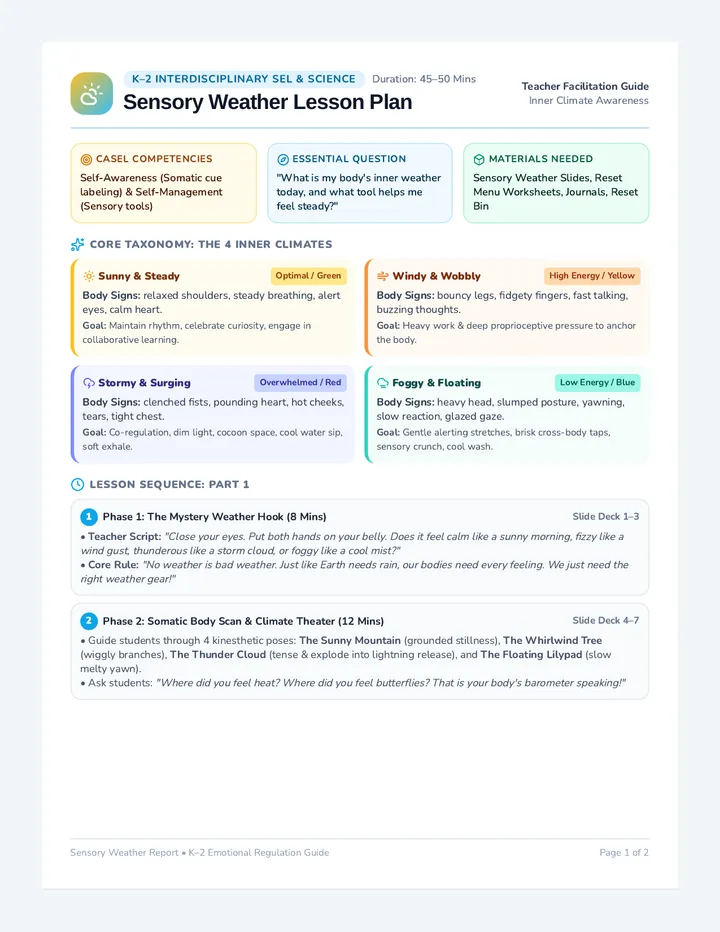
You don't need to have all the answers or hide your own grief. Modeling gentle, healthy sadness shows your child that big feelings are safe to feel. Cry together when it hurts, and care for yourself openly.
Everyday Calm-Down Tools
1
The Butterfly Hug
Cross arms over chest, hooking thumbs. Tap alternating shoulders slowly to physically soothe and ground the nervous system.
2
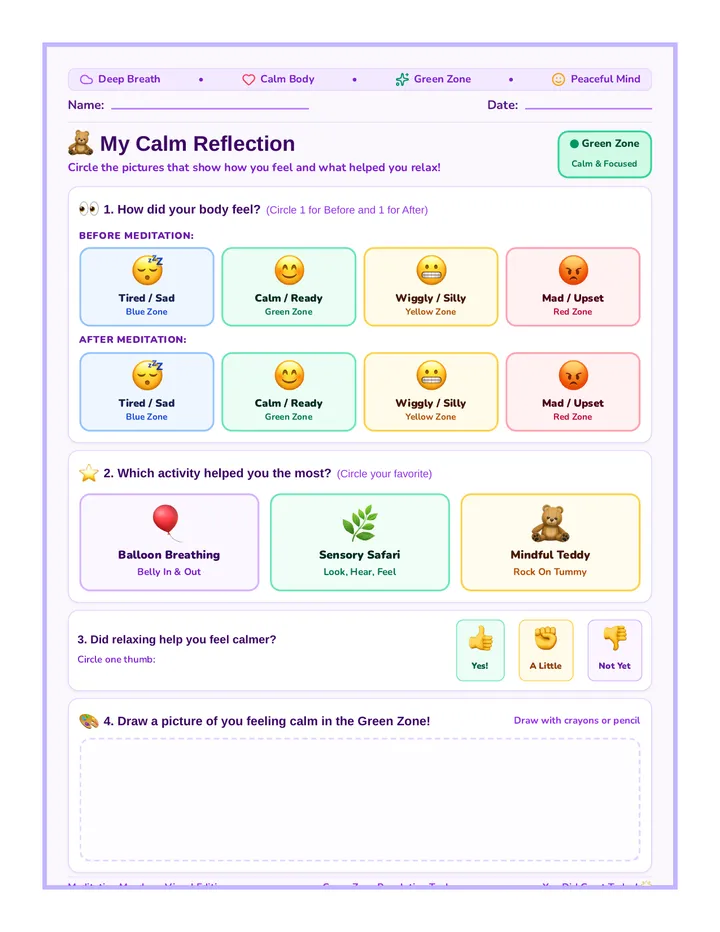
The 1-5 Emotional Scale
Ask for a number: 1 is "doing okay," and 5 is "feeling overwhelmed." This allows checking in when words are too difficult to find.
3
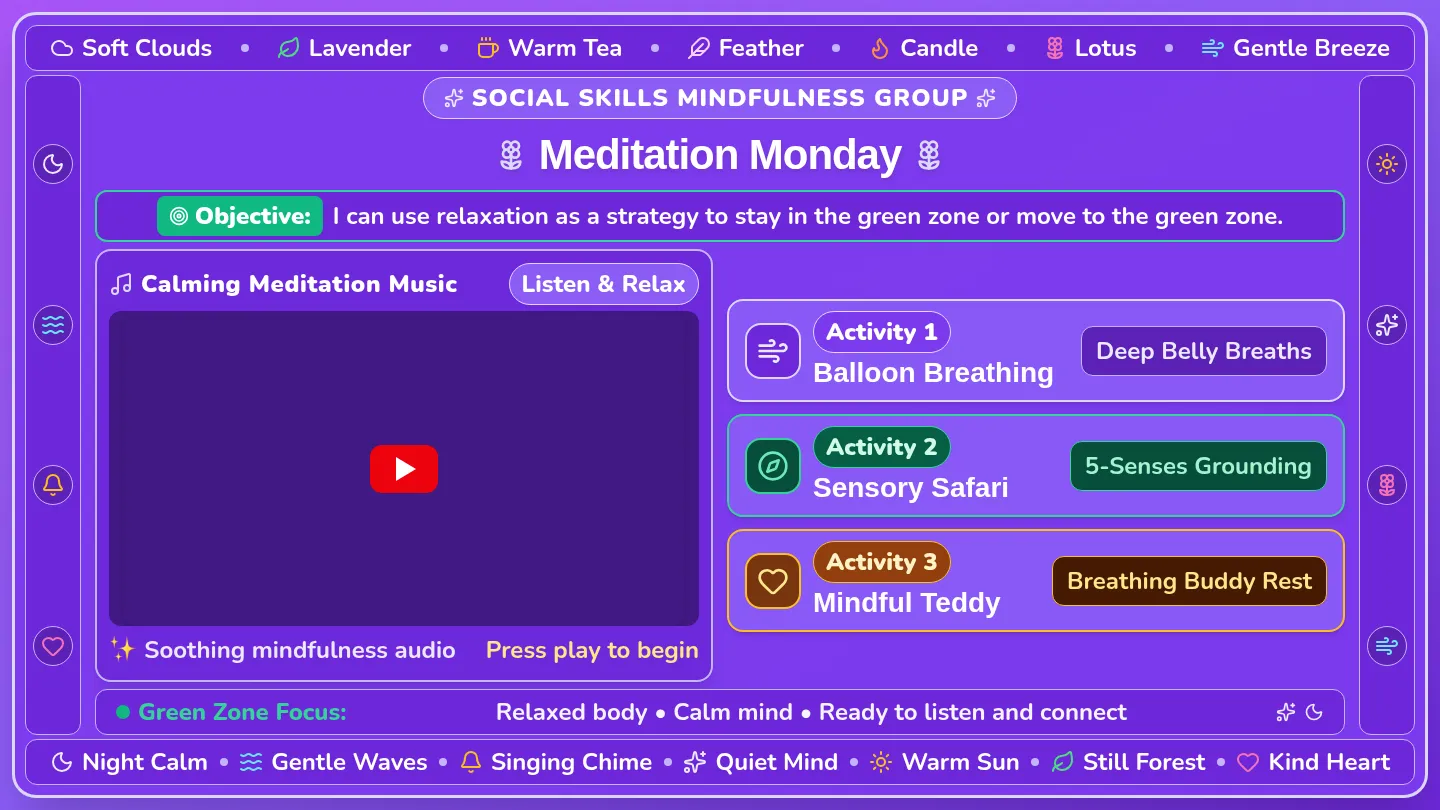
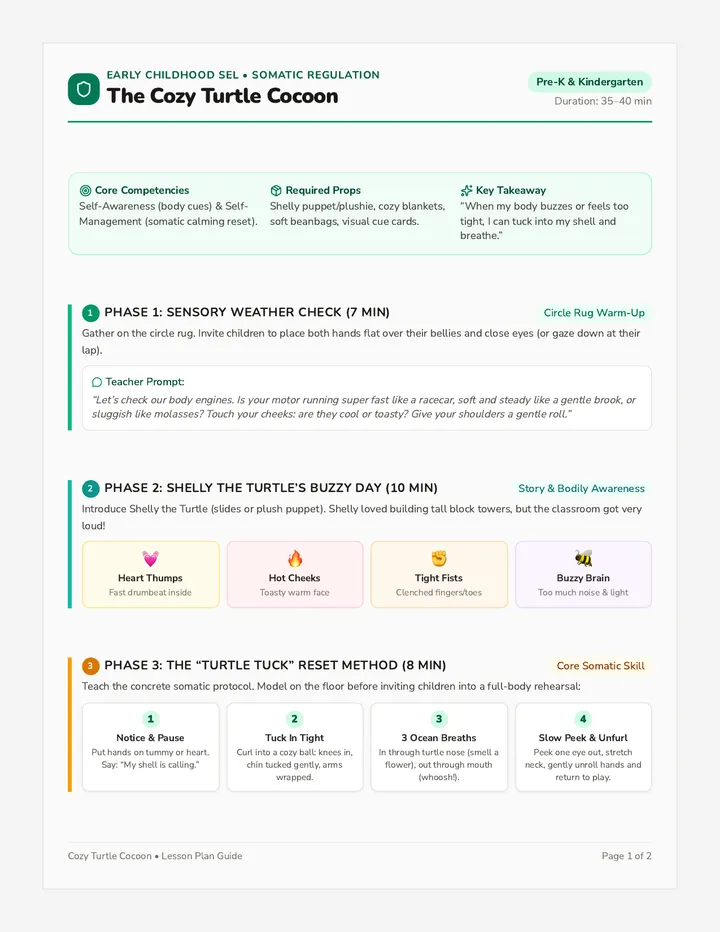
Belly Balloon Breathing
Inhale deeply, imagining the belly expanding like a balloon, then exhale slowly to release physical tension and anxiety.
Healing Connection Activities
Shared experiential activities bypass intellectual processing and offer warm pathways for raw emotion to move freely.
Memory Keepsake Jar
Write happy moments on paper slips to pull out when hearts feel empty.
Sensory Safe Fort
Build a soft sanctuary with heavy pillows and lights to feel fully secure.
Pass-Back Journal
Share a notebook to write or draw worries when speaking is too tough.
Nature Walk & Find
Collect small rocks or leaves that match different feelings inside.
Gentle Conversation Starters
Initiating a Gentle Check-In:
"I was thinking about them today and felt a little sad. How is your heart doing right now?"
Validating Their Feelings:
"Your body and heart are carrying some very big feelings. You don't have to carry them all by yourself."
Giving Permission to Be Okay:
"It is completely okay if you want to cry, and it is also okay if you just want to go play and have fun today."
Comforting During Quiet Moments:
"We don't have to talk if you don't want to. I am happy to just sit right here beside you in the quiet."
Crisis Resource & Support: Dial 988 or text HOME to 741741
Designed with compassion • Parenting Support Guide