A colorful, nature-themed grounding worksheet for the 5-4-3-2-1 exercise. Features distinct sensory cards with vibrant icons, a playful map-like layout, and dedicated reflection space for mindfulness practice.
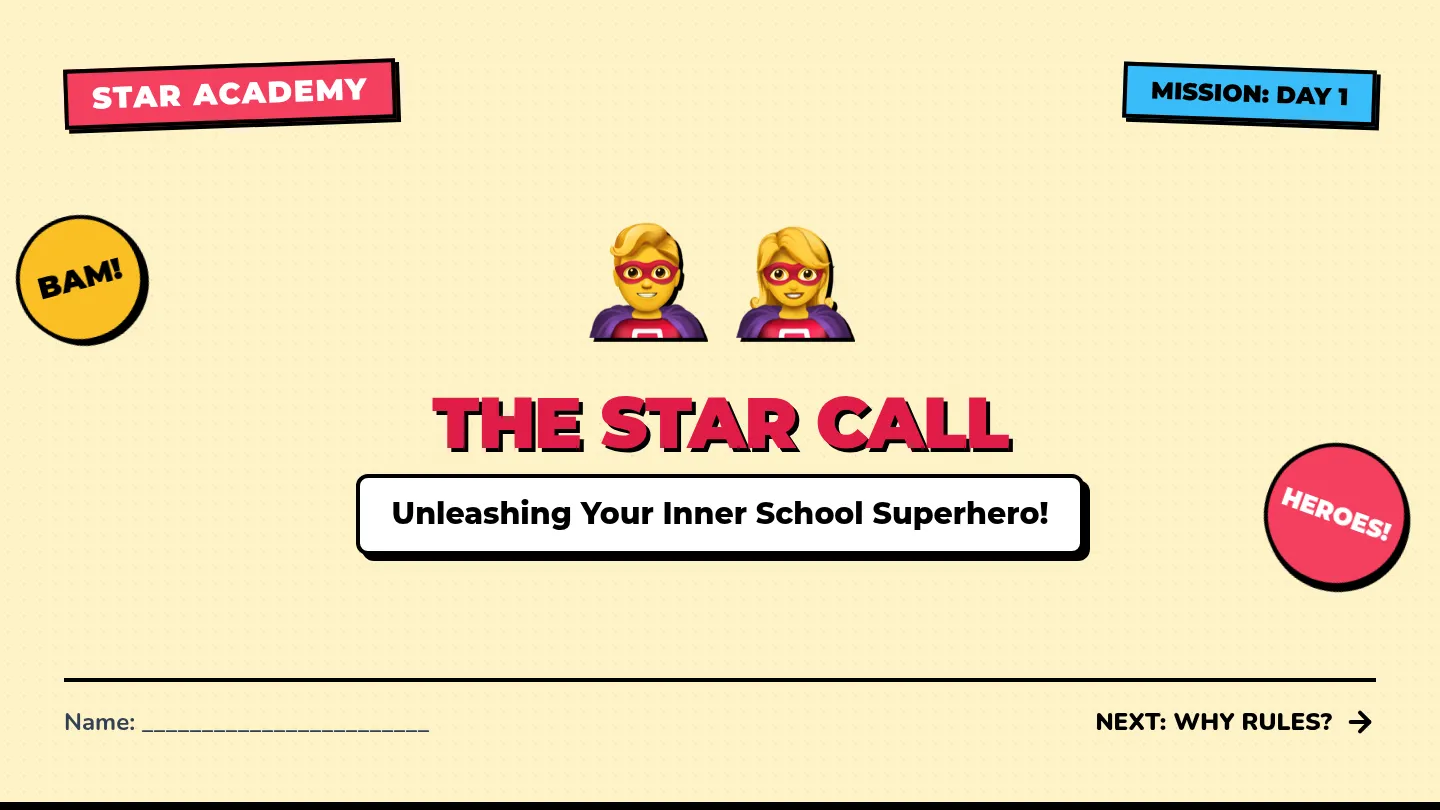
A 5-day curriculum teaching 4th graders the STAR expectations (Safe, Targeting Success, Acting with Integrity, Respect & Responsibility) across classrooms, hallways, bathrooms, playgrounds, and cafeterias using a high-energy comic-book superhero theme.
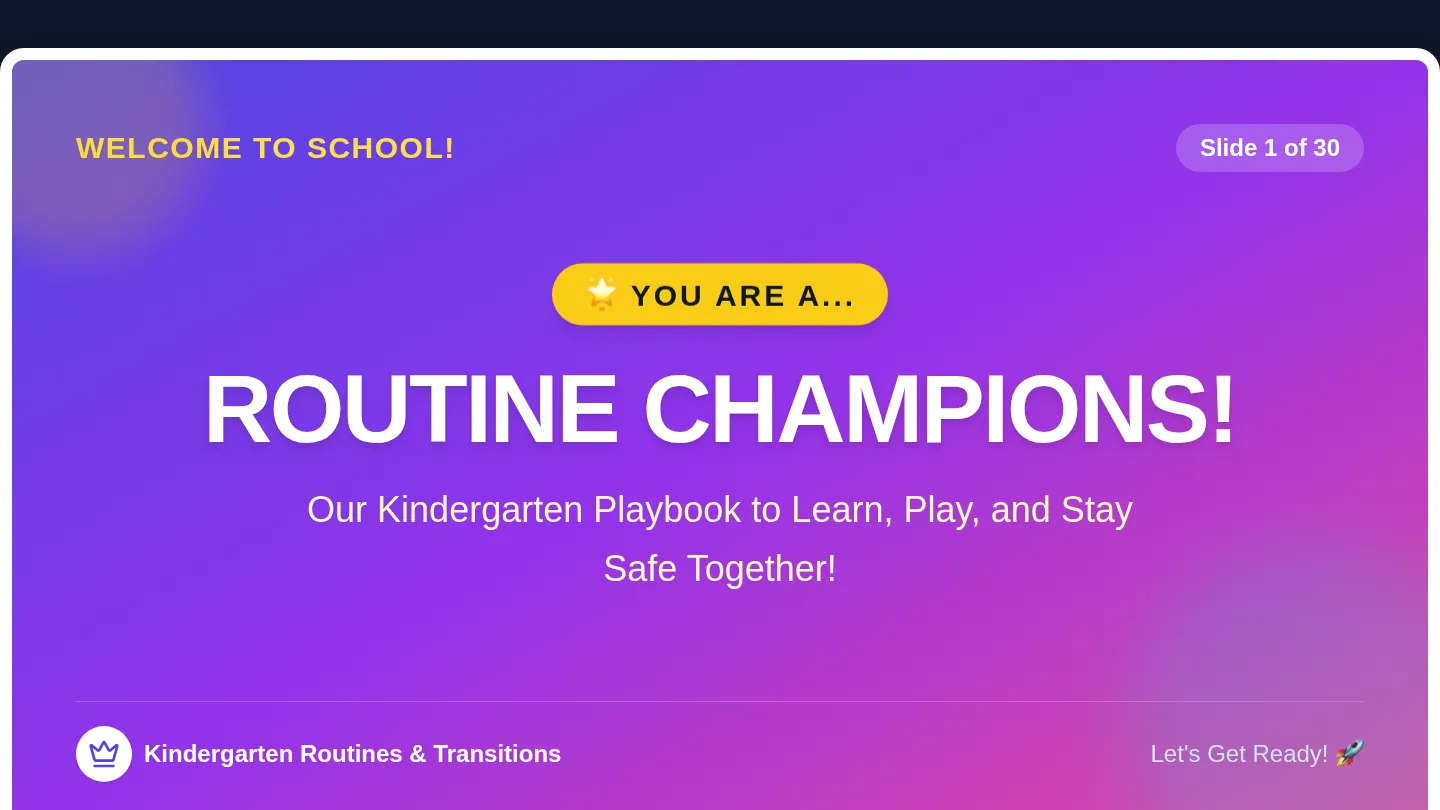
A comprehensive 10-day unit designed to teach, model, and reinforce essential classroom routines and transitions for kindergarteners. Includes structured pacing, visual slide guides, and actionable interactive lessons.
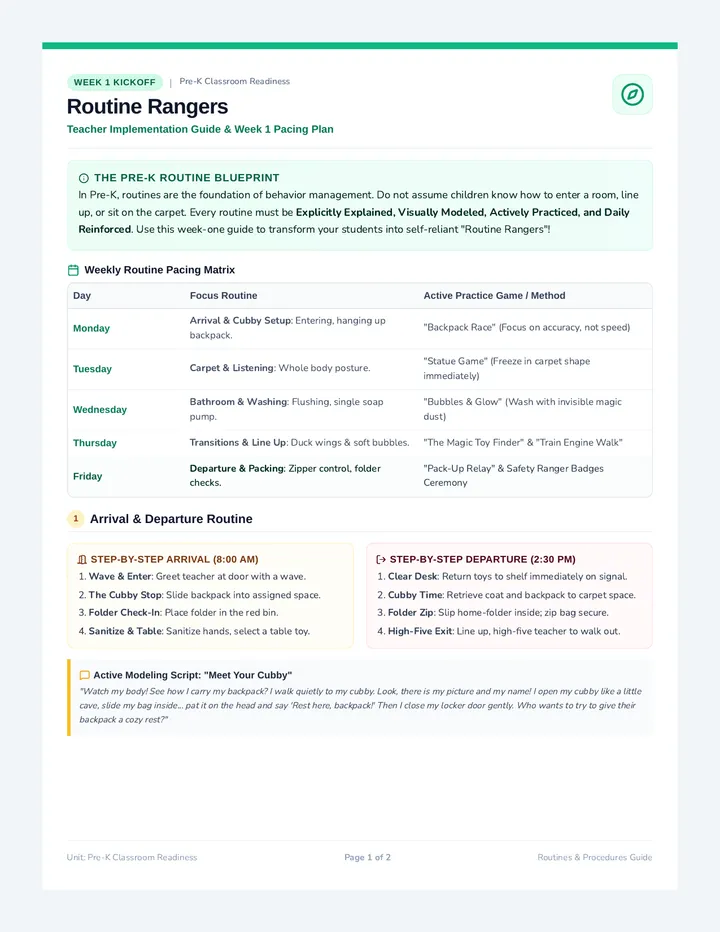
A foundational unit designed to establish essential routines, behavioral expectations, and self-regulation skills in Pre-K students during the critical first weeks of school. Features visual supports, structured practice, and school-to-home partnership resources.
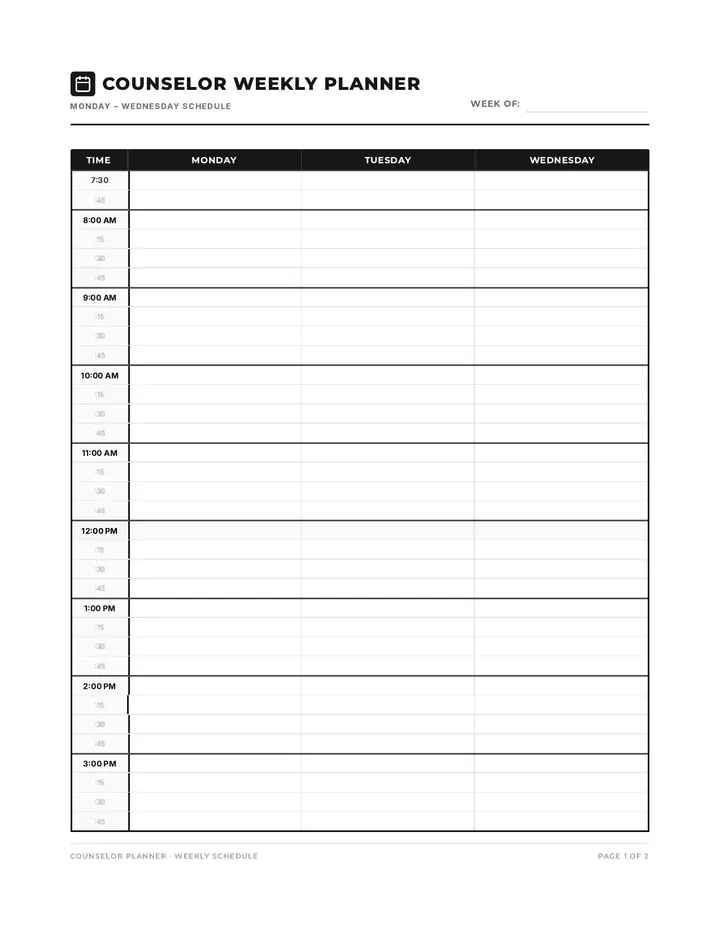
A comprehensive, high-contrast school counselor planning suite to streamline schedule management, student tracker logs, monthly academic organization, and small group counseling plans.
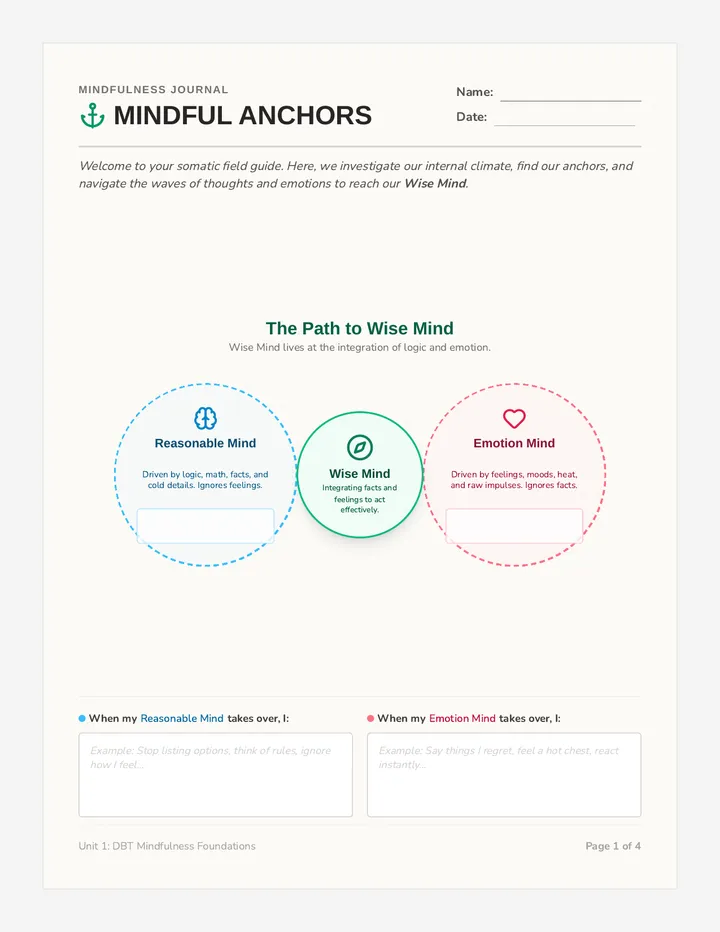
A comprehensive unit on Dialectical Behavior Therapy (DBT) mindfulness skills, taking students from somatic anchoring and cognitive understanding to collaborative, station-based performances that demonstrate 'What' and 'How' skills.
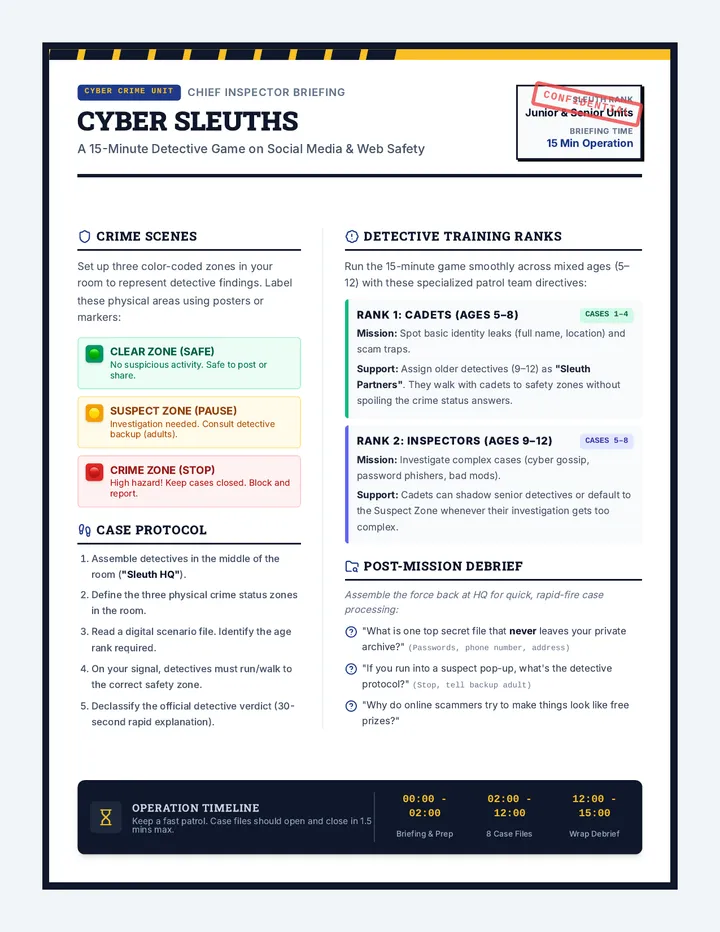
A high-energy, 15-minute movement game designed to teach kids ages 5-12 how to make smart, safe decisions online. Through rapid-fire scenario cards, students act as Cyber Sleuths to solve digital cases and investigate cyber threats.
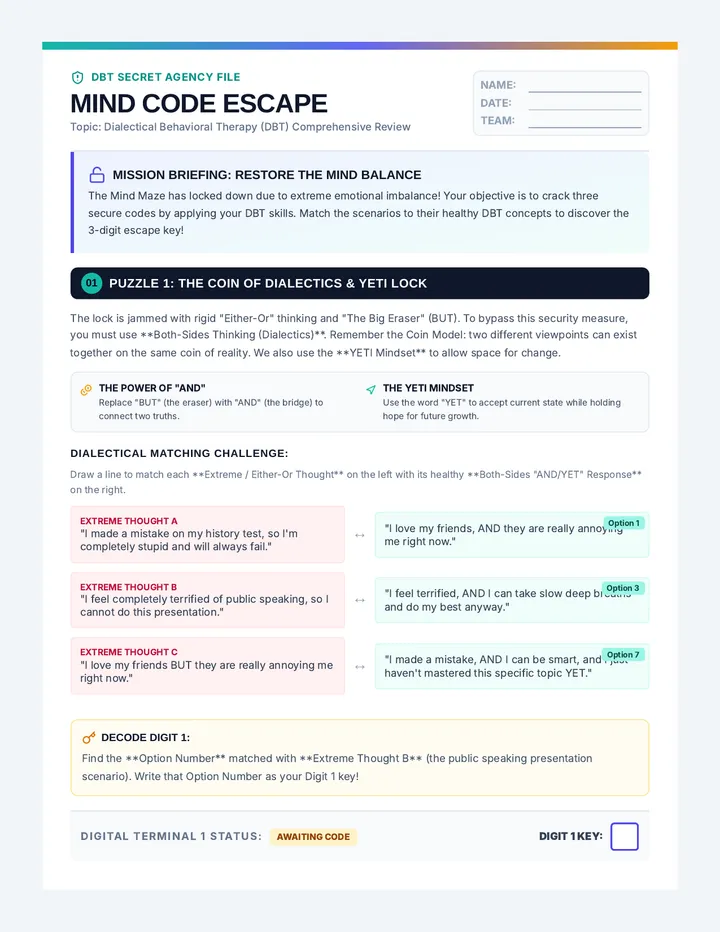
A hands-on sequence designed to empower teens with Dialectical Behavioral Therapy (DBT) concepts. Through engaging escape rooms, creative drama challenges, and real-life scenarios, students master dialectics and emotional regulation.
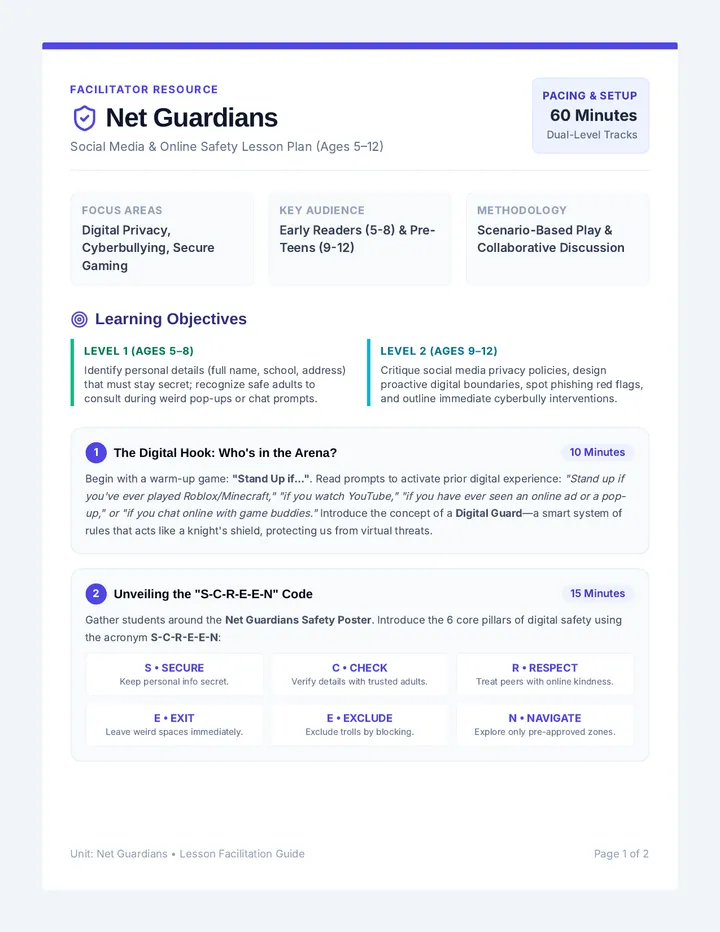
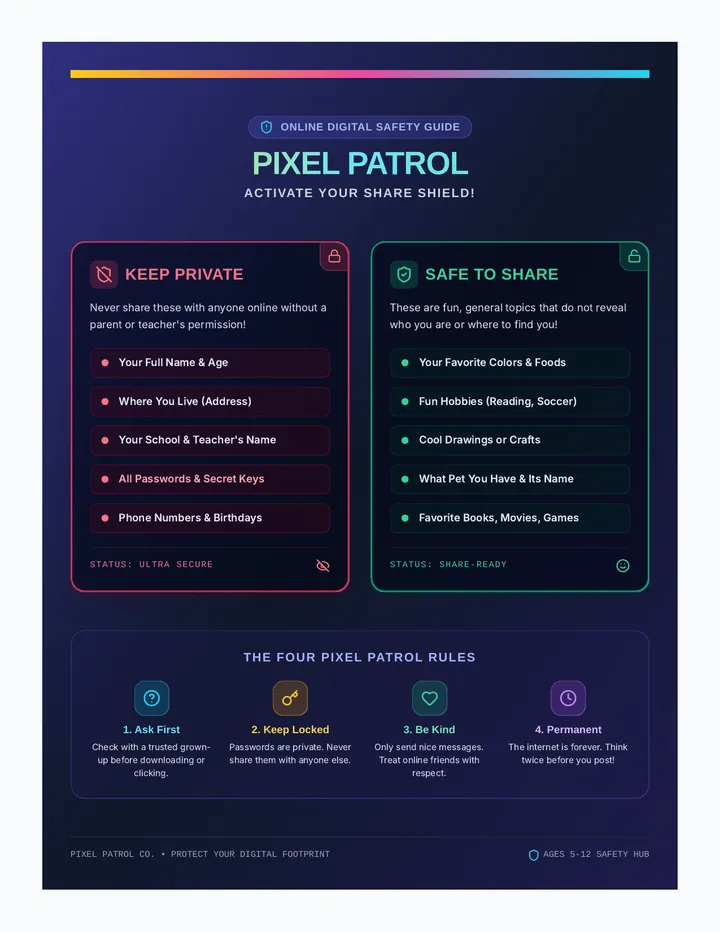
An interactive, dual-level digital safety lesson designed for youth ages 5-12, covering key concepts of digital privacy, cyberbullying, and safe gaming through collaborative activities and differentiated scenario cards.
An interactive, gamified lesson on social media and digital safety designed for youth aged 5-12. Features differentiated pathways for early readers and pre-teens to learn about privacy, sharing limits, and online community respect.
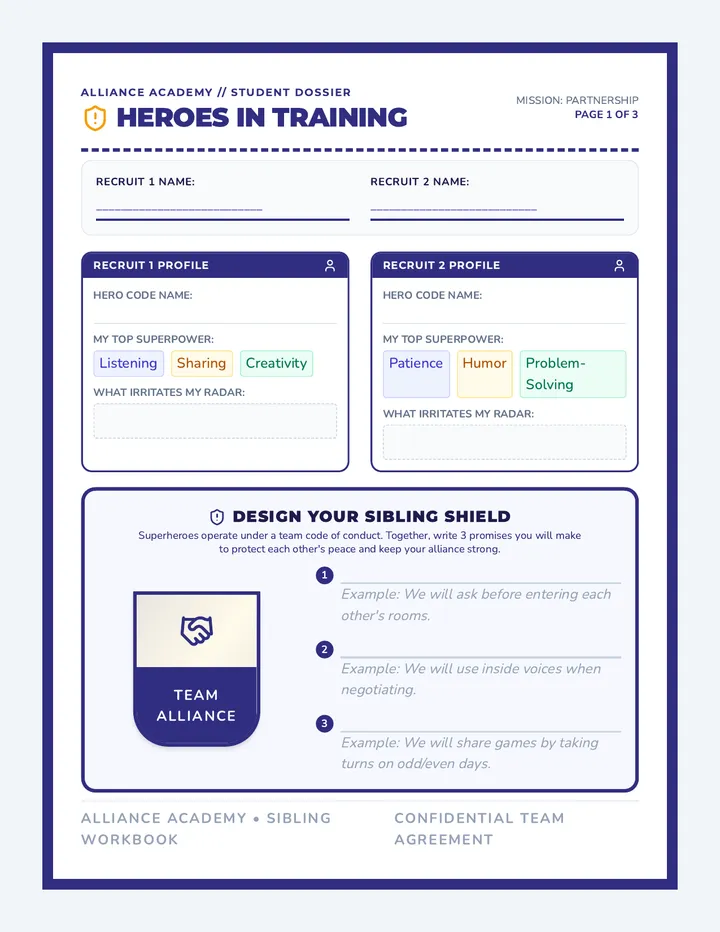
A comprehensive social skills and therapeutic training program designed to help siblings transition from rivals to teammates. This lesson provides facilitators, parents, and siblings with concrete strategies for conflict resolution, emotional regulation, boundary setting, and collaborative play.
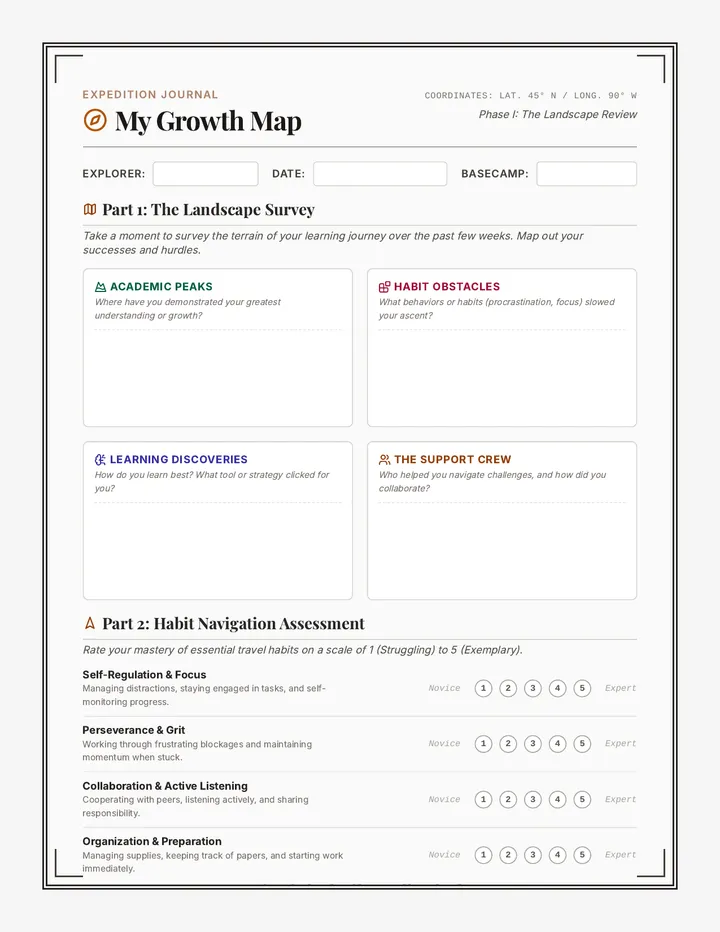
A comprehensive goal-setting and reflection lesson designed to help students analyze their academic and social-emotional progress, identify roadblocks, and create actionable growth plans.
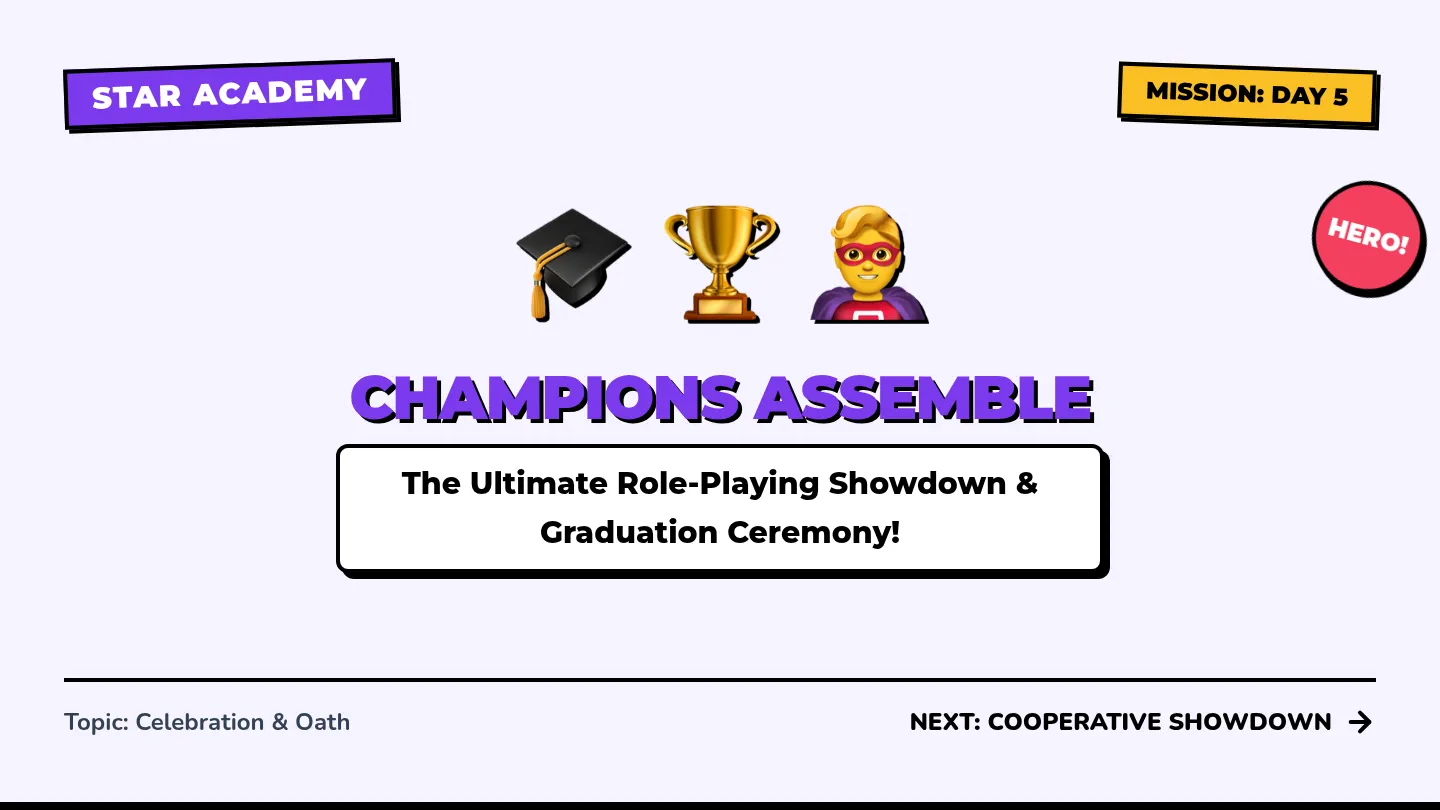
Consolidates the 5-day STAR learning through a cooperative role-modeling showdown and a superhero graduation ceremony, finalizing their Reflection Booklets.