Differences between federal and private funding, interest rate structures, and repayment plan options. Equips students to evaluate borrowing limits and manage long-term financial commitments.
A comprehensive year-long curriculum for high school seniors focusing on college readiness, career planning, financial literacy, and social-emotional well-being. This sequence guides students through the complexities of post-secondary transitions with a special focus on arts-based pathways.
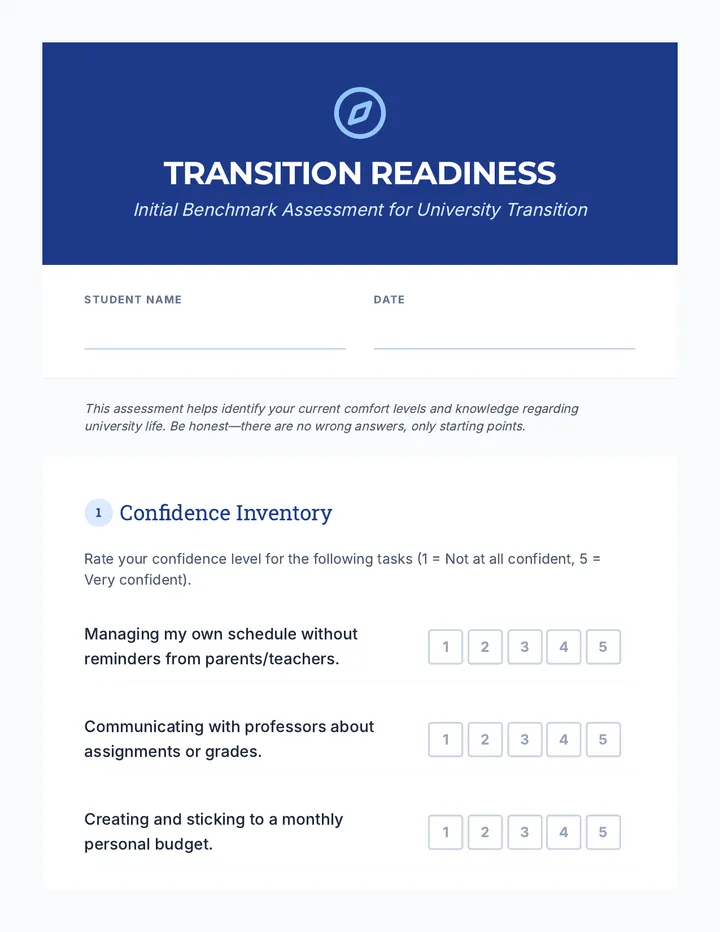
A comprehensive six-lesson program designed to prepare 12th-grade seniors for the transition to university, focusing on time management, financial literacy, academic independence, and mental health.
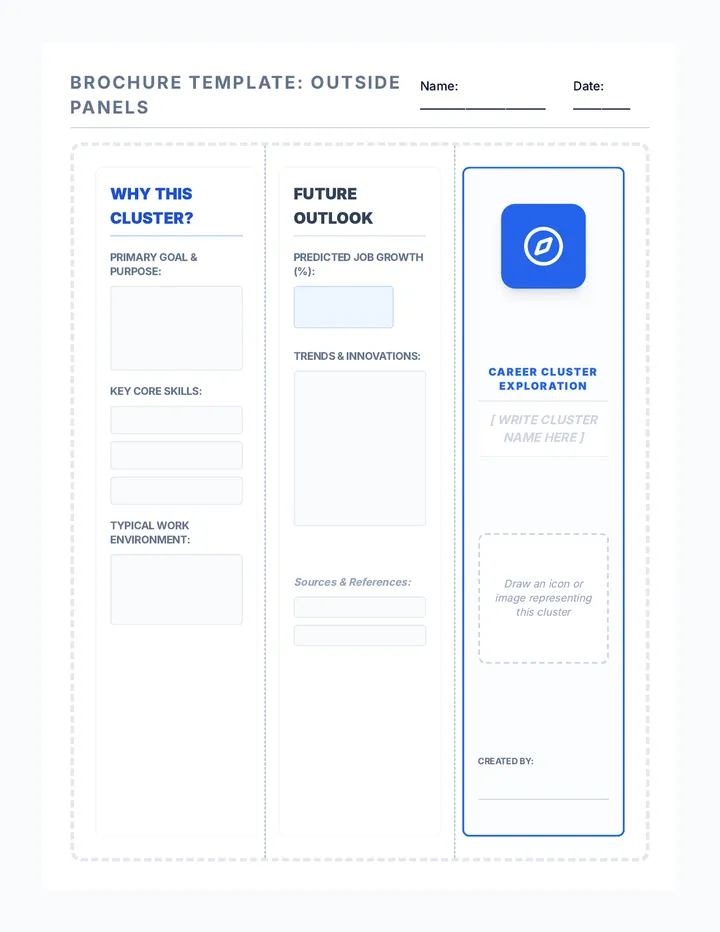
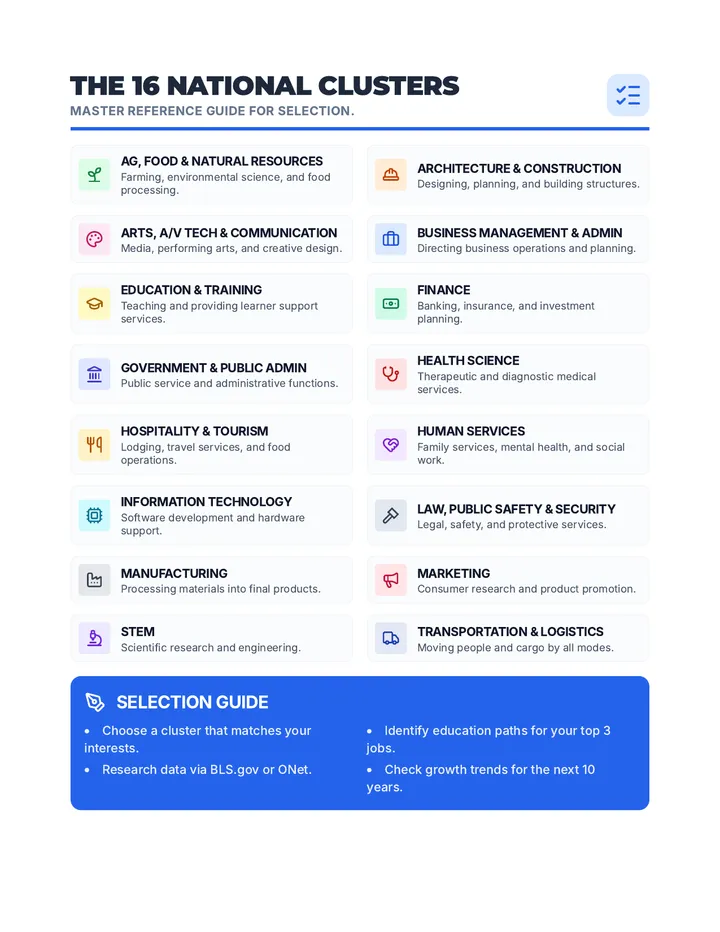
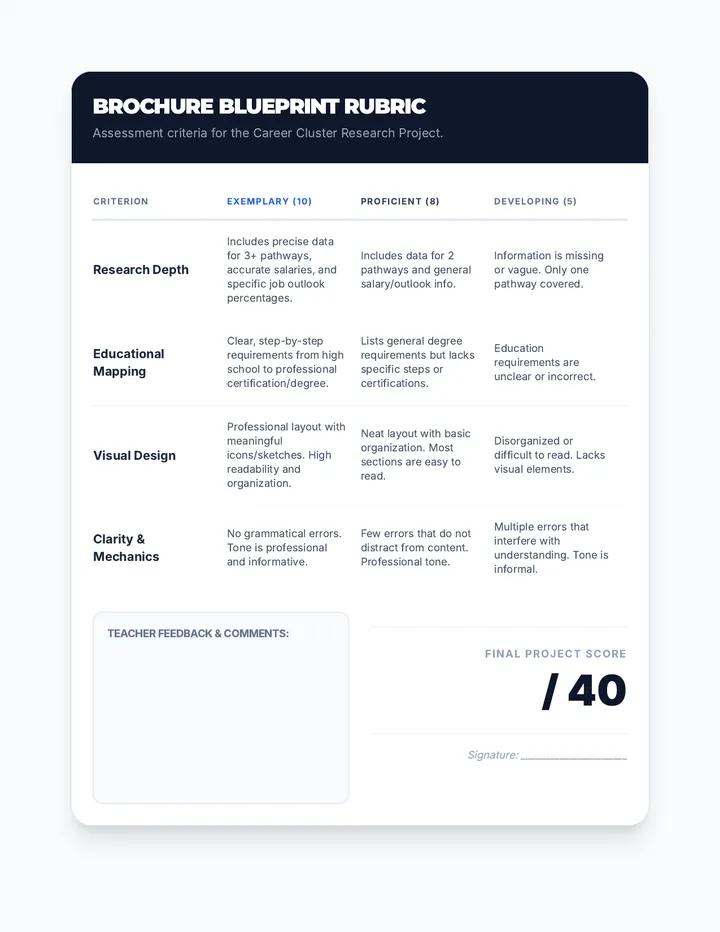
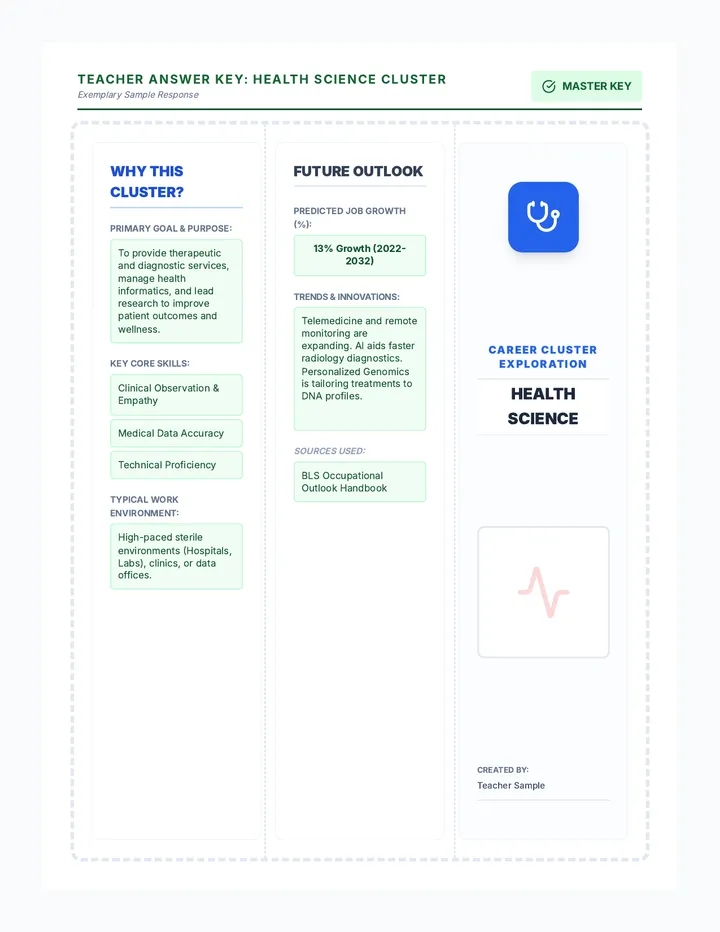
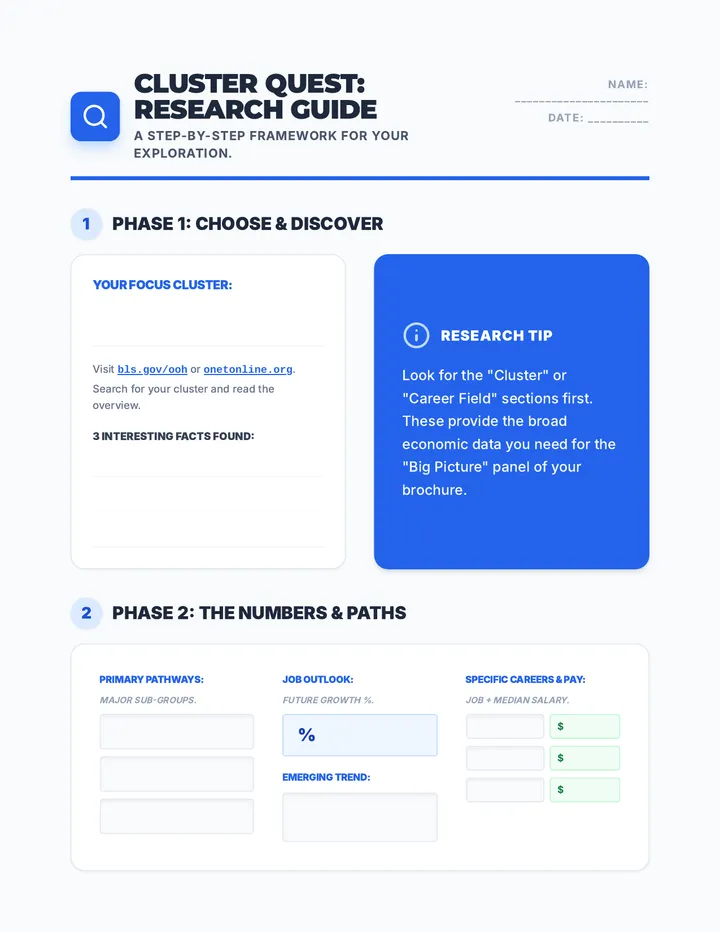
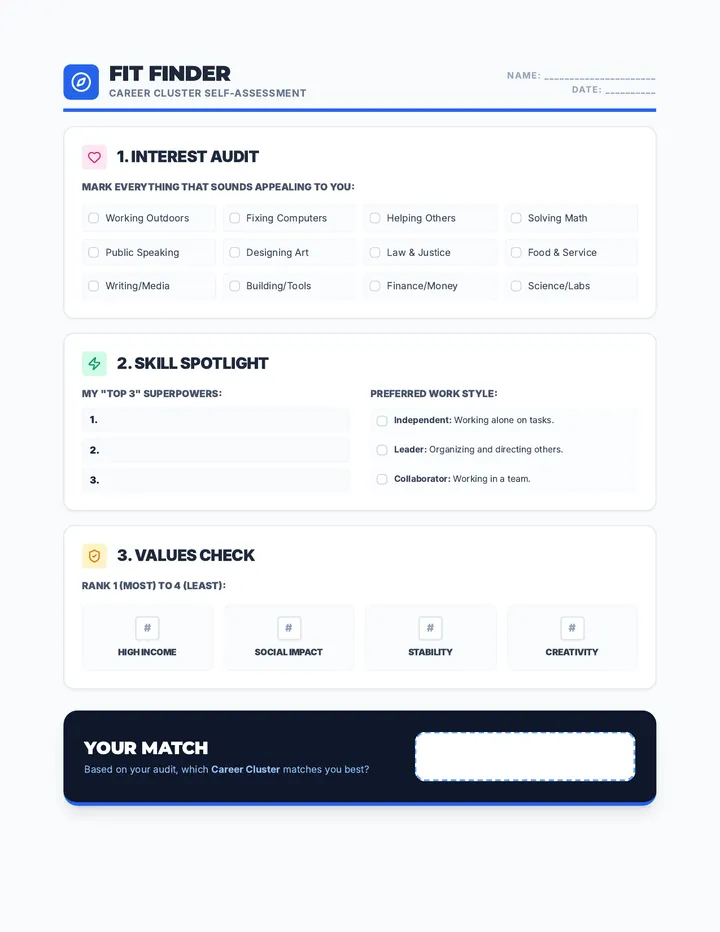
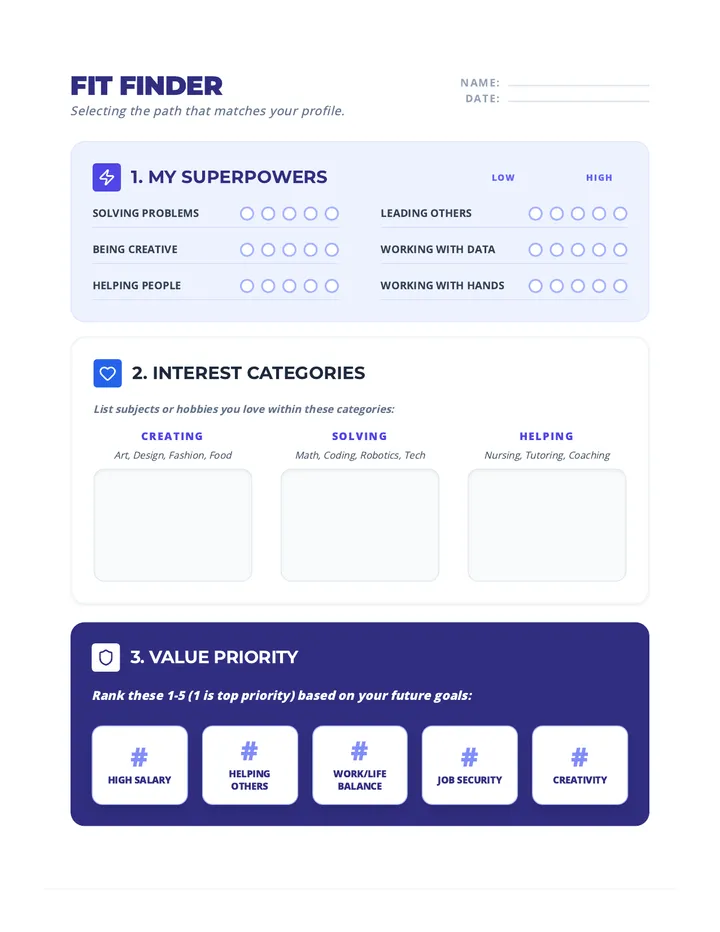
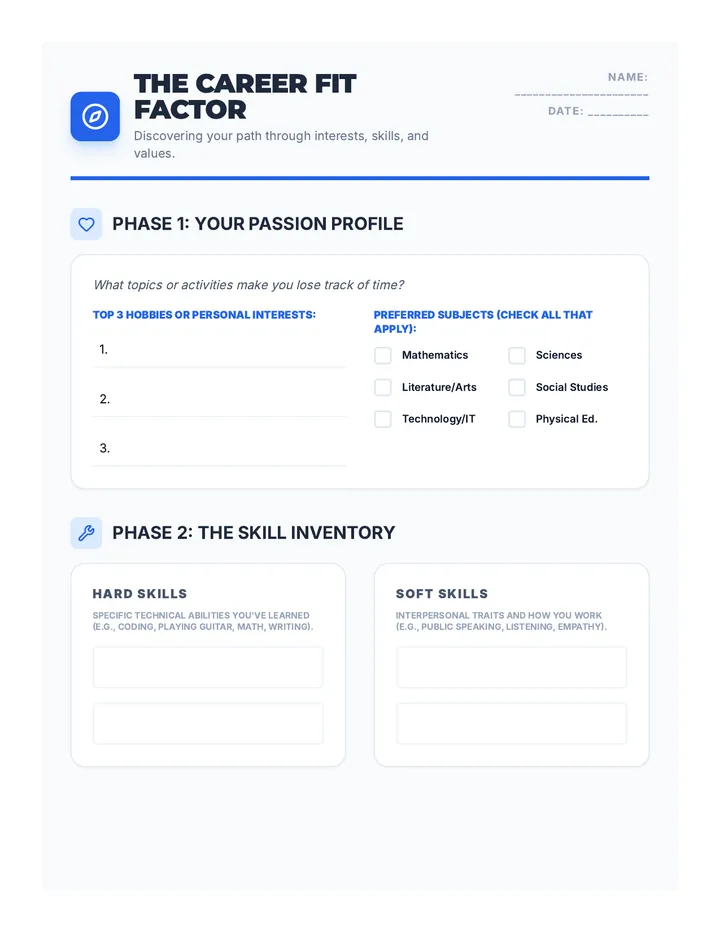
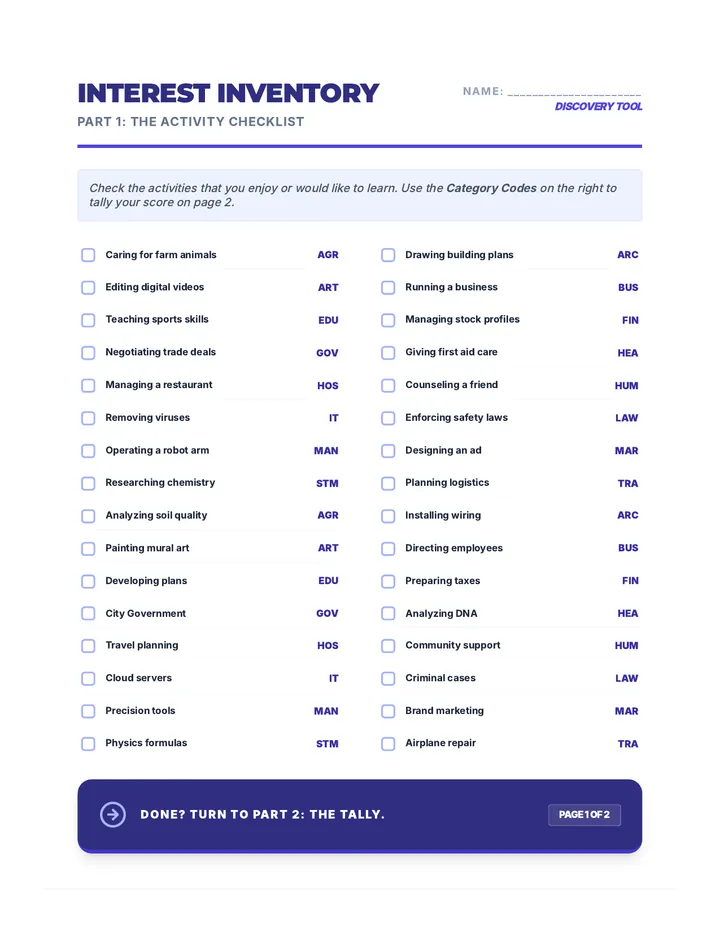
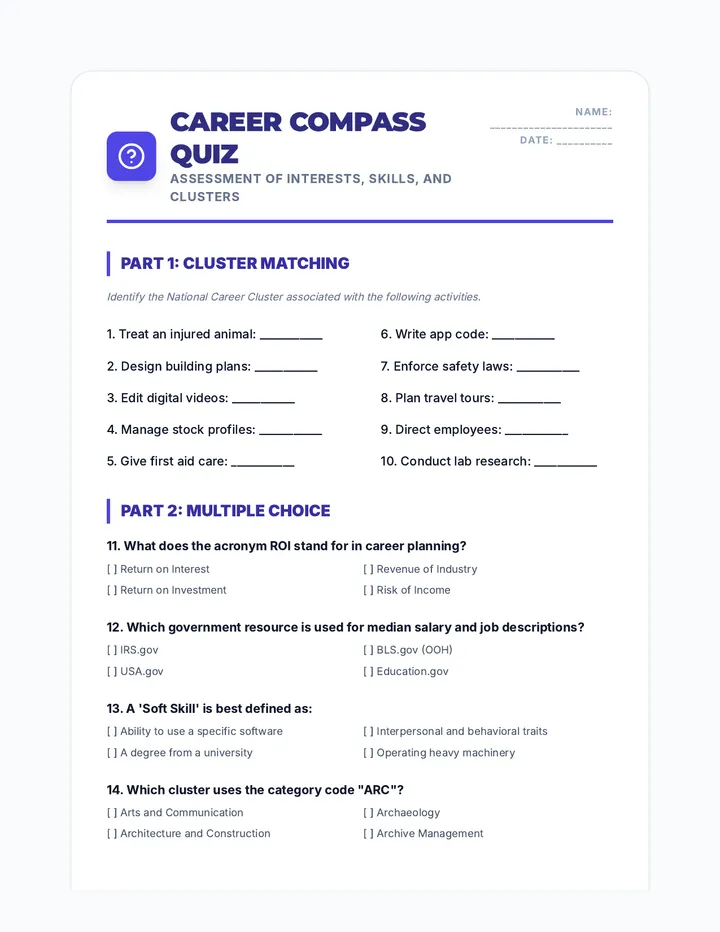
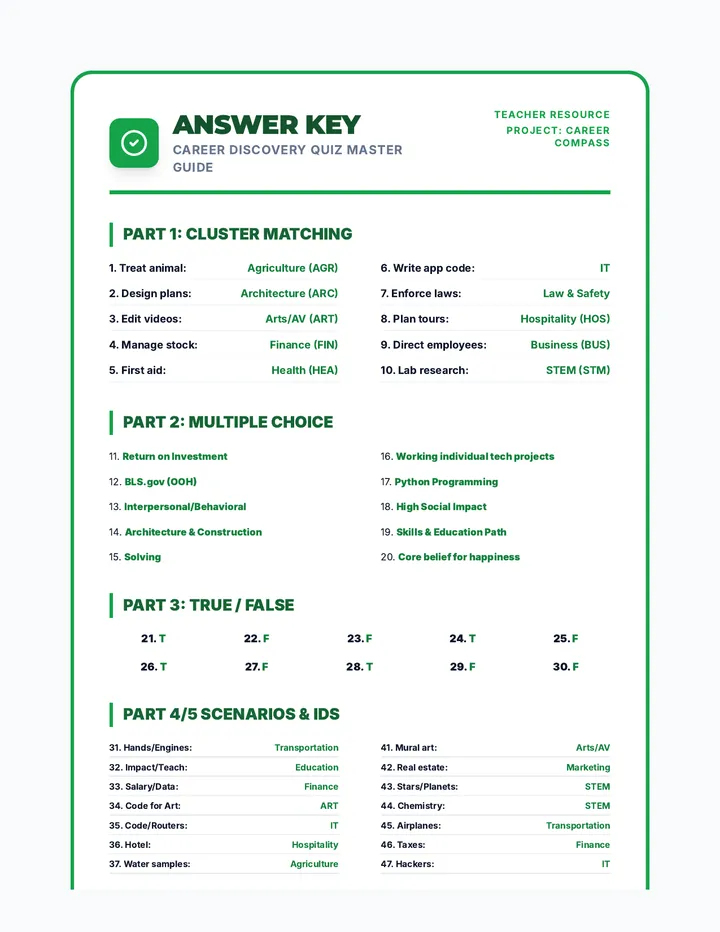
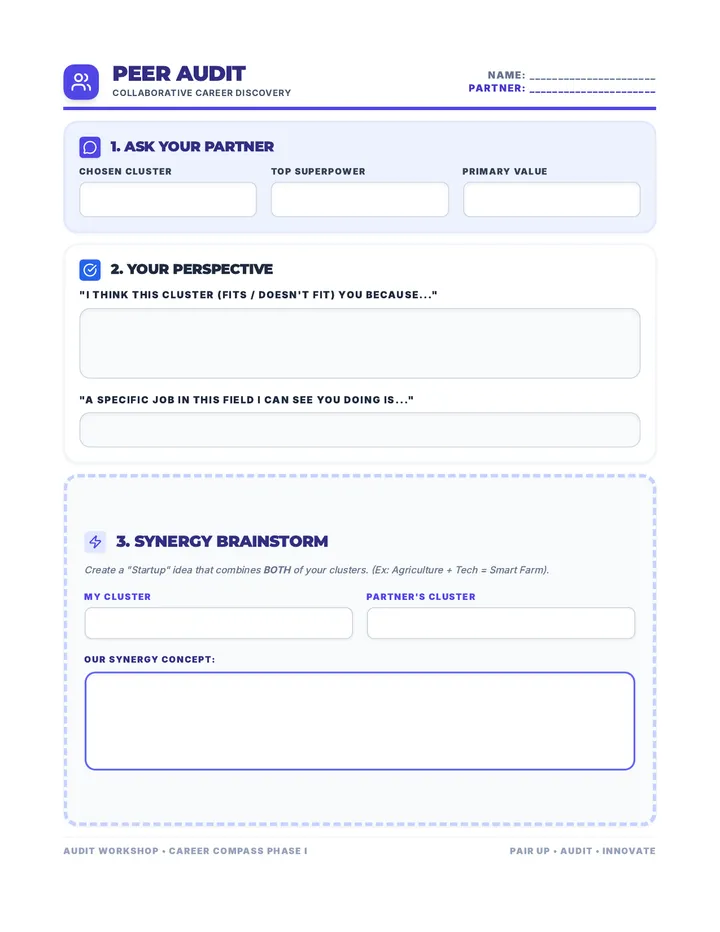
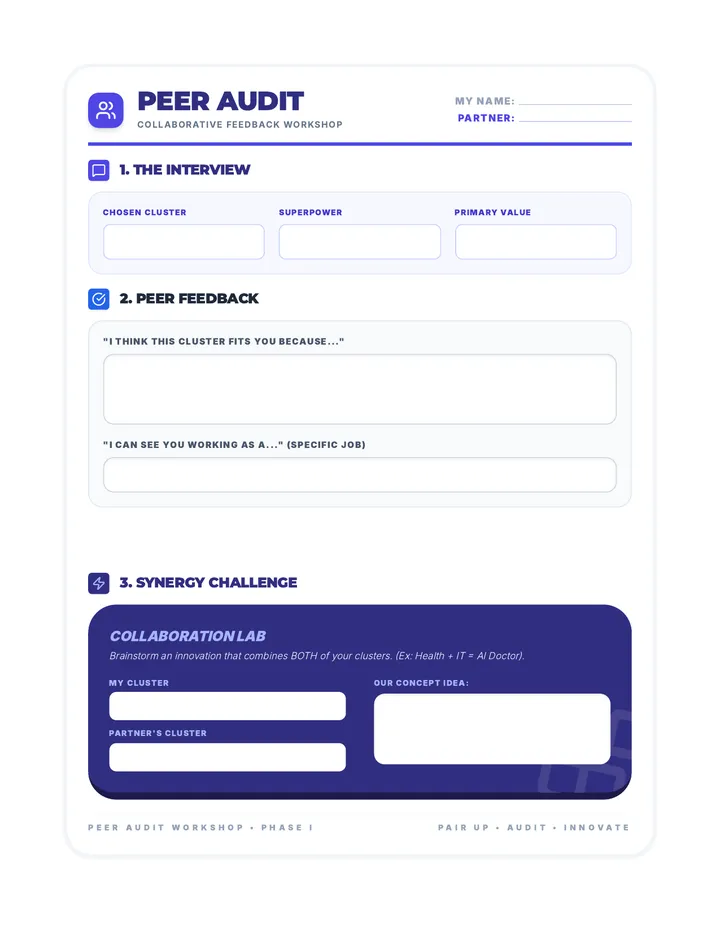
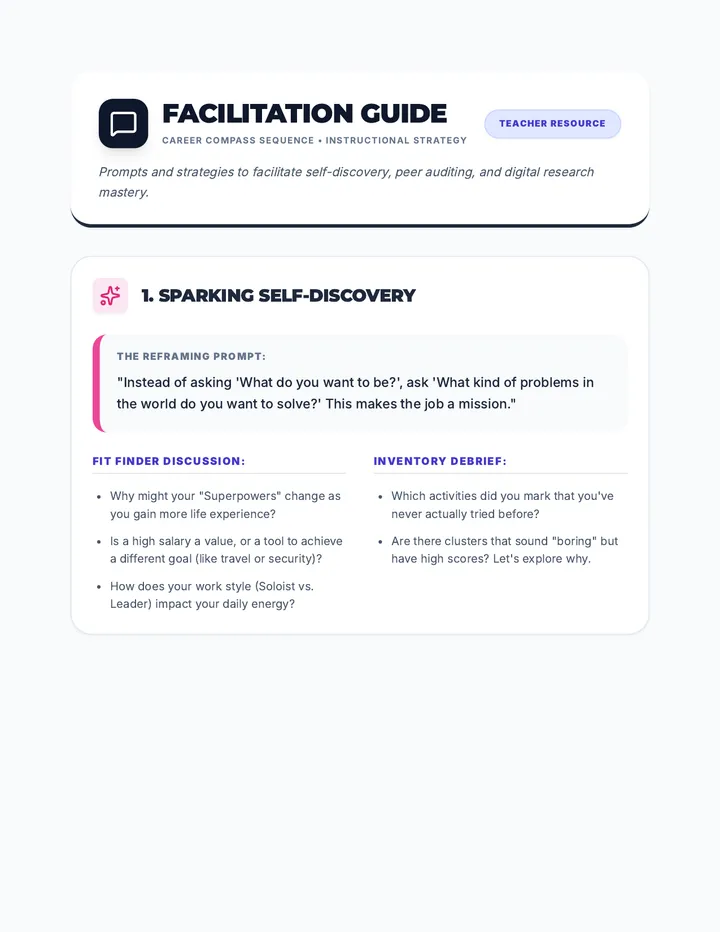
A comprehensive exploration of the 16 National Career Clusters, guiding high school students through research and creative design of career-focused brochures.
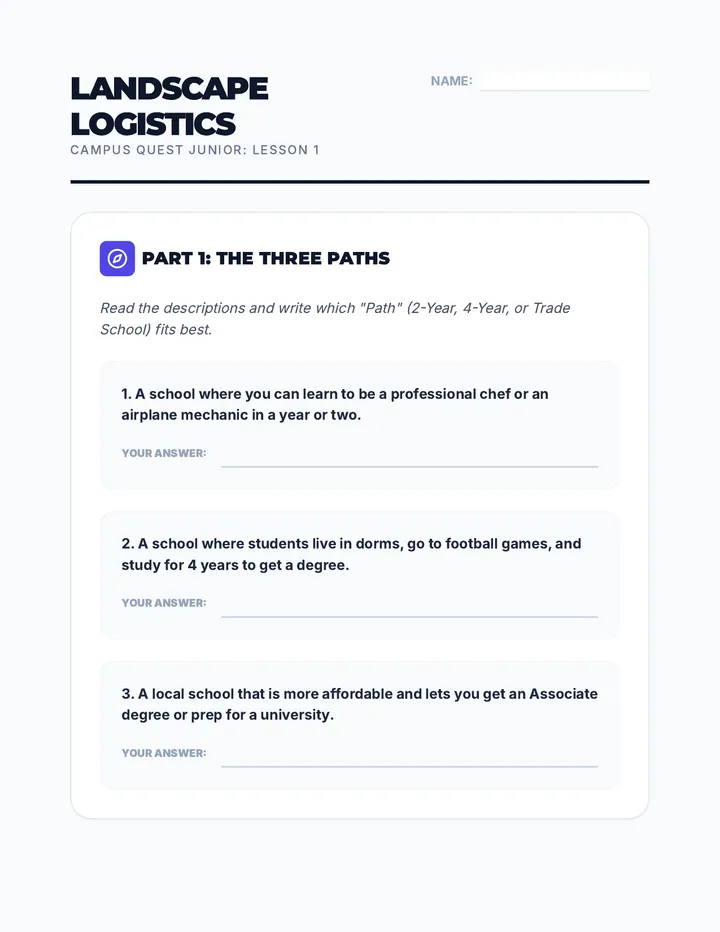
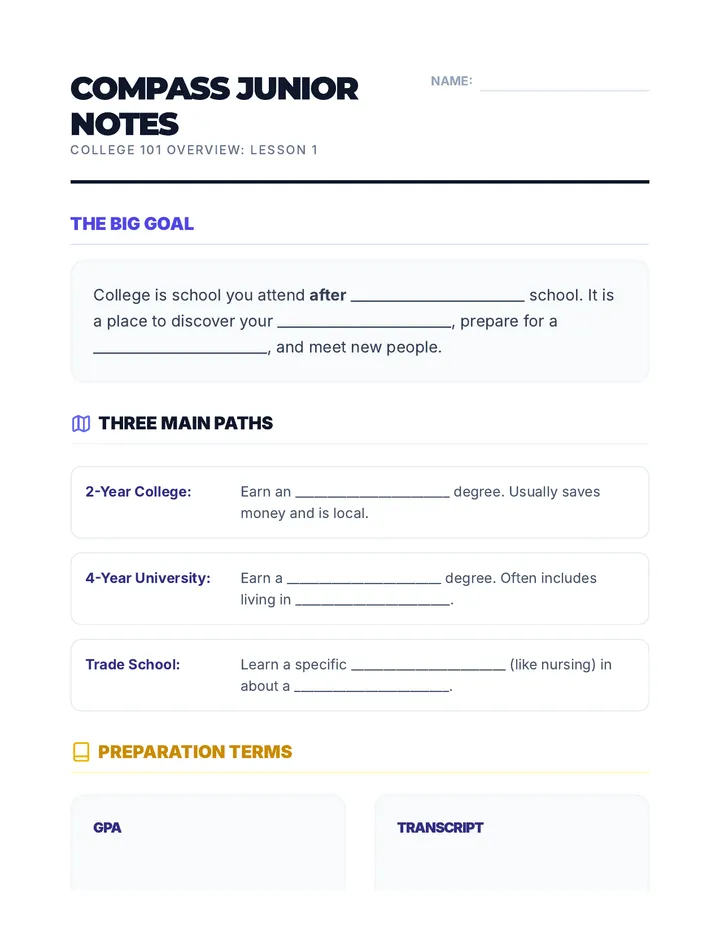
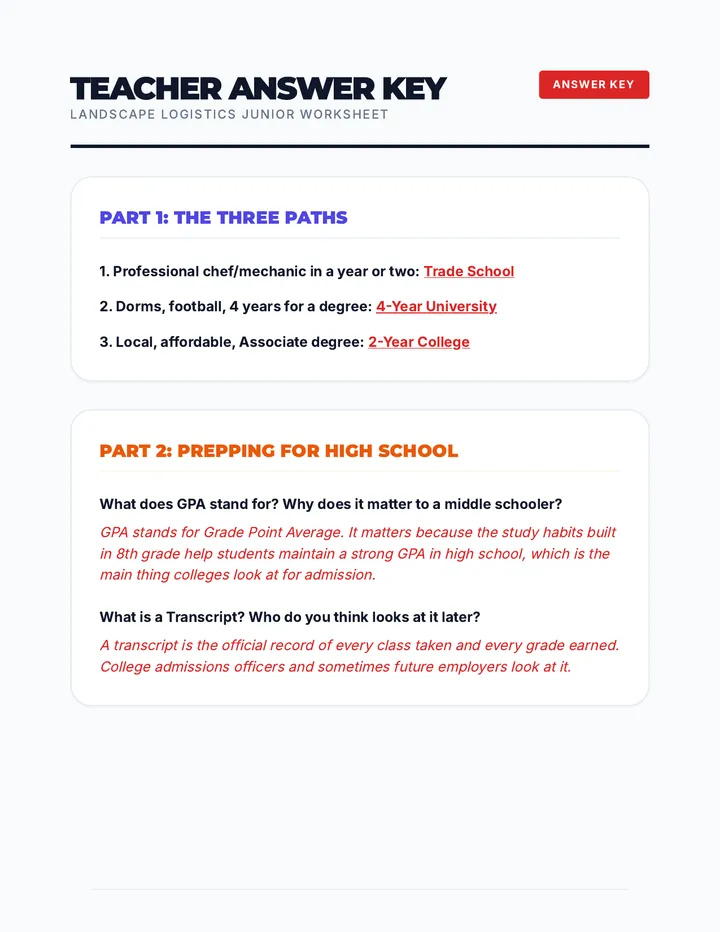
A middle-school friendly 12-day unit that introduces 8th graders to the world of higher education, focusing on building awareness, exploring career-college connections, and demystifying the path to college through a "Dream College" research project.
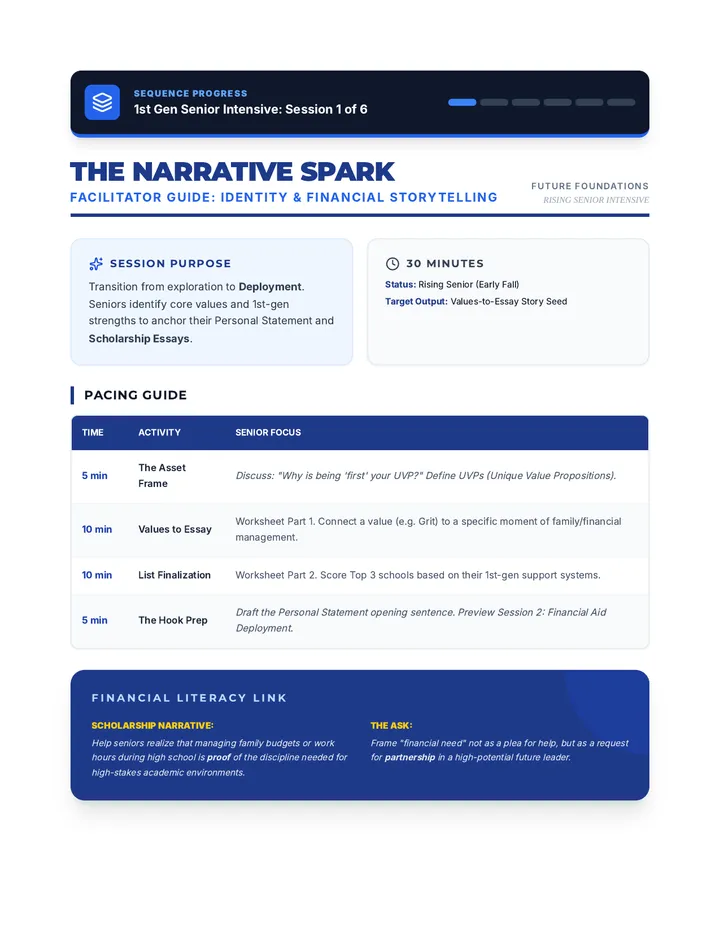
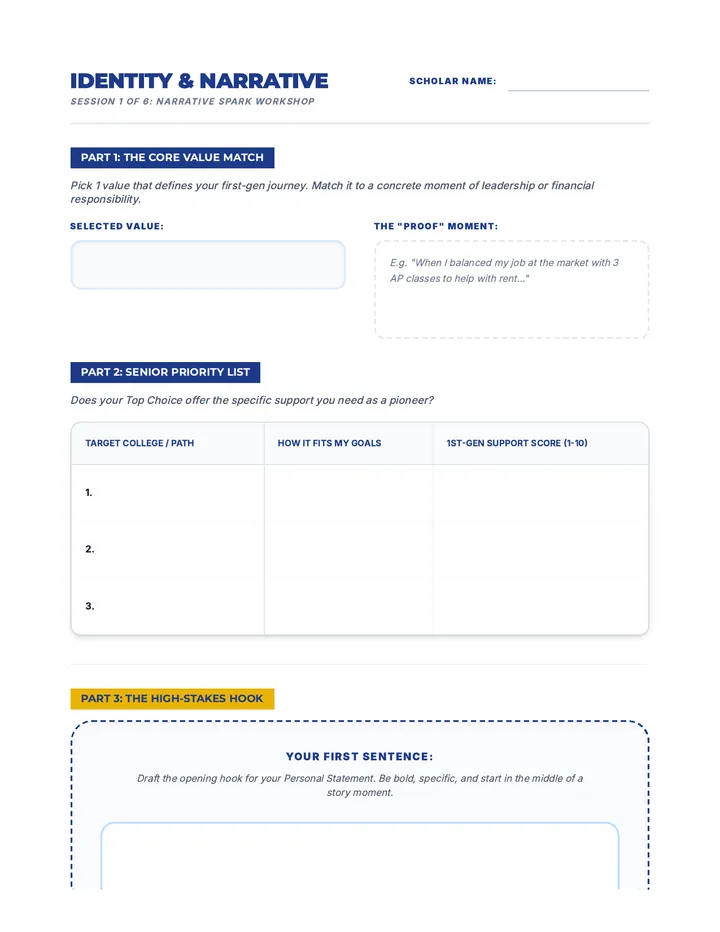
A 6-session small group intensive for rising high school seniors, focusing on finalizing college paths, mastering financial aid execution, and crafting high-stakes narratives for applications and interviews.
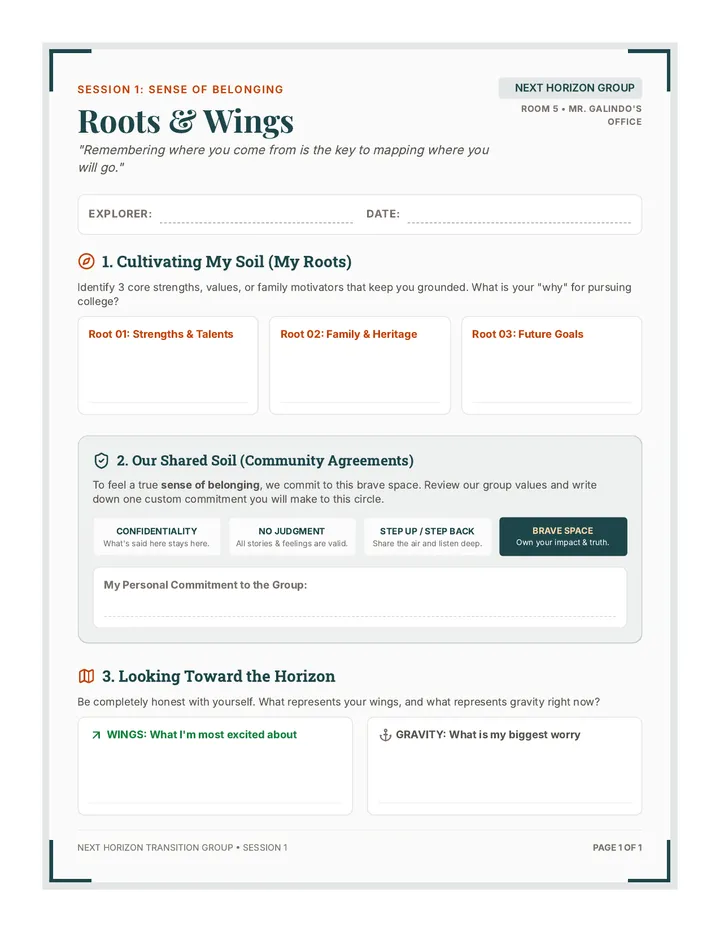
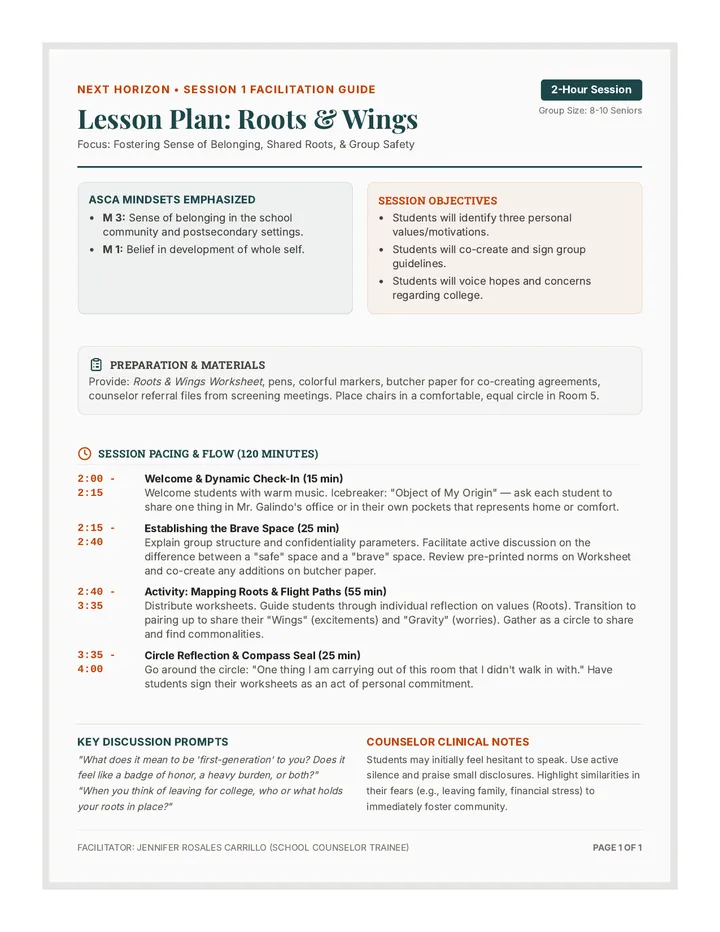
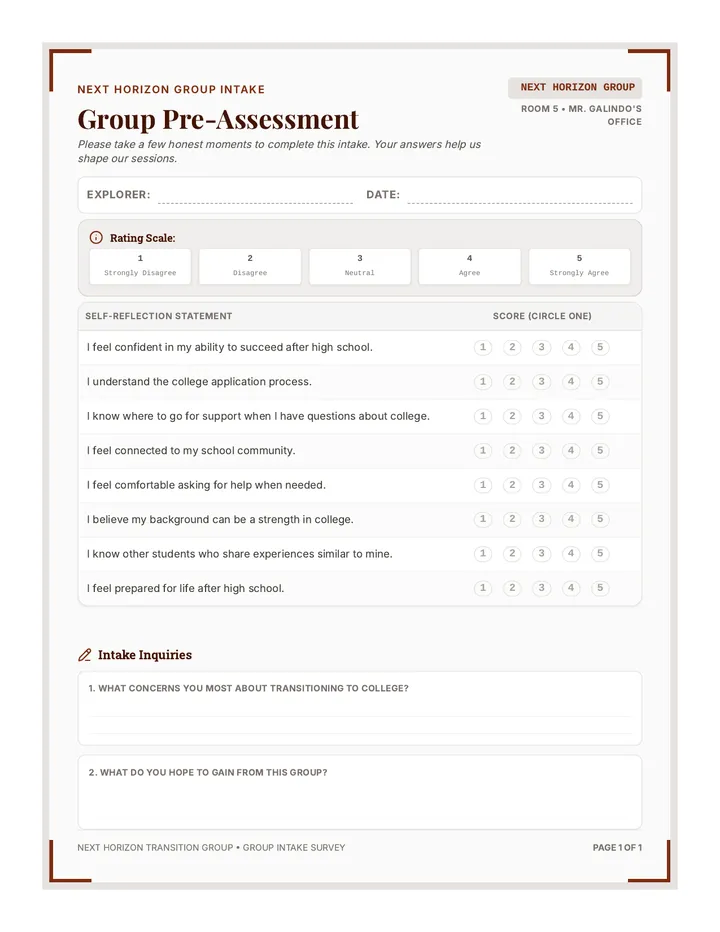
An eight-session psychoeducational transition support group for first-generation college-bound high school seniors. It provides a structured, safe environment for students to build community, unpack imposter syndrome, develop transition resilience, map resources, navigate college finances, manage family shifts, and cultivate personal well-being.
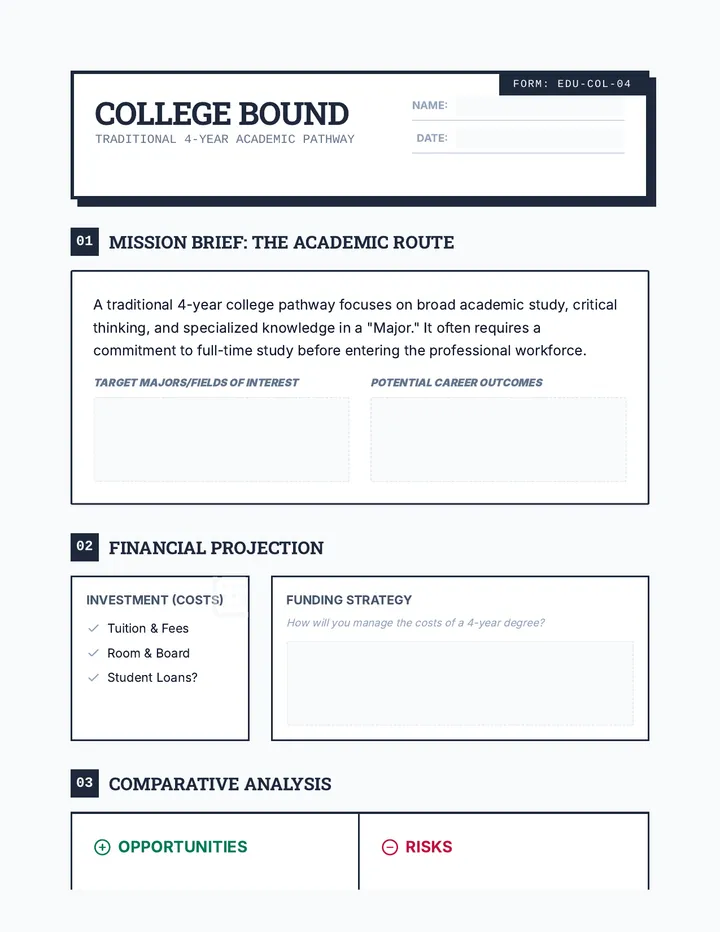
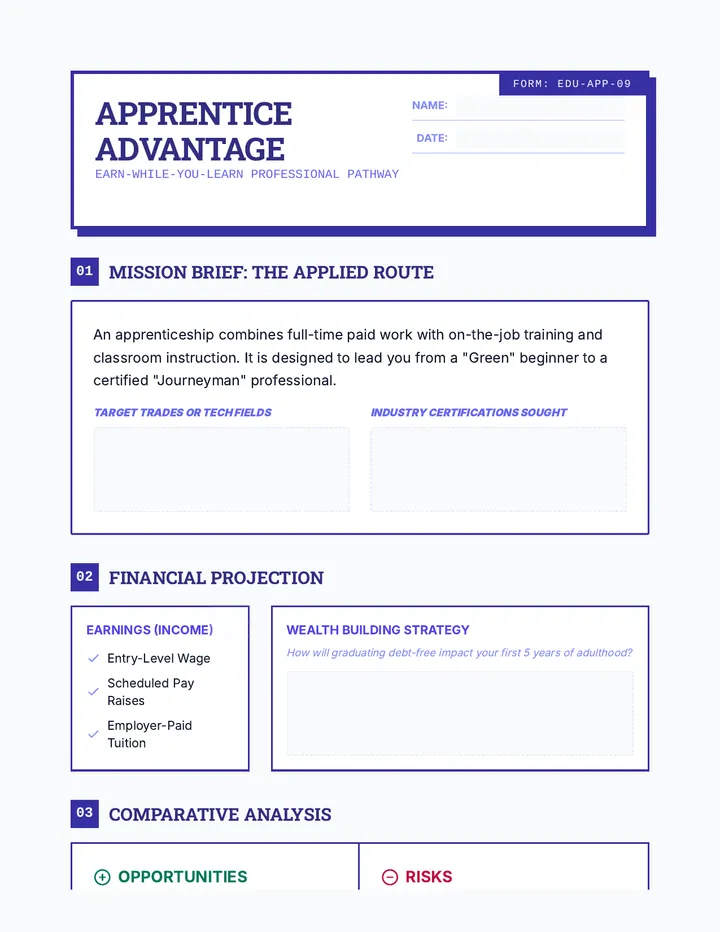
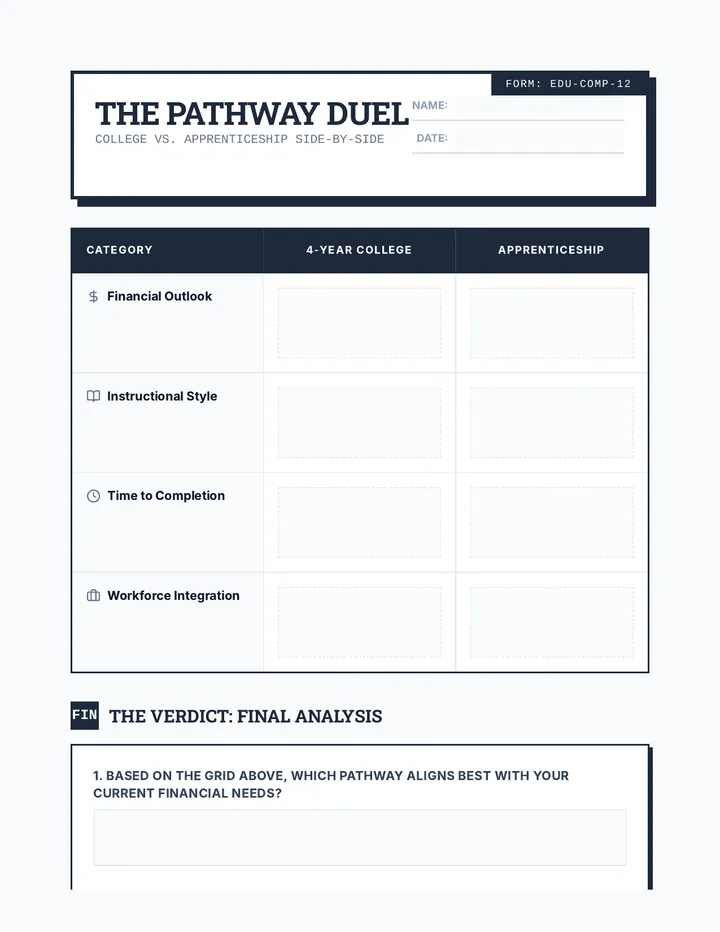
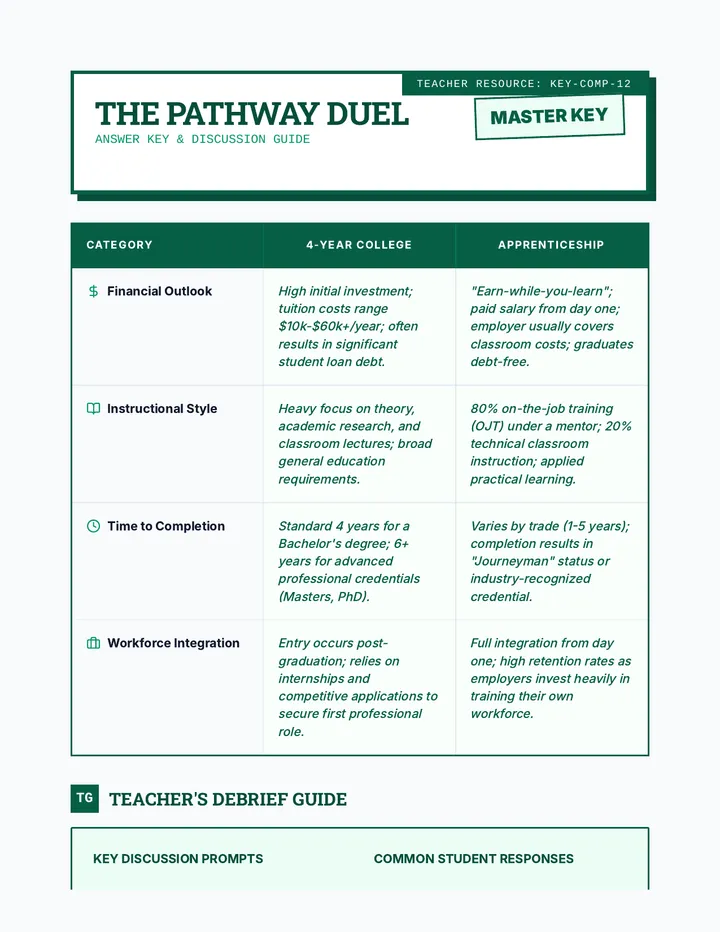
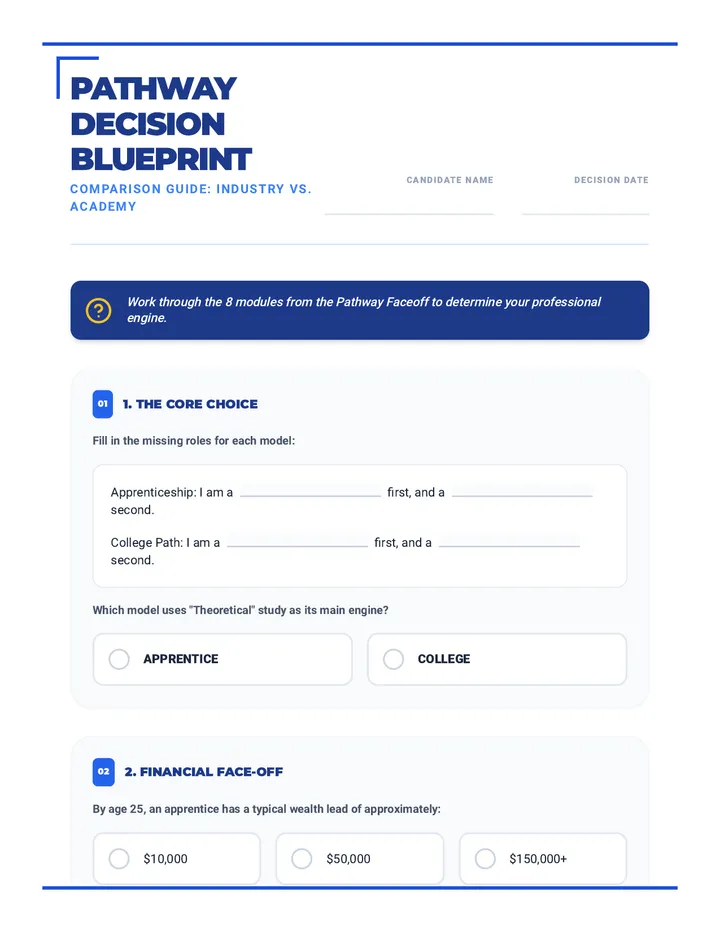
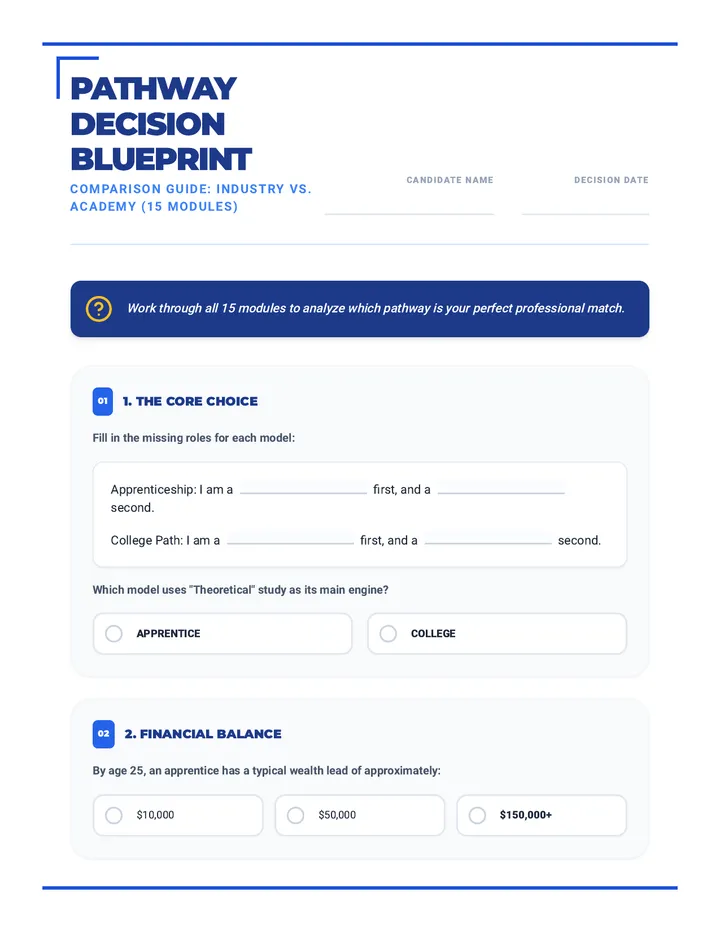
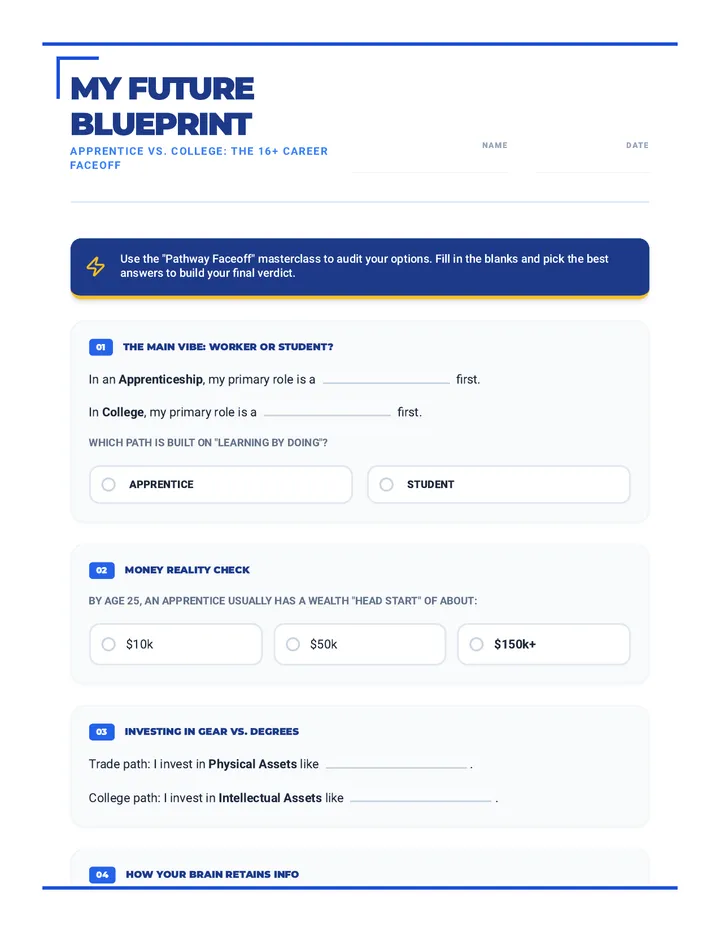
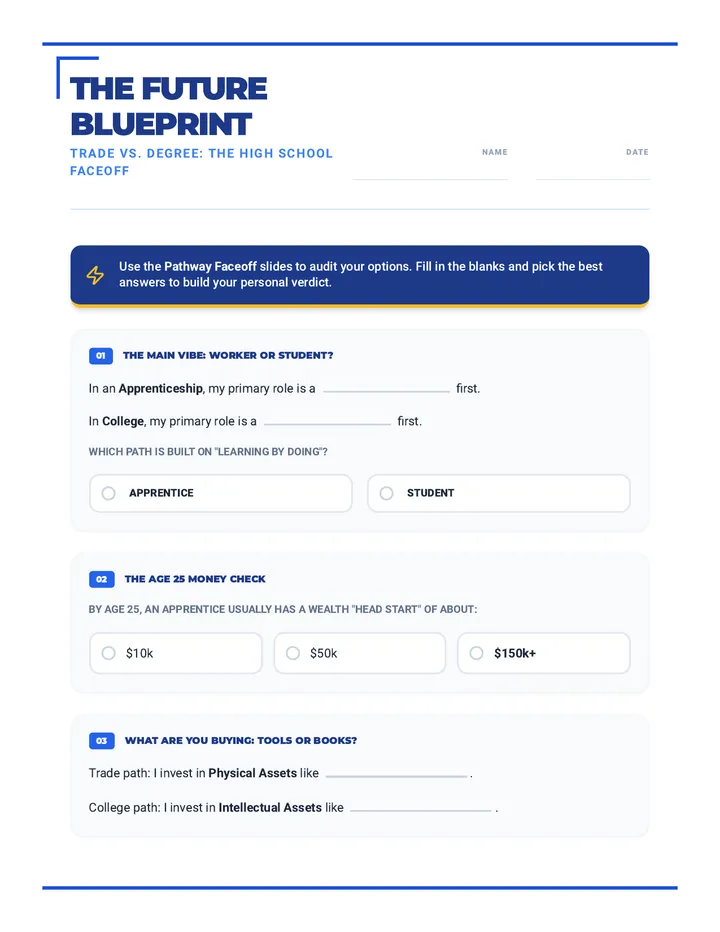
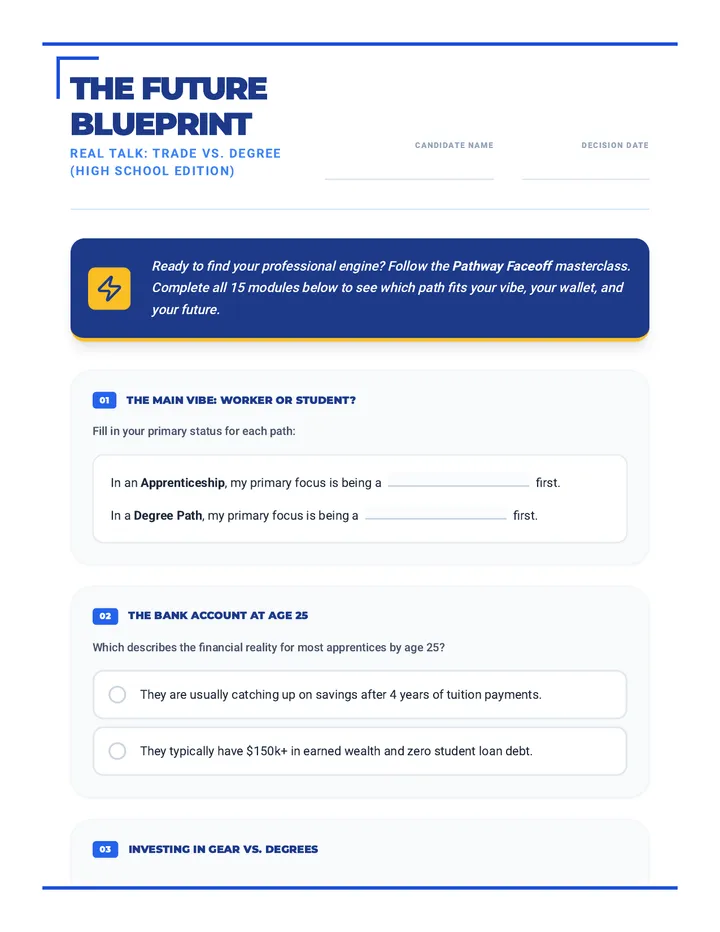
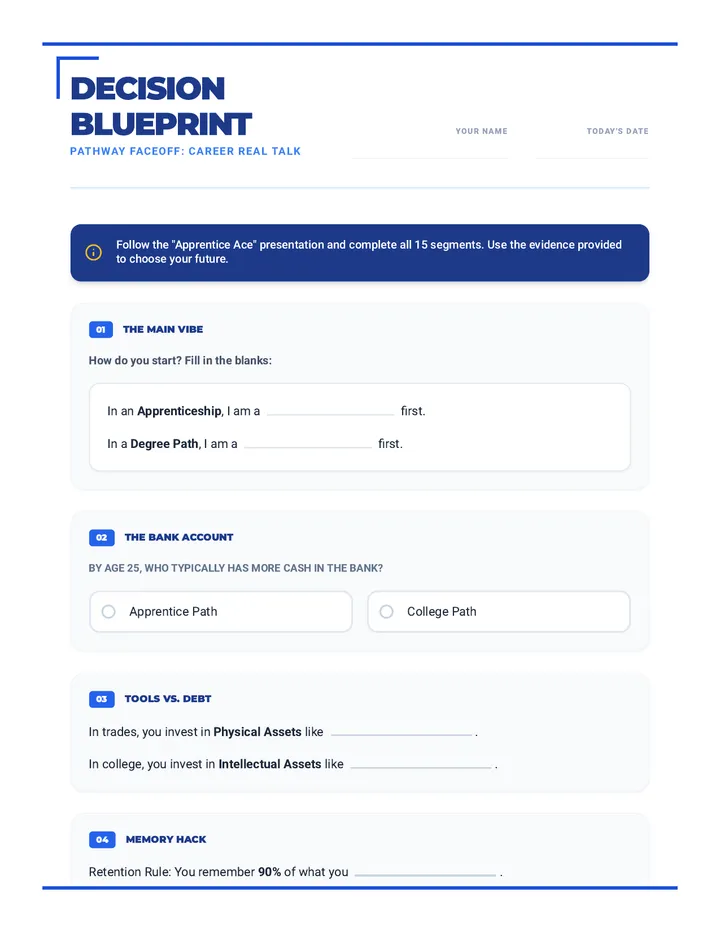
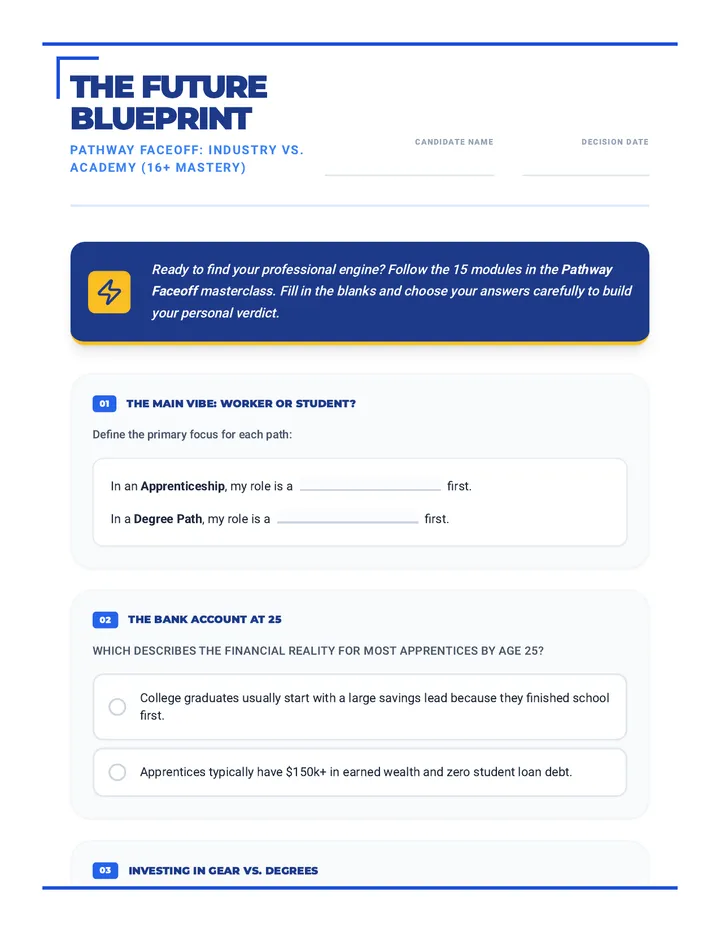
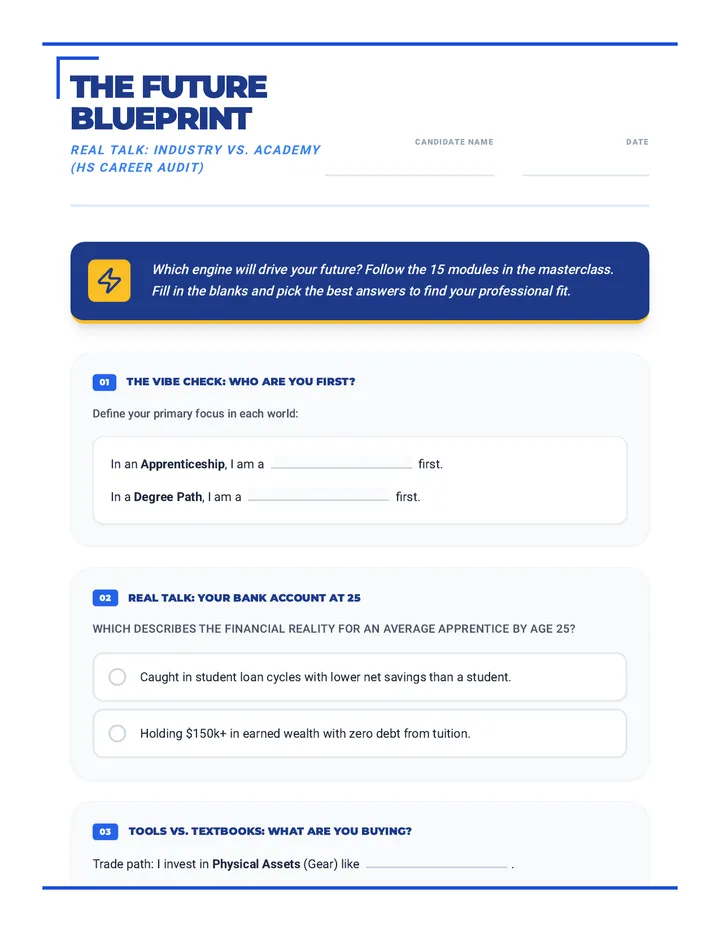
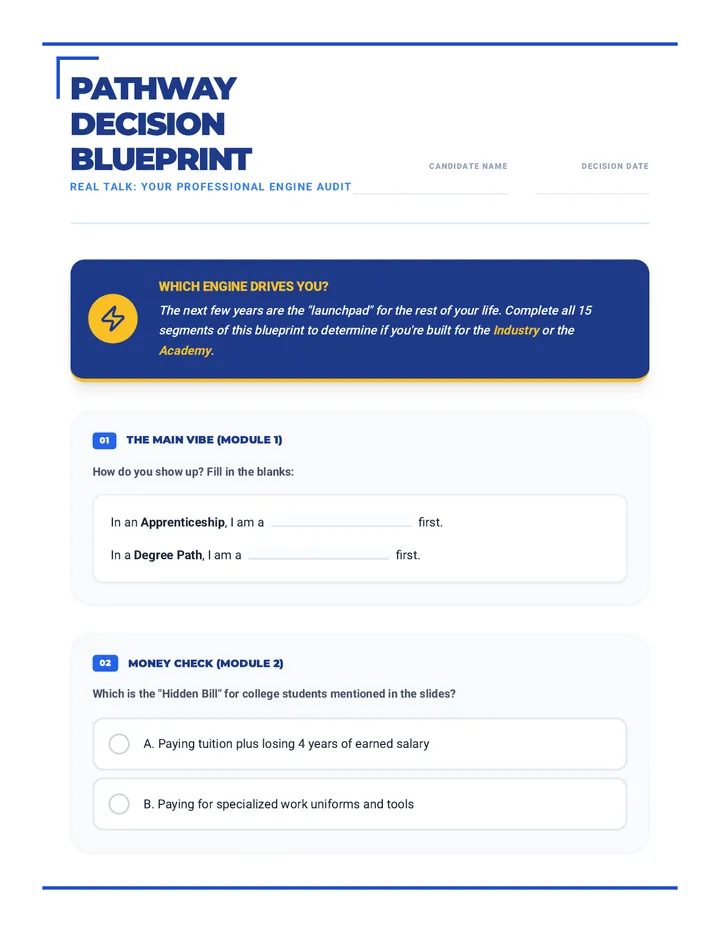
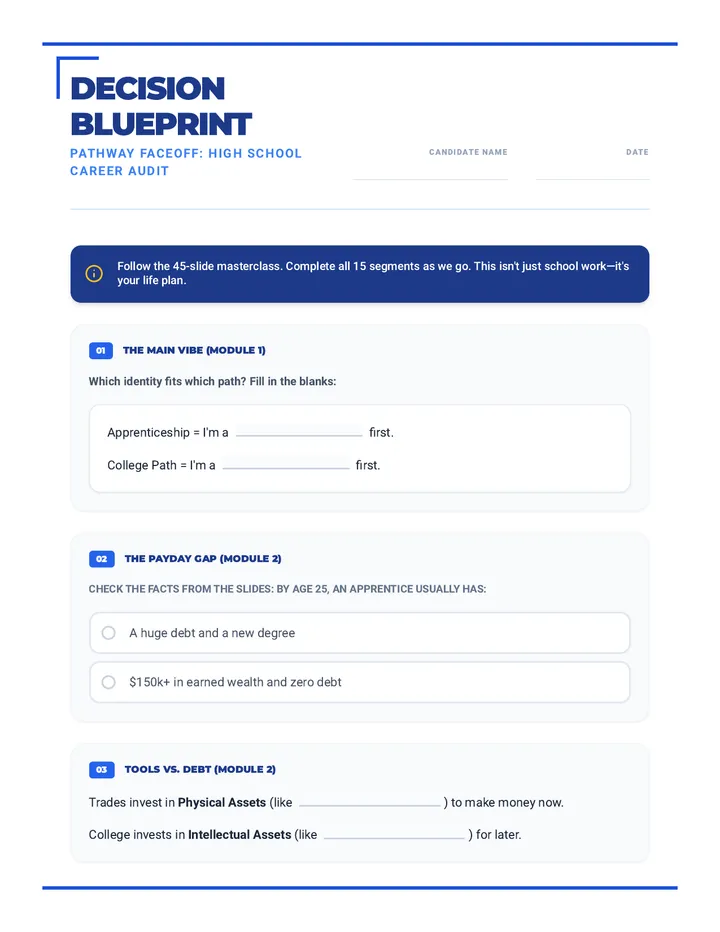
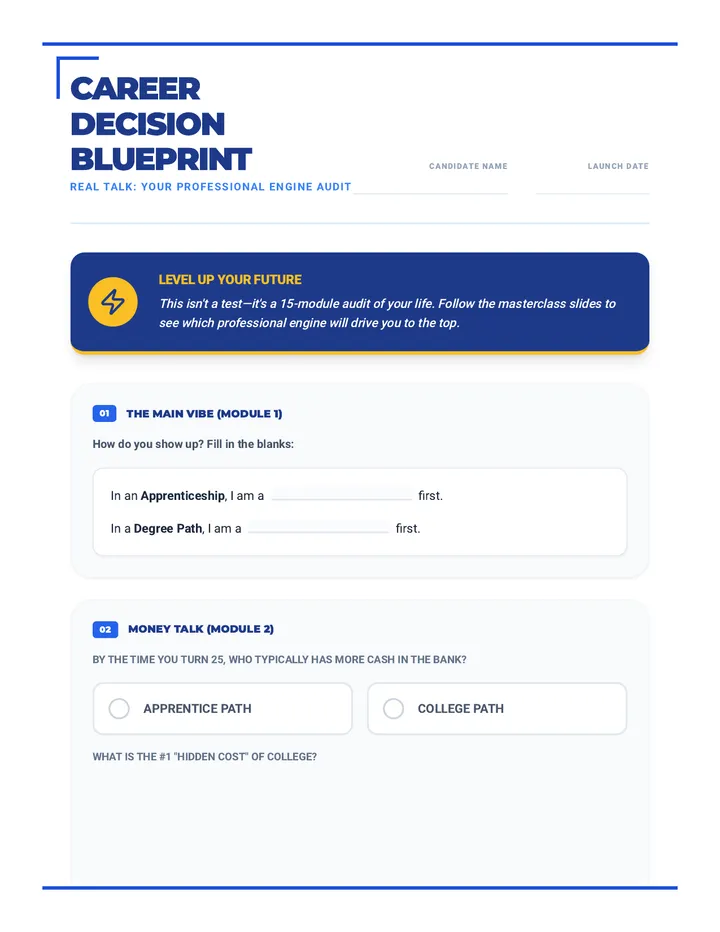
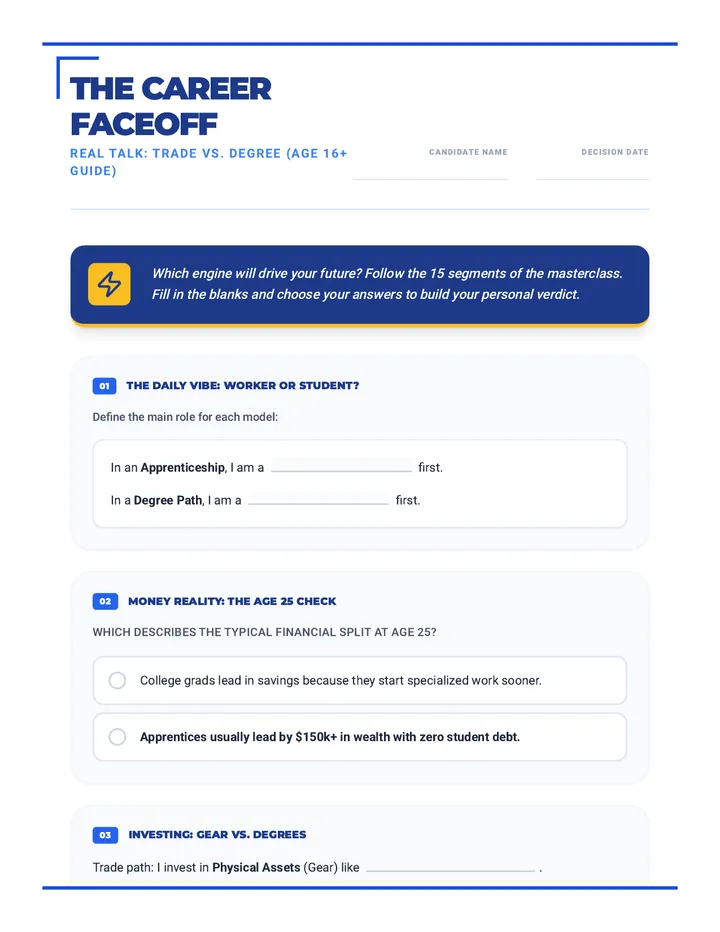
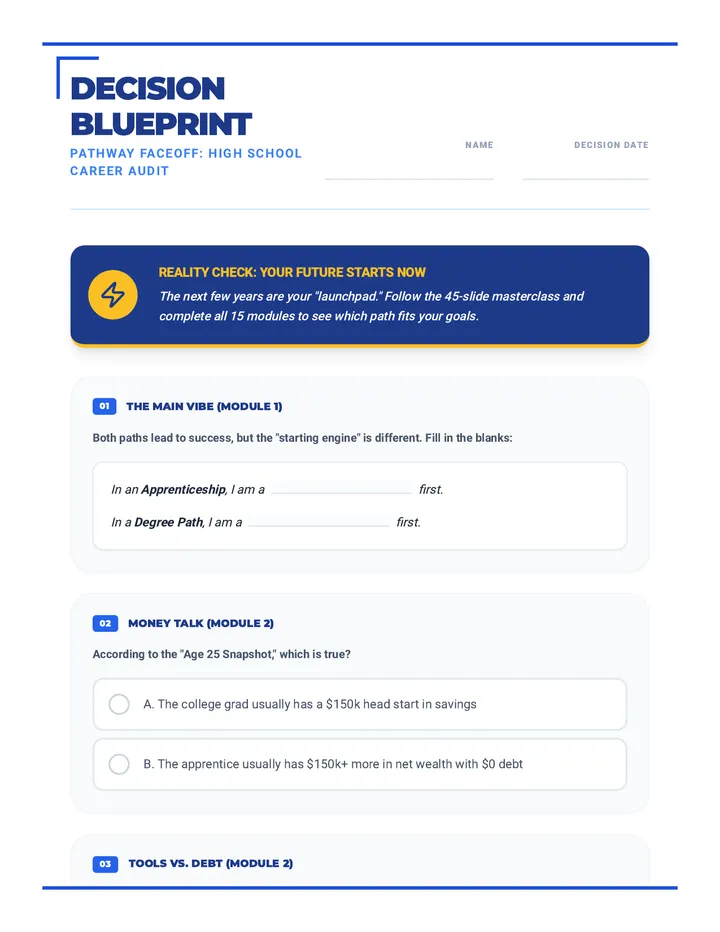
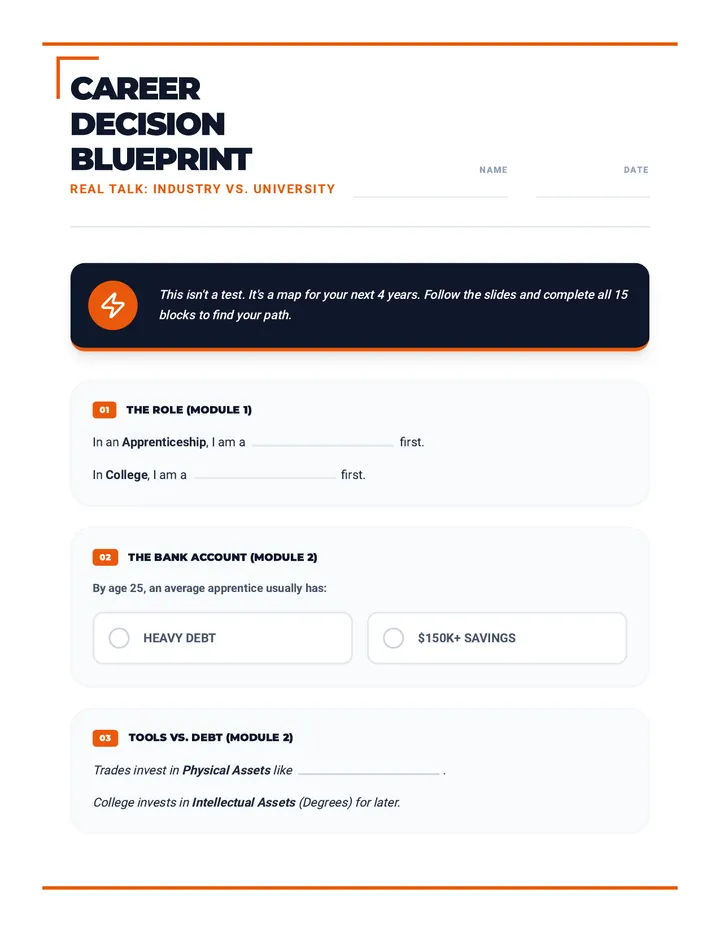
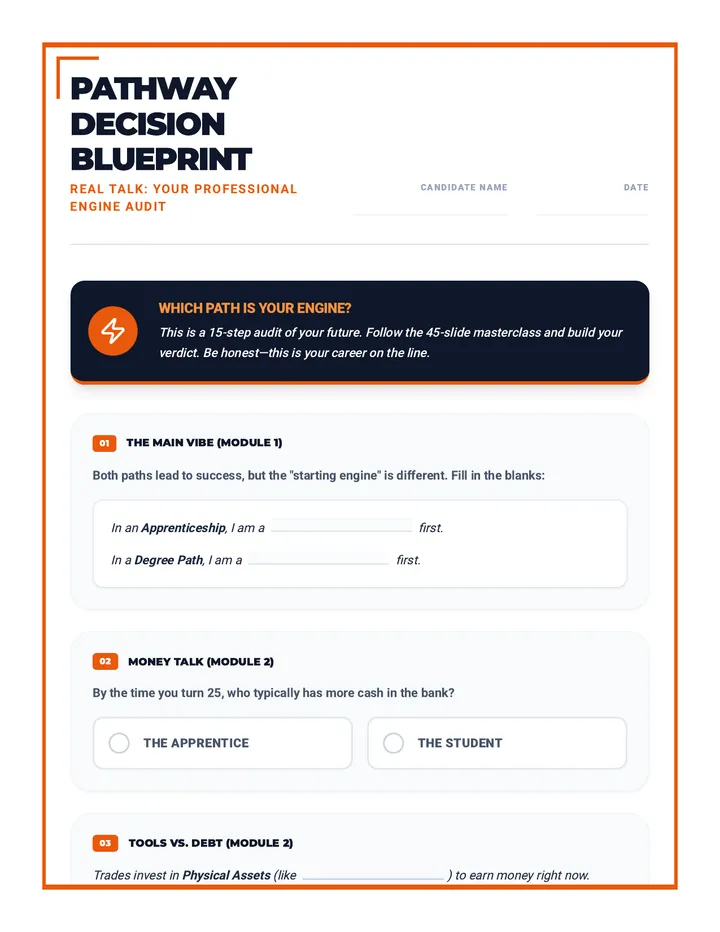
Students explore diverse post-secondary options, comparing vocational training, military service, apprenticeships, and college degrees through the lens of 'Return on Investment' (ROI). The sequence guides students from understanding basic credentials to mapping out a strategic backwards plan for their chosen career path.
A project-based sequence for 10th-grade students to master the complexities of college funding. Students will learn to deconstruct costs, prioritize non-repayable aid, interpret confusing financial aid letters, and design a sustainable borrowing strategy to minimize long-term debt.
This sequence introduces 6th-grade students to the variety of post-secondary pathways available after high school. It covers universities, community colleges, trade schools, apprenticeships, and military service, emphasizing that different careers require different training routes and focusing on financial awareness and goal setting.
This sequence explores the long-term financial implications of student loans, focusing on repayment plans, budgeting, and return on investment (ROI). Students transition from understanding borrowing mechanics to simulating the real-world impact of debt on lifestyle and career choices.
Students analyze the financial viability of post-secondary education by calculating total costs, exploring financial aid, and projecting return on investment based on career earnings. The sequence culminates in a strategic financial plan for a chosen educational path.
This project-based sequence guides graduate students through FAFSA completion by framing it as a strategic business decision. Students will audit institutional costs, build realistic budgets, calculate precise borrowing needs, and learn to navigate professional judgment appeals to minimize long-term debt.
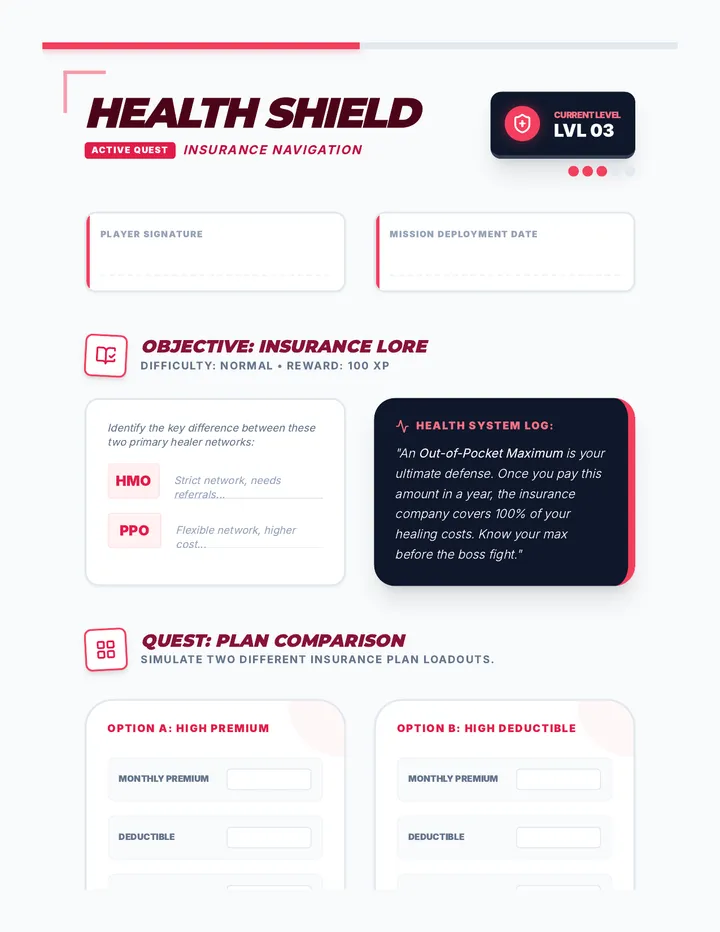
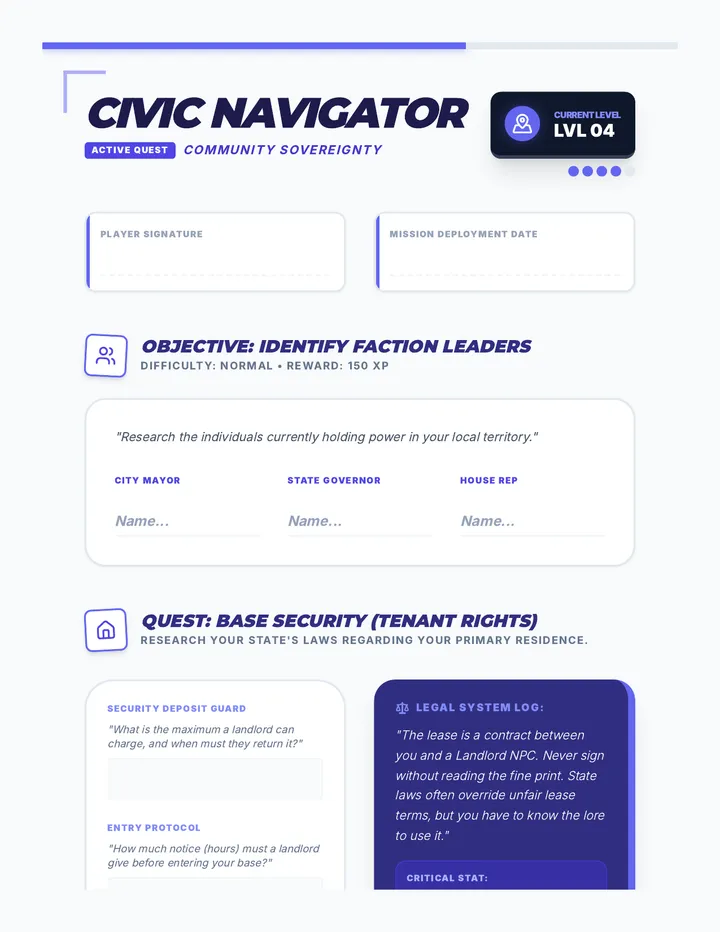
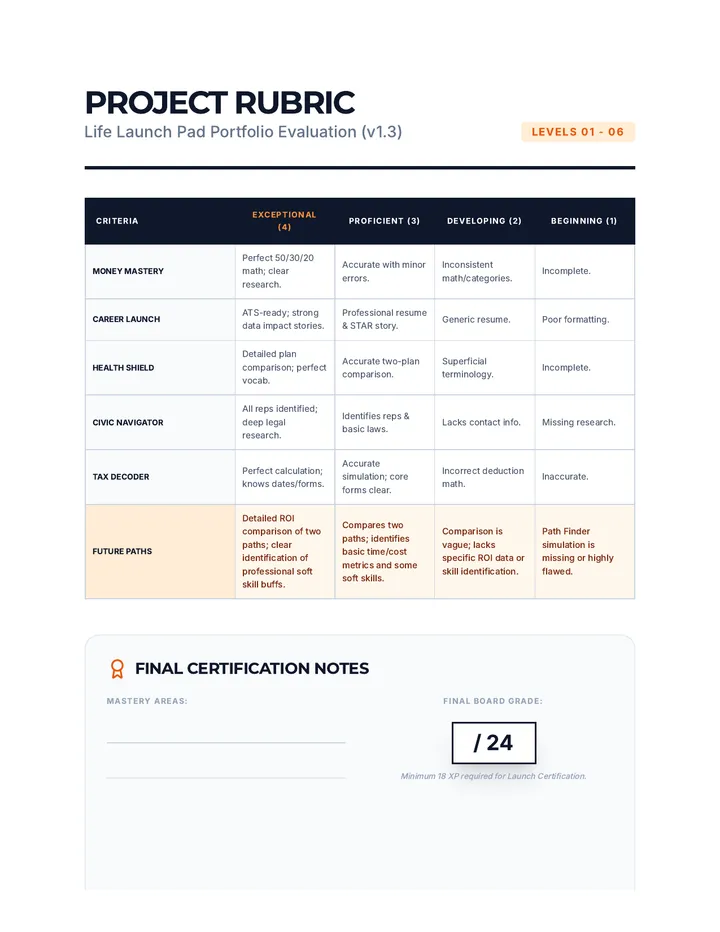
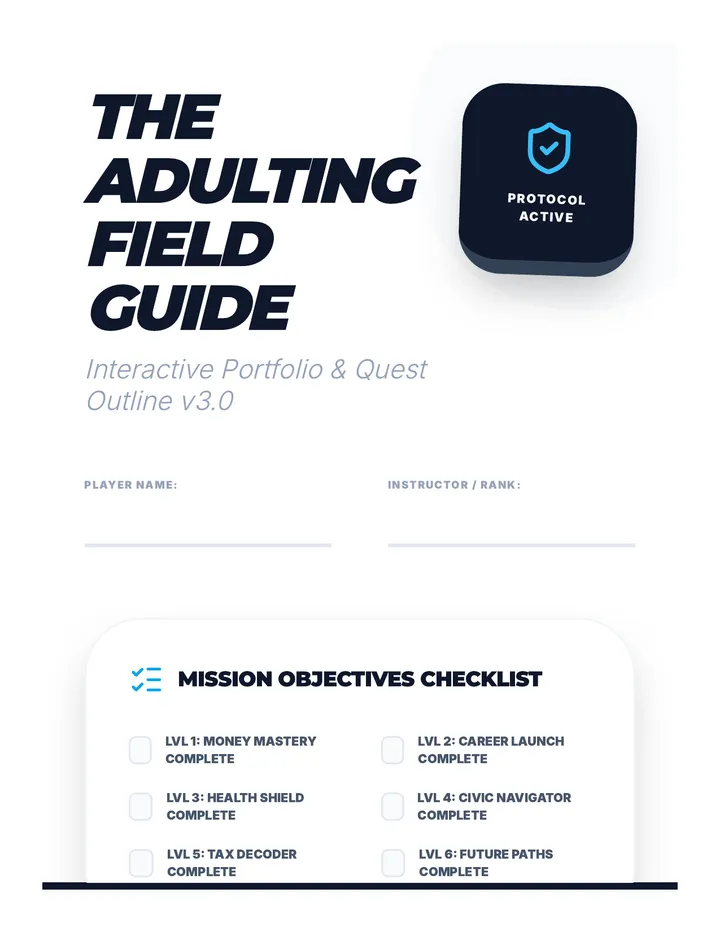
A comprehensive guide to essential adulting skills covering financial literacy, career development, health navigation, and civic responsibilities.
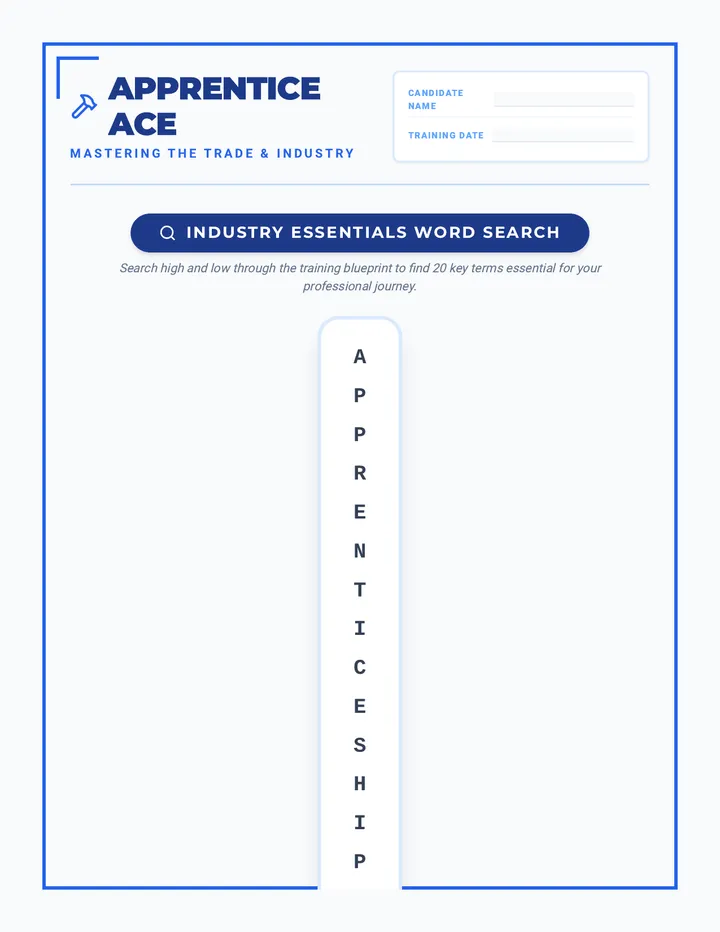
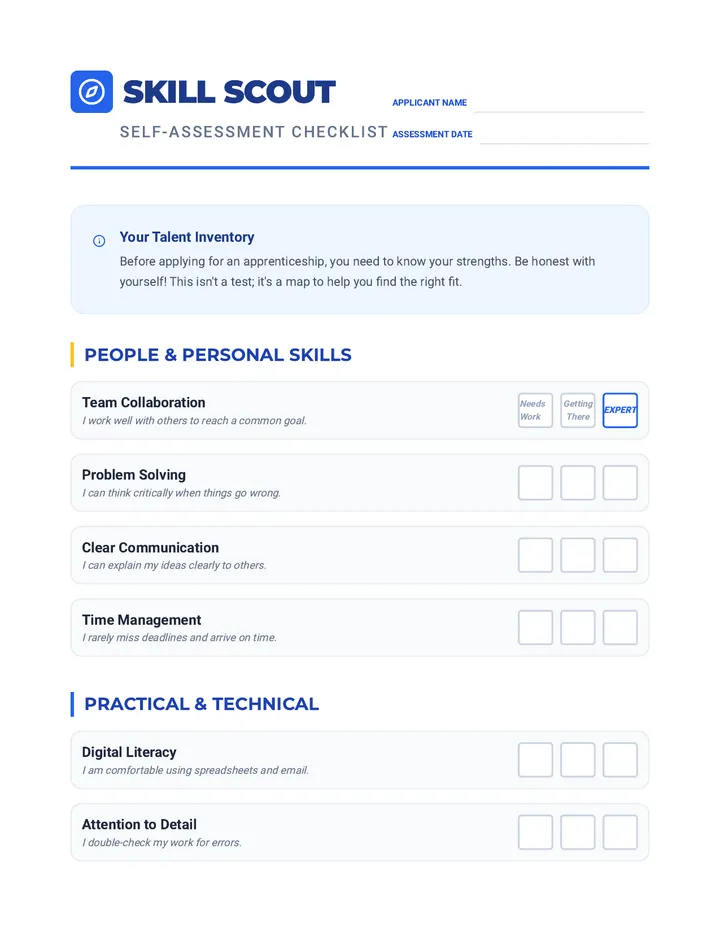
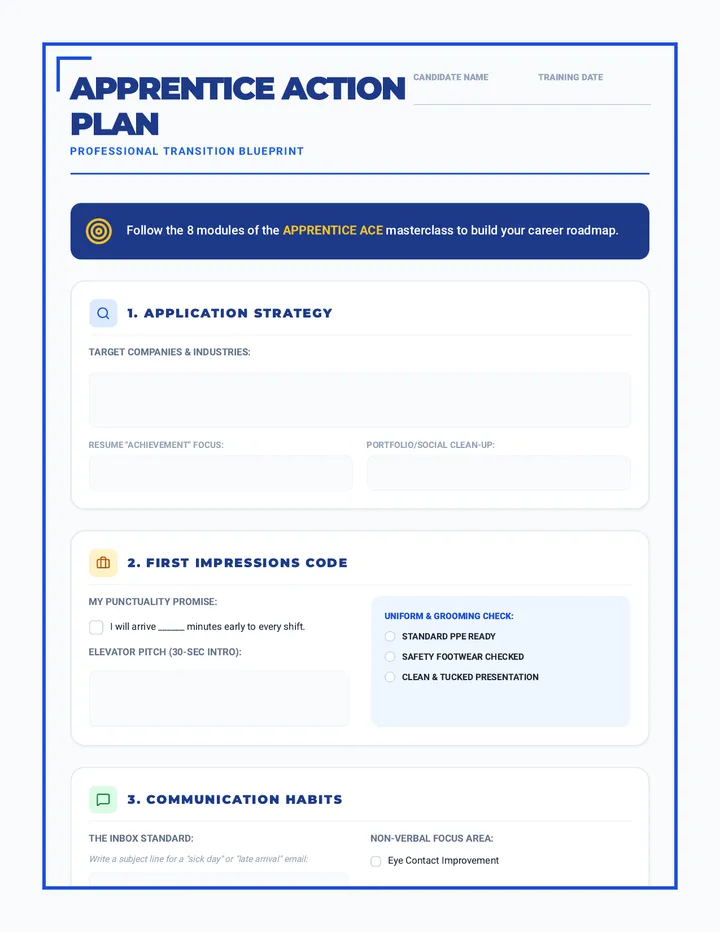
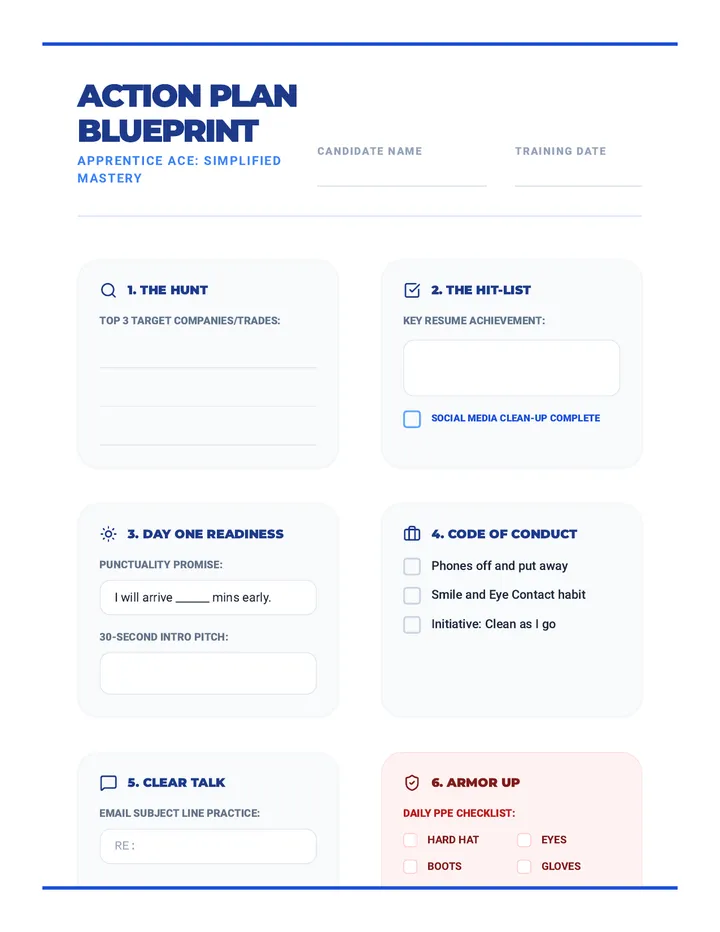
Master the transition from student to professional. This lesson covers workplace etiquette and the application process through engaging puzzles and reflective self-assessments.
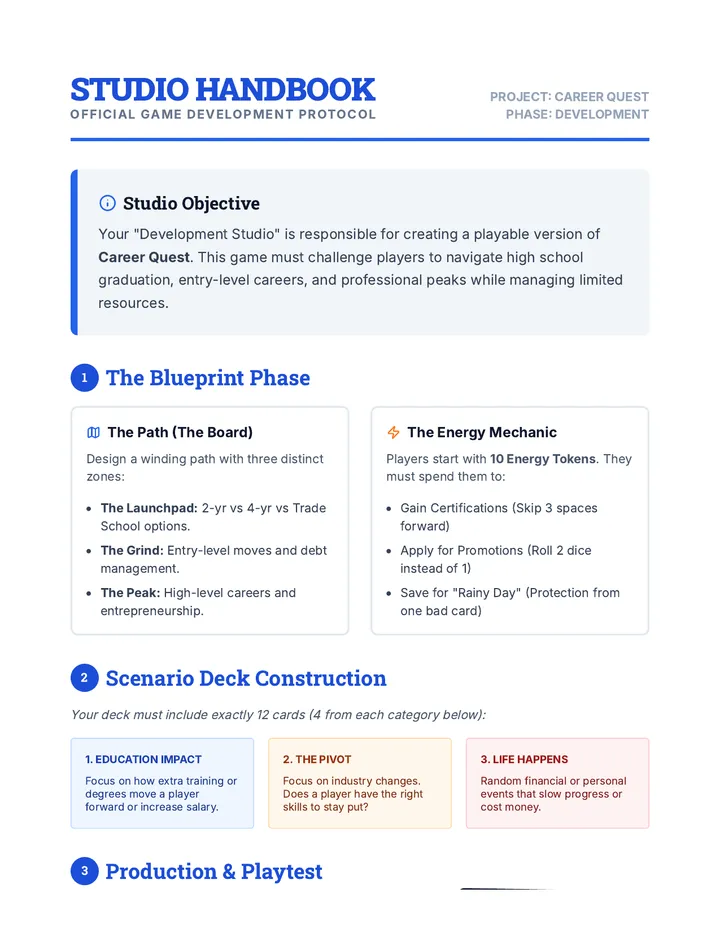
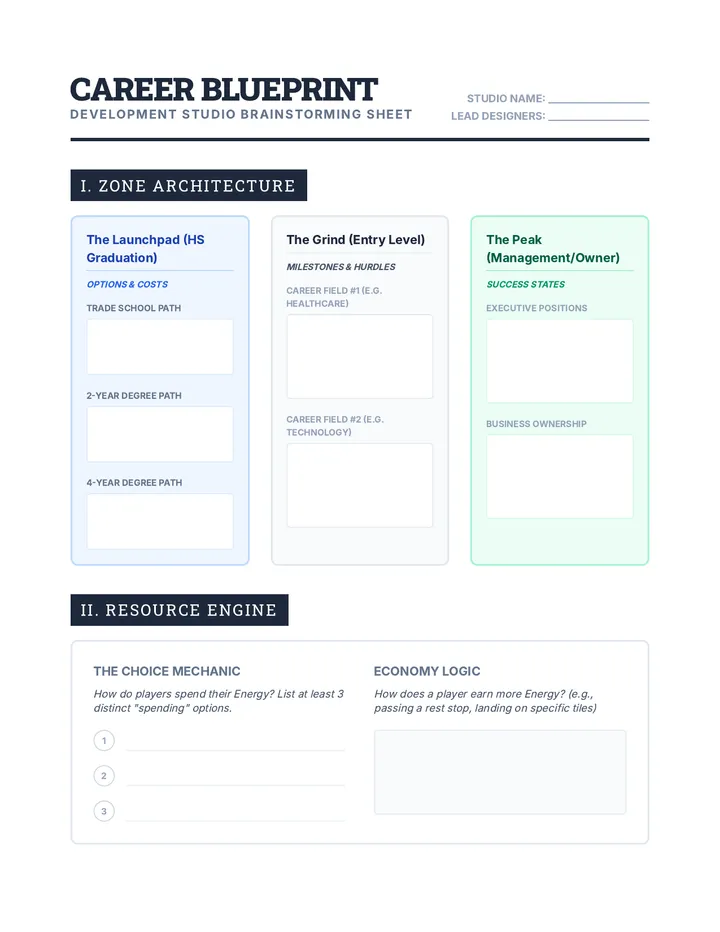
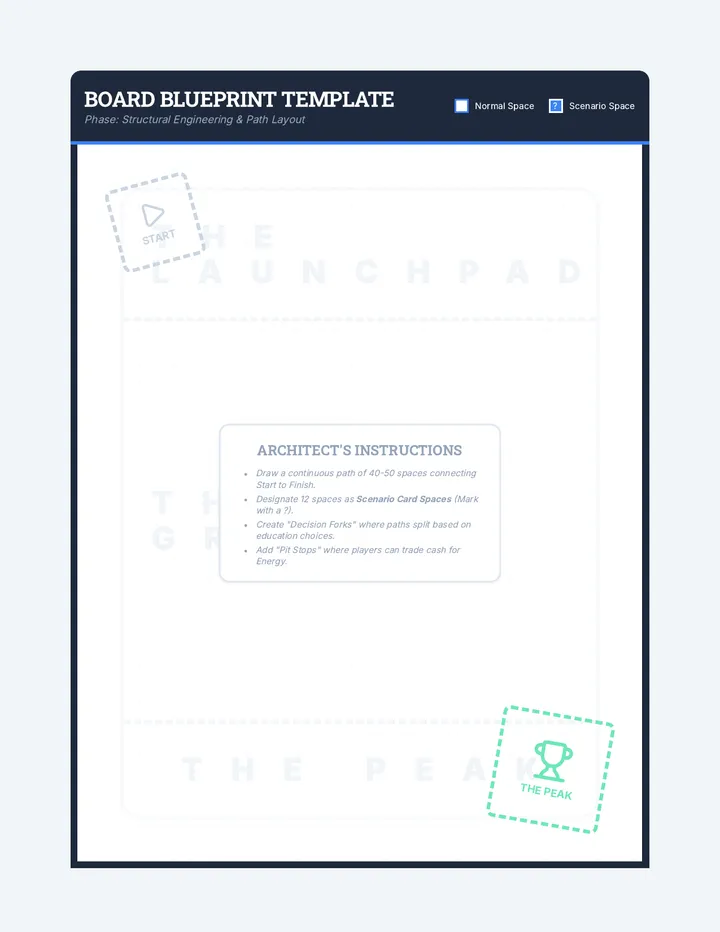
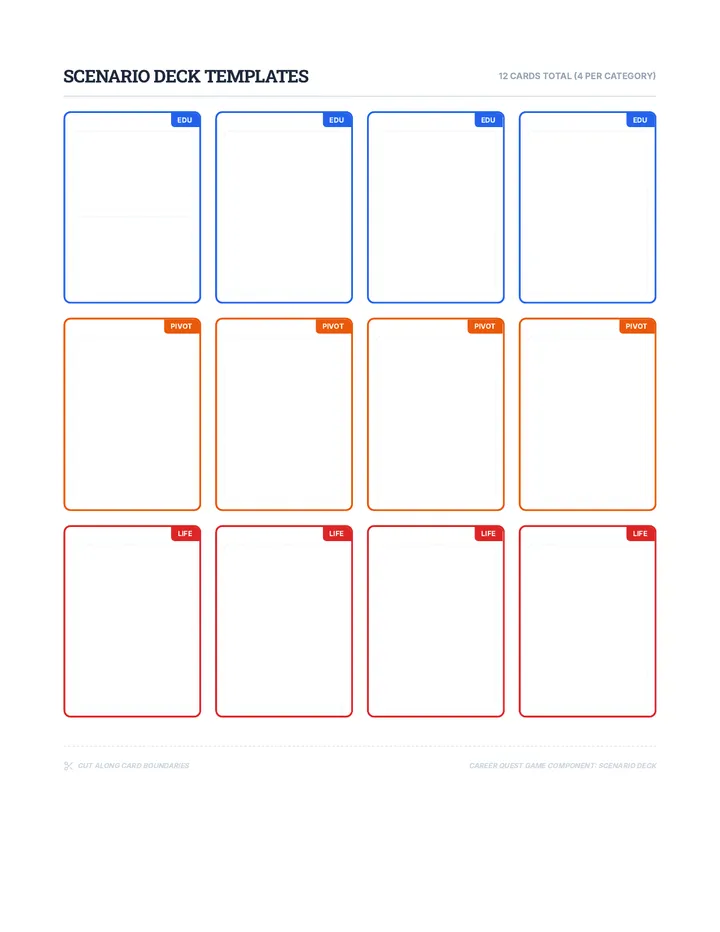
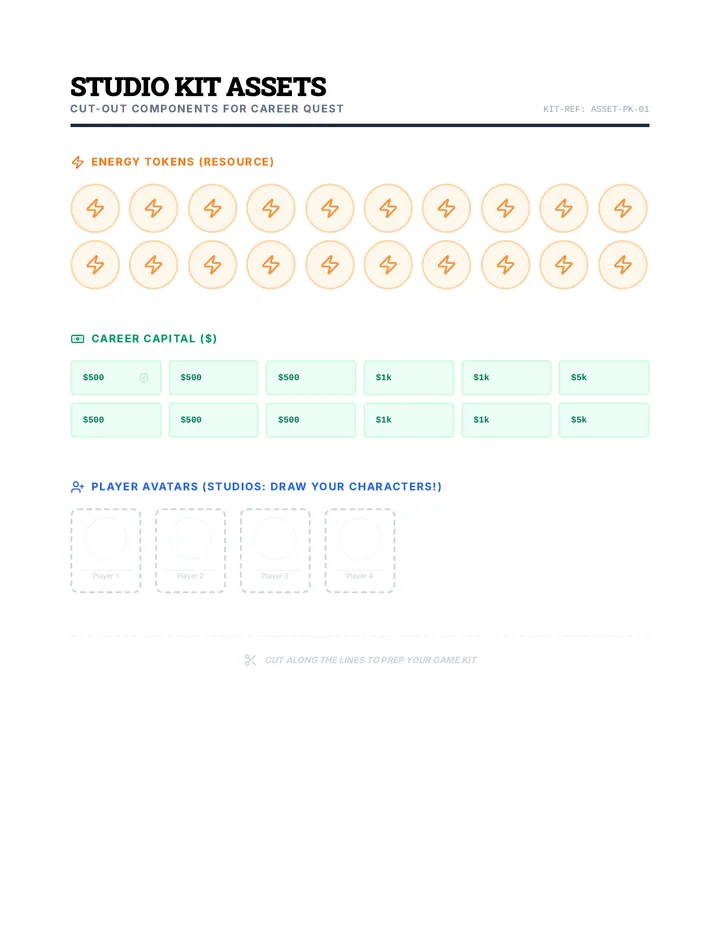
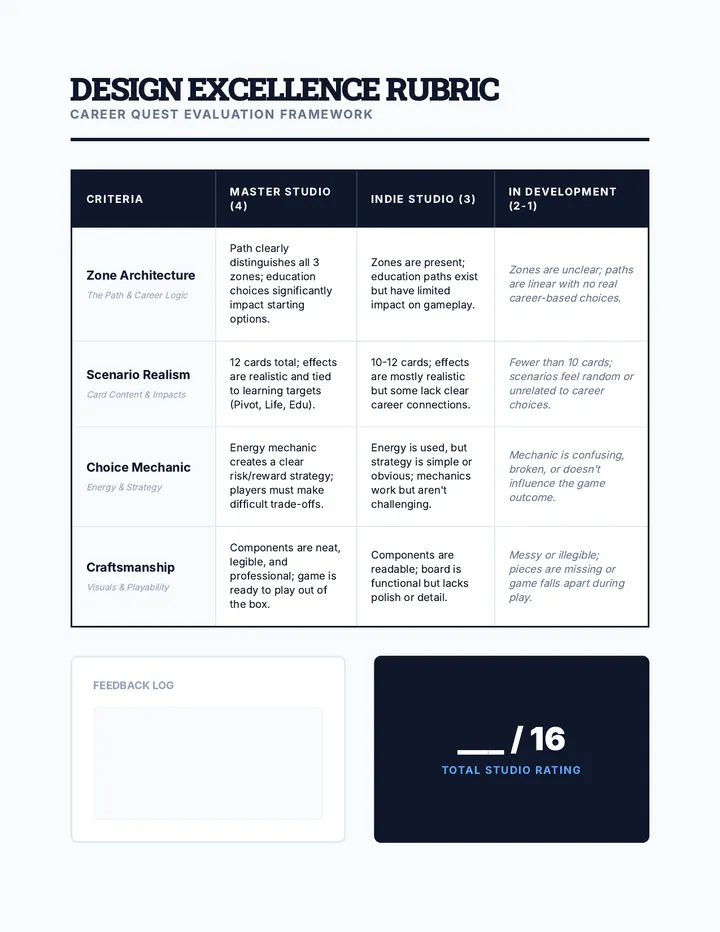
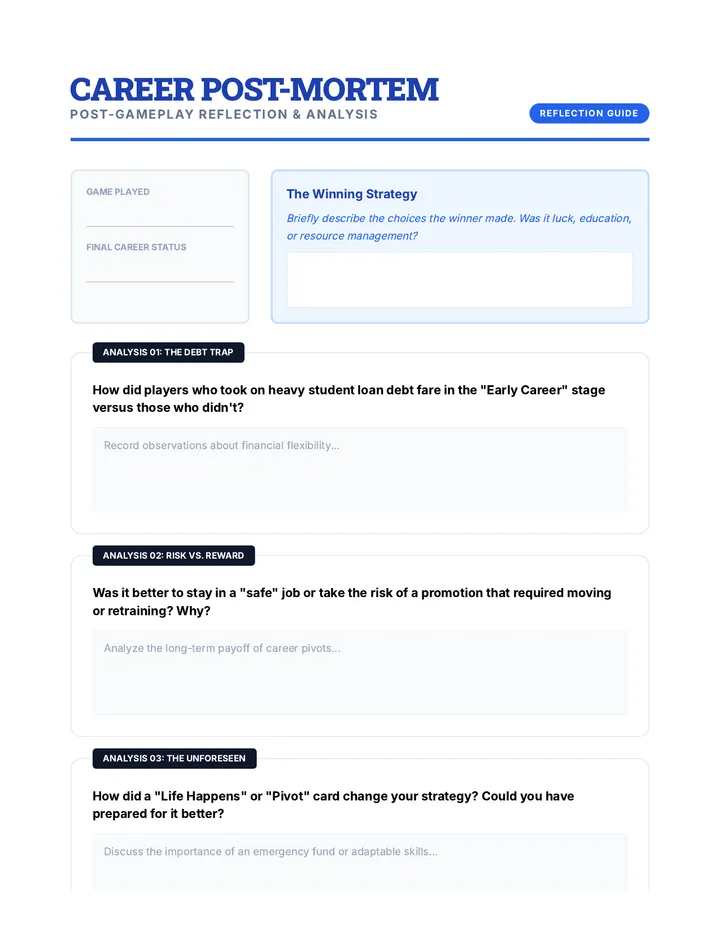
A multi-day project where students act as 'Development Studios' to design, build, and playtest their own career-themed board games, focusing on the impact of education and life choices on long-term outcomes.
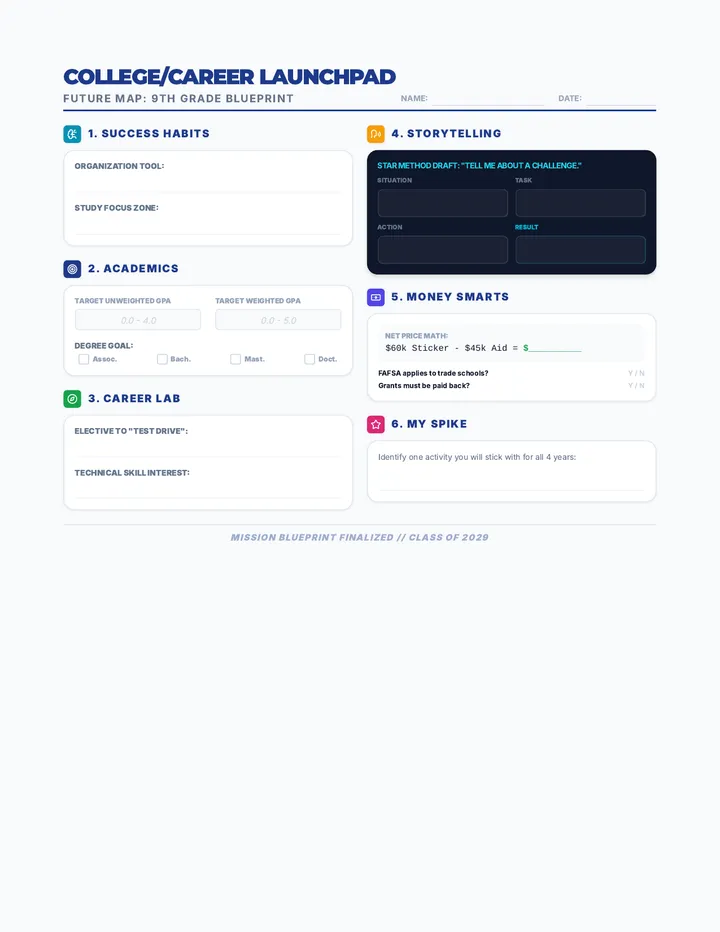
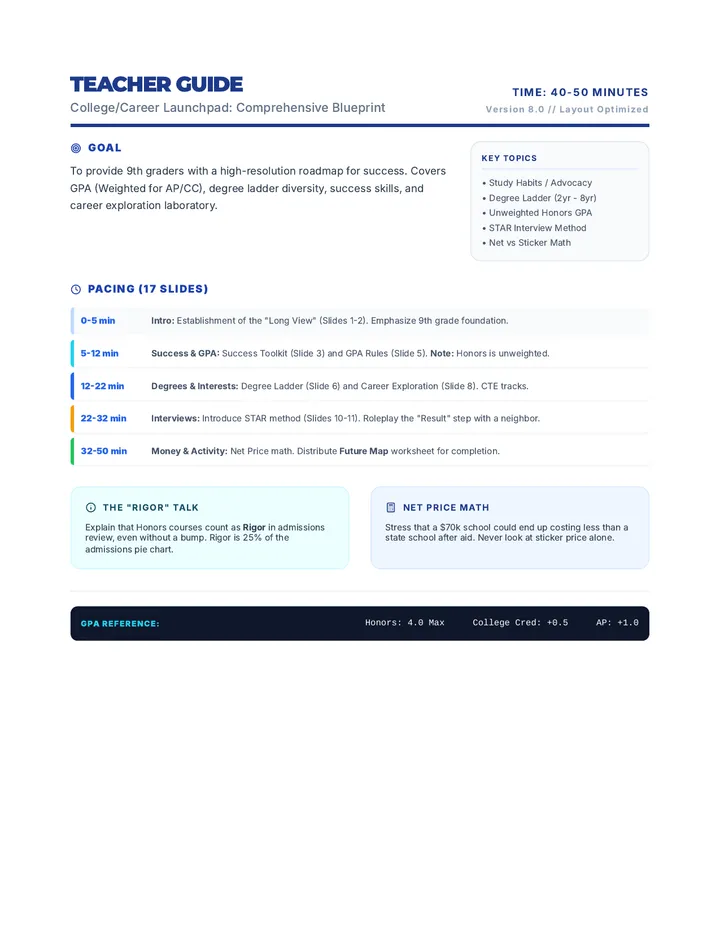
An introductory lesson for 9th graders to understand high school academics, college and career pathways, entrance requirements, and the basics of financial aid including GPA, FAFSA, and scholarships.
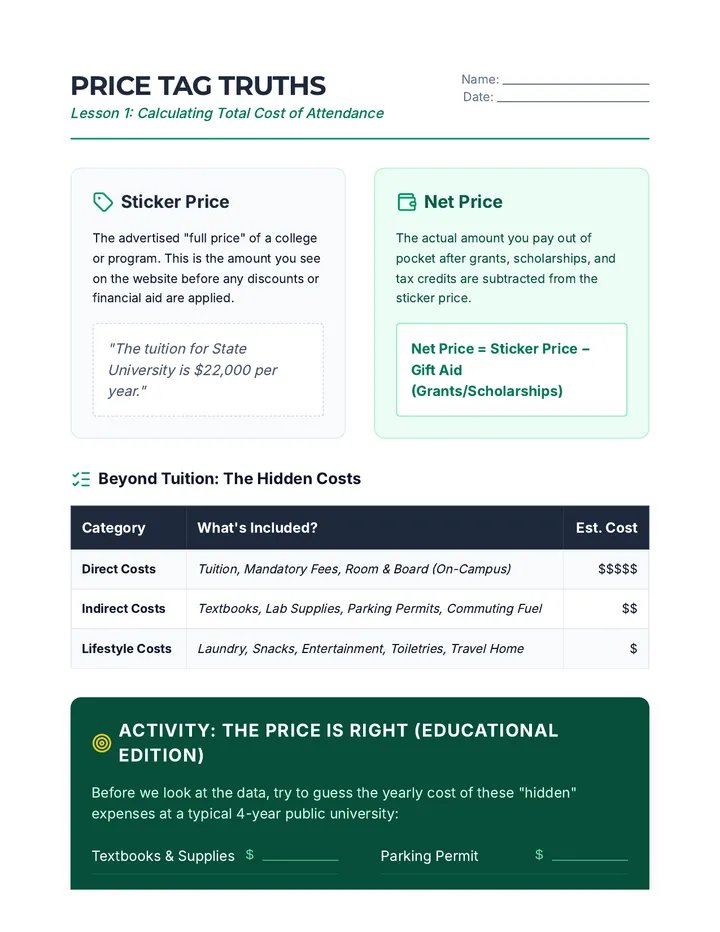
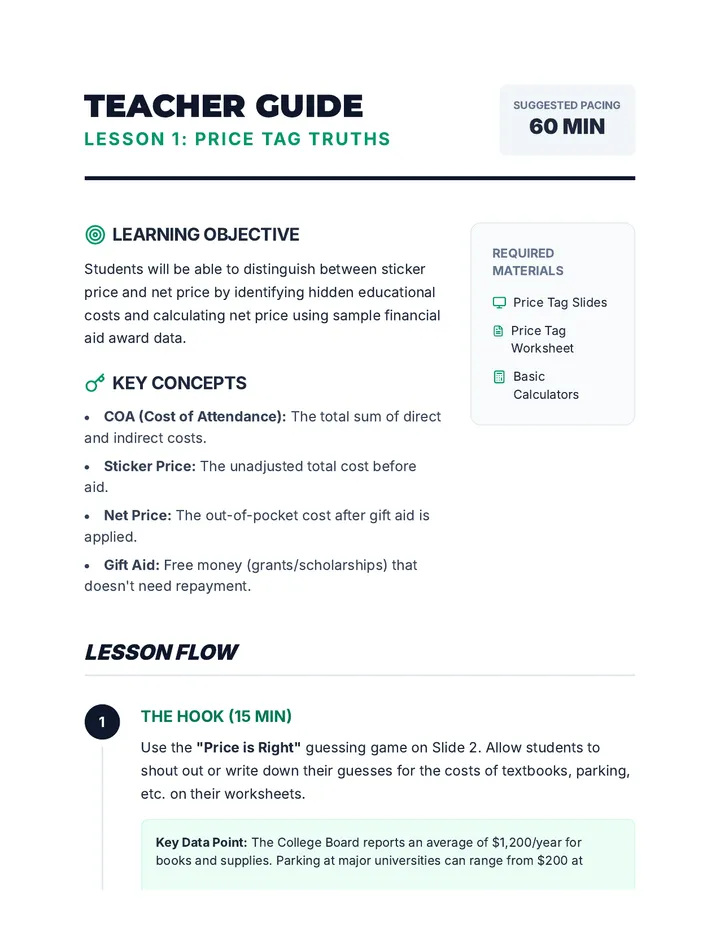
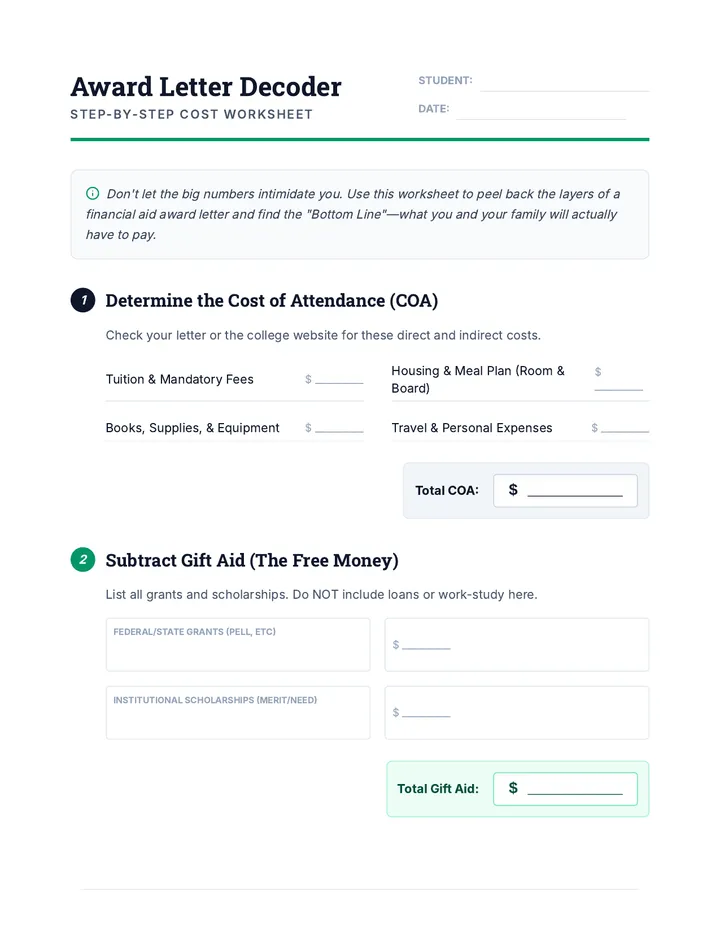
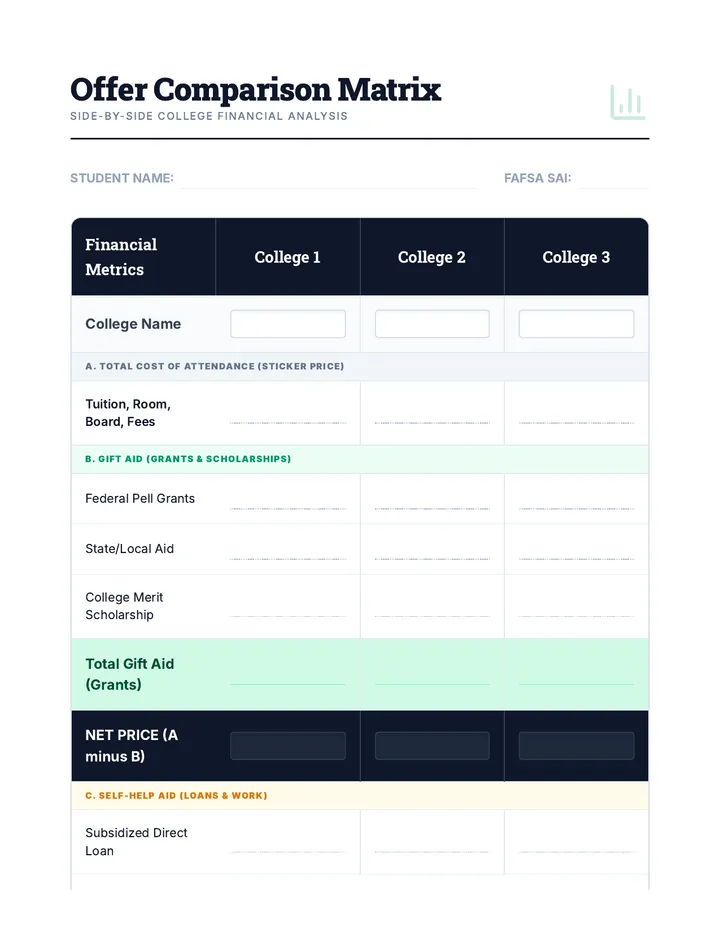
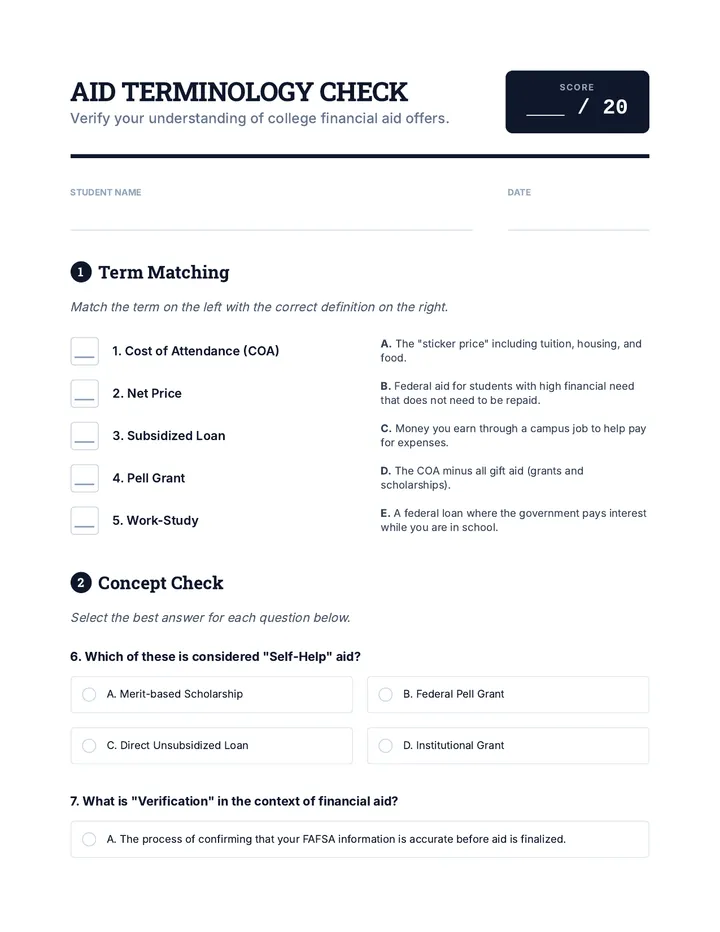
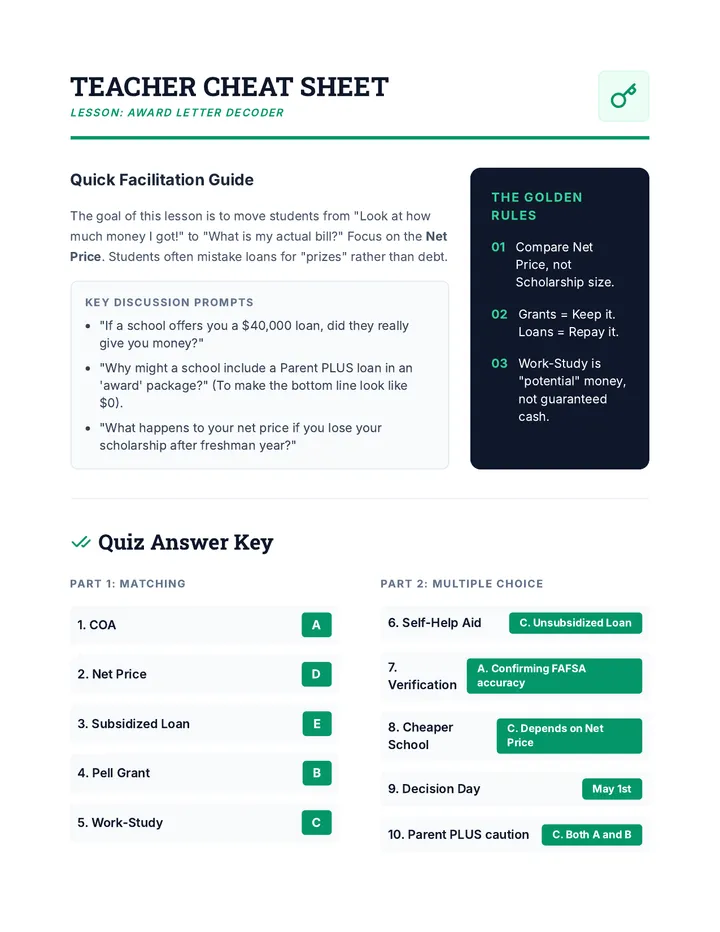
A comprehensive lesson designed to help high school seniors and their families decode financial aid award letters, calculate true out-of-pocket costs, and compare offers across different institutions. Students will learn the difference between gift aid and self-help aid while mastering the math of college costs.
A comprehensive lesson where students calculate and analyze the Return on Investment (ROI) for various college degrees and career paths, comparing tuition costs and starting salaries.
A comprehensive 50-minute lesson designed to help 12th graders navigate their post-high school options, including college, trade school, military, and the workforce. The lesson includes goal setting, personal statement drafting, and financial aid exploration.
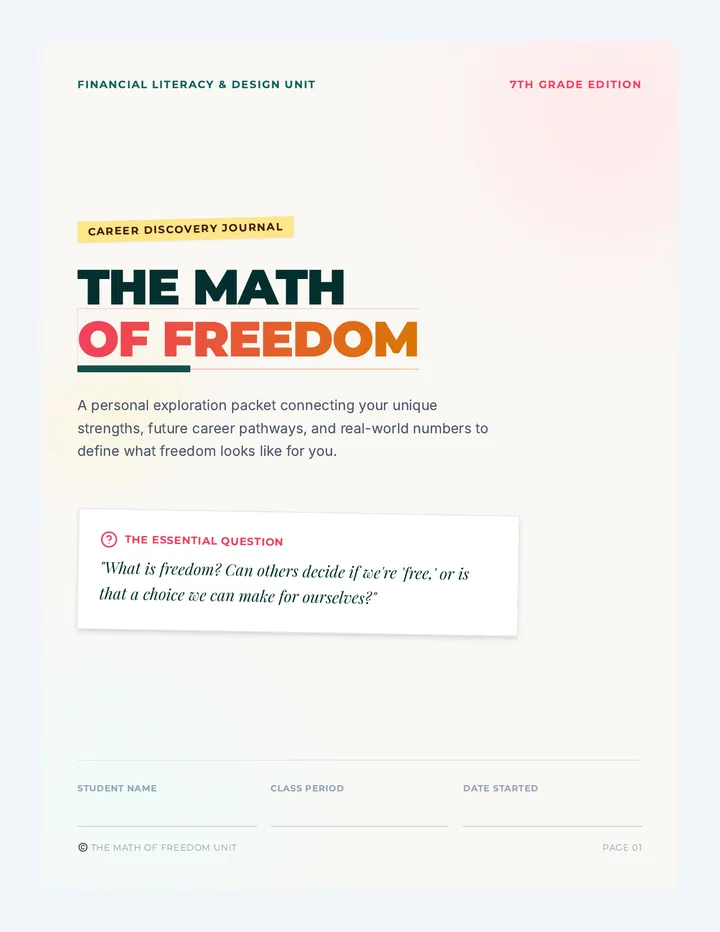
A comprehensive career exploration and financial literacy packet for 7th grade students, connecting strengths, lifestyle costs, and the essential question of what freedom means in today's world.
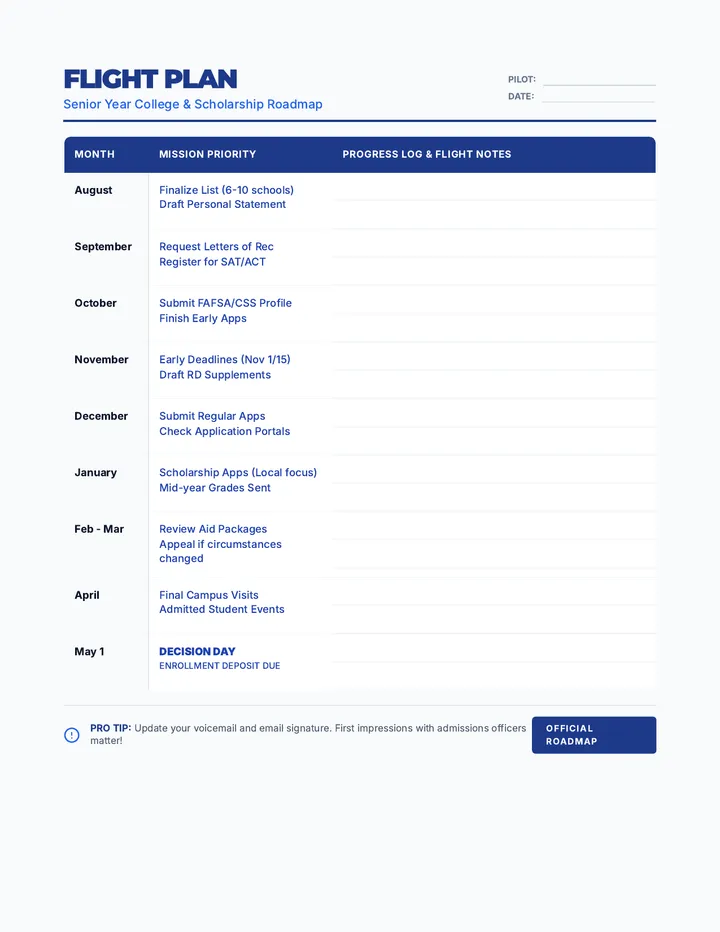
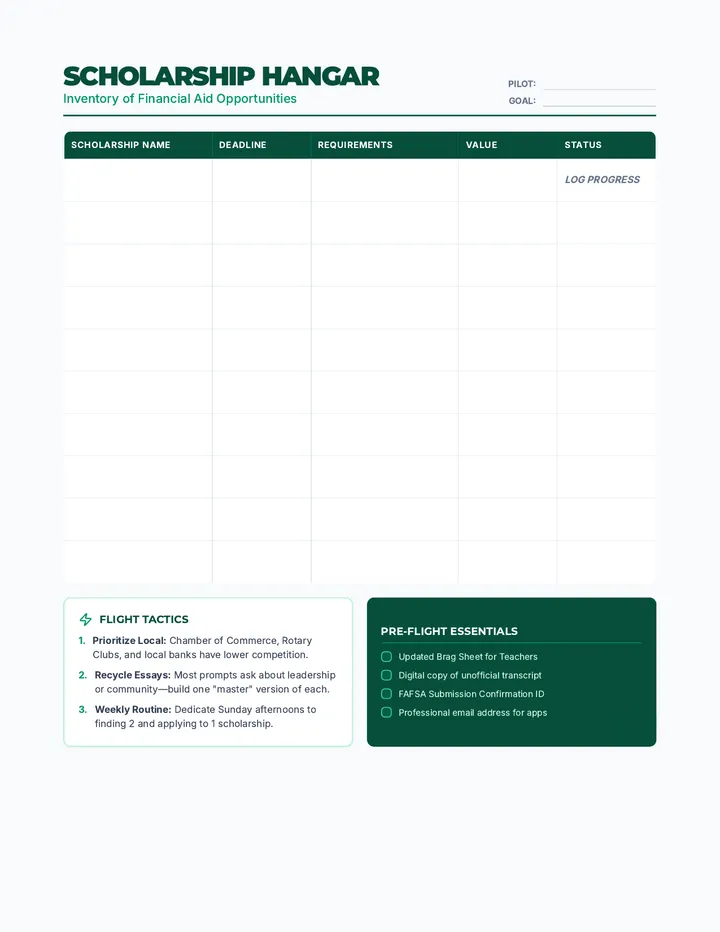
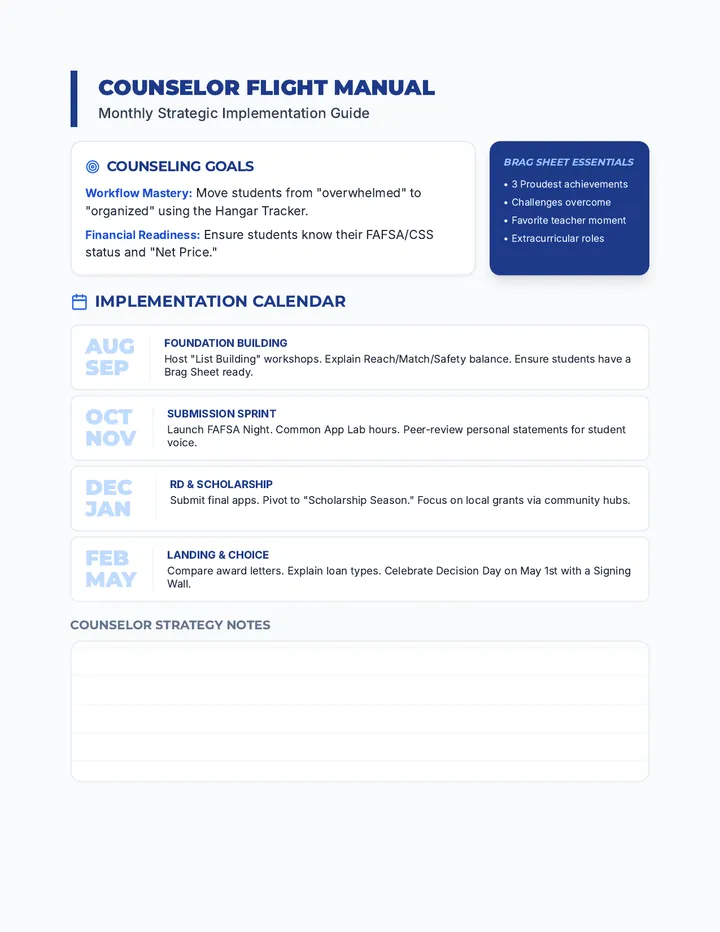
A comprehensive set of resources to guide high school seniors through the college application process, from early summer preparation to final spring decisions.
A project-based learning experience for high school seniors to bridge the gap between their 'Reality Check' lifestyle results and actual financial planning, featuring career research, tax calculations, and a 'Curveball' challenge.
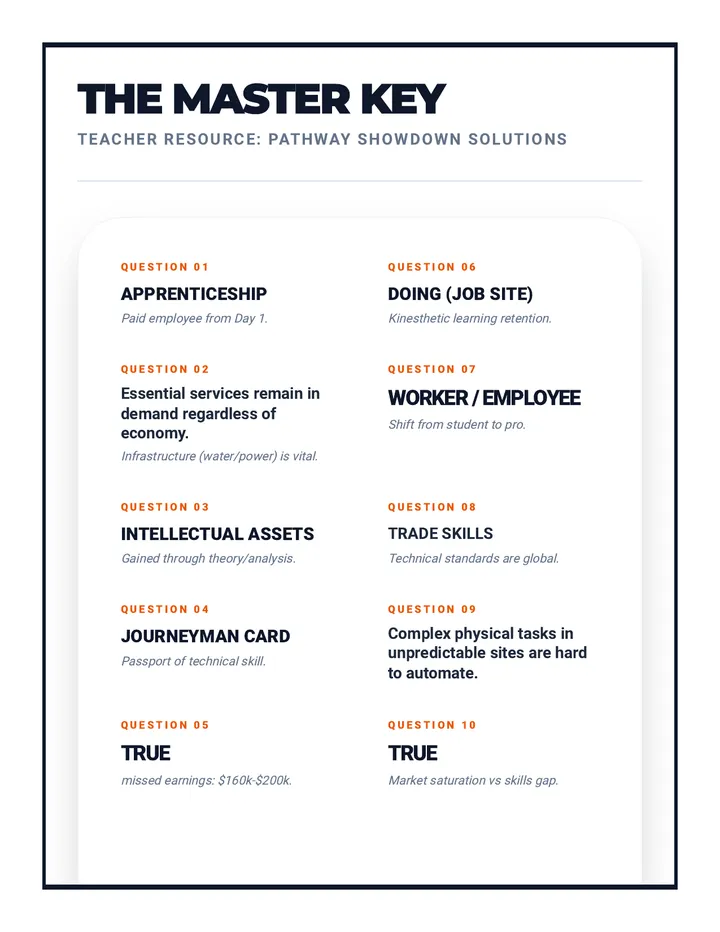
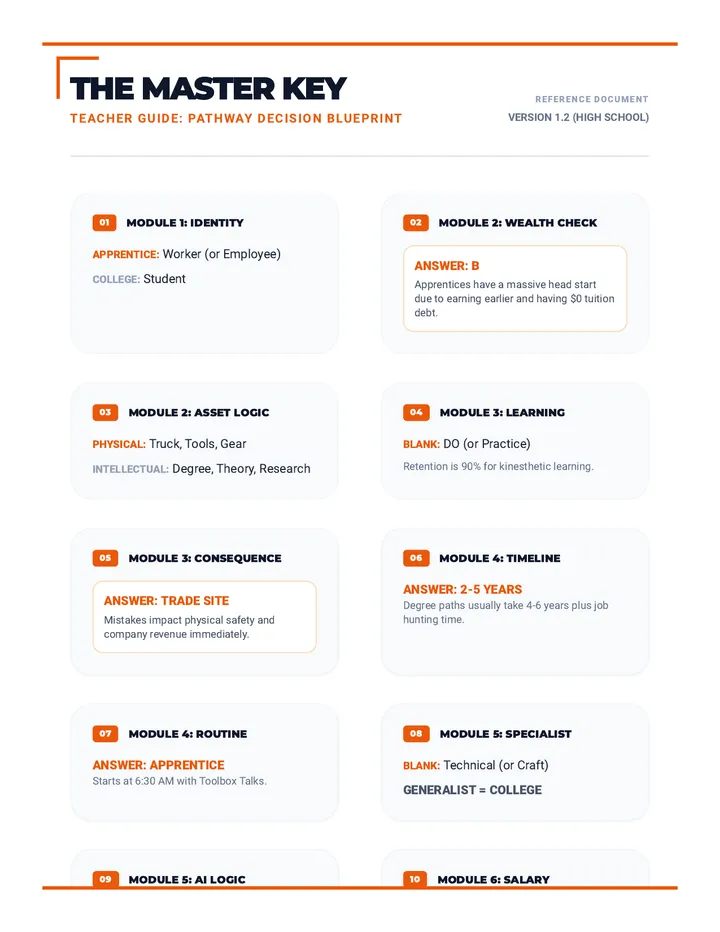
A hands-on simulation where students explore post-secondary pathways (Trade, College, Military) through the lens of a career 'blueprint.' Students analyze ROI and practice leadership by taking agency over their financial and professional futures.
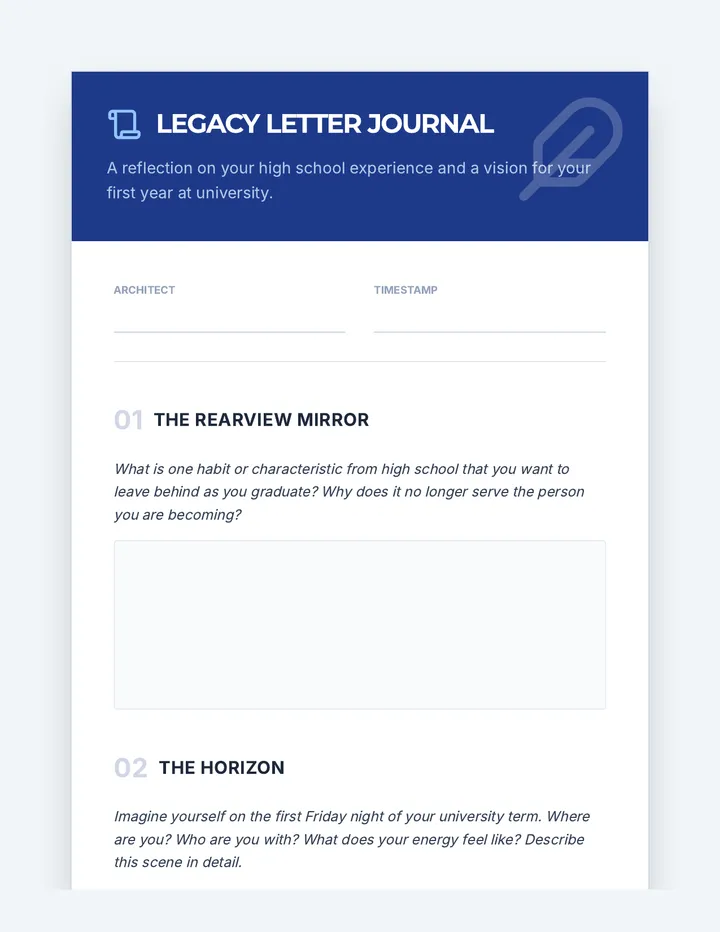
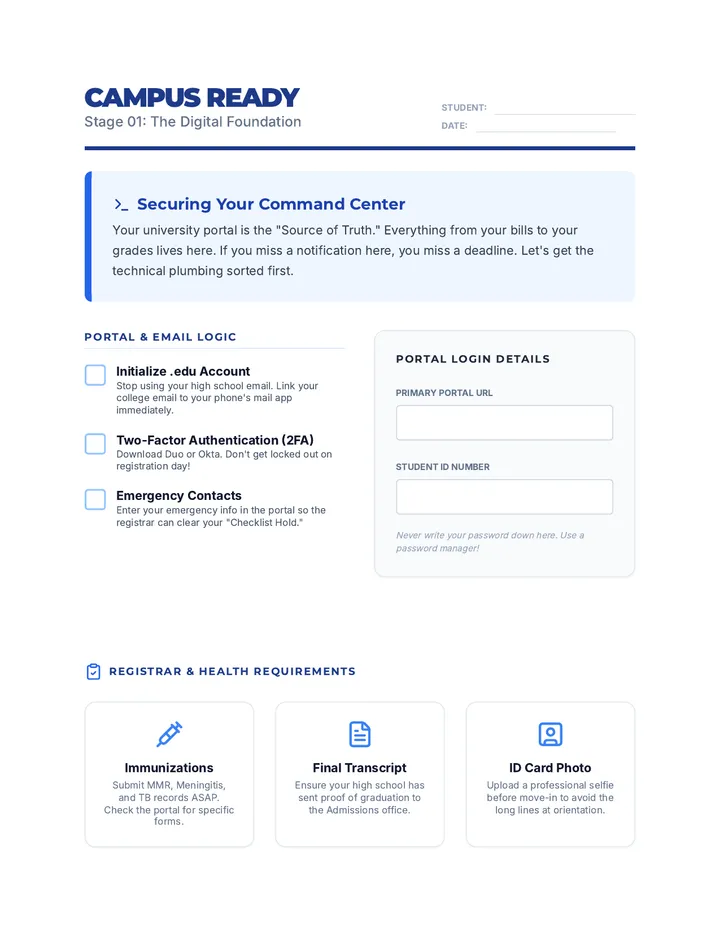
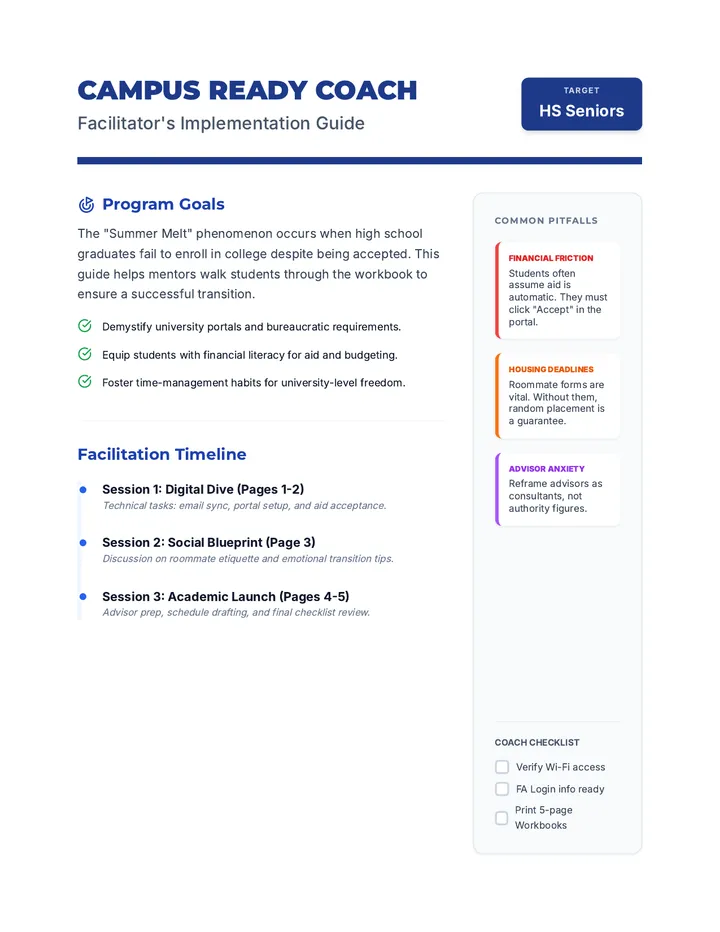
A comprehensive guide and workbook designed to help graduating high school seniors navigate the technical, financial, and social transitions of entering college. It covers everything from portal setup to roommate etiquette and financial literacy.