Trigger Detective GuideTrigger Detective Guide Case File: Emotional Self-Awareness Duration 35 MIN Why This Matters Understanding personal triggers is crucial for developing self-awareness and implementing proactive coping strategies. This helps students manage their emotions more effectively and prevent unwanted outbursts before they start. Audience 7th Grade Group (Special Education) Approach Interactive discussion, individual reflection, hands-on creation. Preparation (10 min) Review slide deck, activity instructions, and log worksheet. Print Trigger Log Worksheet for each student. Gather markers, crayons, and large paper for the mapping activity. Essential Materials Unpacking Triggers Slides Trigger Map Activity Trigger Log Worksheet The Investigation Process 1 Warm-Up: Pushing Your Buttons 5 MIN • Ask: "What does it mean to have your buttons pushed?" • Prompt students to share examples of things that cause strong emotions in a safe space. • Key Point: Emphasize that everyone has unique things that set them off. 2 Presentation: Unpacking My Triggers 10 MIN • Guide students through the slides to define "triggers." • Explain the "switch" analogy for feelings. • Discuss why identifying triggers leads to more control and better coping. 3 Activity: My Trigger Map Creation 15 MIN • Distribute instructions and drawing supplies. • Students create a visual map of their personal triggers and associated body feelings. • Support: Circulate and offer guidance, encouraging honesty and deep thinking. 4 Wrap-Up: The Response Log 5 MIN • Introduce the Trigger Log Worksheet as a detective tool for the upcoming week. • Discuss monitoring feelings to catch patterns before emotions get "too big." • Reflection: Share one new thing learned about your emotions today.
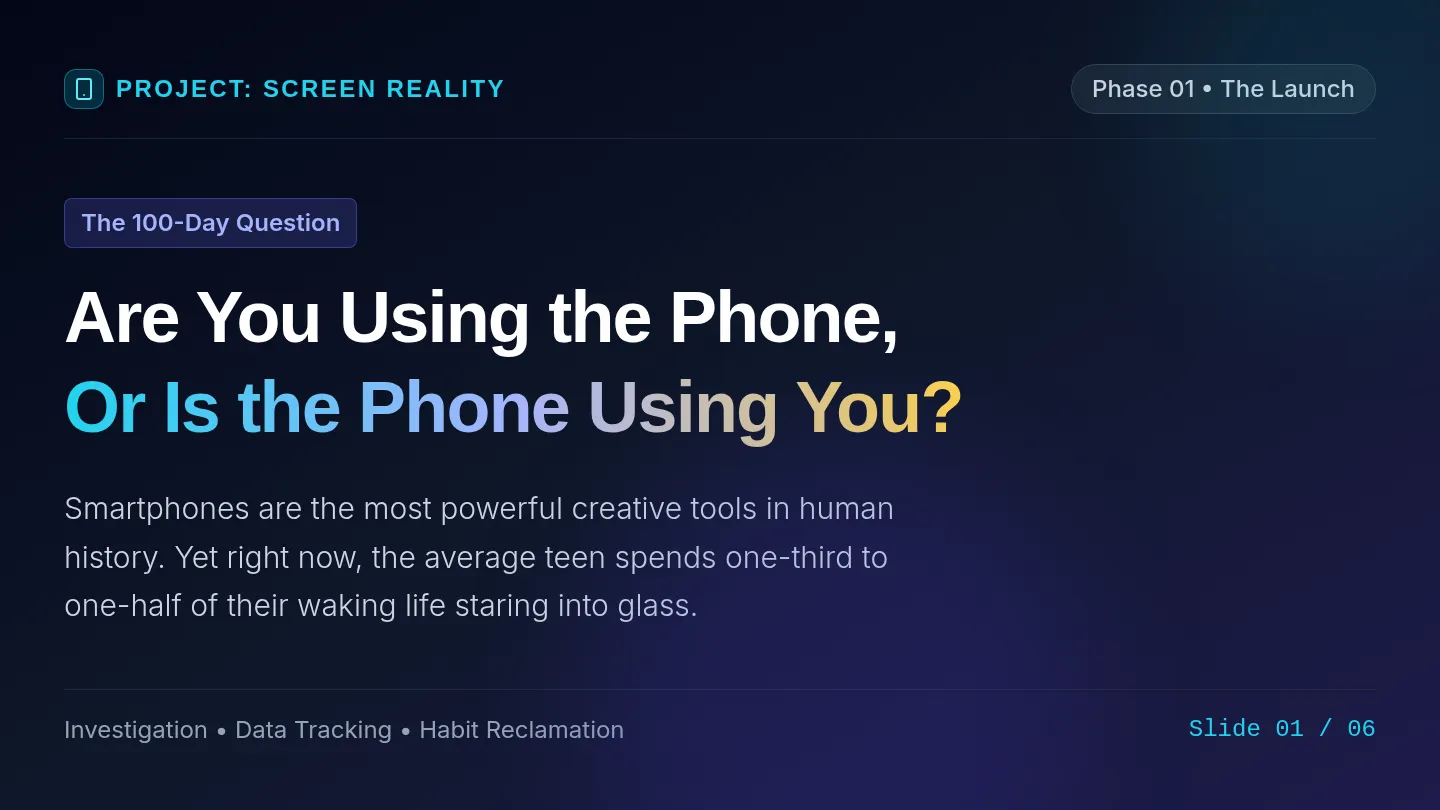
Unpacking Triggers SlidesUnpacking My Triggers Session 1: Investigating Your Emotions "What are Emotions?" Feelings we experience inside. They can be happy, sad, angry, scared, or even confused. Everyone has them! It's normal to feel different things. Teacher Note: Welcome students and ask about their emotions today. What's a Trigger? A trigger is something that sets off a strong emotion. It can be: A word or comment A look or facial expression A specific place or situation Even a memory Think of it like a light switch! Something happens in the world, and it "flips the switch" on a feeling inside of you. Teacher Note: Relate this to physical triggers (like on a water gun). Common Triggers Examples: 1 Feeling misunderstood 2 Being interrupted 3 Loud noises or crowds 4 Changes in your routine 5 Feeling overwhelmed by school Why know them? Self-Awareness Understanding WHY you feel a certain way. Control Taking charge before emotions take over. Coping Dealing with feelings before they get too big. Teacher Note: Emphasize that triggers are personal. Ask for common 7th-grade examples. Mapping Your Landscape Your Trigger Map will help you navigate your emotional world. Explore what makes you react. Find your "safe zones." Spot the "danger spots." What will you discover about yourself today? Teacher Note: Use the 'map' analogy to explain self-discovery. Get Ready to Explore! Grab your paper and drawing supplies. We're creating your personal Trigger Map to see how your emotions work. Use colors to show different feelings. Be honest—there are no wrong answers! Let's start the investigation! Teacher Note: Link this work to the Log worksheet for follow-up.
My Trigger Map ActivityMy Trigger Map Emotional Cartography Objective: Create a visual map to discover what triggers your emotions and how they feel in your body. Your Supplies Large blank paper Colored pencils Markers or crayons The Mission Your map is unique to YOU. There are no right or wrong ways to draw your feelings. Be honest, be creative, and explore your inner world! Reflection Think about these: • What patterns do you notice in your triggers? • Are there certain places or people that show up a lot? • Which emotion has the most triggers? Step-by-Step Instructions 1 Draw Your Emotional "Base" In the center, draw something that represents YOU. It could be an island, a house, or even just your name in cool letters. This is the center of your map. 2 Choose Your "Big Four" Emotions Pick 4 strong emotions you feel often (like Anger, Sadness, Anxiety, Frustration). Give each one a color or a symbol on your map's legend. 3 Brainstorm Your Triggers What specific things set off those emotions? (e.g., loud hallways, being told "no", forgetting homework). Think of at least 5-8 different triggers. 4 Map Your Triggers Draw or write your triggers around your "Base." Use pathways or different "islands" for categories like "School," "Home," or "Friends." 5 Add Body Feelings For each trigger, write or draw how it feels in your body. Does your heart race? Do your hands get sweaty? Use symbols to show these "Warning Signs." Drafting Space You can use this space to sketch ideas or list your "Big Four" before moving to your large paper.
Trigger Response Log WorksheetTrigger & Response Log Detective Case File: Tracking Emotional Patterns Name: Date: "Become a super detective of your own emotions! Use this log when you notice a strong feeling. Tracking these moments helps you see patterns and find new ways to handle the tough stuff." 1 Log Entry #1 DATE / TIME: 1. What was the Trigger? What happened? Who was there? Where were you? 2. What Emotion did you feel? Angry Sad Frustrated Anxious Scared Happy Confused Overwhelmed Annoyed Other: _________ 3. Body Signals Heart racing? Tense face? Fast breathing? 4. Your Response What did you do or want to do? Detective Discovery: A More Helpful Response If you could rewind and do it again, what would you try instead? 2 Log Entry #2 DATE / TIME: 1. What was the Trigger? 2. What Emotion did you feel? Angry Sad Frustrated Anxious Scared Happy Confused Overwhelmed Annoyed Other: _________ 3. Body Signals 4. Your Response Detective Discovery: A More Helpful Response Continued in Log File...