Lenny.com
Explore
Create
ActivitiesNewMathEnglish Language ArtsScience & EngineeringSocial StudiesGlobal LanguagesHealth & Physical EducationSpecial EducationCounseling & Life SkillsArts & CreativityESL
Lenny.com
Lenny.com
Explore
Create
ActivitiesNewMathEnglish Language ArtsScience & EngineeringSocial StudiesGlobal LanguagesHealth & Physical EducationSpecial EducationCounseling & Life SkillsArts & CreativityESL
Lenny.com
Lenny.com

Solutions

Lenny for EducatorsLenny for SchoolsLenny for Districts

Product

ExploreSign inCreateSupportAbout

Resources

Getting startedMTSS Acceleration Program

© 2026 Lenny Learning Inc.

TermsPrivacyAccessibility
LinkedInInstagramX
Lenny
Counseling & Life SkillsSelf-AwarenessBasic Emotion RecognitionComplex Emotion IdentificationEmotional Nuance & Mixed FeelingsBuilding Positive Self-ImageRecognizing Strengths & Growth AreasAccurate Self-AssessmentPersonal Values IdentificationCultural & Individual Identity ExplorationValues-Based Decision MakingSelf-ManagementStop-and-Think StrategiesDelaying GratificationIndependent Impulse ManagementIdentifying Stress TriggersShort-Term Goal SettingSMART Goals DevelopmentGoal Monitoring & AdjustmentBuilding Perseverance & ResilienceInternal Motivation DevelopmentComprehensive Stress Reduction PlanningSocial AwarenessRecognizing Others' FeelingsDemonstrating EmpathyRespecting Individual DifferencesUnderstanding Cultural DiversityComplex Empathetic ResponsesMultiple Viewpoint ConsiderationMulti-Perspective AnalysisChallenging Stereotypes & BiasRelationship SkillsActive ListeningClear Verbal & Nonverbal CommunicationBuilding Positive FriendshipsWorking Cooperatively in GroupsCommunicating Personal BoundariesRespecting Others' BoundariesAssertive ExpressionPeaceful Problem-SolvingContributing to Team GoalsComplex Conflict NavigationMediation & NegotiationHealthy Romantic RelationshipsResponsible Decision-MakingDaily Problem IdentificationBrainstorming Multiple SolutionsEvaluating Pros & ConsRecognizing Risks & ConsequencesApplying Ethical FrameworksInformed Risk-Benefit DecisionsRoot Cause AnalysisMindfulnessMindful BreathingBody Scan MeditationDaily Mindfulness ApplicationDaily Self-Care RoutinesBalancing Life DemandsAdvocating for Wellness NeedsMental Health SupportUnderstanding Anxiety SymptomsWorry Management StrategiesProgressive Muscle RelaxationRecognizing Depression SignsBuilding Mood-Supporting RoutinesBehavioral Activation for MoodUnderstanding Grief StagesHealthy Grief CopingCreative Expression of LossBehavioral SupportDaily Check-In ProceduresDaily Goal Setting & ReviewRecognizing Escalation Warning SignsRequesting Breaks & SupportSelf-Calming During DistressUnderstanding Positive ReinforcementToken Economy ImplementationBehavior Chart TrackingAnalyzing Behavior PatternsIdentifying Antecedents & ConsequencesDetermining Behavior FunctionFunction-Based InterventionsIndividualized Behavior ContractsData-Driven Behavior AdjustmentTherapeutic ApproachesThoughts-Feelings-Behaviors ConnectionRecognizing Thinking PatternsChallenging Negative ThoughtsPositive Self-Talk PracticeThought Record TrackingAdvanced Cognitive RestructuringComprehensive CBT PlansBehavioral Activation TechniquesBuilding Positive ExperiencesExposure Hierarchies for AnxietyPresent-Moment AwarenessNon-Judgmental ObservationSelf-Soothing & DistractionComplex Emotion LabelingReducing Emotional Vulnerability (PLEASE)DEAR MAN CommunicationGIVE Skills for RelationshipsFAST Skills for Self-RespectRadical Acceptance PracticeCrisis Survival Skills (TIPP)Understanding Trauma EffectsTrauma Responses & TriggersIdentifying Trauma FeelingsGrounding TechniquesRegulation During Trauma DistressSafe Place VisualizationProcessing Through NarrativeDeveloping Trauma StoryPersonalized Safety PlanningGroup SupportTurn-Taking & SharingGroup Conversation SkillsSharing in Supportive EnvironmentLearning from Similar ChallengesBuilding Community & BelongingNavigating Peer RelationshipsGroup Skill PracticeGroup Mental Health EducationStress & Anxiety UnderstandingCrisis Support & SafetyKnowing When to Seek HelpIdentifying Mental Health CrisesGrounding During CrisisUsing Crisis HotlinesBuilding Support NetworksAccessing Mental Health ResourcesWarning Signs & Coping StrategiesDeveloping Personal Safety PlansUnderstanding Suicide Warning SignsGatekeeper Skills for PeersDigital LiteracySocial MediaTechnology BasicsProductivity ToolsInternet and Online ResearchWeb Design and PublishingDigital CitizenshipOnline Safety and PrivacyEmerging TechnologiesFinancial LiteracyMaking Financial DecisionsBanking and AccountsConsumer SkillsSaving and InvestingCredit and DebtEmployment and IncomeTaxesInsuranceMajor PurchasesEconomic ConceptsFinancial PlanningCollege & Post-Secondary PlanningCareer ExplorationUnderstanding Post-Secondary OptionsCollege Research & SelectionAdmission RequirementsCollege Application ProcessPersonal Statement WritingFAFSA CompletionScholarship Search & ApplicationsUnderstanding Student LoansContinuing Education PlanningInterview PreparationResearching EmployersCommon Interview QuestionsSTAR Method ResponsesProfessional Interview PresenceVirtual Interview SkillsInterview Follow-UpJob Search SkillsUnderstanding Job PostingsEffective Job Search StrategiesNetworking for OpportunitiesResume Writing BasicsAction Verbs & AchievementsTailoring Resumes to JobsCover Letter WritingProfessional ReferencesProfessional CommunicationBusiness Email EtiquettePhone & Voicemail ProfessionalismMeeting ParticipationPresentation SkillsProfessional Work EthicTime Management & ProductivityTeamwork & CollaborationAdaptability & FlexibilityProblem-Solving at WorkConstructive FeedbackWorkplace RightsUnderstanding Employment LawsPay & Benefits UnderstandingWorkplace SafetyAnti-Discrimination & Harassment

Trick or Treat Tactics

A comprehensive social-emotional learning lesson bundle designed to teach elementary students impulse control, safety awareness, and emotional regulation during Halloween trick-or-treating. Students learn and practice the 'Pause, Breathe, Choose' framework to prevent impulsive grabs, navigate street safety, and handle treat-related disappointments gracefully.

AMAlonda Moore
Tactic 2: The "Gracious Ghost" Reset (Handle Disappointment):

Introduce the disappointment test: What if the treat is dental floss, pretzels, or raisins? Teach the universal script: "Thank you! Happy Halloween!" Teach internal thought-switching: "This isn't my favorite, but I can trade or donate it later."

3

Tactic 3: The "Zombie Anchor" Rule (Follow Safety Rules):

Demonstrate the 10-step invisible tether to an adult. Curb rule: Red light stop at every edge. Eyes forward and down; no cutting across dark lawns or running past driveways without checking for backing cars.

Trick or Treat Tactics • Educator Guide Page 1 of 2

Guided Practice, Simulation & Differentiation

Implementation Guide

Phase 3 Guided Simulation: The "Porch Rehearsal" Lab

15–18 Minutes

Set up a simulated "Porch Station" at the classroom door using a treat bowl containing mixed items (stickers, empty wrappers, toothbrushes, mini candy boxes).

Station Roleplay Rounds:

  • Round 1 (The Grab Test): Bowl says "Take One." Partner checks if student freezes feet for 3s before touching.
  • Round 2 (The Yuck Test): Neighbor hands student a box of raisins. Student delivers the Gracious Ghost smile & thank you.

Peer Feedback Protocol:

Watching peers show silent "Thumbs Up" or "Freeze Sign" (raised palm) to coach partners during the live walkthrough.

Phase 4 Scenario Cards & Decision Mat Activity

10 Minutes

Distribute the Pause Patrol Scenario Cards. Students in pairs analyze realistic dilemmas (e.g., neighbor runs out of treats, friends dash across traffic, someone drops candy on the street) and sort actions into "Impulse Trap" vs. "Tactics Master Choice".

Differentiated Instruction & Accommodations

Impulse / ADHD Support

Provide tactile fidget or pocket token ("Pause Stone") to squeeze during doorstep pauses; assign physical partner buddy.

Sensory Processing Needs

Prepare scripts for sensory overload; pre-plan noise-dampening breaks, daylight routes, and non-verbal hand gestures for fatigue.

English Learners (EL)

Provide visual icon cards for the 3 steps; choral recite key phrases with physical hand gestures (freeze, breathe, smile).

Anticipated Misconceptions & Teacher Tips

• "Taking extra candy doesn't hurt anyone if there's lots in the bowl": Emphasize community equity—when 20 kids take three treats, 40 subsequent kids receive empty bowls.

• "It's rude not to look happy about every single item": Validate that feeling disappointed is 100% normal; the skill is about polite exterior behavior and shifting thoughts internally.

Phase 5 Debrief, Choral Pledge & Formative Check

5 Minutes

Closing Routine: Have students stand, raise their right hand, and recite the 3-part Trick or Treat Tactics Pledge.

Formative Exit Ticket: Ask each student to whisper their favorite "Gracious Ghost" thought reset or demonstrate the 3-second Statue Freeze before lining up. Send home the Halloween Safety Family Guide for parental reinforcement.

Trick or Treat Tactics • Educator Guide Page 2 of 2

When high excitement hits, prepared words help your brain pause. Write your exact words and actions:

Prompt 1: What I will say and think if I get a treat that I dislike or am allergic to:

Prompt 2: What I will do with my body when I walk up to an exciting doorstep:

⭐

Tactics Master Official Badge

I promise to Pause, Breathe, and Choose before every treat!

Student Signature:

Pause Patrol Activity • Trick or Treat Tactics Page 2 of 2

Caregiver phone number written on index card in treat bag

3. The Treat & Self-Control Agreement

Inspection Rule:

All treats remain unopened in the bag until an adult inspects wrappers under bright kitchen lighting at home.

Agreed ✓

Tonight's Candy Tasting Limit: Decide together before leaving

We agree that tonight I will enjoy pieces of my favorite treats after dinner.

Backup Plan for Disliked Treats:

Candy I cannot eat or dislike will be (check one): ☐ Traded with family ☐ Donated / Switch Witch ☐ Saved for crafts

Family Tactics Partnership Sign-Off

Teamwork makes Halloween safe!

We promise to look out for each other, practice our 3-second pause, and keep this Halloween fun, polite, and memorable.
Student Signature:

Parent / Caregiver Signature:

Trick or Treat Tactics • Family Guide Page 2 of 2

You might also like

Freshman Launch Slides

Mindset to Mastery

A four-year developmental progression of academic study skills designed for high school educators. Guides students through foundational habits, active memory encoding, sustained project management, and college-ready metacognition.

S

smikamo

8
Senior Scholar Slides

Senior Independence

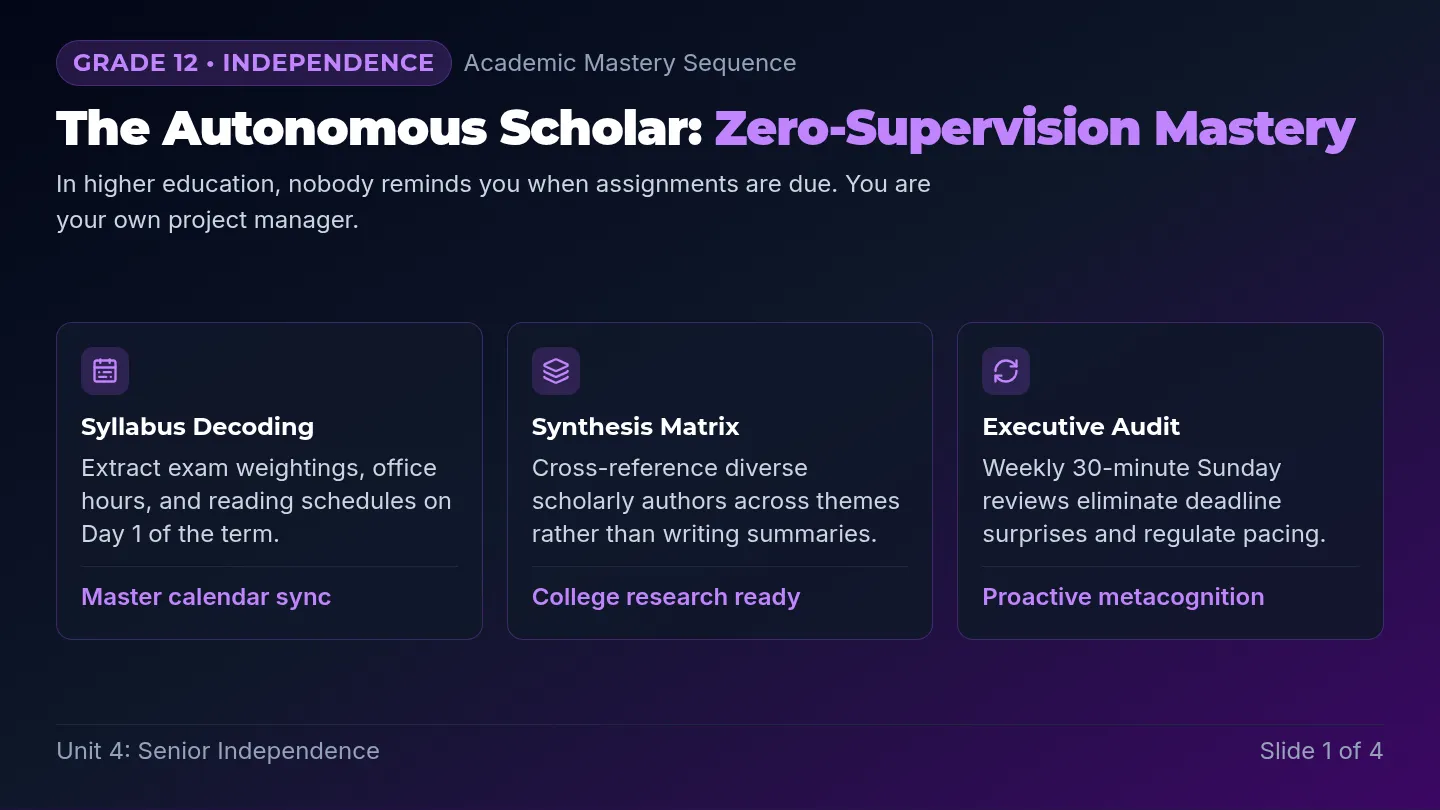
Empowers graduating seniors to operate as autonomous scholars, mastering college-level syllabus decomposition, independent research syntheses, and metacognitive habit auditing.

S

smikamo

2
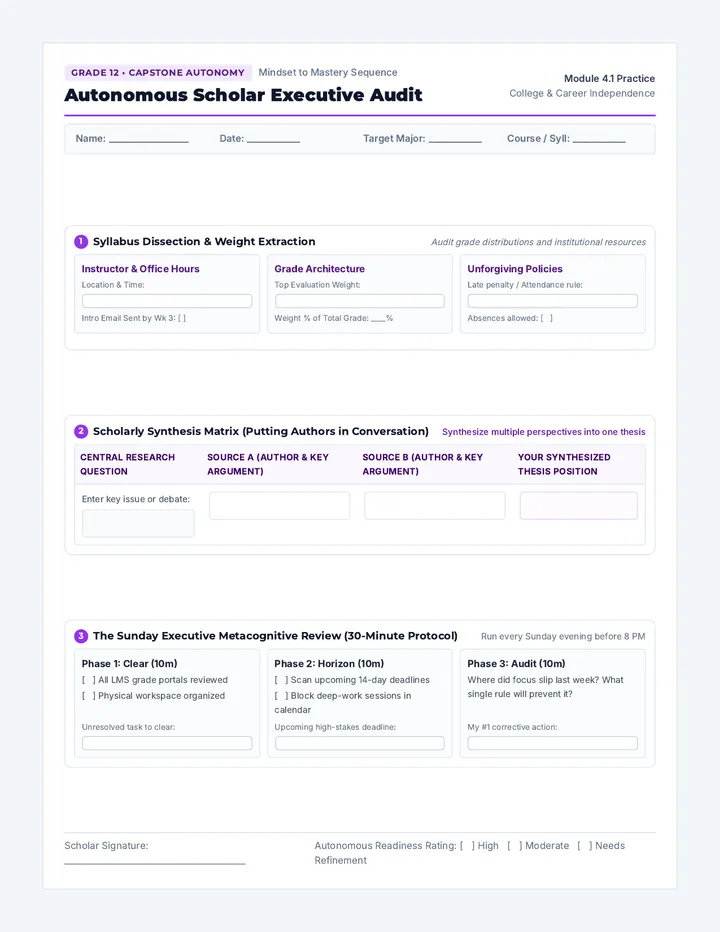
Autonomous Scholar Audit Worksheet

Autonomous Scholar Audit Worksheet

A print-ready student worksheet for twelfth graders to deconstruct college-style syllabi, practice research literature synthesis matrices, and execute weekly executive metacognitive audits.

S

smikamo

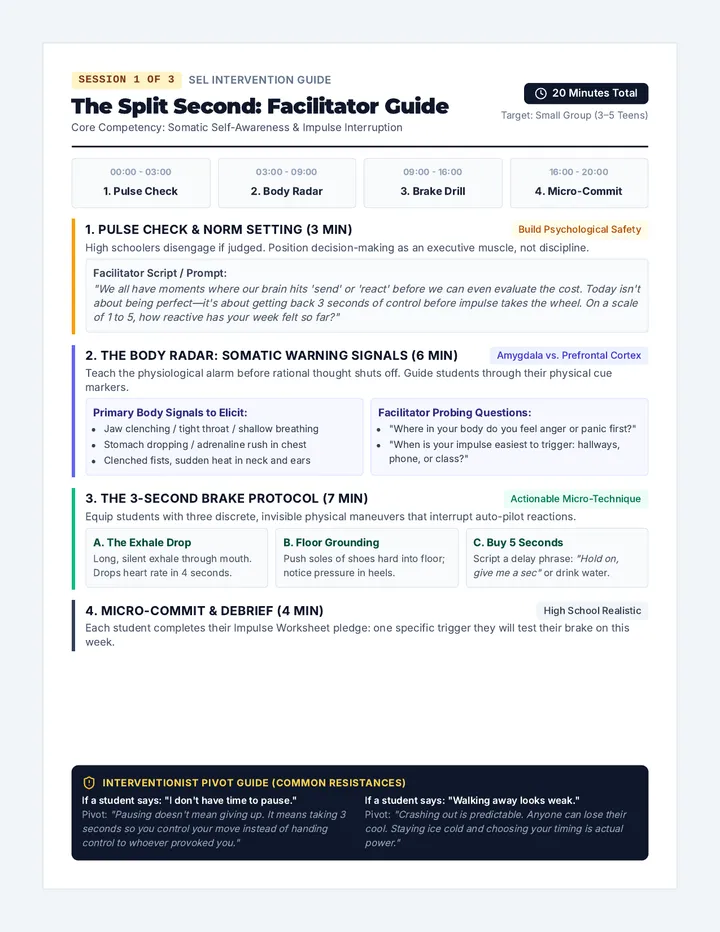
Split Second Facilitator Guide

The Decision Lab

A targeted 3-week SEL intervention sequence designed for 20-minute high school small groups. Students learn practical somatic and cognitive strategies to pause under pressure, weigh near-term and ripple consequences, and navigate post-decision repairs with dignity.

TB

Tyler Battist

6
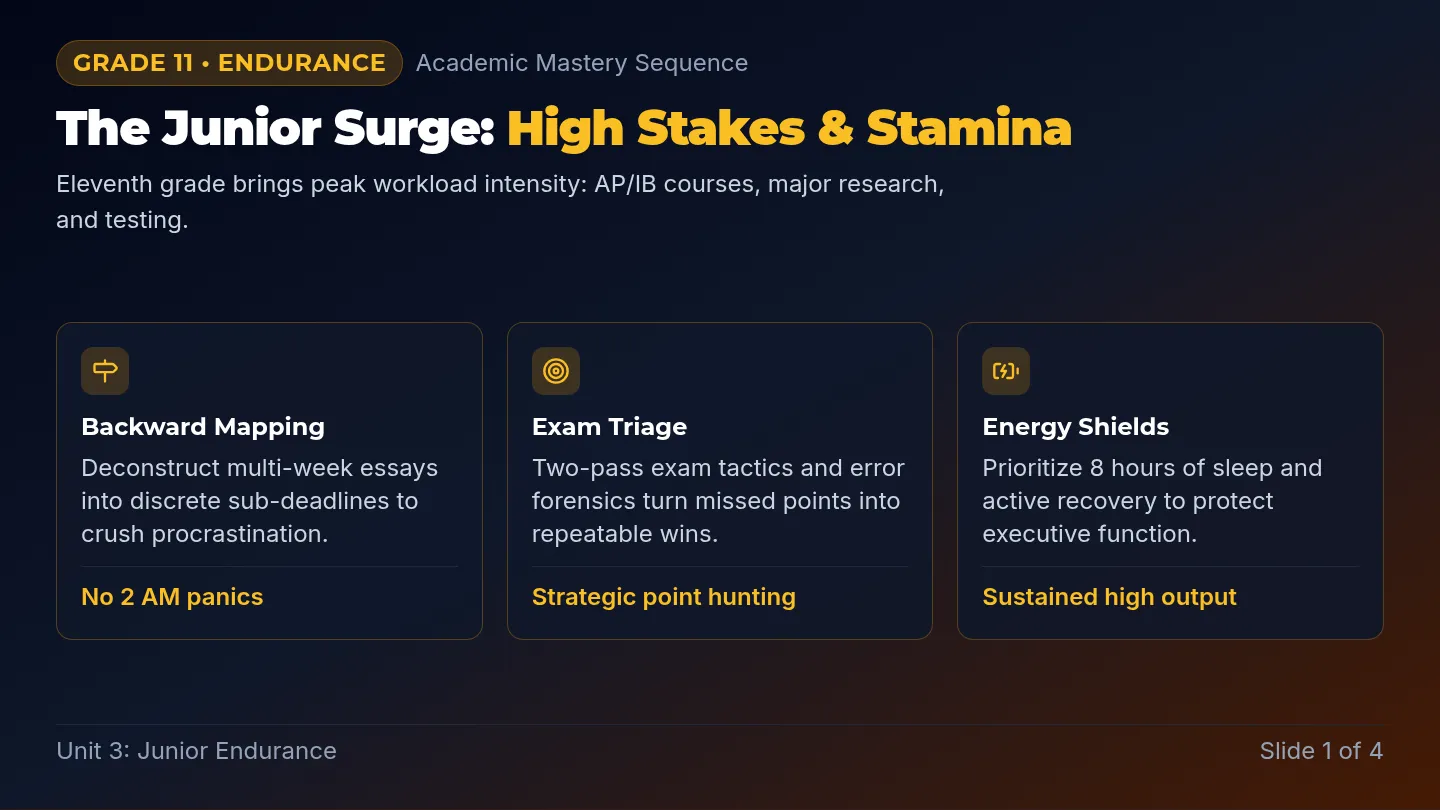
Junior Stamina Slides

Junior Endurance

Builds academic stamina and executive regulation for demanding course loads, emphasizing backward-planning for major projects, exam triage strategies, and cognitive load management.

S

smikamo

2
Senior Scholar Slides

Senior Scholar Slides

Four-slide instructional deck for twelfth graders transitioning to autonomous higher education scholarship, syllabus deconstruction, research matrices, and executive self-auditing.

S

smikamo

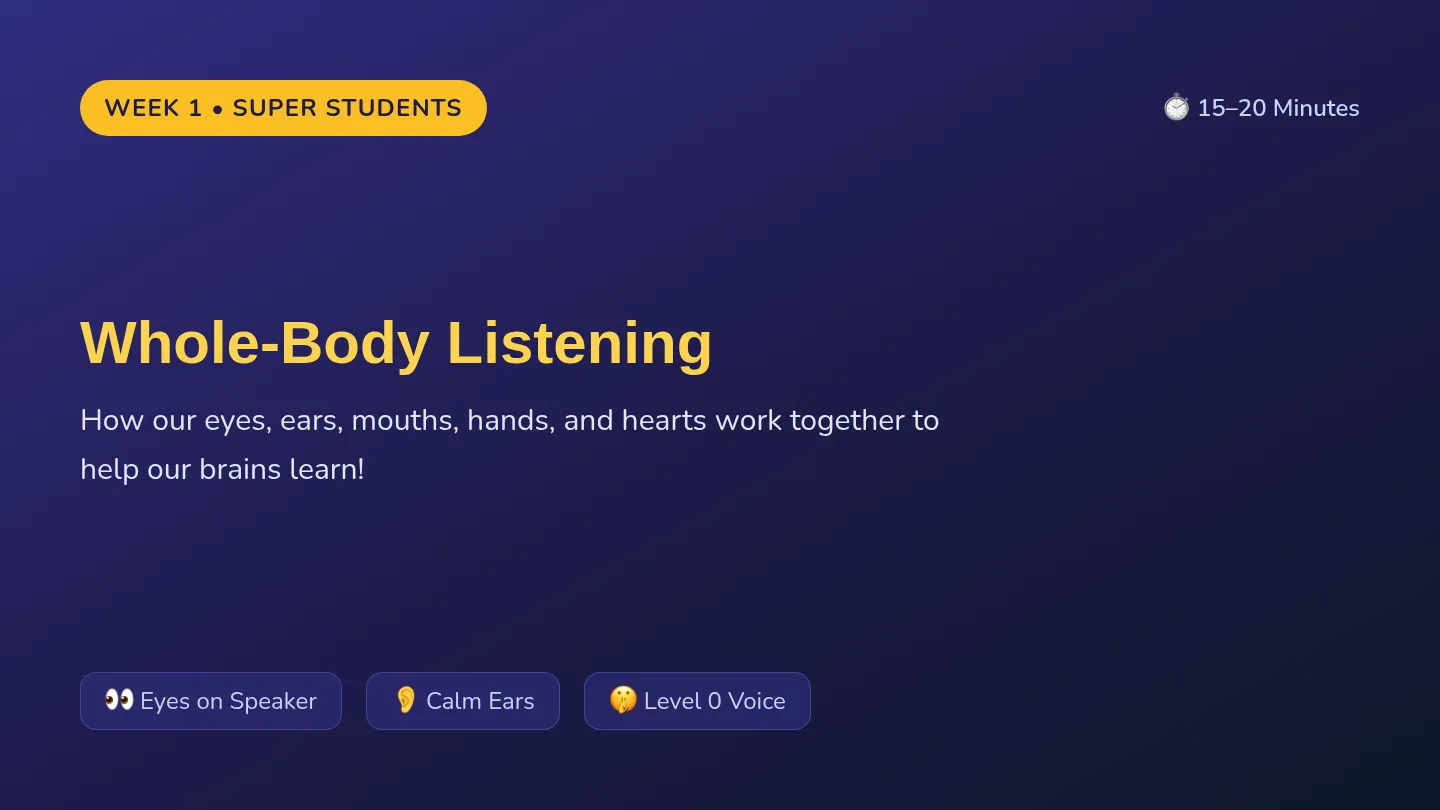
Whole Body Listening Slides

Super Students

An 8-week foundational habits and social-emotional learning unit designed for first graders. Students master key routines including whole-body listening, fast direction following, hand raising, tool care, resilience, kindness, asking for help, and superstar citizenship in daily 15-20 minute sessions.

DM

Denise Mueller

17
Sophomore Cognition Slides

Sophomore Synthesis

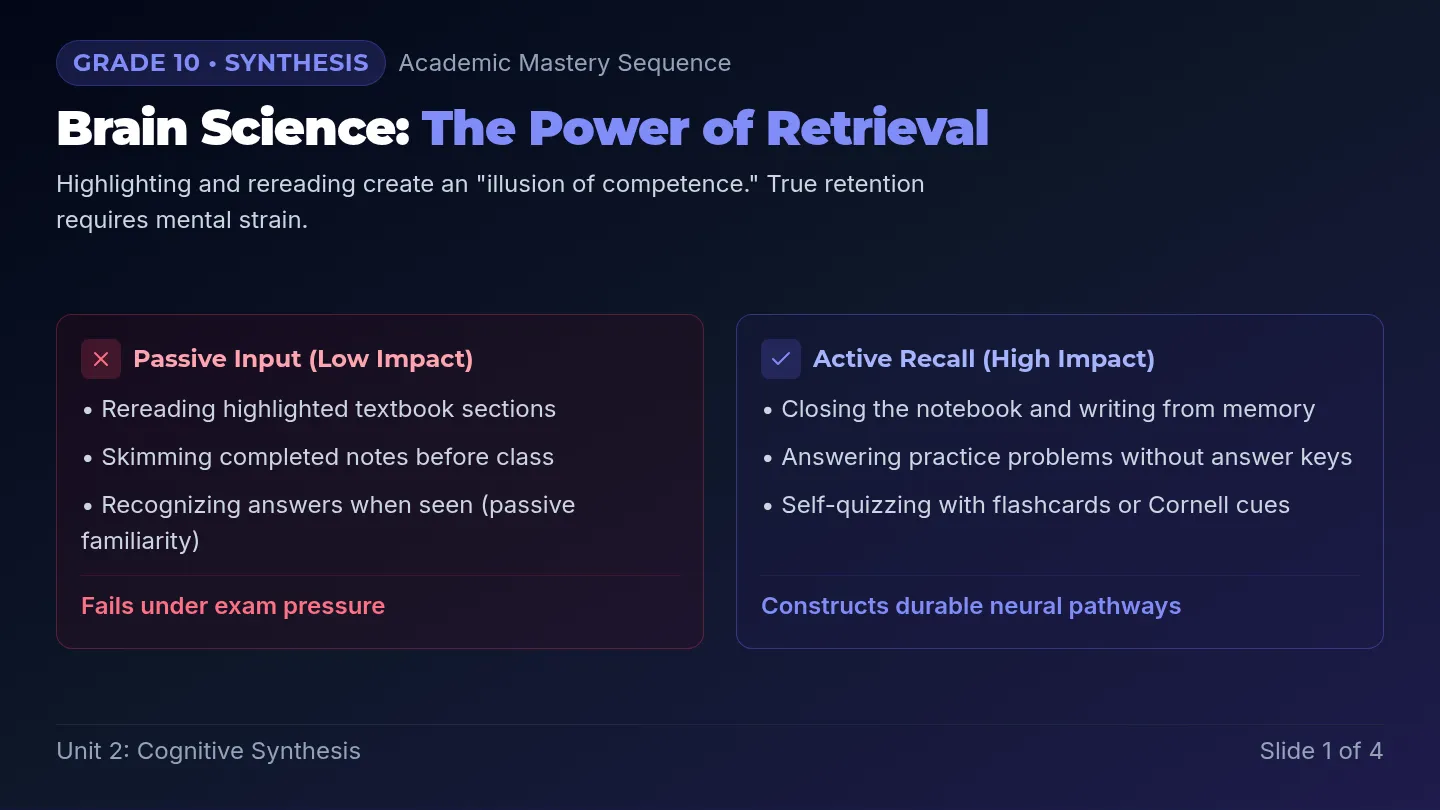
Deepens learning efficiency through cognitive science, training tenth graders in active recall self-testing, spaced repetition intervals, dual coding, and deep textbook reading strategies.

S

smikamo

2
Project Sprint Planner Worksheet

Project Sprint Planner Worksheet

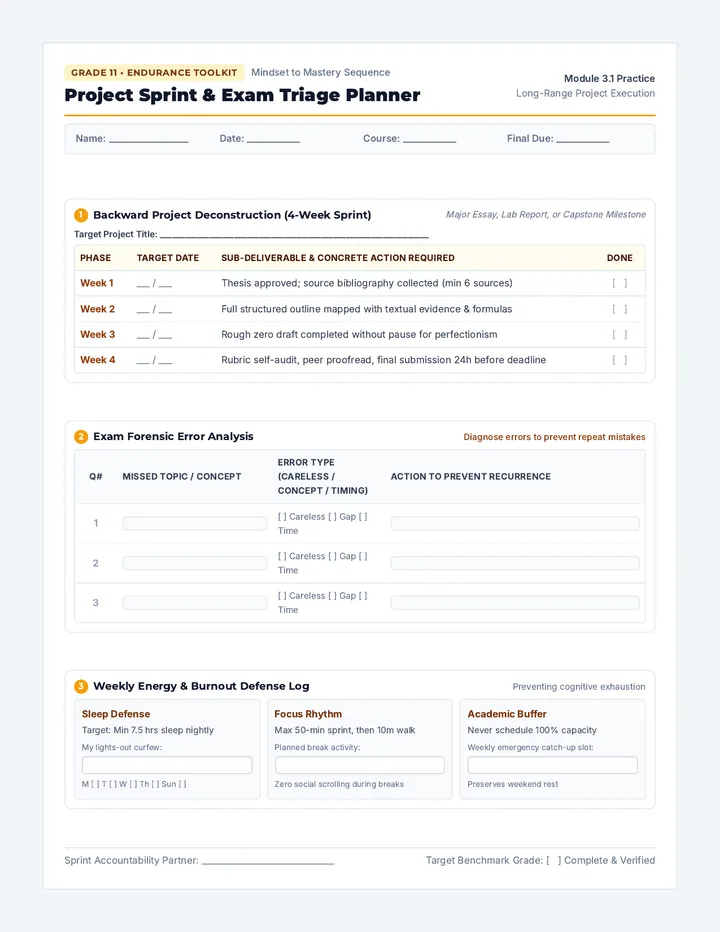
A print-ready student worksheet for eleventh graders to backward-plan major essays and AP projects, conduct forensic exam error analysis, and maintain cognitive energy logs.

S

smikamo

Feeling Detectives Facilitator Guide

Calm Club Explorers

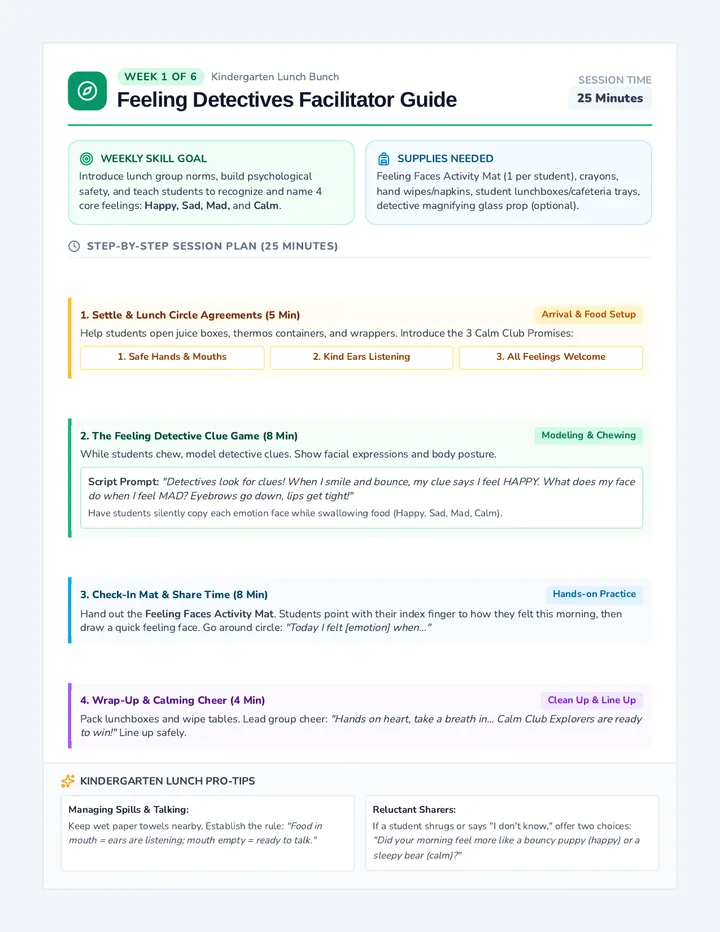
A six-week kindergarten emotional regulation lunch bunch sequence. Students learn to identify emotions, notice body clues, use sensory breathing, build coping toolkits, resolve friendship bumps, and celebrate self-regulation growth.

SS

Samantha Stagles

12
Freshman Launch Slides

Freshman Foundations

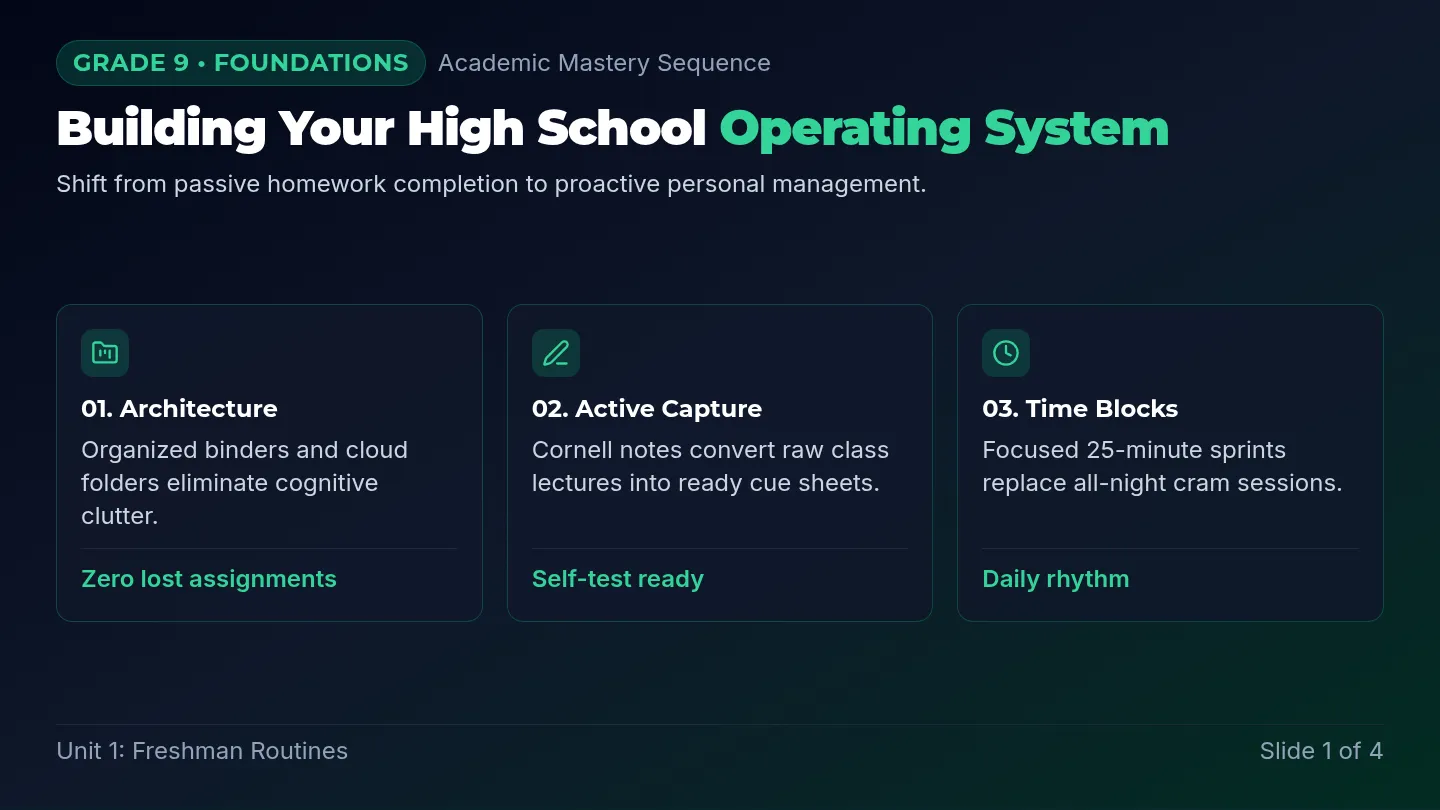
Establishes vital routines for the high school transition, focusing on organizational architecture, time-blocking fundamentals, study environment design, and active Cornell note-taking.

S

smikamo

2
Junior Stamina Slides

Junior Stamina Slides

Four-slide instructional deck for eleventh graders addressing advanced project backward-mapping, high-stakes test triage tactics, error analysis protocols, and burnout prevention.

S

smikamo