Lenny.com
Explore
Create
ActivitiesNewMathEnglish Language ArtsScience & EngineeringSocial StudiesGlobal LanguagesHealth & Physical EducationSpecial EducationCounseling & Life SkillsArts & CreativityESL
Lenny.com
Lenny.com
Explore
Create
ActivitiesNewMathEnglish Language ArtsScience & EngineeringSocial StudiesGlobal LanguagesHealth & Physical EducationSpecial EducationCounseling & Life SkillsArts & CreativityESL
Lenny.com
Lenny.com

Solutions

Lenny for EducatorsLenny for SchoolsLenny for Districts

Product

ExploreSign inCreateSupportAbout

Resources

Getting startedMTSS Acceleration Program

© 2026 Lenny Learning Inc.

TermsPrivacyAccessibility
LinkedInInstagramX
Lenny
Counseling & Life SkillsSelf-AwarenessBasic Emotion RecognitionComplex Emotion IdentificationEmotional Nuance & Mixed FeelingsBuilding Positive Self-ImageRecognizing Strengths & Growth AreasAccurate Self-AssessmentPersonal Values IdentificationCultural & Individual Identity ExplorationValues-Based Decision MakingSelf-ManagementStop-and-Think StrategiesDelaying GratificationIndependent Impulse ManagementIdentifying Stress TriggersShort-Term Goal SettingSMART Goals DevelopmentGoal Monitoring & AdjustmentBuilding Perseverance & ResilienceInternal Motivation DevelopmentComprehensive Stress Reduction PlanningSocial AwarenessRecognizing Others' FeelingsDemonstrating EmpathyRespecting Individual DifferencesUnderstanding Cultural DiversityComplex Empathetic ResponsesMultiple Viewpoint ConsiderationMulti-Perspective AnalysisChallenging Stereotypes & BiasRelationship SkillsActive ListeningClear Verbal & Nonverbal CommunicationBuilding Positive FriendshipsWorking Cooperatively in GroupsCommunicating Personal BoundariesRespecting Others' BoundariesAssertive ExpressionPeaceful Problem-SolvingContributing to Team GoalsComplex Conflict NavigationMediation & NegotiationHealthy Romantic RelationshipsResponsible Decision-MakingDaily Problem IdentificationBrainstorming Multiple SolutionsEvaluating Pros & ConsRecognizing Risks & ConsequencesApplying Ethical FrameworksInformed Risk-Benefit DecisionsRoot Cause AnalysisMindfulnessMindful BreathingBody Scan MeditationDaily Mindfulness ApplicationDaily Self-Care RoutinesBalancing Life DemandsAdvocating for Wellness NeedsMental Health SupportUnderstanding Anxiety SymptomsWorry Management StrategiesProgressive Muscle RelaxationRecognizing Depression SignsBuilding Mood-Supporting RoutinesBehavioral Activation for MoodUnderstanding Grief StagesHealthy Grief CopingCreative Expression of LossBehavioral SupportDaily Check-In ProceduresDaily Goal Setting & ReviewRecognizing Escalation Warning SignsRequesting Breaks & SupportSelf-Calming During DistressUnderstanding Positive ReinforcementToken Economy ImplementationBehavior Chart TrackingAnalyzing Behavior PatternsIdentifying Antecedents & ConsequencesDetermining Behavior FunctionFunction-Based InterventionsIndividualized Behavior ContractsData-Driven Behavior AdjustmentTherapeutic ApproachesThoughts-Feelings-Behaviors ConnectionRecognizing Thinking PatternsChallenging Negative ThoughtsPositive Self-Talk PracticeThought Record TrackingAdvanced Cognitive RestructuringComprehensive CBT PlansBehavioral Activation TechniquesBuilding Positive ExperiencesExposure Hierarchies for AnxietyPresent-Moment AwarenessNon-Judgmental ObservationSelf-Soothing & DistractionComplex Emotion LabelingReducing Emotional Vulnerability (PLEASE)DEAR MAN CommunicationGIVE Skills for RelationshipsFAST Skills for Self-RespectRadical Acceptance PracticeCrisis Survival Skills (TIPP)Understanding Trauma EffectsTrauma Responses & TriggersIdentifying Trauma FeelingsGrounding TechniquesRegulation During Trauma DistressSafe Place VisualizationProcessing Through NarrativeDeveloping Trauma StoryPersonalized Safety PlanningGroup SupportTurn-Taking & SharingGroup Conversation SkillsSharing in Supportive EnvironmentLearning from Similar ChallengesBuilding Community & BelongingNavigating Peer RelationshipsGroup Skill PracticeGroup Mental Health EducationStress & Anxiety UnderstandingCrisis Support & SafetyKnowing When to Seek HelpIdentifying Mental Health CrisesGrounding During CrisisUsing Crisis HotlinesBuilding Support NetworksAccessing Mental Health ResourcesWarning Signs & Coping StrategiesDeveloping Personal Safety PlansUnderstanding Suicide Warning SignsGatekeeper Skills for PeersDigital LiteracySocial MediaTechnology BasicsProductivity ToolsInternet and Online ResearchWeb Design and PublishingDigital CitizenshipOnline Safety and PrivacyEmerging TechnologiesFinancial LiteracyMaking Financial DecisionsBanking and AccountsConsumer SkillsSaving and InvestingCredit and DebtEmployment and IncomeTaxesInsuranceMajor PurchasesEconomic ConceptsFinancial PlanningCollege & Post-Secondary PlanningCareer ExplorationUnderstanding Post-Secondary OptionsCollege Research & SelectionAdmission RequirementsCollege Application ProcessPersonal Statement WritingFAFSA CompletionScholarship Search & ApplicationsUnderstanding Student LoansContinuing Education PlanningInterview PreparationResearching EmployersCommon Interview QuestionsSTAR Method ResponsesProfessional Interview PresenceVirtual Interview SkillsInterview Follow-UpJob Search SkillsUnderstanding Job PostingsEffective Job Search StrategiesNetworking for OpportunitiesResume Writing BasicsAction Verbs & AchievementsTailoring Resumes to JobsCover Letter WritingProfessional ReferencesProfessional CommunicationBusiness Email EtiquettePhone & Voicemail ProfessionalismMeeting ParticipationPresentation SkillsProfessional Work EthicTime Management & ProductivityTeamwork & CollaborationAdaptability & FlexibilityProblem-Solving at WorkConstructive FeedbackWorkplace RightsUnderstanding Employment LawsPay & Benefits UnderstandingWorkplace SafetyAnti-Discrimination & Harassment

Study Smarter Not Harder

A 30-minute session for 6th-grade students to learn and practice effective study strategies like Active Recall, Spaced Repetition, and the Pomodoro Technique.

SPScott Parent

Study Smarter Not Harder

A 30-minute session for 6th-grade students to learn and practice effective study strategies like Active Recall, Spaced Repetition, and the Pomodoro Technique.

SPScott Parent

2

Decide which study strategy is best.

3

Explain why you chose that strategy.

4

Be ready to share with the class!


Challenge: Pomodoro Power-Up!

A fun way to practice focused work!

Work for a set time, then take a short break!
Train your brain to concentrate.

Optional home challenge to level up your focus.


You've Got This!

Practice makes perfect!

Experiment to find what works for YOU.

Effective studying is your superpower!

"Spaced repetition means reviewing information over longer periods of time. Instead of one long study session, you do several shorter ones spread out over days or even weeks. It's like watering a plant a little bit every day instead of dumping a whole bucket of water on it once a month. Your brain remembers better with regular, spaced-out reviews. How many of you already try to space out your studying?"

The Pomodoro Technique (Slide 5)

Teacher: "Our third strategy is a technique called The Pomodoro Technique. It's super simple and really helps with focus. Here's how it works: you set a timer for 25 minutes and work only on your task during that time – no distractions. When the timer goes off, you take a short, 5-minute break. Then, you repeat the cycle."

"This helps your brain stay fresh and prevents burnout. You know you only have to focus for a set amount of time, and then a break is coming! You can adjust the times too – maybe 20 minutes of work and 5 minutes of break. Has anyone ever tried something like this?"

Study Zone (Slide 6)

Teacher: "Beyond these techniques, your study zone matters! Where you study can make a huge difference. Try to find a quiet, organized space where you won't be easily distracted. That means putting away your phone, turning off the TV, and making sure you have all your materials ready. What do you think would be the biggest distraction for you when studying?"

15 MIN

Activity & Wrap-Up

Scenario Challenge Activity (Slide 8)

Teacher: "Now it's time to put on your detective hats! I'm going to hand out the Study Strategy Scenario Challenge. I'd like you to get into small groups of 3-4 students or even work in pairs. Each scenario describes a student struggling with studying. Your task is to discuss which of the study strategies we learned today would be most helpful for that student and why. I'll give you about 6-7 minutes for this, and then we'll share back as a class."

(Distribute handout. Circulate and monitor group discussions.)

Class Reflection (Slide 9)

Teacher: "Alright everyone, let's bring it back together. Can I get a few groups to share one of their scenarios and the strategy they chose, explaining why it would be helpful?"

(Facilitate brief sharing session.)

Teacher: "Fantastic insights! It's great to see you thinking about how these strategies can be applied. Before we go, I want to briefly introduce something called the Pomodoro Power-Up Challenge."

Closing Encouragement (Slide 10)

Teacher: "The Pomodoro Technique we discussed earlier can be a real 'power-up' for your focus! This challenge is a fun, optional game you can try on your own to practice staying focused for short bursts and taking smart breaks. It really helps you train your brain to concentrate."

Teacher: "Remember, effective studying is a skill, and like riding a bike or playing a sport, it gets better with practice. Don't be afraid to experiment to find out what works best for you. You've got this! By trying out these strategies, you're building a superpower for school and for life. Thanks for a great discussion and activity today!"

You might also like

Initiation Hurdles Slides

Execution Lab

An executive functioning and work completion curriculum designed specifically for gifted middle schoolers. Students learn cognitive strategies to dismantle perfectionism paralysis, accurately pace multi-phase projects, and conquer the final submission hurdle.

MB

Michele Berning

6
Finish Line Slides

The Final Mile

Students analyze the psychological drop-off that occurs once a concept is understood, overcoming the 90% trap. Students implement verification checklists, anti-distraction intervals, and a definitive submission protocol to reliably turn in completed work.

MB

Michele Berning

2
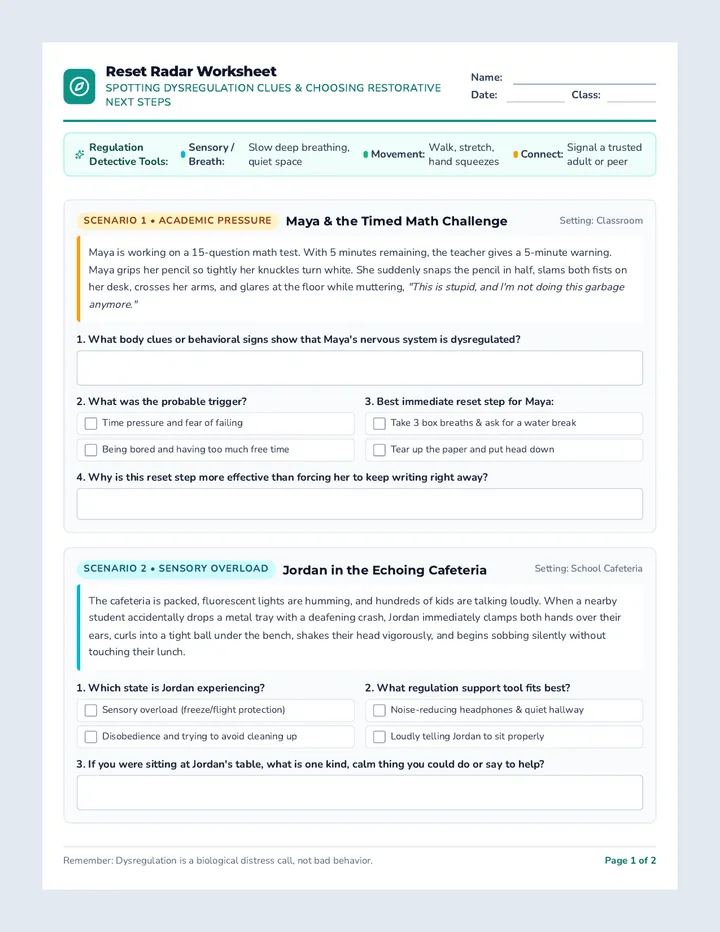
Reset Radar Worksheet

Reset Radar Worksheet

A two-page printable SEL worksheet for students to examine relatable school and everyday scenarios of emotional and sensory dysregulation, identify physical and behavioral clues, uncover underlying triggers, and select restorative coping strategies.

RJ

Robin Jadick

Launch Ignition Slides

Spark to Finish

A structured multi-day sequence designed to build executive function routines, overcome task initiation friction, sustain momentum through completion, and cultivate self-confidence.

MB

Michele Berning

9
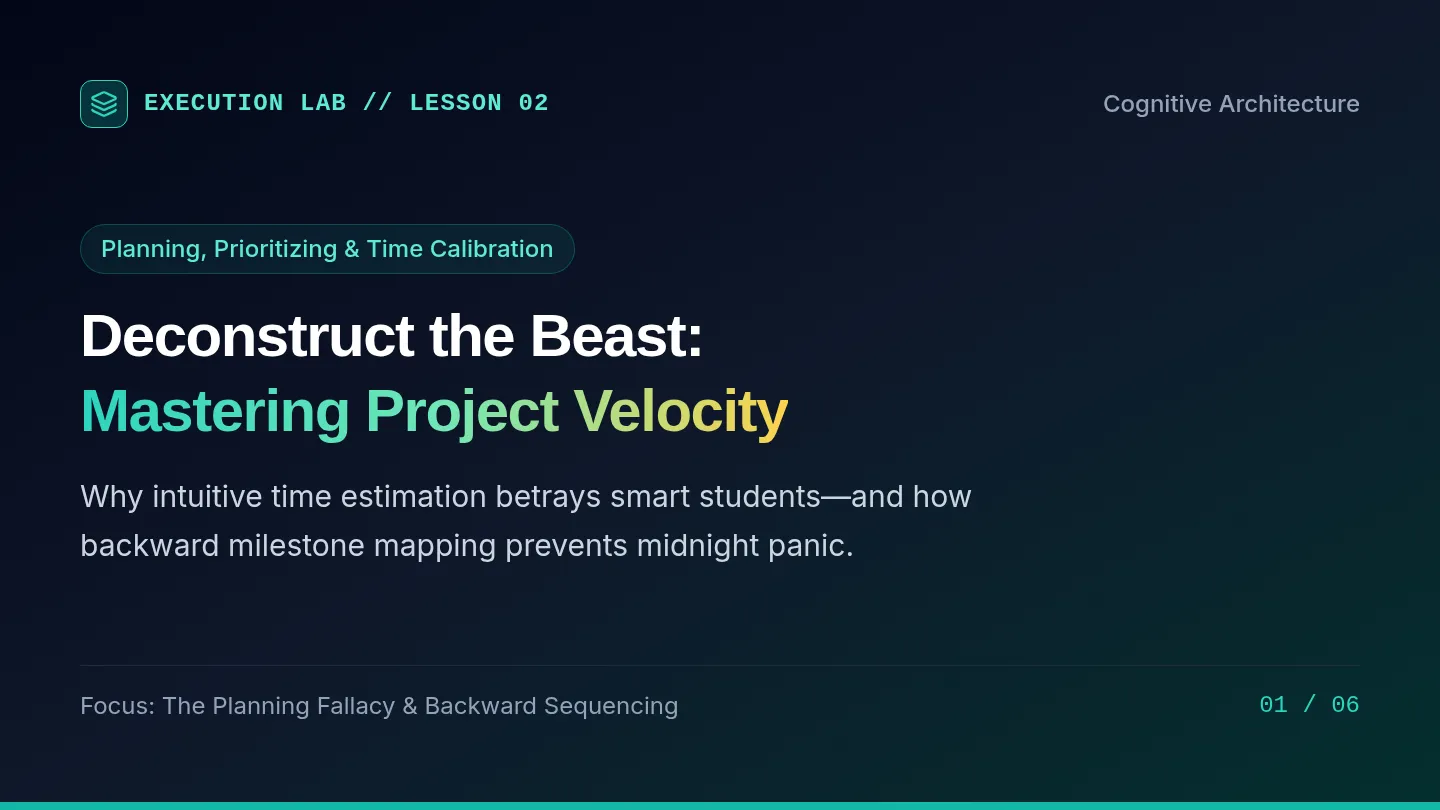
Project Deconstruction Slides

Deconstruct the Beast

Students investigate the planning fallacy and learn why intuitive estimations often fail during complex projects. Through project deconstruction, time buffers, and dependency mapping, students turn nebulous assignments into structured micro-targets.

MB

Michele Berning

2
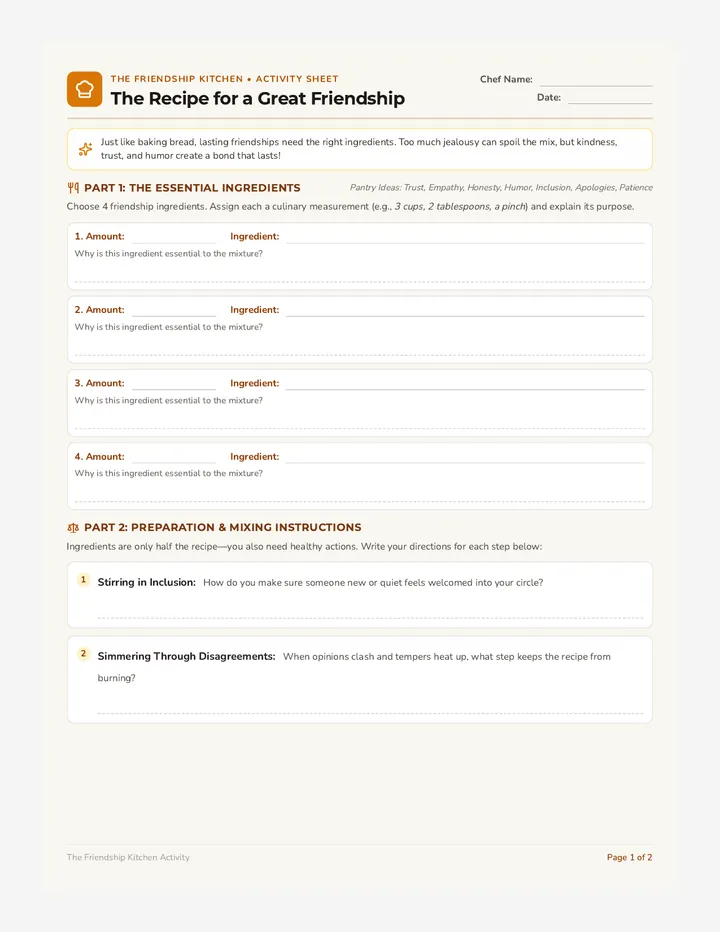
Friendship Recipe Worksheet

Friendship Recipe Worksheet

An upper-elementary recipe-themed friendship worksheet guiding students through identifying core friendship ingredients, writing mixing steps for resolving conflicts and including peers, and troubleshooting realistic friendship dilemmas.

SM

Shifra Maazari

Ripple Effect Slides

Tick Tock Tactics

A three-part instructional sequence exploring punctuality, executive functioning, time perception, and the social ripples of being on time through engaging readings, structured reflections, and practical toolkits.

S

scorona

9
Initiation Hurdles Slides

Spark the Start

Students unpack the neuroscience of task initiation, analyze how perfectionism and cognitive boredom cause avoidance, and master the 5-Minute Launchpad method. Hands-on exercises guide students to lower starting barriers and activate immediate momentum.

MB

Michele Berning

2
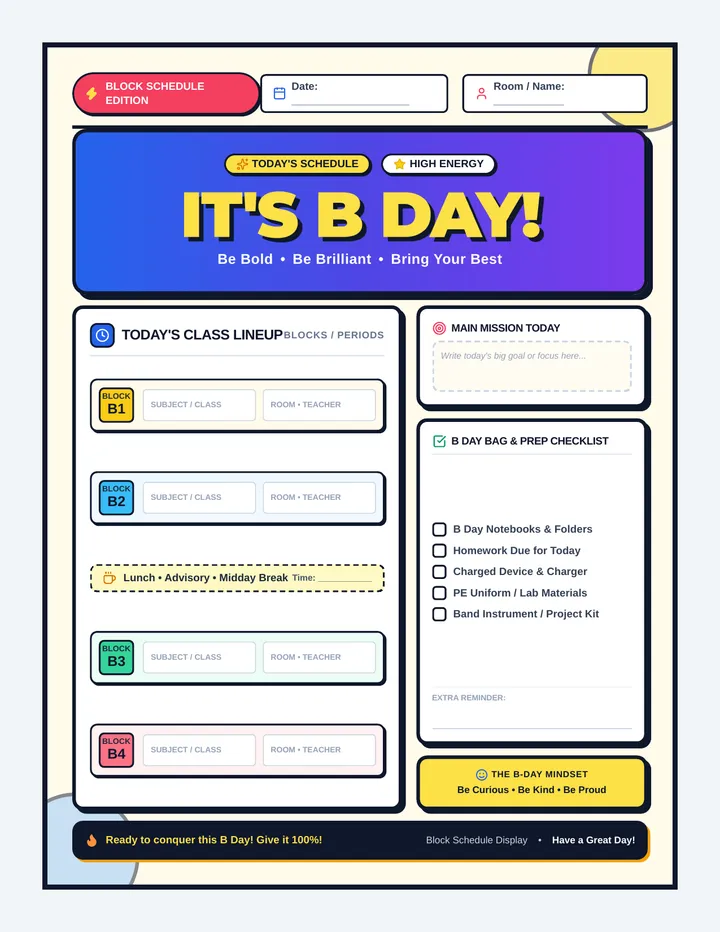
B Day Blast Poster

B Day Blast Poster

An energetic and vibrant classroom poster and daily planner announcing B Day, featuring block schedule slots, daily focus areas, and checklists.

EH

Emily Hendrickson

Hit the Brakes Slides

Pause and Power Up

A targeted 5-part executive functioning sequence designed for 6th graders navigating the cognitive demands of middle school. Students master cognitive inhibition, auditory attention, multi-step task decomposition, and working memory strategies to achieve autonomous classroom execution.

K

kiana.james

10
Gratitude Shift Slides

The Gratitude Shift

An engaging middle school lesson exploring authentic gratitude, mental well-being, everyday appreciation, and sincere communication without toxic positivity.

SW

Sarah Whiteside

2
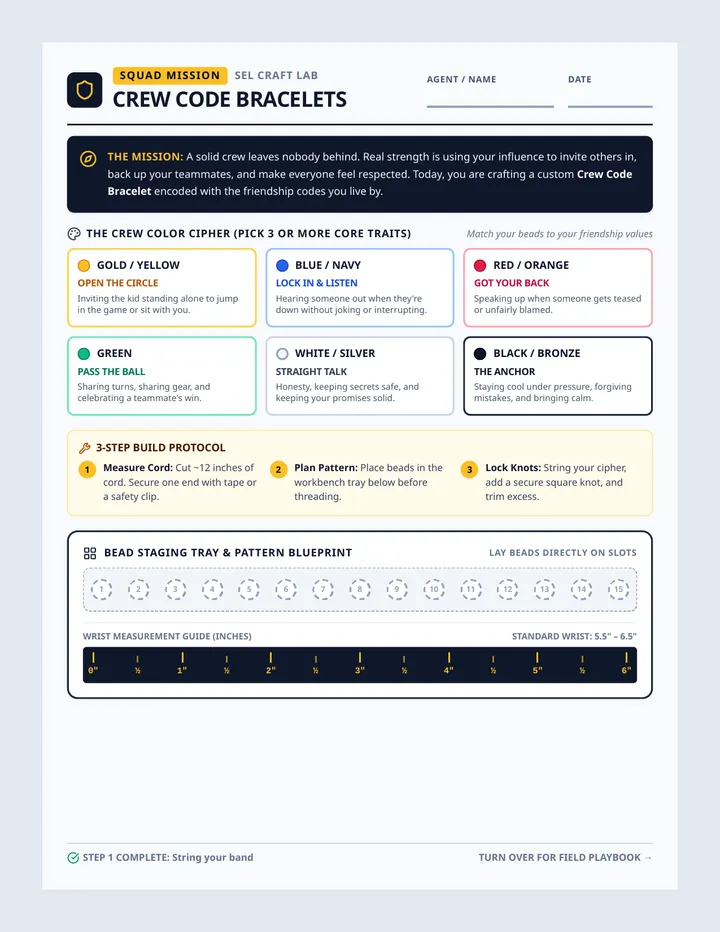
Crew Code Activity Mat

Crew Code Activity Mat

A hands-on friendship and inclusion bracelet crafting activity designed for boys' small groups. Features a friendship code color cipher, bead planning workbench, real-world inclusion scenarios, and a squad exchange pledge tag.

MF

Melissa Fitzgerald