Reading Social Cues Lesson Plan Reading Social Cues
Tier 2 Social Awareness Lesson Plan
30 Minutes
Audience
7th Grade Small Group (2 Students)
Objective
Students will identify and interpret body language, facial expressions, and tone to build social awareness.
Approach
Interactive discussion and practical examples.
Why This Matters
Understanding non-verbal cues is essential for effective communication and building strong relationships. This skill helps students better understand others' feelings and intentions, leading to more positive social interactions and reduced misunderstandings.
Preparation
Review the Reading Social Cues Slide Deck for presentation.
Print or prepare the Social Detectives Activity for each student.
Prepare copies of the Social Awareness Journal for each student.
Lesson Procedure
5 MIN
Introduction & Warm-Up
• Greet students and introduce the topic: "Today, we're going to become detectives of communication! We'll explore how much we can learn from people without them even saying a word."
• Ask: "What does 'non-verbal communication' mean to you?" Allow for brief discussion.
• Transition to the slide deck.
10 MIN
Understanding Non-Verbal Cues
• Present the Reading Social Cues Slide Deck , focusing on facial expressions, body language, and tone of voice.
• Use examples from the slides to discuss how different cues convey different emotions or intentions.
• Encourage students to share their own observations or experiences related to non-verbal cues.
• Facilitate a brief discussion on why these cues are important in daily interactions.
10 MIN
Non-Verbal Cues Activity
• Introduce the Social Detectives Activity .
• Explain the scenarios and instruct students to analyze the hypothetical non-verbal cues.
• Have students complete the activity individually or collaboratively, discussing their interpretations.
• Review answers together, discussing different perspectives and the nuances of interpreting cues.
5 MIN
Reflection and Wrap-Up
• Distribute the Social Awareness Journal .
• Ask students to briefly reflect on one thing they learned and how they might use this skill in the future.
• Conclude by emphasizing the importance of social awareness in real-life interactions.
Reading Social Cues Slides Case File: Non-Verbal
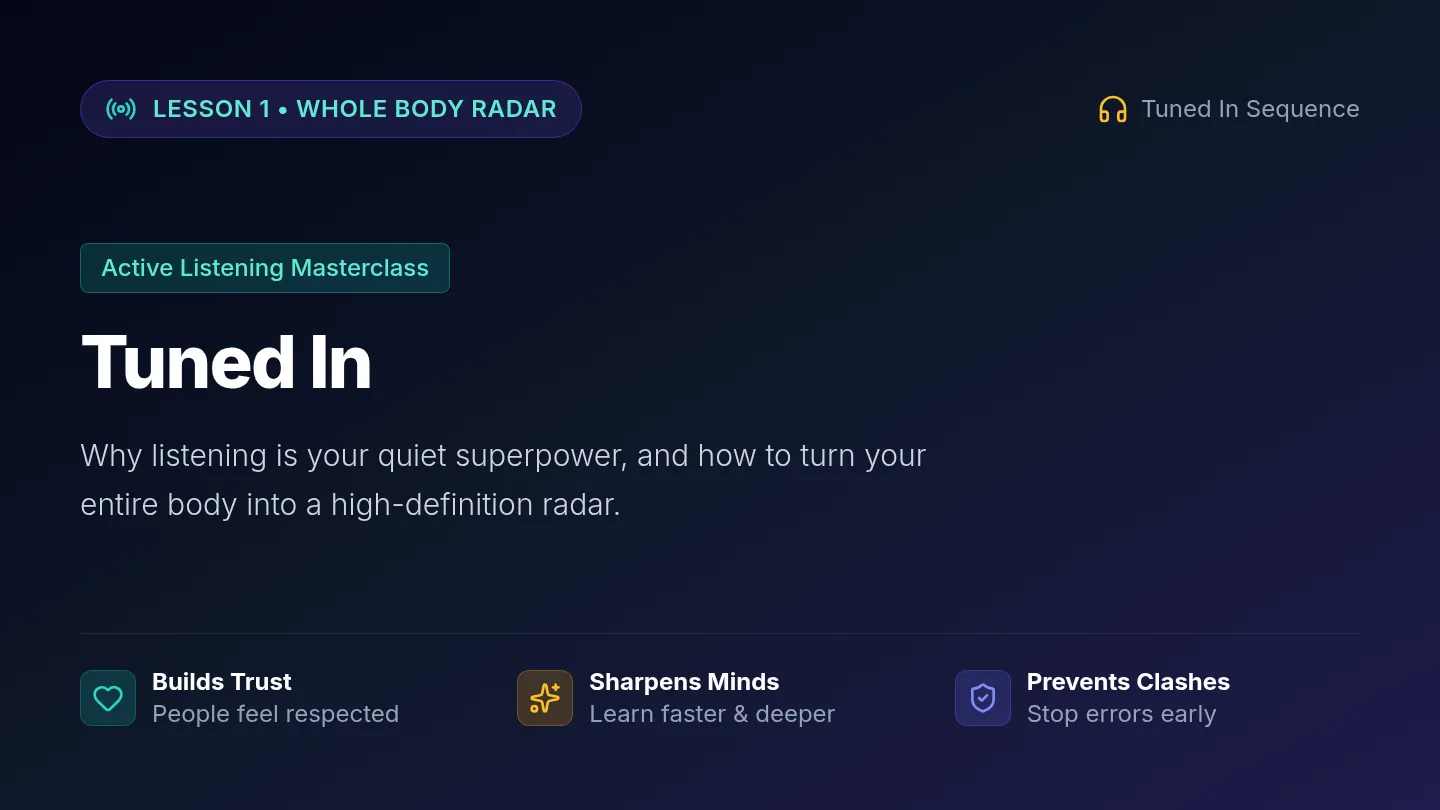
Reading Social
Cues
What does "talking without words" mean?
Teacher: Welcome students. Ask what they think "talking without words" means.
01
? What is it?
Communication without words! It's what your body, face, and voice sound like tell others.
It's often unconscious – we do it without thinking!
Teacher: Give simple examples like waving hello or a thumbs-up.
02
Your Face: A Window
Eyes: Wide, narrowed, looking away?
Eyebrows: Raised, furrowed, relaxed?
Mouth: Smile, frown, tight lips?
Emotions Revealed:
• Joy • Surprise • Sadness • Fear • Anger • Disgust
Teacher: Ask students to demonstrate a few common emotions.
03
Body Talk
Posture
Slumped, upright, or leaning in?
Gestures
Hand movements, fidgeting, pointing?
Space
How close or far you stand from someone.
Open vs. Closed
Arms crossed? Shoulders relaxed?
Teacher: Demonstrate crossed arms vs. open arms.
04
Tone of Voice
"It's how you say it, not what you say."
Volume
Loud or soft?
Pitch
High or low?
Pace
Fast or slow?
Teacher: Say "I'm fine" in different ways to show contrast.
Why does it matter?
Understand others' true feelings .
Identify interest, boredom, or frustration.
Respond appropriately in social situations.
Be more socially aware !
Time for
Detective Work!
Identify the cues. Solve the case.
Social Detectives Activity Confidential: Training Use Only
Social Detectives
Agent Name:
Date:
Mission Briefing
Read each scenario carefully. Imagine you are observing the person described. Your job is to document the non-verbal evidence and interpret the findings .
CASE #01
The Group Project
"You are working on a group project. One of your group members, Alex, is sitting slightly apart from the rest of the group. They are looking down at their notes, occasionally sighing quietly. When someone asks their opinion, they give a very short, mumbled answer and quickly look back at their notes."
Observed Non-Verbal Cues
Interpretation of Cues
CASE #02
Lunchroom Conversation
"During lunch, you see two friends, Ben and Chloe, talking. Ben is leaning in, nodding his head frequently, and has a small smile. Chloe is speaking with a slightly faster pace than usual, and her hands are animatedly gesturing as she talks."
Cues & Meaning: Ben
Cues & Meaning: Chloe
CASE #03
After the Test
"You just finished a challenging math test. You see your classmate, David, walking out of the classroom. His shoulders are relaxed, he's walking at a normal pace, and he has a calm expression on his face. He even gives a small, relaxed stretch."
Observed Non-Verbal Cues
Interpretation of Cues
CASE #04
Presenting an Idea
"Your teacher is presenting a new idea for a class fundraiser. She is standing tall, making eye contact with students around the room, and speaking with a clear, steady voice. She occasionally smiles as she explains the benefits."
Observed Non-Verbal Cues
Interpretation of Cues
Social Awareness Journal Social Awareness Journal
Name
Date
1
What I Learned Today
What is one new thing you learned or realized about non-verbal communication today? How might this knowledge change the way you observe or interact with others?
2
Putting It Into Practice
Think about a recent situation where understanding non-verbal cues could have helped you. Describe the situation and how you might have approached it differently with your new understanding.
Success in communication is 90% observation.