Joke's On Who Lesson Plan Joke's On Who?
Lesson Plan: Empathy & Humor
7th Grade
Duration
30 Minutes
Approach
Interactive Discussion
Focus
Social-Emotional Learning
Why This Lesson?
Understanding how our words, even in jest, can affect others is crucial for building a positive and respectful classroom environment and fostering empathy among students. 7th graders are at a developmental stage where peer approval is high, and humor is often used to navigate social hierarchies.
Learning Objective
"Students will be able to identify different types of jokes, recognize when a joke might be hurtful, and understand the impact of their words on others."
Required Materials
Slide Deck: Joke's On Who?
Worksheet: Understanding Hurtful Jokes
Answer Key
Teacher Preparation (10 mins)
1
Review the Slide Deck to familiarize yourself with the scenarios and flow.
2
Print copies of the Understanding Hurtful Jokes Worksheet for each student.
3
Keep the Answer Key handy for the final wrap-up discussion.
Instructional Steps
5
Minutes
Introduction: What's So Funny?
Begin by asking students what makes a joke funny. Discuss different types of humor (puns, slapstick, observational). Introduce the concept that jokes can sometimes have unintended consequences.
Slides 1-2
10
Minutes
Exploring Hurtful Jokes
Present three scenarios where jokes might be hurtful. Facilitate a brief discussion on why these jokes could be hurtful, focusing on empathy and perspective-taking. Introduce the difference between intent (what we meant) and impact (how it was received).
Slides 3-5
10
Minutes
Worksheet Activity
Distribute the worksheet. Instruct students to complete it individually or in small groups. Circulate around the room to provide support and listen to their reasoning.
Slide 6
5
Minutes
Wrap-up and Reflection
Review answers as a class. Emphasize the importance of thinking before speaking and considering others' feelings. Conclude with the key takeaway: "Humor is great, but kindness is greater!"
Slide 7
Joke's On Who Slide Deck Joke's On Who?
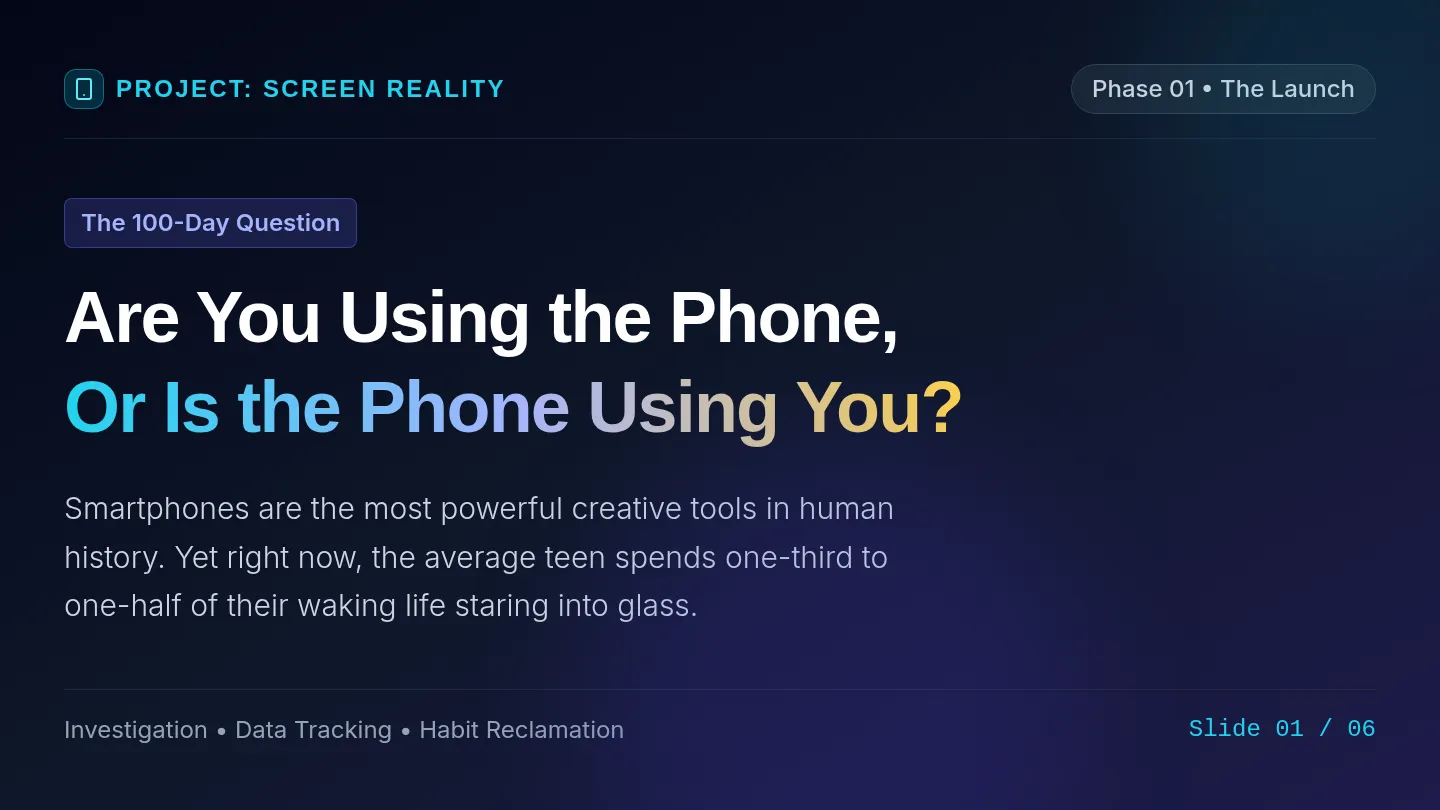
Understanding the Power of Humor & Empathy
What's So Funny?
?
What makes a joke funny?
?
Why do we tell jokes?
!
Can jokes ever be not funny?
Humor: A Double-Edged Sword?
Brings people together and creates fun.
Can accidentally (or intentionally) cause harm.
How can we tell the difference?
Scenario 1: The 'Harmless' Tease
Observation
"Sarah always makes jokes about her friend Mark's messy locker. She thinks it's funny, and Mark usually laughs along, but lately, he's been quiet and avoiding her."
Is Sarah's joke harmless? Why or why not?
Scenario 2: The Online Comment
Social Media
"Jake posts a picture of his elaborate model airplane on social media. A classmate comments, 'Wow, still playing with toys, Jake? Grow up!' with a laughing emoji."
How might Jake feel?
What's the impact?
Scenario 3: The Group Joke
Stereotypes
"During lunch, a group of friends starts telling jokes about a specific type of music that another classmate, Maria, loves. They say things like, 'Only weirdos listen to that!' Maria overhears them."
Why is this type of joke especially hurtful?
Your Turn!
Now, let's practice thinking about how jokes affect others. Use your worksheet to analyze different situations.
Worksheet: Understanding Hurtful Jokes
Be a Kind Comedian!
Intent vs. Impact: It's not just what you meant.
Empathy: Put yourself in their shoes.
Choose Wisely: Kindness > Humor.
Speak Up: If it feels wrong, say something.
Humor is Great. Kindness is Greater.
Understanding Hurtful Jokes Worksheet Joke's On Who?
Understanding Impact & Empathy
Name:
Date:
Instructions: Read each scenario carefully. For each scenario, answer the questions to explore the potential impact of the joke.
Scenario 1
The "Harmless" Tease
Sarah always makes jokes about her friend Mark's messy locker. She thinks it's funny, and Mark usually laughs along, but lately, he's been quiet and avoiding her.
1. What is Sarah's intention?
2. How might Mark actually be feeling?
3. Even if Mark laughed, does that mean the joke isn't hurtful? Explain.
Scenario 2
The Online Comment
Jake posts a picture of his elaborate model airplane on social media. A classmate comments, "Wow, still playing with toys, Jake? Grow up!" with a laughing emoji.
1. What is the classmate's intent behind the comment?
2. How might Jake feel after reading this comment?
3. Why can online comments be especially hurtful, even if they seem like "just a joke"?
Scenario 3
The Group Joke
During lunch, a group of friends starts telling jokes about a specific type of music that another classmate, Maria, loves. They say things like, "Only weirdos listen to that!" Maria overhears them.
1. What message are the friends sending, even if they aren't directly talking to Maria?
2. How might Maria feel about her interests after hearing these jokes?
3. What's the difference between making fun of a thing and making fun of someone's connection to a thing?
Reflect and Respond
1. What is one way you can tell if a joke might be hurtful to someone else?
2. Describe a time when you heard a joke that made you or someone else uncomfortable. What happened?
3. What is one thing you can do or say if you hear a joke that you think is hurtful?
Think Before You Speak!
Understanding Hurtful Jokes Answer Key Answer Key
Understanding Hurtful Jokes: What's the Impact?
Teacher Resource
Scenario 1
The "Harmless" Tease
1. What is Sarah's intention?
Sarah's intention is likely to be funny, to tease Mark in a playful way, and perhaps to get a laugh from others. She probably doesn't mean to deeply hurt him.
2. How might Mark actually be feeling?
Mark might be feeling embarrassed, self-conscious, or even annoyed. He might feel like Sarah doesn't respect his personal space or his belongings. He might be feeling hurt that his friend is making him the butt of a joke, especially if it's a recurring theme.
3. Even if Mark laughed, does that mean the joke isn't hurtful? Explain.
No, not necessarily. Mark might laugh along to avoid conflict, to fit in, or because he feels pressured to. His laughter might be a way to mask his true feelings of discomfort or hurt. The impact of a joke is more important than the intention or a forced reaction.
Scenario 2
The Online Comment
1. What is the classmate's intent behind the comment?
The classmate might intend to be funny or to get a reaction from others. They might not realize the severity of their words, or they might be trying to appear "cool" or "mature" by putting someone else down.
2. How might Jake feel after reading this comment?
Jake might feel hurt, embarrassed, invalidated, or angry. His hobby is important to him, and the comment dismisses his passion and makes him feel childish for enjoying something he loves.
3. Why can online comments be especially hurtful, even if they seem like "just a joke"?
Online comments are permanent and can be seen by many people, amplifying the embarrassment or hurt. There's also no tone of voice or body language to soften the message, making it easier to misinterpret or for the negative intent to come across stronger. It's harder to gauge the other person's reaction in real-time.
Scenario 3
The Group Joke
1. What message are the friends sending, even if they aren't directly talking to Maria?
The friends are sending a message that Maria's musical taste is "weird" or "bad." They are creating an environment where it's not safe to express interest in that type of music, potentially making Maria feel excluded, judged, and ashamed.
2. How might Maria feel about her interests after hearing these jokes?
Maria might feel insecure about her musical taste, embarrassed, or hurt. She might start to question her own judgment or feel less confident in sharing her interests with others.
3. What's the difference between making fun of a thing and making fun of someone's connection to a thing?