Commute Costs Answer Key
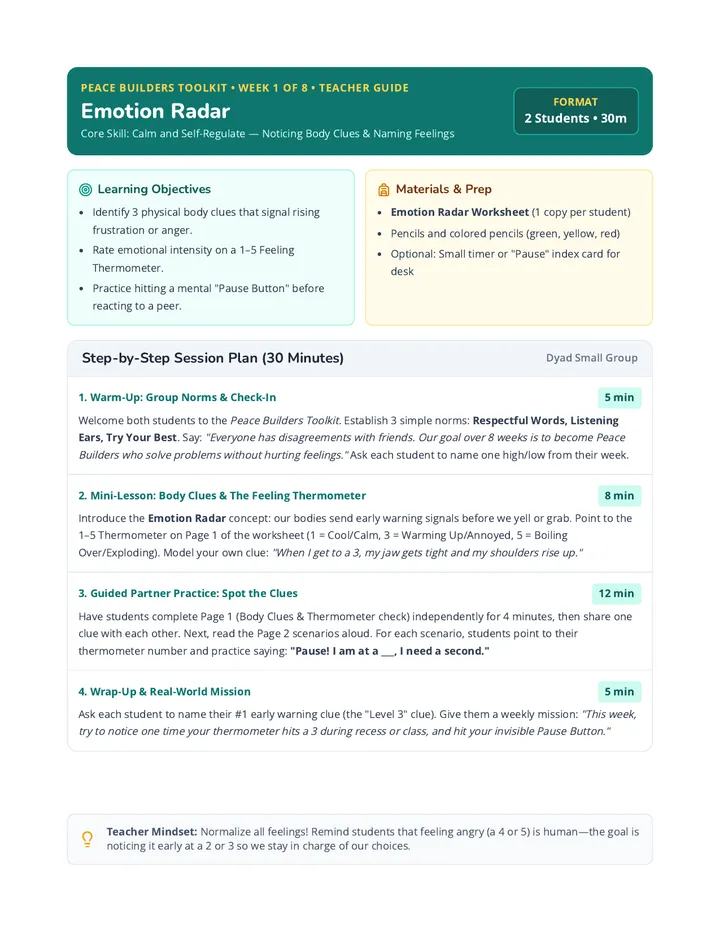
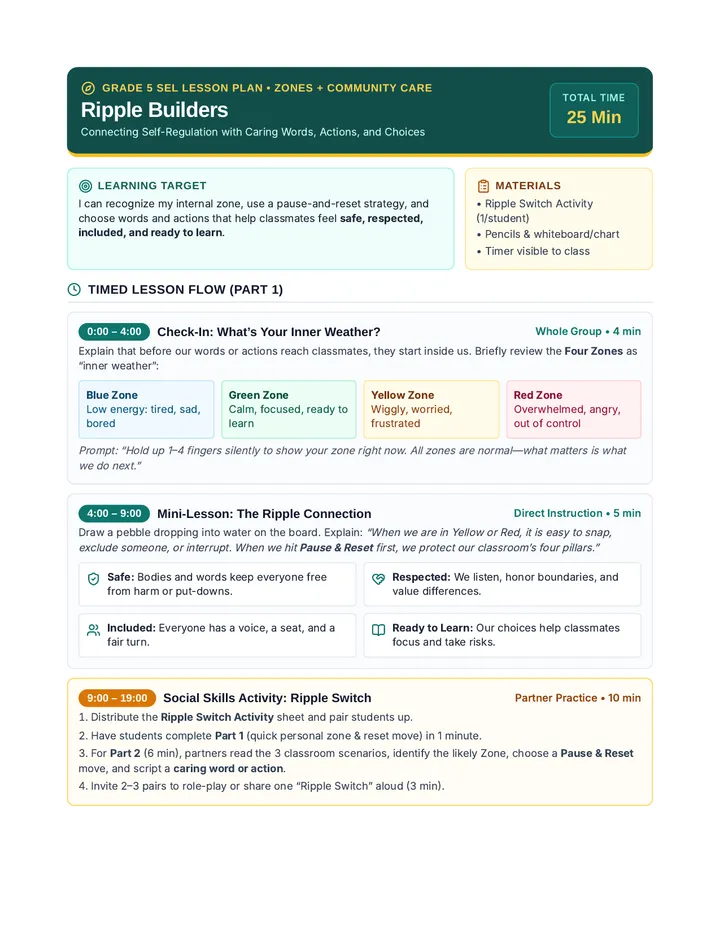
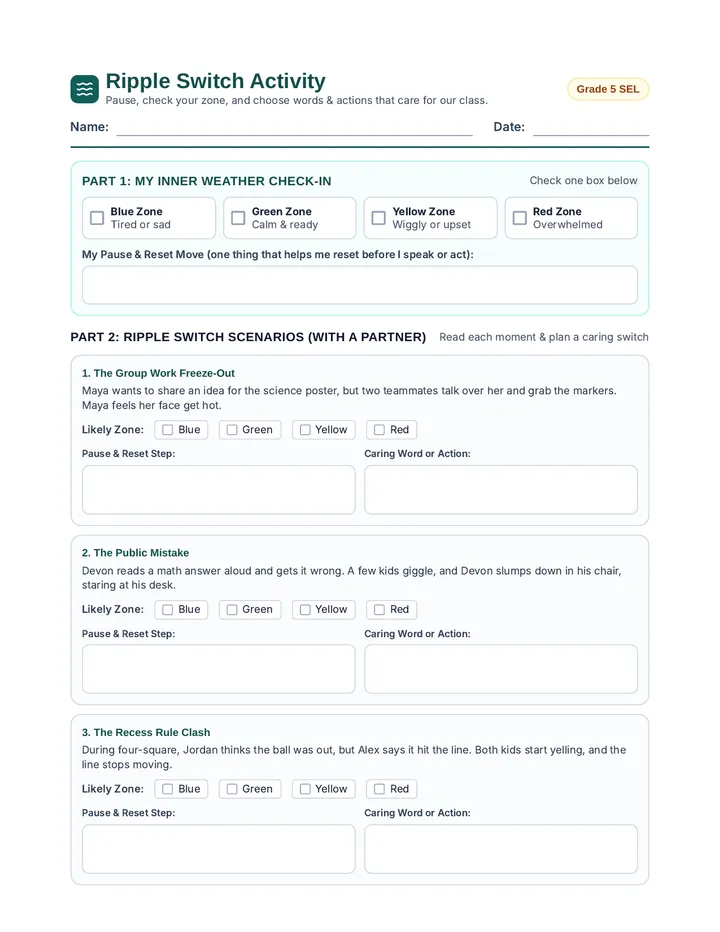
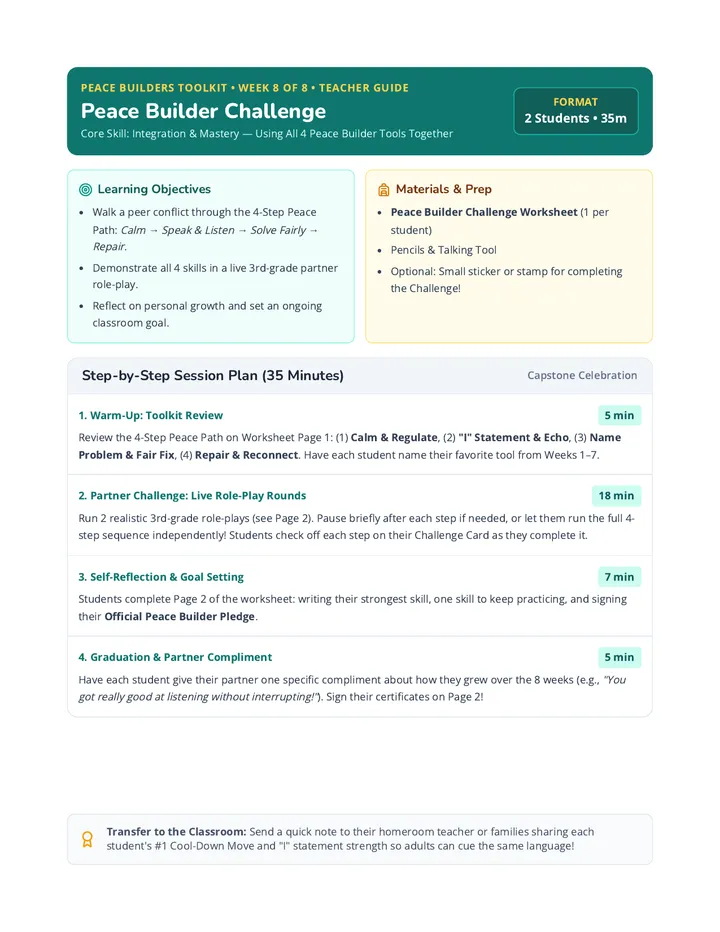
Financial Literacy • Answer Key & Exemplar
Commute Costs Answer Key
Teacher / Student Reference Level 3+ Writing & Accountable Talk
PART 1
Choose the Best Response
A student is deciding whether to buy a used car or rely on public transit for commuting to work. Which of the following factors is most important to consider when evaluating the total monthly cost?
A. How many friends own cars
B. The color and style of the car
C. Fuel, insurance, maintenance, and transit fares
D. How many social media posts feature the option
Why C is Correct: Evaluating total monthly cost requires counting recurring out-of-pocket expenses—such as gas, insurance, maintenance, and transit passes. Options A, B, and D reflect social or aesthetic preferences rather than financial costs.
PART 2
Workplace Scenario & Class Comment Drop
Scenario: You and a coworker need to travel to different job sites each week. Your coworker buys a used car without planning for insurance, maintenance, or gas. After a month, they realize the total costs are much higher than they expected and their budget is strained.
Prompt: How can comparing transportation options—like owning a car, taking public transit, or using rideshares—help someone save money and avoid unexpected expenses?
EXEMPLAR
Level 3+ Completed Sentence Frame
Meets Level 3+ Criteria
“It is important to compare transportation options because the true monthly cost of commuting includes much more than just a vehicle’s purchase price or a single ride fare. Understanding costs like fuel, insurance, maintenance, and fares helps me budget by allowing me to calculate realistic recurring expenses ahead of time so my paycheck isn’t drained by surprise repairs or fees. By planning ahead and choosing the best option for my needs, I can avoid straining my monthly budget like my coworker did and work toward building an emergency fund and reaching my long-term financial goals.”
Why This Earns a Level 3+ Score
Specific Evidence: Connects directly to hidden car costs (repairs, insurance, fuel) vs. transit/rideshares.
Scenario Link: References the coworker’s strained budget to ground the explanation in real-world impact.
Cause & Effect: Explains how tracking recurring costs prevents financial surprises.
Forward-Looking Goal: Ties smart commuting choices to emergency savings and financial stability.
American Commute Answer Key
Financial Literacy • Lesson Answer Key
American Commute Answer Key
Teacher Reference Page 1 of 2
QUESTION OF THE DAY
Average Annual Household Transportation Spending
~$13,174 / year
Answer: According to U.S. Bureau of Labor Statistics (BLS) Consumer Expenditure data, the average American household spends roughly $12,000–$13,200 per year (about $1,100/month) on transportation—making it the second-largest household expense after housing.
REFERENCE
The American Commute
1. Does it surprise you that the majority of Americans use a car when commuting? Explain.
Sample Answer: No—most U.S. cities and suburbs are spread out with limited public transit, so driving is often the fastest and most practical way to reach work or school.
2. Every mode of transportation except the car has gained popularity in the time period shown. Why do you think this is?
Sample Answer: Rising gas, insurance, and car prices push people toward cheaper options, alongside growing environmental awareness, better bike/scooter infrastructure, and more remote/hybrid work.
3. What factors might impact what type of transportation a person decides to use?
Sample Answer: Monthly budget, commute distance, local transit availability, weather/climate, parking costs, physical ability, and whether they live in an urban, suburban, or rural area.
4. Think about the types of transportation people use in your community. How would that compare to national data?
Sample Answer (varies by location): Suburban/rural communities typically rely on cars even more than the national average due to fewer transit routes; dense cities see higher bus, rail, walking, and biking rates.
INTERACTIVES
Intercity Transit & Bikeshare / E-Scooter Maps
1st Map (National): Bus access since 2006?
Sample: Rural access to intercity buses has declined or stayed very limited since 2006, leaving large rural regions with little to no bus service.
1st Map (Local): Your county since 2006?
Guidance: Answers vary by county—note whether % with access stayed at 0%, dropped as routes closed, or remained steady along a major highway.
2nd Map (National): Bikeshare & e-scooters?
Sample: Access grew rapidly after 2015 in major cities and college towns, though most rural counties still have little to no access.
2nd Map (Local): Your county since 2015?
Guidance: Answers vary by county—urban/suburban counties likely show new programs launching after 2015; rural counties likely show none.
Financial Literacy • Lesson Answer Key
American Commute Answer Key (Continued)
Teacher Reference Page 2 of 2
INTERACTIVE REFLECTION
Life 5 Years After High School
Think of your life 5 years after high school. Would you prefer to live in a city with access to buses, bikeshare, and e-scooter programs? Explain.
Sample Answer: Yes—living in a city with buses, bikeshare, and e-scooters could save thousands of dollars each year by avoiding car loans, insurance, gas, and parking fees while getting to work or college easily. (Alternate: No—if my job requires traveling outside transit zones, I would budget for a used car.)
VIDEO
Costs to Consider When Buying a Car
1. BEFORE watching: What costs do you expect to pay in your first year of car ownership?
Sample Answer: Down payment or purchase price, monthly loan payments, auto insurance, gas, title/registration fees, sales tax, and basic maintenance (oil changes, wiper blades, tires).
2. If your car expenses are LESS than you budgeted for the month, why might it be a good idea to save that leftover money?
Sample Answer: Car expenses are uneven—some months have no repairs, while others bring sudden $500–$1,500 bills (new tires, brakes, battery, or an insurance deductible). Saving the surplus builds a car maintenance fund so unexpected repairs don’t force you into debt.
3. How has this video impacted the way you look at car ownership?
Sample Answer: It shows that the sticker price is only part of the cost. Ongoing expenses—especially insurance, depreciation, loan interest, fuel, and repairs—add up quickly, so it’s essential to calculate the total cost of ownership before buying.
ARTICLE
Ways to Reduce Your Transportation Costs
Which of these cost-saving measures are doable for you right now as a teenager? How might this change as you get older?
Doable Now (As a Teenager)
- Carpooling with friends or family
- Walking or biking for short trips
- Using student transit discounts
- Keeping tires properly inflated
Later (As an Adult)
- Buying a fuel-efficient used car
- Shopping for lower insurance rates
- Living closer to work or transit lines
- Using remote/hybrid workdays
Key Takeaway: Small habits now (carpooling, biking, student transit passes) build smart budgeting instincts that scale up to major financial decisions later in life.