Circle Builders Slides Social Navigator Mission
Grade 4 • Peer Connections
Friendship Radar
Circle Builders
Cracking the secret code of belonging: how your daily moves either invite friends in or push them away.
Spot Hidden Cues
Magnets vs. Pushers
Power Up Belonging
Fact Check #1
Truth of the Crew
Everyone Wants to Be in the Circle
Wanting to join the group, laugh at lunch, and play at recess is 100% normal.
What You Want
"I want people to listen when I talk. I want to be chosen for the team, share jokes, and feel like I belong."
Super Normal & Awesome Goal!
The Big Mystery
"If I want friends so badly, why do people sometimes back away, roll their eyes, or leave me out of games?"
The Answer: Social Physics
Key Insight: It is rarely about who you are. It is almost always about how your moves make others feel .
The Ripple Machine
Cause & Effect
Every Move Creates a Reaction
You control step 1. The group decides step 2 and 3.
Step 1 • Your Choice
Your Action
What you say, how loud you say it, how you react when you lose, or whether you share control.
In your direct control
Step 2 • Inside Peers
Their Feelings
Do they feel safe, respected, and heard? Or do they feel bossed around, annoyed, and on edge?
Created by your move
Step 3 • The Result
Their Reaction
They either step closer ("Come play with us!") or back away ("We don't have room right now").
Determines your belonging
⚡ Notice this: If you want a different Reaction, you have to change your Action first.
Case Study #1
Recess Basketball Court
The Game Takeover
What you think you are doing vs. what peers experience.
The Pusher Move
Leo joins the game and yells: "That doesn't count! We're playing by my rules now! Pass to me every play or I'm taking the ball!"
Leo's Intent: He just wants to win and be seen as awesome at basketball.
How the Group Feels
"Playing with Leo isn't fun—he makes it all about him."
"He argues over every point. We feel stressed."
The Next Day: They say the court is full when Leo walks over.
🔍 The Reality Check: Leo thinks they don't like him. In reality, they just hate being bossed around.
Case Study #2
Lunch Table Conversation
The Tease Trap & Volume Spike
When trying to be funny turns into driving friends away.
The Pusher Move
Marcus wants everyone laughing, so he repeatedly mimics a classmate's voice loudly and won't stop even after they say "Cut it out, man."
Marcus's Intent: He wants attention and laughs from the crew.
How the Group Feels
"He doesn't know when to turn it off or stop."
"Sitting next to him means getting teased or embarrassed."
The Next Day: They save seats for each other, leaving Marcus on the edge.
💡 Rule of Humor: If both people aren't laughing, it isn't comedy—it's pushing people away.
Behavior Matrix
Side-by-Side
Social Pushers vs. Social Magnets
Which energy are you broadcasting into the room?
Pushers (Pushes Friends Away)
✖ Bossing the Game: Demanding rules or quitting when losing.
✖ One-Way Talking: Interrupting or turning every topic to yourself.
✖ Ignoring Boundaries: Teasing after someone asks you to stop.
✖ Hovering Aggressively: Barging in without asking smoothly.
Magnets (Draws Friends In)
✔ Flexible Play: Rolling with group rules and giving props ("Good shot!").
✔ Active Listening: Asking questions ("Whoa, what happened next?").
✔ Reading the Vibe: Noticing faces and pumping the brakes immediately.
✔ Smooth Entry: "Hey, mind if I join?" or helping without taking over.
🎯 Magnets make other people feel good about themselves. That is why everyone wants magnets around.
Perspective Shift
Stepping into Their Shoes
Walking in Their Sneakers
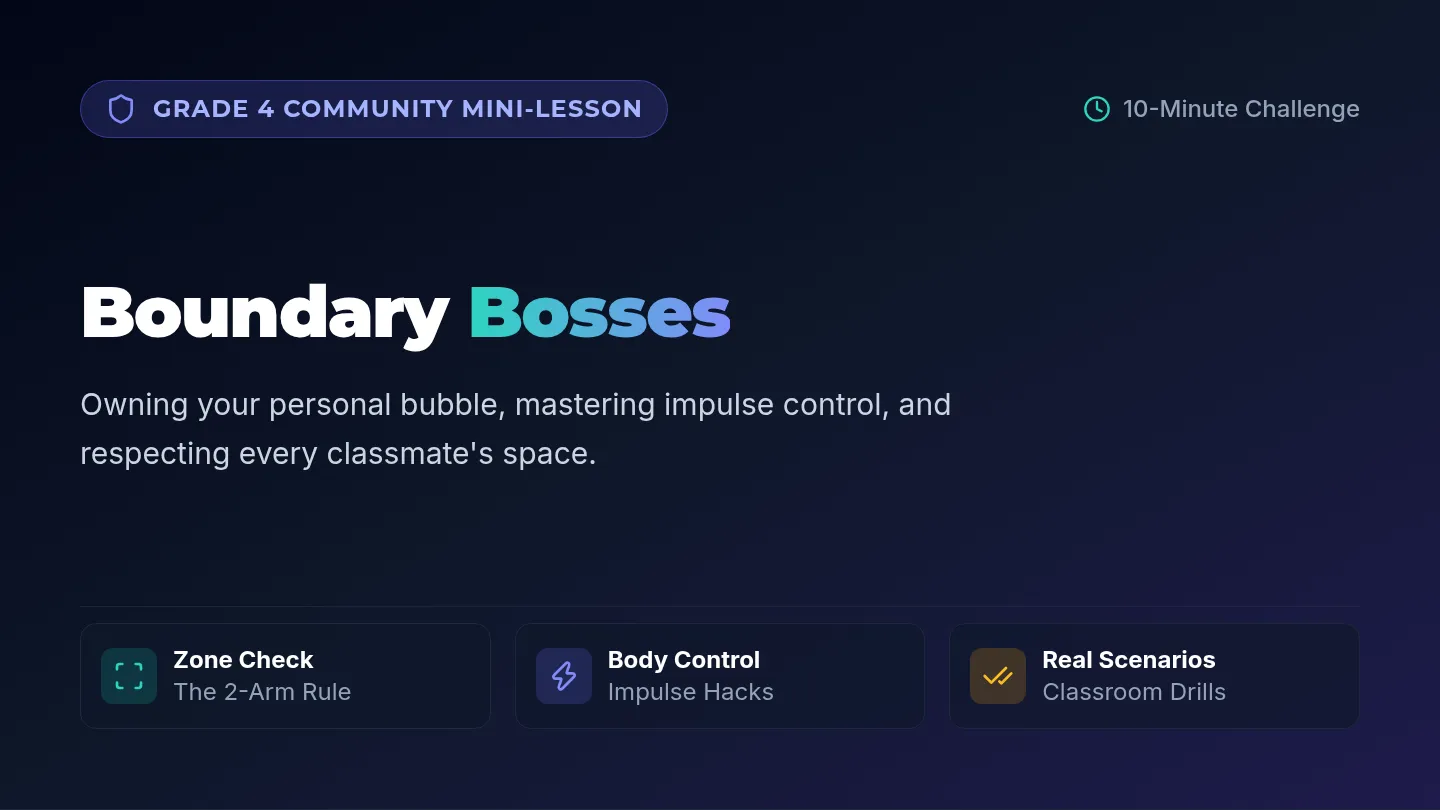
Ask yourself these 3 radar questions before jumping into the group:
1. Face Check
Are their faces smiling and relaxed, or are they frowning, rolling eyes, or crossing arms?
2. Share Check
Am I talking 80% of the time? Have I asked someone else what they think in the last 2 minutes?
3. Safety Check
Do my classmates feel safe to make a mistake around me, or am I quick to criticize and brag?
🧠 Remember: Social smarts is noticing what others feel before they have to say "Go away."
Action Toolkit
In-the-Moment Power Move
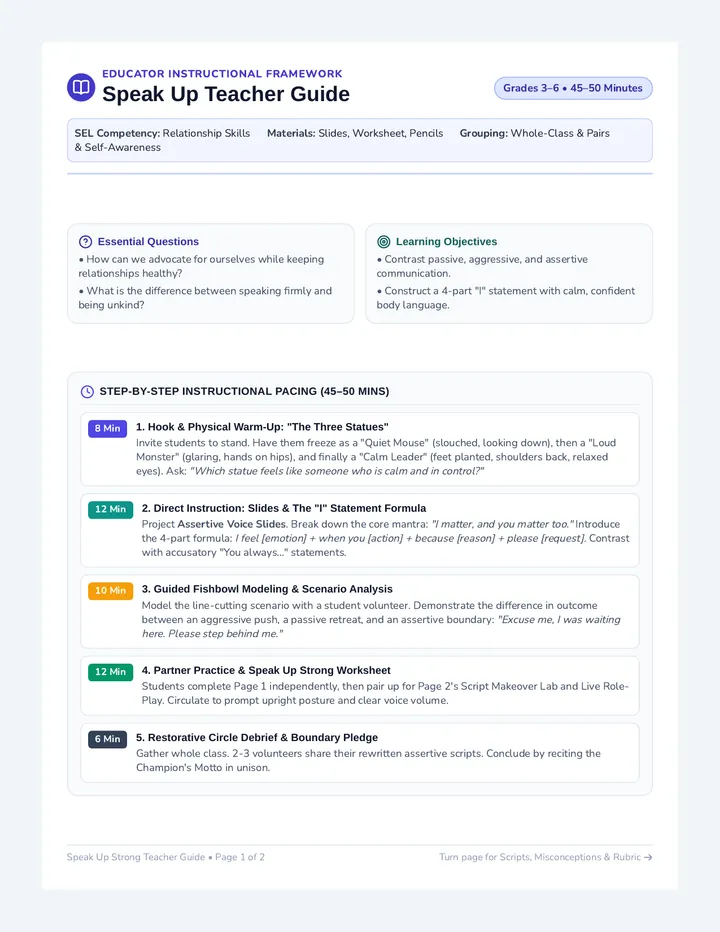
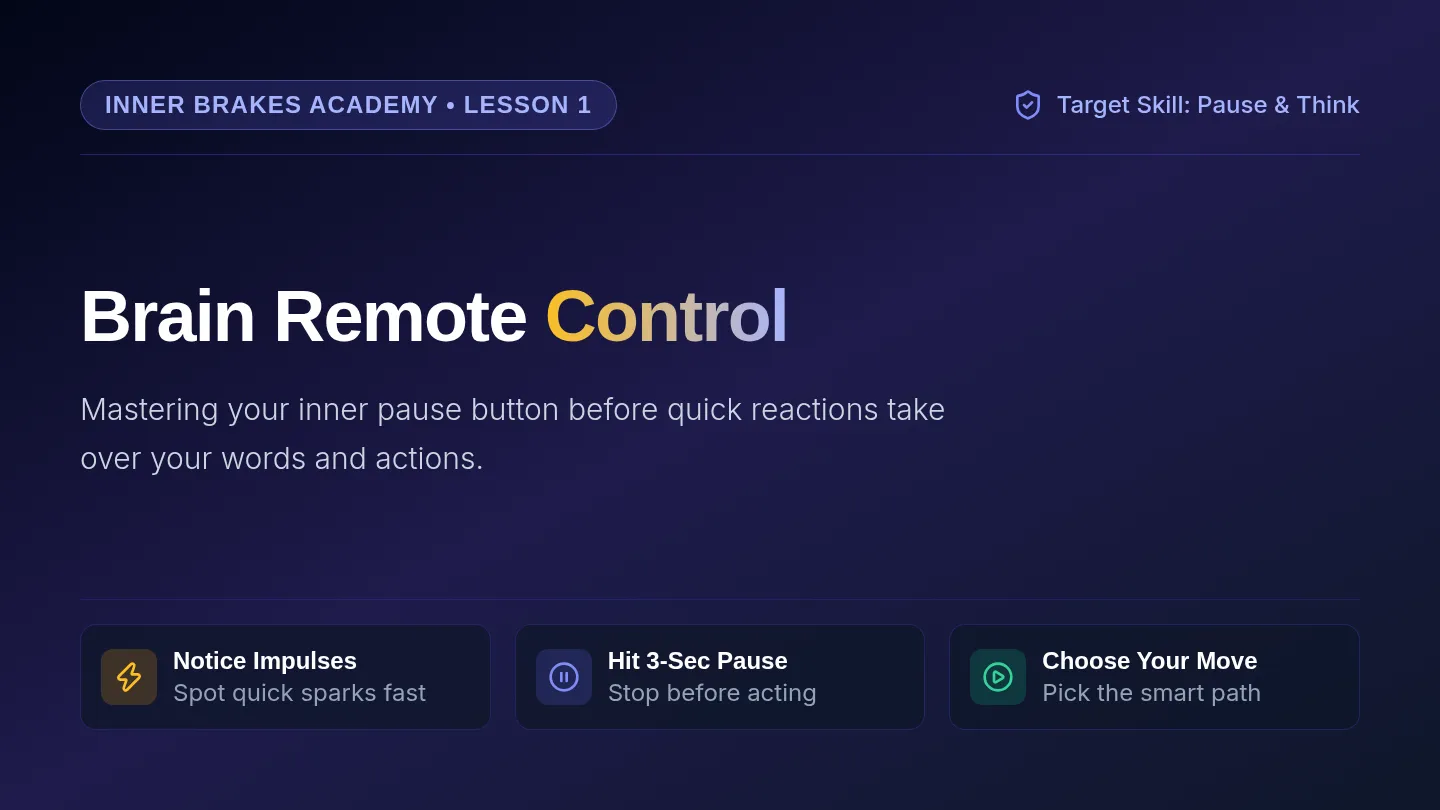
The 3-Step Social Reset
What to do when you realize you just made a Pusher move:
01
SPOT IT
Notice the cue: silence, stepped back, tightened face, or annoyed tone. Don't get defensive.
Internal thought: "Whoops, I'm taking over."
02
PAUSE IT
Take one deep breath. Close your mouth for 5 seconds. Stop defending or arguing right now.
Action: Hands down, breath in, quiet ears open.
03
PIVOT IT
Deliver a quick, confident repair move that puts the spotlight back onto your peers.
Say: "My bad! What rule do you guys want to use?"
🏆 Top secret: Kids respect someone who can say "My bad, go ahead" way more than someone who tries to be right all the time.
Mission Assignment
Put It Into Action
Your Magnet Mission Today
You have the power to change how the group sees you. Choose ONE Magnet Move for today's recess or lunch:
The Playmaker
Give 2 genuine compliments to other players on the court or playground.
"Nice pass!" / "Great run!"
The Curious Listener
Ask someone a question about their weekend or game, and listen without interrupting.
"Whoa, how did you do that?"
The Flexible Teammate
When a rule disagreement happens, agree to vote or let the other side call it.
"All good, your ball!"
When you make other kids feel awesome, they will invite you into the circle every single time.
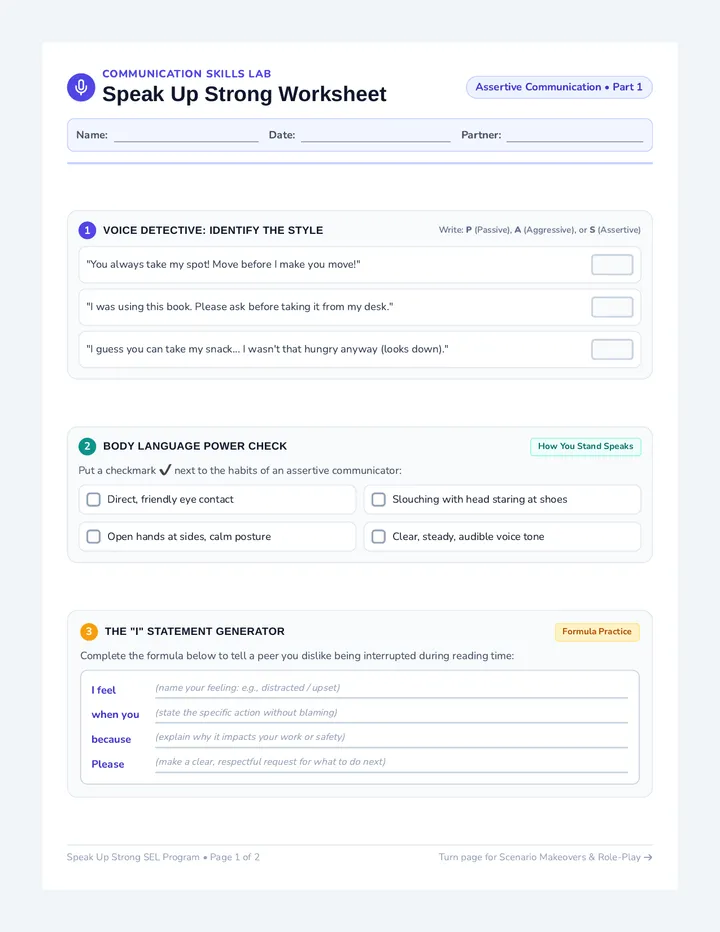
Social Detective Worksheet Circle Builders • Social Detective File
Field Report: Part 1
The Social Detective Casebook
Investigating how our choices shape our place in the crew.
Name:
Date:
1
Case Files: Intention vs. Impact
Most kids don't intend to push friends away. Read each case below and decode what went wrong.
Case A: The Four-Square Boss Recess
Tyler wants to impress everyone. When a ball lands near the line, he yells: "That was out! I make the calls! You guys are cheating!"
Tyler's Actual Goal:
How the other kids feel:
What happens tomorrow at recess?
Case B: The Tease Hijack Lunch Table
Devon wants laughs. He mimics a friend’s voice loudly and keeps repeating an embarrassing joke even after the friend asks him to stop.
Devon's Actual Goal:
How the other kids feel:
What happens tomorrow at lunch?
2
Magnet vs. Pusher Decoder
Write [ M ] for Social Magnet (attracts friends) or [ P ] for Social Pusher (pushes friends away).
Interrupting a classmate's story to tell your own cooler story about yourself.
Saying "Great play!" or "Nice try!" even when your team is losing a game.
Insisting on picking the rules every single time and sulking if someone else votes differently.
Noticing when someone looks uncomfortable and immediately stopping the teasing.
Asking "Hey, mind if I join you guys?" and accepting the answer calmly.
⭐ Detective Clue: Peers don't leave people out to be mean—they step away when being around someone feels stressful or exhausting.
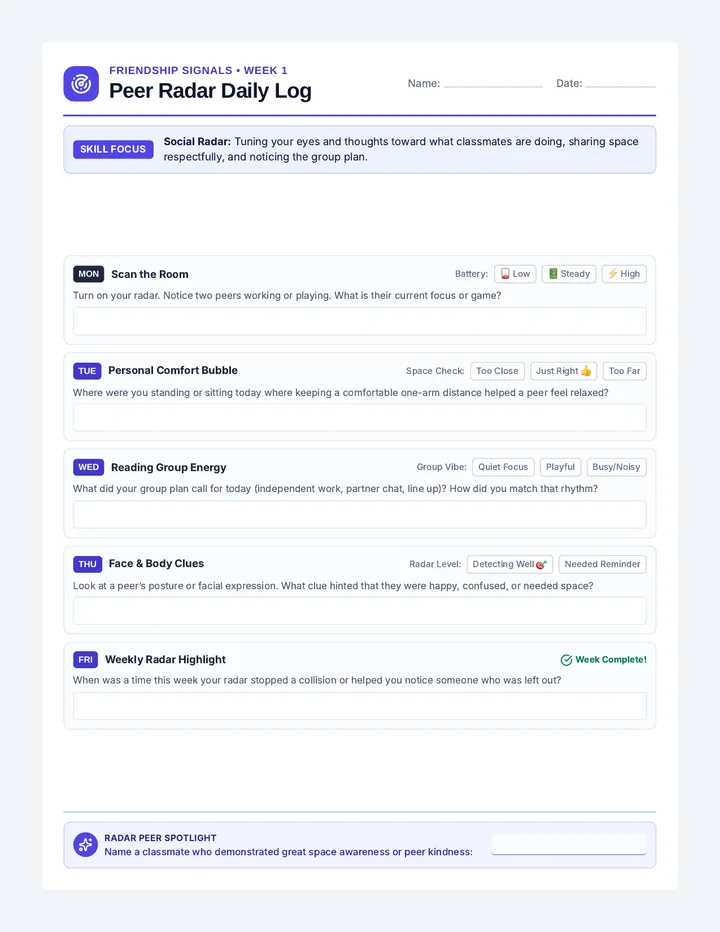
Circle Builders • Personal Strategy Field Report: Part 2
My Behavior Mirror & Action Plan
3
My Honest Radar Check
Check the box that is most honest for you. Great leaders know their blind spots!
Behavior Habit
Often
Sometimes
Rarely/Never
1. Getting loud, angry, or arguing when a game doesn't go my way
|
|
| 2. Talking over friends or turning every conversation back to me |
|
|
|
| 3. Making teasing jokes and keeping them going after others look upset |
|
|
|
| 4. Barging into a group game without asking or respecting current rules |
|
|
|
4
The Cause & Effect Mirror
Think about a time you felt pushed to the outside of a group. Trace the chain reaction:
1. What Pusher Move happened?
2. How did other kids react?
3. How did being outside feel?
5
My Replacement Playbook
When you replace a Pusher move with a Magnet move, your place in the circle changes immediately.
When I feel the urge to (my main Pusher habit):
Instead, my new Magnet Move will be:
The Circle Builder Pledge:
"I will notice my moves, make others feel respected, and use Magnet moves so my crew feels great around me."
Navigator Signature:
Circle Builders Facilitator Guide Educator Coaching Blueprint
Target: 4th Grade SEL / Peer Dynamics
Circle Builders Facilitator Guide
Guiding students from unintentional peer alienation to intentional social belonging.
4th Grade Social Landscape & Philosophy
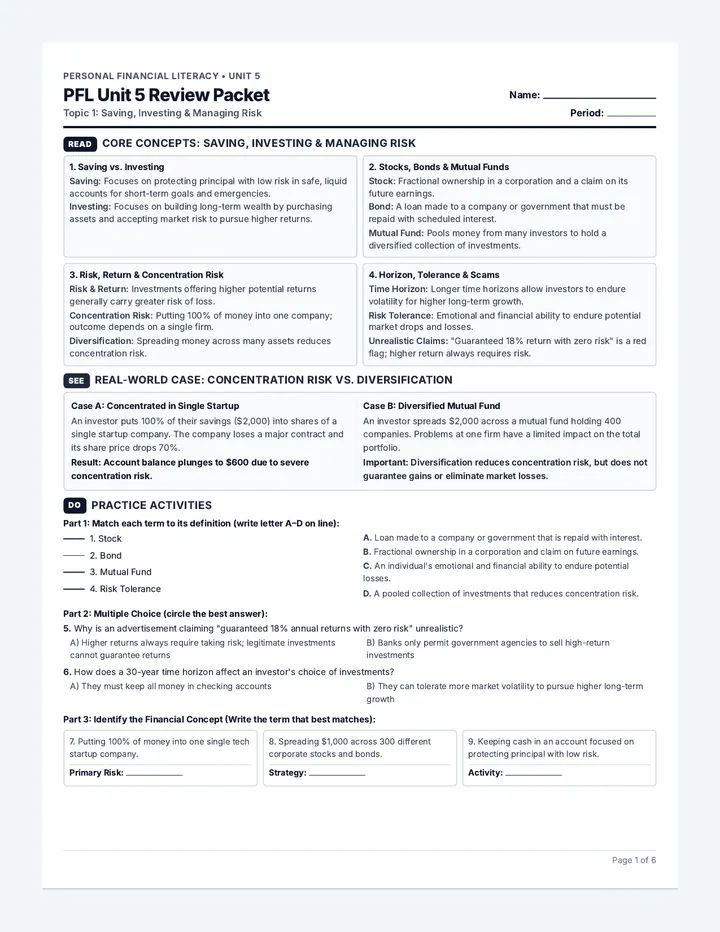
By 9-10 years old, peer groups form subtle social hierarchies where unspoken norms govern inclusion. Students who exhibit rigid game rules, elevated volume, bragging, or boundary-crossing humor are rarely malicious—they are usually trying intensely to gain status and connection. When peers withdraw, these students perceive hostility ("They're all mean to me!"), sparking a defensive cycle. This lesson decouples identity ("I'm bad") from behavioral output ("My moves push people away"), giving students concrete agency.
35–45 Minute Structured Coaching Protocol
Phase 1 • 5 Min
Validate the Goal
Affirm that wanting friends and belonging is great. Position yourself as their ally, not their judge.
Phase 2 • 12 Min
Slide Exploration
Walk through the Ripple Effect and Case Studies. Focus on the difference between intent and impact .
Phase 3 • 15 Min
Detective Work
Guide completion of the Social Detective Worksheet. Encourage radical honesty during Part 3 self-check.
Phase 4 • 10 Min
Roleplay & Action
Rehearse the 3-Step Social Reset and establish a discrete cue for today's recess or class period.
Navigating Student Defensiveness: Script Prompts
When Student Says: "They're just mean to me for no reason!"
Facilitator Reframe: "It really hurts to feel pushed out, and I believe you that it feels unfair. But here is the secret: kids rarely leave someone out because they're mean. They step back when playing together feels exhausting or stressful. What if we look at how to make hanging out with you feel fun and easy instead?"
When Student Says: "I was just joking around! They can't take a joke!"
Facilitator Reframe: "I know your goal was to be funny and make people laugh. But in 4th grade, a joke is only a joke if both people are smiling. If the other person's face tightens up or they say 'stop,' continuing doesn't make them laugh—it pushes them away. Magnets know when to drop the bit."
When Student Says: "Nobody likes me anyway, so why does it matter?"
Facilitator Reframe: "That feels heavy, and it makes sense you'd feel discouraged. But here's the good news: kids aren't rejecting you as a person; they are reacting to specific moves. When you change the move, the reaction changes right away. You have total control over that."
💡 Key Principle: Never shame the student for past incidents. Always frame replacement moves as secret power skills.
Application & Follow-Through Practical Mastery
Roleplay Drills & Progress Radar
3 High-Impact Simulation Roleplays
Run these quick 2-minute drills. Have the student physically practice saying the replacement line with relaxed body language:
Drill 1: The Disputed Boundary (Recess Sport) Flexibility
Setup: You call the ball out of bounds. The student believes it was in.
Magnet Response Script: Student takes one breath, shrugs with a smile, and says: "Looked in to me, but all good—your ball! Let's play."
Drill 2: The Conversational Pivot (Lunch Table) Active Listening
Setup: You talk passionately about a video game. The student wants to boast about their own achievements.
Magnet Response Script: Student pauses, holds back their brag, and asks: "That's sick, what level did you get up to?"
Drill 3: The Boundary Ceasefire (Humor Control) Self-Regulation
Setup: Student tells a joke. You frown and say: "Okay, stop, that's getting annoying."
Magnet Response Script: Student avoids arguing ("I was just playing!") and states cleanly: "My bad. Done."
In-the-Moment Non-Verbal Radar Cue
Agree on a private, non-embarrassing physical signal between educator and student (e.g., coach touches earlobe, or taps index fingers together).
The Signal Means: "Check your volume and radar right now—Spot and Pause."
Student Action: Inhale, stop speaking, look at peer facial expressions.
Follow-Up: Give a subtle thumbs-up when student successfully pivots.
2-Week Peer Integration Radar Tracker
Scale: 1 (Emerging) to 4 (Consistent)
Observable Social Metric
Week 1 Baseline
Week 2 Target
Educator Observation Notes
1. Flexible Play: Accepts peer rule calls without yelling/rage-quitting
Recess / PE observations:
2. Conversation Balance: Asks at least 1 follow-up question per talk
Lunch / group work observations:
3. Boundary Respect: Stops teasing immediately when given verbal/visual cue
Classroom banter check:
4. Peer Reception: Peers spontaneously invite or include student in activity
Circle belonging outcome:
Circle Builders Coaching Suite • Grade 4 Intervention Goal: True Belonging Through Relational Fluency