Celebrate Differences Game Plan Lesson Plan Celebrate Differences
Lesson Plan • 5th Grade Tier 2
30 Minutes
Small Group (Tier 2)
Objective
Students will collaborate in teams to answer questions about various cultures and traditions, earning points through respectful discussion and demonstrating their understanding of diversity.
Why This Matters
This lesson cultivates social awareness and respect for diversity by engaging students in empathy-building activities, helping them appreciate different cultures and enhance teamwork skills.
Prep & Materials
• Review Game Show Slides
• Print Fact-Find Sheets (1 per group)
• Read Trivia Challenge guide
• Keep Trivia Answers handy
Approach
Interactive, team-based trivia game
Instructional Steps
Step 1
Introduction
5 Mins
Display the first slide of the Game Show Slides and introduce the topic of cultural diversity.
Explain the objectives: to learn about different traditions and earn points by answering respectfully.
Outline the game structure, scoring, and teamwork expectations.
Step 2
Team Setup & Rules
5 Mins
Divide students into small teams of 3–4.
Distribute the Fact-Find Sheet to each team.
Model one sample question from the Trivia Challenge and show how to record answers and score.
Step 3
Trivia Rounds
15 Mins
Conduct multiple rounds using questions from the Diversity Trivia Challenge .
After each question, teams discuss and write their answers on the Fact-Find Sheet .
Reveal correct answers from the Trivia Answers and award points accordingly.
Keep a visible scoreboard (Slide 6 or whiteboard) to track team progress.
Step 4
Reflection & Debrief
5 Mins
Ask each team to share one interesting fact they learned about another culture.
Facilitate a brief discussion on why understanding traditions is important for respect and empathy.
Congratulate all teams and highlight positive teamwork and respectful communication.
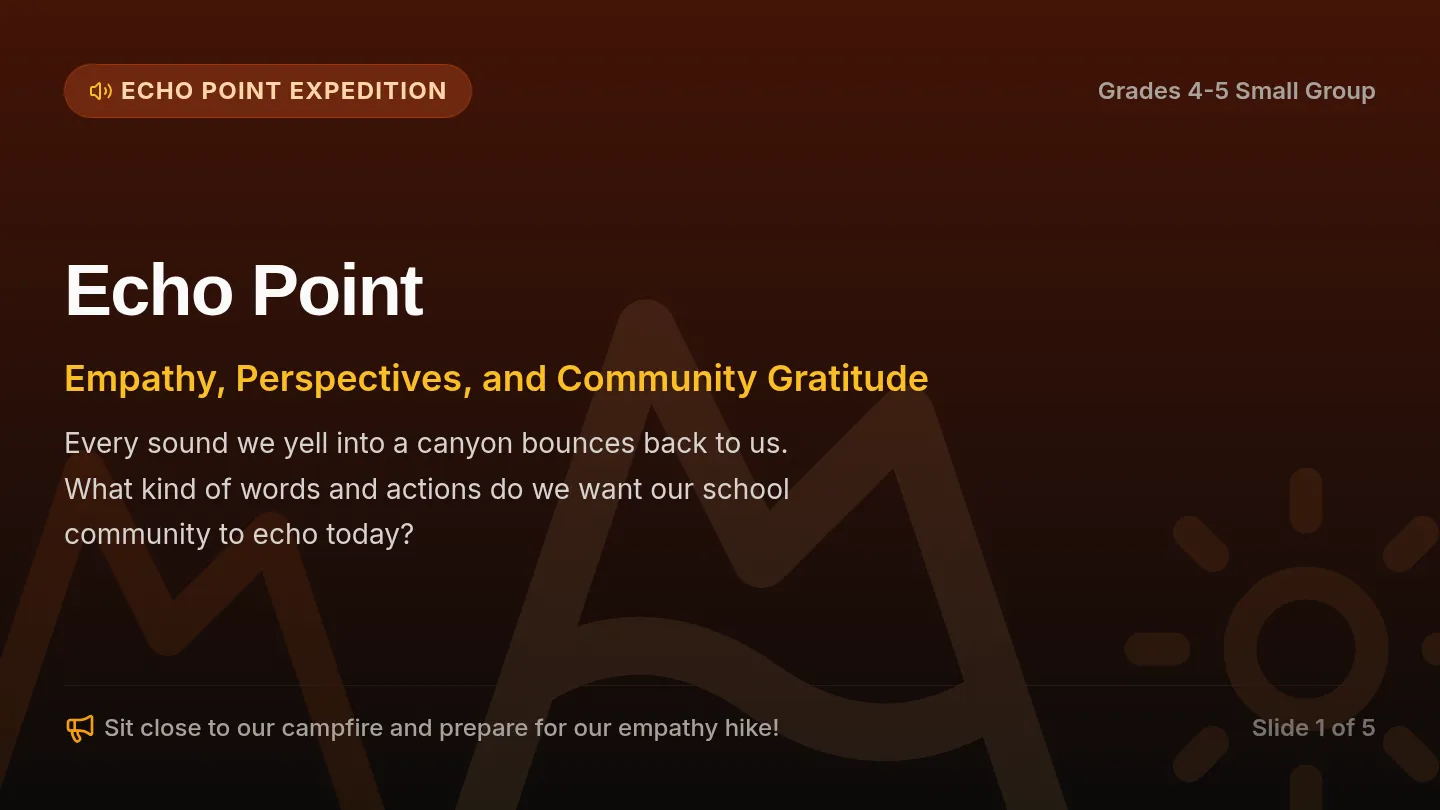
Celebrate Differences Game Show Slides Diversity Game Show
Celebrate
Differences
An interactive exploration of global cultures and traditions.
Let's Get Started!
Today's Mission
01
Learn about various cultures and traditions from around the globe.
02
Work together in teams to earn points and practice teamwork.
03
Engage in respectful discussion about our diverse world.
How to Play
1
Watch the question on screen
2
30 seconds for team discussion
3
Write answer on Fact-Find Sheet
Winning Points
+10 Points per correct answer+5 Bonus for reflection factsNo shouting out answers!
Get Into Teams!
1
Groups of 3–4 students
2
Choose a creative Team Name
3
Assign a team Scorekeeper
4
Get your Fact-Find Sheet ready
Round One
Festivals & Celebrations
4 Questions • 10 Points Each
Question 1
30 Seconds
Which of these dishes is traditionally eaten during Lunar New Year celebrations?
A
Tacos
B
Dumplings
C
Sushi
D
Biryani
Question 2
30 Seconds
On Diwali, people often light what to symbolize the victory of light over darkness?
A
Lanterns
B
Firecrackers
C
Lamps (diyas)
D
Candles
Question 3
30 Seconds
Which festival in Brazil is famous for colorful parades and samba music?
A
Carnaval
B
Oktoberfest
C
Holi
D
Hanami
Question 4
30 Seconds
Diversity Trivia Challenge Game Guide Diversity Trivia Challenge
Teacher Game Guide • Cultural Exploration
Total Rounds
3
Game Structure
Round 1: 4 Multiple Choice (Festivals)
Round 2: 2 Multiple Choice (Traditions)
Round 3: 2 Open-Ended Questions
Timing & Rules
• 30 seconds per question for Rounds 1 & 2.
• Teams record answers on the Fact-Find Sheet.
• Award points using the Trivia Answers key.
Round 1: Festivals & Celebrations
1. Which of these dishes is traditionally eaten during Lunar New Year celebrations?
A) Tacos B) Dumplings C) Sushi D) Biryani
2. On Diwali, people often light what to symbolize the victory of light over darkness?
A) Lanterns B) Firecrackers C) Lamps (diyas) D) Candles
3. Which festival in Brazil is famous for colorful parades and samba music?
A) Carnaval B) Oktoberfest C) Holi D) Hanami
4. In which country do people celebrate the Day of the Dead to honor deceased loved ones?
A) Mexico B) Japan C) Germany D) India
Round 2: Traditions & Customs
1. What is the name of the Indian tradition of applying colorful powders during spring?
A) Eid B) Holi C) Easter D) Carnival
2. Which dance is commonly performed at a Hawaiian luau?
A) Hula B) Tango C) Flamenco D) Ballet
Round 3: Open-Ended Exploration
1. Describe one national costume or traditional clothing from a country you know. What makes it special?
Look for: Specific clothing names (Kimono, Sari, Kilt), descriptions of colors/fabrics, and cultural significance.
2. Name a greeting tradition in another culture and explain why it is important.
Look for: Gestures (Bow, Namaste, Cheek kiss) and explanations of respect or community connection.
Fact-Find Sheet Worksheet Fact-Find Sheet
Team Trivia Challenge
Team Name:
Date:
Record your team's answers for each round. Be ready to share your findings during the debrief!
1
Round 1: Festivals & Celebrations
1. Traditional Lunar New Year dish:
2. What is lit during Diwali?
3. Brazilian festival with samba music:
4. Country of "Day of the Dead":
2
Round 2: Traditions & Customs
1. Indian tradition of applying colorful powders:
2. Hawaiian luau dance:
3
Round 3: Exploration
1. Describe a national costume or traditional clothing. What makes it special?
2. Name a greeting tradition and explain why it is important:
Final Reflection
After hearing from other teams, write down one new cultural fact you learned and why it stood out to you:
Diversity Trivia Challenge Celebrate Differences • 5th Grade
Trivia Answers Answer Key Trivia Answers
Answer Key • Diversity Trivia Challenge
Round 1: Festivals & Celebrations
1. Traditional Lunar New Year dish:
Correct Answer: B) Dumplings
Explanation: Lunar New Year is celebrated in China and other East Asian countries, where dumplings are a customary festive food. Tacos (Mexican), sushi (Japanese), and biryani (South Asian) do not fit this specific celebration.
2. What is lit during Diwali?
Correct Answer: C) Lamps (diyas)
Explanation: Families light small oil lamps called diyas to symbolize light triumphing over darkness. While lanterns and firecrackers are sometimes present, the diya is the primary religious symbol.
3. Brazilian festival with samba music:
Correct Answer: A) Carnaval
Explanation: Carnaval is world-renowned for vibrant costumes and samba rhythms. Oktoberfest is German, Holi is Indian, and Hanami is Japanese (cherry blossom viewing).
4. Country of "Day of the Dead":
Correct Answer: A) Mexico
Explanation: Día de los Muertos is a specific Mexican holiday where families honor deceased loved ones with altars, sugar skulls, and marigolds.
Round 2: Traditions & Customs
1. Indian tradition of applying colorful powders:
Correct Answer: B) Holi
Explanation: Holi is known as the Festival of Colors. Eid (Islamic), Easter (Christian), and Carnival (various cultures) are different religious or cultural observances.
2. Hawaiian luau dance:
Correct Answer: A) Hula
Explanation: The hula is the traditional Hawaiian dance performed to preserve stories and culture. Tango is Argentinian, Flamenco is Spanish, and Ballet is classical Western.
Round 3: Scoring Rubric
Award up to 10 points per question based on the following criteria:
Content Accuracy
4 pts
Names a real costume or greeting tradition and correctly identifies the origin.
Descriptive Detail
3 pts
Describes at least two features (materials, colors, occasions, or specific gestures).
Cultural Insight
3 pts
Explains why it matters to the community (e.g., shows respect, marks identity).
Teacher's Scoring Tip
Encourage students to share personal traditions if applicable. Partial credit should be awarded for answers that demonstrate understanding but lack specific terminology.