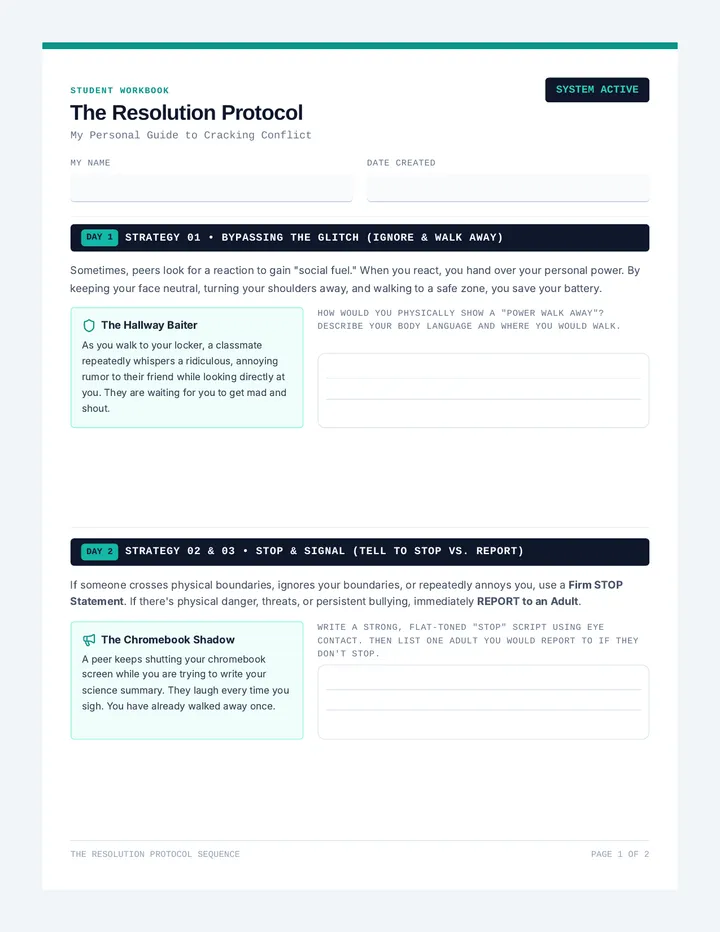
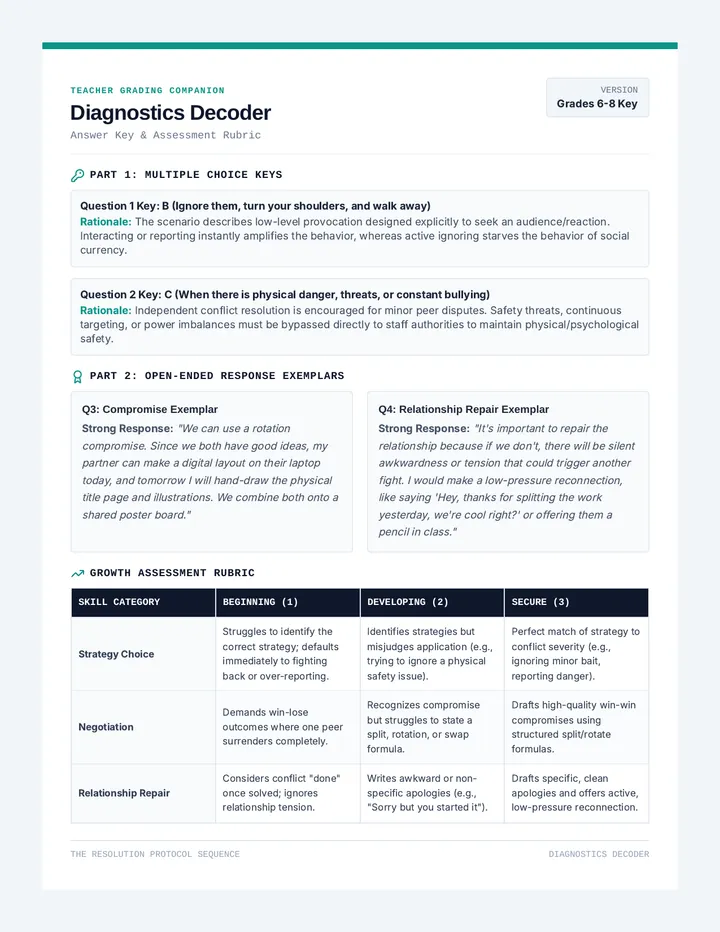
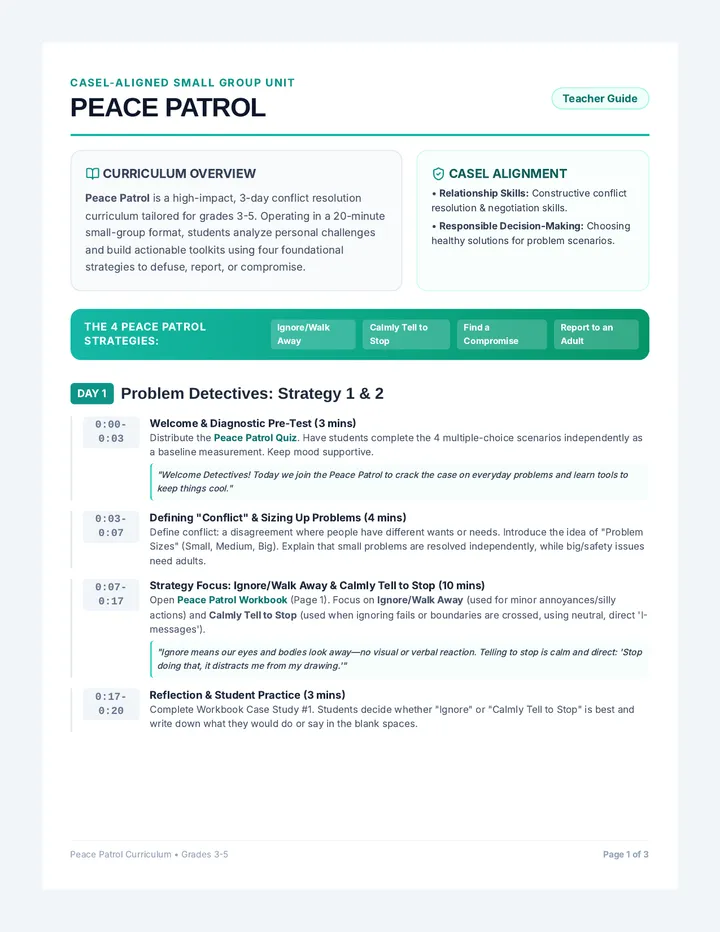
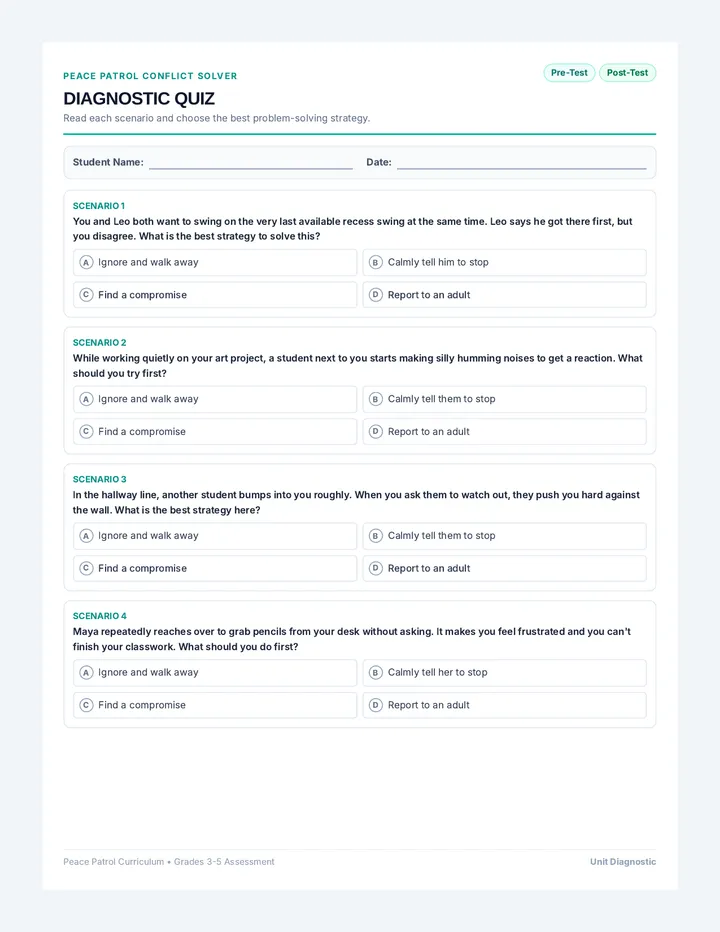
Stress ROI Slides Stress ROI
Auditing the Graduate Landscape
The Hook: Stress ROI
In academia, we measure ROI for every experiment and grant.
Do you measure the ROI of your relaxation habits?
Does "doomscrolling" for 30 minutes return more energy than it consumes?
Investment: Time & Attention
Return: Cognitive Clarity
Return: Physiological Recovery
Return: Emotional Resilience
Mapping the Landscape
Controllable Stressors
• Scheduling choices
• Notification management
• Communication boundaries
• Self-expectations
• Physical environment
Systemic Stressors
• Funding cycles / Grants
• Institutional hierarchy
• Publication timelines
• Academic culture norms
• Systemic inequities
Beyond Symptoms: The "5 Whys"
Problem: "I'm too tired to focus on my thesis."
1. Why? Because I stayed up until 2 AM.
2. Why? Because I didn't start my coding until 10 PM.
3. Why? Because I spent the afternoon answering non-urgent emails.
4. Why? Because I feel I must be available 24/7 for my lab.
5. Root Cause: Lack of perceived permission to set boundaries.
Time for the Audit
We are moving from theory to data. Use the workbook to map your semester and calculate your habit ROI.
Stress Landscape Workbook Stress Landscape Audit
Behavioral Science for Graduate Performance
Researcher:
Semester:
Phase 1: Habit ROI
List your primary relaxation or coping habits. Estimate the time invested versus the "Energy Profit" (how much more capable/rested do you feel?).
Activity/Habit Time Spent Subjective ROI (-10 to +10) Energy Profit/Loss Note
Phase 2: Landscape Mapping
Differentiate between stressors you can influence (controllable) and those that are inherent to the system (systemic). Map them on the grid below by frequency and impact.
Controllable Stressors
(e.g., specific deadlines you set, phone usage, lack of routine)
Systemic Stressors
(e.g., funding precarity, institutional bias, toxic lab culture)
High Impact Low Impact Rare Frequent
Sketch/Plot your stressors here
Phase 3: Root Cause Analysis
Pick one high-frequency, controllable stressor from your map. Use the 5 Whys to drill down to the behavioral or structural root cause.
Symptom
Why?
Why?
Why?
Why?
Root
Habit Stacking Slides Micro Habit Science
Frequency > Duration
The Perfectionist Trap
The Barrier:
"I don't have 30 minutes to sit in silence."
In high-demand schedules, the expectation of "long-form" practice often leads to zero practice.
The Behavioral Science Solution:
Micro-Hits (1-3 minutes)
Neural pathway repetition
Immediate amygdala reset
The Tiny Habits Formula
After / Before
Anchor
(Existing Habit)
I will
Micro-Practice
(1 Minute)
Instant
Celebrate
(Neural Reward)
Academic Anchors
The Code Compile
While waiting for code to run or a program to open: Physiological Sigh (2 inhales, 1 long exhale).
The Lab Clean
While washing hands or cleaning glassware: Sensory grounding (5-4-3-2-1).
The Inbox Close
After sending a difficult email: Shoulder drop & box breath for 1 cycle.
Today's Protocol
"Integrate five 60-second pauses into your day."
Track the subjective shift in your cognitive load. Use the Micro-Practice Menu to select your weapons.
Micro Practice Menu Micro Practice Menu
HABIT FORMATION PROTOCOL
Physiological
The Physiological Sigh
Double inhale (nose), long sigh exhale (mouth). Repeat 3x.
The Shoulder Drop
Exhale and drop shoulders from ears. Unclench jaw.
Box Breathing
In 4, Hold 4, Out 4, Hold 4. 1-2 cycles.
Sensory
5-4-3-2-1
Name: 5 things you see, 4 you feel, 3 you hear, 2 smell, 1 taste.
Peripheral Vision
Soften focus. Expand vision to see the room's edges. 30 seconds.
Temperature Check
Notice the exact feeling of air or water on your skin.
Cognitive
Labeling
Silently note your current state: "Thinking," "Worrying," "Tired."
The Perspective Zoom
Imagine looking at yourself from 10,000 feet up.
One-Minute Flow
Focus 100% on the single next physical movement you make.
Design Your Habit Stacks
Stack 1
After I... [Existing Habit]
I will... [Micro-Practice]
And I will... [Celebrate]
Stack 2
After I...
I will...
And I will...
Stack 3
After I...
I will...
And I will...
The 5-Pause Challenge Tracker
Pause 1
Pause 2
Pause 3
Pause 4
Pause 5
Structural Stress Slides Systemic Burnout
Beyond Individual Resilience
The Yoga-in-a-Burning-Building Problem
Individual mindfulness is a tool for navigation , not a solution for structural failure.
"Wellness initiatives that focus solely on 'mindfulness' often shift the burden of health from the institution to the exhausted employee."
Individual Burden
"Meditate more to handle the 80-hour work week."
Systemic Solution
"Set a policy that no emails are sent after 6 PM."
Is it You or the System?
Signs of Systemic Overload
Success requires bypassing basic human needs (sleep, food).
Boundaries are viewed as a lack of "commitment" or "passion."
Unpredictable, high-stakes demands are the norm, not the exception.
Structural Advocacy
Mindfulness allows us to stay calm enough to advocate for change.
• Negotiating "Off" times with PIs/Advisors
• Proposing collaborative workload sharing
• Challenging the "Cultures of Busyness"
Critiquing "Wellness Culture"
Corporate/Institutional "Spin"
Often, wellness programs focus on secondary interventions (meditation apps, gym discounts) to avoid primary interventions (reducing workload, increasing pay, improving culture).
"If the system doesn't change, the yoga mat is just a band-aid."
Wellness Critique Worksheet Critical Analysis: The Wellness Spin
Decoding Institutional vs. Individual Burden
Subject: [URGENT] Welcome to Graduate Wellbeing Week!
Dear Graduate Researchers,
We know the upcoming grant deadline has many of you working late nights in the lab. Your dedication is inspiring! However, we also care about your "Work-Life Balance." To help you manage your stress during this high-pressure month, we are excited to announce Graduate Wellbeing Week !
Monday: Free "Mindfulness for Productivity" webinar (12:00 PM - 1:00 PM).
Wednesday: 15% discount code for a meditation app subscription.
Friday: "Resilience Yoga" in the quad (bring your own mat).
Remember: You cannot pour from an empty cup. Take care of yourselves so you can continue the excellent work our department is known for!
Warmly,
The Administration
1. The Burden Audit
What is the "Implicit Ask"?
Identify what the email is actually asking the student to do (e.g., find extra time, spend money)...
What is being ignored?
What structural stressors mentioned in the email are NOT being addressed by the "solutions"?
The Systemic Redesign
Imagine you have the power to change department policy. How would you redesign this "Wellbeing Week" to address primary interventions (root causes) rather than secondary band-aids?
Structural Change 1
e.g., Mandatory "dark periods" for email servers...
Structural Change 2
e.g., Adjusted grant-cycle staffing...
The "New Email" Subject Line Rest Science Slides Active Recovery
The Science of Deep Rest
Recovery is a Discipline
Elite athletes spend 50% of their time on recovery.
Graduate students often view recovery as a failure of productivity—a "last resort" when the body breaks.
Shift: Recovery isn't the absence of work; it is the foundation of cognitive performance.
Professional Athlete Mindset
Scheduled rest cycles
Nutritional focus
Active recovery (Physiotherapy)
Result: Sustained high-intensity output
The Rest Spectrum
Mental
Stopping the "processing" of data. Clearing the cache.
Sensory
Removing input: screens, noise, bright lights.
Emotional
Authenticity. Not "performing" or pleasing others.
Social
Time with people who restore you, or being alone.
Creative
Experiencing beauty without the need to "create" or "solve."
Spiritual
Sense of belonging, purpose, and connection.
Physical
Passive (Sleep) vs. Active (Stretching, Yoga, NSDR).
Which one is your deficit?
NSDR: The Performance Hack
NSDR (or Yoga Nidra) is a protocol that puts the brain into a state of deep relaxation while awake.
Resets the autonomic nervous system
Lowers cortisol levels rapidly
Improves subsequent focus and neuroplasticity
"10-20 minutes of NSDR can provide the restorative benefit of a much longer nap without the 'grogginess'."
NSDR Practice Demo
Recovery Protocol Guide Recovery Protocol Designer
Performance Optimization Through Rest
Rest Type: Active
Part 1: Rest Deficit Audit
Rate your current satisfaction (1-10) for each rest type. Identify your primary deficit.
Mental Rest Turning off the internal data-processor
Sensory Rest Removing lights, screens, and noise
Emotional Rest Authenticity; stopping the "performance"
Creative Rest Experiencing beauty without "solving"
Part 2: Active Recovery Protocol
Primary Intervention Strategy
Based on your deficit above, what is your go-to recovery practice? (e.g., 15-min NSDR, evening walk without phone, Saturday morning solo time).
When / Frequency
Required Environment
Part 3: The Hard Boundary
Recovery requires saying "No" to the demands of the system. Define your non-negotiable recovery boundaries.
1
Example: "I do not check my advisor's emails after 7:00 PM on weekdays."
2
3
Operating Manual Slides The Personal Operating Manual
Capstone Synthesis
Sustainable Life Design
We don't rise to the level of our goals; we fall to the level of our systems.
"The manual ensures that when cognitive load is high, you don't have to 'think' about wellbeing—you just follow the protocol."
Manual Components
• Baseline Habit Stacks (Maintenance)
• Active Recovery Protocols (Renewal)
• Structural Boundaries (Systems)
• Emergency Stress Protocol (The Breakpoint)
The "Breakpoint" Protocol
What happens when you have a 48-hour deadline, haven't slept, and your stress levels are at a 10/10?
The protocol should define:
The minimum viable rest period
The "Red-Line" boundary (what will you NOT sacrifice?)
Immediate physiological resets
Sample Protocol
1. 5-min NSDR every 4 hours.
2. Phone on "Do Not Disturb" except for Family.
3. No caffeine after 2:00 PM (protect sleep quality).
4. 10-min outdoor walk (reset circadian clock).
Stress-Testing Your Plan
Is it Realistic?
Can this survive a week of failed experiments or 12-hour days?
Is it Systemic?
Does it rely only on your willpower, or does it set boundaries?
Is it Specific?
Are the triggers and actions clearly defined?
Operating Manual Template Personal Operating Manual
System Version 1.0 [POM-v1]
Owner:
Issued:
Maintenance Habit Stacks
Morning Anchor (The Launch)
Define your first micro-habit stack of the day...
Working Anchor (The Focus)
A stack used during academic work hours...
Evening Anchor (The Shutdown)
How you signal the end of the work day...
Active Recovery Protocols
Daily Reset (15-30 Min)
e.g., 2:00 PM NSDR session...
Weekly Renewal (2-4 Hours)
e.g., Sunday morning forest walk, no devices...
Primary Rest Type Focus
Identifying your recurring rest deficit...
Structural Boundaries
Define the "Lines in the Sand" that protect your wellbeing from systemic encroachment.
Digital Boundaries
Specific times for app blocks or email-free periods.
Social/Lab Boundaries
Negotiated expectations with advisors/peers.
Emergency Stress Protocol (The Breakpoint)
To be activated when subjective stress exceeds 8/10 or during major deadlines.
Mandatory Minimum
Non-Negotiable No
Primary Reset
List the 3 steps you will take when you realize you are hitting a wall...
Contract with Future Self
"I, ____________________________, acknowledge that my performance is dependent on my recovery. I commit to these protocols not because they are easy, but because they are the professional discipline required for sustainable excellence."
Signature
Date
Capstone Peer Rubric Peer Review: Wellbeing Capstone
Stress-Testing the Manual
POM REVIEW FORM
Author of Manual
Peer Reviewer
Criteria Indicators of Mastery Check Specificity Triggers for habit stacks are clear (e.g., "When I close my laptop") rather than vague ("When I'm tired"). Actions are defined by duration or count. Realism The protocols can actually be performed during a week of 12-hour workdays. No "long-form" requirements during peak demand periods.
|
| Systemic Awareness | Manual includes at least two structural boundaries (e.g., "Email dark periods") that protect the individual from institutional burnout. |
|
| Emergency Protocol | The "Breakpoint" protocol is distinct from baseline habits and provides a clear triage for high-stress incidents. |
|
Strength: What makes this plan highly sustainable?
Stress Test: Where might this plan fail during a crunch period?
One Question for the Author