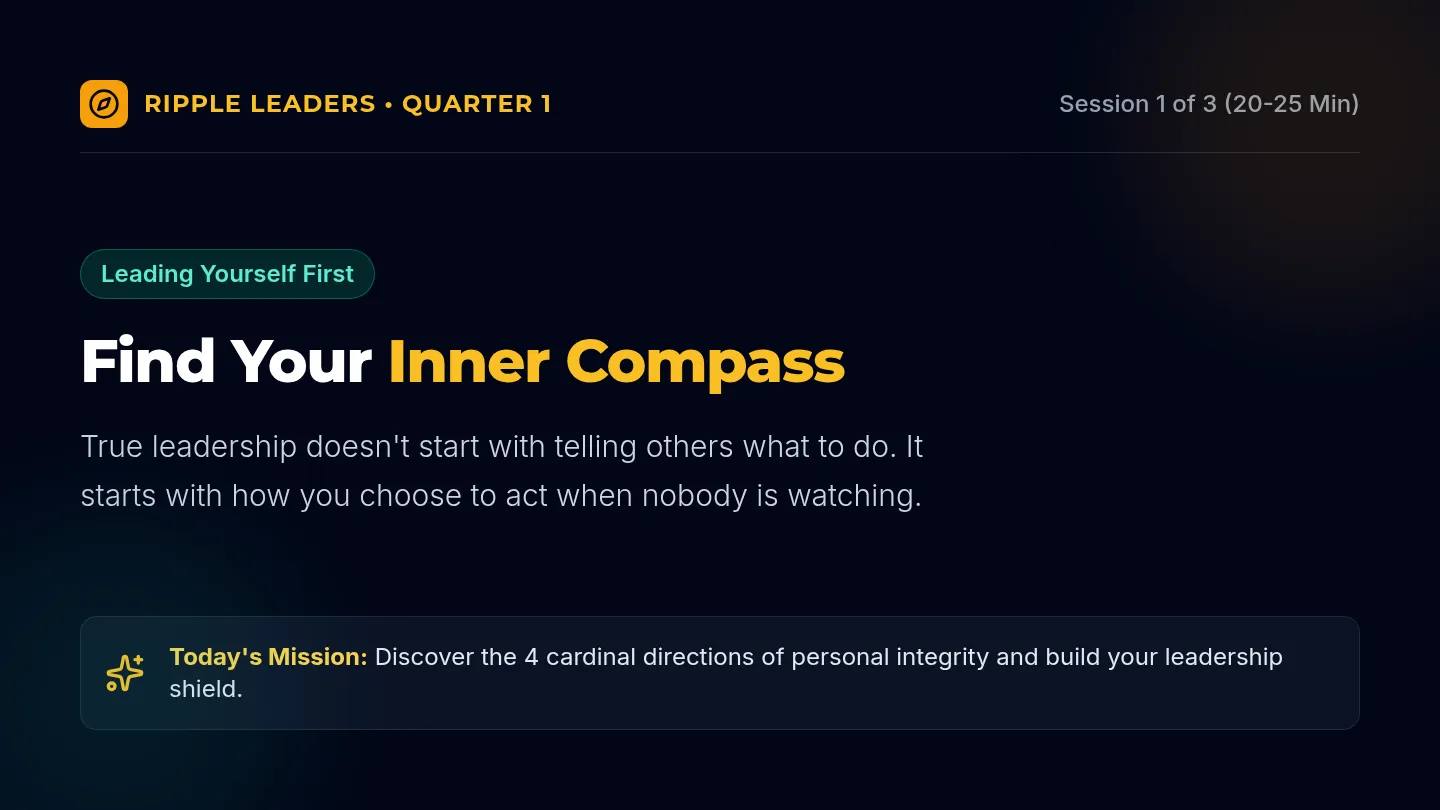
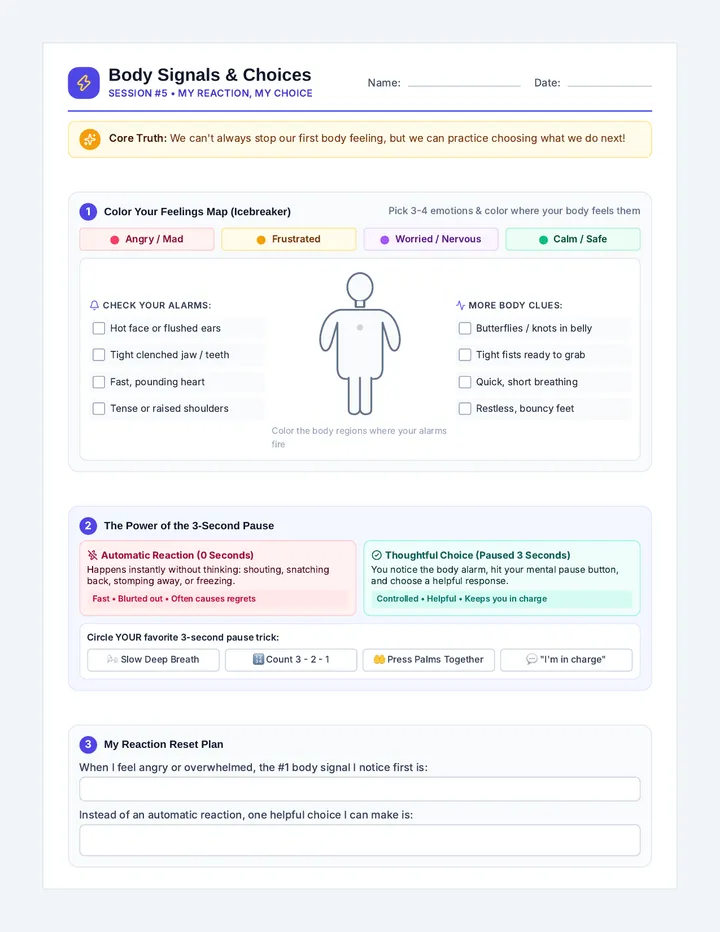
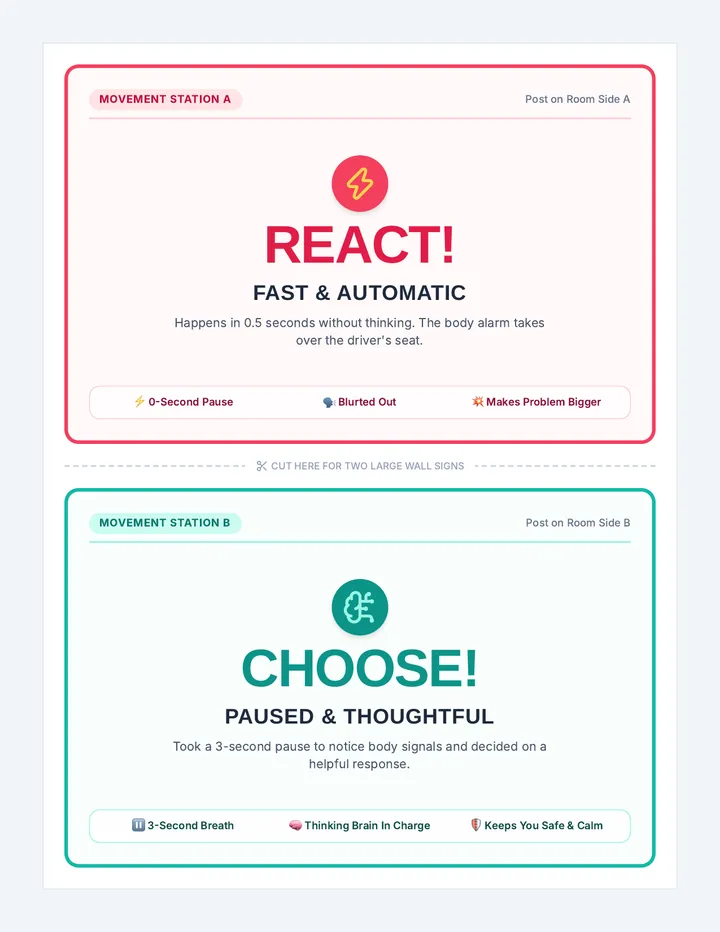
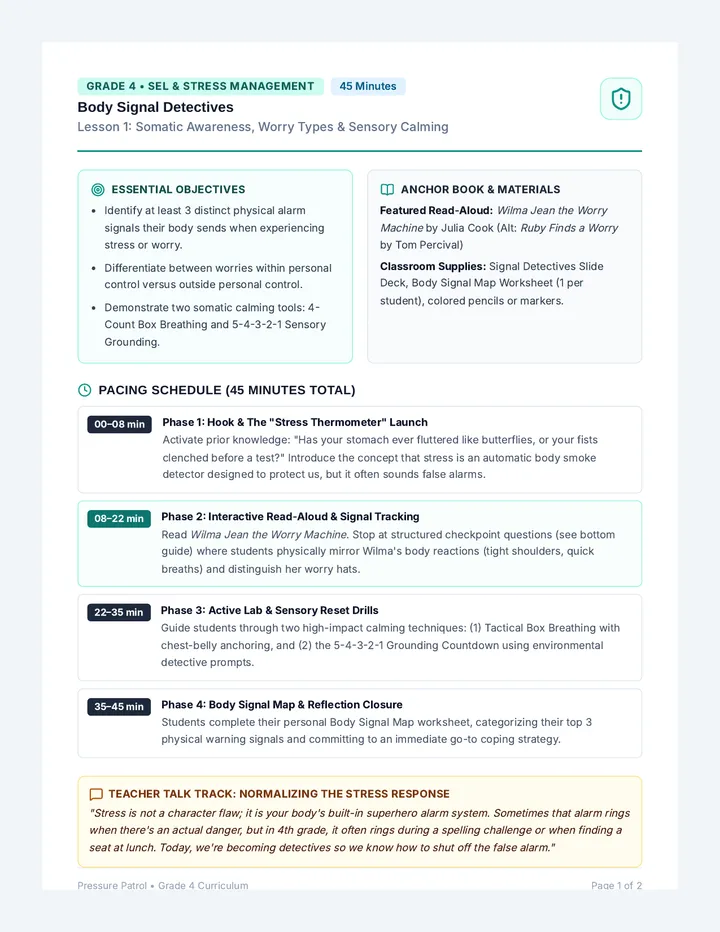
Career Gear SlidesCareer Gear Technology in Different Jobs Learning Intention We are learning how different jobs use different technologies. Success Criteria 1 I can describe how technology is used in jobs. 2 I can explain why technology is useful. What is technology? Technology isn't just computers and phones! It's any tool, machine, or system designed to solve a problem or make work easier. Physical tools Software and Apps Communication systems Healthcare Emergency Retail Logistics Our Experts Nurse Firefighter Teacher Engineer Shop Worker Delivery Driver Your Task Group A Tech Tracker Group B Tech Detective Group C Gear Matchup Quick Finisher? Go to the Gadget Design Lab!
Tech Tracker WorksheetTech Tracker Career Research Task Name: Instructions Research 6 jobs. Write 2 technologies they use and explain how they help. Success Criteria Describe job technology and explain its usefulness. Job TitleTechnology UsedHow it helpsNurse | | | Firefighter | | | | Teacher | | | Job TitleTechnology UsedHow it helpsEngineer | | | Shop Worker | | | | Delivery Driver | | | Big Thinking Task "Without technology, this job would be harder because..."
Gear Matchup ActivityGear Matchup Match the Technology to the Professional Name: Cut out the icons on Page 2 and glue them into the correct worker boxes! The Nurse The Firefighter The Teacher The Engineer The Shop Worker The Delivery Driver Thinking Task "Pick one job. This job would be harder without technology because..." Tech Toolbox Icons Thermometer Medical Tablet Heat Camera Rescue Radio Smart Board Laptop 3D Printer Design Tool Scanner Digital Till GPS System Tracking App
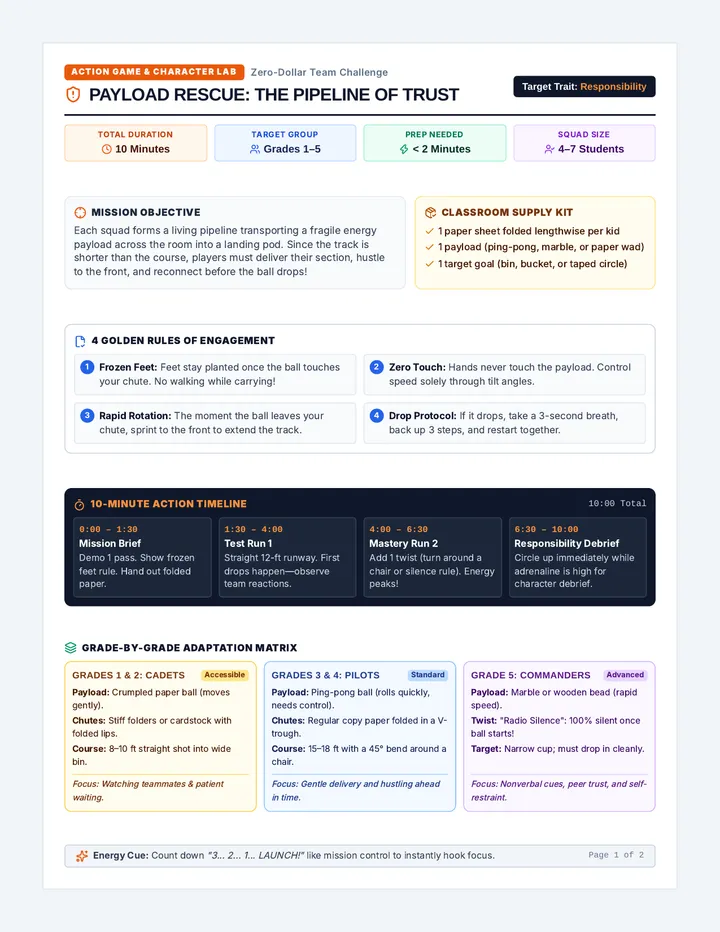
Career Tech Teacher GuideTeacher Guide Career Gear: Technology at Work Lesson Resource 04 Differentiation Strategy Group A: General Tech Tracker Open-ended research. Full explanations. Group B: Middle Tech Detective Guided task with provided tech. Group C: Support Gear Matchup Visual matching, minimal literacy. Finisher: All Gadget Lab Creative design for early finishers. Learning Focus The core goal is for students to see technology as functional tools that solve problems. Encourage them to think about 'The World Without Tech' to understand value. Discussion Prompts: "Is a stethoscope technology? Why or why not?" "How did firefighters find people before thermal cameras?" Finisher Activity The Gadget Lab Activity is designed to keep students busy once they finish their primary task. It is highly accessible (drawing focus) but provides a "Busy Task" checklist to ensure higher-ability students continue to apply technical labels and functional descriptions to their inventions. Answer Key: Gear Matchup Nurse: Thermometer, Tablet Fire: Heat Cam, Radio Teacher: Smart Board, Laptop Engineer: 3D Printer, CAD Shop: Scanner, Till Driver: GPS Map, App
Tech Detective HandoutTech Detective Solving Career Mysteries Detective: Date: Case Instructions The gear has been identified, but the detectives need explanations! Look at the technology for each job and write how it helps them work safer, faster, or better. Detective's Word Bank Track health See through smoke Find the way Scan for prices Share ideas Design models The Nurse Medical Technology: Digital Heart Monitor Explanation: The Firefighter Rescue Technology: Thermal Imaging Camera Explanation: The Teacher Education Technology: Interactive Smart Board Explanation: The Engineer Design Technology: 3D Printing Machine Explanation: The Shop Worker Retail Technology: Barcode Scanner Explanation: The Delivery Driver Logistics Technology: GPS Navigation System Explanation: Detective's Summary "Without technology, these jobs would be harder because..."
Gadget Lab ActivityGadget Lab The Future of Work Inventor: Invention Challenge: Invent a brand new gadget for a job of your choice. What will workers need in the year 2050? 1. Who is it for? 2. Invention Name Busy Task Checklist Draw 3 action buttons Add a warning label Label the parts Color your design Blueprint Drawing Area How does it help?
Yellow Cog SlidesYellow Cog Understanding Triggers Learning Intention We are learning that feelings often begin because something happens. What is a Trigger? A trigger is something that happens that starts an emotion. It’s like the spark that starts a fire, or the button that turns on a light! Triggers can be... Something someone says Something that happens A surprise A memory A change A problem Scenario 1 "You building a tower, it falls over and someone laughs." What was the trigger? • The tower falling • Someone laughing How might you feel? Angry Sad Scenario 2 "The teacher says there is a change to the timetable. You are going for extra PE!" What was the trigger? • A change • Surprise news How might you feel? Excited Happy Detective Challenge Watch 'The Bridge' from Literacy Shed. Spot the triggers! Look For: What happens that starts an emotion for the animals? Discuss: Can one trigger start more than one feeling? Your Missions Task 1 Cog or Not? Support Group Physical sorting of events! Cut, glue, and classify triggers vs everyday stuff. Task 2 Trigger Spotter Middle Group Be a detective! Read scenarios, identify the yellow cog triggers, and predict the emotions. Task 3 Expert Challenge Top Group Deep analysis! Learn about Inside vs Outside triggers and solve complex cases. Quick Finisher! The Memory Spark Challenge Draw a picture of a memory that triggers a happy feeling for you. Label the memory and the feeling it starts!
Trigger Detective WorksheetThe Trigger Spotter Yellow Cog Missions Name: Mission 1: Trigger Detectives Read the cases. Circle the trigger and write a feeling that might start. A. "You get picked first to be the captain of the team." Feeling: B. "The teacher says you have to stay inside because of rain." Feeling: C. "You hear a loud BANG when you are working quietly." Feeling: D. "Someone says your new shoes look cool." Feeling: Mission 2: My Own Triggers Draw or write two things that are triggers for your emotions. My Trigger 1 My Trigger 2 Challenge: One memory that triggers a happy feeling for me is...
Trigger Sorting ActivityCog or Not? Trigger Sorting Activity Name: Emotion Works: Yellow Cog Learning Intention We are learning that feelings often begin because something happens. Success Criteria I can explain what a trigger is and identify things that trigger emotions. Sorting Instructions: Cut out the event cards from the next page. Glue events that start a feeling into the Cog! Everything else goes in the Trash. The Yellow Cog A Trigger! Not a Trigger Everyday Stuff Teacher Tip: Watch 'The Bridge' from Literacy Shed to see how one action triggers another's reaction. Event Cards A surprise party Winning a game Being told "No" A big loud noise A change in plans Someone laughing The sky is blue Tying your laces Breathing air Sitting down Looking at a pen Holding a book
Yellow Cog Teacher GuideTeacher Guide Emotion Works: Yellow Cog (Triggers) Lesson Resource 01 Group 1: Support Cog or Not Activity Physical sorting of events. Distinguishing a trigger from a non-trigger. Minimal writing required. Group 2: Middle Trigger Spotter Sheet Identifying triggers in single-sentence scenarios and predicting appropriate emotional responses. Group 3: Top Trigger Expert Challenge Analyzing internal vs external triggers and multi-layered scenarios with chain reactions. Input Scenarios "Someone laughs when your tower falls over." "You are picked first for a game." "The timetable changes unexpectedly." Ask: What happened? What was the trigger? How might they feel? Video Guide "The Bridge" (by Ting Chian Tey) Available on Literacy Shed Discussion: "What was the trigger for the bear? What was the trigger for the moose?" Quick Finisher "The Memory Spark" Students draw a picture of a memory that triggers a happy feeling. Answer Key See separate Answer Key documents for Mission 1 (Spotter) and mission items (Expert categorisation).
Trigger Spotter Answer KeyAnswer Key The Trigger Spotter Worksheet Teacher Resource Mission 1: Trigger Detectives A. "You get picked first to be the captain of the team." Trigger: Being picked as captain. Possible Feelings: Proud, excited, happy, nervous. B. "The teacher says you have to stay inside because of rain." Trigger: Staying inside for break / the rain. Possible Feelings: Disappointed, sad, bored, annoyed. C. "You hear a loud BANG when you are working quietly." Trigger: The loud noise (the bang). Possible Feelings: Surprised, scared, shocked, jumpy. D. "Someone says your new shoes look cool." Trigger: Someone giving a compliment. Possible Feelings: Happy, confident, embarrassed (shy), pleased. Mission 2: Guidance This section is subjective. Check that students have identified events or words (The Trigger) rather than just naming an emotion. Good examples: "My brother broke my toy", "Getting a sticker", "Smelling cookies". Incorrect examples: "I felt sad", "Crying", "Being angry" (these are feelings/reactions, not triggers).
Trigger Expert ChallengeTrigger Expert Advanced Analysis: Inside and Outside Triggers Expert Name: Mission 1 Inside vs Outside Triggers can come from the Outside world (something you see/hear) or from Inside your head (a thought or memory). List three examples of each in the boxes below: Outside Triggers Inside Triggers Mission 2 The Chain Reaction "Sam is playing a game. Suddenly, he remembers he lost his favorite toy yesterday. Just as he feels sad, his sister accidentally knocks over his game pieces. Sam shouts at her." Inside Trigger: Outside Trigger: Reaction feeling: The Expert's View "Can two people have the same trigger but feel different emotions? Explain using an example."