A set of scenario cards in a worksheet format, allowing students to practice the three steps of conflict resolution for different situations.
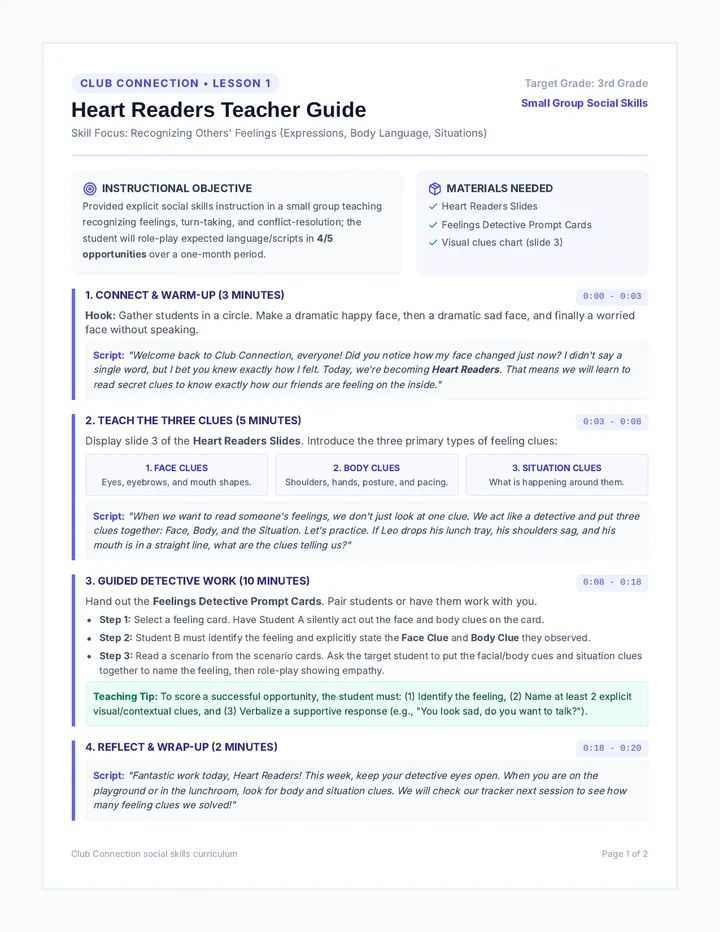
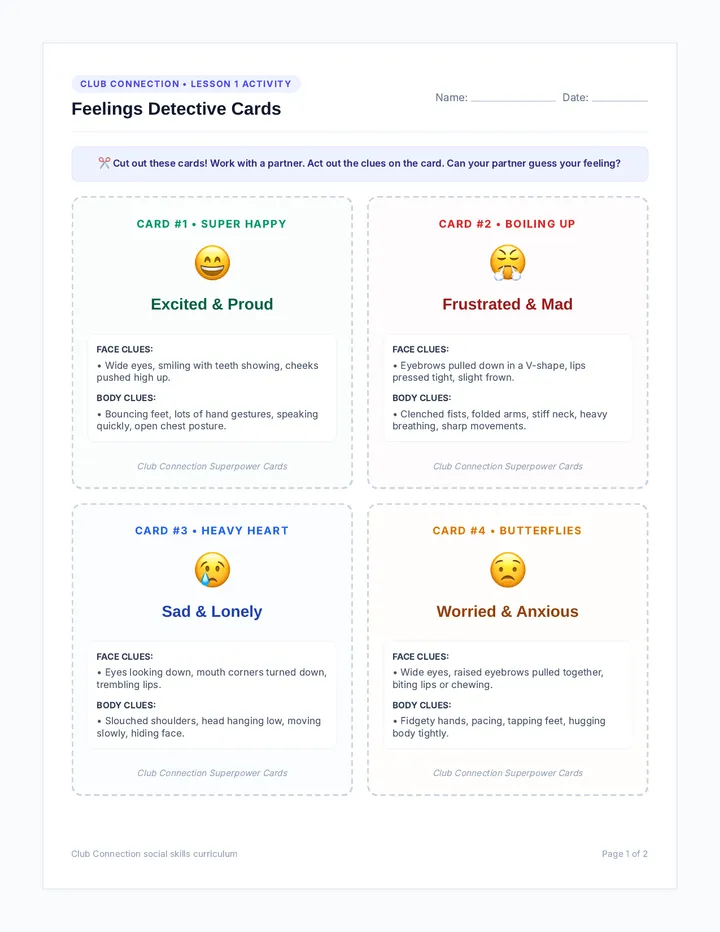
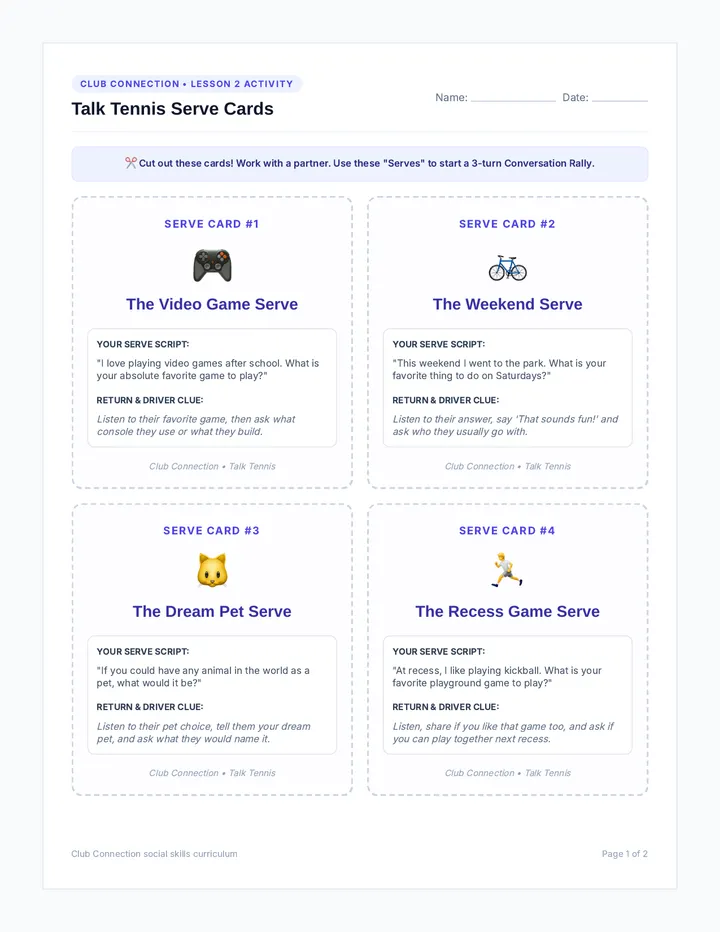
A comprehensive social skills curriculum sequence designed for small groups (specifically 3rd graders) to master recognizing feelings, conversational turn-taking, and conflict resolution over three structured lessons, including visual prompts, role-play scripts, and teacher guides with tracking tools.
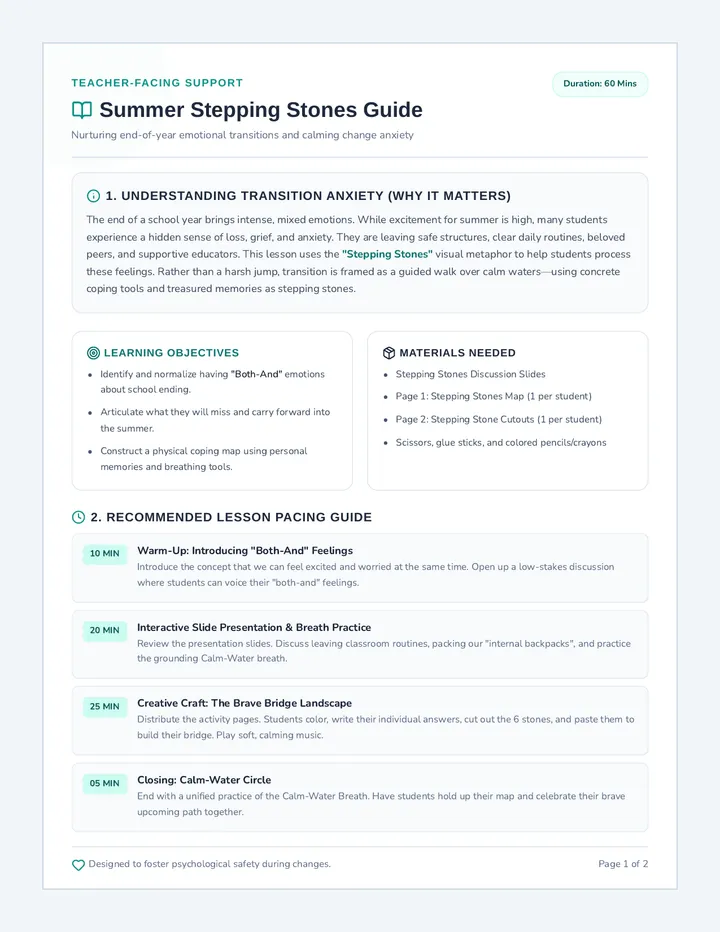
A supportive, social-emotional learning lesson designed to help students navigate end-of-the-year transition anxiety. Through a supportive slide-guided discussion and a hands-on "Stepping Stones" cut, paste, and color craft, students celebrate their growth, process what they will miss, and build coping strategies for entering summer and the next grade.
A comprehensive teacher guide featuring step-by-step lesson pacing, slide-by-slide scripts, transition anxiety background knowledge, and actionable strategies to help students navigate end-of-the-year mixed feelings.
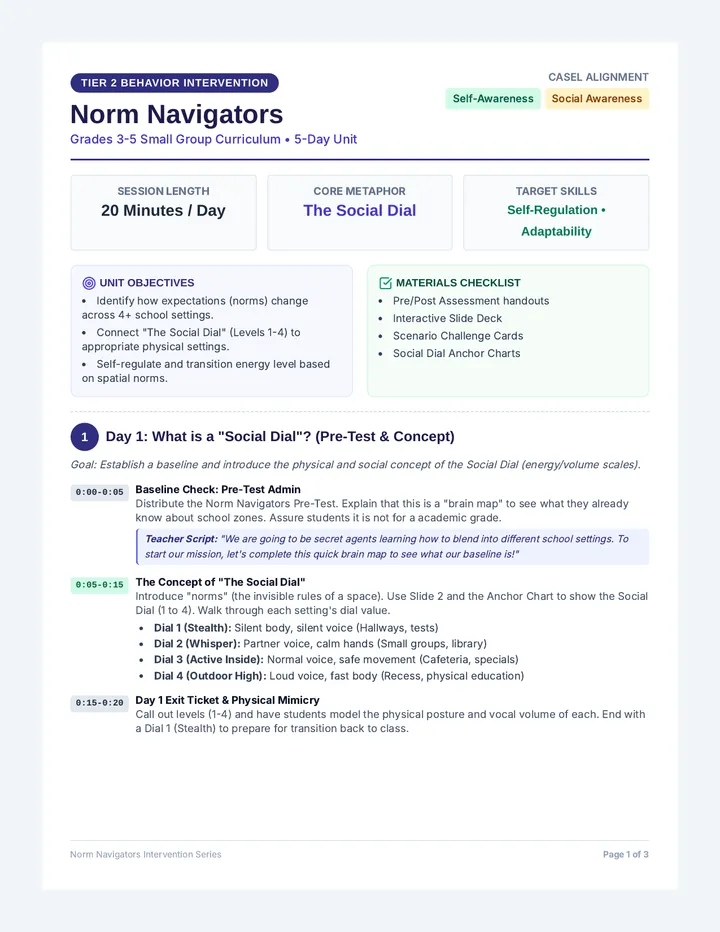
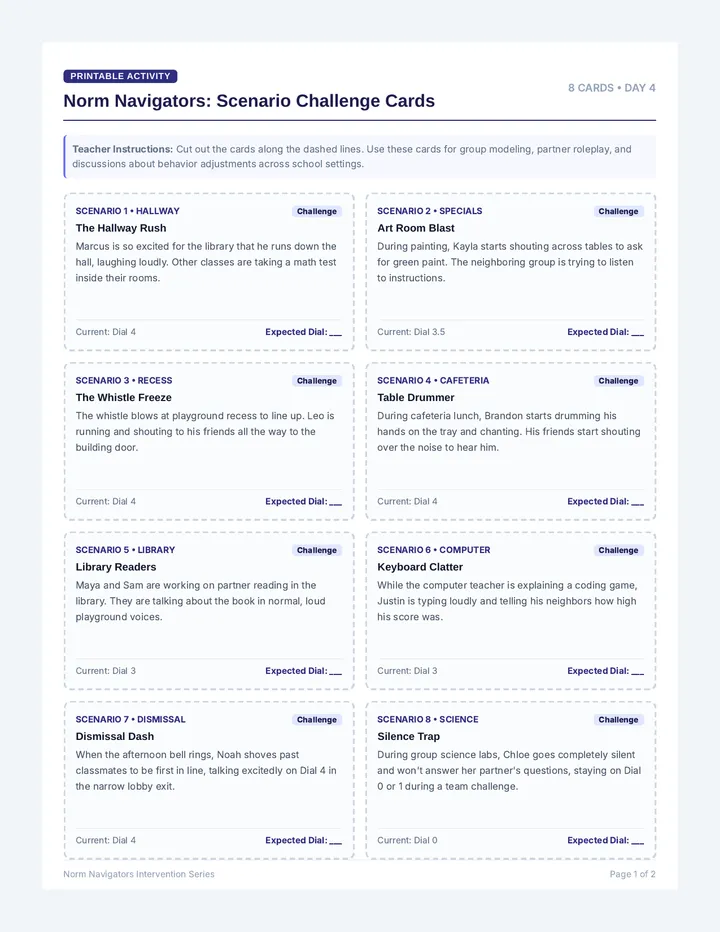
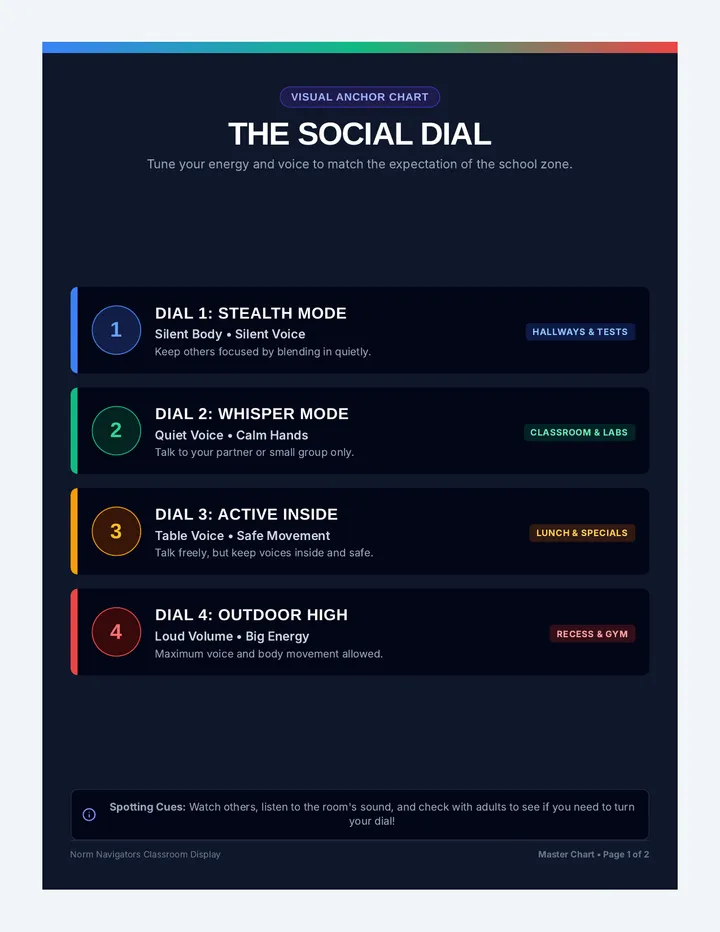
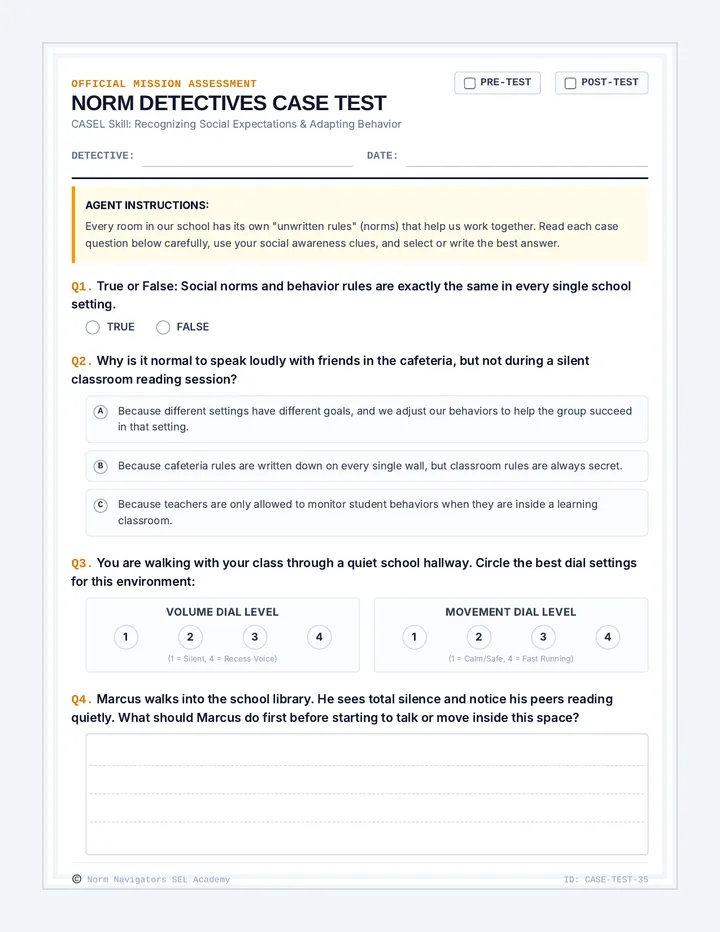
A 5-day Tier 2 behavior intervention sequence for grades 3-5 focused on recognizing and adapting to social norms across different school settings. Aligned with CASEL Self-Awareness and Social Awareness competencies, the sequence uses the concept of the 'Social Dial' to help students regulate their energy and volume.
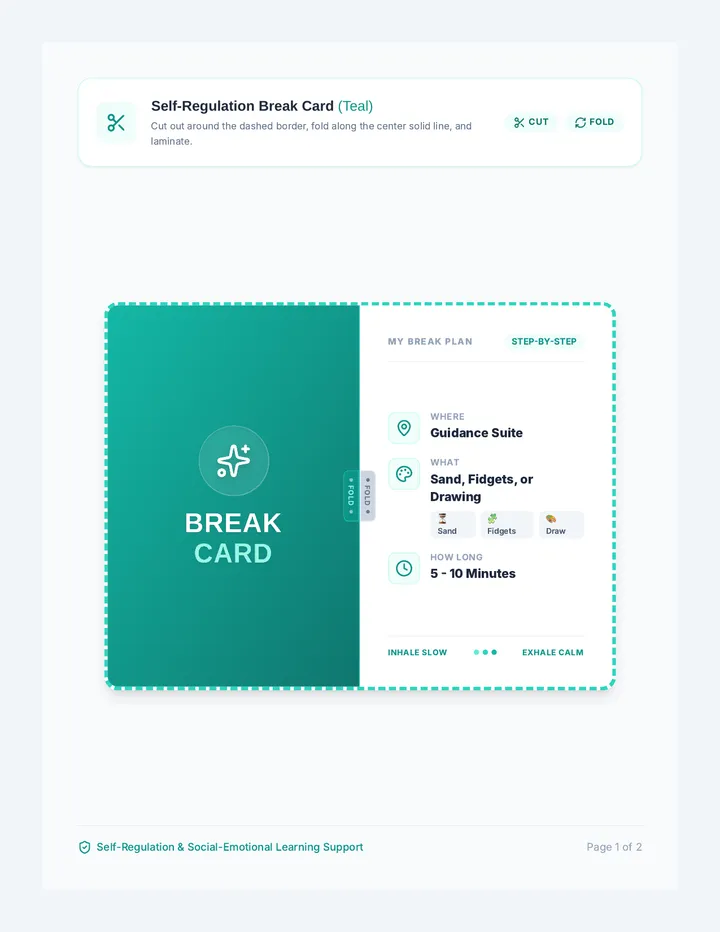
A collection of visual prompts and break cards designed to support students in self-regulation and managing emotions within the school environment.
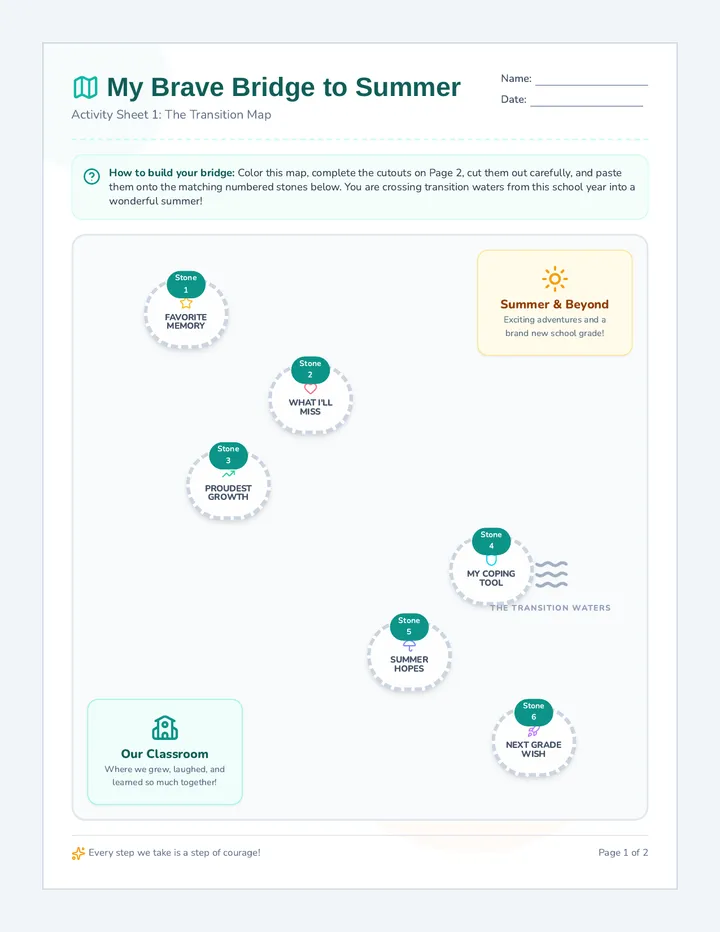
A two-page printable student activity sheet and craft. Page 1 features a "Brave Bridge to Summer" landscape map across transition waters, and Page 2 provides 6 beautifully designed interactive "Stepping Stone" cutouts for students to color, personalize, cut, and paste.
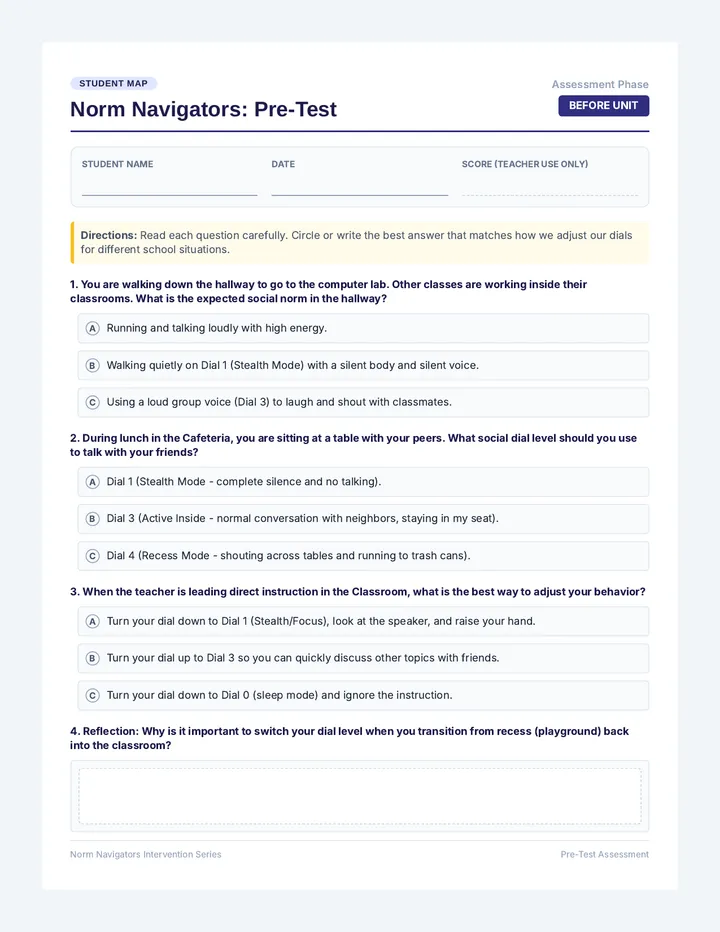
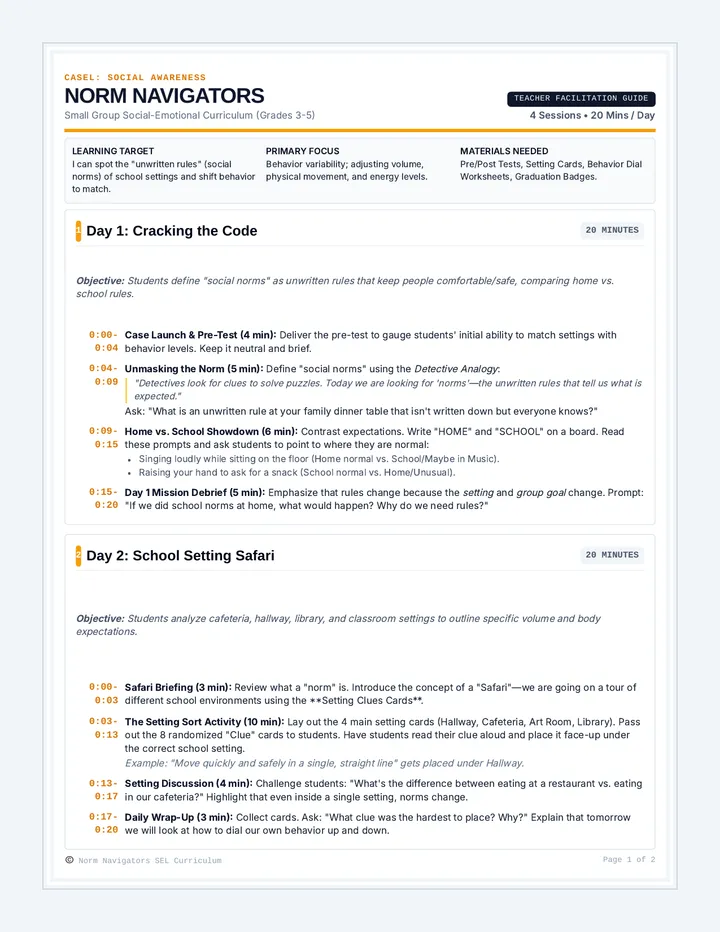
A comprehensive 4-day small-group social-emotional learning sequence for grades 3-5. Aligned with the CASEL Social Awareness framework, this unit teaches students to identify how expectations and social norms change across different school environments and how to adapt their behaviors successfully.
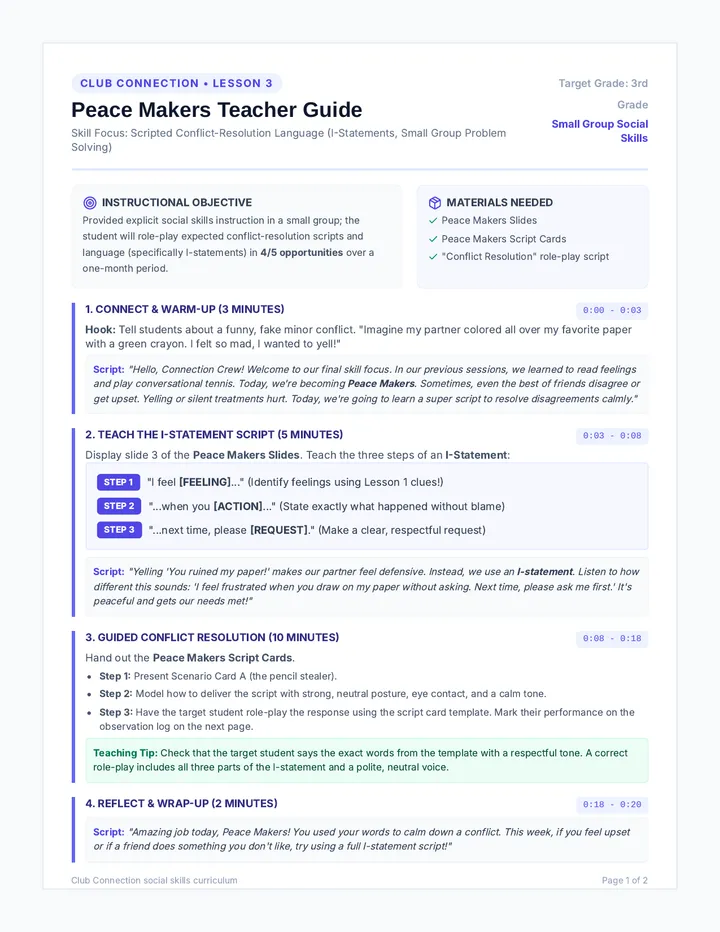
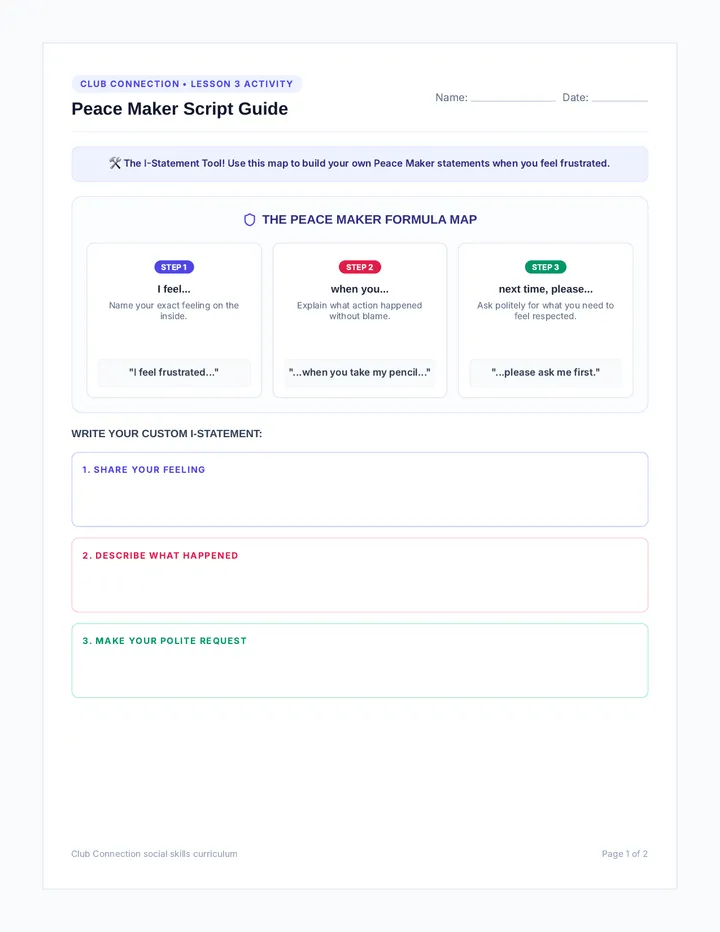
Students learn to use constructive 'I-statements' and collaborative problem-solving scripts to de-escalate and resolve minor conflicts with peers.
An interactive slide presentation designed to lead a comforting, classroom-wide SEL discussion about end-of-the-year transitions. It normalizes mixed feelings, introduces the stepping-stone metaphor, and guides students through managing transition anxiety.
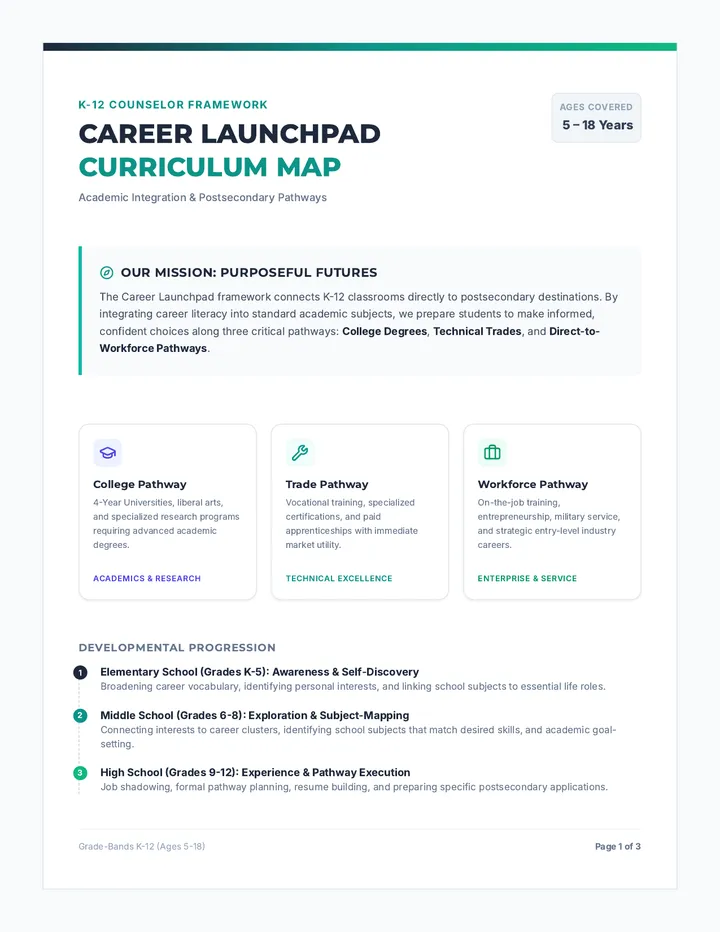
A comprehensive career exploration framework and counselor planning toolkit for grades K-12. This curriculum maps academic subjects to real-world career paths (college, trade school, and workforce) and provides counselors with implementation templates, annual pacing calendars, and a school-wide Career Day blueprint.
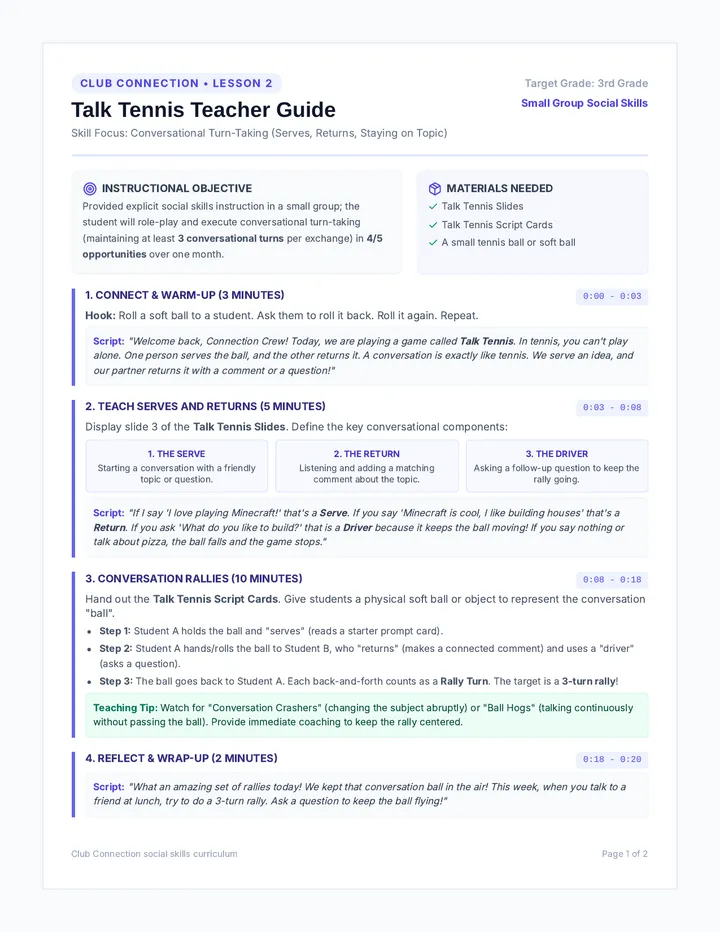
Students master conversational turn-taking by staying on topic, active listening, and practicing alternating conversation 'serves' and 'returns'.
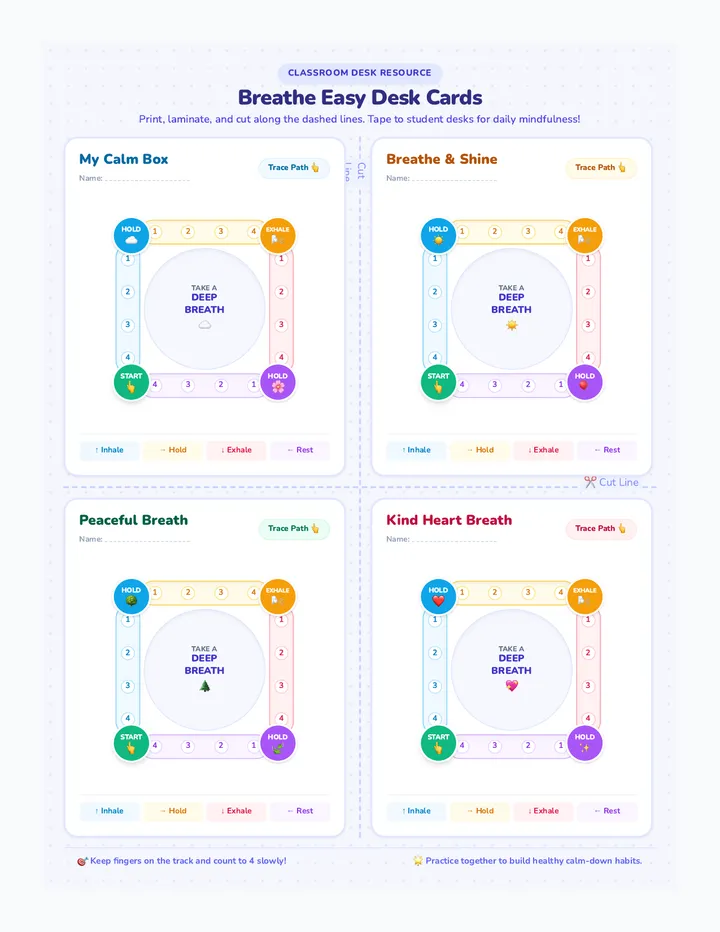
A set of four interactive, color-coded box breathing tracing cards designed to be cut out and taped to first-grade desks. Each card features distinct tactile paths for inhaling, holding, exhaling, and resting, complete with count-to-four tracking dots and child-friendly calming illustrations.