Lenny.com
Explore
Create
ActivitiesNewMathEnglish Language ArtsScience & EngineeringSocial StudiesGlobal LanguagesHealth & Physical EducationSpecial EducationCounseling & Life SkillsArts & CreativityESL
Lenny.com
Lenny.com
Explore
Create
ActivitiesNewMathEnglish Language ArtsScience & EngineeringSocial StudiesGlobal LanguagesHealth & Physical EducationSpecial EducationCounseling & Life SkillsArts & CreativityESL
Lenny.com
Lenny.com

Solutions

Lenny for EducatorsLenny for SchoolsLenny for Districts

Product

ExploreSign inCreateSupportAbout

Resources

Getting startedMTSS Acceleration Program

Newsletters

School Funding Newsletter

© 2026 Lenny Learning Inc.

TermsPrivacyAccessibility
LinkedInInstagramX
Lenny
Counseling & Life SkillsSelf-AwarenessBasic Emotion RecognitionComplex Emotion IdentificationEmotional Nuance & Mixed FeelingsBuilding Positive Self-ImageRecognizing Strengths & Growth AreasAccurate Self-AssessmentPersonal Values IdentificationCultural & Individual Identity ExplorationValues-Based Decision MakingSelf-ManagementStop-and-Think StrategiesDelaying GratificationIndependent Impulse ManagementIdentifying Stress TriggersShort-Term Goal SettingSMART Goals DevelopmentGoal Monitoring & AdjustmentBuilding Perseverance & ResilienceInternal Motivation DevelopmentComprehensive Stress Reduction PlanningSocial AwarenessRecognizing Others' FeelingsDemonstrating EmpathyRespecting Individual DifferencesUnderstanding Cultural DiversityComplex Empathetic ResponsesMultiple Viewpoint ConsiderationMulti-Perspective AnalysisChallenging Stereotypes & BiasRelationship SkillsActive ListeningClear Verbal & Nonverbal CommunicationBuilding Positive FriendshipsWorking Cooperatively in GroupsCommunicating Personal BoundariesRespecting Others' BoundariesAssertive ExpressionPeaceful Problem-SolvingContributing to Team GoalsComplex Conflict NavigationMediation & NegotiationHealthy Romantic RelationshipsResponsible Decision-MakingDaily Problem IdentificationBrainstorming Multiple SolutionsEvaluating Pros & ConsRecognizing Risks & ConsequencesApplying Ethical FrameworksInformed Risk-Benefit DecisionsRoot Cause AnalysisMindfulnessMindful BreathingBody Scan MeditationDaily Mindfulness ApplicationDaily Self-Care RoutinesBalancing Life DemandsAdvocating for Wellness NeedsMental Health SupportUnderstanding Anxiety SymptomsWorry Management StrategiesProgressive Muscle RelaxationRecognizing Depression SignsBuilding Mood-Supporting RoutinesBehavioral Activation for MoodUnderstanding Grief StagesHealthy Grief CopingCreative Expression of LossBehavioral SupportDaily Check-In ProceduresDaily Goal Setting & ReviewRecognizing Escalation Warning SignsRequesting Breaks & SupportSelf-Calming During DistressUnderstanding Positive ReinforcementToken Economy ImplementationBehavior Chart TrackingAnalyzing Behavior PatternsIdentifying Antecedents & ConsequencesDetermining Behavior FunctionFunction-Based InterventionsIndividualized Behavior ContractsData-Driven Behavior AdjustmentTherapeutic ApproachesThoughts-Feelings-Behaviors ConnectionRecognizing Thinking PatternsChallenging Negative ThoughtsPositive Self-Talk PracticeThought Record TrackingAdvanced Cognitive RestructuringComprehensive CBT PlansBehavioral Activation TechniquesBuilding Positive ExperiencesExposure Hierarchies for AnxietyPresent-Moment AwarenessNon-Judgmental ObservationSelf-Soothing & DistractionComplex Emotion LabelingReducing Emotional Vulnerability (PLEASE)DEAR MAN CommunicationGIVE Skills for RelationshipsFAST Skills for Self-RespectRadical Acceptance PracticeCrisis Survival Skills (TIPP)Understanding Trauma EffectsTrauma Responses & TriggersIdentifying Trauma FeelingsGrounding TechniquesRegulation During Trauma DistressSafe Place VisualizationProcessing Through NarrativeDeveloping Trauma StoryPersonalized Safety PlanningGroup SupportTurn-Taking & SharingGroup Conversation SkillsSharing in Supportive EnvironmentLearning from Similar ChallengesBuilding Community & BelongingNavigating Peer RelationshipsGroup Skill PracticeGroup Mental Health EducationStress & Anxiety UnderstandingCrisis Support & SafetyKnowing When to Seek HelpIdentifying Mental Health CrisesGrounding During CrisisUsing Crisis HotlinesBuilding Support NetworksAccessing Mental Health ResourcesWarning Signs & Coping StrategiesDeveloping Personal Safety PlansUnderstanding Suicide Warning SignsGatekeeper Skills for PeersDigital LiteracySocial MediaTechnology BasicsProductivity ToolsInternet and Online ResearchWeb Design and PublishingDigital CitizenshipOnline Safety and PrivacyEmerging TechnologiesFinancial LiteracyMaking Financial DecisionsBanking and AccountsConsumer SkillsSaving and InvestingCredit and DebtEmployment and IncomeTaxesInsuranceMajor PurchasesEconomic ConceptsFinancial PlanningCollege & Post-Secondary PlanningCareer ExplorationUnderstanding Post-Secondary OptionsCollege Research & SelectionAdmission RequirementsCollege Application ProcessPersonal Statement WritingFAFSA CompletionScholarship Search & ApplicationsUnderstanding Student LoansContinuing Education PlanningInterview PreparationResearching EmployersCommon Interview QuestionsSTAR Method ResponsesProfessional Interview PresenceVirtual Interview SkillsInterview Follow-UpJob Search SkillsUnderstanding Job PostingsEffective Job Search StrategiesNetworking for OpportunitiesResume Writing BasicsAction Verbs & AchievementsTailoring Resumes to JobsCover Letter WritingProfessional ReferencesProfessional CommunicationBusiness Email EtiquettePhone & Voicemail ProfessionalismMeeting ParticipationPresentation SkillsProfessional Work EthicTime Management & ProductivityTeamwork & CollaborationAdaptability & FlexibilityProblem-Solving at WorkConstructive FeedbackWorkplace RightsUnderstanding Employment LawsPay & Benefits UnderstandingWorkplace SafetyAnti-Discrimination & Harassment

Pause Think Reset Slides

A counseling session slide deck that guides a student to reflect on school dysregulation situations, identify and demonstrate self-regulation strategies, and practice the Pause and Think method alongside lessons on accountability, honesty, and self-advocacy.

SASarah Adams

Pause Think Reset Slides

A counseling session slide deck that guides a student to reflect on school dysregulation situations, identify and demonstrate self-regulation strategies, and practice the Pause and Think method alongside lessons on accountability, honesty, and self-advocacy.

SASarah Adams

You might also like

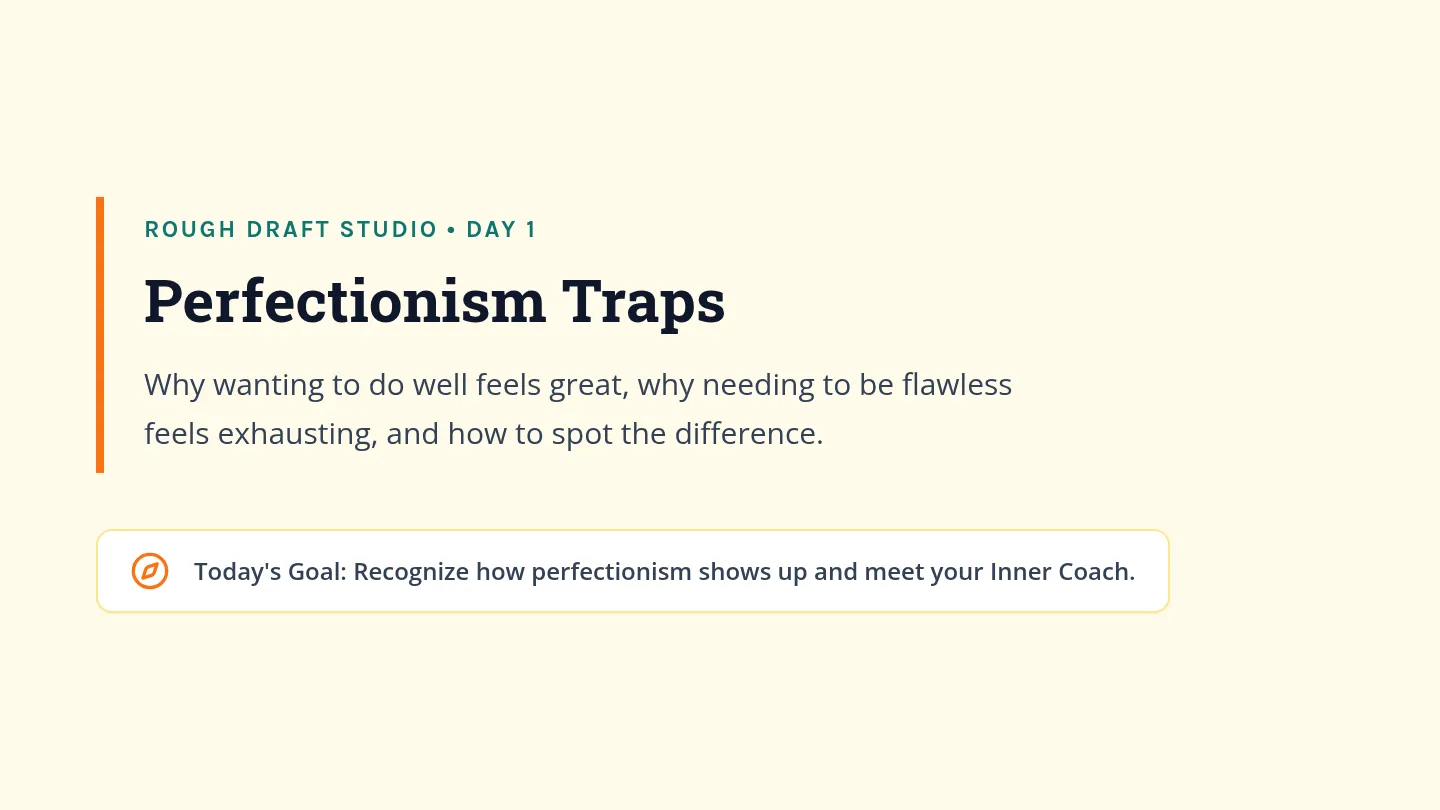
Perfectionism Traps Slides

Rough Draft Studio

A 3-day social-emotional learning sequence designed for Gifted and Talented students to understand and overcome unhelpful perfectionism. Through interactive discussions, hands-on mistake-making challenges, and personal toolkit building, students learn to distinguish healthy striving from fear-driven perfectionism and embrace productive struggle.

Lenny Avatar
Lenny
9
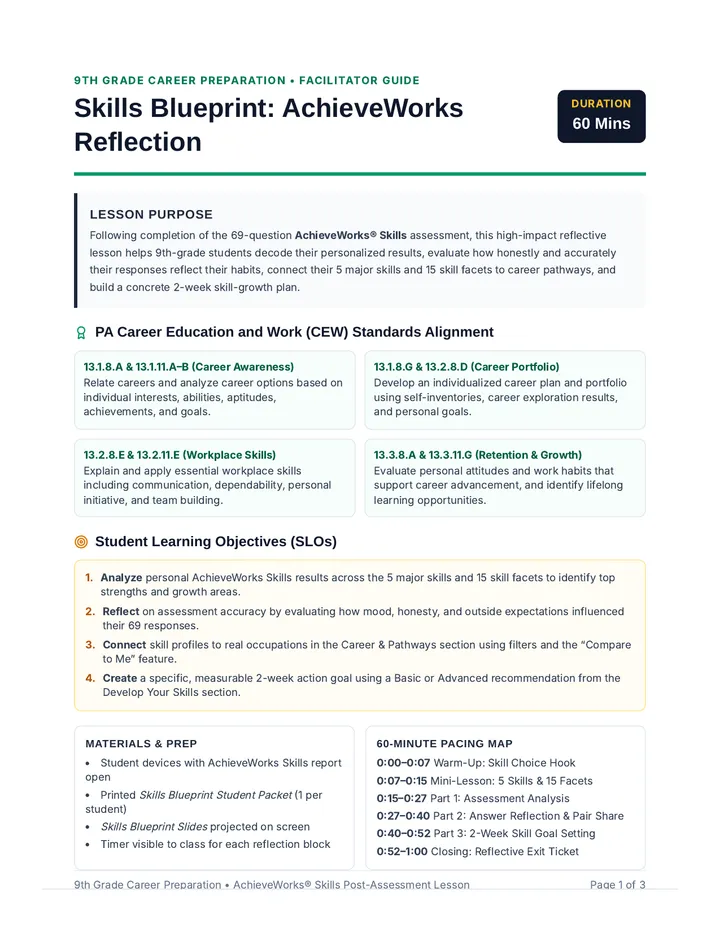
Skills Blueprint Teacher Guide

Skills Blueprint Reflection

A high-impact 60-minute 9th grade career preparation lesson guiding students to analyze their AchieveWorks Skills assessment results, reflect on their responses, set actionable skill-growth goals, and connect their strengths to future career pathways. Includes a scripted facilitator guide aligned to PA Career Education and Work standards, a visual slide deck, and a multi-part student packet.

J

Jessica

3
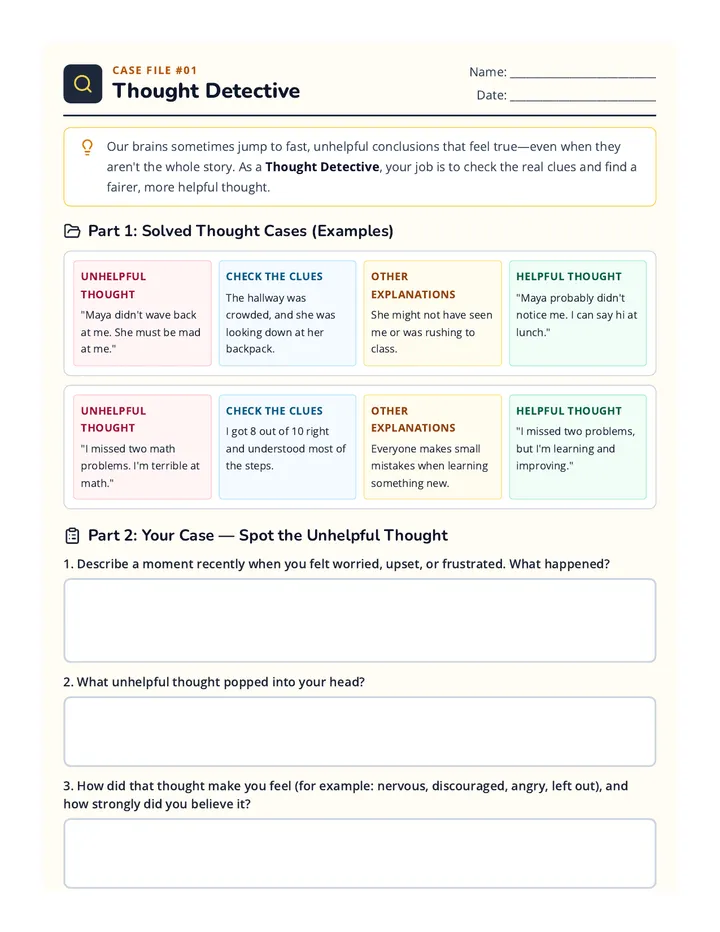
Thought Detective Worksheet

Thought Detective Worksheet

A two-page printable Thought Detective worksheet that guides students through identifying unhelpful thoughts, checking evidence, considering alternative explanations, and practicing a take-away reframing strategy. Includes relatable examples, structured reflection prompts, and generous blank writing spaces.

AM

Alyssa Miller

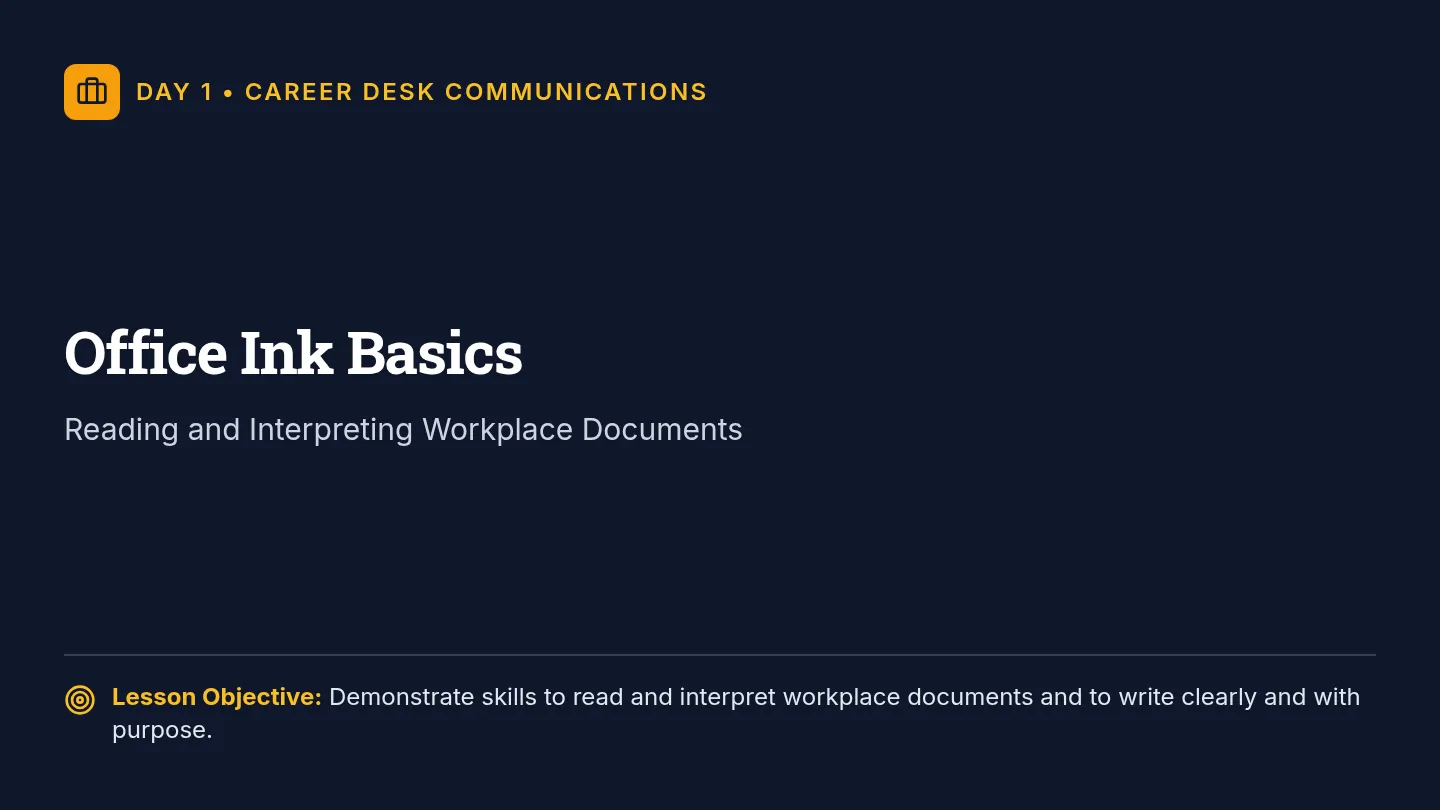
Office Ink Slides

Career Desk Communications

A two-day career readiness sequence focused on interpreting workplace documents and writing with clarity and purpose. Students explore memos, emails, letters, reports, and notes before practicing essential reading comprehension and professional writing strategies.

D

drussell

9
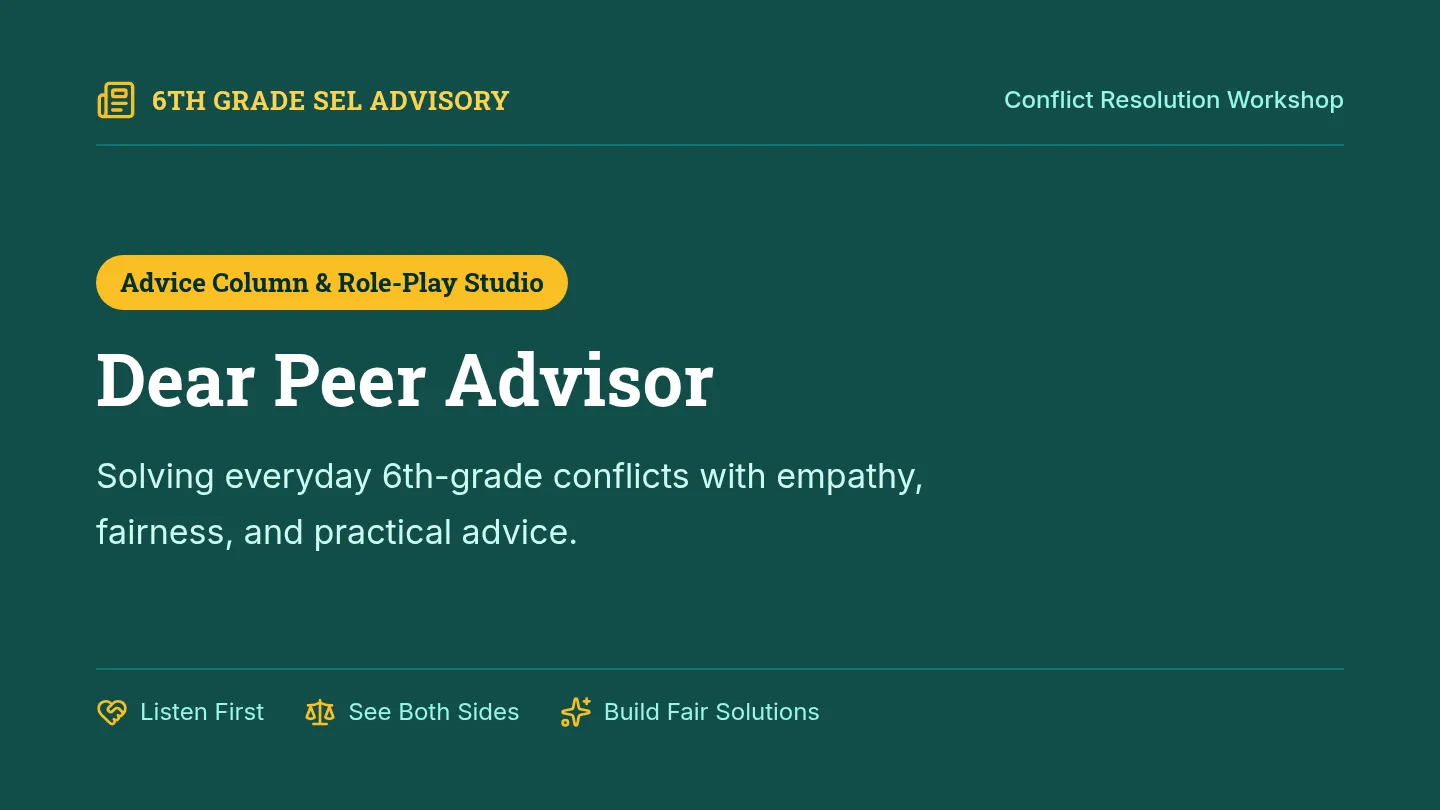
Dear Peer Advisor Slides

Dear Peer Advisor

A 6th-grade whole-school SEL lesson on conflict resolution where students act as peer advisors, choosing to write advice columns, perform role-play advice shows, or combine both to solve realistic middle school conflicts.

M

malane

4
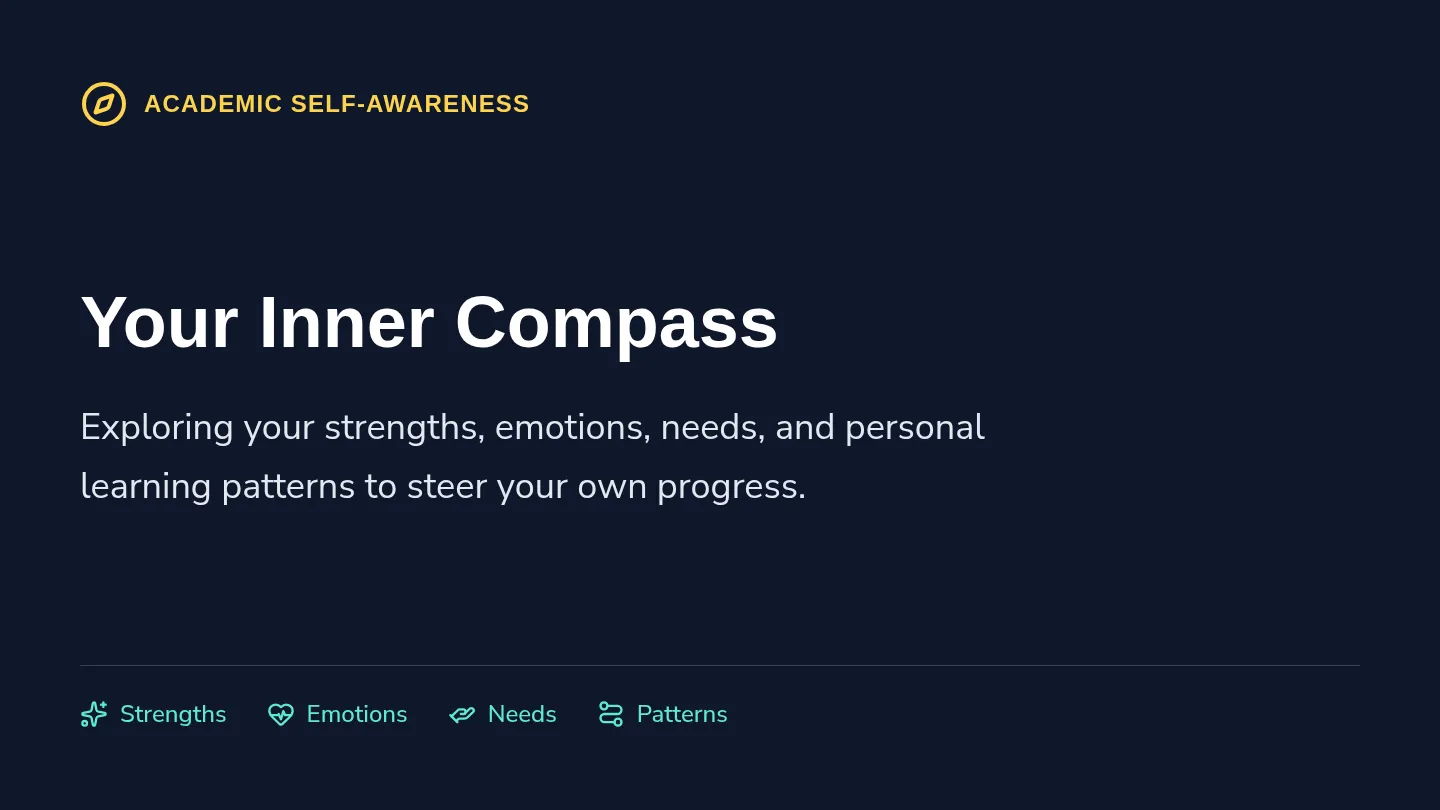
Inner Compass Slides

Inner Compass Slides

A 9-slide instructional and guided-reflection presentation helping students build academic self-awareness by exploring their strengths, emotion signals, learning needs, and personal study patterns. Includes clear visual frameworks and structured reflection prompts for classroom discussion or journaling.

LK

Lisa Korn

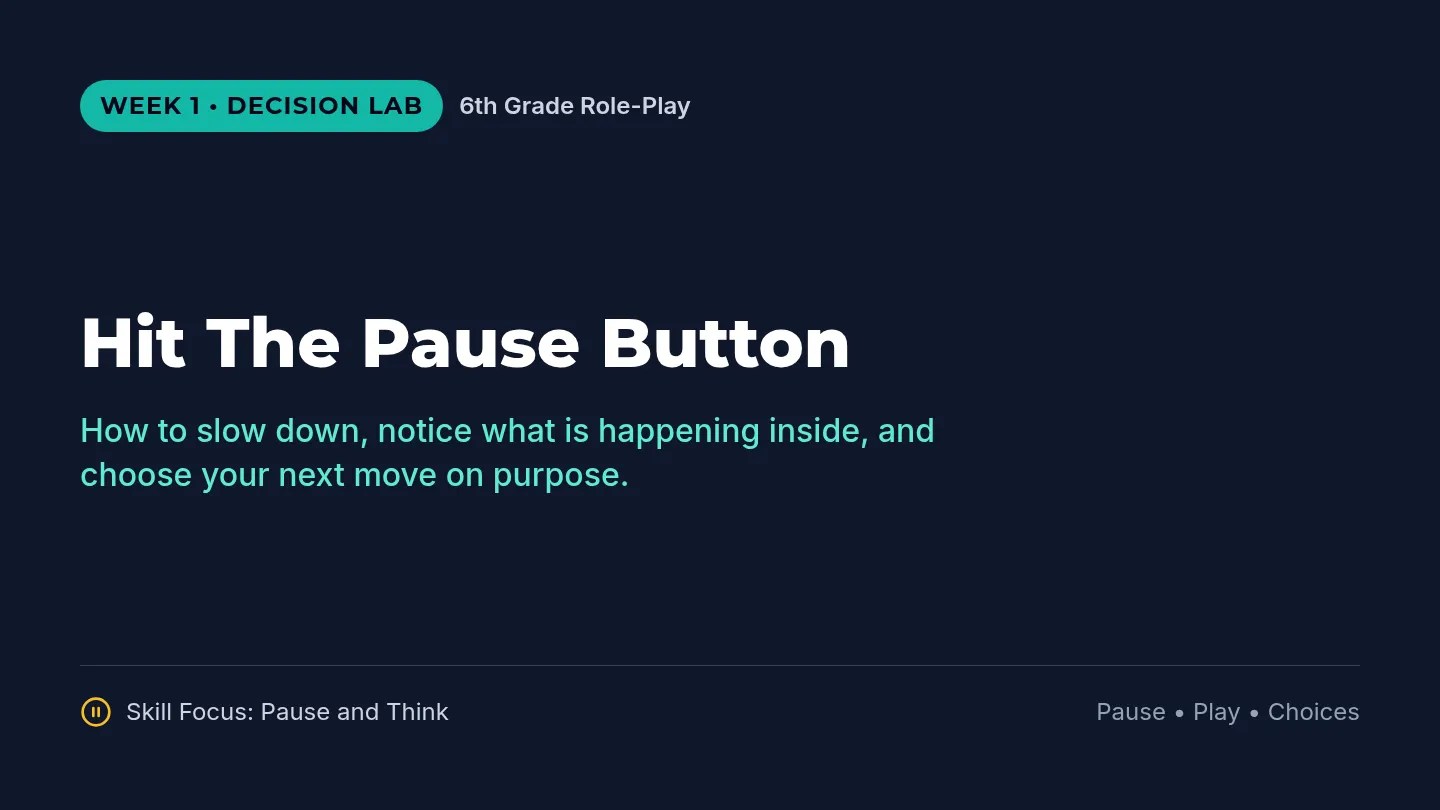
Pause Button Slides

Pause Play Choices

A six-week 6th-grade social-emotional learning sequence focused on thinking before acting through structured role-play. Students practice pausing to notice feelings, managing strong emotions safely, weighing consequences in school situations, and resolving peer conflicts respectfully.

H

hqirjazi

12
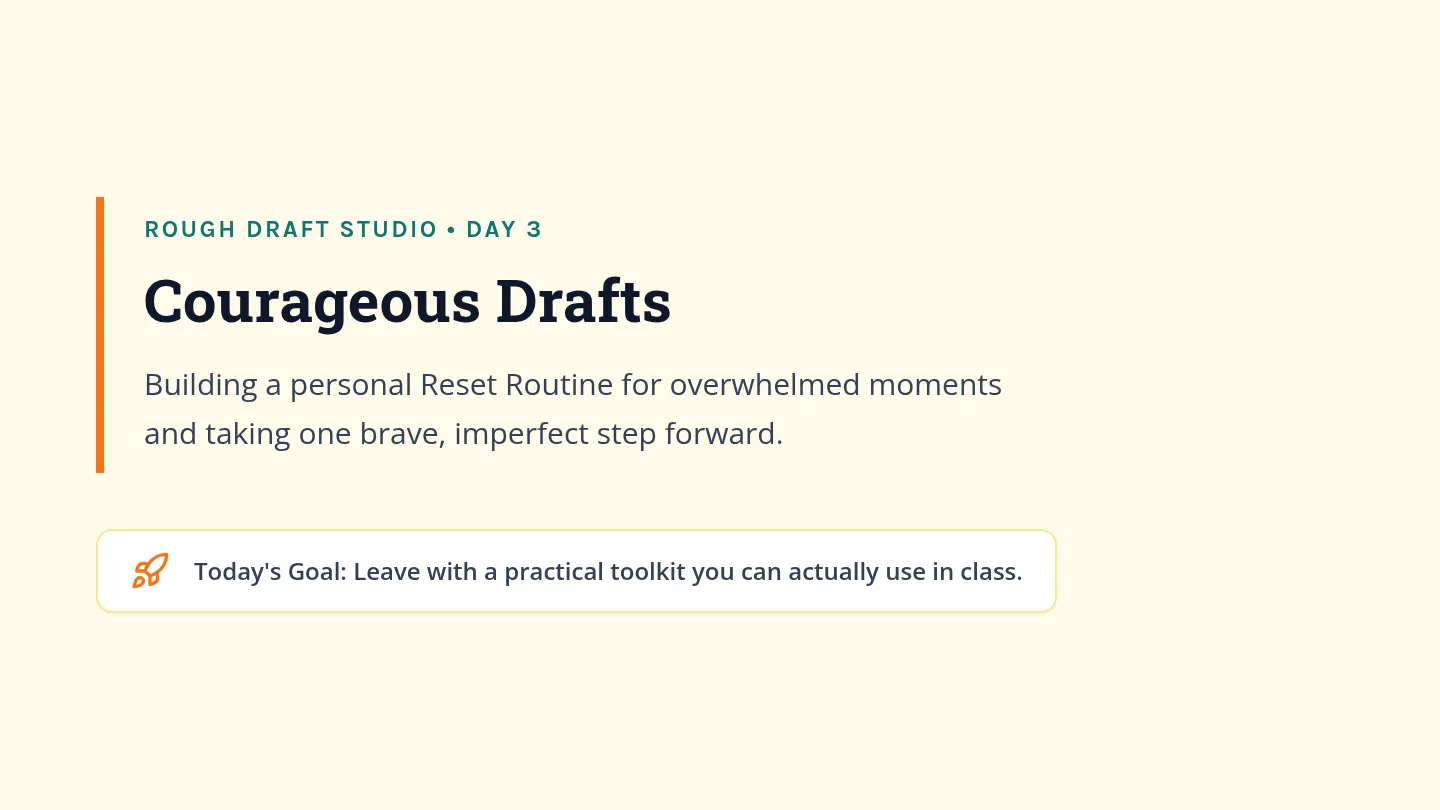
Courageous Drafts Slides

Courageous Drafts

Students shift their focus from flawless outcomes to courageous effort and personal growth. They design a personalized Reset Routine and commit to a low-stakes Brave Experiment to practice taking healthy risks outside the group.

Lenny Avatar
Lenny
3
Reset And Speak Up Slides

Reset And Speak Up Slides

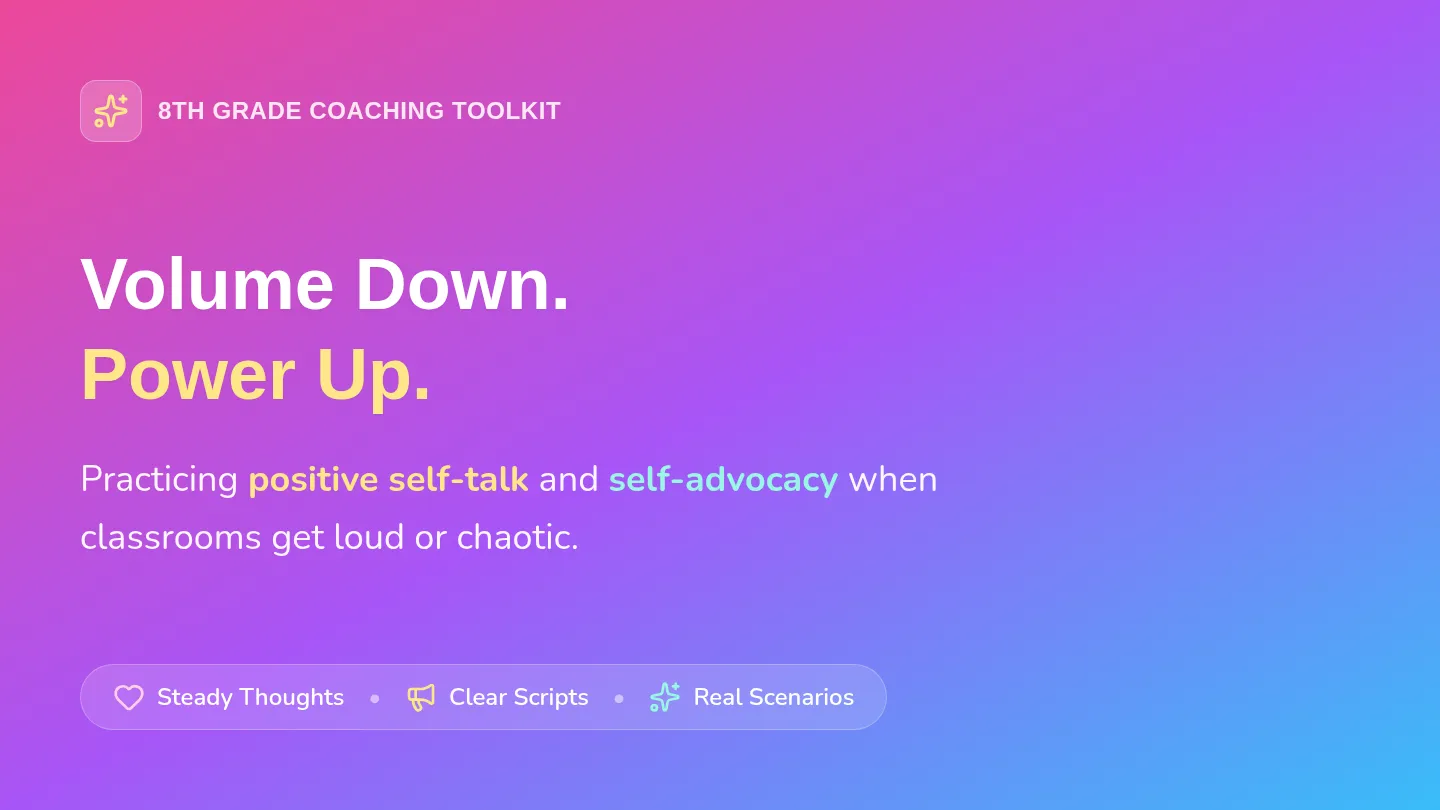
A 13-slide 8th-grade coaching presentation in a soft ombre rainbow theme, exploring positive self-talk and self-advocacy in depth for navigating loud or chaotic classrooms. Includes thought swaps, a 3-step thought-shift guide, discreet advocacy scripts, self-advocacy myth-busting, and three middle-school scenario discussions.

SA

Sarah Adams

Mistake Lab Slides

Mistake Lab

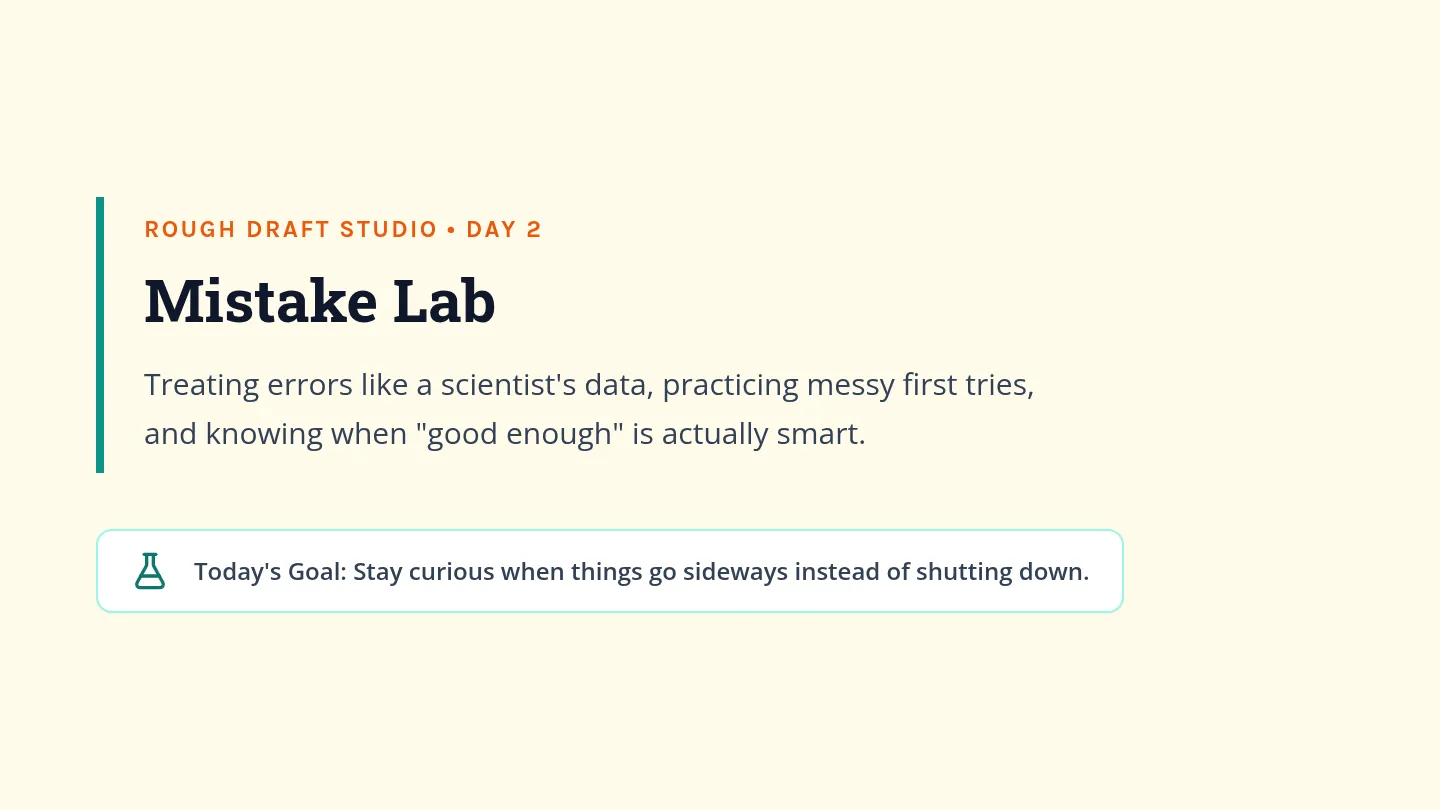
Students reframe mistakes as valuable data rather than personal failures through a hands-on creative challenge and reflection lab. They practice tolerating imperfection, applying the 80% Good Enough rule, and staying engaged during productive struggle.

Lenny Avatar
Lenny
3
Social Crossroads Slides- M.Me

Social Crossroads Slides- M.Me

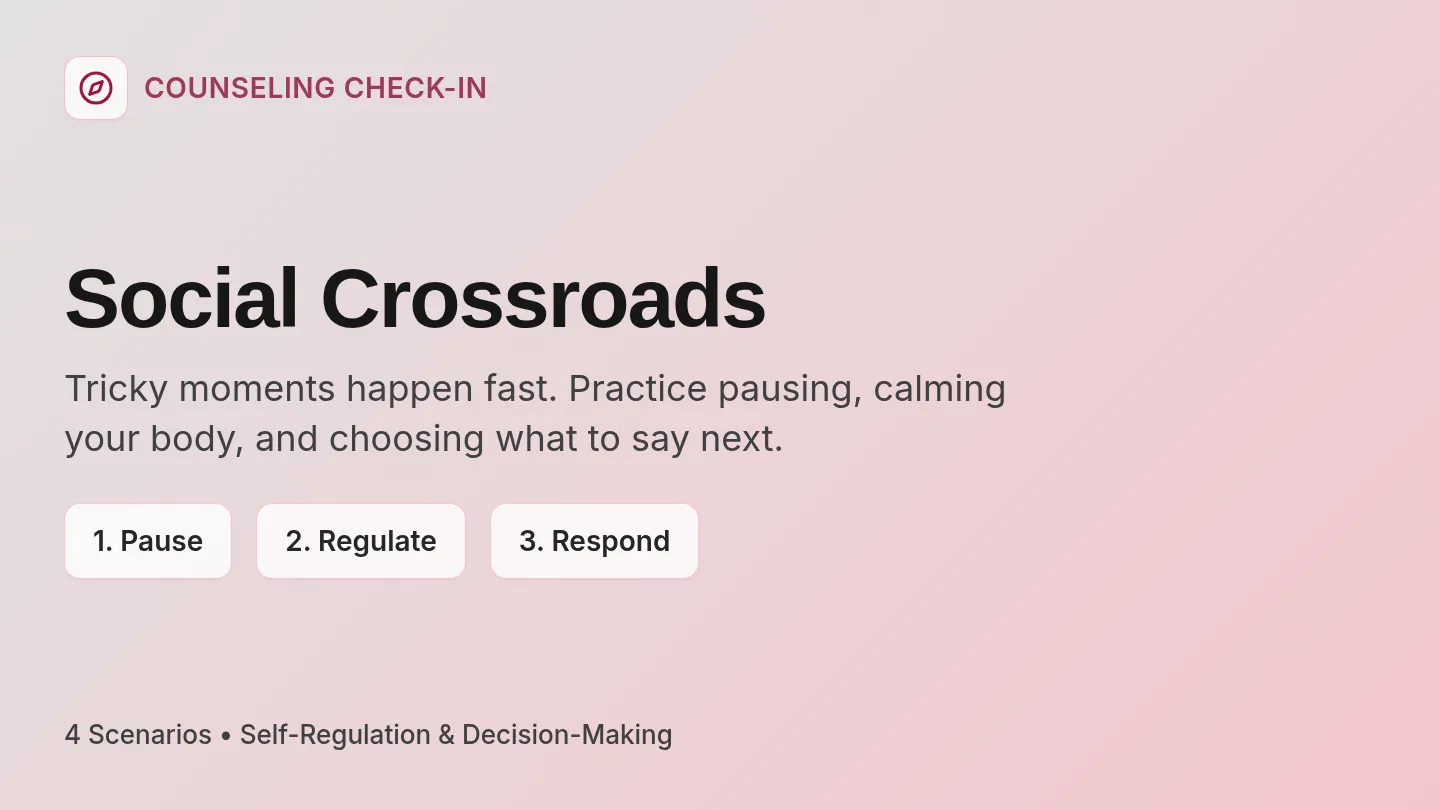
A five-slide counseling presentation in a soft pastel red-and-charcoal ombré theme featuring four complex social scenarios. Scenarios 1 and 2 include identically styled strategy choices plus a follow-up prompt on what to say back, while Scenarios 3 and 4 challenge the student to independently determine how to calm down and what to say back, including a substitute-teacher scenario for an overwhelming environment.

SA

Sarah Adams