A comprehensive facilitator guide for a 30-minute individual counseling session on radical acceptance, including preparation steps, objectives, and a structured timeline for instruction.
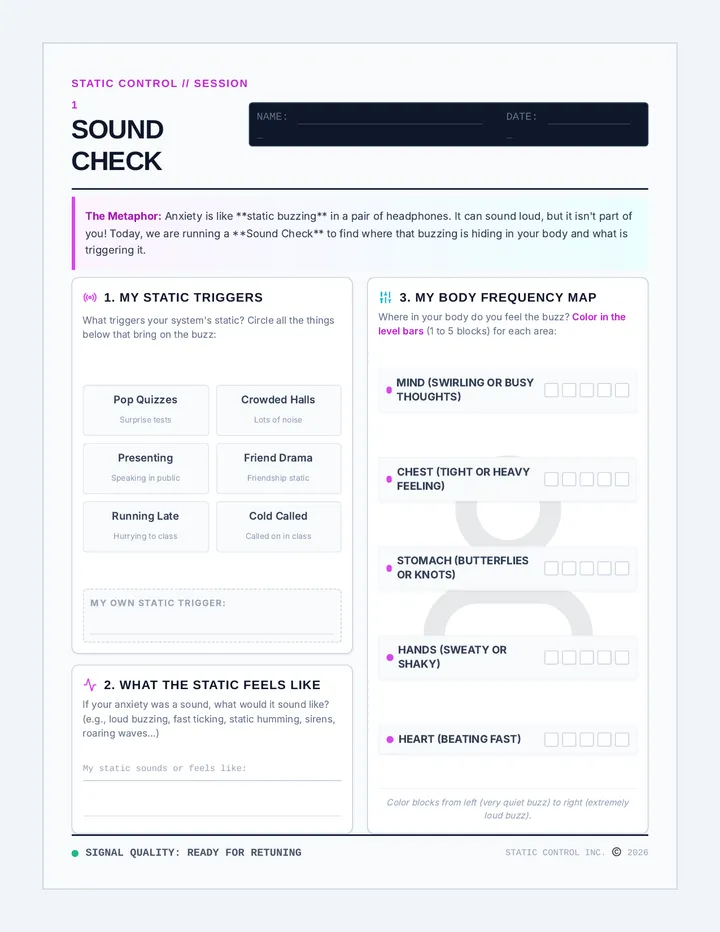
A six-session coping skills program for middle schoolers that uses an audio-engineering metaphor to teach somatic regulation, deep breathing, grounding, and cognitive reframing for anxiety management.
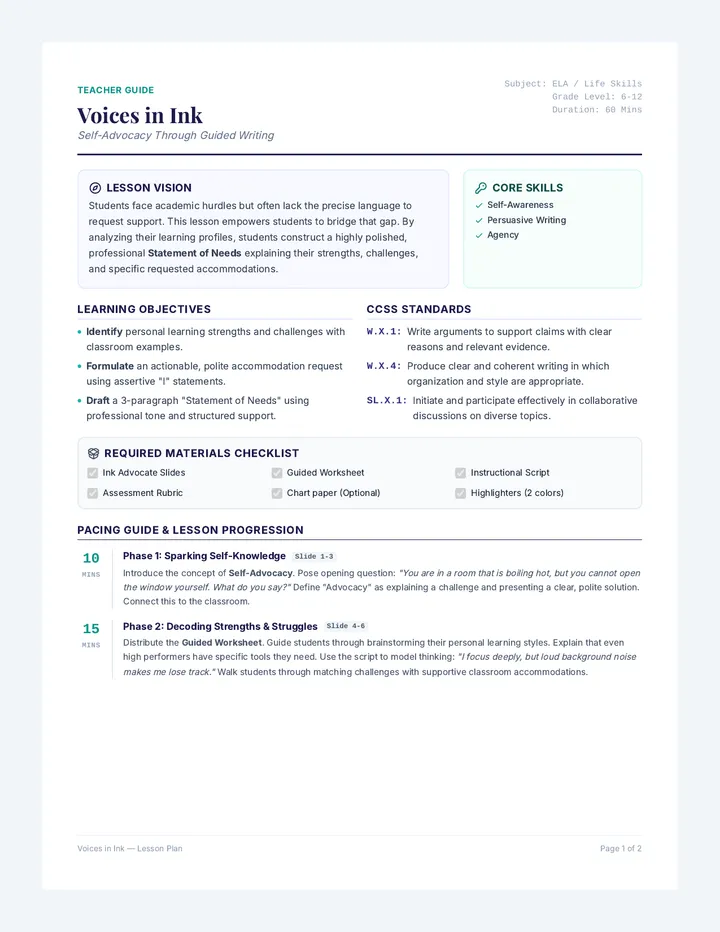
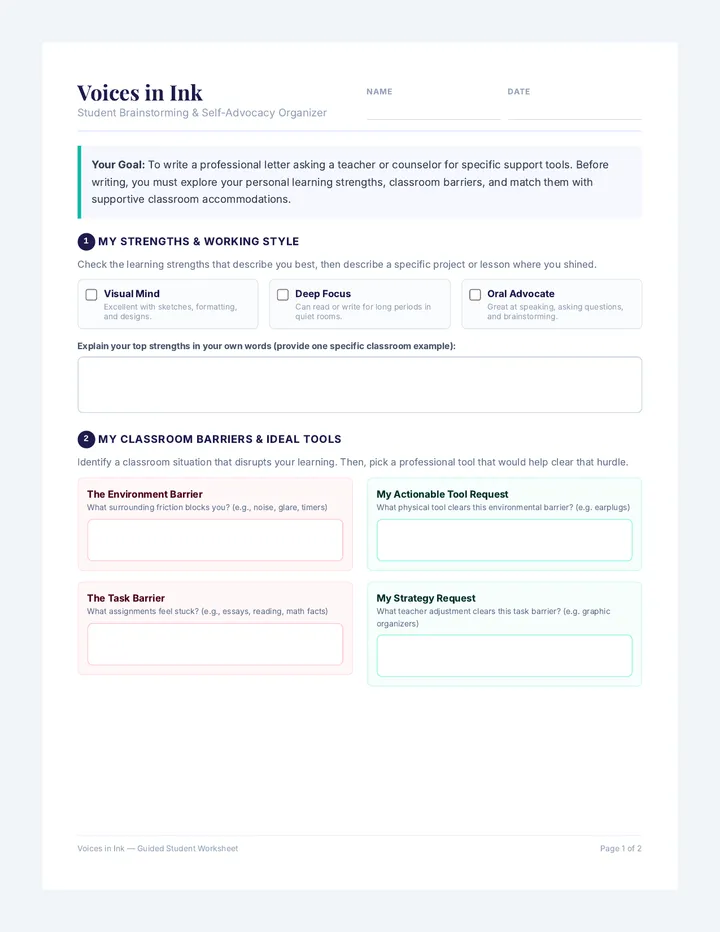
A powerful English Language Arts and self-advocacy lesson that scaffolds students through identifying their personal learning strengths, challenges, and writing a persuasive 'Statement of Needs' to advocate for themselves.
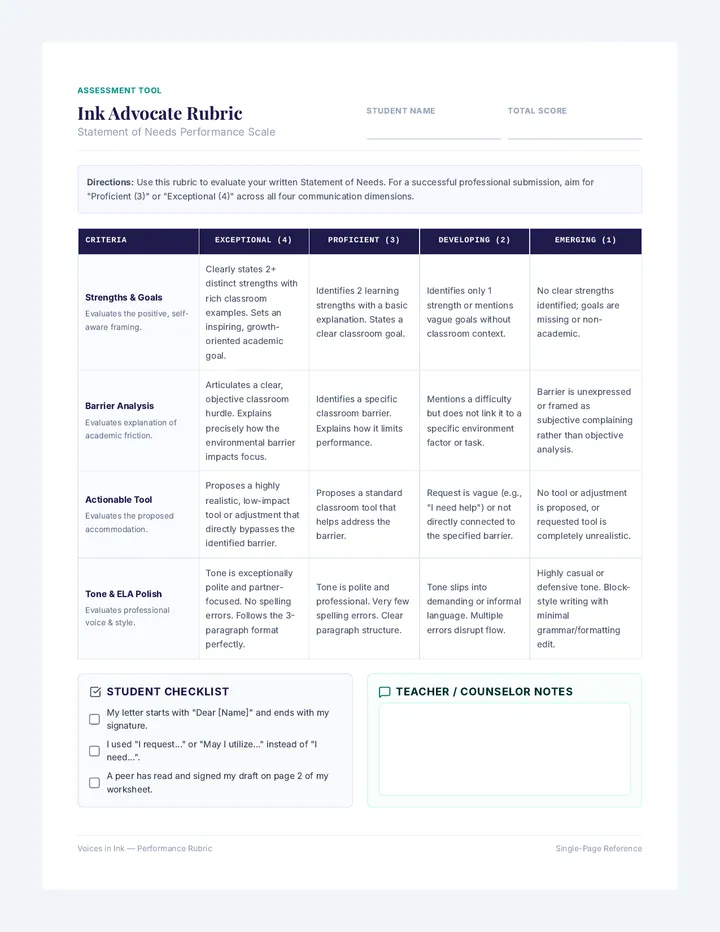
A comprehensive, 1-page student self-assessment and teacher grading rubric evaluating the 'Statement of Needs' across 4 professional communication criteria.
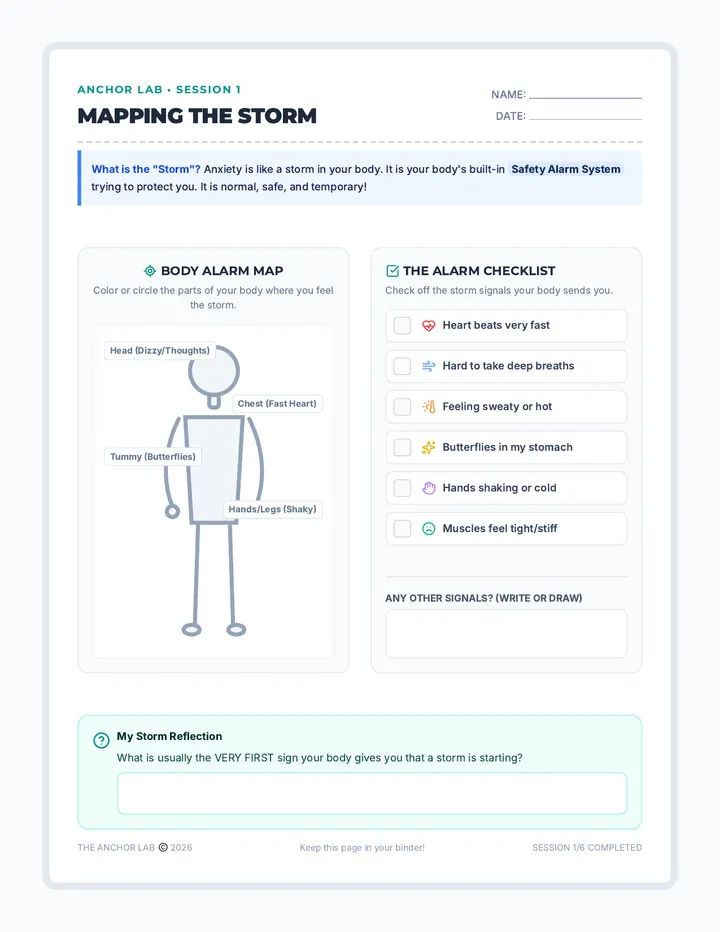
A six-session anxiety coping skills group designed for middle school students with high visual and concrete support. Students explore physical anxiety symptoms, sensory grounding, breathing regulation, cognitive reframing, and build a personalized visual toolkit.
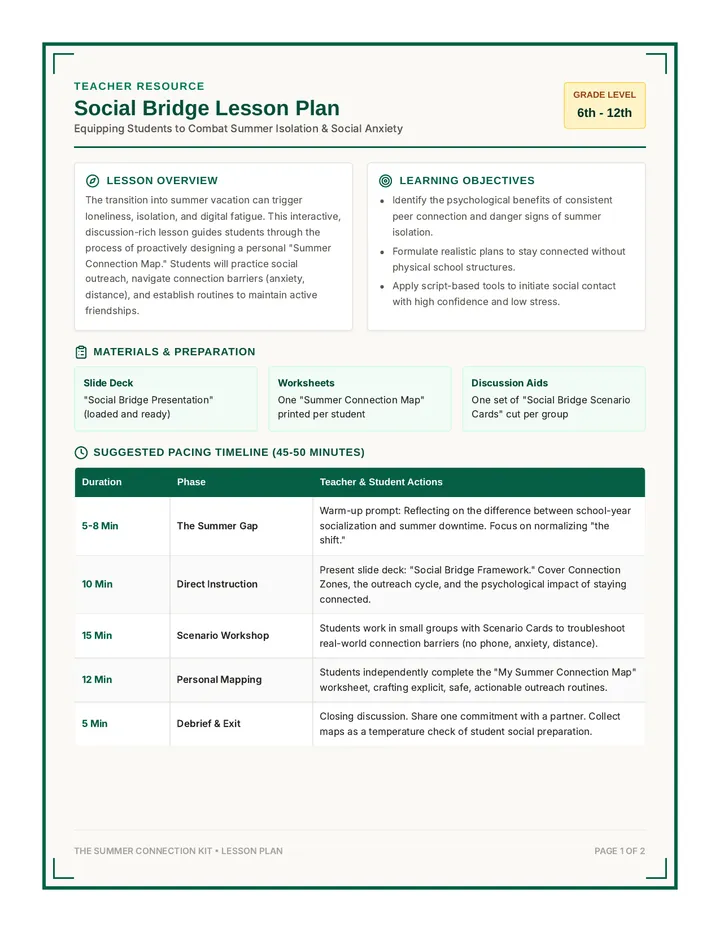
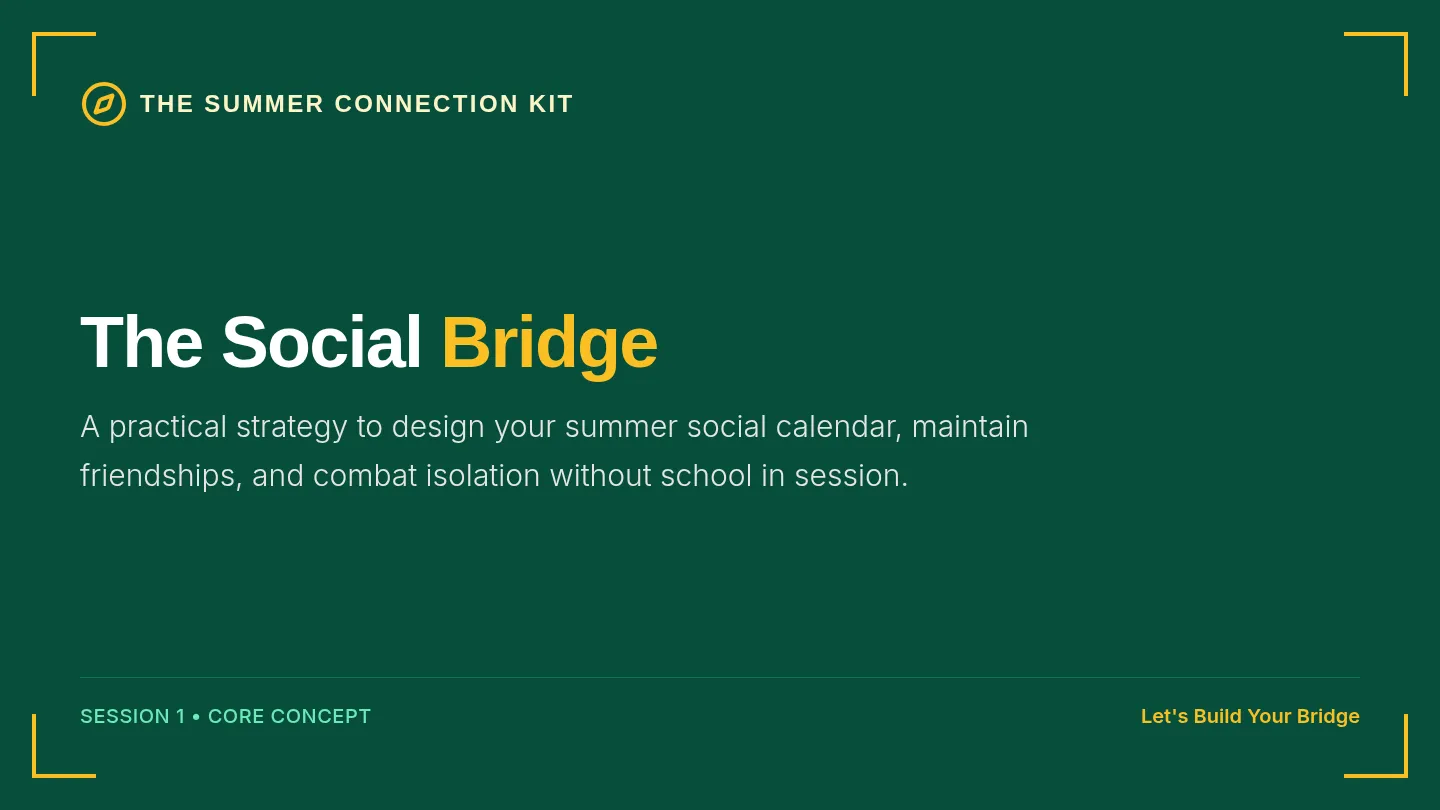
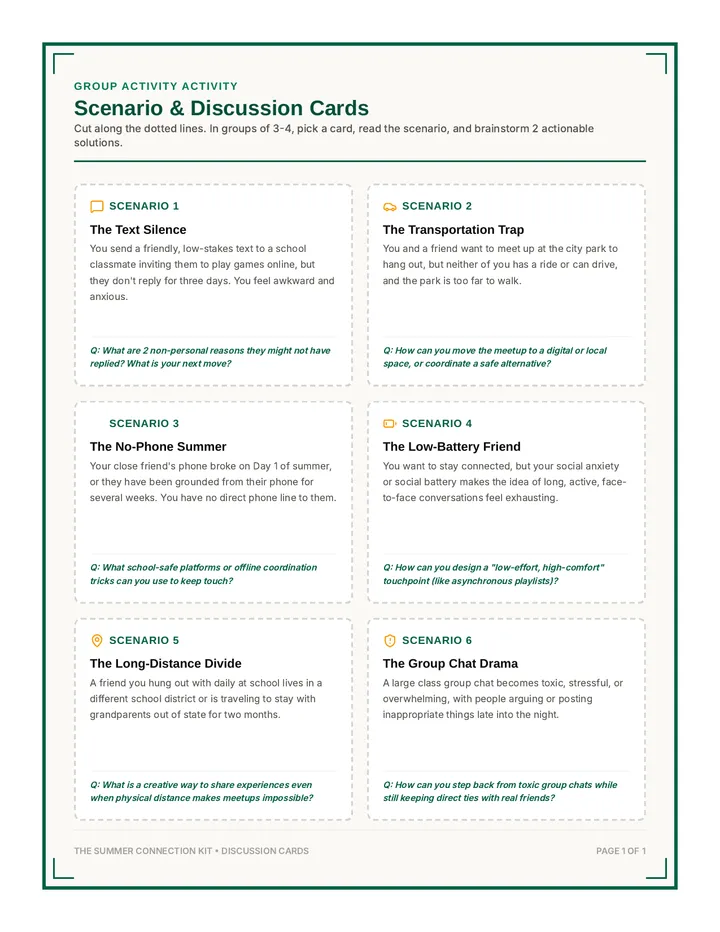
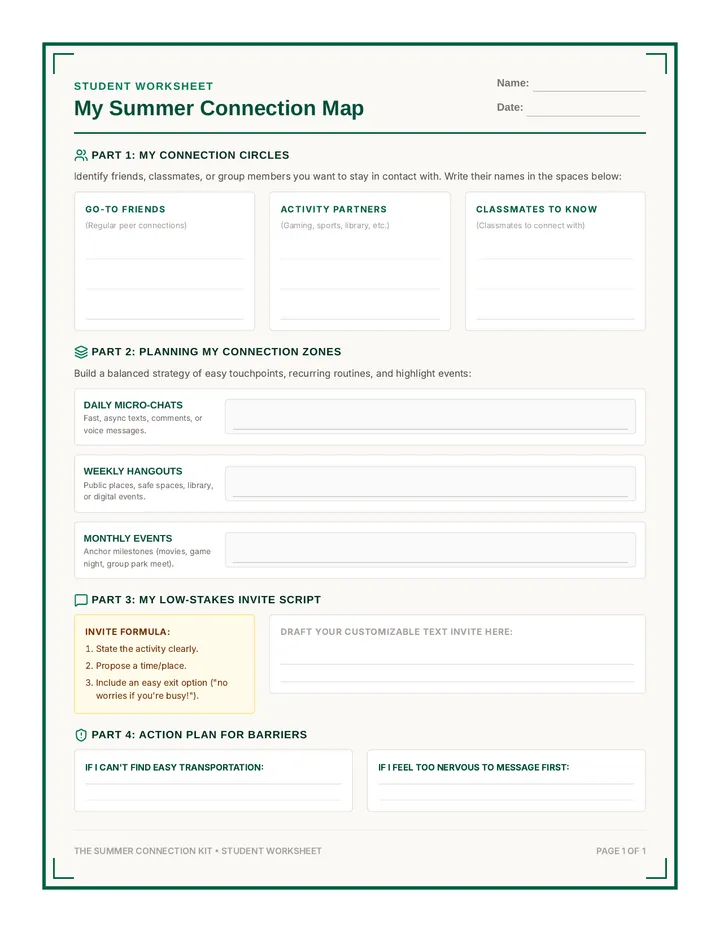
An interactive planning lesson and set of resources designed to help middle and high school students build actionable, safe strategies for staying connected with peers over the summer, preventing isolation and social anxiety.
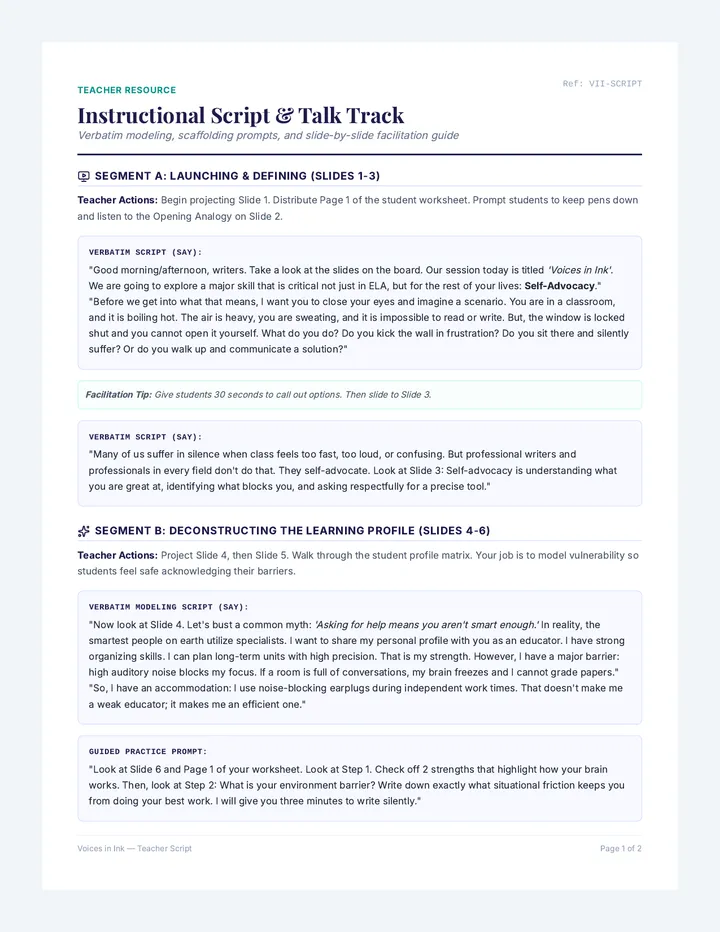
An instructional read-aloud and facilitation script for teachers to pair with the Ink Advocate slide deck, providing explicit talk-tracks and modeling guides.
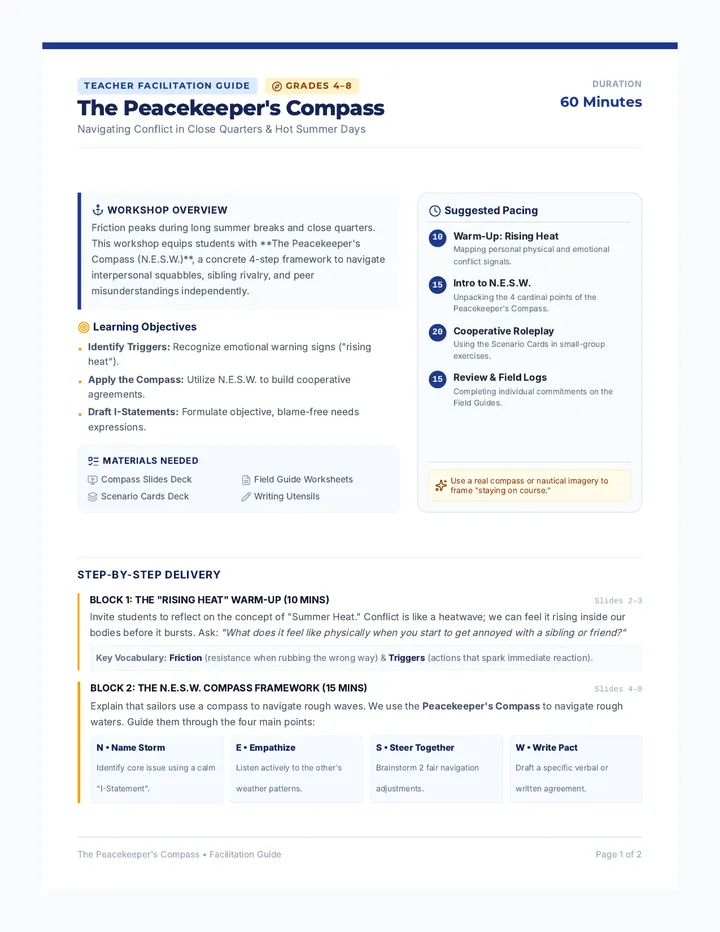
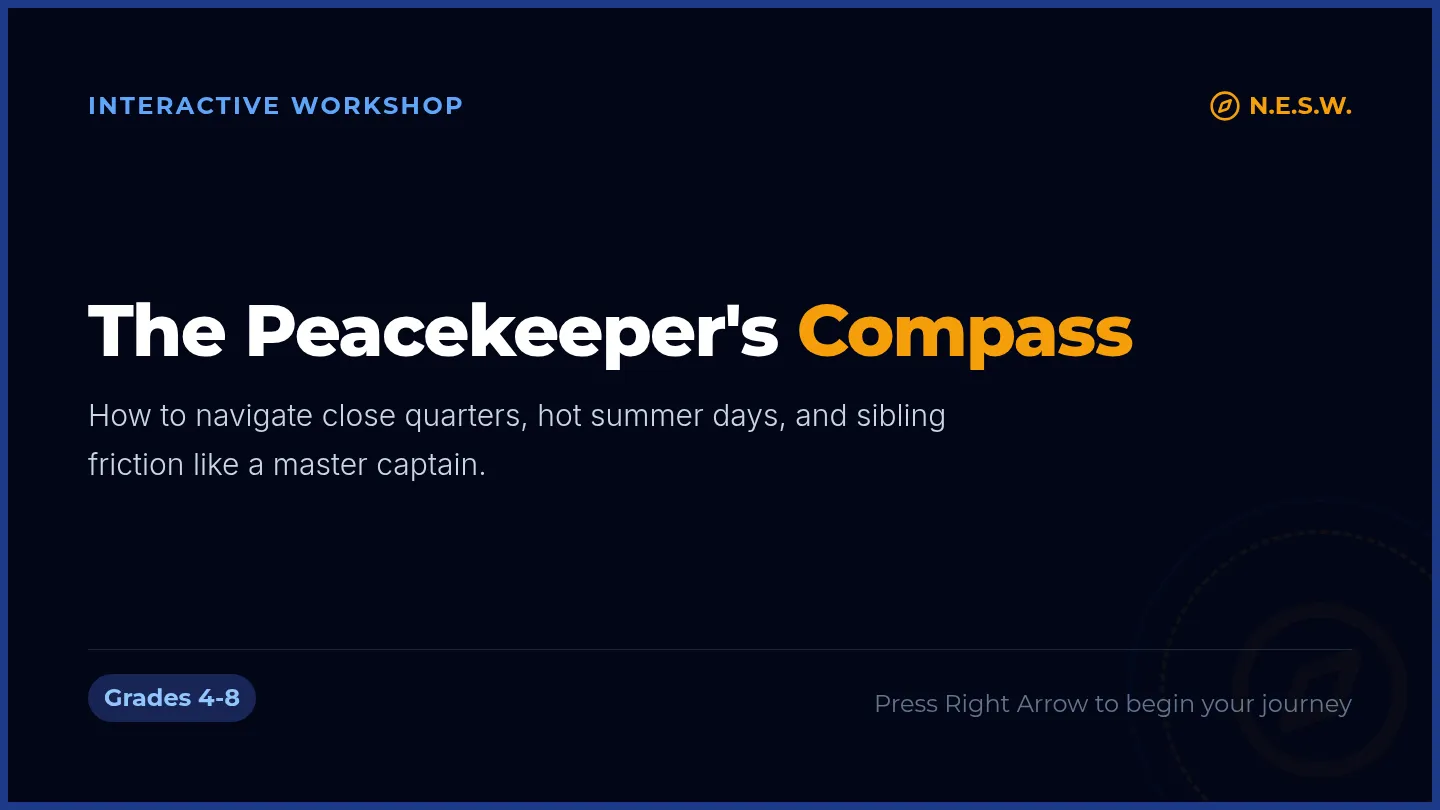
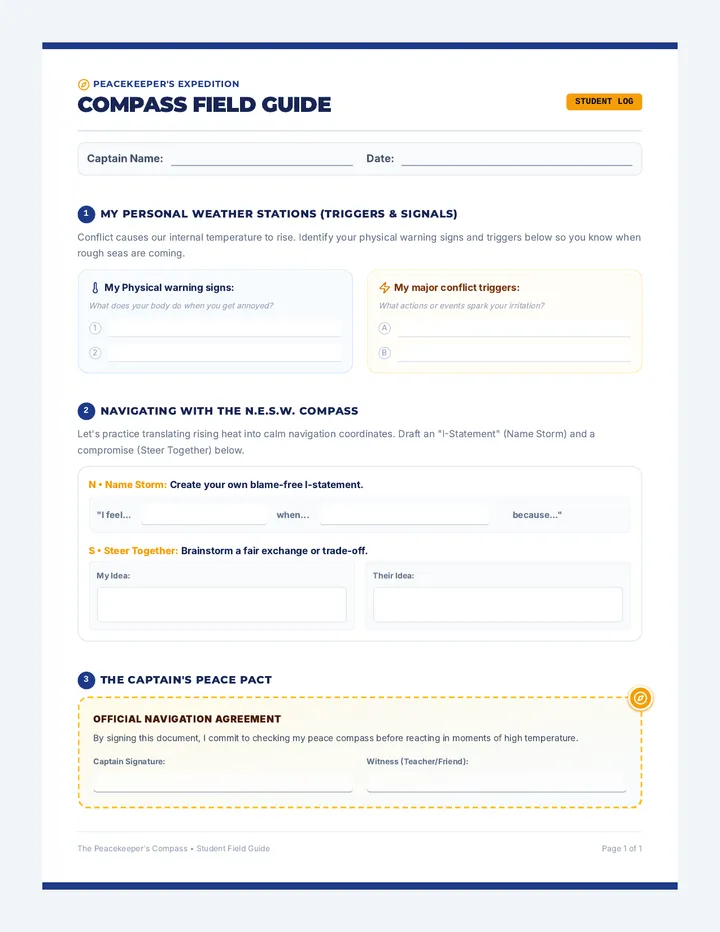
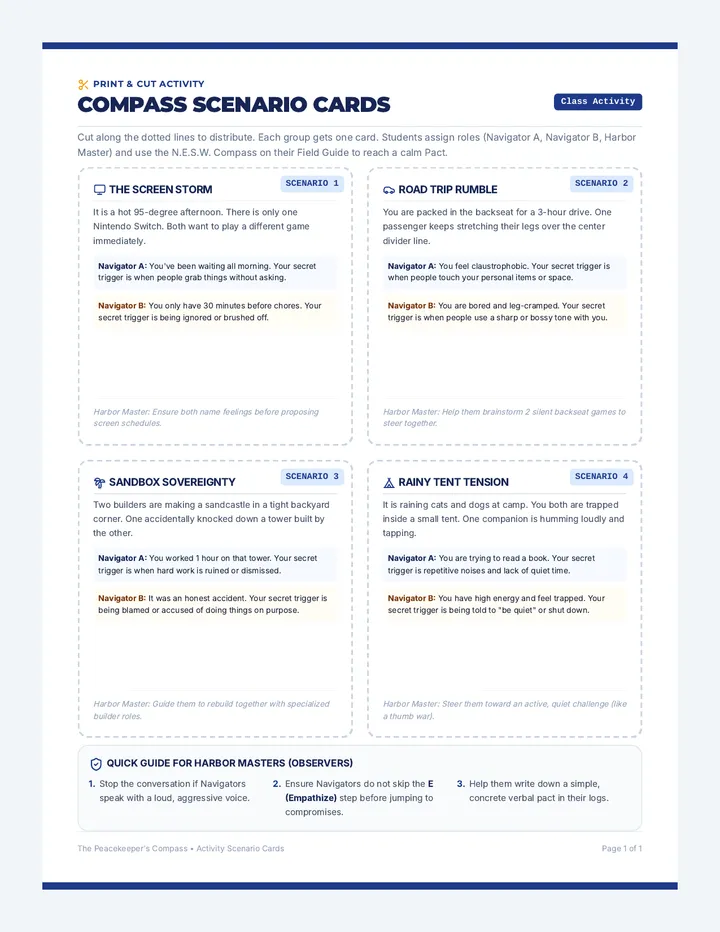
A conflict resolution workshop designed for middle and elementary school students to manage sibling and peer friction independently. Students learn how to navigate close quarters and hot summer days using calm communication strategies.
A structured, 2-page print-ready student worksheet featuring a self-advocacy brainstorming profile on page 1 and guided draft-building template with handwriting-friendly space on page 2.
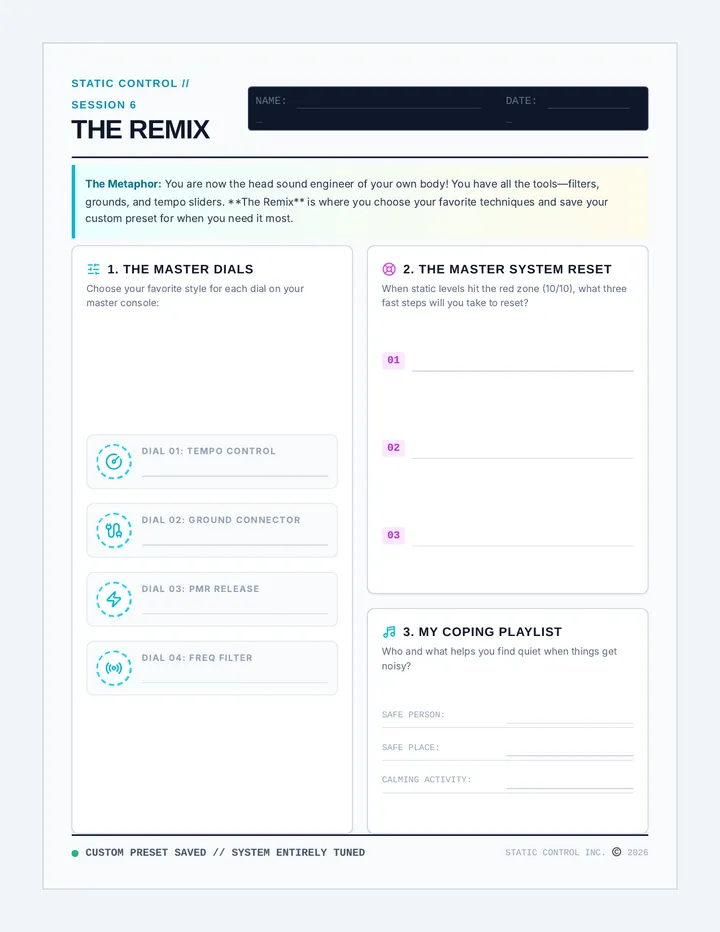
Students consolidate their coping skills into a personalized 'EQ Dashboard' and 'Remix Blueprint' to handle future anxiety spikes.
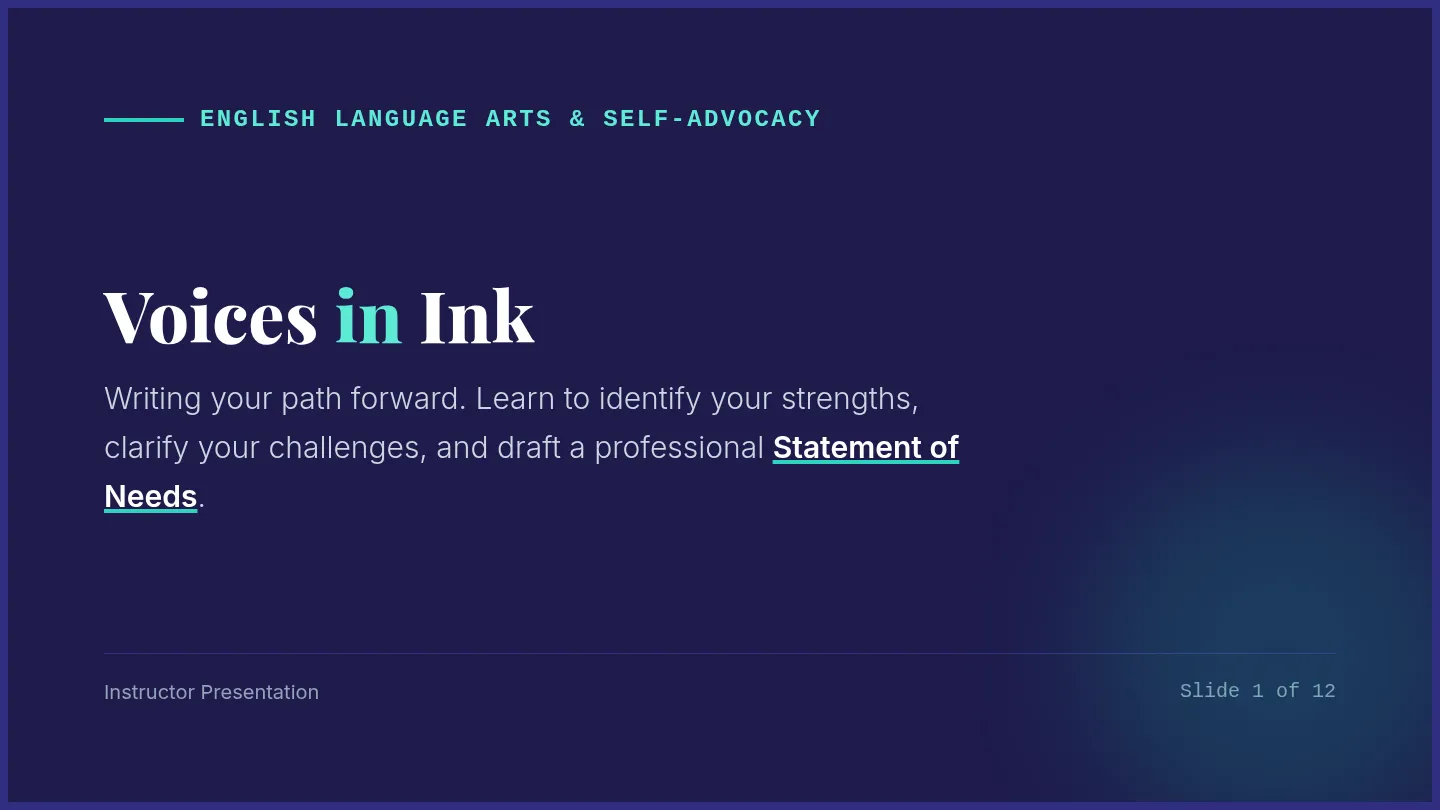
A highly visual 12-slide presentation that introduces self-advocacy concepts, models learning profile analysis, and scaffolds the three-part 'Statement of Needs' formula.
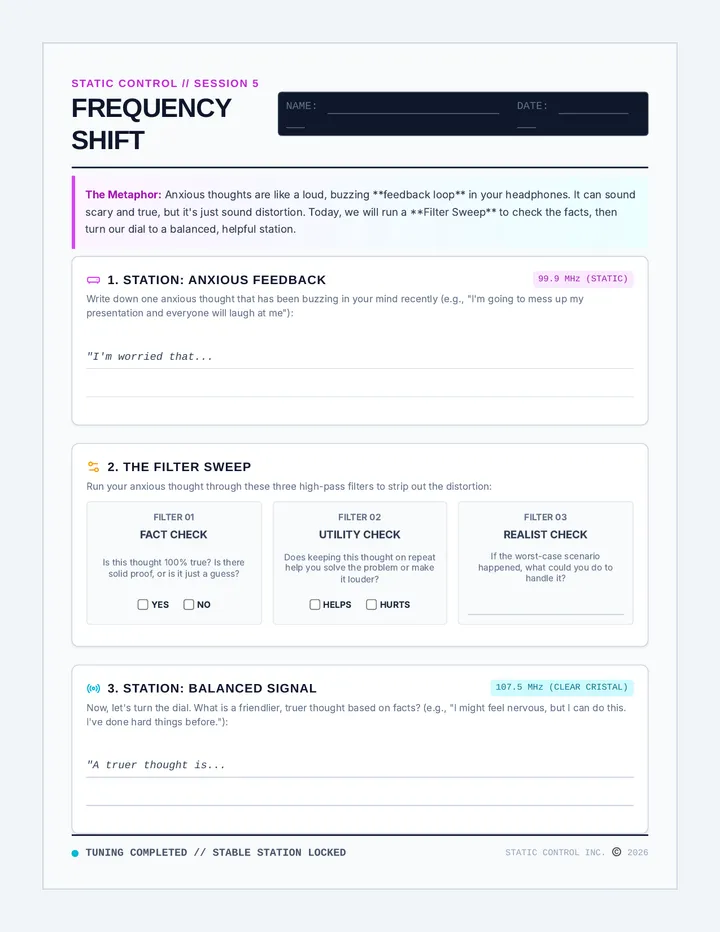
Students explore cognitive reframing by identifying distorted anxious thoughts ('feedback loop') and tuning their mental receiver to a more balanced frequency.
A comprehensive 2-page teacher's guide and lesson plan outlining objectives, standards, materials, step-by-step facilitation, and differentiation strategies for teaching self-advocacy.