Words That Push Slides Counseling & Social Communication Skill Workshop
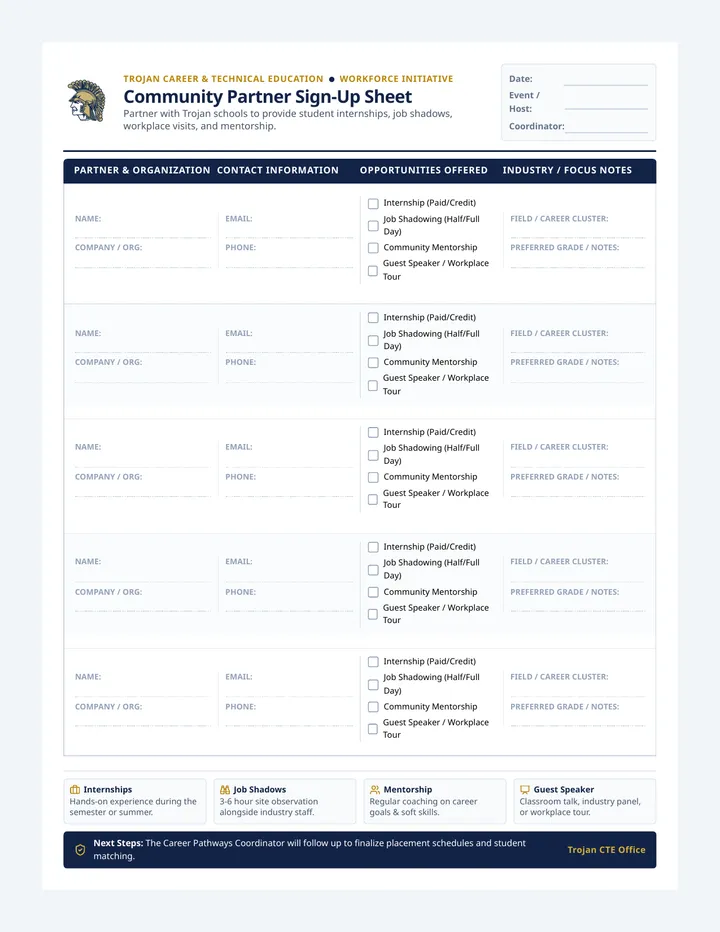
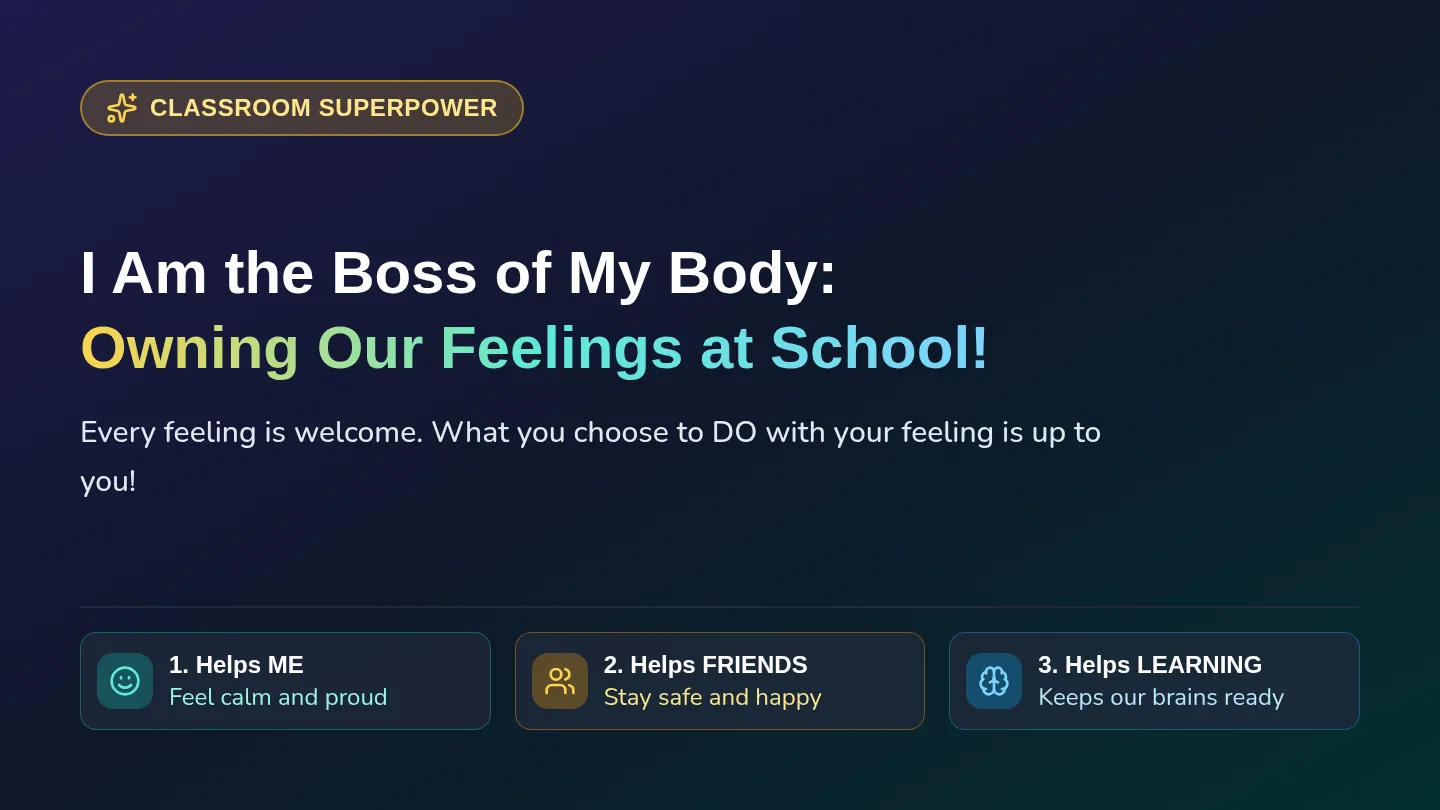
Words That Push
Understanding what “protesting” really sounds like—and how to choose calm words instead.
Spot the "Push"
Phrase Sort
Signal Practice
Core Concept
What is "Protesting"?
Protesting is any word or sound that pushes away a request, direction, or rule.
When an adult asks you to do something and you push back with words, noise, or silence, that is a protest.
The "Push" Effect
It builds a verbal wall between you and what was asked.
The Cooperation Bridge
Calm words keep communication open, even when things are tough.
The 4 Types of "Pushback"
Recognizing the patterns
1. Direct "No"
Refusing right away without listening or pausing.
"No!", "Not doing it!", "Make me!"
2. Arguing & Backtalk
Debating the rule or trying to get the last word.
"Why do I have to?", "You never ask them!"
3. Complaining & Whining
Repeating how unfair, boring, or hard the task is.
"This is so stupid!", "That's unfair!"
4. Sound Protests
Noises that signal you are pushing the task away.
Loud sighing, huffing, teeth sucking, groaning
The Replacement
What Are "Calm Words"?
Calm words don't mean you love the task—they mean you handle it with maturity.
1. Agreeing
Accepting the direction right away without a fuss.
“Okay, I'll do that now.”
2. Asking for Help
Speaking up politely when a task feels too hard.
“Could you help me get started?”
3. Asking for Time
Making a respectful request to finish a step first.
“Can I have 2 more minutes?”
💡 Remember: Adults are much more willing to help when you use calm words!
Game Time
Skill Practice: The Signal Card Test
Test your ears! Can you catch the protest before it takes over?
PROTEST SIGNAL
Raise this card if the speaker is pushing away the rule, arguing, complaining, or saying no.
CALM SIGNAL
Raise this card if the speaker is agreeing, asking a respectful question, or staying cooperative.
Target Goal: Correctly identify 4 out of 5 spoken phrases!
Ready your signal cards
How to Play
Listening Like a Detective
1
Listen to the Whole Phrase First
Don't guess early! Let your teacher or counselor speak the entire sentence and hear their tone.
2
Ask: "Is this pushing the rule away?"
If it is trying to delay, refuse, or debate the rule, it is a Protest.
3
Silently Raise Your Card on the Count of Three
3... 2... 1... Show your card! Be ready to explain why you made that choice.
Counselor will read Phrase 1 now!
Session Wrap-Up
Catching the Push in Real Life
1. Pause
When you hear a request you don't like, count to 3 before speaking.
2. Check Your Push
Are you about to say "No," whine, or argue? Catch it in your throat.
3. Swap the Words
Trade the push for a calm question or a simple "Okay."
“Calm words keep you in control of yourself.”
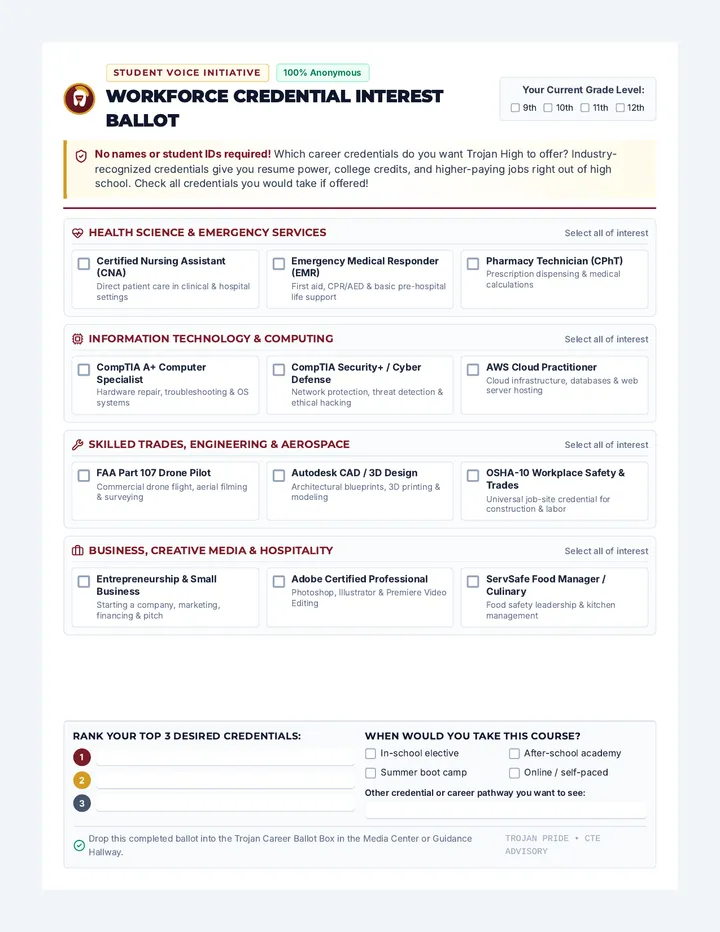
Phrase Sorting Activity Counseling Hands-On Toolkit
Phrase Cards & Signal Cards
Cut & Sort Activity
Prep for Listening Test
Directions: Cut out the 2 Signal Cards at top (glue to craft sticks or hold by hand). Then cut the 12 phrase cards below and sort them onto Page 2.
Signal Cards for Auditory Practice
Signal 1
PROTEST / PUSH
Any word, noise, or sound that pushes away a rule or request.
Signal 2
CALM / ACCEPT
Words that agree, cooperate, or ask a polite, respectful question.
12 Phrase Cards (Cut Along Dashed Lines)
Mix them up before sorting!
“No way! I am NOT doing that!”
“Okay, I will start right now.”
“That is so unfair! Everyone else gets to play!”
“Can I have 2 more minutes to finish this sentence?”
“Make me!”
“I'm stuck. Could you help me with problem #2?”
“Why do I always have to clean up? Ask someone else!”
“Sure thing. Where should I put this folder?”
*(Loud groaning sound, arms crossed, teeth sucking)*
“I feel upset, but I can take a breath and listen.”
“I'm not listening to you anymore!”
“Can we talk about my idea when you have time?”
💡 Counselor Tip: Prompt student to read each phrase aloud using the tone indicated before cutting. Page 1 of 2
The Phrase Sorting Mat
Place or paste each cut card into the correct category below.
Name:
Date:
PROTEST WORDS
Pushes away a rule, task, or request
Clues: "No", Arguing, Whining, Groaning, "Make me" Target: 6 Cards
Paste Protest Card Here
Paste Protest Card Here
Paste Protest Card Here
Paste Protest Card Here
Paste Protest Card Here
Paste Protest Card Here
CALM WORDS
Accepts, cooperates, or asks politely
Clues: "Okay", Asking for help, Asking for time Target: 6 Cards
Paste Calm Card Here
Paste Calm Card Here
Paste Calm Card Here
Paste Calm Card Here
Paste Calm Card Here
Paste Calm Card Here
Counselor Discussion Prompt
Reflect: Can you disagree with someone without "protesting"? What words can you use when you don't agree with a rule?
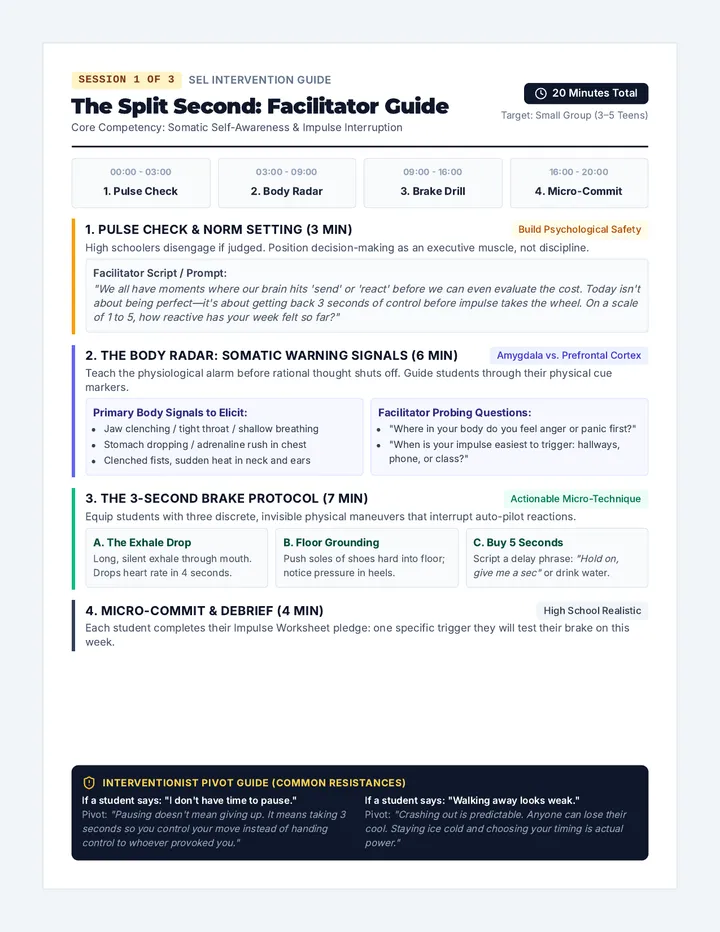
Protest Patrol Counselor Guide Clinician & Counselor Protocol
Protest Patrol Facilitator Guide
Goal: 4 / 5 Correct
Duration: 25–35 Min
Core Concept: “Protesting is any word or sound that pushes away a request or rule.” This protocol builds auditory awareness before expecting in-the-moment self-regulation.
Session Structure
1. Introduce the "Push"
Use hand gestures: pushing hands out vs receiving hands open. Define protesting plainly.
2. Card Sort Practice
Have student physically place 12 cards onto the sorting mat. Differentiate arguing from calm questions.
3. Signal Card Test
Deliver the 5 standardized spoken prompts. Track student signal choices on Page 2 data sheet.
The 5 Spoken Listening Scenarios (Read Aloud)
Student uses Signal Cards to answer
Prompt 1: “Why do I have to pack up? Ask Marcus instead!”
Counselor Context: Said with annoyed inflection when asked to clean up art supplies.
PROTEST (Push)
Arguing / Deflecting
Prompt 2: “Okay, can you show me where the math bin goes?”
Counselor Context: Calm neutral tone following a teacher's classroom direction.
CALM (Accept)
Cooperating & Asking
Prompt 3: *(Loud heavy sigh, slumped shoulders)* “Ugh, fine. Whatever.”
Counselor Context: Said with visible eye roll and exasperated vocal noise.
PROTEST (Push)
Sound / Passive Push
Prompt 4: “I don't really want to stop, but I know it's recess time.”
Counselor Context: Honest expression of feeling without pushing the direction away.
CALM (Accept)
Emotion Acknowledgment
Prompt 5: “Make me! You can't force me to sit down!”
Counselor Context: Loud defiant tone during line transition.
PROTEST (Push)
Direct Defiance / Refusal
Teaching Distinction: Highlighting Prompt 4 is vital: having an unpleasant feeling is normal; protesting happens when you turn that feeling into words that push the rule away. Page 1 of 2
Skill Practice Data Tracker
Document performance on the 5 spoken signal trials & card sort.
Student:
Date:
Auditory Signal Trials (Objective: 4/5)
Target Criterion Met: [ ] YES [ ] NO