Bullying Workshop Lesson Plan Bullying Workshop
Lesson Plan: Kindness Crew Academy
25 MINS
Grades K-4
THE GOAL
Students will engage in simplified role-playing scenarios to recognize different types of bullying and understand its impact. They will identify bullying behaviors and learn how to be supportive "Upstanders."
MATERIALS NEEDED
Role-Playing Scenarios Handout
Workshop Discussion Guide
Scenario Reflection Worksheet
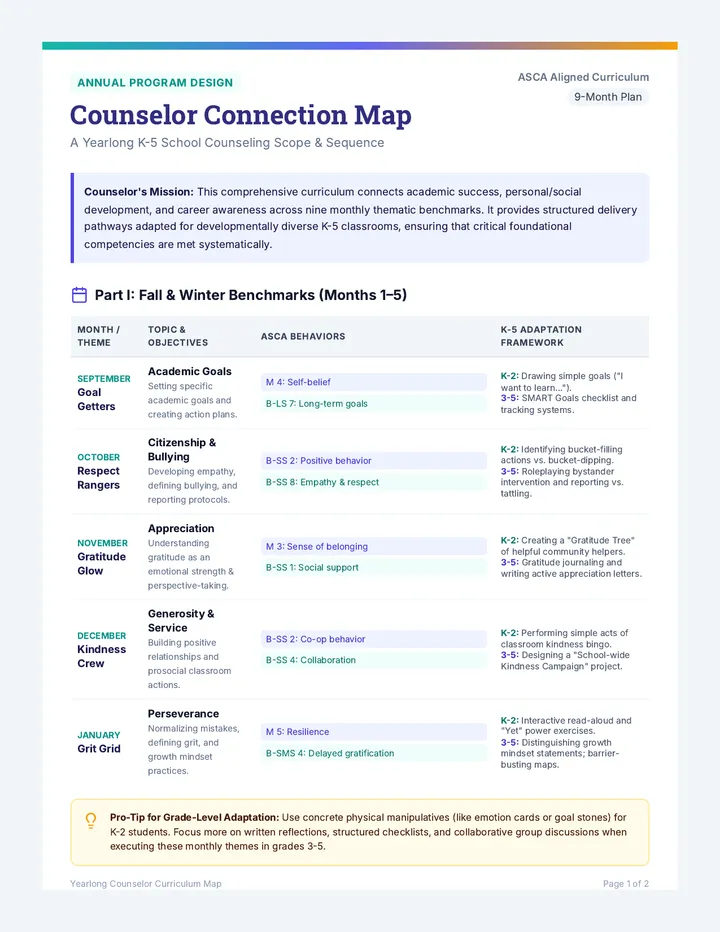
Bullying Types Reference
Video: "What's Cyberbullying?"
Instructional Steps
01
The Greeting & Big Question
5 MINS
Greet the students and introduce the topic of bullying in simple terms.
Explain the objectives: recognizing behaviors and understanding their impact.
Prompt: "Have you ever seen someone being treated unkindly on purpose? How did it make you feel?"
02
Watch & Learn
3 MINS
Show the video "What's Cyberbullying?".
Briefly discuss: What did we learn about being kind online?
03
Role-Play Action
10 MINS
Divide students into small groups and distribute the Scenario Handout .
Assign each group a different scenario (1-4).
Allow 3-4 minutes to practice, then have each group perform for the class.
04
The Kind Circle Discussion
5 MINS
Use the Workshop Discussion Guide to lead reflection.
Focus on the 4 types: Verbal, Social, Cyber, and Physical.
Brainstorm: "How can we stop it?"
05
Kindness Pledge
2 MINS
Summarize key points: Be kind, be supportive.
Encourage students to always speak up for others.
Teacher Tip
For younger students (K-1), model the first scenario yourself with a volunteer to show that we are "acting" and that unkind behavior is never okay in real life.
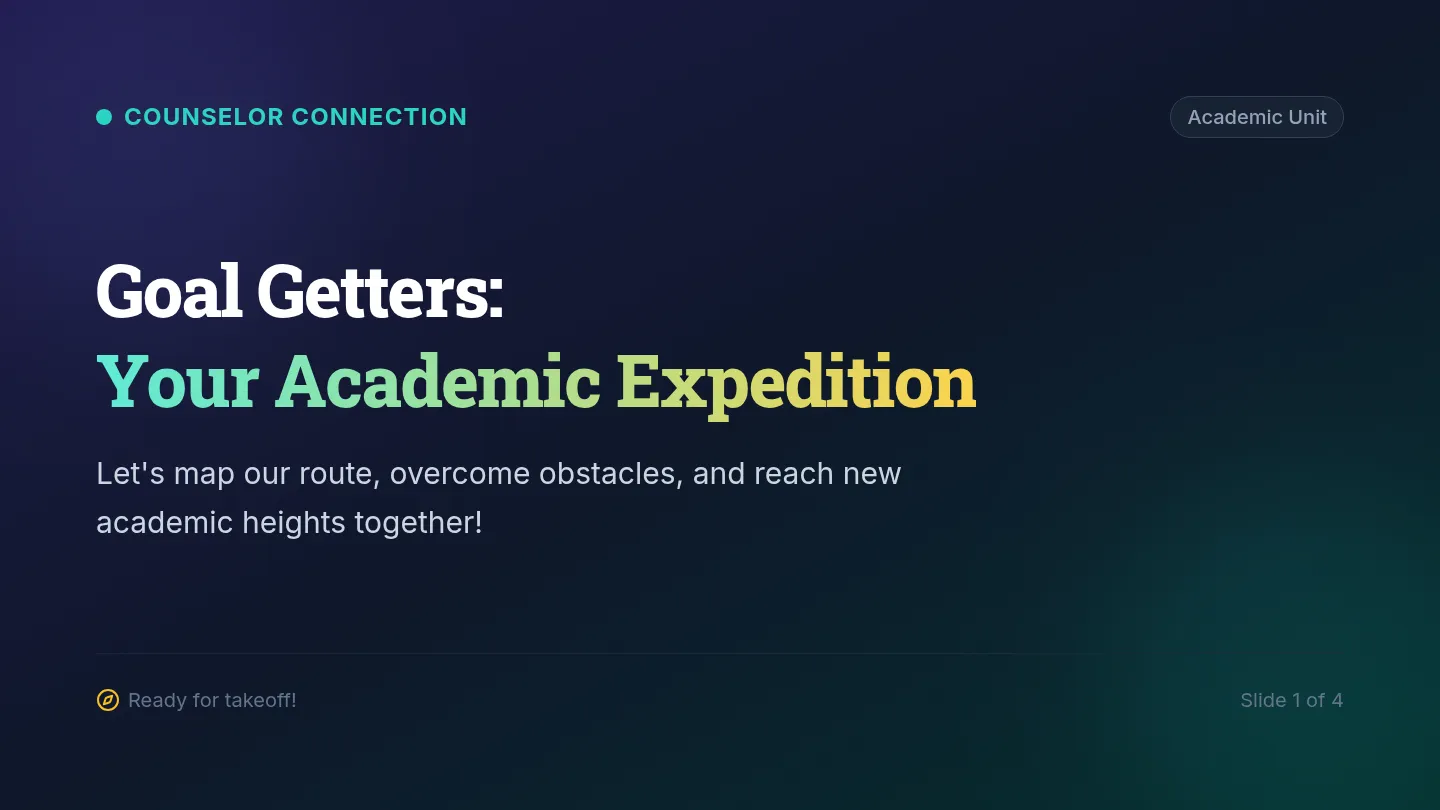
Bullying Workshop Slides Kindness Force
Workshop
Understanding Bullying & How to Be a Hero
What is Bullying?
On Purpose
It is done to make someone feel bad on purpose.
Repeated
It happens more than once (over and over).
Hurts
It makes the other person feel sad or unsafe.
WATCH: WHAT'S CYBERBULLYING?
Please play the lesson video from your dashboard:
https://uncommon-nyc.lennylearning.org/view/what-s-cyberbullying
Discussion: What did you learn about being kind online?
Role-Play Challenge!
1 Get Your Group
Work with your team to read your scenario card.
2 Plan the Scene
Decide who plays each part. Practice what to say!
3 Action!
Show the class the scenario and how it feels.
4 Discuss
How can we solve the problem in a kind way?
The 4 Types
Verbal
Using mean words, teasing, or name-calling.
Social
Leaving someone out or spreading rumors.
Cyber
Being unkind through phones or computers.
Physical
Hurting someone's body or their things.
Be an Upstander!
"Stop! That's not kind."
"Do you want to play with me?"
Tell a trusted adult right away.
Role-Playing Scenarios Handout Scenario Cards
Kindness Crew Workshop
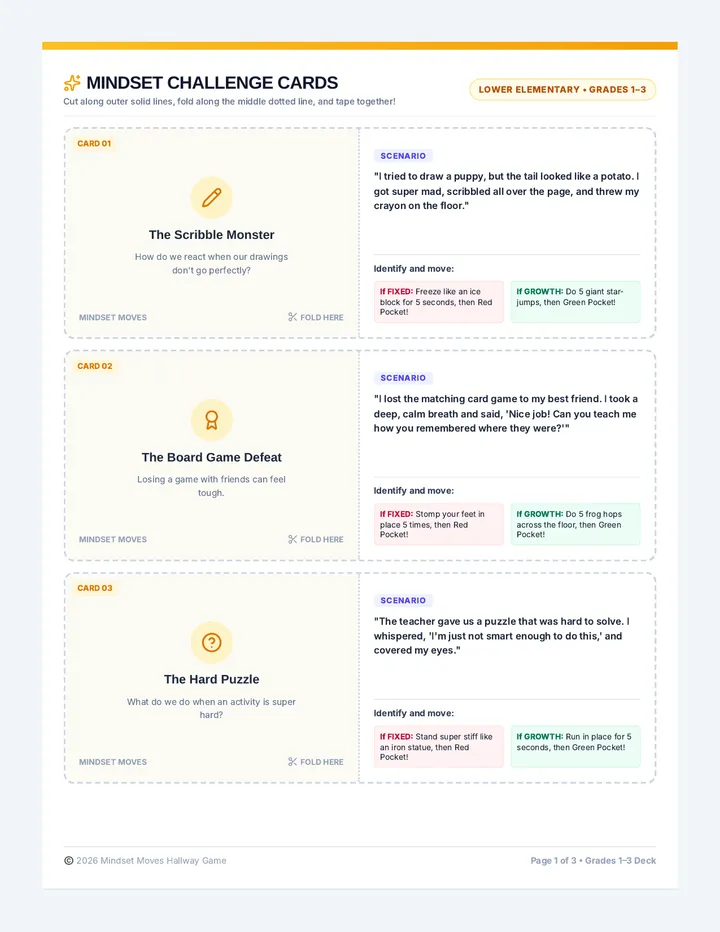
CARD 1
The Teasing Trouble
"A student is being teased about their appearance by a group of classmates."
Practice acting out the unkind words and how to respond.
CARD 2
The "No One Cares" Circle
"A student is being excluded from group activities and ignored by their peers."
Show what it feels like to be left out of a game.
CARD 3
The Mean Message
"A student is receiving threatening messages on social media."
Think about what to do when someone is mean online.
CARD 4
The Rough Play
"A student is being physically pushed and shoved by another student."
Show how to safely get help when someone gets physical.
Groups: Cut these cards out or keep the handout to guide your rehearsal!
Workshop Discussion Guide Workshop Discussion Guide
Teacher Resource • Kindness Force Academy
The Goal
Use these questions to help students process the role-plays and connect the scenarios to real-world feelings and actions.
1
How did it feel to act out or watch the scenarios?
Teacher Prompts:
Did it feel uncomfortable? Why?
How do you think the "victim" character felt inside?
How did it feel for the "bystanders" watching?
2
What types of bullying did you observe?
Discussion Points:
Verbal: Name-calling or teasing.
Social: Leaving people out or ignoring them.
Cyber: Mean things said through phones or screens.
Physical: Shoving, hitting, or breaking things.
3
What impact does bullying have on a person?
Guide the conversation toward:
Feeling sad, lonely, or scared.
Not wanting to come to school.
Physical effects like tummy aches or trouble sleeping.
4
How can we prevent and respond to bullying?
Upstander Actions:
Saying "Stop, that's not kind."
Inviting the person to play with you.
Telling a teacher or parent immediately.
Scenario Reflection Worksheet My Scenario Reflection
Think about what we saw and how we can help!
Name:
Date:
Scenario 1: Teasing Words
A student is being teased about their appearance by classmates.
How did it feel to act out or watch this? What could an Upstander say?
Scenario 2: Left Out
A student is being excluded from group activities and ignored.
How did it feel to act out or watch this? What could an Upstander do?
Scenario 3: Mean Messages
A student is receiving threatening messages on a screen.
How did it feel to act out or watch this? Who should you tell?
Scenario 4: Shoving & Pushing
A student is being physically pushed by another student.
How did it feel to act out or watch this? How can we stay safe?
Bullying Types Reference Sheet Kindness Reference Guide
Understanding Types of Bullying & How to Help
Types of Bullying
Verbal Bullying
Includes teasing, name-calling, taunting, or threatening to cause harm. It's using unkind words to hurt someone's feelings.
Social Bullying
Hurting someone's reputation or friendships. This includes leaving someone out on purpose, spreading rumors, or embarrassing them in public.
Cyberbullying
Bullying that happens on phones, computers, or tablets. Examples include sending mean messages or sharing private information about someone online.
Physical Bullying
Hurting a person's body or their things. This includes hitting, kicking, pinching, spitting, tripping, or taking someone's belongings.
Big Questions to Think About
How did it feel to act out or watch the scenarios?
What impact do you think bullying has on individuals?
What are some ways we can prevent and respond to bullying?
Always Be Kind • Kindness Force Academy