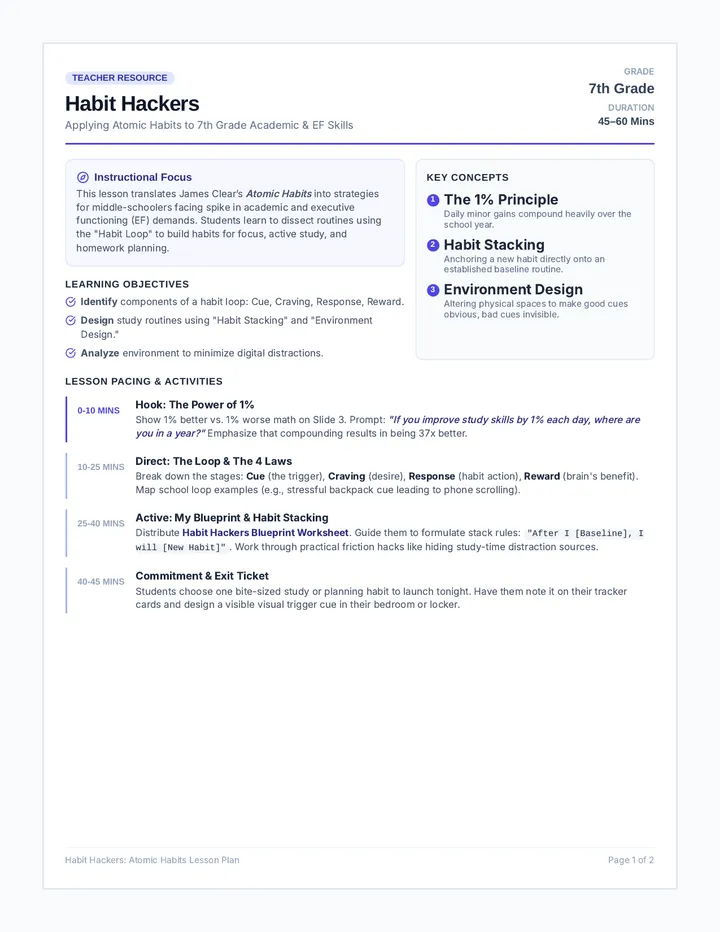
Bullying Dynamics Lesson Plan Understanding Bullying Dynamics
Lesson Plan for Parent Education
Duration 60 Minutes
Objectives
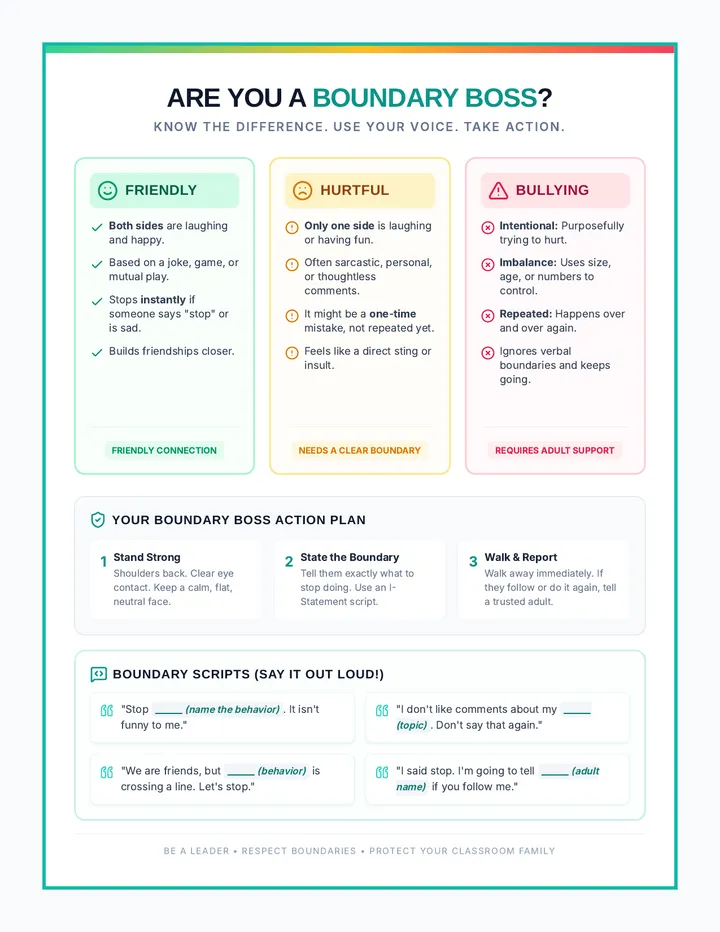
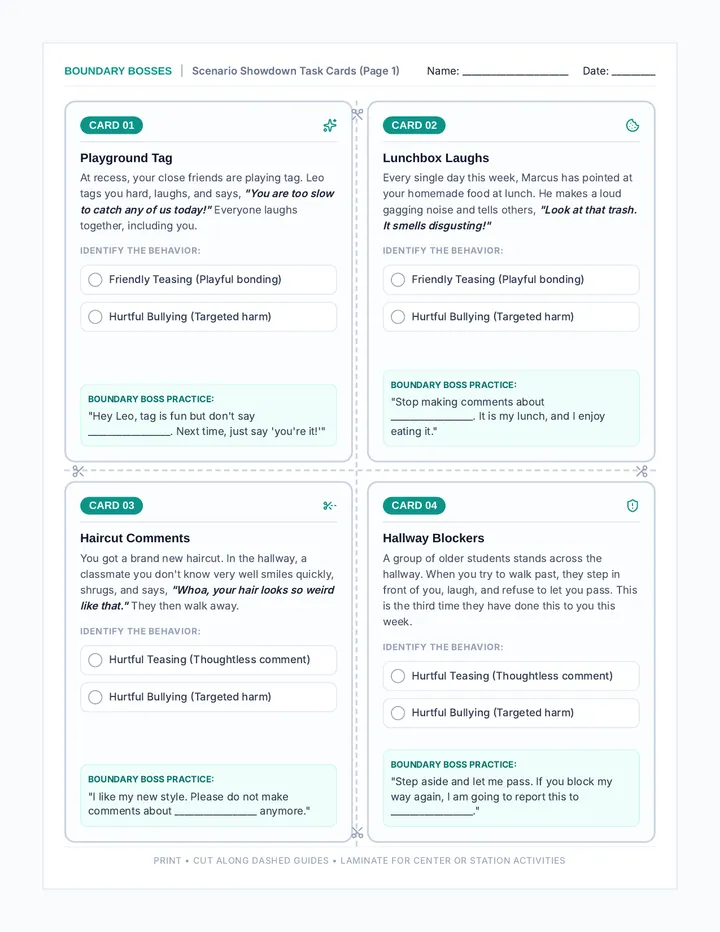
Identify the core characteristics of bullies, victims, and bystanders.
Understand the psychological and social impact of these roles.
Develop strategies for identifying bullying involvement and providing support.
Audience
Parents and caregivers of students in grades 6 through 12.
Required Materials
Bullying Roles Discussion Guide
Bullying Dynamics Worksheet
Bullying Roles Reading Material
Pens and blank paper for notes
Instructional Sequence
10m Intro
Introduction & Welcome
Welcome parents and introduce the topic of bullying dynamics. Explain why understanding the interconnected roles of bullies, victims, and bystanders is essential for effective home support. Outline the session's goal: fostering a proactive and supportive environment.
20m Interact
Discussion on Bullying Roles
Facilitate a group discussion using the Discussion Guide . Encourage parents to share personal observations or thoughts. Focus on defining the traits of each role and common signs to look for at home.
15m Activity
Worksheet Activity
Distribute the Bullying Dynamics Worksheet . Parents work individually or in small pairs to reflect on the characteristics of bullies, the power of bystanders, and the effects on victims. Facilitators should walk around to offer support.
10m Reflect
Reading & Individual Reflection
Provide the Bullying Roles Reading Material . Allow silent reading time. Ask parents to highlight one strategy or insight they can apply immediately with their own child this week.
5m Closing
Closure & Resources
Summarize key takeaways. Emphasize that bullying is a dynamic system, not just a two-person conflict. Provide information on where to find further school or community support.
"Bullying is not just a childhood rite of passage; it is a complex social dynamic that requires intentional, informed intervention from both school and home."
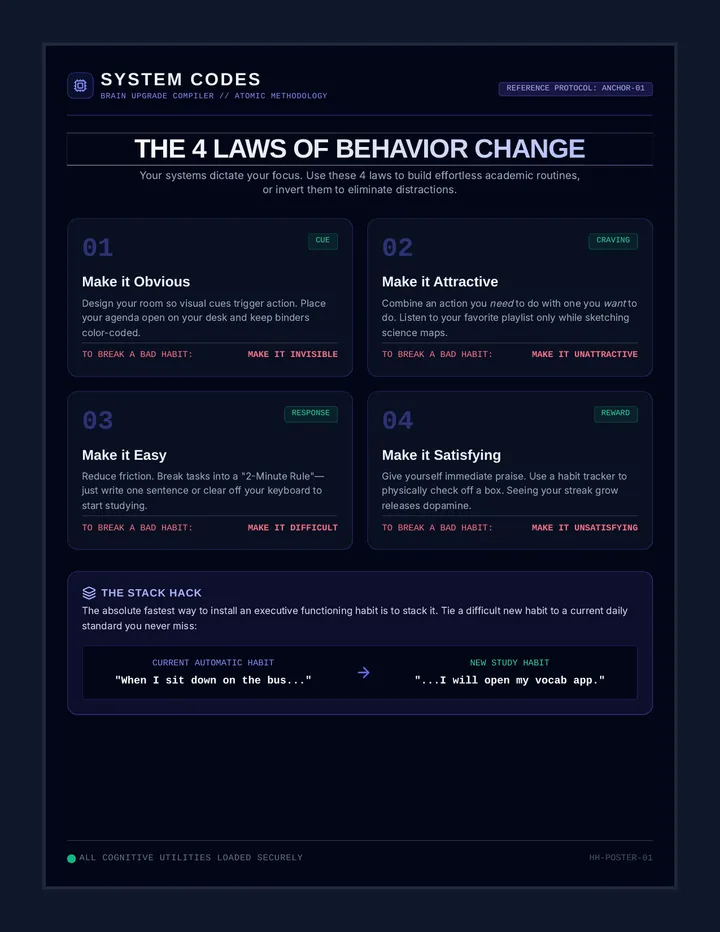
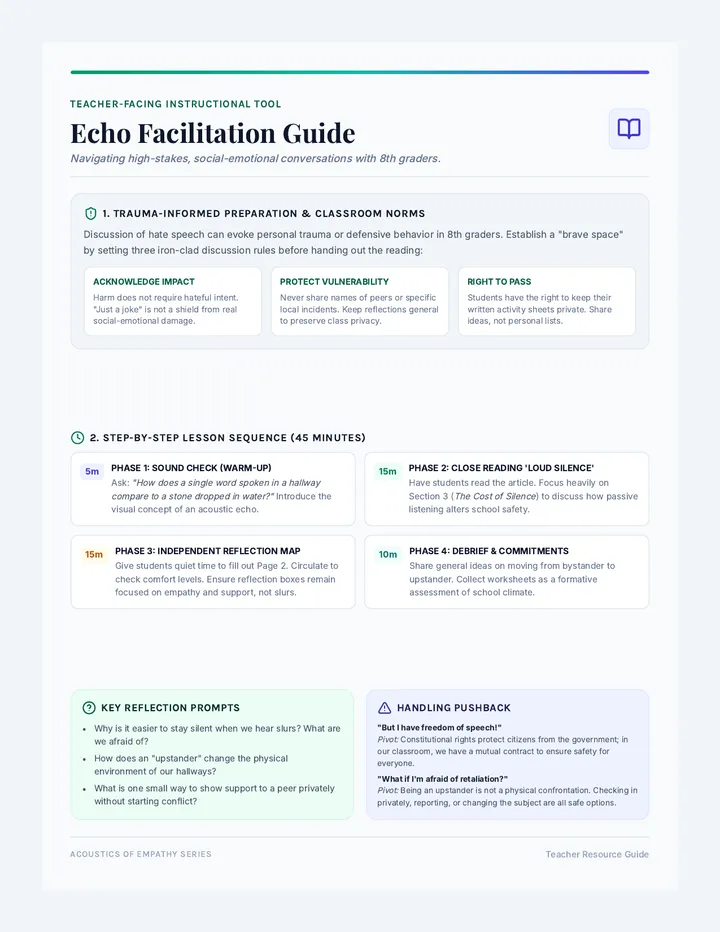
Bullying Roles Discussion Guide Bullying Roles Discussion Guide
Facilitator Tool for Parent Engagement
"Use these questions to spark dialogue among parents. Encourage vulnerability and experience-sharing while keeping the focus on how these dynamics manifest in secondary school environments."
1
What are some common characteristics of bullies, victims, and bystanders?
Discuss the traits and behaviors typically associated with each role in bullying.
Bullies
Victims
Bystanders
2
How can parents identify if their child is involved in bullying, either as a bully, victim, or bystander?
Explore signs and behaviors that may indicate involvement in bullying.
3
What strategies can parents use to support their children in dealing with bullying?
Discuss practical approaches and resources available for parents.
Facilitator Tip
Remind parents that children often move between these roles. A victim in one scenario might be a bystander or even a bully in another. Encouraging fluid understanding helps parents react with empathy rather than judgment.
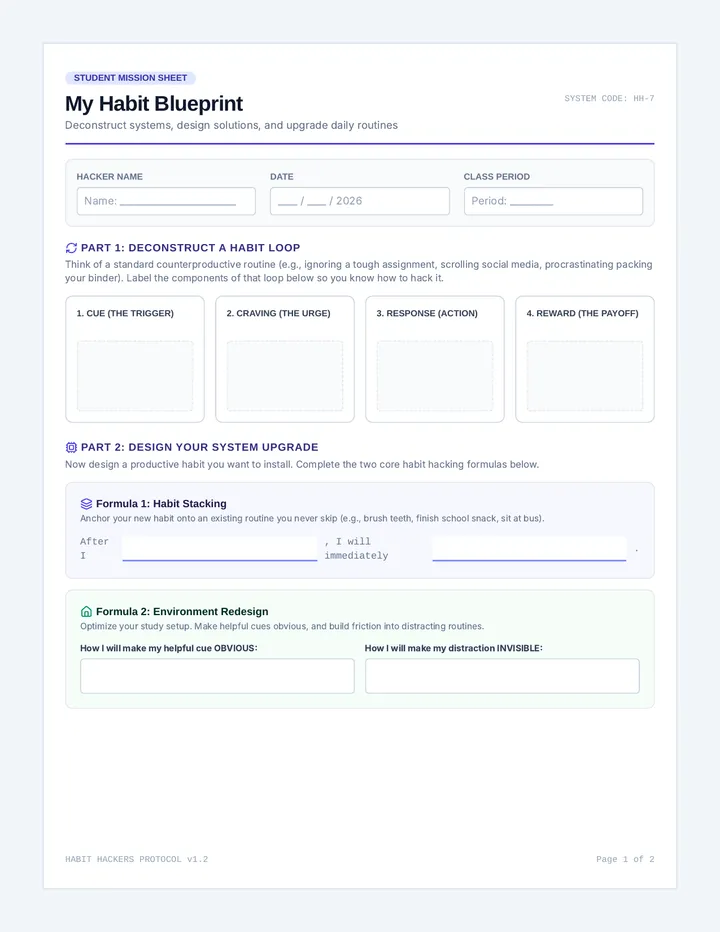
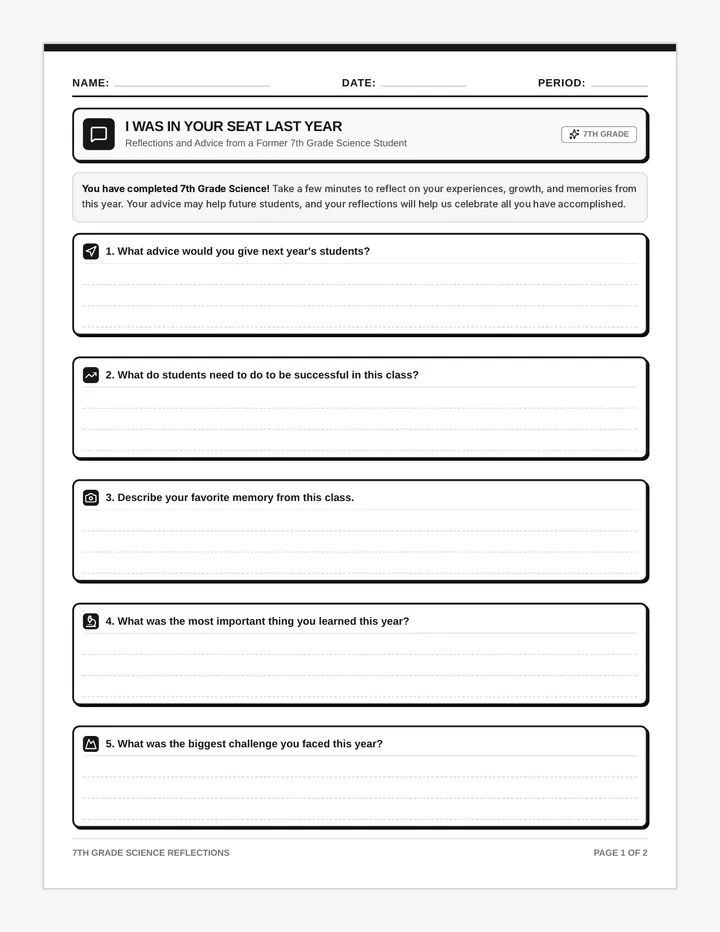
Bullying Dynamics Worksheet Bullying Dynamics Worksheet
Reflective Exercise for Parents & Caregivers
Name:
Date:
This worksheet is designed to help you explore your understanding of bullying dynamics, focusing on the distinct but interconnected roles of bullies, victims, and bystanders. There are no "right" answers—only honest reflections to help support your child.
1
List three characteristics of a bully.
2
Describe how a bystander can positively influence a bullying situation.
3
What are some effects of bullying on victims?
Immediate Effects
Long-Term Impact
Take-Home Reflection Consider sharing one of these insights with your child today to start a conversation about their social world.
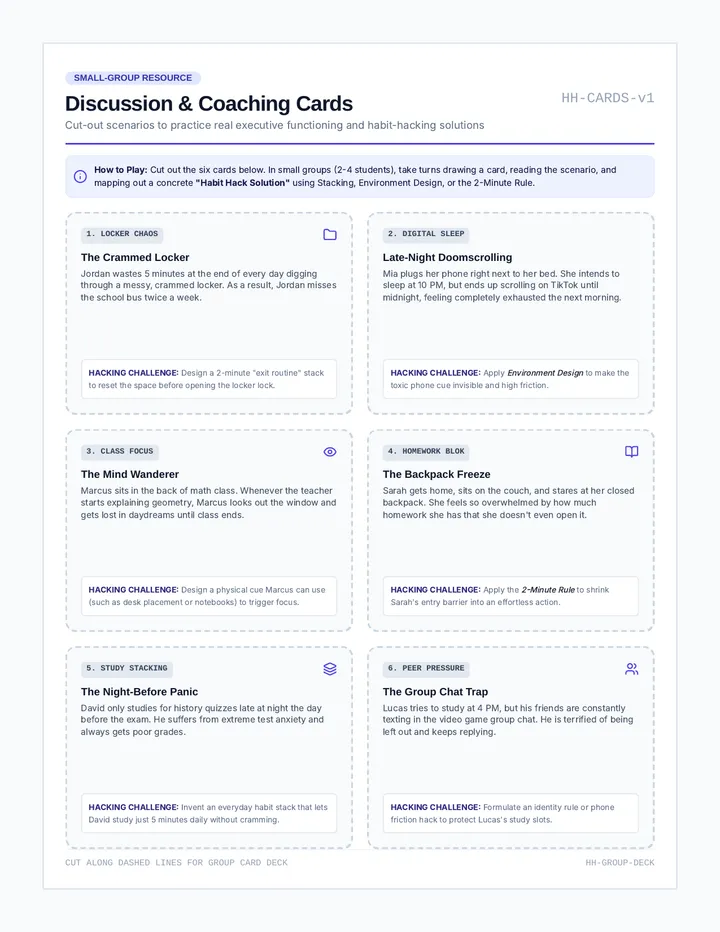
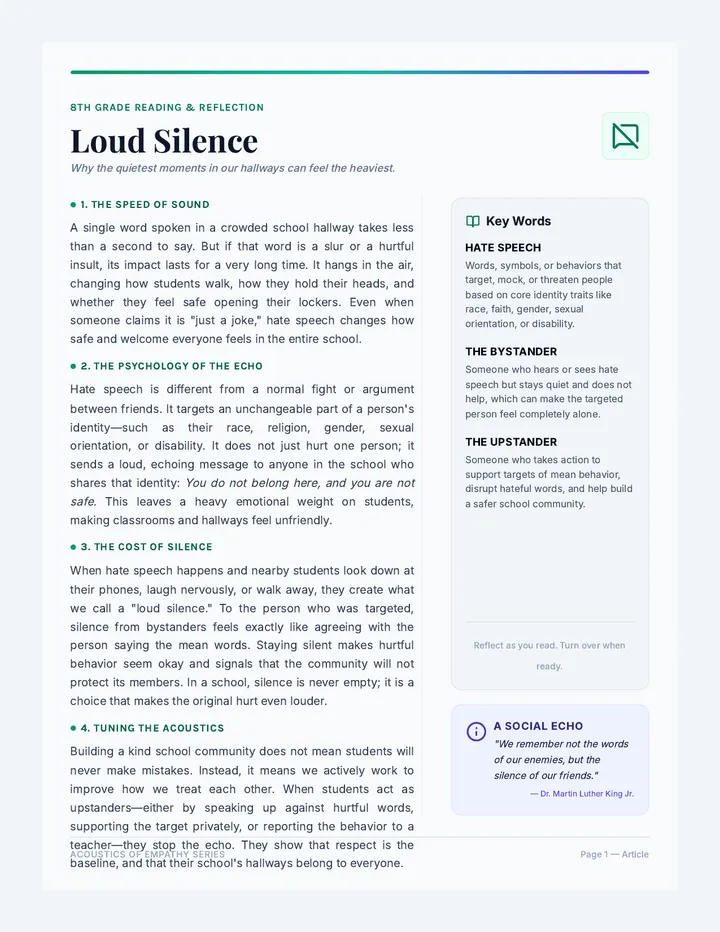
Bullying Roles Reading Material Parent Reading Material
Understanding Bullying Roles
Bullying is rarely a simple conflict between two people. It is a complex social interaction involving various roles, each contributing to the duration and intensity of the situation.
The Bullies
Bullies often exhibit aggressive behavior as a means to achieve social status or manage their own internal struggles. Key characteristics include:
A high need for control or dominance over others.
Potential underlying issues such as low self-esteem or a need for attention.
Lack of empathy for the distress caused to their targets.
The Victims
Targets of bullying often face significant emotional and academic challenges. The impact is rarely just physical; it deeply affects a child's internal world:
Increased levels of anxiety, depression, and loneliness.
A measurable decrease in academic performance and school engagement.
Reluctance to attend school or participate in social activities.
The Bystanders
The largest group in any bullying dynamic is the bystanders. They hold the power to change the outcome of a situation:
Passive Role: Can unintentionally fuel bullying by providing an audience.
Active Role: Can resolve conflict by intervening safely or reporting behavior.
Bystander intervention is one of the most effective ways to stop bullying.
The Parent's Role
Parents can play a vital role in supporting their children by recognizing these dynamics and fostering open communication. By teaching children about the power of the bystander and the importance of empathy, you empower them to navigate their social circles with integrity.
Understanding Bullying Dynamics Resource Guide