A lesson designed to help students identify automatic "what-if" worry thoughts and replace them with realistic, helpful alternatives using a maritime navigation theme.
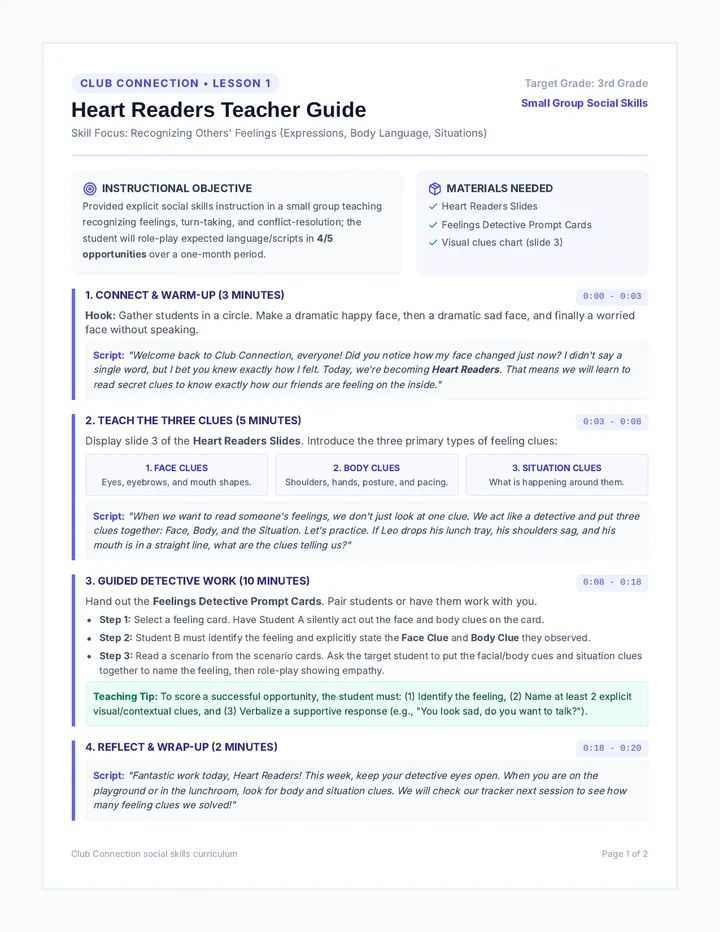
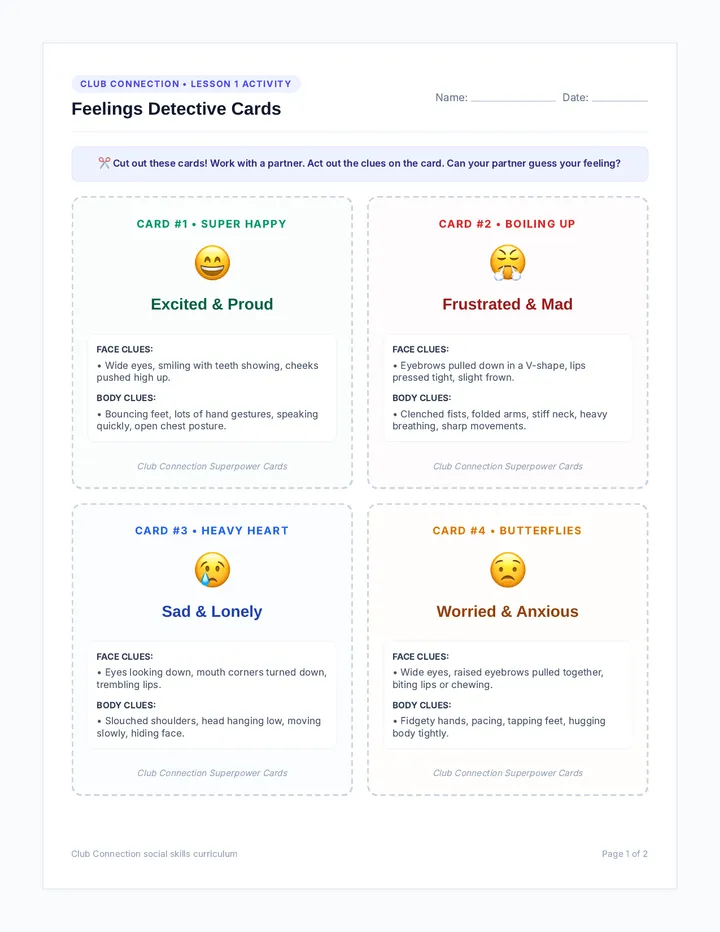
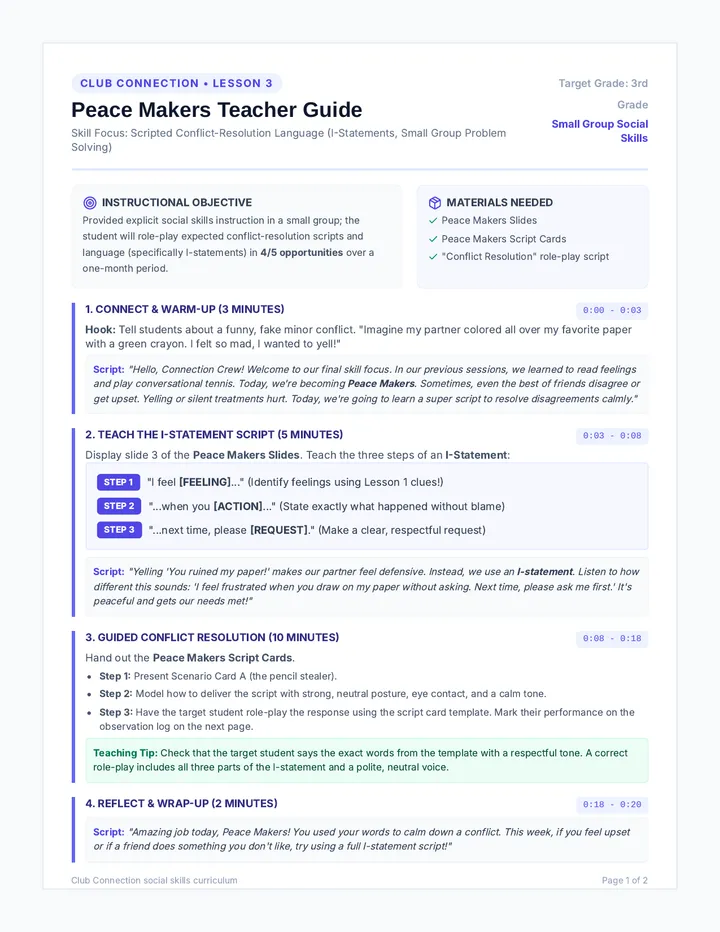
A comprehensive social skills curriculum sequence designed for small groups (specifically 3rd graders) to master recognizing feelings, conversational turn-taking, and conflict resolution over three structured lessons, including visual prompts, role-play scripts, and teacher guides with tracking tools.
A restorative two-part intervention lesson designed for 6th-grade students to reflect on physical boundaries, consent, and school values (RAISE) after an incident of physical boundaries violation. Focuses on accountability, empathy, and making an actionable plan to repair harm.
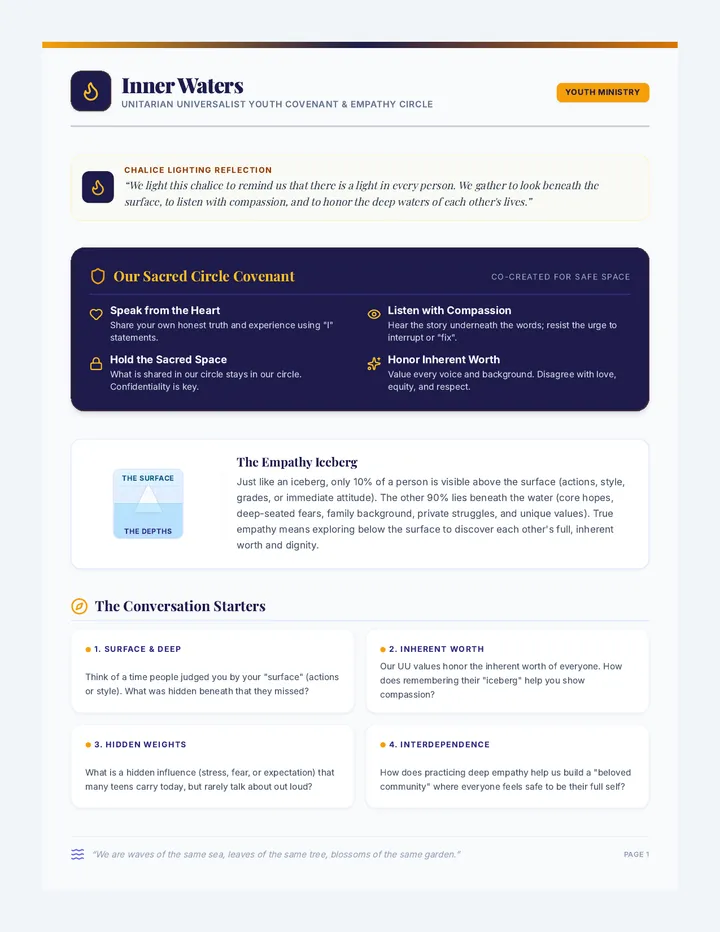
A 2-page discussion guide and personal journal designed for Unitarian Universalist youth groups. It contains a sacred circle covenant, chalice readings, empathy iceberg reflections, and small group prompts centered on inherent worth and interdependence.
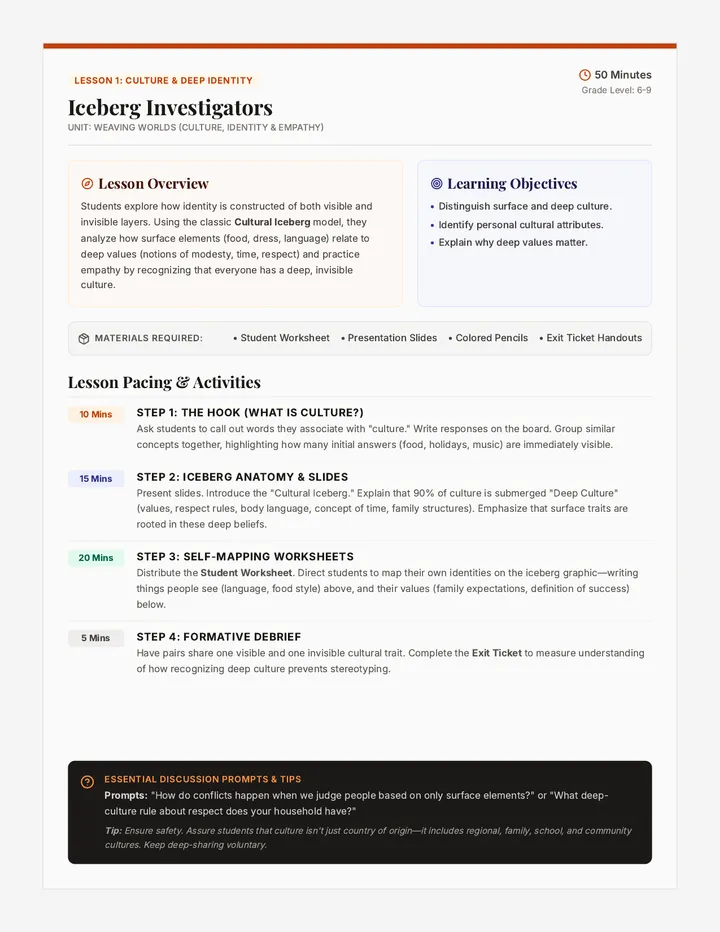
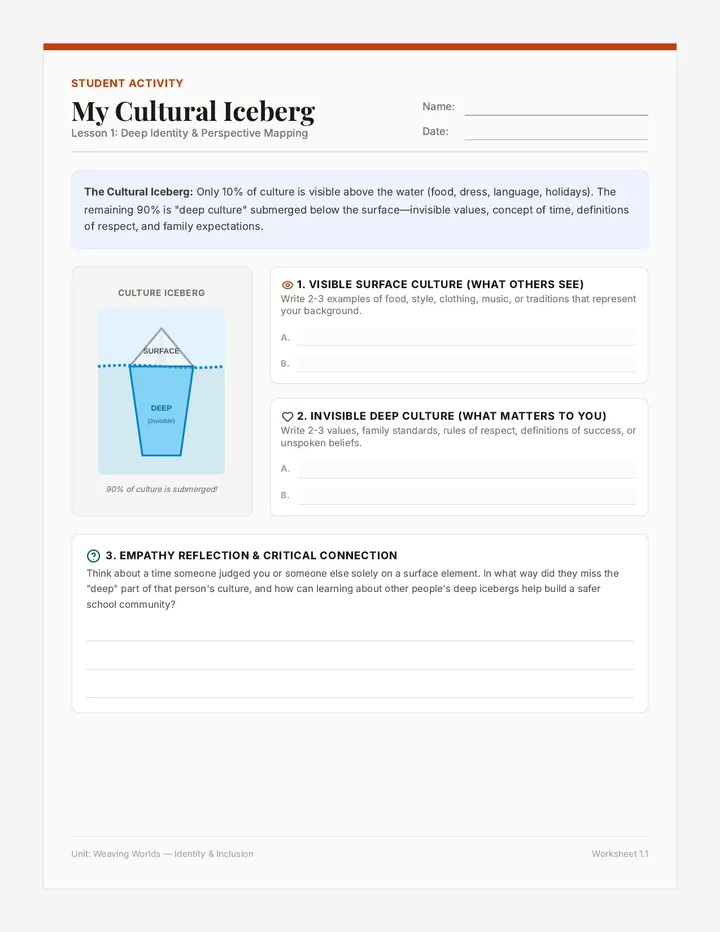
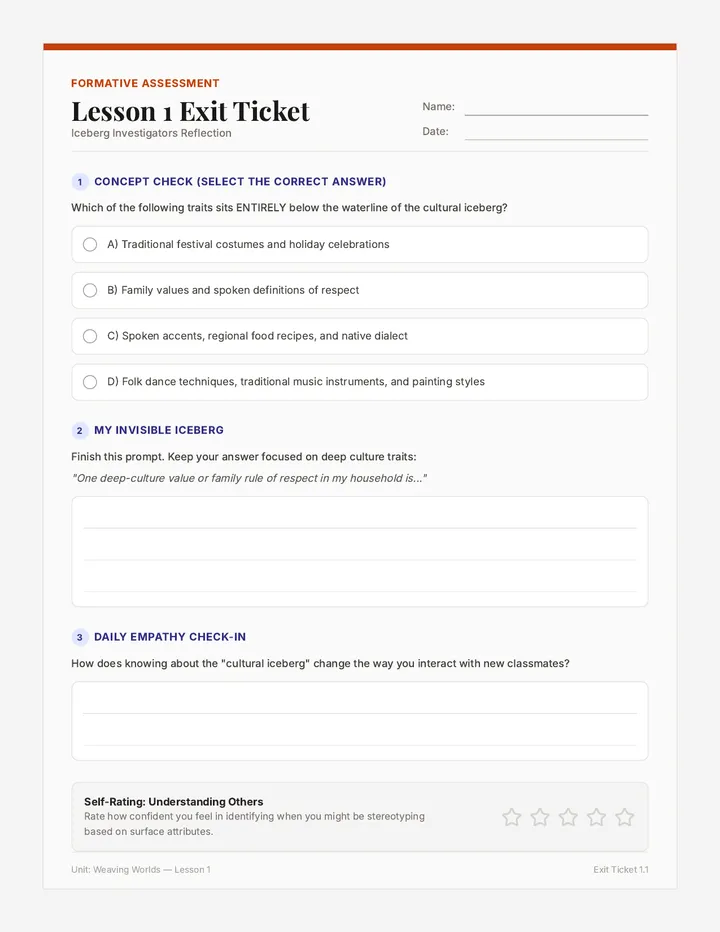
A 3-lesson unit on culture, identity, empathy, and building an inclusive school community. Students explore the cultural iceberg, share personal perspective narratives, and collaborate on actionable school-wide inclusion plans.
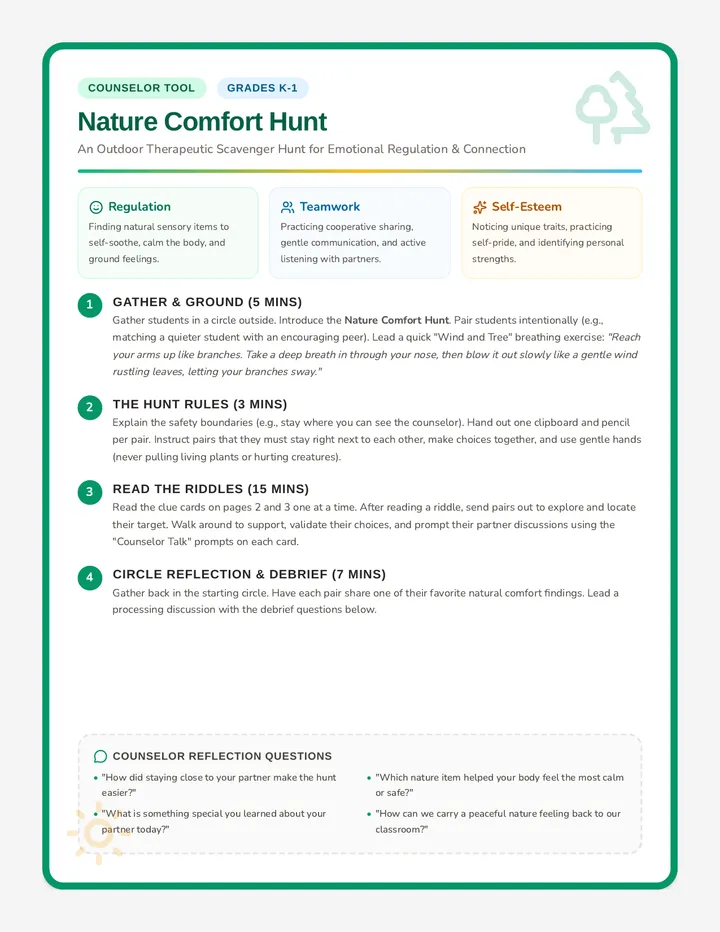
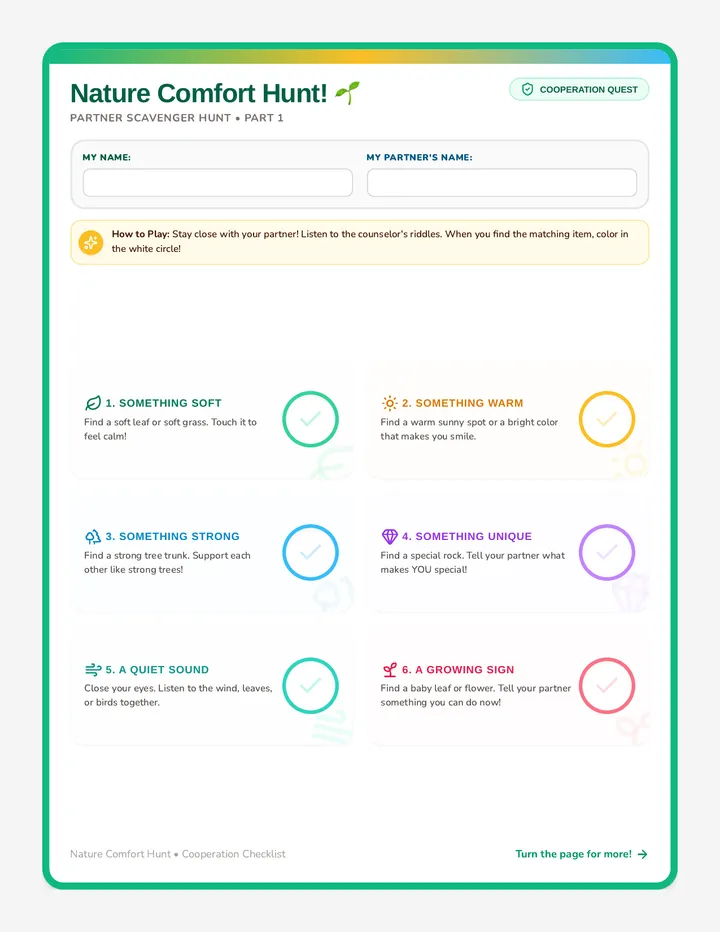
An outdoor therapeutic scavenger hunt lesson designed for Kindergarten and 1st-grade students. It uses nature-based exploration to teach emotional regulation, cooperative social skills, and self-esteem through counselor-guided riddles.
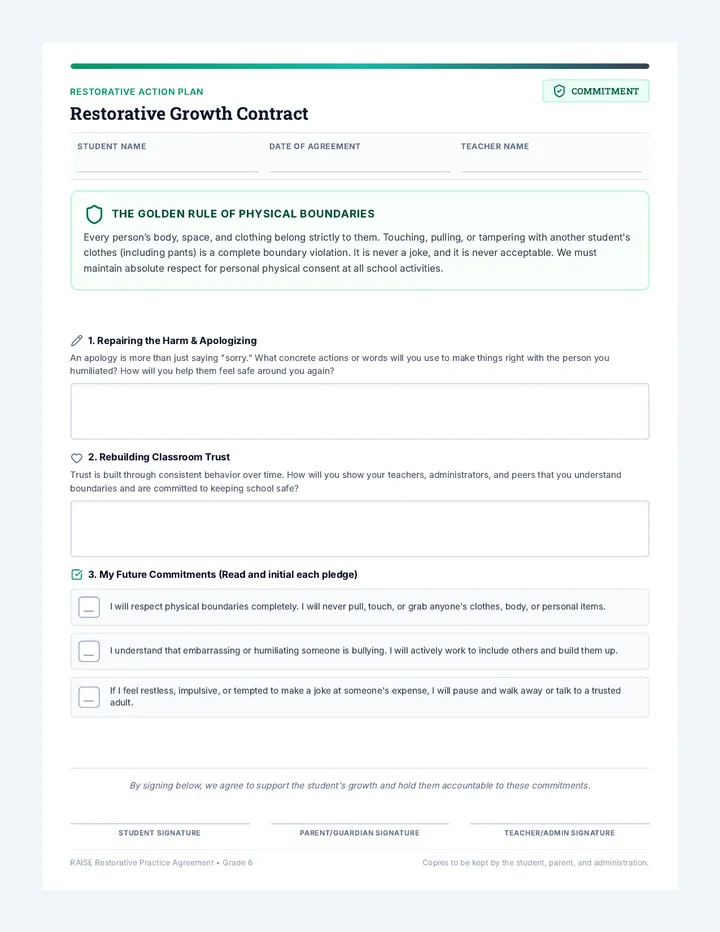
A restorative behavior contract agreement designed for 6th-grade students, parents, and educators. Outlines a pledge to uphold physical boundaries and consent, identifies concrete actions to repair relationships, and includes commitment checkboxes alongside formal sign-offs.
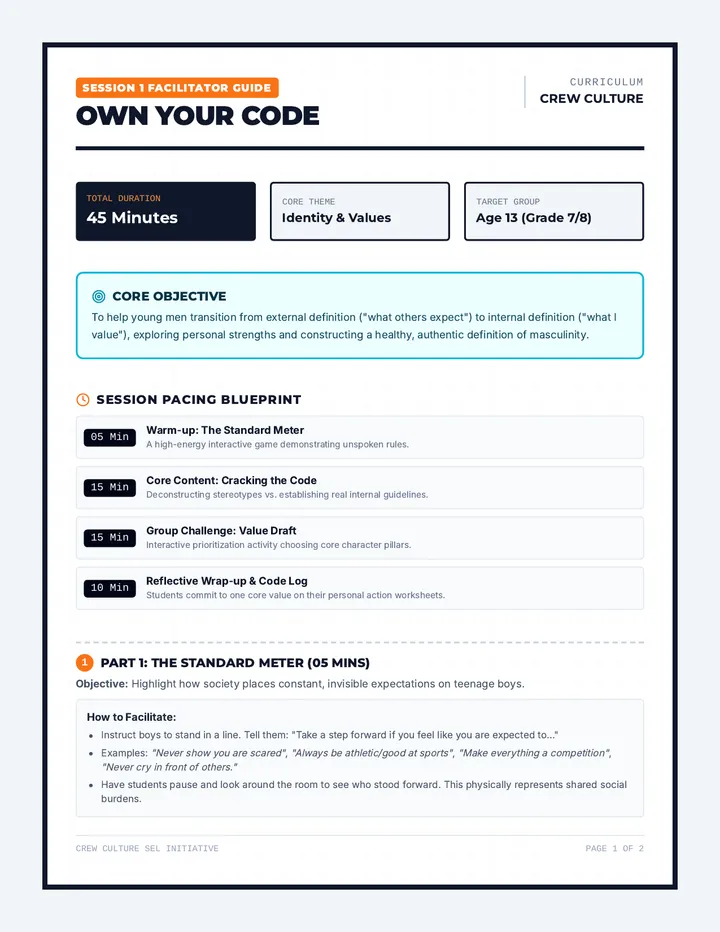
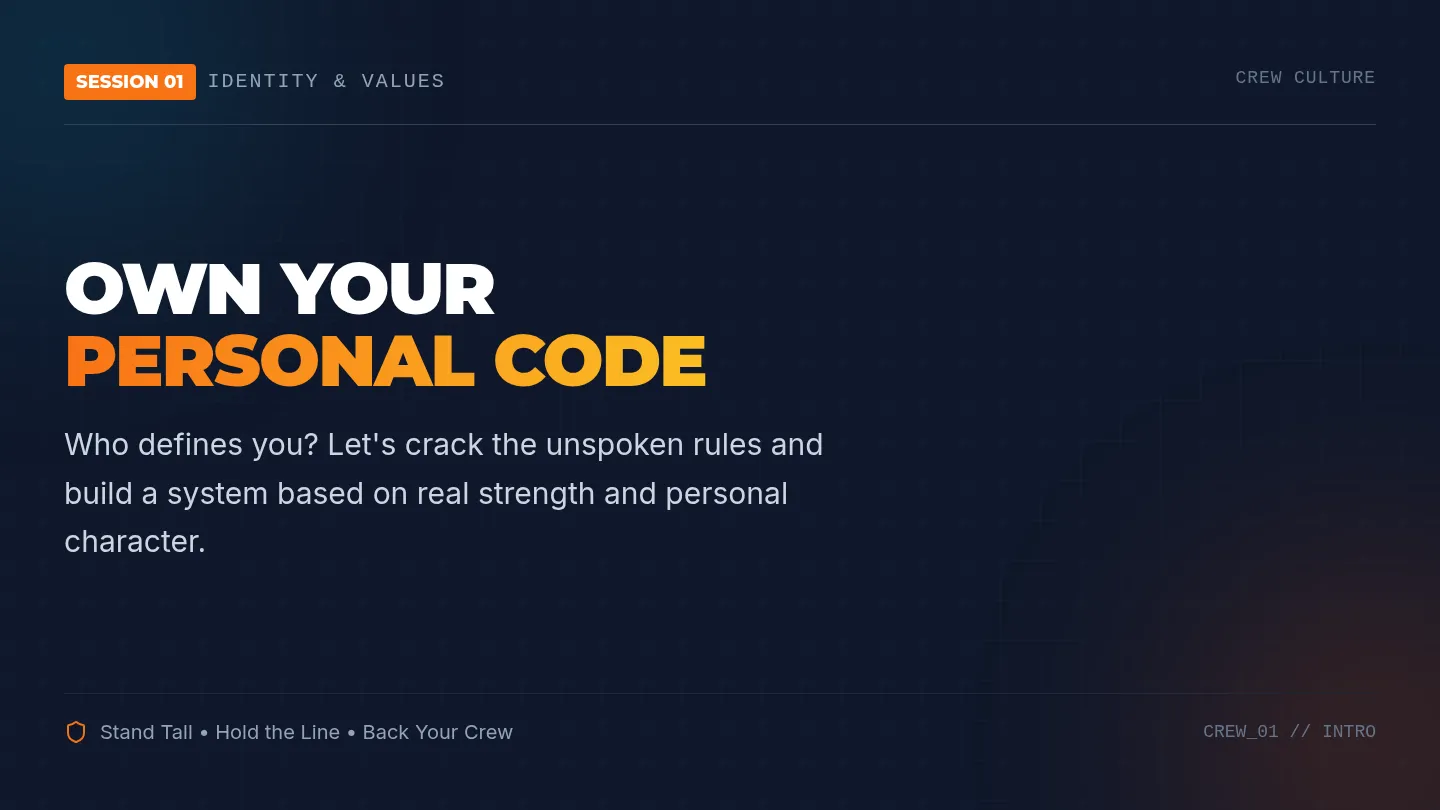
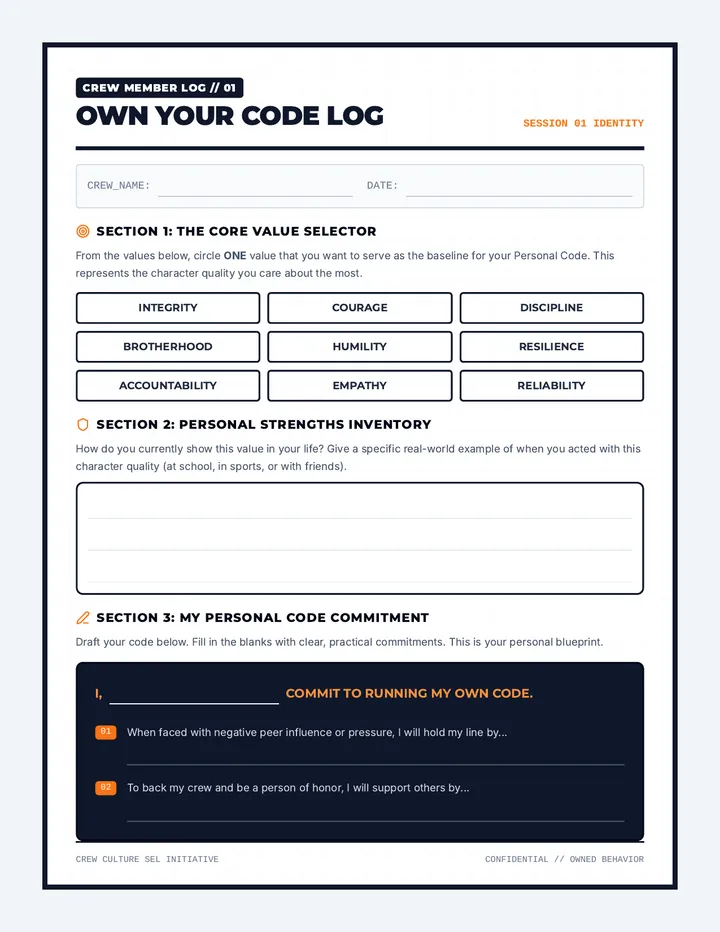
A three-part social-emotional learning curriculum designed specifically for middle school boys to develop self-esteem, manage digital pressure, and build authentic peer relationships.
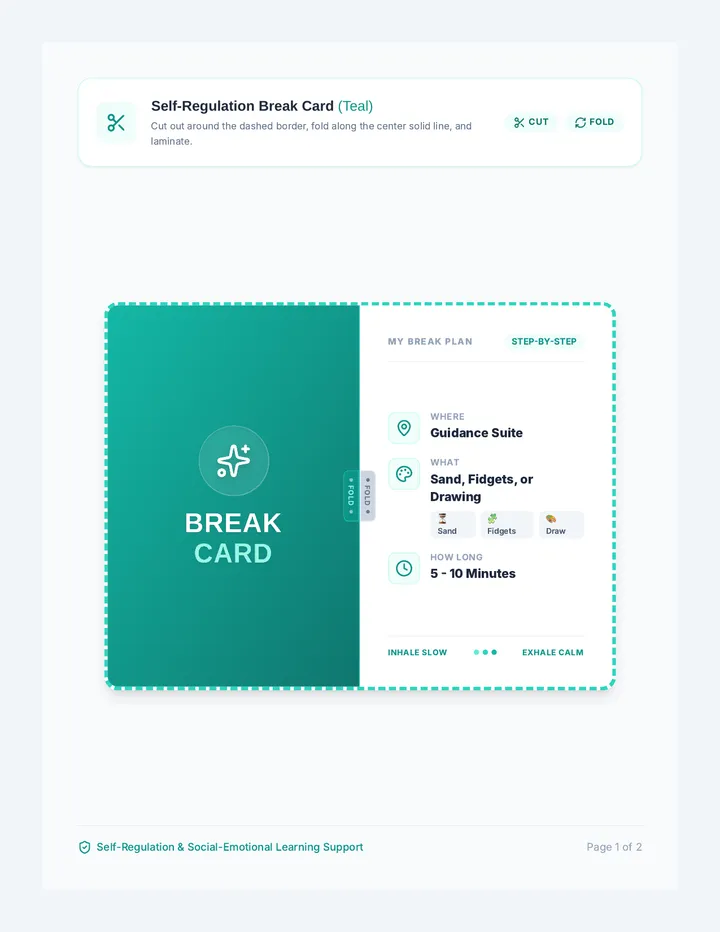
A collection of visual prompts and break cards designed to support students in self-regulation and managing emotions within the school environment.
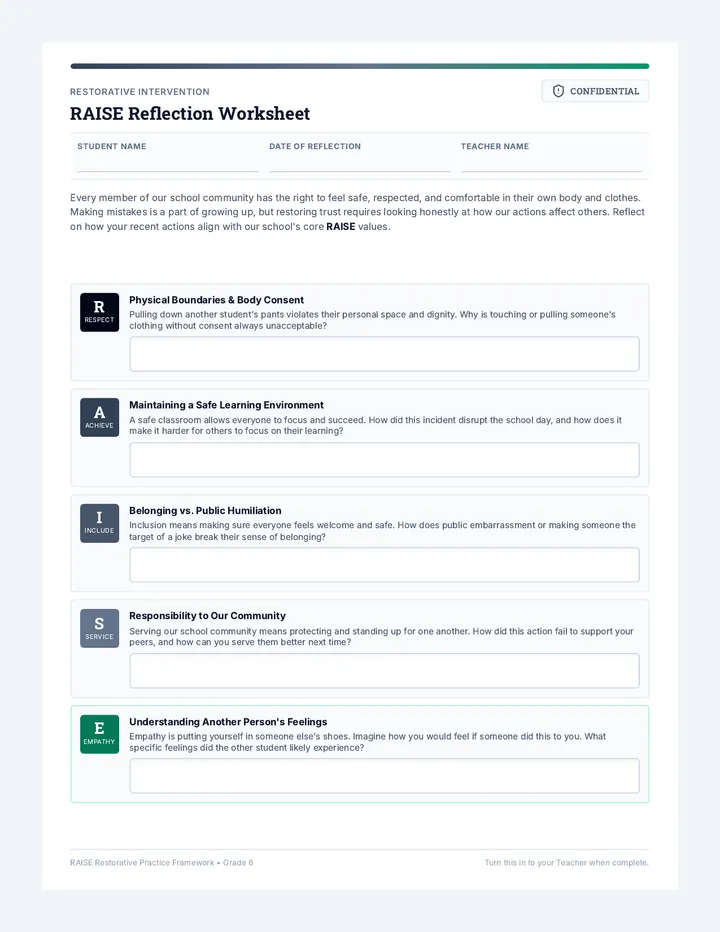
A quiet, structured student reflection worksheet focusing on how pulling down another student's pants directly violates the core school values of Respect, Achievement, Inclusion, Service, and Empathy (RAISE). Provides designated, high-contrast writing areas for student accountability and empathy-building.
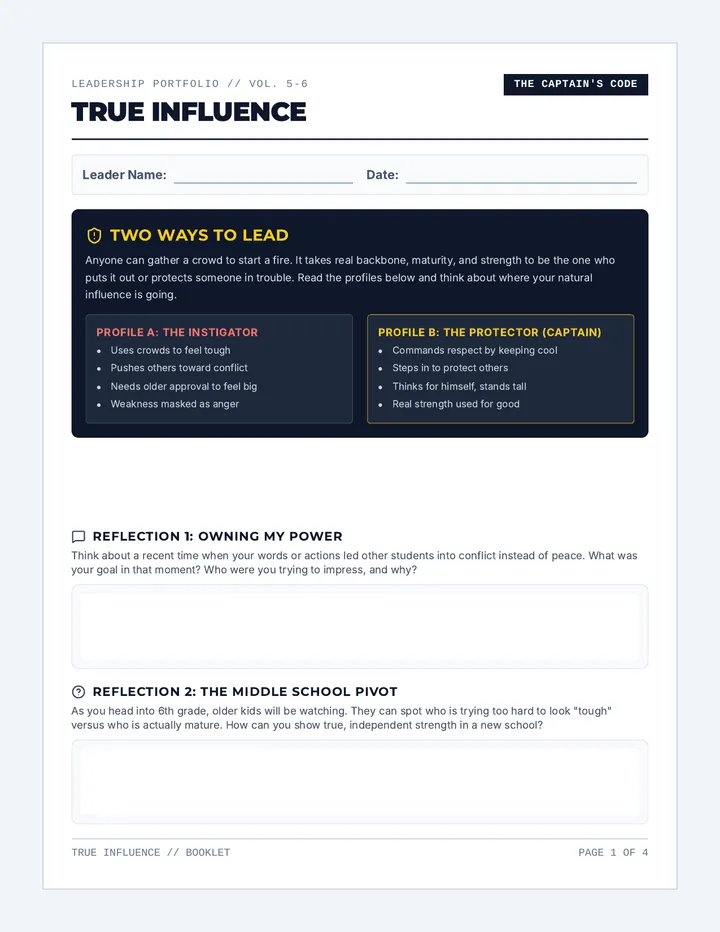
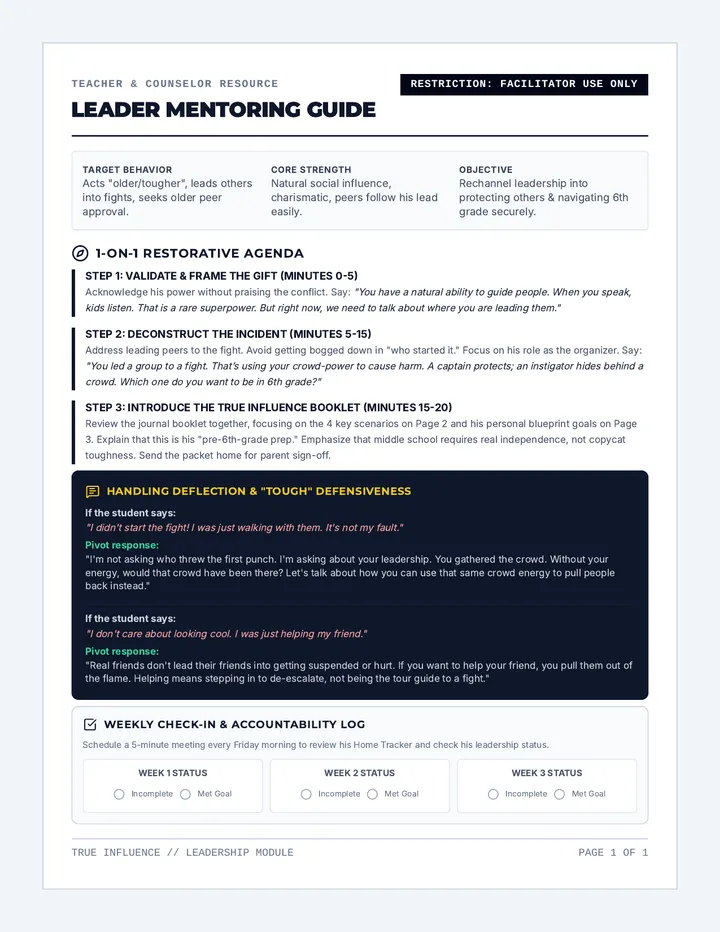
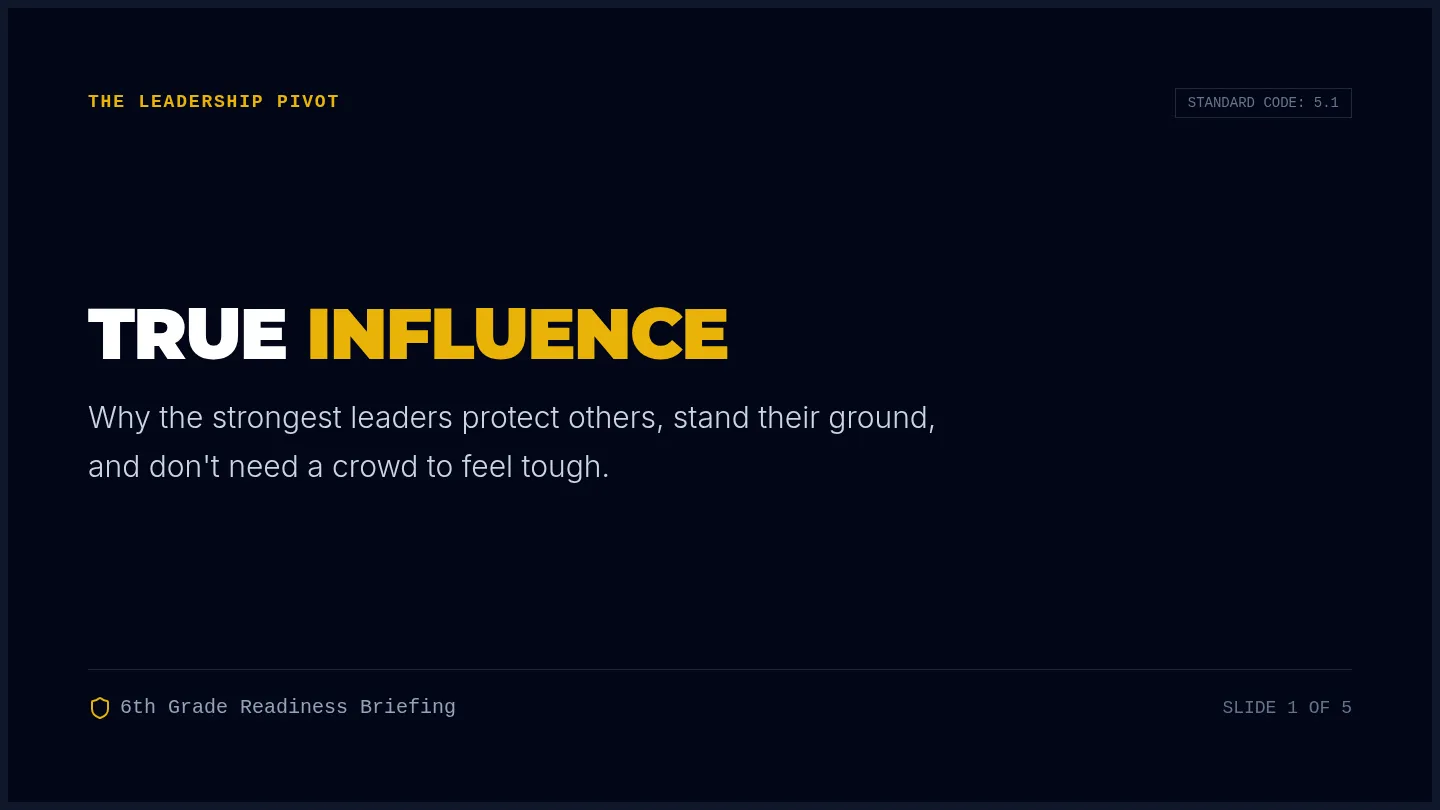
A comprehensive restorative leadership and peer advocacy sequence designed for students transitioning to middle school. It guides students from understanding their social influence to actively protecting peers and spreading positive school culture.
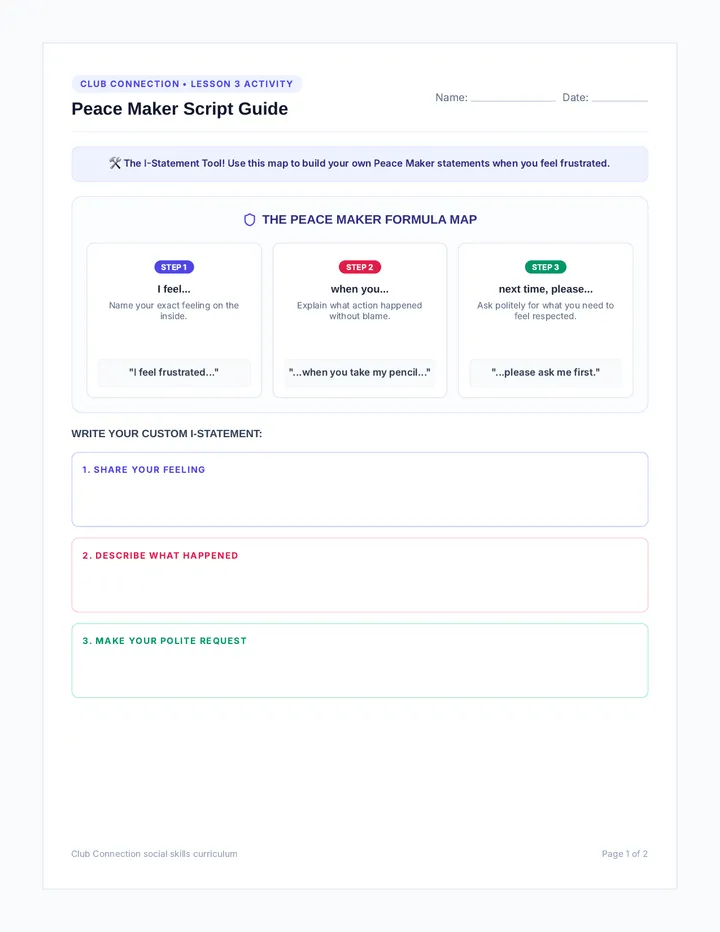
Students learn to use constructive 'I-statements' and collaborative problem-solving scripts to de-escalate and resolve minor conflicts with peers.
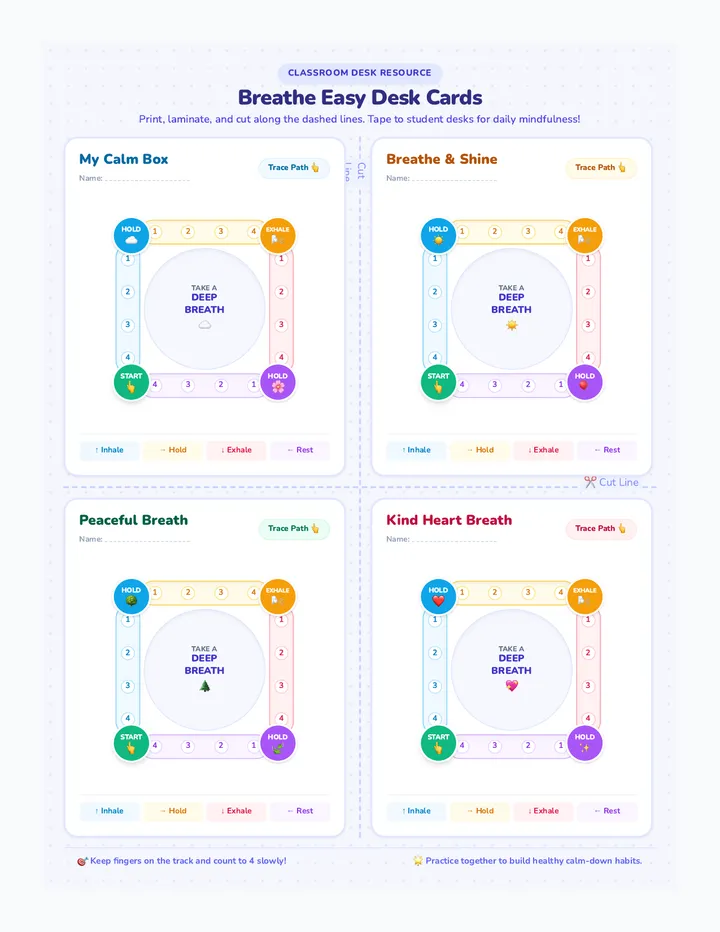
A set of four interactive, color-coded box breathing tracing cards designed to be cut out and taped to first-grade desks. Each card features distinct tactile paths for inhaling, holding, exhaling, and resting, complete with count-to-four tracking dots and child-friendly calming illustrations.