Week 3 focuses on using assertive but non-aggressive communication (like 'I-Statements') and practicing practical problem-solving strategies during sibling conflicts.
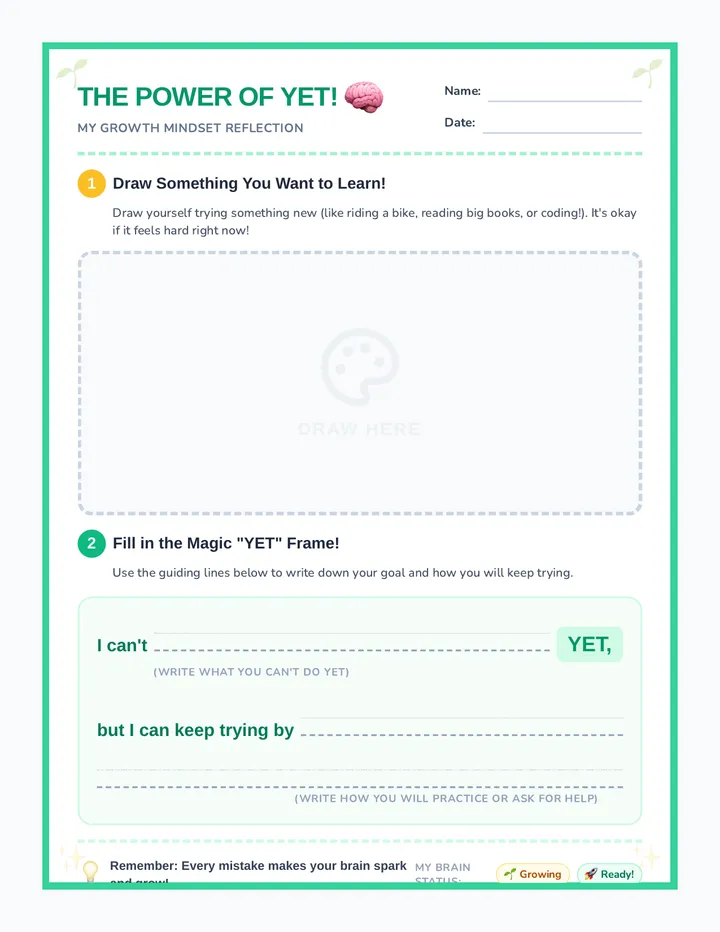
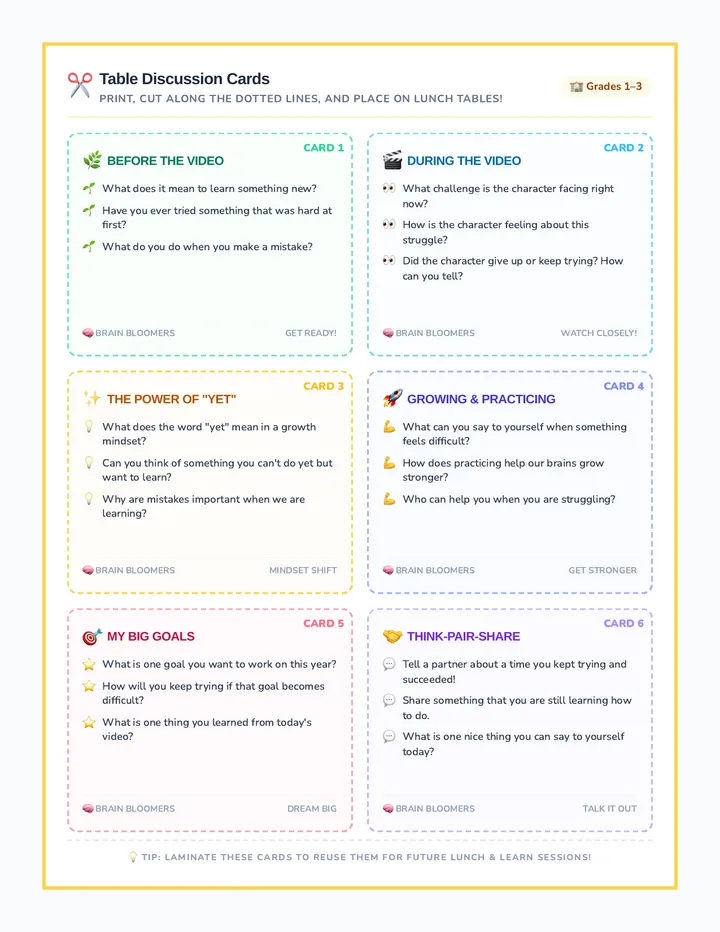
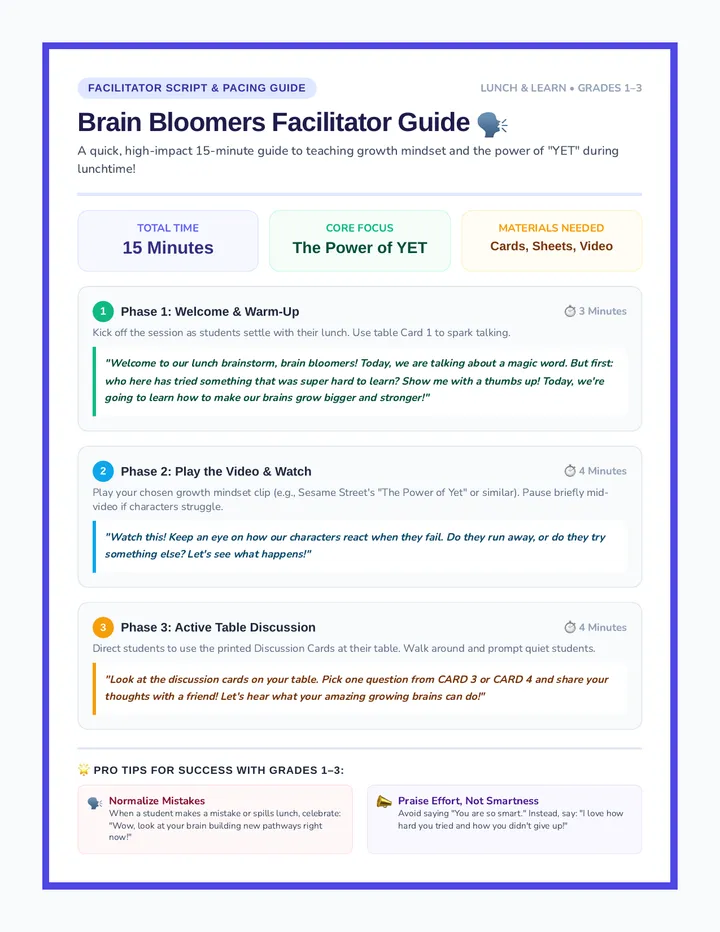
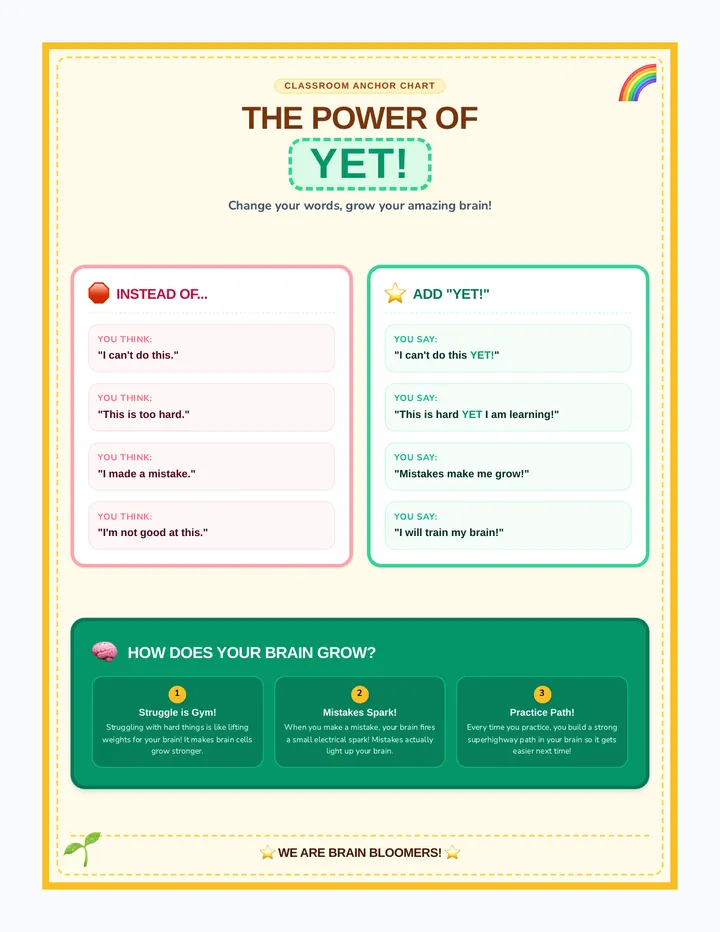
A weekly 10-minute lunch-and-learn series for mixed-age students in grades 1-6, focused on developing growth mindsets, embracing challenges, and learning from mistakes.
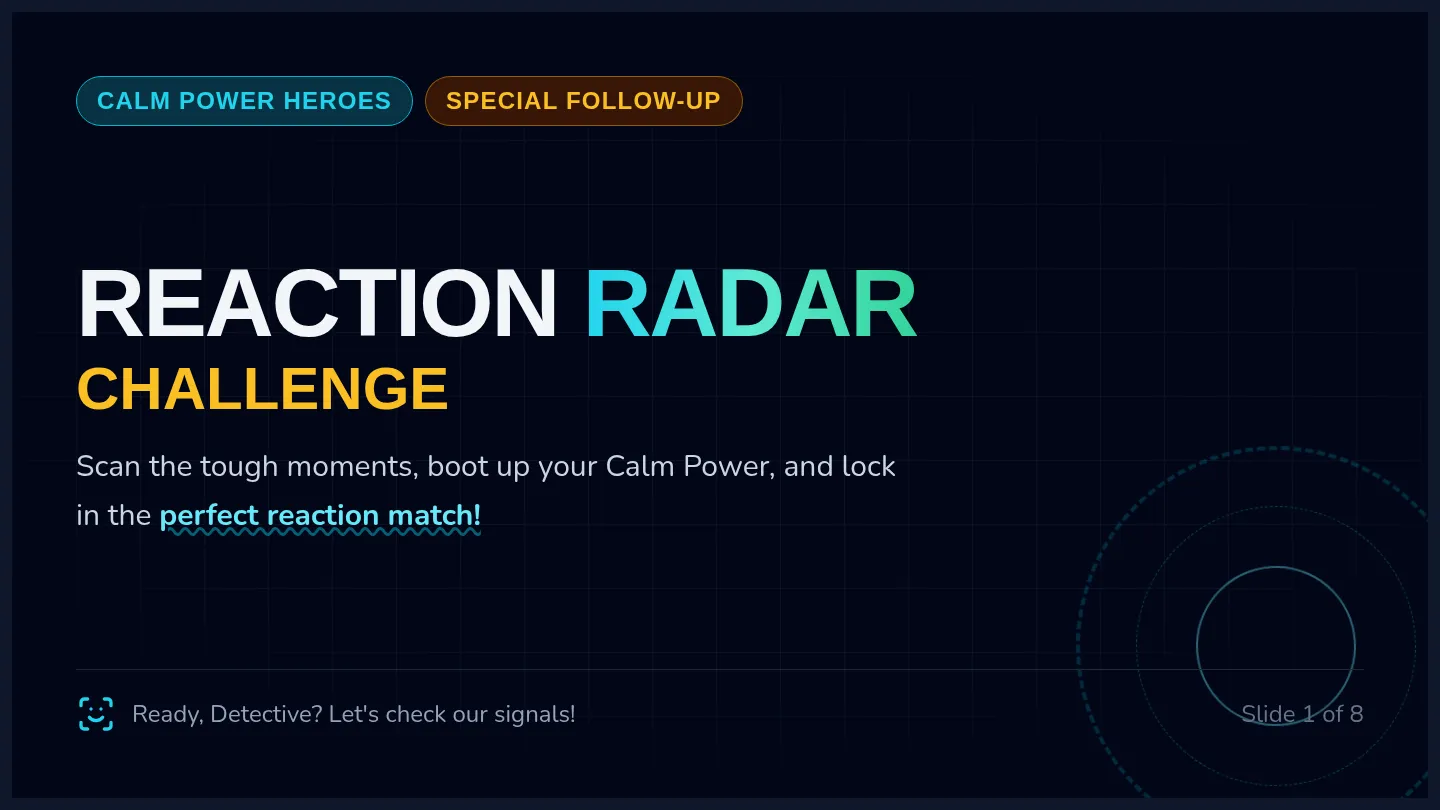
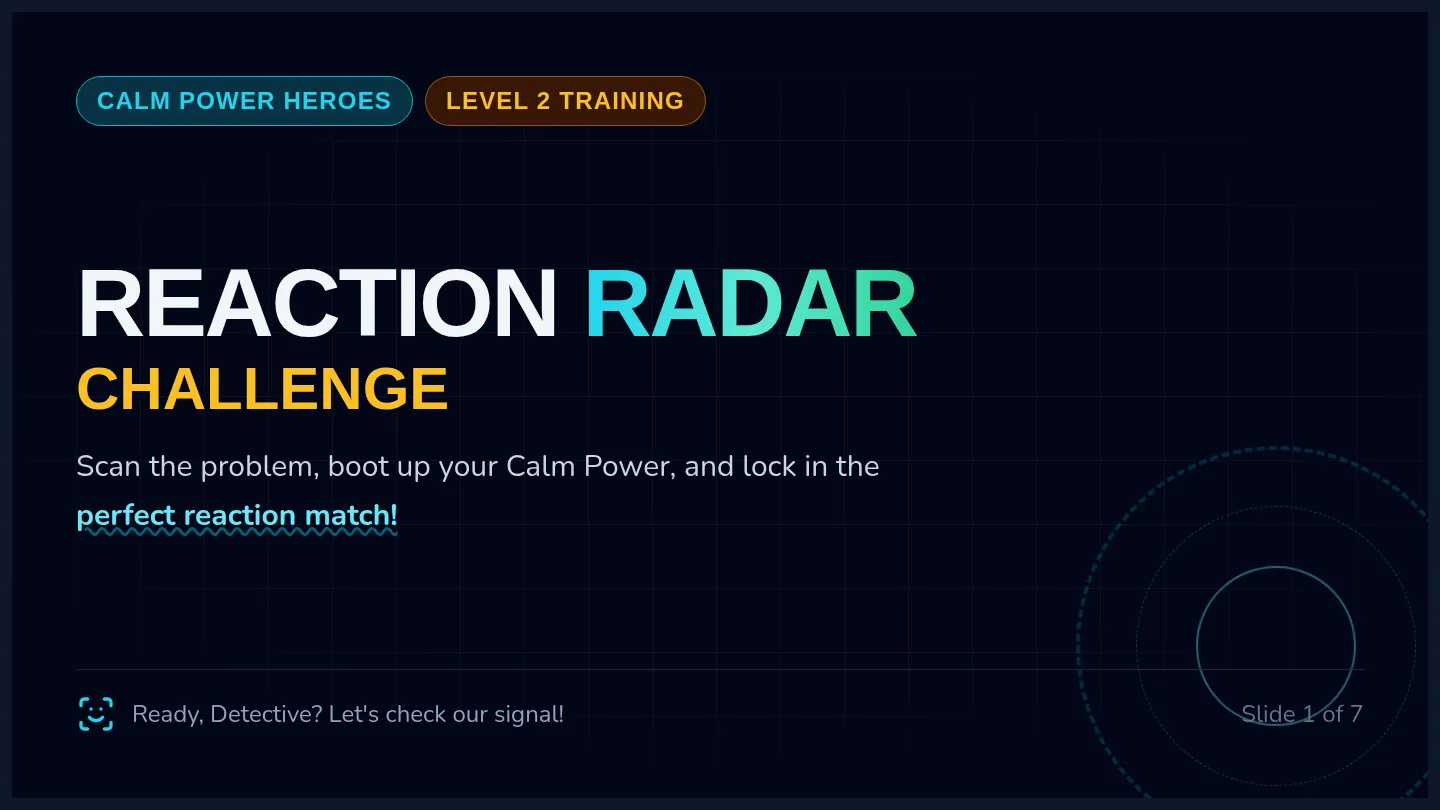
A follow-up session for Grade 1 students to master aligning reaction size with problem size. Students analyze challenging gray-area school scenarios and practice using their Reaction Radar to match reactions to problems.
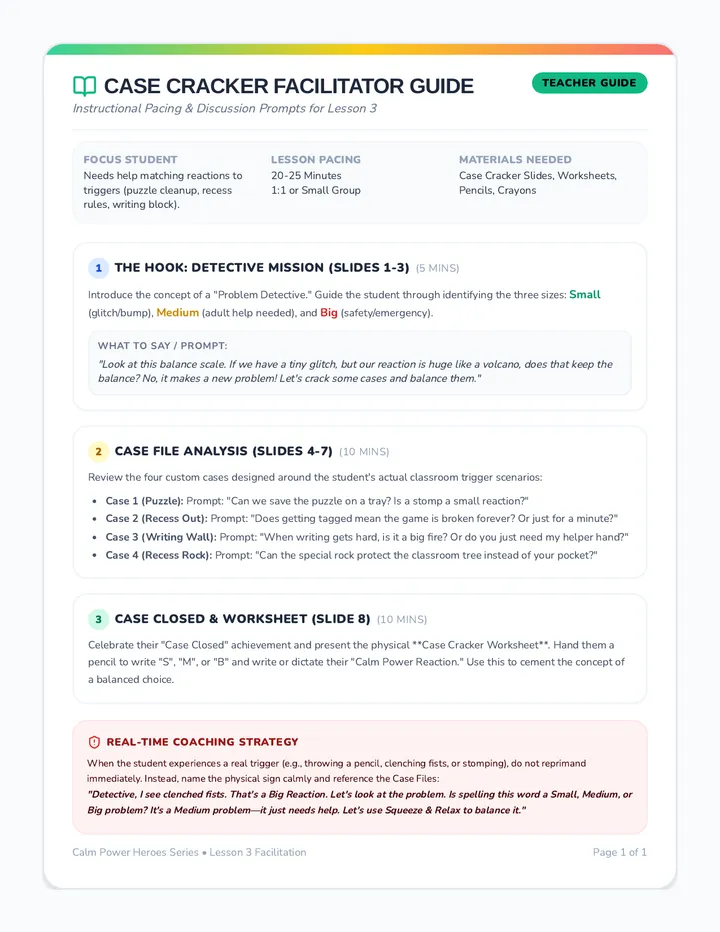
An interactive follow-up slide deck tailored to a student's specific challenging triggers: fine motor tasks, missing out, long transitions, and coming late/missing something. Designed as open-ended "Case Files" where the student scans raw evidence clues to decide the problem size themselves without any textual giveaways.
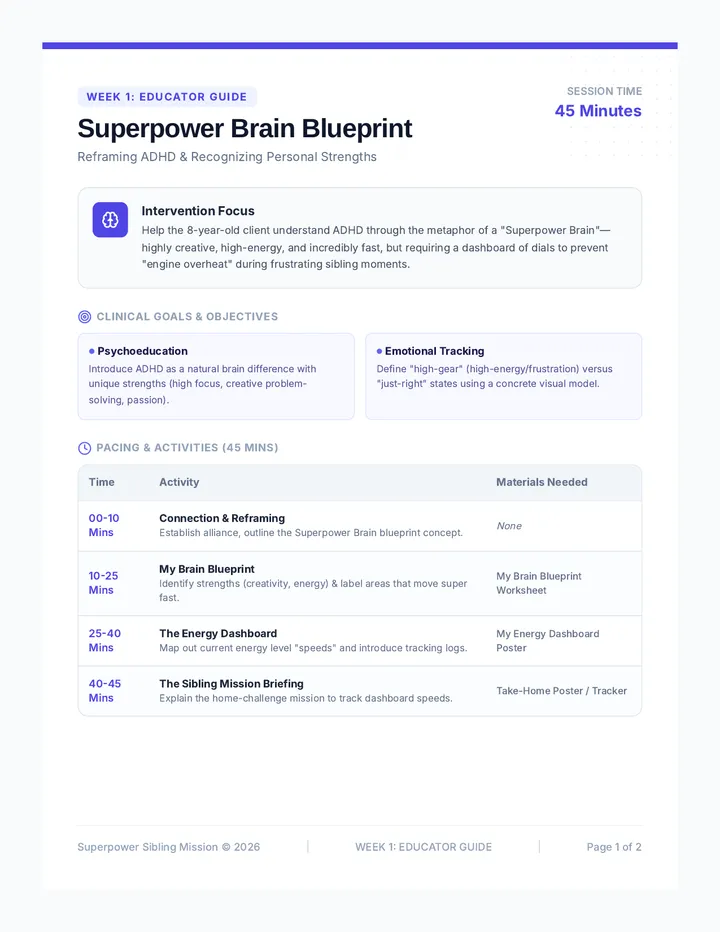
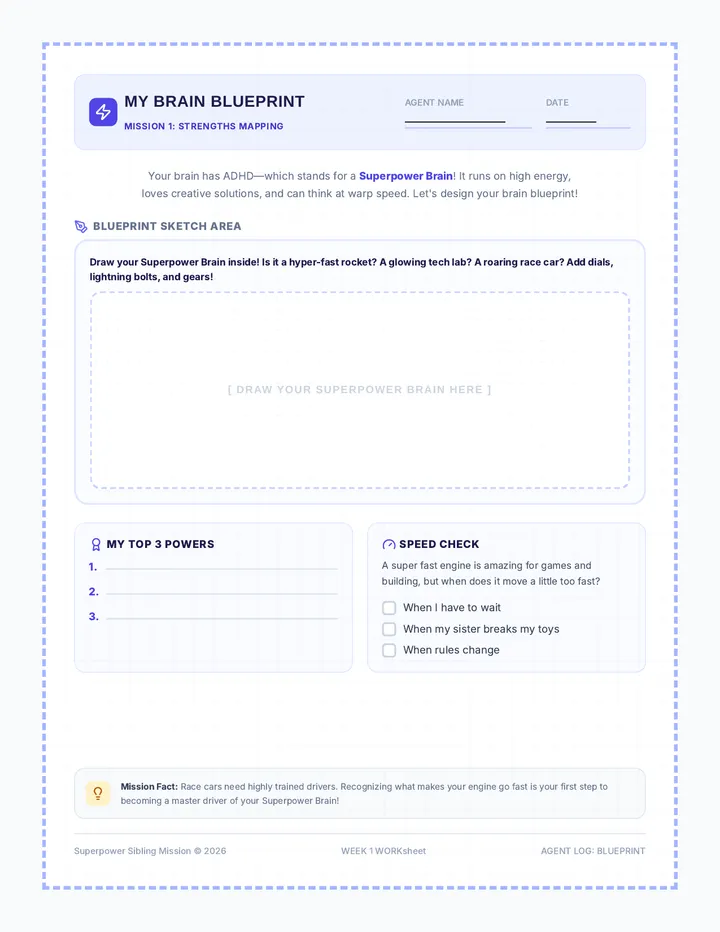
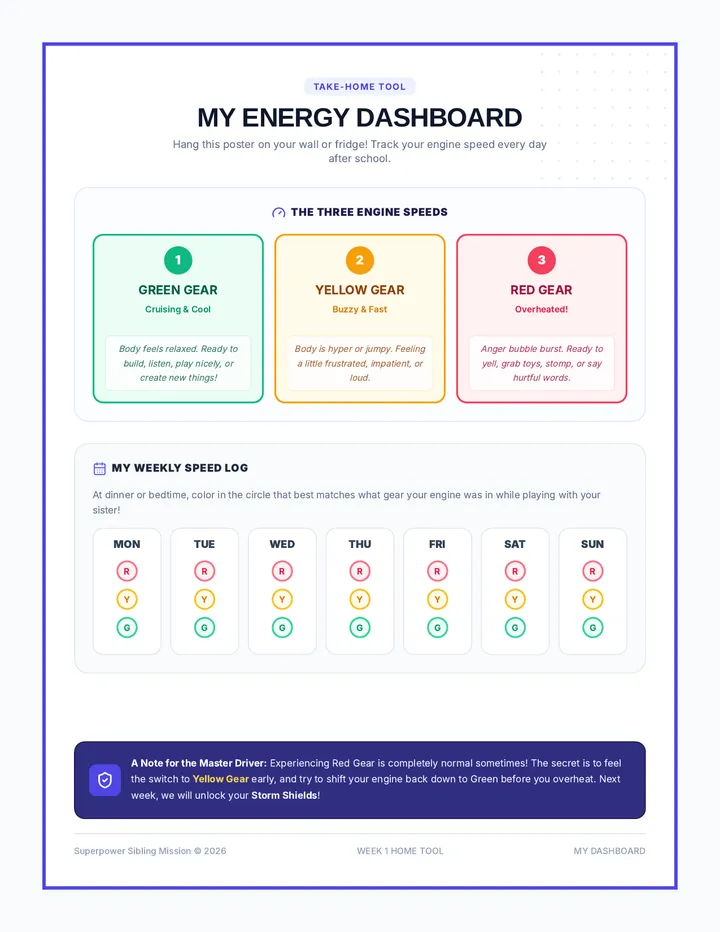
A three-week therapeutic intervention sequence for an 8-year-old child to understand his ADHD as a 'Superpower Brain', recognize emotional triggers, and develop non-aggressive coping mechanisms for interactions with his 5-year-old sister.
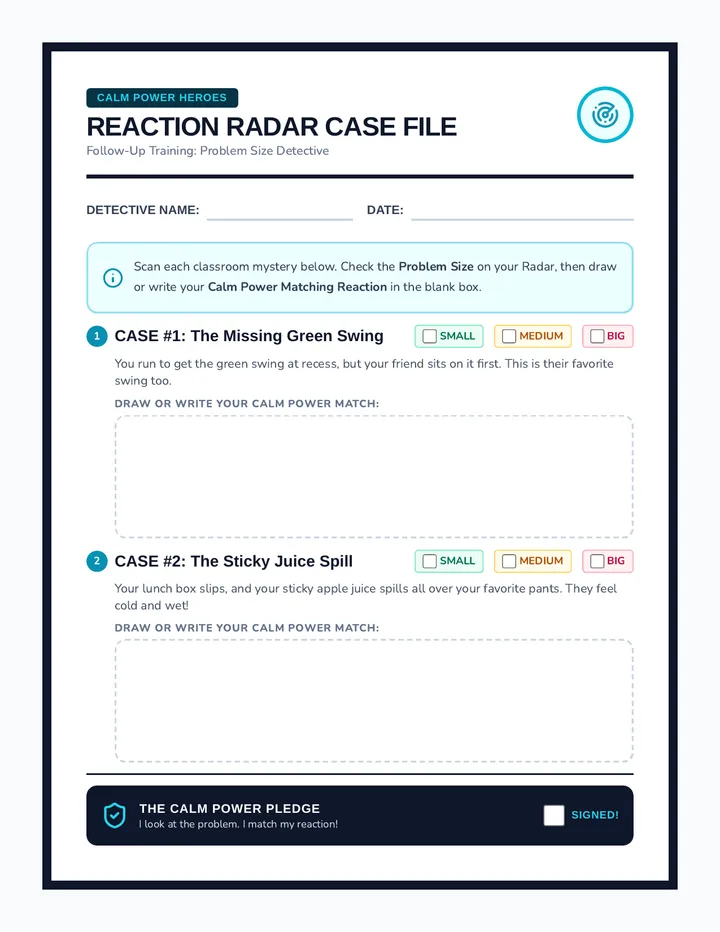
A student-facing activity sheet to accompany the Reaction Radar Slides. Grade 1 students assess two gray-area situations (recess swing and spilled juice), draw/write their matching reactions, and sign off on their Calm Power Pledge.
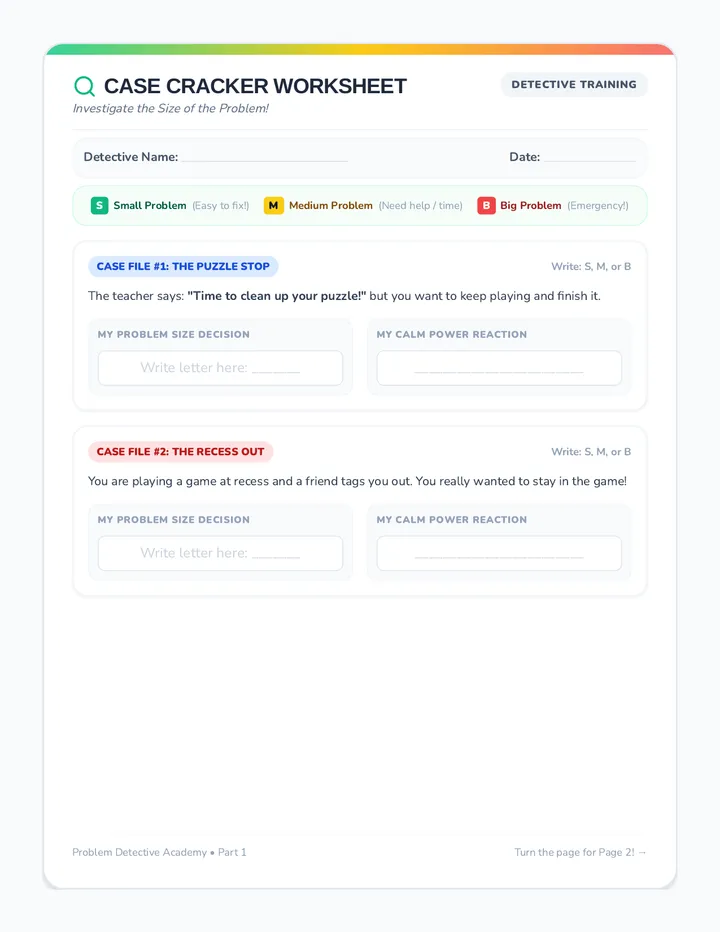
Students learn to identify the 'Size of the Problem' (Small, Medium, Big) and match their emotional reactions accordingly. Using tailored school scenarios like game rules, puzzle pieces, and writing hurdles, students practice aligning their reactions.
An interactive follow-up slide deck for Grade 1 students to master the 'Size of the Problem'. Features the 'Reaction Radar' concept, three collaborative school scenarios (The Golden Pencil, The Playground Collision, and The Paint Storm), and the Hero Pledge to help kids align their reactions.