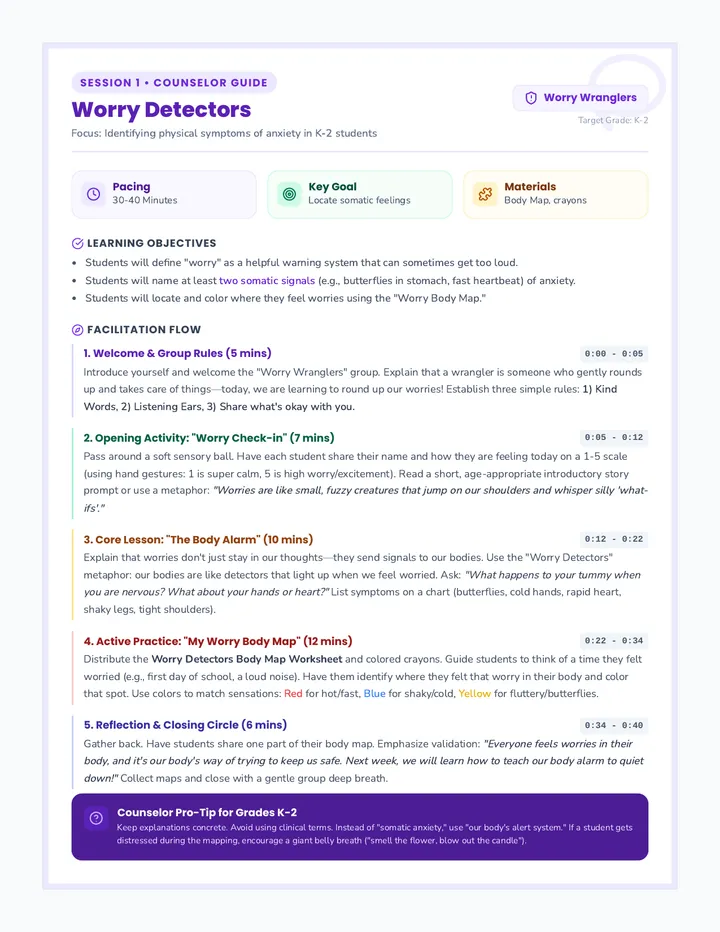
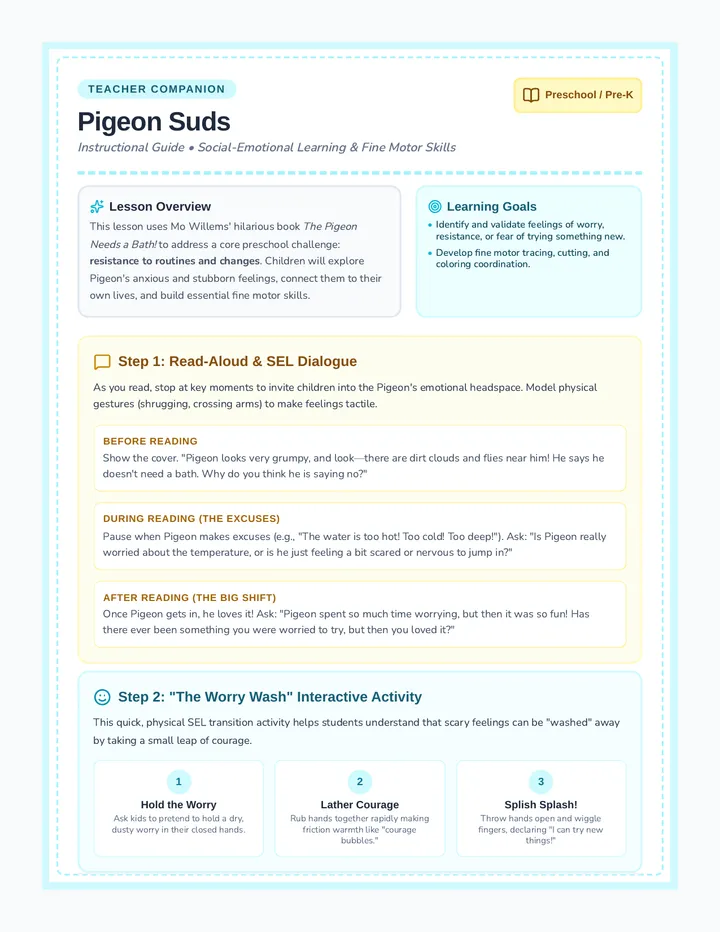
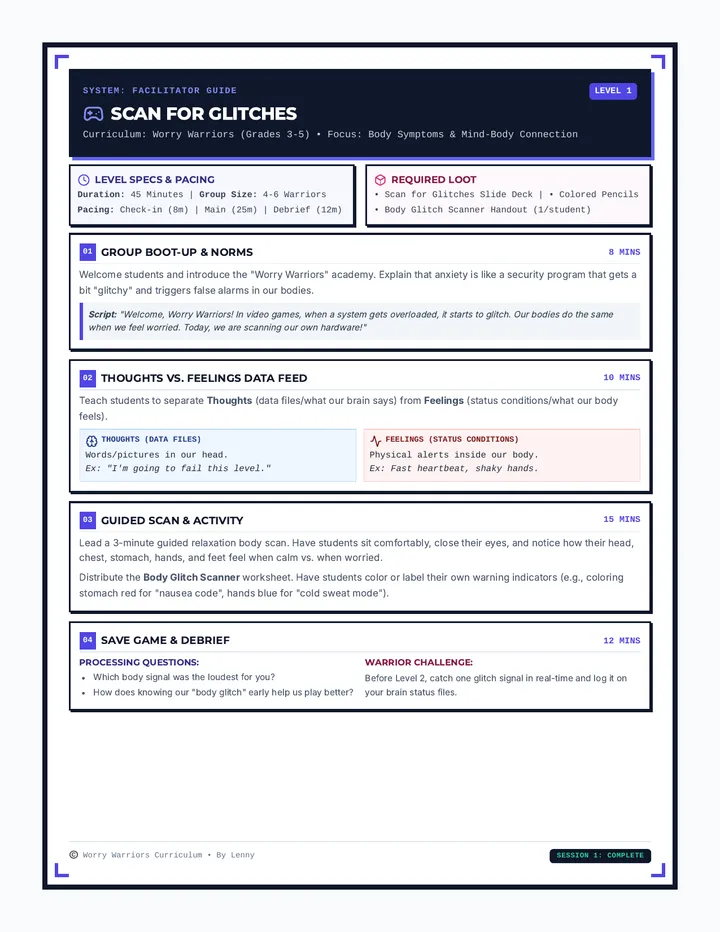
Rudolph Friendship Facilitator Guide Rudolph Friendship
Facilitator Guide
Building Empathy through Storytelling
Time 40 min
Audience
Elementary Students
Approach
Experiential & Restorative
Objective
Promote Kindness & Anti-Bullying
Materials Needed
Sesame Street Video: "How to be a Good Friend"
Discussion Guide handout
Large chart paper or poster paper
Markers, crayons, and art supplies
Why this Lesson?
By connecting a familiar holiday story with modern social concepts, students can safely explore the complex emotions of being excluded and the courage required to stand up for others.
Lesson Procedure
1. Introduction
5 Mins
Ask students to recap the story of Rudolph.
Focus on how Rudolph was treated by the "other reindeer" (the laughing, name-calling).
Introduce the connection between Rudolph's experience and real-life bullying.
2. Video Viewing
5 Mins
Show the Sesame Street "How to be a Good Friend" video.
Focus: Ask students to look for specific "friendship actions" characters take to support one another.
3. Guided Discussion
10 Mins
Discuss the emotional impact of bullying on Rudolph.
Ask: "What changed when Rudolph was finally accepted for his differences?"
Bridge to: "What can we do in our own classroom today?"
4. Kindness Poster Activity
15 Mins
Divide into small groups. Task: Create a "Friendship Force" poster.
Prompts: Show ways to stand up to bullying, or specific ways to be a helpful friend. Present posters to the class.
5. Reflection & Closure
5 Mins
Recap: We all have "red noses" (differences) that make us special. Practice standing up for those differences every day.
Rudolph Friendship Slides Kindness in the Cold
Friendship &
Fairness
Learning from Rudolph the Red-Nosed Reindeer
Do you know Rudolph?
What happened?
How did the other reindeer treat Rudolph when they saw his shiny red nose?
How did he feel?
Think of some "feeling words" to describe Rudolph's heart during the games.
Watching & Learning
Video: How to be a Good Friend
Let's watch our Sesame Street friends show us what it really means to support someone.
Open Video Resource
Resource: lcsnc.lennylearning.org/view/sesame-street-how-to-be-a-good-friend
Circle Talk
Question 1
What did you learn about being a good friend from the video?
Think about specific actions or words the characters used.
Heart Talk
Question 2
How did Rudolph feel when he was bullied, and what changed when he was accepted?
Discuss the power of being included in the group.
Action Talk
Question 3
What are some ways we can stand up against bullying in our school?
Brainstorm practical actions we can take TODAY.
Kindness Creators
15 MINUTES
1
Get into your small groups and grab markers and paper.
2
Create a poster that shows one way to be a good friend.
3
Or show how someone can "stand up" for a friend.
"Use bright colors and big words so everyone can see your message!"
Be the Light!
Just like Rudolph's nose, your kindness can light the way for others.
"Kindness is a gift everyone can afford to give."
Friendship and Bullying Discussion Handout Friendship & Fairness
Guided Discussion & Reflection
Name
Date
Friendship Lessons
What did you learn about being a good friend from the Sesame Street video?
Empathy Check
How did Rudolph feel when he was bullied? What changed when he was finally accepted?
Taking Action
What are some ways we can stand up against bullying in our school today?
Remember!
Being a friend means noticing when someone feels left out and inviting them in. You have the power to change someone's day!
Kindness Poster Planner Activity Sheet Kindness Creator
Friendship Poster Planner
Group Members
1. Pick a Catchy Title or Slogan
What is the big message of your poster? (Example: "Be the Light" or "Friendship is Super!")
2. Sketch Your Design
Keep it simple & bold!
Draw your ideas here
3. Key Words to Use
Write down at least 5 "Power Words" for your poster.
4. Why it Matters
How will this poster help your classroom be a kinder place?
Once your teacher approves this plan, grab your large chart paper and markers to bring your Kindness Creation to life!