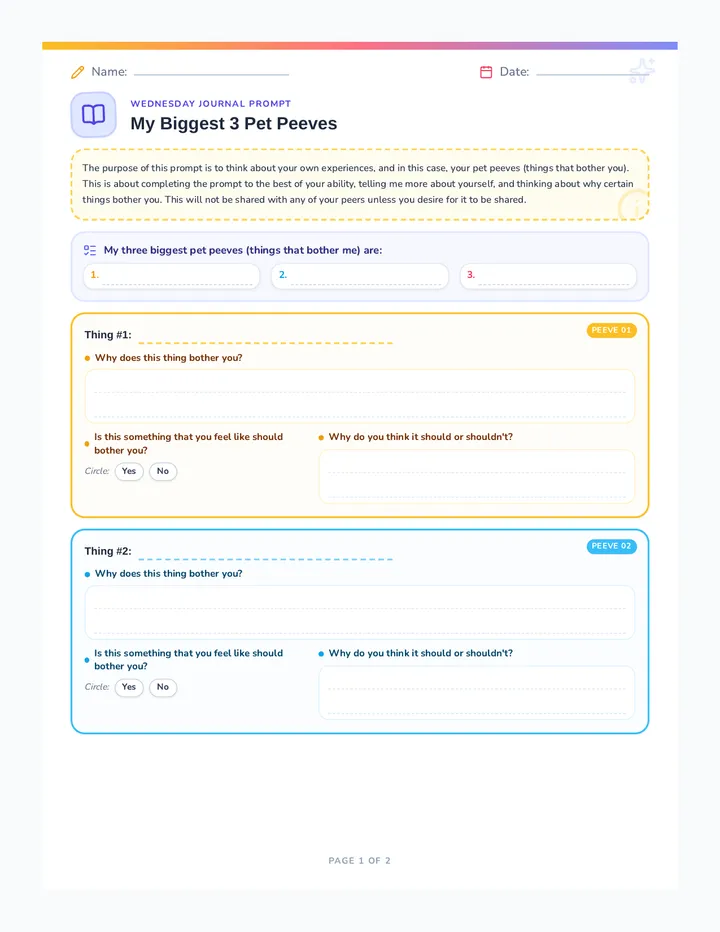
Friendship Warm-Up Worksheet Friendship Warm-Up
Topic: Healthy Peer Connections
Workshop Entry
Individual Session
Student Name:
Date:
The Good Stuff
Think about a time someone was a really good friend to you. What did they do or say that made you feel supported or happy?
The Rough Spots
Now, think about a time someone wasn't a very good friend. What happened in that situation? How did it affect you?
Friendships are like structures—they need a solid foundation of respect and trust to stay standing.
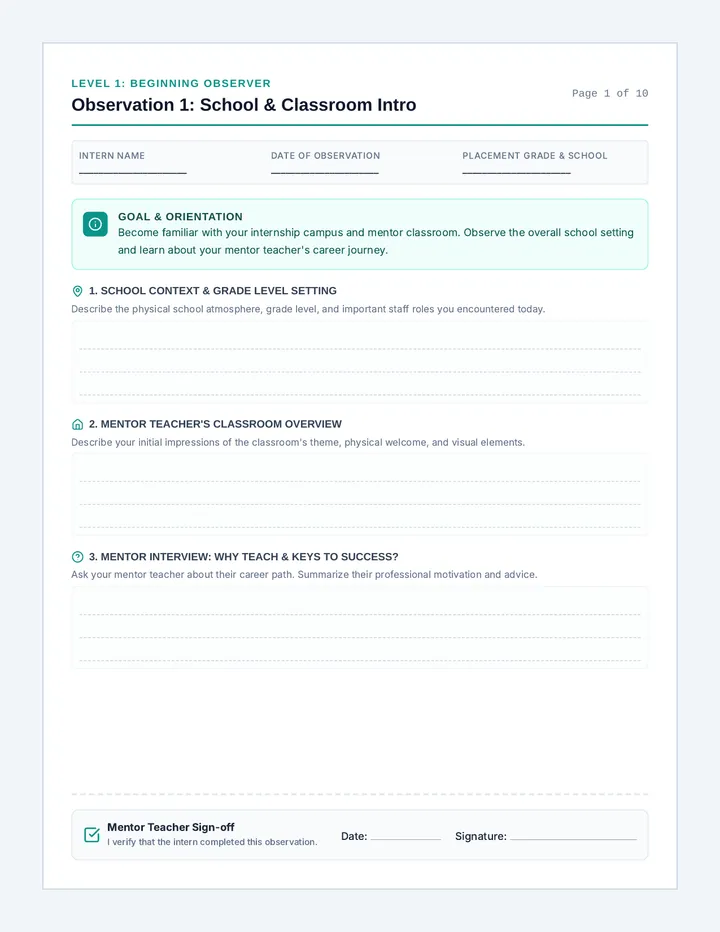
Friendship Fix-Up Lesson Plan Lesson Plan
Friendship Fix-Up: Social Skills Workshop
Tier 3 Individual
Objective
Student will develop and demonstrate skills for building healthy peer relationships by identifying qualities of a positive friendship and recognizing red flags, utilizing appropriate coping strategies (I-statements, walking away, seeking support) in 4 out of 5 opportunities.
Rationale
Building healthy friendships helps students feel confident and supported. Understanding red flags and handling rejection is crucial for students who struggle with social influence or exclusion.
At a Glance
Duration: 30 Minutes
Audience: Individual HS
Prep Needed
• Print Warm-Up/Worksheet
• Load Slides
• Review Script & Scenarios
Facilitation Guide
Time Section & Activities 5 min Warm-Up: Reflection
Student completes the Friendship Warm-Up. Discuss their responses to positive/negative peer interactions.
|
| 7 min |
Introduction & Positive Friendships
Use Slides 1-3 and the Script. Discuss positive qualities (sharing, active listening). Facilitate the "Check-In" discussion.
|
| 7 min |
Recognizing Red Flags
Use Slides 4-6. Define "red flags" (ignored, pressured, left out). Discuss emotional impact using the Check-In Guide.
|
| 7 min |
Coping & Practice
Use Slides 7-9. Practice Walking Away, Seeking Support, and "I" Statements. Conduct Role-Play Scenarios.
|
| 4 min |
Wrap-Up & Guide
Complete the Friendship Snapshot Worksheet. Review key takeaways and reinforce self-worth.
|
Materials Required
Friendship Warm-Up Sheet
Friendship Fix-Up Slide Deck
Lesson Script & Discussion Prompts
Role-Play Scenario Cards
Friendship Snapshot Worksheet
Friendship Fix-Up Slides Social Skills Workshop
Friendship Fix-Up
Building Healthy Connections & Handling the Hard Moments
The Good Stuff
Qualities of a Positive Friendship
Sharing & Caring: Looking out for one another.Active Listening: Really hearing what you say.Inviting: Asking you to join in.Supportive: Having your back when things are tough.
Positive Friendship Checklist
"Do I feel respected and heard ?"
"Do I feel included in plans?"
"Do I feel good after spending time with them?"
Red Flags
Warning Signs to Watch For
Being ignored or mocked.
Only approached when someone wants a favor.
Consistently being left out.
Feeling pressured to do things you don't want to.
Spotting Trouble
"Trust your gut. How do you feel during and after interactions?"
SAD / UPSET
CONFUSED
UNDERVALUED
When Friendships Get Tricky...
It's normal to feel hurt. But you can learn ways to cope!
Coping Strategy 1: Walk Away
Why?
It gives you space to calm down and shows you won't tolerate poor treatment.
When?
If someone is teasing you, ignoring you, or making you feel unsafe.
Coping Strategy 2: Seek Adult Support
It's okay to ask for help!
Adults can help mediate conflicts or just listen.
Who can you talk to?
Teachers, Parents, Counselors, Trusted Family.
Coping Strategy 3: "I" Statements
X
"You always ignore me!" (Blaming)
✓
"I feel left out when I'm not included in the conversation."
Friendship Fix-Up Script Lesson Script
Friendship Fix-Up Facilitation Script
Teacher Version
0-5 MIN
Warm-Up: Reflection
[TEACHER SCRIPT]
"Welcome! Today we're going to talk about something really important: friendships. We all have friends, or we want to have friends, and sometimes navigating those relationships can be a bit tricky. To start, I'd like you to think about a time someone was a really good friend to you. What did they do or say that made you feel good? Take a moment to write down your thoughts on your Friendship Warm-Up sheet."
(Allow 2-3 minutes for writing)
"Now, on the same sheet, think about a time someone wasn't a very good friend. What happened in that situation? How did it make you feel? ... Let's discuss. Can you share some of the things that make a good friend? And what about those times when someone wasn't a good friend? What kind of things happened?"
5-12 MIN
Introduction & Positive Friendships
[TEACHER SCRIPT]
[Display Slide 1] "Great job! Today, we're going to dive deeper into this. Our goal is to help you build healthy friendships, understand what makes them work, recognize when things aren't quite right, and learn how to handle those tricky moments."
[Display Slide 2] "Let's start with the good stuff: What makes a friendship positive? Let's discuss some qualities of a good friend, and you can share what stands out to you." (Use Discussion Prompts Sheet for sharing, listening, etc.)
[Display Slide 3] "Think about your own interactions. Do you feel respected, heard, included? Do you generally feel good after spending time with your friends? These are important questions to ask yourself."
12-19 MIN
Recognizing Red Flags
[TEACHER SCRIPT]
[Display Slide 4] "Now, let's talk about the other side of the coin – recognizing 'red flags.' Just like a red flag warns you of danger, these are signs that a friendship might not be healthy for you. What are some of the red flags we discussed?"
(Guide discussion: ignored/mocked, only favors, left out) . "Why do you think these are red flags? How might someone feel if these things are happening to them?"
[Display Slide 5] "It's really important to pay attention to how you feel. If you often feel sad, upset, anxious, or used after interacting with certain people, those are big signs to notice. Your feelings are valid and tell you a lot about your relationships."
19-26 MIN
Coping Strategies & Practice
[TEACHER SCRIPT]
Friendship Check-In Discussion Guide Friendship Check-In
Discussion Prompts & Questioning Guide
Building Up: Positive Friendships
Q1: What does it feel like when a friend shows active listening? Can you give an example?
Look for: Feeling heard, valued, eye contact, asking follow-up questions.
Q2: How does it make you feel when a friend invites you to hang out or join an activity?
Look for: Feeling included, wanted, important, happy.
Q3: Why is sharing important in a friendship? What are some things friends can share?
Look for: Shared interests, time, belongings, secrets/feelings.
Q4: What's a time a friend really supported you? How did that make you feel?
Look for: Support during bad grades, family trouble, or just a bad day.
Warning Signs: Red Flags
Q5: Can you describe a time you felt ignored or mocked by someone you thought was a friend? How did you react?
Look for: Identifying the hurt, withdrawal, or defensive behavior.
Q6: Why is it a red flag if someone only talks to you when they want something? What does that tell you?
Look for: Feeling "used," one-sided relationship, lack of true interest.
Q7: How does it feel when you are consistently left out? What thoughts go through your mind?
Look for: Negative self-talk, loneliness, wondering "what's wrong with me."
Q8: What's the difference between a friend who challenges you to be better and a friend who pressures you?
Look for: Intent (help vs control), how it feels (empowered vs anxious).
Facilitator Pro-Tip
Allow for silence. Some students may need up to 10 seconds to process a question before answering. Use "Tell me more about that" to deepen the discussion.
Friendship Role Play Scenarios Role-Play Practice
Topic: Coping with Social Challenges
Instructions
Read each scenario with your teacher. Practice your coping skills: Walking Away , Seeking Support , or Using "I" Statements .
Scenario 1: The Teasing Trio
"A group of students you sometimes hang out with starts whispering and pointing at you in the hallway, laughing at your outfit. You feel your face get hot."
How would you use a coping strategy here?
What "I" statement could you use if you chose to speak up?
Scenario 2: The Demanding "Friend"
"A classmate only talks to you when they need help with homework. They approach you and say, 'Hey, let me copy your math assignment really quick. You're so smart!'"
How do you feel in this situation?
Which strategy is best, and how would you use it?
Scenario 3: The Exclusion Game
"Your friends are planning a weekend trip. When you try to join, they look away and say, 'Oh, we're just talking about *our* plans. It's nothing big.'"
How does being excluded make you feel?
What strategy could you use, and what would you do?
Scenario 4: Pressure to Participate
"Peers are talking about sneaking out to a party. They turn to you and say, 'Are you in? Don't be a chicken! Everyone's going to be there!'"
What feelings come up when pressured like this?
How would you respond using an "I" statement or seeking support?
Friendship Snapshot Worksheet Friendship Snapshot
My Guide to Healthy Connections
Student:
Date:
1
Positive Friendship Qualities
List 4 qualities of a positive friend and give a quick example of what that looks like.
Quality 1:
Example:
Quality 2:
Example:
Quality 3:
Example:
Quality 4:
Example:
2
Recognizing Red Flags
List 4 warning signs that a friendship might not be healthy and explain why they are a problem.
Red Flag
Why it's a Problem
Red Flag
Why it's a Problem
Red Flag
Why it's a Problem
Red Flag
Why it's a Problem
3
My Coping Toolkit
Strategy 1
Strategy 2
Strategy 3
Friendship Snapshot Answer Key Answer Key
Teacher Reference: Friendship Snapshot
Exemplar Responses
Part 1: Positive Friendship Qualities (Examples)
Active Listening
"My friend puts their phone away and looks at me while I'm talking about my day."
Inclusion
"Seeing me standing alone at lunch and saying 'Hey, come sit with us!'"
Supportiveness
"Sending a text to check on me after they knew I had a hard test in math."
Respect
"They don't pressure me to skip class even when they are doing it themselves."
Part 2: Recognizing Red Flags (Examples)
Red Flag
Only approached for favors
Why it's a Problem
It shows the person values what you can *do* for them rather than who you *are*. It's one-sided.
Red Flag
Mocking/Teasing
Why it's a Problem
Friends should make you feel safe and confident, not defensive or embarrassed about yourself.
Red Flag
Constant Exclusion
Why it's a Problem
Being left out of plans makes you feel lonely and unimportant, which isn't how healthy friendships work.
Part 3: My Coping Toolkit (Exemplars)
Walk Away
Recognize when a situation is toxic. Simply leave the area to protect your peace of mind and show you won't participate.
Seek Support
Talk to a counselor or trusted teacher. They can provide a safe space to vent and help brainstorm solutions for exclusion.
"I" Statements
"I feel hurt when I see plans being made without me." This focuses on the feeling rather than attacking the other person.