A set of visual conversation starters for students from diverse backgrounds, specifically designed to support social interaction and stay-on-topic practice.
Introduces the seven continents through simple facts and sentence practice. Students learn to identify and write the names of continents in context.
A gentle 20-minute lesson designed to help 3rd graders navigate the loss of a pet through emotional validation and memory-keeping activities. Students will explore their feelings and create a lasting tribute to their 'Forever Friend'.
A social-emotional learning lesson focused on helping students transition from controlling behaviors to cooperative play. Students will learn the difference between 'Bossy' and 'Buddy' actions and practice flexible thinking during games and shared activities.
A high-engagement lesson using a retro video game theme to help students with ADHD and ODD understand the impact of cursing and develop 'Power-Up' replacement phrases for when they feel frustrated.
A sensitive and supportive small-group lesson designed to help 3rd-grade students navigate the loss of a pet. Students identify their feelings, learn healthy coping strategies, and create a personalized tribute to honor their pet's memory.
This lesson helps 4th-grade students understand and manage frustration using a 'Control Center' metaphor, teaching them how to recognize emotional 'glitches' and use 'system override' strategies to stay calm and persevere.
A comprehensive individual social work session for 4th graders focused on mastering positive self-talk to combat test anxiety, anger, and social pressure. The lesson includes a blueprint-themed guide, data tracking, and a hands-on student workbook.
A small-group lesson for 5th grade girls focused on identifying the root of friendship 'drama' and replacing gossip with respectful communication. Students will learn to recognize the 'gossip chain' and practice concrete strategies for exiting negative conversations.
A reflective lesson designed to help 3rd graders evaluate their behavior during a substitute teacher's visit, focusing on leadership and self-regulation.
A comprehensive lesson on empathy, active listening, and celebrating differences through social stories and scenario-based exploration.
A comprehensive social skills lesson focused on empathy, kind words, and tolerance through the metaphor of a 'Kindness Garden'. Students learn to nurture their relationships and grow a supportive community.
A social-emotional learning lesson for early elementary students focused on developing positive self-talk, identifying personal strengths, and practicing persistence through a 'Garden of Growth' theme.
A lesson focused on empowering students to identify their personal boundaries and practice assertive communication skills through role-play scenarios.
A restorative practice resource designed to help fourth-grade students reflect on classroom disruptions, identify emotions, and plan better choices for the future.
A lesson designed for 2nd-5th grade students, including those using AAC, to identify emotions and learn practical self-regulation strategies. The lesson features a visual-heavy presentation and a companion choice board to support students in managing 'hard' feelings.
A 30-minute lesson teaching 4th graders the Stop-Think-Act method to navigate playground conflicts with emotional intelligence.
This lesson introduces students to the 'Brain Remote Control' metaphor, helping them identify the gap between a trigger and a reaction. Students practice pausing to choose better responses to conflict and personal frustration.
Prepares students for social setbacks, specifically how to respond to peer rejection and maintain resilience. Includes a wrap-up review of all tools learned.
Explores social boundaries and appropriate levels of sharing personal information. Uses a 'Circle of Trust' model to help students distinguish between what to share with close friends versus peers.
Targets social entry skills, including how to join a group at recess and initiate conversations. Includes scripts and role-play scenarios featuring cat characters.
Teaches the 'flip' technique to turn negative thoughts into growth-oriented statements. Students create a tactile flipbook to practice reframing in real-time.
Introduces the concept of 'ANTs' (Automatic Negative Thoughts) and helps students identify these mental pests. Activities involve sorting negative thoughts and understanding how they affect mood.
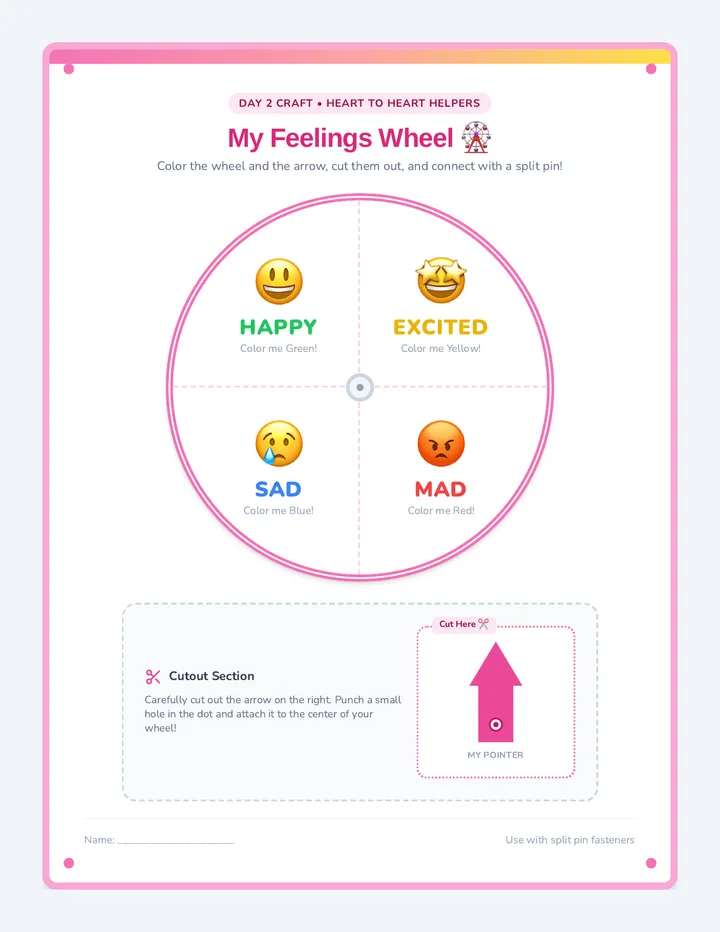
Focuses on identifying complex emotions and building a personalized 'Coping Kitty Toolbox' of regulatory strategies. Students explore how different feelings feel in their bodies using feline visual aids.
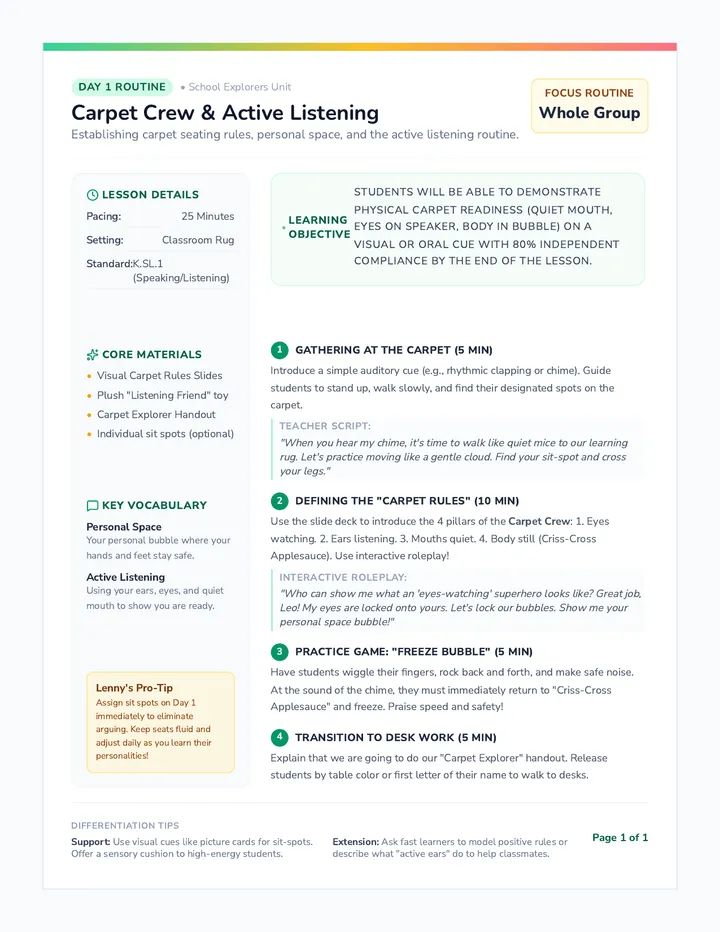
This lesson provides direct instruction and practice for four core social skills: following adult directions, personal space awareness, active listening, and polite communication.