A comprehensive guide to resume writing for students and entry-level professionals, covering different resume formats, skill identification, and document templates.
Visual cues and routines to help toddlers understand and follow the steps of using the potty.
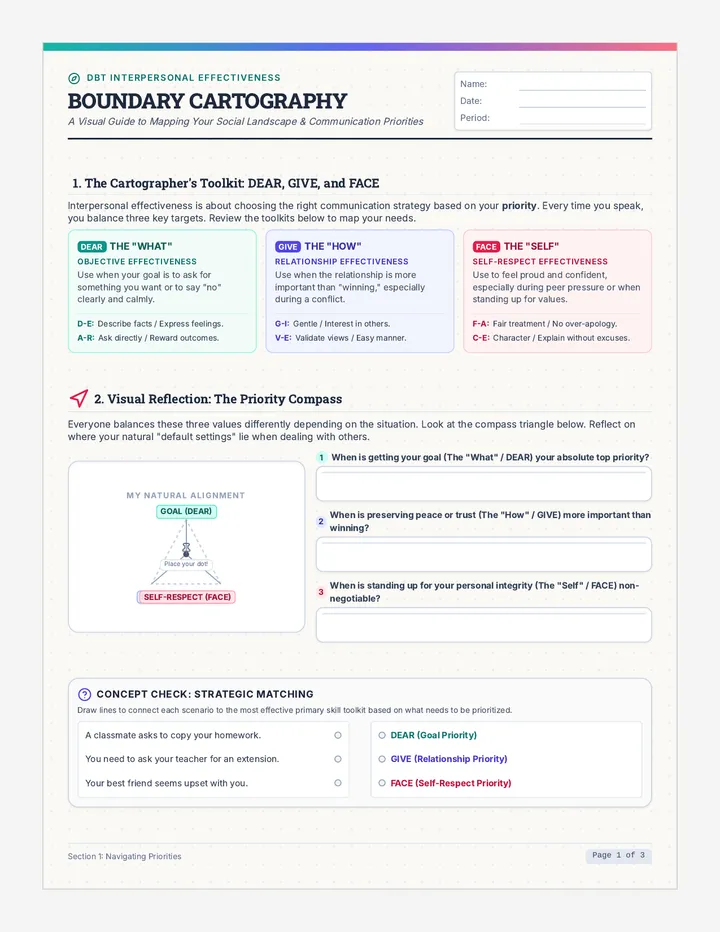
A lesson focused on developing core social-emotional skills including effective communication, managing personal overwhelm, and handling frustration in social contexts.
A high-energy lesson that transforms self-advocacy from a dry concept into a 'superpower' toolkit. Students explore communication, leadership, and problem-solving through hands-on scenarios and 'battle plan' drafting.
A comprehensive set of tools to help students understand the 'Social Filter,' practice perspective-taking, and manage blunt or inappropriate comments through structured social stories and teacher-led redirection.
This lesson focuses on teaching students how to manage the disappointment associated with transitioning from a preferred activity to a non-preferred one. It includes a social story, visual transition tools, and a guide for educators to implement these strategies effectively.
A lesson for 6th graders exploring the difference between equality and fairness using the shoe analogy, focusing on why different students receive different accommodations and the importance of focusing on one's own needs.
A set of therapeutic resources for a 7th-grade student struggling with social anxiety and school avoidance. These materials focus on cognitive reframing, exposure therapy, and immediate coping strategies for social settings.
A 30-minute introductory lesson for 9th graders exploring the concept of a digital footprint, the difference between active and passive online data, and the long-term implications of their digital presence.
This lesson empowers students to identify their personal boundaries, practice assertive "No" statements, and recognize safe versus unsafe situations in their school and community environments.
This lesson helps students navigate social rejection by teaching them how to calmly handle a friend saying 'no' and successfully finding a new person or group to play with.
A social-emotional learning lesson focused on the social skills of inviting others to play and gracefully accepting a 'no' response. This lesson uses visual storytelling and role-play to build confidence and resilience in peer interactions.
A set of role-play resources designed for a 6th-grade girl to practice self-regulation and coping strategies when faced with triggers like being told 'no' or having disagreements with adults. The materials use a vibrant pink and purple aesthetic and focus on replacing aggressive behaviors with healthy alternatives.
A set of role-play scenarios and reflection tools designed to help a 6th-grade student practice self-advocacy and overcome anxiety in various school settings.
Integrates all learned skills into a personal growth plan, focusing on long-term goal setting and reflecting on progress through a 'Character Sheet' project.
Focuses on executive functioning skills such as prioritization, breaking down tasks into 'sub-quests,' and managing mental 'bandwidth.'
Teaches conflict resolution skills through the lens of 'Bug Reporting' and 'Collaborative Play,' focusing on 'I' statements and win-win solutions.
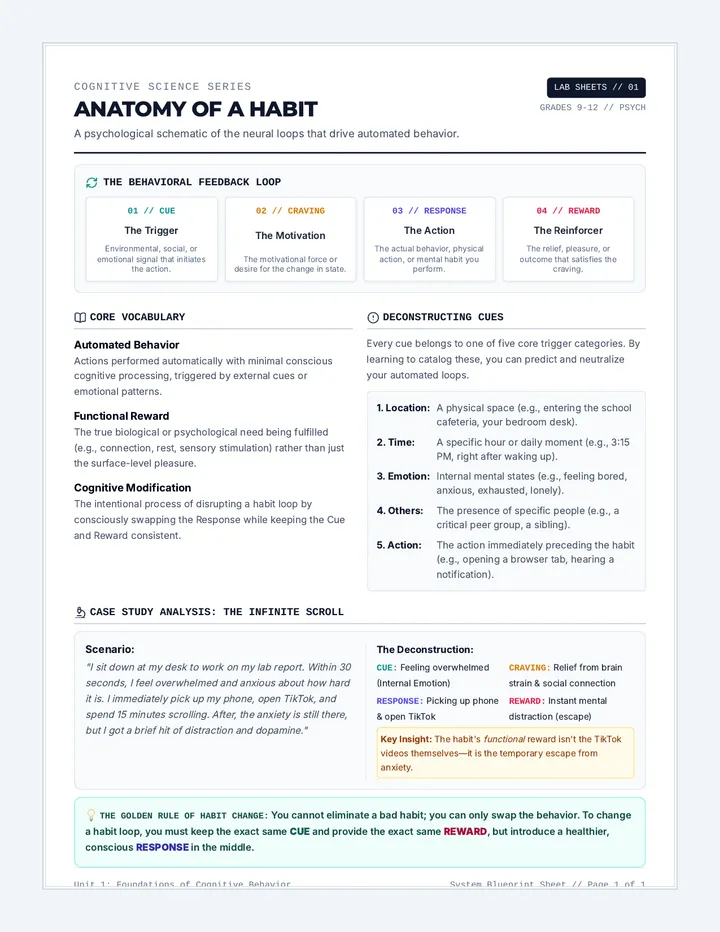
Focuses on understanding the brain's emotional response and developing 'Remote Control' strategies to manage intense feelings.
A discussion-based lesson designed for a 9th-grade student navigating feelings of parental neglect and the pressure to fit in. The lesson explores the connection between emotional needs and social decision-making through reflective dialogue.
A 10-week Tier 3 individualized intervention for a 2nd-grade student, focusing on social-emotional skills like empathy, self-regulation, and honesty through a tactical nautical 'Navigator Mastery' theme, designed for high-resistance students.
A deep dive into the neurobiology and physiology of impulsivity, designed for 11th-grade students to understand the 'why' behind snap decisions and how to recognize physical and behavioral cues.
A bird's-eye view of the Social Emotional Superpowers sequence, providing teachers with the pedagogical framework and unit-wide implementation strategies.
Middle schoolers practice perspective-taking and de-escalation techniques to handle interpersonal conflicts effectively.
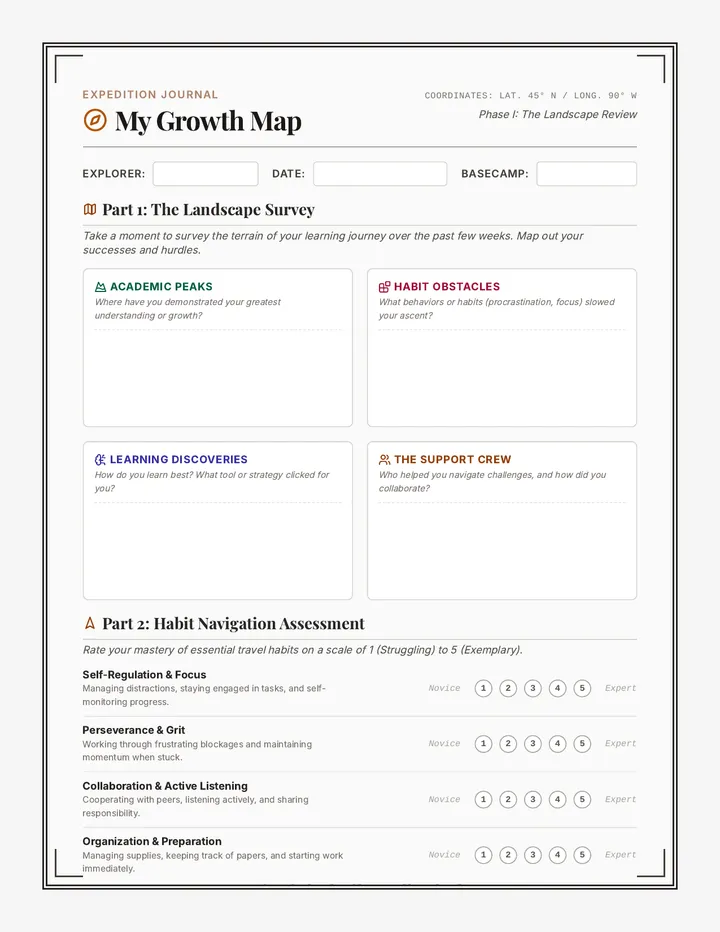
A reflective journey where students shift from fixed to growth mindsets through guided journaling and goal-setting.
An interactive exploration of non-verbal communication, body language, and situational awareness through card-based analysis and scenarios.
Students learn to identify anxiety triggers and build a personalized toolkit of coping strategies including breathing exercises and grounding techniques.
Teaching the student how to use a self-monitoring log to track his own behavior and celebrate progress.
Specific social scripts and routines for the school bus and making friends on the playground.
Exploring personal space and non-verbal cues to help the student understand how his physical presence affects social interactions.
Distinguishing between helpful school language and 'scary' or unexpected language, focusing on the emotional impact on classmates and teachers.
Instruction on identifying and using appropriate voice volumes for different school settings, including the difference between singing and learning voices.
Introduction to the school layout and specific routines for hallway transitions, focusing on staying on task during bathroom breaks.
A middle school lesson exploring the boundaries of 'roasting' culture, teaching students how to distinguish between playful teasing and harmful behavior, and how to be an upstander in social situations.
This lesson focuses on developing integrity and self-discipline by mastering emotional regulation during conflicts. Students explore the 'Inner Compass' framework to make choices based on values rather than immediate impulses.
A practical session for school staff on identifying mental health warning signs, initiating supportive conversations, and following school referral protocols.
A collection of resources for parents of 3-year-olds to support emotional regulation and impulse control through visual routines and sensory grounding.
This lesson focuses on establishing a professional foundation for the mentor-mentee relationship, emphasizing the importance of trust, reliability, and professional etiquette. Students will reflect on their role as a mentee and formalize their commitment through a collaborative contract.
A comprehensive lesson on healthy communication skills, focusing on active listening, conflict resolution, and setting boundaries. Students engage with theory and practice through real-world scenarios.
A daily check-in system designed to help students identify their energy levels, emotional states, and regulation needs. Includes a student log and a teacher implementation guide.
Setting personal leadership goals and celebrating the journey.