A Tier III individual counseling lesson for 10th-grade students experiencing overwhelm, focusing on CBT-based thought reframing and practical stress management strategies through a 'System Reboot' theme.
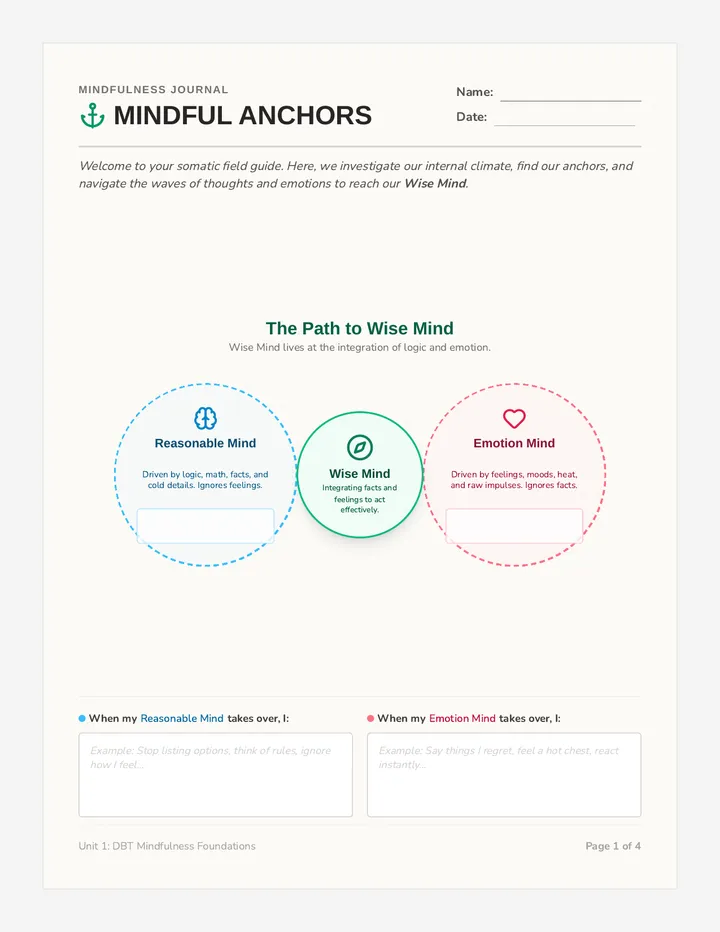
A comprehensive unit on Dialectical Behavior Therapy (DBT) mindfulness skills, taking students from somatic anchoring and cognitive understanding to collaborative, station-based performances that demonstrate 'What' and 'How' skills.
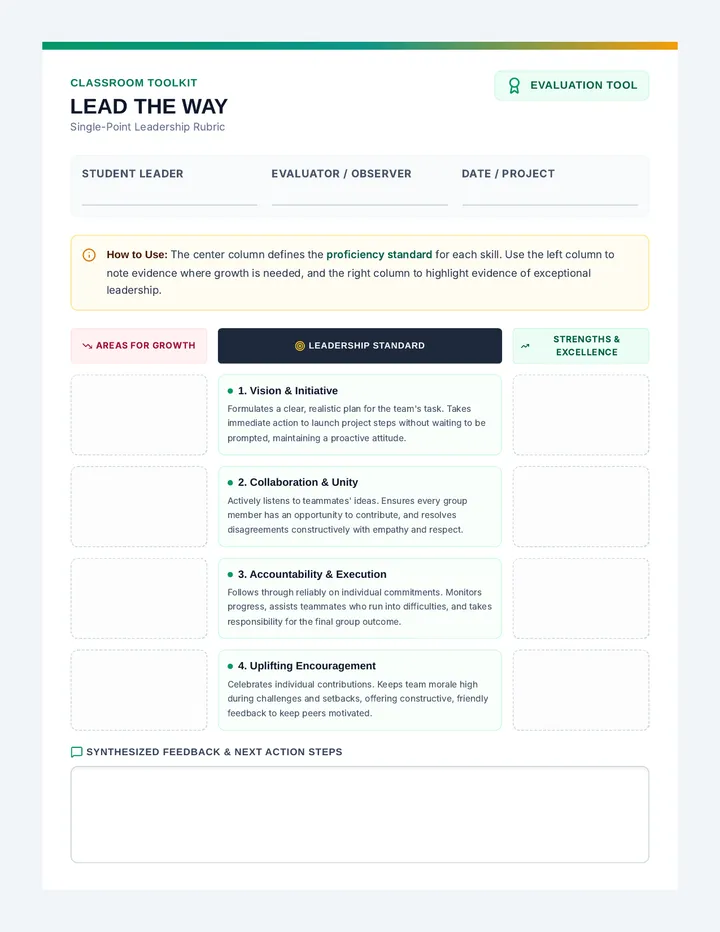
A classroom toolkit designed to cultivate, evaluate, and reflect on student leadership during group projects, extracurricular activities, and daily classroom routines. Features a professional single-point evaluation rubric and a student-centered self-assessment.
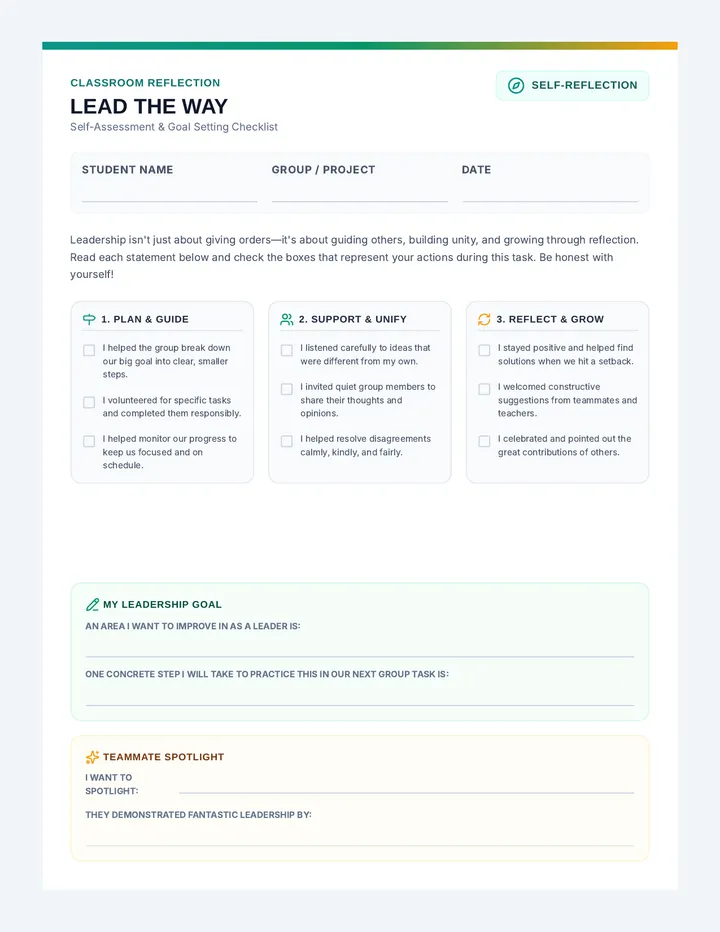
A student-facing self-reflection checklist designed to foster personal leadership awareness. Features structured checkboxes across three core leadership domains, paired with goal-setting prompts and a peer-recognition spotlight.
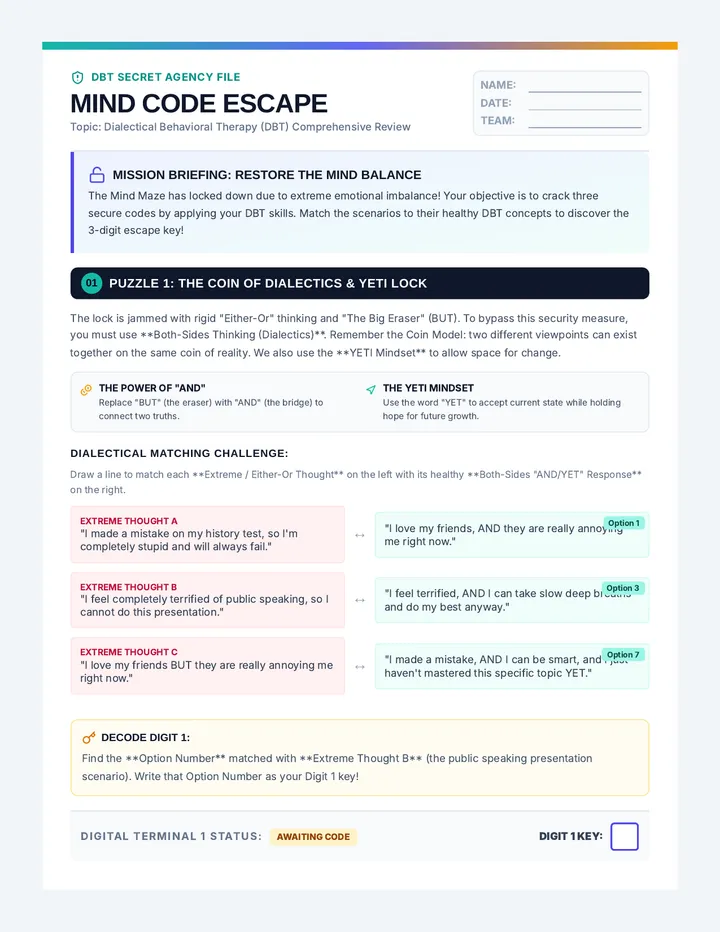
A hands-on sequence designed to empower teens with Dialectical Behavioral Therapy (DBT) concepts. Through engaging escape rooms, creative drama challenges, and real-life scenarios, students master dialectics and emotional regulation.
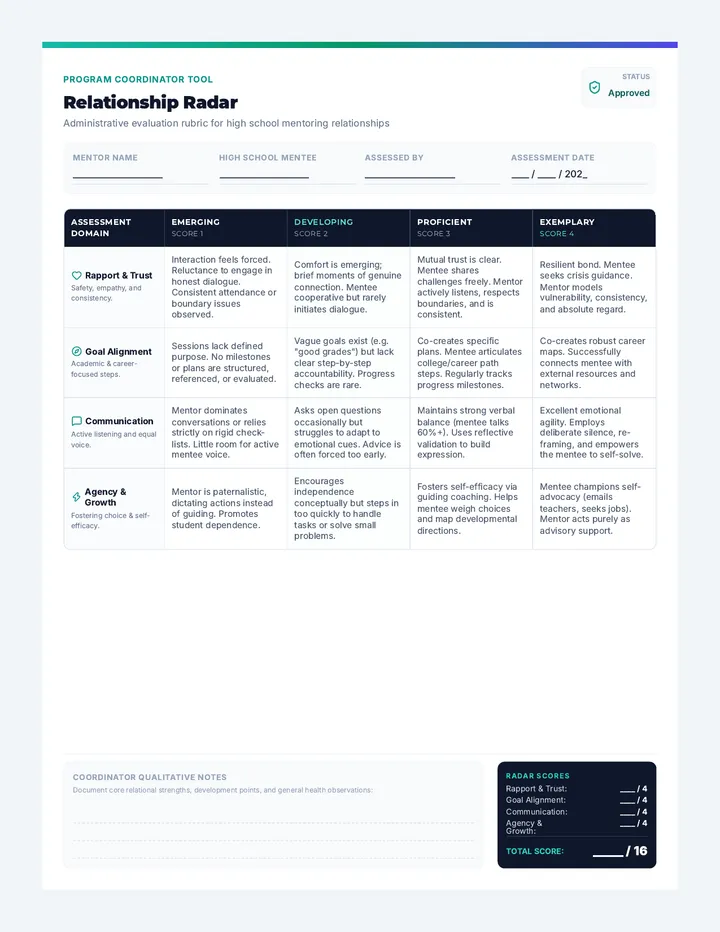
An evaluation and growth framework designed for high school mentoring programs. This lesson bundle equips Program Coordinators and mentors with actionable rubrics, reflective tools, and forward-looking goal templates to maximize mentoring efficacy and relationship quality.
A premium, ready-to-print single-point evaluation rubric for assessing key student leadership qualities. Ideal for group projects, extracurricular evaluations, or peer-assessment sessions, featuring clean writing spaces for personalized feedback.
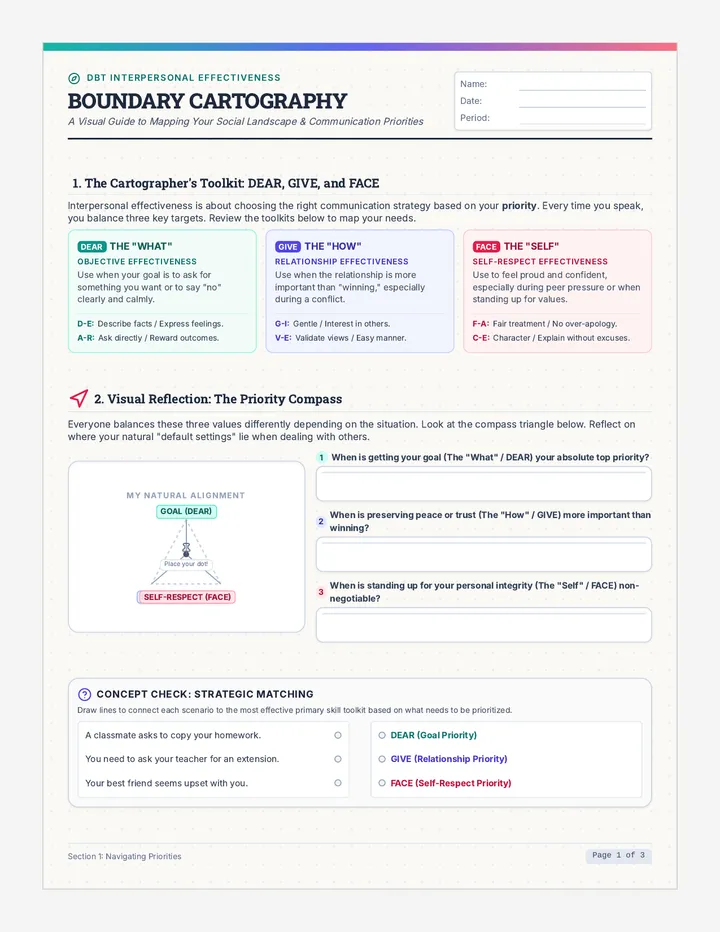
A DBT Interpersonal Effectiveness unit where students map relational boundaries, master communication skills, and engage in interactive, station-based roleplays to navigate teenage social dynamics.
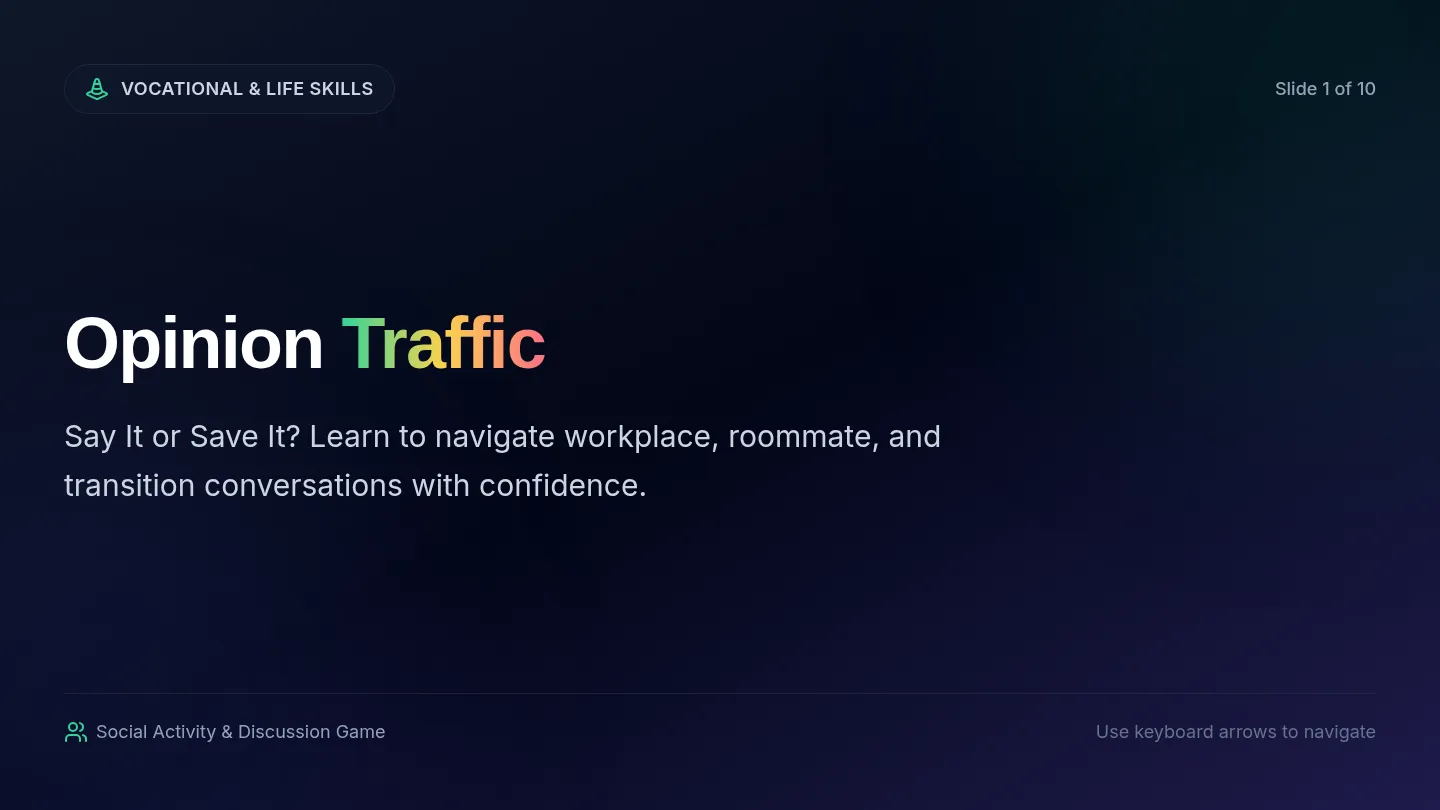
An interactive, discussion-based lesson designed to help students navigate when to share opinions, when to save them, and how to disagree respectfully in workplace, roommate, and transition settings.
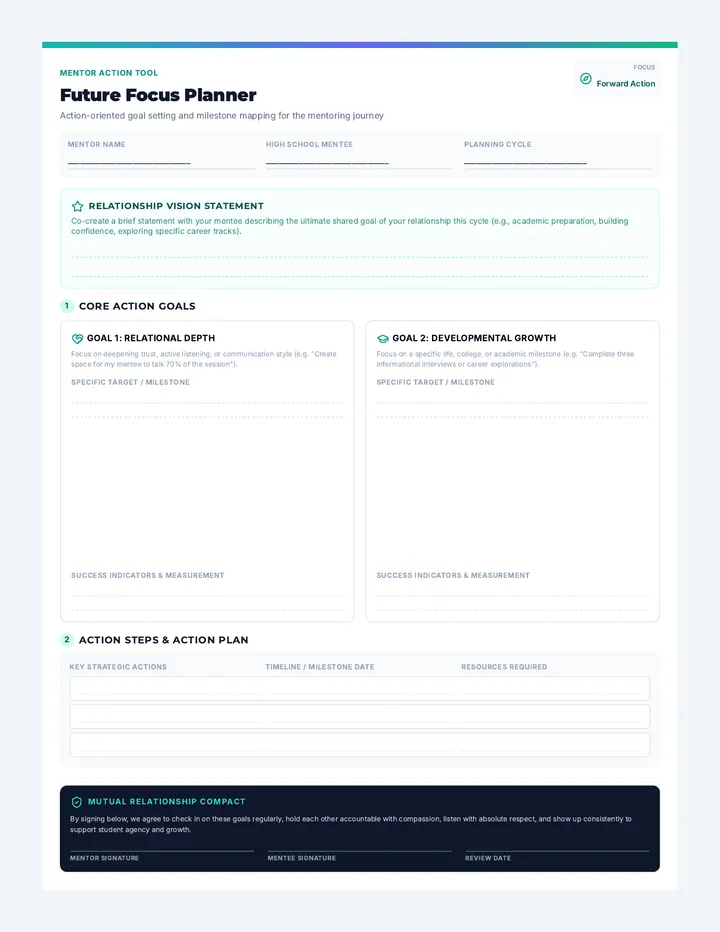
A goal-setting and action-planning template for mentors to co-create relational, developmental, and academic goals with high school students. Includes a core vision section, structured milestones, and a mutual commitment sign-off.
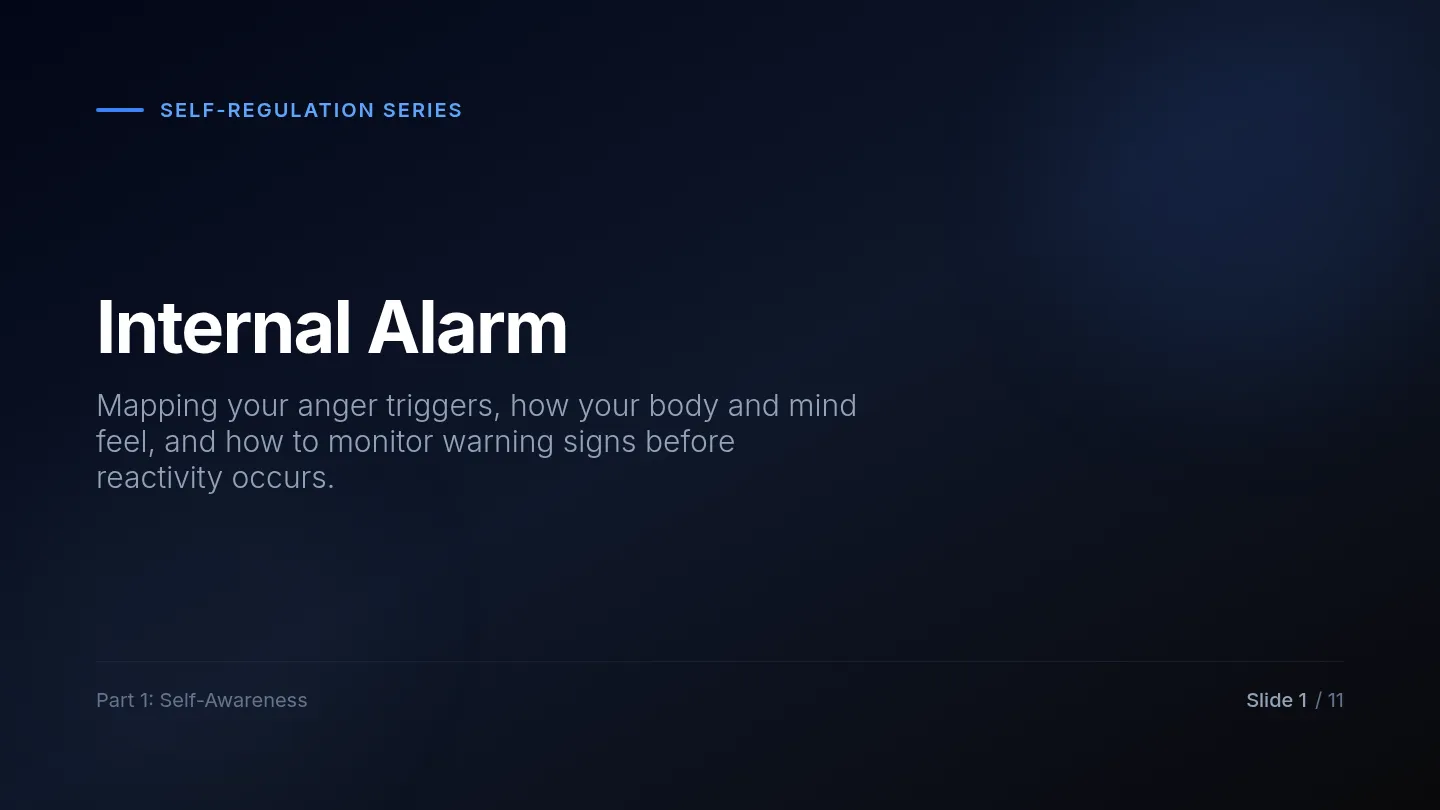
A targeted lesson designed to help high schoolers with self-regulation map their anger triggers and physical/mental warning signs. Includes low-stimulation slides and a printable daily tracking log to build self-awareness without overwhelming sensory input.
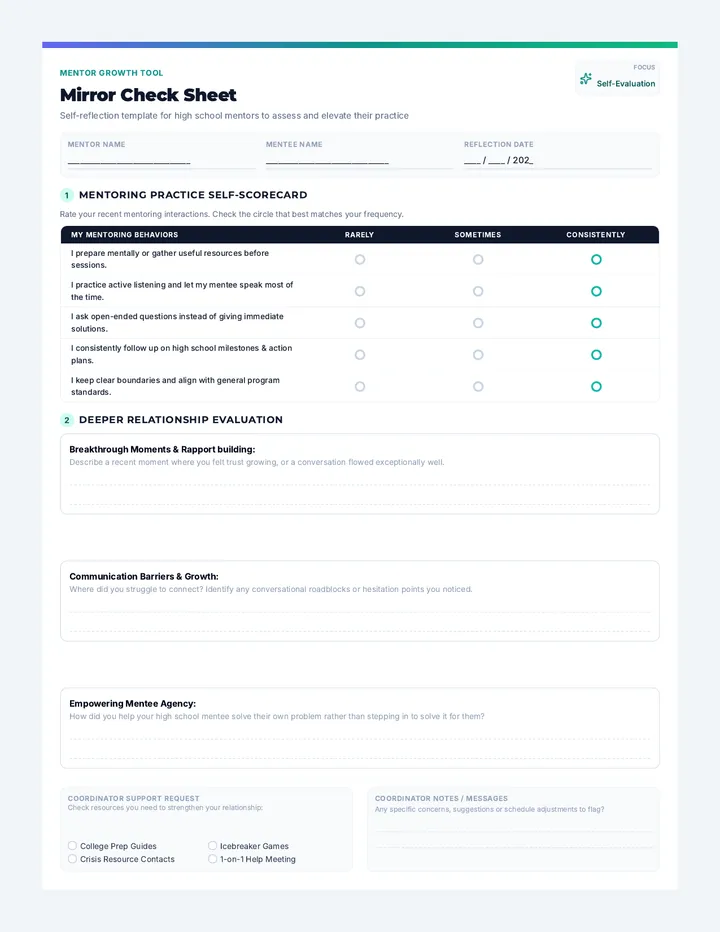
A self-reflection tool for mentors to evaluate their own performance, relationship dynamics, and supportive behaviors. Features a self-rating scorecard, open-ended prompt areas, and an administrative support checklist.
A compact, 1-page administrative evaluation rubric designed for Program Coordinators to assess high school mentoring program relationships. Outlines four domains—Rapport, Goal Alignment, Communication, and Student Agency—across four developmental levels with an integrated scoring summary.