Students learn to identify their breath as an anchor by observing its natural rhythm. They practice physical awareness by placing hands on their chests and bellies to feel the movement of inhalation and exhalation.
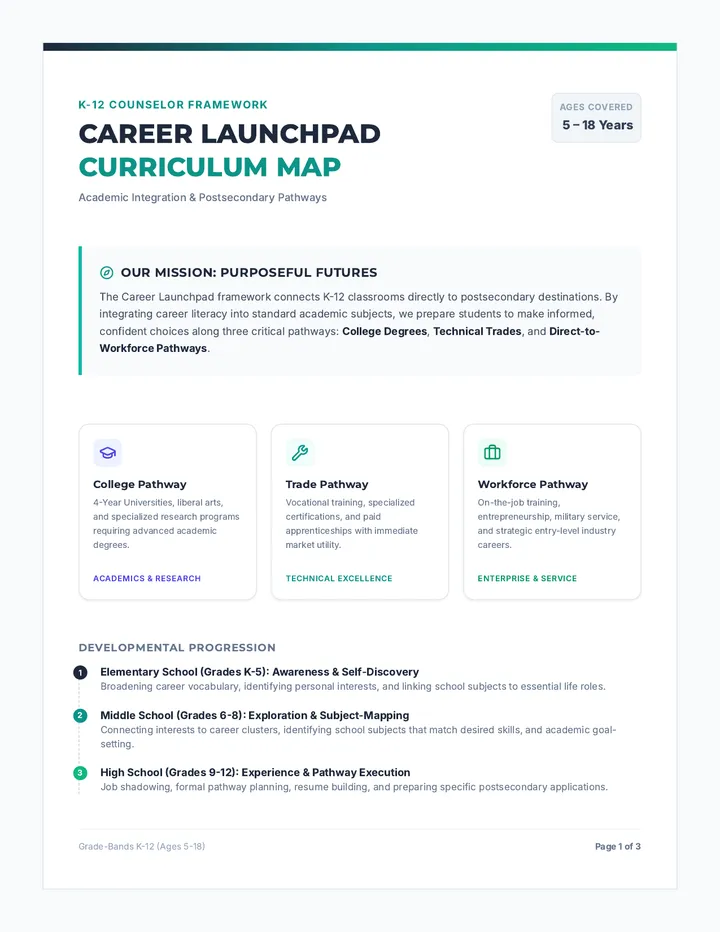
A comprehensive career exploration framework and counselor planning toolkit for grades K-12. This curriculum maps academic subjects to real-world career paths (college, trade school, and workforce) and provides counselors with implementation templates, annual pacing calendars, and a school-wide Career Day blueprint.
A supportive, social-emotional learning lesson designed to help students navigate end-of-the-year transition anxiety. Through a supportive slide-guided discussion and a hands-on "Stepping Stones" cut, paste, and color craft, students celebrate their growth, process what they will miss, and build coping strategies for entering summer and the next grade.
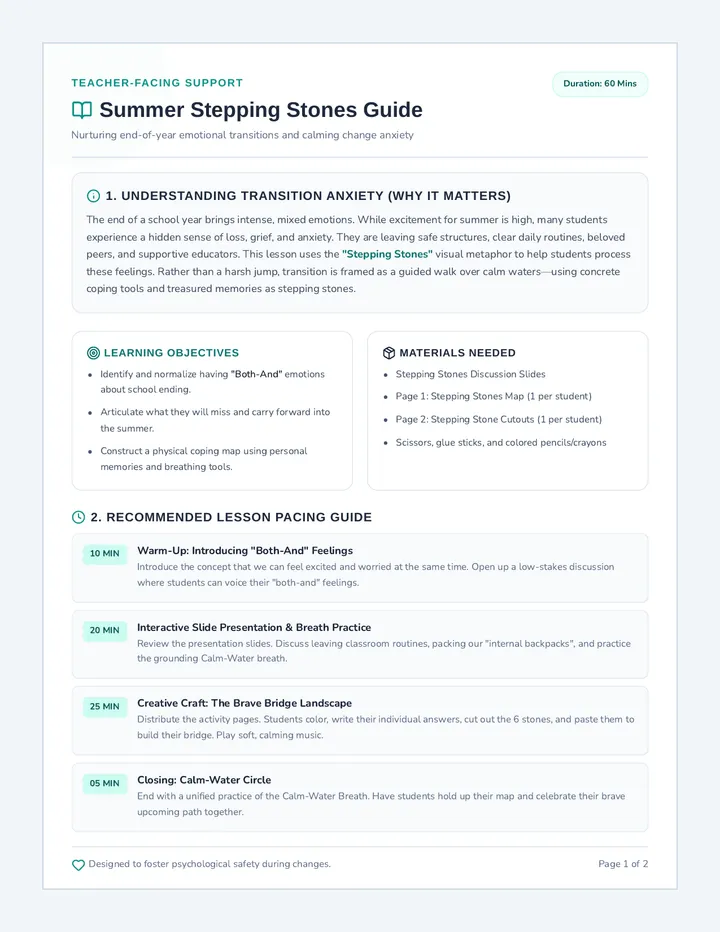
A comprehensive teacher guide featuring step-by-step lesson pacing, slide-by-slide scripts, transition anxiety background knowledge, and actionable strategies to help students navigate end-of-the-year mixed feelings.
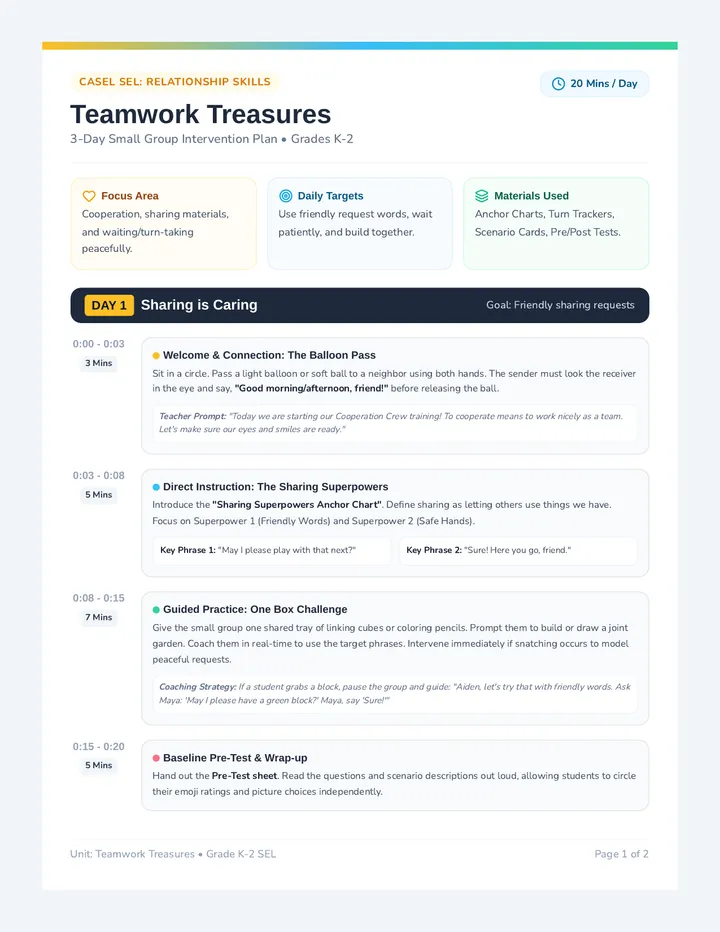
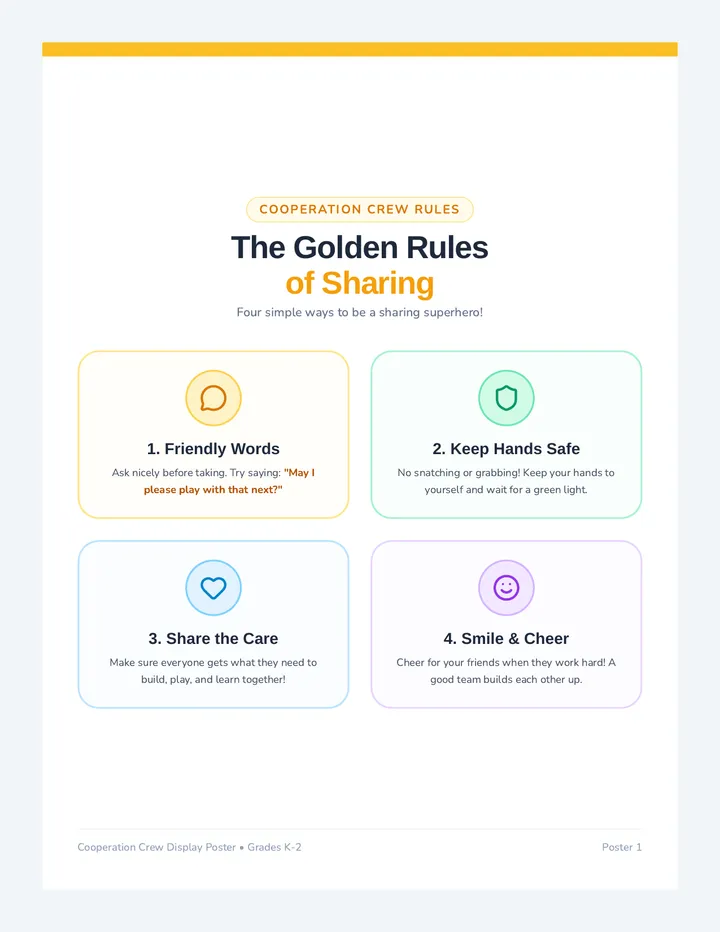
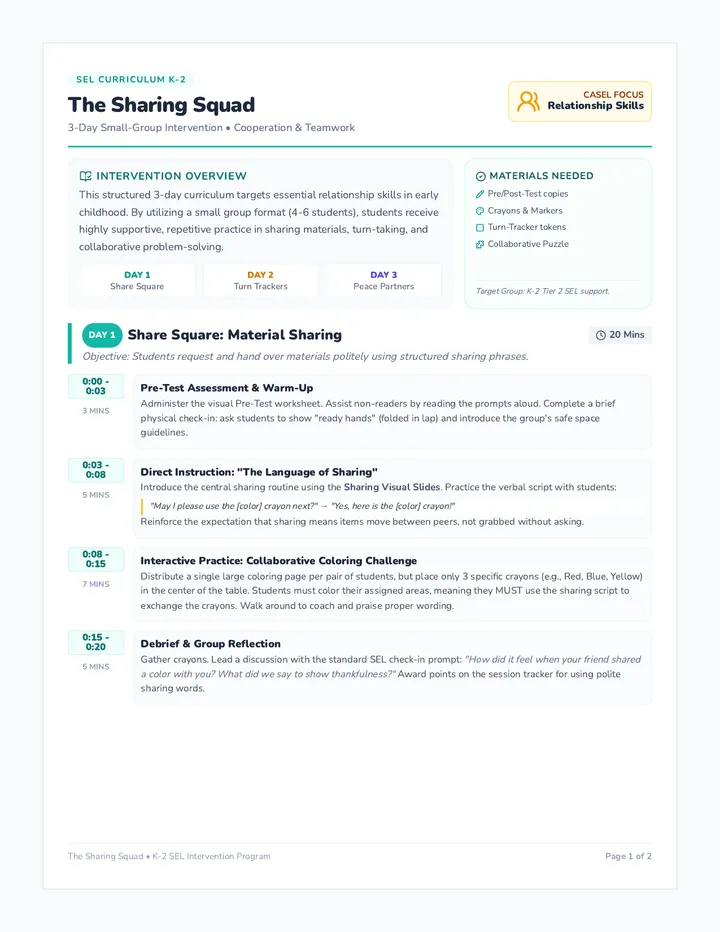
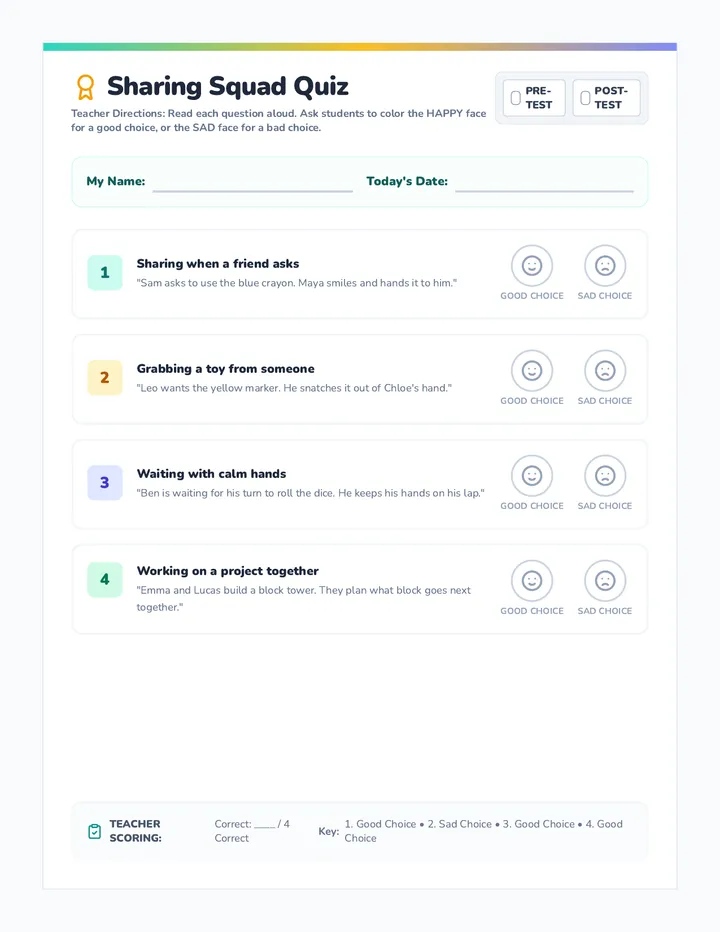
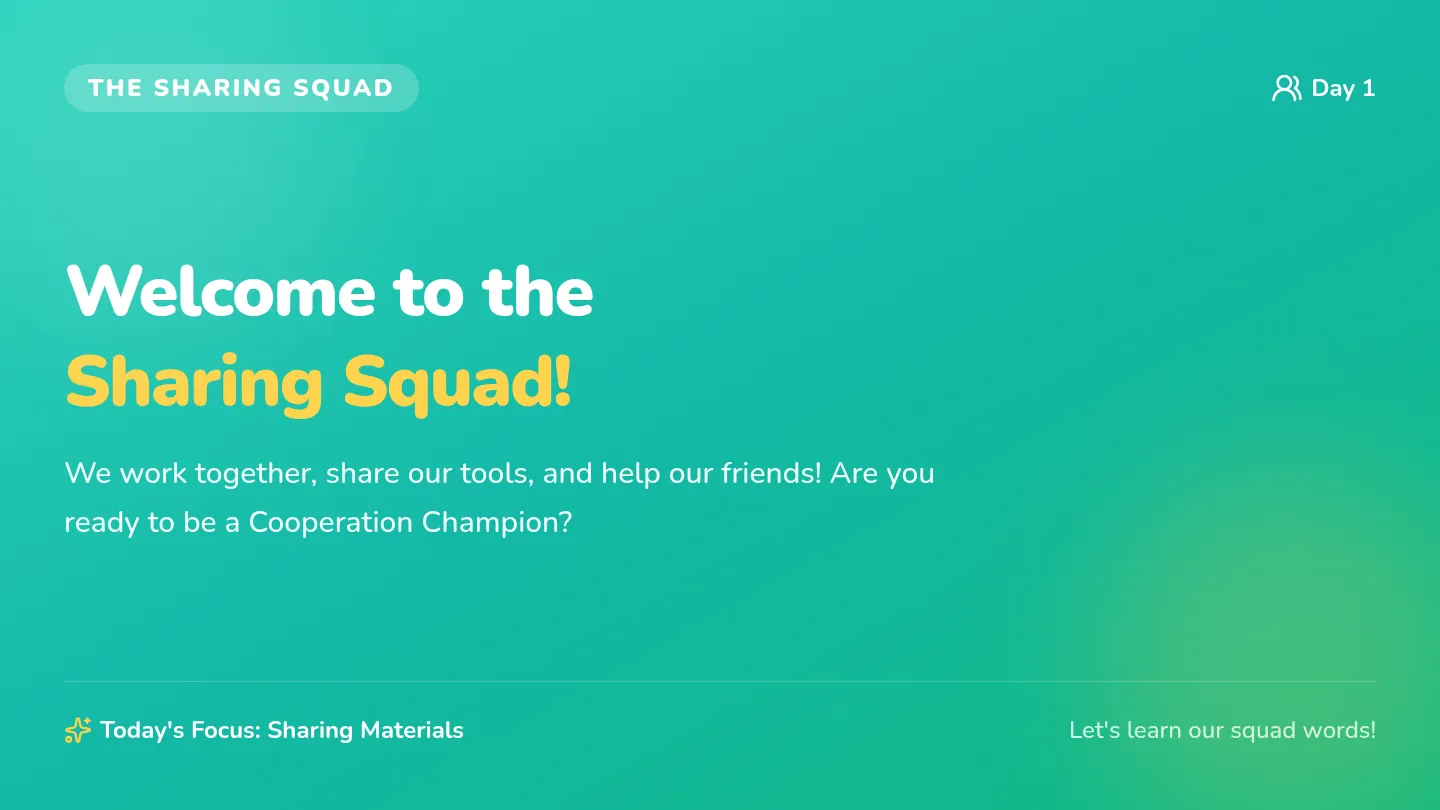
A 3-day social-emotional learning series for grades K-2 focusing on cooperation, sharing, and peaceful turn-taking, aligned with the CASEL Relationship Skills competency.
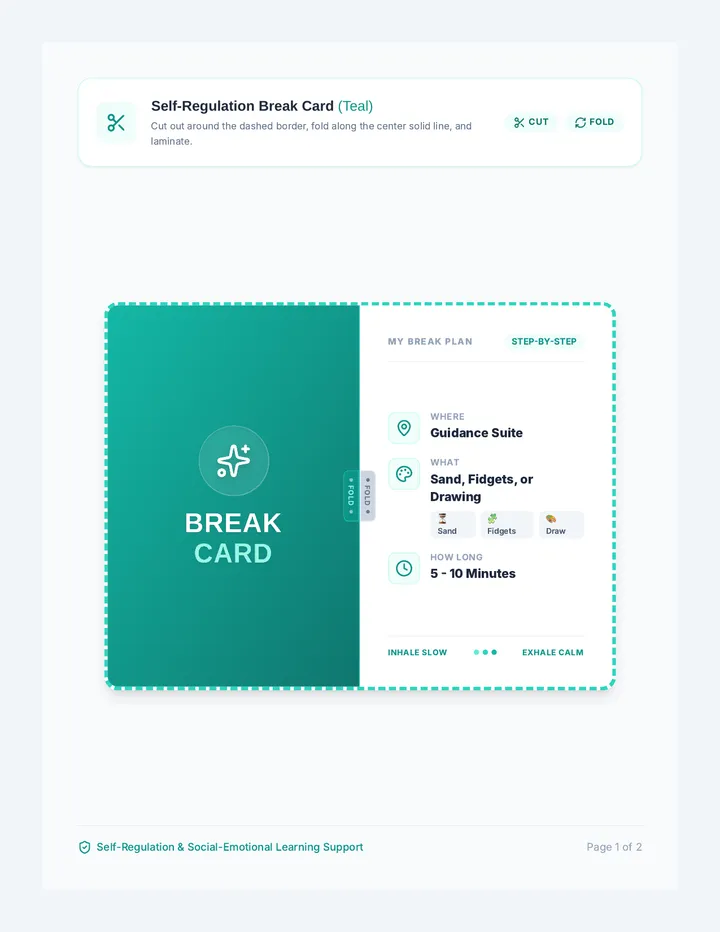
A collection of visual prompts and break cards designed to support students in self-regulation and managing emotions within the school environment.
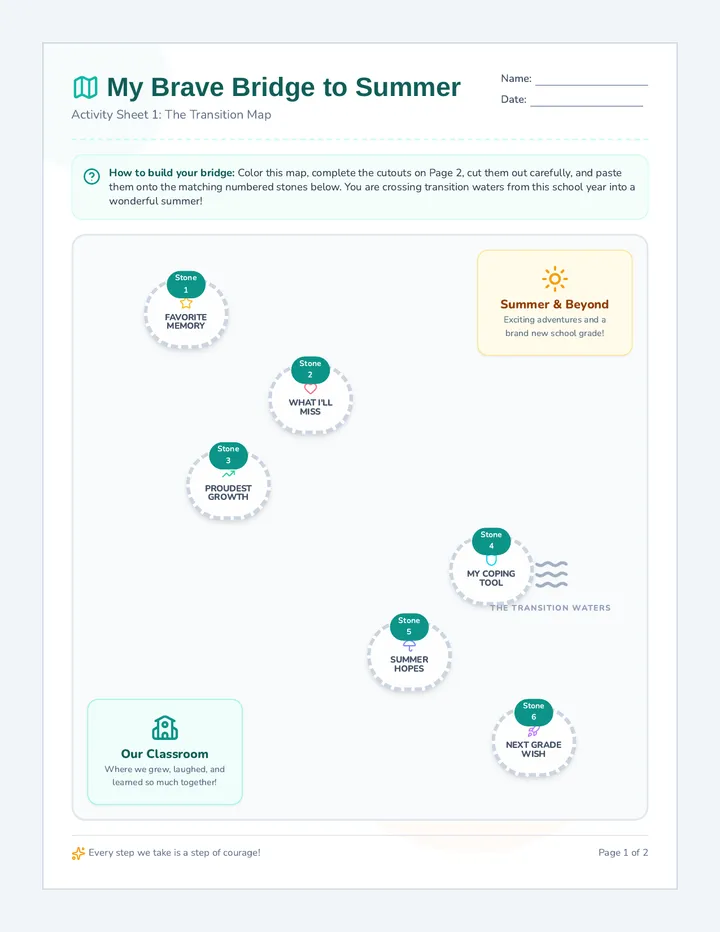
A two-page printable student activity sheet and craft. Page 1 features a "Brave Bridge to Summer" landscape map across transition waters, and Page 2 provides 6 beautifully designed interactive "Stepping Stone" cutouts for students to color, personalize, cut, and paste.
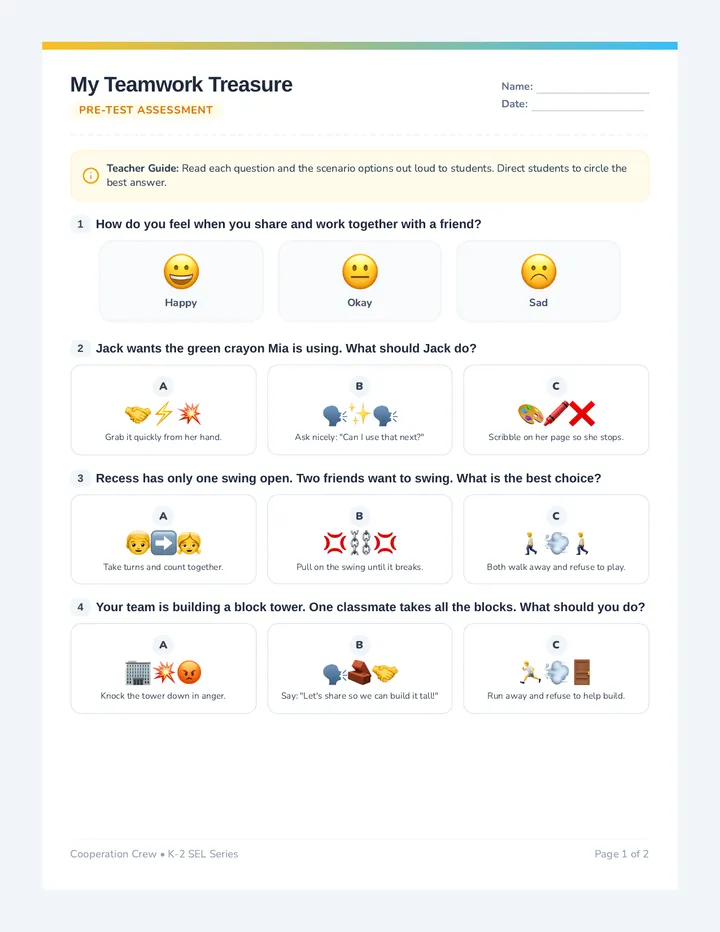
A 3-day SEL small-group intervention for grades K-2 focused on material sharing, turn-taking, and peaceful collaboration, aligned with the CASEL Relationship Skills competency. Each daily session is designed for 20 minutes with specific timestamps.
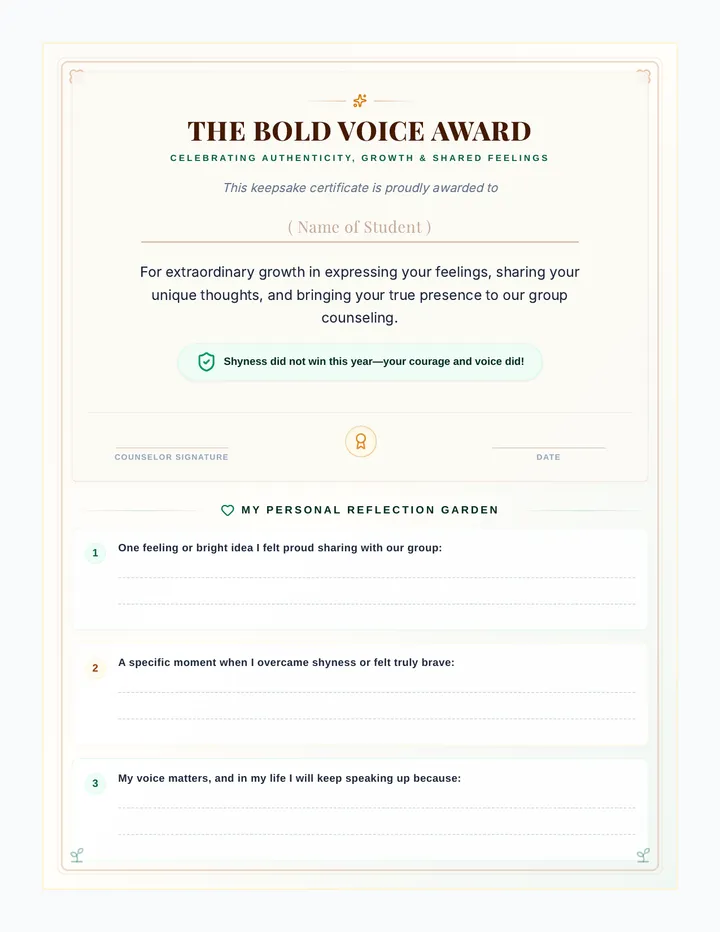
A reflective counseling lesson celebrating emotional expression, triumph over shyness, and setting intentions for speaking up with confidence in group settings.
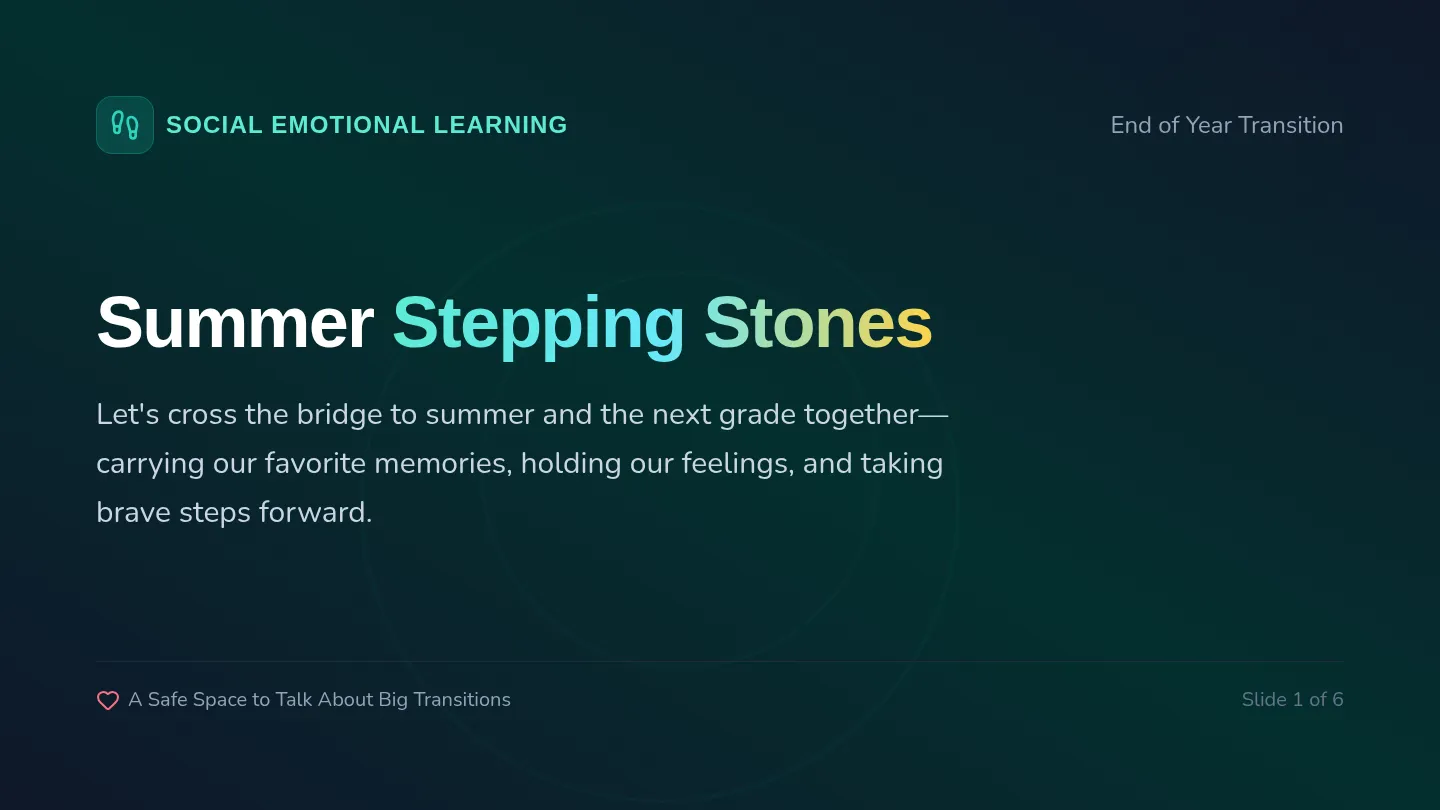
An interactive slide presentation designed to lead a comforting, classroom-wide SEL discussion about end-of-the-year transitions. It normalizes mixed feelings, introduces the stepping-stone metaphor, and guides students through managing transition anxiety.
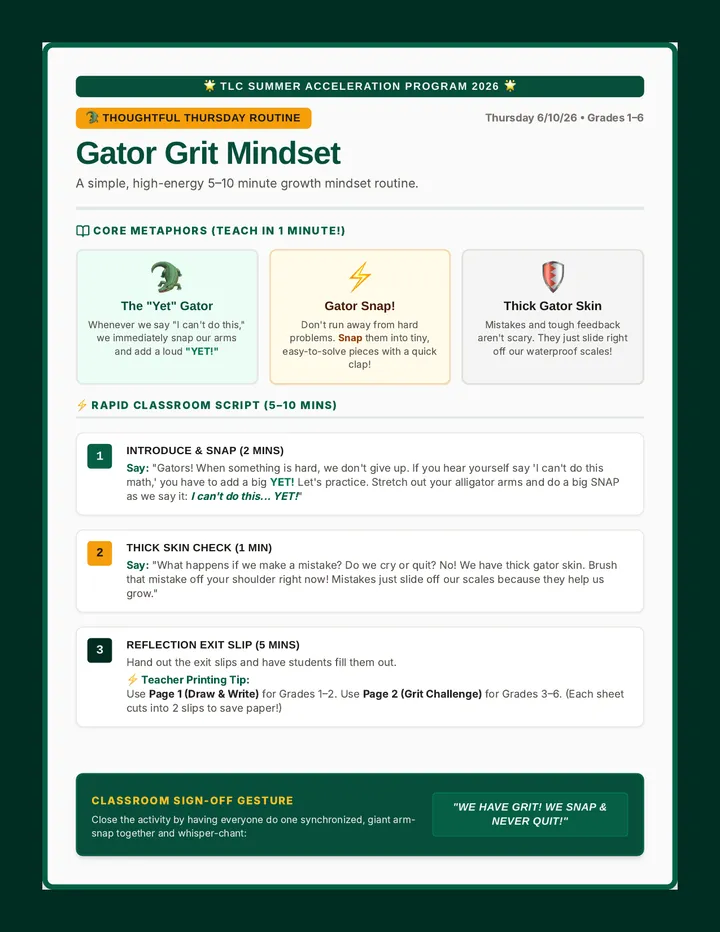
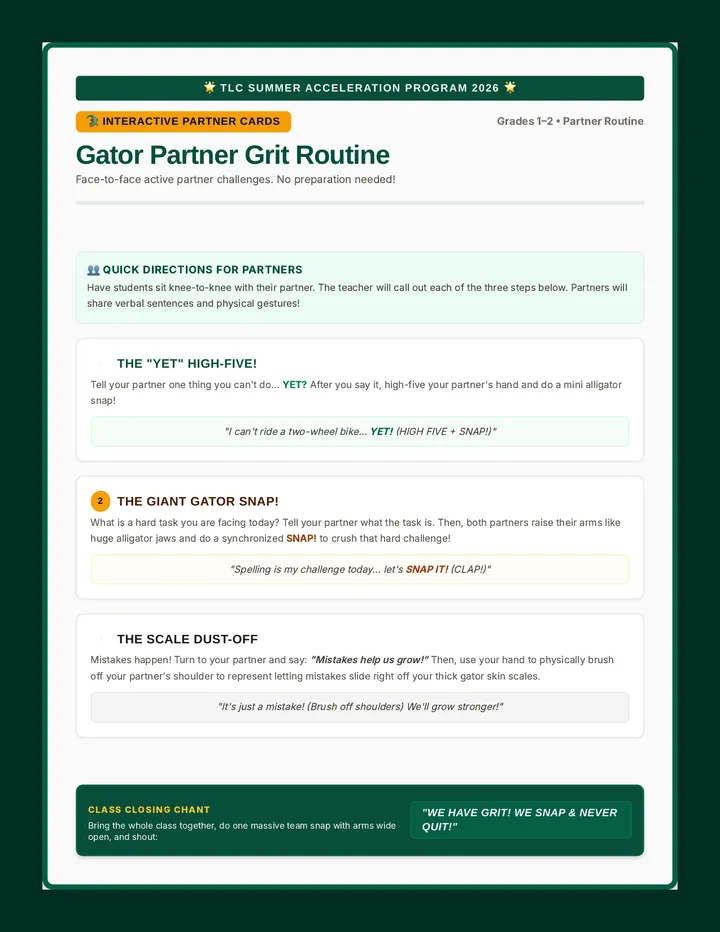
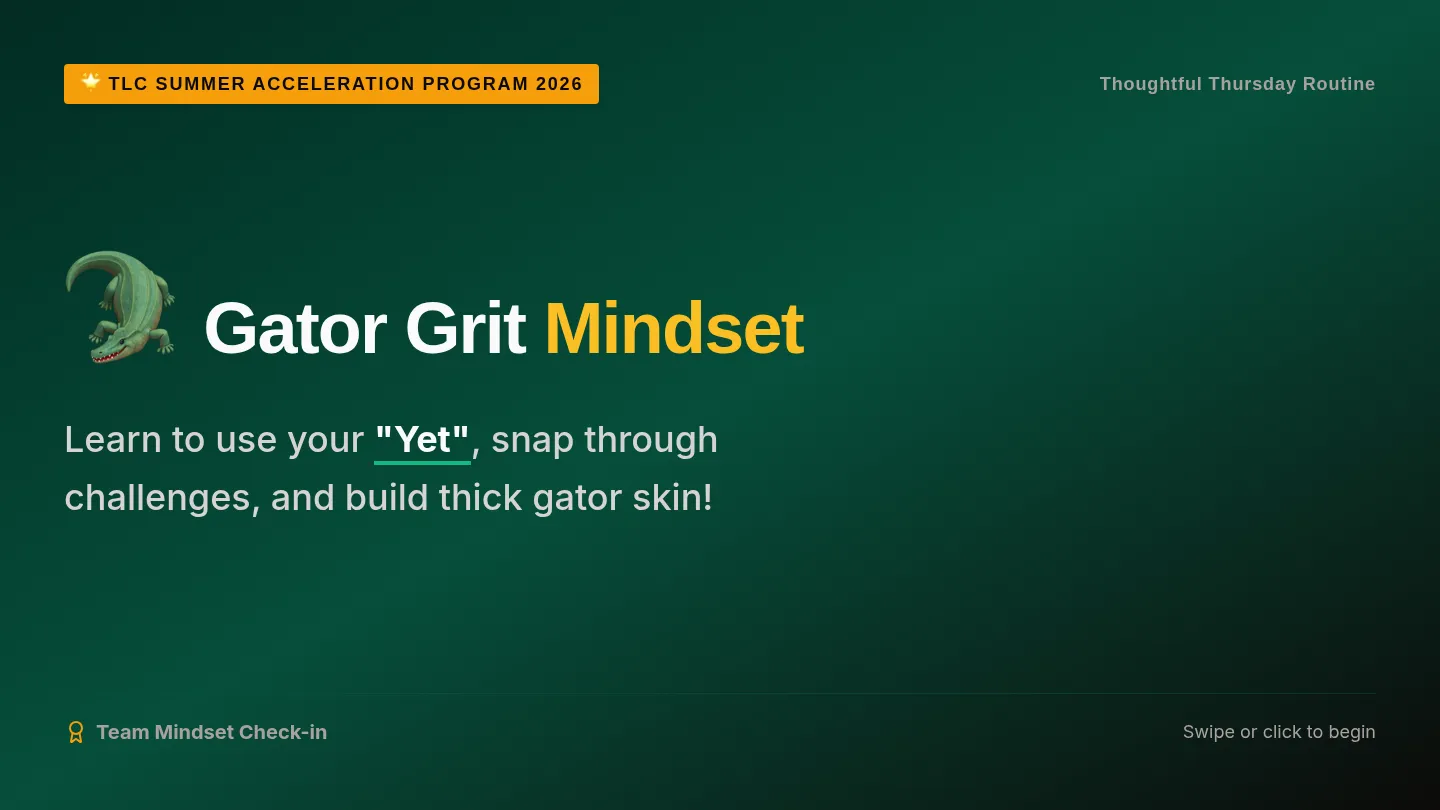
The TLC Summer Acceleration Program 2026 is an intensive, high-engagement summer curriculum designed to accelerate student learning and cultivate a resilient growth mindset through interactive routines.
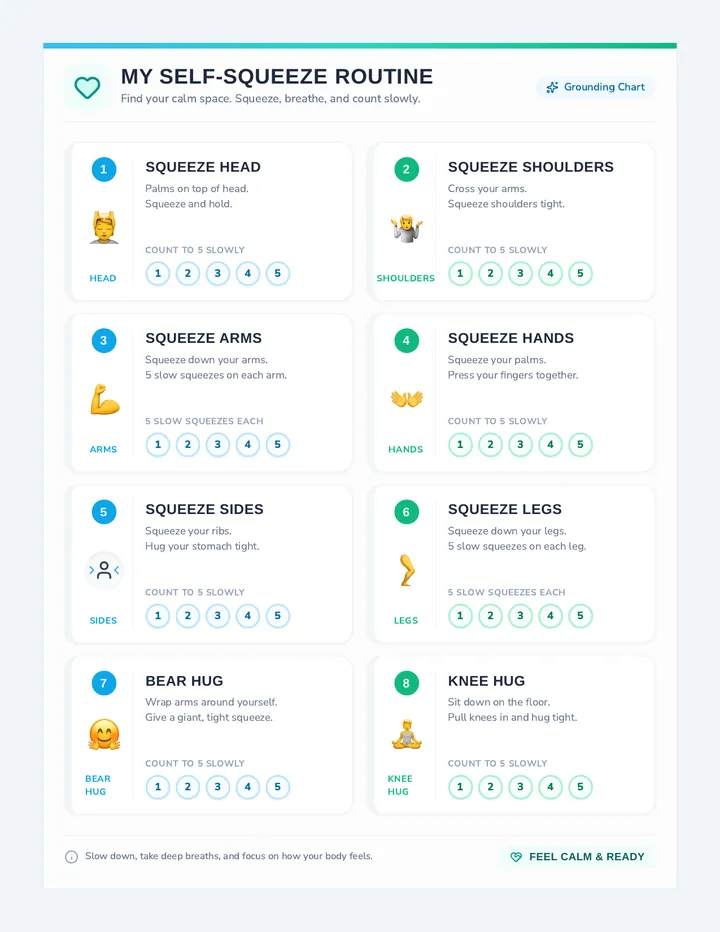
A pediatric grounding and sensory regulation lesson featuring a self-squeeze physical therapy routine to help students self-soothe and calm down.
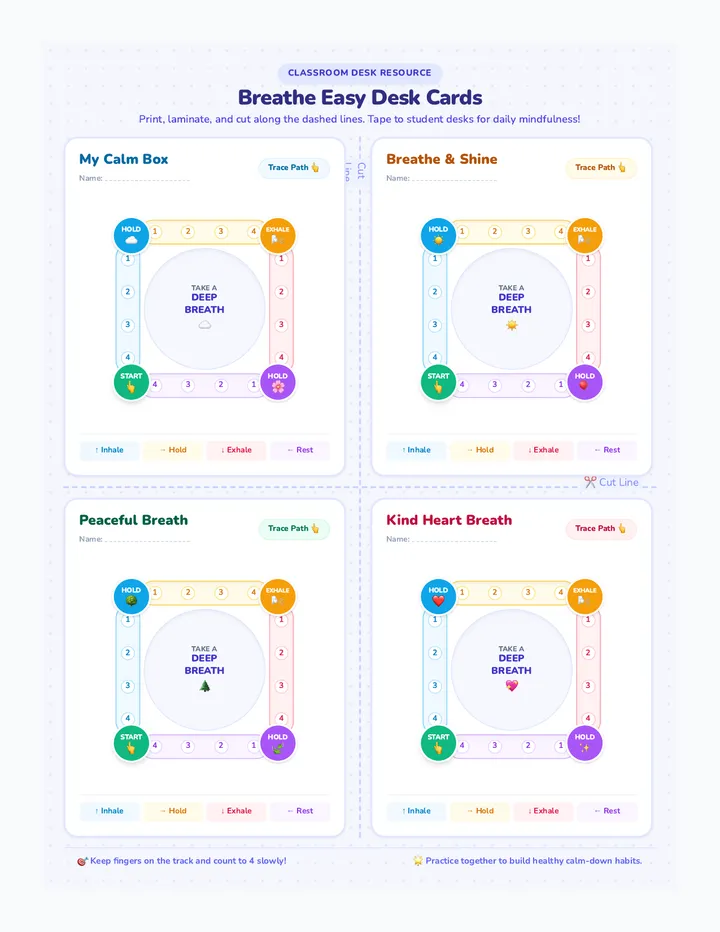
A set of four interactive, color-coded box breathing tracing cards designed to be cut out and taped to first-grade desks. Each card features distinct tactile paths for inhaling, holding, exhaling, and resting, complete with count-to-four tracking dots and child-friendly calming illustrations.