A comprehensive lesson helping teenagers manage psychosomatic anxiety symptoms (nausea, racing heart, shortness of breath) with immediate in-class strategies to prevent class avoidance.
An employment training sequence designed to prepare participants for grocery stocking roles. Through a hands-on workplace simulation and a video-based observation academy, participants develop essential retail skills including product placement, price verification, shelf organization, safety protocols, and customer service.
An observational, video-guided training session where participants watch professional stockers, identifying safety standards, inventory organization, and customer support strategies.
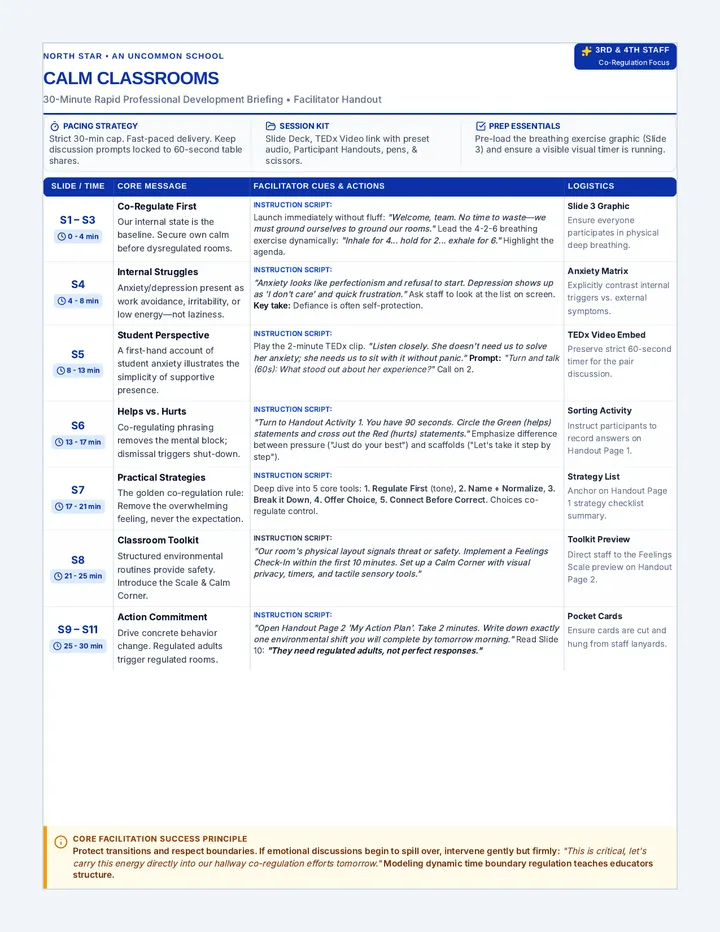
A professional development curriculum for North Star educators focusing on co-regulation, proactive connection, and mental health support.
A highly interactive, hands-on workplace simulation where participants function as the morning stock crew, completing real work orders under a supervisor's direction to open the store on time.
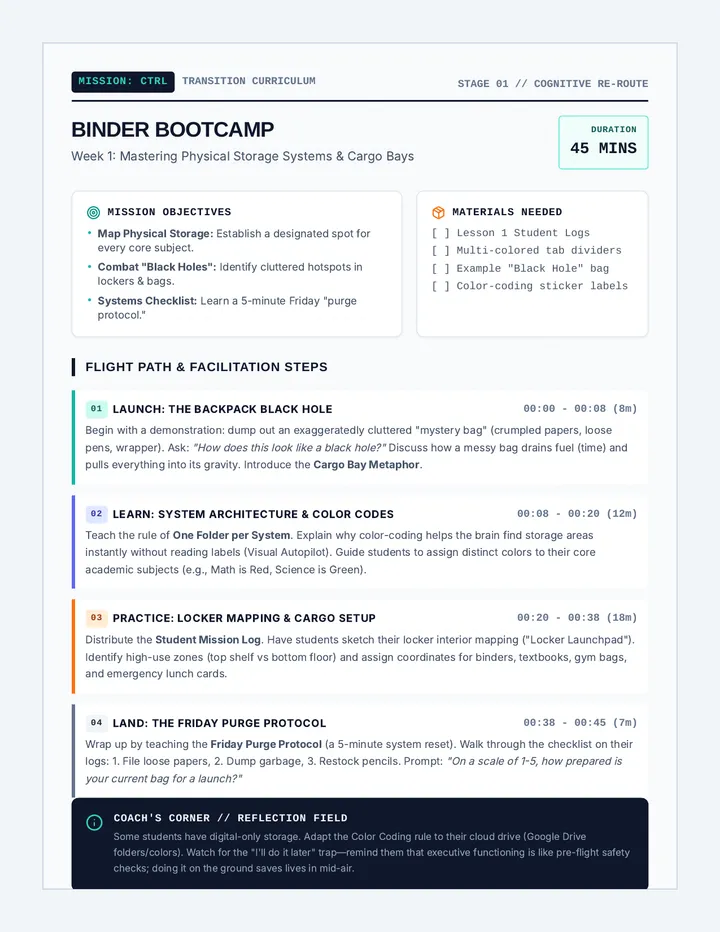
A 6-week small group curriculum designed to build executive functioning skills in transitioning 6th graders. Covers organization, time management, planning, distraction management, goal setting, and stress coping using a highly engaging space-mission theme.
Professional development modules for North Star School staff focusing on cultivating co-regulation, addressing student anxiety, and building strong student rapport.
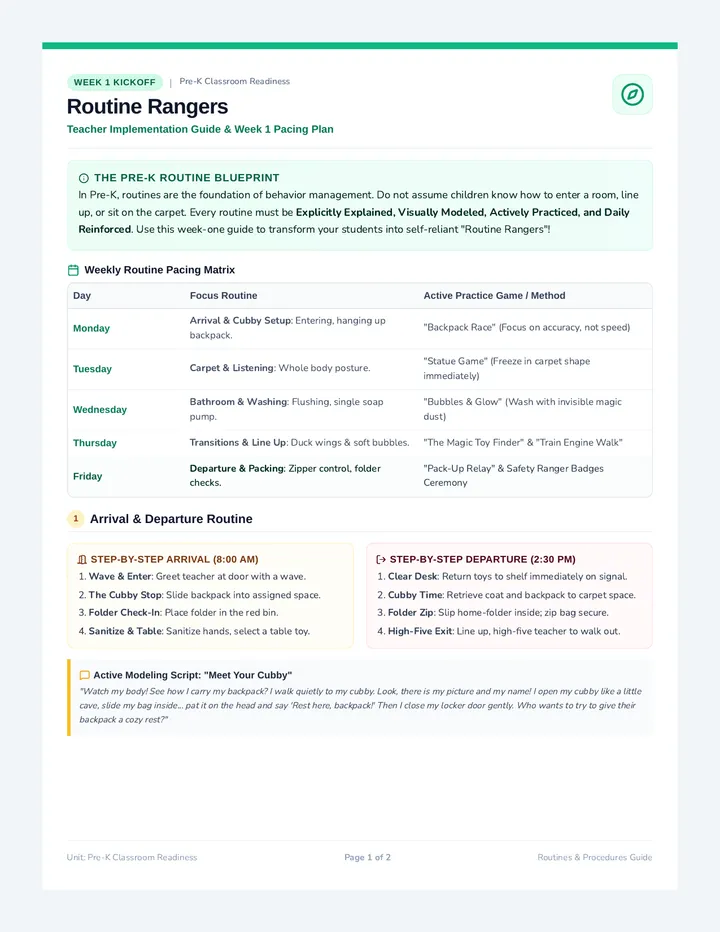
A foundational unit designed to establish essential routines, behavioral expectations, and self-regulation skills in Pre-K students during the critical first weeks of school. Features visual supports, structured practice, and school-to-home partnership resources.
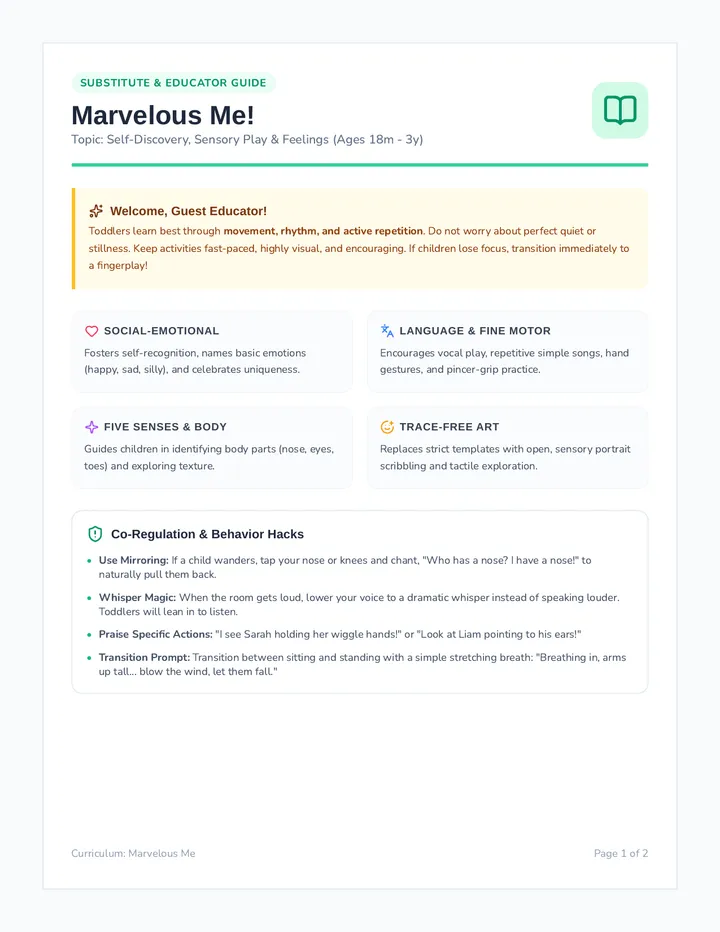
An interactive early childhood lesson plan focused on self-discovery, sensory exploration, and emotional expression. Designed specifically for toddlers aged 18 months to 3 years, featuring high-engagement library circle times, simple fingerplays, songs, and a comprehensive substitute teacher guide.
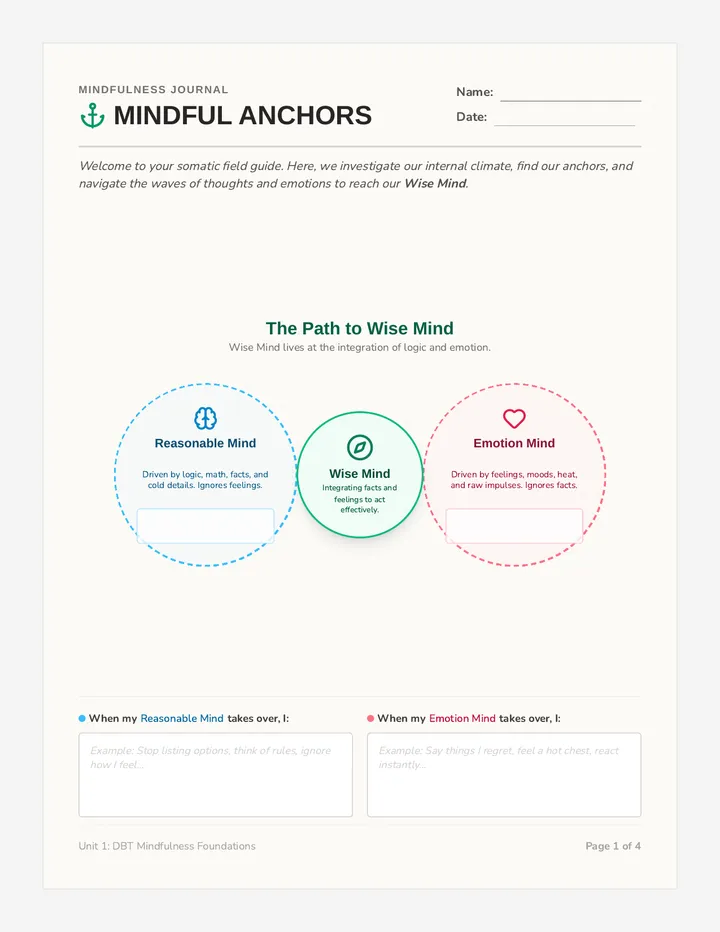
A comprehensive unit on Dialectical Behavior Therapy (DBT) mindfulness skills, taking students from somatic anchoring and cognitive understanding to collaborative, station-based performances that demonstrate 'What' and 'How' skills.