A condensed detective-themed one-page cheat sheet for test preparation, summarizing active recall protocols, timelines, and field tactics for students.
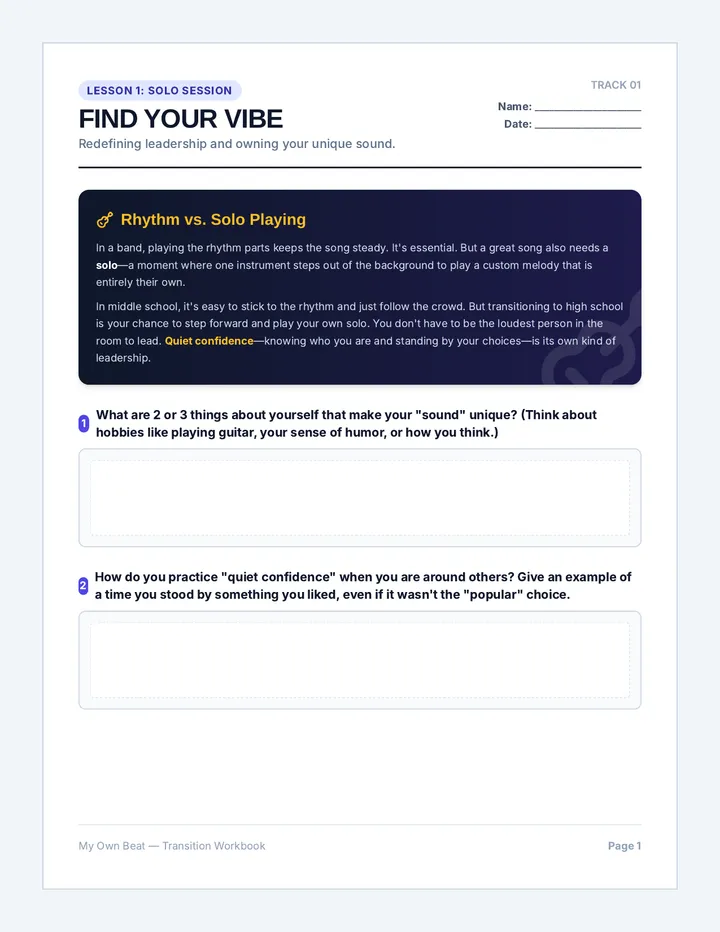
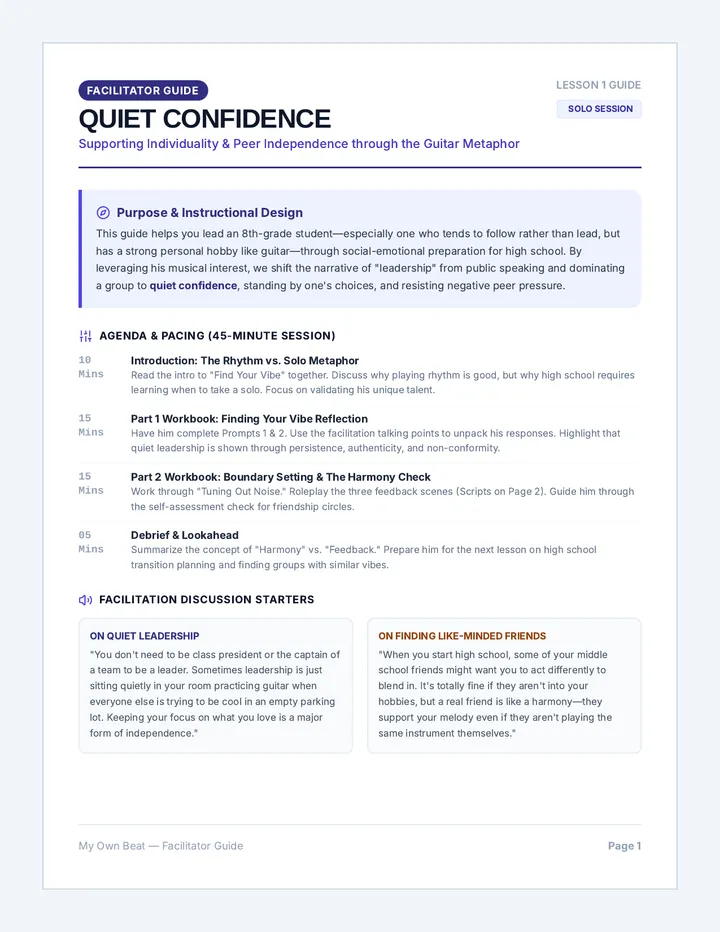
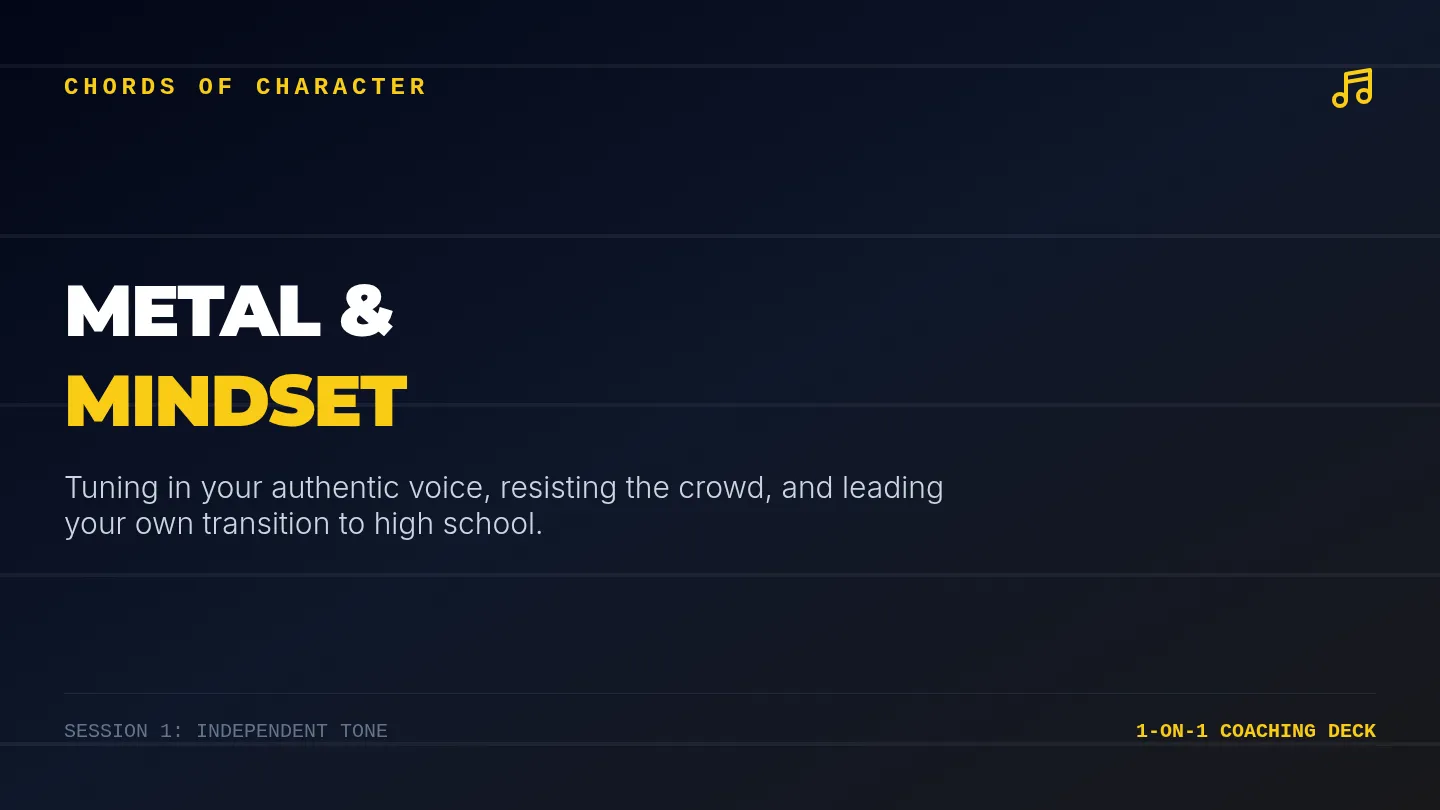
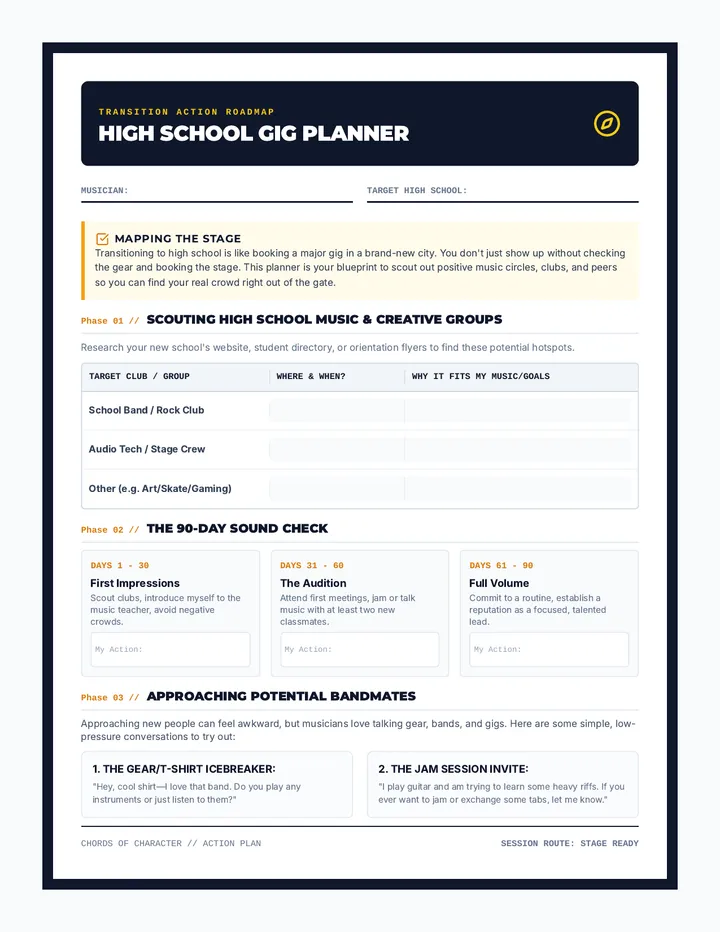
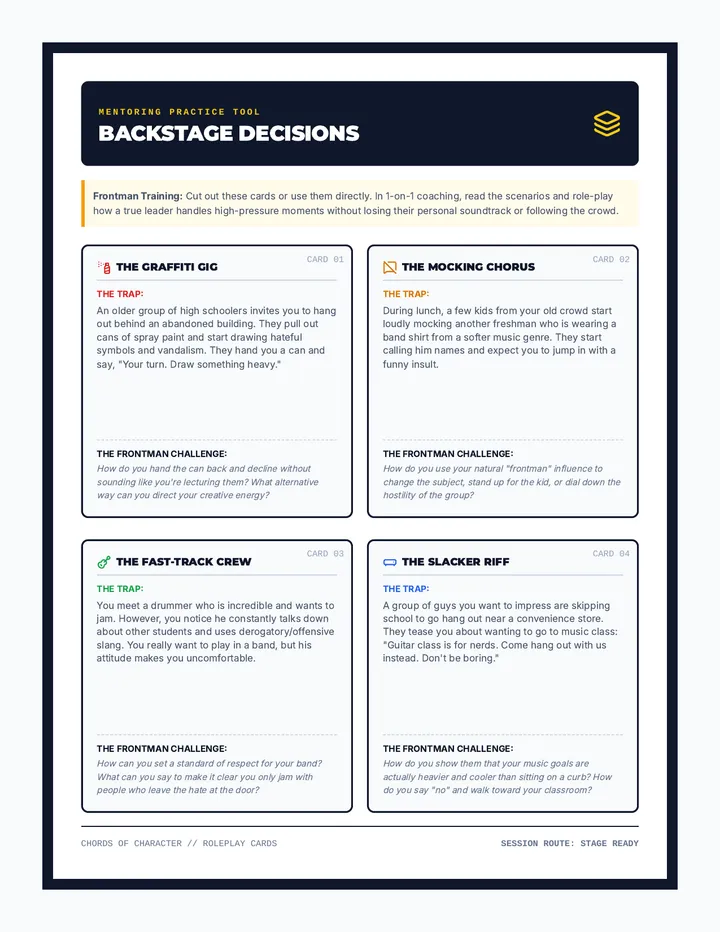
A transition curriculum for an 8th-grade student moving to high school, using music and guitar metaphors to cultivate individuality, self-confidence, independent decision-making, and positive peer connection. This 2-lesson unit empowers him to choose his own path, join clubs aligned with his interests, and build supportive friendships.
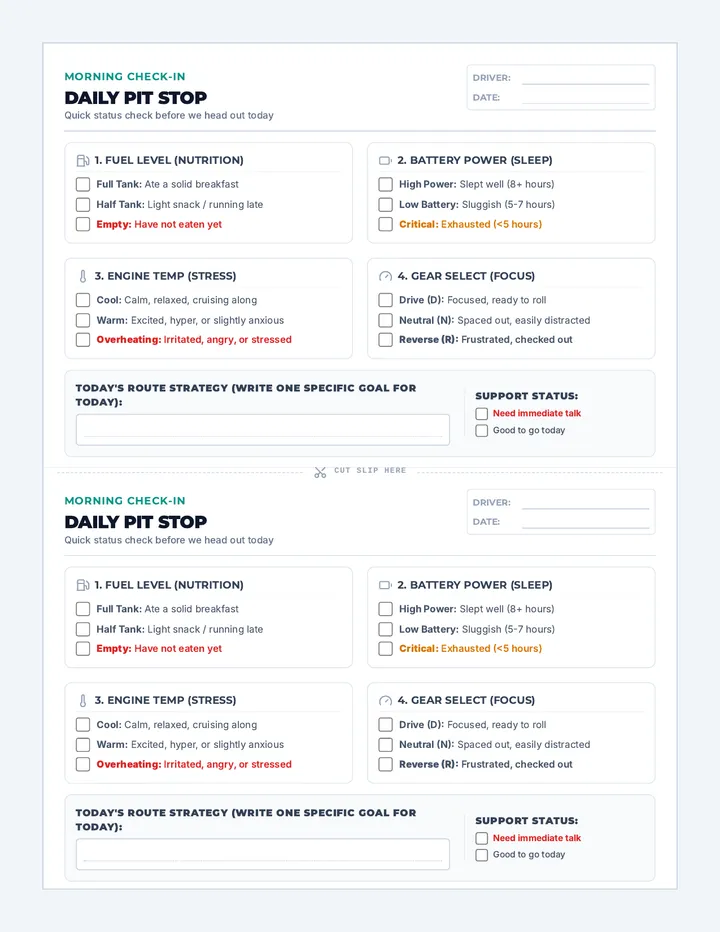
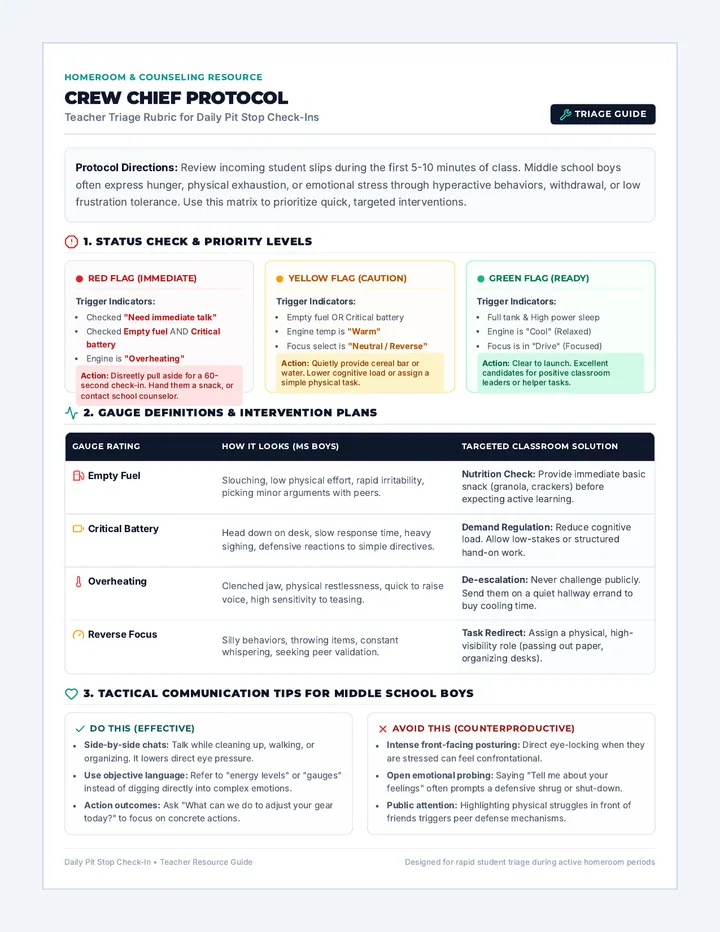
A daily morning check-in system designed for middle school boys to assess basic physical and emotional needs during the final week of school, paired with a teacher triage guide for immediate prioritization and action.
A single-page educator reference guide containing a triage rubric, action items, and student support strategies for physical, emotional, and social needs during the final week of school.
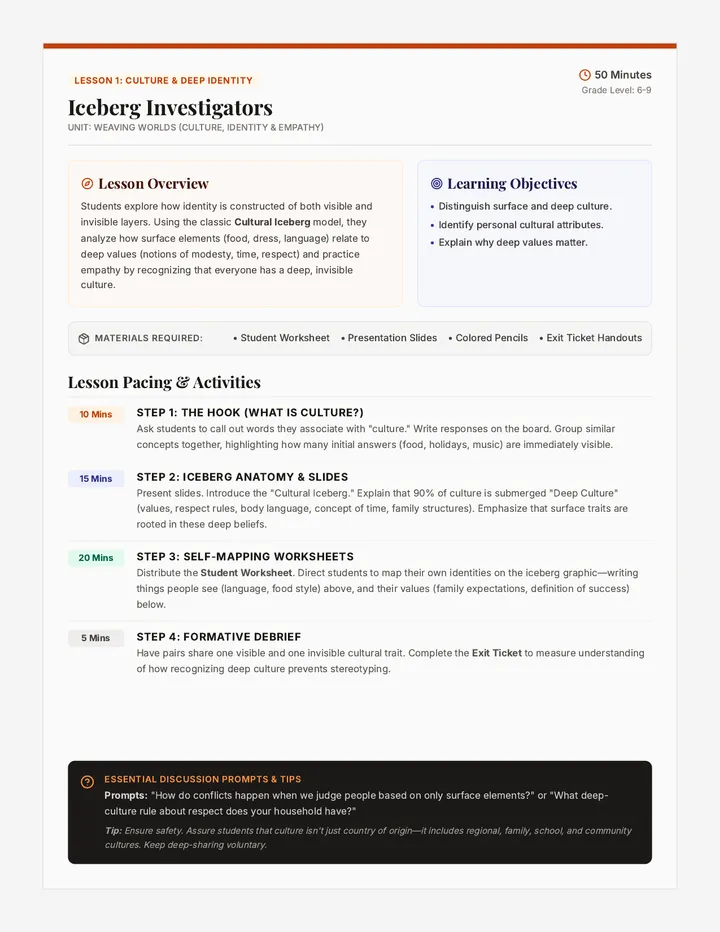
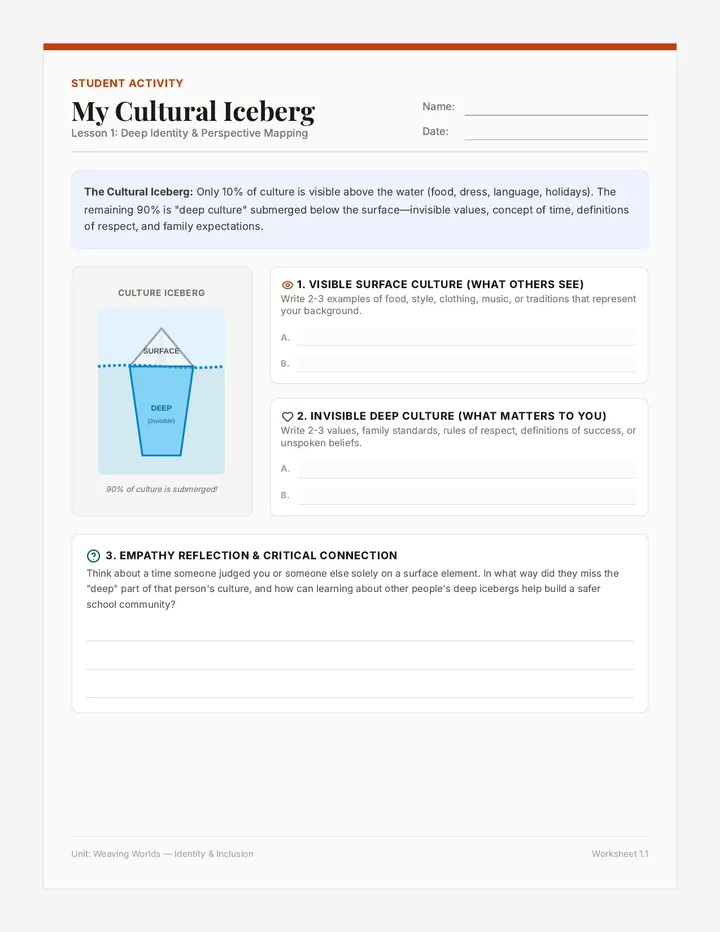
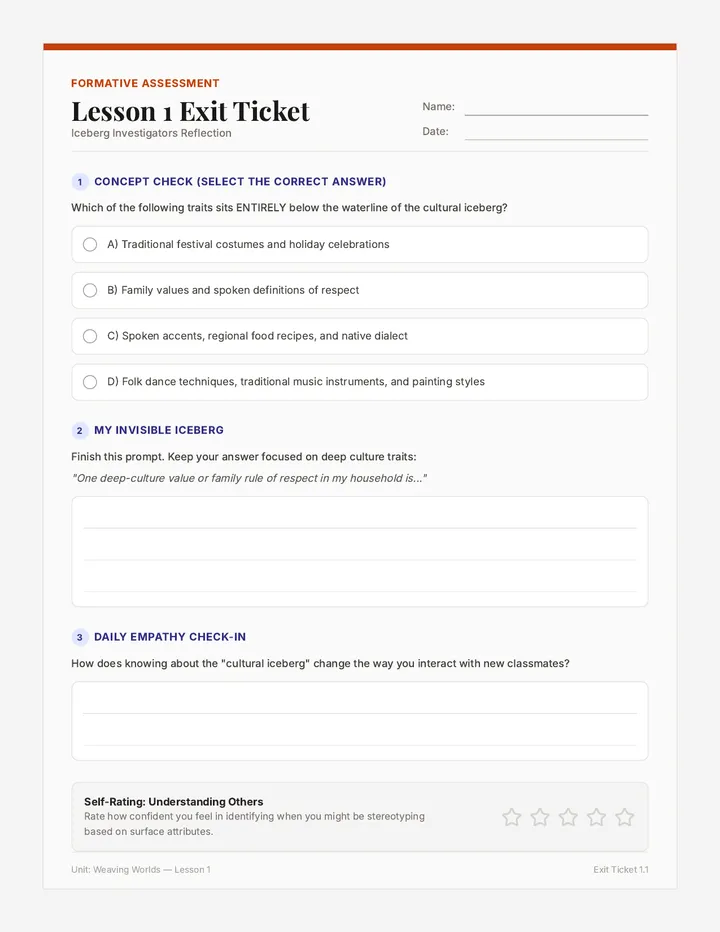
A 3-lesson unit on culture, identity, empathy, and building an inclusive school community. Students explore the cultural iceberg, share personal perspective narratives, and collaborate on actionable school-wide inclusion plans.
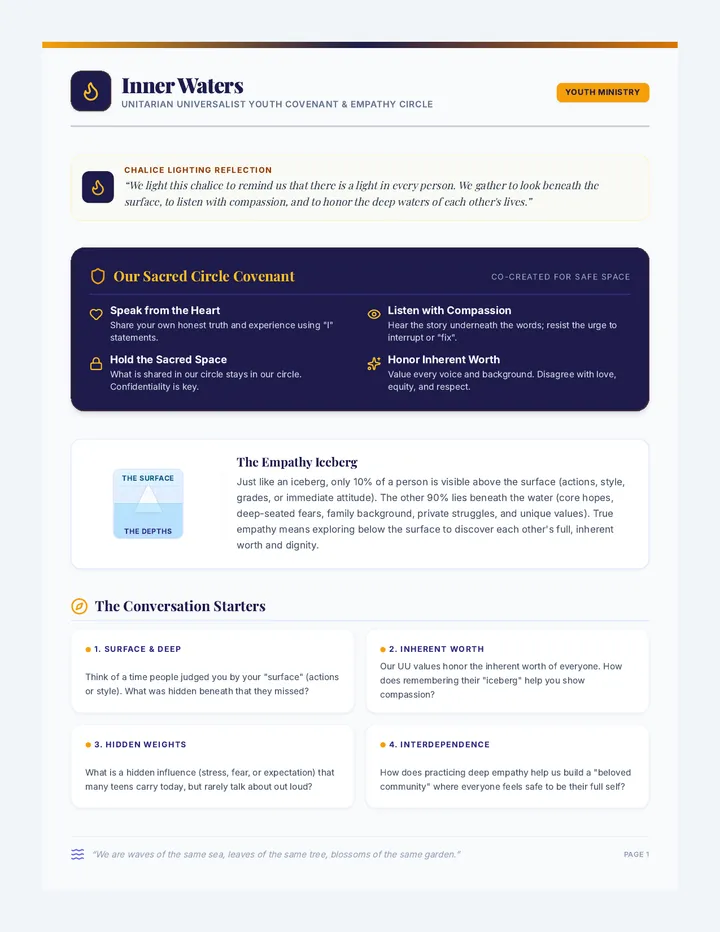
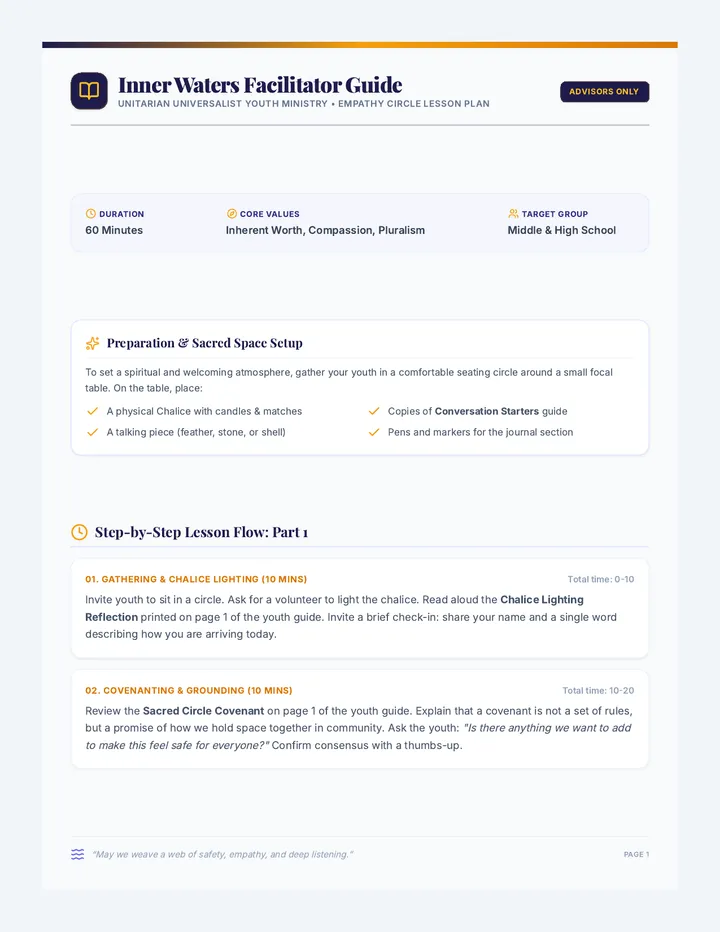
A Unitarian Universalist youth group session designed to foster empathy, respect, and deep connection using the Empathy Iceberg model, small-group covenants, and a sacred chalice ritual.
A printable booklet containing 6 daily half-page morning check-in slips (Days 1 to 6) featuring game-dashboard style needs assessments (food, sleep, mood, energy) tailored for middle school boys.
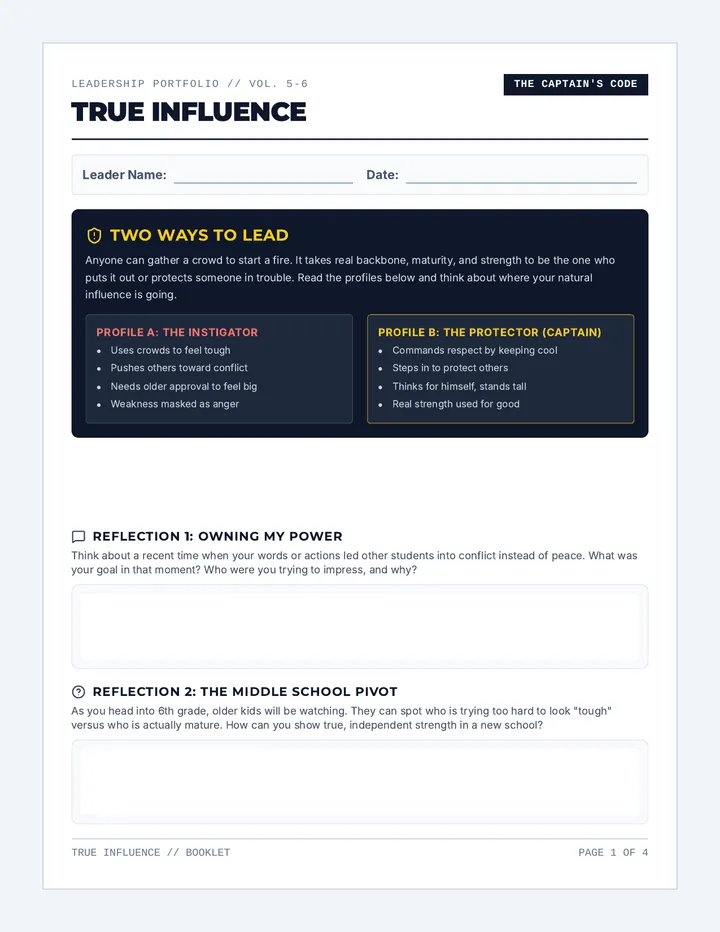
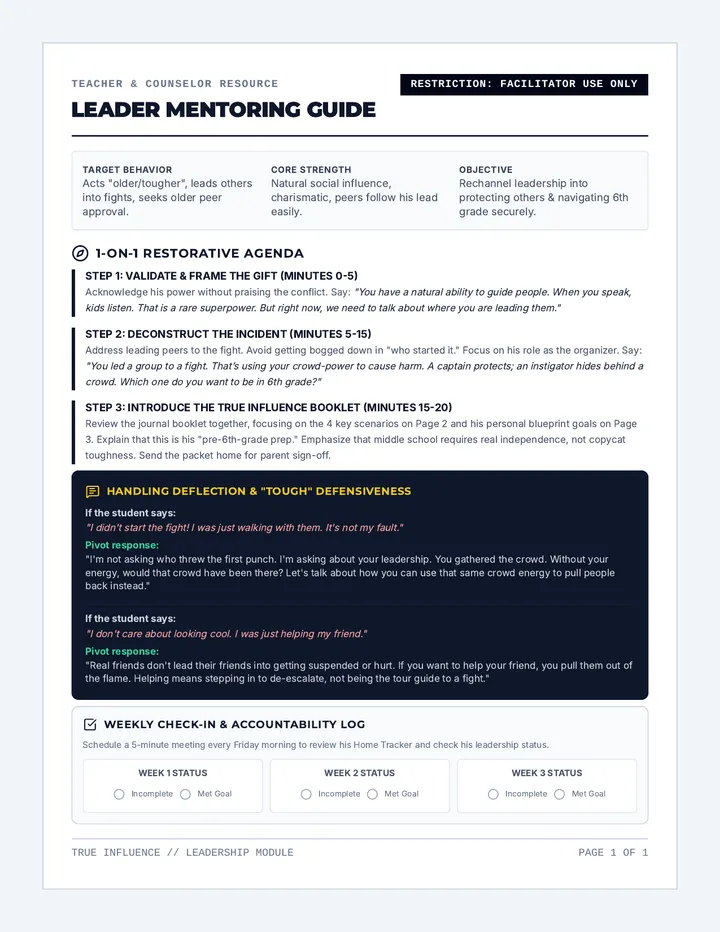
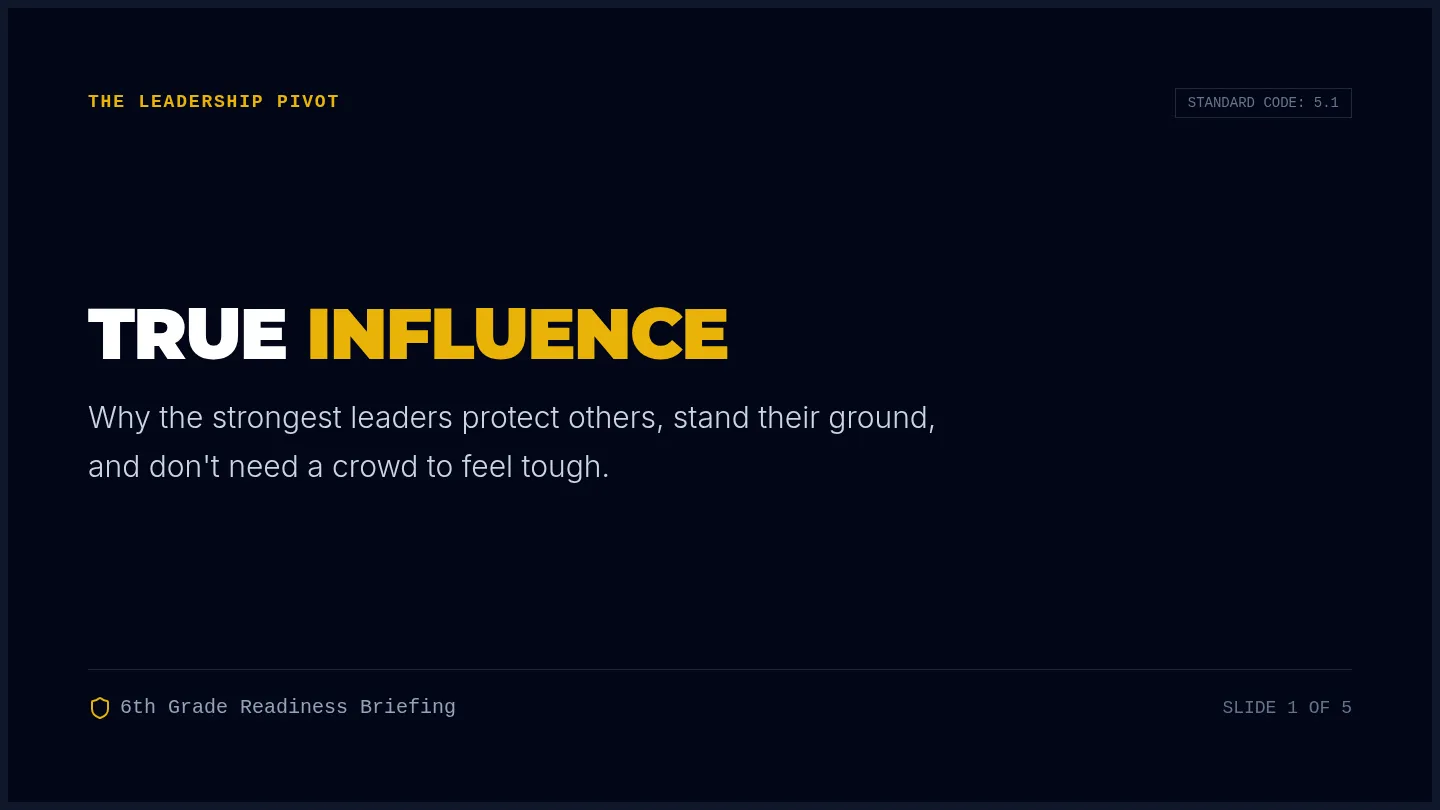
A comprehensive restorative leadership and peer advocacy sequence designed for students transitioning to middle school. It guides students from understanding their social influence to actively protecting peers and spreading positive school culture.
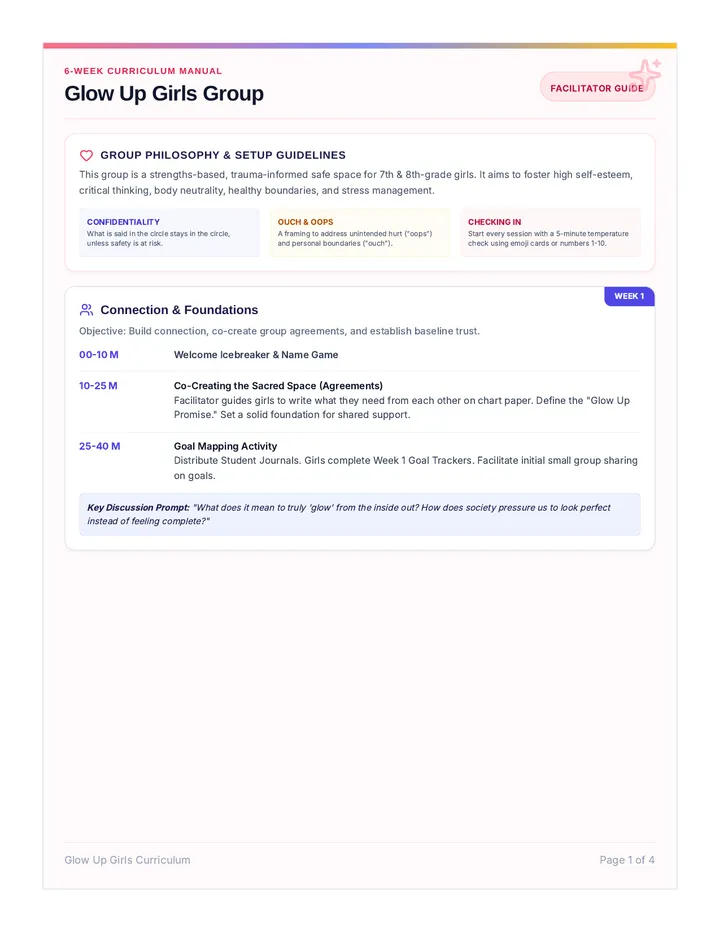
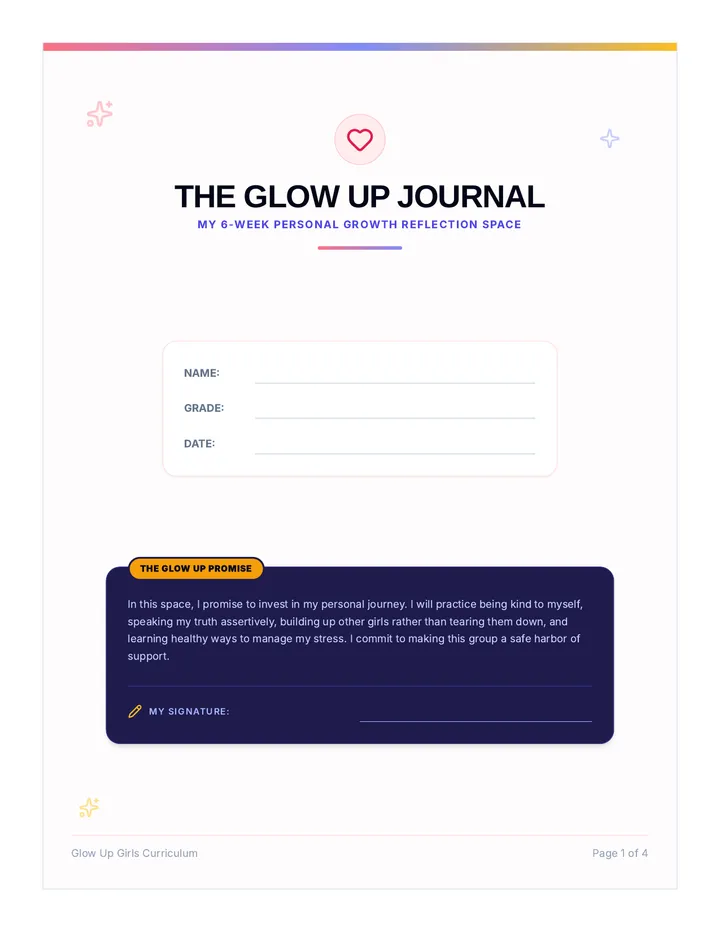
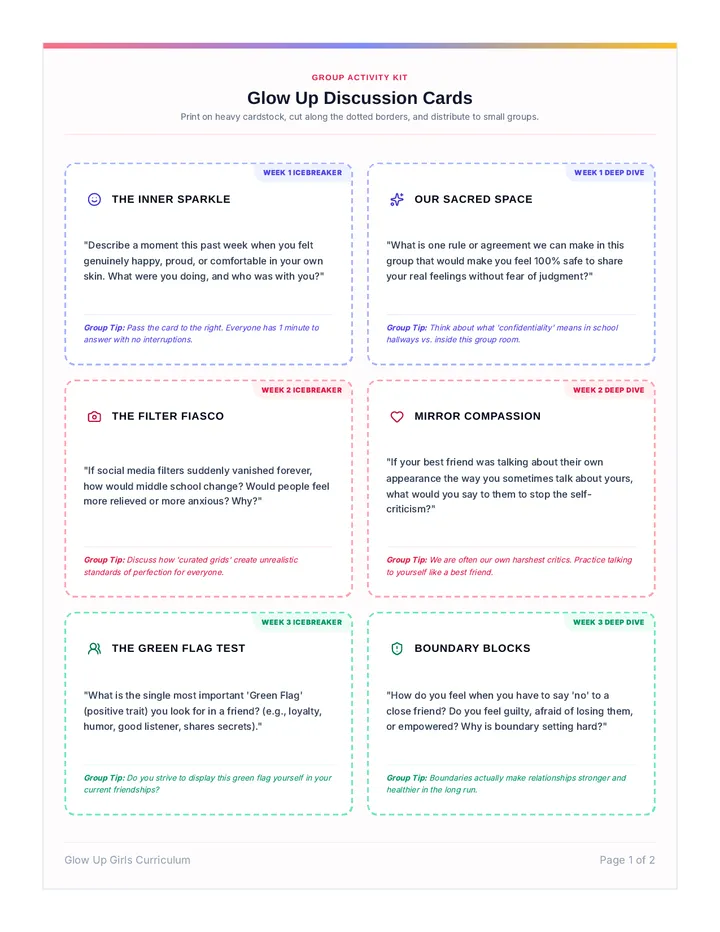
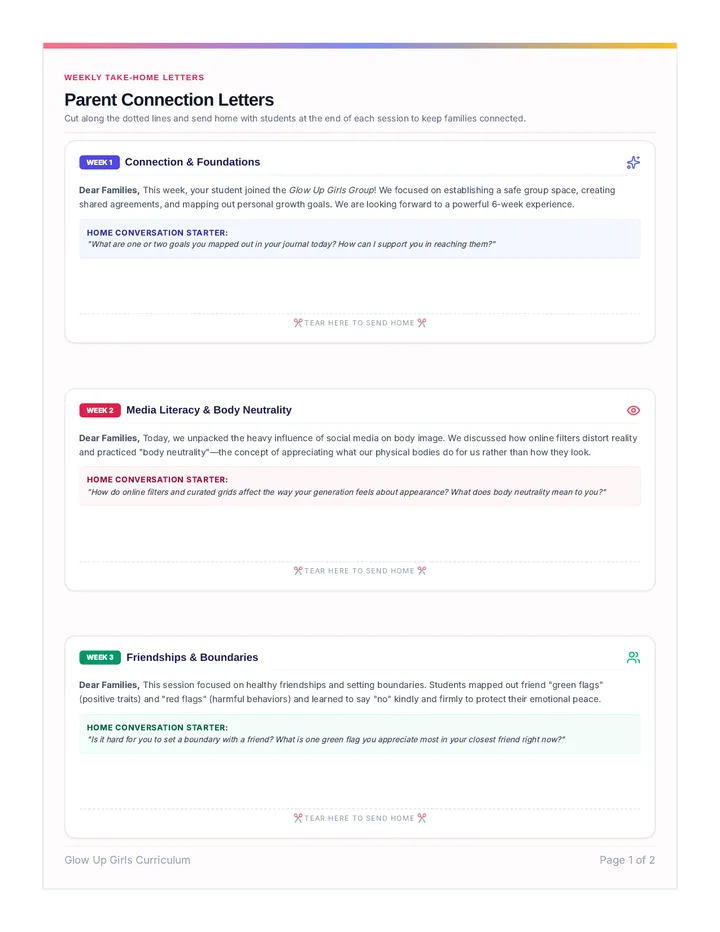
A comprehensive 6-week social-emotional curriculum designed for middle school girls in grades 7-8. It includes a facilitator manual, reflection journals, discussion starters, and parent engagement letters focusing on self-esteem, friendship, coping tools, and empowerment.
A 2-page session guide for Unitarian Universalist youth advisors. It outlines a 60-minute empathy curriculum, including chalice readings, small-group covenanting, active listening exercises, and guidelines for managing sensitive discussions.
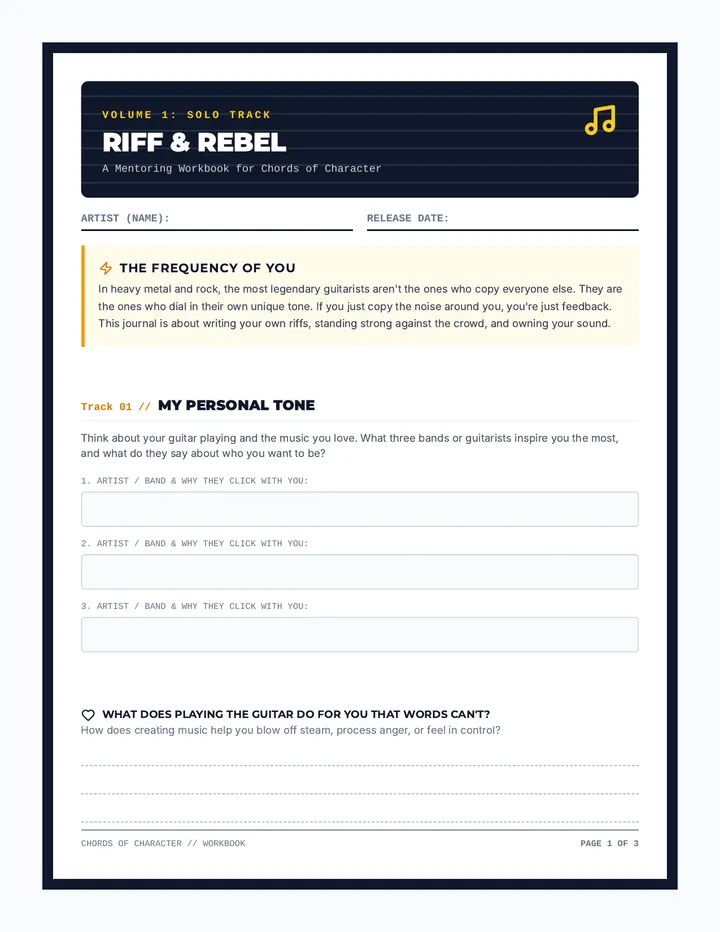
A transition curriculum linking heavy metal passion with character, true rebellion, and leadership. Features an in-school coaching workshop and a parallel at-home action journal for tonight.
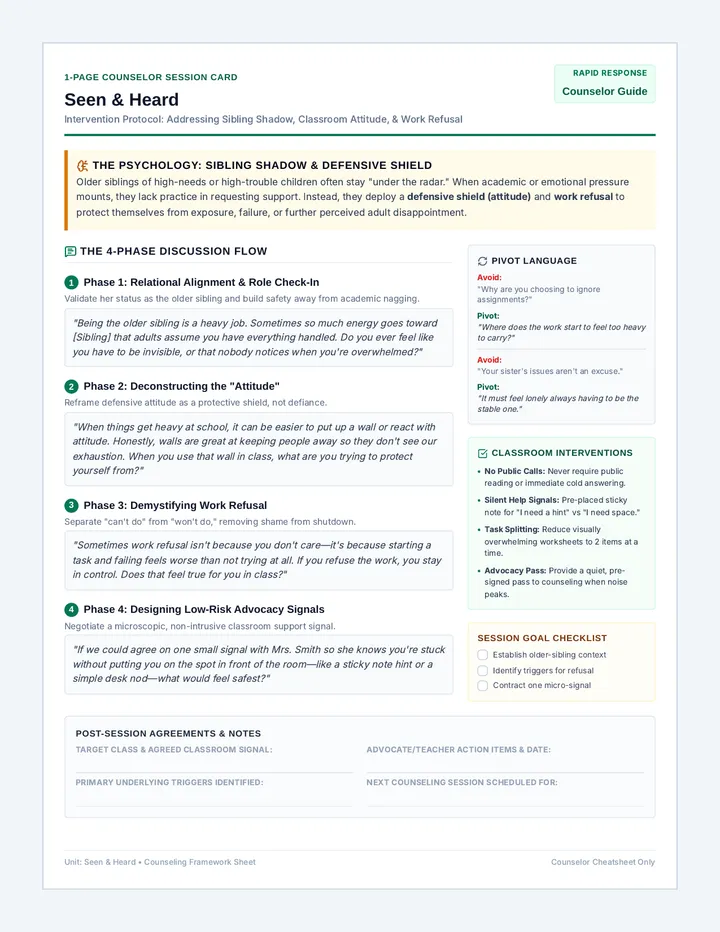
A counseling framework and student reflection toolkit designed to address school attitude, work refusal, and the emotional impact of feeling overshadowed or overlooked at home and school.
A 2-page discussion guide and personal journal designed for Unitarian Universalist youth groups. It contains a sacred circle covenant, chalice readings, empathy iceberg reflections, and small group prompts centered on inherent worth and interdependence.