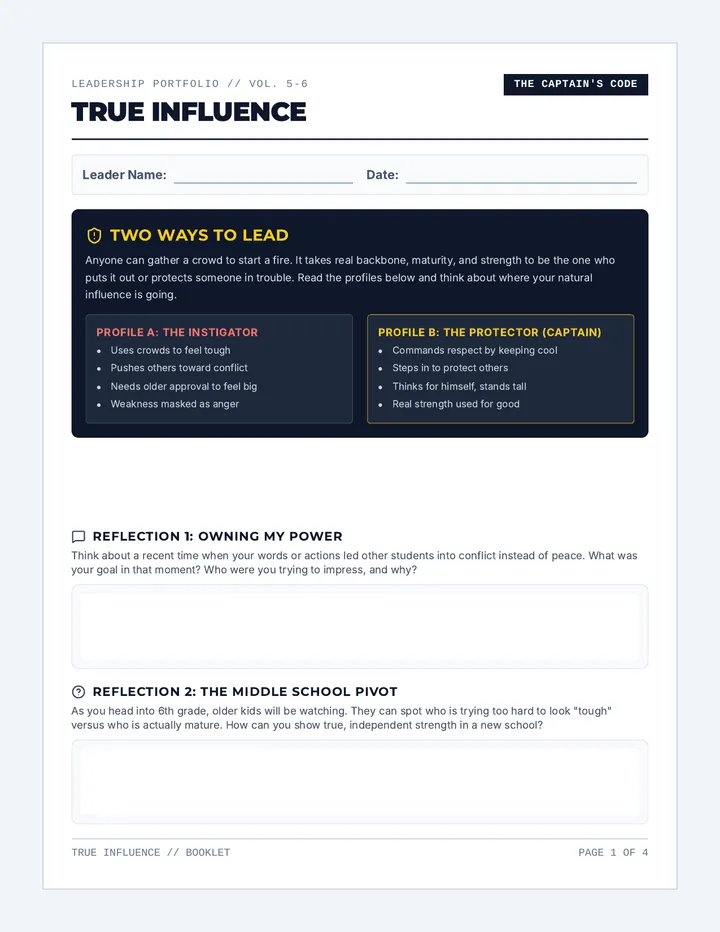
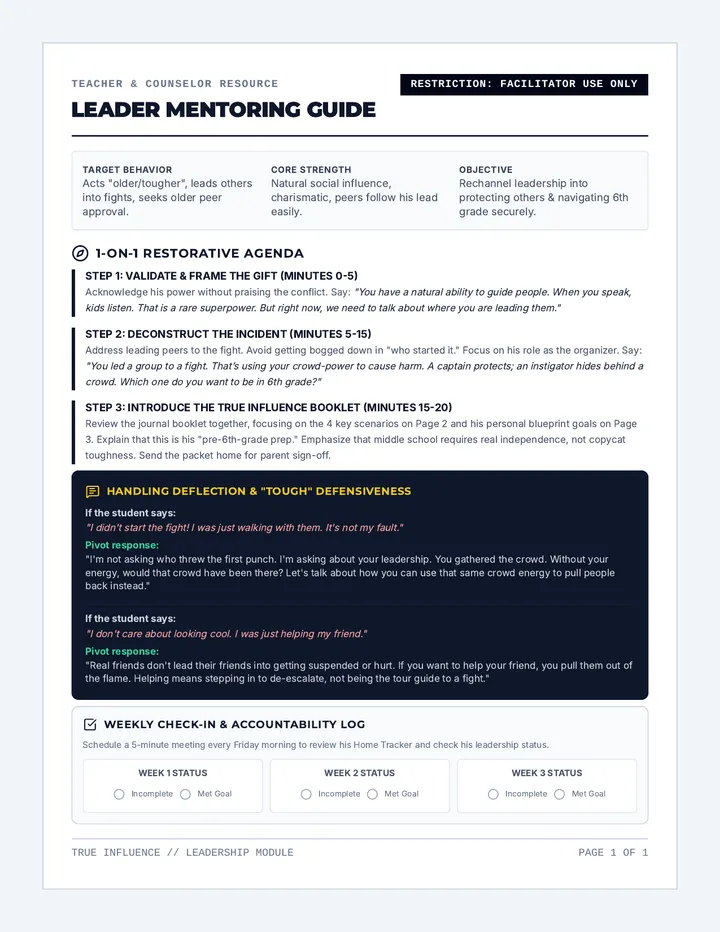
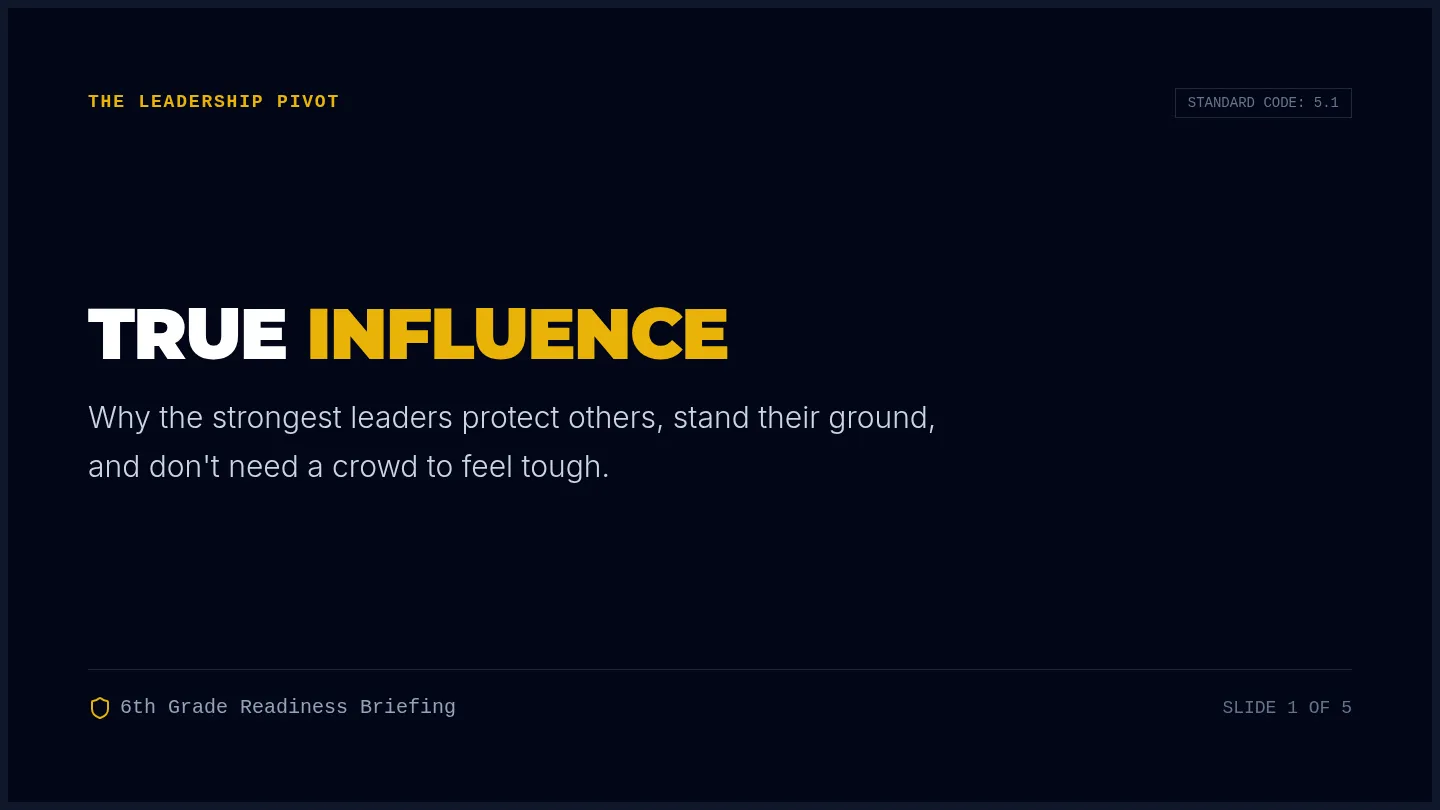
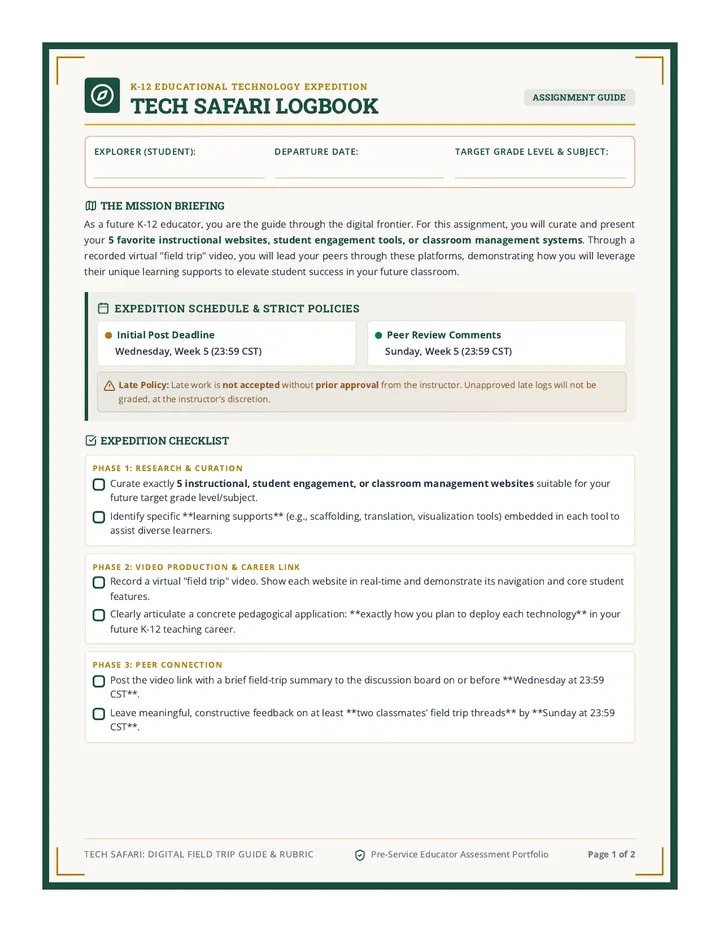
A comprehensive facilitator guide for the Goal-Getter Academy PD session, featuring preparation checklists, material requirements, and a detailed 60-minute instructional timeline.
A printable set of three "Feeling Detective" badges. Each badge features the 3-step self-regulation plan, a list of core emotions, and a sentence frame for easy reference by 1st-grade students.
A teacher facilitation guide for the 'Thought Detective' lesson, providing instructional steps, example walkthroughs, and troubleshooting tips for the evidence for/against technique.
Visual instructional slides for the 'Thought Detective' lesson, introducing the difference between facts and opinions and the cross-examination process.
A student-facing journal worksheet designed as a 'Thought Investigation' to help students practice the evidence for/against CBT technique.
A student reflection worksheet for after-task completion, focusing on recognizing the challenge faced, tools used, and the positive feeling of finishing hard work.
An emotional regulation anchor chart using garden weather metaphors (Storm, Clouds, Sun) to help students identify their feelings and choose coping actions.
A set of 7 pre-filled garden-themed executive function task cards and 4 customizable cards for student use. Cards are standardized in size for easy cutting.
A visual toolkit poster featuring four executive function strategies (timer, breathing, task breakdown, workspace clearing) framed as garden tools.
A goal-setting worksheet where students identify their 'sunlight' (motivation), 'weeds' (challenges), and a growth affirmation phrase.
A visual anchor chart comparing a 'Stuck Seed' (fixed mindset) with a 'Strong Sprout' (growth mindset) using garden metaphors to encourage persistence.
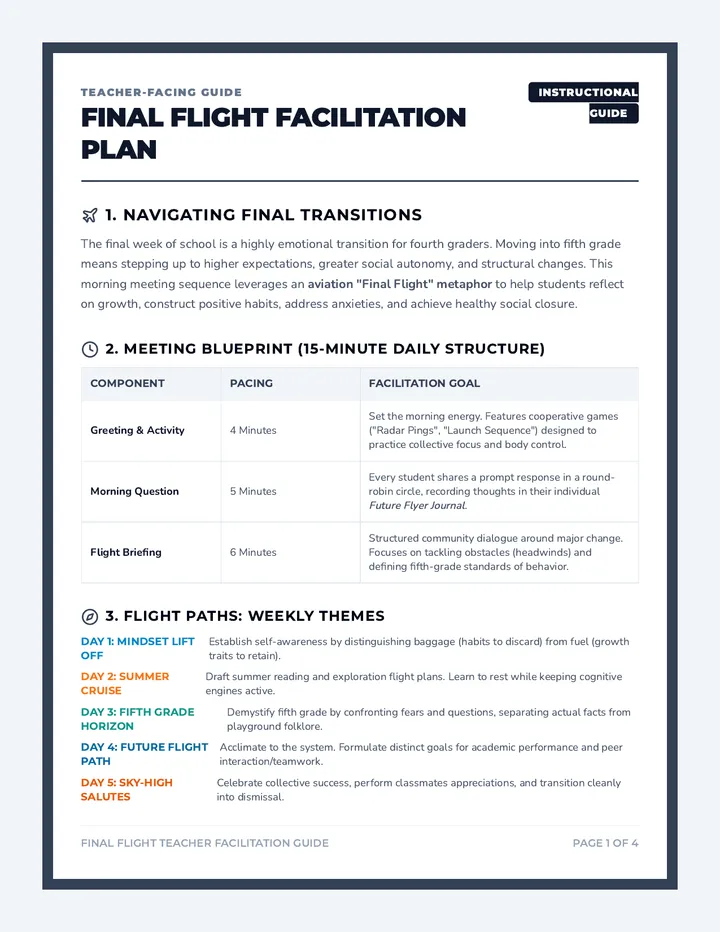
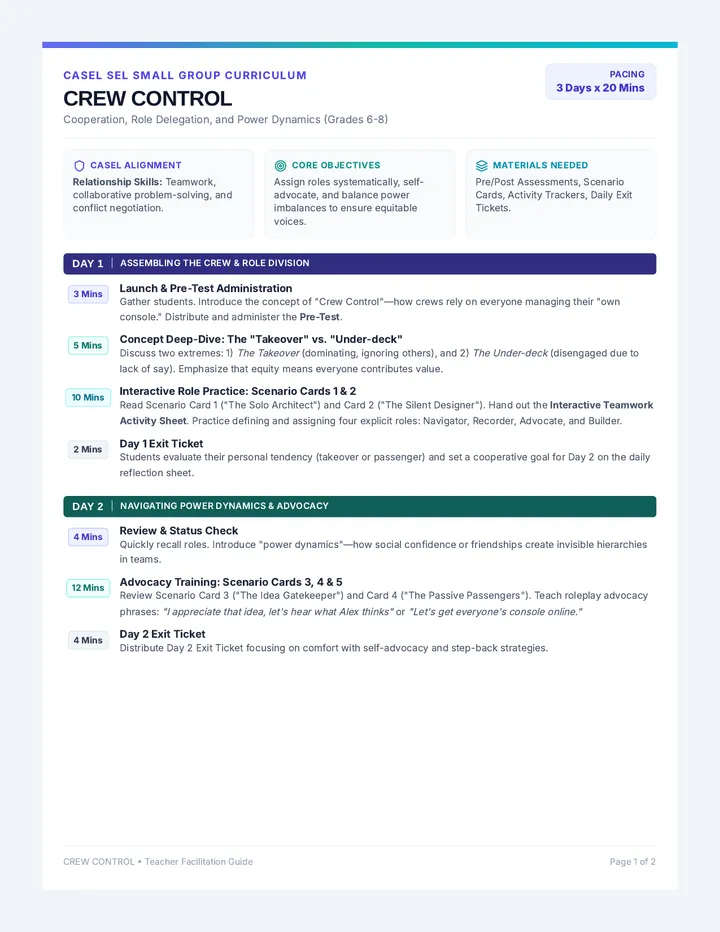
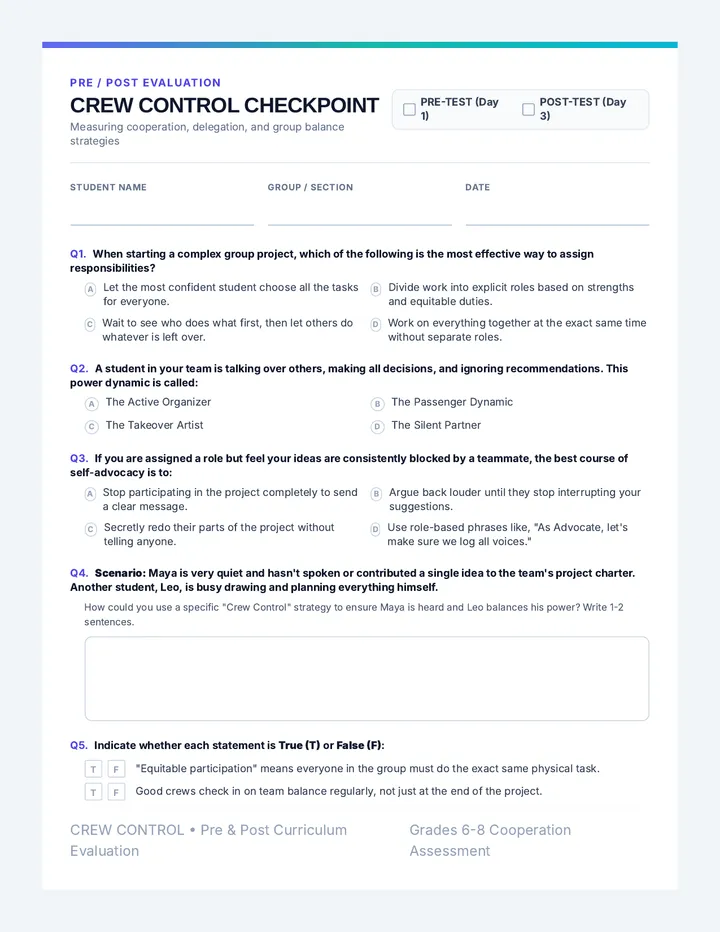
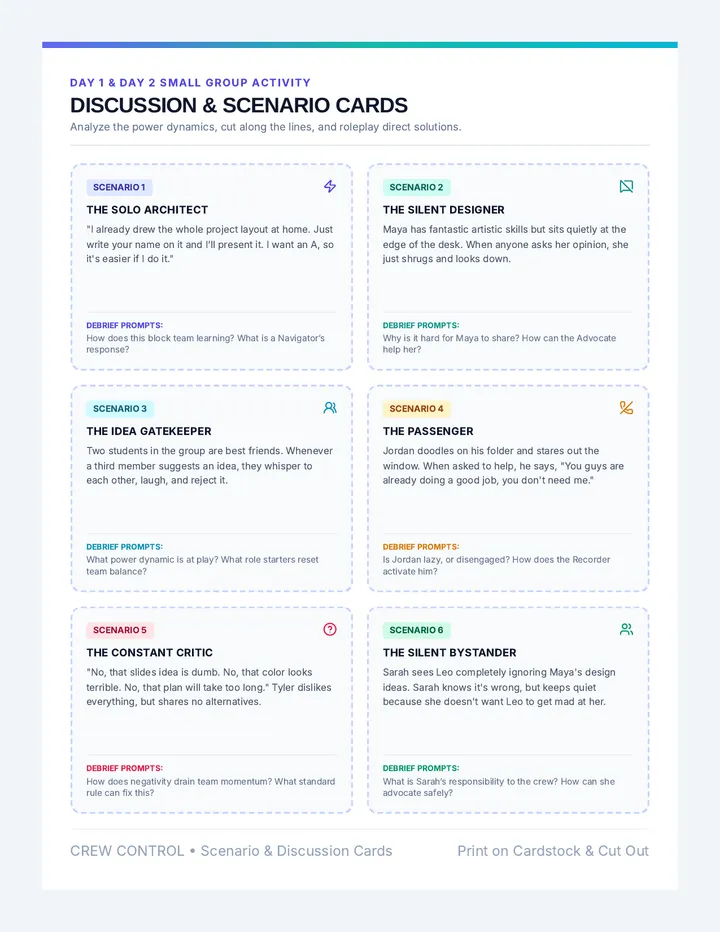
A 3-day teacher guide for the 'Growth Gardeners' curriculum, providing lesson plans for mindset, executive function, and emotional regulation using a garden theme.
A comprehensive guide for teachers to facilitate 'The Resilient Mind' lesson, including pacing, discussion prompts, and strategies for addressing common student misconceptions.
A scenario-based worksheet where students apply the P.I.V.O.T. technique to academic, social, and personal setbacks typical of the end of the school year.
A visually striking slide deck following a blueprint/engineering theme. It introduces neuroplasticity and teaches the P.I.V.O.T. technique for reframing end-of-year setbacks.
An informative reading passage using the metaphor of bridge engineering to explain neuroplasticity and cognitive flexibility to middle school students.
A blueprint-themed warm-up document where students assess their current stress levels and identify a specific 'obstacle' contributing to end-of-year burnout.
An emotional regulation anchor chart using a flight altitude metaphor (Red/Yellow/Green zones) to help students identify their emotional state and choose appropriate coping actions.
A set of 7 executive functioning task cards featuring common classroom scenarios with 'pilot tools' and 1 customizable card for student use.
A visual strategy poster offering four concrete executive functioning tools (timer, breathing, breaking down tasks, and clearing workspace) to support sustained attention.
A student worksheet for identifying academic goals, recognizing difficult tasks as 'turbulence', and creating personalized growth mindset affirmations.
A visual anchor chart comparing fixed and growth mindsets using a flight hangar vs. takeoff metaphor, designed to encourage resilience in young students.
A comprehensive 3-day teacher guide outlining the 'Power Up Pilots' curriculum, providing lesson plans for growth mindset, executive function, and emotional regulation.
Teacher facilitation guide for the post-simulation discussion. Includes specific prompts, reflection questions, and key financial literacy takeaways to solidify student learning.
Financial simulation tracker where students record a month's worth of 'Reality Check' events and adjust their budget balance. Includes printable event cards for teacher use.
Student worksheet for the Independent Life Lab. Students select a career profile and make initial financial choices for housing, transportation, and lifestyle to establish their base monthly budget.
Instructional slide deck for the Independent Life Lab, covering gross vs. net income, fixed/variable expenses, and introducing the 'Life Happens' simulation mechanic.
Teacher's guide for the Independent Life Lab simulation, featuring lesson objectives, pacing, facilitator tips, and differentiation strategies for grades 11-12.
A student practice worksheet styled as a detective's case file. It features a bank of seven core emotions and a structured area for students to practice the 3-step plan using a specific sentence frame across two clear, spacious pages.
An engaging story about Detective Dash, who uses a 3-step self-regulation plan to manage his anger when he loses his favorite ball. Perfect for modeling emotional identification and strategy selection for 1st graders.
A comprehensive teacher guide for a 1st-grade counseling lesson on identifying feelings. Includes a 3-step self-regulation plan (Stop, Think, Choose) and structured instructional steps for a small group setting.
A teacher's facilitation guide for 'Peace Play' instruction, including scripts, role-play tips, and strategies for helping kindergarteners handle peer pressure and friendship-based manipulation. Now includes a scenario reference table.
A set of 6 printable conflict resolution cards for kindergarteners, featuring relatable playground scenarios and peer pressure situations to practice 'I-feel' statements.
A set of printable decorative icons and shapes like suns, sunglasses, and ice cream to embellish the summer bulletin board.
A comprehensive directory of community resources for families, categorized by need including food, housing, health, and crisis support.
A collection of decorative headers and matching advice cards covering safety, learning, planning, and well-being for a summer-ready student.
Large, visually engaging header and footer banners for the summer-themed bulletin board, featuring bright colors and summer motifs.
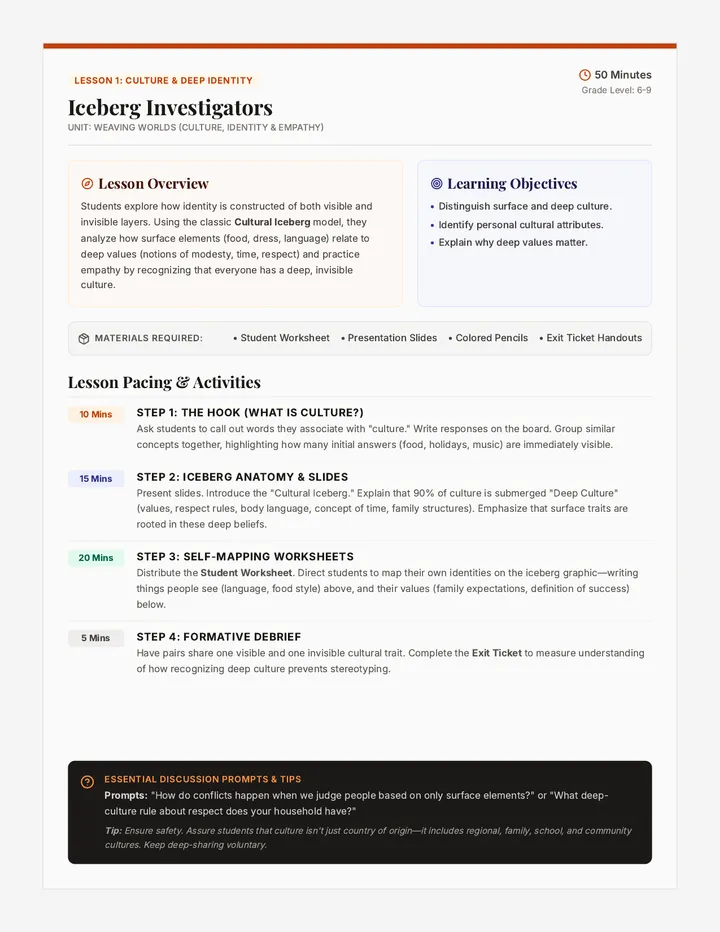
A detailed teacher facilitation guide for the 'Mind Mechanics' lesson, including learning objectives, a timed pacing guide, discussion prompts, and a full answer key for the student worksheet.
A student-facing worksheet to accompany the 'System Override' presentation, providing exercises in bias identification, logical fallacy matching, and source evaluation using the CRAAP test.
A 15-slide interactive presentation designed for high schoolers on the fundamentals of critical thinking, featuring a modern 'System Override' tech theme. Includes detailed speaker notes for educators.
A detailed facilitator guide for educators to lead the GED Game Plan lesson, including discussion prompts, activity instructions, and key talking points.
A quick-reference sheet debunking common misconceptions about the GED exam, designed for young adult learners.
A personal goal-setting and self-assessment worksheet for young adults to track their progress and plan their GED testing journey.
A visual presentation explaining the GED exam for young adults, covering benefits, subject breakdowns, scoring, and next steps with a modern 'blueprint' aesthetic.
A highly visual social story designed for students using AAC or who are minimally verbal. It explains the 'Peace Petals' framework through simple panels, repetitive language, and clear symbol support. Includes a final printable coloring page.
Visual regulation cards designed for preschoolers to carry as a "toolkit" for managing emotional reactions to change and transition.
A visual mapping activity to help preschoolers conceptualize the timeline from their current classroom, through summer, into their new classroom.
An instructional presentation focusing on the transition to a new classroom or school, highlighting stability and providing regulation "tools" for the change.
A printable memory craft featuring a flower template where preschoolers can draw their favorite school year memories to provide positive closure.
A visual presentation using nature metaphors to help preschoolers understand and process the end-of-year transition and the "big feelings" that come with it.