A comprehensive teacher guide for the Emotion Charades lesson, including objectives, preparation steps, and a timed instructional procedure.
A comprehensive social skills curriculum sequence designed for small groups (specifically 3rd graders) to master recognizing feelings, conversational turn-taking, and conflict resolution over three structured lessons, including visual prompts, role-play scripts, and teacher guides with tracking tools.
Students learn to use constructive 'I-statements' and collaborative problem-solving scripts to de-escalate and resolve minor conflicts with peers.
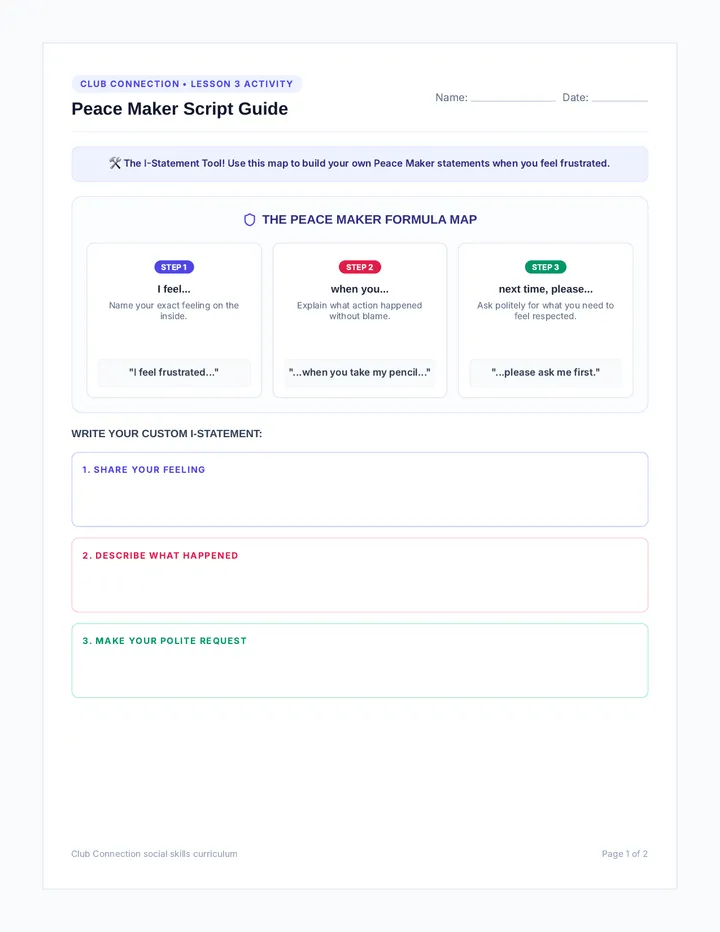
Student-facing Peace Maker Script Guide and Scenario Practice Cards. Features a structured 3-step 'I-statement' visual helper and 4 role-play scenario cards depicting common third-grade playground and classroom conflicts.
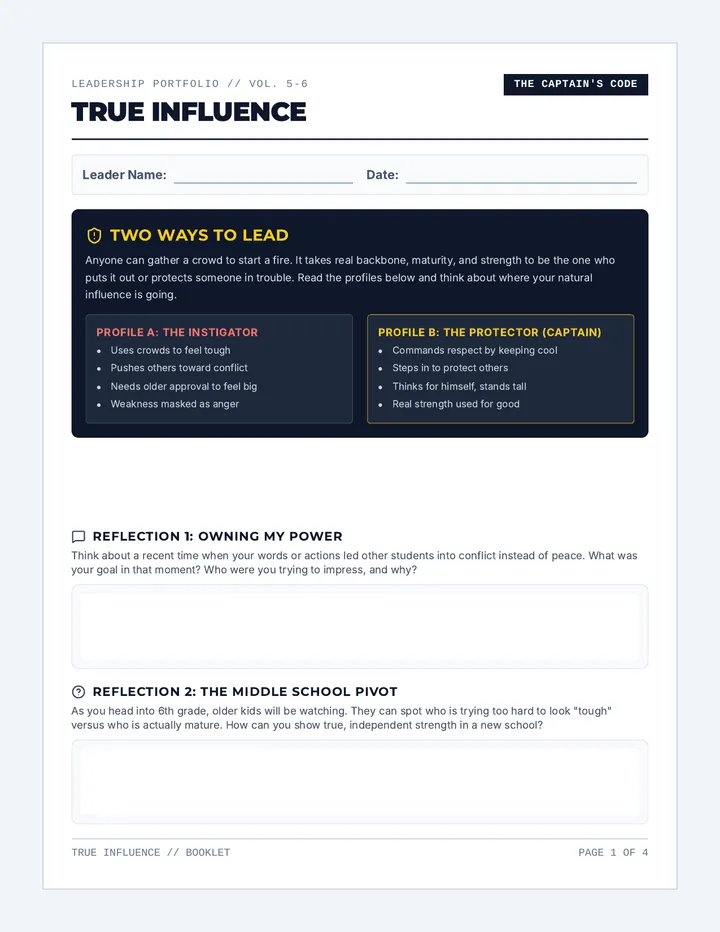
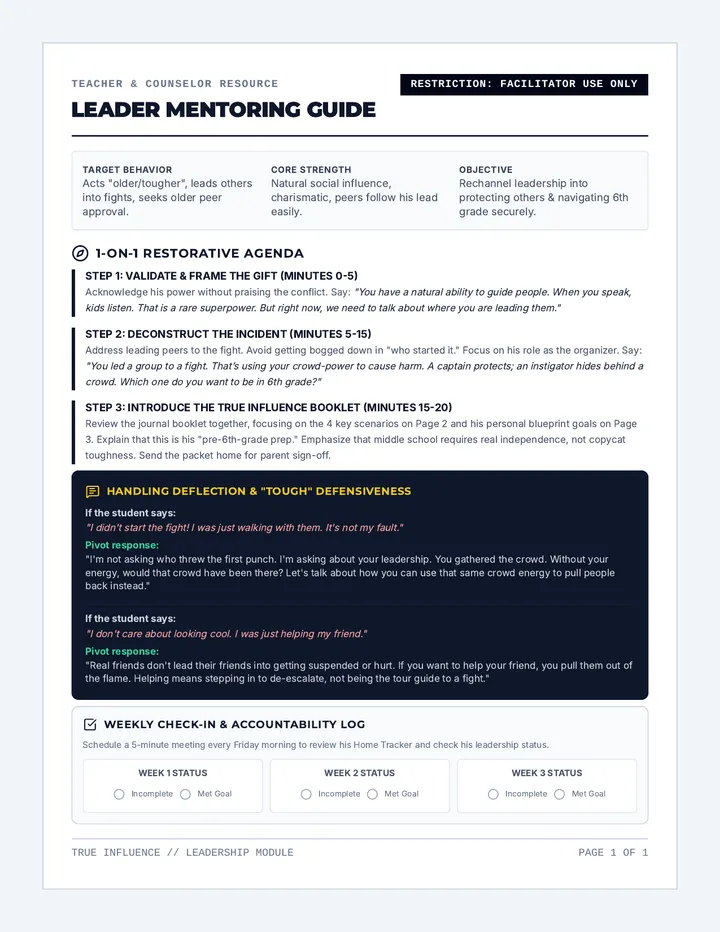
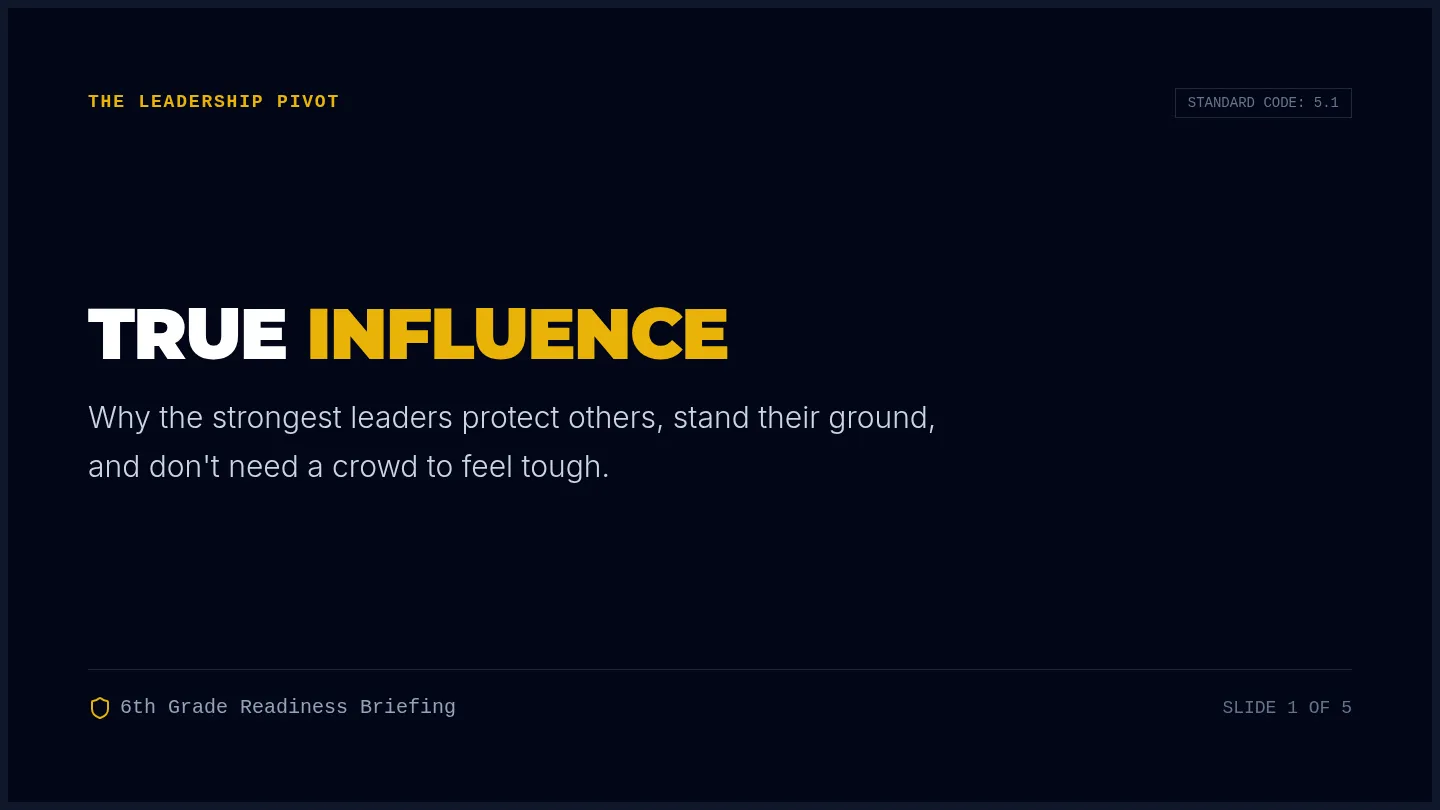
A comprehensive restorative leadership and peer advocacy sequence designed for students transitioning to middle school. It guides students from understanding their social influence to actively protecting peers and spreading positive school culture.
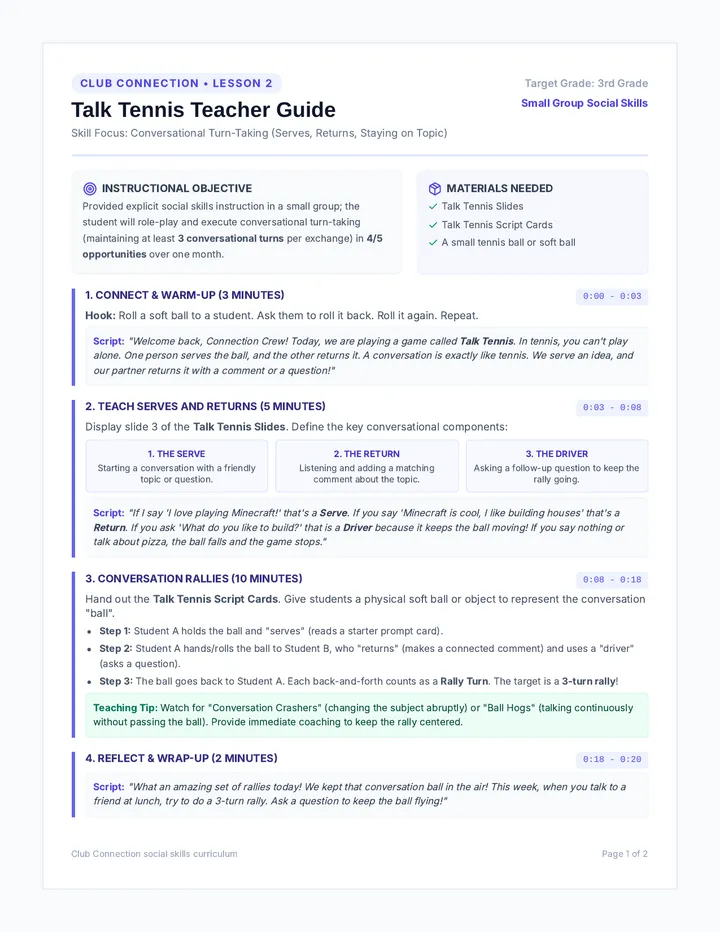
Students master conversational turn-taking by staying on topic, active listening, and practicing alternating conversation 'serves' and 'returns'.
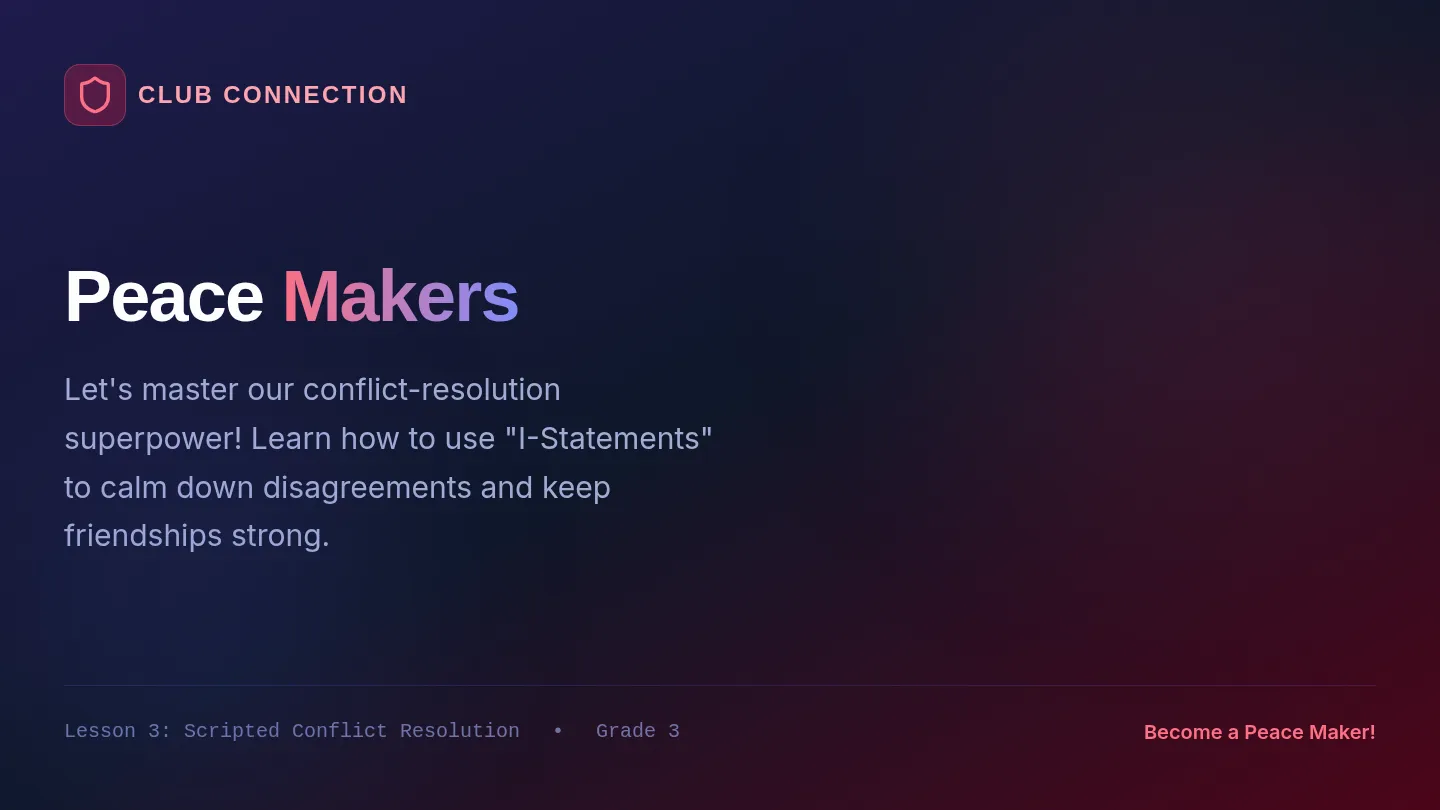
Visual instruction slides for Lesson 3 (Peace Makers). Covers "I-statements" and the conflict resolution script with colorful diagrams, child-friendly scenarios, and modeling prompts.
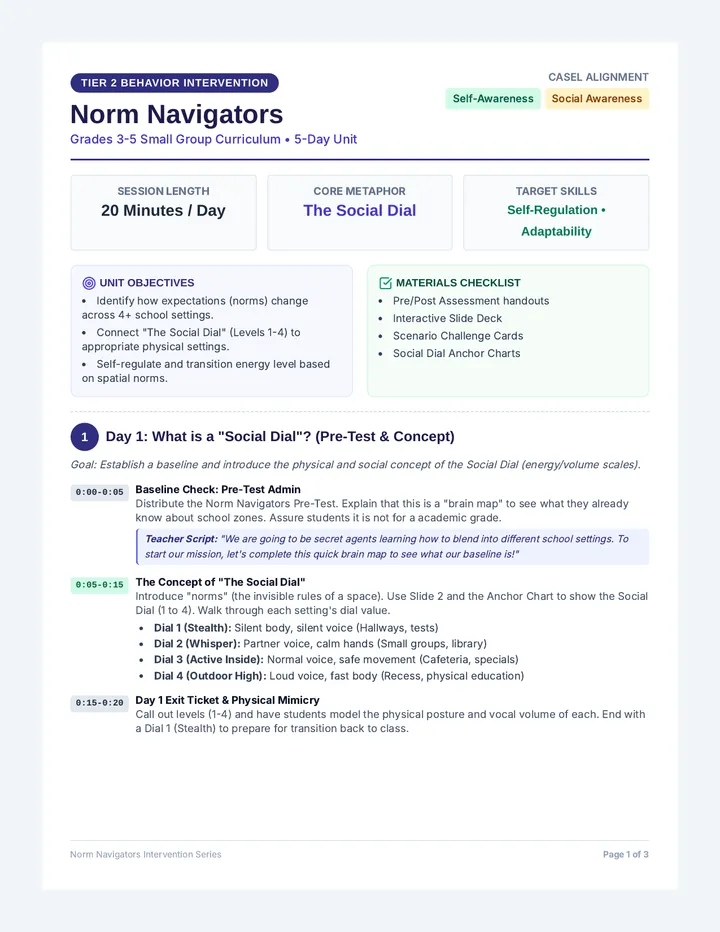
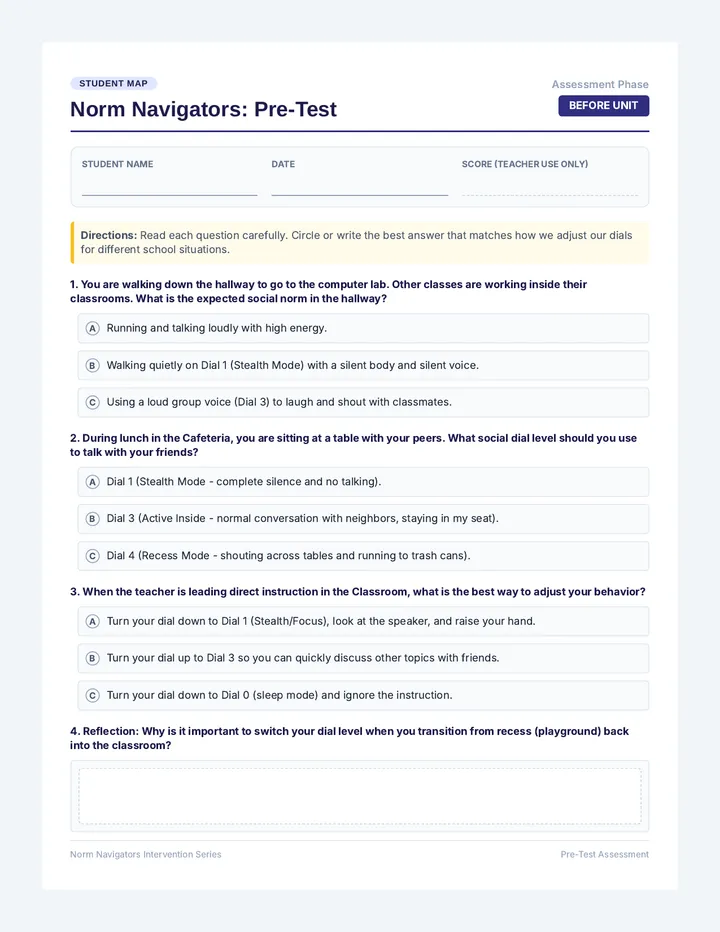
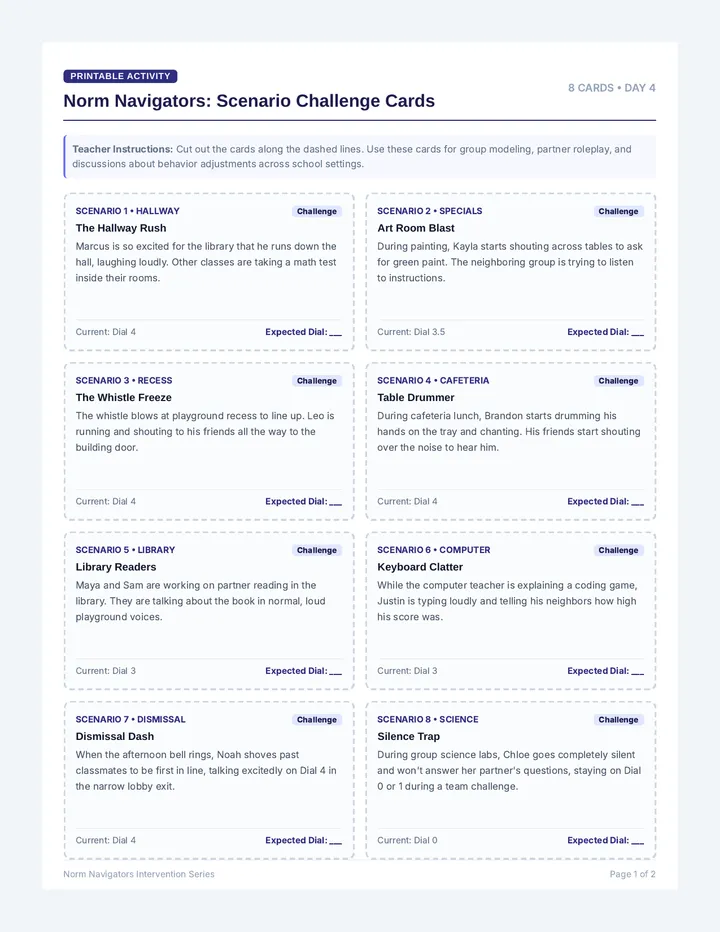
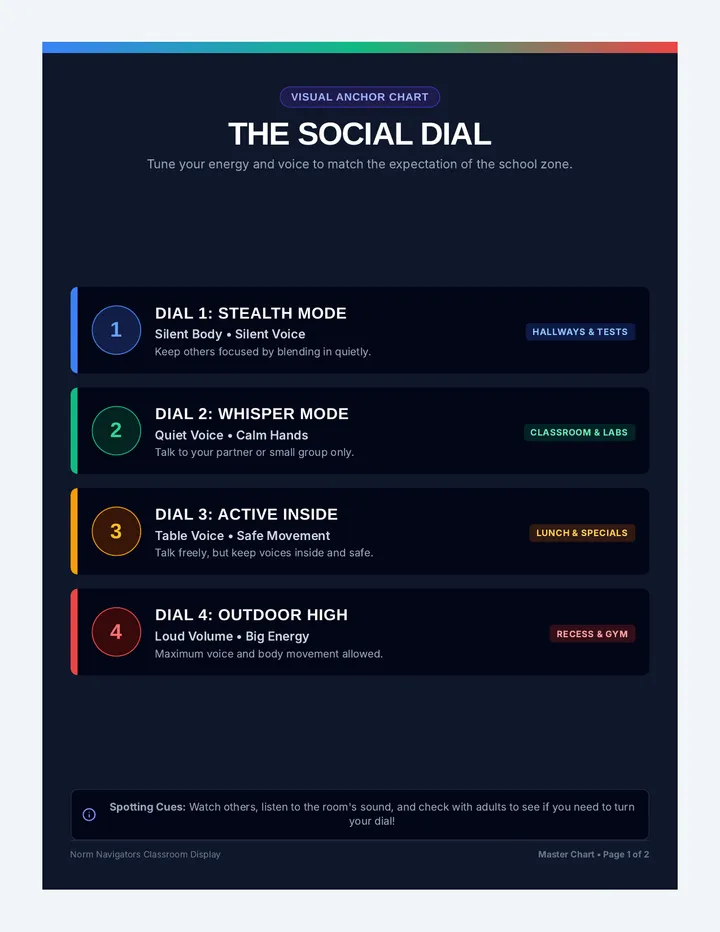
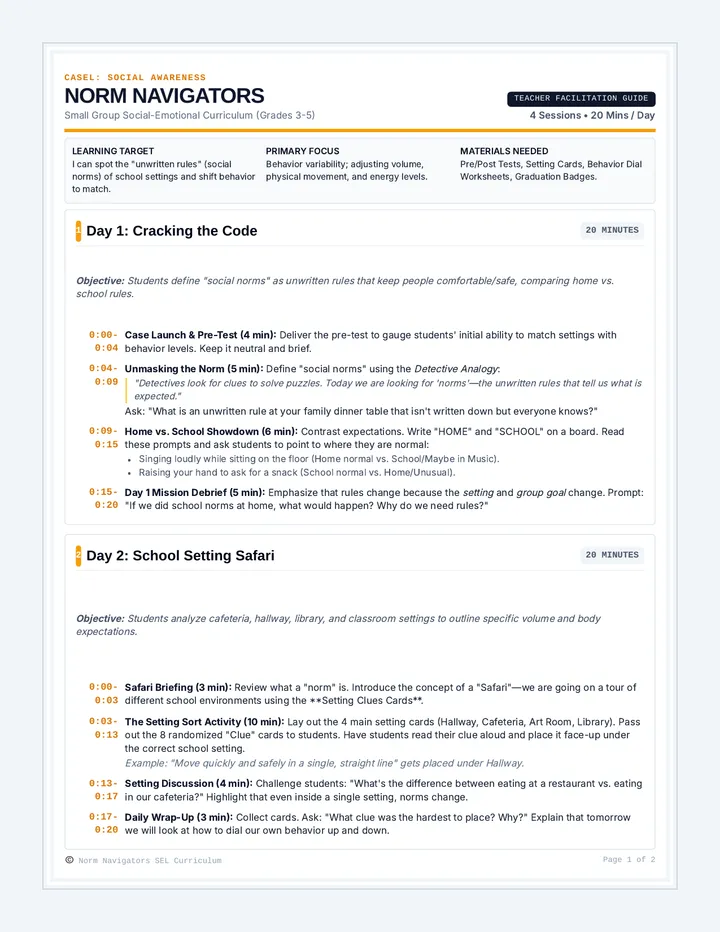
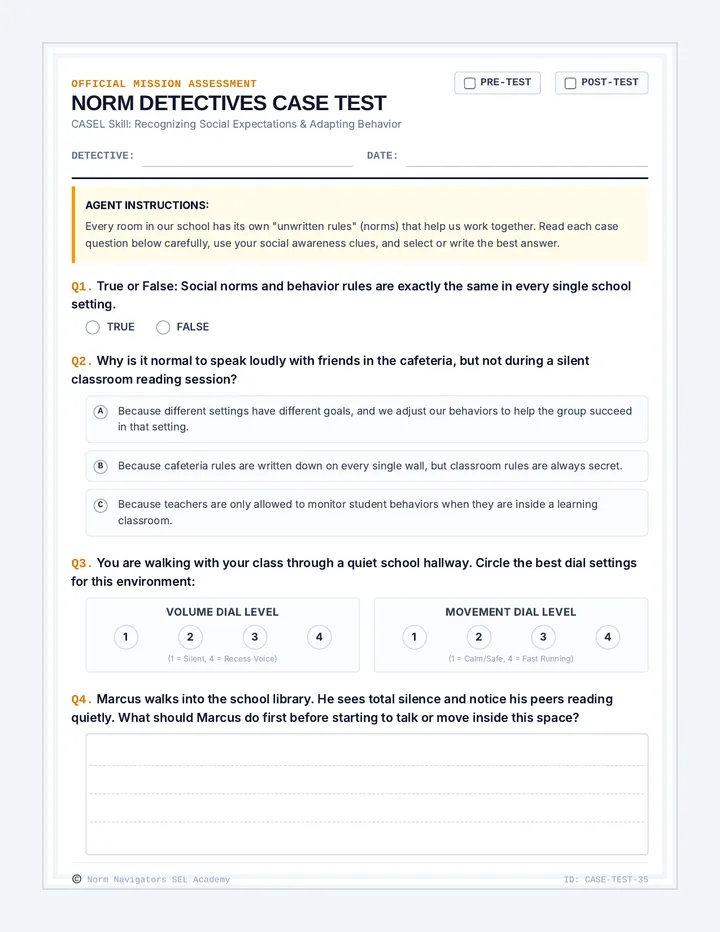
A 5-day Tier 2 behavior intervention sequence for grades 3-5 focused on recognizing and adapting to social norms across different school settings. Aligned with CASEL Self-Awareness and Social Awareness competencies, the sequence uses the concept of the 'Social Dial' to help students regulate their energy and volume.
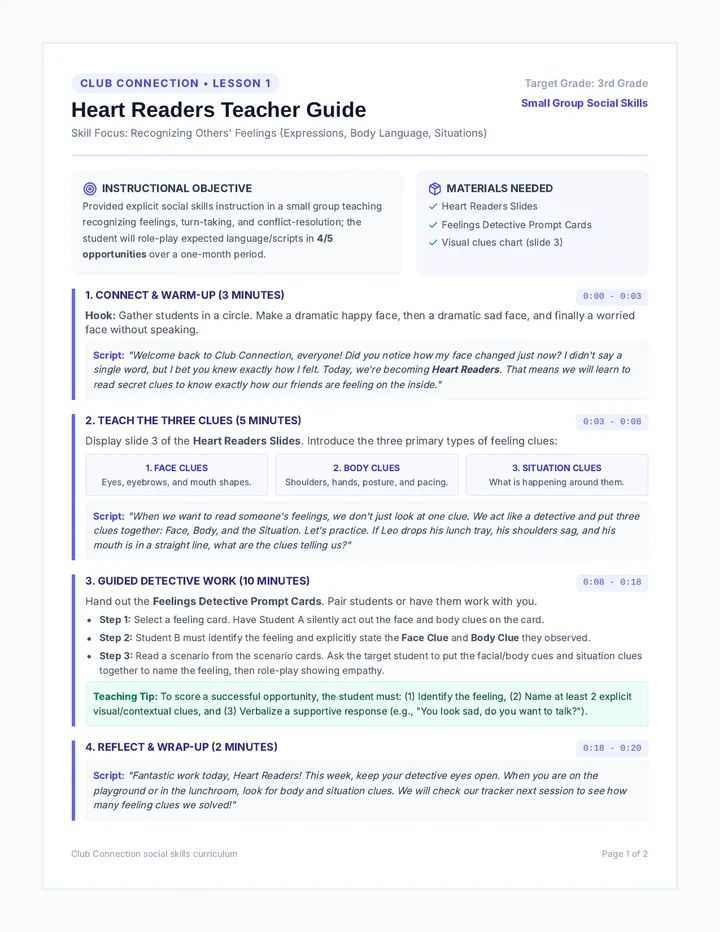
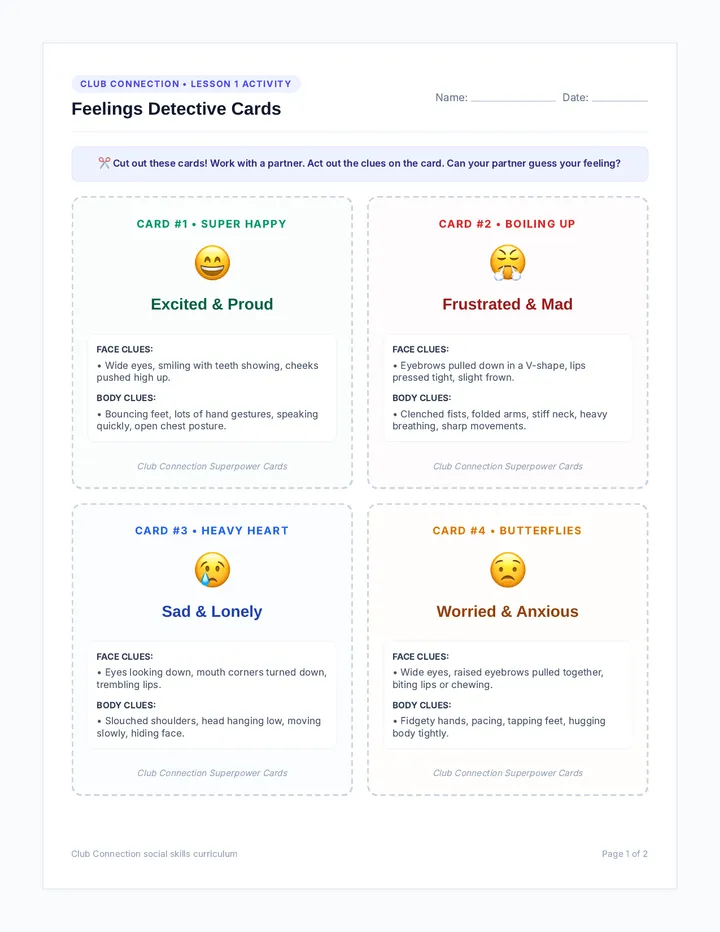
Students learn to read emotional clues using facial expressions, body language, and situational contexts to understand how peers feel.
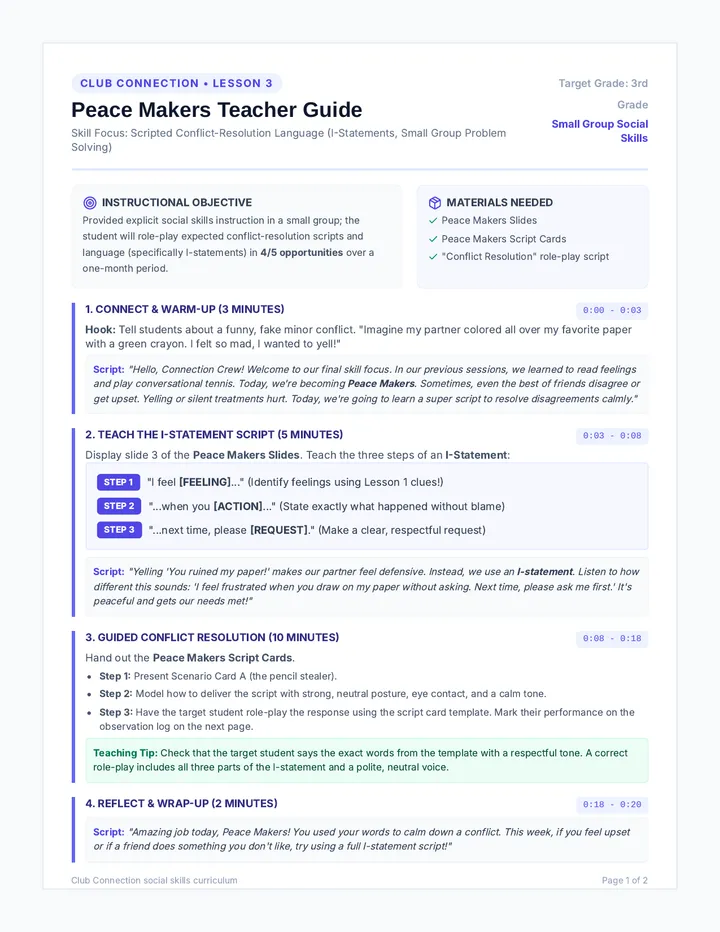
A step-by-step facilitation guide for educators to deliver the Peace Makers mini-lesson on scripted conflict resolution. Includes instructional scripts, a visual 'I-statement' formula, and a master monthly tracking summary to evaluate if the target student achieved the 4 out of 5 opportunities goal.
A comprehensive 4-day small-group social-emotional learning sequence for grades 3-5. Aligned with the CASEL Social Awareness framework, this unit teaches students to identify how expectations and social norms change across different school environments and how to adapt their behaviors successfully.
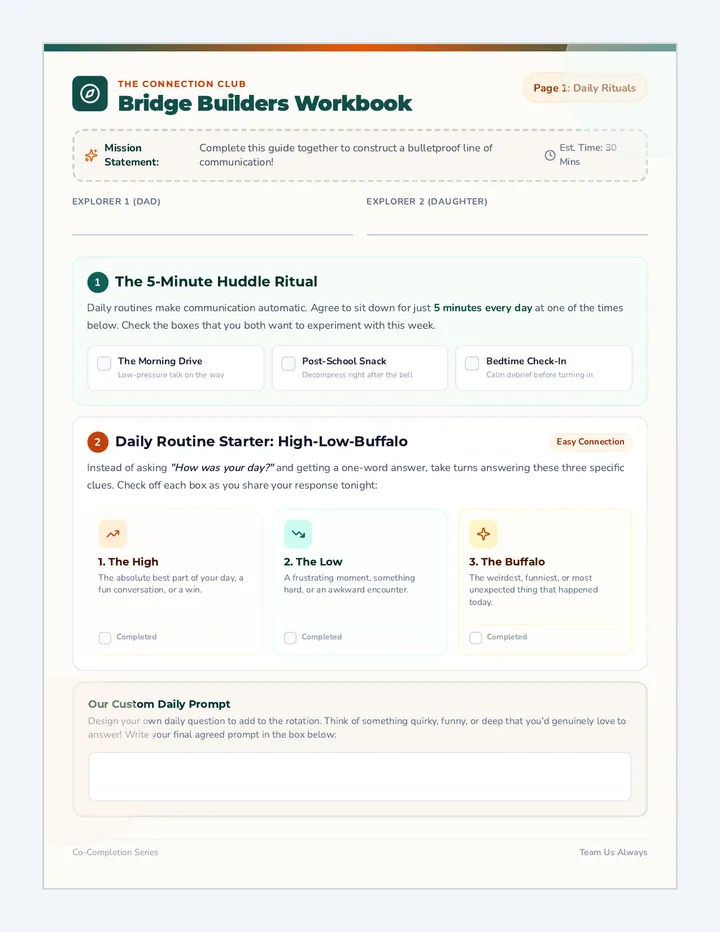
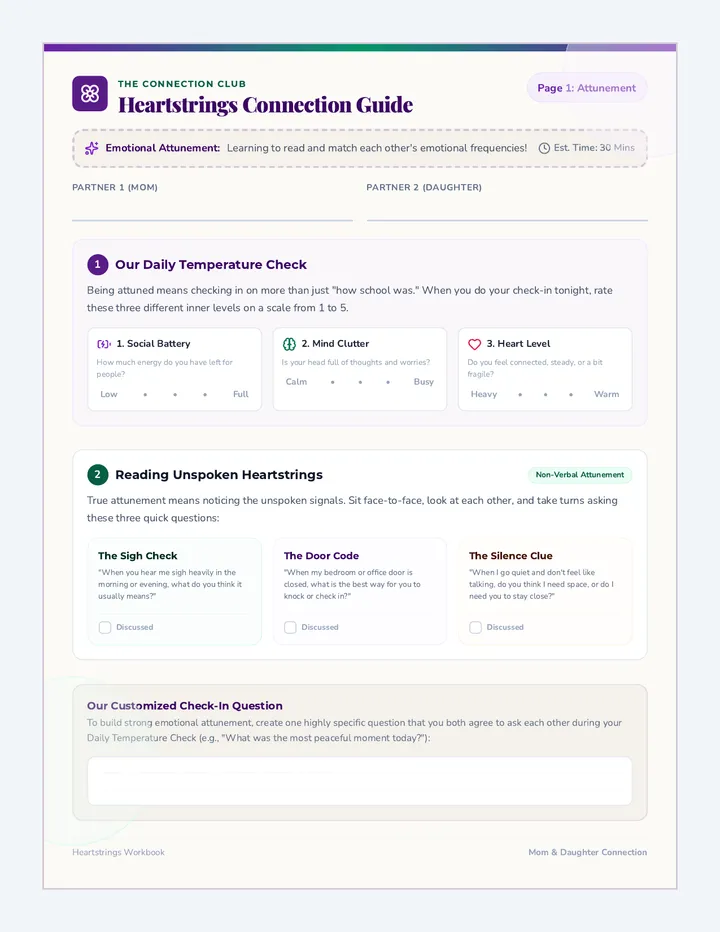
A high-quality co-completion toolkit for parents and 11-year-old pre-teens. Focuses on active listening, emotional attunement, conflict de-escalation, and establishing daily connection rituals.
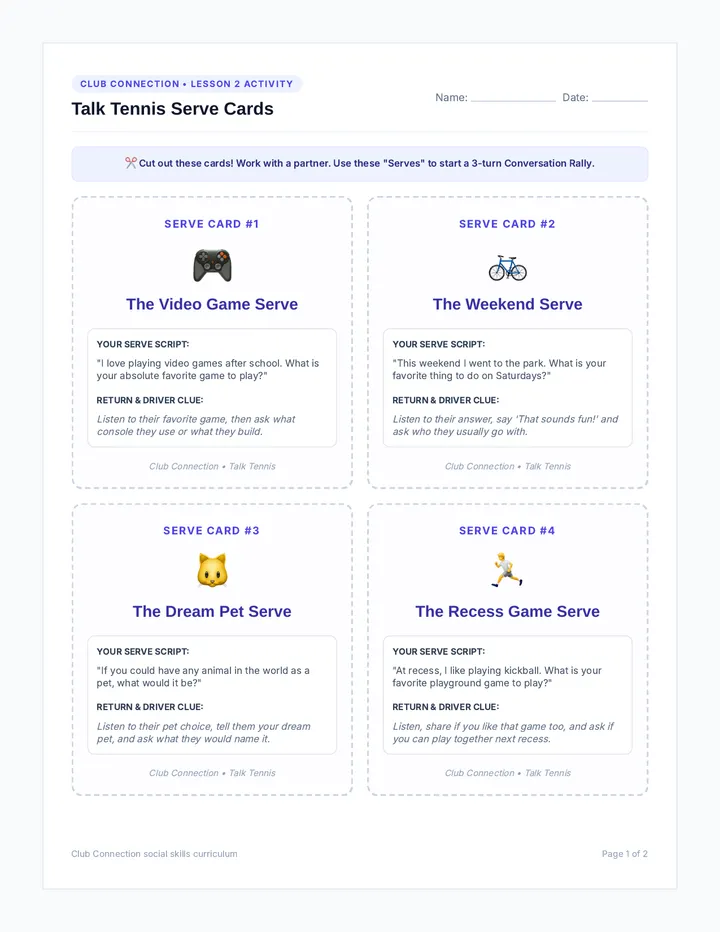
Student-facing Talk Tennis Rally Prompt Cards and script templates. Features 4 interactive conversation-starter cards (serves) and a structured step-by-step role-play rally sheet to practice 3-turn conversations.