Students compare two investor profiles to discover that starting to save early is often more beneficial than saving larger amounts later in life, highlighting the exponential power of time.
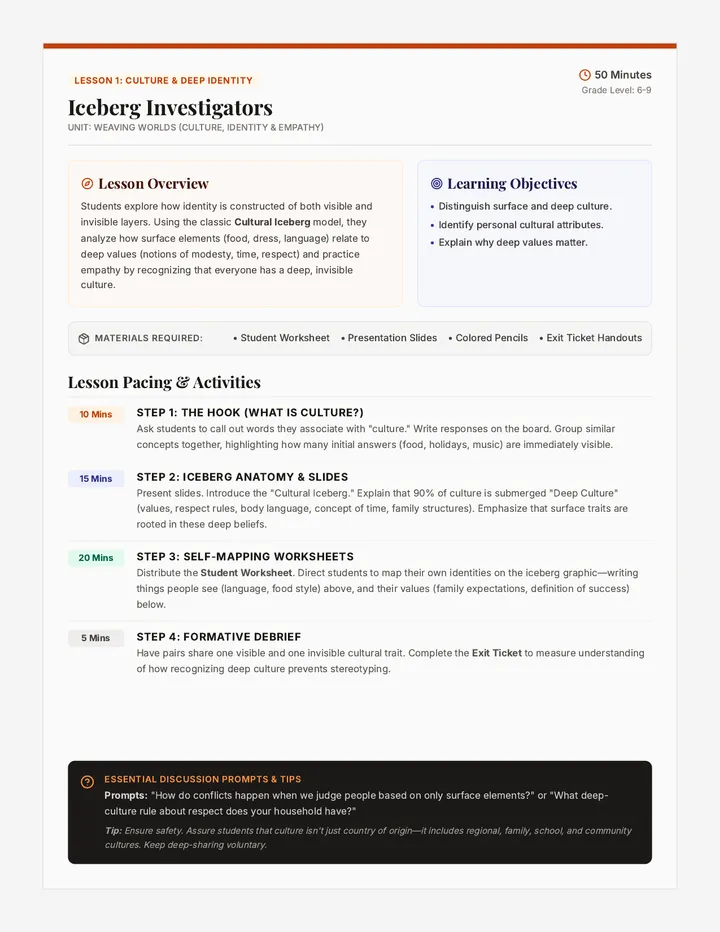
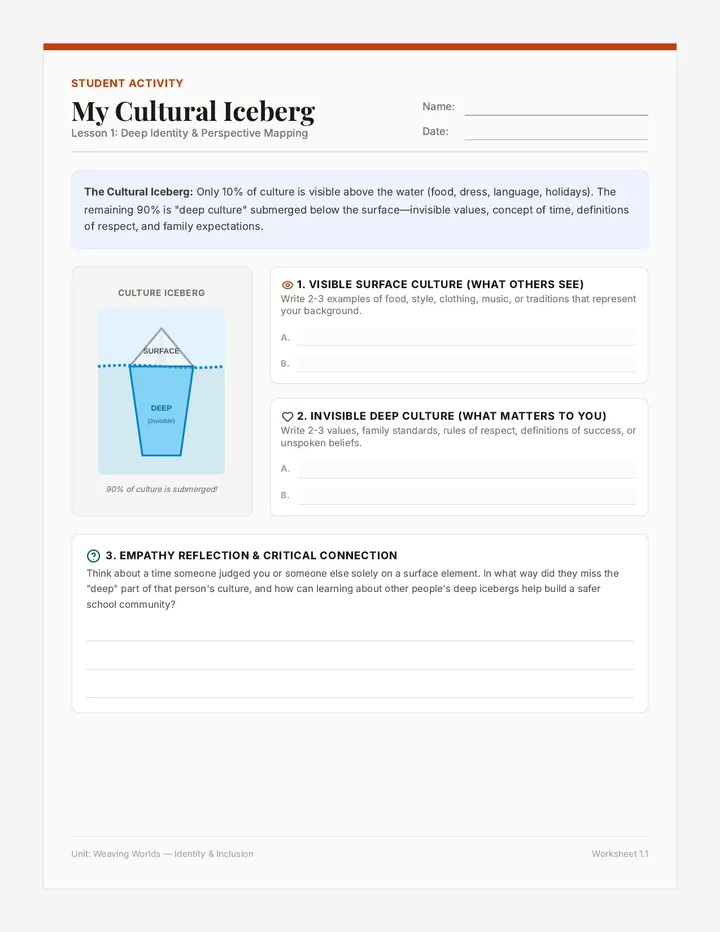
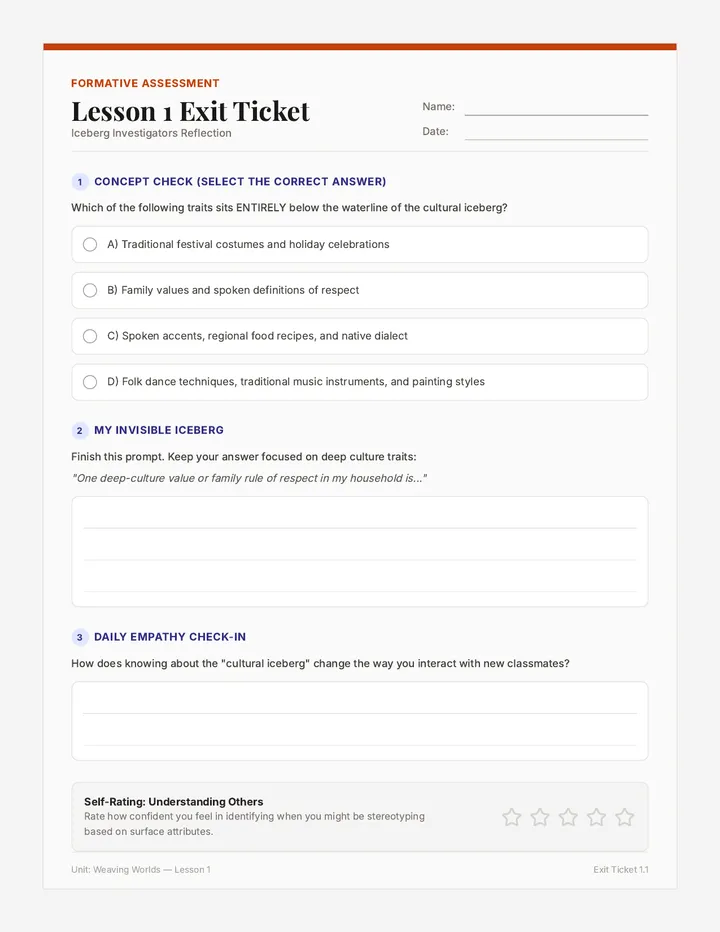
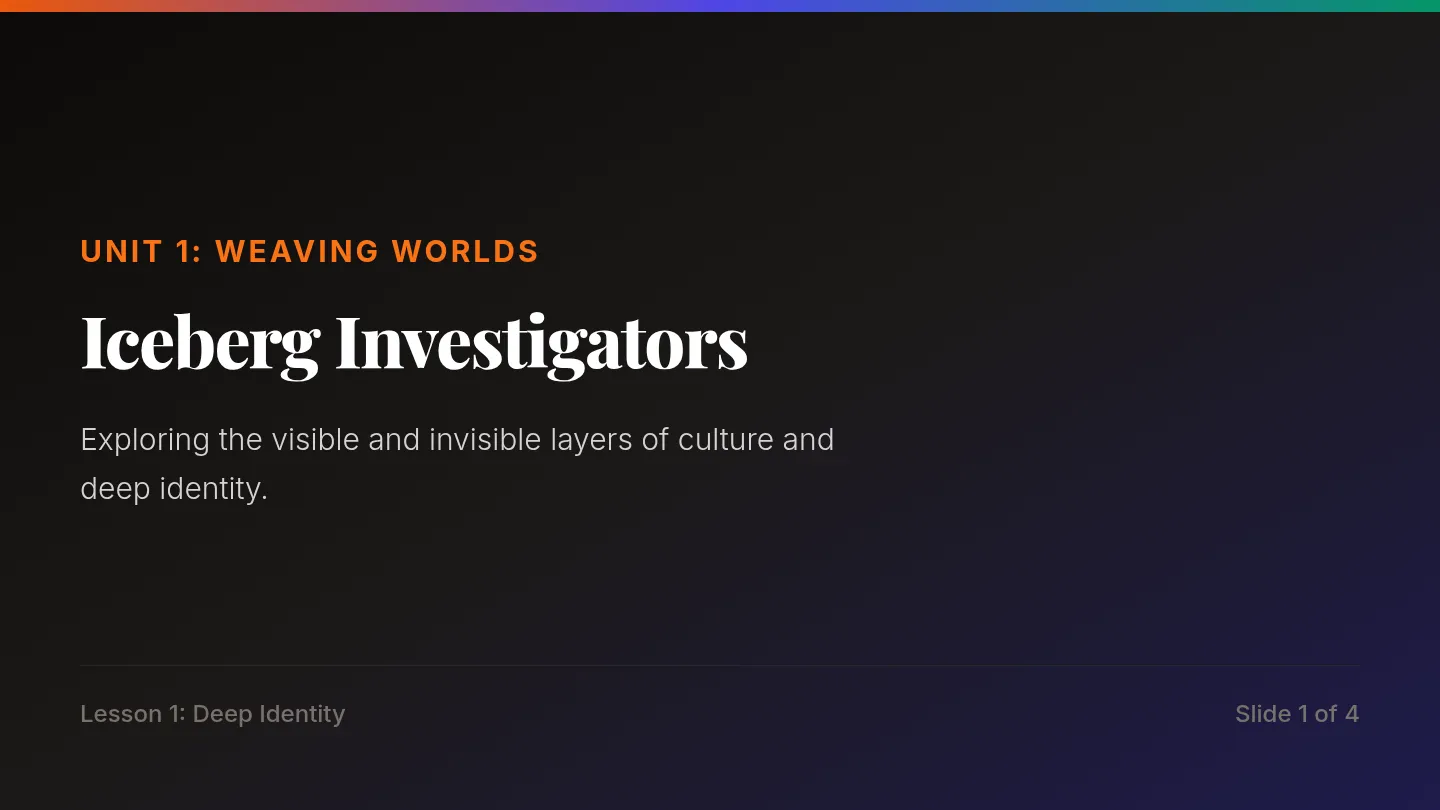
A 3-lesson unit on culture, identity, empathy, and building an inclusive school community. Students explore the cultural iceberg, share personal perspective narratives, and collaborate on actionable school-wide inclusion plans.
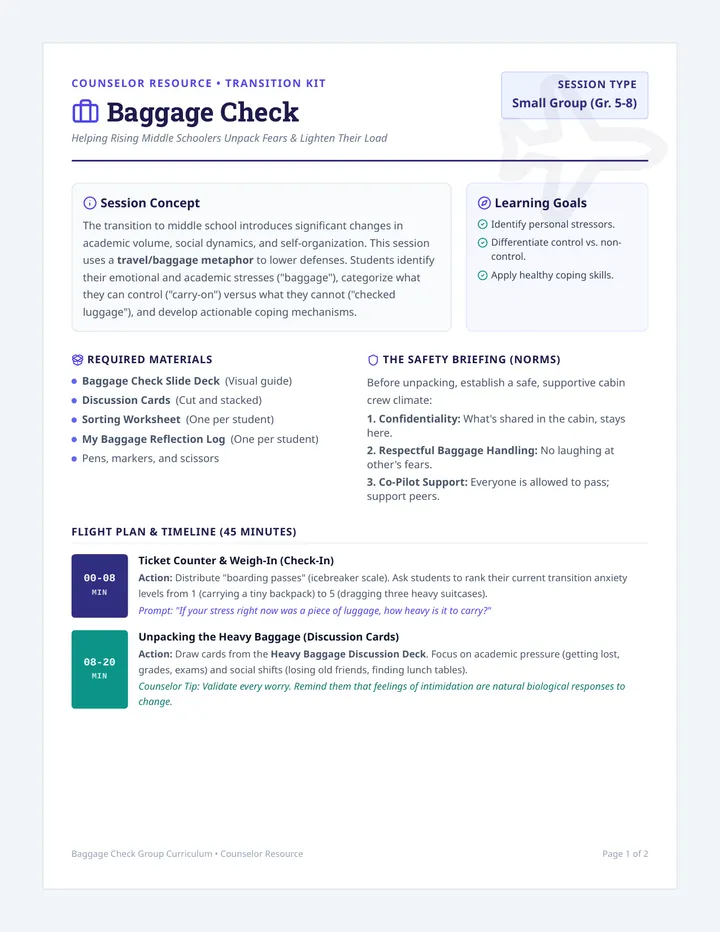
A small-group counseling kit designed to help rising middle schoolers identify, discuss, and unpack the emotional baggage and academic pressures associated with school transitions.
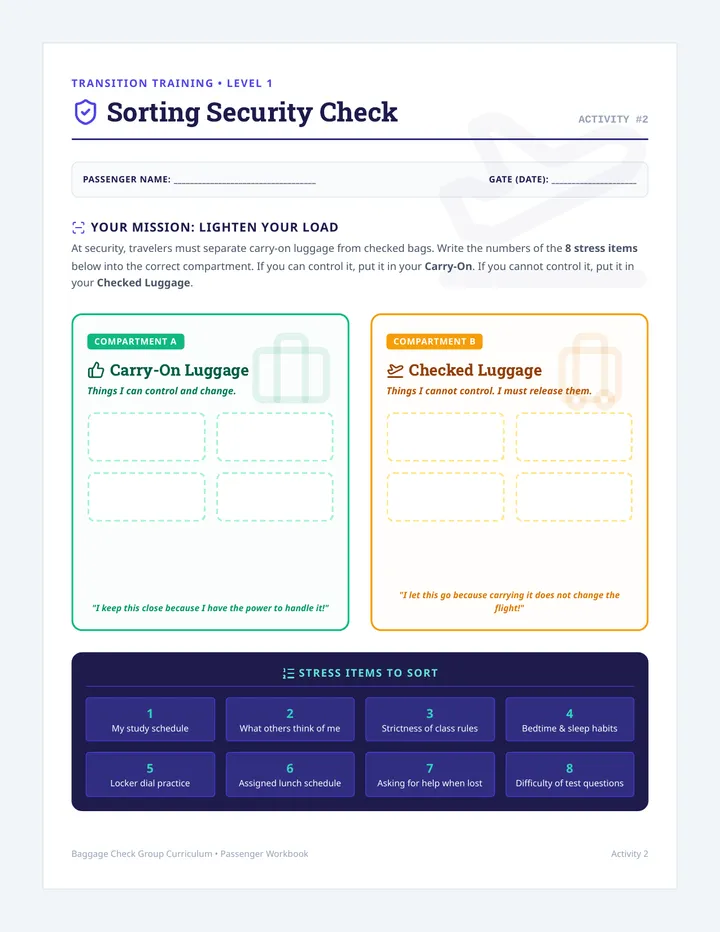
A single-page printable student sorting worksheet where students classify 8 common middle school stressors into 'Carry-on' (things they control) vs. 'Checked baggage' (things they cannot control).
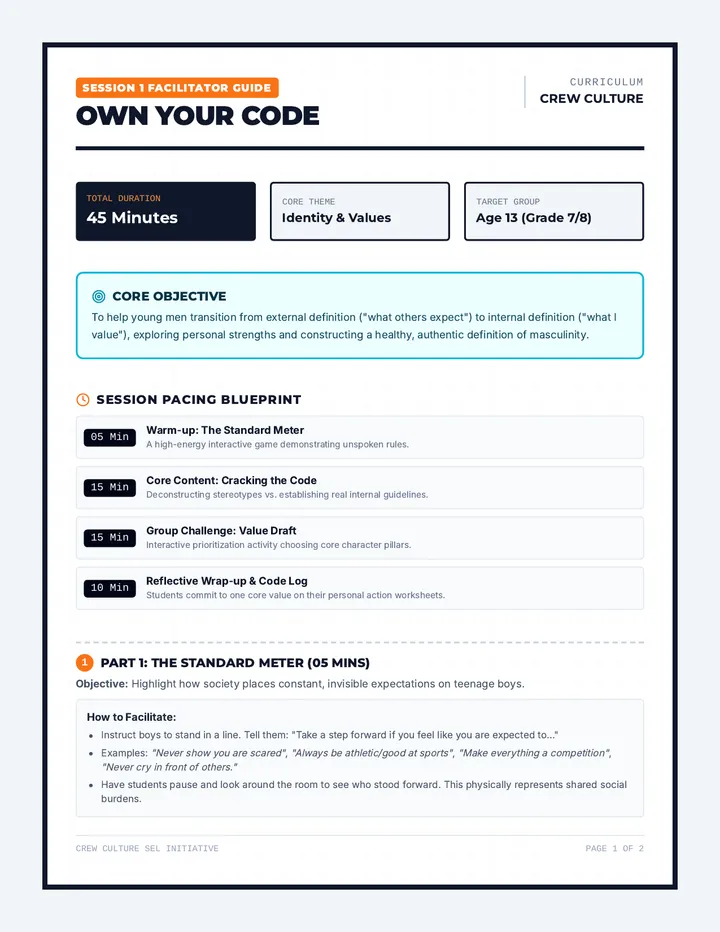
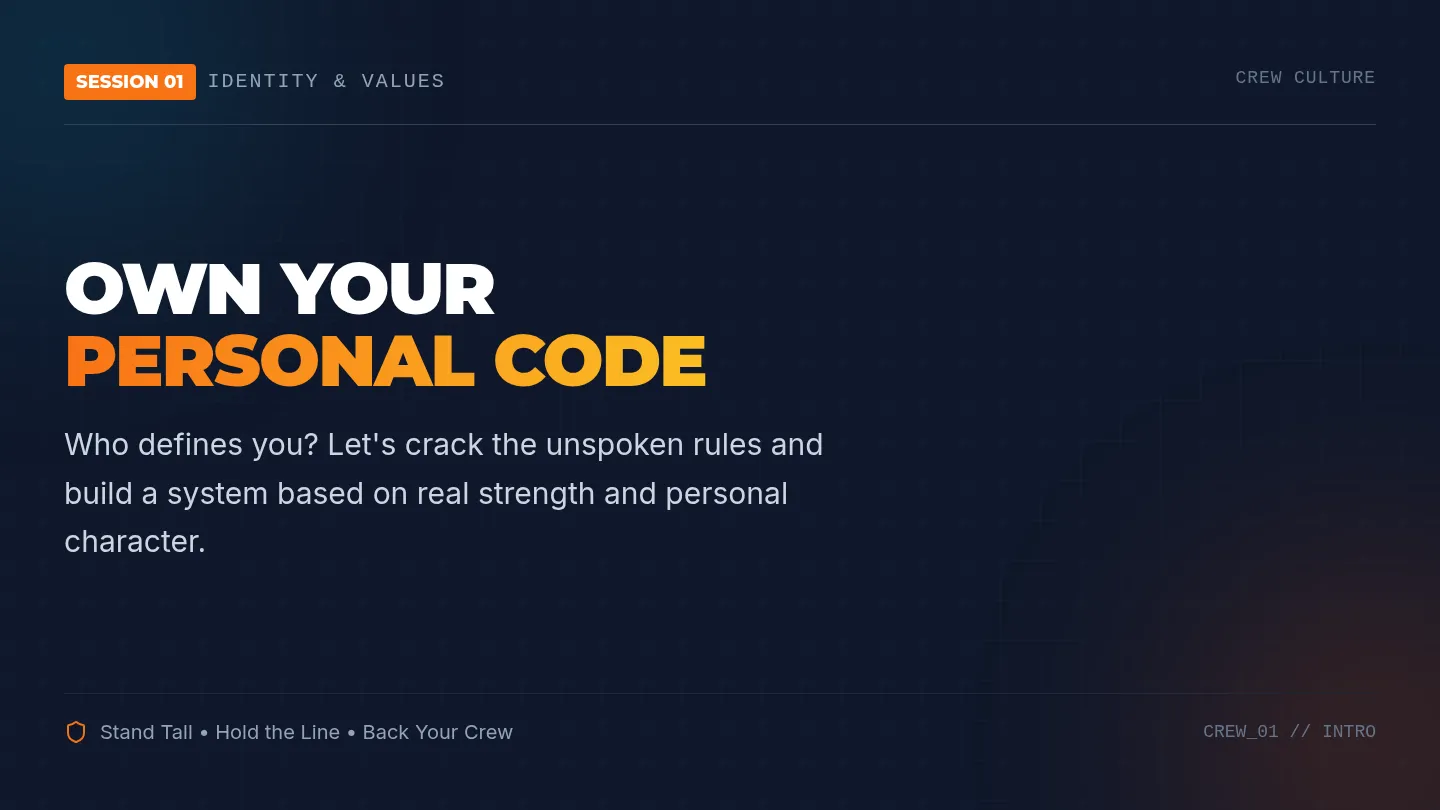
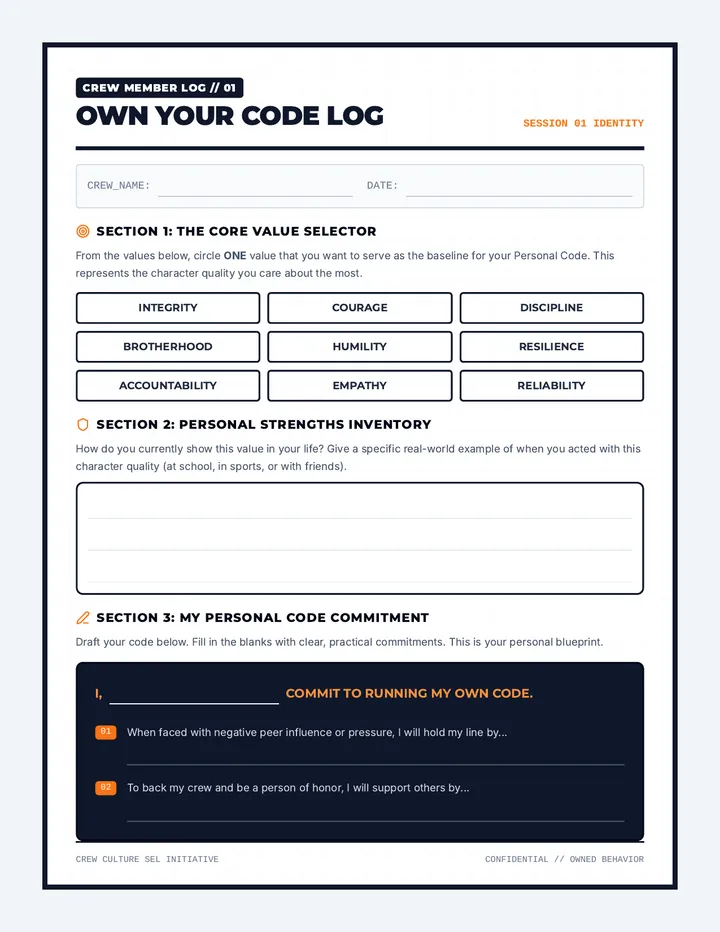
A three-part social-emotional learning curriculum designed specifically for middle school boys to develop self-esteem, manage digital pressure, and build authentic peer relationships.
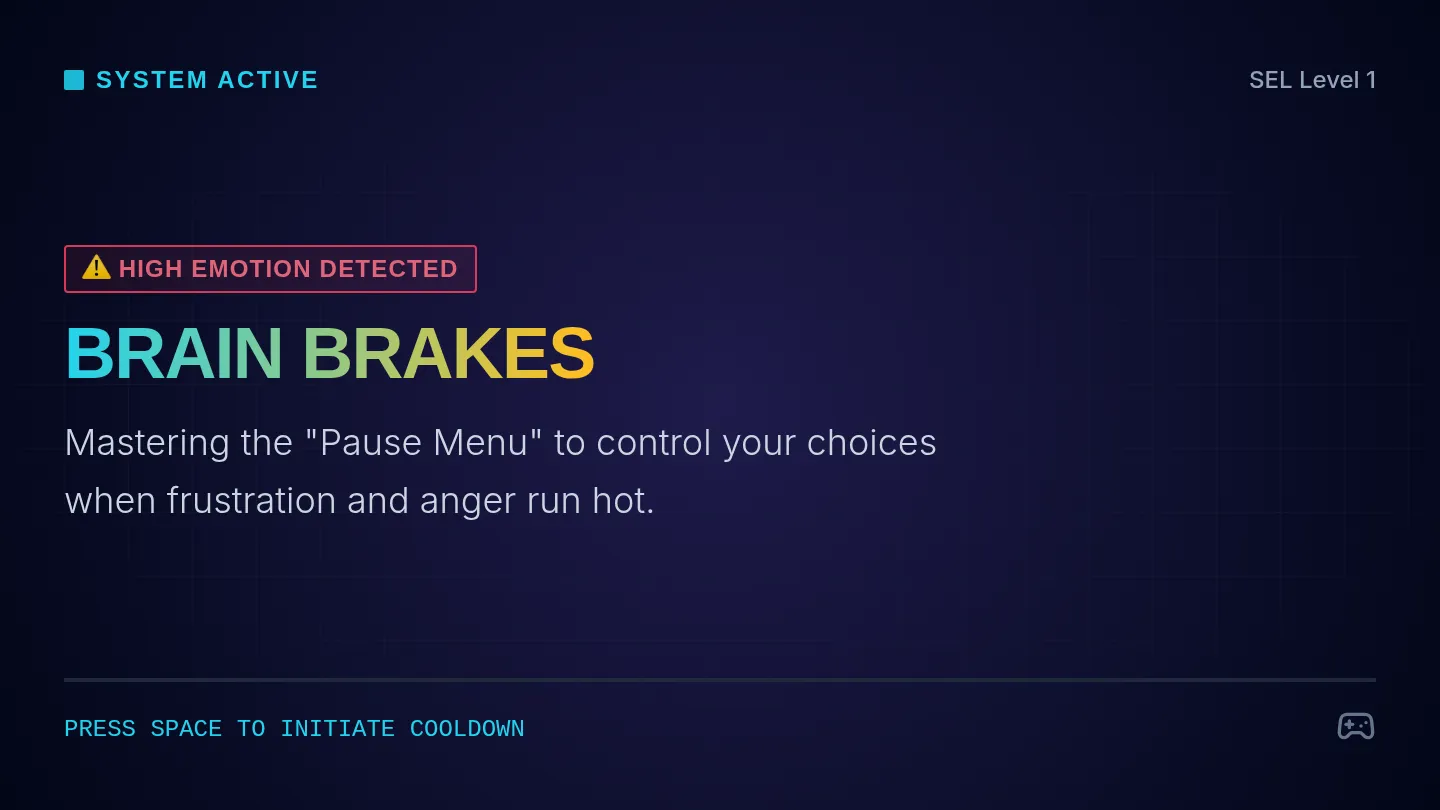
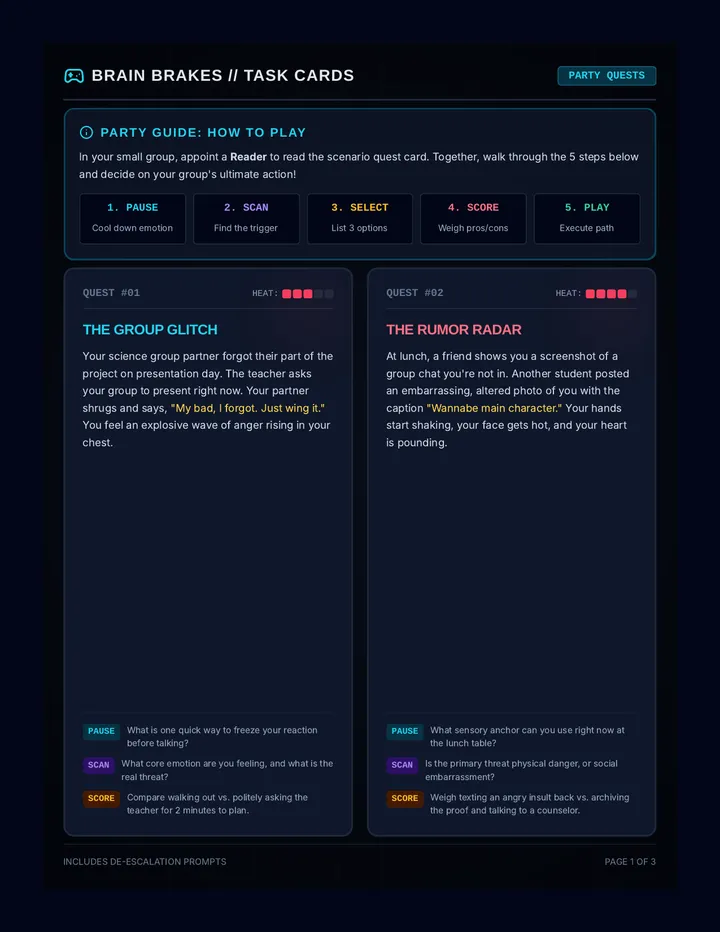
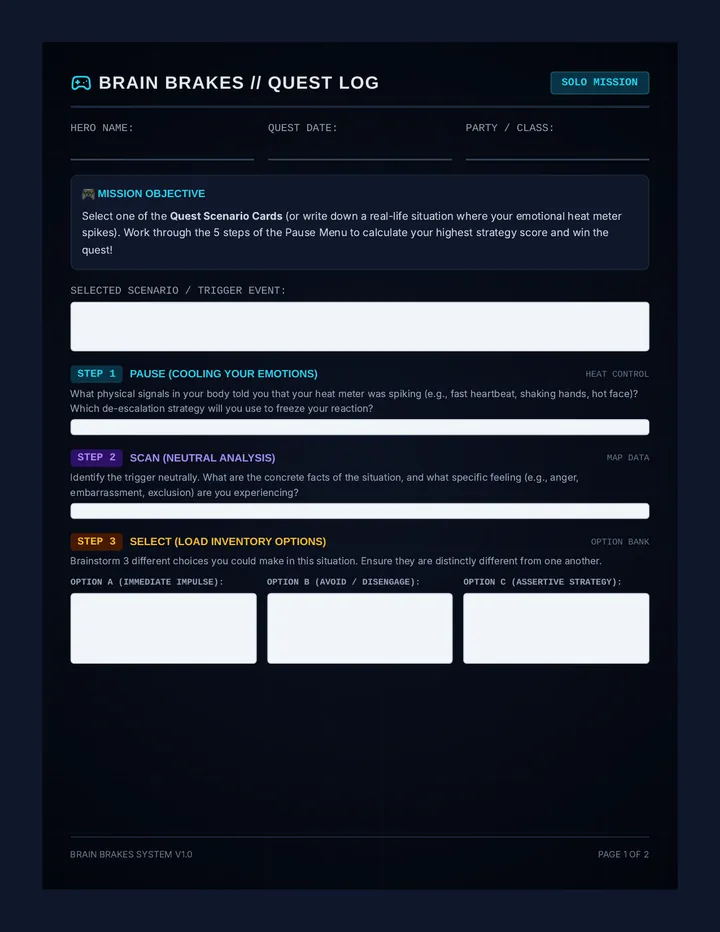
A lesson introducing a retro-game-themed problem-solving and self-regulation model called 'Brain Brakes' for middle schoolers. Students learn to 'Pause' when emotions run high, 'Scan' the situation, 'Select' options, 'Score' pros and cons, and 'Play' their best choice.
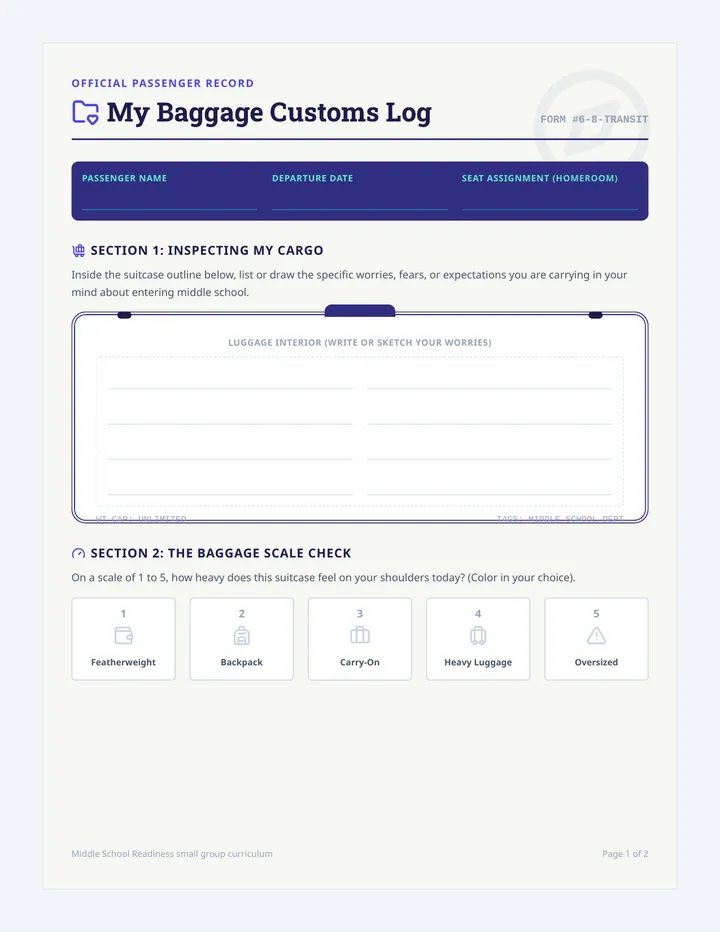
A 2-page student-facing reflection booklet styled as a 'Customs Logbook' for students to identify personal stressors and create their transition plans.
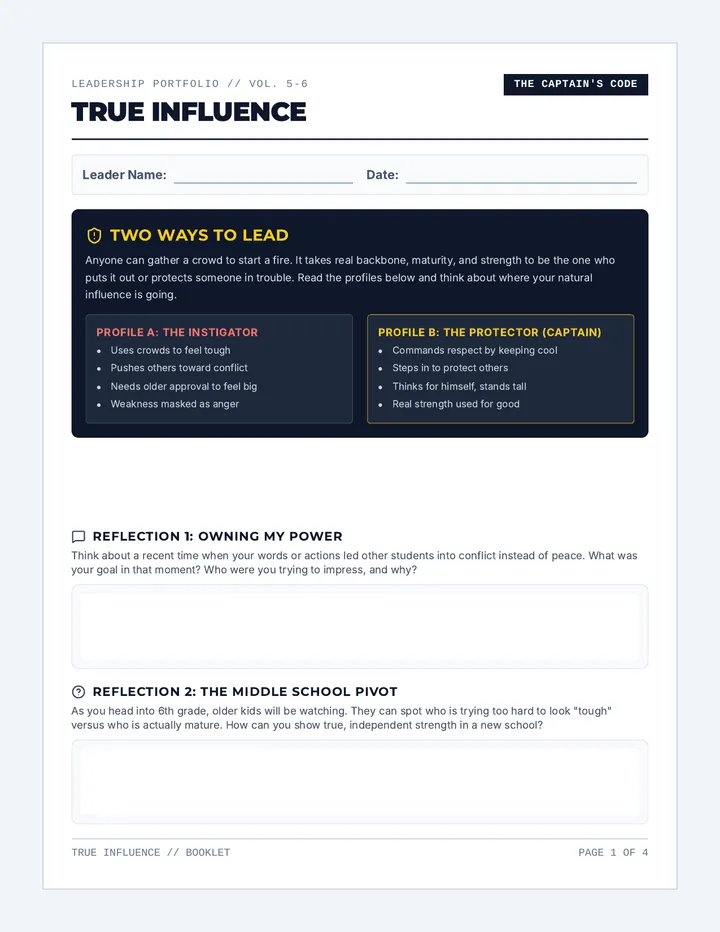
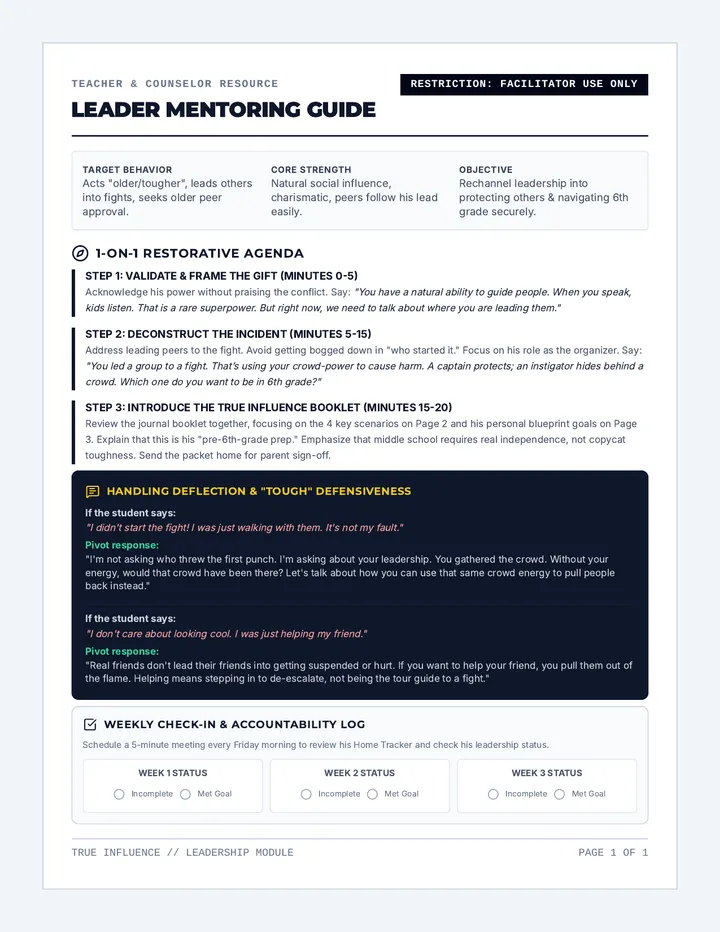
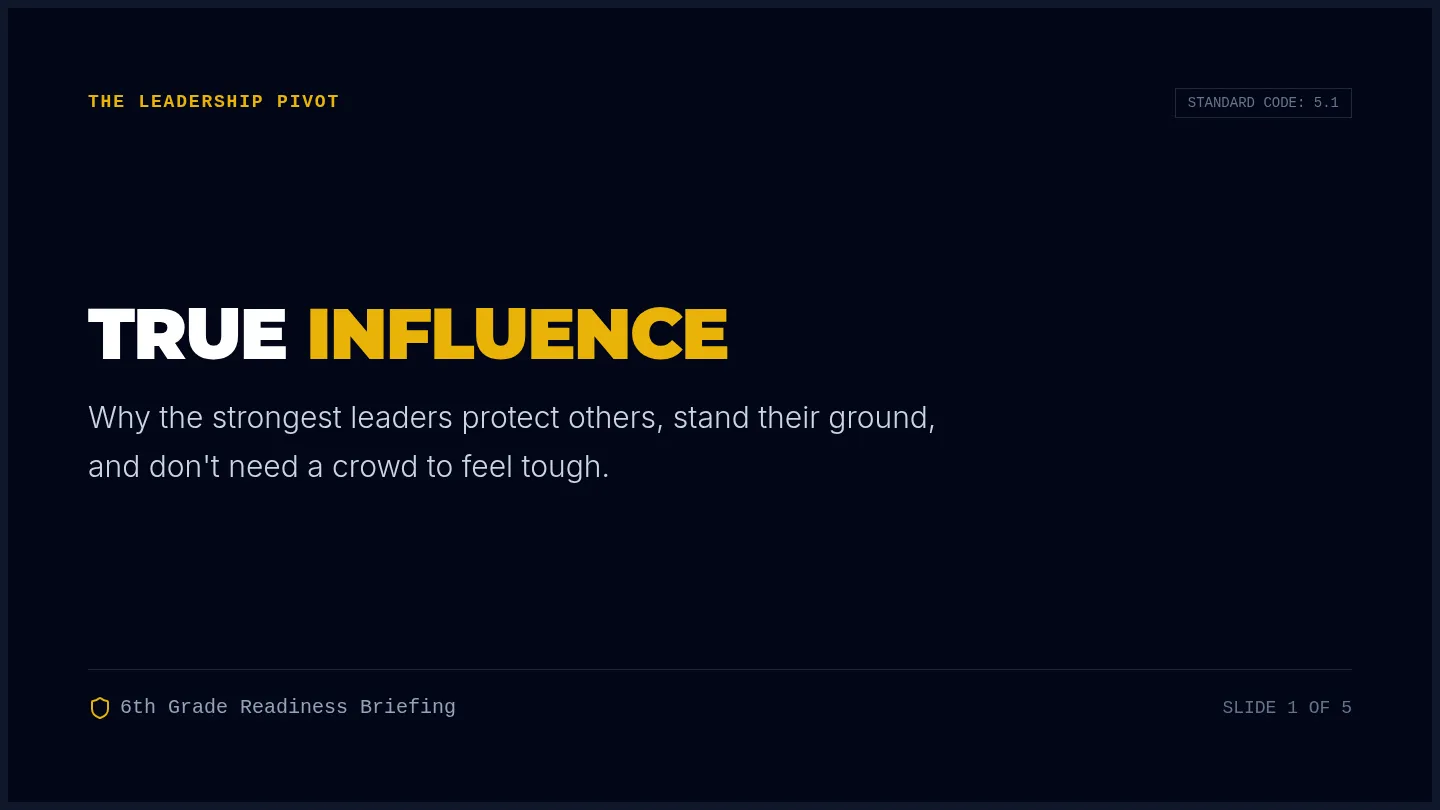
A comprehensive restorative leadership and peer advocacy sequence designed for students transitioning to middle school. It guides students from understanding their social influence to actively protecting peers and spreading positive school culture.
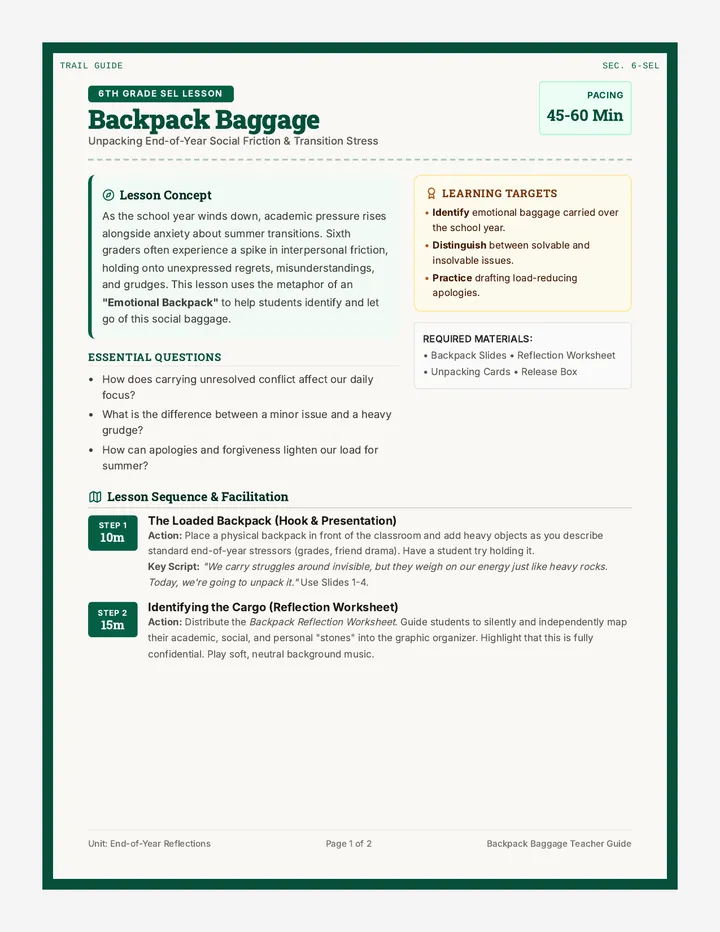
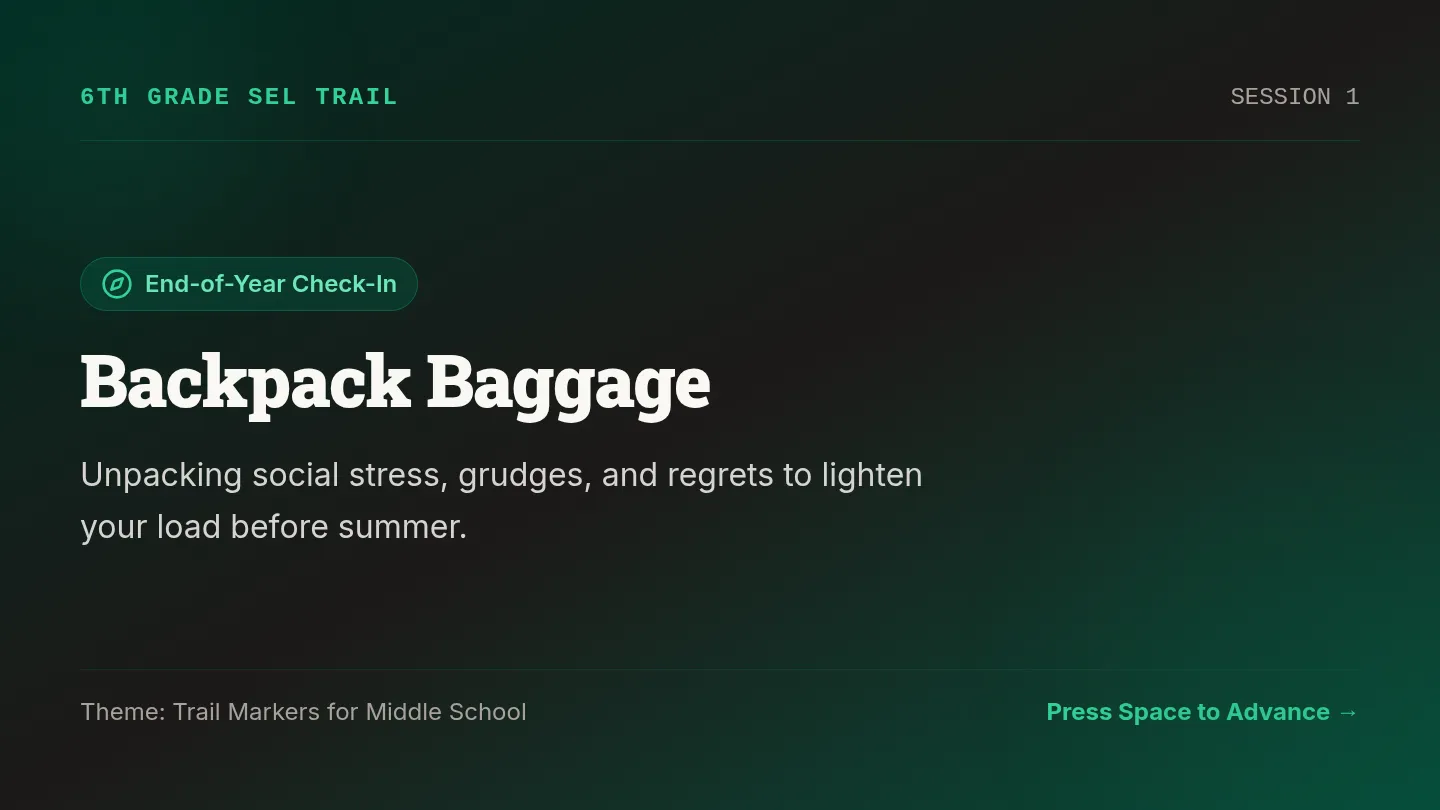
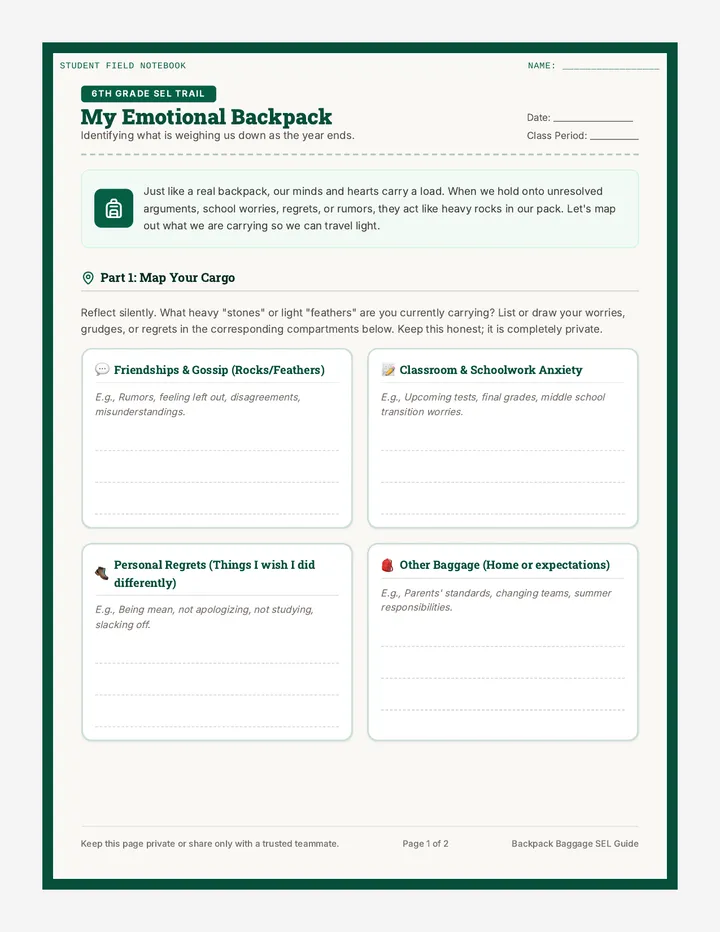
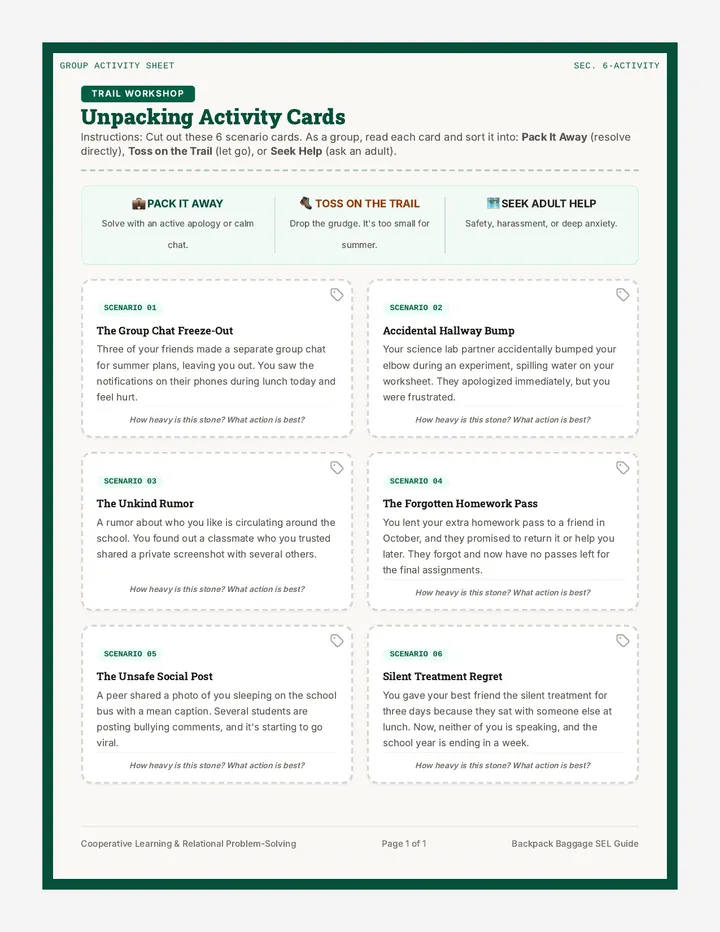
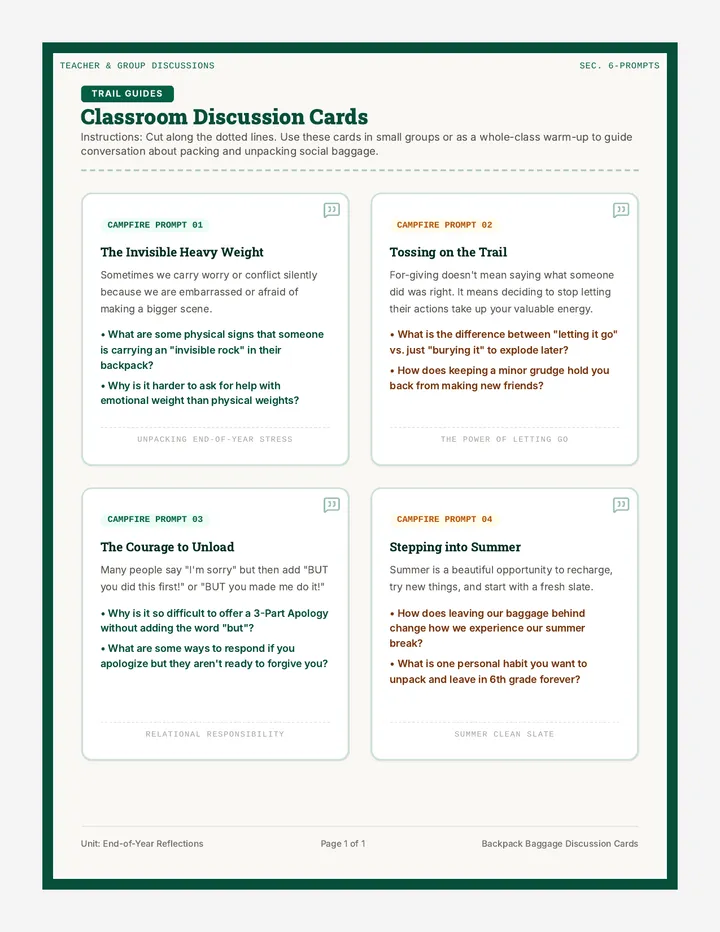
A comprehensive socio-emotional learning lesson for 6th graders designed to address end-of-year social tension and academic stress. Through the metaphor of an 'emotional backpack,' students identify grudges, regrets, and misunderstandings, learning actionable strategies for apology, forgiveness, and emotional release before the summer transition.
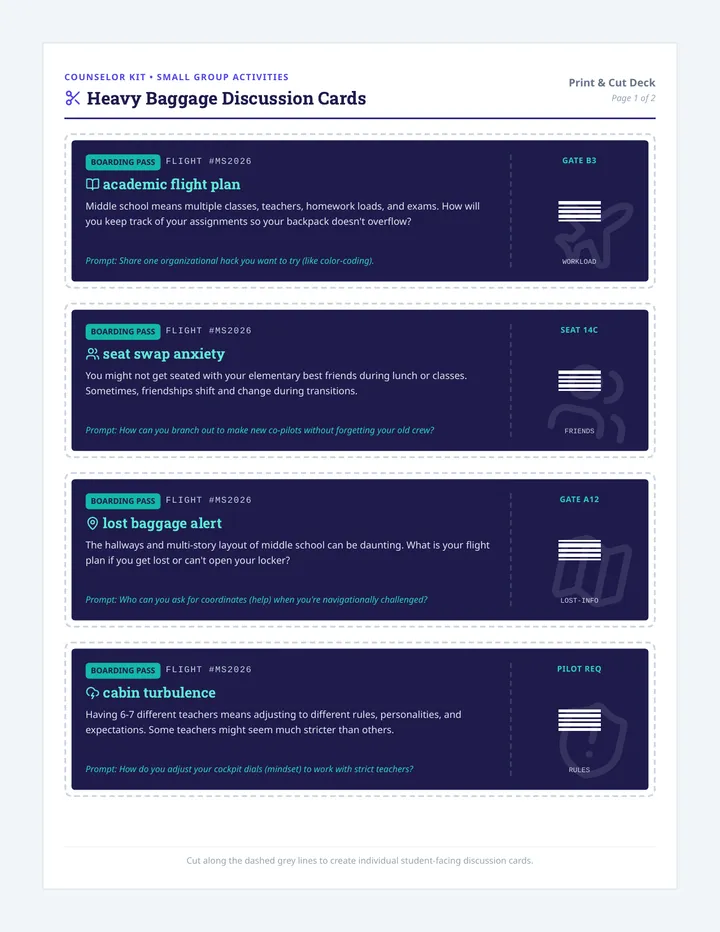
A 2-page print-ready sheet of 8 customizable, travel-themed discussion cards styled as 'Boarding Passes' with cutting guides for school counselors to cut out and use.
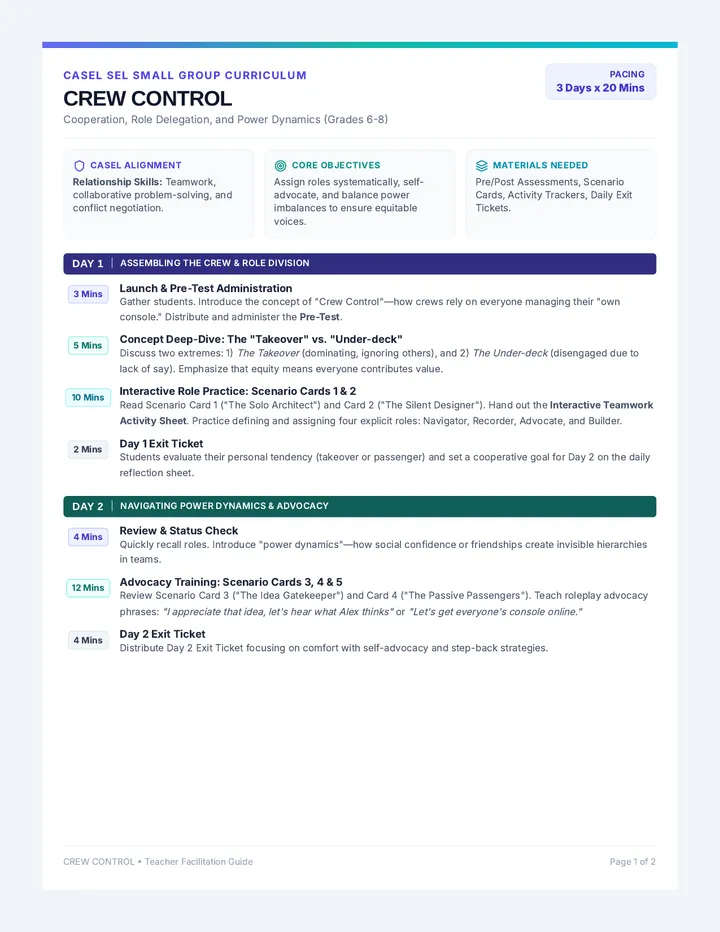
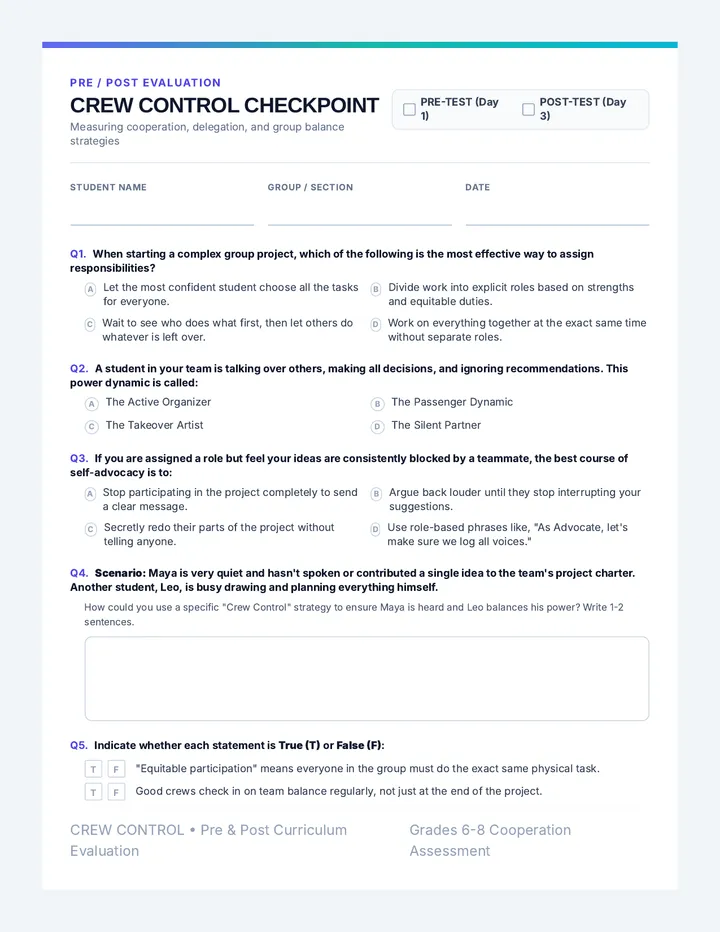
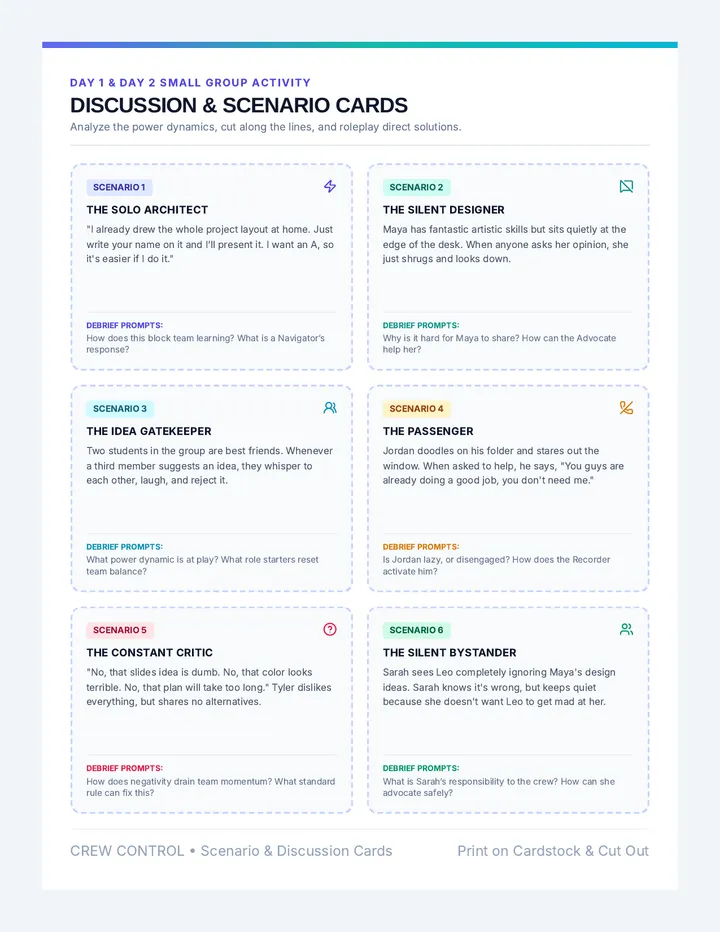
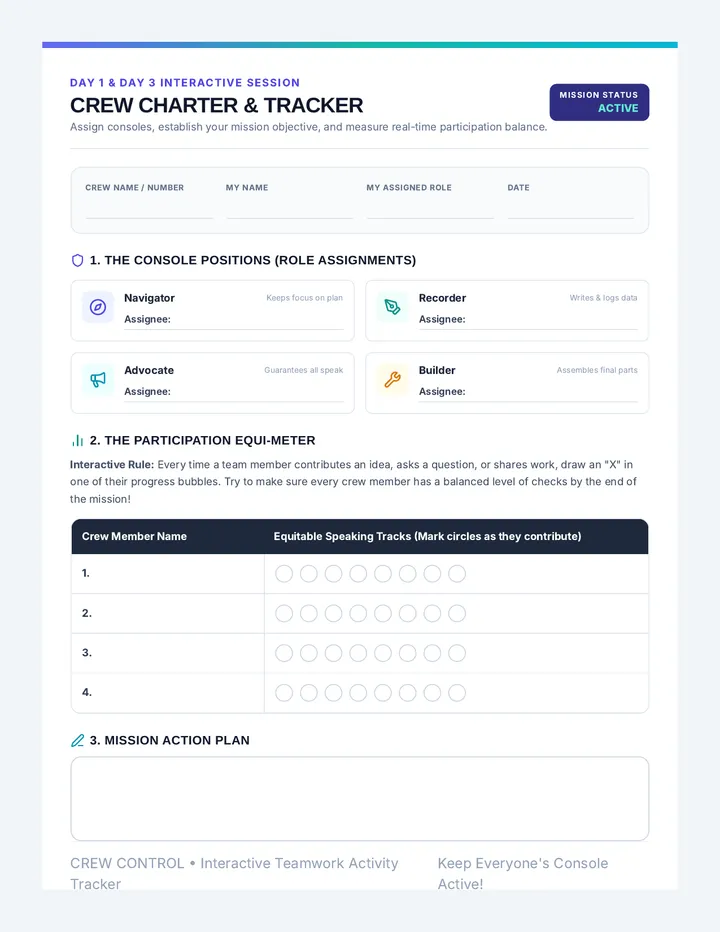
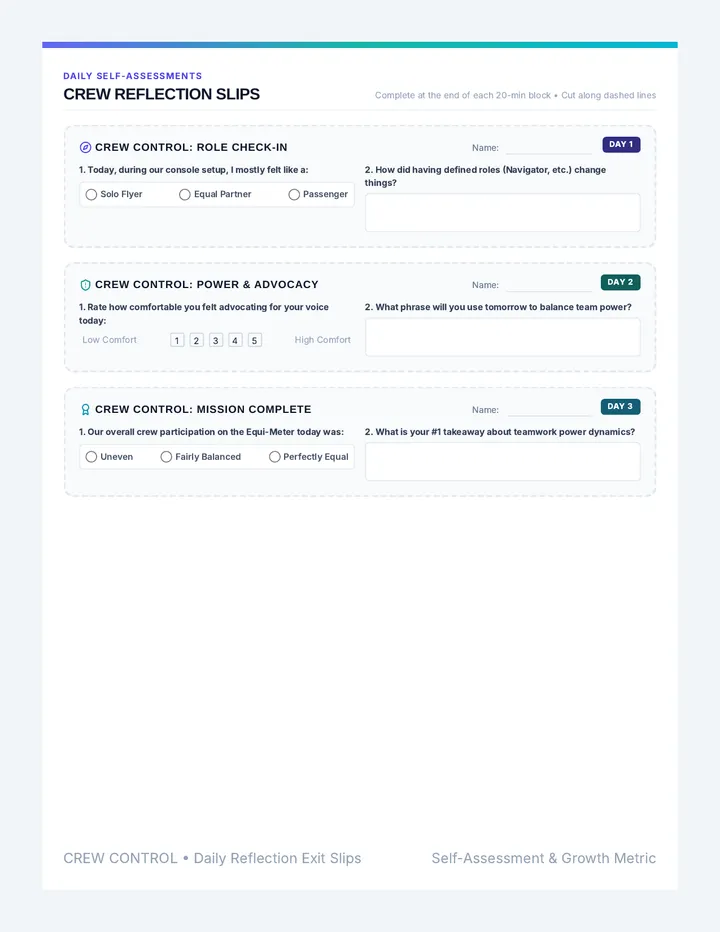
A 3-day small group curriculum for middle schoolers (grades 6-8) focused on cooperation, role delegation, navigating power dynamics, and ensuring equitable team participation. Aligns with CASEL's Relationship Skills and Responsible Decision-Making core competencies.
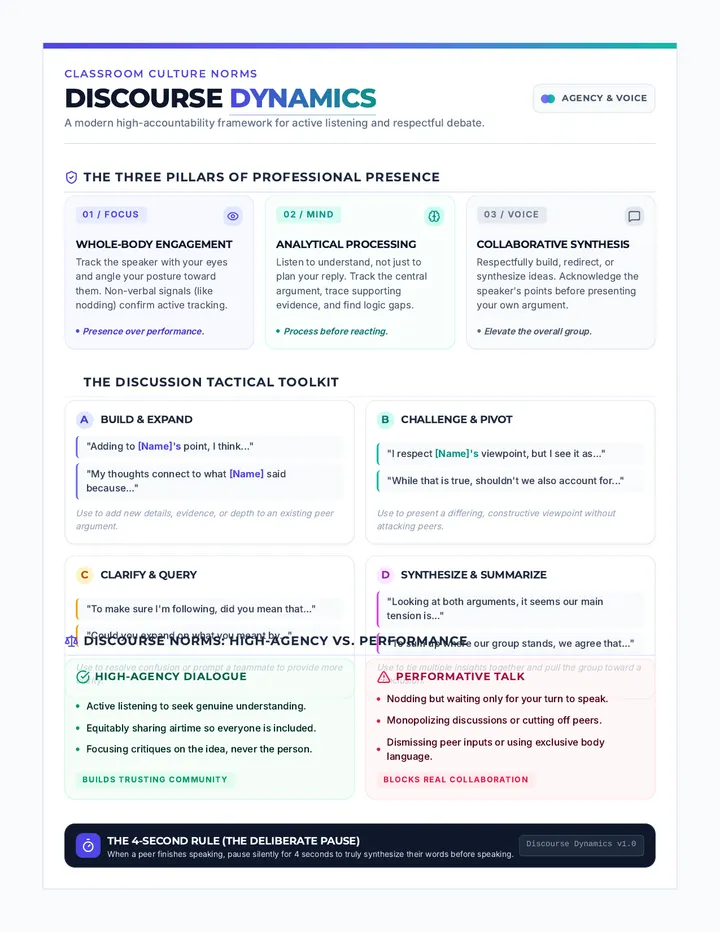
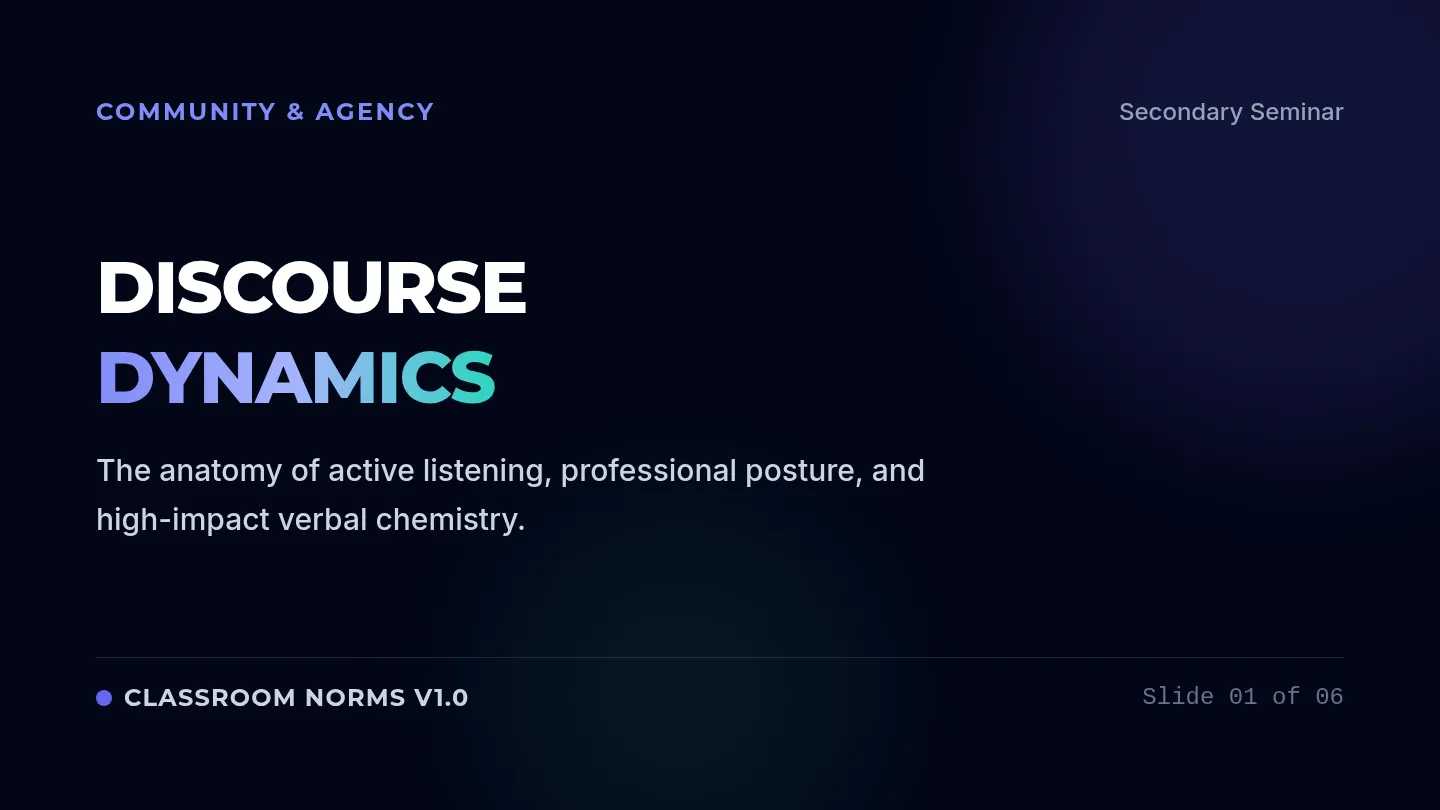
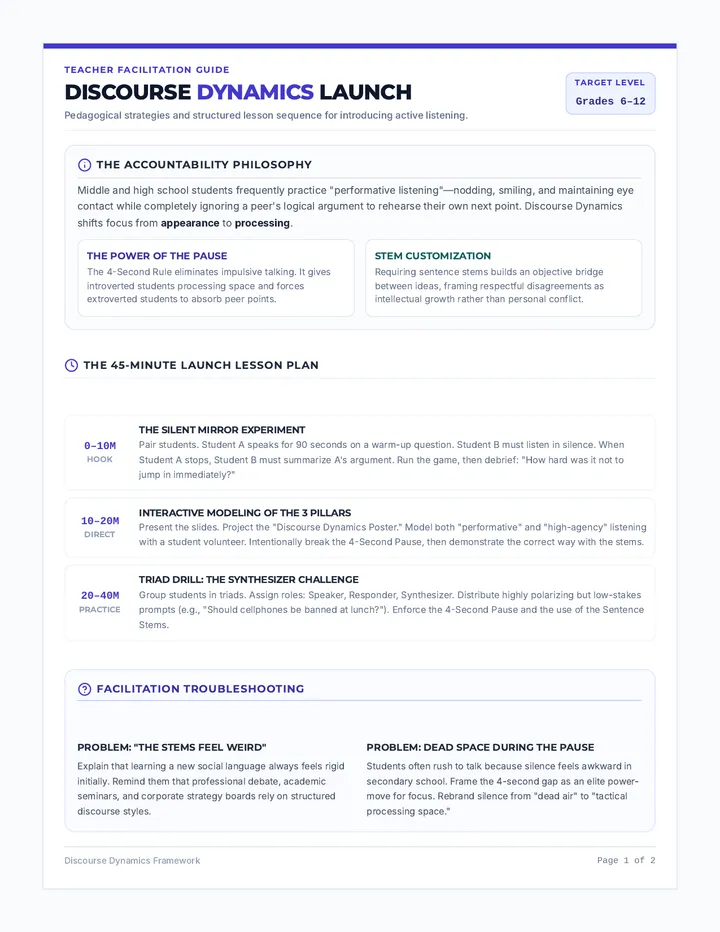
A modern, high-accountability framework for active listening and structured peer discussion in middle and high school classrooms. Includes an anchor chart, introductory slides, and a teacher facilitation guide.
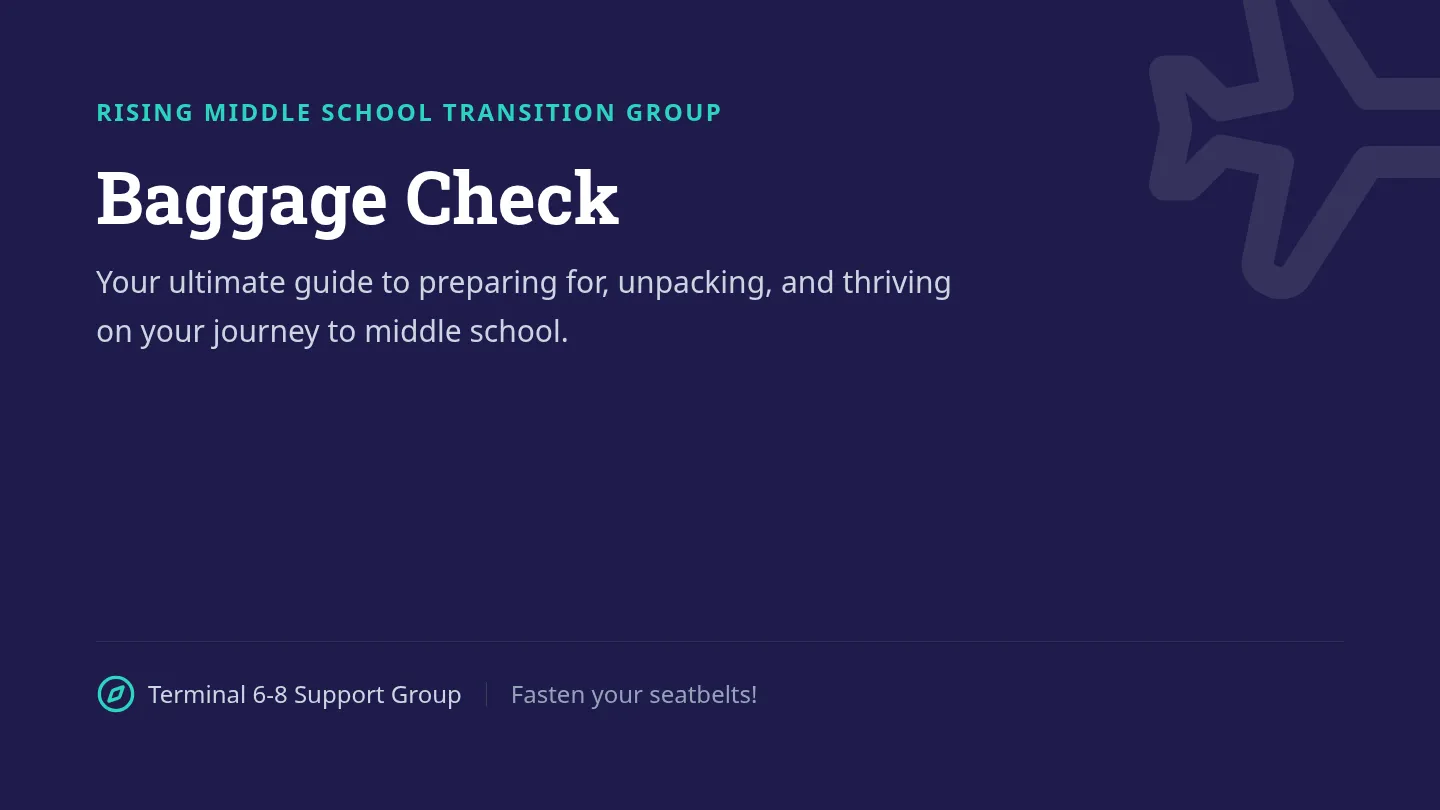
An engaging 6-slide presentation deck that visualizes the travel and baggage metaphor to guide the small-group session from check-in to coping skills.