An introductory lesson for 8th graders on the essential components of a resume, including contact info, education, and skills. Students will analyze samples and begin drafting their own professional profiles.
Esta lección ayuda a los adolescentes a identificar sus valores fundamentales y a utilizarlos como una brújula para navegar situaciones difíciles, utilizando los cuatro pilares de DBT para tomar decisiones alineadas con su "Mente Sabia".
A comprehensive self-management lesson that uses Cognitive Behavioral Therapy (CBT) principles to help students move from a blame mindset to taking full responsibility for their actions. Students analyze characters from 'Inside Out 2' and 'The Boy at the Back of the Class' to understand the connection between thoughts, feelings, and behaviors.
Day 2 of a 2-day sequence exploring viral reputations, the impact of online actions on others, and balancing authenticity with public sharing.
Day 1 of a 2-day sequence focusing on the intentional construction of a digital identity and future-proofing one's online presence.
A single 45-minute lesson focused on being the 'boss' of your online brand, connecting digital choices to the JHawk Way of being Accountable.
Students explore the rights and responsibilities of a consumer, focusing on how social media and peer pressure impact decision-making.
Students analyze how political and commercial advertising use techniques like bandwagon, celebrity endorsements, and emotional appeals to influence spending and voting.
A comprehensive 5-day lesson guiding students through the process of writing a personal essay about their multiple intelligences, skills, and future career paths.
A comprehensive lesson designed for middle school students to help them navigate social disagreements using self-regulation strategies and clear communication. The lesson includes a narrative-based social story, a teacher facilitation guide, and a reflective student worksheet.
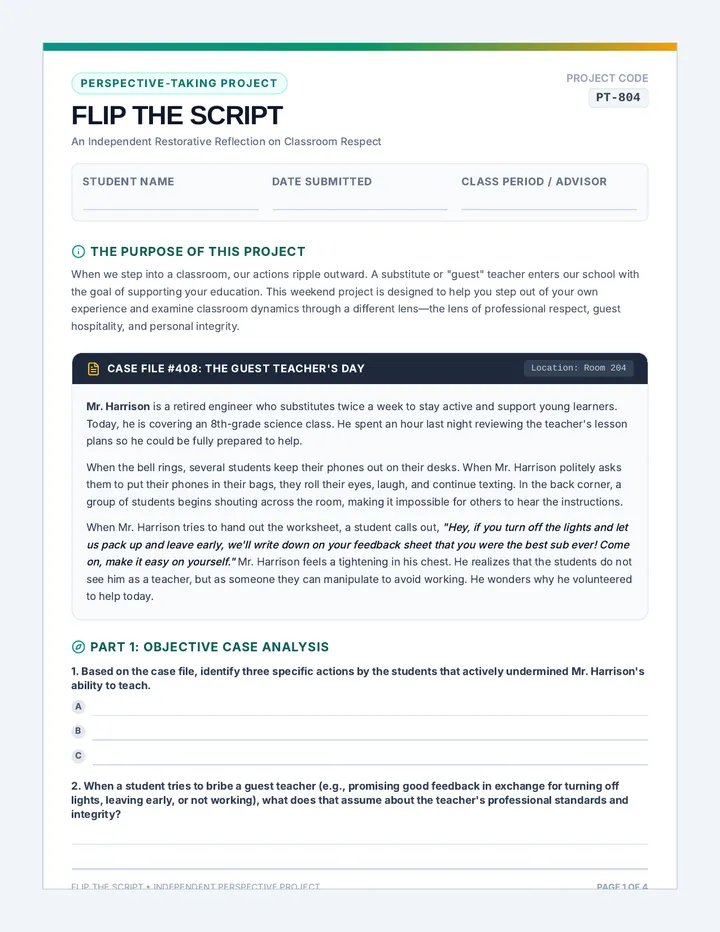
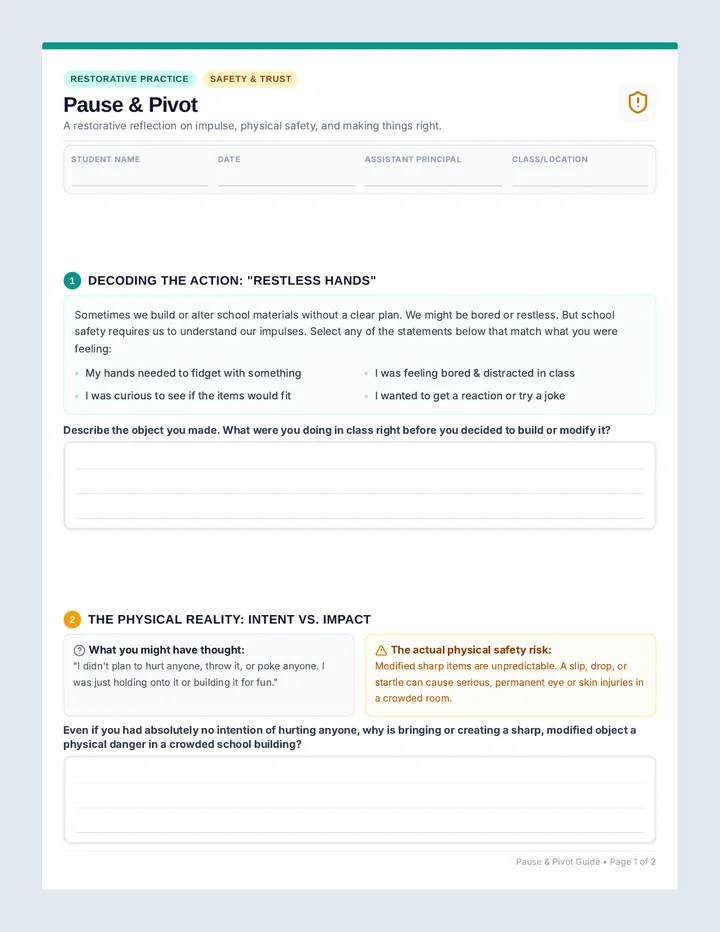
A collection of restorative practice tools designed to help students reflect on their actions, understand the impact of their behavior, and create a plan for restoration following peer conflict, classroom disruption, social media incidents, or academic dishonesty.
A lesson focused on restorative justice principles, helping students identify the impact of their actions and master self-regulation strategies to rebuild relationships.
A lesson focused on identifying and challenging cognitive distortions through the 'evidence for vs. against' technique, styled as a psychological investigation.
A lesson designed to help students master the SMART goal-setting framework to achieve academic and personal success. Students will learn to transition from vague intentions to actionable, time-bound blueprints for their future.
A recurring weekly reflection tool designed to help students celebrate successes, manage their emotional well-being, and sharpen their academic focus through a creative doodle-inspired layout.
A workshop for middle schoolers on restorative dialogue and genuine apologies, focusing on moving beyond simple 'I'm sorry' statements to identify impact and propose meaningful repair.
A workshop for middle schoolers focused on restorative justice and effective apologies, helping them build bridges of understanding through accountability and restitution.
A comprehensive lesson designed to help students manage impulsive reactions to authority figures and transform argumentative language into constructive communication.
A 6th-8th grade social-emotional learning lesson designed to combat end-of-year burnout. Students explore neuroplasticity and cognitive flexibility through hands-on 'engineering' of their own mental responses to setbacks.
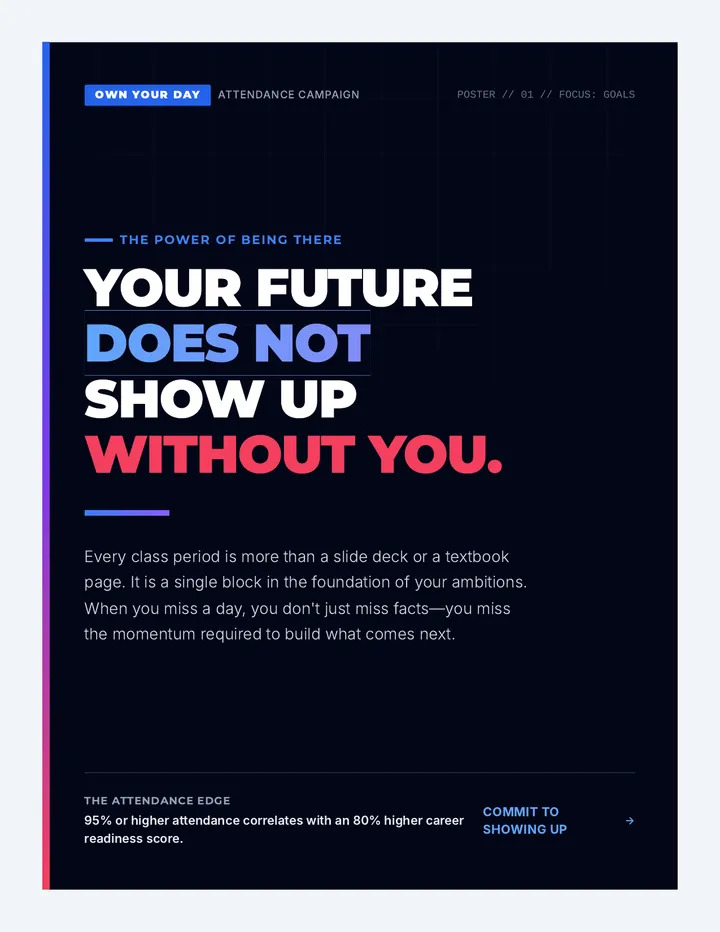
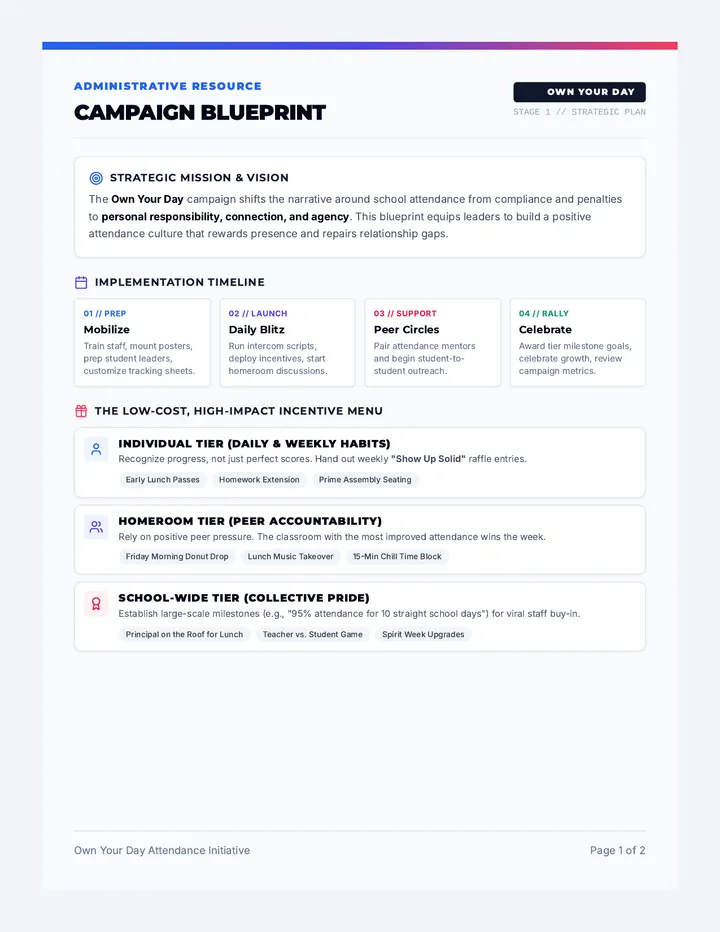
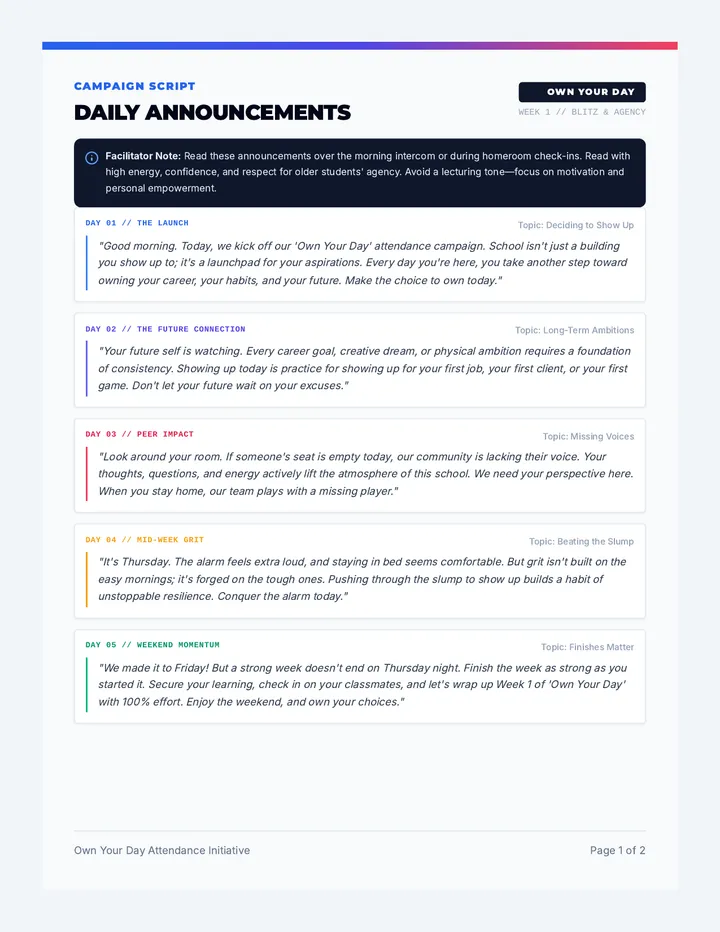
A short incentive program to encourage middle school attendance through a cupcake-themed competition.
An 8th-grade lesson on understanding data collection and the 'hidden price' of free apps. Students explore how their data is tracked and used for advertising through the JHawk Way lens of being Safe.
An 8th-grade lesson on practicing internet hygiene and online safety protocols through the lens of the JHawk Way of being Empathetic. Includes a slide deck, teacher guide, and collaborative application activity focused on positive framing and digital responsibility.
Eighth grade students evaluate their digital agency, focusing on self-regulation and building a professional personal brand for high school readiness.
Seventh grade students learn to 'switch gears' between different device modes based on classroom tasks, bridging the gap between rules and agency.
Sixth grade students explore the 'Attention Economy' and learn how their device navigation communicates respect to their learning community.
A collection of printable banners, headers, advice cards, and community resource listings to create an engaging summer-themed bulletin board.
A lesson sequence for high schoolers on managing 1:1 take-home Chromebooks, focusing on transport safety, home care, and district policy accountability.
A focused lesson for older students to develop cognitive flexibility, manage anxiety, and navigate preoccupying thoughts using the 'Brain Pivot' technique.
A restorative justice workshop for middle and high schoolers focused on the 'mechanics' of a genuine apology. Students learn to diagnose social friction and use specific tools to repair relationships after end-of-year conflict.
A comprehensive parent workshop designed to introduce families to the multi-faceted role of middle school counselors, covering academic, social-emotional, and career support.
A 15-20 minute lesson for middle schoolers on device stewardship, focusing on keyboard care, screen safety, and reporting issues through the lens of JHawk Accountability.
A hands-on workshop to practice guided mindfulness and create a personalized, long-term coping toolkit.
Strategies for managing academic pressure and exam anxiety using focus techniques and growth mindset principles.
Navigating the complexities of social media, peer pressure, and family relationships through mindful communication and boundary setting.
Explores the body's physiological response to stress and introduces three foundational mindfulness techniques.
Students work in small teams to build a space station. One student sees the secret picture, one gives directions, and one builds, teaching them how to share information clearly.
Students work in teams to build a lunar structure while navigating specific communication barriers, forcing them to develop new ways to share information and work together.