A deep dive into the subtle 'red flags' and coded language used in professional references. Students analyze simulated scenarios and transcripts to identify warning signs such as hesitation, neutral feedback, and lack of specific examples.
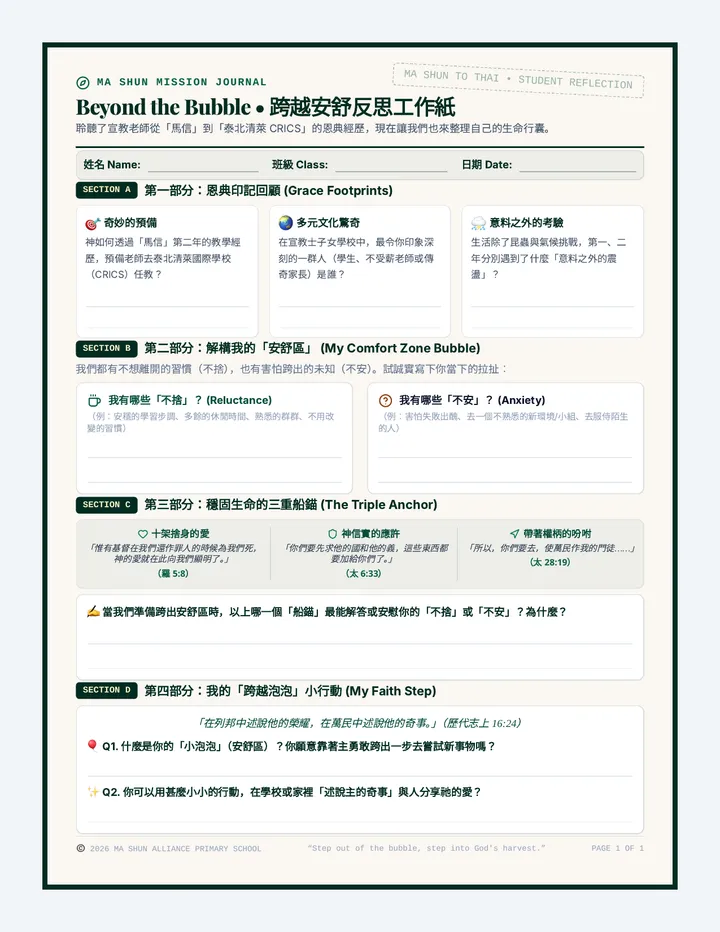
A lesson designed to help students identify their personal motivators, overcome obstacles, and develop a growth mindset toward challenging tasks.
Celebrate group progress, review key skills, and set personal social goals for the future.
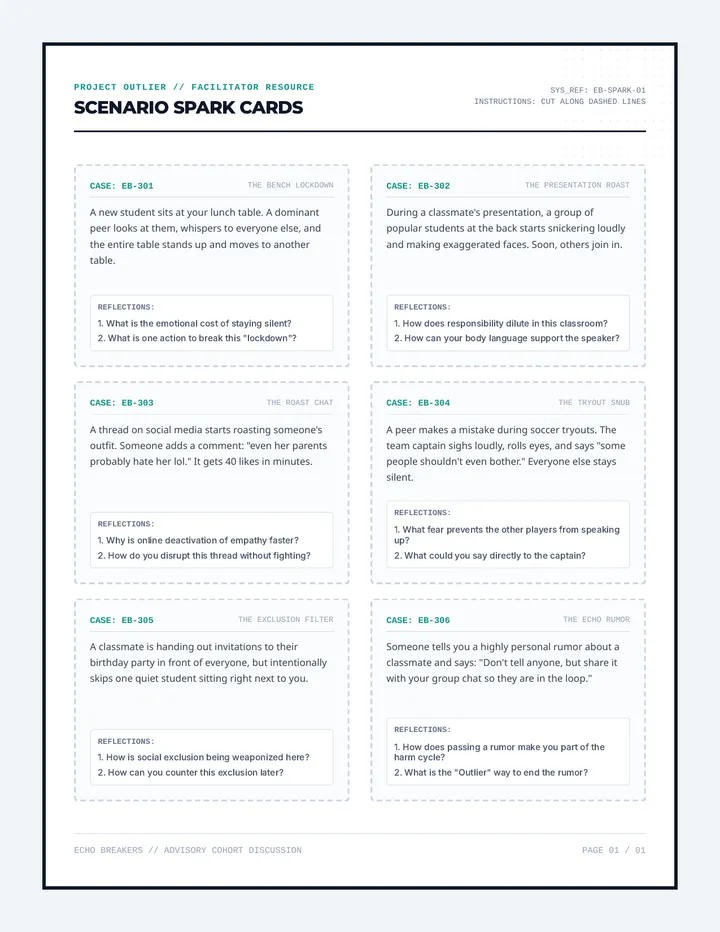
Develop strategies for handling disagreements, setting boundaries, and maintaining friendships through friction.
Explore the progression of friendships and the importance of consistency and shared experiences.
Identify shared interests and learn tactical strategies for approaching potential new friends in different environments.
Understand the impact of body language, tone, and personal space on social interactions and friendship building.
Master the 'ping-pong' method of conversation through open-ended questions and verbal follow-ups.
Learn the foundational mechanics of active listening and identifying barriers to effective communication.
Establish group norms, build initial rapport, and define what high-value friendship looks like in high school.
A lesson focused on physical mindfulness techniques, including progressive muscle relaxation and gentle grounding movements to help students regulate their emotions and focus their bodies.
A lesson teaching students how to use the 5-4-3-2-1 grounding technique to manage stress and anxiety, framed through a technical 'system reset' metaphor. Students learn to recognize the 'spinning' state of anxiety and intercept it using sensory inputs.
A grounding and mindfulness lesson using a coding-themed 'System Reset' protocol to help students focus and regulate their attention.
The capstone session where students consolidate their learning, create a vision board, and write a letter to their future professional self.
Focuses on consistency and the daily grind, providing tools for tracking motivation and building automated positive habits.
Identifies common 'blockers' like fear and procrastination, and uses role-play and discussion to build 'ninja' defense strategies.
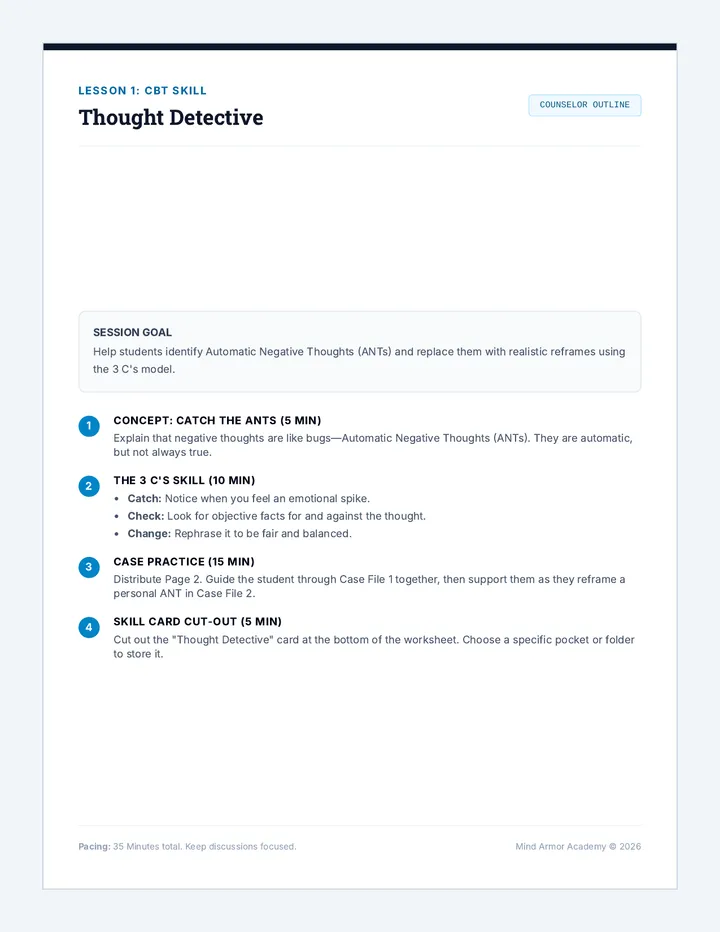
Covers the fourth 'P' (Positivity), teaching students to reframe negative thoughts and maintain a growth mindset during setbacks.
Teaches the third 'P' (Plan), where students turn vague goals into concrete, actionable steps using the Action Plan Builder.
Focuses on the second 'P' (Purpose), guiding students to connect their daily actions to their deeper 'Why' to sustain effort when things get tough.