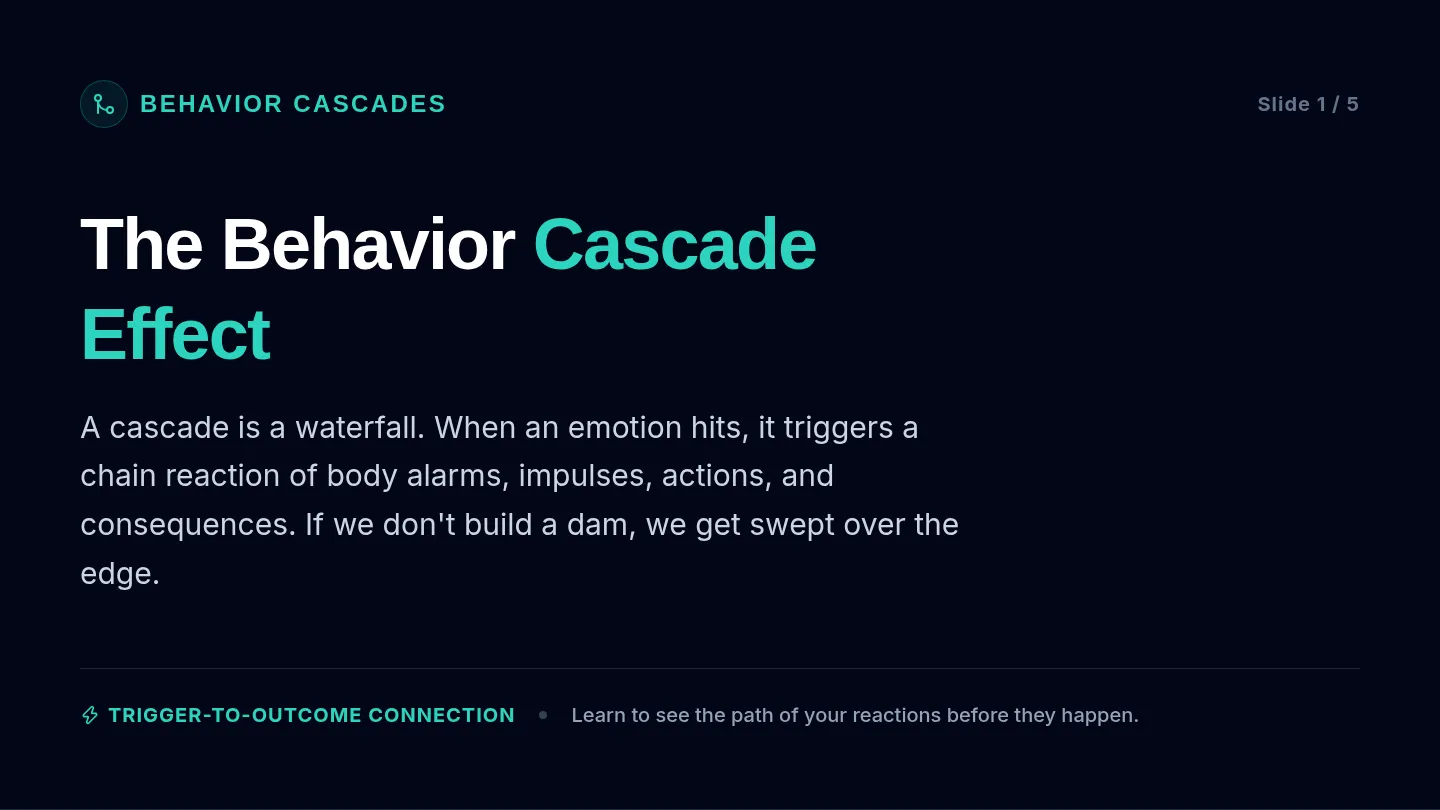
Unemployment Filing Slides
Life Skills Series
Lesson: Practical Finance
How to File for
Unemployment
An interactive, step-by-step masterclass on eligibility, application forms, weekly certifying, and handling denials.
Topic: Financial Safety Nets Let's Get Started →
What is Unemployment?
Introduction
Understanding the Economic Lowdown
Before learning how to file, we must understand what unemployment actually is, how the government measures it, and why this safety net exists.
Key Discussion Prompt:
How does job loss affect both an individual household and the broader regional economy?
Embedded media
Video: Economic Lowdown — Unemployment Overview
Press play to watch the video overview as a class.
How Benefits Actually Work
The Mechanics
Embedded media
Video: How Unemployment Insurance Functions
Dispelling the Myths
Who pays for these benefits? How is your weekly payout amount calculated? Let's break down the background mathematics of unemployment tax funding.
Key Takeaway:
Unemployment is an insurance policy funded by employer taxes. It is designed as a temporary support, not a permanent salary.
Let's look at who qualifies next.
Understanding Eligibility Rules
Rules
Who Typically Qualifies?
- • Lost your job through no fault of your own (e.g., layoffs, company closing).
- • Worked enough hours and earned enough wages in the "base period".
- • Able, available, and actively looking for full-time work.
Who Does Not Qualify?
- • Voluntarily quit without a legally recognized "good cause".
- • Fired for proven misconduct or violating company policy.
- • Unable to work (e.g., due to illness/injury—that is disability, not unemployment).
Golden Rule: When in doubt, always file. The state agency makes the final legal determination, not your former employer.
Interactive Poll: Who Qualifies?
Class Activity
Case #1
Mateo the Machinist
Laid off because customer orders decreased. Worked full-time for 3 years with stable wages. Actively seeking other factory jobs.
A) Qualifies B) Denied
Case #2
Clara the Chef
Quit her job because she was tired of working kitchen hours and wants to take a few months off to rest and consider options.
A) Qualifies B) Denied
Case #3
Sam the Stocker
Fired for repeatedly showing up late to morning shifts despite receiving three official written warnings.
A) Qualifies B) Denied
Discuss as a class: Be ready to defend your legal reasoning with rules from the previous slide!
Is There a Downside?
Pros & Cons
Evaluating Pros & Cons
While benefits offer crucial financial safety, there are details to consider, including tax obligations, job limits, and psychological impacts.
What to Watch Out For:
- • Benefits are considered taxable income.
- • They only replace a fraction of your former salary.
- • Lengthy gap periods require solid self-discipline.
Embedded media
Video: The Hidden Truths of Being on Unemployment
Unemployment checks are taxed! Keep this in mind when making a budget.
Benefits Vary Across the Nation
State Differences
Embedded media
Video: How State Laws Impact Your Benefits
Key Differences Between States:
Payouts
Weekly payment limits vary wildly. E.g., Massachusetts maximum is $1,000+/week, while Florida is capped at a low $275/week.
Duration
Most states pay up to 26 weeks, but some states limit payouts to 12 weeks depending on regional job rates.
Portals
Every state runs its own separate system and web portal. You must file in the state where you actually worked.
Always verify rules for your exact state. Next, let's look at Florida's system.
Florida Step-by-Step Focus
State Example
Filing in Florida (Reemployment Assistance)
Florida refers to its system as "Reemployment Assistance." Let's look at the modern digital portal walk-through to see how standard filing looks in practice.
Florida Capped Limits:
- • Maximum Weekly Benefit: $275
- • Standard Duration: 12 weeks
- • Filing System: CONNECT portal
Embedded media
Video: step by step guide to filing in florida 2026
Even if you don't live in Florida, the overall workflow and questions are almost identical.
Gathering Your Paperwork
Preparation
Personal ID
Social Security Number (SSN) or Alien Registration Number. Driver's license, State ID, or Passport.
Employment History
Names, addresses, and phone numbers of all employers you worked for in the last 18 months.
Earnings Details
Recent paystubs, W-2 forms, or tax returns. Exact dates worked and gross earnings (before taxes are taken out).
Pro-Tip: Missing paperwork delays payments. Prepare a dedicated "Unemployment Folder" (physical or digital) to keep everything organized in one spot.
Navigating Key Application Fields
Application Terms
Watch Out for These Terms
Reason for Separation
Why you are no longer there (e.g., Lack of Work, Quit, Discharged/Fired).
Gross Wages
Total money earned before any taxes, insurance, or retirement are deducted.
Effective Date
The Sunday of the week you file your initial claim.
Avoid Costly Mistakes
Unemployment fraud occurs when you intentionally provide false information (like lying about why you were let go or hiding part-time earnings).
Honest mistakes can delay your check, but lying is a crime that leads to penalties, repayment, or prosecution.
Be 100% Accurate Double-Check Every Number
We will analyze standard application prompts next as a class.
Certifying to Keep Benefits
Claim Maintenance
What is "Weekly Certification"?
Filing your initial application is only step one. To keep receiving money, you must log in every week to answer standard certification questions.
Typical Weekly Questions:
- • Were you physically able and available to work?
- • Did you actively seek employment? (Keep your work log!)
- • Did you earn any money this week?
Embedded media
Video: Breaking down 'Certifying' for unemployment
Warning: Failure to submit your weekly certification on time can close your claim and forfeit that week's payout!
What to Do If Denied
The Appeals Process
Don't Panic: You Have a Right to Appeal
Many initial claims are denied due to paperwork errors, employer pushback, or simple system holds. You have a legal right to dispute this decision.
Quick Appeal Facts:
- • Strict Deadlines: You must file an appeal fast (often within 10 to 15 days of the denial date).
- • Keep Certifying: Continue filing your weekly claims! If you win, you'll be paid retroactively for all those weeks.
Step-by-Step Appeal Workflow
- 1. Read the Determination Letter: Identify the exact reason for denial.
- 2. Gather Written Proof: Paystubs, employment emails, separation letters.
- 3. Submit Your Appeal: Do it online, by mail, or fax before the deadline.
- 4. Attend the Hearing: Be prepared to explain your case to a hearing officer.
If your employer disputes your layoff, this official hearing is where the final decision is settled.
Always keep a copy of your denial letter and file your appeal immediately.
Getting Help & Self-Advocacy
Support
How to Advocate for Yourself
The unemployment system can be bureaucratic, confusing, or overwhelmed. If your claim is delayed, locked, or denied, you must take active steps to get support.
Call Early & Log Contacts
Call as soon as phone lines open. Write down the agent's name, ID number, date, and what they told you.
Visit American Job Centers
Local physical centers offer free in-person computer access, application assistance, and job resources.
Know Your Rights
Language Access: By law, you have a right to application materials and translators in your primary language. Always ask!
Right to Appeal: If your claim is denied, you have a limited window (often 10–15 days) to file an official appeal. Do not miss this deadline!
"I need a language translator for [language]" or "I would like to file an official appeal on this decision."
Ready to Roleplay? Let's practice calling the support agent together!
Safety Net Teacher Guide
Teacher Resource Guide
SAFETY NET NAVIGATOR
Unit: Financial Literacy
Lesson Focus: This is a 100% presentation-driven, interactive unit. Students do not complete physical workbooks; instead, they participate in digital case polls, analyze mock forms together, and practice live roleplay scenarios using the slideshow.
Classroom Setup: Project the Unemployment Filing Slides. Encourage students to have scratch paper or small whiteboards to write down answers during interactive polls.
Lesson Pacing Guide (60 Minutes)
15 Mins
What is Unemployment? (Slides 1-3): Present the intro and play both the Economic Lowdown and How Unemployment Actually Works videos. Discuss who funds benefits.
15 Mins
Rules & Interactive Case Poll (Slides 4-7): Walk through eligibility rules. Transition to Slide 5 ("Who Qualifies?"). Run a live vote (thumbs up/down or whiteboards) for Mateo, Clara, and Sam.
15 Mins
Filing Forms & States (Slides 8-10): Present state variations, including the FloridaCONNECT portal guide video. Analyze slide 10's key terms and fraud warnings.
15 Mins
Certifications & Appeals (Slides 11-13): Play the certifying video on Slide 11. Transition to the "What If You Are Denied" slide (Slide 12). Conclude with Slide 13's self-advocacy roleplay.
Instructional Script & Discussion Prompts
Teacher Script (Direct Instruction):
"Unemployment benefits are an insurance system, not welfare. Since the system is highly bureaucratic, you must be 100% accurate on your forms. If you are ever denied, don't stop certifying—you have a right to an official appeal. Today we are going to walk through this together as a class, run a live poll on real-world cases, and learn how to stand up for your legal rights."
Discussion Starters:
- "How would you prove to an appeal officer that your separation was a layoff rather than being fired for misconduct?"
- "Why does the system require weekly check-ins rather than just sending check after check automatically?"
Page 1 • Unemployment Filing Unit Teacher Guide
Teacher Resource Guide
CLASSROOM DISCUSSIONS & KEYS
Unit: Financial Literacy
Slide 5: Interactive Poll Answer Keys
Case #1 (Mateo): A) Qualifies. Mateo was laid off through no fault of his own (decreased orders), worked long enough to meet base-period requirements, and is actively seeking a job.