Coping Toolbox Teacher Guide Coping Toolbox
Teacher Facilitation Guide
Duration 30 MIN
Objective
Students will be able to identify at least three personal coping strategies and explain when they might use each one to manage stress and emotions.
Why This Matters
Equips students with practical tools to manage emotions and daily stressors, fostering resilience and self-awareness. Middle school presents unique social and academic challenges where regulation is key.
Materials
Whiteboard or projector
Coping Toolbox Slide Deck
Worksheet (1 per student)
Scenario Cards (cut & sorted)
Pens/Pencils
Teacher Preparation
Review Slide Deck and Scenarios.
Print one worksheet per student.
Print and cut Emotion Scenario Cards.
Prep whiteboard/projector for Slide 1.
Lesson Procedure
5 MIN
Warm-Up: How Do You Feel?
Slide 1
Reflect: Ask students to silently reflect on their current mood.
Ask: "What are some words we use to describe our feelings?" (Accept varied responses).
Introduce: "Today, we're building a 'Coping Toolbox' to help handle those feelings, especially the tough ones."
7 MIN
Direct Instruction: What is Coping?
Slides 2-4
Define: Strategies are healthy ways to deal with stress or big emotions.
Metaphor: "Like a builder has tools for different jobs, we have a toolbox for our emotions."
Ask: "Can anyone share a healthy way they deal with feeling stressed or upset?" (Guide toward music, talking, exercise, deep breathing).
10 MIN
Guided Practice: Filling the Toolbox
Slide 5 & Worksheet
Task: Distribute worksheets. Students brainstorm strategies in four categories (Calming, Active, Creative, Social).
Teacher Role: Circulate. Encourage students to think about what actually works for them, not just what they think you want to hear.
6 MIN
Real-Life Connection: Scenarios
Slide 6 & Scenario Cards
Groups: Small groups (2-3). Hand out 1-2 Scenario Cards per group.
Discuss: "Which tools from your toolbox would you use here? Why?"
Share: Ask a few groups to present their scenario and their chosen 'tool'.
2 MIN
Cool-Down: My Go-To Tool
Slide 7
Final Reflection: Ask students to identify their #1 most useful tool. "Knowing your tools is the first step to using them!"
Coping Tool Catalog Reference Coping Tool Catalog
Identify the gear you already use and find new tools to try.
"But I don't have any coping skills..."
Yes, you do! A "coping tool" is just **anything you do on purpose to change how you're feeling.** If you've ever pet a dog to feel calmer, listened to a song to feel pumped up, or taken a nap when you were stressed—you were already using a tool.
Look for things below that you already do!
Calming
Level Down
Use when: Frustrated, Anxious, Angry
Box Breathing (In 4, Hold 4, Out 4)
Counting backward from 50
Listening to a "chill" playlist
Progressive Muscle Relaxation
Sitting in a quiet corner
Visualizing a "happy place"
Taking a slow shower/bath
Active
Release Power
Use when: Restless, Stressed, Bored
Squeezing a stress ball/putty
Going for a walk outside
Stretching or Yoga
Biking around the block
Organizing/Cleaning a shelf
1 minute of jumping jacks
Playing a sport
Creative
Express Self
Use when: Overwhelmed, Sad, Numb
Doodling or Zentangles
Writing a "brain dump" journal
Making a mood board/collage
Playing an instrument
Cooking or baking
Building (LEGO, Minecraft)
Photography
Social
Reach Out
Use when: Lonely, Discouraged, Scared
Texting or calling a friend
Petting or playing with a pet
Helping someone with a chore
Hanging out in the living room
Talking to a mentor/counselor
Playing a multiplayer game
Giving someone a compliment
Tools are for YOU.
Some tools work for others but might not work for you. That's normal. Your goal today is to pick the 3 or 4 tools that actually make you feel better—not just the ones that sound "good."
Coping Toolbox Slides What's In Your
Coping Toolbox?
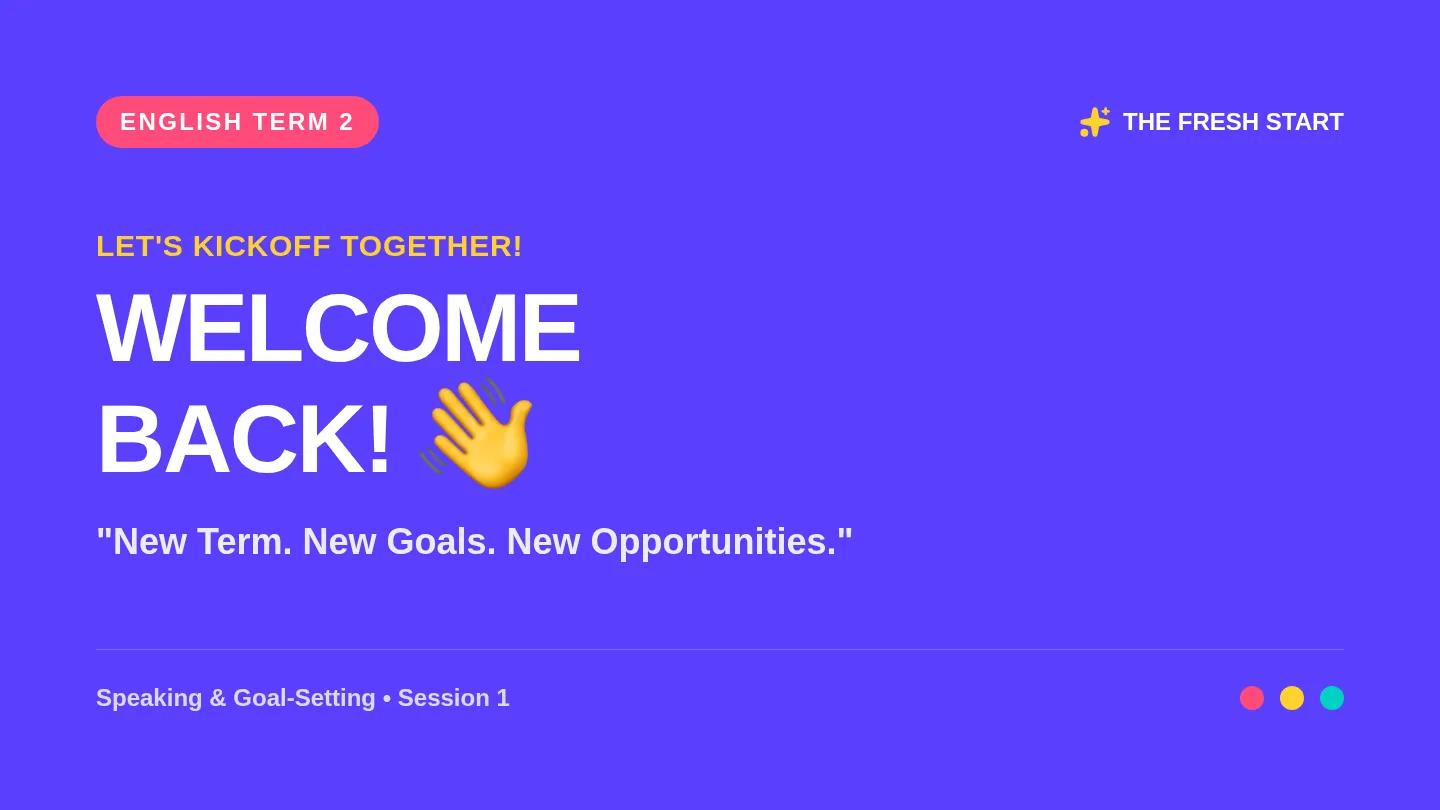
How Are You Feeling Today?
Happy
Sad
Your Word?
What's a Coping Strategy?
A coping strategy is a healthy way to deal with tough feelings, stress, or tricky situations.
It's how you manage your emotions and react to challenges in a positive way!
When Do We Need Them?
We need coping strategies when we feel:
Stressed
Anxious
Sad
Angry
Overwhelmed
...or when facing any difficult problem that feels like "too much."
Your Coping Toolbox!
Instead of wrenches and hammers, your toolbox is full of strategies you use to feel better!
Every person's toolbox is unique. What works for your best friend might not work for you!
Building Your Toolbox!
1
Think of healthy ways you already deal with big emotions.
2
Brainstorm new ideas to try out.
3
Fill your worksheet with strategies for every category .
MY COPING TOOLBOX
Toolbox in Action!
The Challenge:
Work in your small groups.
Read your Emotion Scenario Card.
Discuss: Which tools would you pull out? Why?
"Now, let's put our coping toolboxes to work!"
My Go-To Tool
What is one coping strategy you already use, or one you want to try next time you feel a big emotion?
Knowing your tools makes you ready for anything!
Coping Toolbox Worksheet My Coping Toolbox
Tools for building emotional resilience
Student Name
Date
Just like a builder has a toolbox with different tools for different jobs, you can have a "coping toolbox" filled with strategies to help you when you feel overwhelmed, stressed, or sad. These are healthy ways to respond to tough emotions.
Fill your toolbox with healthy strategies
1. Calming Tools
Help your body and mind relax when you're stressed or angry.
2. Active Tools
Release energy, change focus, or work through a feeling physically.
3. Creative Tools
Express feelings through art, music, or imagination.
4. Social Tools
Connect with others for support, advice, or perspective.
My Top 3 Go-To Tools
Choose your most helpful strategies and plan when to use them.
1
Tool:
When:
2
Tool:
When:
3
Tool:
When:
Emotion Scenario Cards Emotion Scenario Cards
Teacher: Cut along the dashed lines. Distribute 1-2 cards per small group. Groups should discuss which "Tools" from their toolbox they would use to handle the situation.
1. Homework Overload
You have three big assignments due tomorrow, and you feel completely overwhelmed. You're starting to feel a knot in your stomach, and you just want to give up.
Our Tools:
2. Friend Drama
Your two best friends are fighting, and they're trying to get you to pick a side. You feel really stressed and caught in the middle, and it's making you upset.
Our Tools:
3. Bad Grade
You just got back a test, and you didn't do as well as you hoped. You feel really disappointed in yourself and a bit angry.
Our Tools:
4. Performance Anxiety
You have to give a presentation in front of the class next week, and you're already feeling really nervous. Your heart races just thinking about it.
Our Tools:
5. Something Unfair
You saw something happen that wasn't fair, and it made you feel really angry and frustrated. You want to speak up, but you're not sure how.
Our Tools:
6. Feeling Left Out
At lunch, you see a group of friends you usually hang out with, but they don't seem to notice you or invite you over. You feel a pang of sadness and loneliness.
Our Tools:
Coping Toolbox Lesson © Classroom Guidance Series