A lesson exploring conflict resolution and compromise through a two-person Reader's Theater script about friends navigating a creative disagreement.
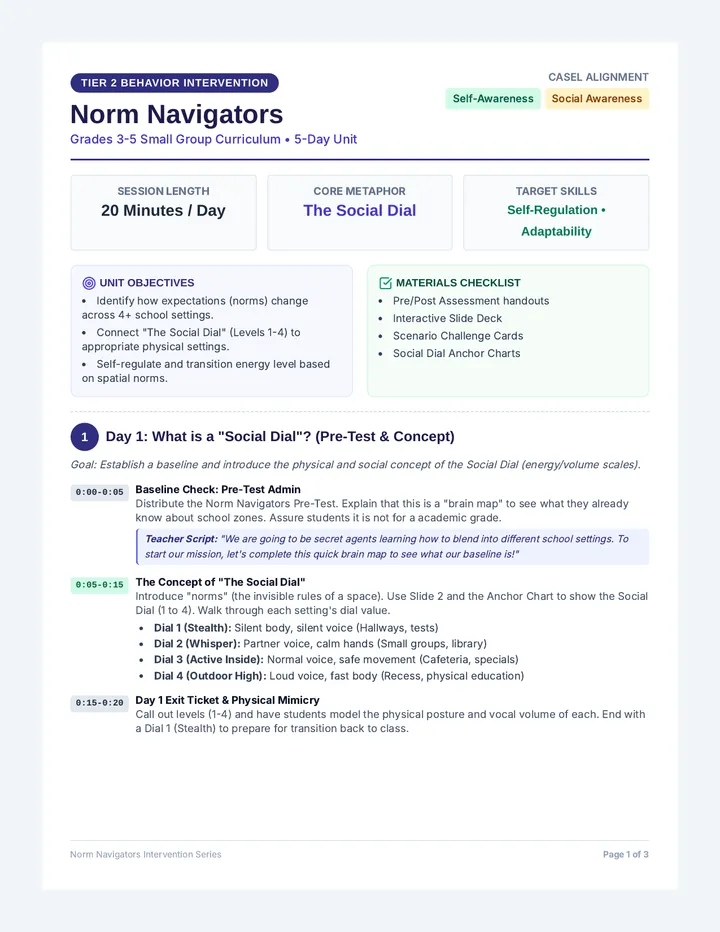
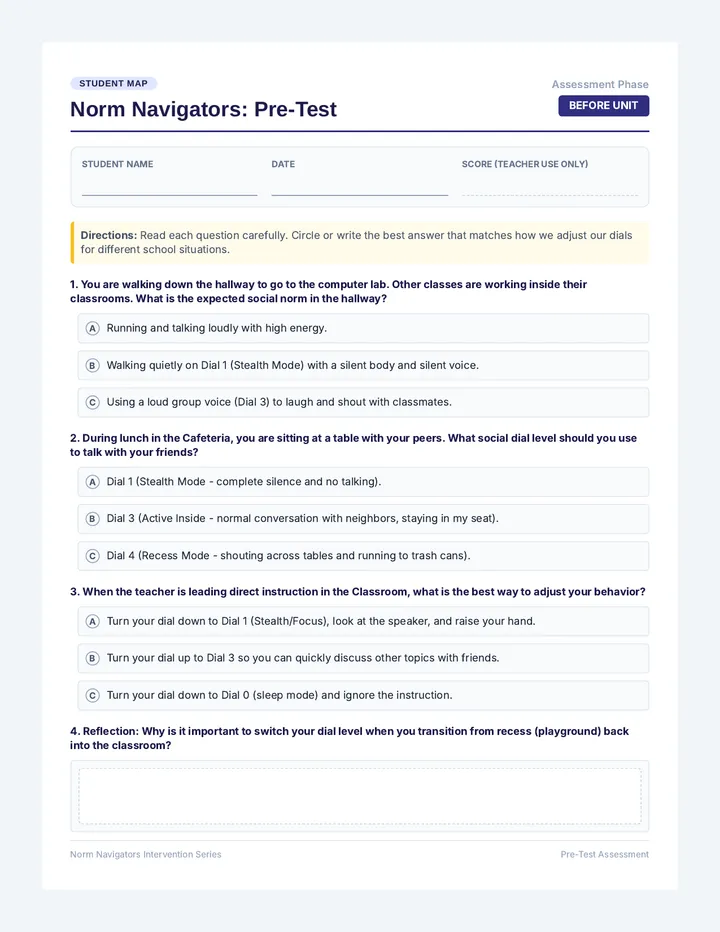
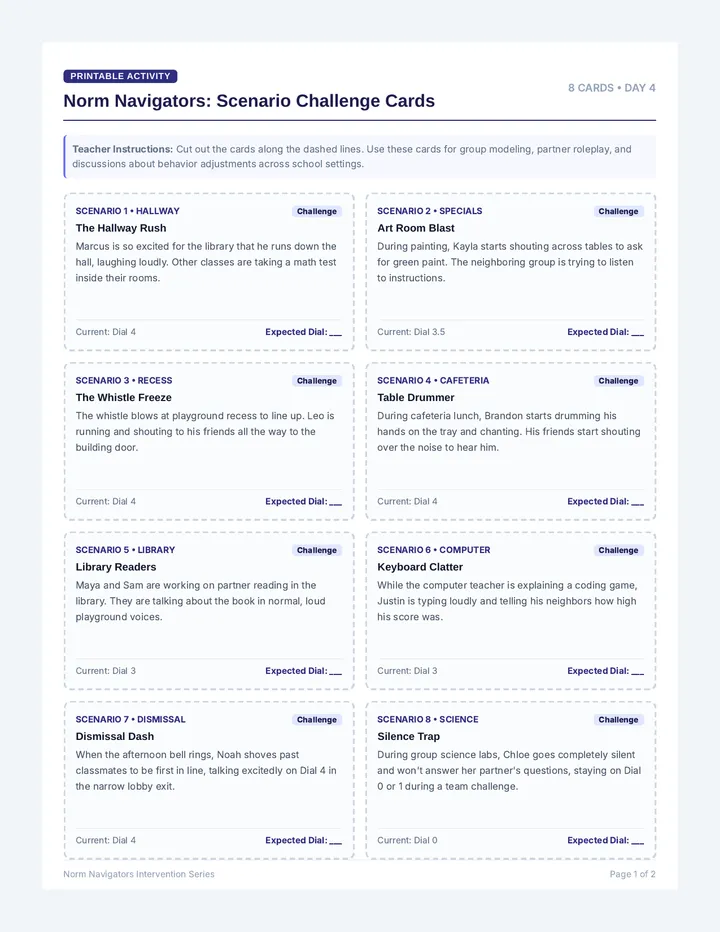
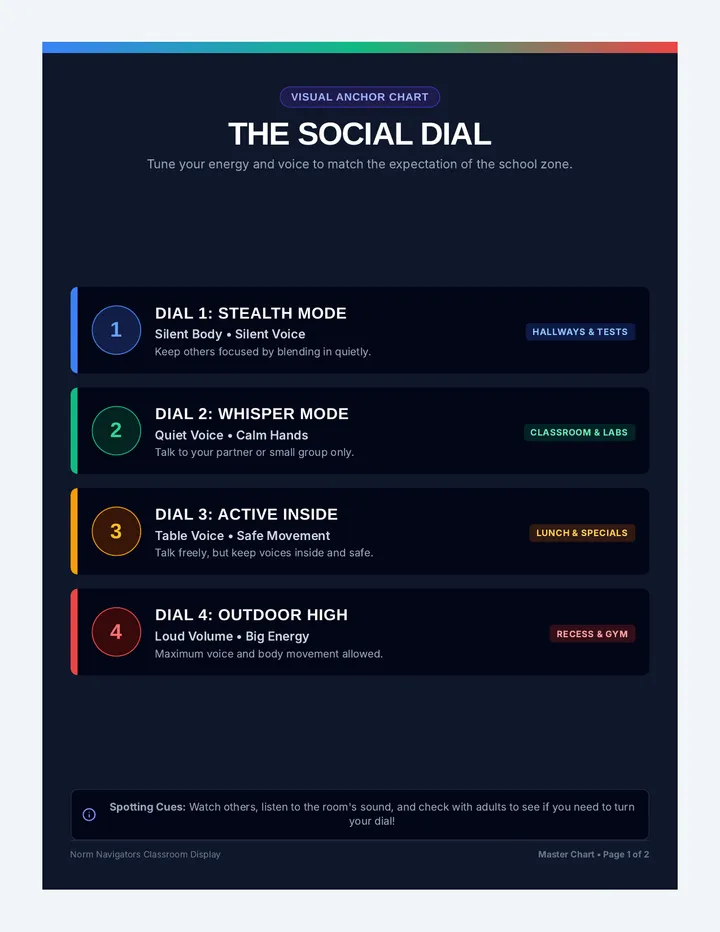
A 5-day Tier 2 behavior intervention sequence for grades 3-5 focused on recognizing and adapting to social norms across different school settings. Aligned with CASEL Self-Awareness and Social Awareness competencies, the sequence uses the concept of the 'Social Dial' to help students regulate their energy and volume.
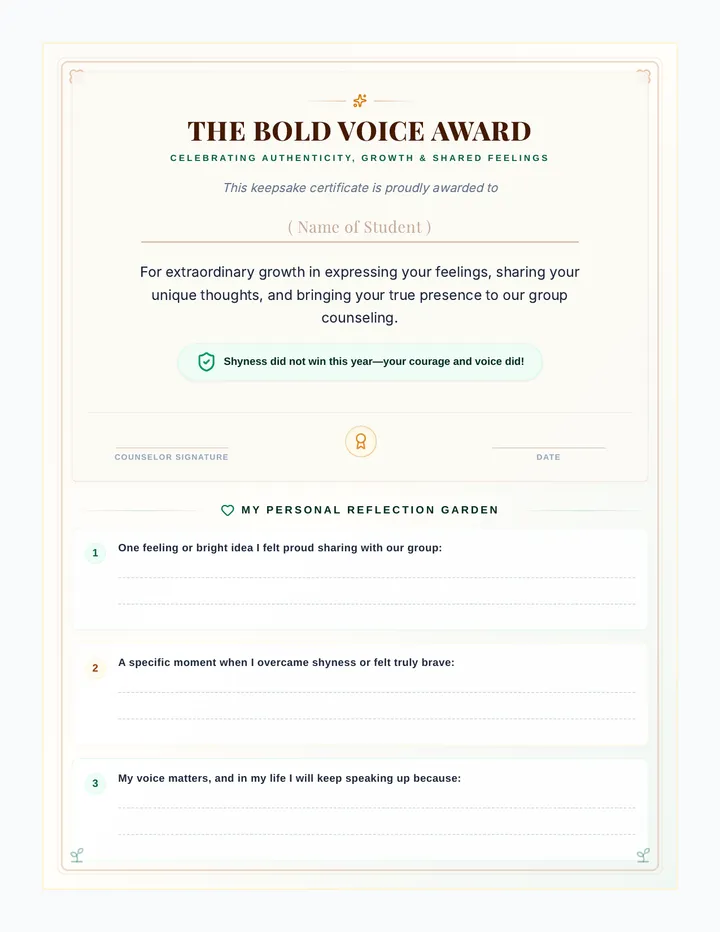
A reflective counseling lesson celebrating emotional expression, triumph over shyness, and setting intentions for speaking up with confidence in group settings.
A beautiful, warm, and reflective landscape-inspired keepsake award certificate and interactive student reflection document celebrating a student's personal growth and triumph over shyness in group counseling.
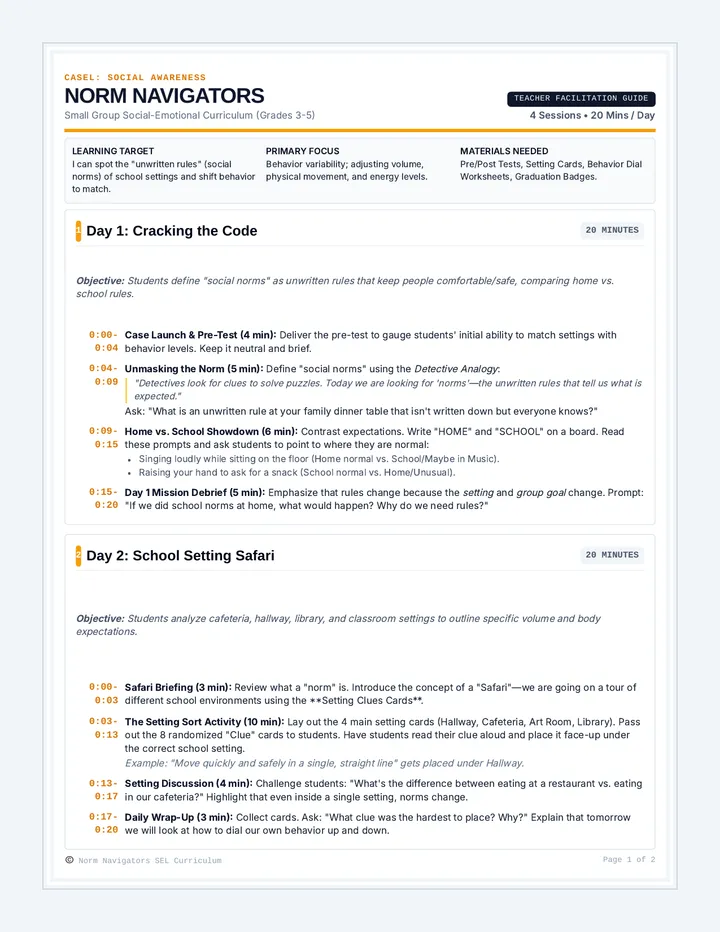
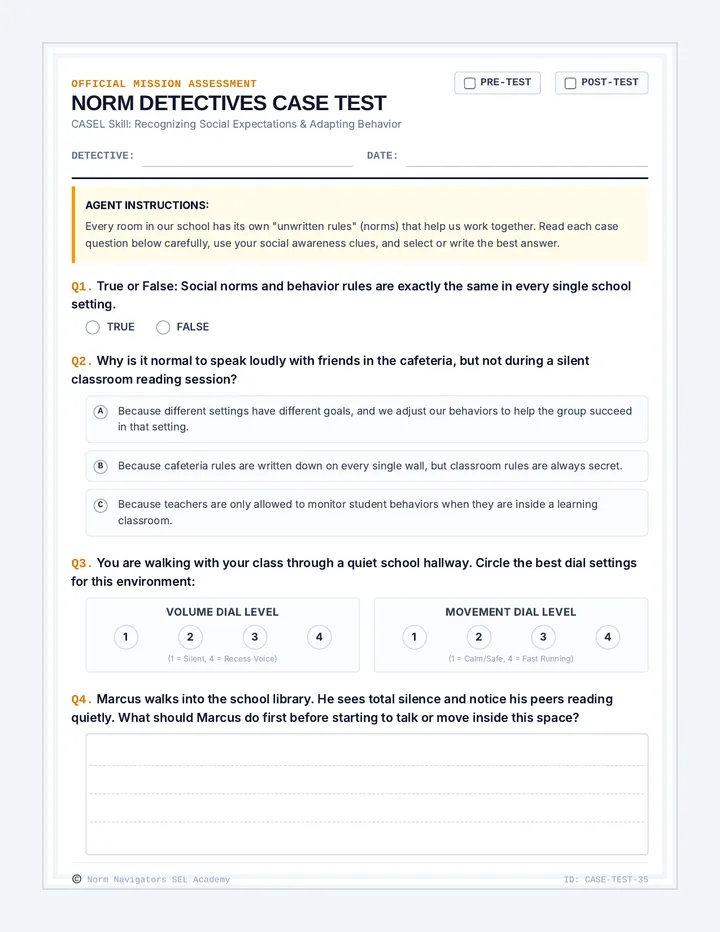
A comprehensive 4-day small-group social-emotional learning sequence for grades 3-5. Aligned with the CASEL Social Awareness framework, this unit teaches students to identify how expectations and social norms change across different school environments and how to adapt their behaviors successfully.
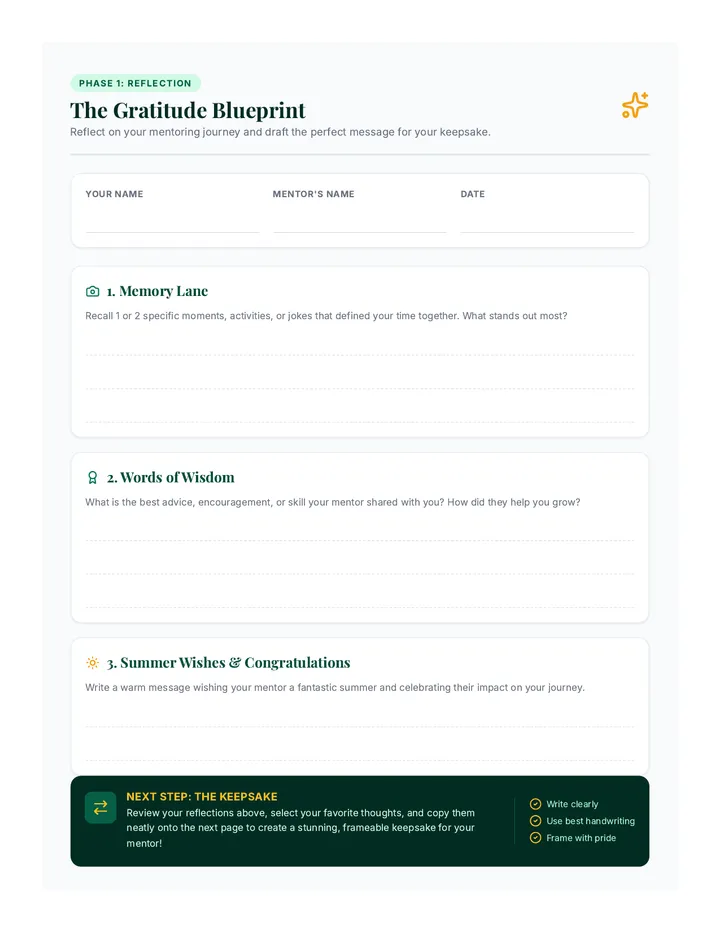
A heartfelt lesson designed to guide mentees through reflecting on their journey with their mentors, writing meaningful thank-you messages, and creating a beautiful framed keepsake.
A printable 2-page resource. Page 1 is a structured reflection worksheet for mentees to brainstorm key memories and draft messages. Page 2 is a beautiful, certificate-style keepsake with a classic border and writing lines designed to be framed as a mentor gift.
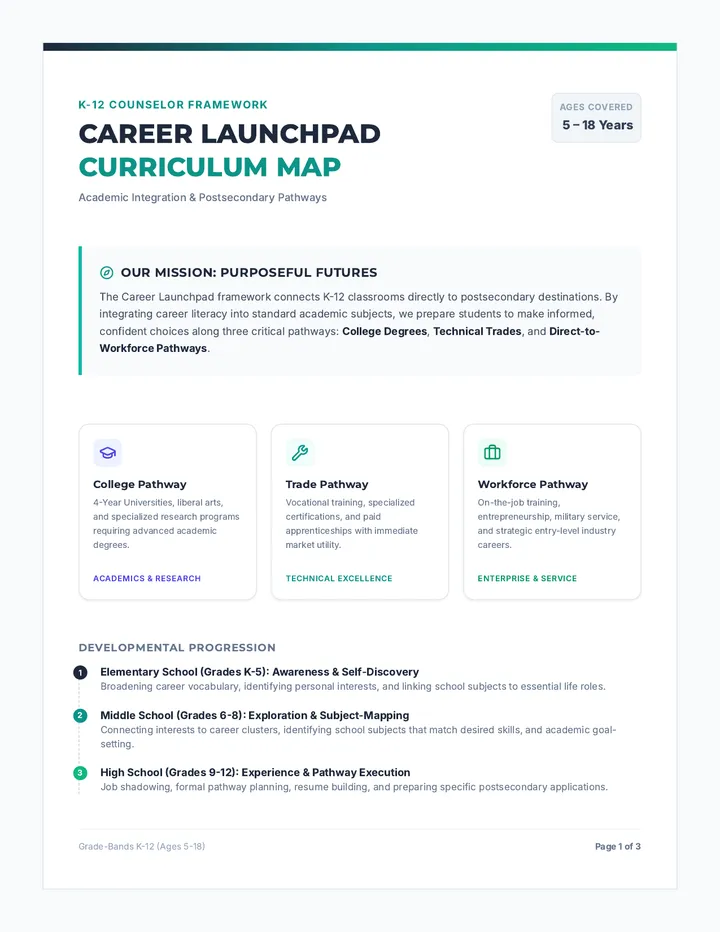
A comprehensive career exploration framework and counselor planning toolkit for grades K-12. This curriculum maps academic subjects to real-world career paths (college, trade school, and workforce) and provides counselors with implementation templates, annual pacing calendars, and a school-wide Career Day blueprint.
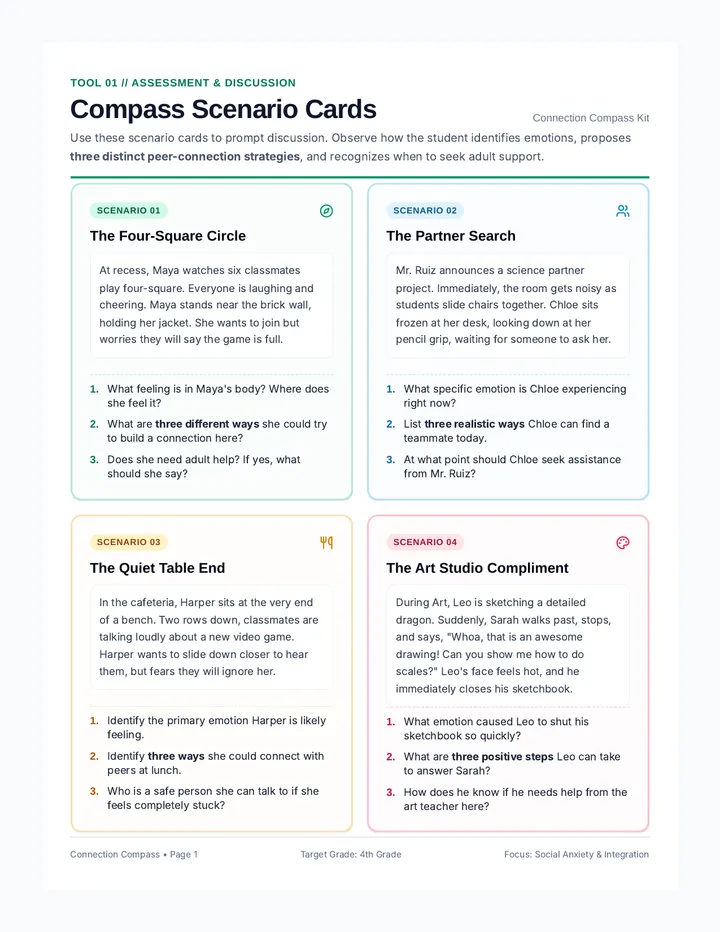
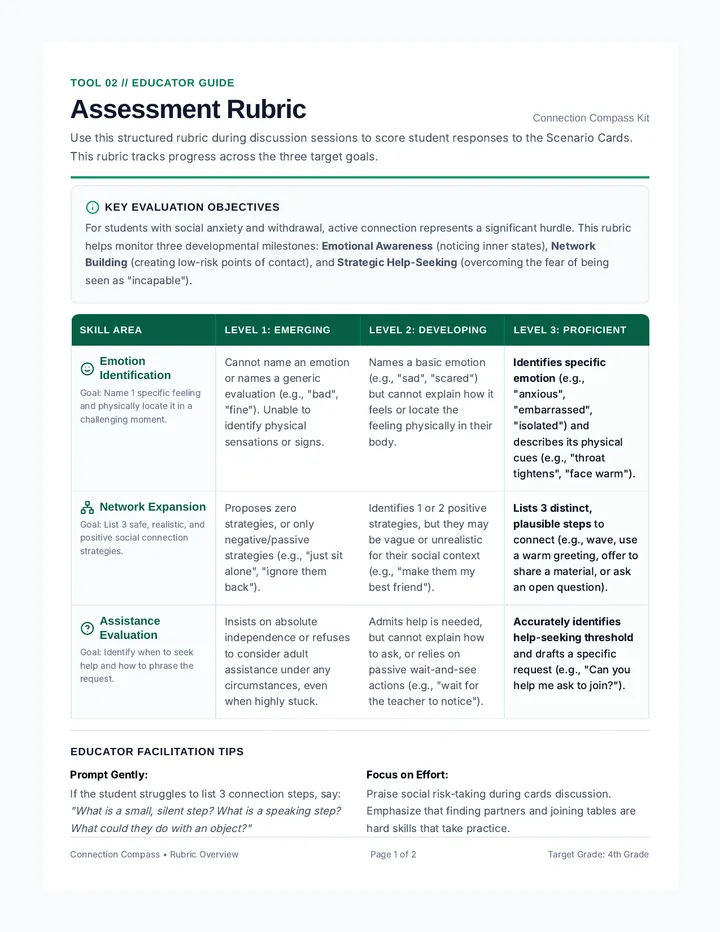
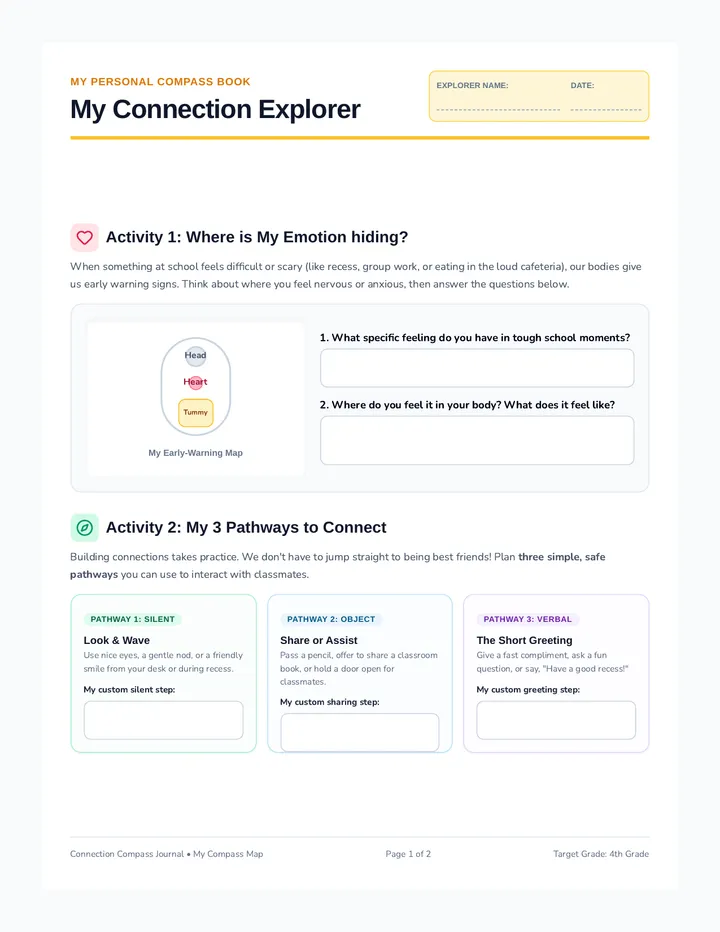
A comprehensive progress monitoring and intervention kit designed to help 4th-grade students experiencing social anxiety and withdrawal. The kit includes situational scenario cards, an educator assessment rubric, and a student self-reflection journal to build emotional awareness, expand peer connections, and develop help-seeking behaviors.
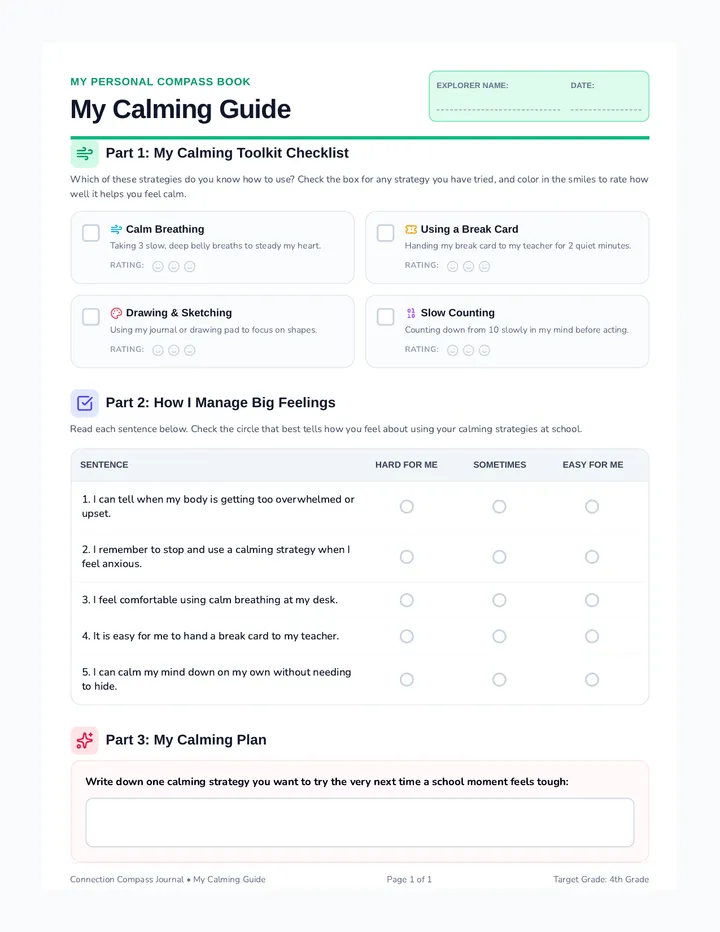
A student-facing self-assessment and strategy-matching questionnaire to help 4th-grade students explore, select, and evaluate their use of calming strategies like breathing, break cards, and drawing when feeling overwhelmed.
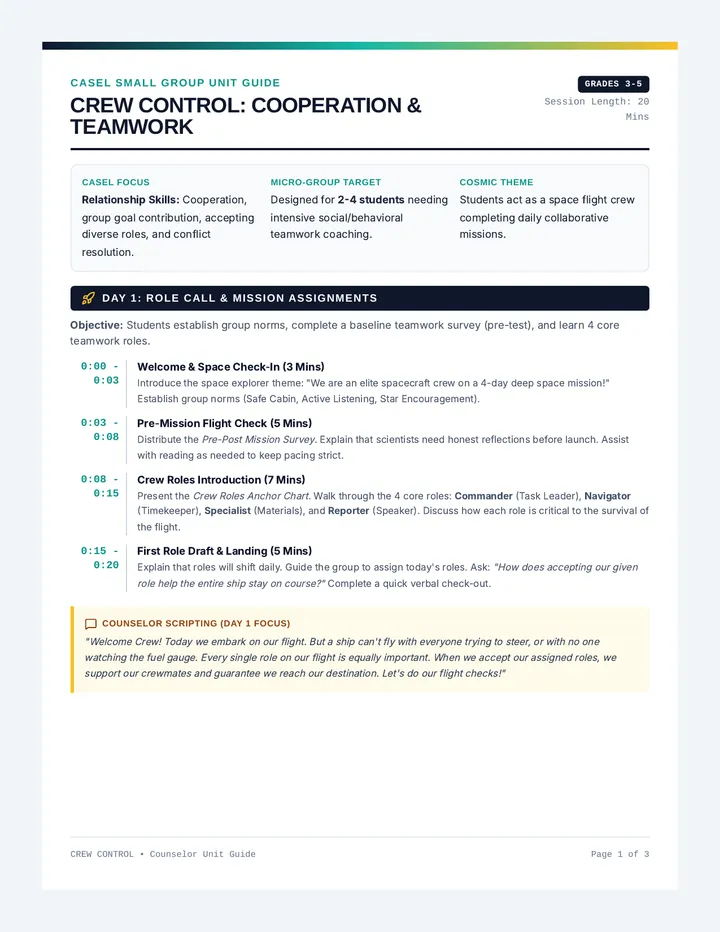
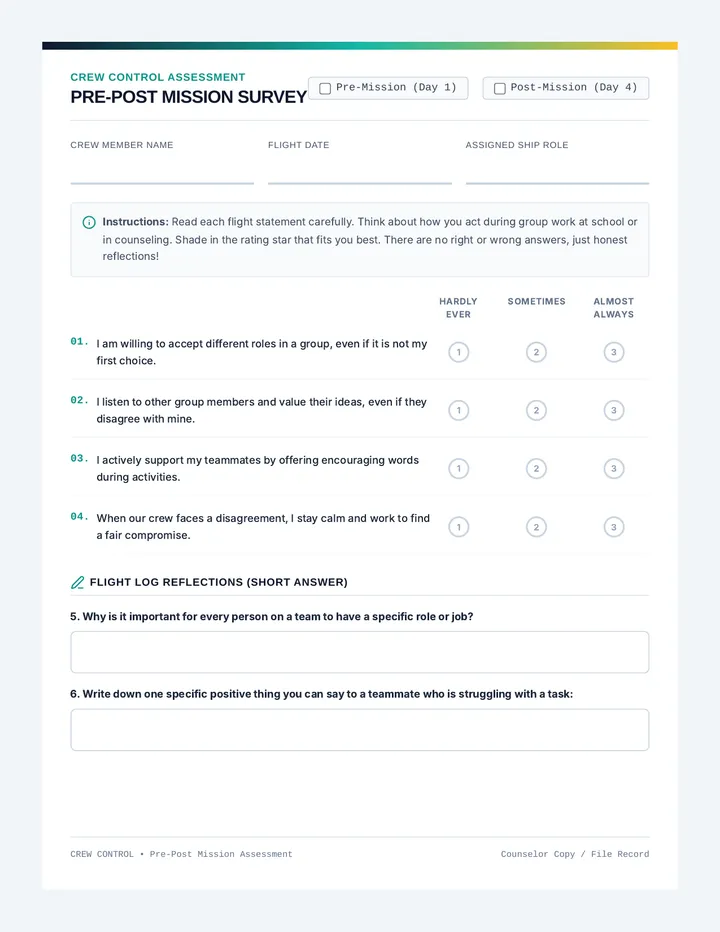
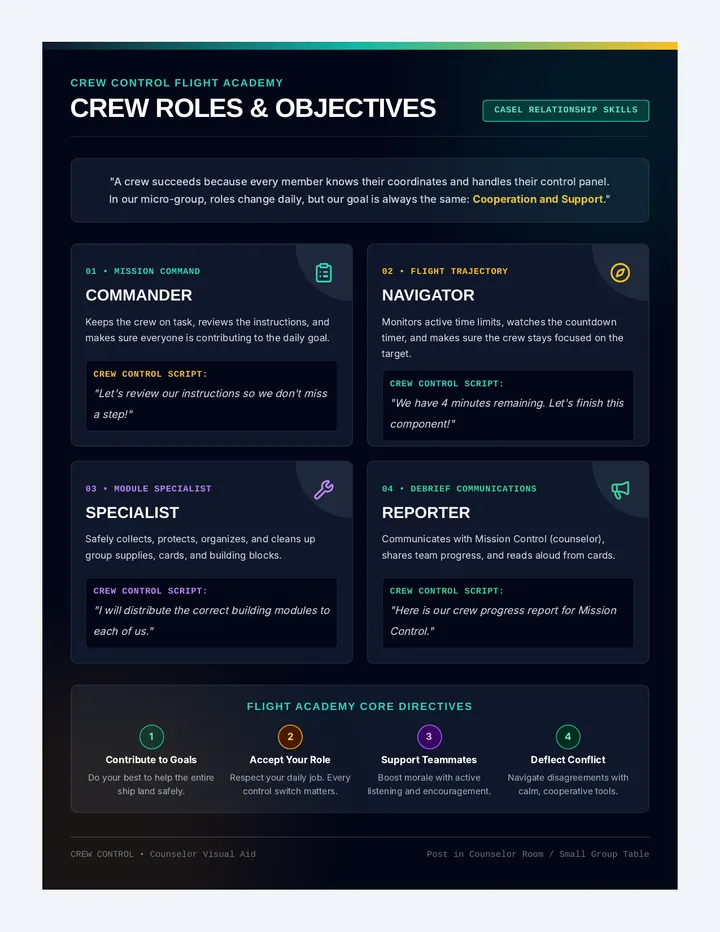
A 4-day small group counseling unit for grades 3-5 focused on CASEL Relationship Skills (Cooperation and Teamwork). Students learn to contribute to group goals, accept different roles, support teammates, and resolve conflicts in 20-minute sessions.
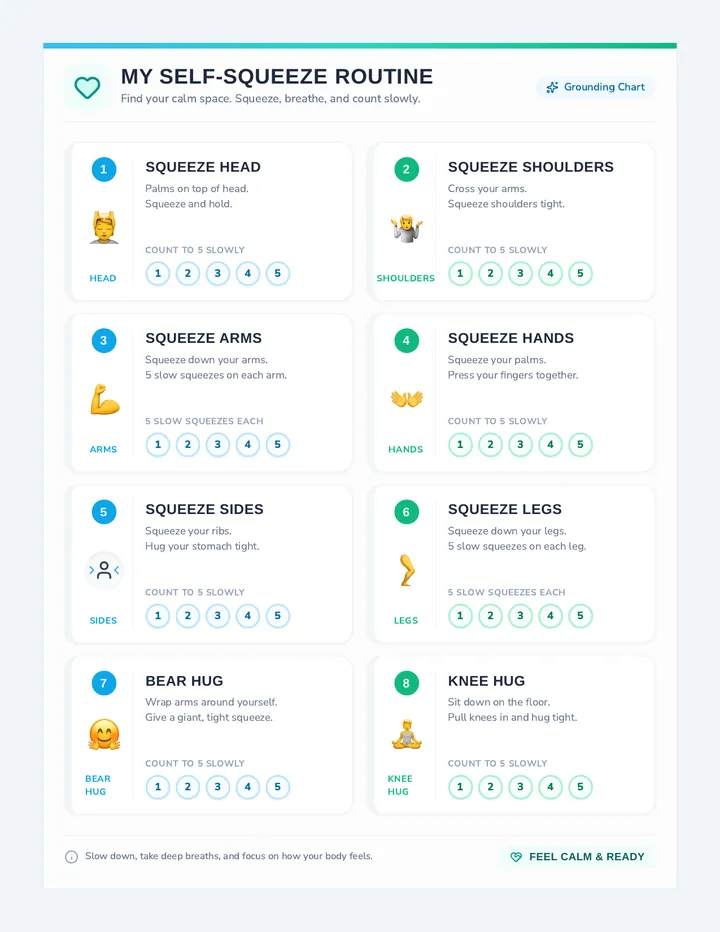
A pediatric grounding and sensory regulation lesson featuring a self-squeeze physical therapy routine to help students self-soothe and calm down.
A student-facing print-ready workbook with structured spaces to explore personal emotions, plan three custom peer-connection pathways, and craft their own help-seeking script.