In a culminating simulation, students act as financial consultants to review account disclosure statements and recommend the best banking options for clients.
A comprehensive restorative respect and empathy sequence spanning Grades 5 to 8, providing age-appropriate independent reflection packets and companion advisory slides for each grade level.
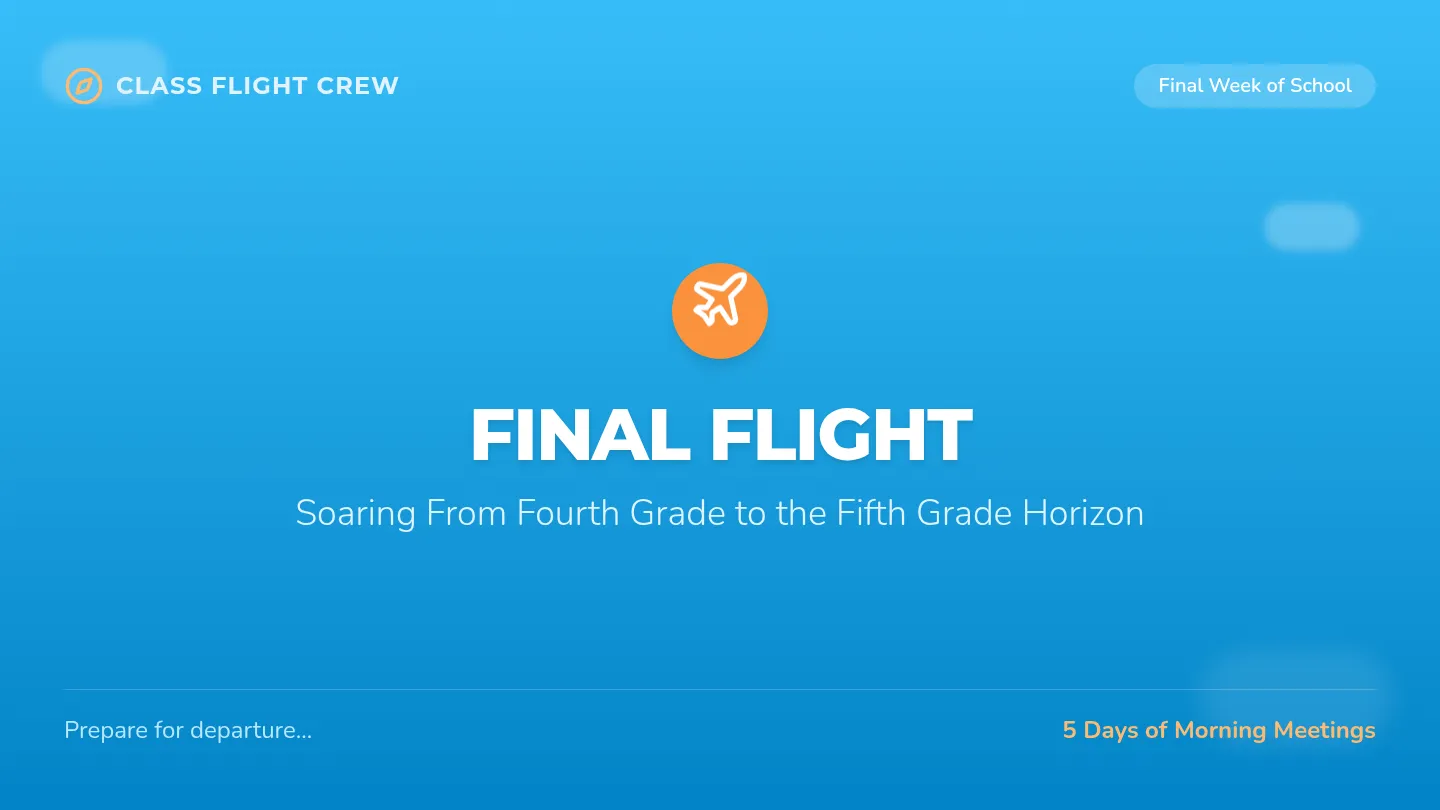
A comprehensive, week-long morning meeting series for the final week of school. Helps students celebrate growth, outline summer plans, address fifth-grade transitions, set future goals, and build class community before departure.
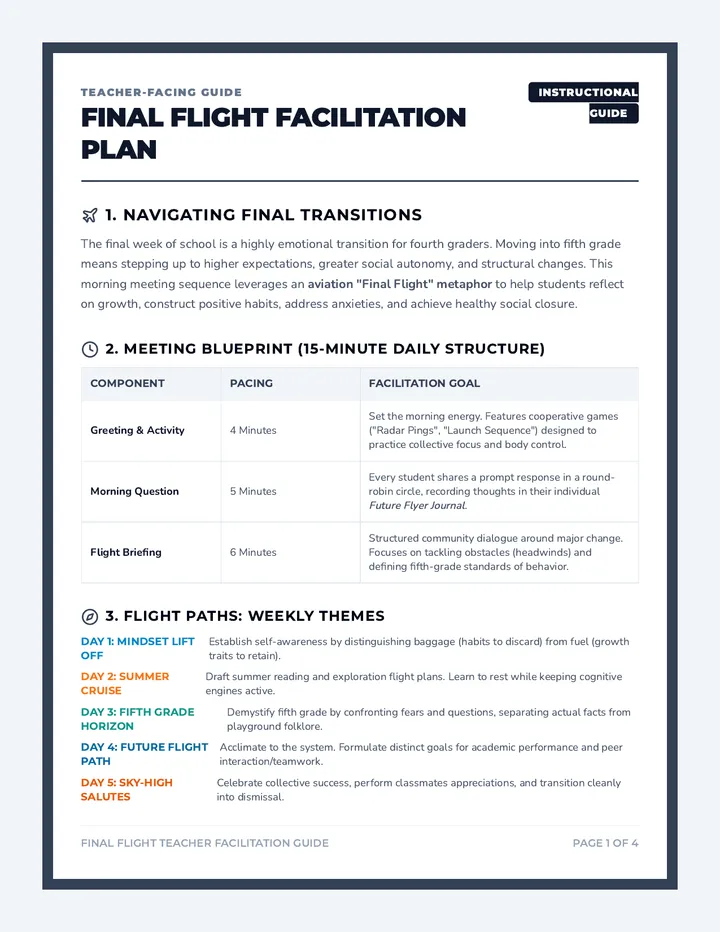
A 4-page teacher-facing facilitation plan and printable prompt cards. Outlines day-by-day lesson scripts, pacing, community-building strategies, and printable pocket-sized cards for facilitating the morning circle.
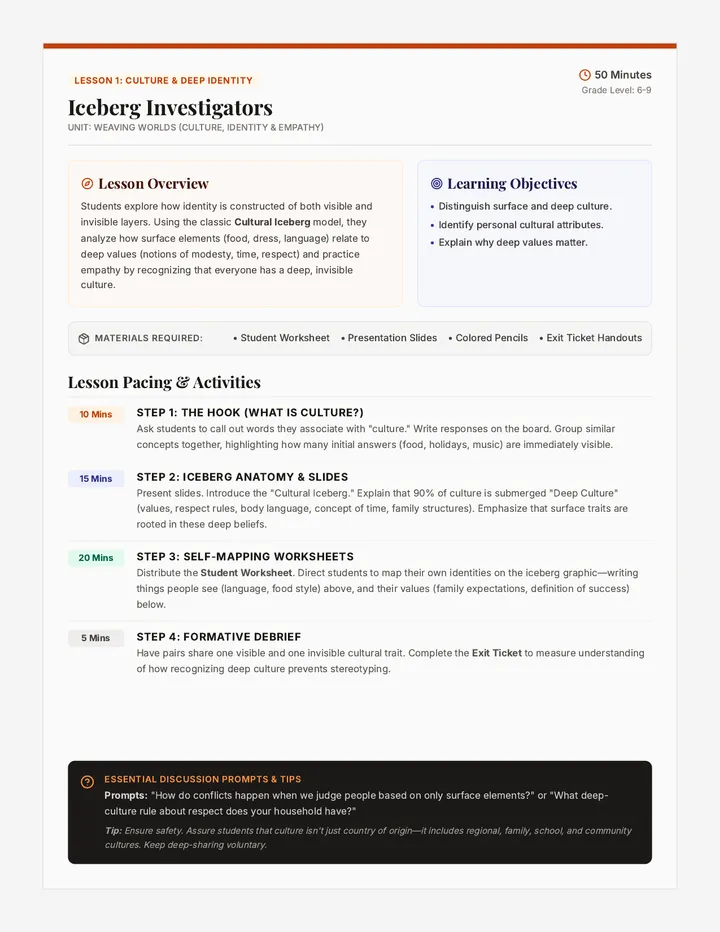
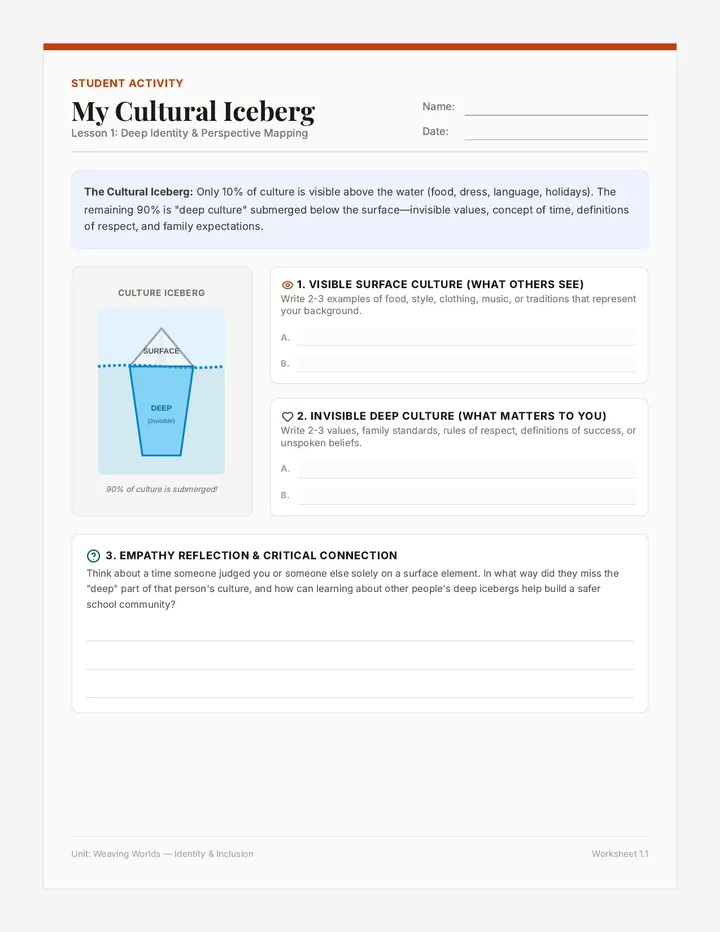
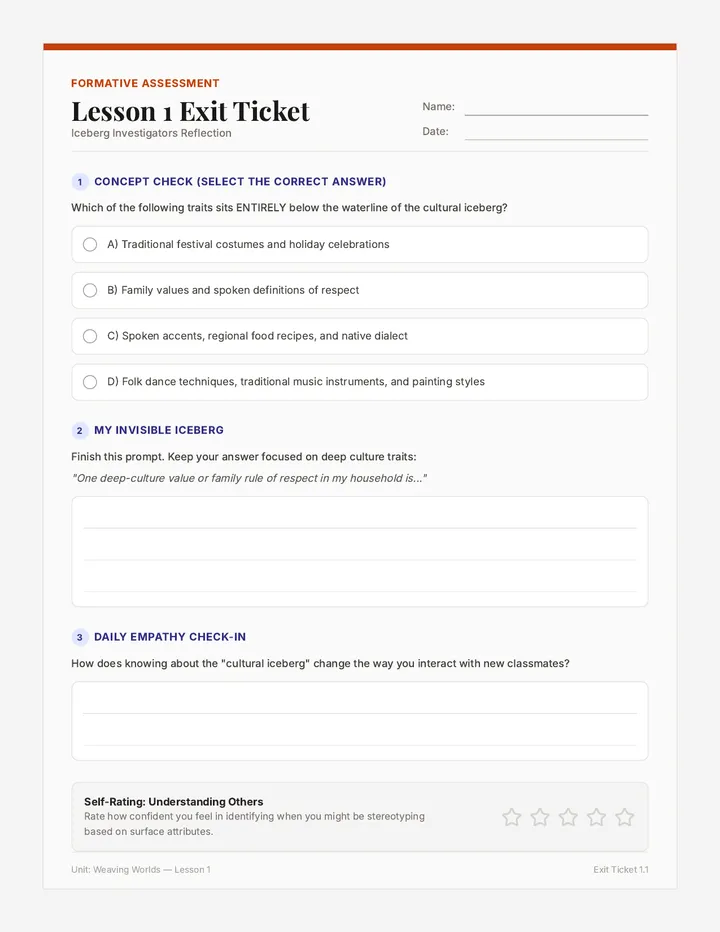
A 3-lesson unit on culture, identity, empathy, and building an inclusive school community. Students explore the cultural iceberg, share personal perspective narratives, and collaborate on actionable school-wide inclusion plans.
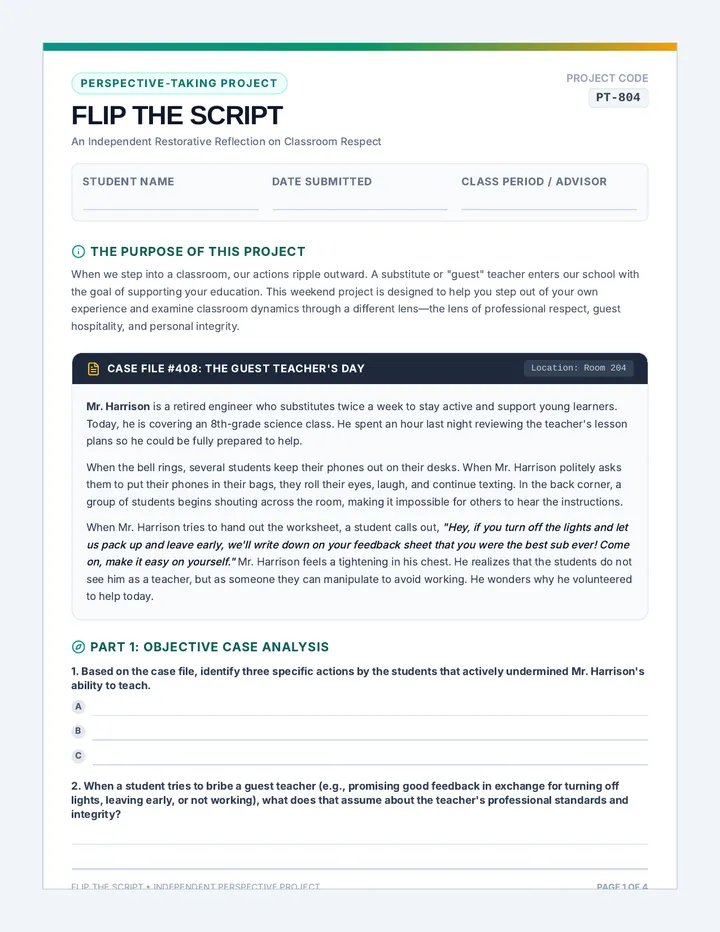
A restorative learning unit focused on 8th-grade students reflecting on phone use, ignoring rules, and group disruption during a substitute's lesson.
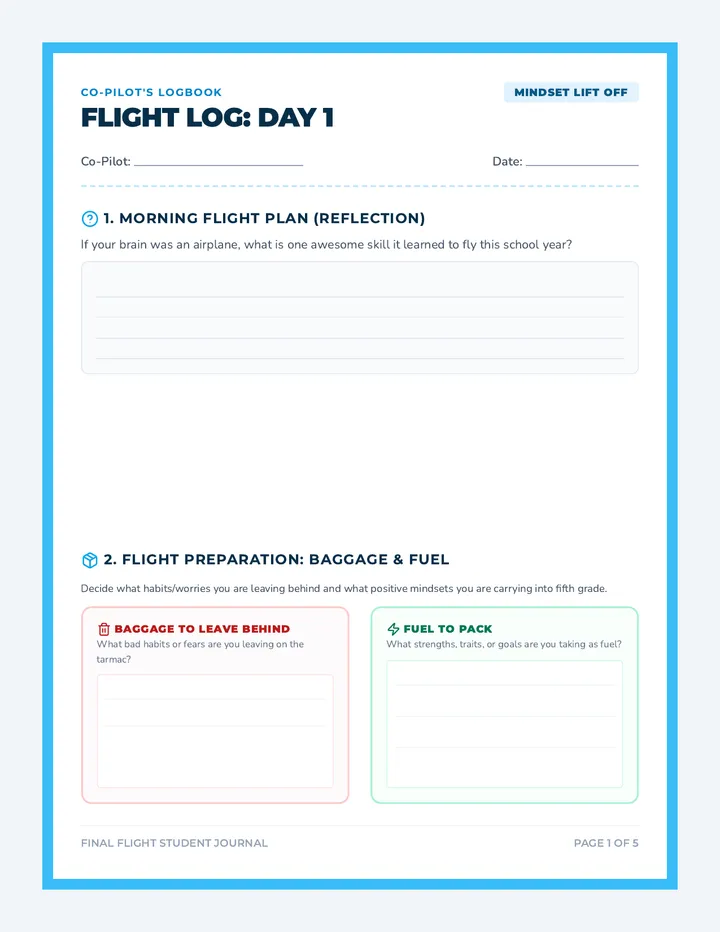
A 5-page student-facing morning meeting reflection booklet styled as an aviation flight log. Includes space for daily morning responses, activity summaries, transition goal-setting, and classmate autographs.
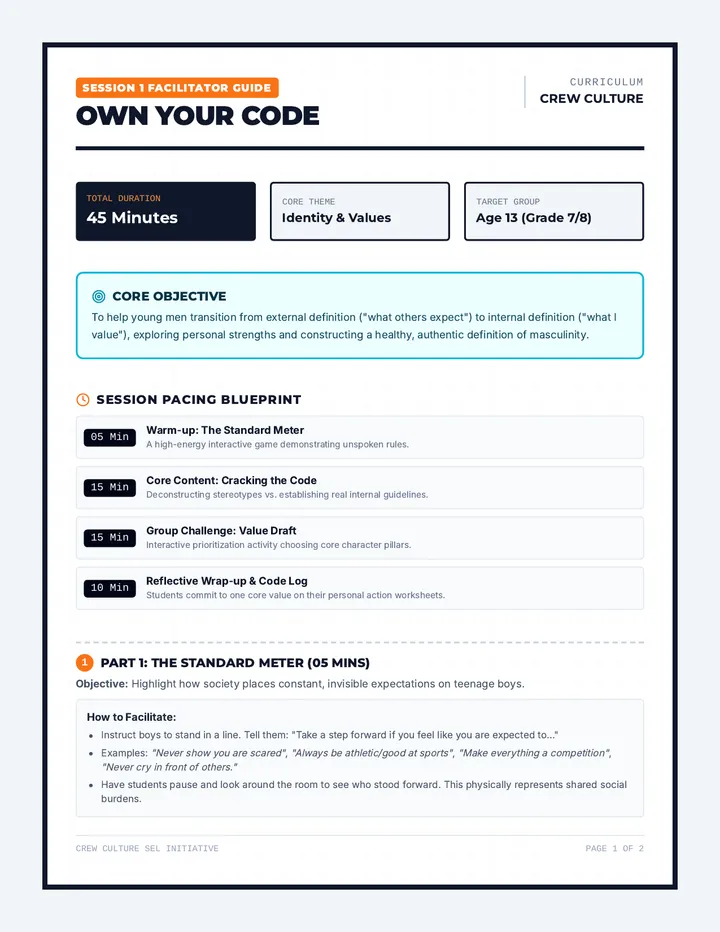
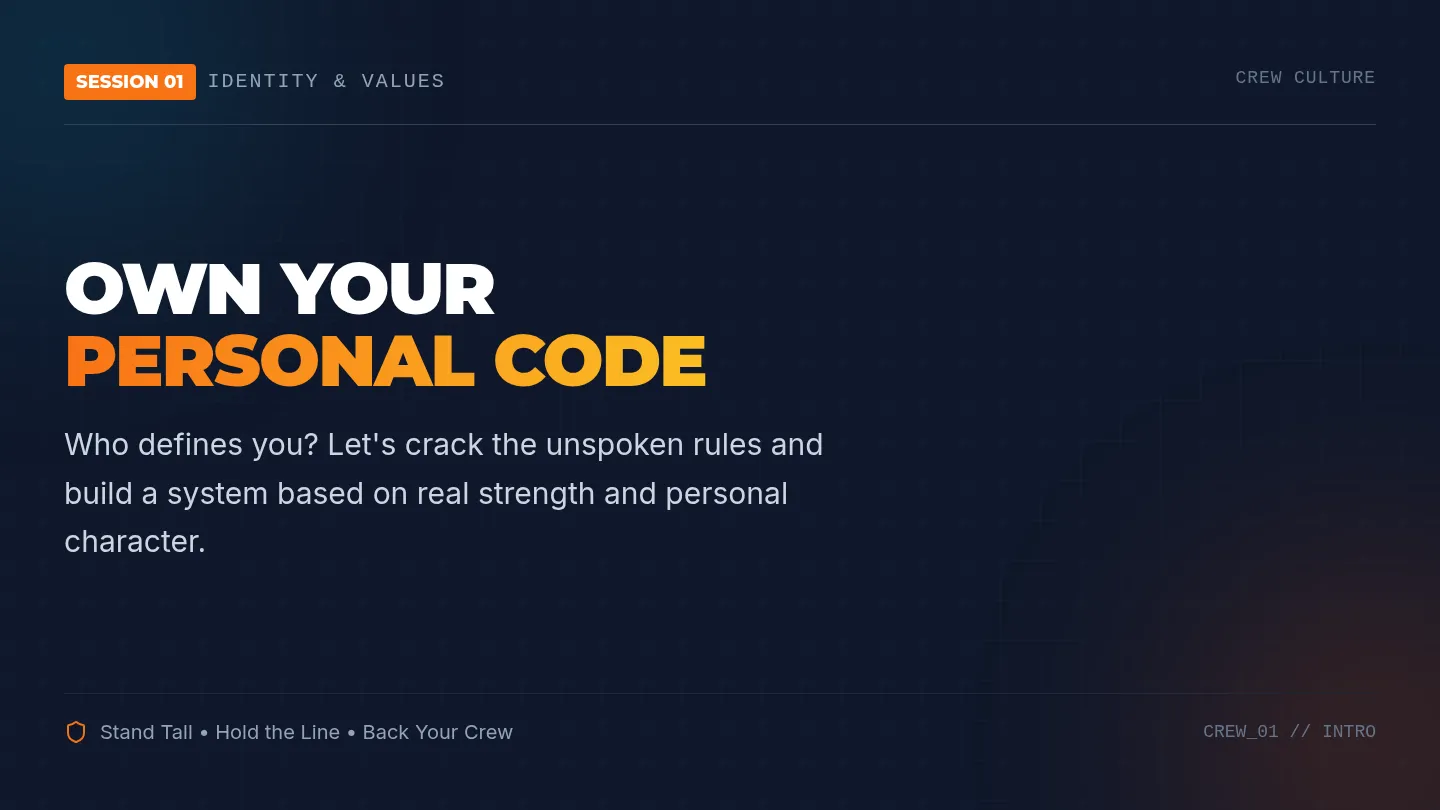
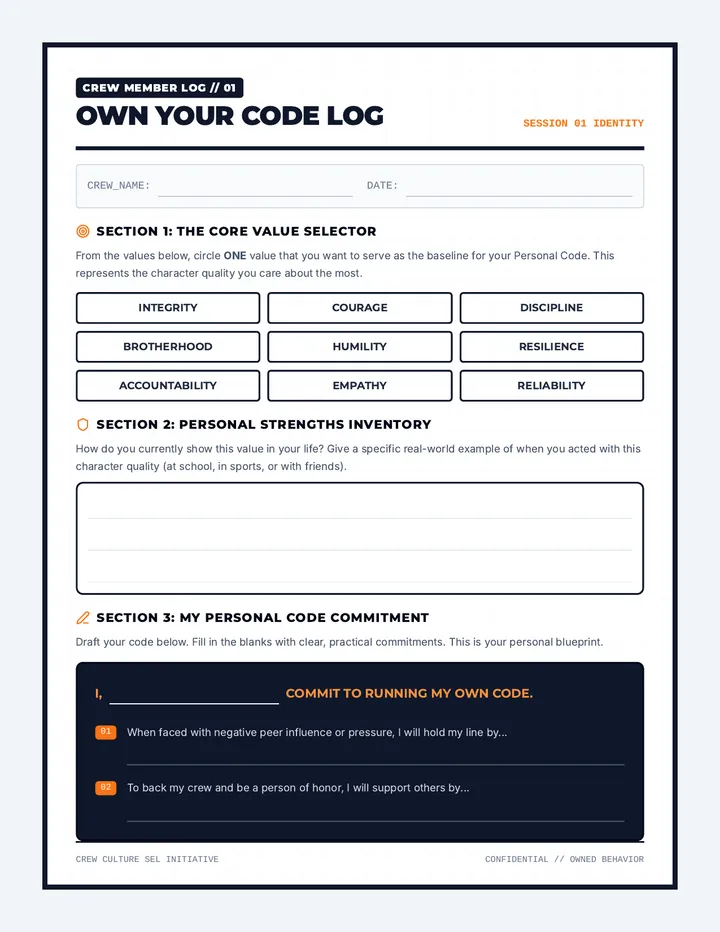
A three-part social-emotional learning curriculum designed specifically for middle school boys to develop self-esteem, manage digital pressure, and build authentic peer relationships.
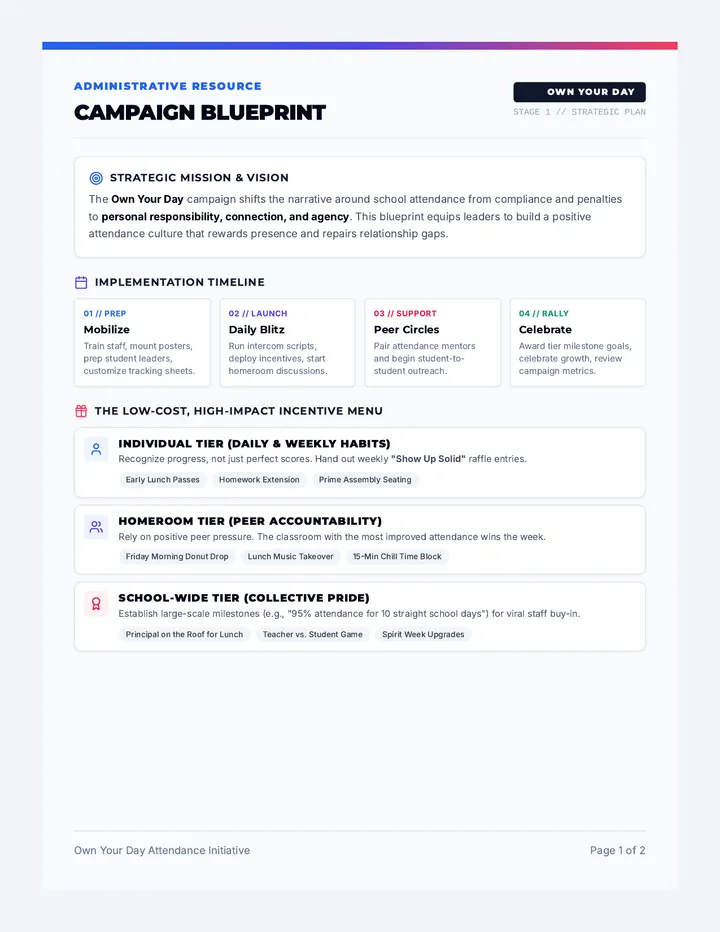
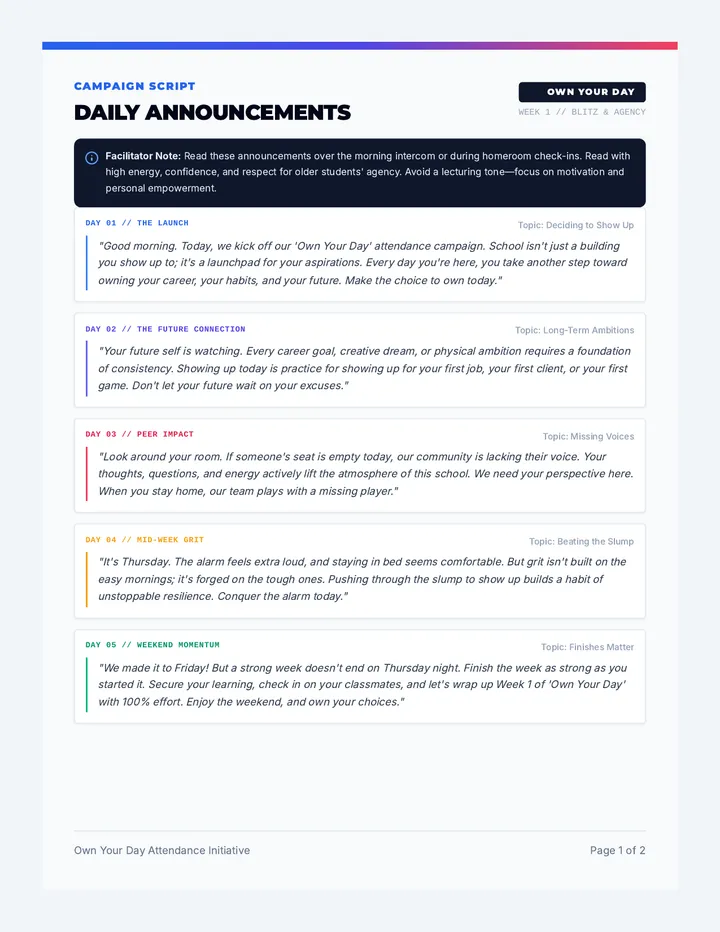
A school-wide campaign kit designed for middle and high school settings to build an empowering attendance culture. Includes high-impact motivational posters, an administrative campaign blueprint with low-cost incentive ideas, and ready-to-use daily announcements and homeroom discussion prompts.
A 5-day daily morning meeting presentation featuring a hot air balloon aviation theme. Each day includes a daily morning question, a cooperative transition activity, and an interactive group discussion prompt to prepare students for fifth grade.
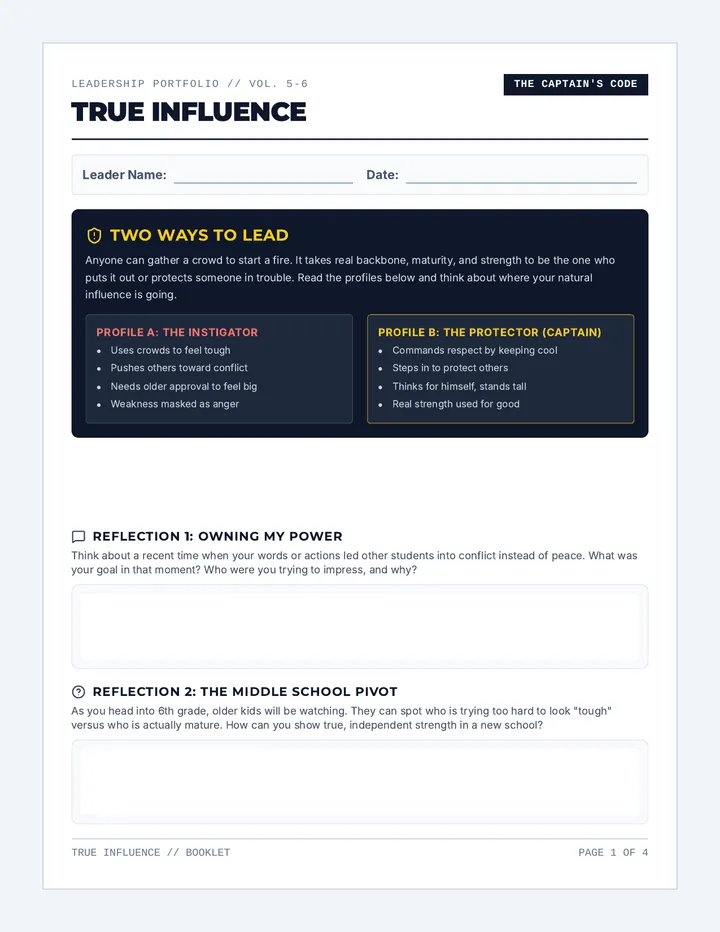
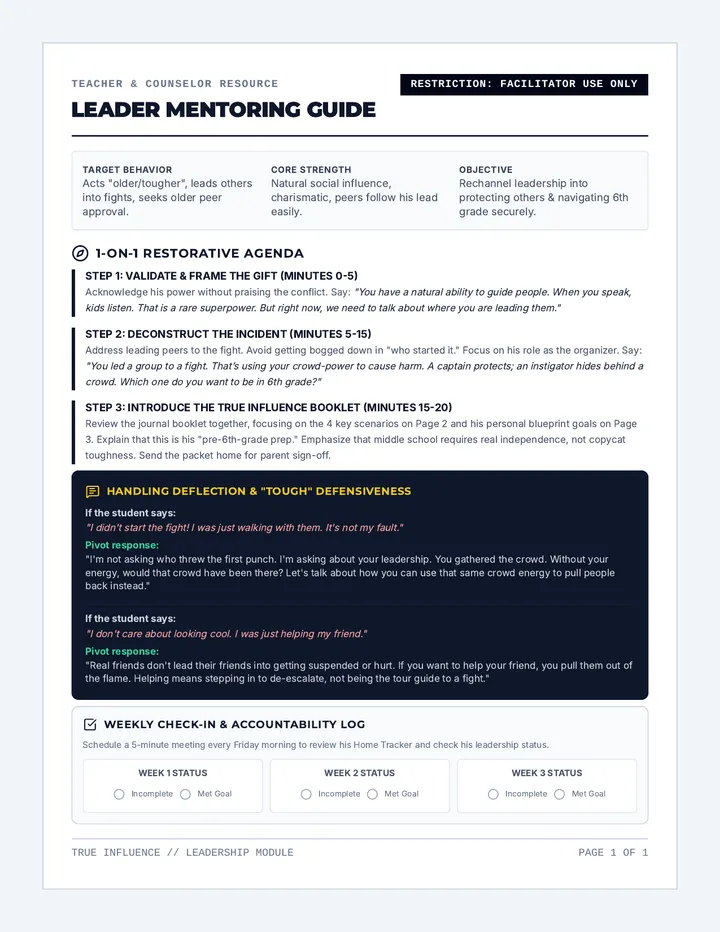
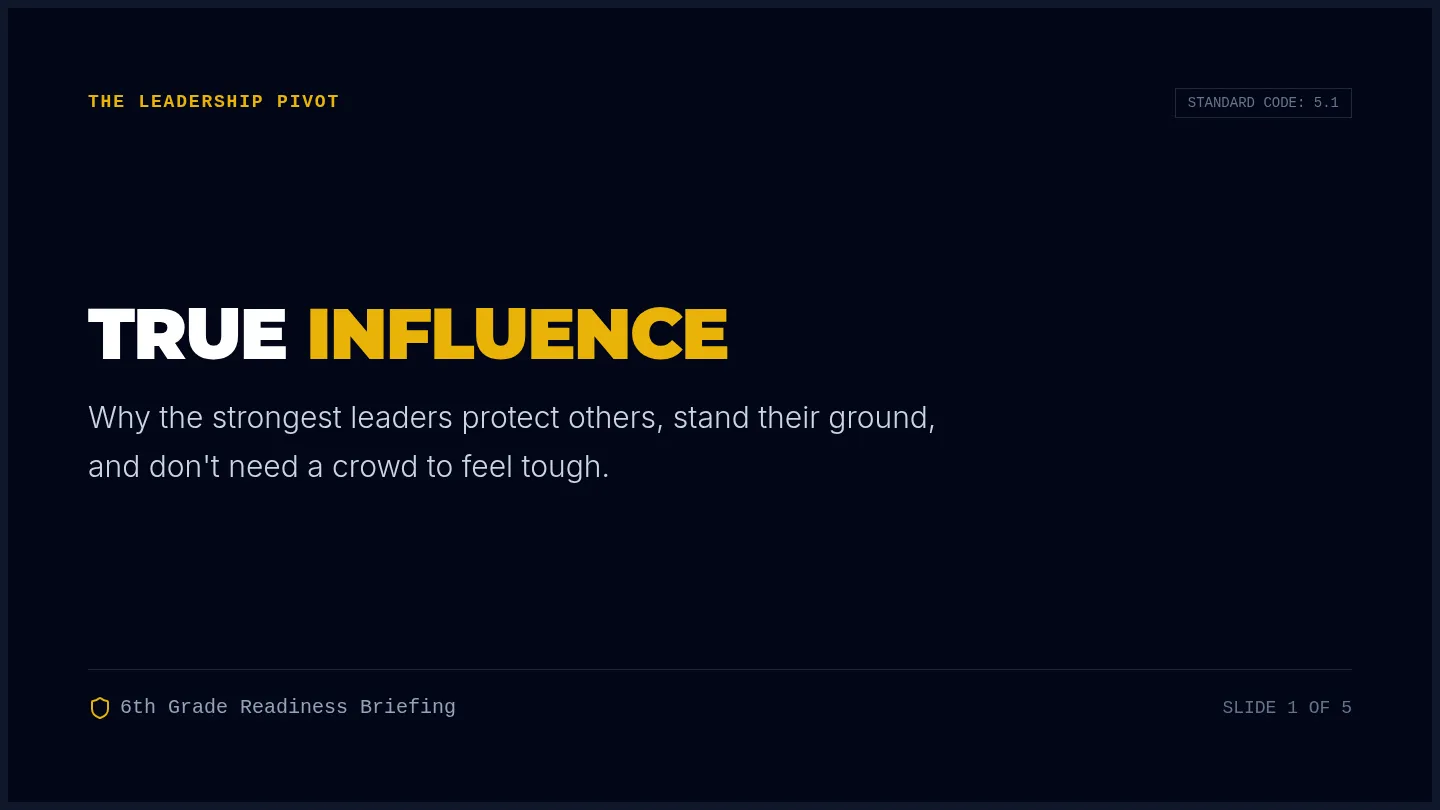
A comprehensive restorative leadership and peer advocacy sequence designed for students transitioning to middle school. It guides students from understanding their social influence to actively protecting peers and spreading positive school culture.
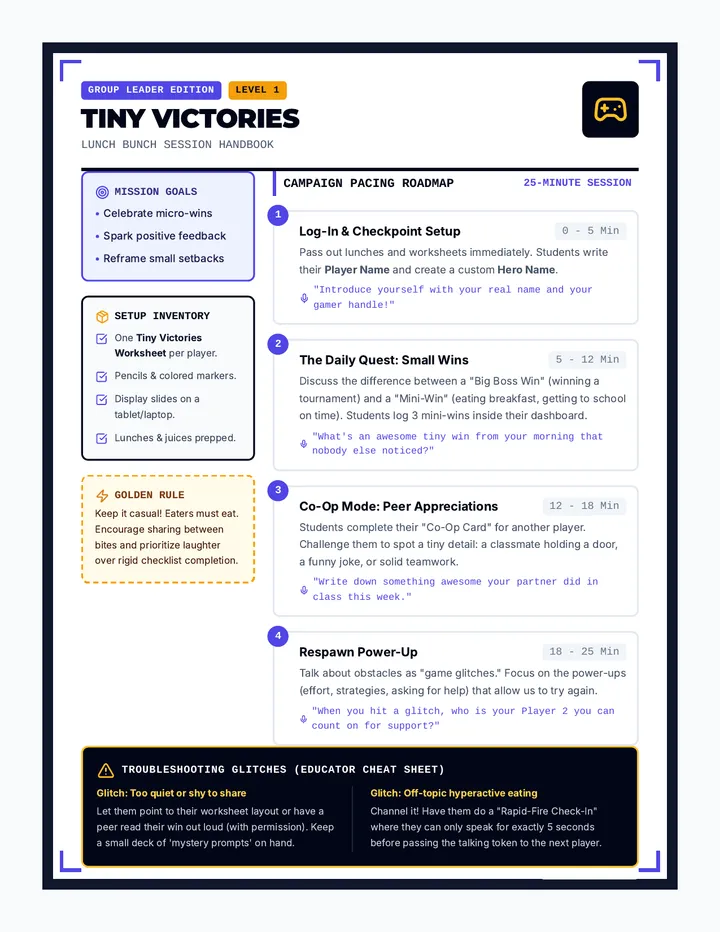
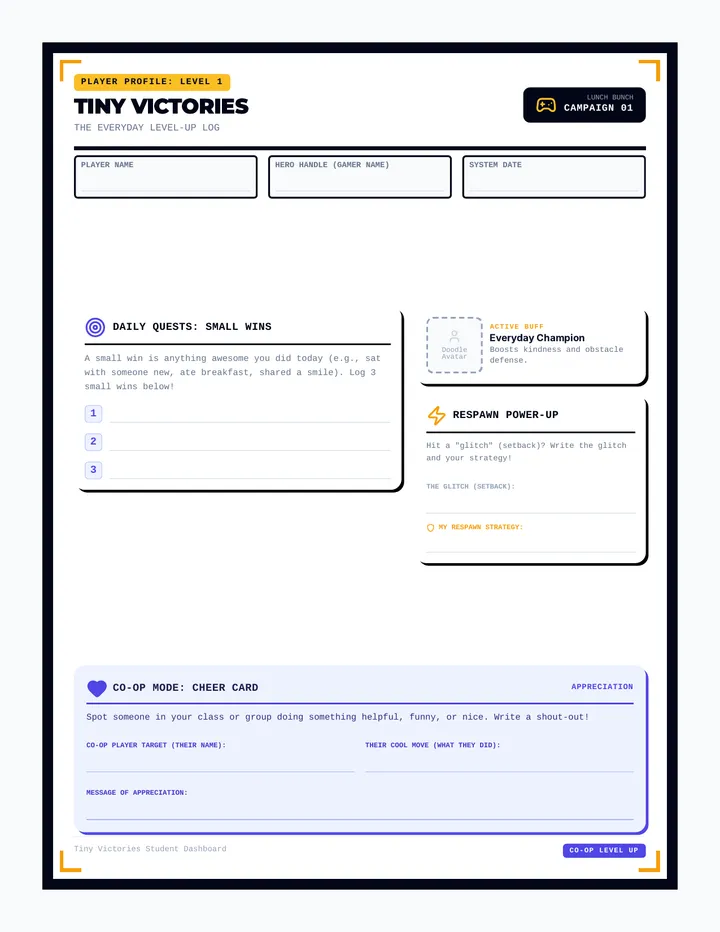
A high-energy, lunch-friendly social-emotional learning lesson designed to help students recognize everyday small wins, express genuine appreciation for peers, and celebrate the growth and resilience involved in overcoming daily challenges.
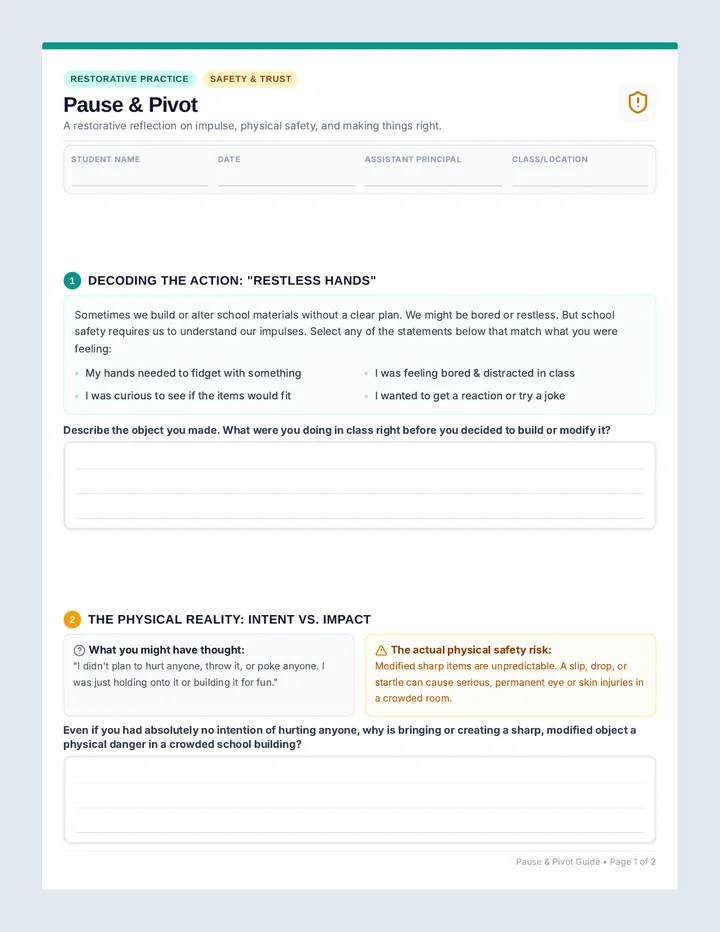
A restorative 2-page reflection packet designed for a student who created a dangerous object from a push pin and paper. Formatted with large, highly legible fonts and spacious, multi-line writing boxes, it guides the student through impulse control coaching, understanding physical safety risks, and co-creating a restore plan with their Assistant Principal.