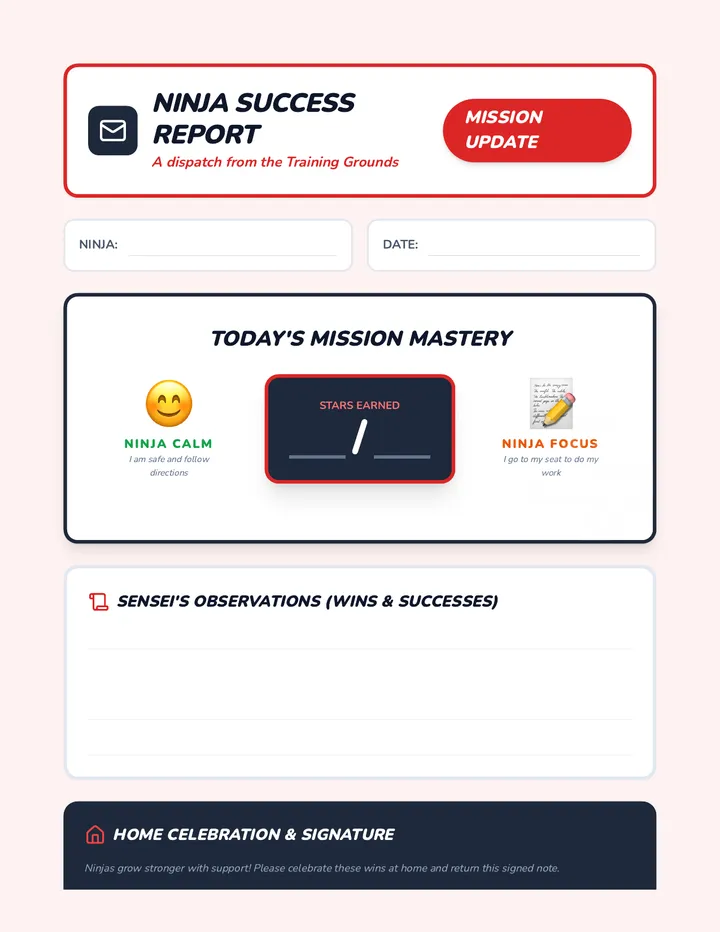
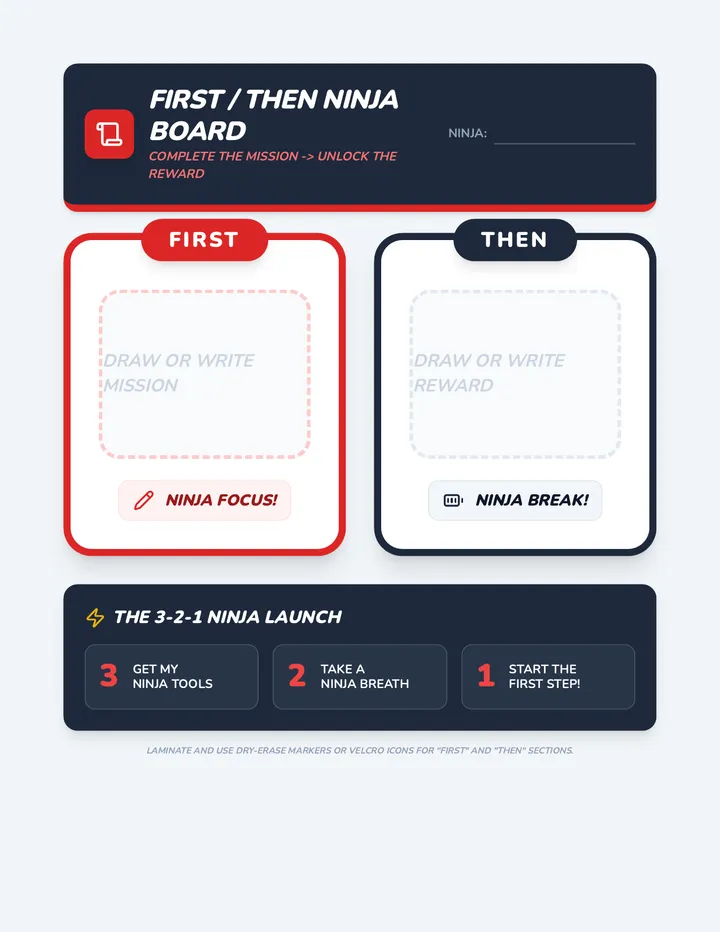
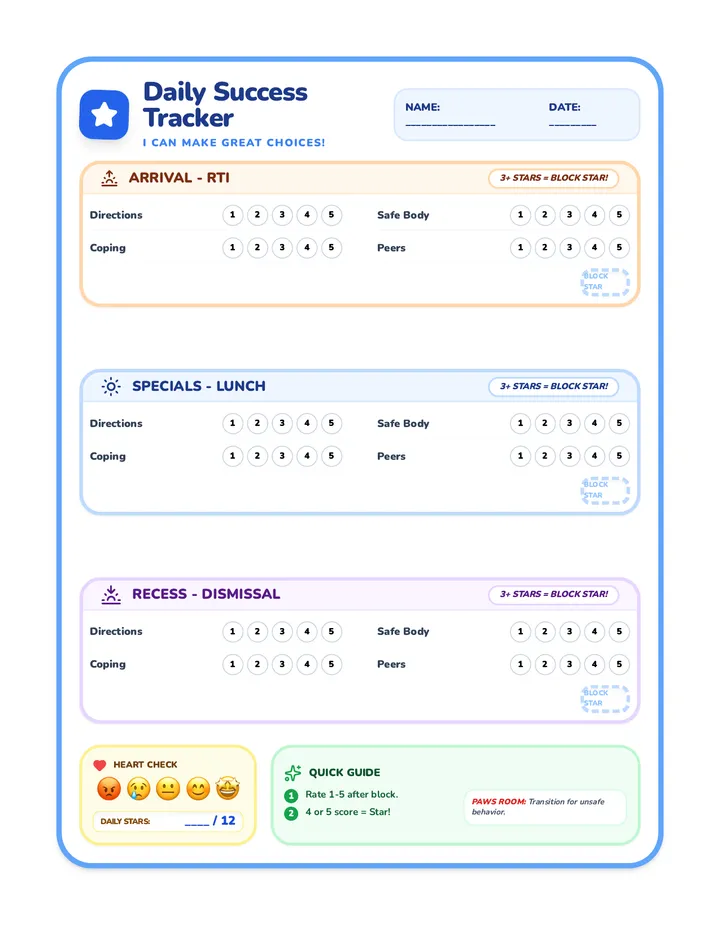
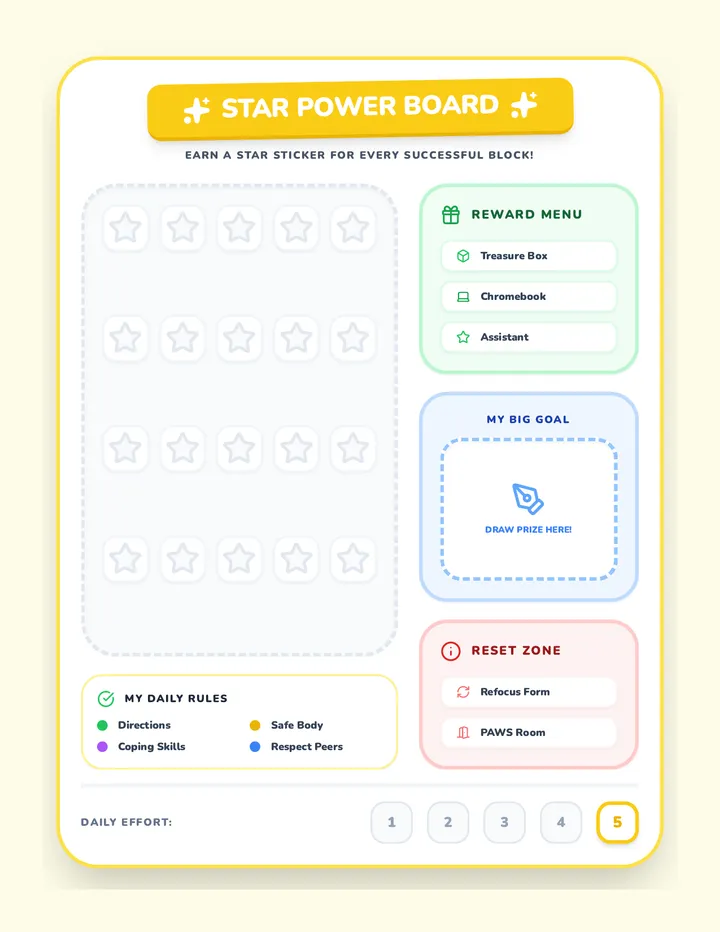
Individualized sensory strategies and self-regulation protocols tailored to specific student needs. Equips educators with tools to create visual schedules and physical interventions for emotional balance.
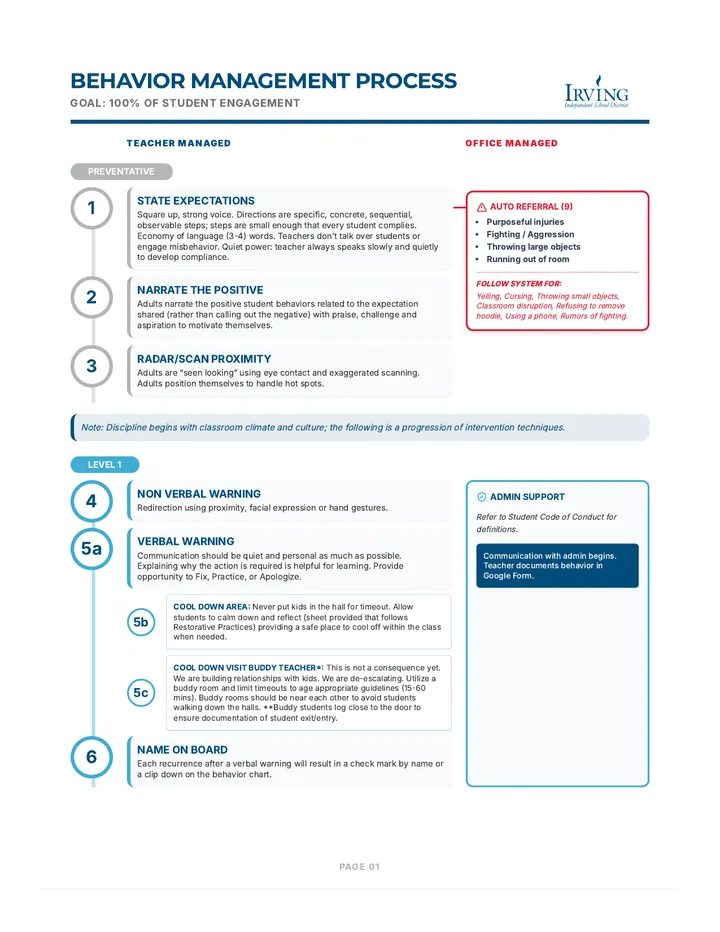
A 2-page behavioral management infographic designed as a professional flowchart. It integrates teacher-managed steps from 'Preventative' to 'Level 3' with a corresponding column for Administrative Actions and required notes. Updated with the exact text from the source PDF for all teacher-managed actions. Fixed layout issues where content overlapped footers, improved text contrast for accessibility, and ensured consistent vertical flow lines.
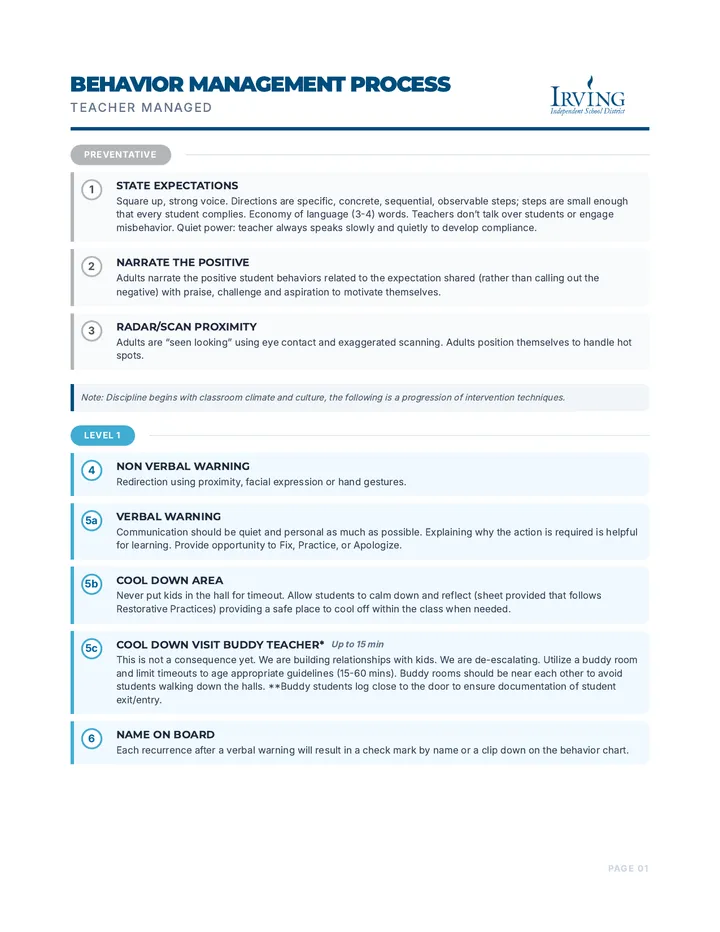
A comprehensive 3-page infographic of the Irving ISD behavior management process. It includes a flowchart of teacher-managed redirection steps and a dedicated third page for administrator-specific actions across all levels of the hierarchy.
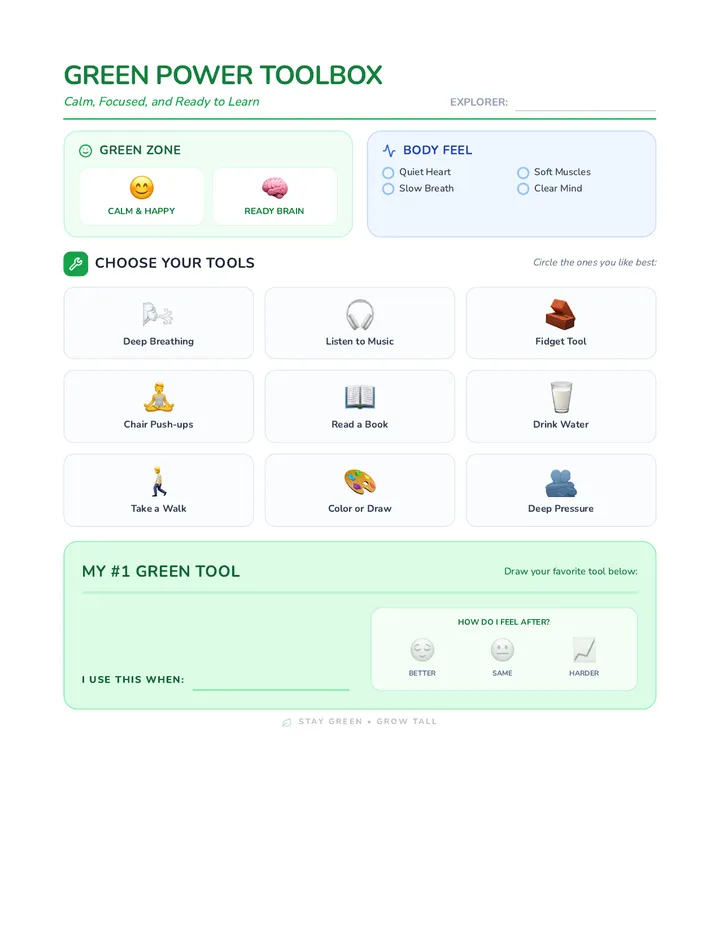
A single-page visual Green Zone strategies worksheet designed for autistic students, featuring concise iconography, simple language, and a large drawing space for tool selection.
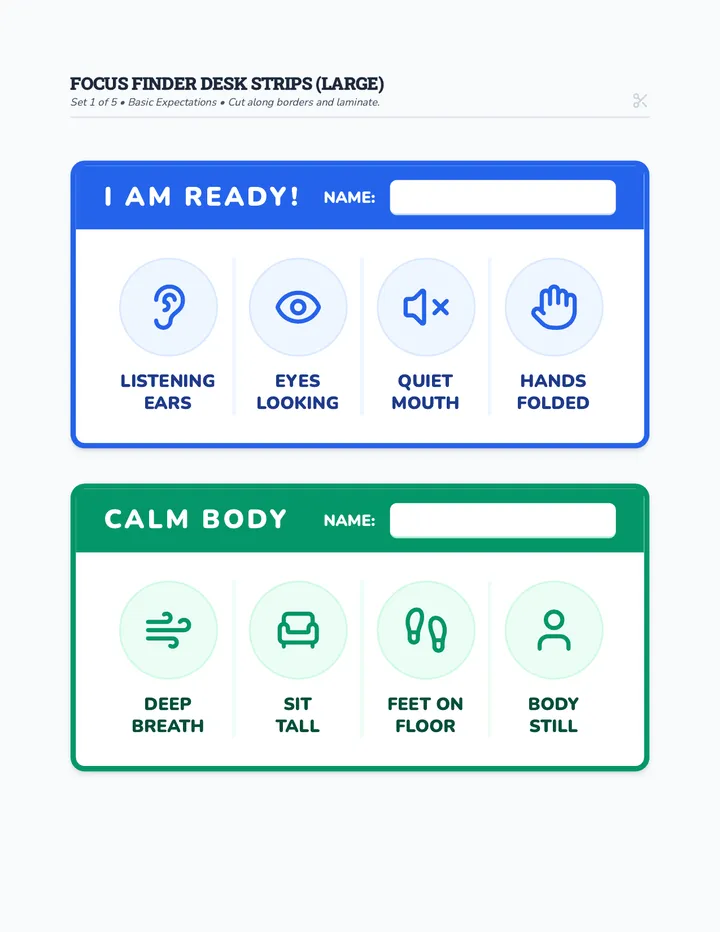
An expanded set of nine large-format printable desk strips with high-contrast visual reminders, including specific calming techniques and a "Safe Choices" strip for unwanted behaviors.
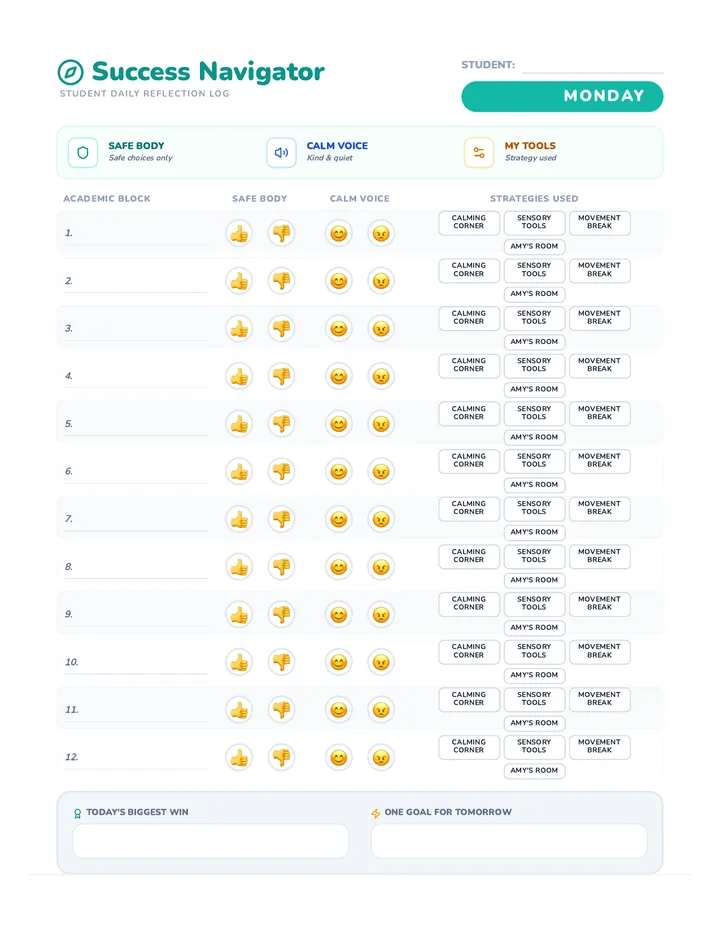
A complete 5-page student daily reflection log (Monday-Friday) broken into 12 academic blocks per day. Students track "Safe Body" and "Calm Voice" using visual rating icons and circle strategies used, including Calming Corner, Sensory Tools, Movement Breaks, and Amy's Room. Each page features a color-coded day badge and reflection footer for daily wins and goals.
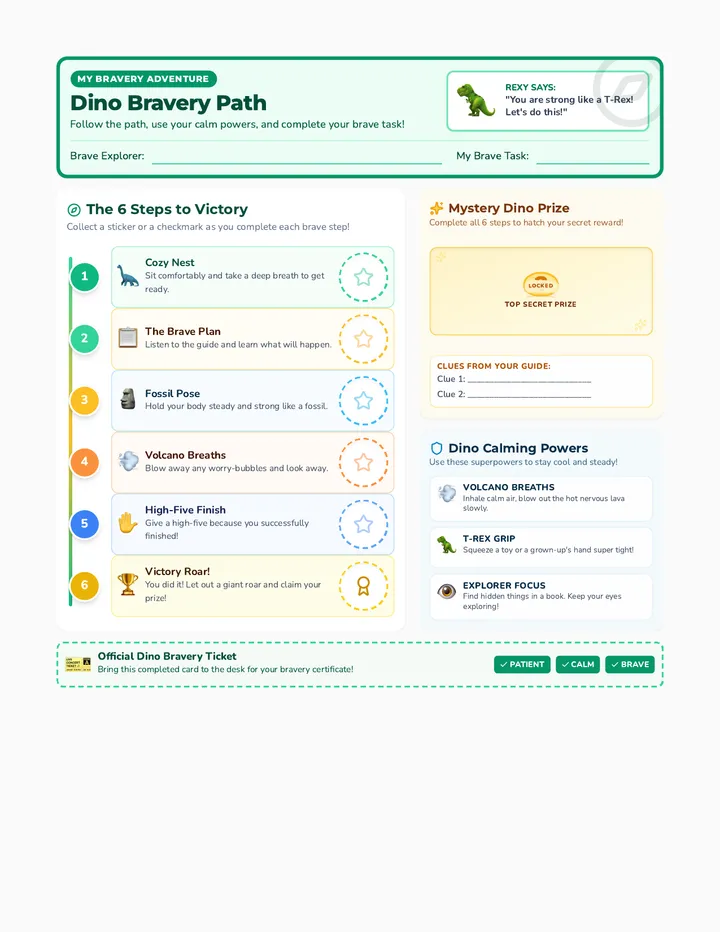
A progressive, dinosaur-themed bravery reward chart for children undergoing medical checkups, school tasks, or other scary activities. Features a step-by-step visual path mapping bravery stages, coping strategy cards, and a designated reward drawing space to make stressful experiences manageable.
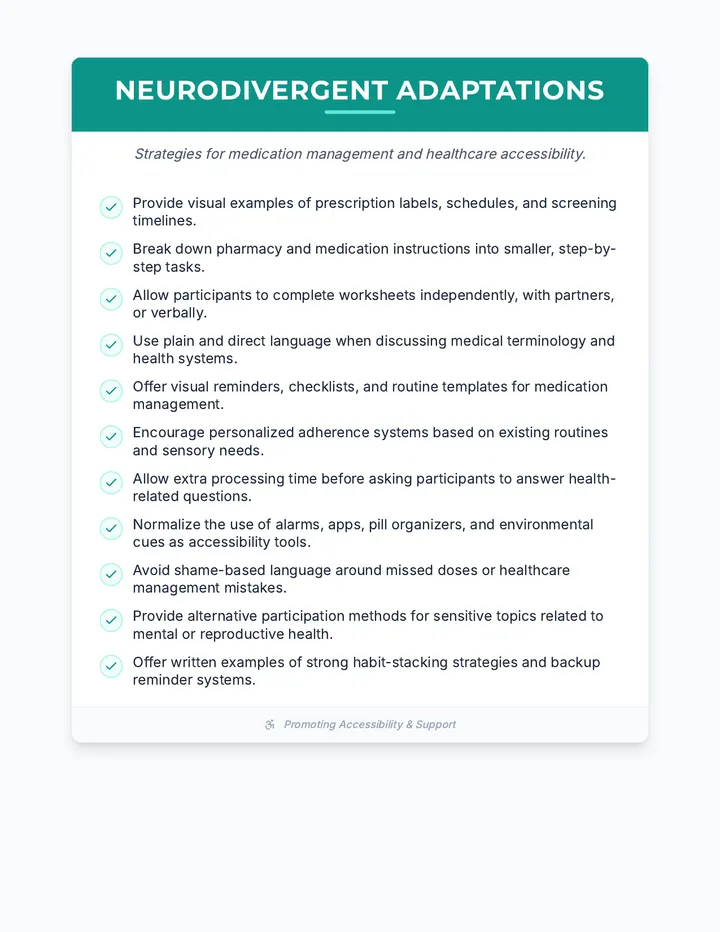
A clean, accessible checklist of neurodivergent-focused adaptations for healthcare settings and medication management. It features 11 specific strategies presented in a clear, professional layout with teal accents.
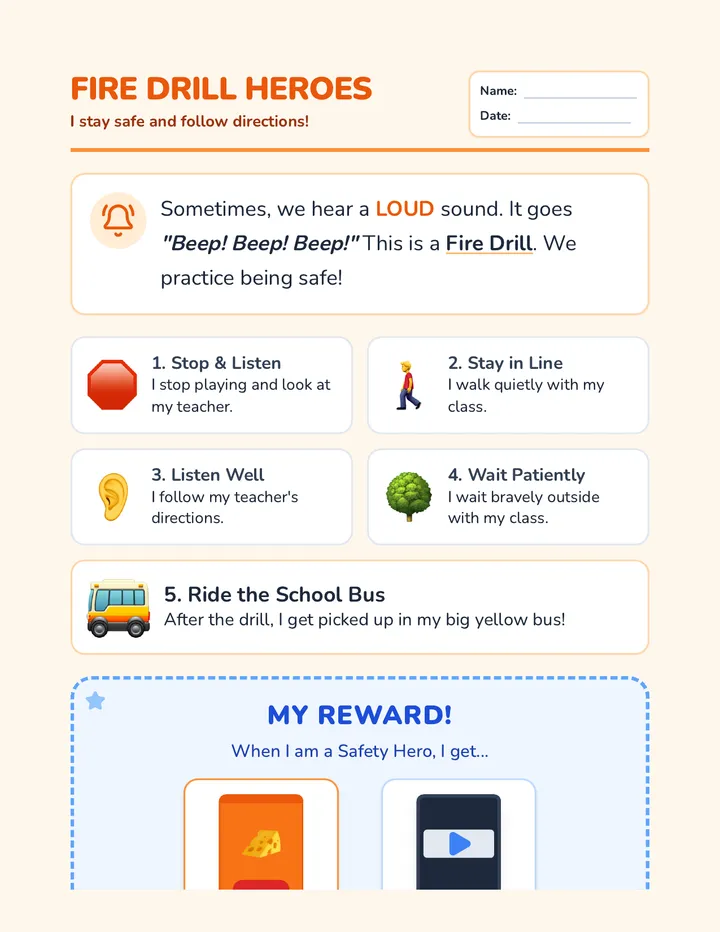
An updated version of the fire drill social story with a new step for the school bus pickup, including the Cheetos and iPad rewards.
A set of two printable desk strips featuring a 1-10 numerical regulation scale. Includes one strip with space for custom coping strategies and a compact version featuring just the numerical chart.
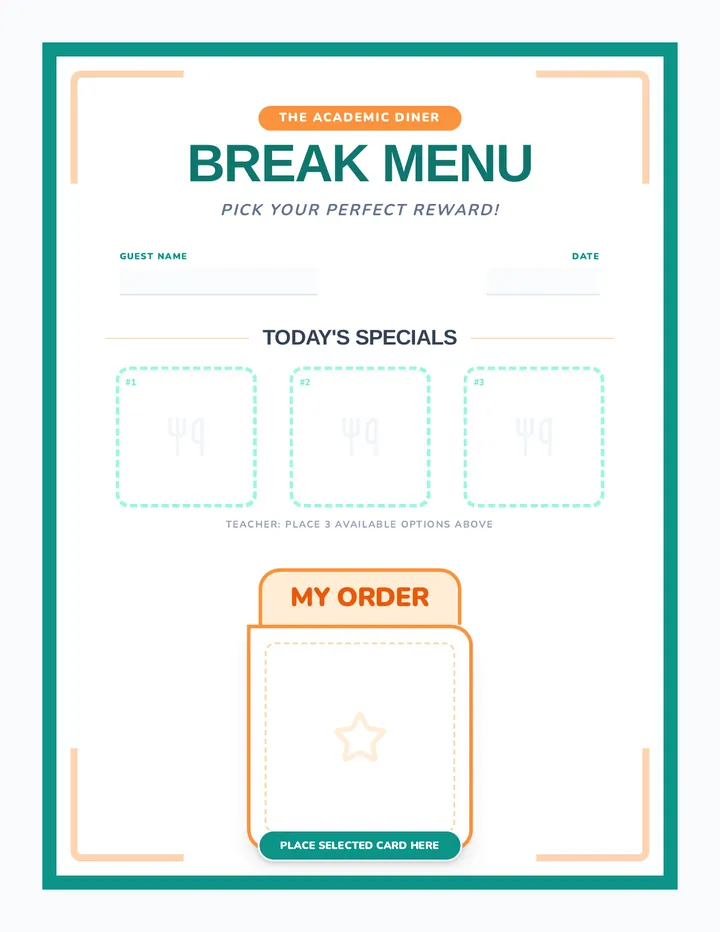
An updated retro-diner themed break choice board. It now includes a 'Today's Specials' section for three pre-selected options and an 'Order' spot for the student's final choice, plus an expanded set of 8 cut-out tokens.
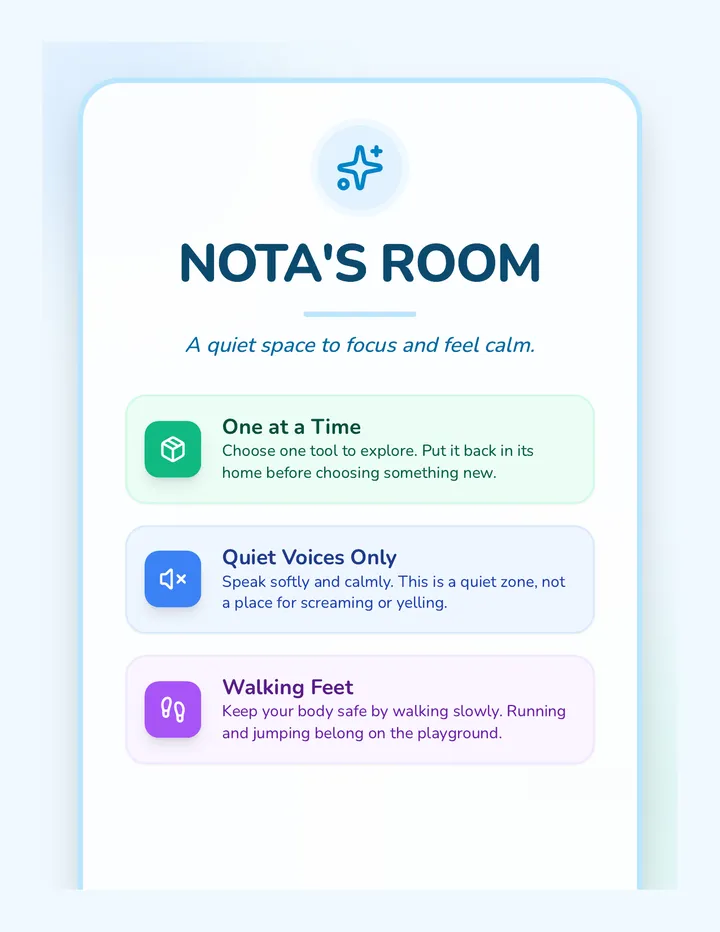
Updated sensory room flyer now titled "Nota's Room," featuring four specific rules: one item at a time, quiet voices, walking feet, and no stacking bean bags.
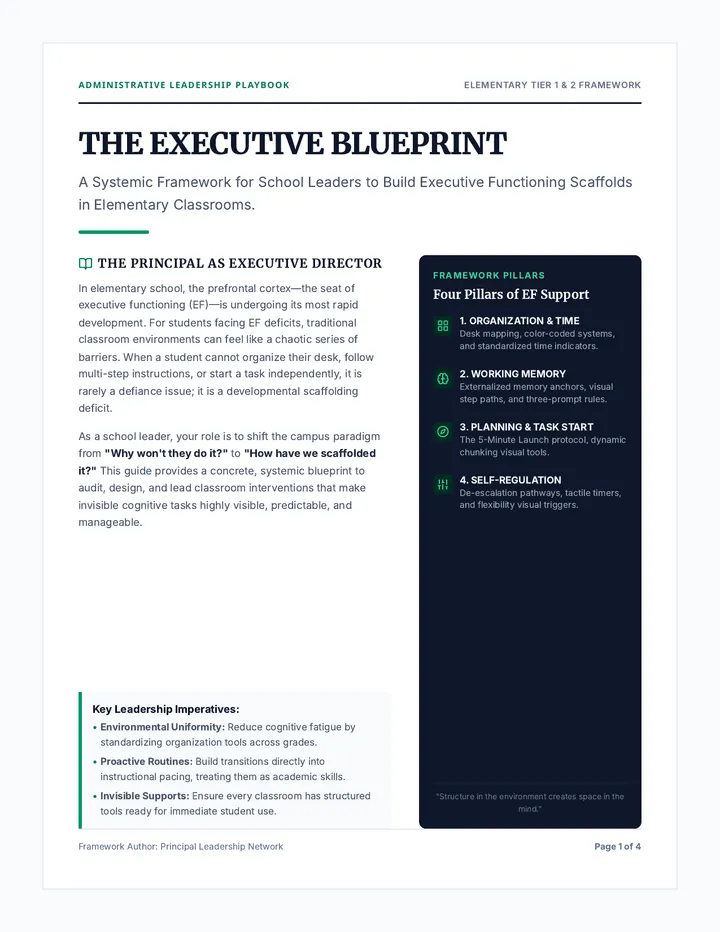
A comprehensive, four-page narrative and systemic guidebook for elementary school principals to establish school-wide systems, environmental scaffolds, and targeted interventions supporting student executive functioning.
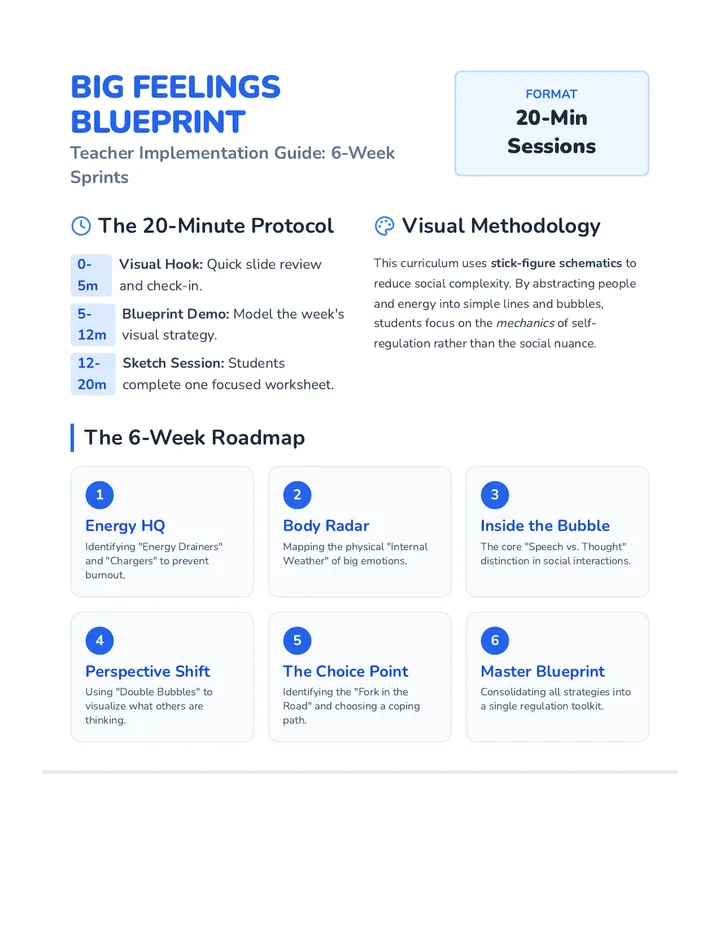
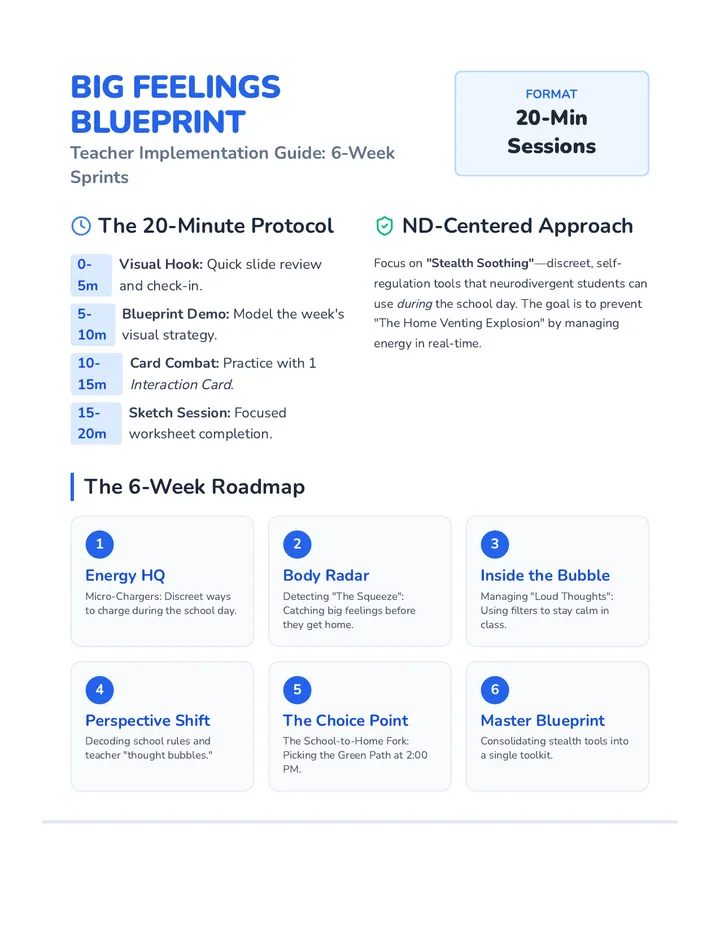
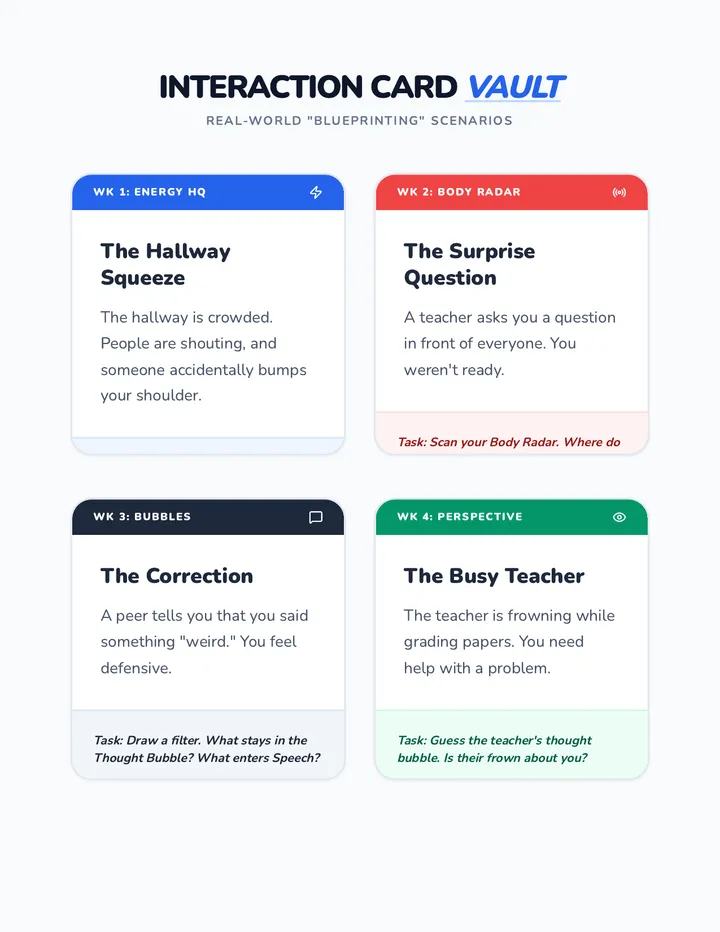
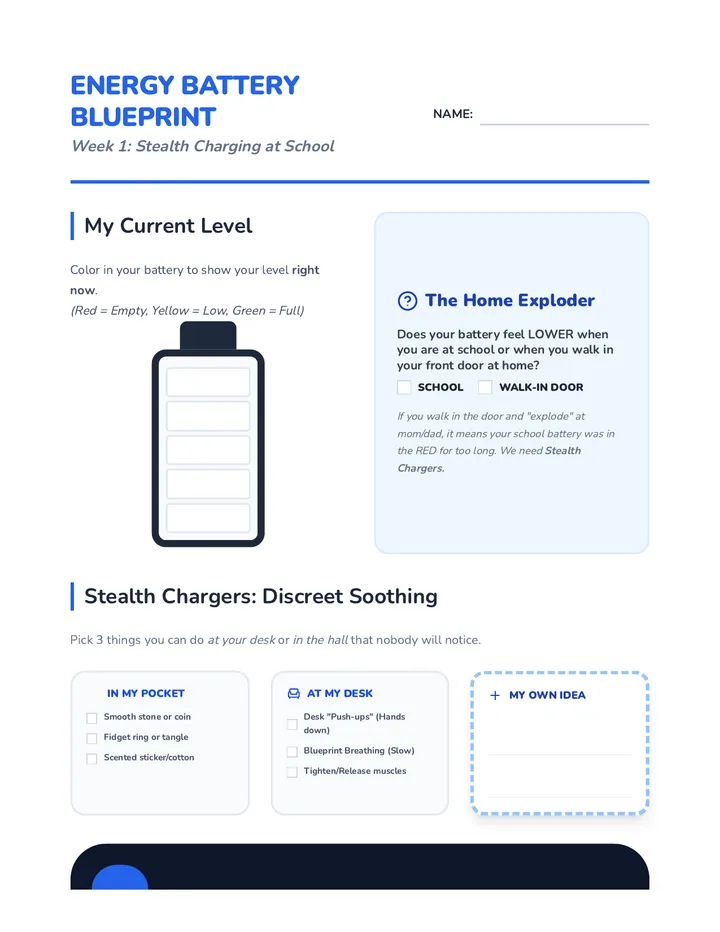
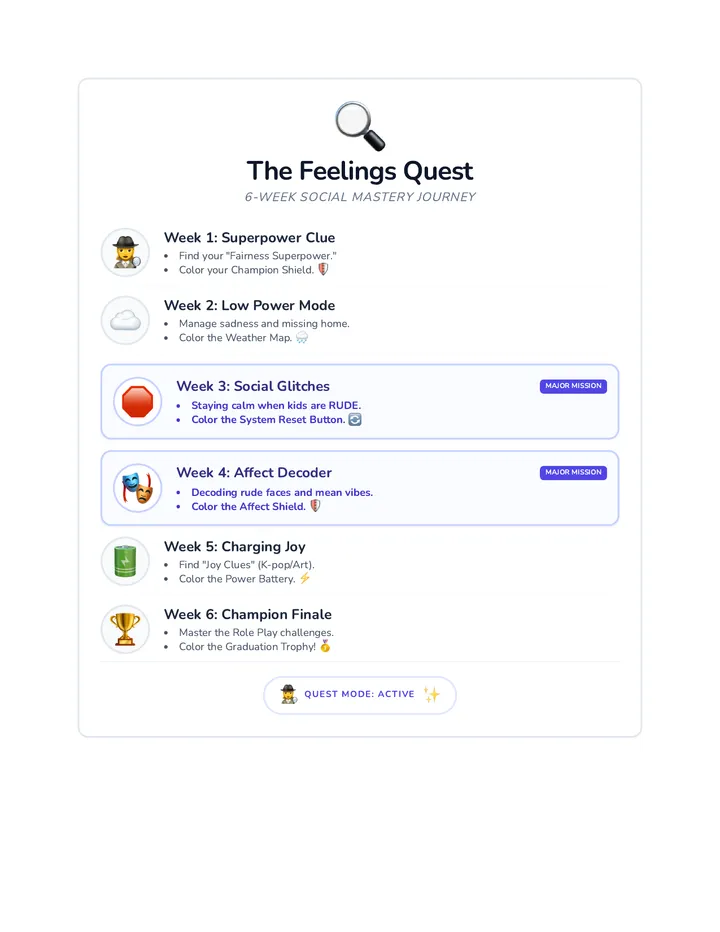
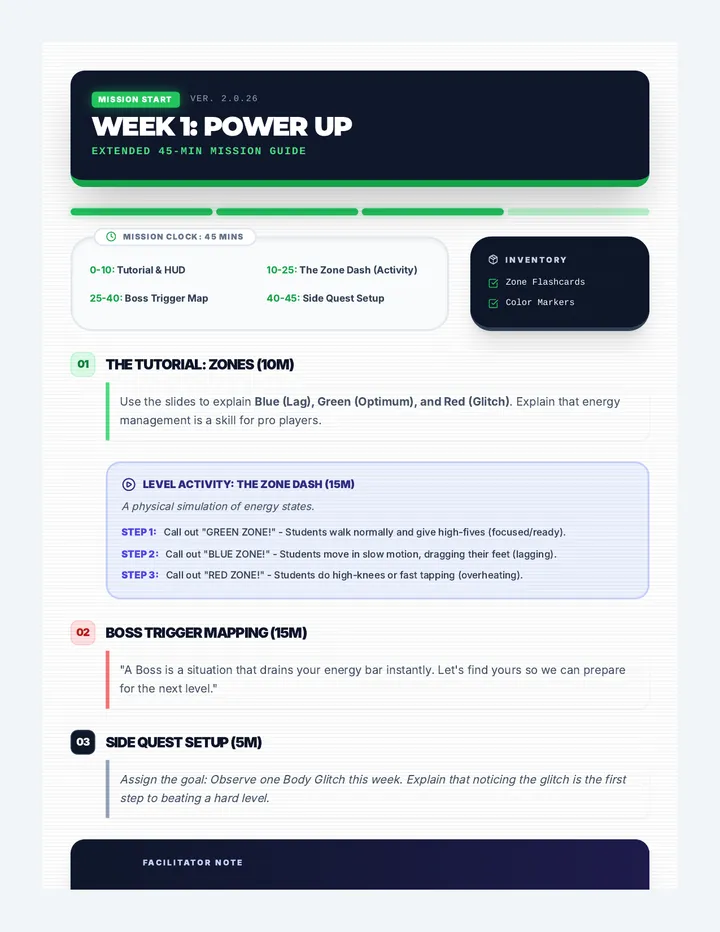
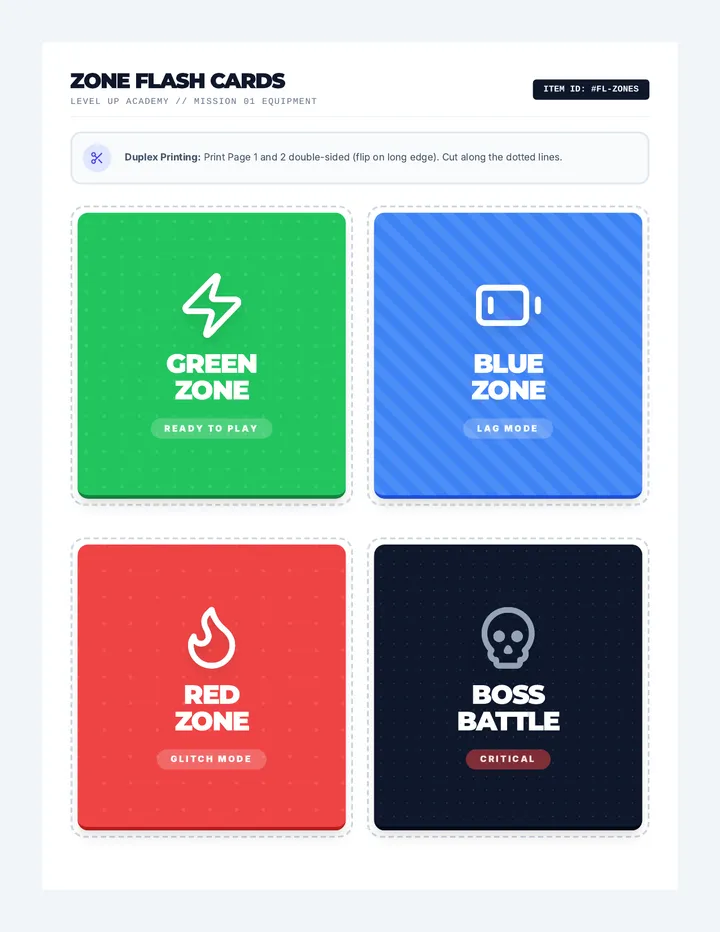
A 6-week social-emotional learning program for teenagers on the autism spectrum, delivered in focused 20-minute sessions. The program uses visual "blueprints" to teach energy management, body awareness, and Comic Strip Conversation techniques for emotional regulation and perspective taking.
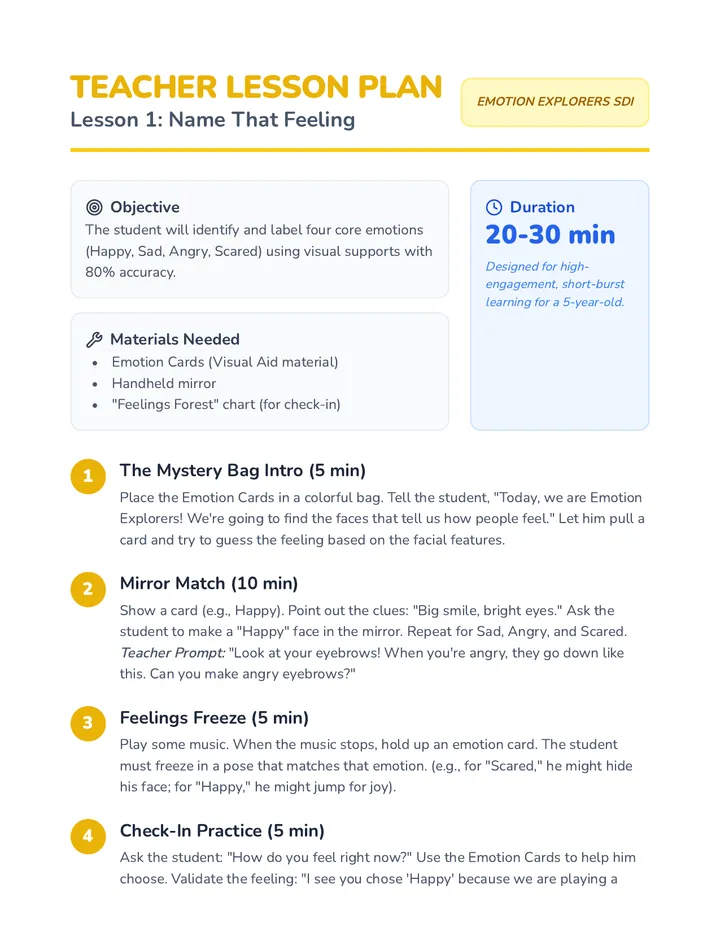
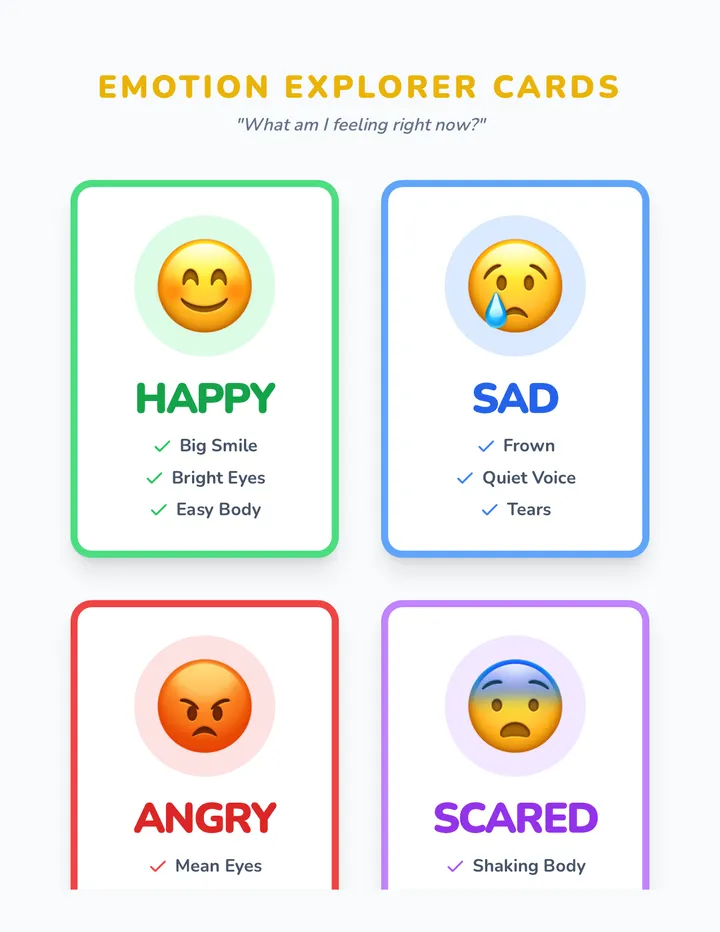
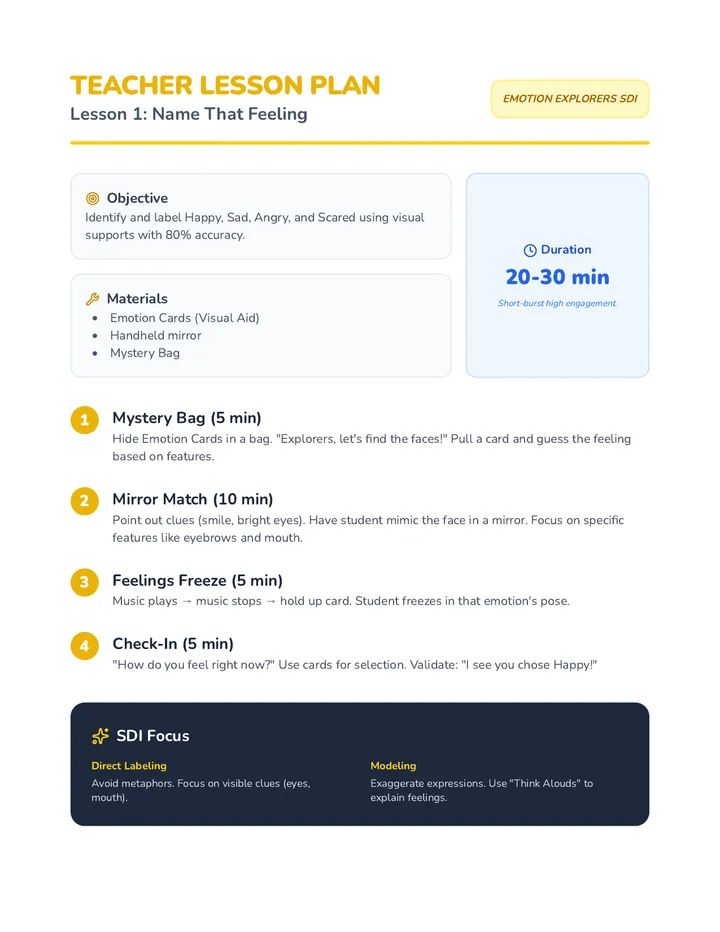
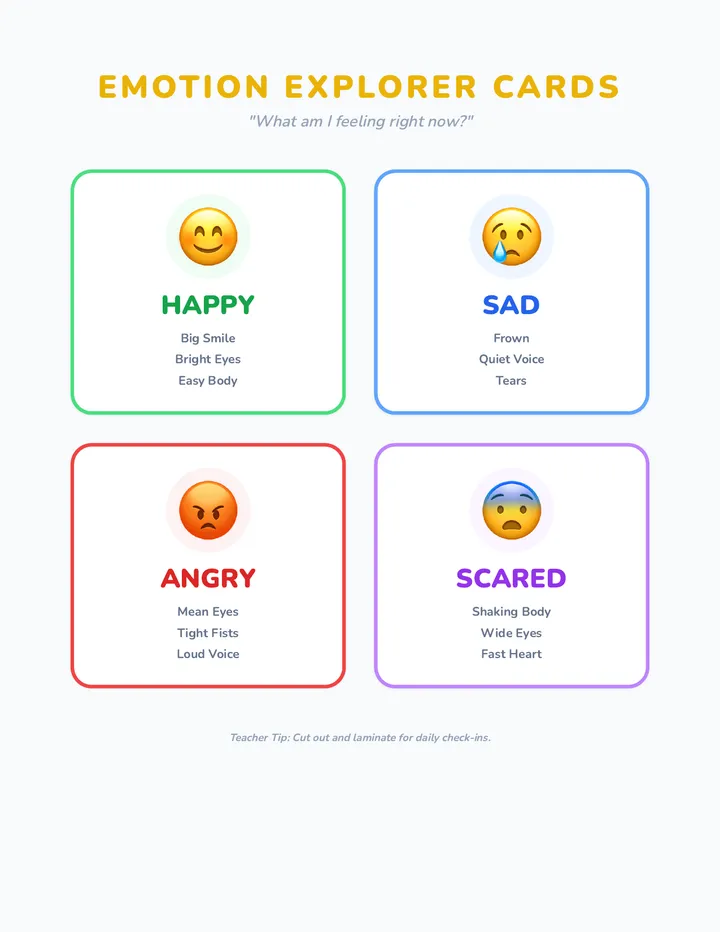
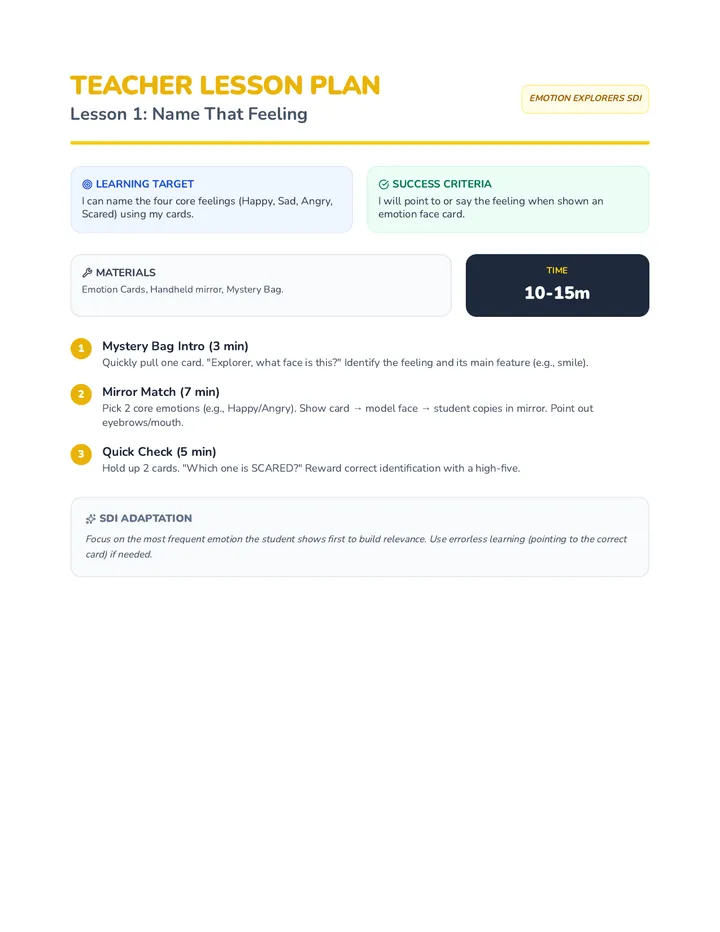
An 8-lesson SDI series designed for a 5-year-old student to develop emotional regulation skills, covering emotion identification, body awareness, and specific calming strategies like breathing and sensory tools.
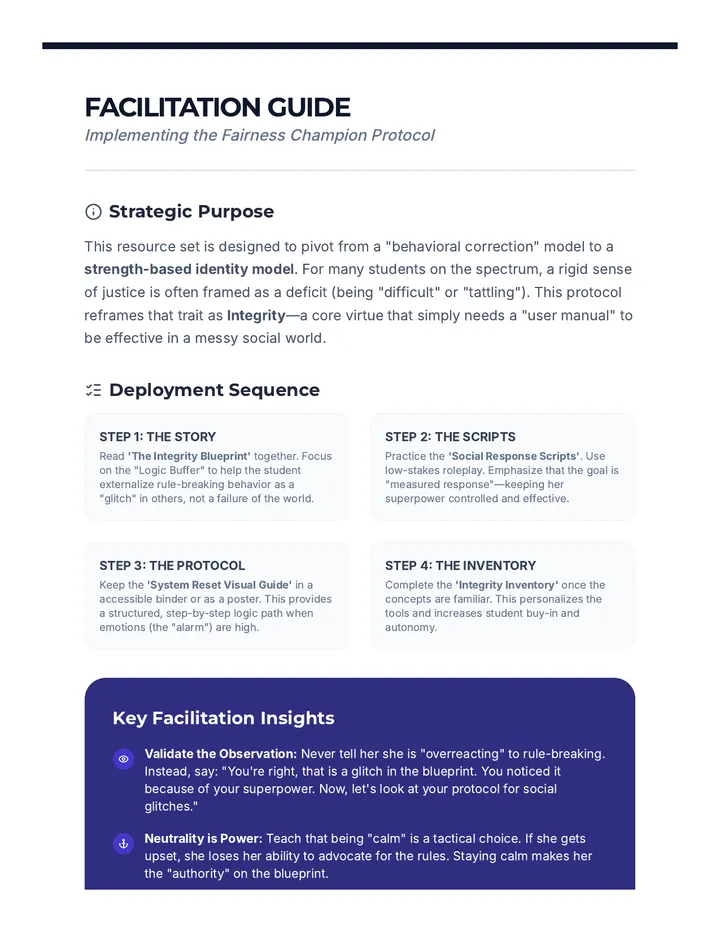
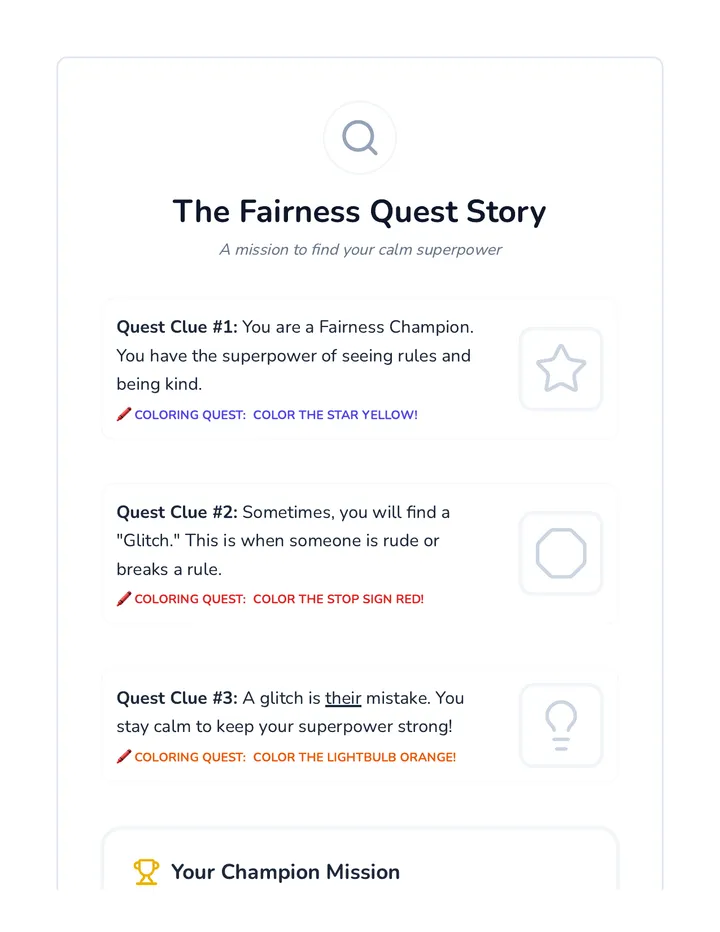
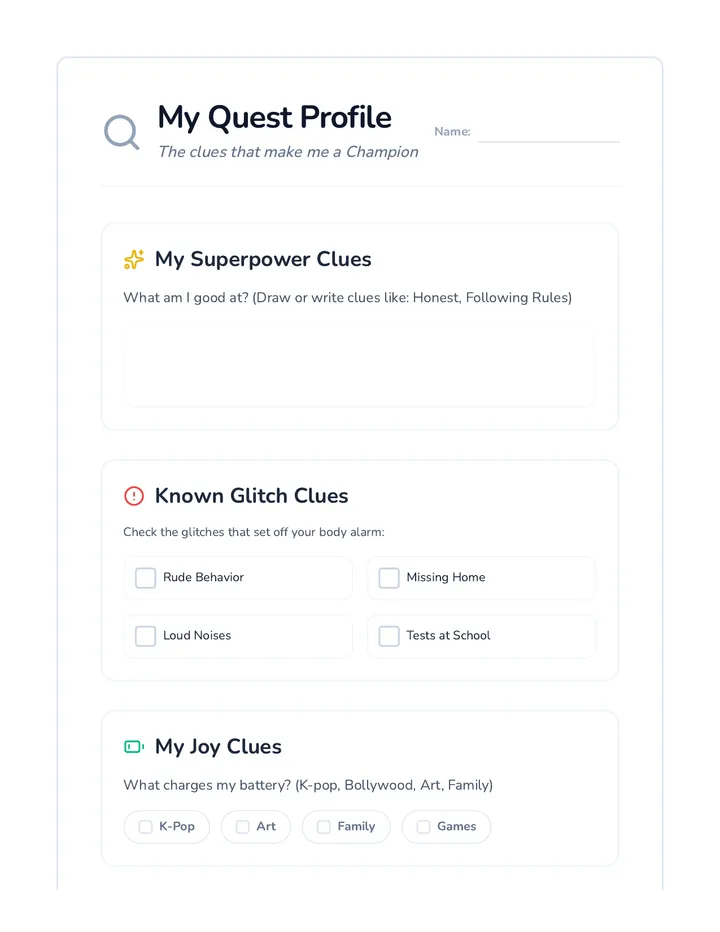
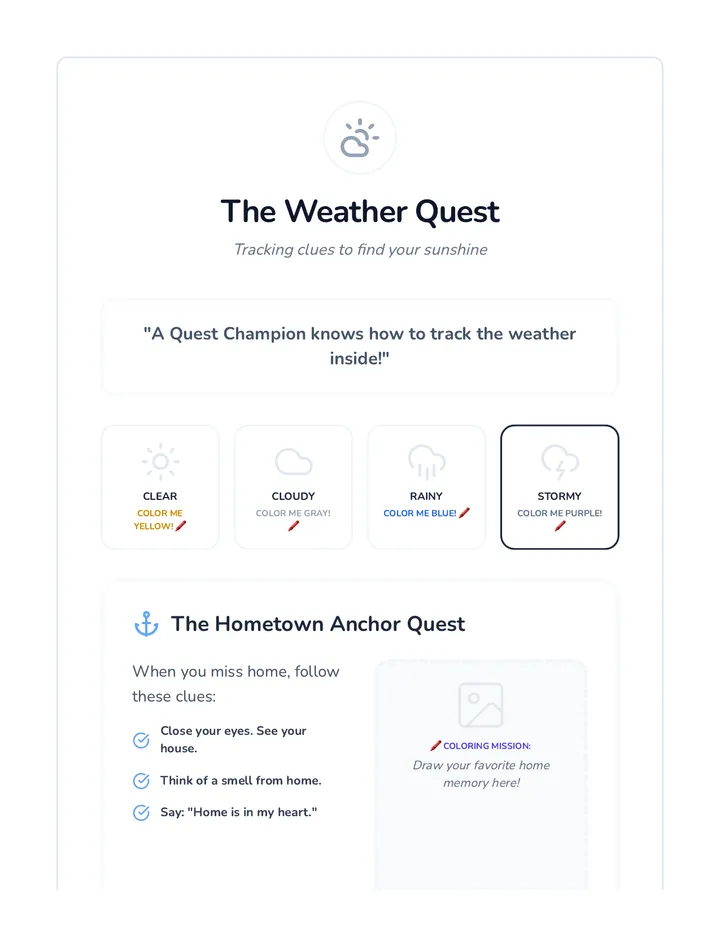
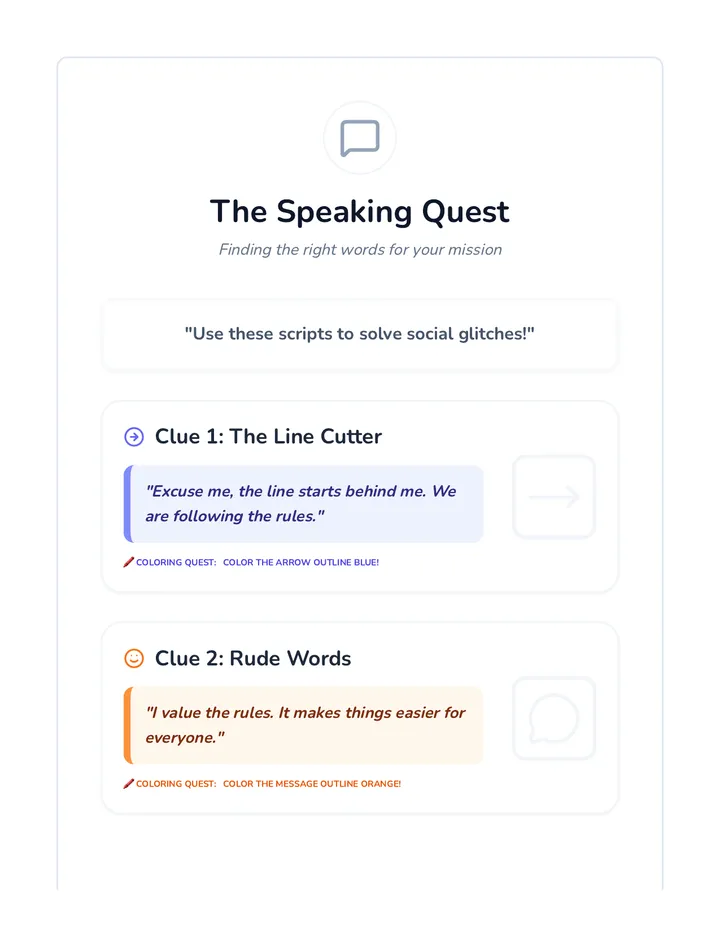
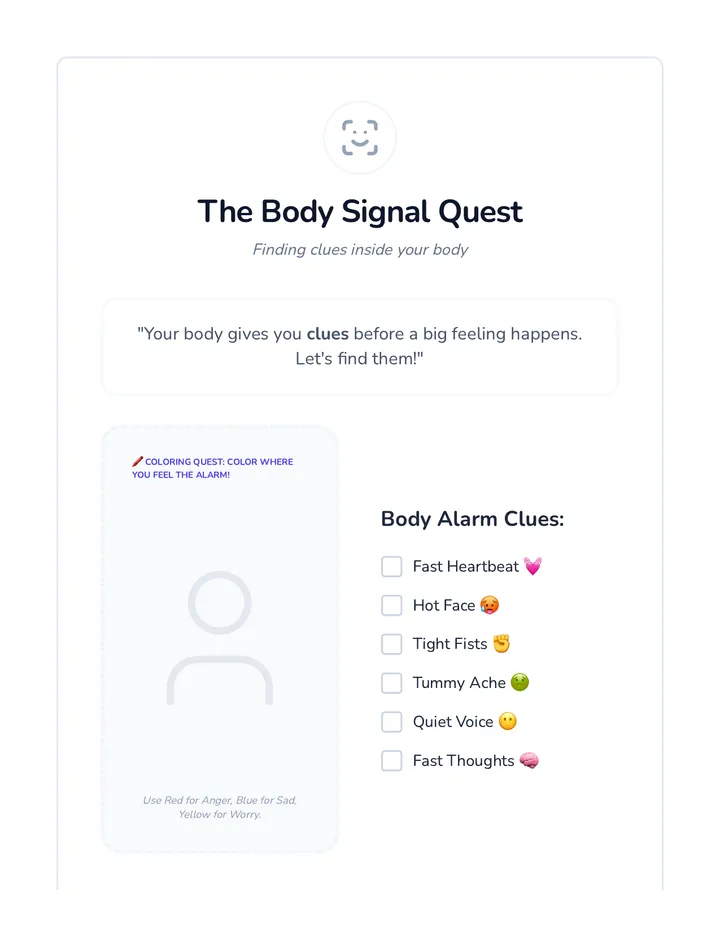
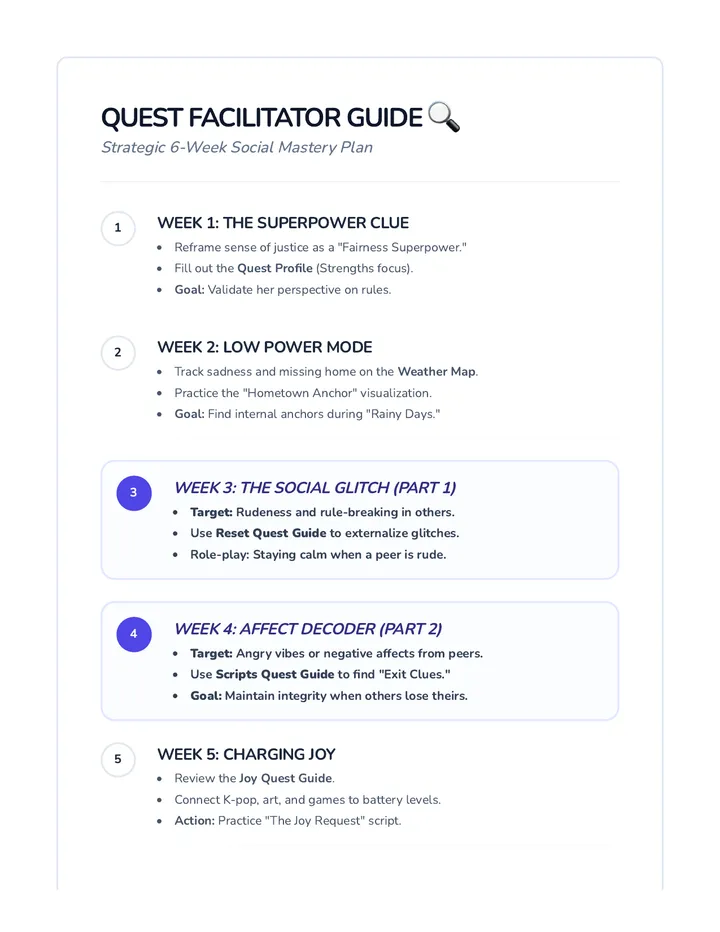
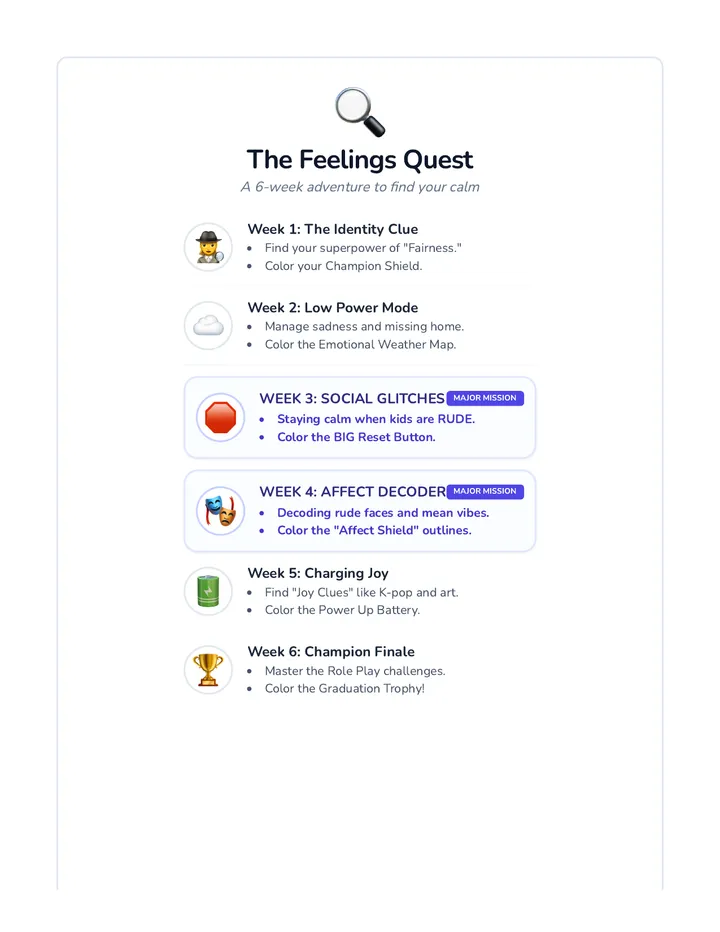
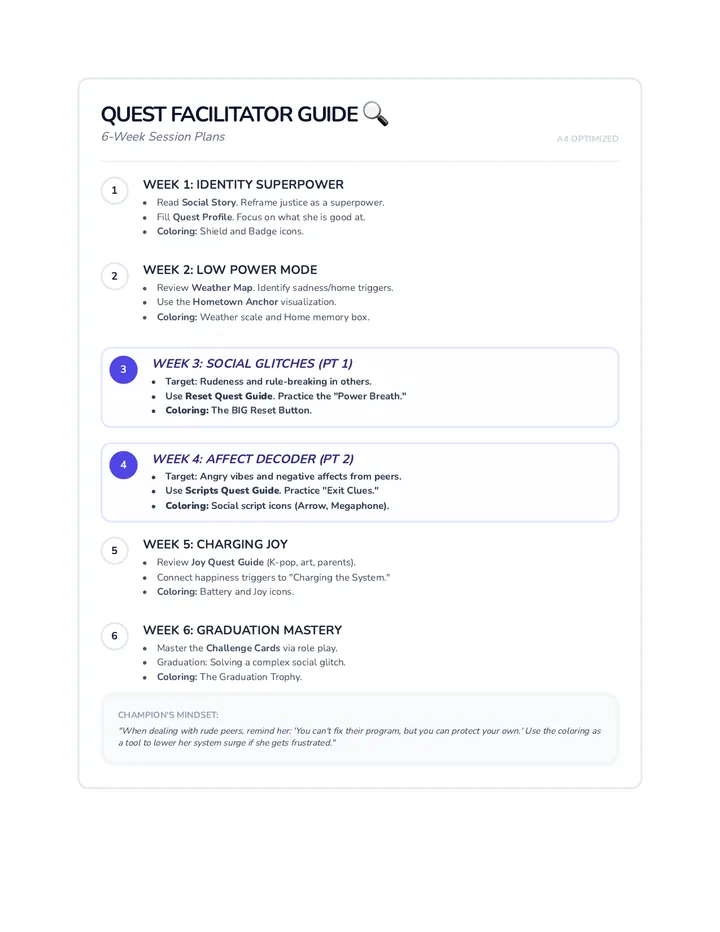
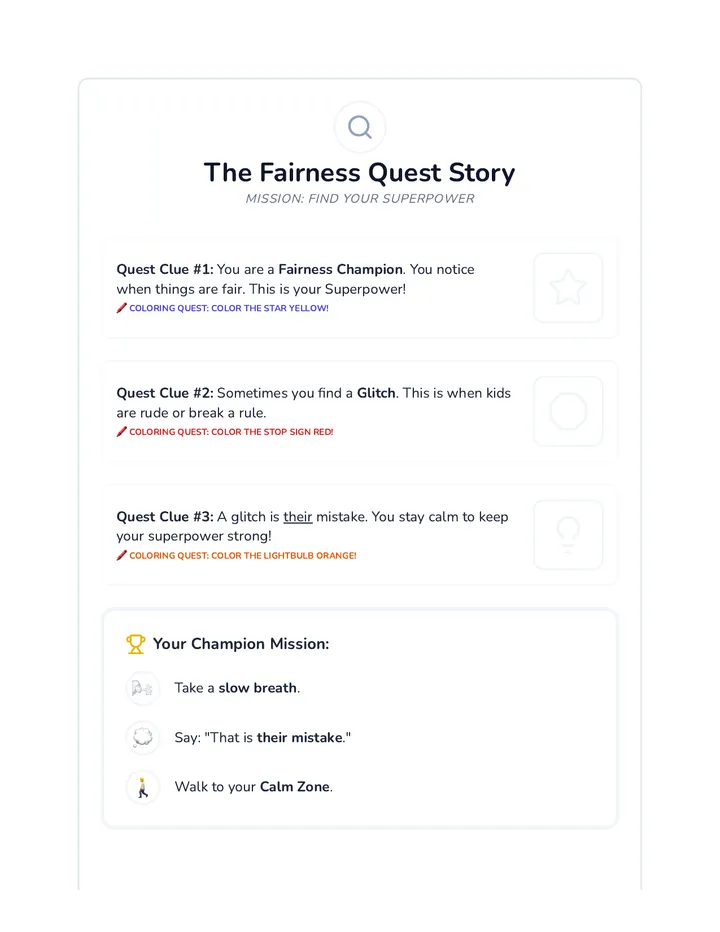
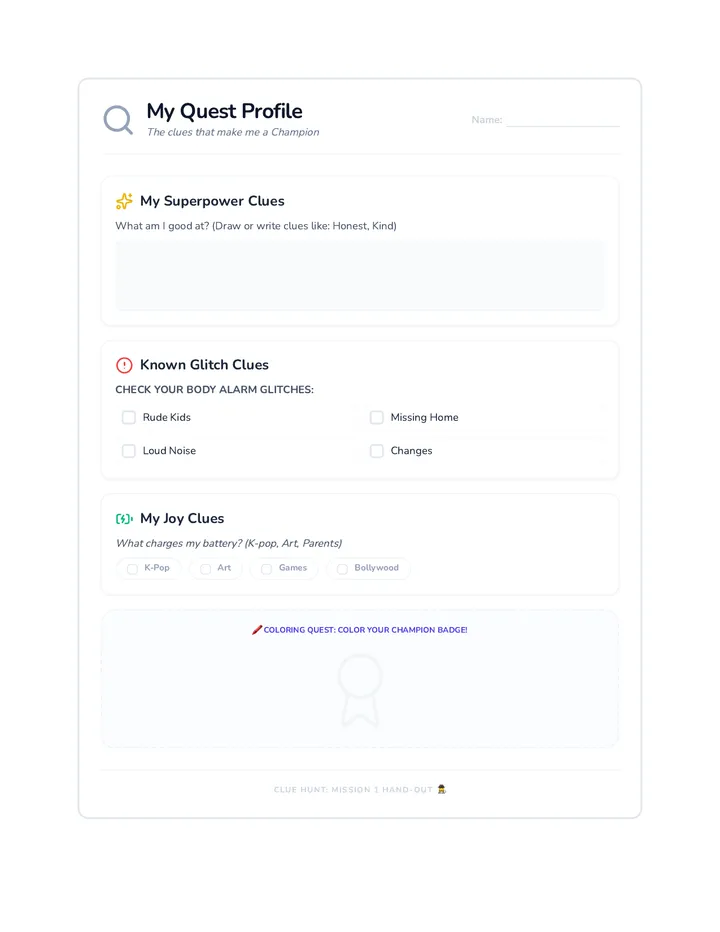
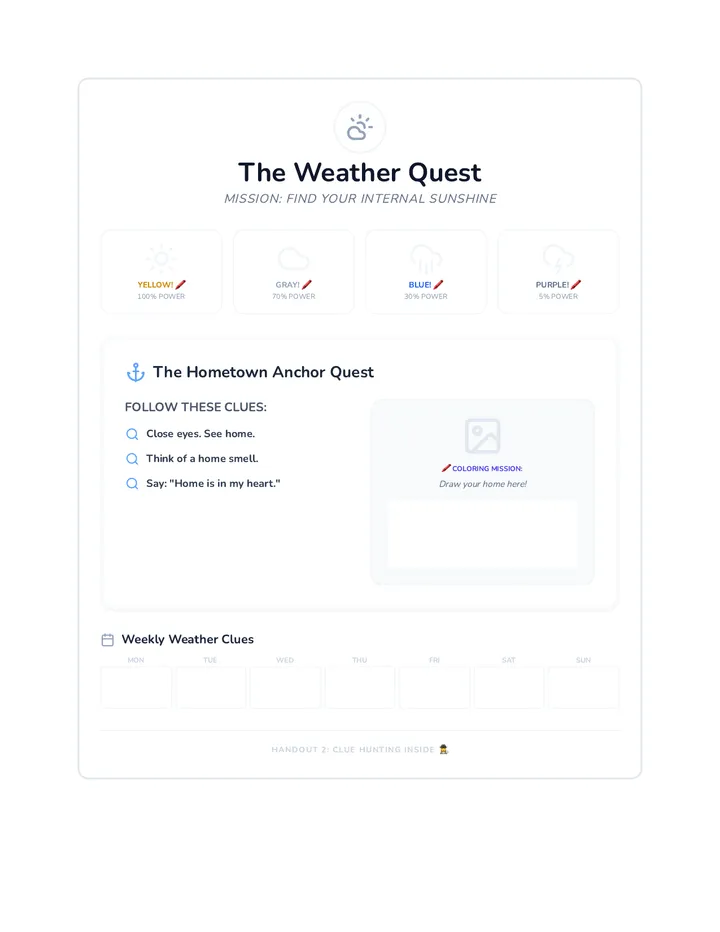
A 6-week social-emotional learning curriculum for a 13-year-old girl on the autism spectrum, focusing on managing specific triggers through a strength-based "Integrity Blueprint" lens.
A 6-week social-emotional learning curriculum designed for 4th-grade students with ADHD, focusing on self-regulation, flexible thinking, and respectful communication through a high-engagement 'Level Up' video game theme.
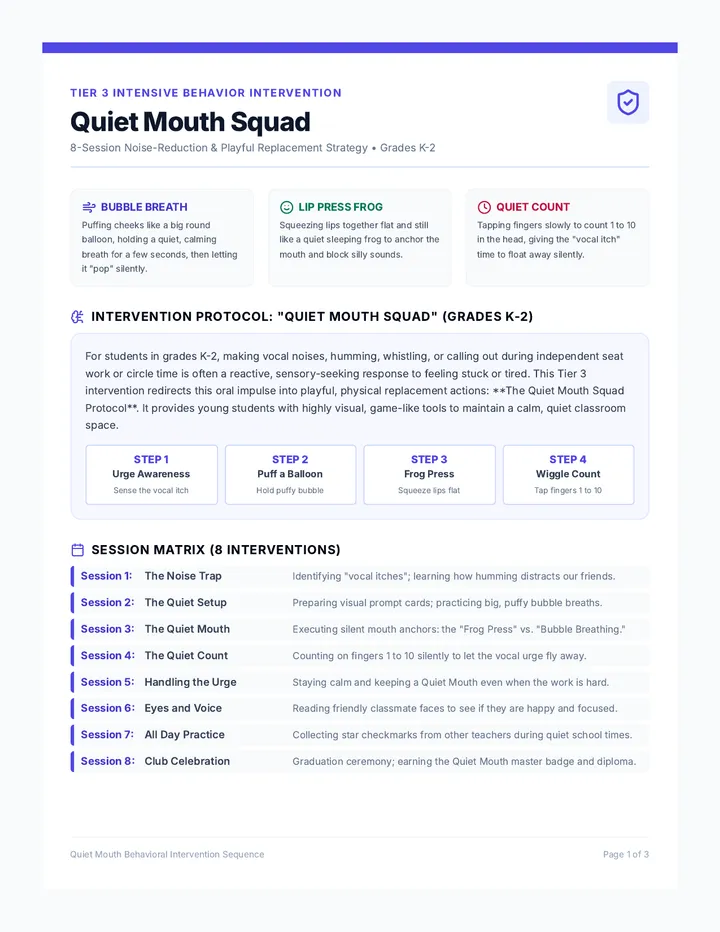
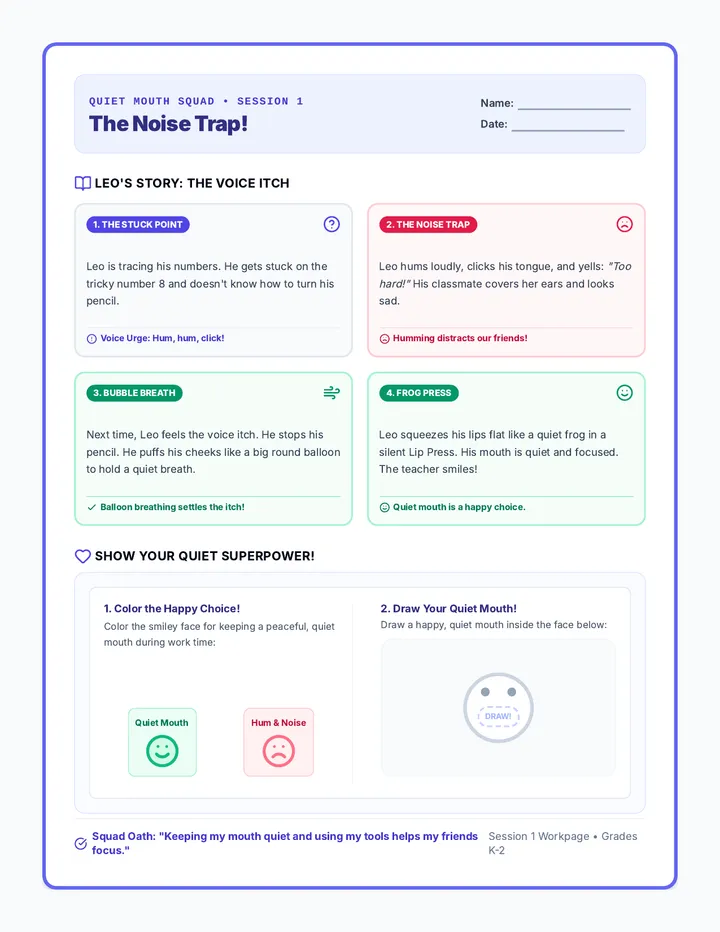
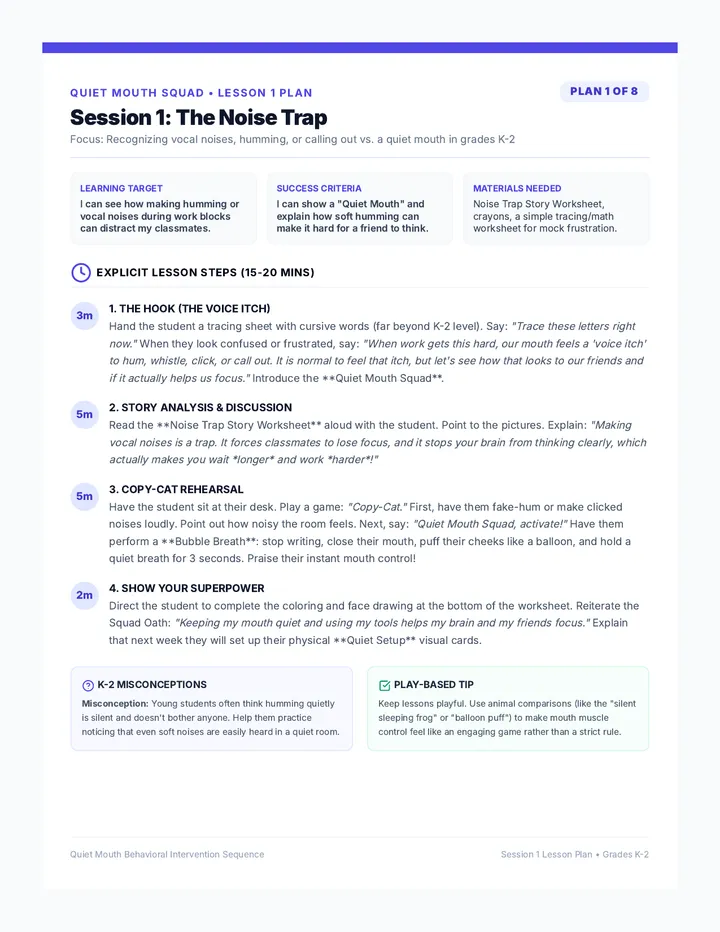
An 8-session intensive behavioral intervention sequence for students in grades K-2 targeting vocal noises, humming, or calling out during independent work. It teaches playful replacement behaviors: holding a quiet, puffy 'Bubble Breath' (like a balloon) or a firm 'Lip Press' (making a flat, silent mouth) to settle urges and maintain classroom focus.
A comprehensive 6-week social skills and problem-solving program designed specifically for 2nd-grade students with ASD. The sequence uses a 'Social Detective' theme to teach self-regulation, perspective taking, empathy, and social problem-solving through visual supports and concrete activities.
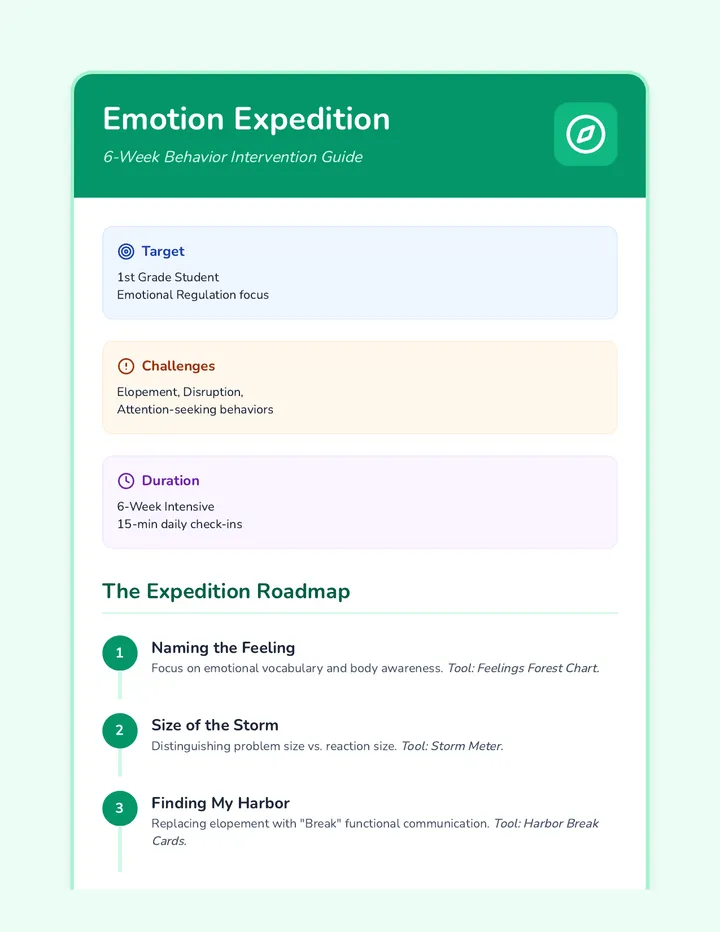
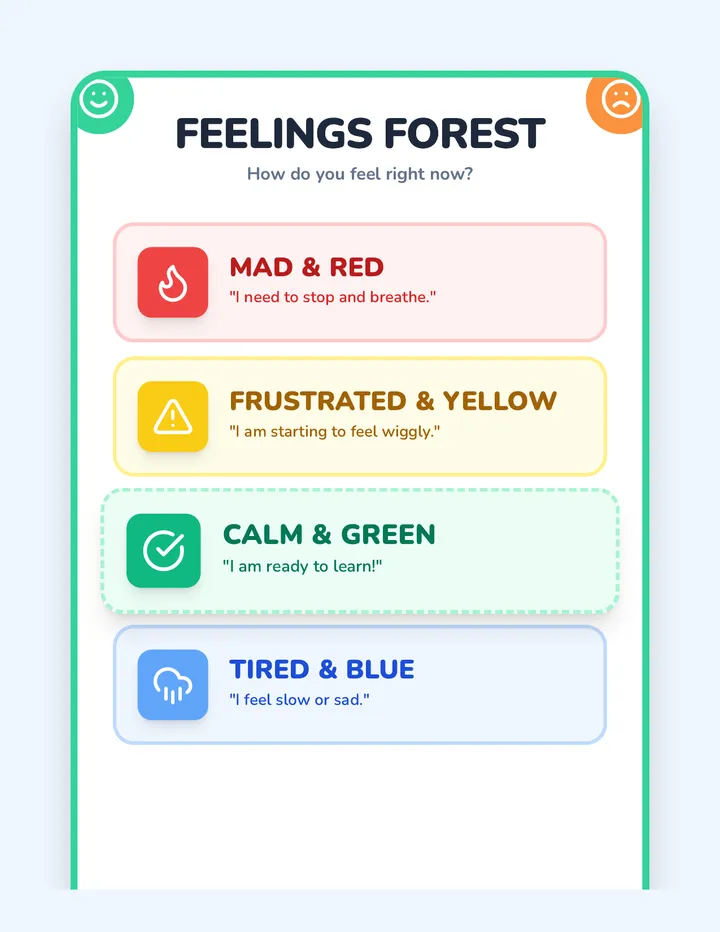
A 6-week individual behavior intervention sequence for 1st grade students struggling with emotional regulation, elopement, and attention-seeking behaviors. The sequence focuses on identifying feelings, sizing problems, and using functional communication to seek attention appropriately.
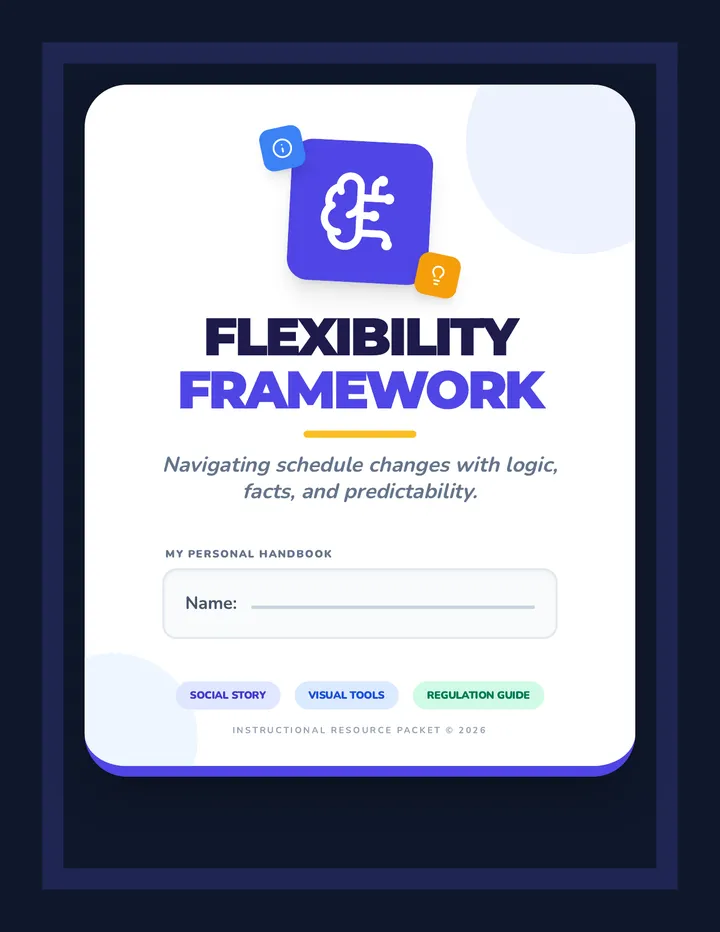
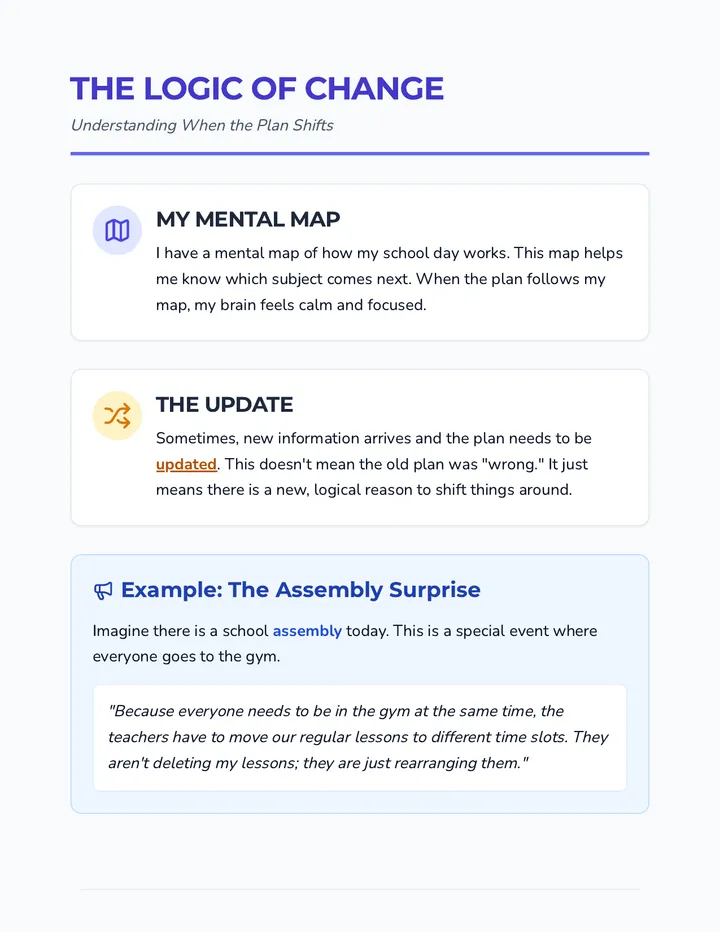
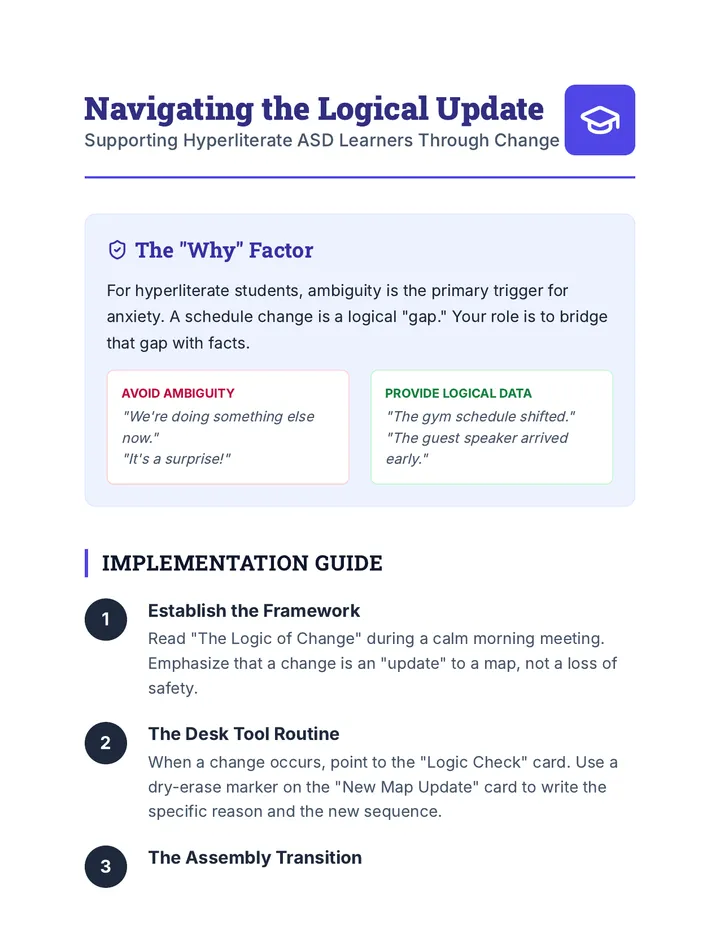
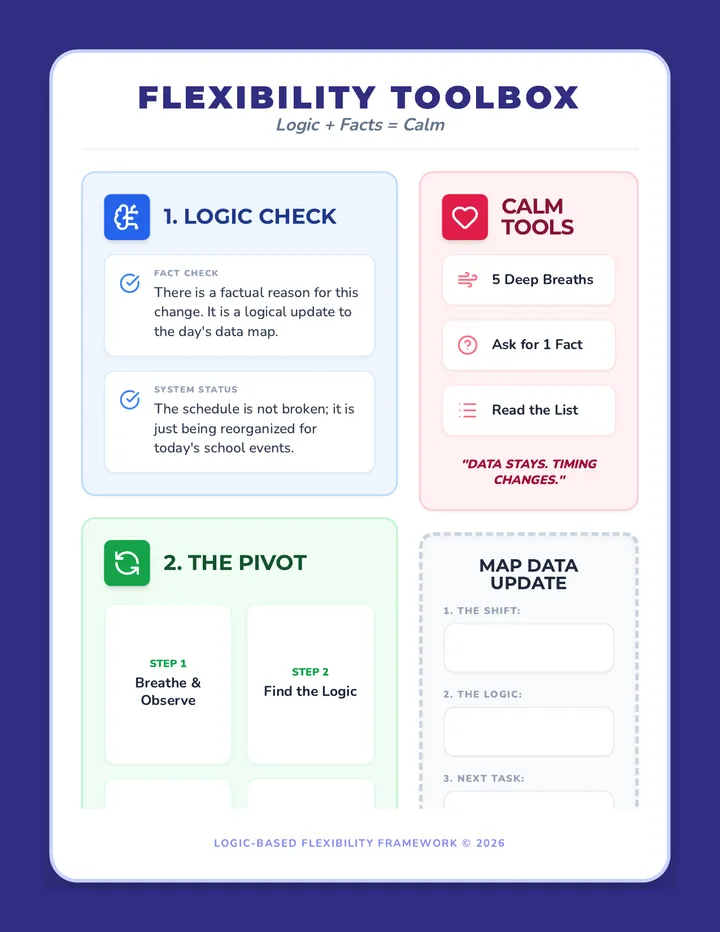
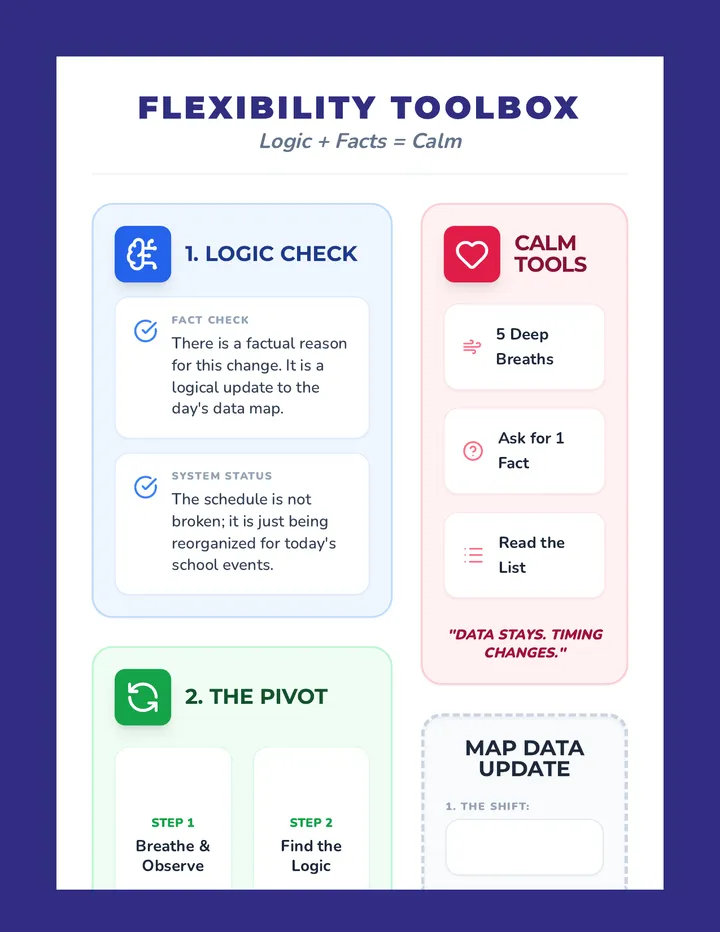
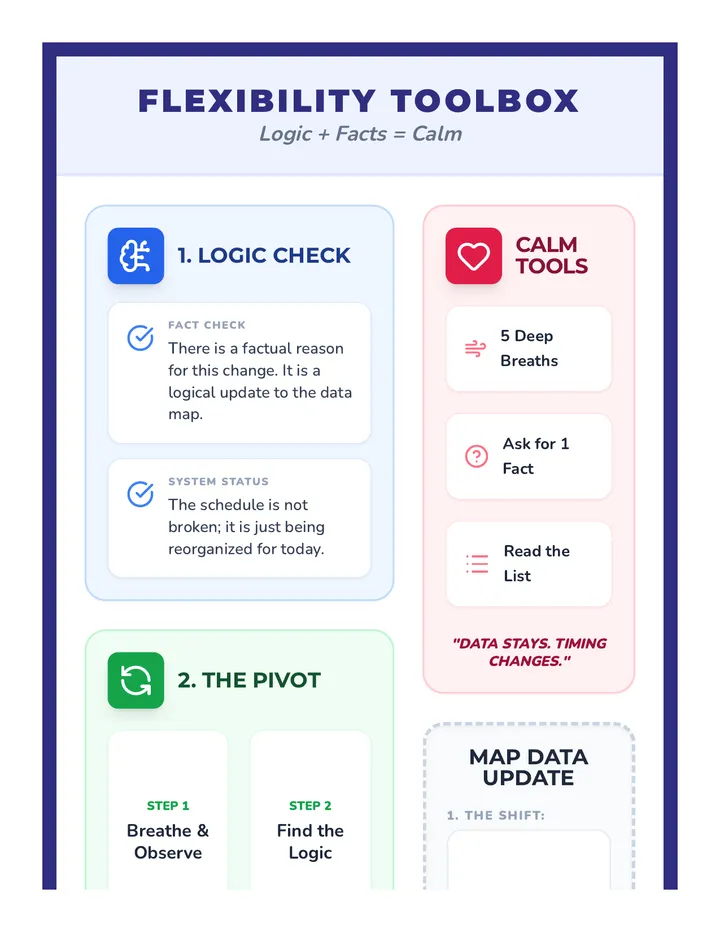
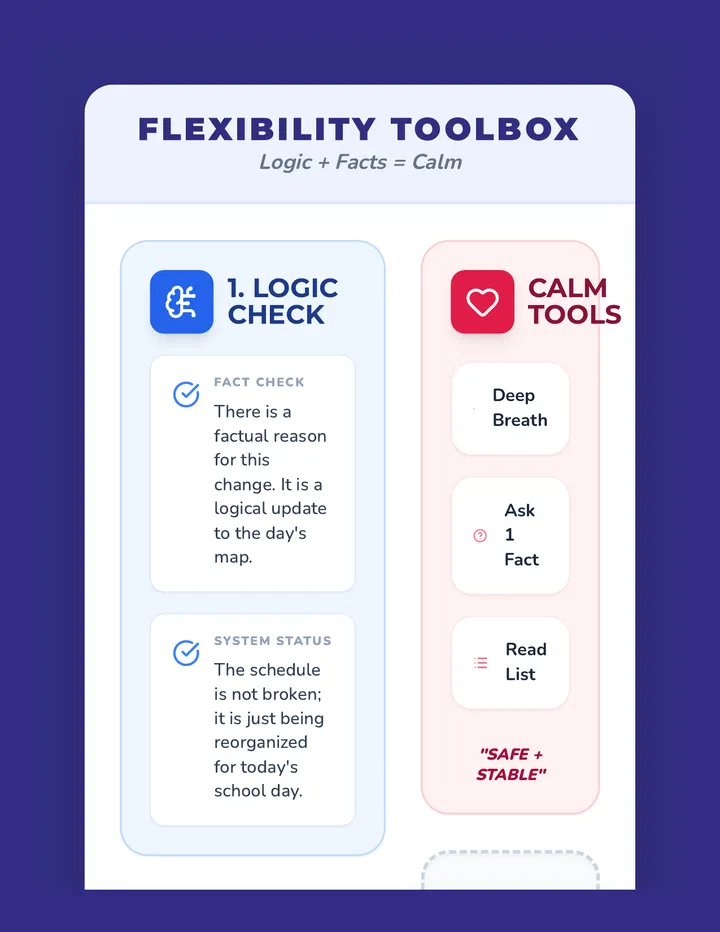
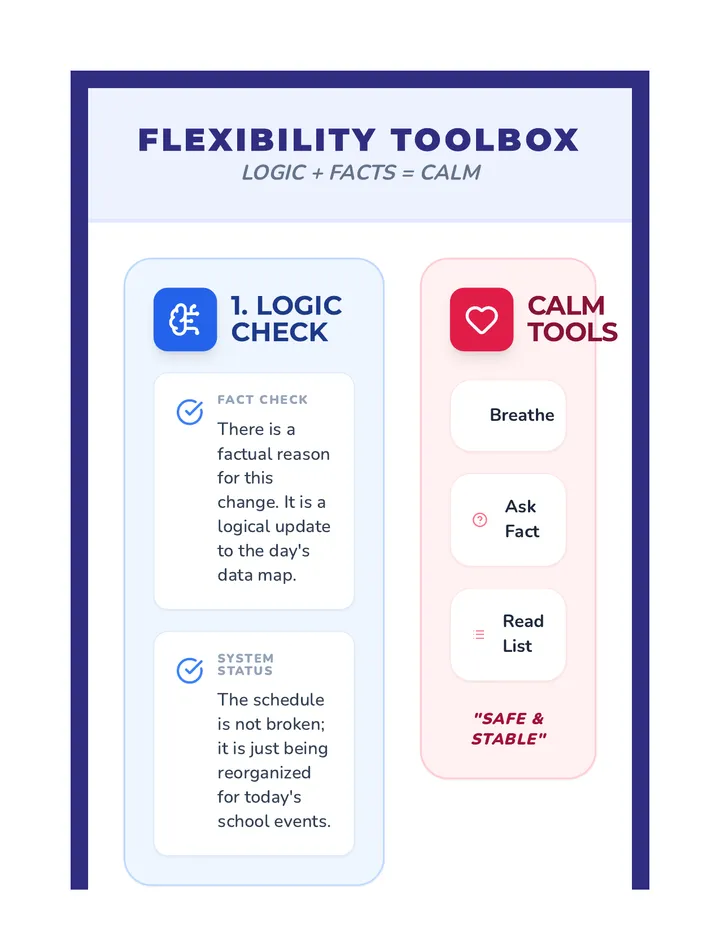
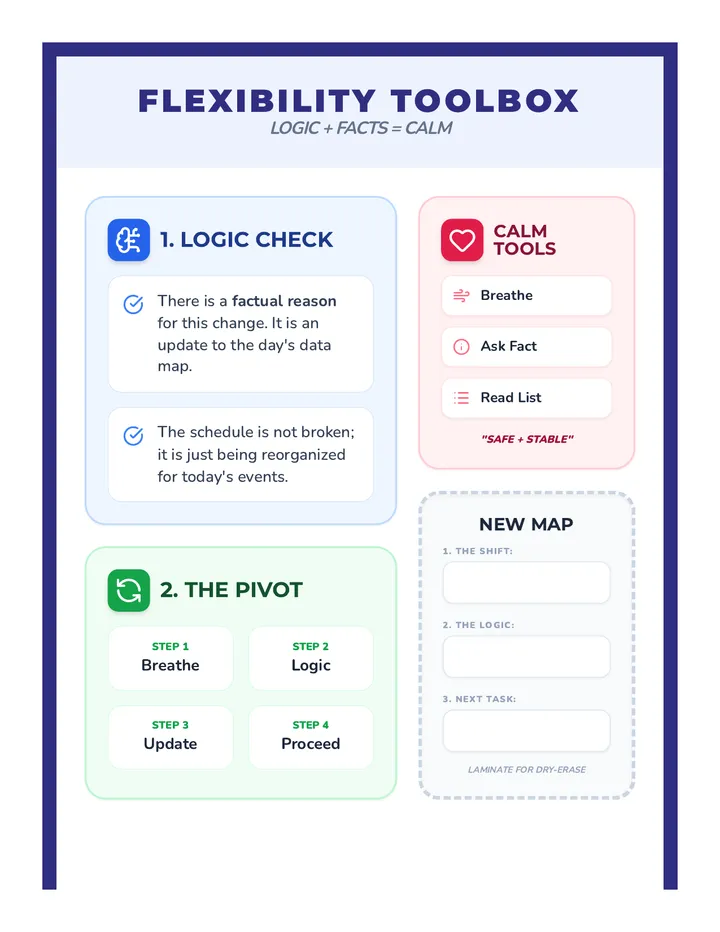
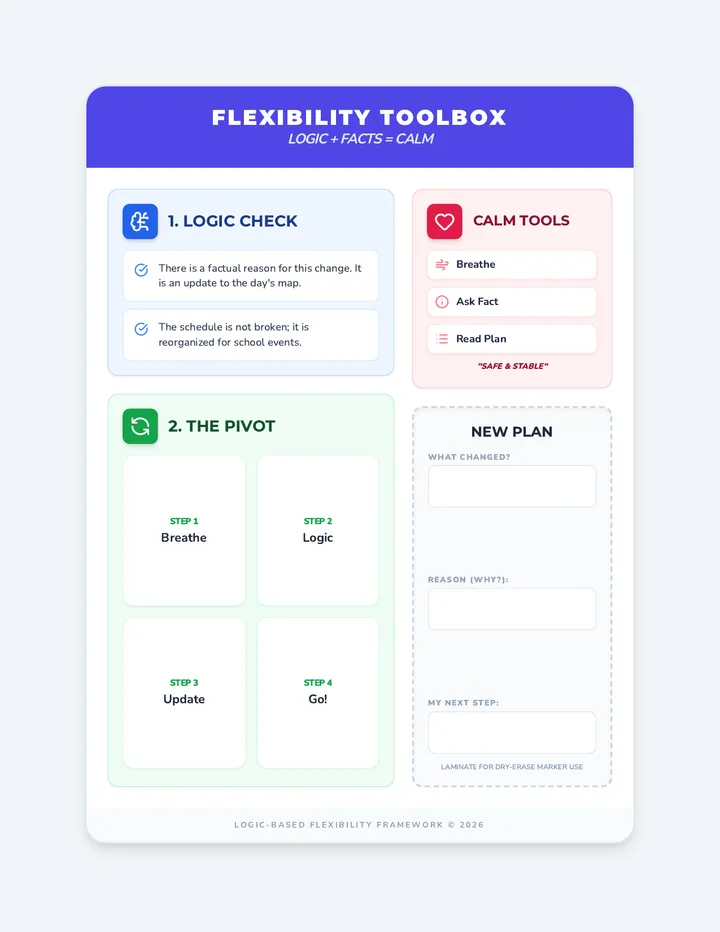
A sequence designed to help neurodivergent students navigate unexpected schedule changes with logic-based social stories and visual tools.
A 6-8 week intervention program designed for 1st-grade girls, focusing on executive functioning skills, emotional regulation, and academic success strategies through a strengths-based, celestial-themed approach.
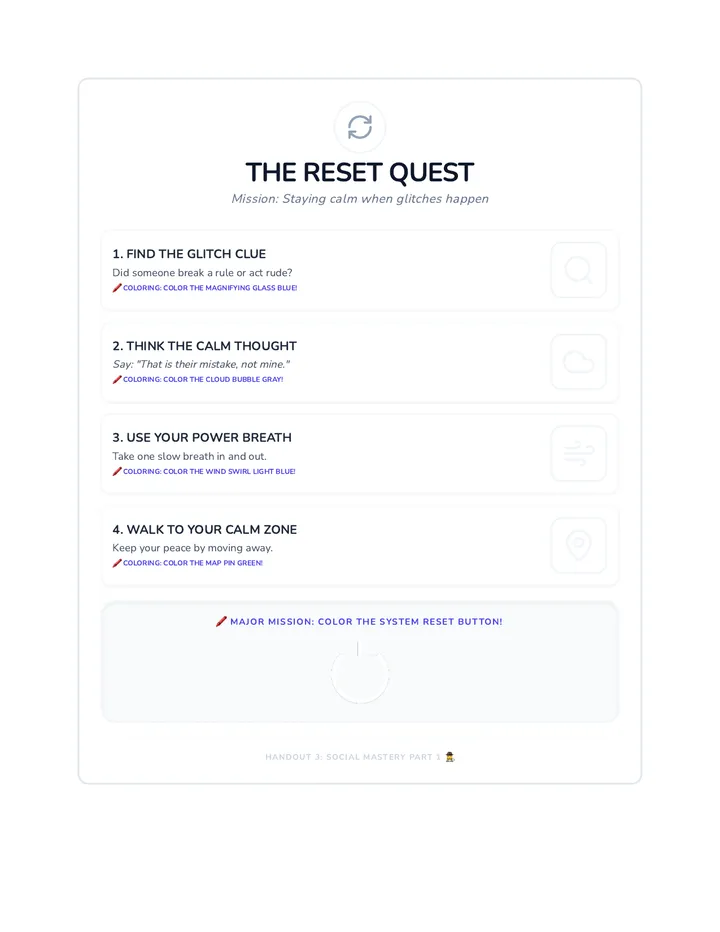
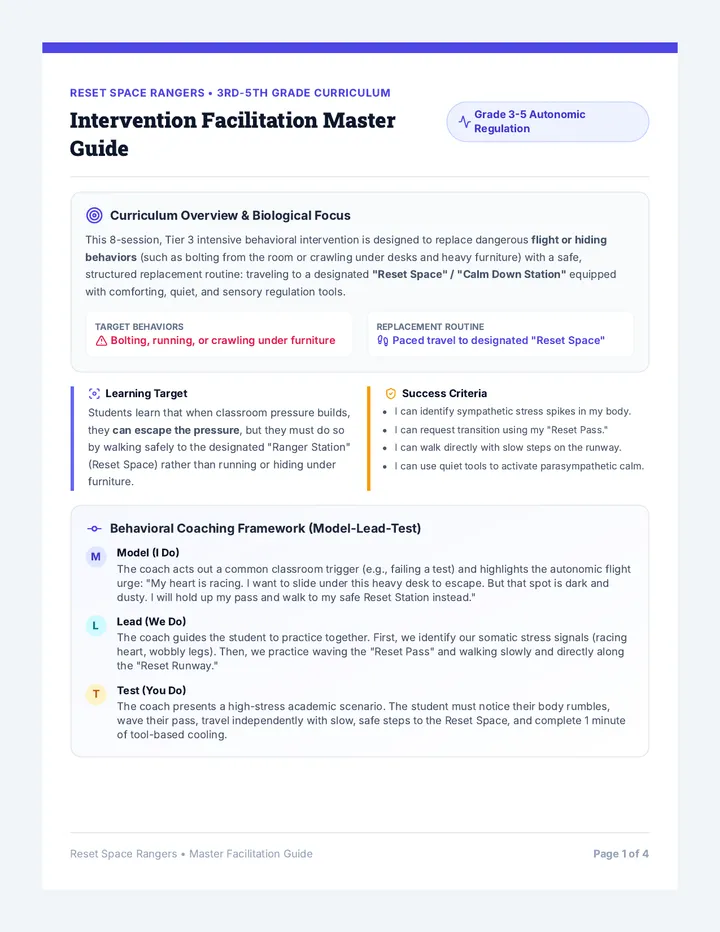
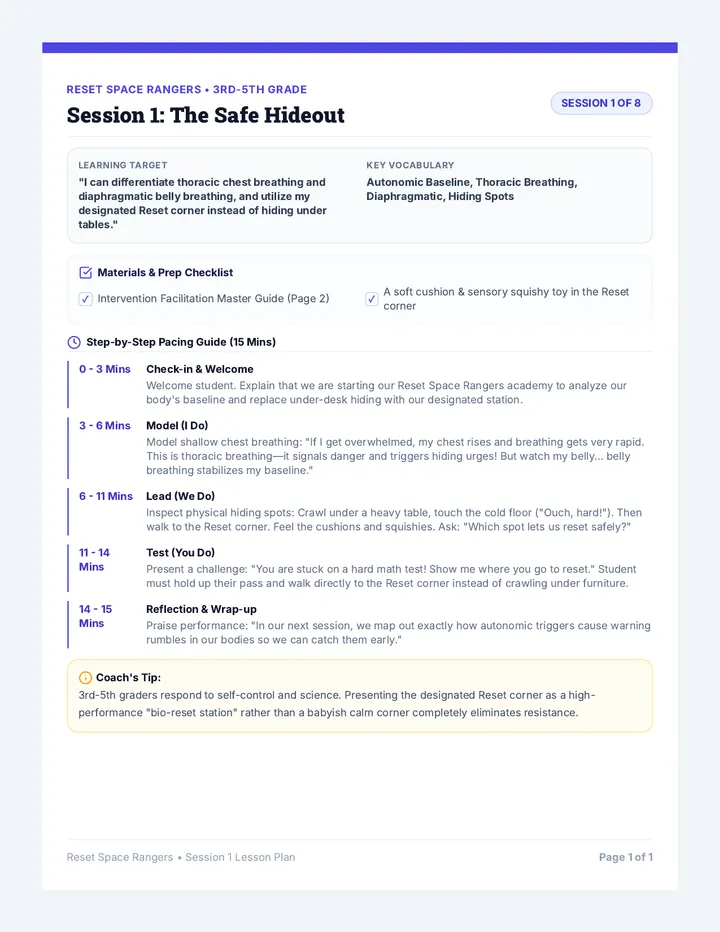
An intensive 8-session autonomic regulation and behavior protocol for 3rd-5th graders designed to replace dangerous flight or hiding behaviors (such as bolting or hiding under desks) with structured travel to a designated safe 'Reset Space' or 'Calm Down Station' equipped with comforting, quiet tools.
A 10-session social skills curriculum designed for 1st graders with autism and ADHD, focusing on social behaviors, boundaries, and emotional regulation using a "Social Stars" space quest theme.
A Kindergarten sequence focused on building cognitive flexibility and emotional regulation when visual schedules change. Students learn to use specific visuals like 'Oops' cards, substitution icons, and 'Surprise' markers to navigate transitions and unexpected events calmly.
A professional development session focused on the GAIN MTSS framework for the Learning and Behavior Cycle. Participants will explore the neuroeducation of stress, stressload, and the eight specific zones of student regulation to implement more effective, attuned responses.
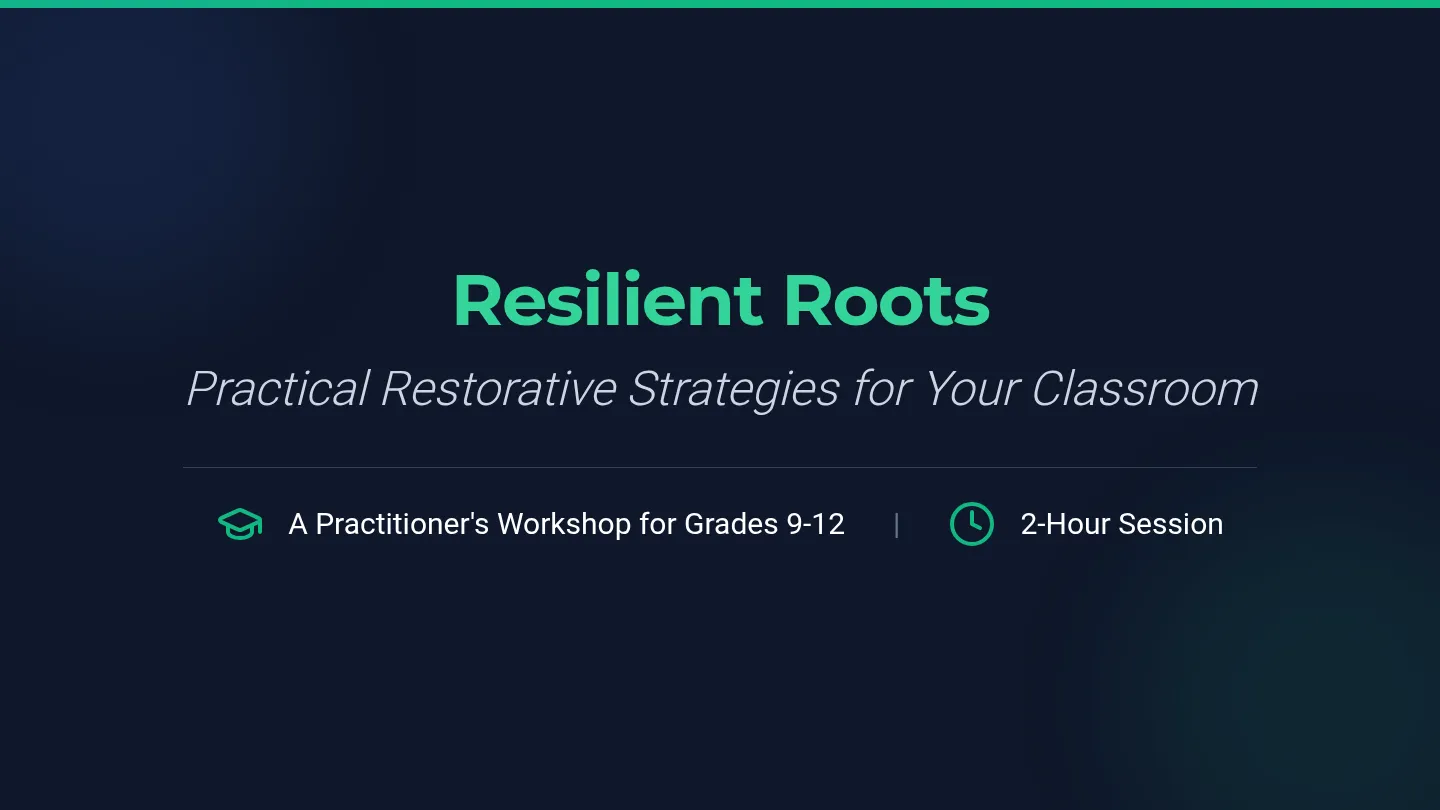
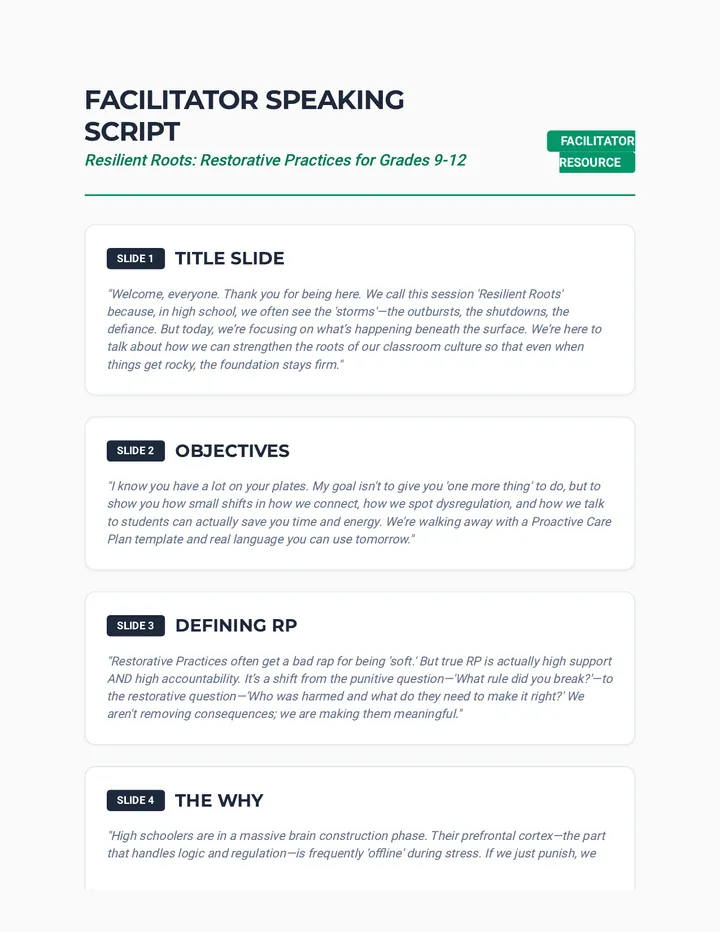
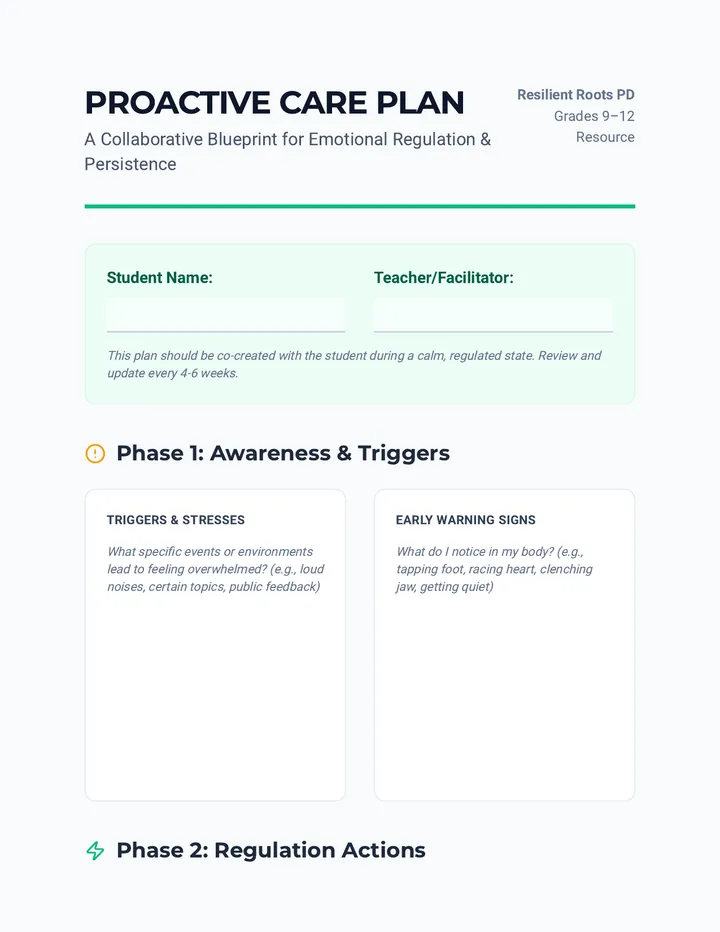
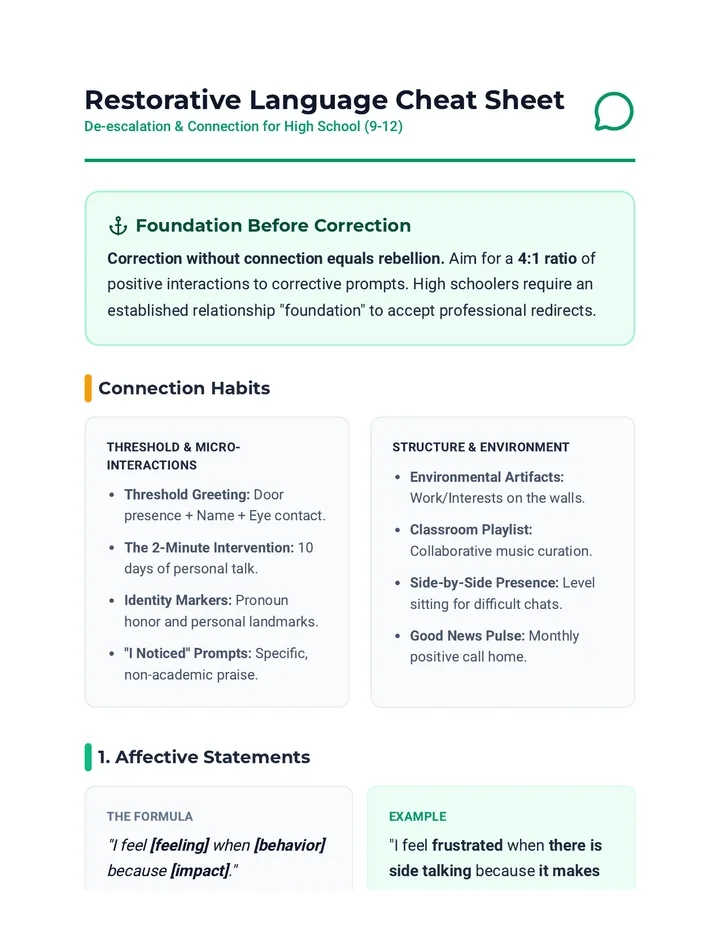
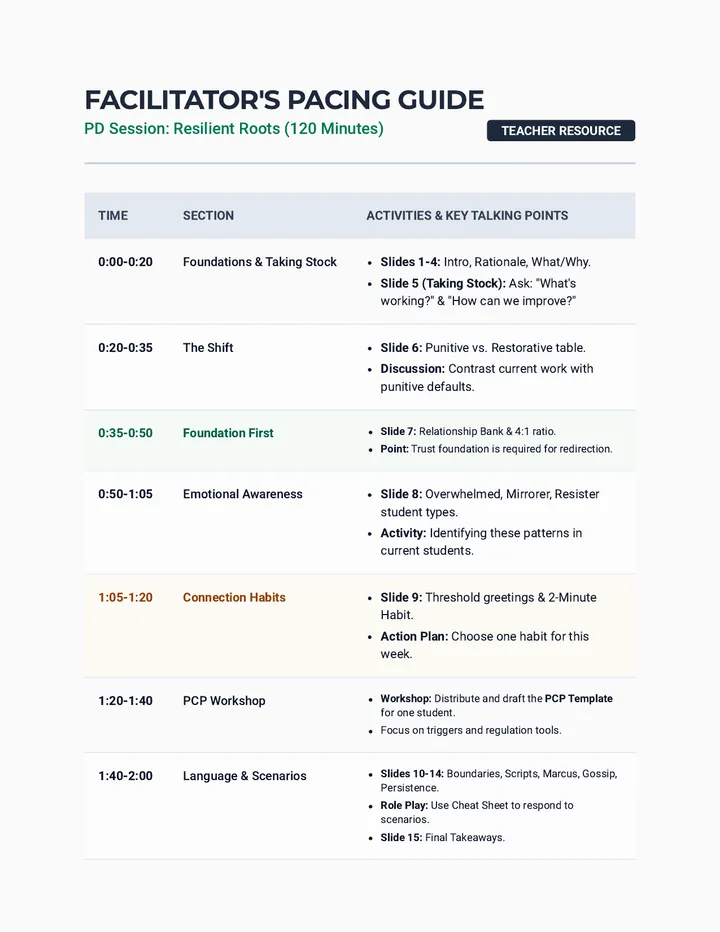
A professional development session for high school teachers focusing on restorative practices, emotional regulation, and the implementation of proactive care plans. This lesson equips educators with the tools to handle chronic emotional challenges and foster deep connection with students in grades 9-12.
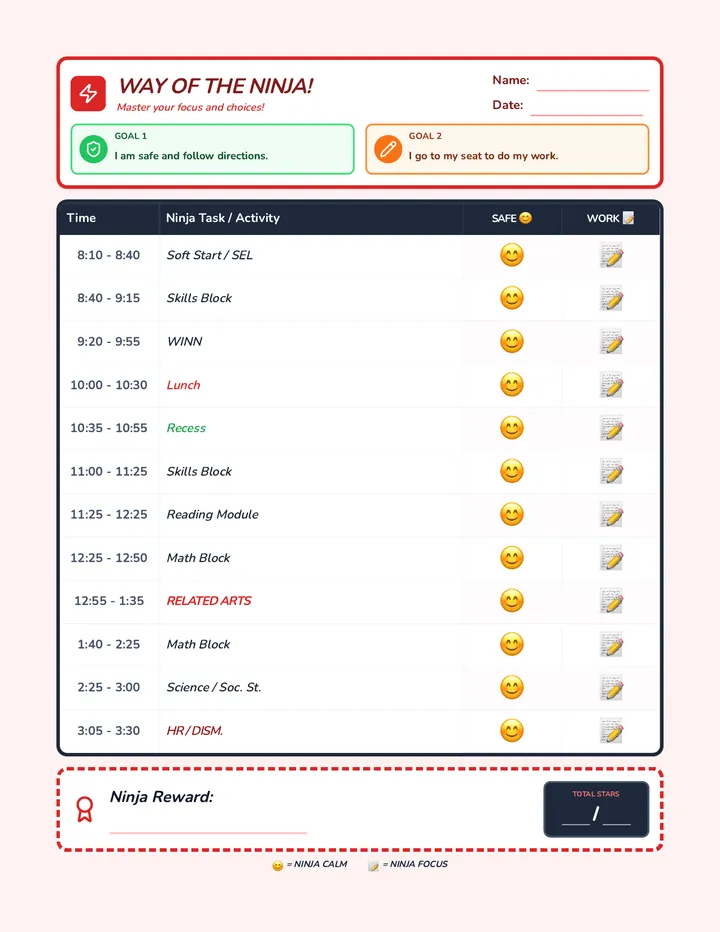
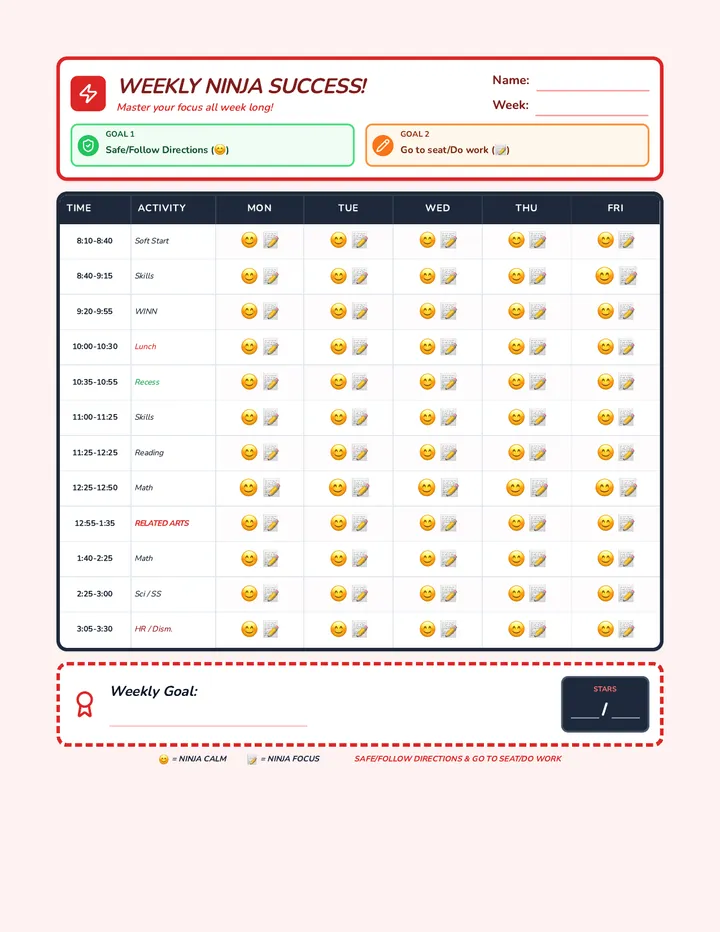
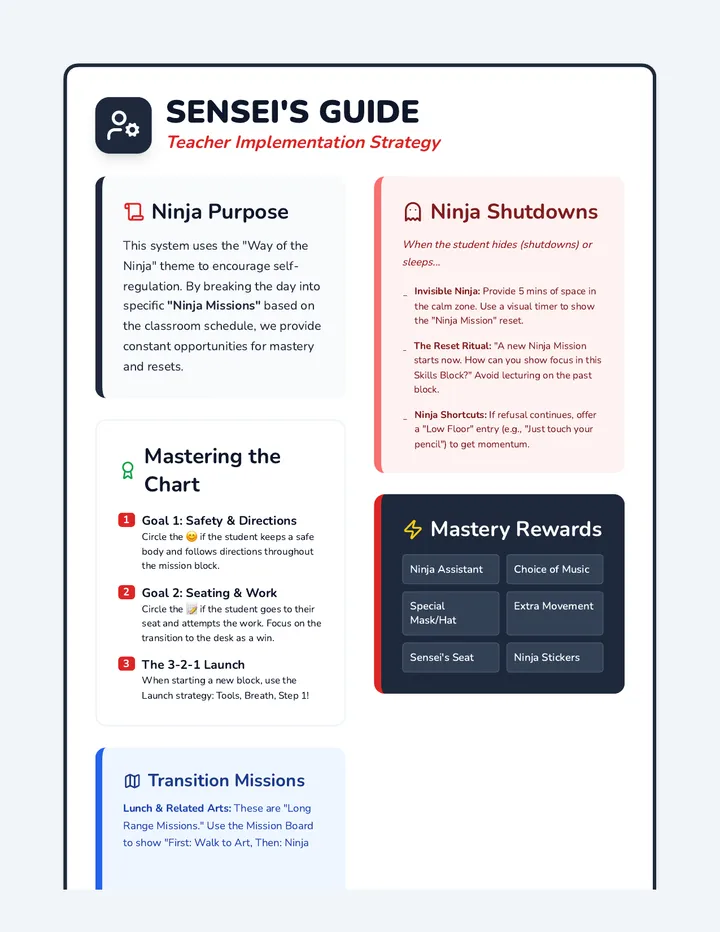
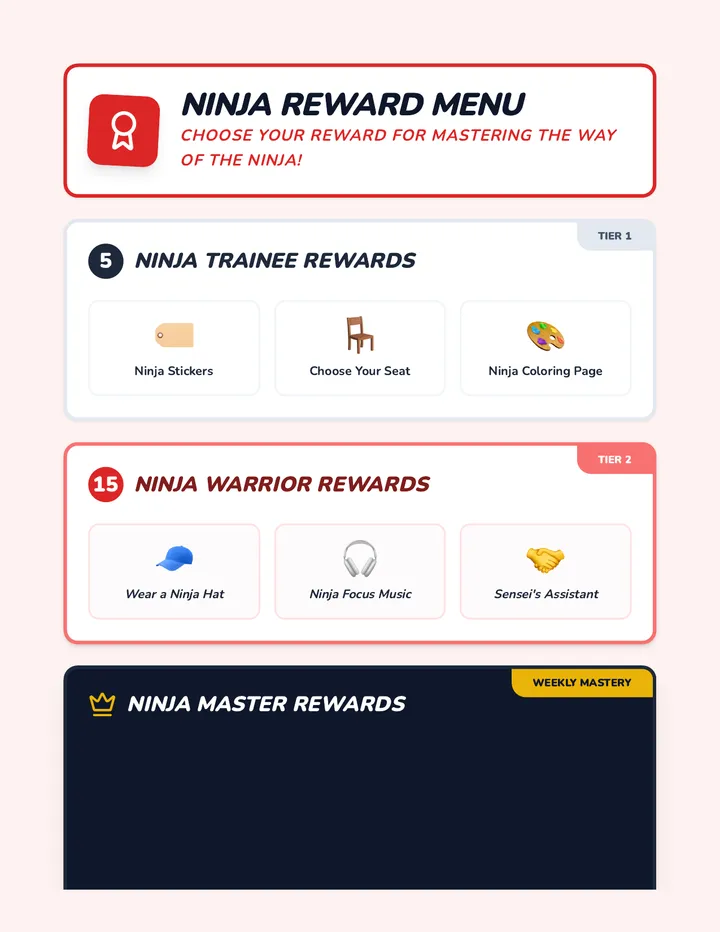
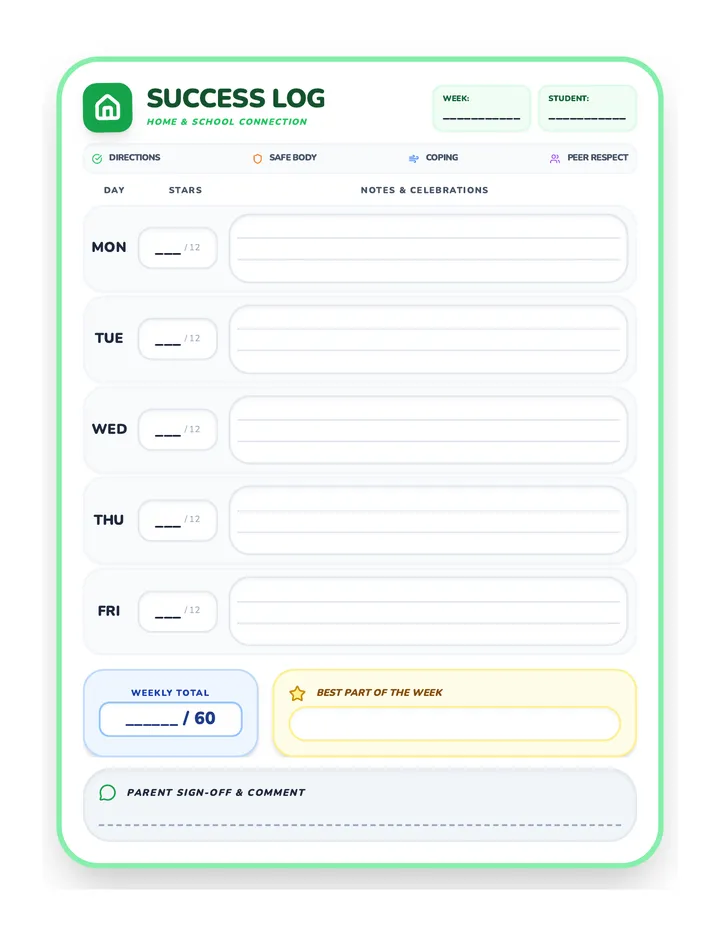
A comprehensive behavior tracking system designed for a 1st-grade student struggling with work refusal and transitions. The system uses a 30-minute incremental tracker, visual desk reminders, and a teacher implementation guide to foster safety and academic engagement.
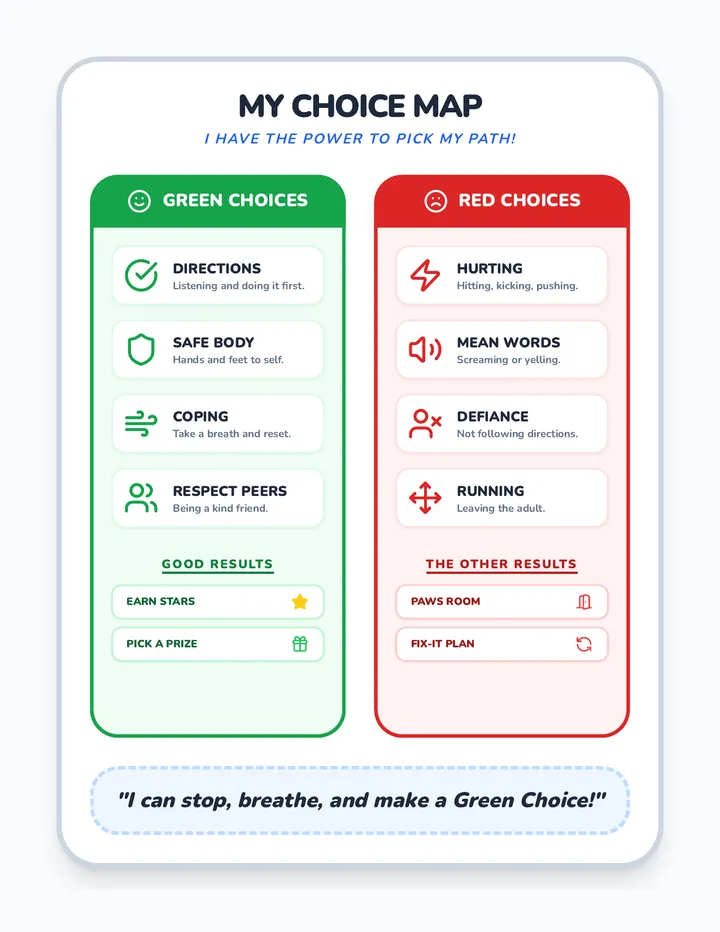
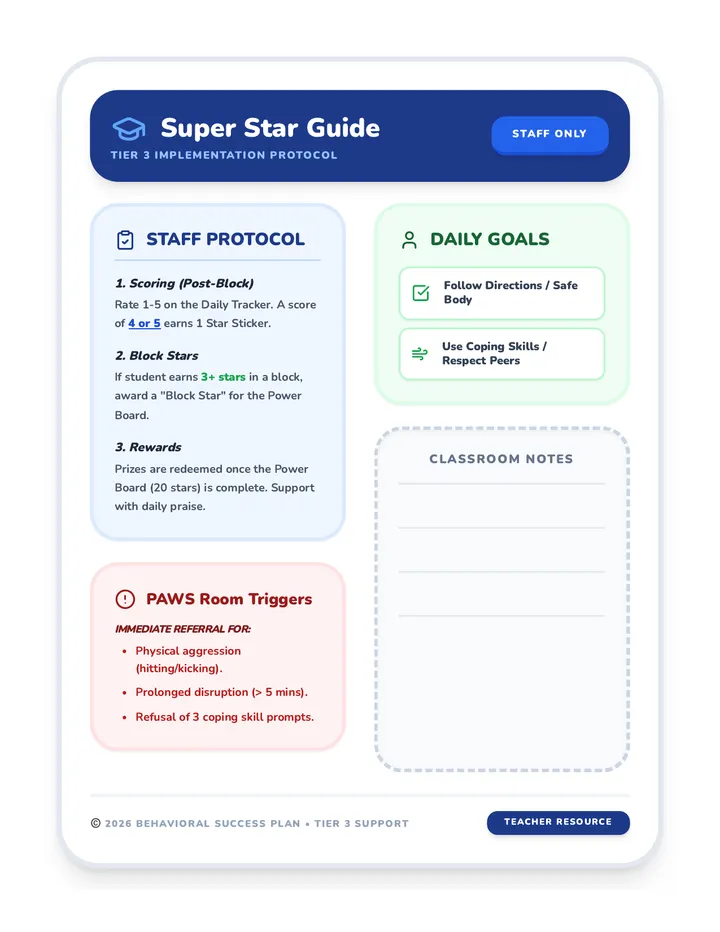
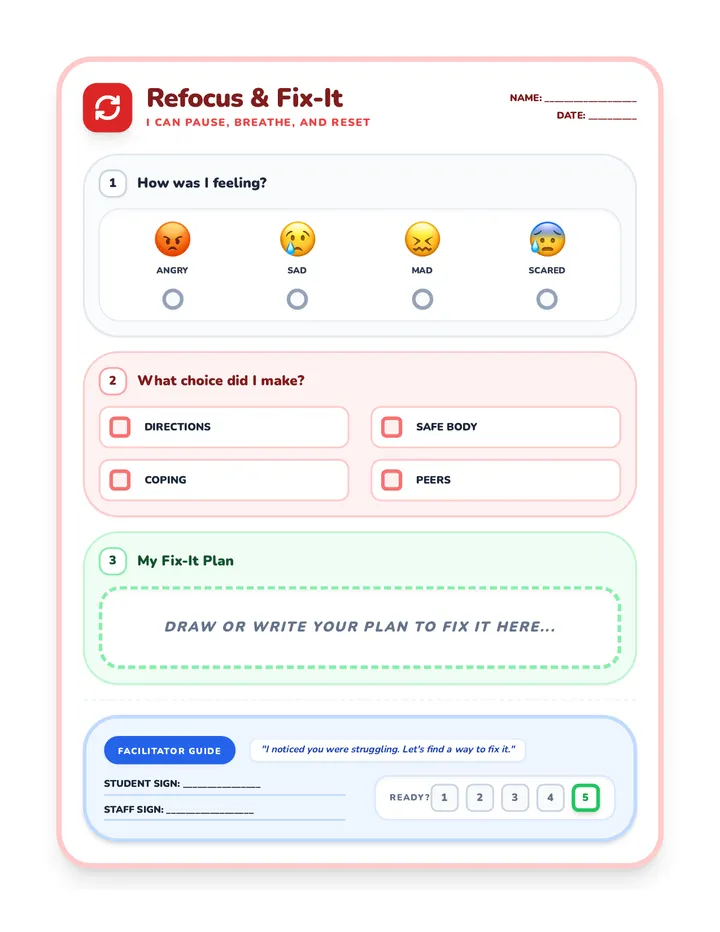
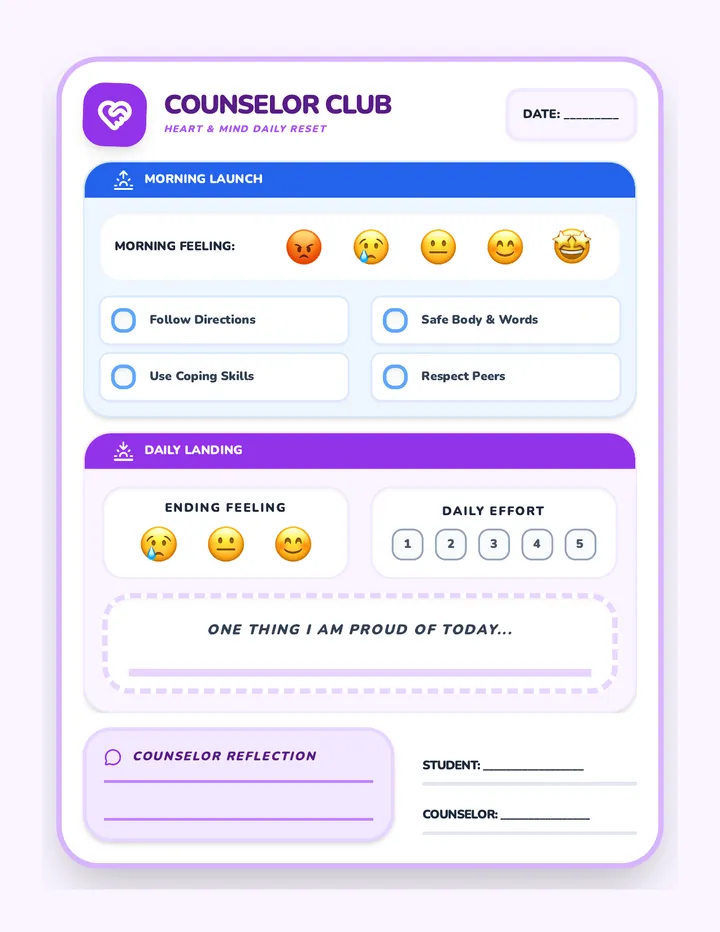
A comprehensive Tier 3 behavior support system for a second-grade student with ADHD, focusing on emotion regulation, safe choices, and positive reinforcement through a structured daily check-in/check-out (CICO) process.
A comprehensive lesson designed to help a 3rd-grade student recognize and shift from 'stuck thinking' to 'flexible thinking' during transitions and writing tasks. Includes a social story, role-playing, and tangible strategy cards.
A comprehensive social story and supporting tools designed for an academically advanced 2nd grader to manage non-preferred tasks, transitions, and big emotions using verbal communication and solution-seeking strategies instead of screaming or eloping.
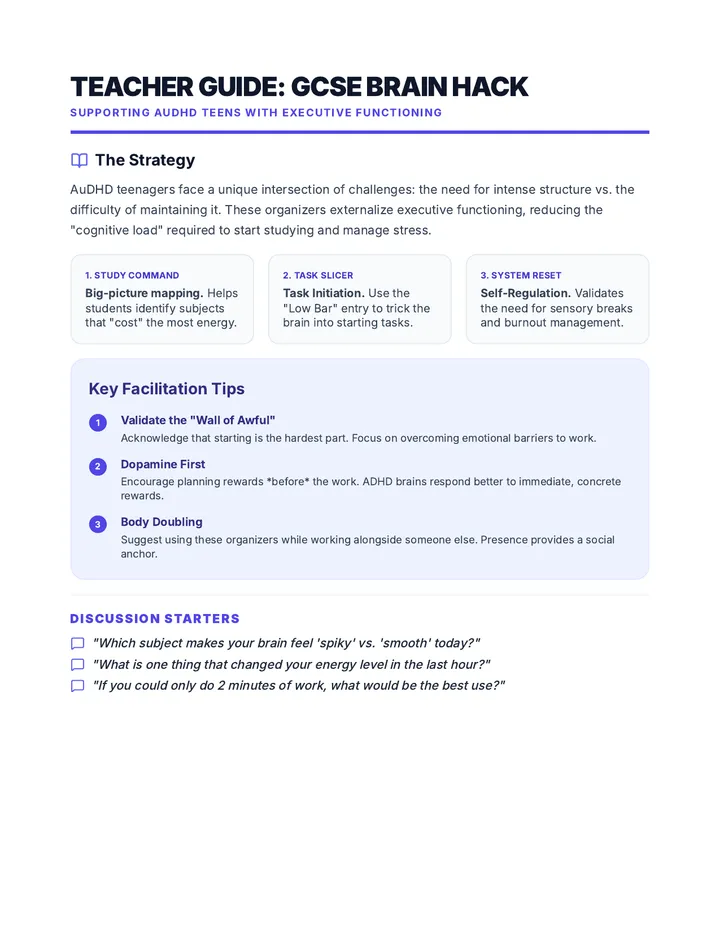
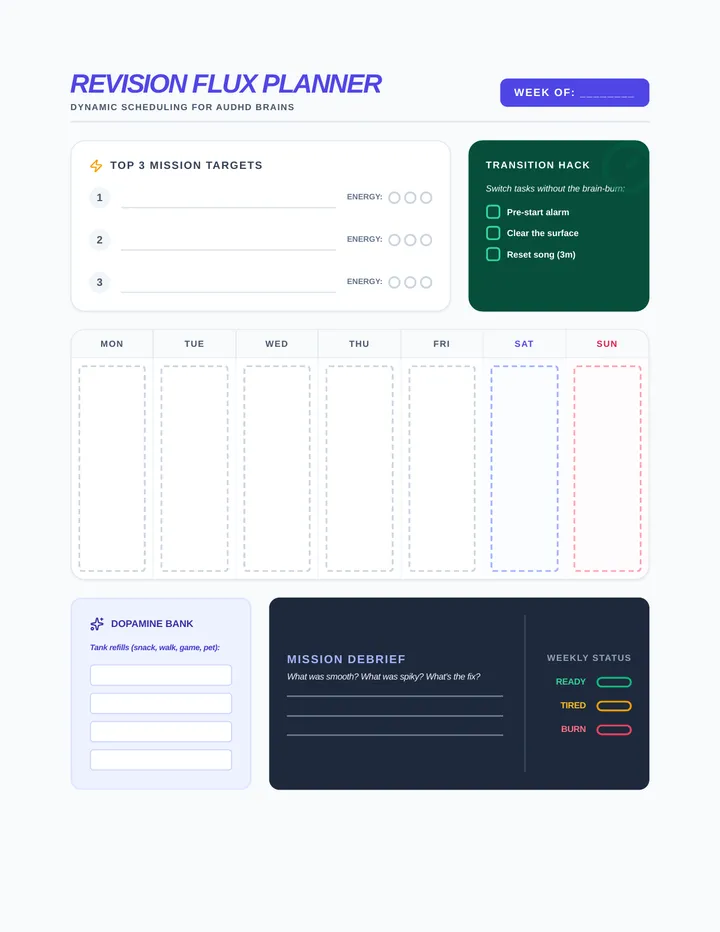
A collection of graphic organizers and strategies designed specifically for AuDHD teenagers to manage executive functioning and stress during GCSE exam preparation.
A social-emotional learning lesson designed for 1st grade students with ASD to identify and practice five specific coping skills and create a personalized visual toolbox.
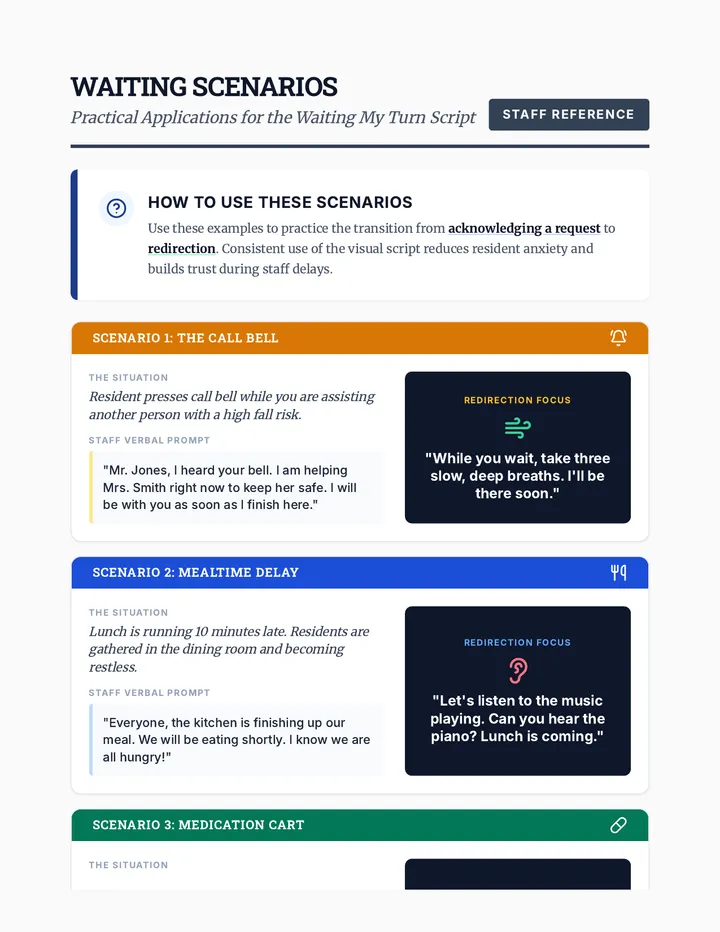
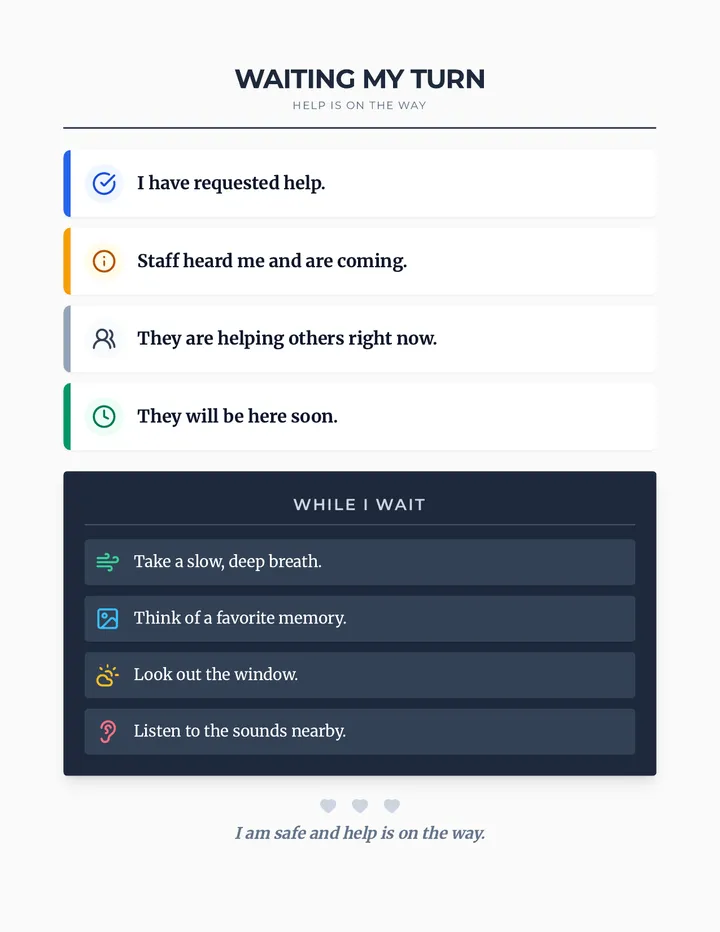
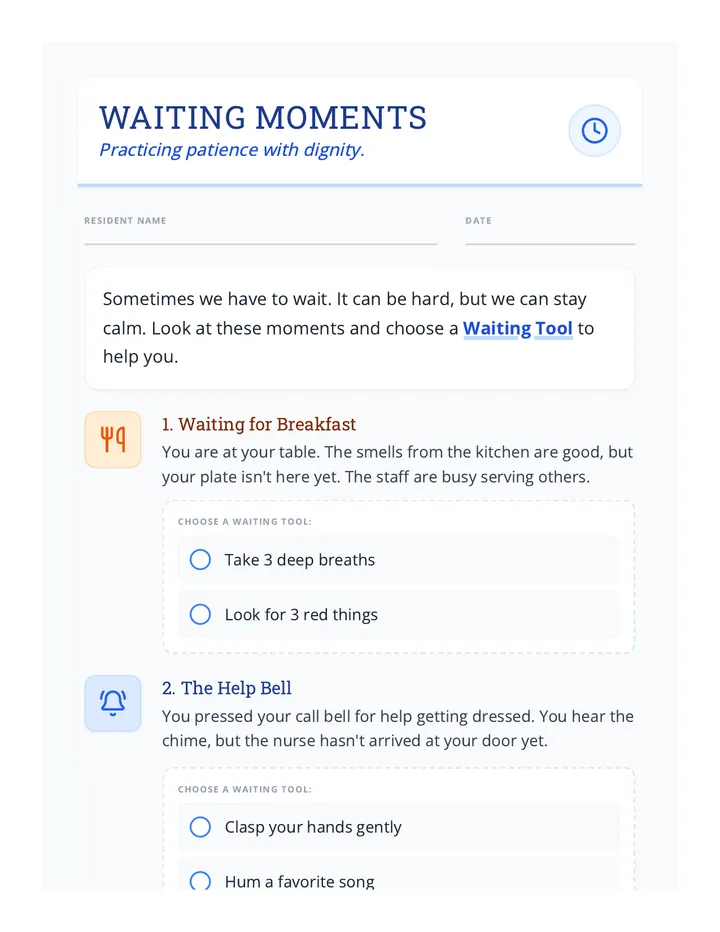
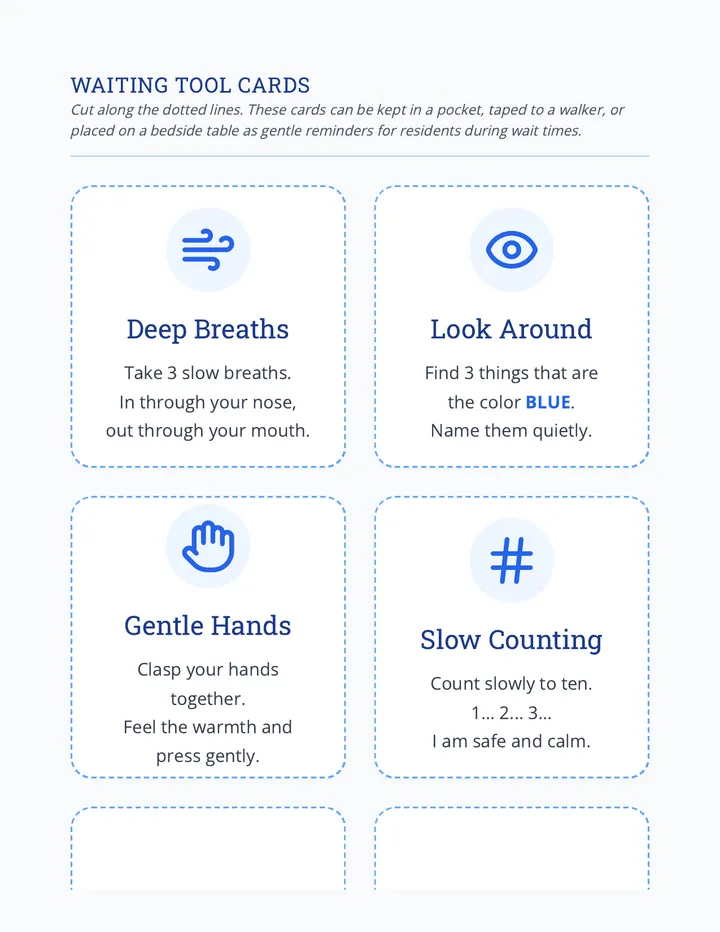
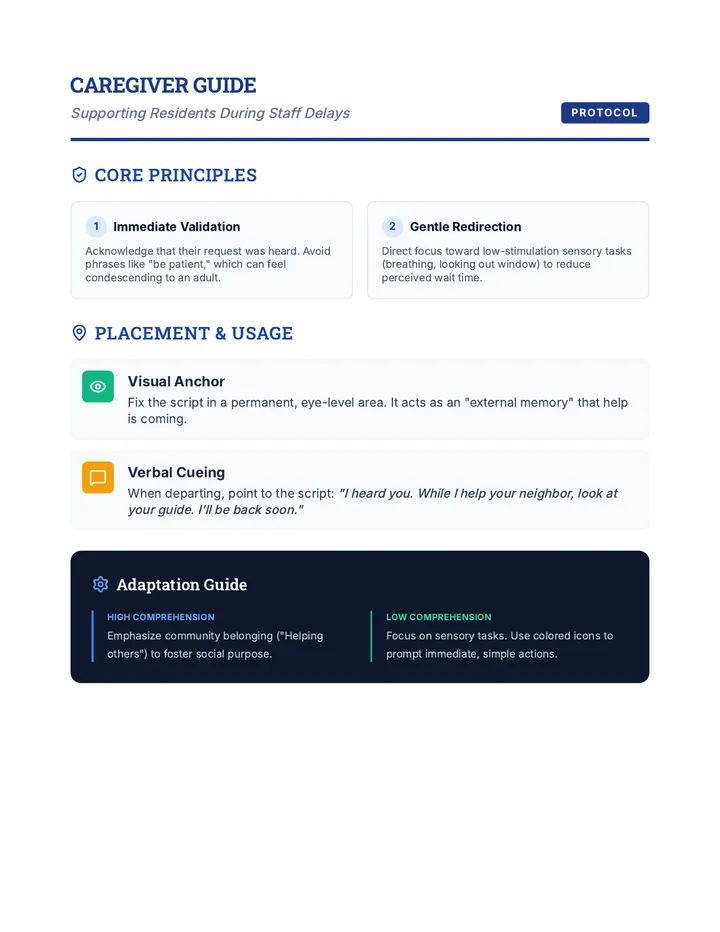
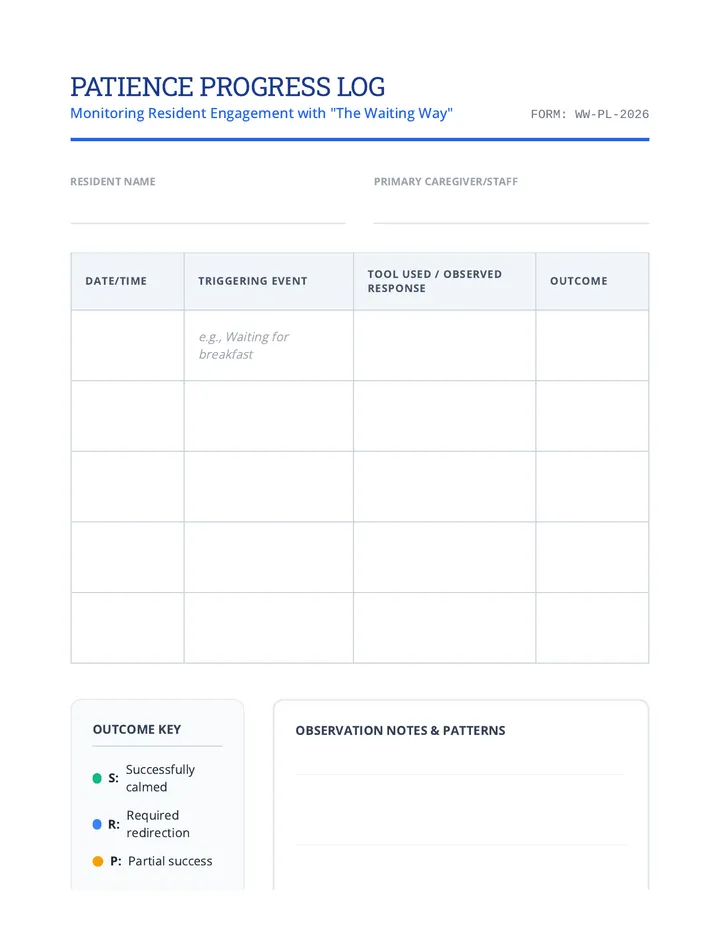
A lesson designed to support adults with cognitive decline in nursing home settings, focusing on the social and emotional skills needed to wait for staff assistance patiently.
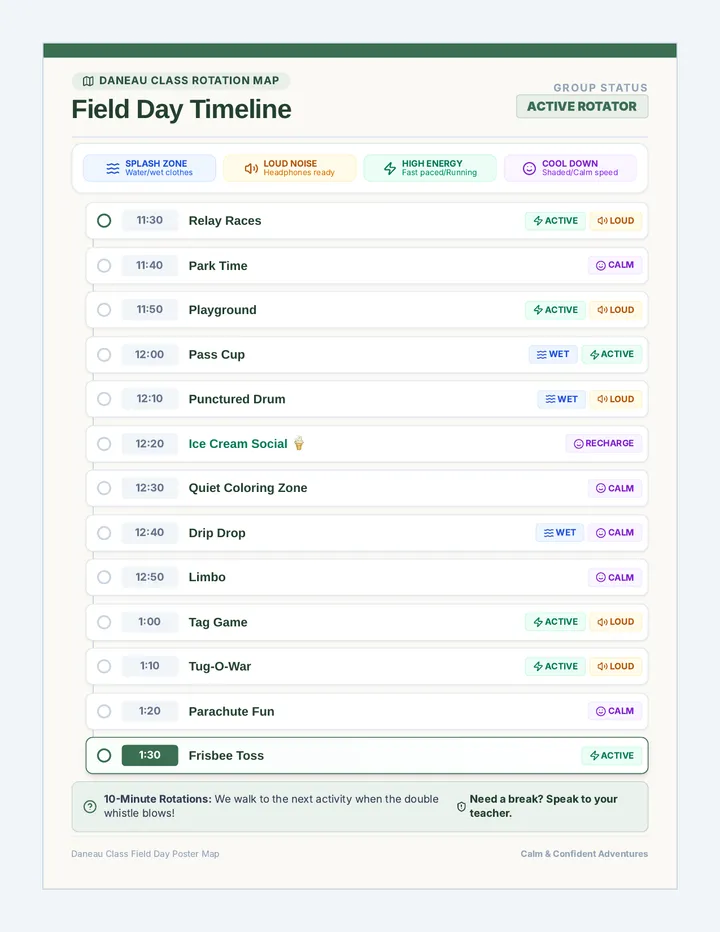
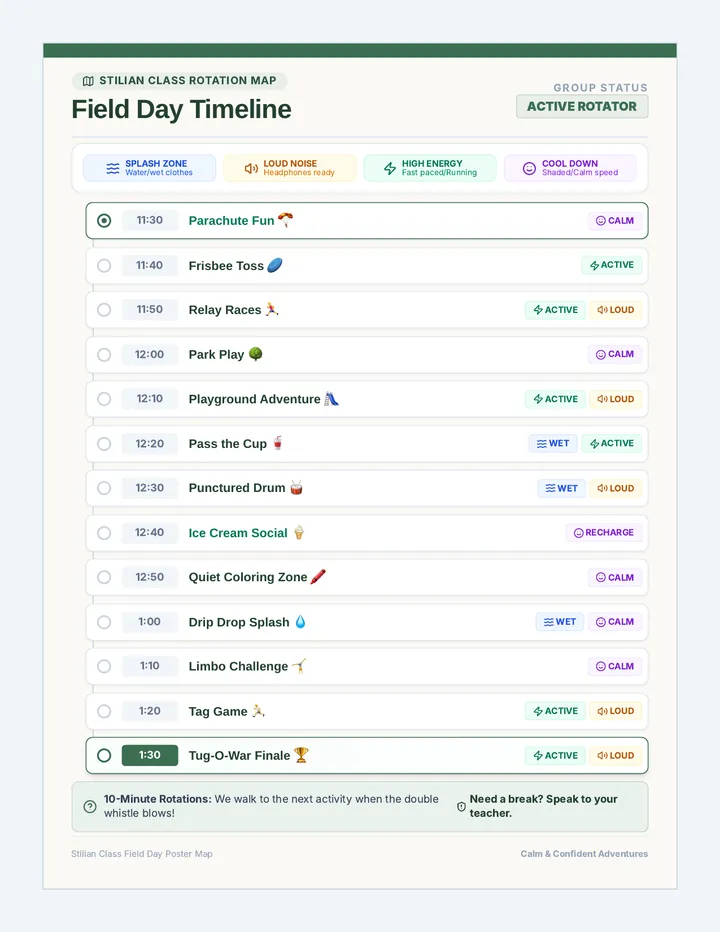
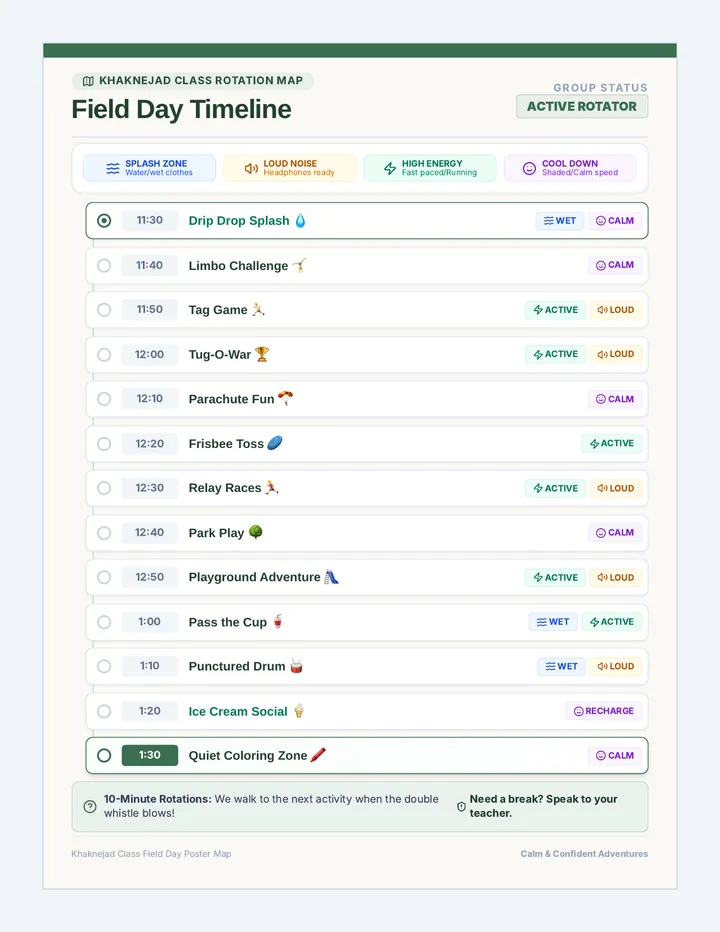
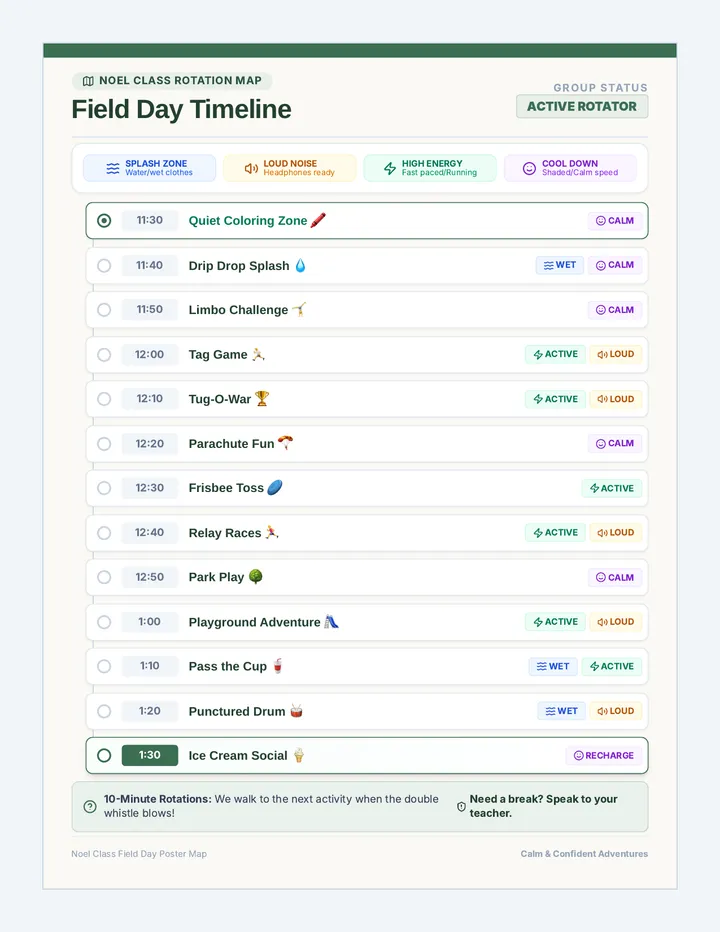
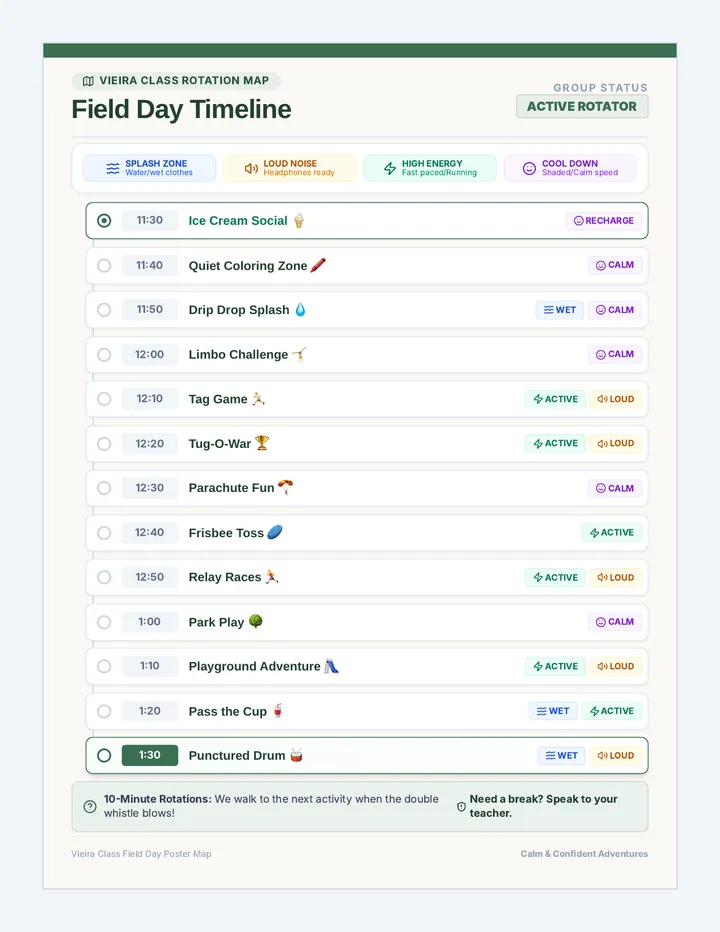
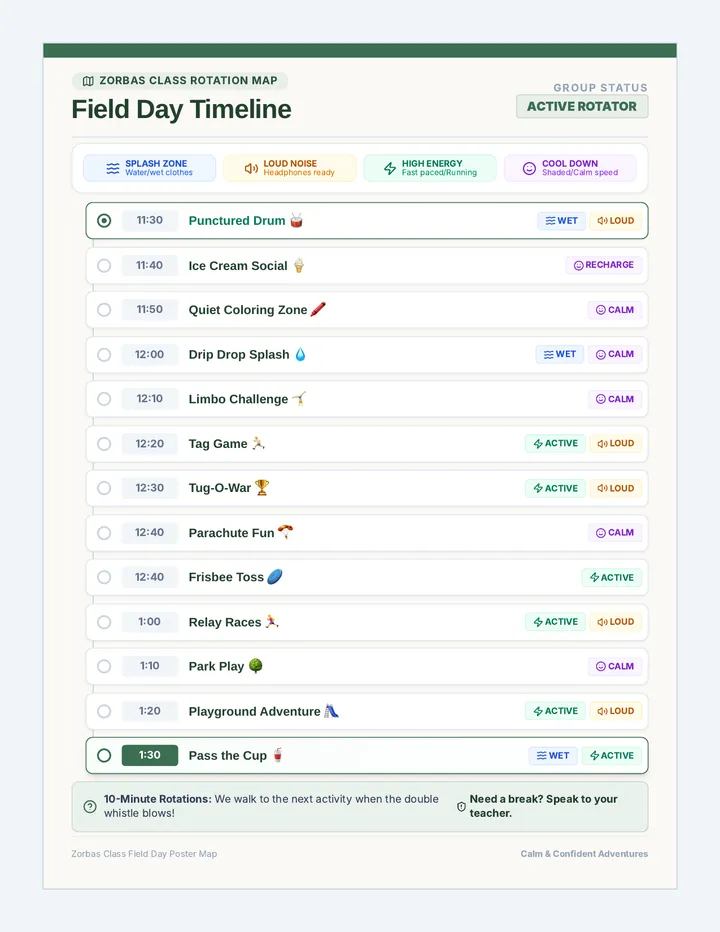
A comprehensive preparation resource set for Field Day, designed for upper elementary and sensory-sensitive students. It includes a structured, coping-strategy-focused social story booklet and a beautifully organized, visual rotation schedule poster to support seamless transitions.
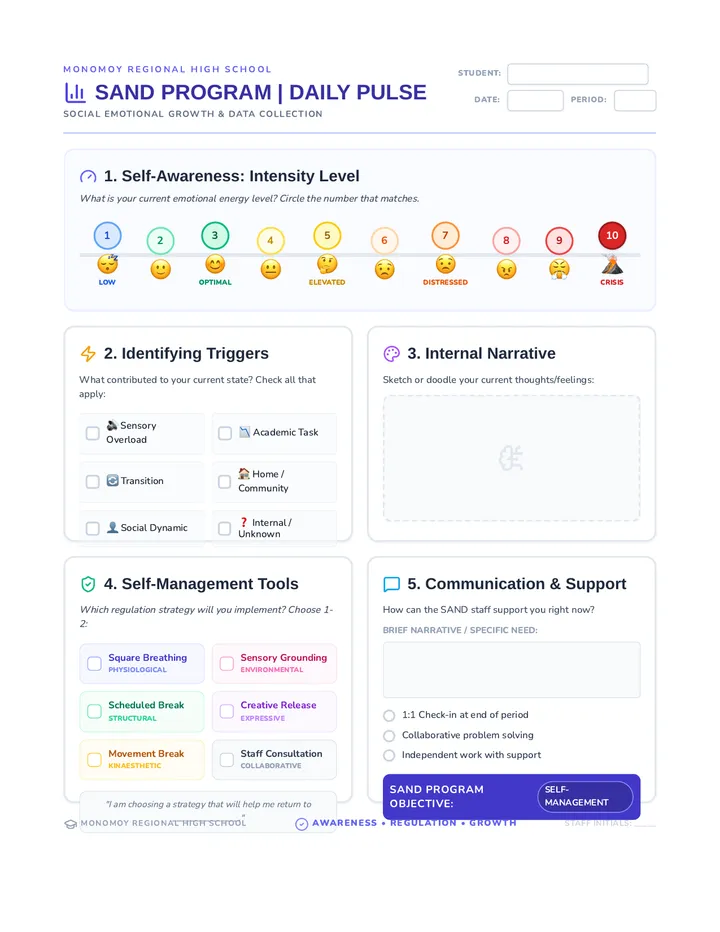
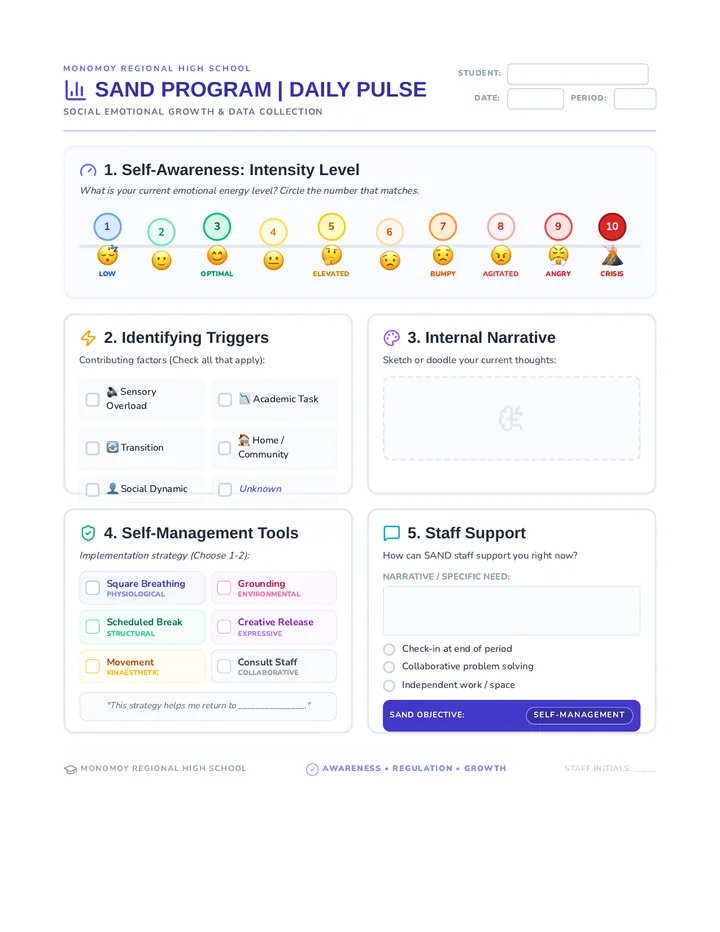
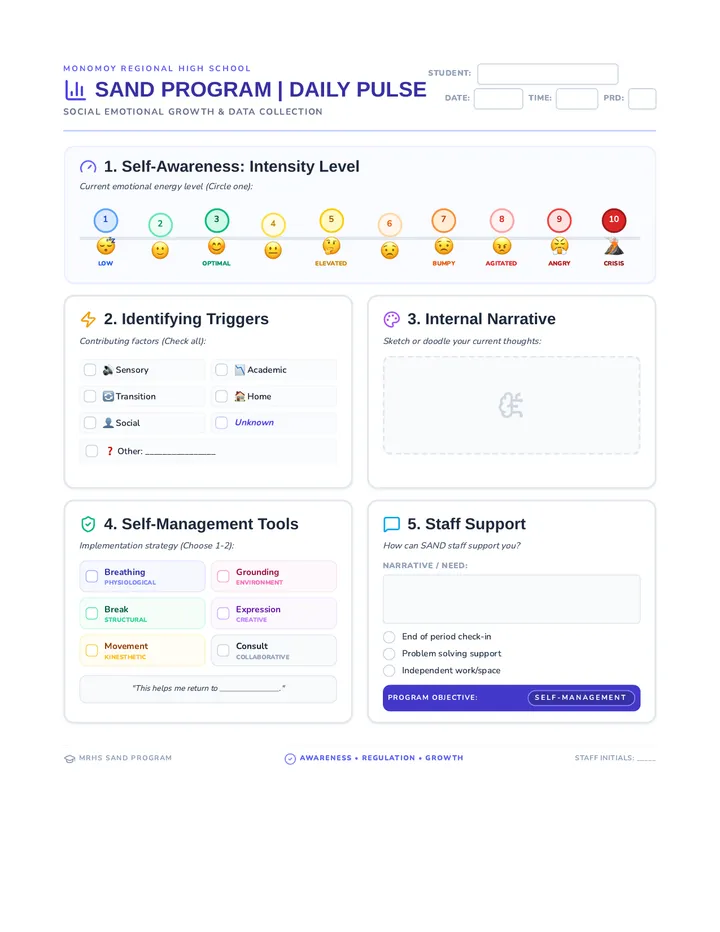
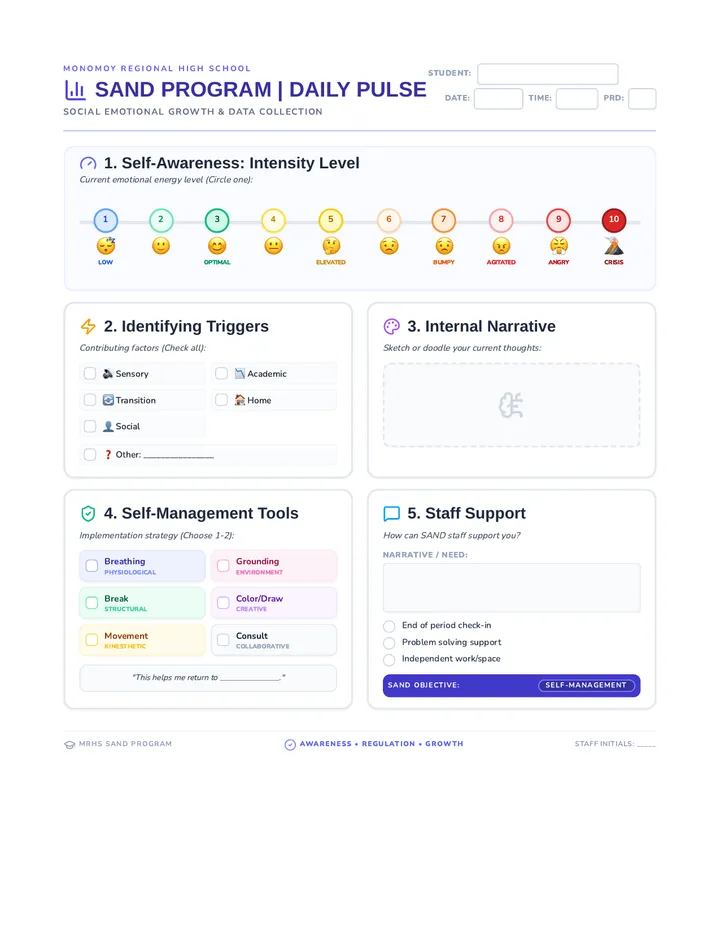
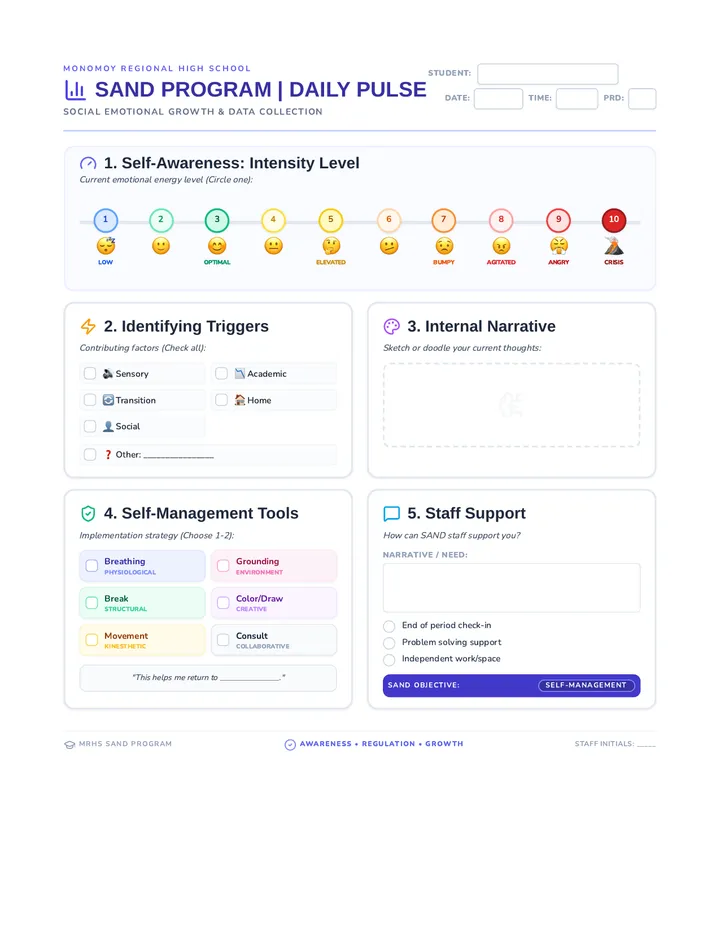
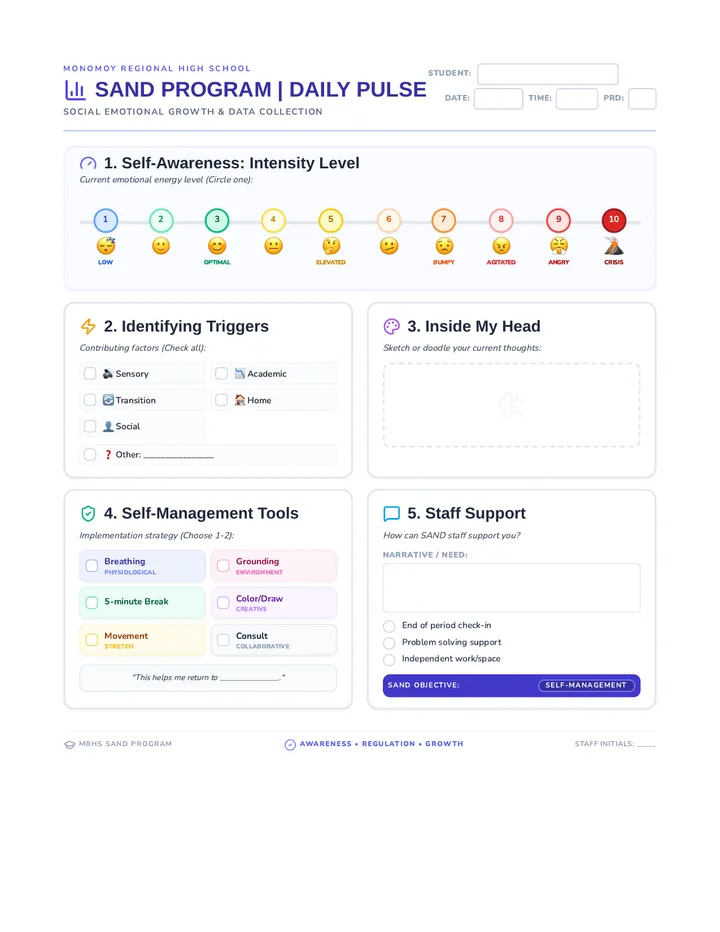
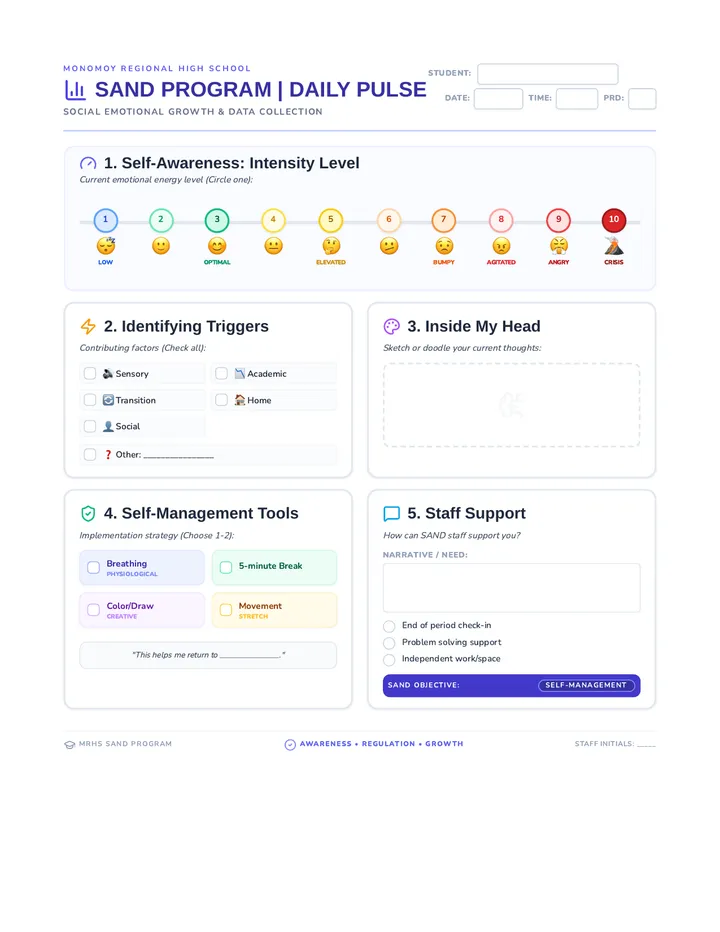
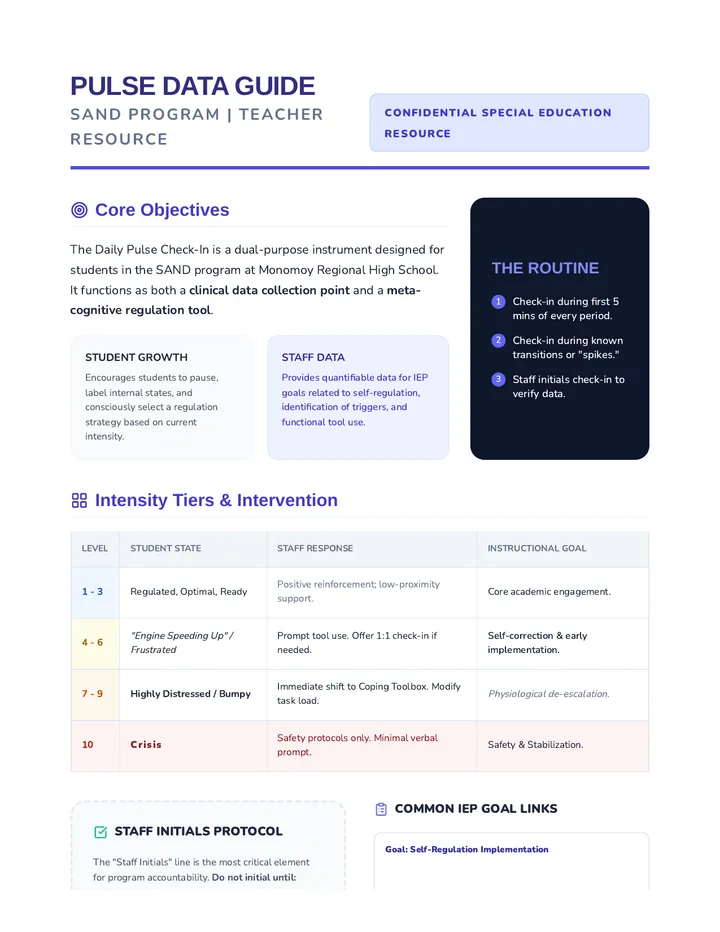
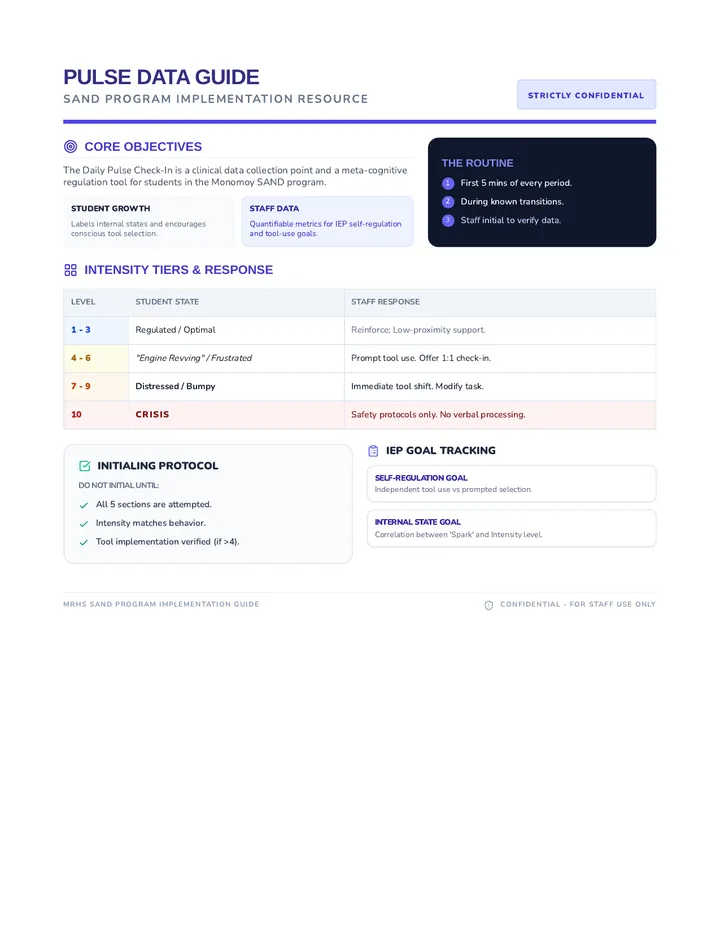
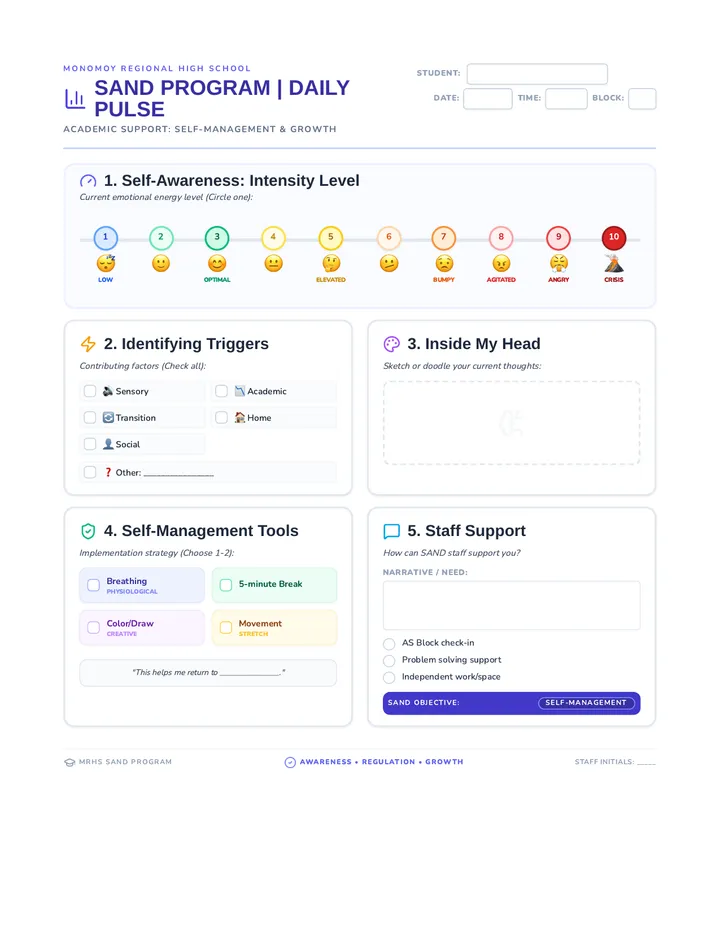
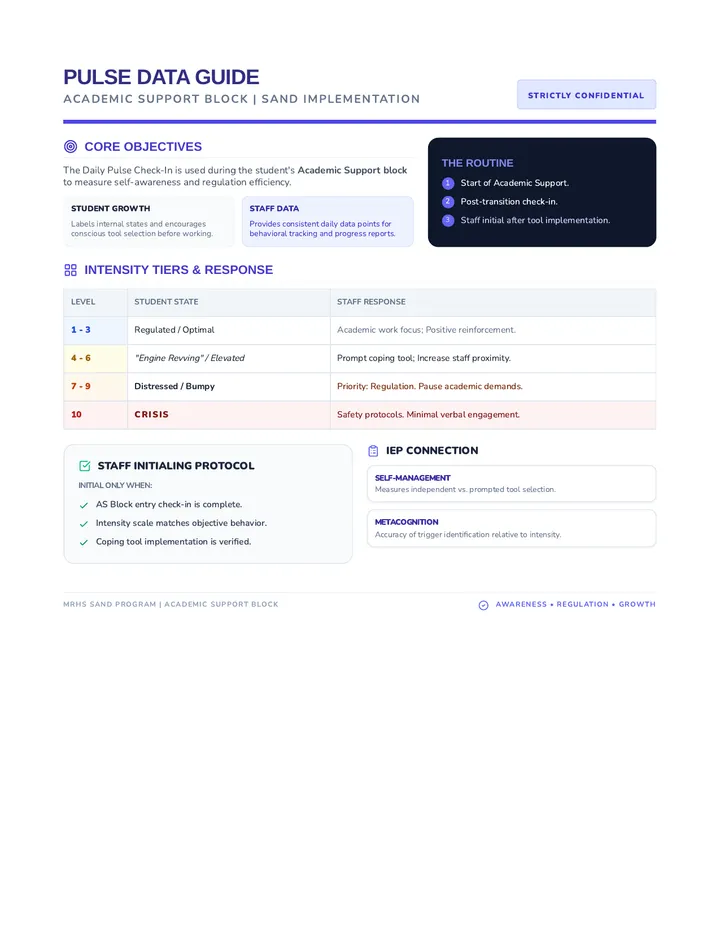
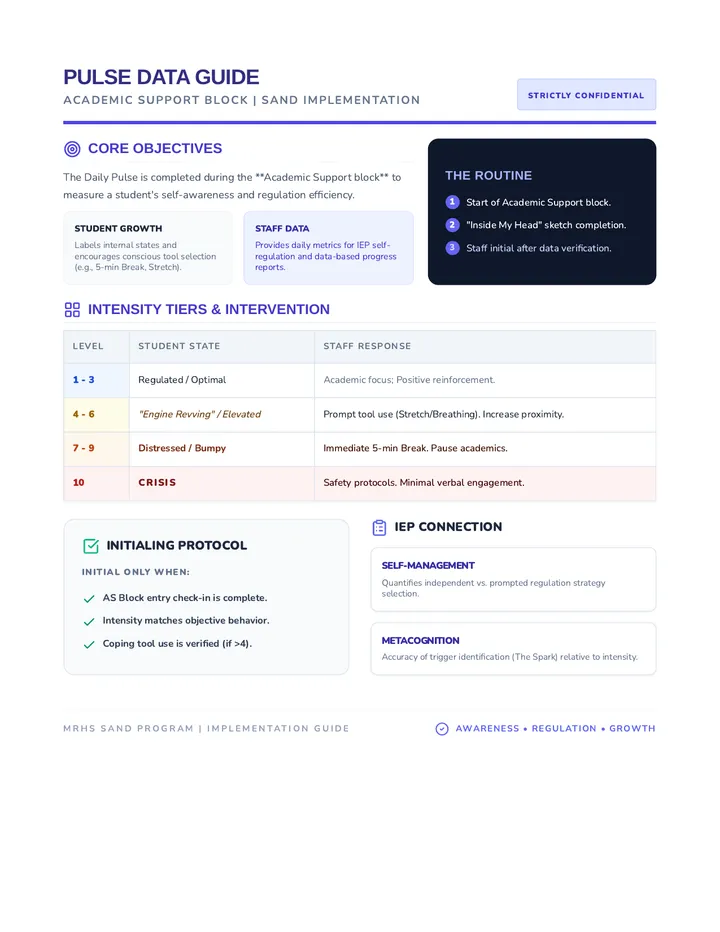
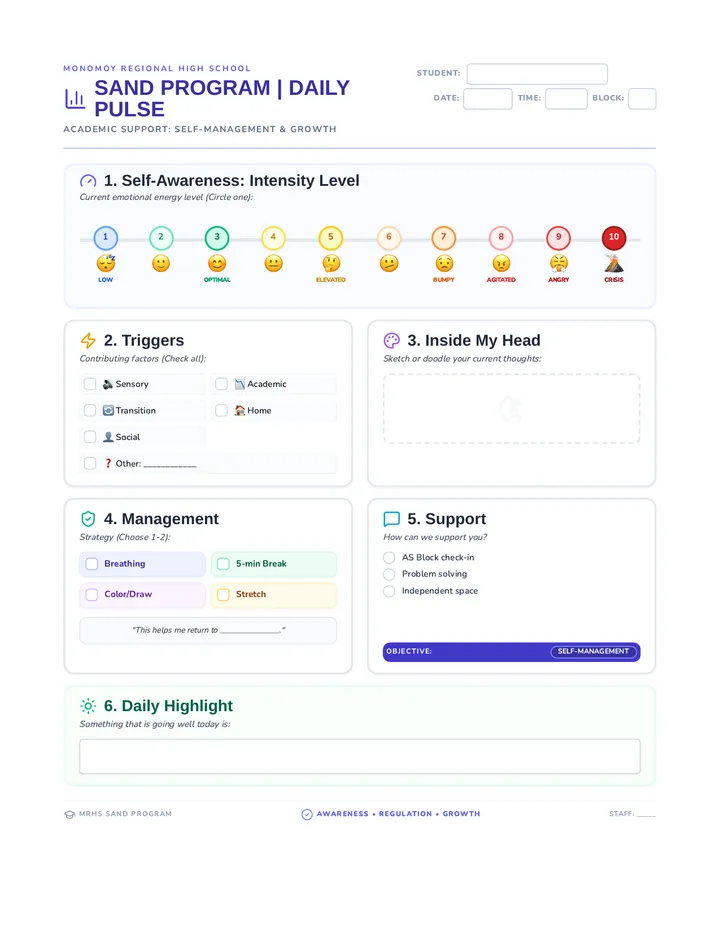
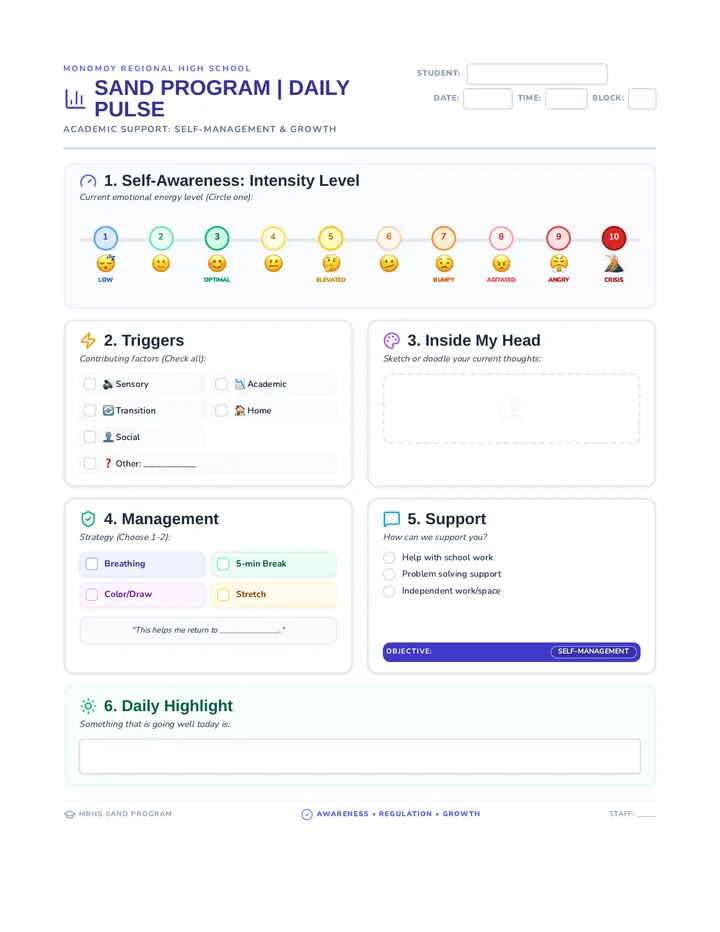
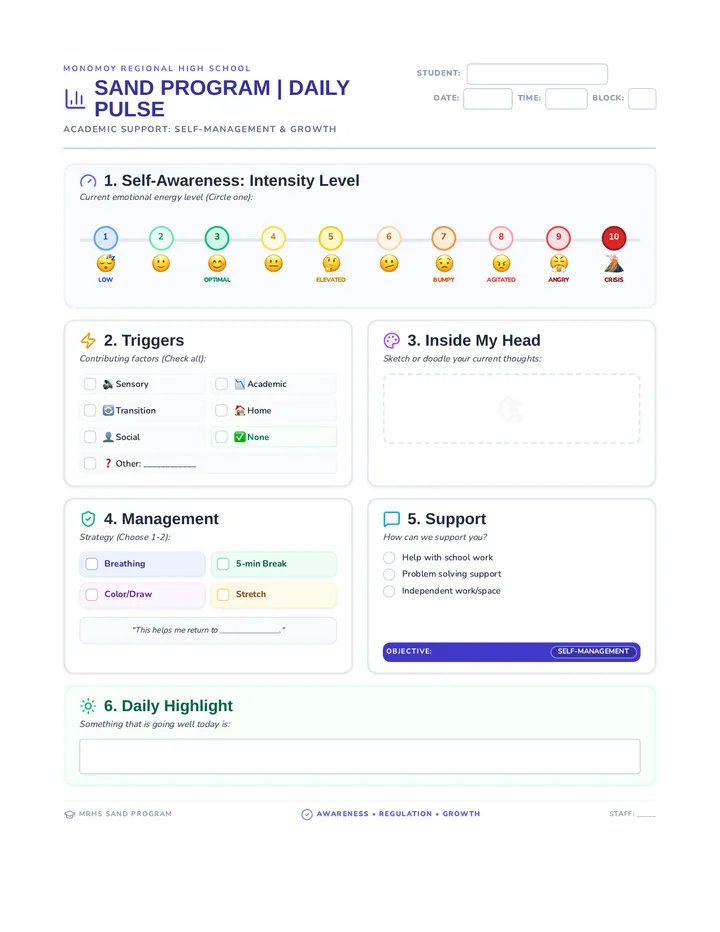
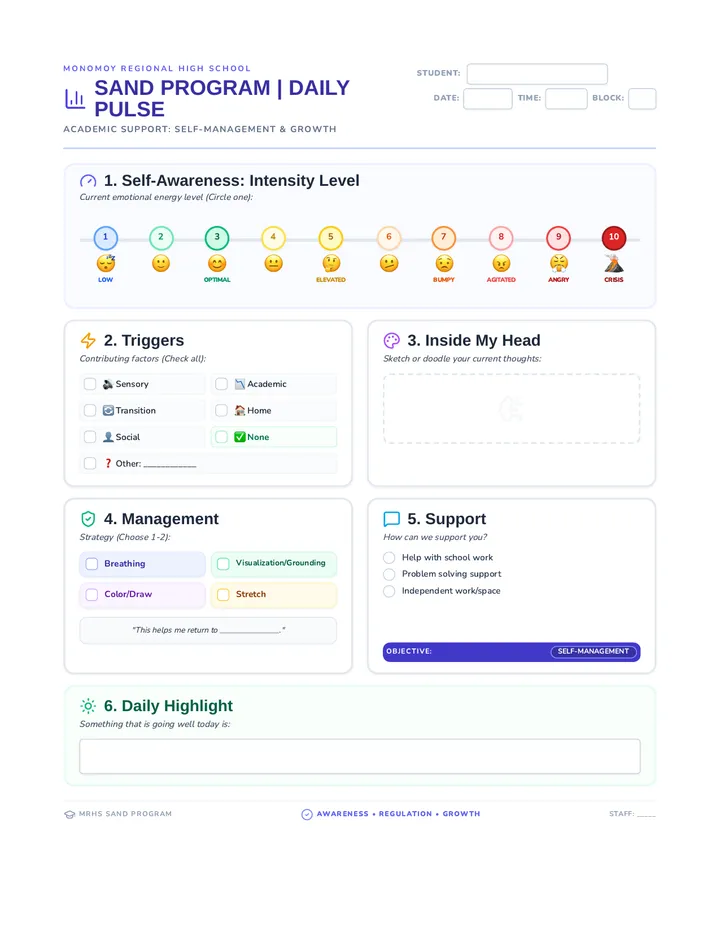
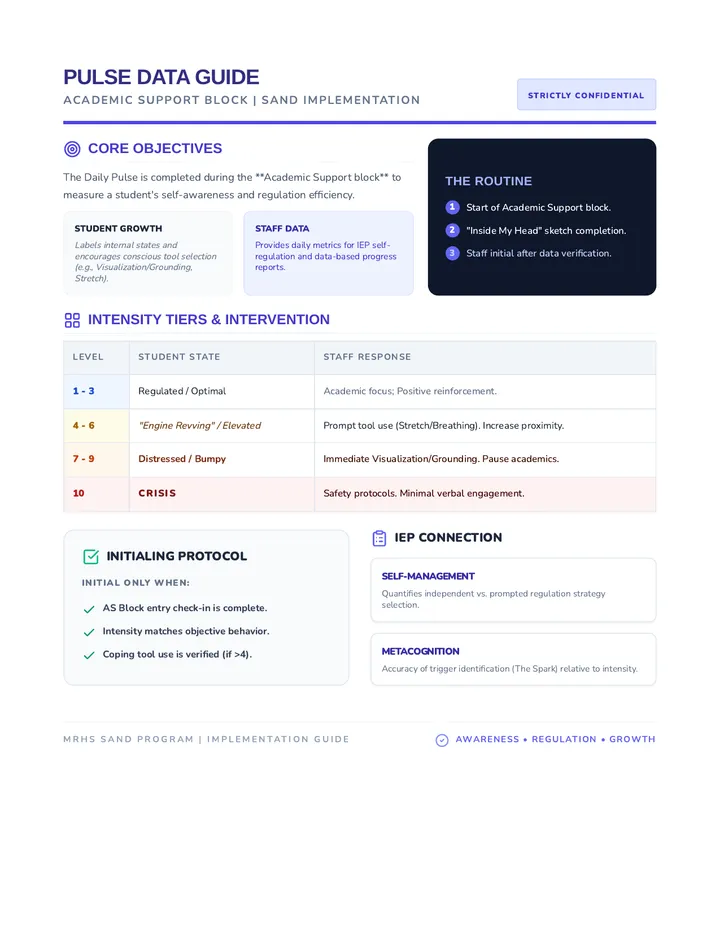
A lesson designed to help students in behavior support programs identify their current emotional state, recognize triggers, and select appropriate coping strategies for self-regulation.
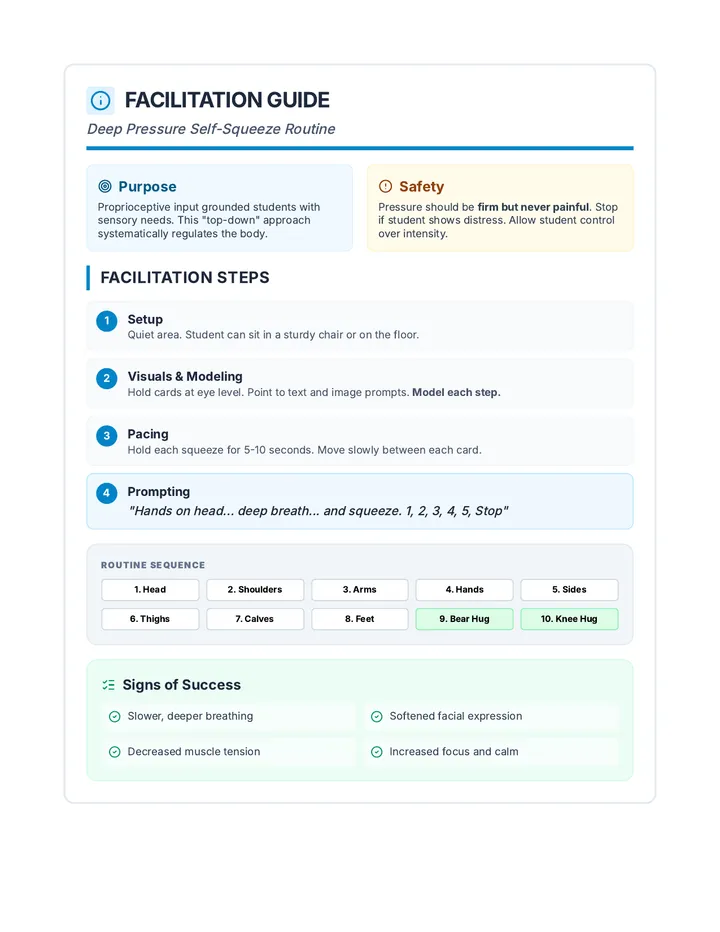
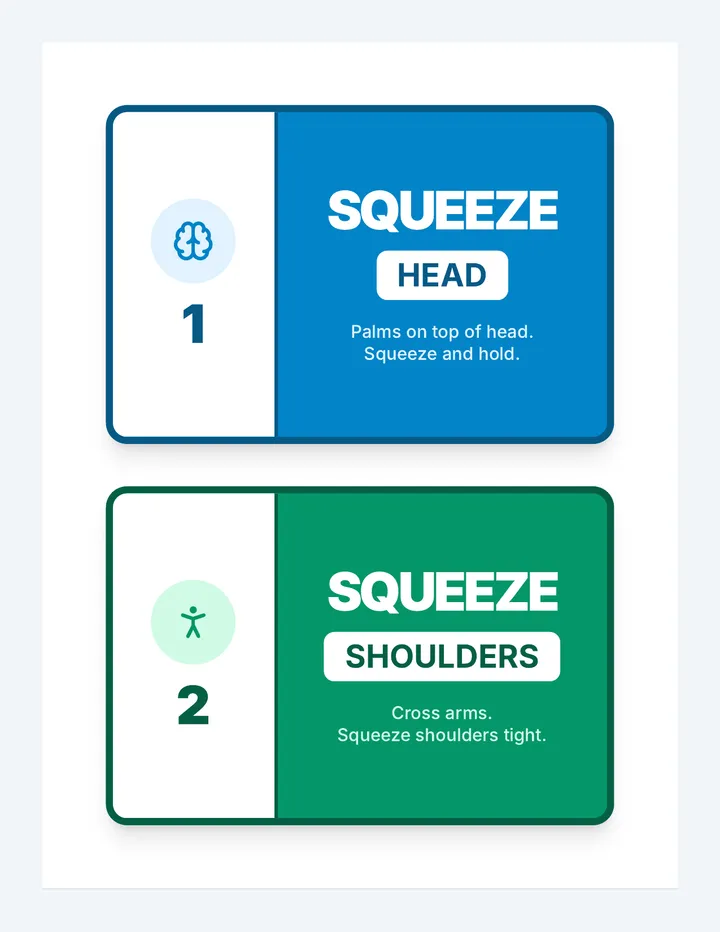
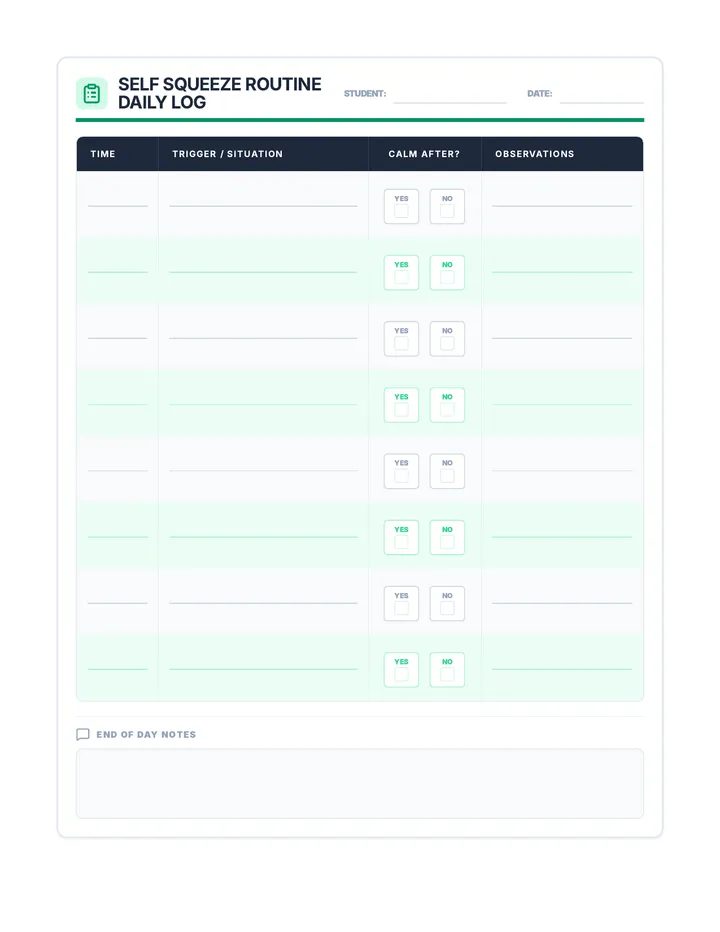
A sensory regulation routine using self-applied deep pressure to help students ground themselves and manage overstimulation. The lesson includes visual squeeze cards for the student and a facilitation guide for the teaching assistant.