A sensory regulation routine using self-applied deep pressure to help students ground themselves and manage overstimulation. The lesson includes visual squeeze cards for the student and a facilitation guide for the teaching assistant.
An integrated, high-interest unit plan for a 1:1 student with physical accommodations, spanning five countries (Japan, Egypt, Kenya, Brazil, and France). Each country features a complete CVI-friendly integrated unit integrating reading, writing, 5th-grade math, science, music, food, and animals, tailored to a 3rd-grade decoding and 6th-grade comprehension profile.
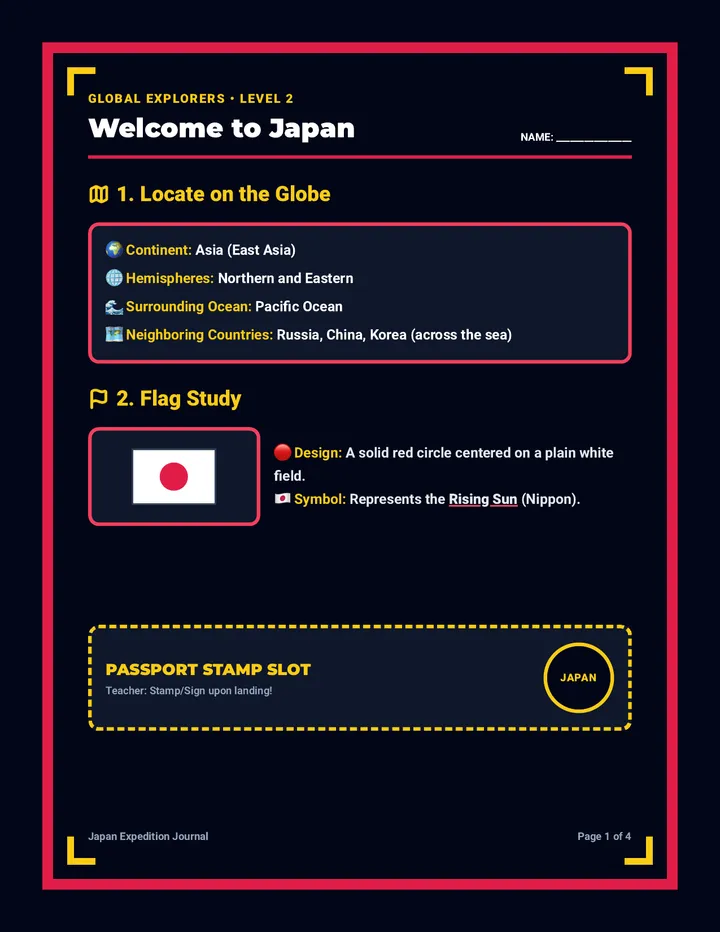
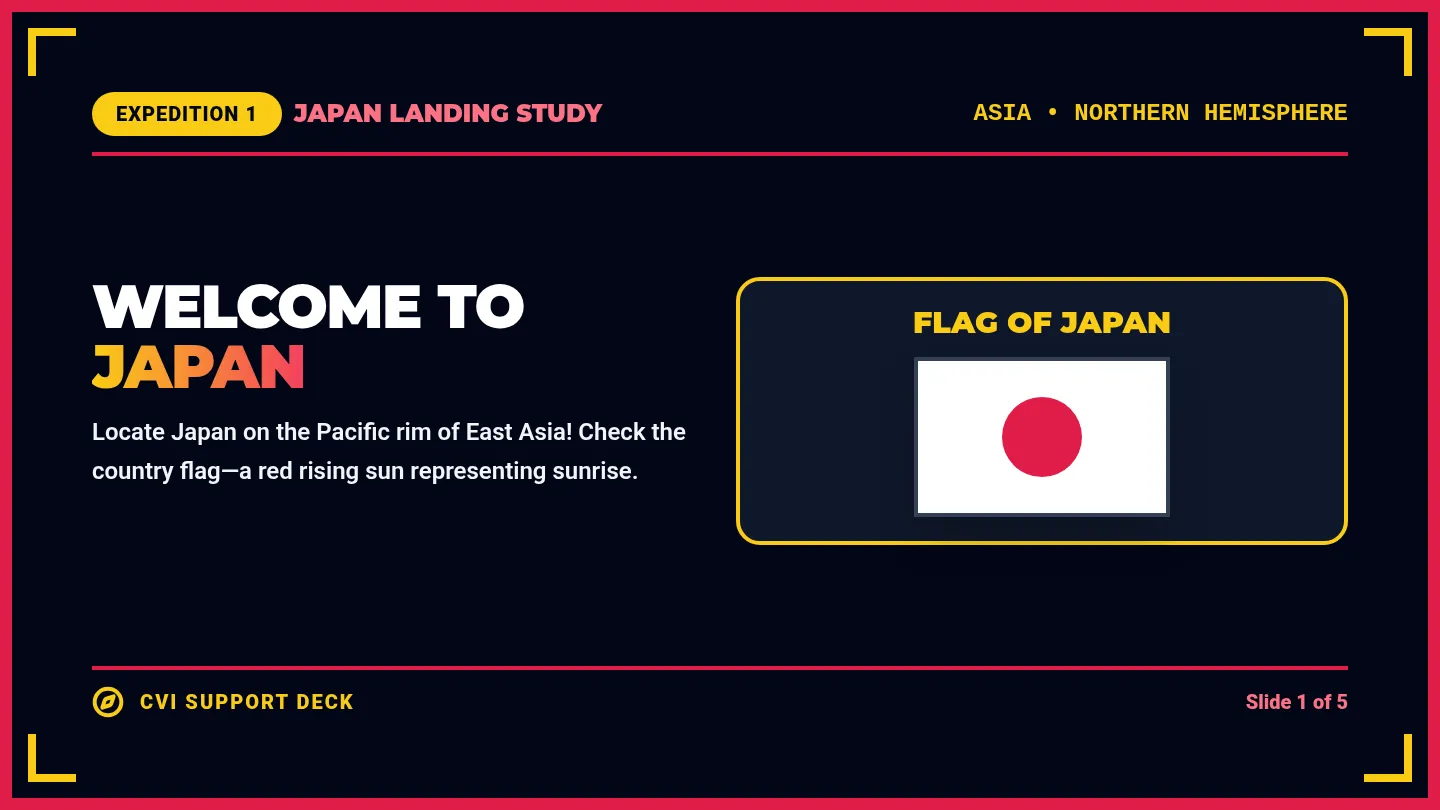
An introductory lesson exploring Japan's geographical location, island features, national flag, and a virtual bullet-train route, adapted for students with CVI Phase III.
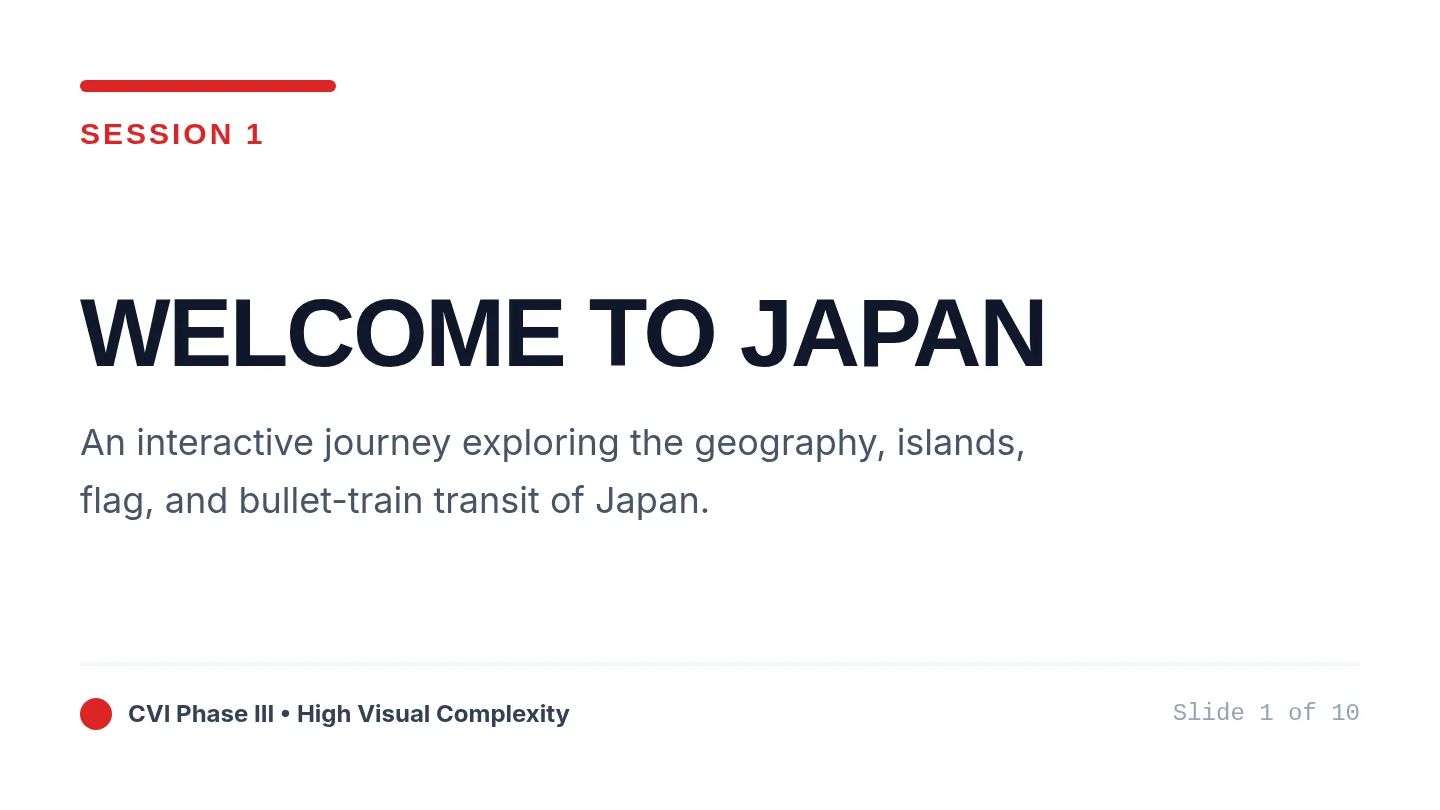
A visually rich, light-background slide presentation designed for students in Phase III CVI with high visual complexity. Features a dedicated island pronunciation guide with clear phonetic spellings and syllables, elegant visual targets, and clean sans-serif typography.
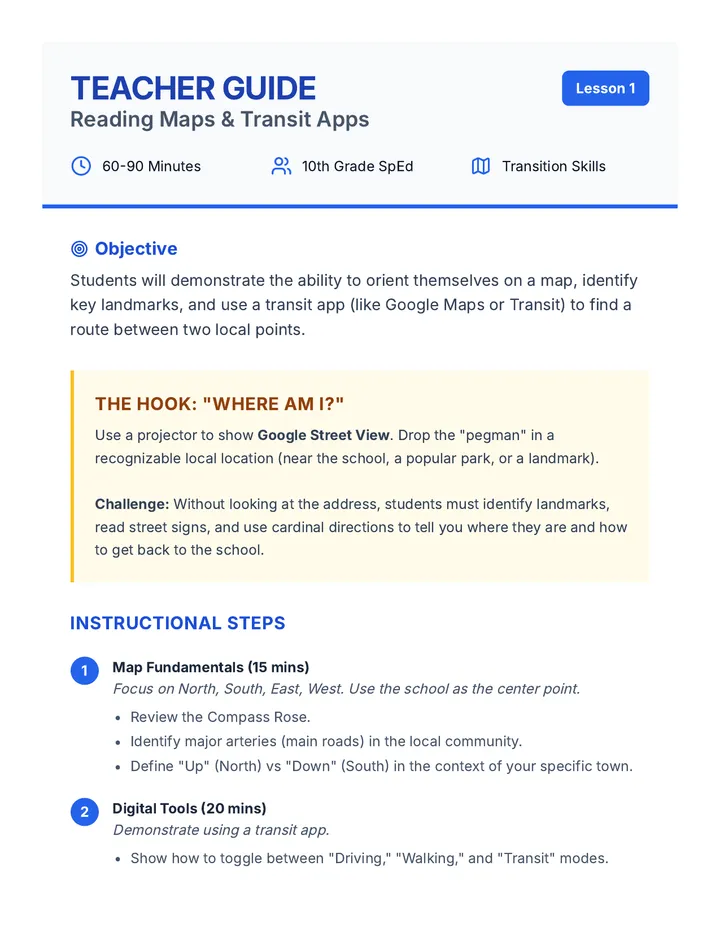
A comprehensive 10th-grade transition planning sequence focused on developing independent living skills through community navigation and transportation mastery. Students progress from basic map reading and app usage to planning complex trips and identifying essential community resources.
A complete CVI-friendly integrated unit on Egypt following our travel routine: Northeast Africa geography study, camel/crocodile biology, Pyramid volume math, simple machines science (ramps and levers), and pita/hummus cooking.
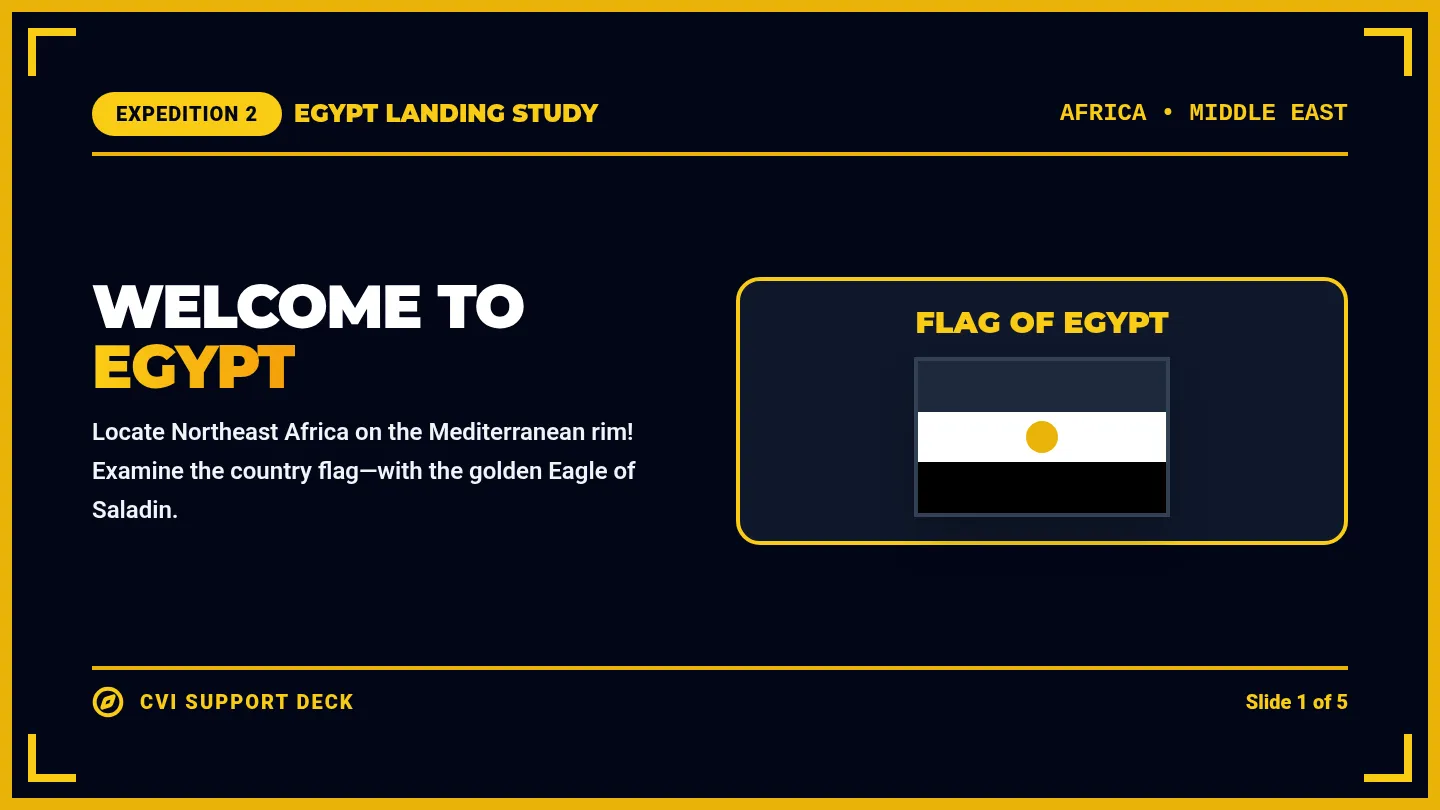
A 5-slide interactive presentation deck for Egypt following our exact travel study routine. Designed with large print (minimum 24px), CVI-friendly high contrast, simple machines engineering, and active speech-to-text writing structures.
A 10-day comprehensive fine motor skill-building sequence for Kindergarten students focusing on building grip, hand strength, and supplies control.
A complete CVI-friendly integrated unit on Japan following our travel routine: Honshu geography study, snow monkey/red-crowned crane biology, Bullet Train math, Maglev magnet science, and fruit sushi cooking.
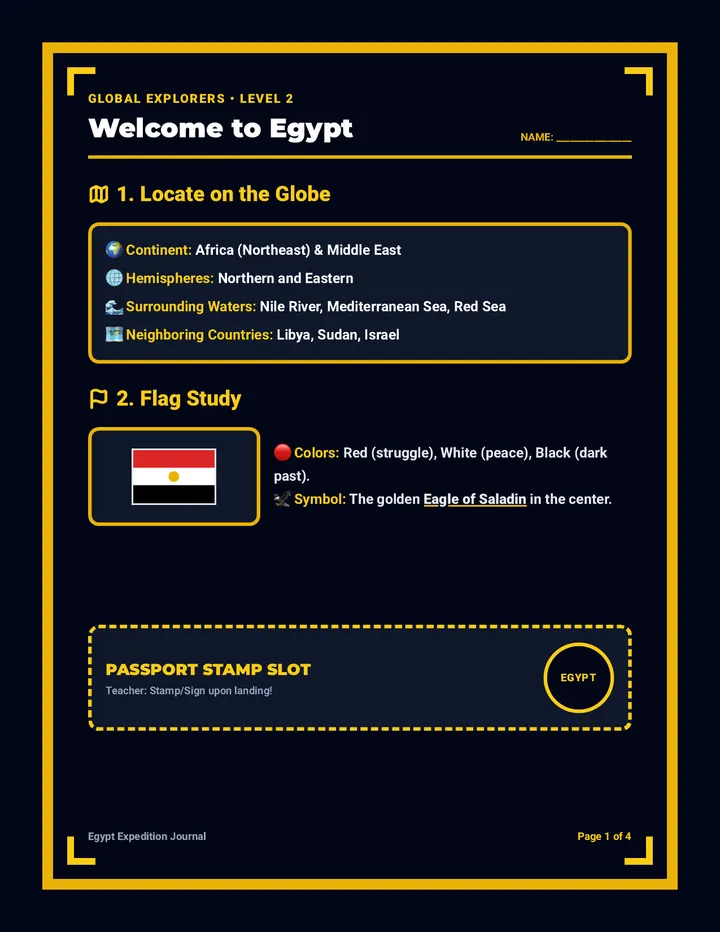
An all-in-one, 4-page CVI-friendly student journal for the Egypt expedition. Following the exact daily routine, it integrates geography locating tasks, flag study, a high-interest read-aloud passage about Pyramid engineering, speech-to-text writing prompts, morphology word study (construct), real-life volume math, and pita/hummus cooking steps.
A 4-week social-emotional learning sequence designed for a transition-age student with significant cognitive and social-emotional disabilities. Focuses on body awareness, concrete physical calming, non-verbal functional communication, and highly simplified problem-solving.
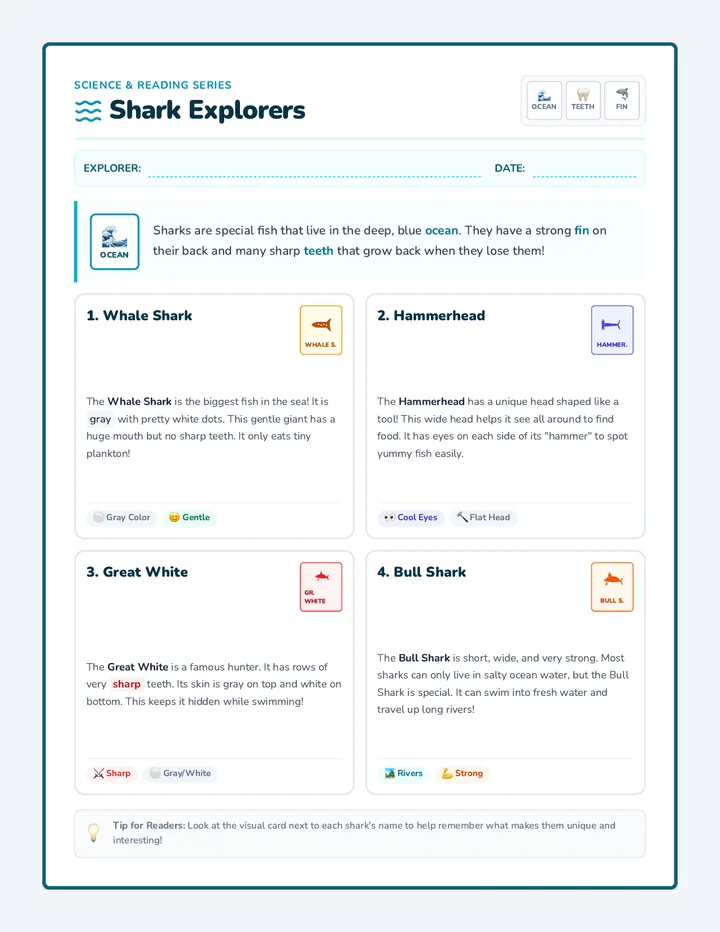
An introductory reading comprehension and science lesson about sharks for second-grade students, featuring PEC-style visual supports and a cooperative matching board game.
A 5-slide interactive presentation deck for Japan following our exact travel study routine. Designed with large print (minimum 24px), CVI-friendly high contrast, bullet train aerodynamics, and active speech-to-text writing structures.