Strategies for identifying task barriers and implementing adaptive solutions when routines are disrupted. Focuses on self-advocacy, cognitive flexibility, and step-by-step troubleshooting for neurodiverse students.
A comprehensive 9-session curriculum for 6th-grade students to master executive functioning skills like organization, planning, self-control, and emotional regulation through the metaphor of becoming their own 'Brain CEO'.
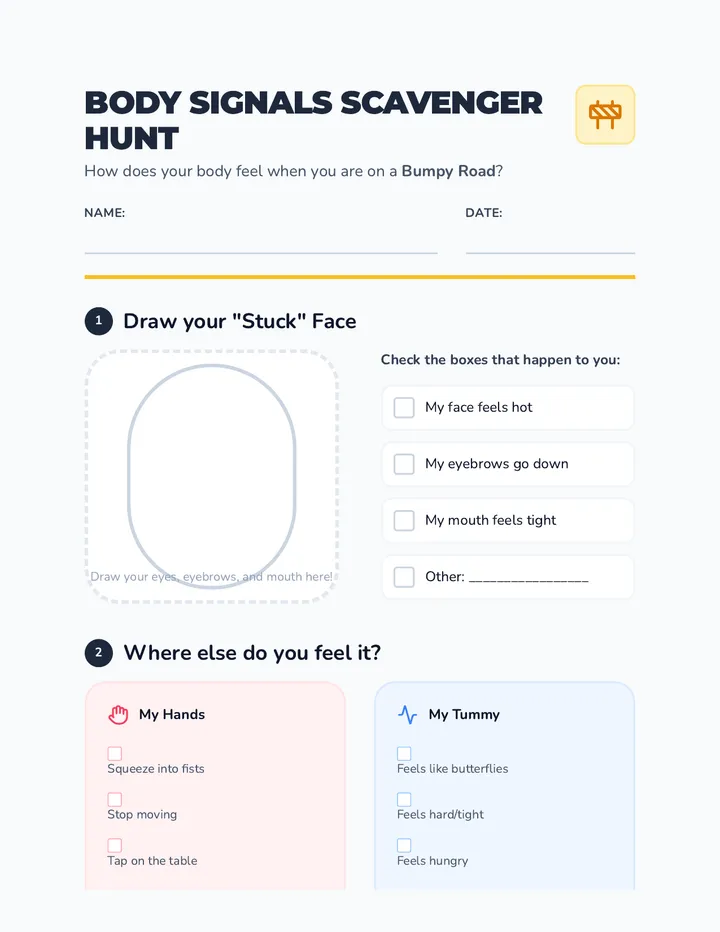
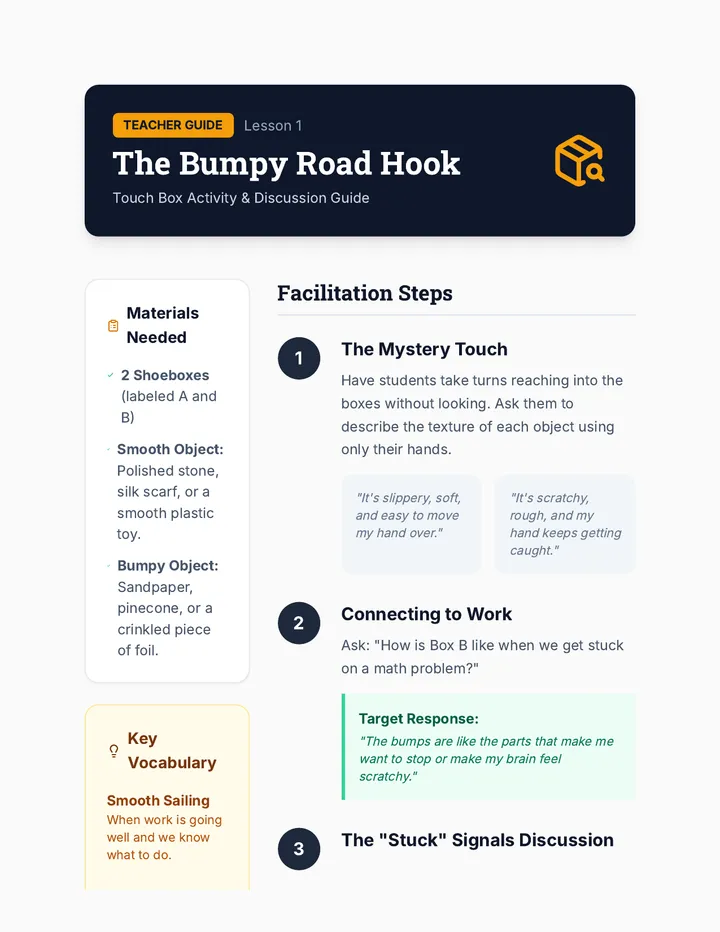
A 2nd-grade special education unit focused on executive function. Students learn to recognize the physical signs of being 'stuck' and categorize barriers into materials, comprehension, and environment.
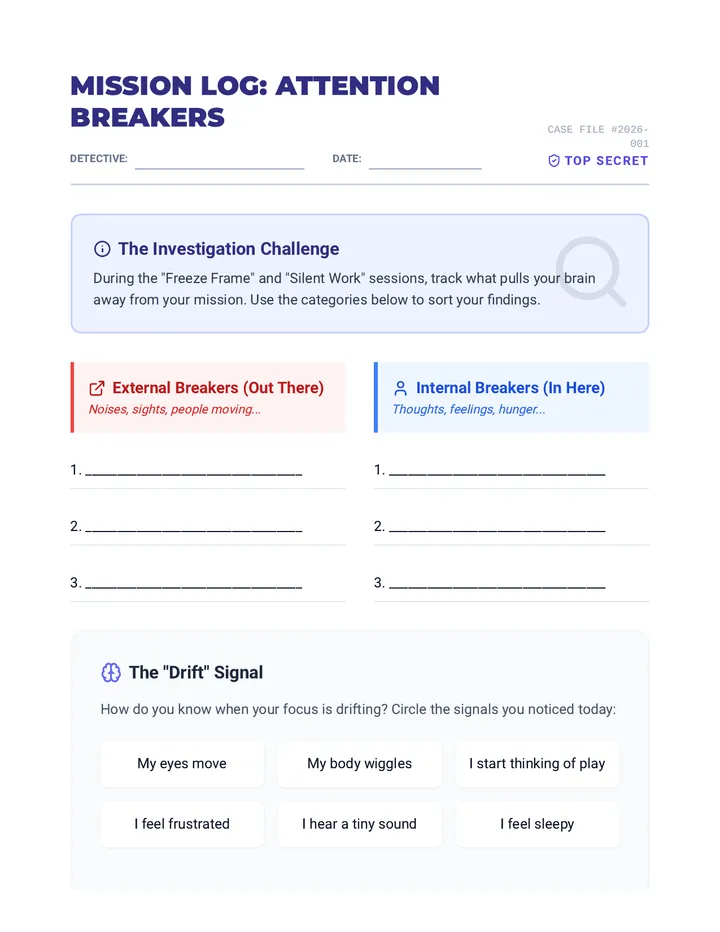
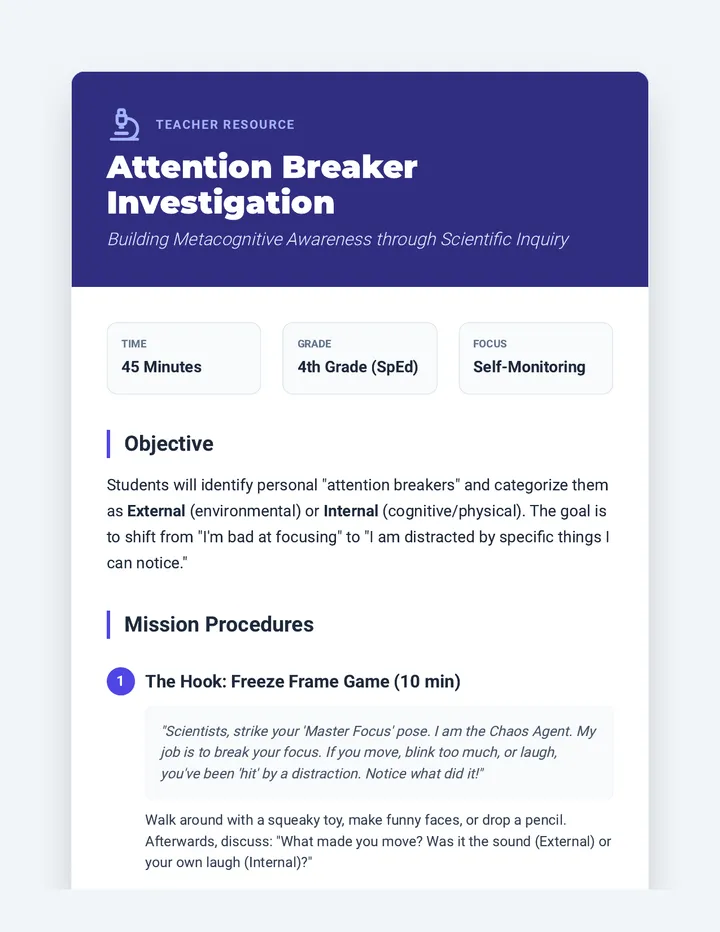
A 5-lesson sequence for 4th Grade students focused on developing metacognitive awareness of attention, utilizing timer techniques, internalizing positive self-talk, and designing supportive environments to sustain focus on complex tasks.
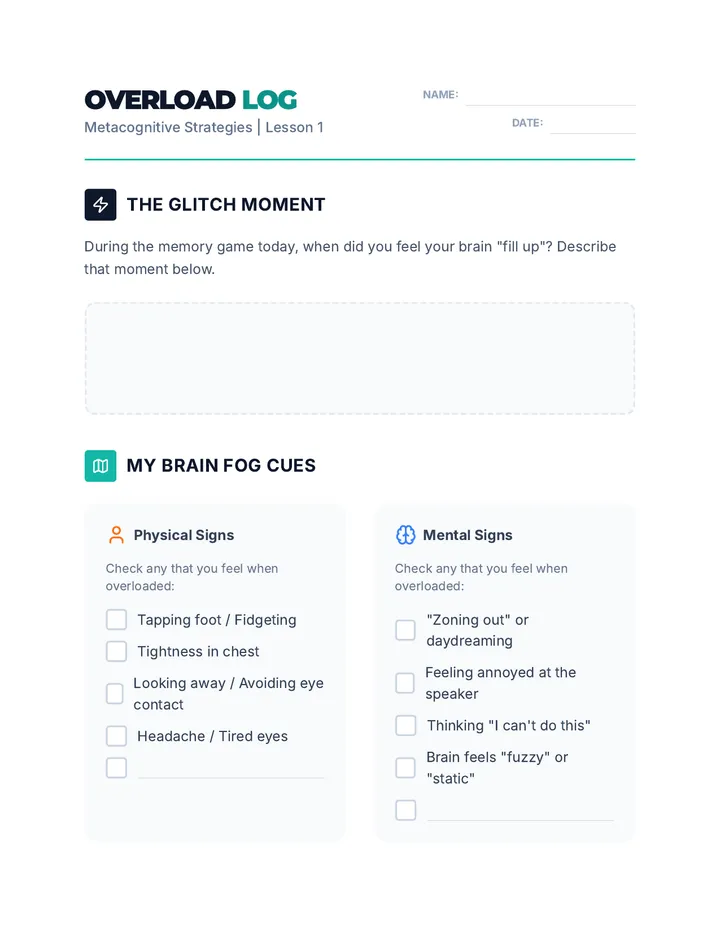
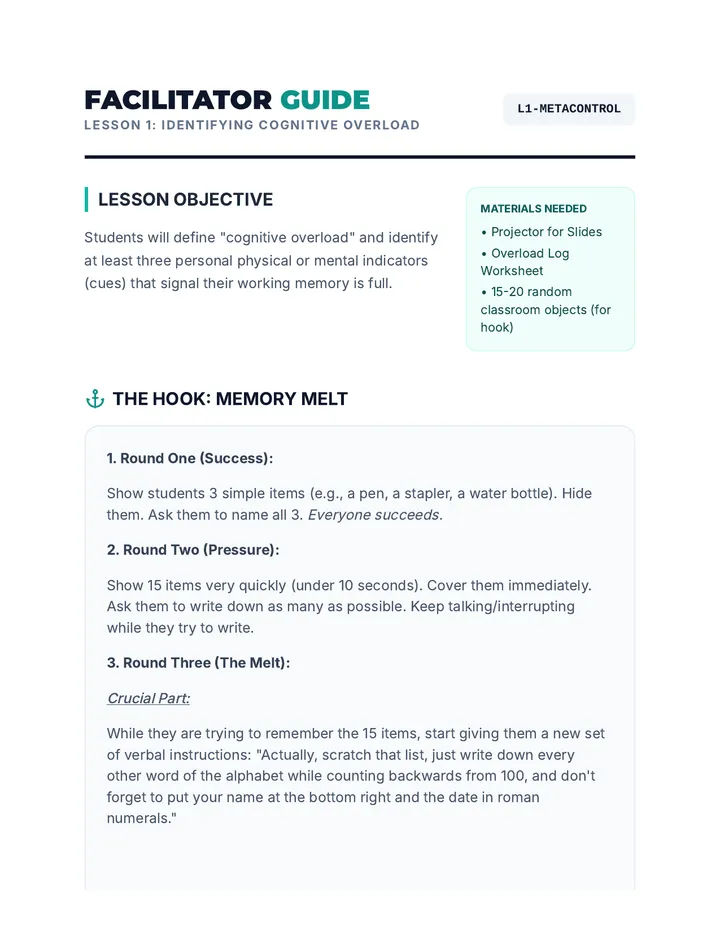
This sequence empowers 8th-grade students with metacognitive strategies to recognize cognitive overload and advocate for single-step directions. It covers identifying personal cues of overload, deconstructing complex instructions, and practicing self-advocacy scripts.
A comprehensive 5-lesson sequence designed for 4th-grade students (with a focus on Special Education) to master executive function skills for multi-day project completion. Using an aviation-inspired 'Project Pilot' theme, students learn backward design, milestone identification, task chunking, time estimation, and flexible problem-solving.
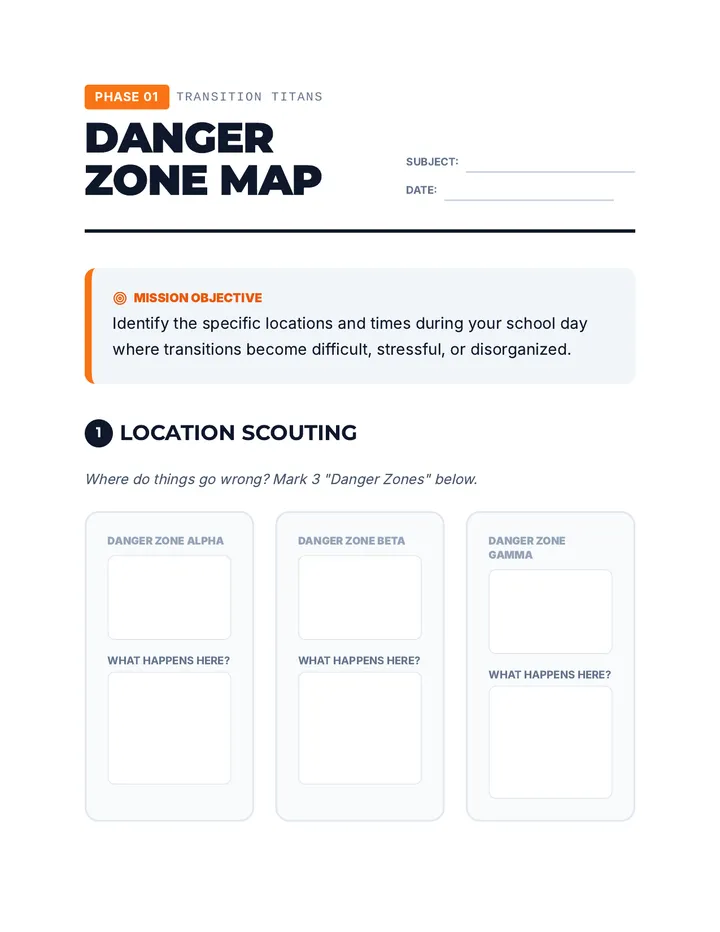
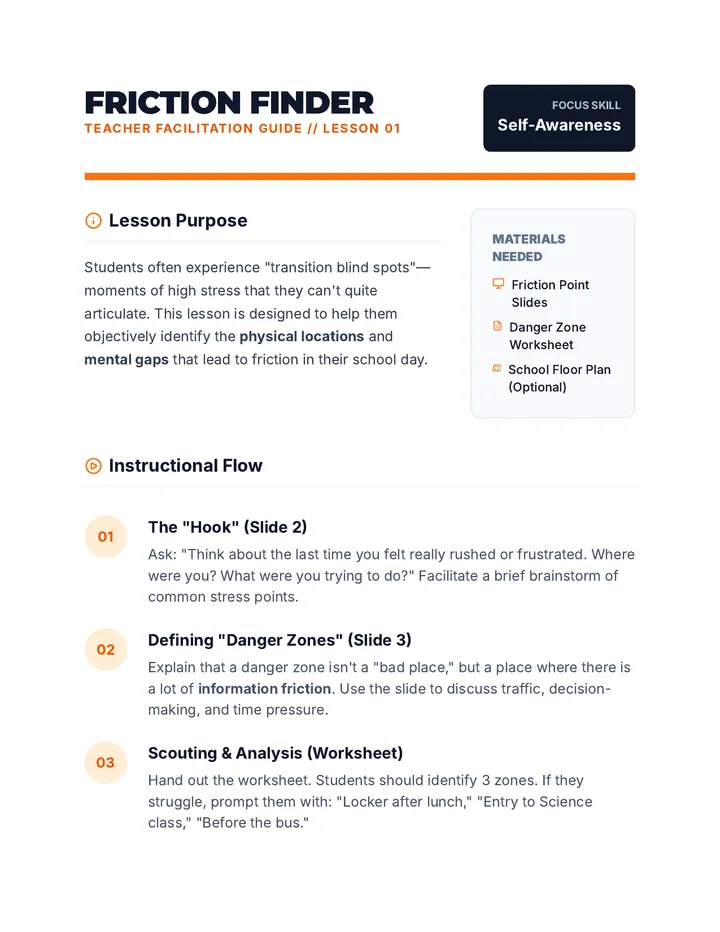
A 5-lesson sequence for 7th-grade students to master school transitions through visual cues, checklists, and cognitive routines. Students identify stress points, design locker maps, and navigate a 'Transition Gauntlet' to build executive function and emotional regulation.
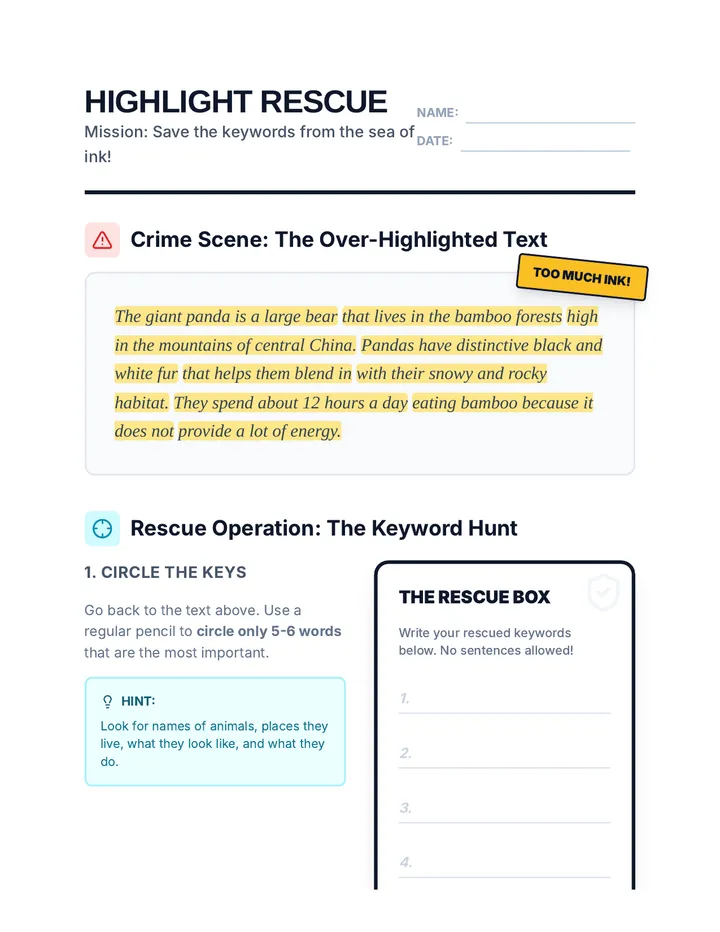
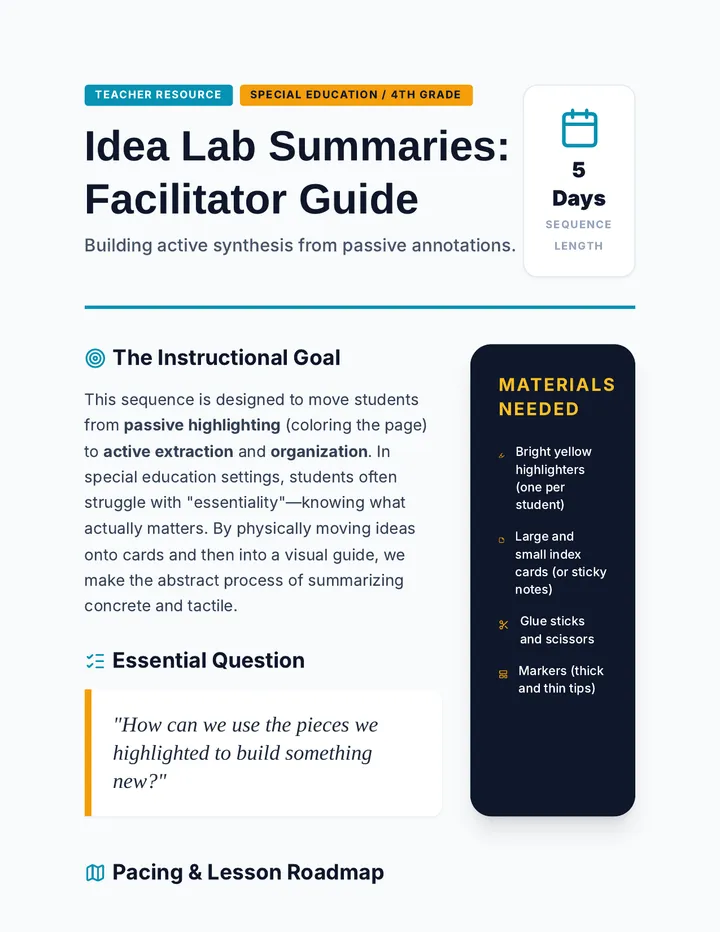
A project-based sequence for 4th-grade students in special education settings, focusing on moving from passive highlighting to active extraction, organization, and synthesis. Students learn to refine highlights, extract them onto cards, sort ideas logically, and create a visual 'One-Page Expert Guide' as a summary tool.
A sequence focused on teaching 5th-grade students with academic support needs how to apply spaced repetition and interleaving strategies to master complex procedural skills like multi-step math and grammar. Students learn to diagnose errors, manage practice intervals, and mix problem types to build long-term retention.
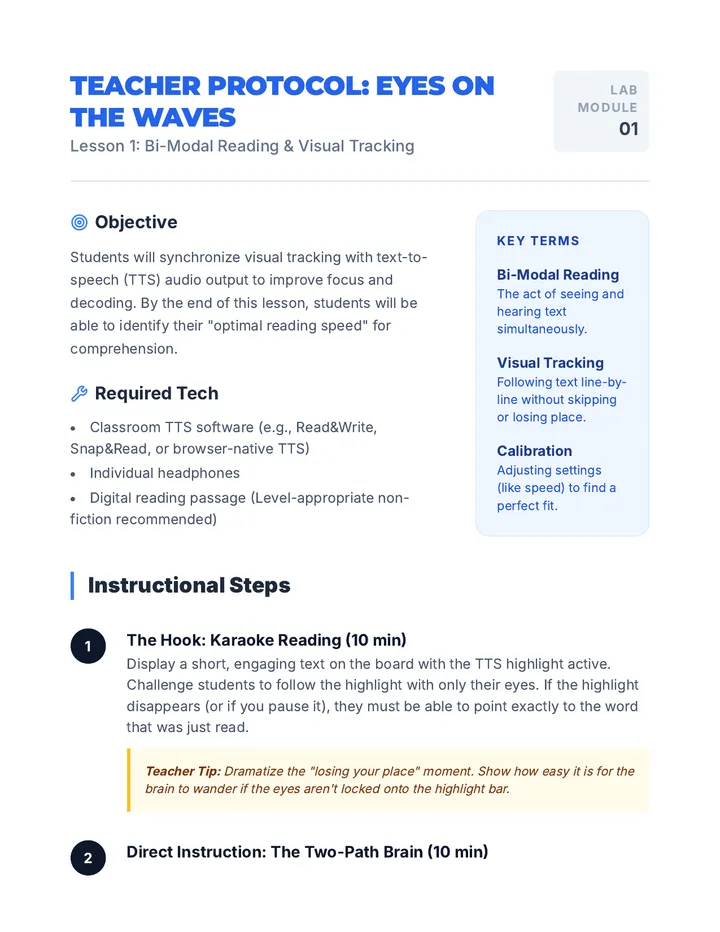
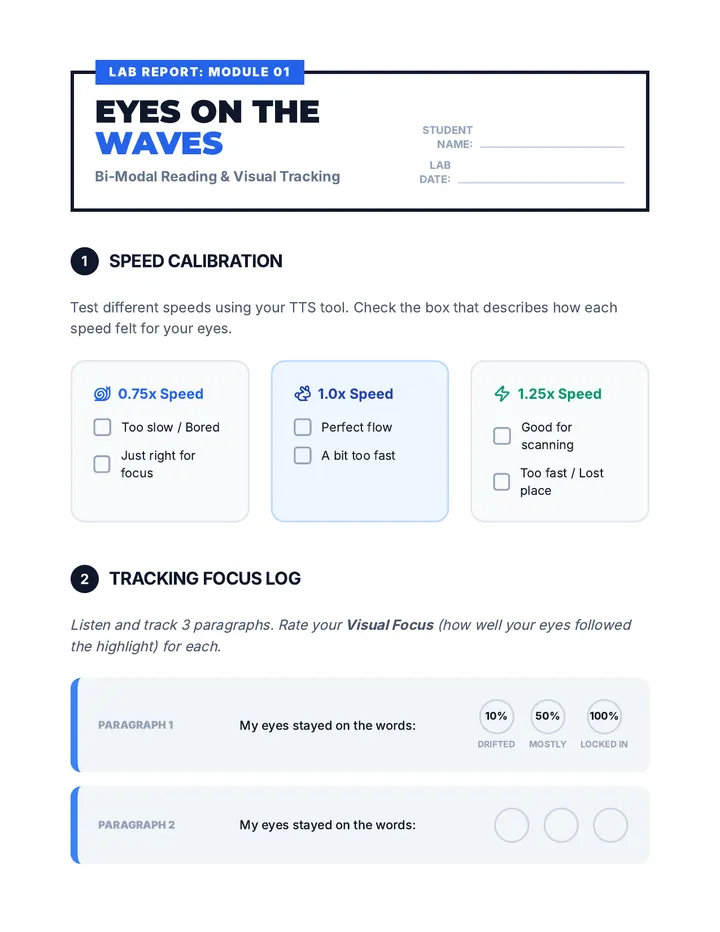
A 5th-grade sequence focused on using Text-to-Speech (TTS) technology as a cognitive strategy for reading comprehension. Students learn bi-modal reading, text chunking, evidence collection, and active annotation to transition from passive listening to active engagement with digital text.
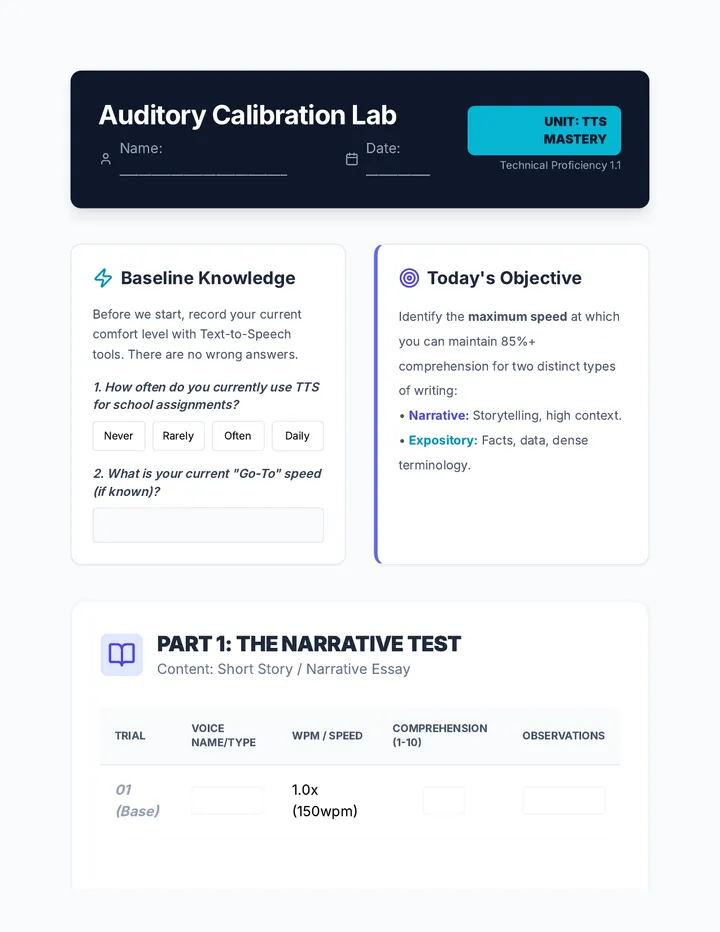
This sequence equips 12th-grade students with advanced technical skills in Text-to-Speech (TTS) technology. It moves beyond basic tool usage to professional-grade workflows, including auditory calibration, OCR conversion, immersion reading, mobile synchronization, and technical troubleshooting, preparing students for the heavy reading demands of post-secondary environments.
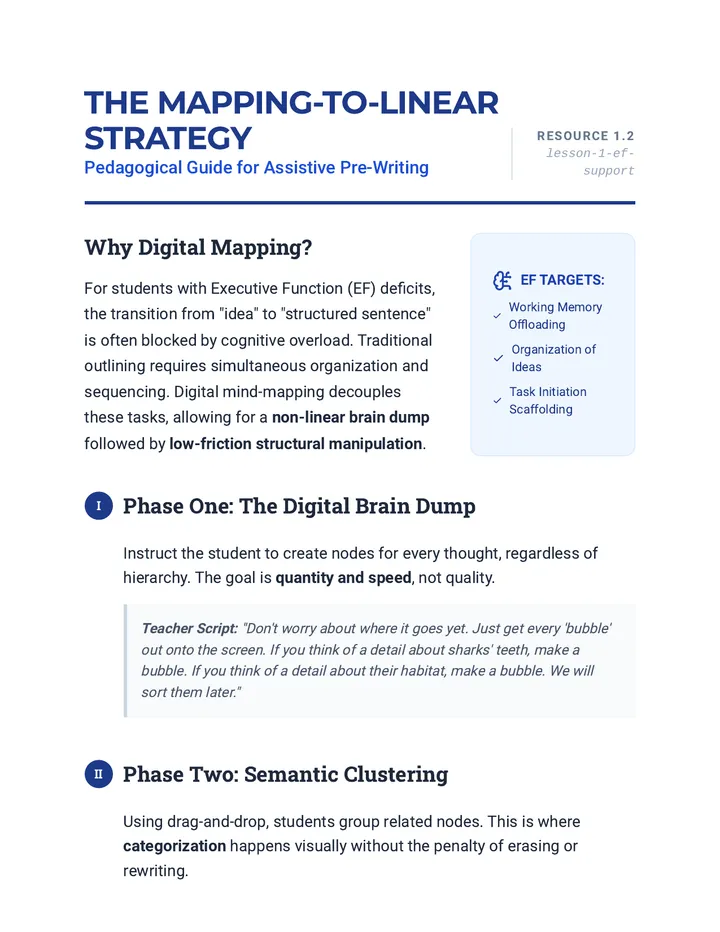
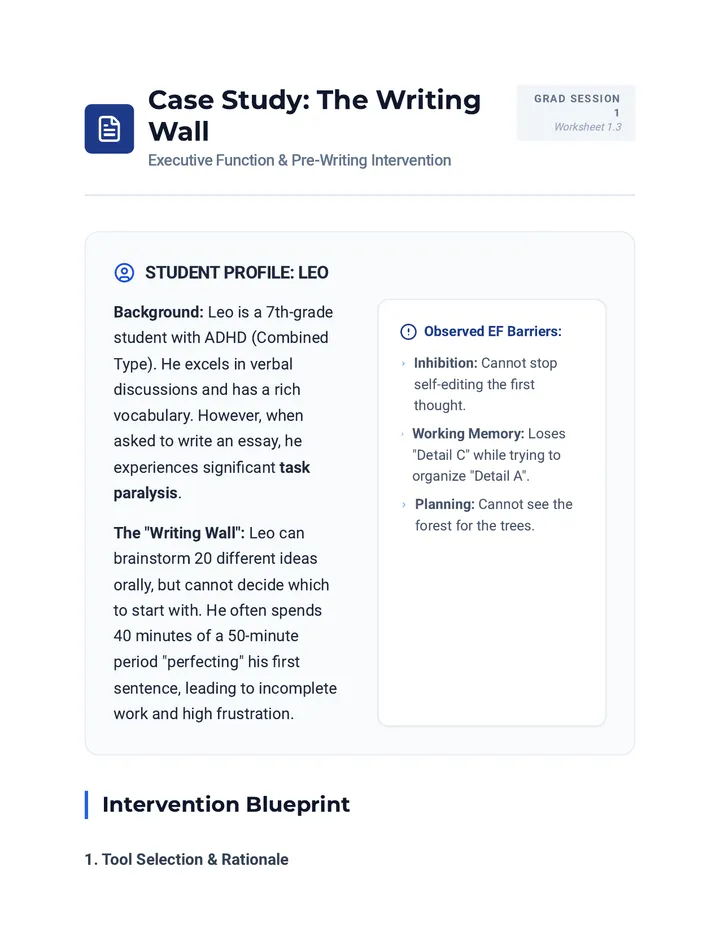
A comprehensive graduate-level sequence focused on the pedagogical implementation of assistive writing technology. It shifts the focus from tool selection to instructional methodologies that scaffold digital organizers, dictation, and text-to-speech for student autonomy.
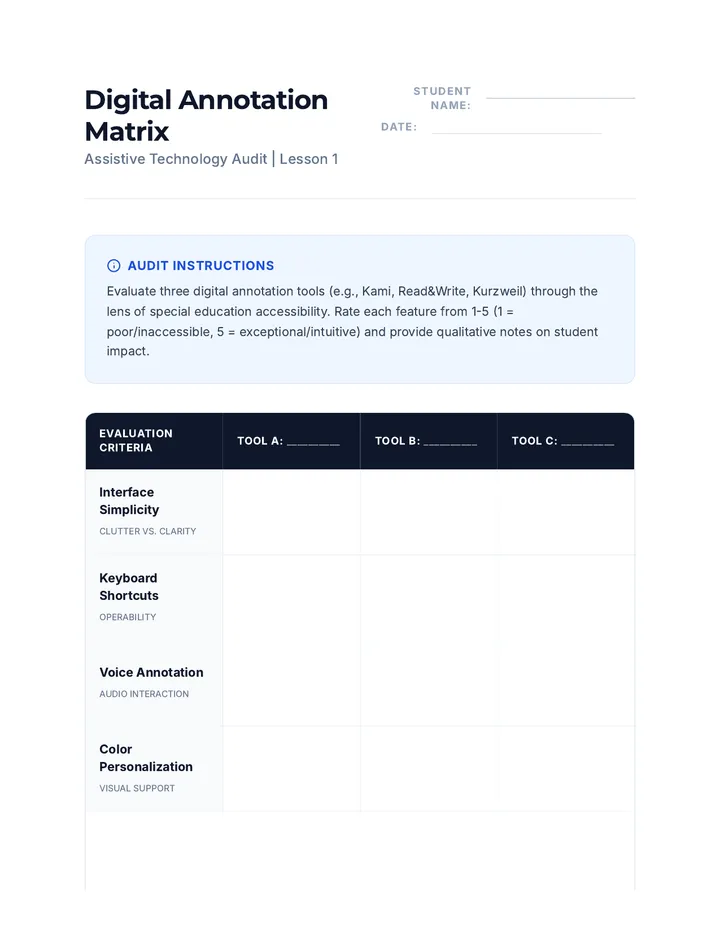
This sequence explores how graduate students can leverage assistive technology for digital annotation, moving from basic tool audits to advanced data extraction and AI integration to support students with disabilities.
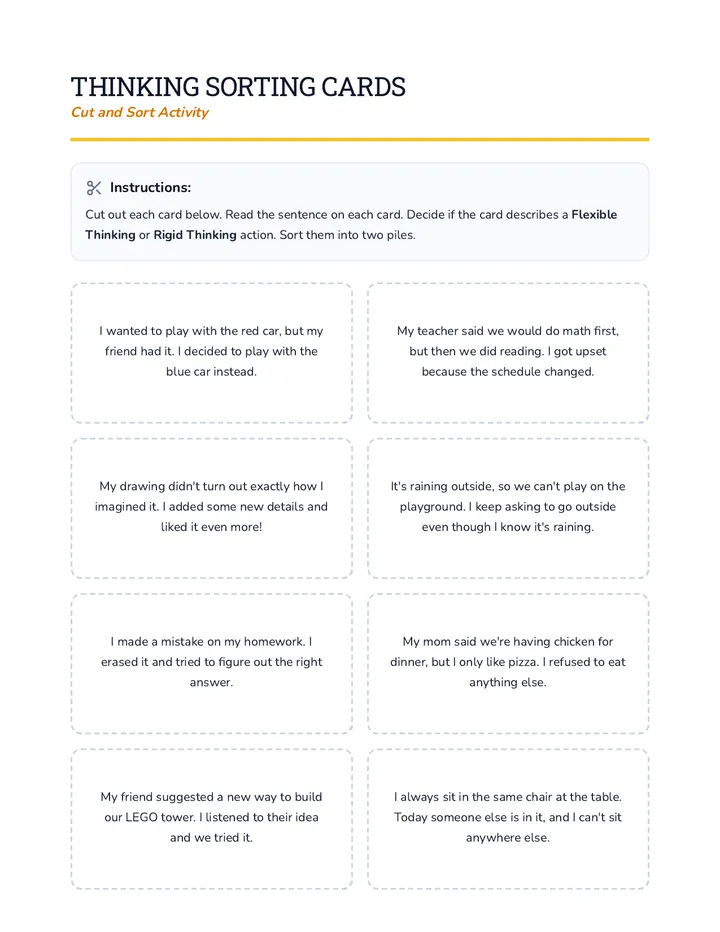
A 15-minute interactive lesson for an individual student with autism to introduce flexible vs. rigid thinking using routines, visuals, and movement.
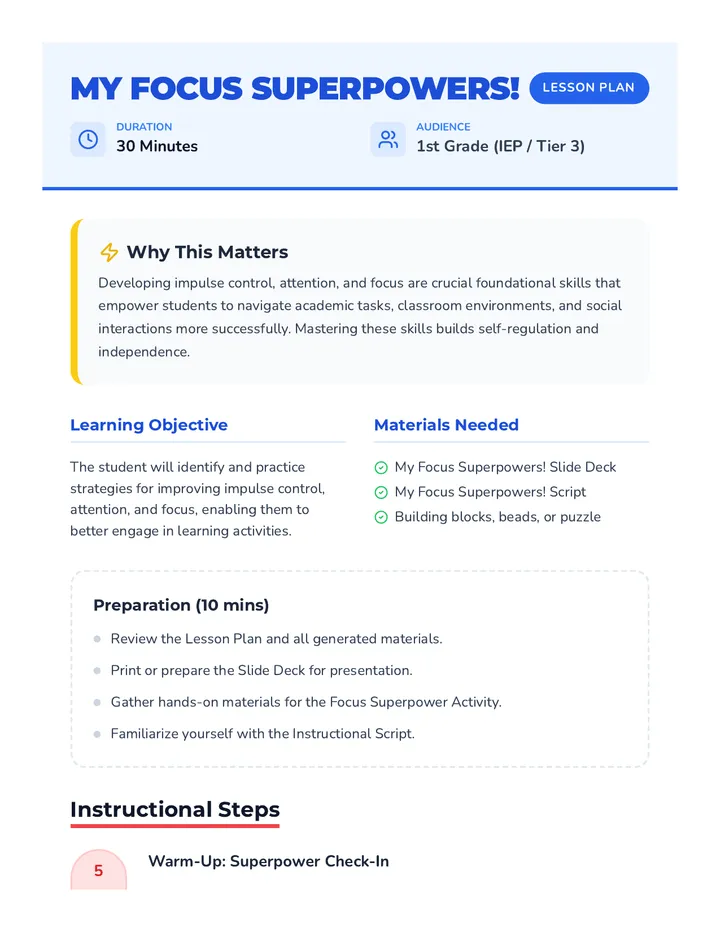
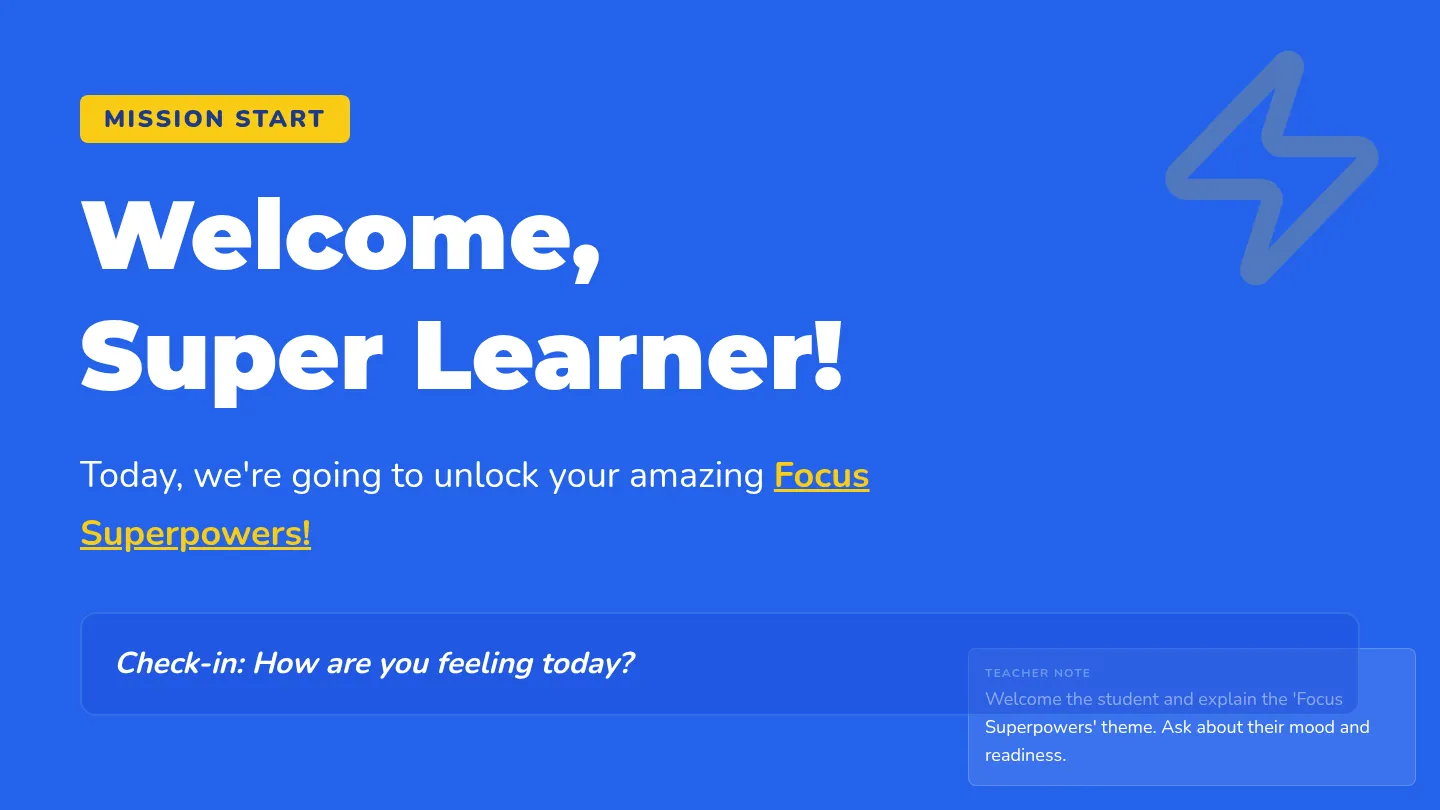
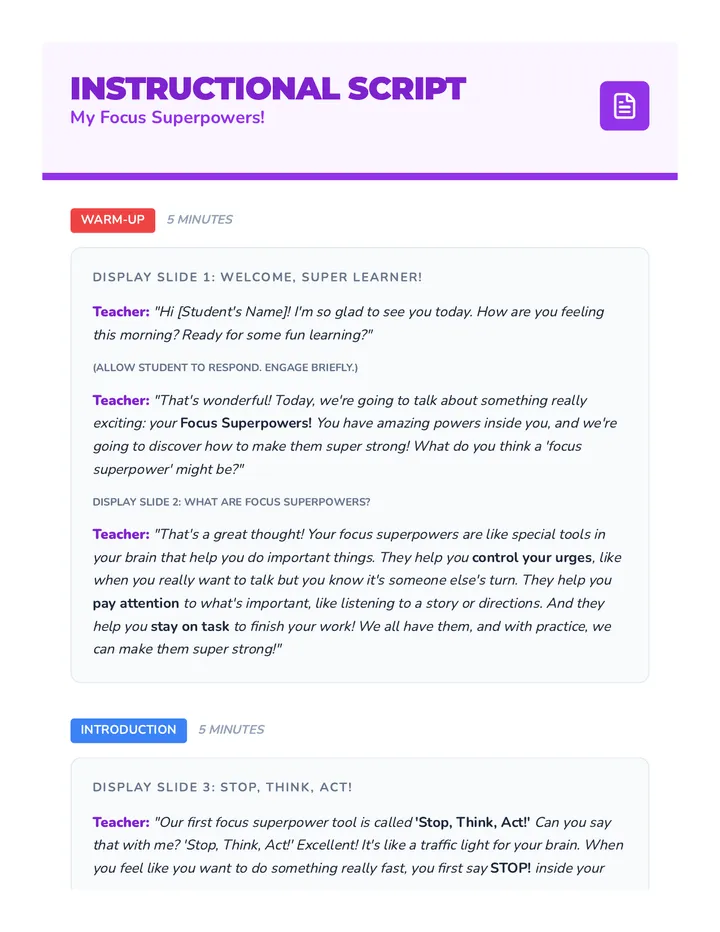
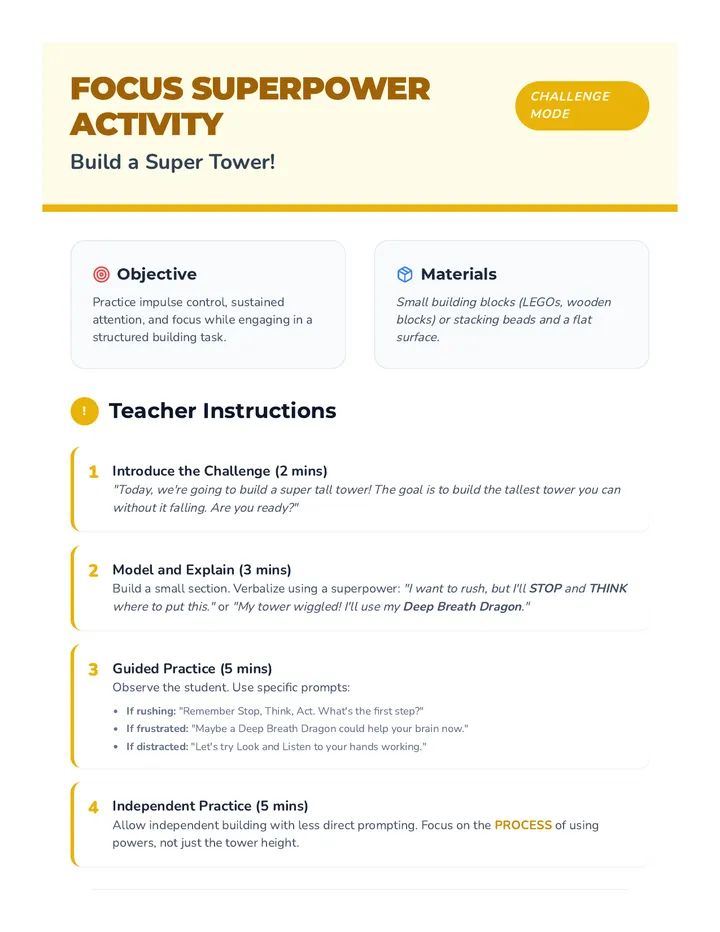
This 30-minute Tier 3 individual lesson for 1st-grade students with IEPs focuses on developing impulse control, attention, and focus through the metaphor of 'Focus Superpowers.' Students learn three specific tools (Stop-Think-Act, Deep Breath Dragon, and Look and Listen) and practice them through a hands-on building activity.
A 45-minute lesson for 6th-grade small groups to reflect on flexibility, organization, and planning. Students engage in a collaborative storytelling mission and individual reflection to solidify their executive functioning strategies.
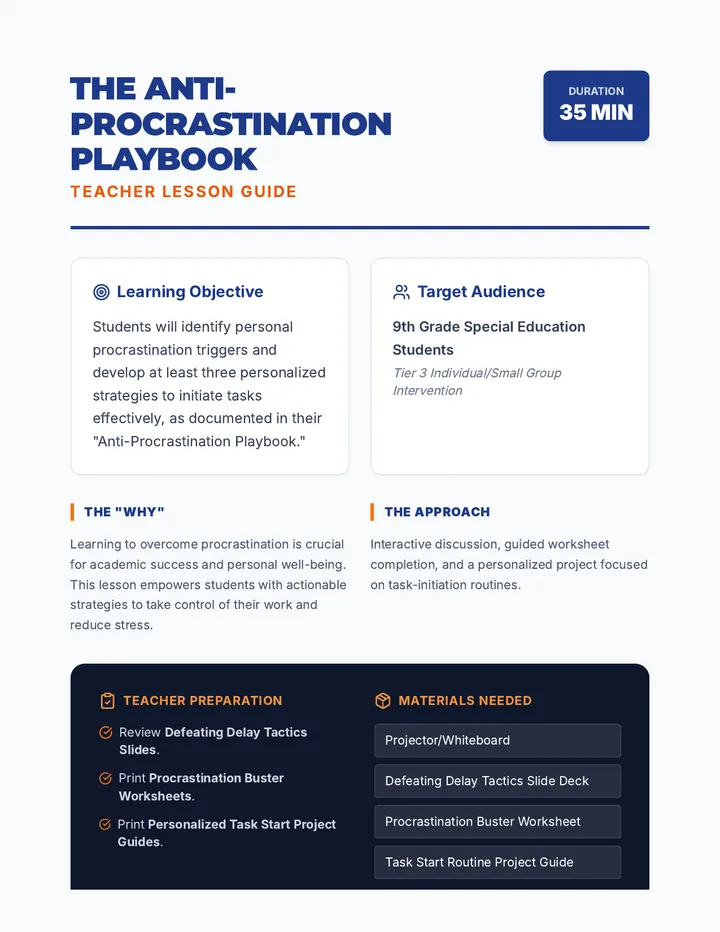
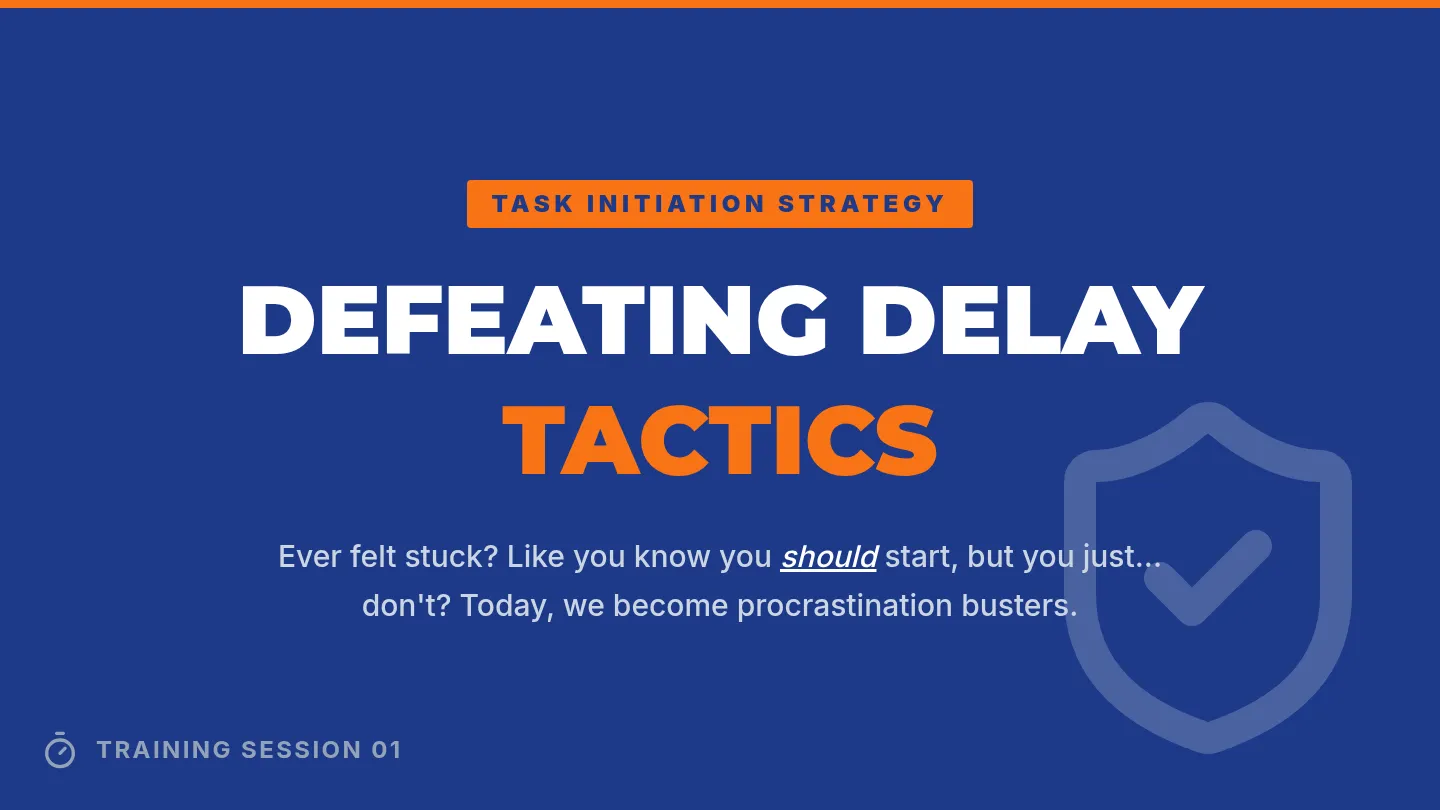
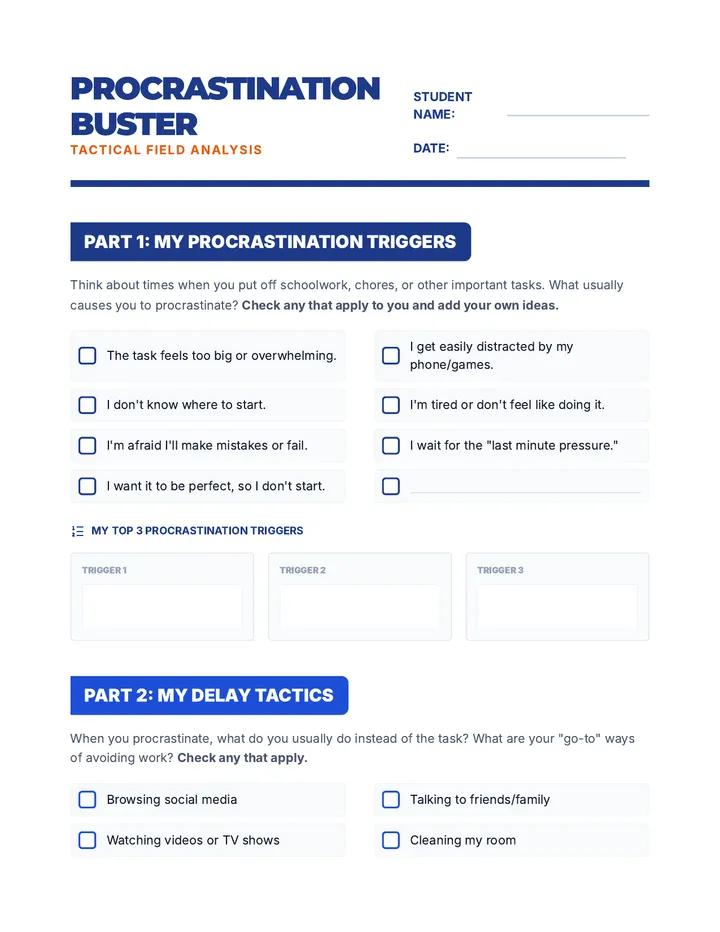
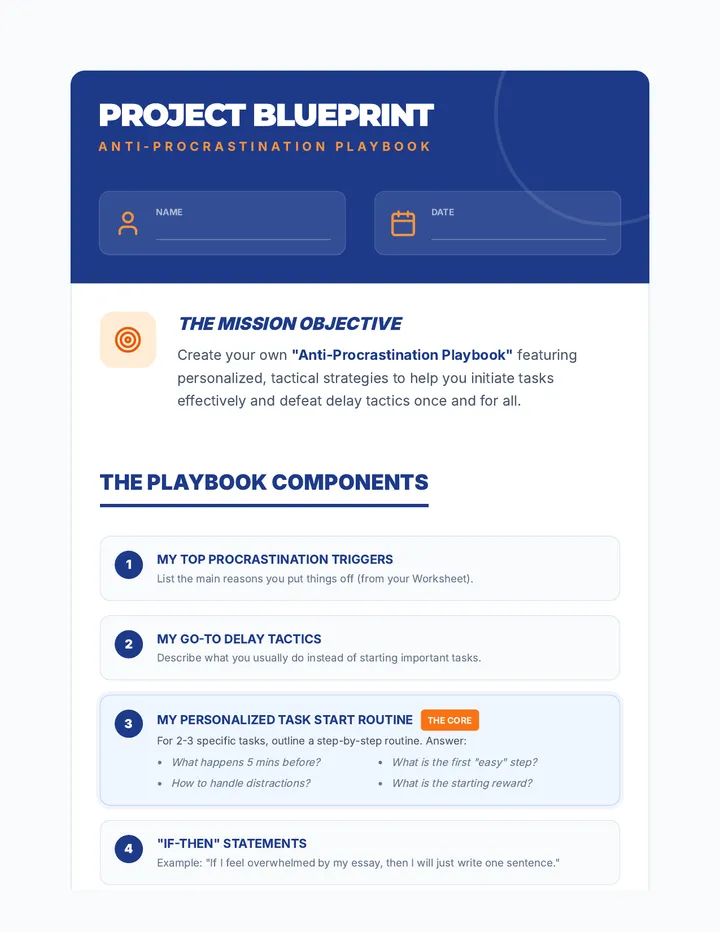
A 35-minute intervention for 9th-grade students to identify procrastination triggers and build a tactical playbook of personalized task-initiation strategies.
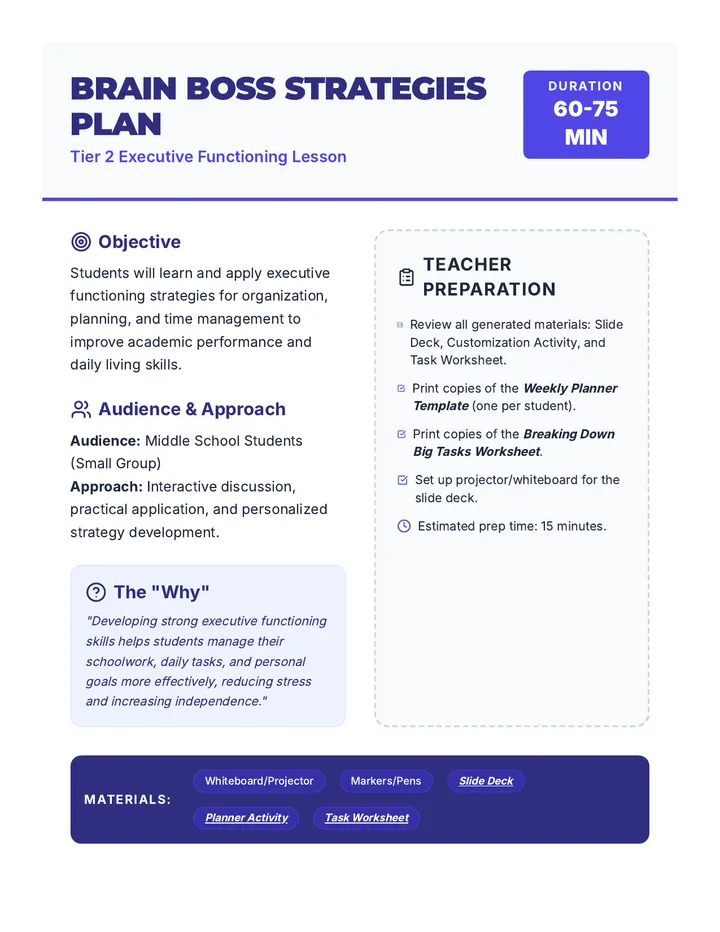
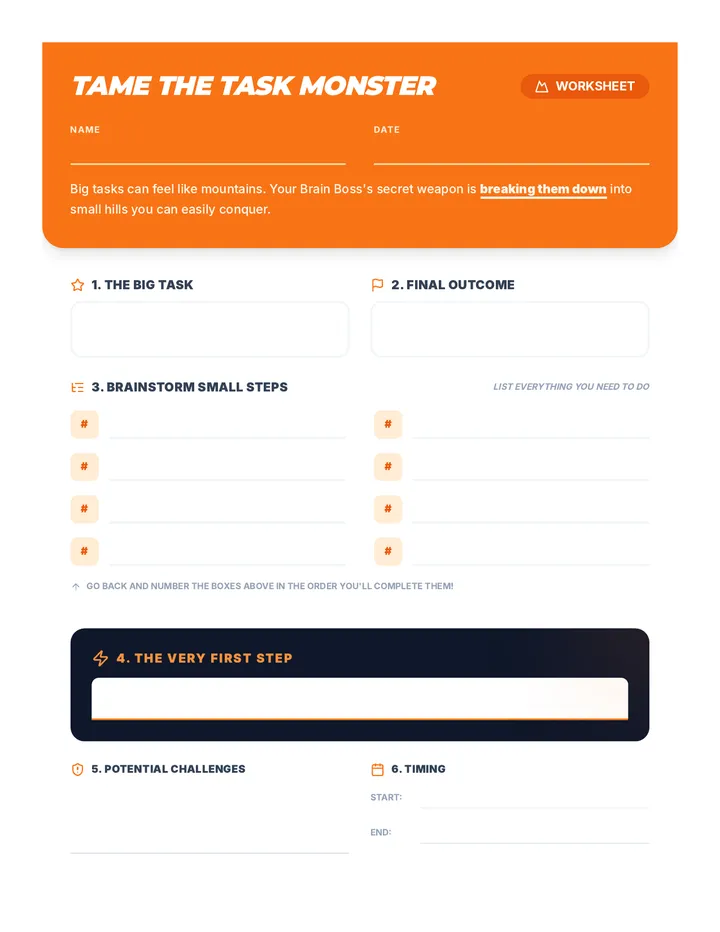
A comprehensive 60-75 minute lesson for middle schoolers focusing on executive functioning skills like organization and task management through the 'Brain Boss' metaphor.
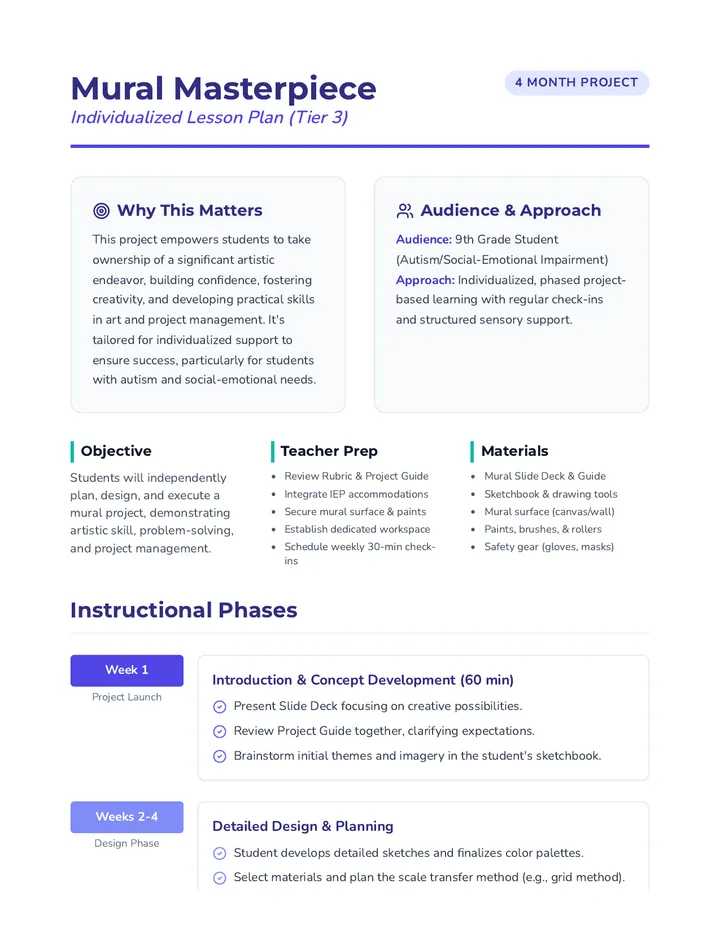
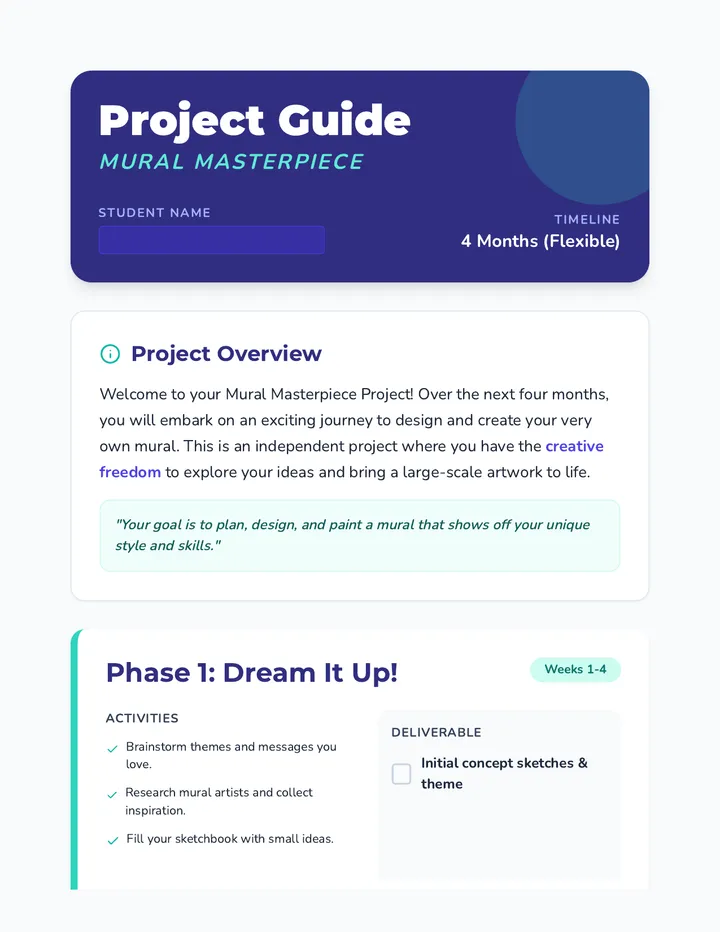
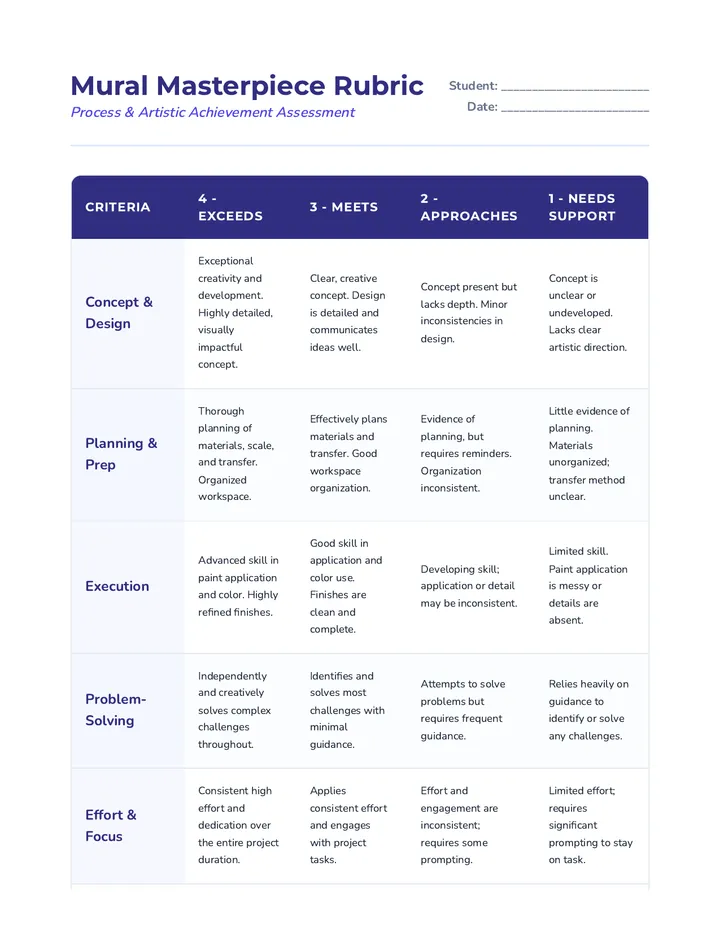
A comprehensive four-month individual project for a 9th-grade student with autism, focusing on the creation of a mural to develop artistic skills, project management, and self-expression.
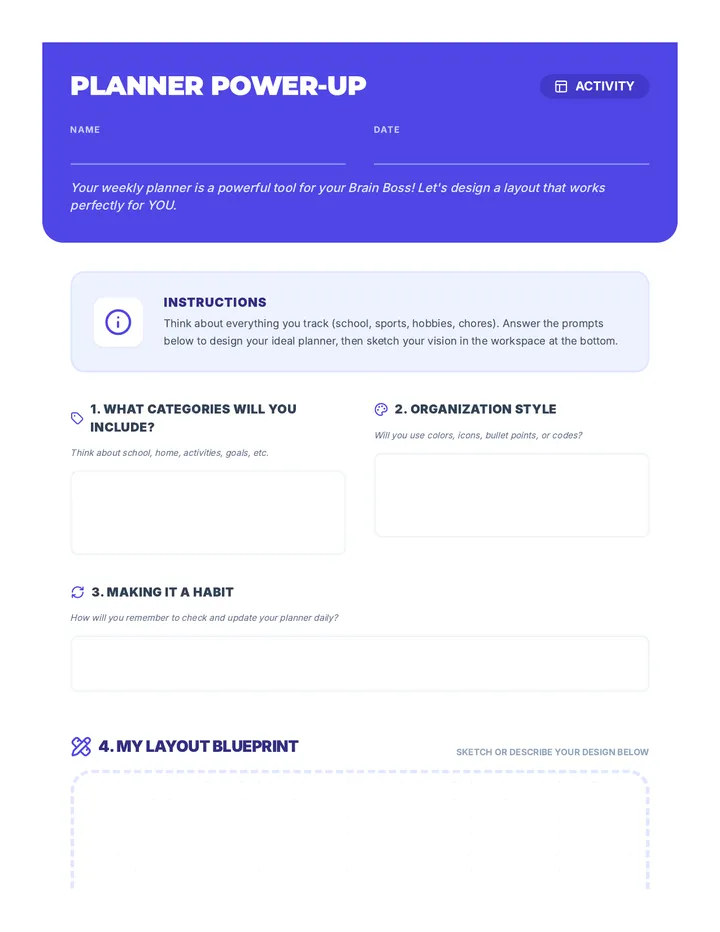
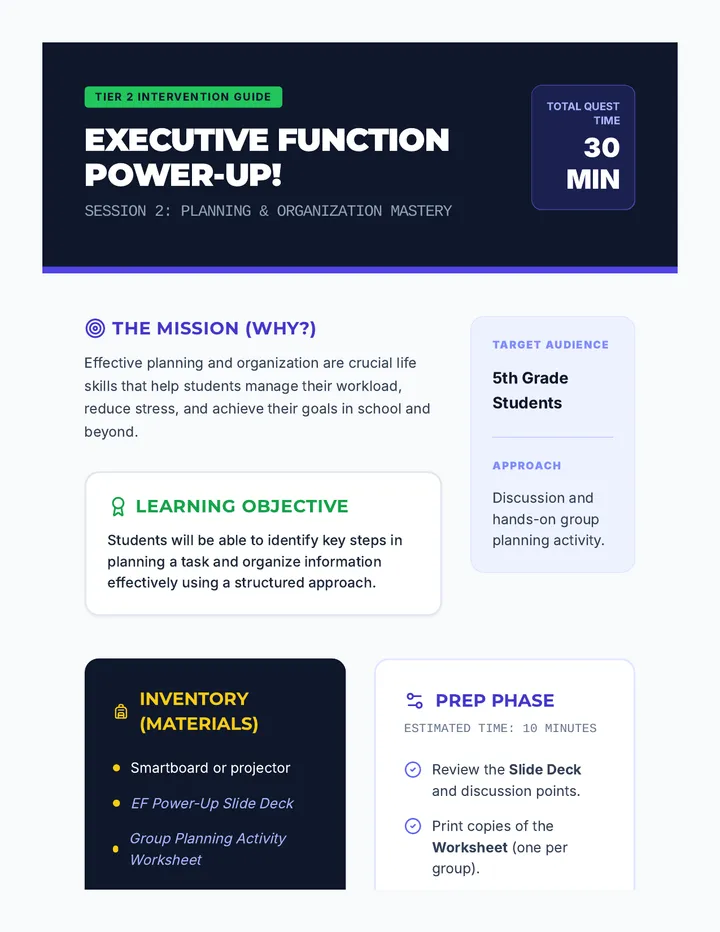
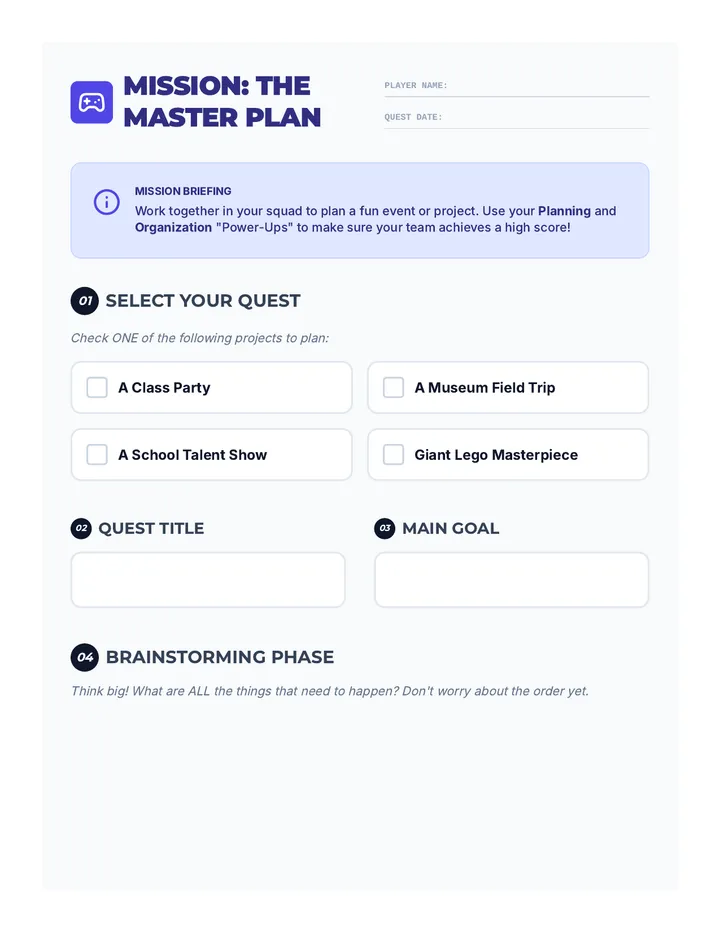
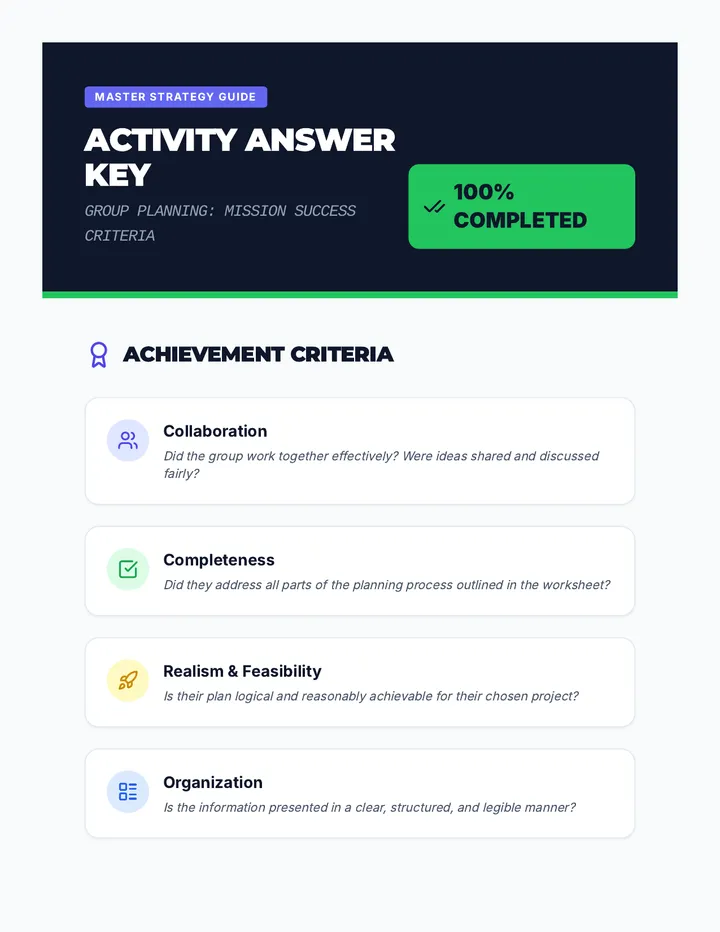
A 30-minute Tier 2 support session for 5th graders focused on strengthening executive function skills through a collaborative planning activity with a video-game 'Power-Up' theme.
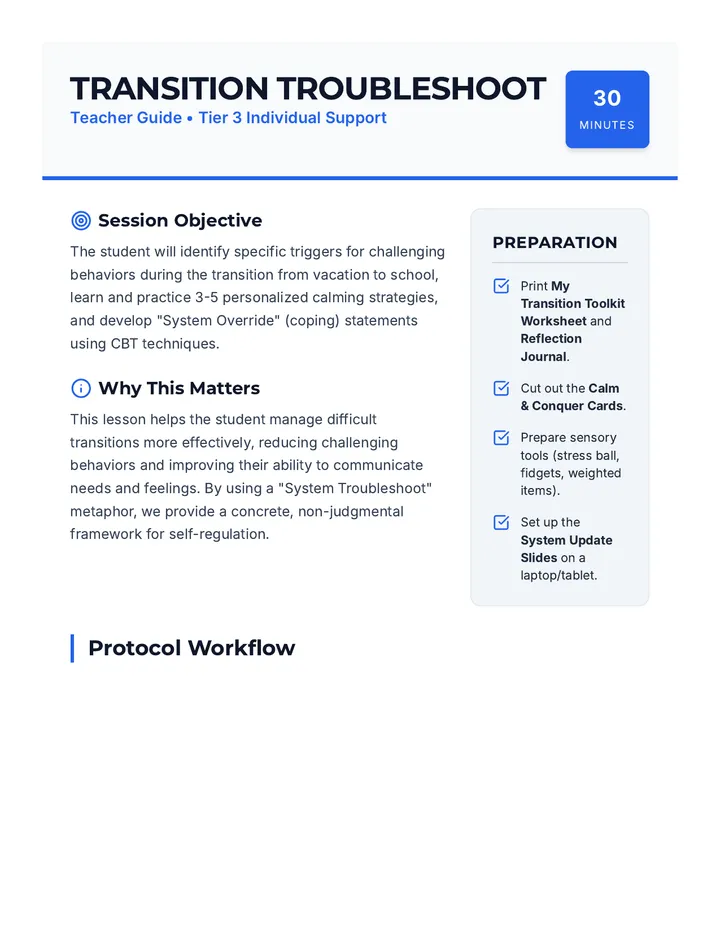
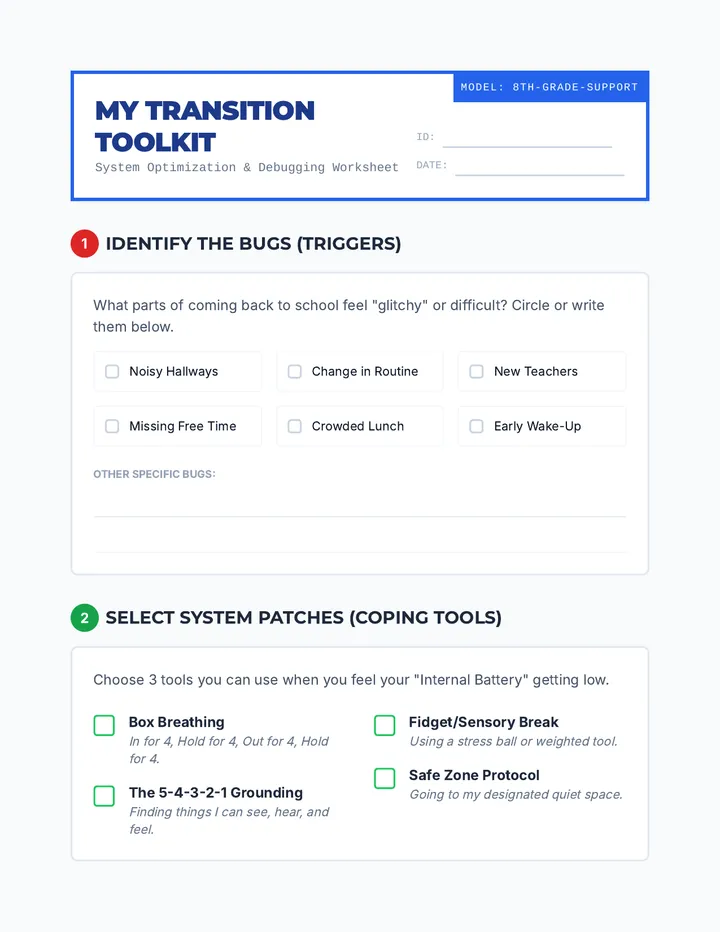
A personalized CBT-focused lesson for an 8th-grade student with autism, addressing challenging behaviors during the transition from vacation to school by identifying triggers, teaching calming strategies, and promoting positive coping mechanisms.
This 15-minute, Tier 3 lesson is designed for individual 9th-grade students struggling with executive functioning. It helps them identify specific executive function challenges and begin developing personalized strategies to overcome them, fostering greater independence and academic success.
A 20-minute, individualized Tier 3 lesson for a 7th-grade student to understand executive functioning as 'the brain's CEO,' focusing on organization and self-regulation strategies.
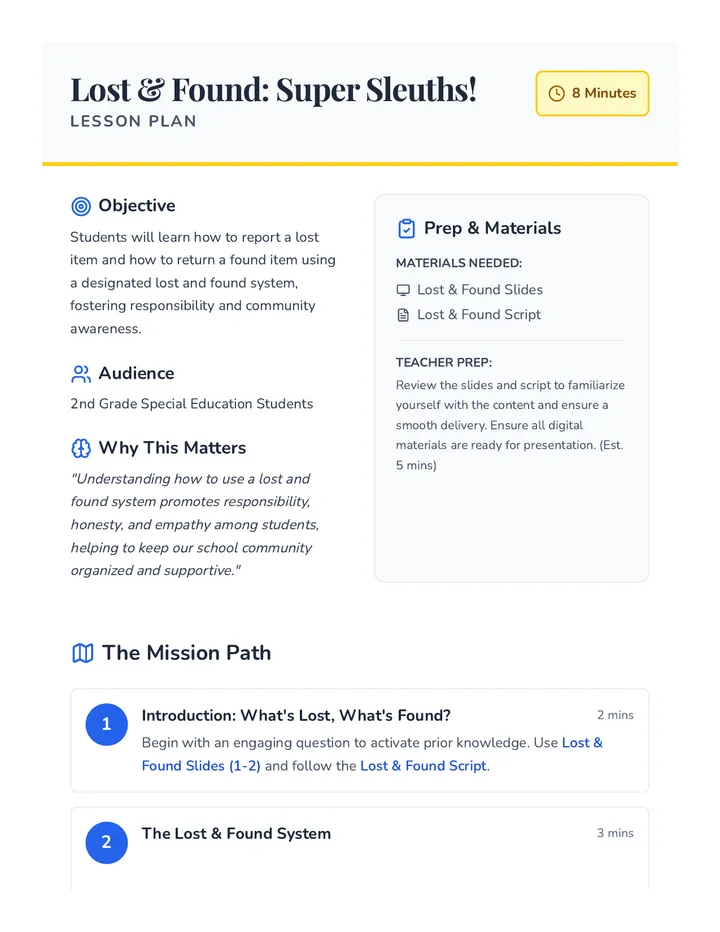
A short, engaging lesson for 2nd-grade special education students on how to responsibly handle lost and found items using a 'Super Sleuth' detective theme.
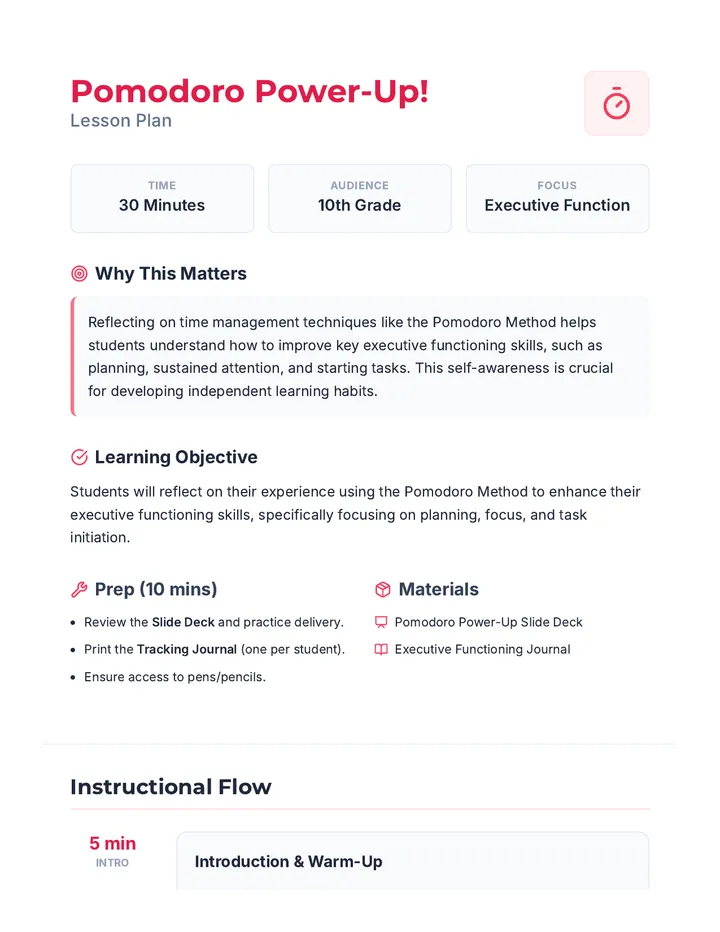
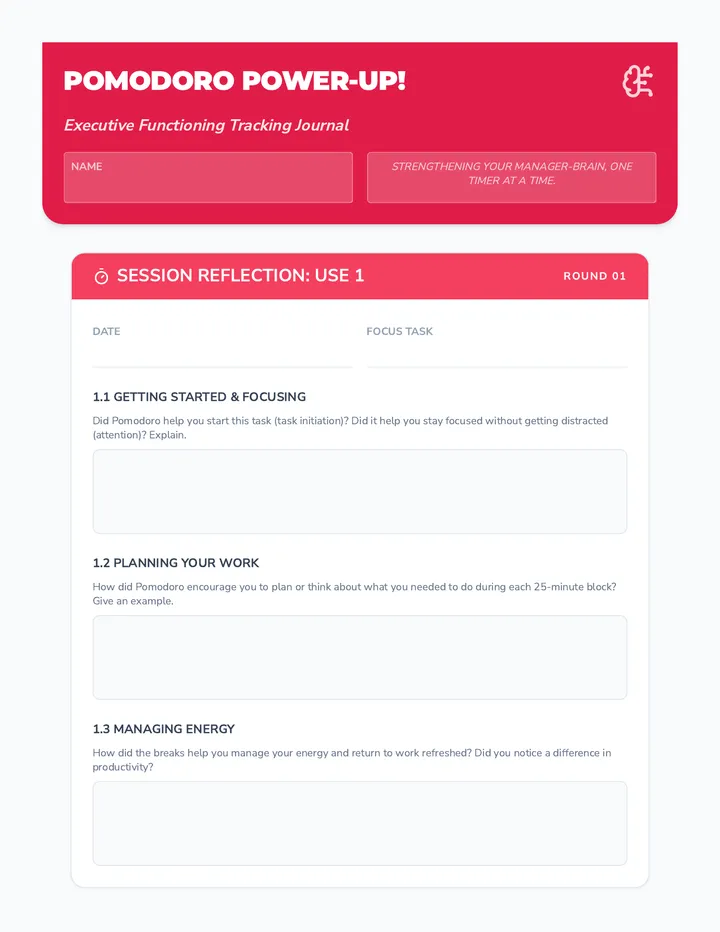
A 30-minute session for 10th-grade students to reflect on the Pomodoro Method and its impact on executive functioning skills like planning, focus, and task initiation.