Anti Procrastination Playbook Lesson Plan The Anti-Procrastination Playbook
Teacher Lesson Guide
Duration 35 MIN
Learning Objective
Students will identify personal procrastination triggers and develop at least three personalized strategies to initiate tasks effectively, as documented in their "Anti-Procrastination Playbook."
Target Audience
9th Grade Special Education Students
Tier 3 Individual/Small Group Intervention
The "Why"
Learning to overcome procrastination is crucial for academic success and personal well-being. This lesson empowers students with actionable strategies to take control of their work and reduce stress.
The Approach
Interactive discussion, guided worksheet completion, and a personalized project focused on task-initiation routines.
Teacher Preparation
Review Defeating Delay Tactics Slides .
Print Procrastination Buster Worksheets .
Print Personalized Task Start Project Guides .
Review IEP/504 accommodations for task initiation.
Materials Needed
Projector/Whiteboard
Defeating Delay Tactics Slide Deck
Procrastination Buster Worksheet
Task Start Routine Project Guide
Markers/Pens/Highlighters
The Play-by-Play
05 Minutes
Kickoff: What is Procrastination?
Start by asking: "What comes to mind when you hear the word 'procrastination'?"
Use Slide 1 to introduce the topic and definition.
Facilitate a brief discussion on common reasons why people procrastinate.
10 Minutes
Analysis: Exploring Delay Tactics
Present the Slide Deck , focusing on identifying procrastination triggers and delay tactics.
Encourage students to share if they recognize these patterns in their own lives.
Emphasize that understanding WHY is the first step to beating it.
10 Minutes
Training: Procrastination Buster Worksheet
Distribute the Worksheet and guide students through identification and brainstorming.
Circulate to offer individualized support, particularly for the "Top 3 Strategies" section.
05 Minutes
The Game Plan: Introducing the Project
Introduce the Personalized Task Start Routine Project Guide .
Explain that this is their "Playbook" they will actually use in real scenarios.
Review expectations and format options (physical vs. digital).
05 Minutes
Debrief: Wrap-Up & Next Steps
Recap main points: Triggers → Tactics → Strategies.
Collect worksheets for review and provide positive feedback on specific strategies.
Defeating Delay Tactics Slides Task Initiation Strategy
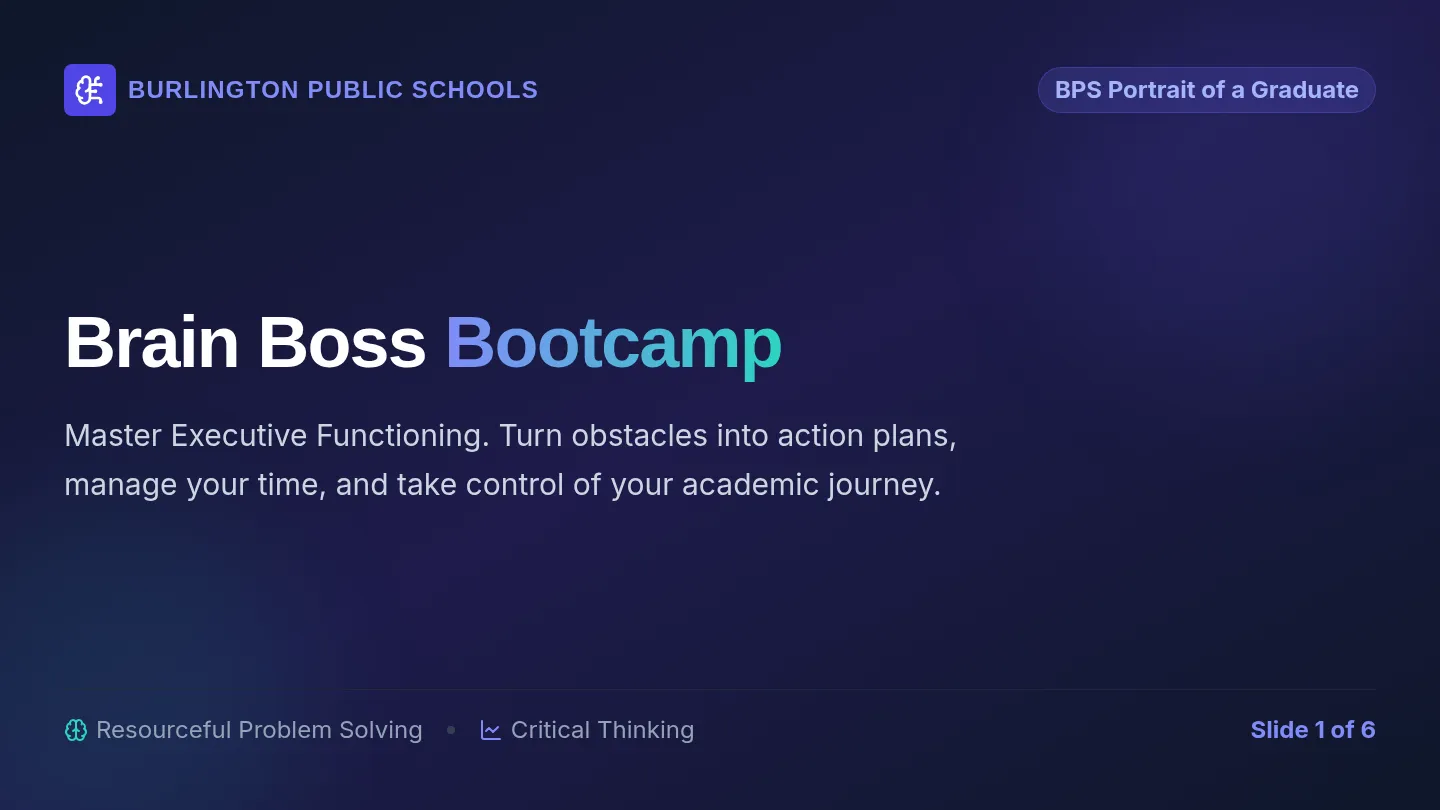
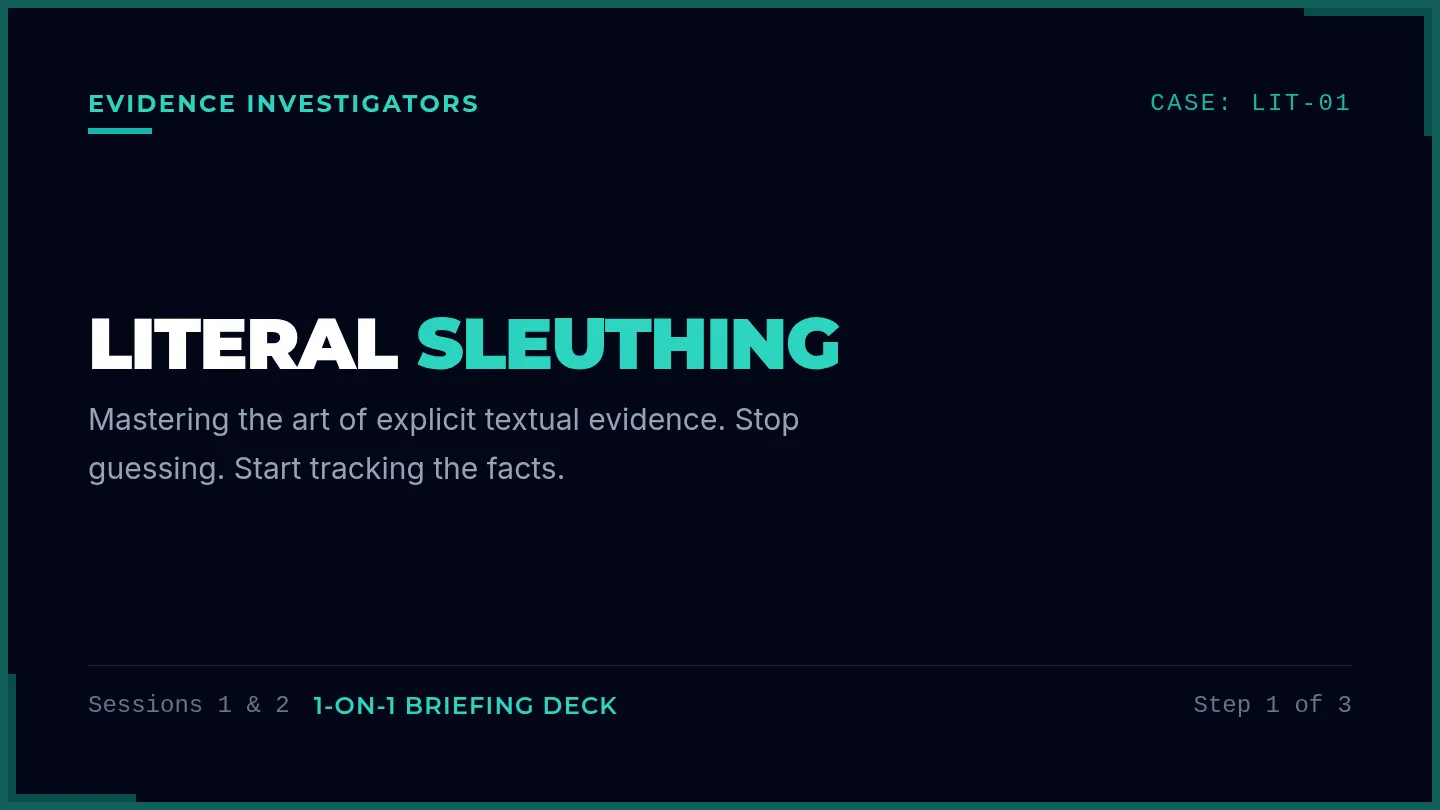
Defeating Delay
Tactics
Ever felt stuck? Like you know you should start, but you just... don't? Today, we become procrastination busters.
Training Session 01
What is Procrastination?
Delaying or postponing a task or a set of tasks.
It's not just being "lazy." It's often about avoiding something uncomfortable.
Why do we do it?
Common Triggers
Overwhelm
The task feels way too big to handle.
Fear of Failure
"What if I mess up? What if I'm not good?"
Perfectionism
It has to be 100% perfect or I won't start.
Unclear Goals
"I don't even know where to begin."
Identifying Delay Tactics
How do we try to escape doing the work?
1
"I'll do it later."
2
"Waiting for the right mood."
3
"Just one quick video first..."
4
Prioritizing easy/boring tasks.
5
Getting lost in social media.
6
"It's too boring/hard."
Become a Task Initiation Champion!
01
Understand your triggers
02
Identify your delay tactics
03
Build personalized strategies
Ready to build your playbook?
Procrastination Buster Worksheet Procrastination Buster
Tactical Field Analysis
Student Name:
Date:
Part 1: My Procrastination Triggers
Think about times when you put off schoolwork, chores, or other important tasks. What usually causes you to procrastinate? Check any that apply to you and add your own ideas.
The task feels too big or overwhelming.
I get easily distracted by my phone/games.
I don't know where to start.
I'm tired or don't feel like doing it.
I'm afraid I'll make mistakes or fail.
I wait for the "last minute pressure."
I want it to be perfect, so I don't start.
My Top 3 Procrastination Triggers
Trigger 1
Trigger 2
Trigger 3
Part 2: My Delay Tactics
When you procrastinate, what do you usually do instead of the task? What are your "go-to" ways of avoiding work? Check any that apply.
Browsing social media
Talking to friends/family
Watching videos or TV shows
Cleaning my room
Playing video games
Starting another easy task
Eating snacks / getting drink
My Top 3 Delay Tactics
Tactic 1
Tactic 2
Tactic 3
Part 3: Brainstorming Solutions
For each trigger or tactic, brainstorm a specific strategy to help you START . Think small!
The task feels too big or overwhelming.
My Strategy
I don't know where to start.
My Strategy
I'm afraid I'll make mistakes or fail.
My Strategy
I get easily distracted (Phone/Games).
My Strategy
The task is boring or uninteresting.
My Strategy
Your Own Trigger/Tactic:
My Strategy
My Top 3 "Anti-Procrastination" Strategies
01. Strategy Name
How I will use it
02. Strategy Name
How I will use it
03. Strategy Name
How I will use it
Task Start Routine Project Guide Project Blueprint
Anti-Procrastination Playbook
Name
Date
The Mission Objective
Create your own "Anti-Procrastination Playbook" featuring personalized, tactical strategies to help you initiate tasks effectively and defeat delay tactics once and for all.
The Playbook Components
1
My Top Procrastination Triggers
List the main reasons you put things off (from your Worksheet).
2
My Go-To Delay Tactics
Describe what you usually do instead of starting important tasks.
3
My Personalized Task Start Routine The Core
For 2-3 specific tasks, outline a step-by-step routine. Answer:
What happens 5 mins before?
What is the first "easy" step?
How to handle distractions?
What is the starting reward?
4
"If-Then" Statements
Example: "If I feel overwhelmed by my essay, then I will just write one sentence."
5
Visual Reminders (Optional)
A drawing, quote, or symbol that encourages you to START.
Execution Steps
01
Review & Choose Format (10m)
Decide if your playbook is physical (notebook/index cards) or digital. Review your worksheet findings.
02
Outline & Draft (10m)
Draft the sections. Focus on getting the triggers and tactics down first.
03
Develop Routines (15m)
Build your step-by-step start routines and "If-Then" statements. Make them realistic!
04
Polish & Visuals (10m)
Add colors, quotes, or symbols. Make it something you'll actually want to look at.
Format Options
Physical Notebook
Index Card Deck
Digital Document
Poster / Visual Map
Assessment
Assessed on personalization, actionable steps, and organizational clarity. A separate rubric will be provided.